
Photos from current listings. Actual item, color, and included accessories may vary.
Outdoor Gazebo Canopy Buying Guide
An outdoor gazebo canopy is a freestanding or semi-permanent shade structure defined by its roof type—soft fabric top versus rigid hardtop—and its frame alloy. The primary trade-off is portability and cost against wind resistance and multi-season durability; soft-top pop-ups excel for temporary events, while hardtop aluminum or steel frames with anchored footplates are required for year-round patios. The clear decision rule: buy a hardtop with a powder-coated aluminum frame and pre-drilled anchor plates for permanent use, and a weighted soft-top pop-up only for seasonal, calm-weather shade.
Median $305.99
Key takeaways
- Soft-top canopies use 150D–300D polyester or Oxford fabric with PU coating; hardtops use double-tier powder-coated steel or aluminum panels that resist sag and UV degradation.
- Frame alloy and wall thickness decide wind survival: 0.8–1.0 mm steel tubing buckles in gusts, while 1.2 mm+ aluminum or galvanized steel with corner gussets and footplates holds in exposed sites.
- Pop-up mechanisms (umbrella-style scissor frames) set up in minutes but rely on weighted bases or ground stakes; permanent gazebos bolt down through base plates and often include knee braces.
At a glance
- Category
- Outdoor Structures, Shade & Awnings
- Last updated
- Nov 28, 2026
Current offers
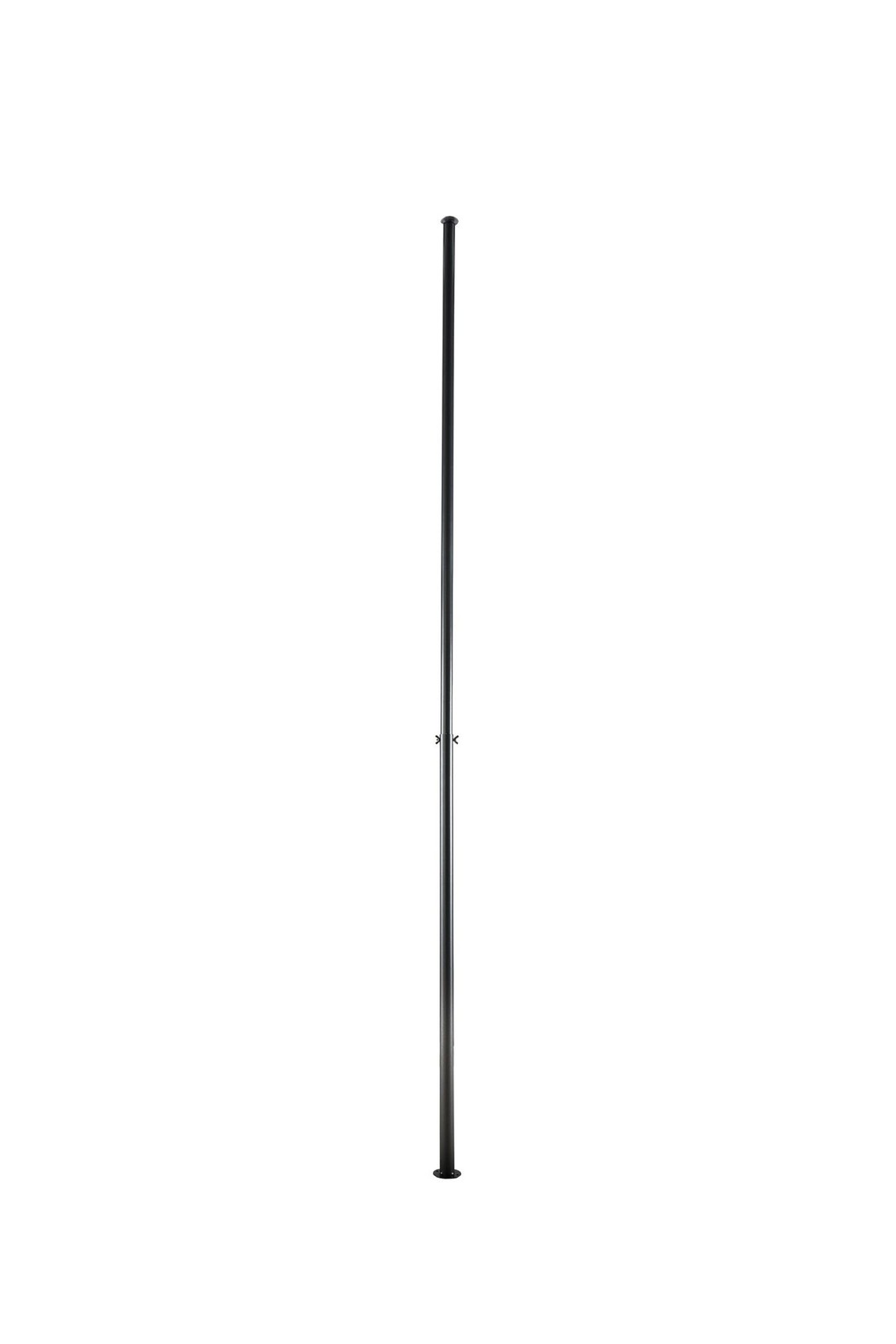 Sojag Outdoor Freestanding Gazebos and Shade Structures Adjustable Winter Sup...$63.99View on eBay
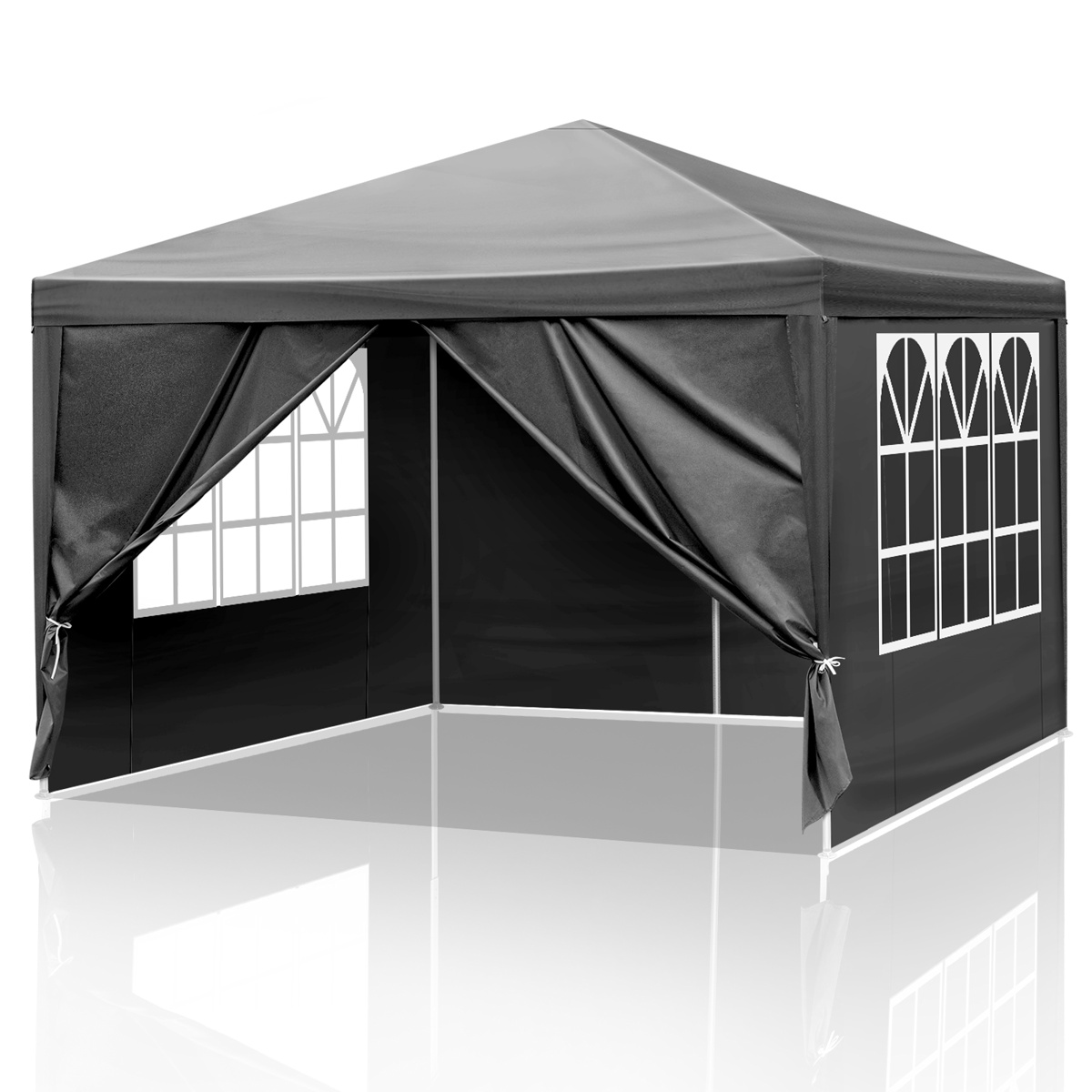 【Same Code:00418742】10×10ft Black Outdoor Canopy Gazebo with 4 Removable Side Panels, 2 Zipper Doors and 2 Mesh Windows, Heavy Duty PE Cloth, Powder Coated Iron Pipes for Backyard Party Camping$85.99View on Mallflare
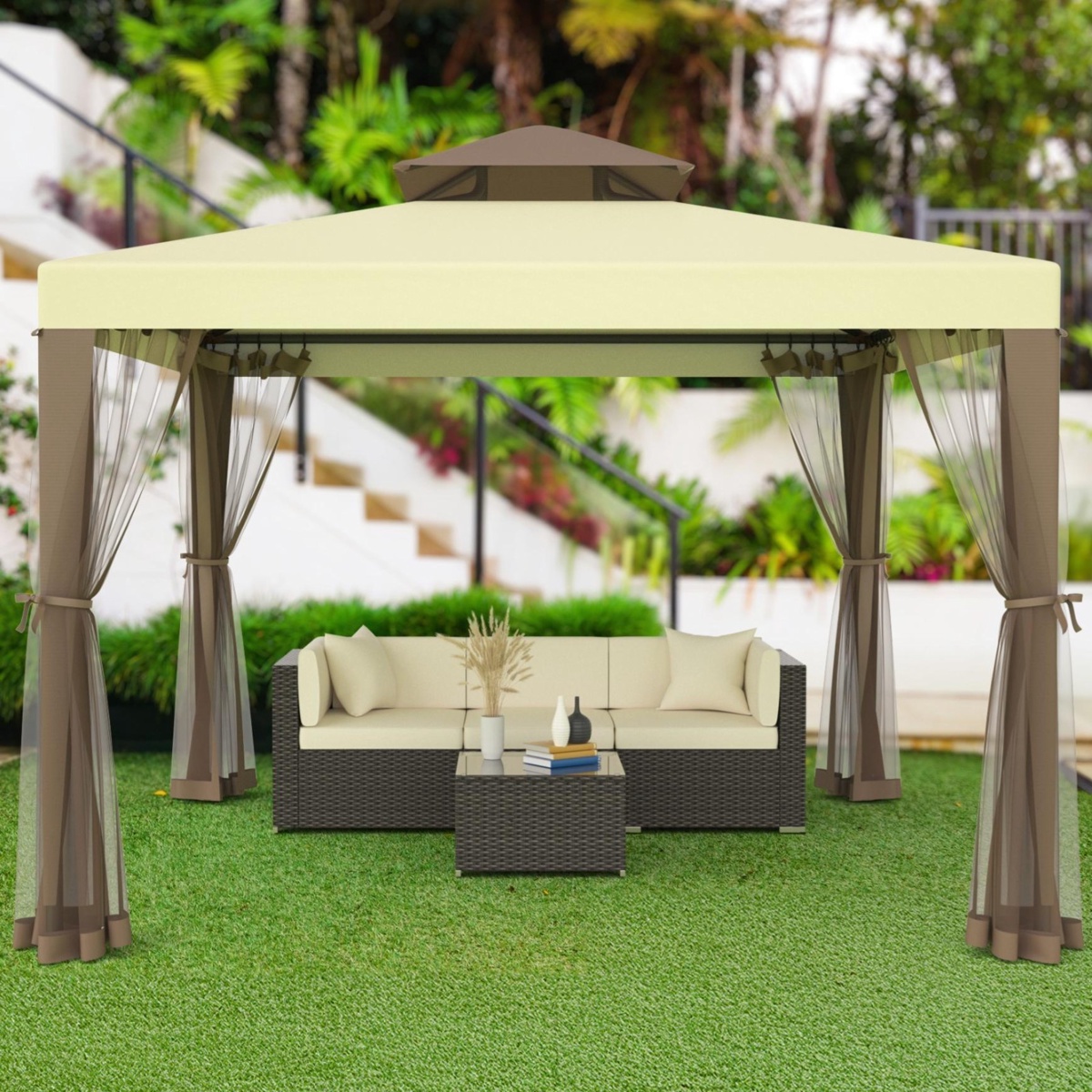 Gazebo Canopy Tent Outdoor Gazebo for Backyard & Patio w/ Mosquito Netting$102.99View on eBay
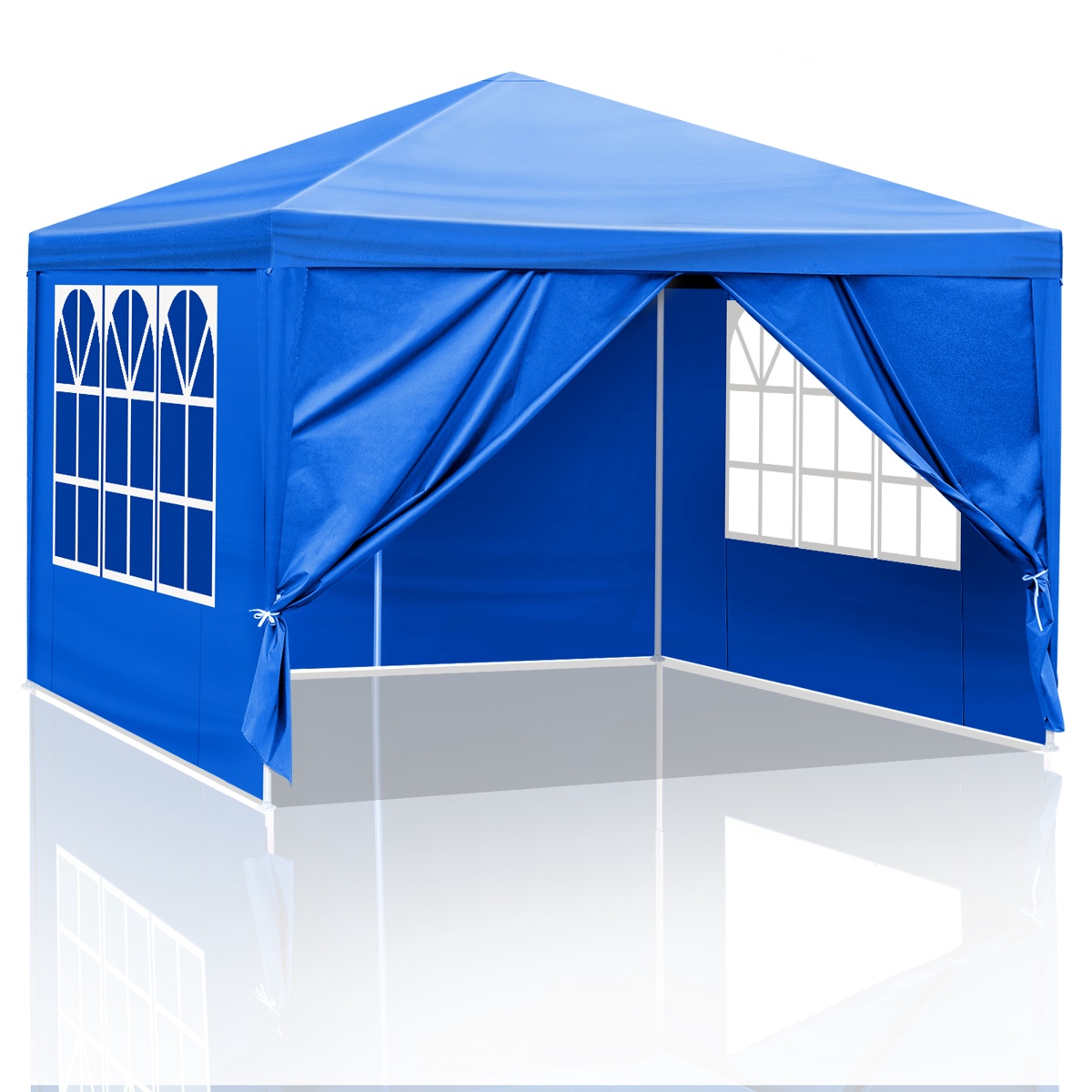 【Same Code:44225798】10'x10' Gazebo Waterproof Outdoor Canopy Patio Tent Party for Wedding BBQ Cater, Blue$93.99View on Mallflare
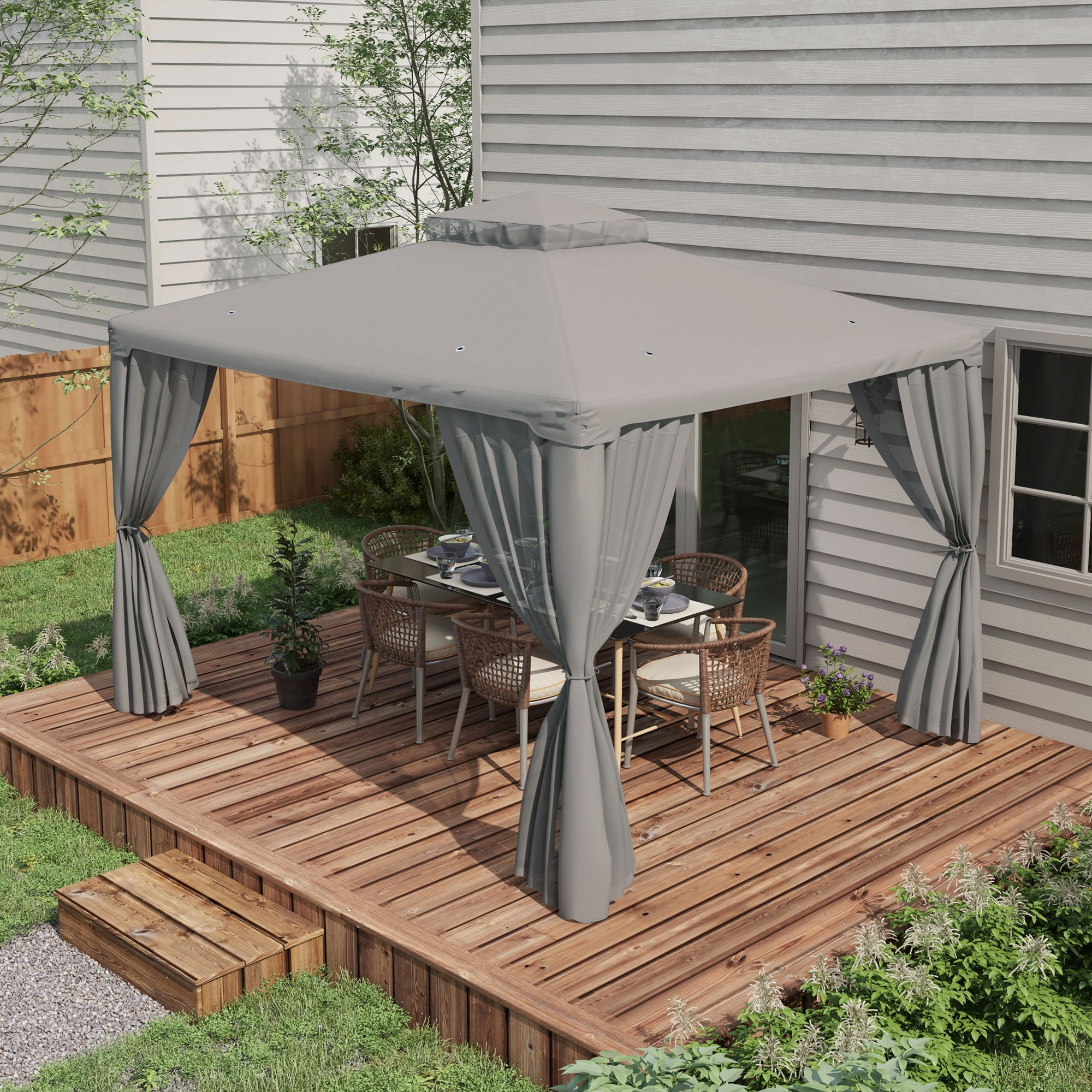 Outsunny Outdoor Patio Gazebo Pavilion Canopy Tent w/ 2-tier Roof$112.99View on eBay
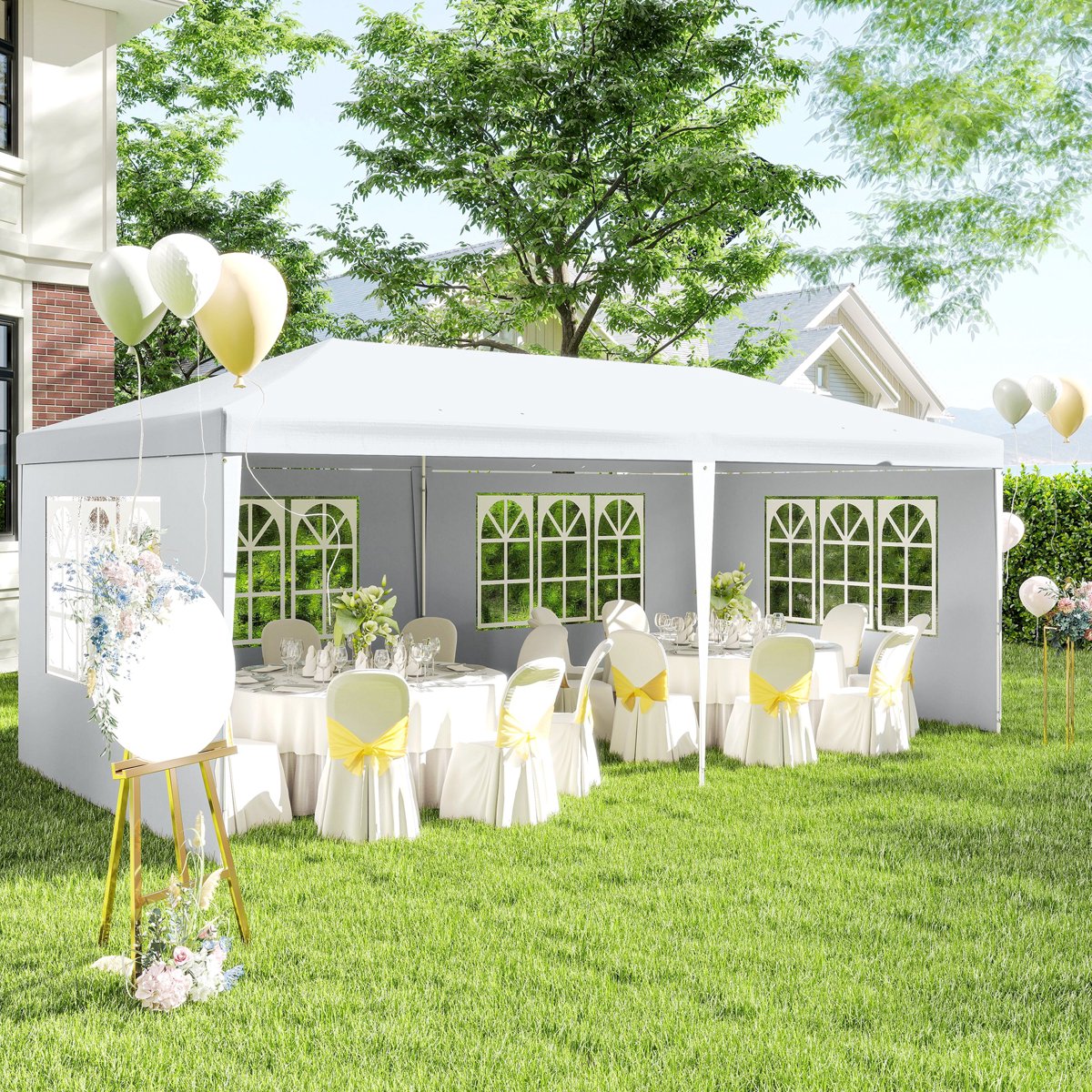 Large 20 x 10 Gazebo Canopy Party Tent with 4 Removable Window Side Walls, Outdoor Events - White$105.99View on Mallflare
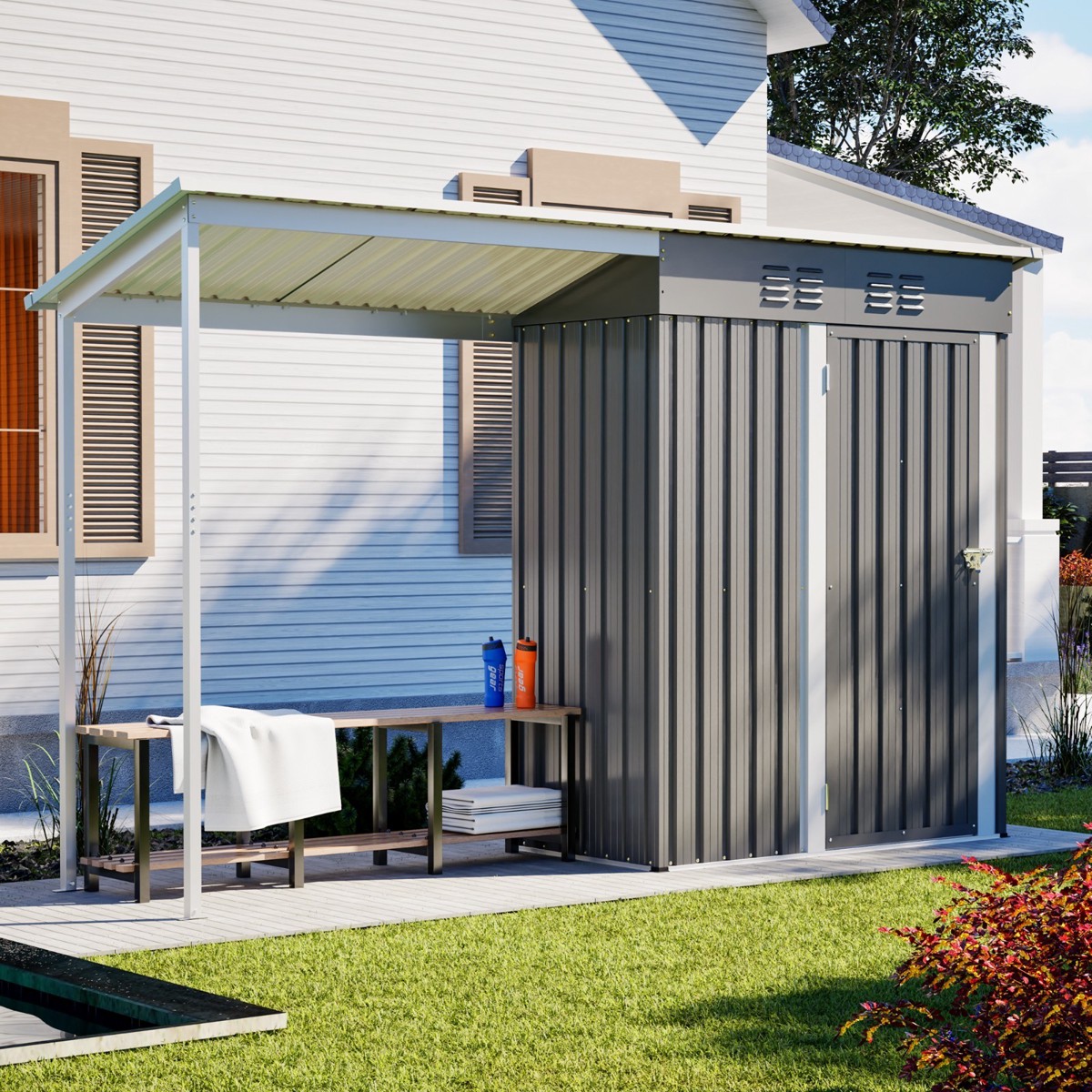 Outdoor Open-Sided Storage Shed Tool Shed Attached Hardtop Metal Pergola Gazebo$199.99Last checked Nov 22, 2026View on eBay
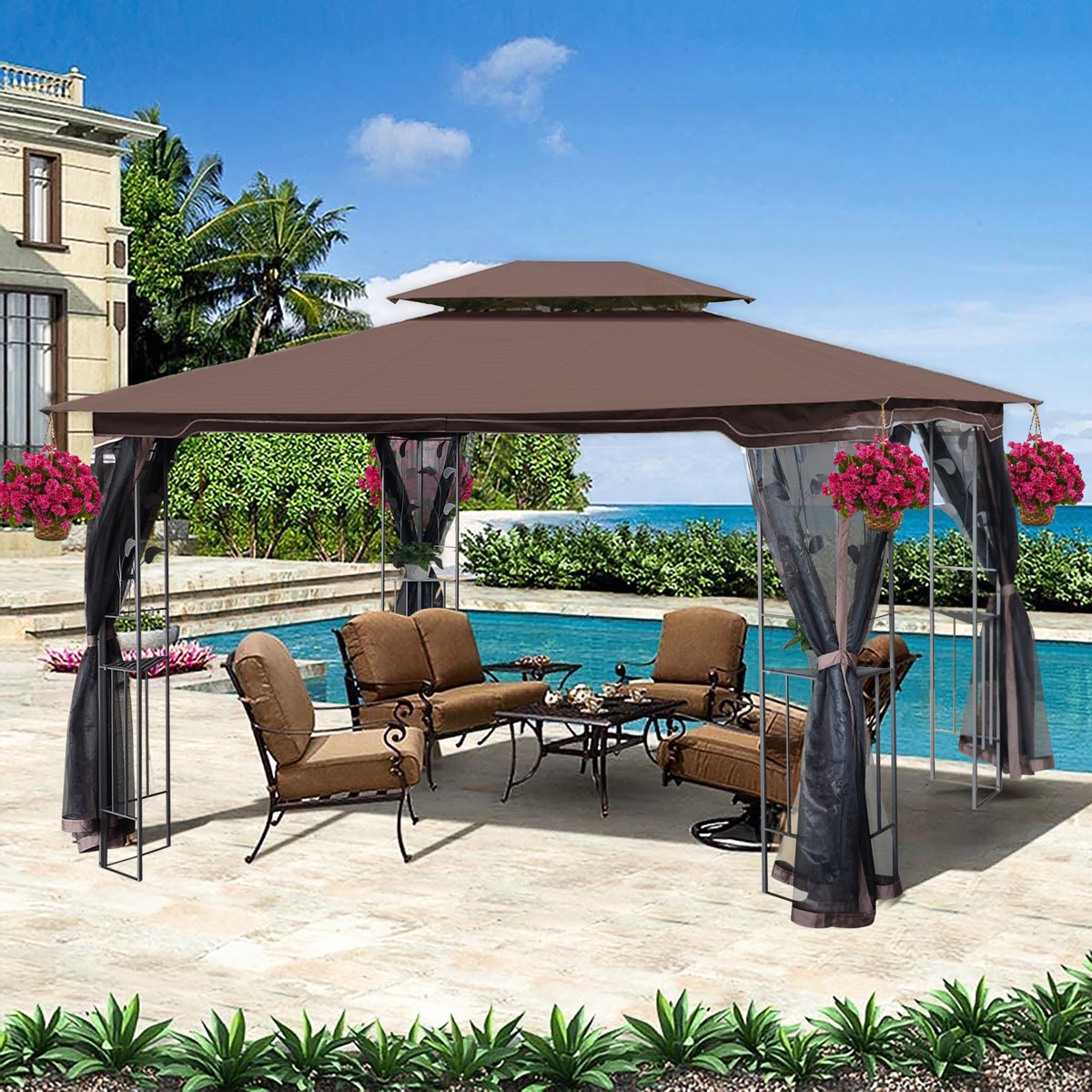 13x10 Outdoor Patio Gazebo Canopy Tent With Ventilated Double Roof And Mosquito net(Detachable Mesh Screen On All Sides),Suitable for Lawn, Garden, Backyard and Deck,Brown Top$211.99View on Mallflare
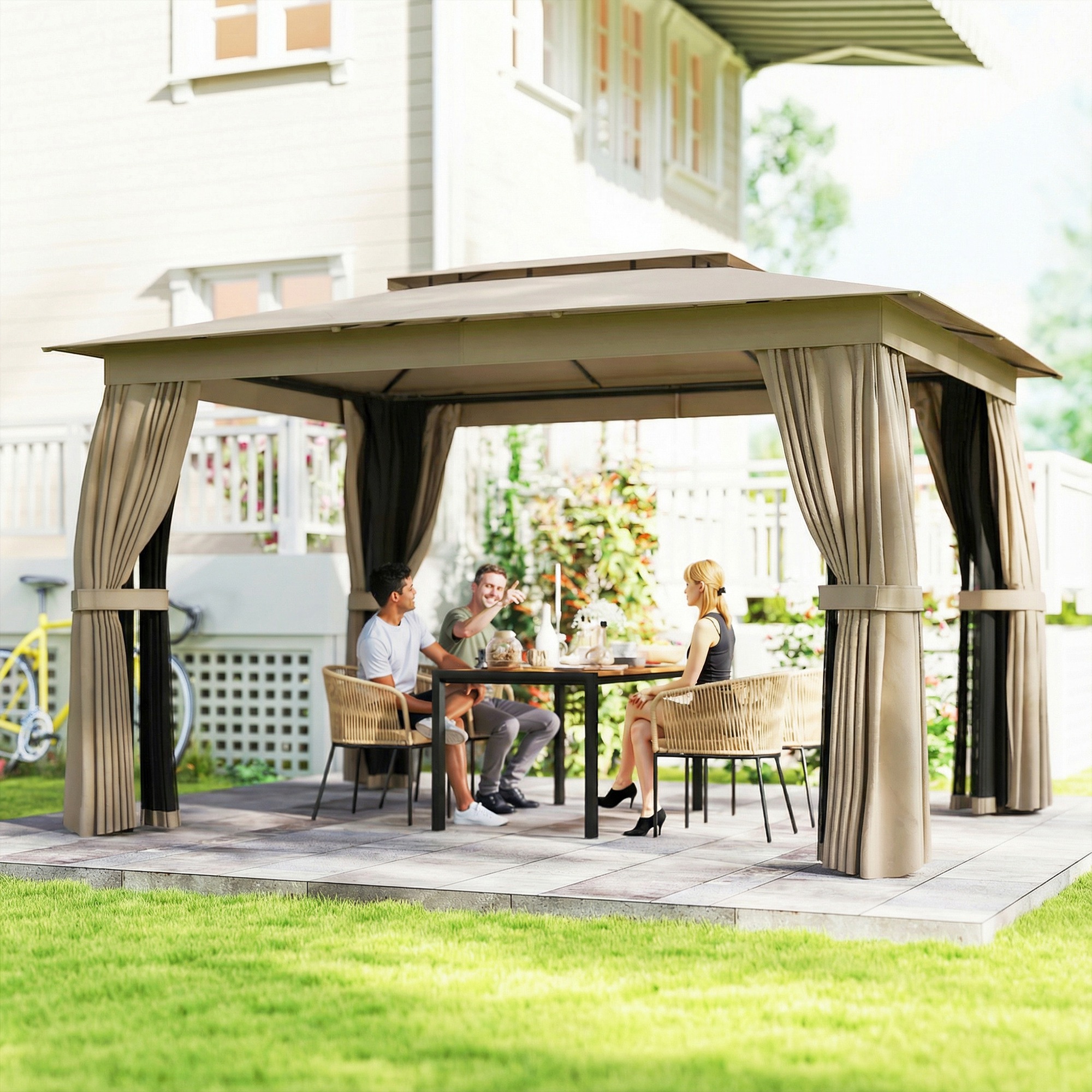 Outsunny 10' x 10'/12' Outdoor Patio Gazebo, Double Roof Gazebo Canopy Shelter$229.99Last checked Nov 18, 2026View on eBay
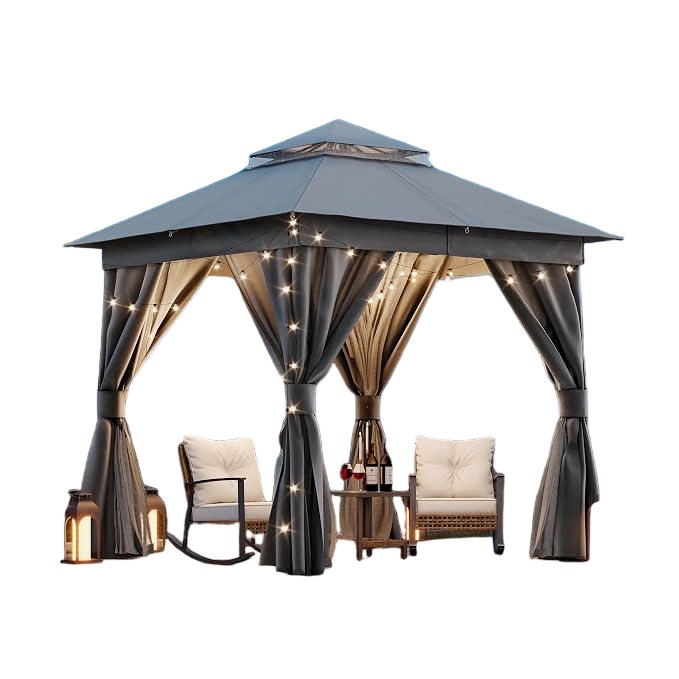 Patio Gazebo 8'x8', Outdoor Heavy Duty Party Tent Shelter With Double Roofs, Mosquito Nettings And Privacy Screens For Backyard, Garden, Lawn$249.99View on Mallflare
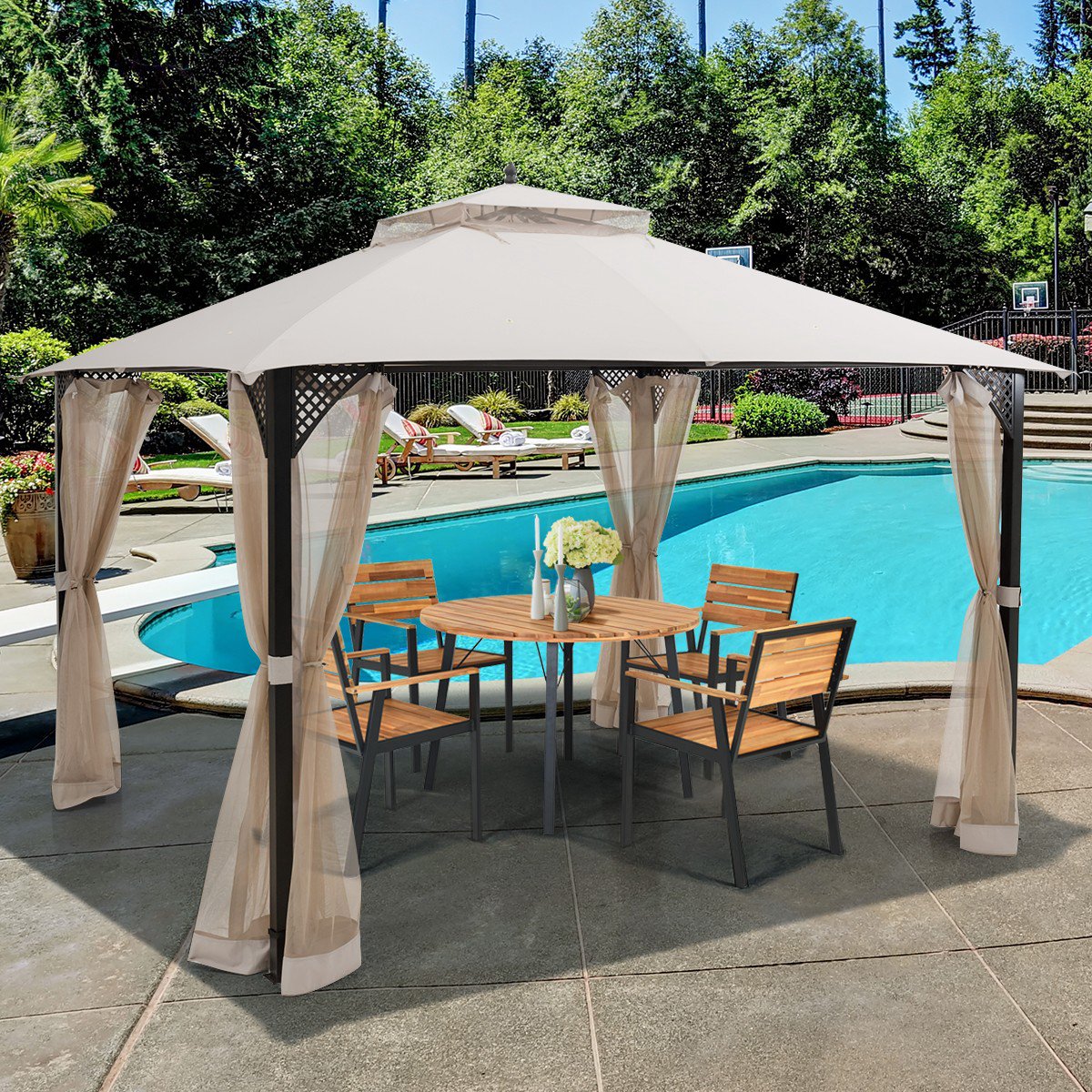 12' X 10' Outdoor Patio Gazebo Canopy Shelter Double Top Sidewalls Netting Beige$249.99Last checked Nov 18, 2026View on eBay
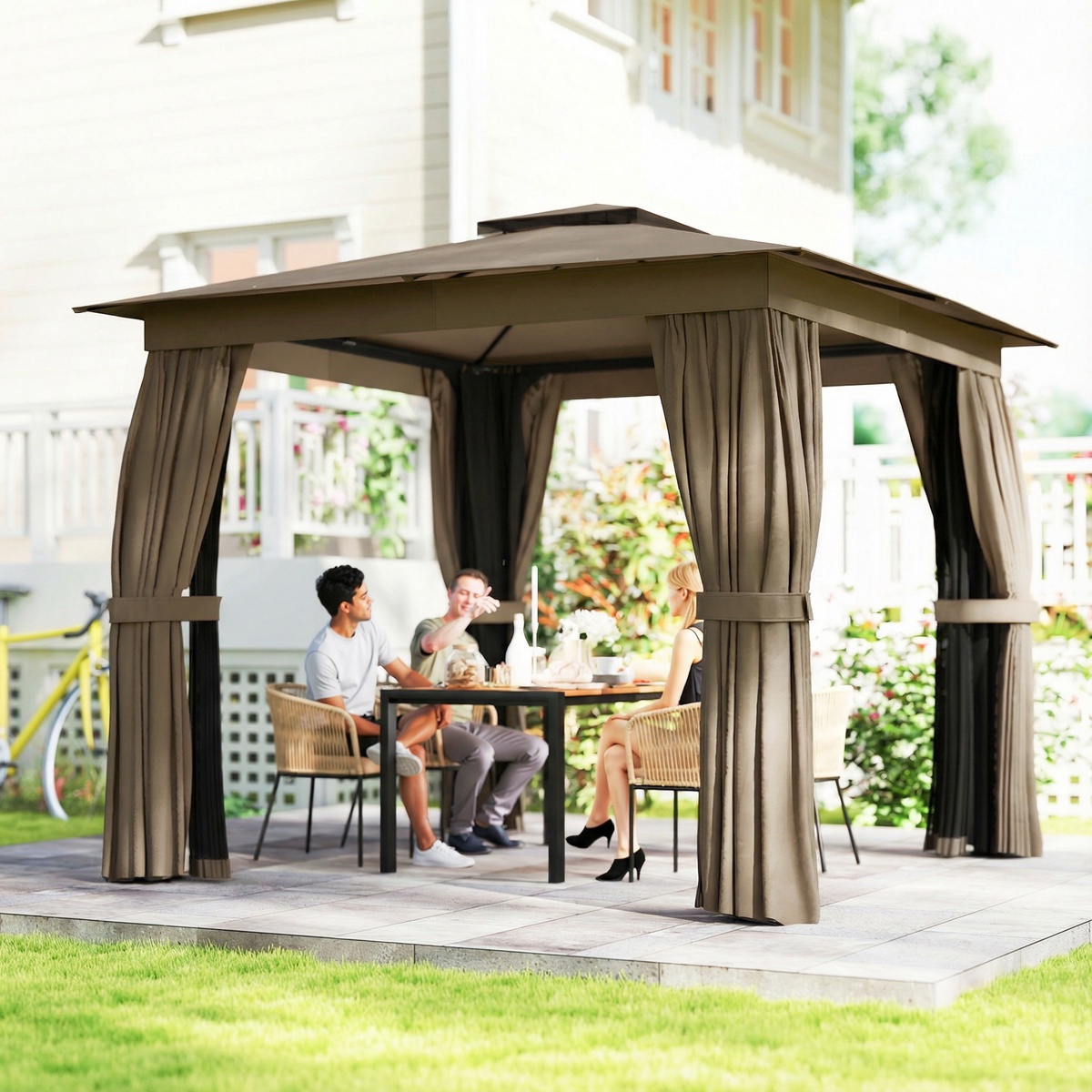 10 x 10 Outdoor Patio Gazebo, Soft Top Canopy Shelter with Curtains, Netting, Steel Frame, Hook, Khaki$257.99View on Mallflare
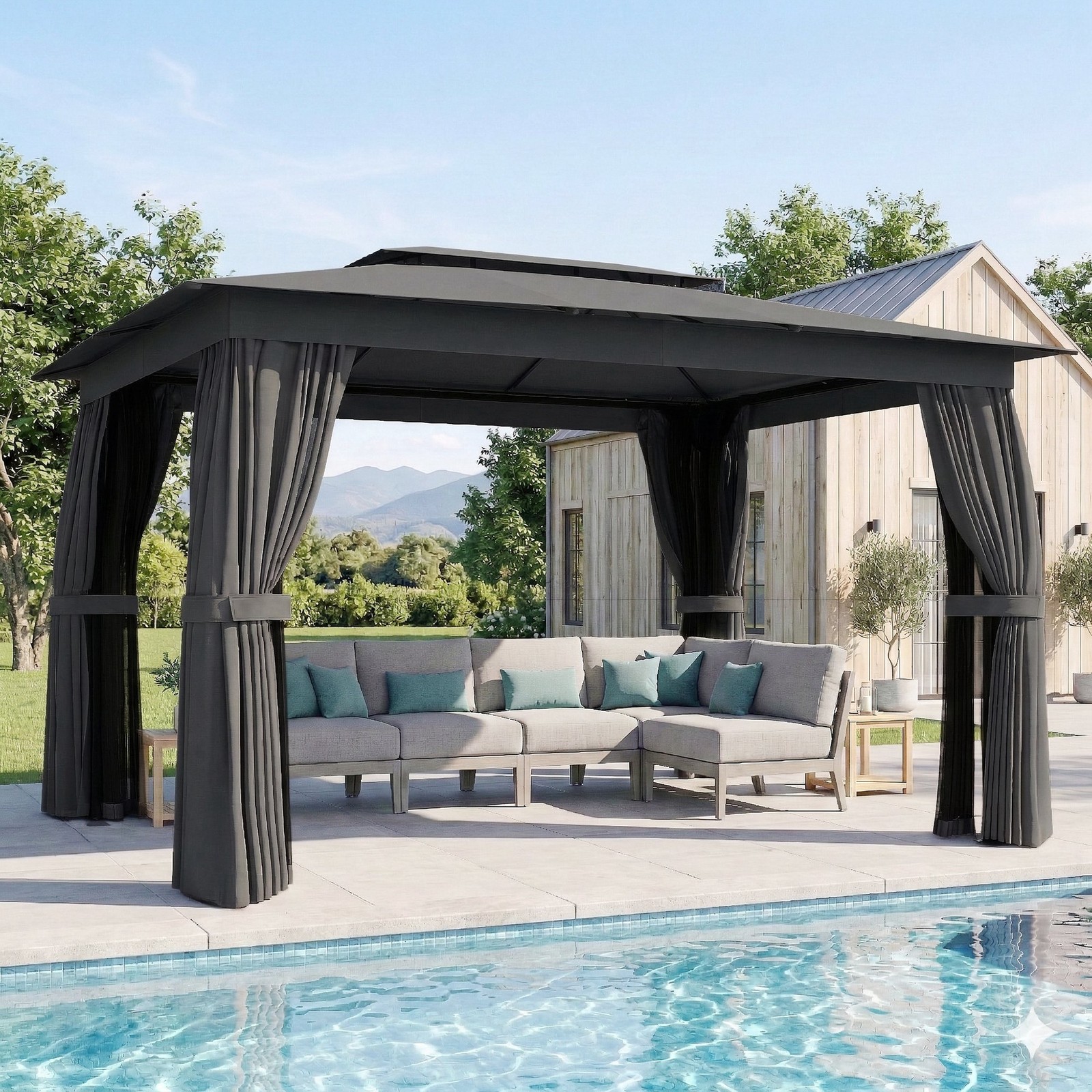 10' x 12' Outdoor Patio Gazebo, Double Roof Gazebo Canopy Shelter$265.99Last checked Nov 17, 2026View on eBay
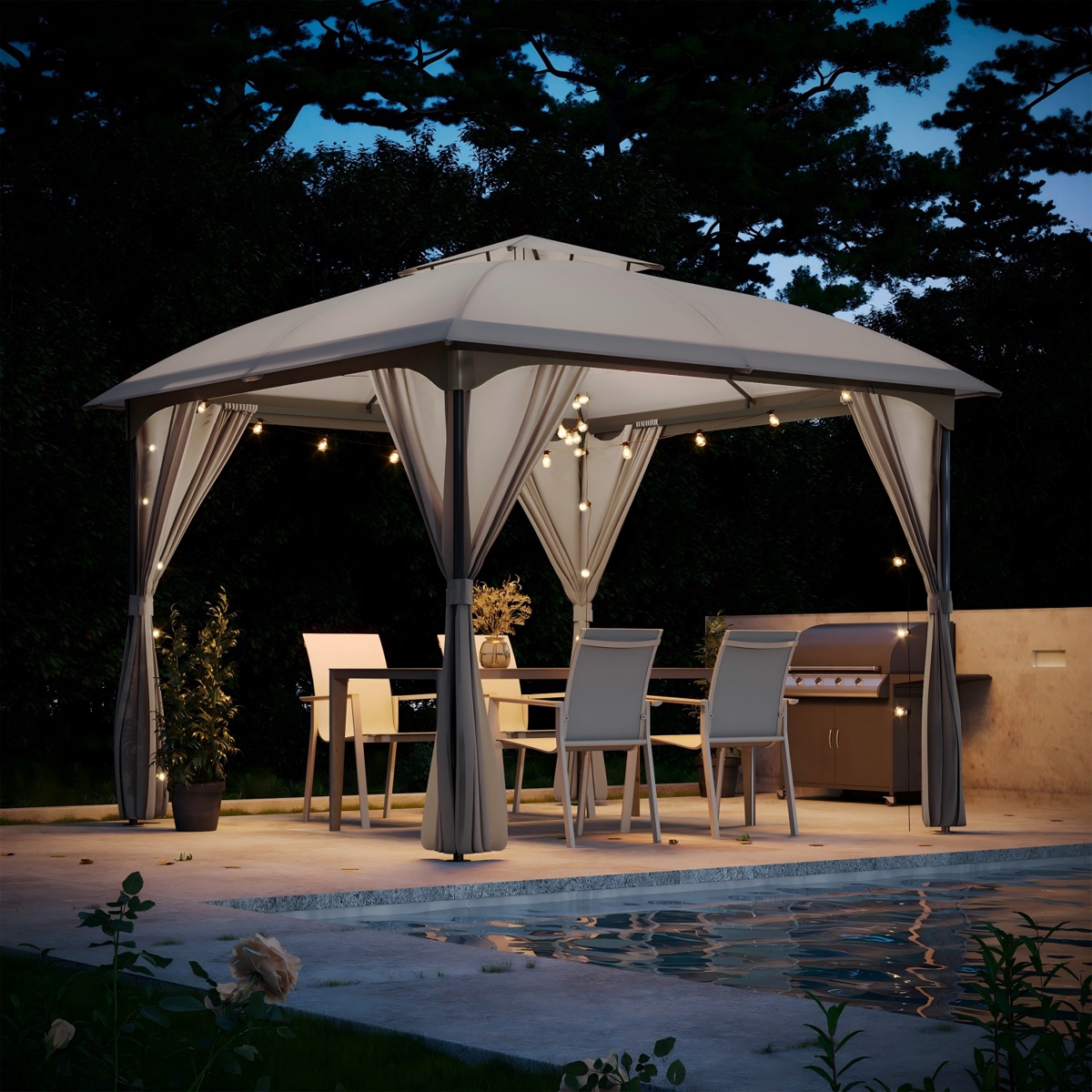 Patio Gazebo 10'x10', Outdoor Duty Party Tent Shelter With Double Roofs, Oxford Fabric Mosquito Nettings And Privacy Screens For Backyard, Garden, Lawn$260.99View on Mallflare
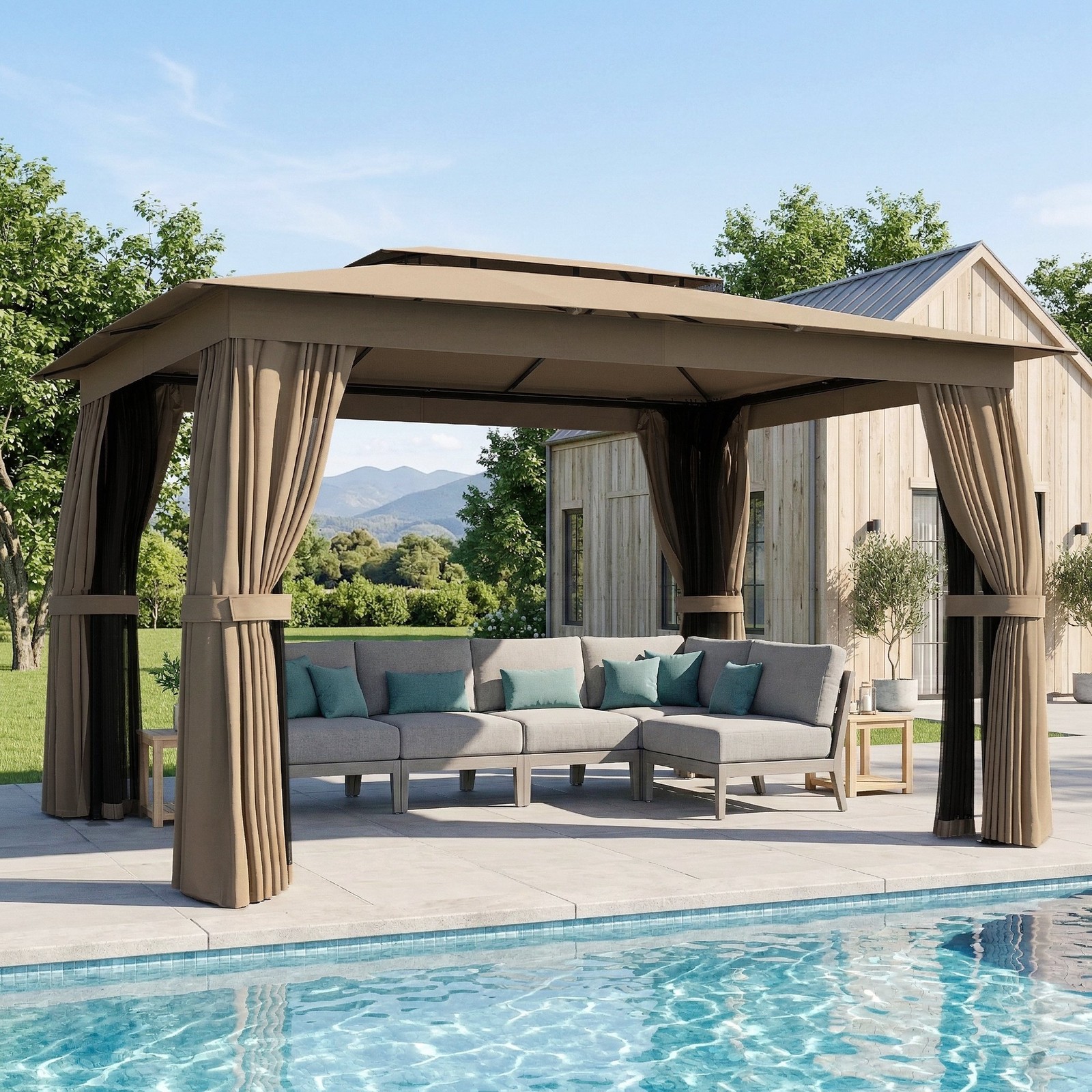 10' x 12' Outdoor Patio Gazebo, Double Roof Gazebo Canopy Shelter$297.99Last checked Nov 17, 2026View on eBay
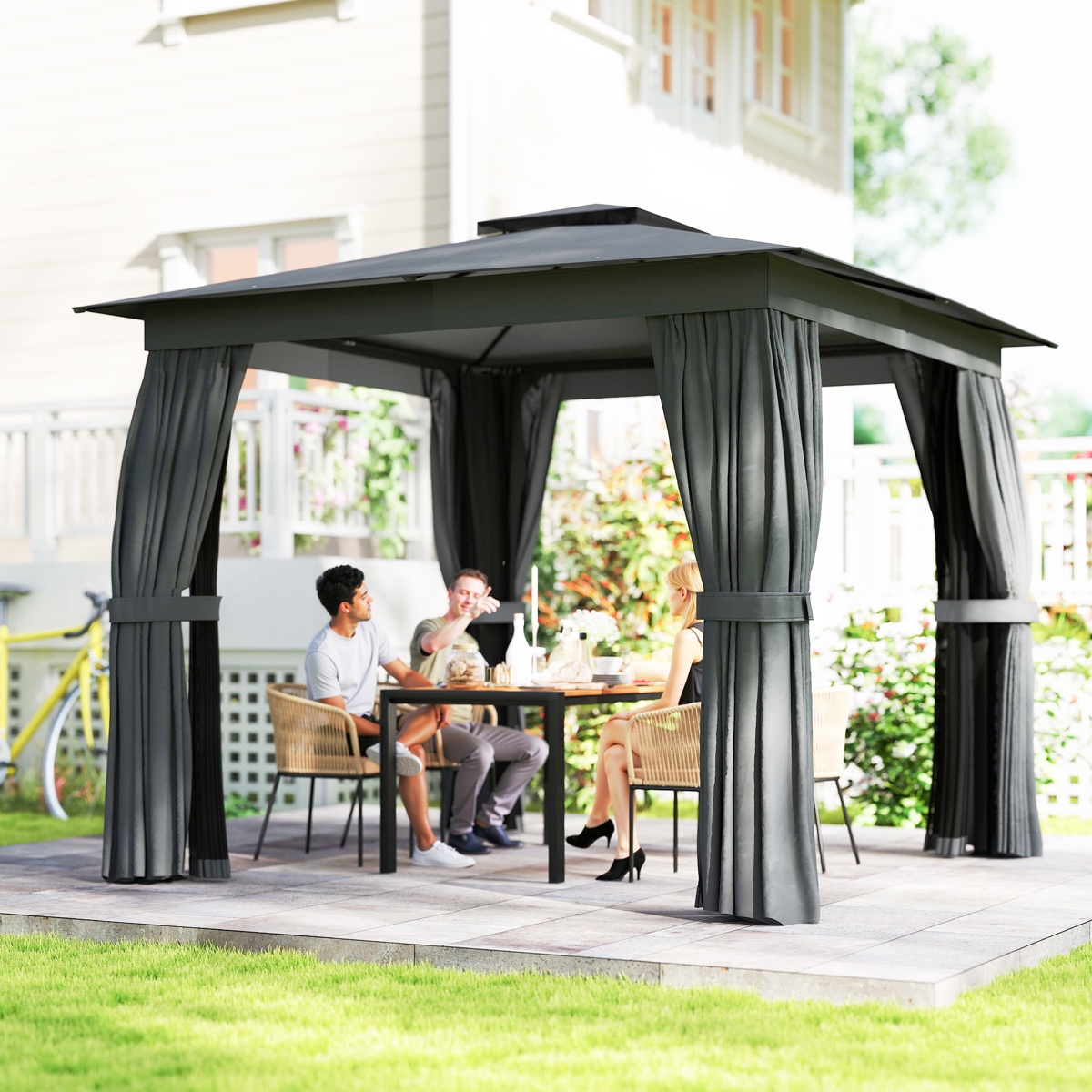 10 x 10 Outdoor Patio Gazebo, Soft Top Canopy Shelter with Curtains, Netting, Steel Frame, Hook, Dark Gray$260.99View on Mallflare
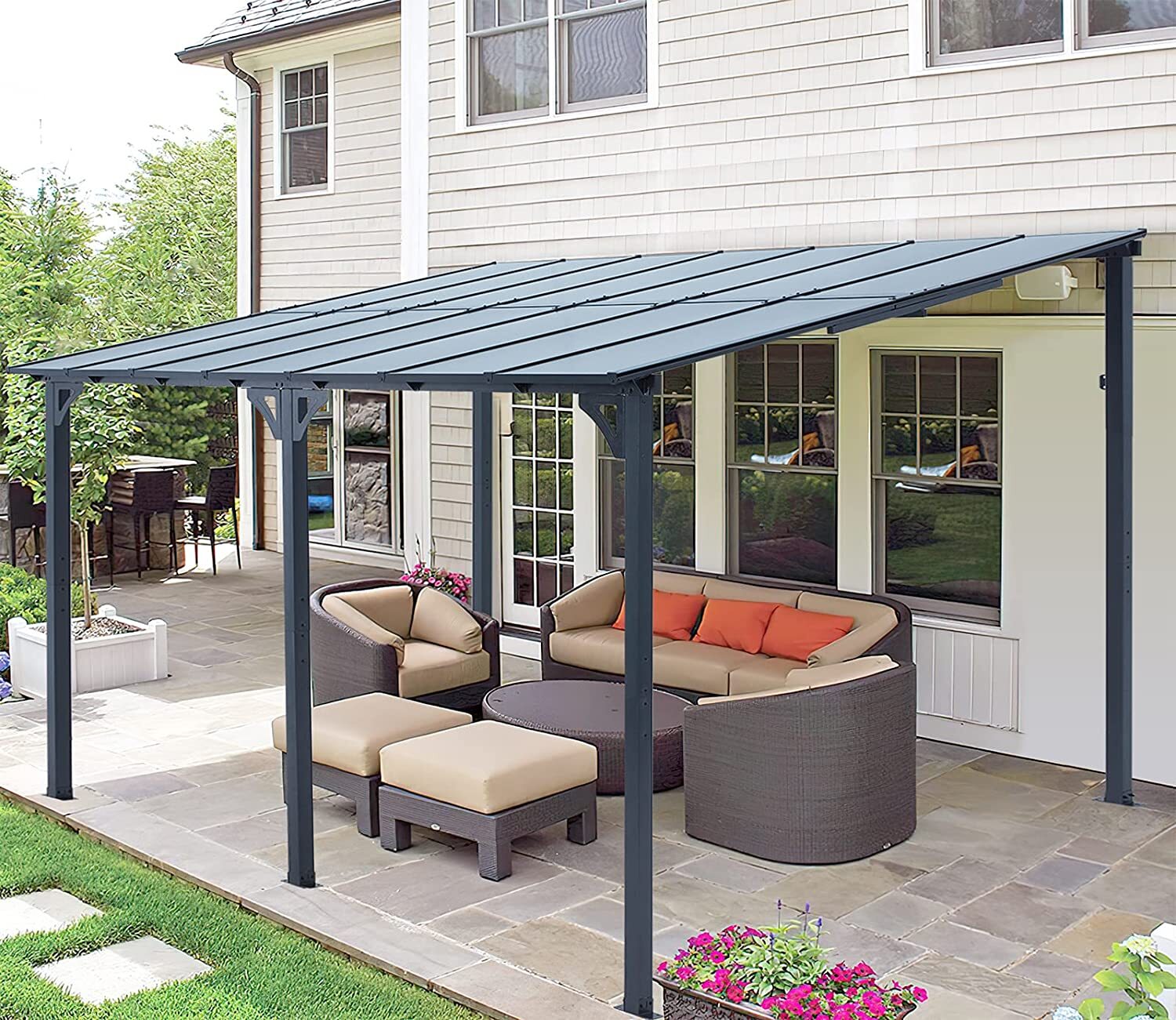 Outdoor Metal Lean to Gazebo Large Patio Wall-Mounted Pergola Hard Top Awning$389.99Last checked Nov 17, 2026View on eBay
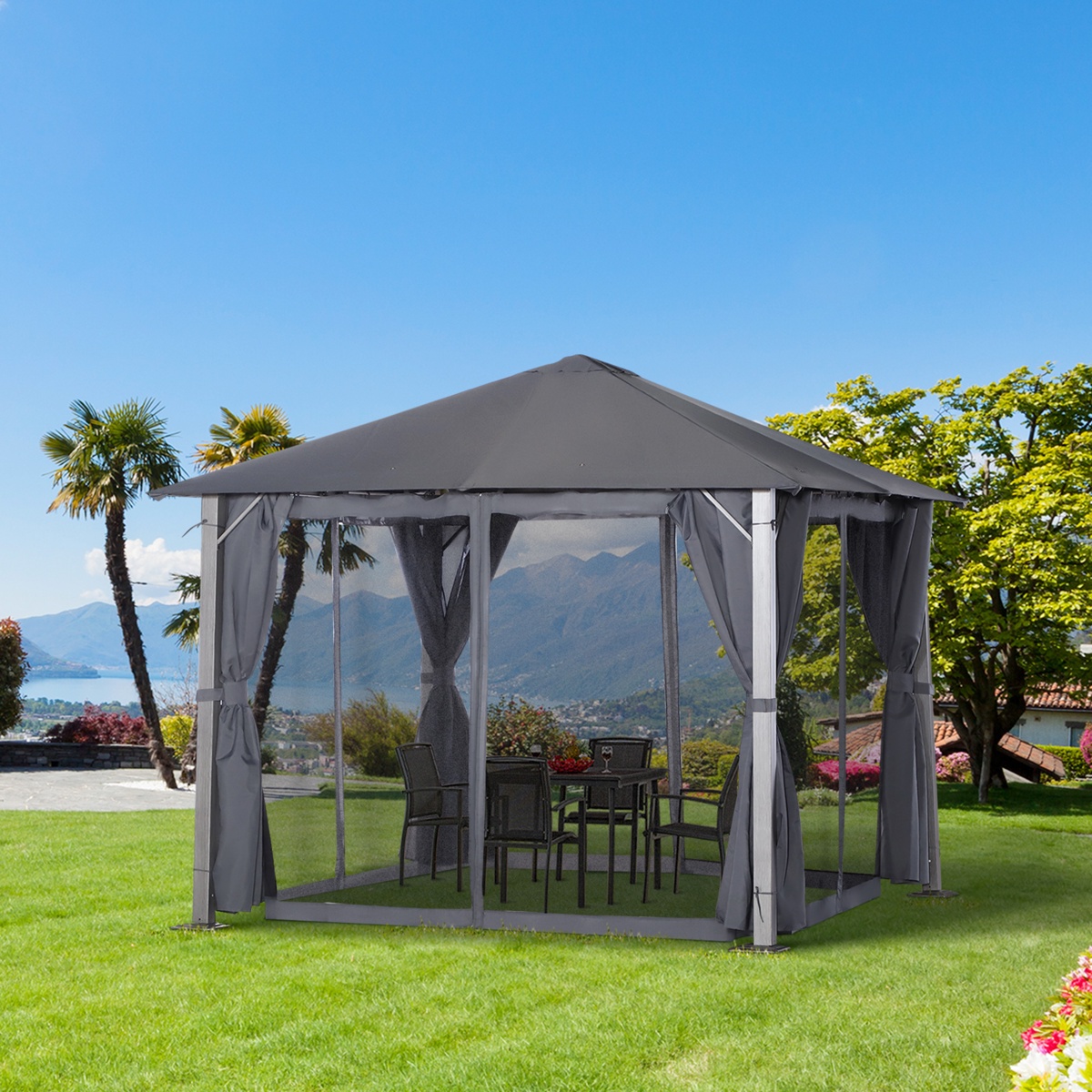 10' x 10' Patio Gazebo, Outdoor Canopy Shelter with Netting & Curtains, Vented Roof, for Garden, Lawn, Backyard and Deck, Dark Gray$263.99View on Mallflare
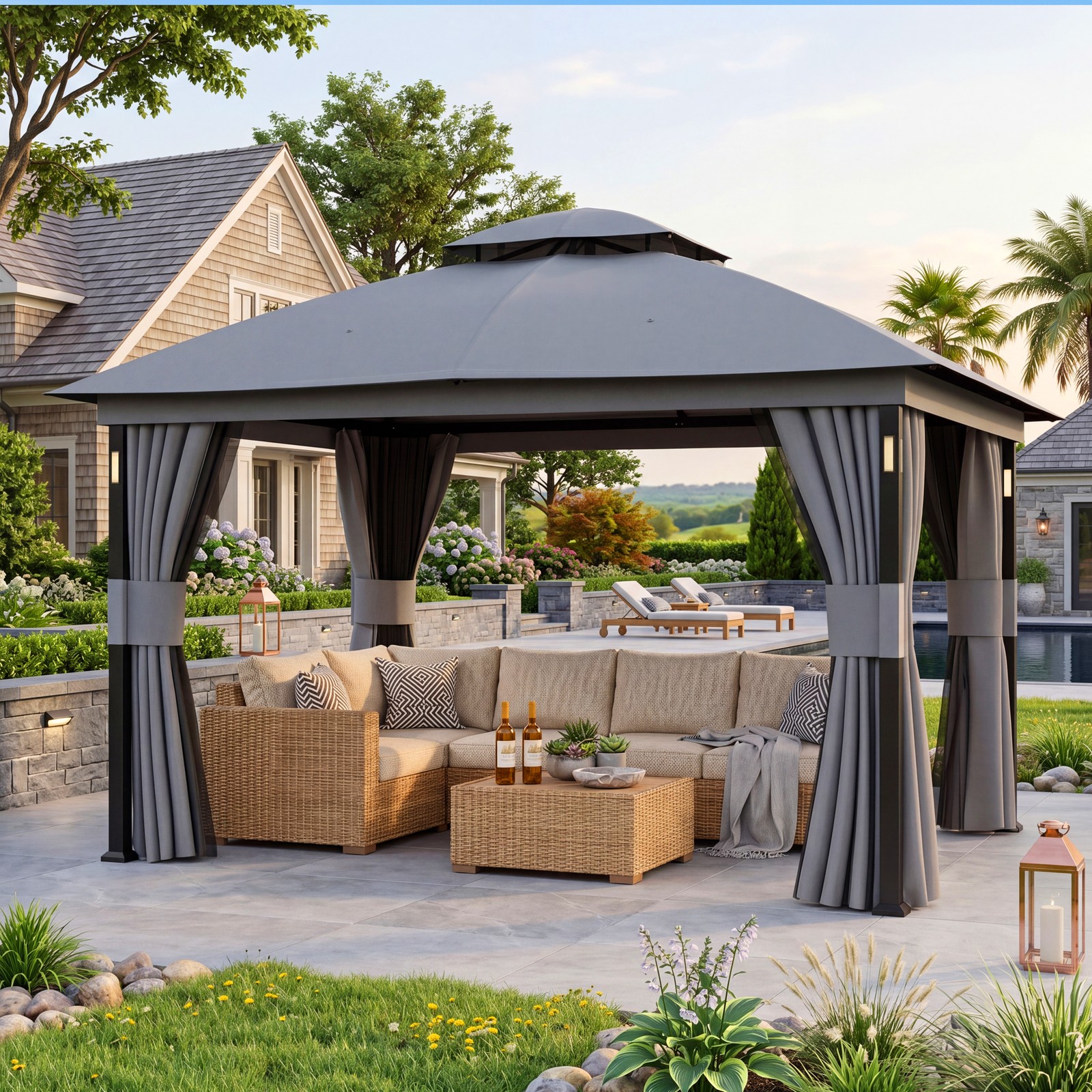 Outdoor Patio Gazebo 11'x13' Netting and Curtain w/LED Light & Bluetooth Speaker$399.98Last checked Nov 18, 2026View on eBay
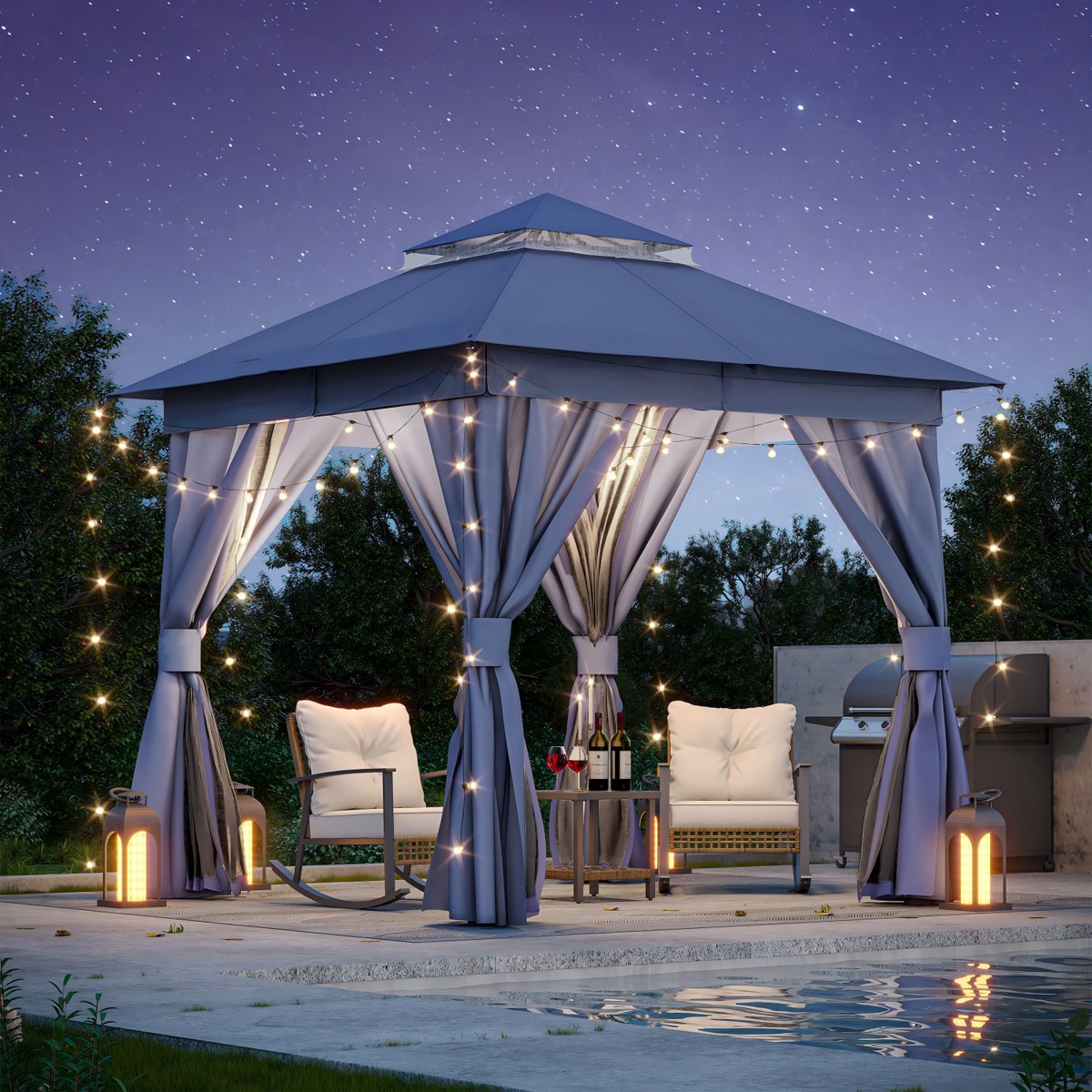 8'x8' Patio Gazebo Outdoor Heavy Duty Party Tent Shelter With Double Roofs, Mosquito Nettings And Privacy Screens For Backyard, Garden, Lawn$275.99View on Mallflare
Highlights
- Soft-top canopies use 150D–300D polyester or Oxford fabric with PU coating; hardtops use double-tier powder-coated steel or aluminum panels that resist sag and UV degradation.
- Frame alloy and wall thickness decide wind survival: 0.8–1.0 mm steel tubing buckles in gusts, while 1.2 mm+ aluminum or galvanized steel with corner gussets and footplates holds in exposed sites.
- Pop-up mechanisms (umbrella-style scissor frames) set up in minutes but rely on weighted bases or ground stakes; permanent gazebos bolt down through base plates and often include knee braces.
- Mesh sidewalls and curtains are rated by mesh density and zipper grade; mosquito netting with fine 50–100 mesh blocks insects, while privacy curtains need UV-treated 180–250 g/m² fabric.
Best use cases
- Best fit: permanent patio or deck shade—choose a 10x10 ft or 12x12 ft hardtop gazebo with 1.2 mm+ aluminum frame, anchor plates, and double-tier roof for heat venting and snow shedding.
- Best fit: temporary backyard events, markets, or camping—choose a pop-up soft-top with wheeled carry bag, weight bags, and 150D+ PU-coated fabric; skip hardtop if you need solo setup and mobility.
- Wrong fit: exposed, windy ridge or open field—avoid lightweight pop-ups and single-wall soft tops; select a wind-rated hardtop with ground anchors or build a pergola instead.
- Wrong fit: small balcony or narrow side yard—skip 10x10 ft footprints; use a 6x6 ft or lean-to hardtop gazebo sized to the slab, or a wall-mounted awning.
Buying tips
- Match footprint to slab: a 10x10 ft gazebo needs at least 10x10 ft of level surface plus 1–2 ft clearance on each side; 12x12 ft models require a proportionally larger patio.
- Check fabric spec: choose 200D+ polyester or 250 g/m² Oxford with PU and UV coating; thin 150D tops fade and tear within a season or two.
- Verify frame gauge: steel tubing under 1.0 mm wall thickness dents easily; aluminum 1.2 mm+ or galvanized steel with powder coating resists rust and wind fatigue.
- Confirm anchor method: permanent gazebos ship with pre-drilled base plates for concrete bolts; pop-ups need weight bags (filled with sand or water) or ground stakes—never rely on the frame alone.
Specs
| Roof Type | Soft-top fabric vs hardtop metal |
|---|---|
| Frame Material | Powder-coated steel / aluminum |
| Footprint Sizes | 6x6, 8x8, 10x10, 12x12 ft |
| Fabric Grade | 150D–300D PU-coated polyester |
Related searches
What to check before buying
- Measure your patio or deck footprint and confirm a level surface; add 1–2 ft clearance around the gazebo for curtains and airflow.
- Check wind exposure: open yards or coastal sites require a hardtop with anchor plates and a wind rating; sheltered courtyards can use a weighted pop-up.
- Confirm local snow load and UV climate: hardtops with pitched or double-tier roofs shed snow; soft tops must be removed before heavy snow or high-UV summers.
- Verify companion parts: anchor bolts for concrete, weight bags for pop-ups, and replacement canopy skins—ensure the model’s canopy is sold separately for future replacement.
FAQ
Data sources: eBay / Amazon listings and product attribute feeds. Updated Nov 28, 2026.
Some links on this page are affiliate links. If you buy after clicking one, we may earn a commission at no extra cost to you. This does not change which products appear here or their order. Affiliate disclosure.