
Photos from current listings. Actual item, color, and included accessories may vary.
Metal Carport Shed Buying Guide
A metal carport shed is a permanent or semi-permanent structure that protects vehicles, equipment, or outdoor workspace from weather, and getting the size, anchoring, and panel gauge wrong is the most common and costly mistake. Buyers typically choose between certified engineered structures and lighter utility kits, so matching the snow/wind rating and foundation type to your site matters more than cosmetic add-ons. Measure your vehicle plus door-swing clearance and confirm local permit rules before ordering any kit.
Median $566.99 · New listings
Key takeaways
- Panel gauge drives durability: 29-gauge steel is standard for light-duty kits, while 26-gauge and 24-gauge panels resist hail and denting far better in exposed sites.
- Frame tubing size (typically 2x3, 2.5x2.5, or 3x3-inch square tube) and leg spacing determine wind and snow load capacity more than roof style alone.
- Certified vs non-certified: engineered structures ship with stamped drawings for wind/snow loads and permits, while utility kits are sold as temporary or non-permit carports.
At a glance
- Category
- Outdoor Structures, Shade & Awnings
- Last updated
- Nov 27, 2026
Current offers
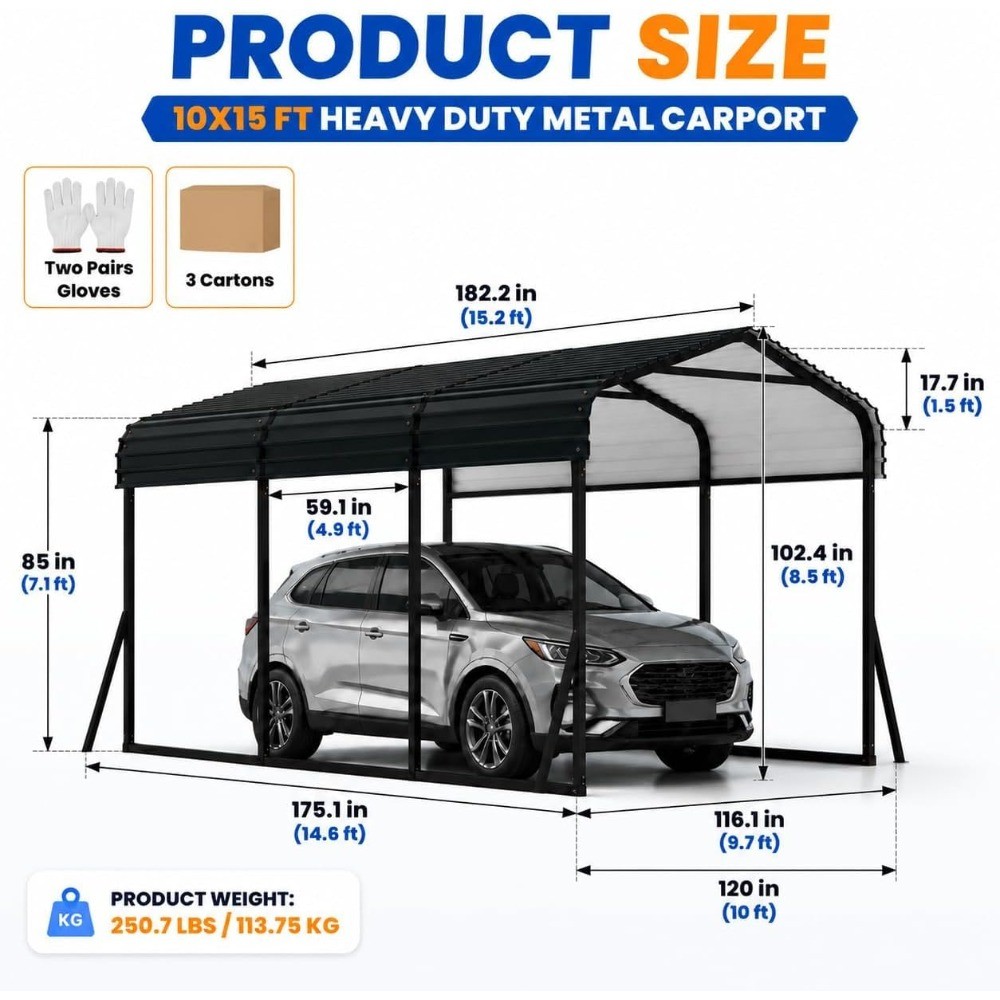 🔥Carport Garage Shelter 20x20/10x15FT HeavyDuty Metal Canopy Remote Solar Light$540.31Last checked Nov 17, 2026View on eBay
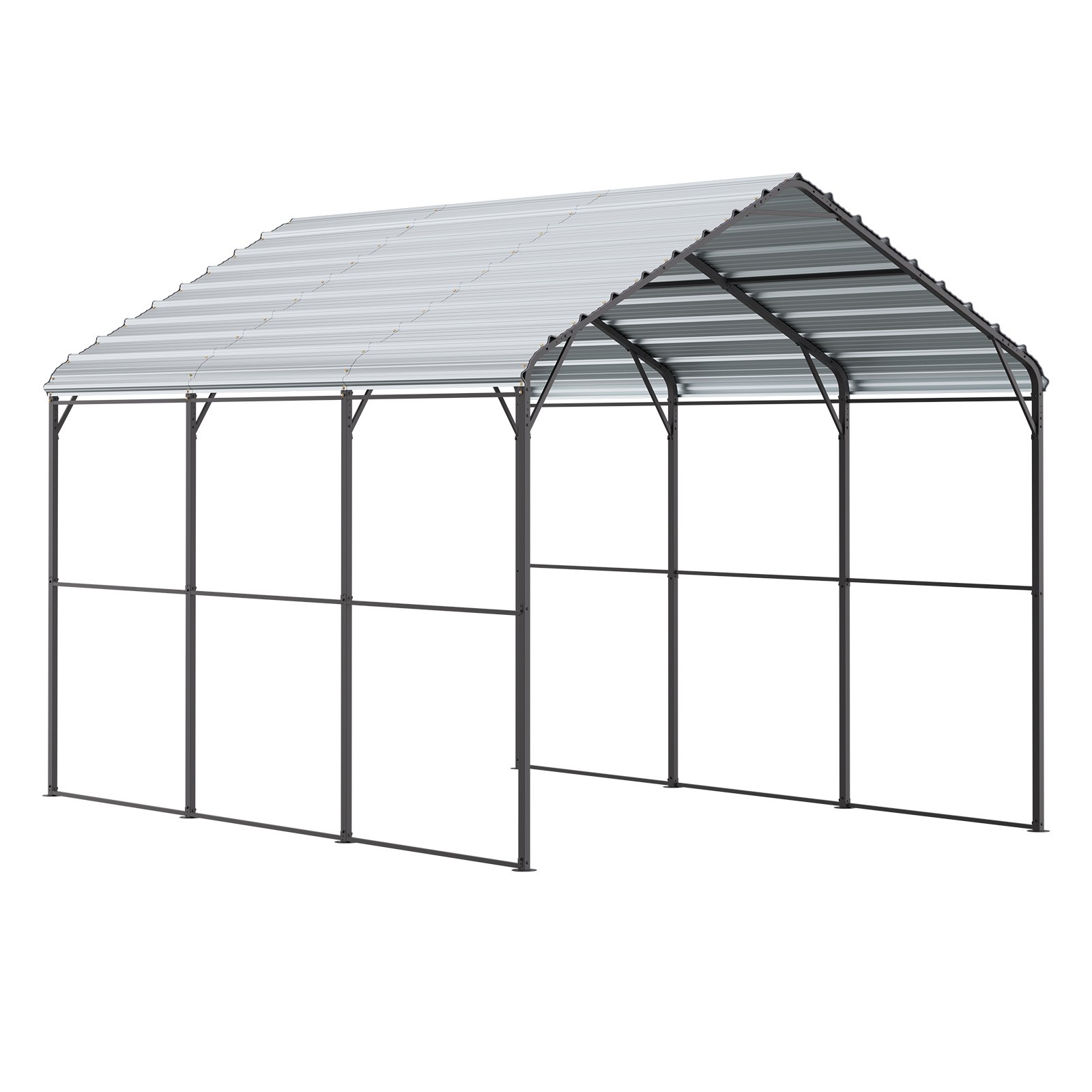 Heavy Duty Metal Carport, 10' X 15' Outdoor With Galvanized Steel Frame & Roof, Car Tent Garage Shade Removable Sidewalls, Multi-Use Car Shelter For Pickup, Boat, Car & Tractors$566.99View on Mallflare
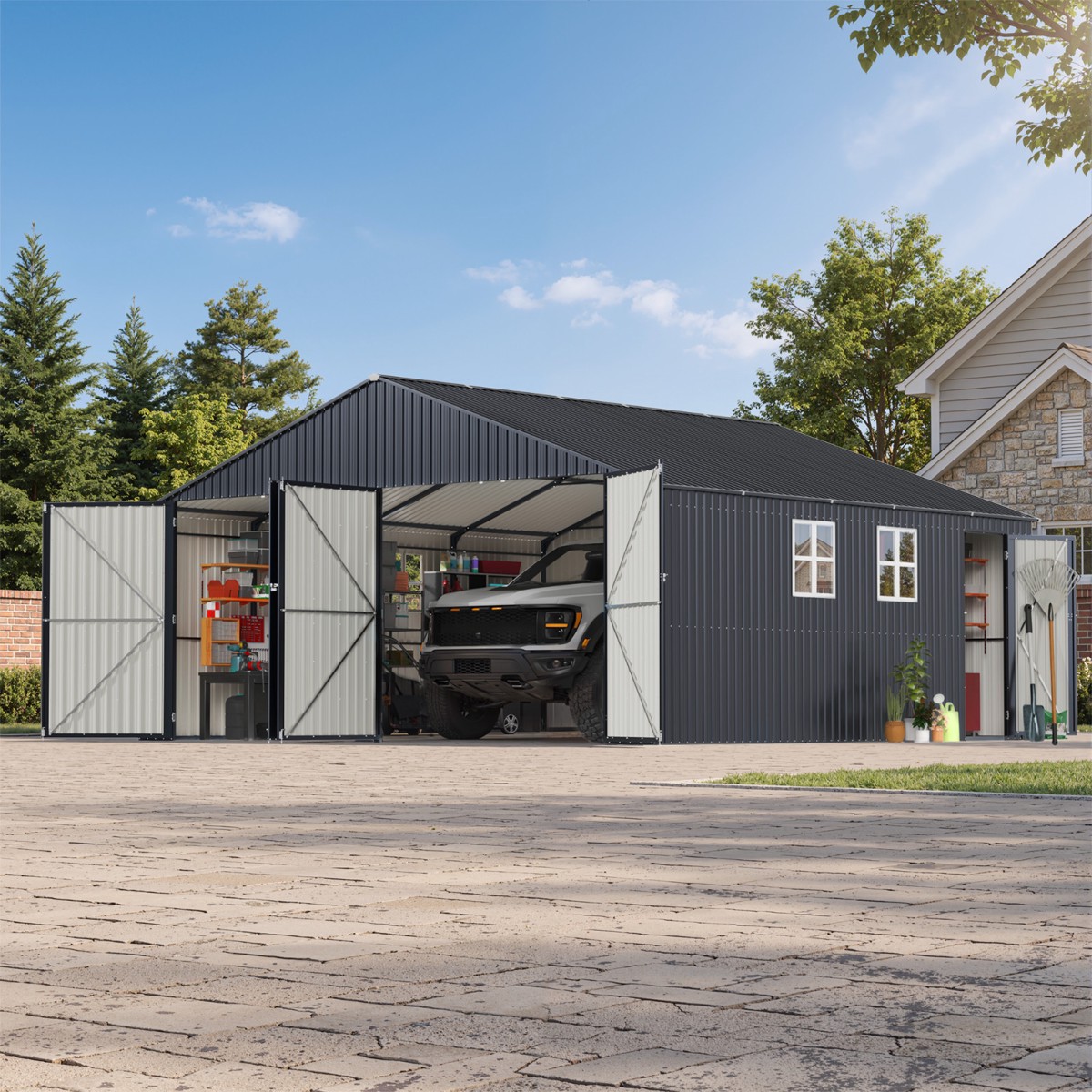 20x20FT Outdoor Storage Shed, Extra Large Metal Garage Carport with Double Doors$2,184.99New · Last checked Nov 23, 2026View on eBay
Highlights
- Panel gauge drives durability: 29-gauge steel is standard for light-duty kits, while 26-gauge and 24-gauge panels resist hail and denting far better in exposed sites.
- Frame tubing size (typically 2x3, 2.5x2.5, or 3x3-inch square tube) and leg spacing determine wind and snow load capacity more than roof style alone.
- Certified vs non-certified: engineered structures ship with stamped drawings for wind/snow loads and permits, while utility kits are sold as temporary or non-permit carports.
- Anchoring method must match substrate: rebar stakes suit gravel, asphalt anchors suit driveways, and concrete wedge anchors or footings are required for engineered wind ratings.
Best use cases
- Best fit: a 12x20 or 12x21 foot carport for a single full-size truck or SUV with room to open doors; skip 10-foot widths if you drive a dually or full-size van.
- Best fit: a certified engineered carport in regions with heavy snow or high wind, because stamped drawings are usually required for permits and insurance; skip utility kits in those zones.
- Best fit: a fully enclosed shed-style carport with side and end panels for storing lawn equipment or a workshop; for pure vehicle parking, an open-sided carport gives better ventilation and lower cost.
- Wrong fit: ordering a kit before checking your local zoning setback and permit requirements; many municipalities treat carports over certain sizes as permanent structures requiring approval.
Buying tips
- Check your vehicle's actual width including mirrors, then add at least 3 feet total for door opening; a 12-foot-wide carport fits most full-size vehicles, while 10-foot widths suit compacts only.
- Prioritize 26-gauge or thicker roof panels and 14-gauge or thicker frame tubing if the structure faces open wind or hail exposure; thin 29-gauge panels dent and oil-can over time.
- Avoid utility-grade kits in snow country unless the listing states a snow load rating; certified structures specify psf ratings, and you should compare that figure to your local ground snow load.
- Confirm the anchoring hardware included: rebar stakes are for temporary gravel or dirt installs, and concrete or asphalt surfaces need wedge anchors or base plates rated for the wind load.
Specs
| Roof Panel Gauge | 29-ga light duty / 26-ga to 24-ga heavy duty |
|---|---|
| Frame Tube | 2x3 in to 3x3 in square steel |
| Certification | Engineered stamped vs utility non-certified |
| Anchoring | Rebar / asphalt / concrete wedge |
Related searches
What to check before buying
- Measure the installation footprint including roof overhang and confirm setbacks against your property line and any HOA rules before ordering.
- Identify your ground surface (gravel, dirt, asphalt, concrete) and choose an anchoring kit rated for that substrate and your local wind zone.
- Check local snow load and wind speed requirements with your building department; the structure's certified rating must meet or exceed those figures.
- Verify the delivery access: carport kits ship as long bundles, so confirm a truck can reach the site and you have help or equipment to unload.
FAQ
Data sources: eBay / Amazon listings and product attribute feeds. Updated Nov 27, 2026.
Some links on this page are affiliate links. If you buy after clicking one, we may earn a commission at no extra cost to you. This does not change which products appear here or their order. Affiliate disclosure.