
Photos from current listings. Actual item, color, and included accessories may vary.
Heavy Duty Beach Umbrella Buying Guide
A heavy duty beach umbrella is a wind-rated, UV-blocking shade structure built to stay anchored on open sand and resist salt, sun, and gusts. The decisive trade-off is between a thick pole/rib frame with a vented canopy and a lightweight tilt umbrella that folds small but fails in coastal wind. Buy durable only if the frame uses fiberglass or reinforced aluminum ribs, a vented polyester canopy, and a sand-screw or plate anchor rated for the pole diameter.
Median $103.99
Key takeaways
- Canopy fabric: 200-300D solution-dyed polyester or acrylic with UPF 50+ and water-repellent finish sheds UV and salt far better than thin 150D nylon.
- Frame construction: fiberglass ribs flex and spring back in gusts, while steel ribs rust at hinge points; aluminum poles should be 1.5-2 inch diameter with wall thickness above 1.5 mm.
- Wind vent: a top vent or double-canopy releases updraft pressure and reduces lift, which matters more than pole weight once sand anchoring is solid.
At a glance
- Category
- Outdoor Structures, Shade & Awnings
- Last updated
- Nov 27, 2026
Current offers
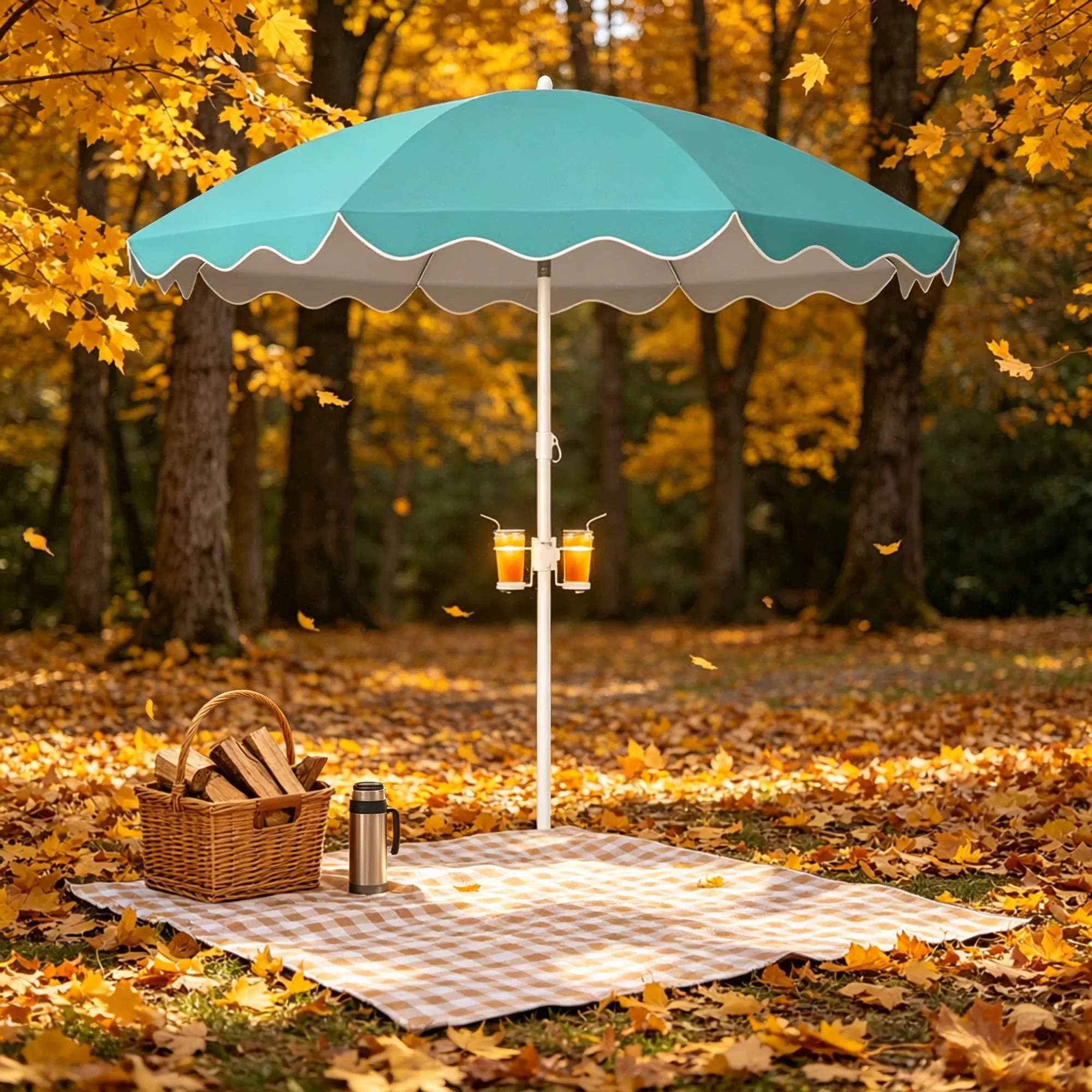 6.5 FT Portable Beach Umbrella with Sand Anchor UV Protection UPF 50+ for Garden Pool Outdoor Camping Picnic$77.99View on Mallflare
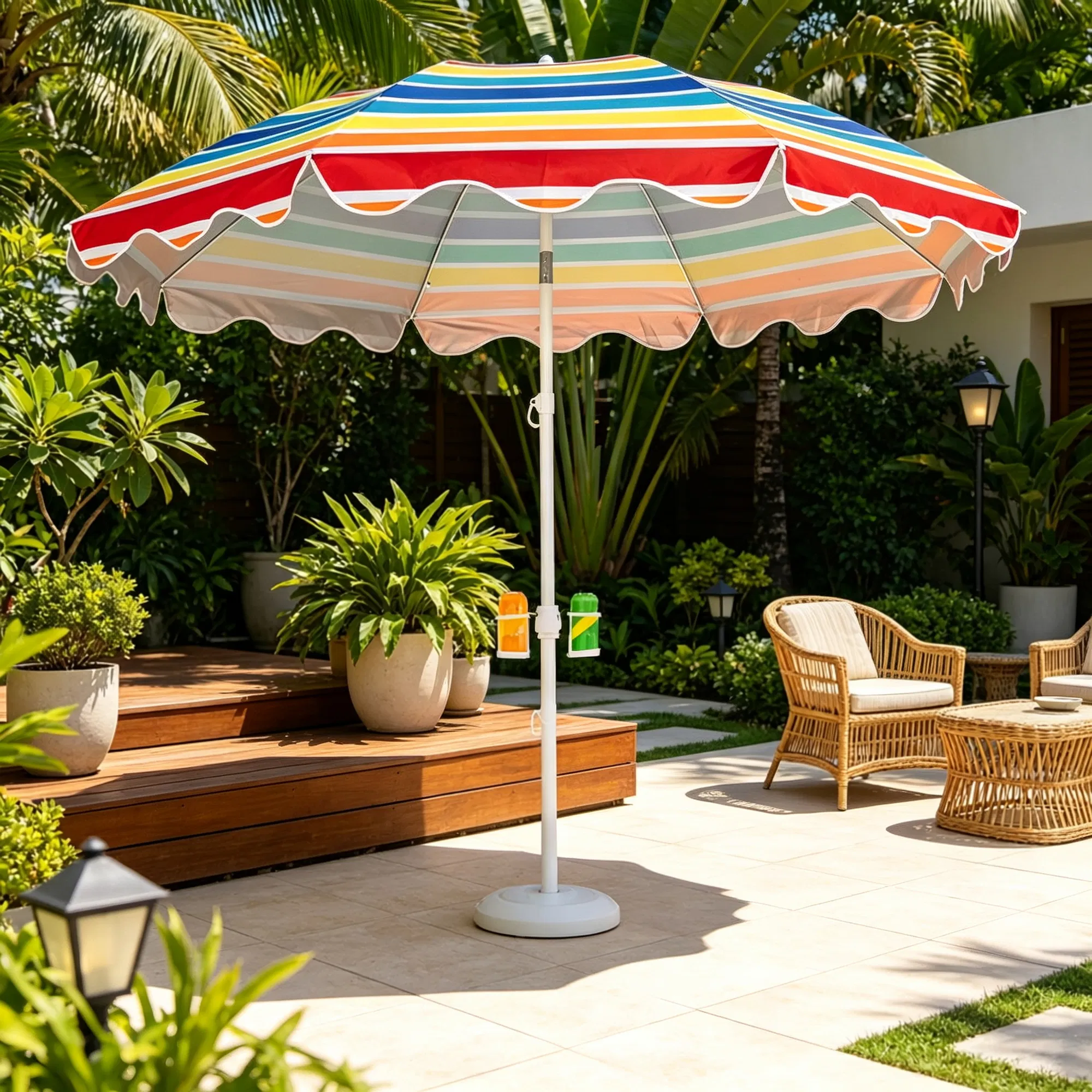 7 FT Beach Umbrella with Sand Anchor UPF 50+ for Garden Pool Backyard Protection against UV Rays$85.99View on Mallflare
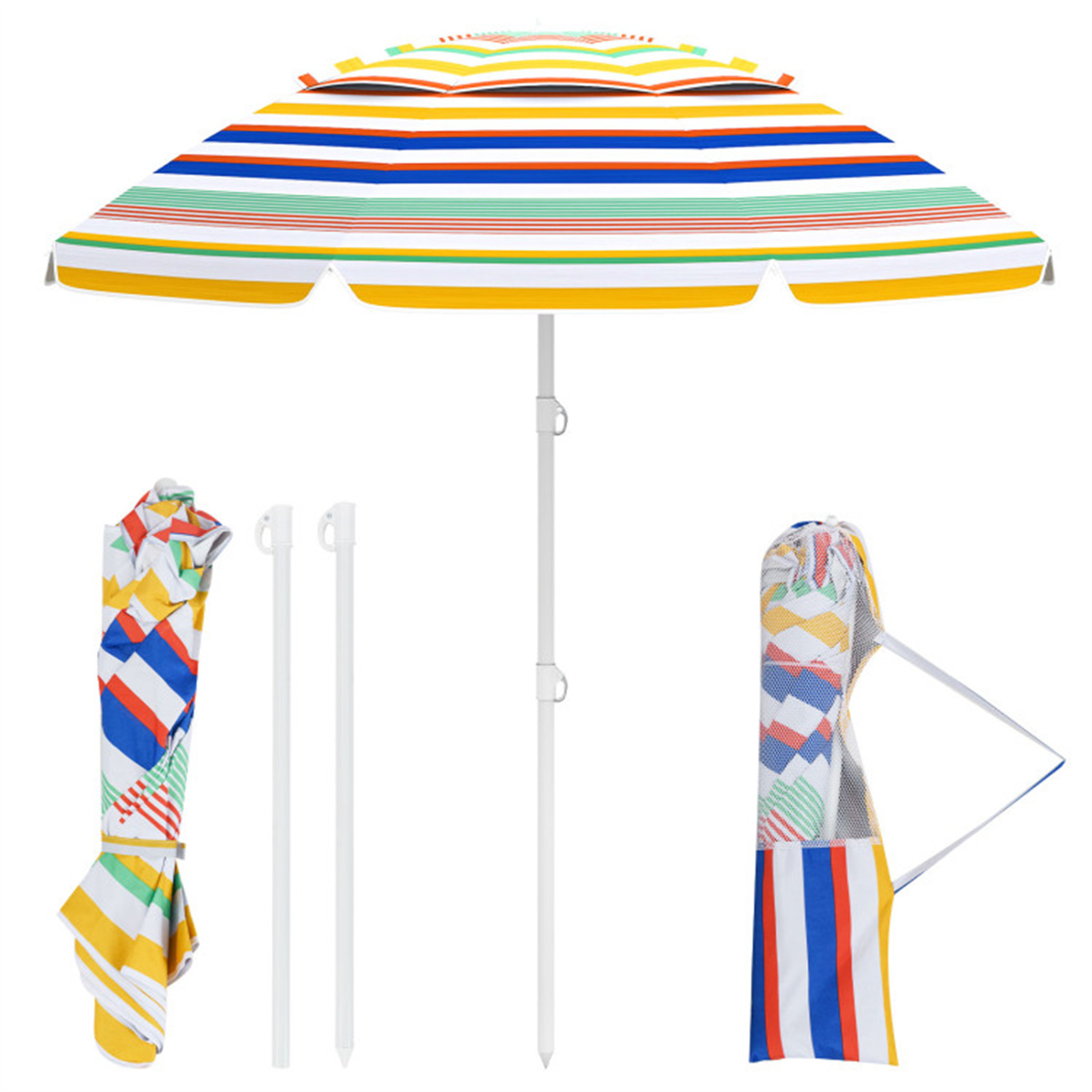 6.5ft Portable Beach Umbrella (Colorful) - UPF50+ Sun Protection (Silver-Coated Polyester), 3-Section Easy Setup (No Tools)$89.99View on Mallflare
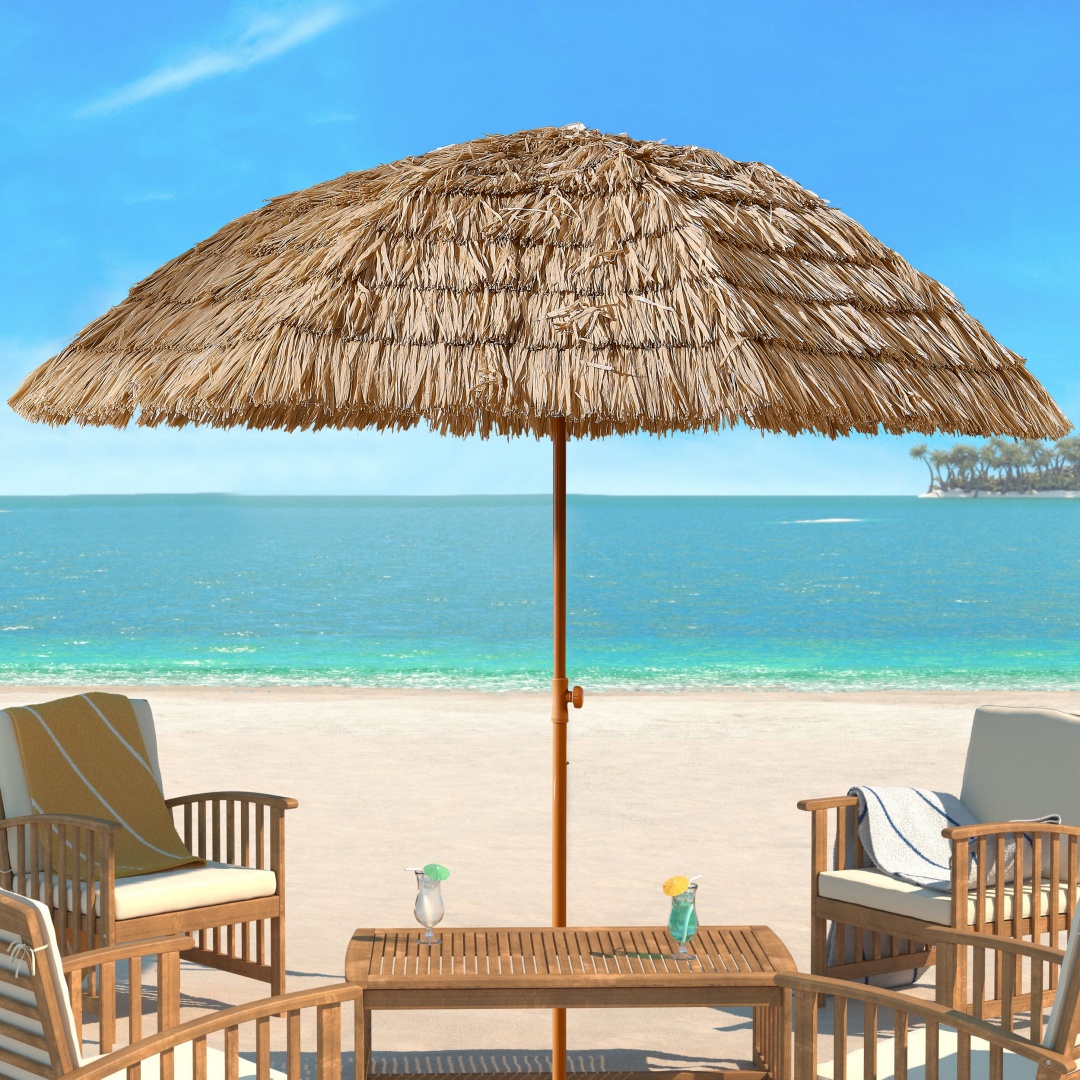 8 Thatch Patio Tiki Umbrella Tropical Palapa Raffia Hut Hawaiian Hula Beach Umbrella,Straw$101.99View on Mallflare
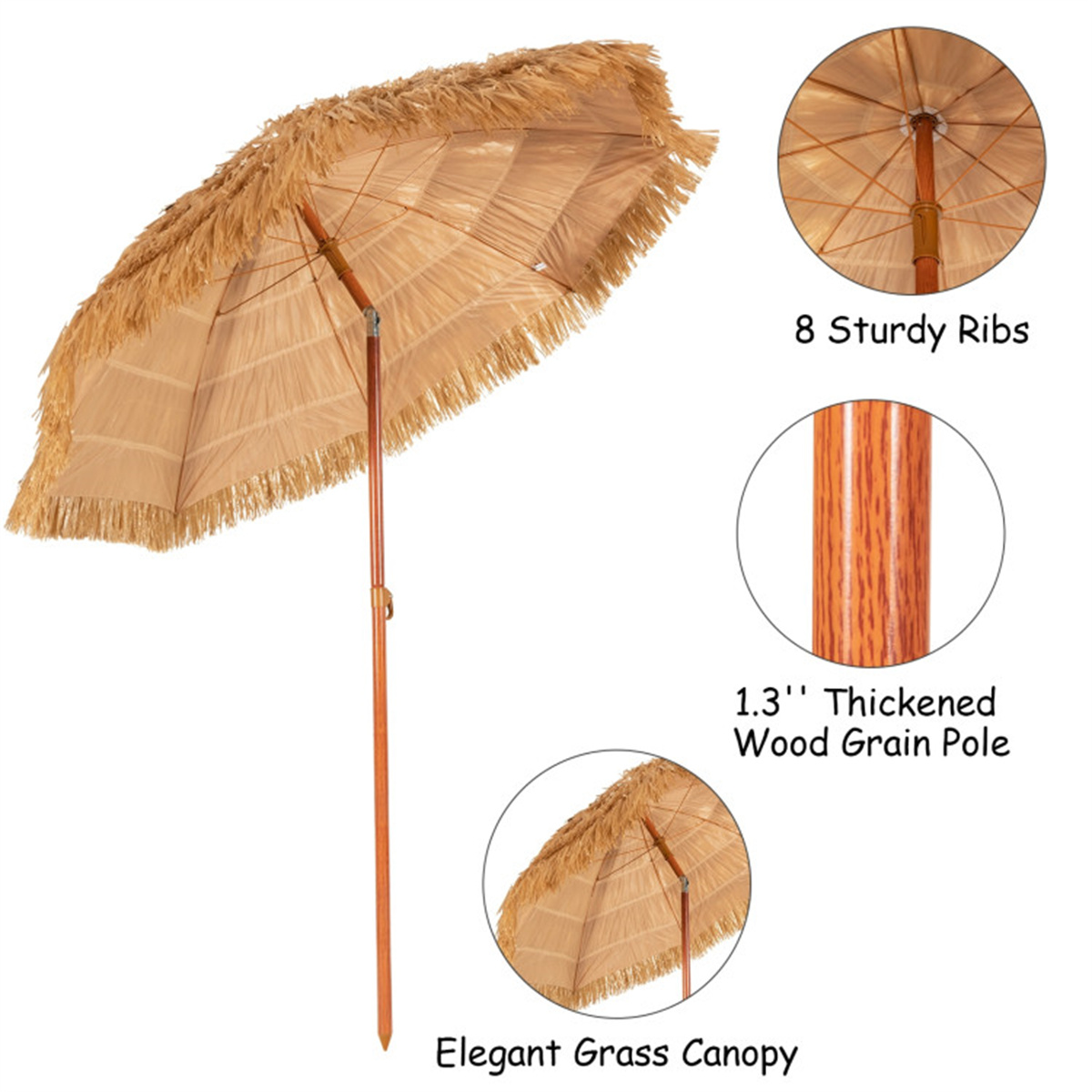 6.5 foot portable beach umbrella with adjustable tilt$102.99View on Mallflare
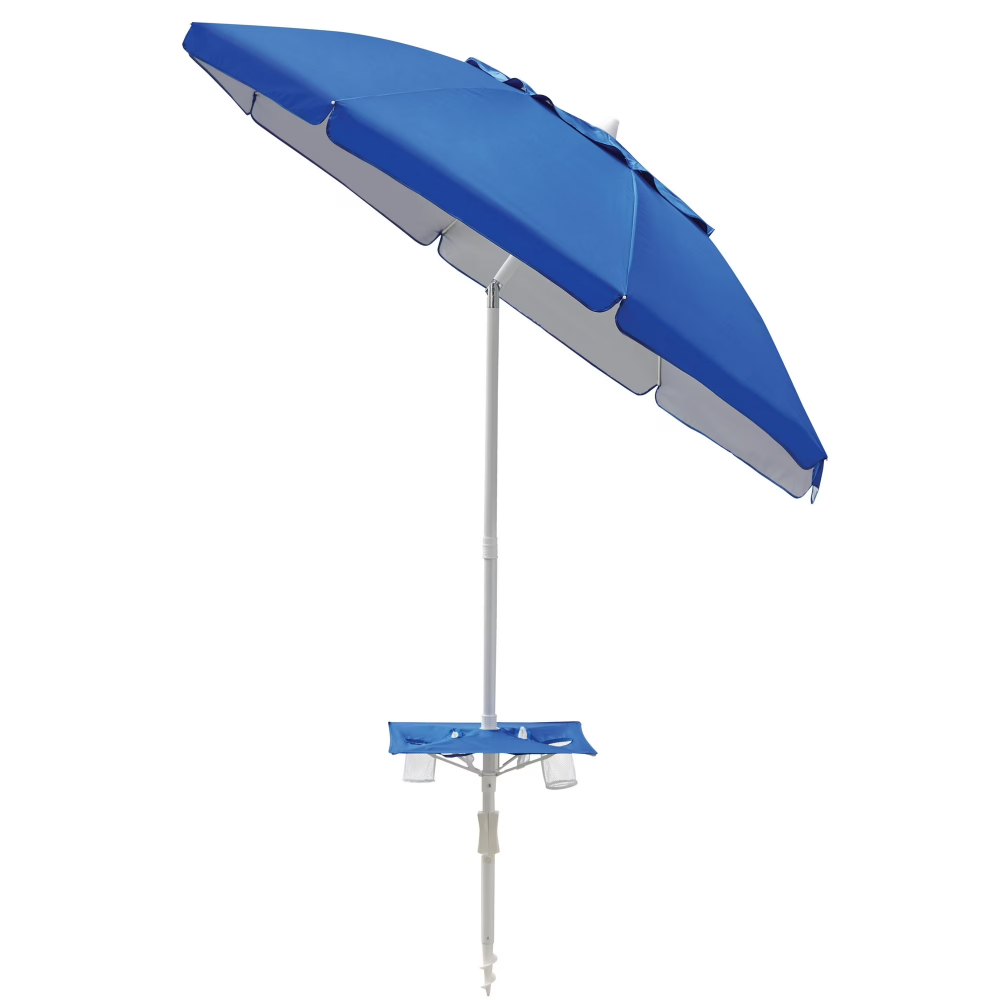 7 ft Round Blue Beach Umbrella, UV Protection UPF 50+$103.99View on Mallflare
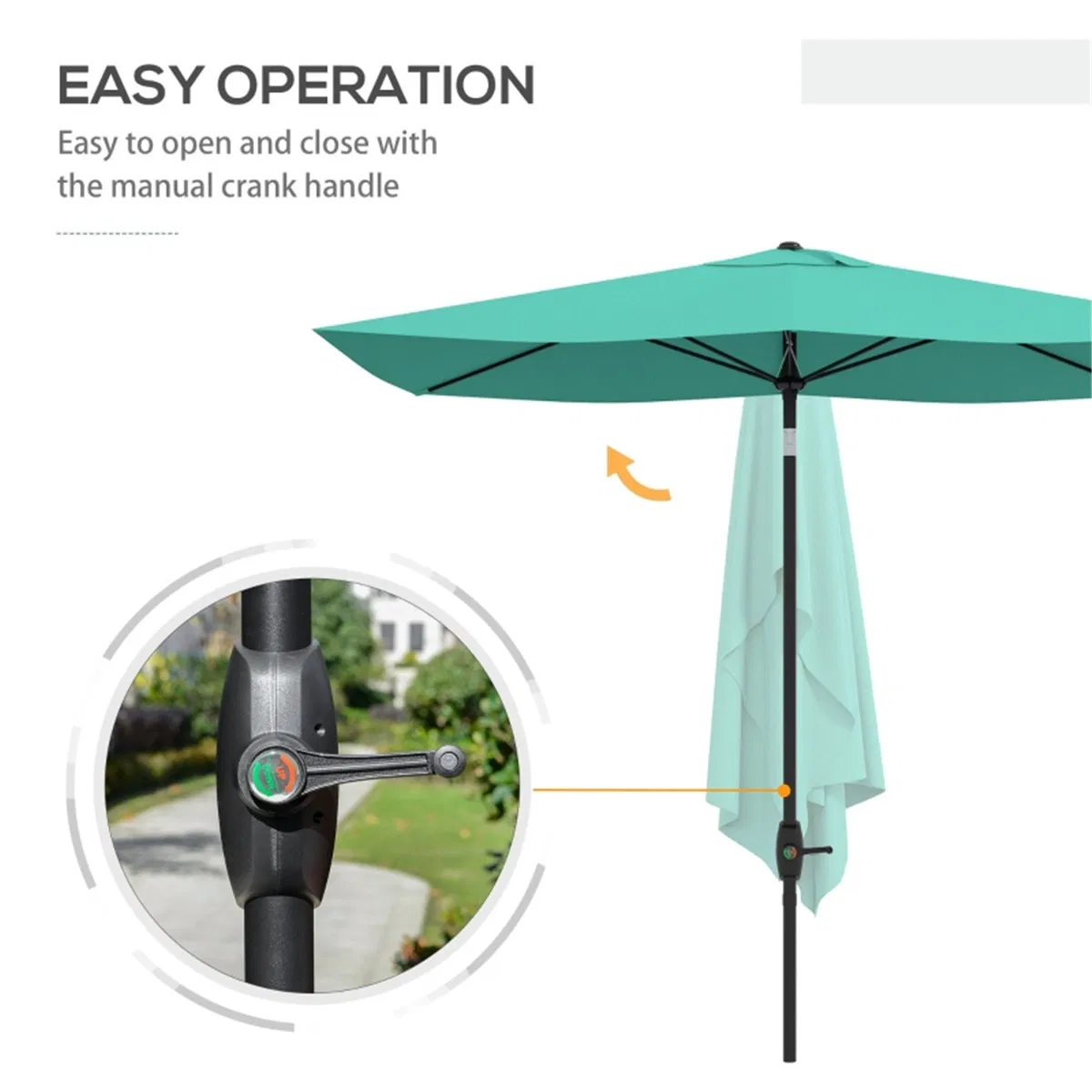 Outdoor beach umbrella / Sun$106.99View on Mallflare
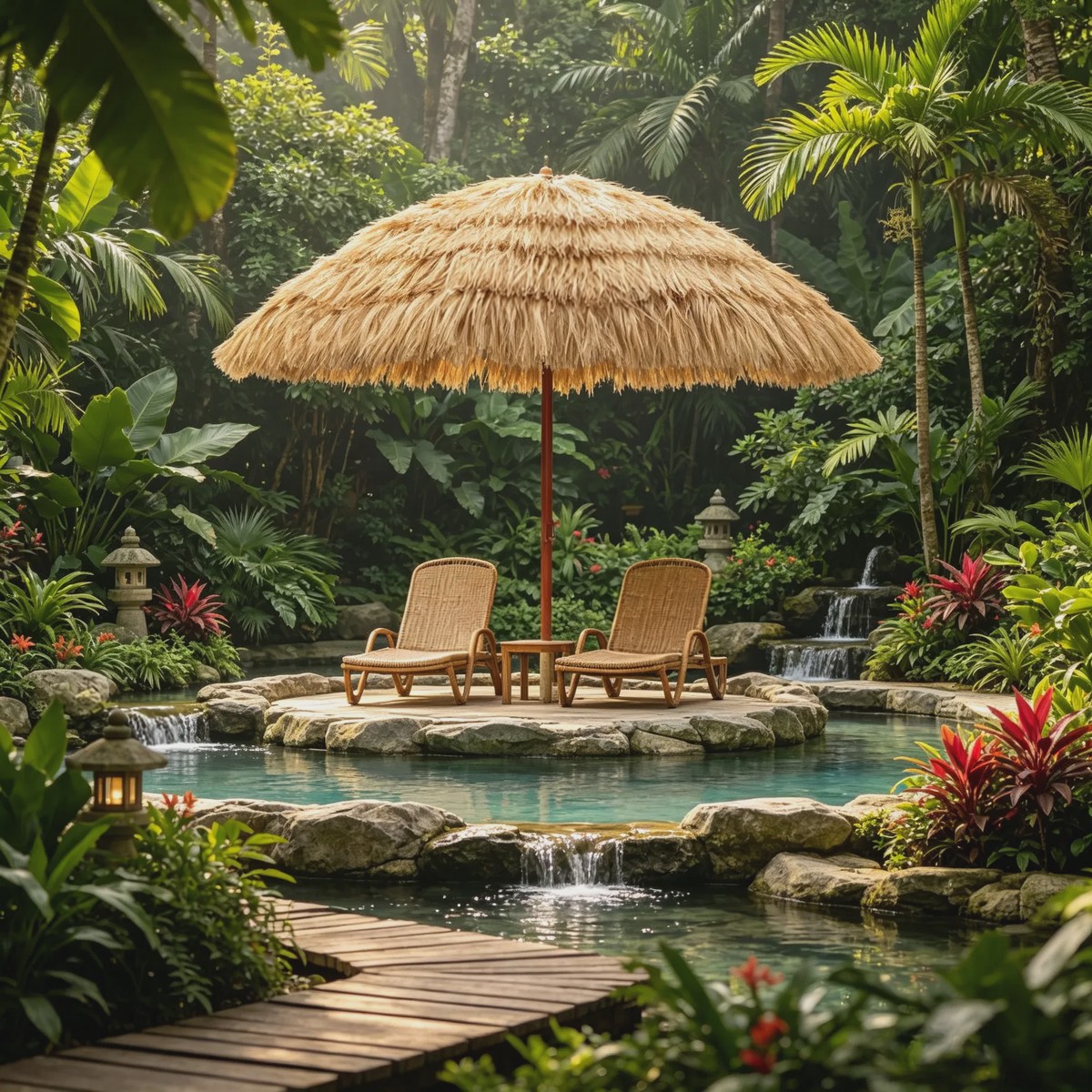 Portable 6.5 Feet Thatched Tiki Beach Umbrella Adjustable Tilt for Backyard Outdoor Relaxation And Sun Protection-2 x Patio$147.99View on Mallflare
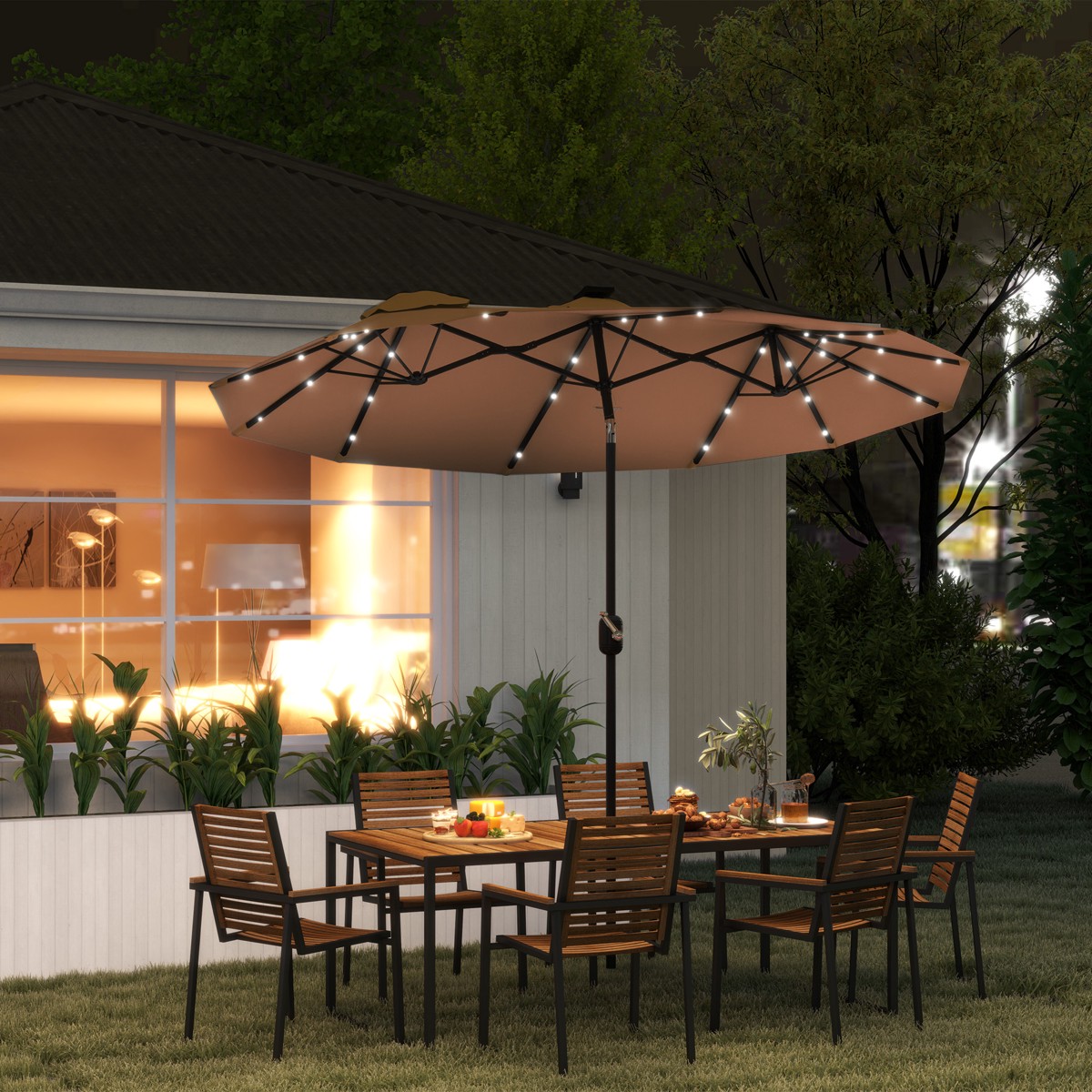 Outdoor beach umbrella/Double-Sided Market Umbrella$197.99View on Mallflare
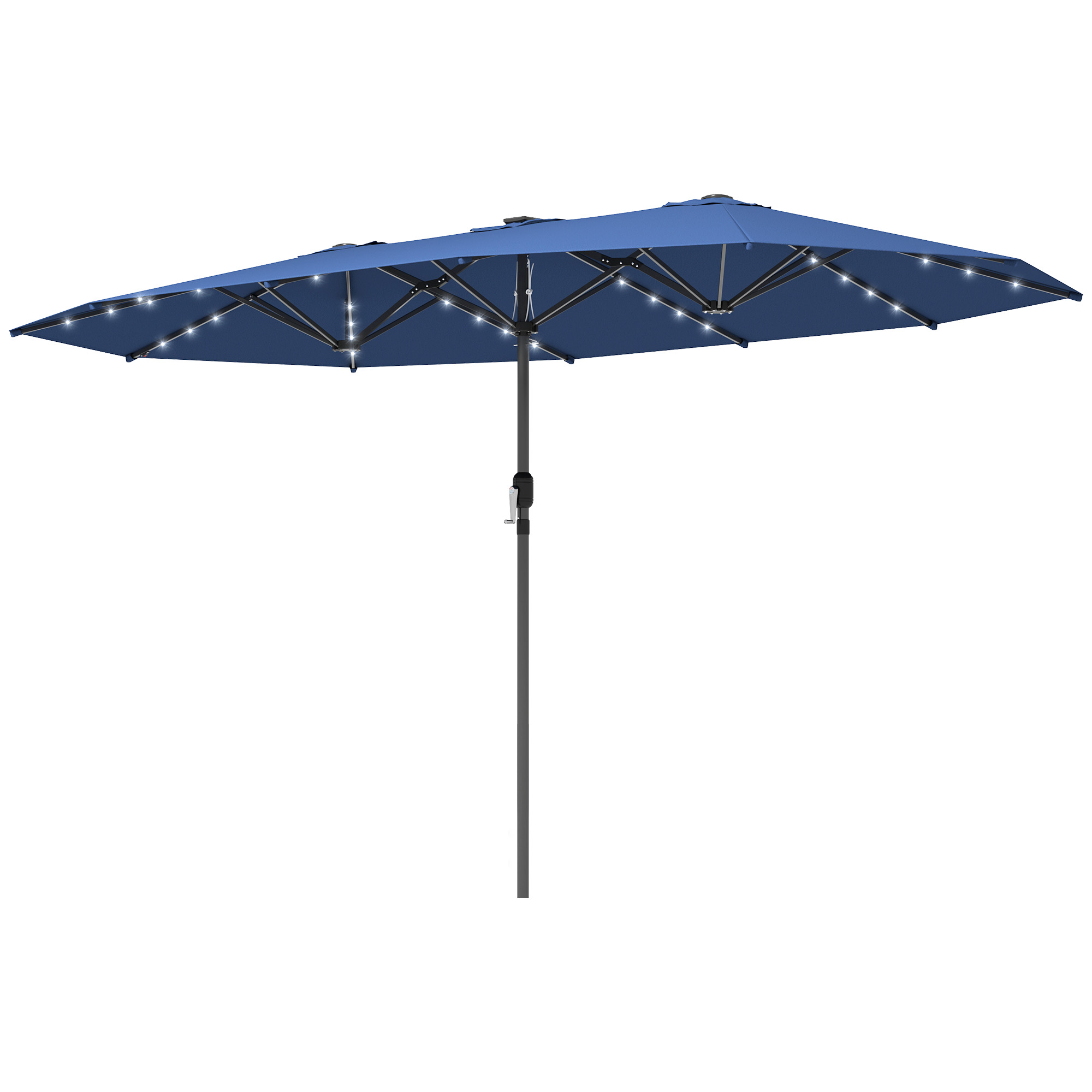 Outdoor beach umbrella/Double-Sided Sun Umbrella$323.99View on Mallflare
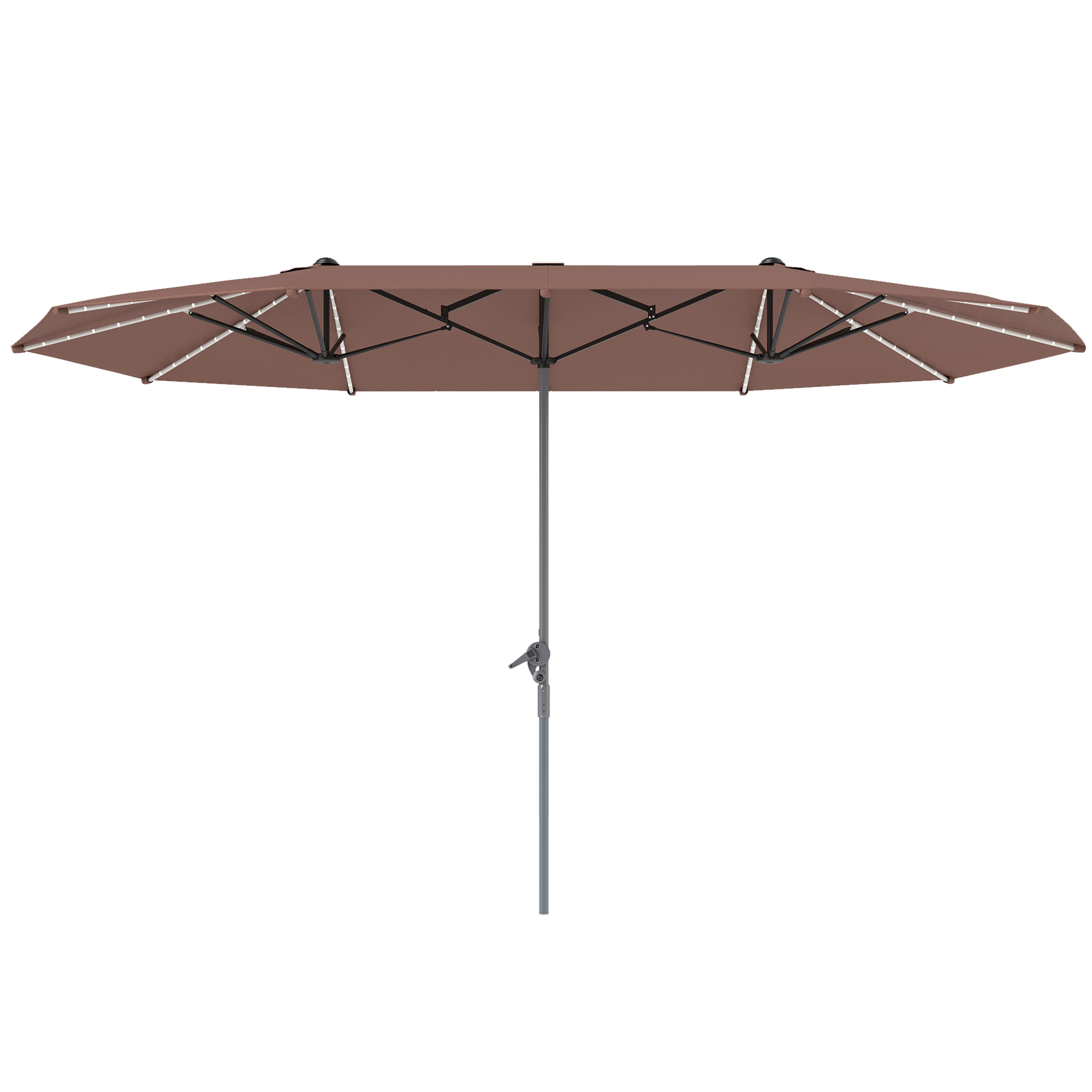 Outdoor beach umbrella /Cantilever$345.99View on Mallflare
Highlights
- Canopy fabric: 200-300D solution-dyed polyester or acrylic with UPF 50+ and water-repellent finish sheds UV and salt far better than thin 150D nylon.
- Frame construction: fiberglass ribs flex and spring back in gusts, while steel ribs rust at hinge points; aluminum poles should be 1.5-2 inch diameter with wall thickness above 1.5 mm.
- Wind vent: a top vent or double-canopy releases updraft pressure and reduces lift, which matters more than pole weight once sand anchoring is solid.
- Anchor type: sand-screw augers hold best in packed wet sand, while plate or disc anchors suit dry loose sand; match anchor thread to pole tip diameter.
Best use cases
- Best fit: coastal families on windy open beaches should pick a vented fiberglass-rib umbrella with a sand-screw anchor and 1.5-inch aluminum pole. Skip cheap steel-rib tilt umbrellas that bend at the first gust.
- Best fit: resort or poolside use with light wind and hard decking needs a heavy base plate or weighted stand rather than a sand auger. Skip sand-screw models on concrete, tile, or wood decks.
- Best fit: solo travelers who carry shade short distances should choose a 7-8 ft canopy with a carry bag under 10 lb. Skip 9-10 ft family canopies if walking more than a few hundred feet.
Buying tips
- Canopy size math: 7-8 ft diameter shades 2 people seated; 9 ft covers 3-4; 10-11 ft covers a family of 5+ but requires a heavier anchor and two-person setup.
- Pole and rib specs: require a pole diameter of at least 1.5 inches (38 mm) and fiberglass ribs of 6-8 mm diameter; steel ribs under 5 mm bend permanently in gusts above 20 mph.
- Fabric grade: choose 200D+ solution-dyed polyester or acrylic with UPF 50+; 150D nylon fades and weakens after one season of salt and UV exposure.
- Anchor compatibility: sand-screw augers need at least 12-16 inches of penetration and a pole tip that fits the auger socket; plate anchors need diameter at least 1.5x the pole base.
Specs
| Canopy Fabric | 200-300D polyester / acrylic, UPF 50+ |
|---|---|
| Rib Material | Fiberglass (best) vs steel / aluminum |
| Pole Diameter | 1.5-2 in aluminum, >1.5 mm wall |
| Anchor Type | Sand-screw auger vs plate / disc |
Related searches
What to check before buying
- Measure your vehicle trunk or cart length: packed umbrella length typically runs 50-80 inches, and 9-10 ft canopies often pack longer than 60 inches.
- Check sand conditions: packed wet sand favors auger anchors, while loose dry sand needs a wider plate or disc anchor with a larger surface area.
- Confirm pole diameter matches your existing beach stand or sand spike; common poles are 1.25, 1.5, and 2 inches and are not interchangeable.
- Verify wind rating claims align with rib material: fiberglass ribs with vents handle 20-30 mph gusts, while unvented steel-rib models should be taken down above 15 mph.
FAQ
Data sources: eBay / Amazon listings and product attribute feeds. Updated Nov 27, 2026.
Some links on this page are affiliate links. If you buy after clicking one, we may earn a commission at no extra cost to you. This does not change which products appear here or their order. Affiliate disclosure.