
Photos from current listings. Actual item, color, and included accessories may vary.
Wooden Mini Greenhouse Buying Guide
A wooden mini greenhouse is a cold-frame or small walk-in structure with a timber frame and rigid polycarbonate or glass glazing, used to extend the growing season and protect seedlings. The core trade-off is timber grade and glazing thickness: thin 4mm twin-wall polycarbonate and softwood frames offer budget protection but degrade under UV and moisture, while 6mm+ panels and rot-resistant cedar or treated pine deliver multi-season durability. Choose a wooden cold frame for low, season-extending protection and a walk-in timber greenhouse for full-height, year-round cultivation.
Median $165.99
Key takeaways
- Glazing thickness drives insulation and impact resistance: 4mm twin-wall polycarbonate suits frost protection, 6mm multi-wall or 8mm+ panels handle heavier snow loads and wind.
- Timber species determines rot life: cedar and redwood resist moisture naturally, while untreated pine requires pressure treatment or annual sealing to last beyond 2-3 seasons.
- Cold frames rely on adjustable lids for venting and hardening off; walk-in models need roof vents plus a door for airflow to prevent condensation and fungal disease.
At a glance
- Category
- Greenhouse & Hydroponics
- Last updated
- Nov 27, 2026
Current offers
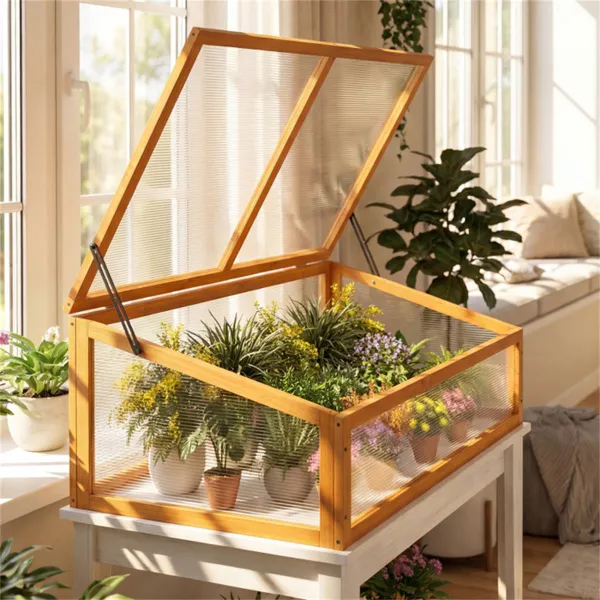 37" X 25' X 16' Wooden Cold Frame Greenhouse With Adjustable Polycarbonate Roof, Portable Mini Hot House For Extending Growing Season$133.99View on Mallflare
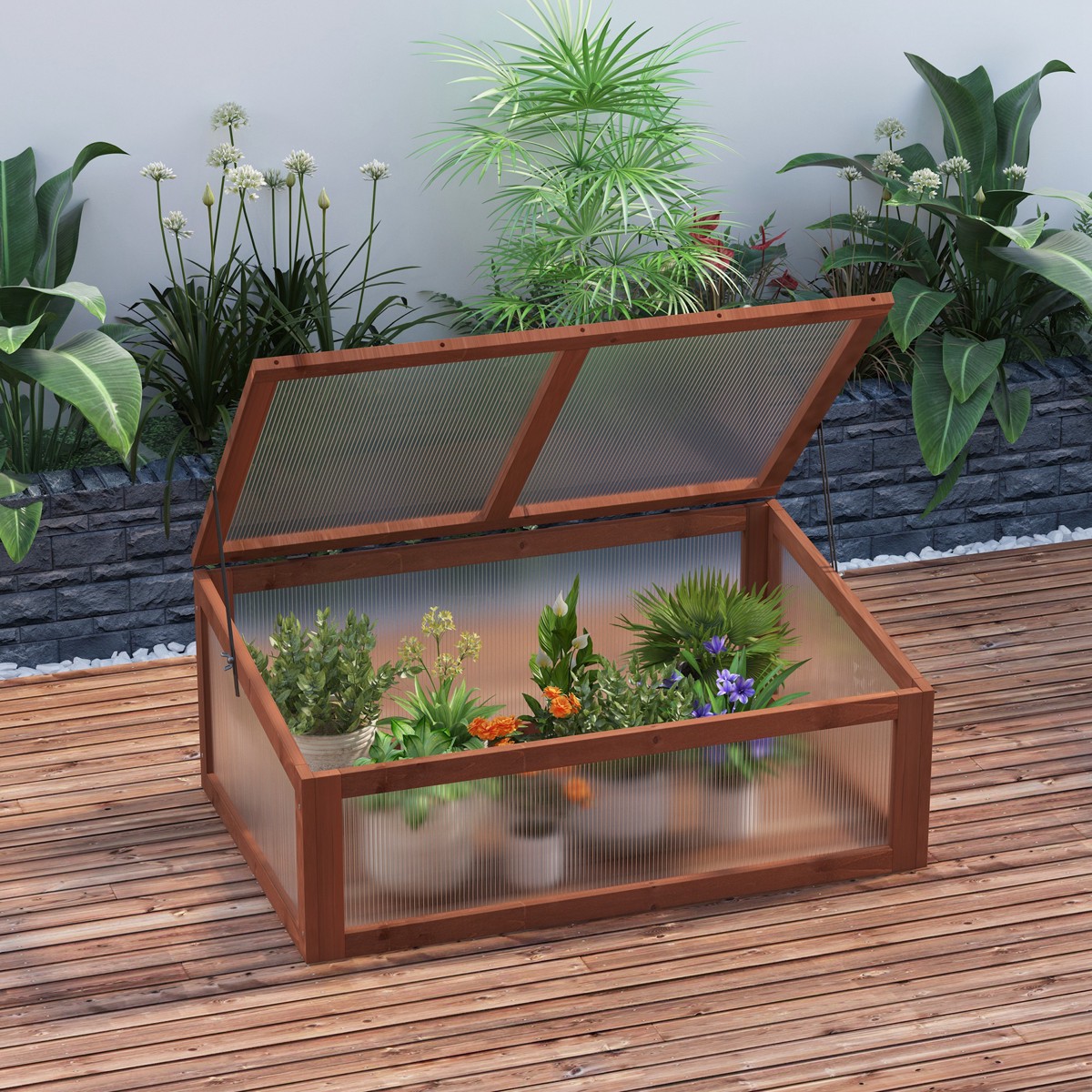 Wooden Cold Frame Greenhouse, Mini With Polycarbonate Board And Solid Wood Green House Indoor Outdoor Terrarium Planter Box, 39" X 26" X 16", Natural$145.99View on Mallflare
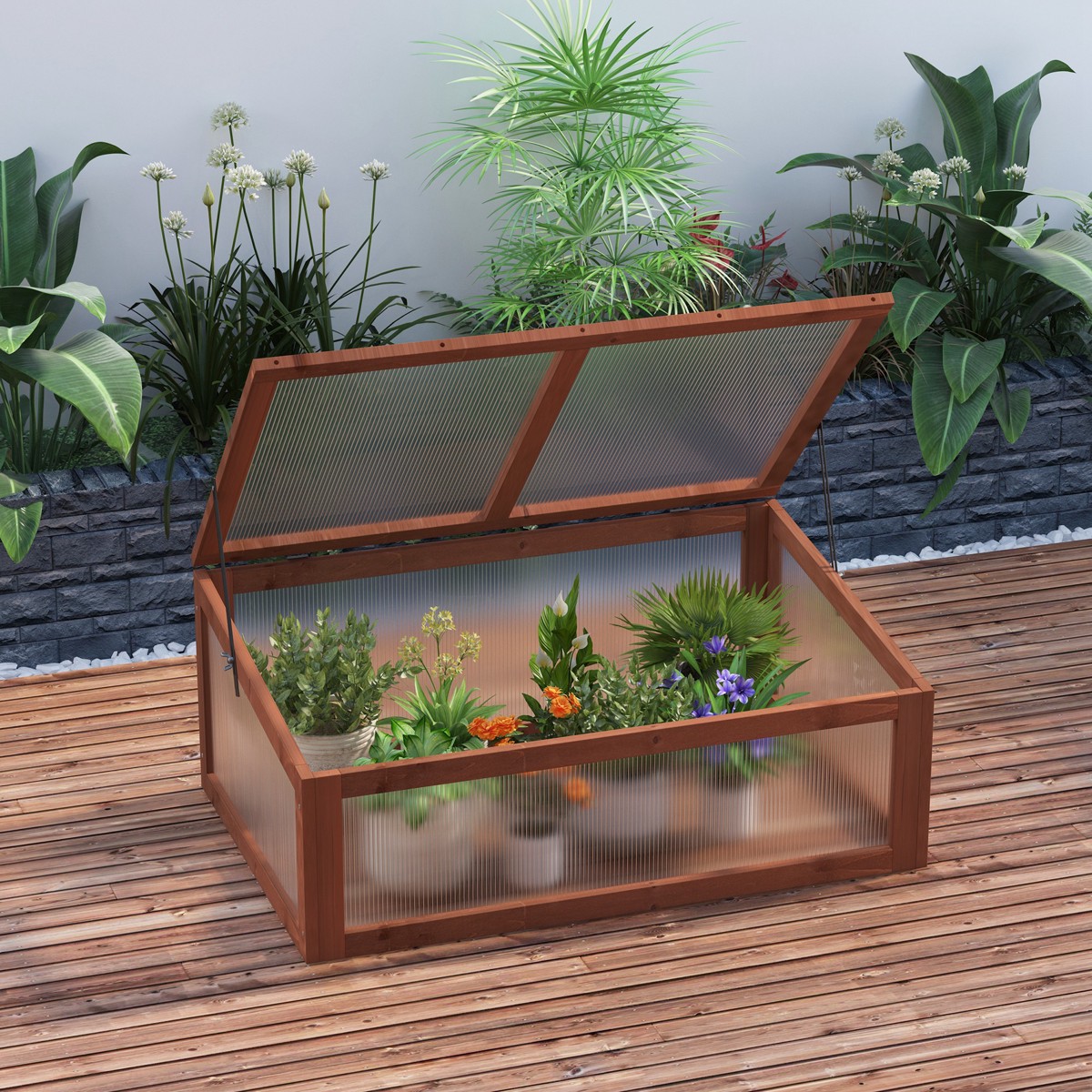 Wooden Cold Frame Greenhouse$185.99View on Mallflare
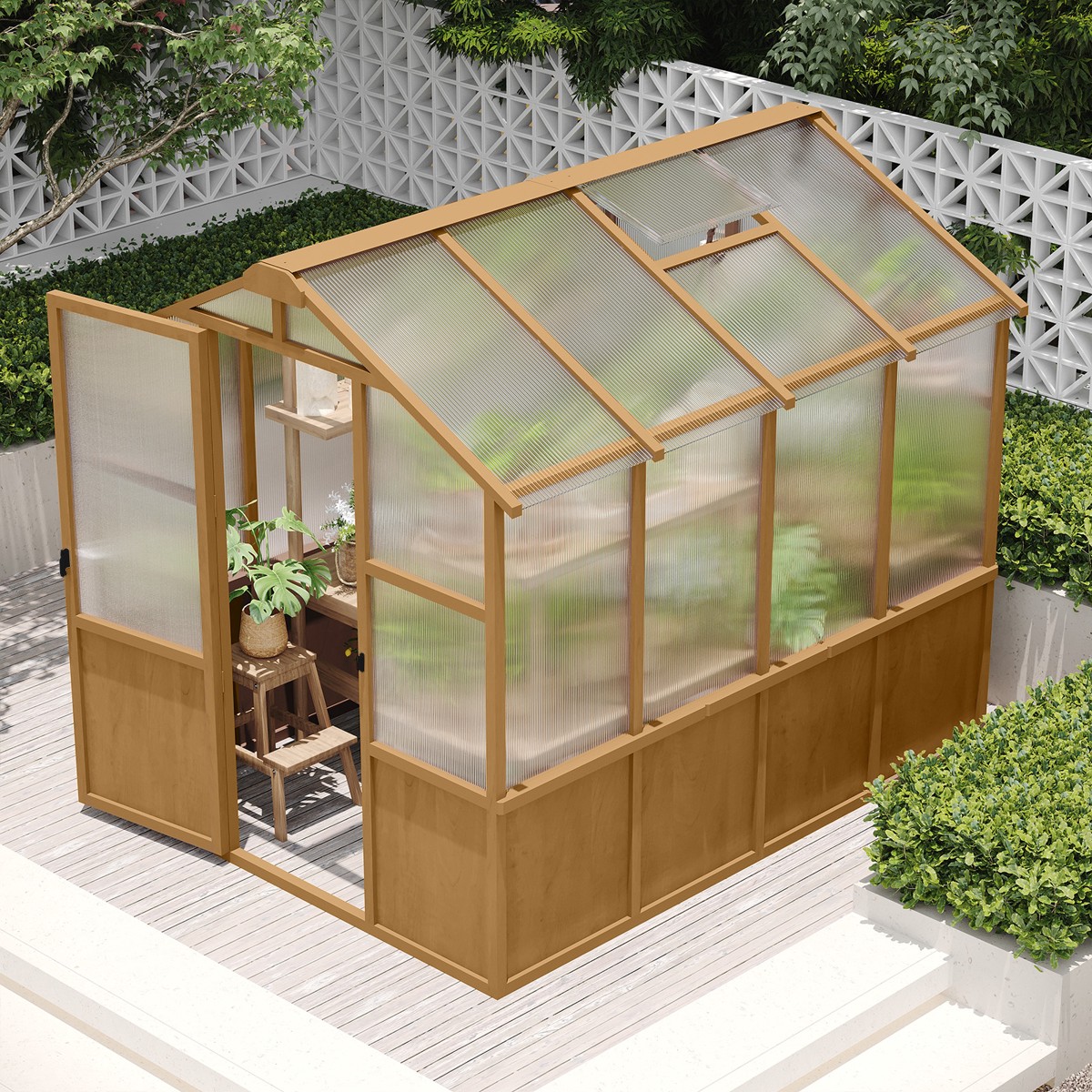 6x8 FT Greenhouse, Wooden Walk-in For Outdoors With 6MM Thick Polycarbonate Panel And Adjustable Roof Vents, Garden Backyard, Patio, Lawn, Wood Colour$663.99View on Mallflare
Highlights
- Glazing thickness drives insulation and impact resistance: 4mm twin-wall polycarbonate suits frost protection, 6mm multi-wall or 8mm+ panels handle heavier snow loads and wind.
- Timber species determines rot life: cedar and redwood resist moisture naturally, while untreated pine requires pressure treatment or annual sealing to last beyond 2-3 seasons.
- Cold frames rely on adjustable lids for venting and hardening off; walk-in models need roof vents plus a door for airflow to prevent condensation and fungal disease.
- Polycarbonate blocks most UV while diffusing light, but thin panels yellow and become brittle after several years of sun exposure; UV-stabilized grades last longer.
Best use cases
- Best fit: low cold frame (approx. 3-4 ft wide, 16 in tall) for hardening off seedlings, overwintering hardy greens, and extending salad harvests by weeks — skip walk-in models if you only need ground-level protection.
- Best fit: wooden walk-in greenhouse (6x8 ft class) for full-height tomato, pepper, and cucumber growing with 6mm polycarbonate panels and roof vents — skip thin-film or 4mm kits if you need winter snow-load capacity.
- Best fit: raised planter-box cold frame with solid wood base for patio or deck growing of herbs and compact vegetables — choose untreated cedar or sealed pine and avoid MDF or particleboard frames.
- Wrong fit: high-wind or heavy-snow regions without anchored, thick-panel models; lightweight mini frames tip or collapse, so pick 6mm+ glazing and ground anchoring or skip entirely.
Buying tips
- Match glazing to climate: 4mm twin-wall polycarbonate for mild frost protection; 6mm multi-wall or 8mm polycarbonate for cold winters and snow loads above a few inches.
- Choose cedar, redwood, or pressure-treated pine for the frame; untreated softwood needs sealing within the first season or rot shortens lifespan to 2-3 years.
- Size by plant height: cold frames 12-18 in tall suit seedlings and low greens; walk-in models need 6 ft+ eaves for tomatoes and trellised crops.
- Confirm panel UV stabilization and frame joinery: mortise-and-tenon or screwed aluminum connectors outlast stapled or nailed butt joints in exposed sites.
Specs
| Glazing Type | Twin/multi-wall polycarbonate vs glass |
|---|---|
| Panel Thickness | 4mm to 8mm+ polycarbonate |
| Frame Material | Cedar, redwood, treated or untreated pine |
| Structure Type | Cold frame (low) vs walk-in (6ft+) |
Related searches
What to check before buying
- Measure your space for footprint and door swing: a 6x8 ft walk-in needs roughly 8 ft clearance on the door side; cold frames need lid clearance when fully open.
- Assess snow and wind exposure: select 6mm+ polycarbonate and plan ground anchors or base weights if your area sees heavy snow or gusts above 40 mph.
- Check base and leveling: timber frames should sit on a level, well-drained base (pavers, gravel, or timber sill) to prevent water pooling and frame rot.
- Plan venting and access: ensure adjustable roof vents or a lidded cold frame for summer airflow, and confirm door width accommodates your tools and watering can.
FAQ
Data sources: eBay / Amazon listings and product attribute feeds. Updated Nov 27, 2026.
Some links on this page are affiliate links. If you buy after clicking one, we may earn a commission at no extra cost to you. This does not change which products appear here or their order. Affiliate disclosure.