
Photos from current listings. Actual item, color, and included accessories may vary.
Plant Lamp Buying Guide
Plant lamps are supplemental or sole-source lighting fixtures that deliver photosynthetically active radiation (PAR) to indoor seedlings, herbs, and flowering crops, with performance governed by LED chip efficiency, driver quality, and thermal design rather than raw wattage claims. The core trade-off is between budget blurple panels with inflated wattage numbers and full-spectrum, dimmable fixtures using name-brand diodes and true power draw. The decision rule: buy a lamp rated by actual wall watts and PPFD at your canopy distance, skip any fixture advertised only by 'equivalent' wattage with no spectrum or PAR data.
Median $175.55 · New listings
Key takeaways
- True power draw vs marketing wattage: a '5000W' fixture typically pulls 100-200W from the wall; compare actual input watts and PPFD charts, not model-name numbers.
- Diode generation matters: Samsung LM281B+ and LM301B/H chips deliver roughly 2.5-3.0 µmol/J, versus older epistar-style diodes at 1.0-1.5 µmol/J for the same wattage.
- Form factor splits into three architectures: gooseneck/clip dual-head lamps for 1-3 small pots, quantum-board panels for 2x2 to 4x4 tents, and integrated stand/greenhouse kits with built-in timers.
At a glance
- Category
- Greenhouse & Hydroponics
- Last updated
- Nov 27, 2026
Current offers
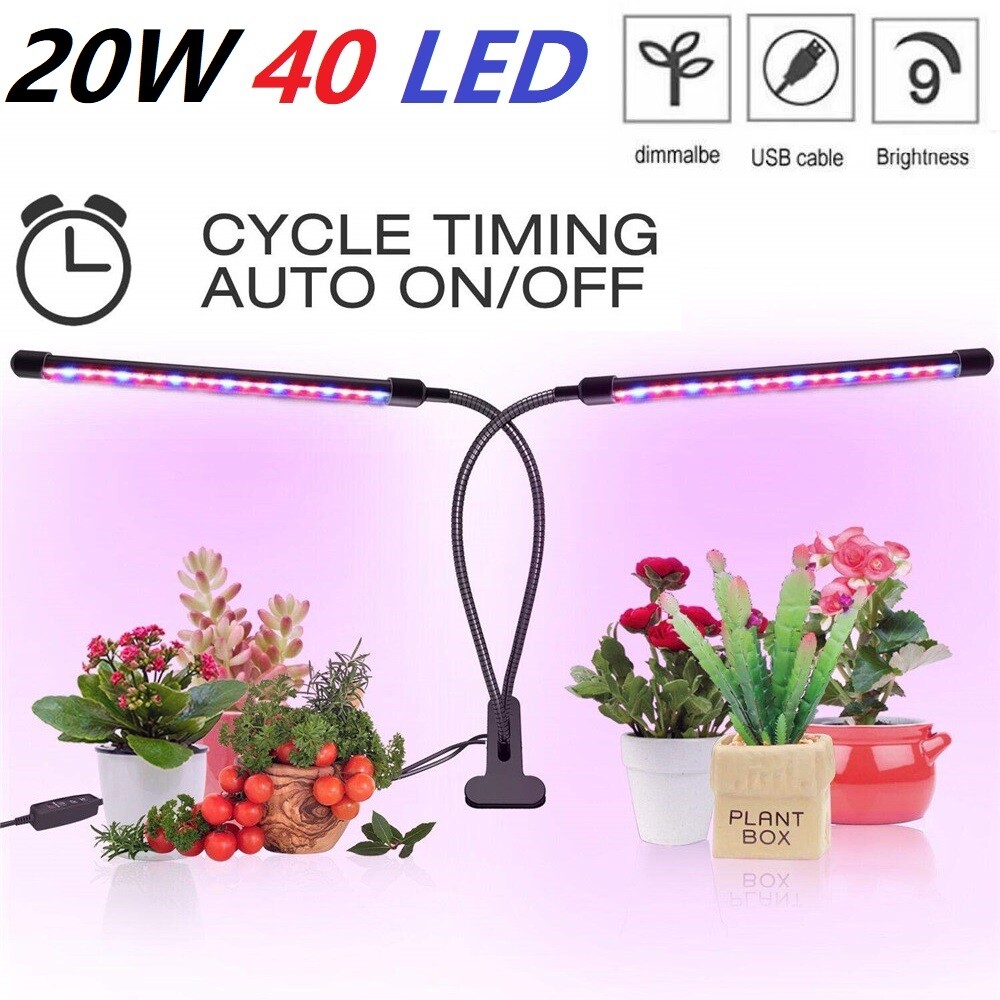 Plant Grow Light Gooseneck Dual Head LED Lamp Hydroponics Greenhouse Dimmable US$22.98View on eBay
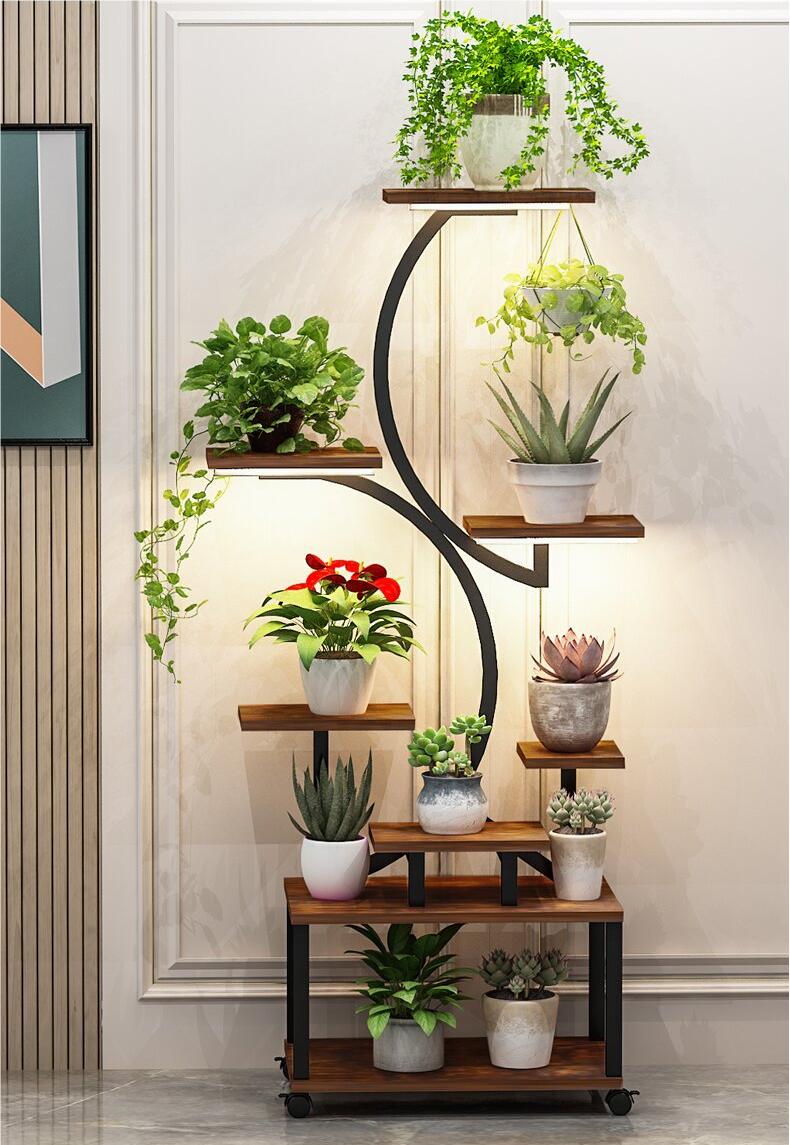 Plant Stand With Grow Lights, 8 Tiered Indoor Shelf, 61 Tall For Plants Multiple, Metal Flower Holder S-Shaped Rack For Home Patio$92.99View on Mallflare
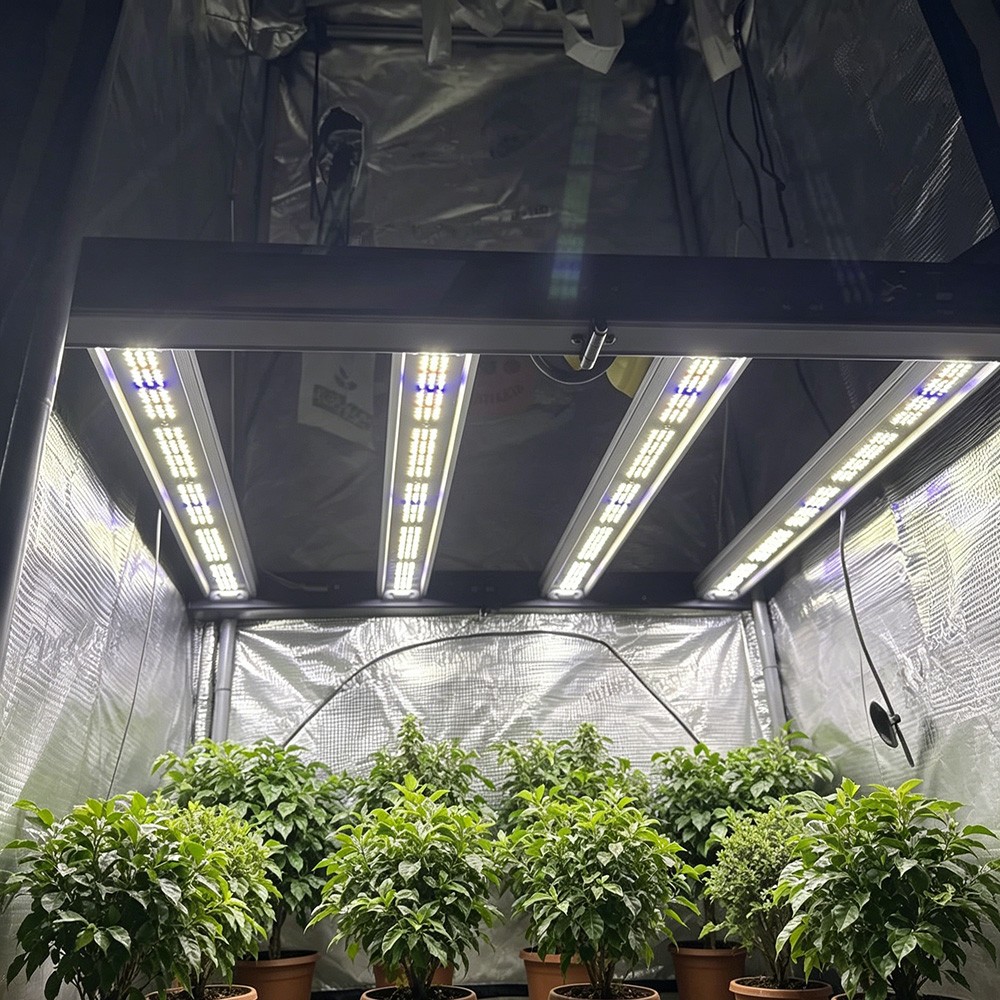 3000W Spider LED Greenhouse Grow Light Full Spectrum for Indoor Veg Bloom Plants$79.59Last checked Nov 28, 2026View on eBay
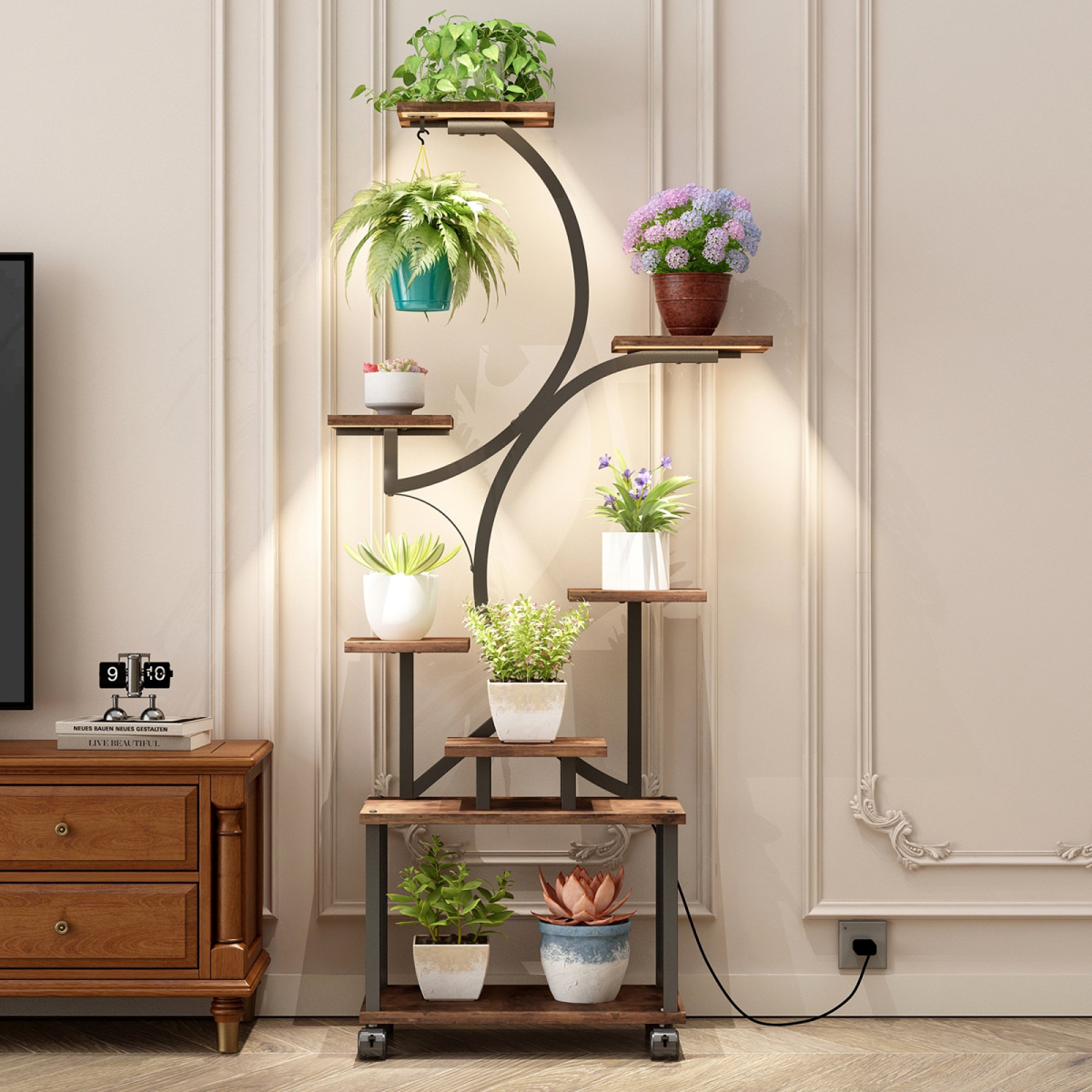 Plant Stand with Grow Lights, 62" Tall Shelf, Lighted Corner Stands for Indoor Growing, 8 Tiered Large Flower Holder, S-Shaped Decorative Rack for Living Room Home Patio Brown$151.99View on Mallflare
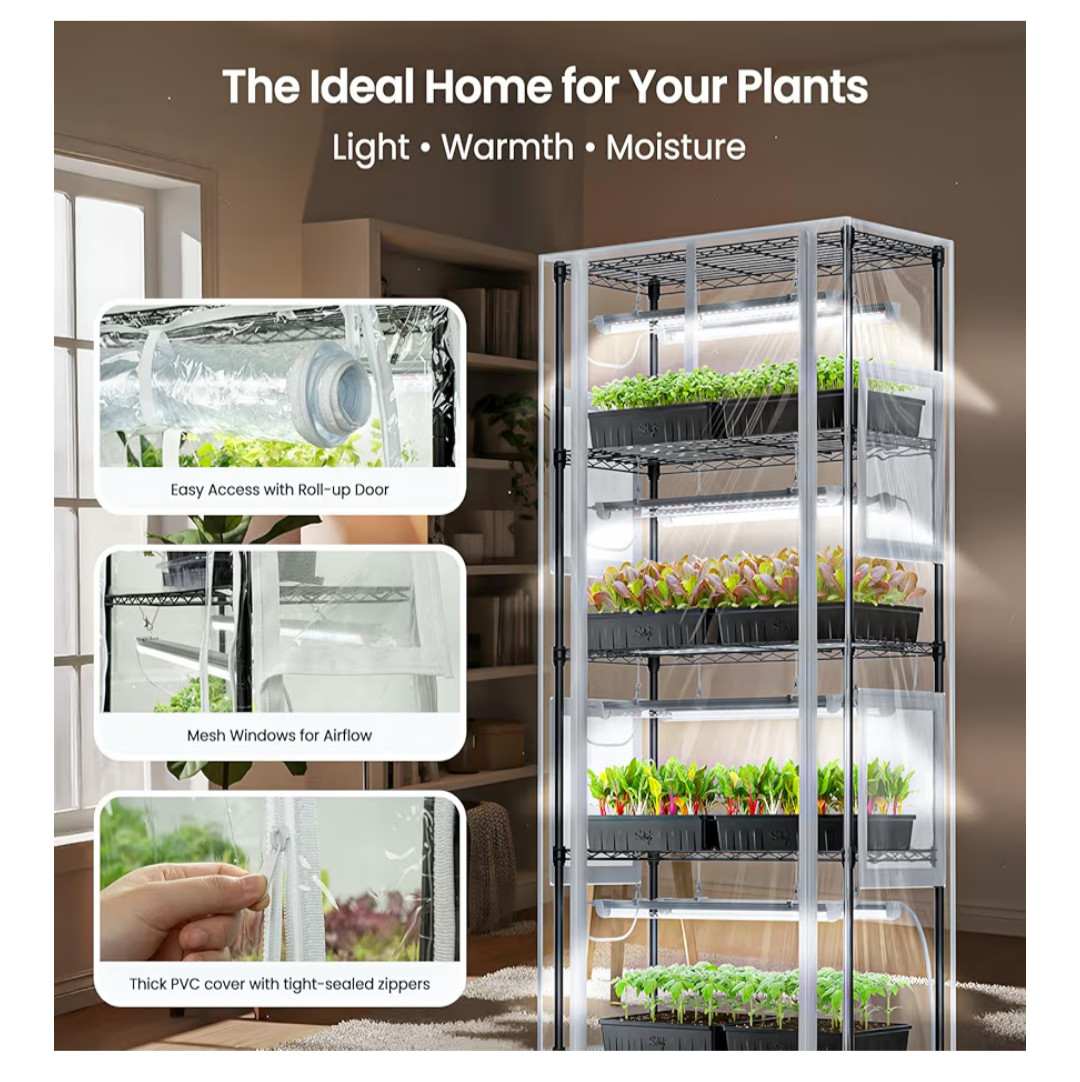 SOLIGT Indoor Greenhouse with Grow Lights - 5 Tier Plant Shelf & 8 x 2FT 6000K F$175.00View on eBay
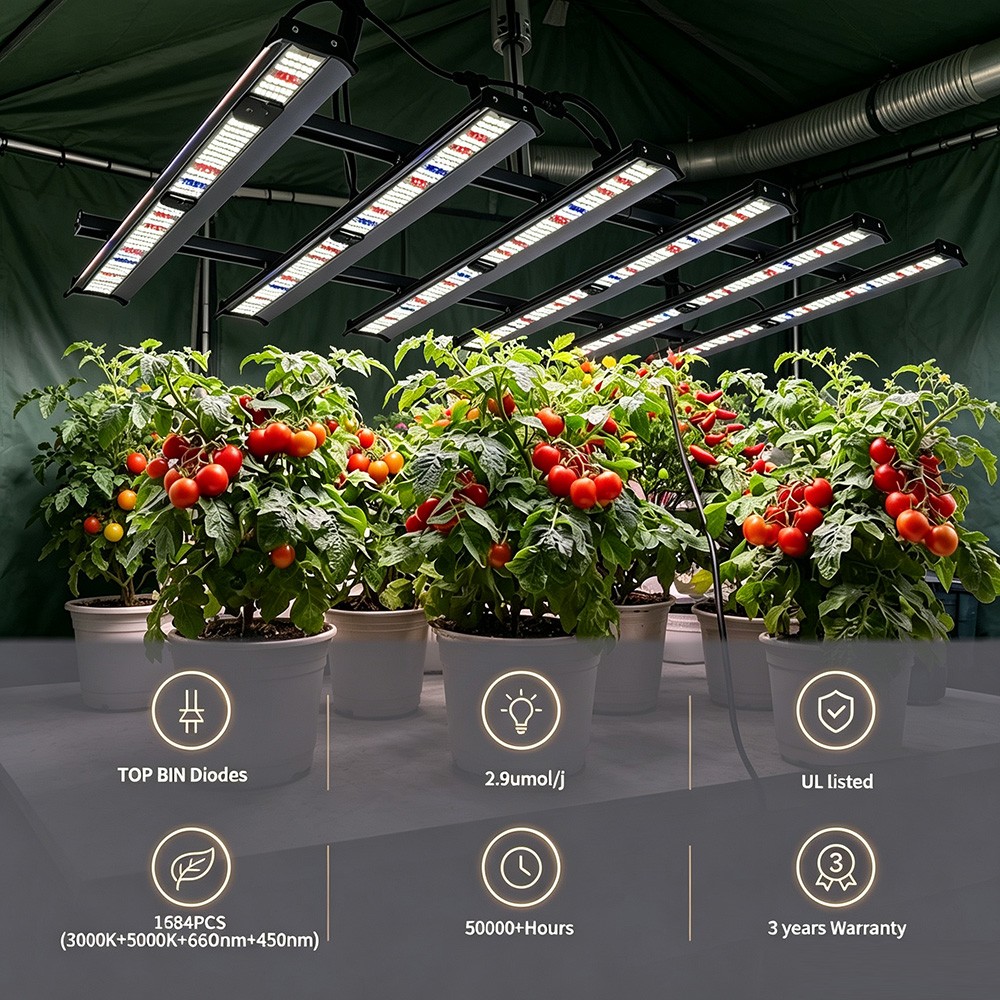 5000W Grow Light 4X4FT Full Spectrum LM281B LED Commercial Greenhouse Plant Lamp$175.55View on eBay
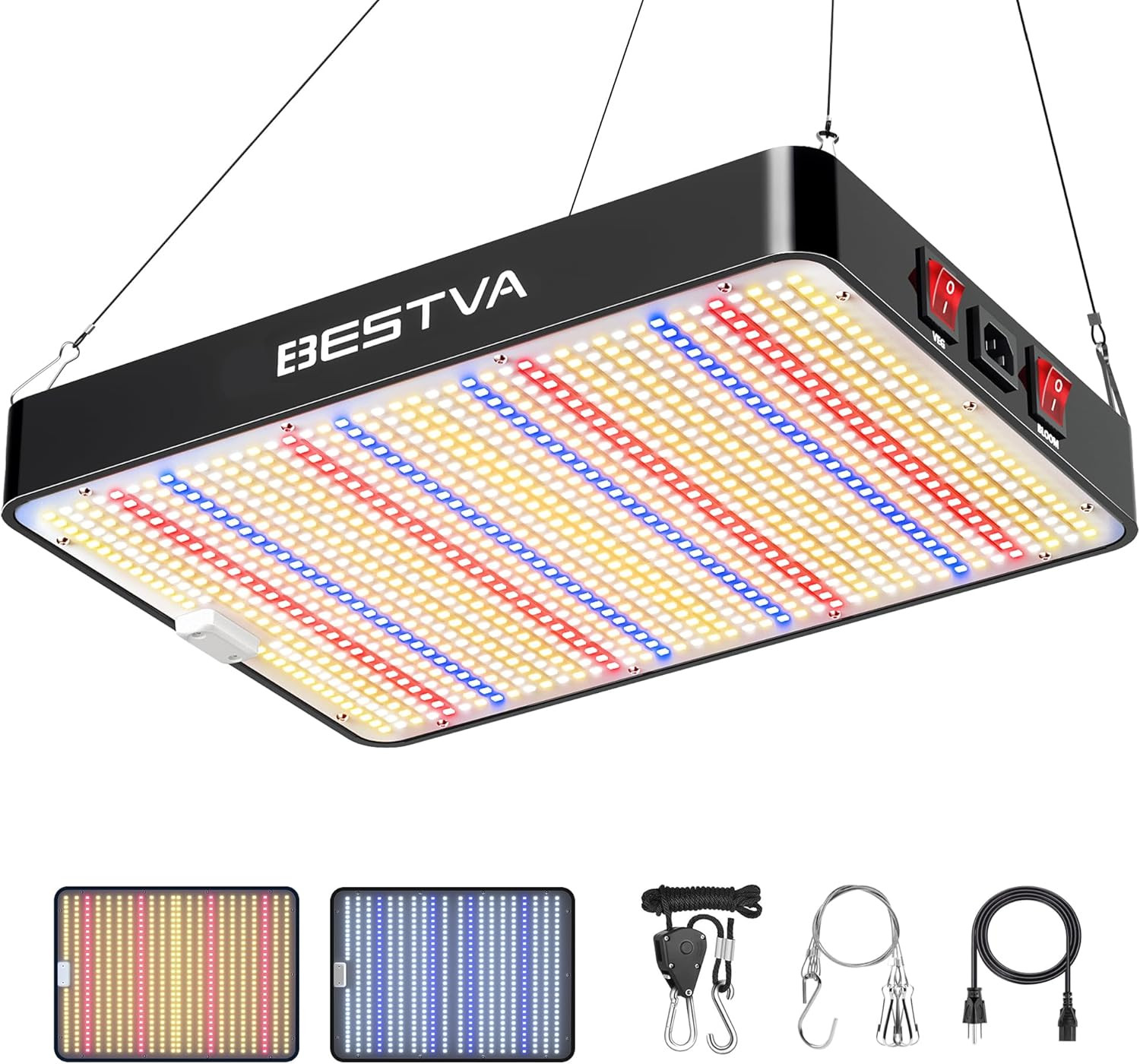 DC2000 Grow Light for Indoor Plants, Dimmable Full Spectrum LED Plant Light$207.93New · Last checked Nov 20, 2026View on eBay
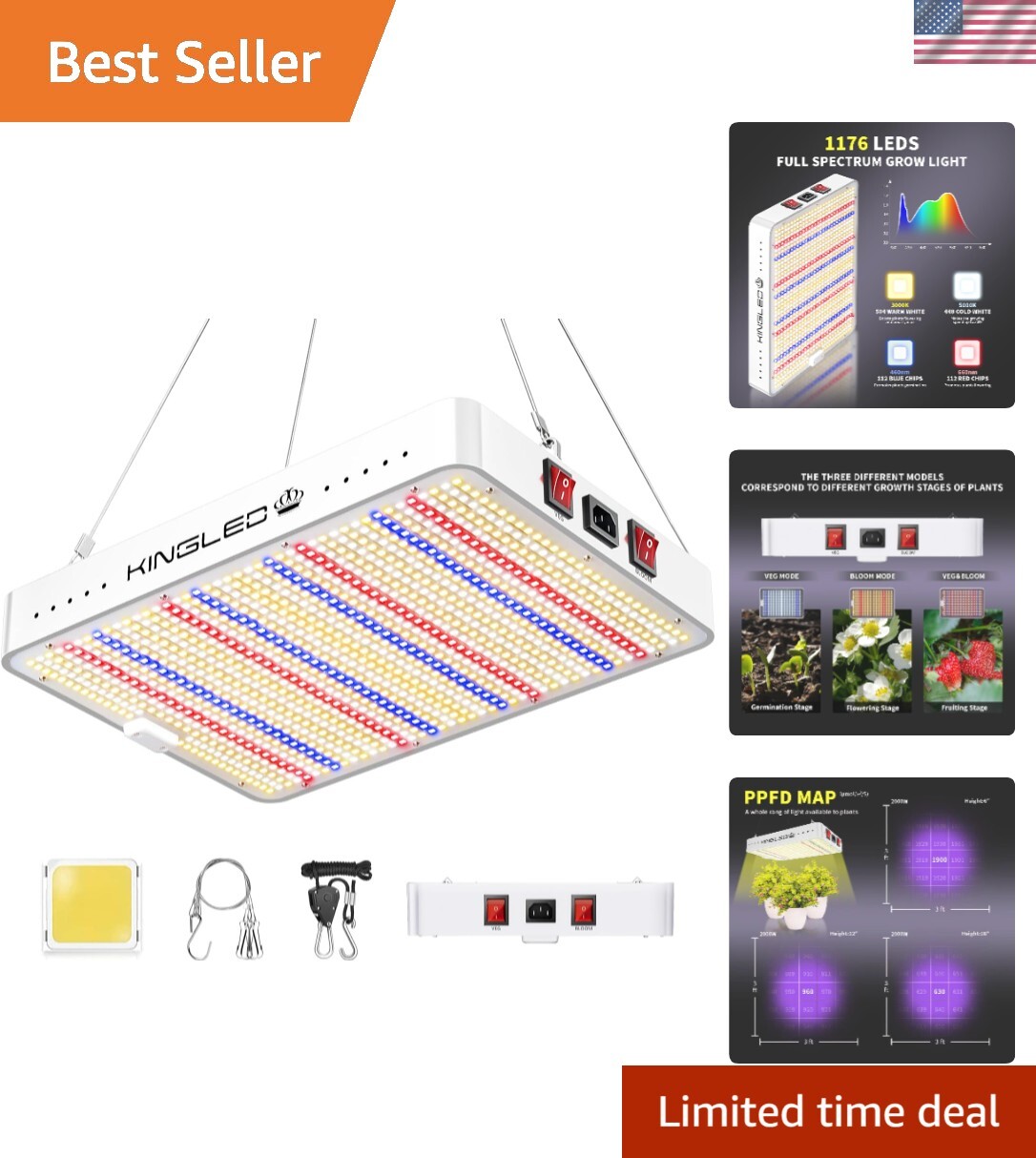 Grow Lights, KP2000 Full Spectrum Grow Lamp for Indoor Plant, Veg Bloom Dual ...$213.99New · Last checked Nov 20, 2026View on eBay
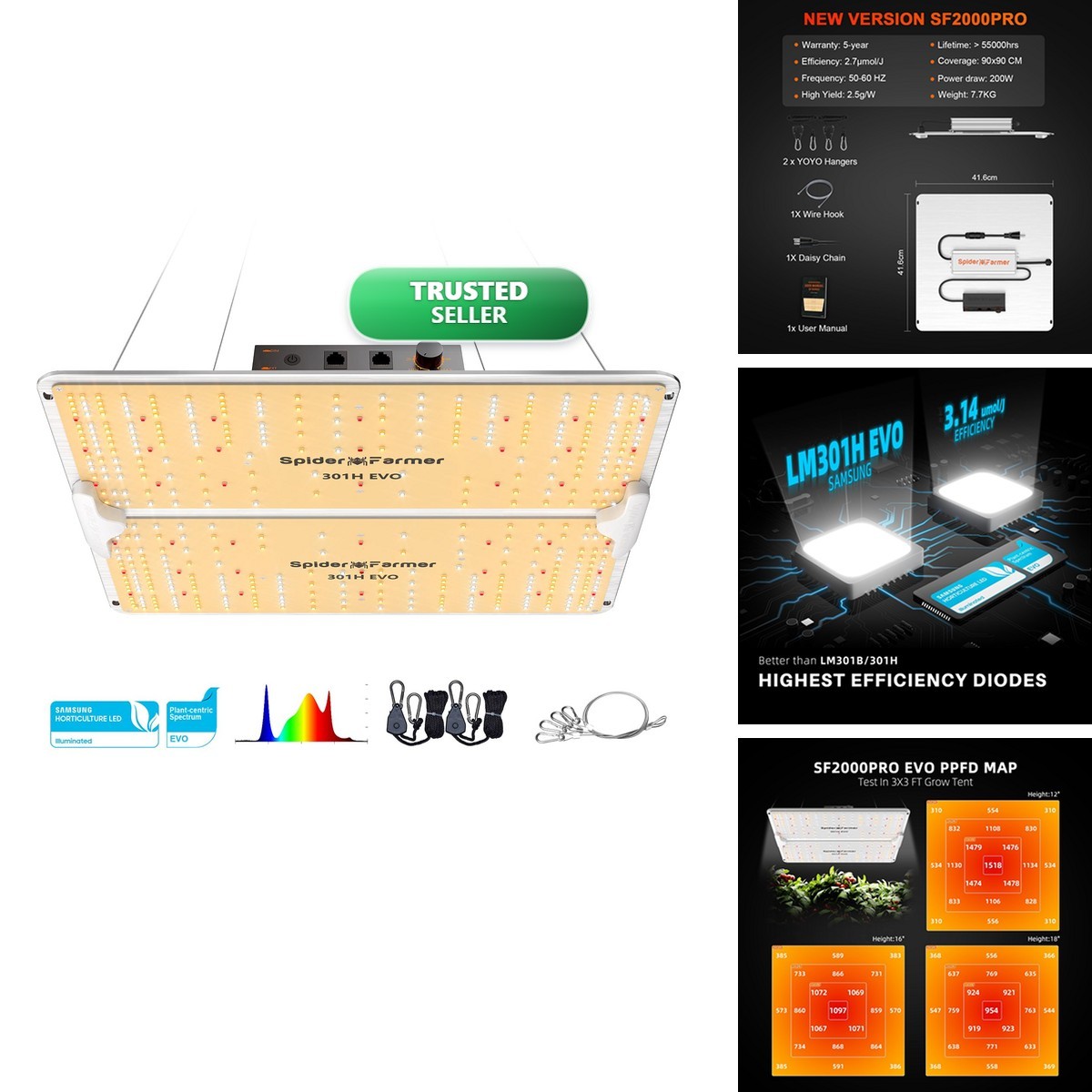 Spider Farmer SF2000 Pro LED Grow Lights for Indoor Plants in 3x3 Grow Tent$249.36New · Last checked Nov 20, 2026View on eBay
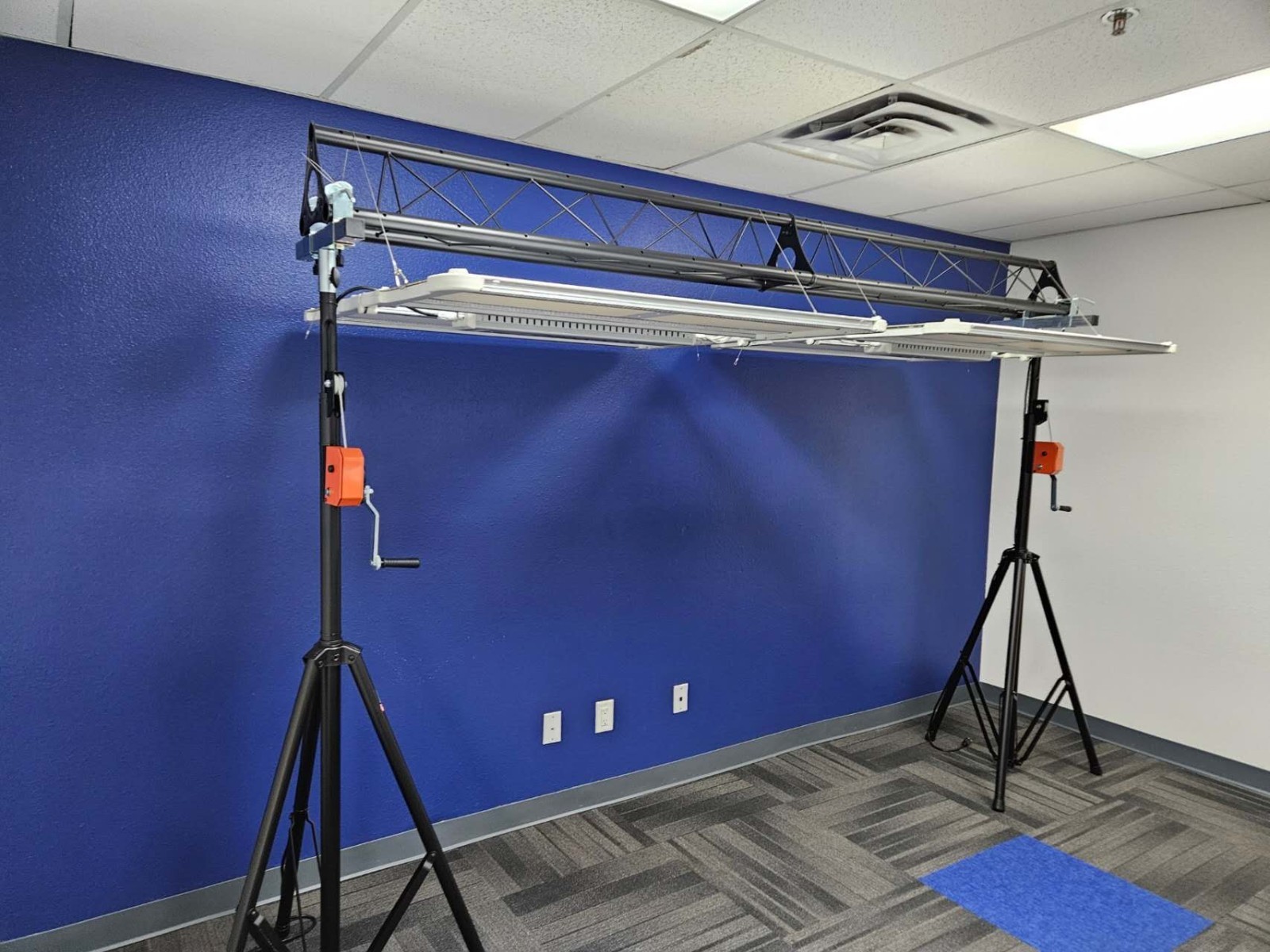 Sanabio 680W LED Grow Light for Indoor Plants White$299.99New · Last checked Nov 20, 2026View on eBay
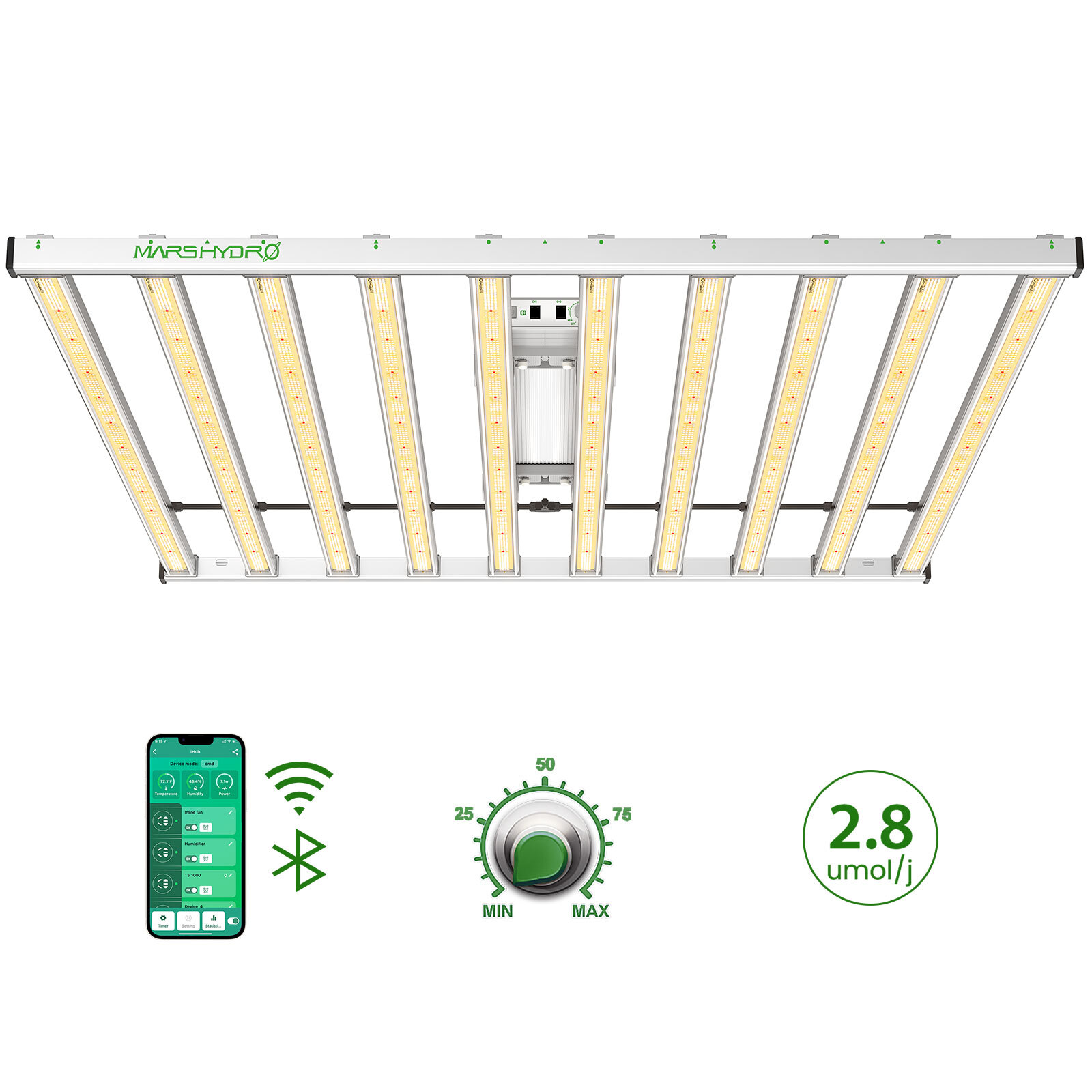 Mars Hydro FC-E3000 4800 6500 8000 LED Grow Light Bars for Indoor Plant Flower$645.99New · Last checked Nov 20, 2026View on eBay
Highlights
- True power draw vs marketing wattage: a '5000W' fixture typically pulls 100-200W from the wall; compare actual input watts and PPFD charts, not model-name numbers.
- Diode generation matters: Samsung LM281B+ and LM301B/H chips deliver roughly 2.5-3.0 µmol/J, versus older epistar-style diodes at 1.0-1.5 µmol/J for the same wattage.
- Form factor splits into three architectures: gooseneck/clip dual-head lamps for 1-3 small pots, quantum-board panels for 2x2 to 4x4 tents, and integrated stand/greenhouse kits with built-in timers.
- Driver and dimming quality determines lifespan: constant-current drivers with dimming and daisy-chain ports run cooler and last years longer than resistor-dropped budget lamps with fixed output.
Best use cases
- Best fit: gooseneck dual-head or 4-head lamp with timer and dimming for a windowsill herb or seedling shelf — skip high-wattage panels that scorch small canopies at close range.
- Best fit: a 100-200W true-draw full-spectrum quantum board (LM281B+ or LM301 class) for a 2x4 or 3x3 grow tent — skip '5000W' blurple panels with no PPFD map.
- Best fit: an integrated plant stand or mini greenhouse with built-in 40-45W full-spectrum bars and timer for seed starting — skip separate lamp-plus-rack combos that need manual timing.
- Wrong fit: using a single low-wattage gooseneck lamp for a fruiting tomato or pepper plant — flowering crops need 30-40 W per square foot of true LED draw to set fruit.
Buying tips
- Size by canopy, not by room: budget 20-30 true LED watts per square foot for vegetative growth and 30-40 W/sq ft for flowering; a 2x2 ft canopy needs roughly 100-150W actual draw.
- Match hang height to PPFD, not guesswork: quantum boards target 400-600 µmol/m²/s at 18-24 in for veg and 600-900 for flower; dim down rather than raise a fixed-output lamp.
- Prefer fixtures listing diode brand and generation (LM281B+, LM301B/H, Bridgelux) plus a PPFD map — this is the single strongest signal the wattage claim is honest.
- For multi-pot setups choose daisy-chainable drivers with a physical dimmer and timer; a 3-mode (veg/bloom/full) switch beats a fixed-spectrum blurple lamp for year-round use.
Specs
| Diode Generation | LM281B+/LM301 vs epistar blurple |
|---|---|
| True Draw | 20-40 W per sq ft canopy |
| Form Factor | Gooseneck / quantum board / stand kit |
| Control | Dimmer + timer + daisy chain |
Related searches
What to check before buying
- Measure your canopy footprint and vertical clearance: a 2x4 ft tray fits a single 200W board, while a 4x4 ft canopy needs two boards or a bar-style fixture at 24-36 in hang height.
- Confirm your outlet and timer setup: most panels run 120V US plugs at 1-2A; check you have a grounded outlet and a mechanical or smart timer rated for the fixture's running amps.
- For stand or greenhouse kits, verify shelf spacing and cover dimensions against your pot heights and seedling tray sizes before assembly.
- Check tent or rack frame weight rating and bar spread if hanging a panel — quantum boards with drivers weigh 8-15 lb and need a frame rated well above that.
FAQ
Data sources: eBay / Amazon listings and product attribute feeds. Updated Nov 27, 2026.
Some links on this page are affiliate links. If you buy after clicking one, we may earn a commission at no extra cost to you. This does not change which products appear here or their order. Affiliate disclosure.