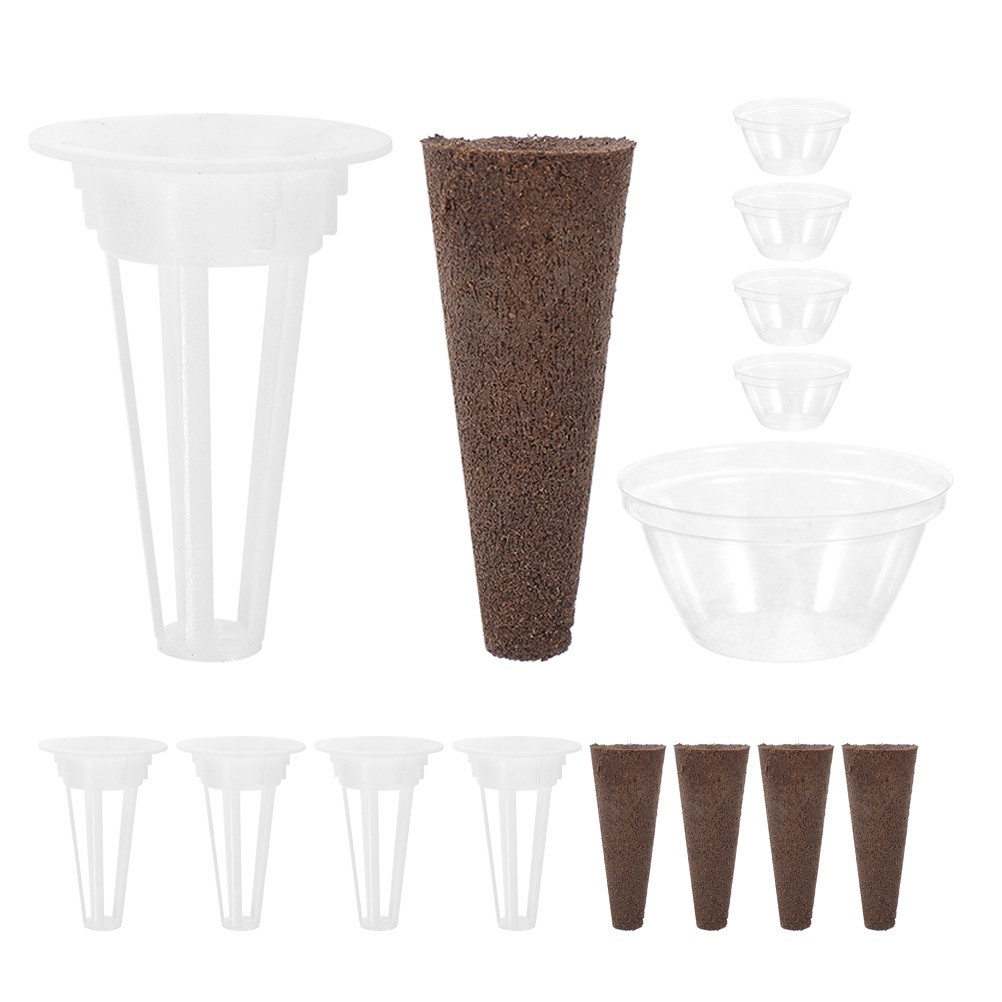

Photos from current listings. Actual item, color, and included accessories may vary.
Hydroponic Plant Buying Guide
Hydroponic plants are crops grown in nutrient-rich water rather than soil, using net pots, grow baskets, and a reservoir or pipe system. The core trade-off is between compact countertop kits with built-in lighting and larger multi-site pipe systems that need external light and pumps. Choose a system matched to your crop's root depth and light needs; avoid undersized reservoirs and weak aeration if you want long-term harvests.
Median $22.98
Key takeaways
- Net pot diameter drives crop selection: 2-inch pots suit herbs and lettuce, 3-inch supports peppers and dwarf tomatoes, 4-inch and larger fit fruiting plants with heavy root balls.
- Site count and spacing determine yield: 90-108 site 3-tier pipe kits fit high-density lettuce and herbs, while 6-12 site countertop units suit a single fruiting plant.
- Reservoir volume above 2 gallons per plant stabilizes pH and EC swings; smaller volumes require frequent top-offs and nutrient adjustments.
At a glance
- Category
- Greenhouse & Hydroponics
- Last updated
- Nov 27, 2026
Current offers
Highlights
- Net pot diameter drives crop selection: 2-inch pots suit herbs and lettuce, 3-inch supports peppers and dwarf tomatoes, 4-inch and larger fit fruiting plants with heavy root balls.
- Site count and spacing determine yield: 90-108 site 3-tier pipe kits fit high-density lettuce and herbs, while 6-12 site countertop units suit a single fruiting plant.
- Reservoir volume above 2 gallons per plant stabilizes pH and EC swings; smaller volumes require frequent top-offs and nutrient adjustments.
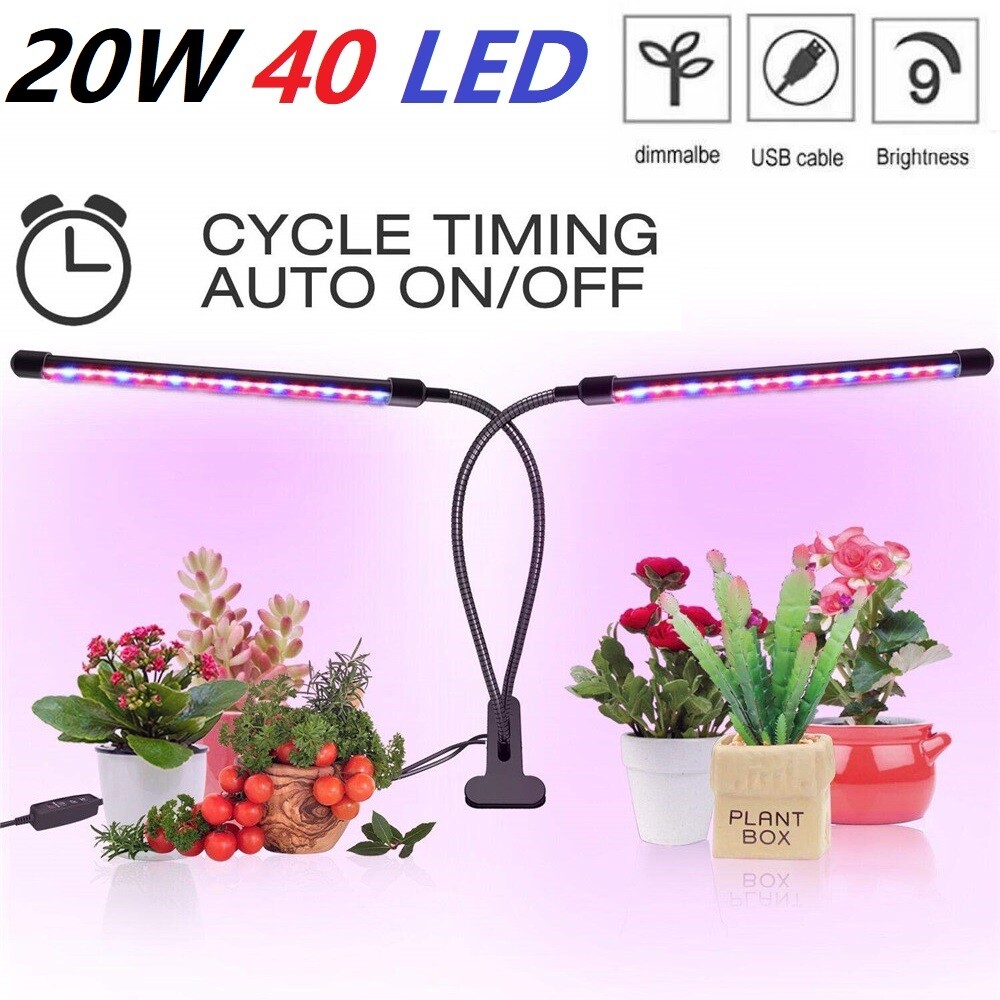
- Light intensity matters: 30-40 watts of LED per square foot supports leafy greens, while fruiting crops need 40-60 watts per square foot and 14-16 hours of photoperiod.
Best use cases
- Best fit for indoor herb and lettuce growers: a 3-tier 90-108 site UPVC pipe kit with timed irrigation and full-spectrum LED bars; skip countertop units if you want continuous salad harvests.
- Best fit for a single fruiting plant like cherry tomatoes or peppers: a 6-12 site deep-water culture or drip system with a 3-5 gallon reservoir and a 100-watt LED; skip 2-inch net pots and shallow reservoirs.
- Wrong fit: buying a 50-pack of 3-inch net pots without a reservoir, pump, or light; those are replacement components, not a complete hydroponic plant system.
- Best fit for microgreens and propagation: shallow trays with humidity domes and 2-inch baskets; skip multi-tier pipe kits for short-cycle crops that do not need deep root zones.
Buying tips
- Match net pot size to crop: 2-inch for herbs and lettuce, 3-inch for peppers and determinate tomatoes, 4-inch for indeterminate tomatoes and cucumbers; larger pots need wider hole spacing.
- Size the reservoir at 2-3 gallons per fruiting plant and 0.5-1 gallon per lettuce plant to buffer pH and nutrient swings between changes.
- Choose UPVC or food-grade PVC pipe systems for indoor use; standard PVC can leach plasticizers and is not rated for potable water contact.
- For indoor kits, require a timer-rated pump and a dimmable LED with at least 30 watts per square foot of canopy; fixed-output lamps cause leggy growth.
Specs
| Net Pot Diameter | 2 in / 3 in / 4 in / 5 in |
|---|---|
| System Type | DWC / Drip / NFT / Pipe tier |
| Site Count | 6-12 countertop; 36-108 multi-tier |
| Reservoir Per Plant | 0.5-1 gal greens; 2-3 gal fruiting |
Related searches
What to check before buying
- Measure your grow area and ceiling height: 3-tier pipe kits need 6-7 feet of vertical clearance and a footprint of at least 2 by 4 feet.
- Confirm your electrical circuit supports the pump and light load (typically under 300 watts for countertop kits; 400-1000 watts for multi-tier systems) and use a GFCI outlet near water.
- Check that the net pot diameter matches your system's hole size and that replacement baskets are available in the same dimension.
- Verify your water source: hard water above 150 ppm requires a reverse-osmosis filter or a nutrient blend formulated for hard water.
FAQ
Data sources: eBay / Amazon listings and product attribute feeds. Updated Nov 27, 2026.
Some links on this page are affiliate links. If you buy after clicking one, we may earn a commission at no extra cost to you. This does not change which products appear here or their order. Affiliate disclosure.