
Photos from current listings. Actual item, color, and included accessories may vary.
Greenhouse Grow Light Buying Guide
A greenhouse grow light provides the photosynthetically active radiation (PAR) that greenhouse crops need when daylight is insufficient. The key trade-off is between high-output, full-spectrum fixtures that deliver adequate PPFD over a large canopy and lower-cost blurple or low-wattage units that leave plants stretched and underyielded. The decision rule: match fixture wattage, PPFD, and coverage to your greenhouse footprint and crop light requirement; if a light cannot deliver at least 20–30 watts per square foot of actual LED draw for high-light crops, it is a compromise.
Median $122.69
Key takeaways
- LED efficiency is measured in µmol/J; quality bar lights reach 2.5–3.0 µmol/J, while budget blurple panels often sit near 1.5 µmol/J or lower.
- True wall-plug wattage (not 'equivalent' marketing numbers like 3000W or 5000W) determines electricity cost and heat load in a sealed greenhouse.
- Full-spectrum white LEDs with 3000–5000K plus deep-red 660nm diodes support both vegetative and flowering stages; blurple-only fixtures limit spectral flexibility.
At a glance
- Category
- Greenhouse & Hydroponics
- Last updated
- Nov 27, 2026
Current offers
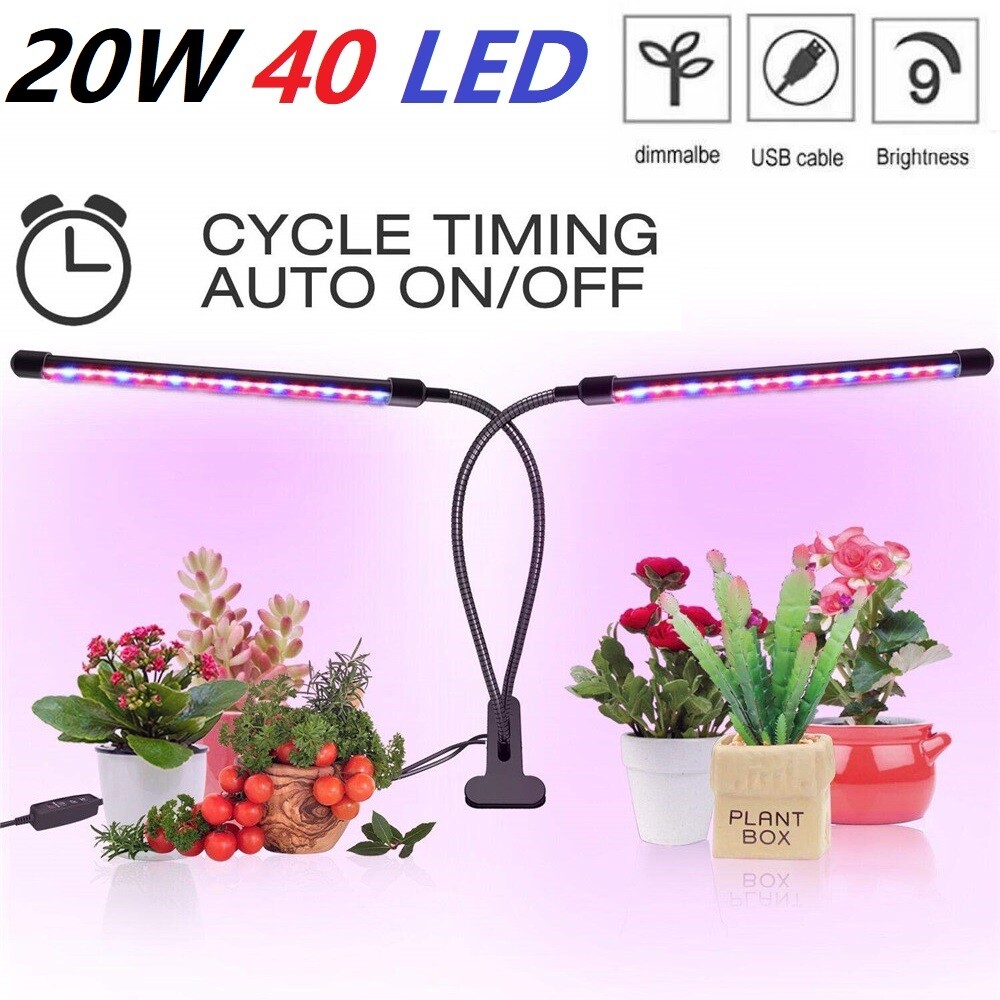 Plant Grow Light Gooseneck Dual Head LED Lamp Hydroponics Greenhouse Dimmable US$22.98View on eBay
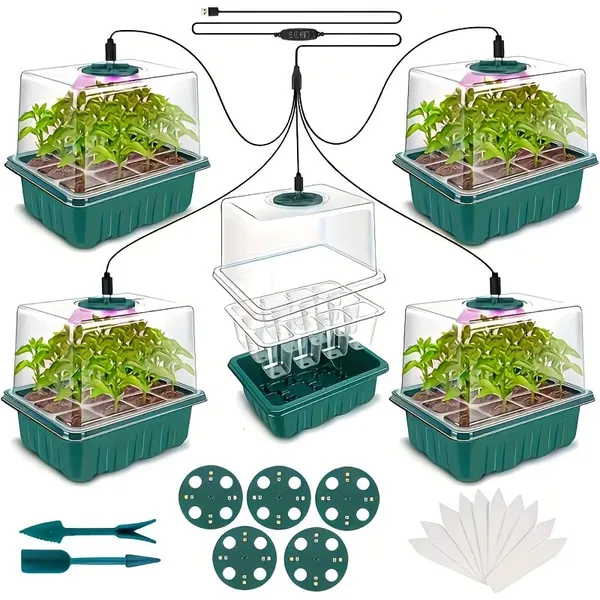 5-Pack Seed Starter Kit With LED Grow Lights – Indoor Propagation Trays Adjustable Humidity Dome & Clear Cell Seedling Mini Greenhouse Starting Set For Plants & Vegetables$62.99View on Mallflare
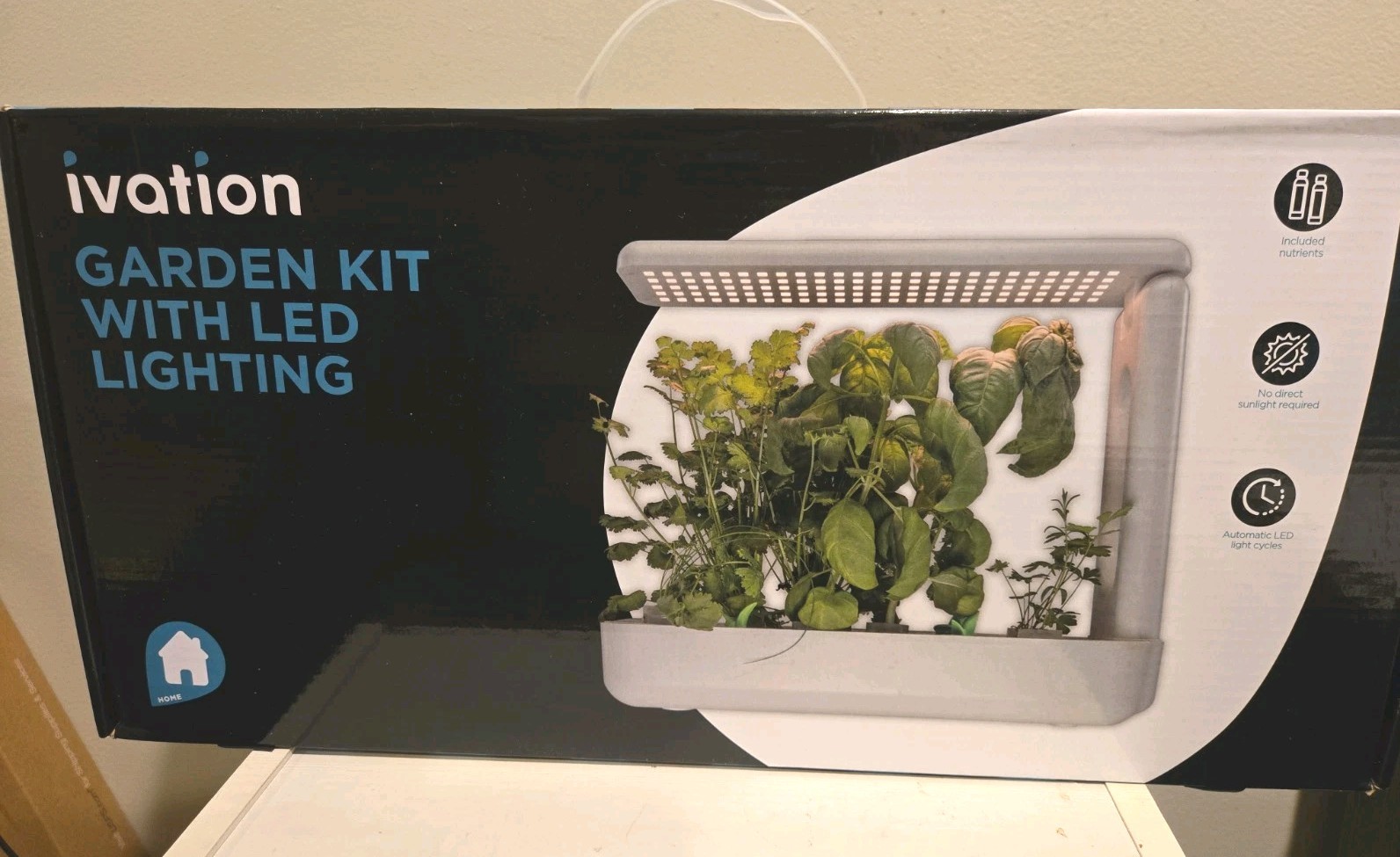 Indoor Greenhouse Box 12-Pod Hydroponics Growing System Grow Light Ivation NIB$39.99View on eBay
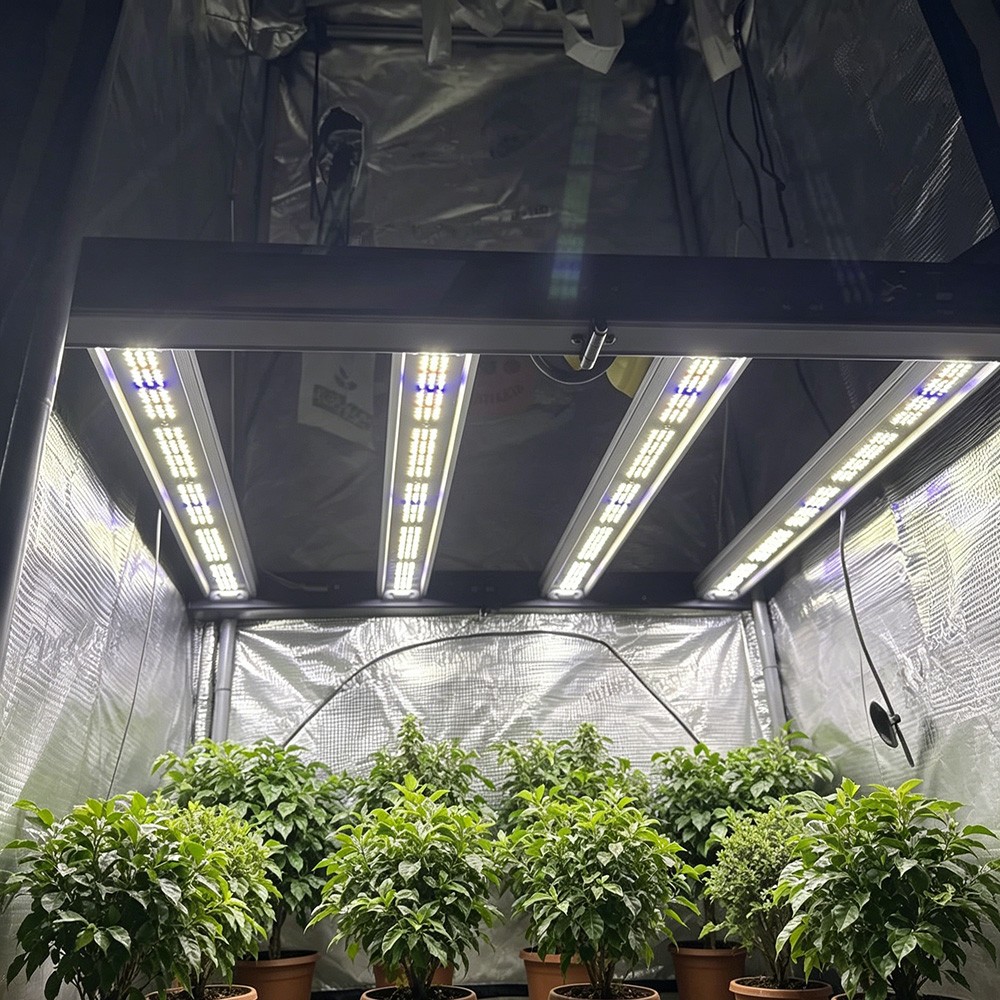 3000W Spider LED Greenhouse Grow Light Full Spectrum for Indoor Veg Bloom Plants$79.59Last checked Nov 28, 2026View on eBay
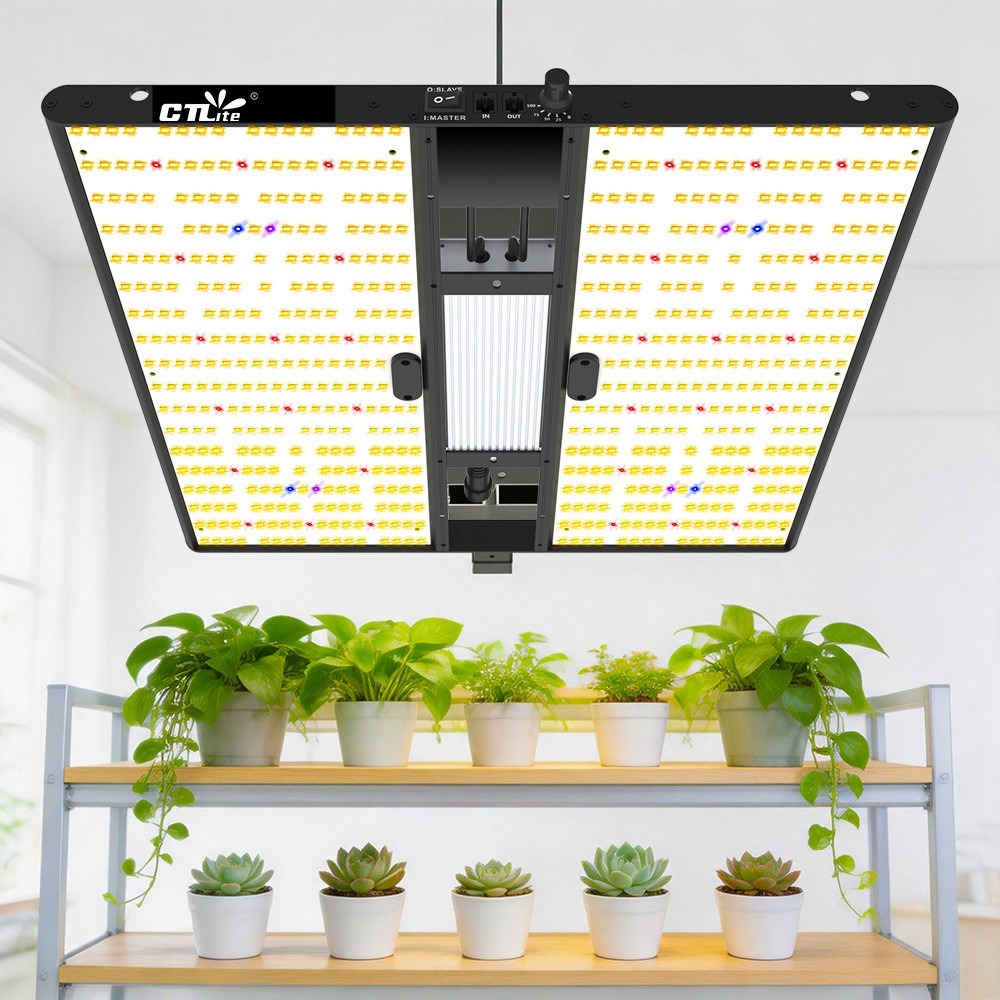 Spider 5000W LED Greenhouse Grow Light 5x5 4x4ft Veg Flower Full Spectrum Light$122.69View on eBay
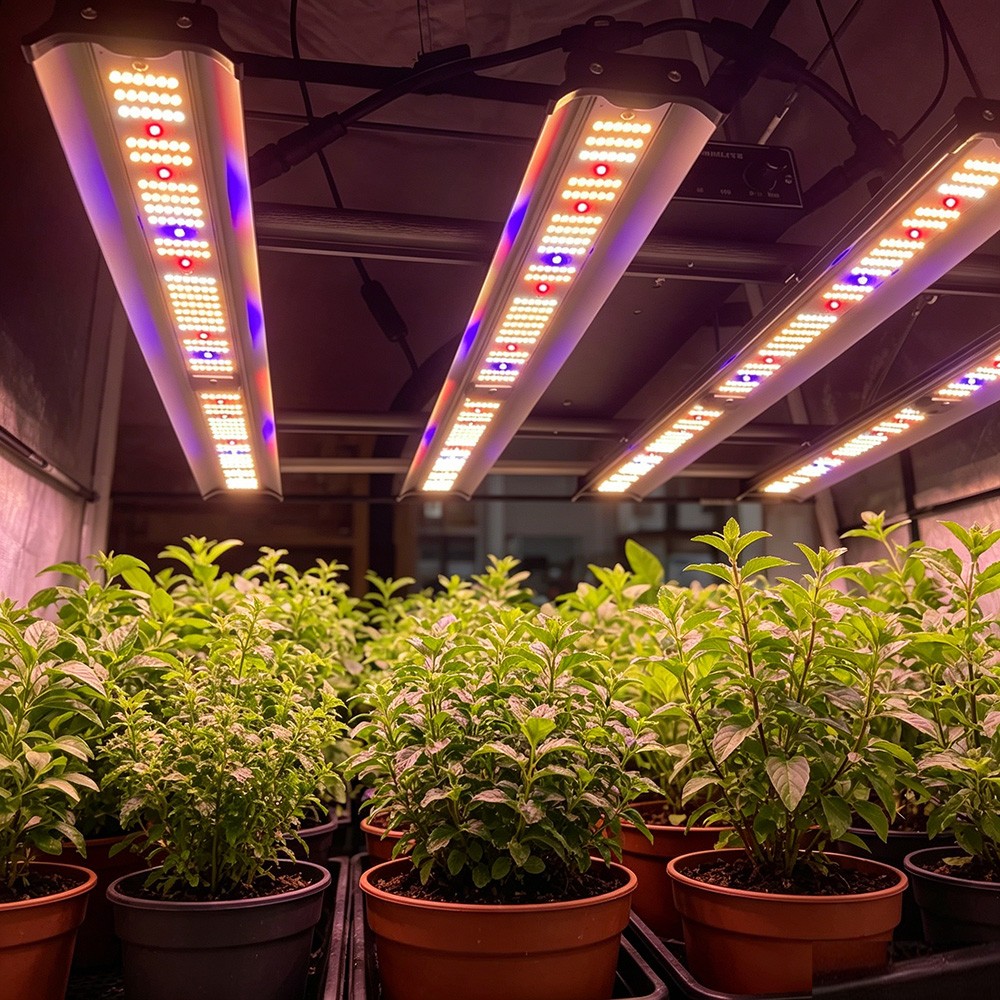 4000W Spider Commercial Greenhouse LED Grow Light High Yield Indoor Growing Lamp$139.29Last checked Nov 28, 2026View on eBay
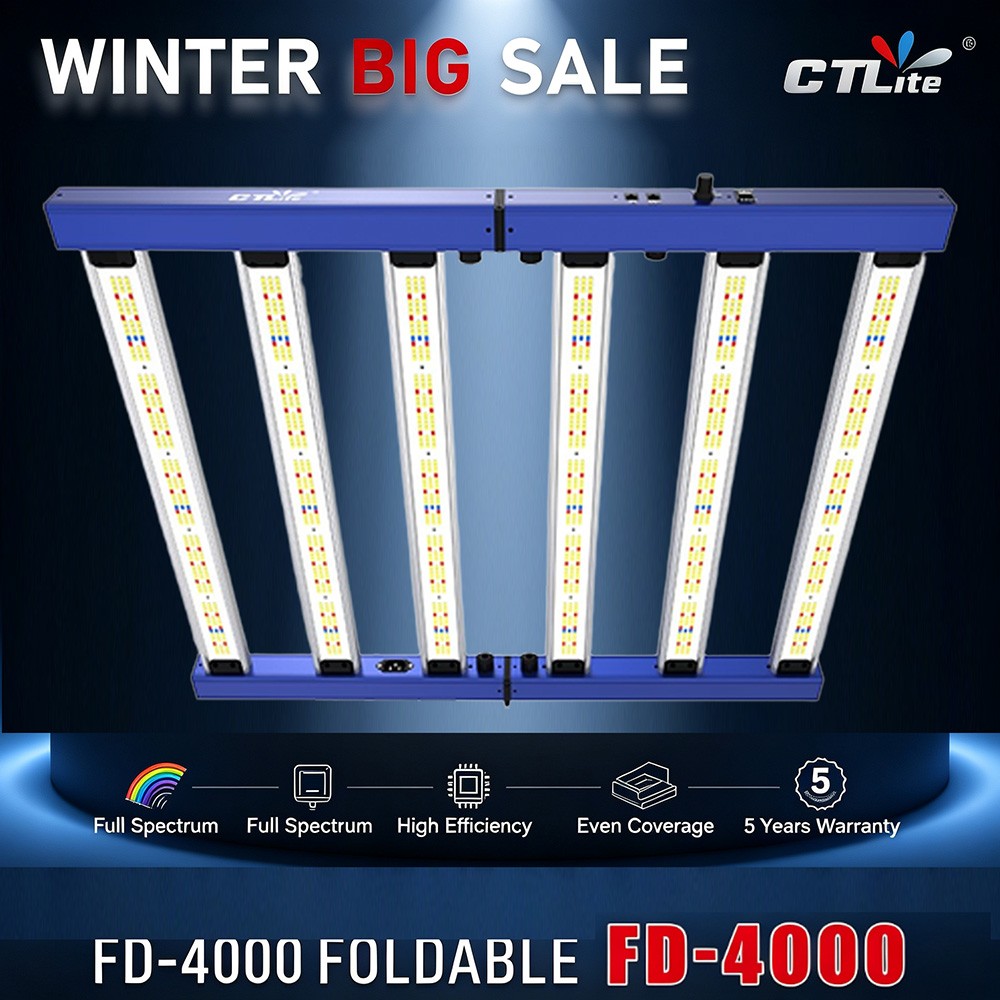 Dimmable Spider 4000W LED Greenhouse Grow Light Bar Full Spectrum for Indoor Use$169.99View on eBay
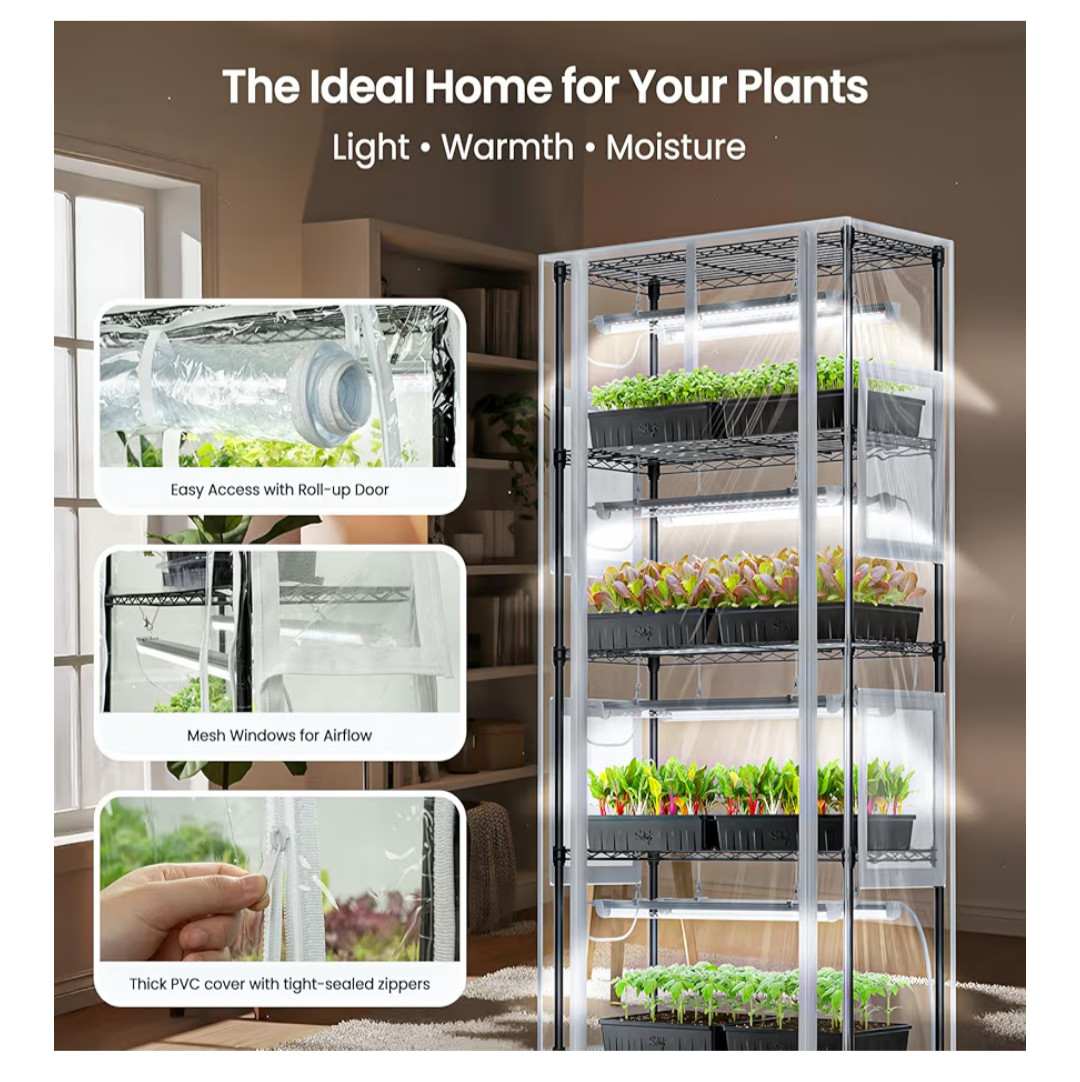 SOLIGT Indoor Greenhouse with Grow Lights - 5 Tier Plant Shelf & 8 x 2FT 6000K F$175.00View on eBay
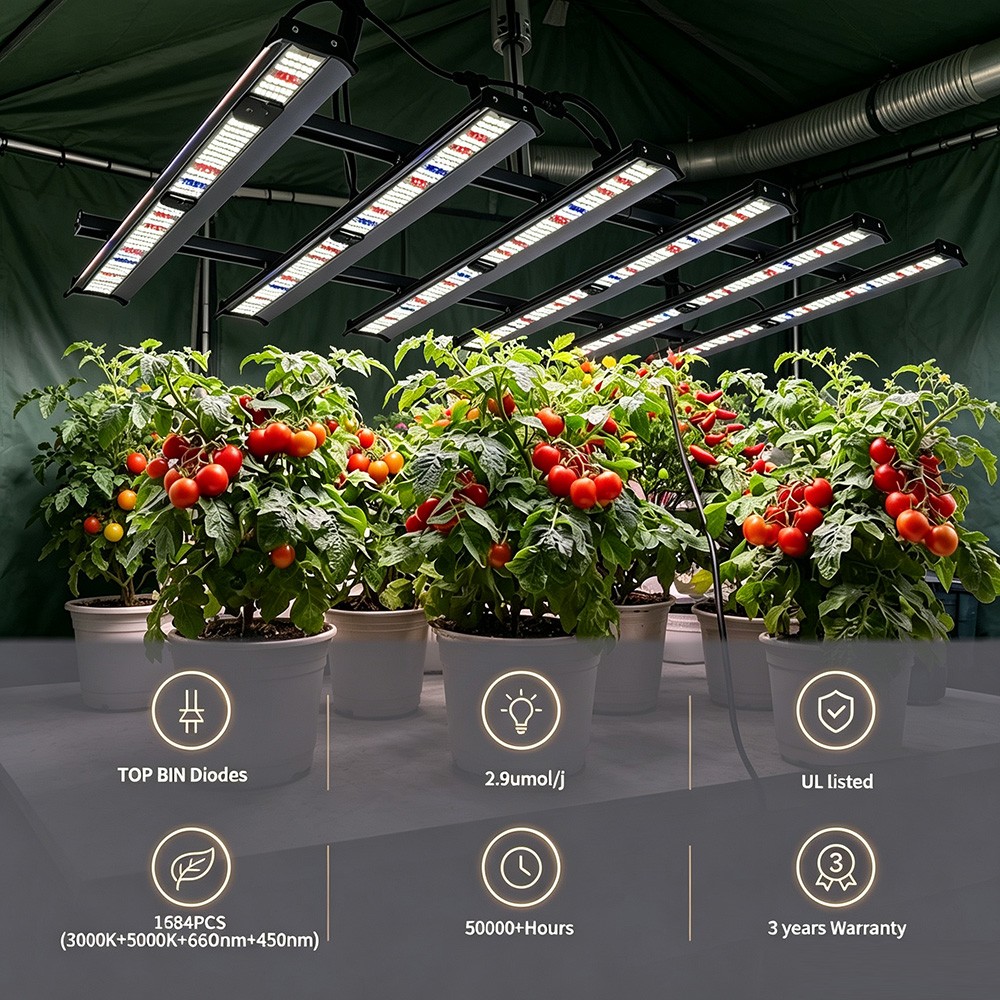 5000W Grow Light 4X4FT Full Spectrum LM281B LED Commercial Greenhouse Plant Lamp$175.55View on eBay
Highlights
- LED efficiency is measured in µmol/J; quality bar lights reach 2.5–3.0 µmol/J, while budget blurple panels often sit near 1.5 µmol/J or lower.
- True wall-plug wattage (not 'equivalent' marketing numbers like 3000W or 5000W) determines electricity cost and heat load in a sealed greenhouse.
- Full-spectrum white LEDs with 3000–5000K plus deep-red 660nm diodes support both vegetative and flowering stages; blurple-only fixtures limit spectral flexibility.
- IP65 or higher ingress protection and passive aluminum heat sinks are required for humid greenhouse environments; plastic-housed fixtures corrode and fail.
Best use cases
- Best fit: a 4x4 ft or 5x5 ft flowering canopy in a hobby greenhouse needs a bar-style LED drawing 400–600 true watts with uniform PPFD above 600 µmol/m²/s; skip low-wattage spider-style panels rated by 'equivalent' output.
- Best fit: seed-starting and propagation on shelving calls for 2-ft or 4-ft LED strip lights at 20–40 watts per shelf with adjustable timers; skip high-bay fixtures that scorch seedlings.
- Best fit: a small 2x2 ft herb or lettuce greenhouse uses a dimmable 100–150-watt quantum-board LED; skip 1000W-equivalent blurple panels that waste energy and distort leaf color.
- Wrong fit: unheated, unventilated greenhouses in summer—supplemental lighting adds heat; use shade cloth and ventilation instead of running high-wattage lights.
Buying tips
- Calculate true LED draw: divide the fixture's actual wattage by canopy square feet. High-light fruiting crops need 30–40 W/ft²; leafy greens and herbs need 15–25 W/ft².
- Choose 4-ft or 8-ft bar-style fixtures for even coverage across rectangular greenhouse beds; quantum boards suit square footprints.
- Prioritize fixtures with Mean Well or equivalent drivers, Samsung LM301-series or Bridgelux diodes, and IP65+ waterproof rating for greenhouse humidity.
- Use a plug-in watt meter to confirm real draw; marketing 'equivalent' wattage (3000W, 5000W) does not reflect electricity use or PPFD.
Specs
| LED Efficiency | 2.5–3.0 µmol/J (quality) vs 1.5 µmol/J |
|---|---|
| True Wattage | 100–800W actual draw |
| Spectrum | Full-spectrum white + 660nm red |
| Ingress Protection | IP65+ for humid greenhouses |
Related searches
What to check before buying
- Measure your greenhouse canopy length and width; confirm the fixture's PPFD footprint chart covers that area at your hanging height.
- Check ceiling height and hanging hardware: bar lights need 12–24 inches above canopy; tall crops require adjustable ratchet hangers.
- Verify greenhouse electrical supply: GFCI-protected outlets and 120V/240V compatibility; high-wattage fixtures may require a dedicated circuit.
- Confirm ambient humidity and temperature range; choose IP65+ fixtures and avoid plastic housings that degrade under UV and moisture.
FAQ
Data sources: eBay / Amazon listings and product attribute feeds. Updated Nov 27, 2026.
Some links on this page are affiliate links. If you buy after clicking one, we may earn a commission at no extra cost to you. This does not change which products appear here or their order. Affiliate disclosure.