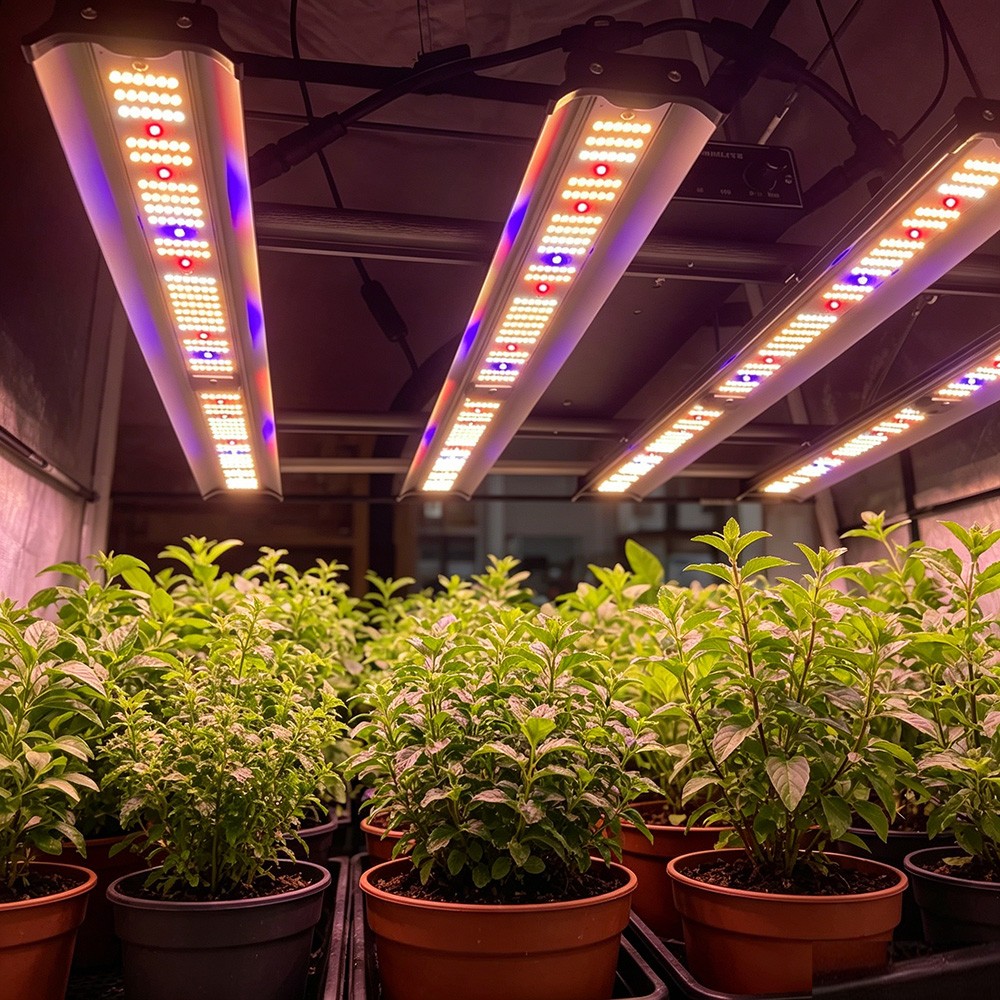

Photos from current listings. Actual item, color, and included accessories may vary.
Commercial Greenhouse Buying Guide
Commercial greenhouses are engineered growing structures built for year-round production, where the primary trade-off is upfront structural and environmental-control investment versus long-term yield reliability. Durable options use galvanized steel frames, twin-wall polycarbonate or glass glazing, and integrated ventilation and heating, while compromises rely on thin film covers and undersized frames. The decision rule: specify the structure to your snow and wind load plus crop height, then size climate control and lighting to the canopy area, not the marketing wattage.
Median $157.42
Key takeaways
- Frame gauge and coating decide lifespan: 14-16 gauge galvanized steel resists rust for 15-20+ years, while powder-coated tubular aluminum suits lighter snow loads and hobby-to-mid commercial use.
- Glazing performance tiers: 6-8mm twin-wall polycarbonate delivers roughly R-2 insulation and diffused light; 4mm single-wall or 6-mil film is cheaper but loses heat fast and needs annual replacement.
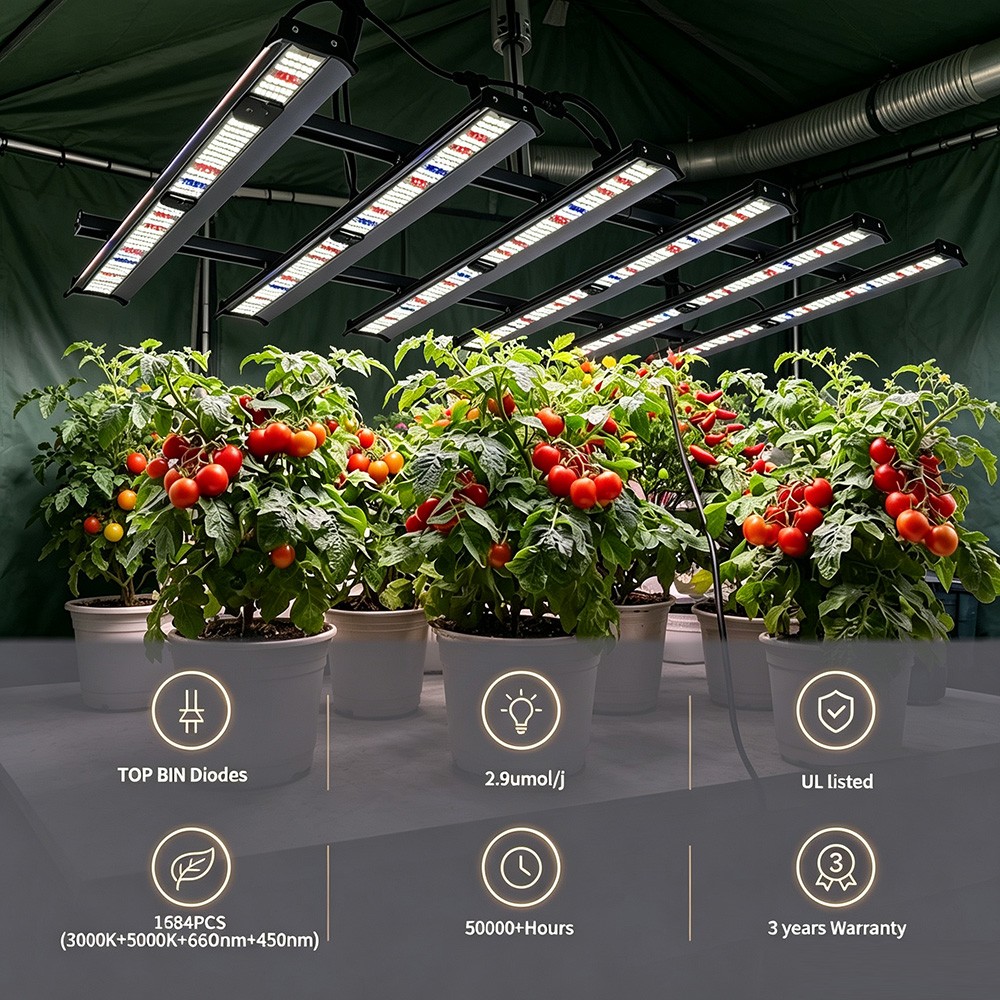
- LED grow lights are sold by actual draw wattage: a '5000W' fixture typically draws 400-500W from the wall, so match true watts to canopy square footage rather than the model number.
At a glance
- Category
- Greenhouse & Hydroponics
- Last updated
- Nov 28, 2026
Current offers
Highlights
- Frame gauge and coating decide lifespan: 14-16 gauge galvanized steel resists rust for 15-20+ years, while powder-coated tubular aluminum suits lighter snow loads and hobby-to-mid commercial use.
- Glazing performance tiers: 6-8mm twin-wall polycarbonate delivers roughly R-2 insulation and diffused light; 4mm single-wall or 6-mil film is cheaper but loses heat fast and needs annual replacement.
- LED grow lights are sold by actual draw wattage: a '5000W' fixture typically draws 400-500W from the wall, so match true watts to canopy square footage rather than the model number.
- Ventilation and heating are structural decisions: ridge vents, roll-up sides, and exhaust fans must be sized for the greenhouse volume, and heaters rated for the local design low temperature, not average winter lows.
Best use cases
- Best fit: a year-round vegetable or nursery operation in a cold climate — choose a galvanized steel frame with 8mm twin-wall polycarbonate, ridge vents, and a thermostatically controlled heater; skip single-layer film houses that cannot hold heat.
- Best fit: a high-light commercial cannabis or floriculture grow — pick full-spectrum LED fixtures at 30-40 true watts per square foot of canopy and a structure tall enough for trellising; skip blurple or low-draw lamps.
- Best fit: a warm-climate seasonal start-house or market garden — a roll-up-side high tunnel with 6-mil film and manual vents is cost-effective; skip insulated glazing and heaters you will not need.
- Wrong fit: buying a greenhouse sized to floor area without checking ridge height and door clearance — tall crops like tomatoes and cucumbers need 8-10 ft at the ridge and wide doors for equipment.
Buying tips
- Size the structure to snow and wind load first: confirm the frame is rated for your local ground snow load (psf) and basic wind speed; undersized frames collapse under wet snow even if the glazing survives.
- Match glazing to climate: choose 8mm twin-wall polycarbonate for cold winters, 4mm twin-wall for mild climates, and film only for seasonal high tunnels where replacement cost is acceptable.
- Calculate lighting from true draw: target 30-40 watts per square foot of canopy for high-light crops like tomatoes and cannabis, 15-25 for leafy greens; ignore the inflated 'equivalent' wattage on the box.
- Plan ventilation as a system: ridge or gable vents plus exhaust fans sized in CFM to greenhouse volume (about one air exchange per minute in summer), and louvered intake area at least equal to fan area.
Specs
| Frame Material | Galvanized steel vs aluminum |
|---|---|
| Glazing Type | Twin-wall polycarbonate vs film |
| Snow Load Rating | 10-30 psf by frame class |
| LED True Draw | 30-40 W/sq ft for high-light crops |
Related searches
What to check before buying
- Measure the site: confirm footprint, ridge height (8-10 ft for vining crops), door width for wheelbarrows and equipment, and setback from property lines and trees.
- Check local code and loads: confirm the structure's snow load rating (psf) and wind rating meet or exceed your area's building code requirements before purchase.
- Verify foundation and anchoring: greenhouses need ground anchors, concrete footings, or base plates rated for the frame; lightweight kits need ballast or ground screws for wind uplift.
- Confirm power and water: LED grow lights and heaters need dedicated circuits at your local voltage (120V/240V), and irrigation or misting systems need a water line and drain.
FAQ
Data sources: eBay / Amazon listings and product attribute feeds. Updated Nov 28, 2026.
Some links on this page are affiliate links. If you buy after clicking one, we may earn a commission at no extra cost to you. This does not change which products appear here or their order. Affiliate disclosure.