
Photos from current listings. Actual item, color, and included accessories may vary.
Bee Hive Smoker Buying Guide
A bee hive smoker is a controlled-combustion tool that produces cool white smoke to calm bees during inspections, and its durability hinges on shell gauge, heat-shield design, and hinge/bellows quality. The primary trade-off is between thin, lightweight stainless that dents and warps versus heavier-gauge steel with a functional heat shield that protects the operator and extends service life. The decision rule: choose a smoker with a true double-wall or bolt-on heat shield, a stainless or brass bellows, and a reinforced hinge; skip painted or single-wall budget units that rust at the seams and leak smoke at the base.
Median $26.68
Key takeaways
- Stainless steel shells resist rust and corrosion far better than painted cold-rolled steel, which flakes and oxidizes after a few seasons of heat cycling.
- A functional heat shield — either a perforated outer cage or a bolt-on guard — keeps the hot cylinder off the glove and reduces radiant burn risk during angled inspections.
- Bellows quality determines airflow consistency: leather bellows with brass rivets outlast stapled vinyl or cardboard bellows that crack and leak at the fold.
At a glance
- Category
- Bee Smokers & Hive Tools
- Last updated
- Nov 24, 2026
Current offers
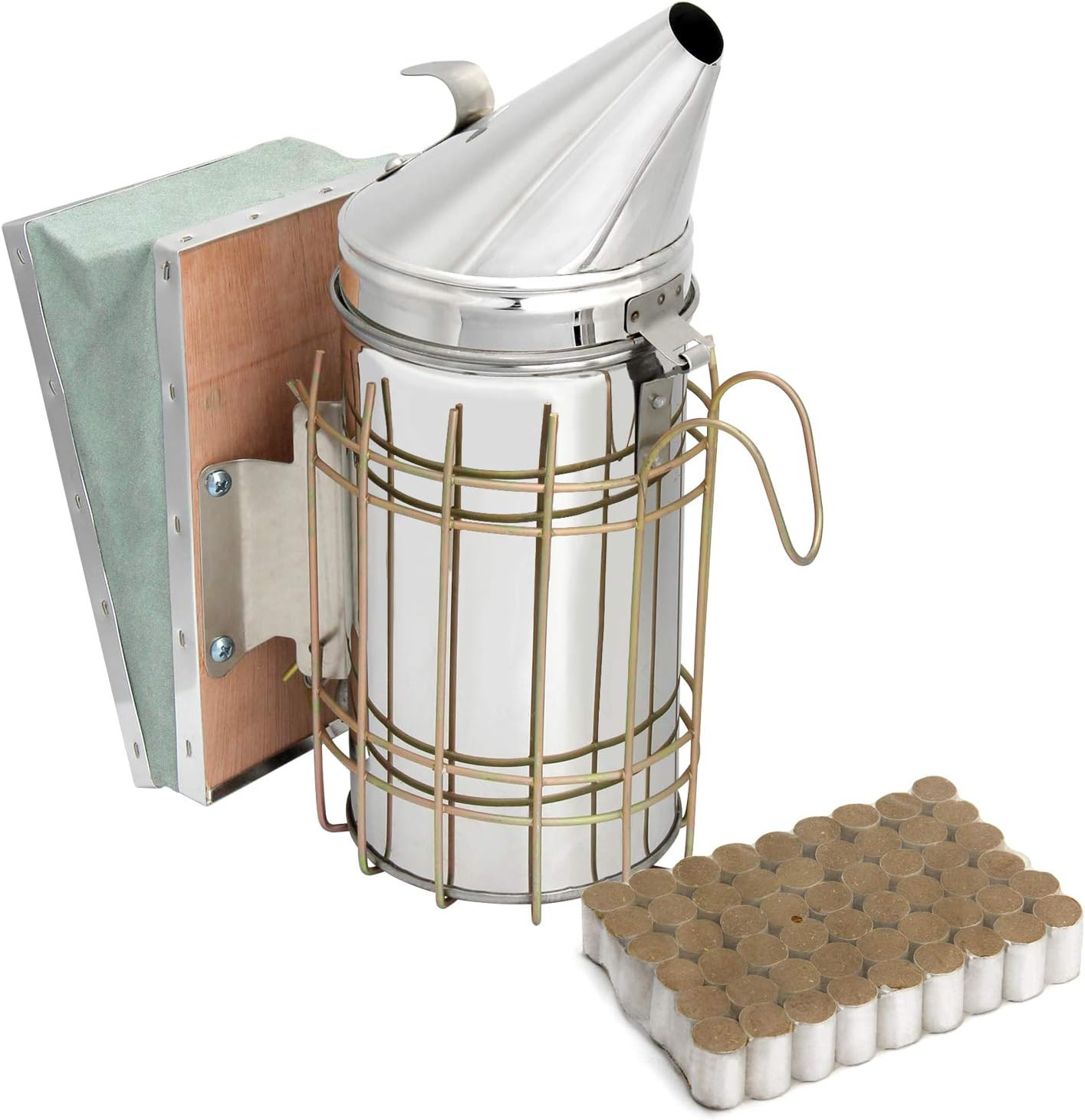 Blisstime Stainless Steel Bee Hive Smoker With Heat Shield Beekeeping$25.09View on eBay
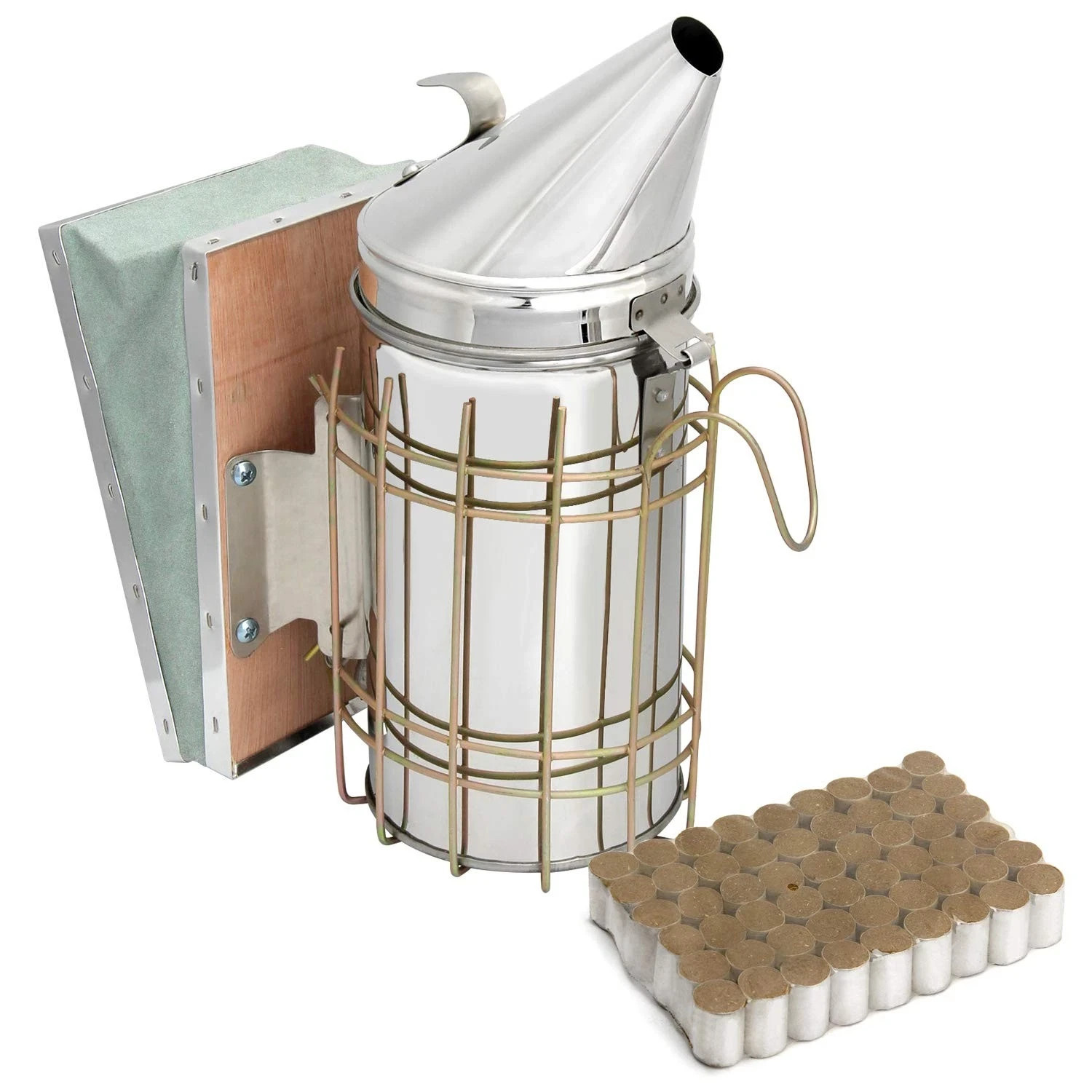 Blisstime Bee Hive Smoker Stainless Steel with Heat Shield silver$25.79View on eBay
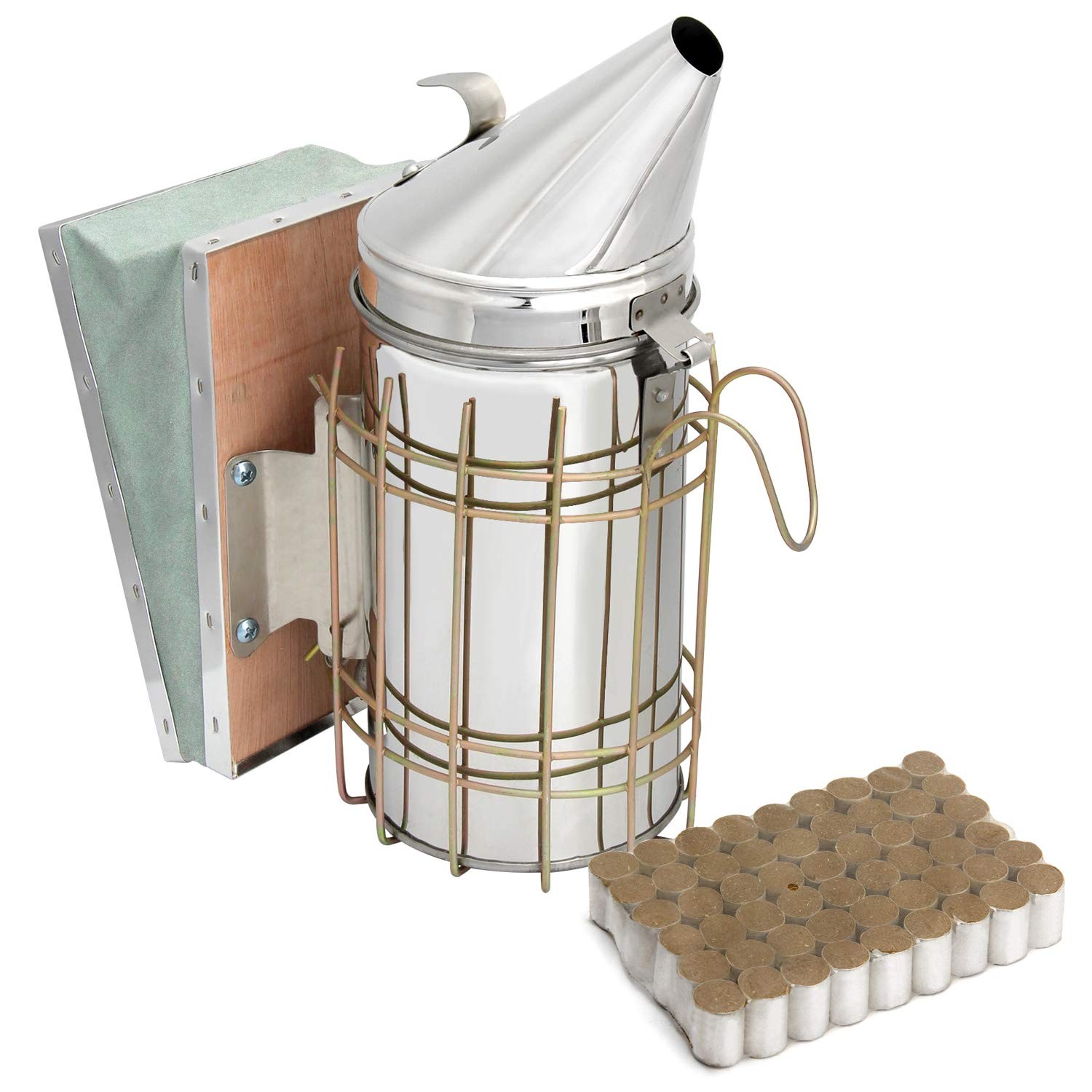 Blisstime Bee Hive Smoker Stainless Steel with Heat Shield silver$26.05View on eBay
- Bee Hive Bee Smoker Stainless Steel with Heat Shield Beekeeping Supplies and Equ$26.19View on eBay
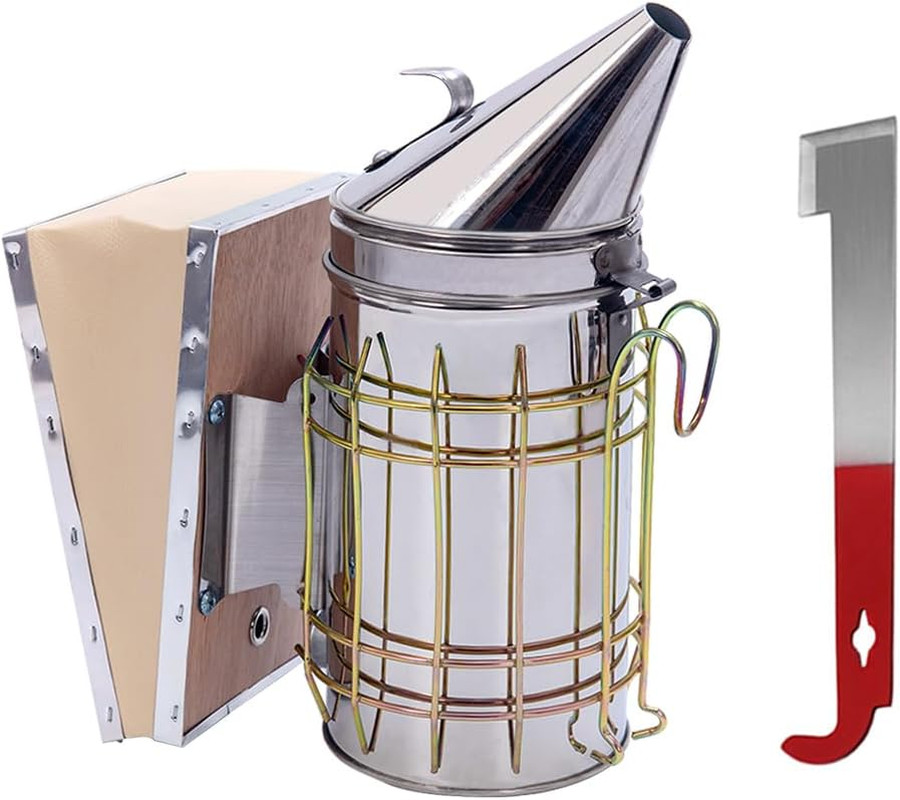 POLLIBEE Bee Smoker Stainless Steel Smoker Kit with Heat Shield Bee Hive Tool J$26.68View on eBay
- Bee Smoker Stainless Steel Smoker Kit with Heat Shield Bee Hive Tool J Hook Beek$28.77View on eBay
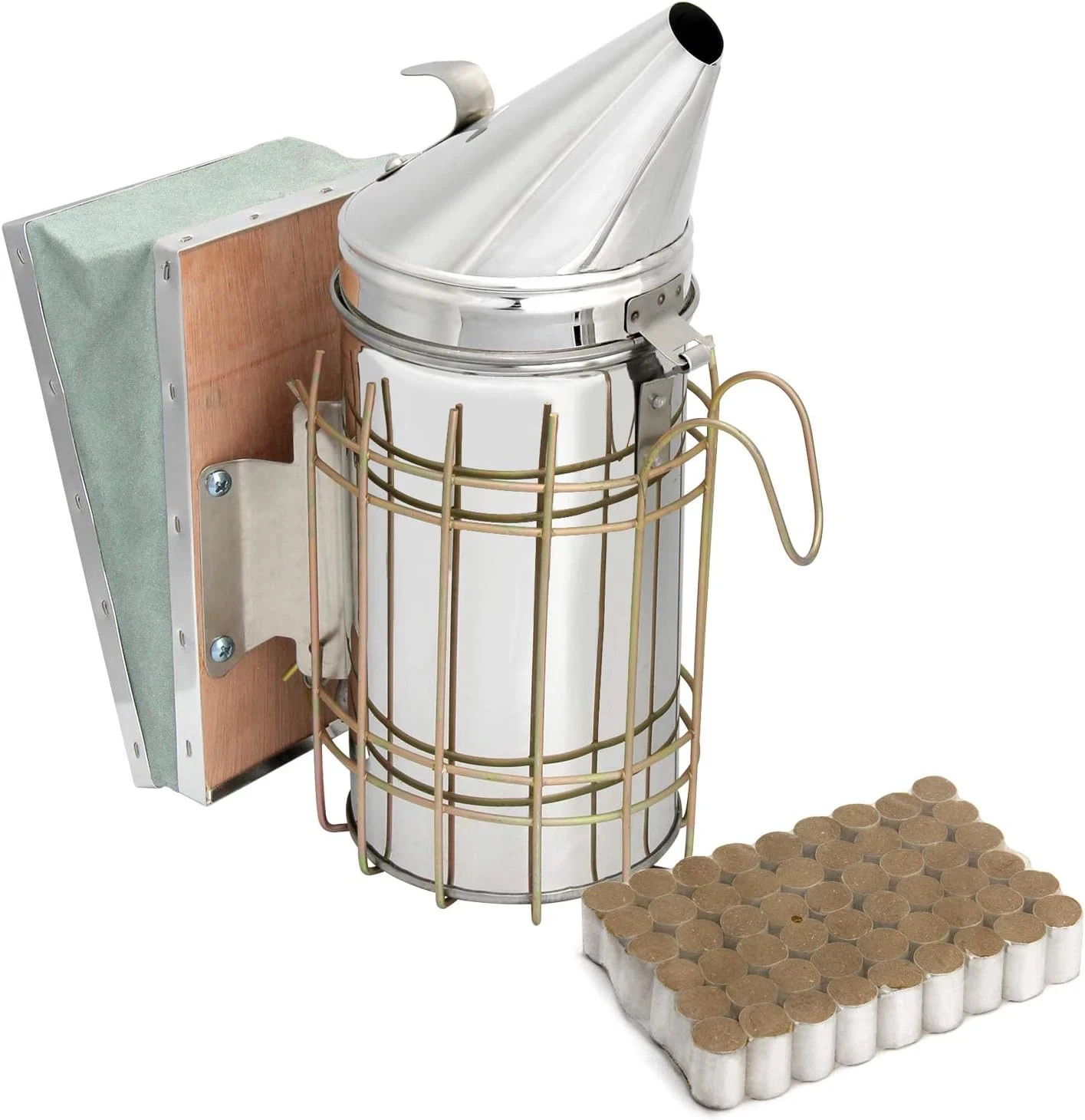 Bee Hive Bee Smoker Stainless Steel with Heat Shield Beekeeping Supplies and Equ$29.99View on eBay
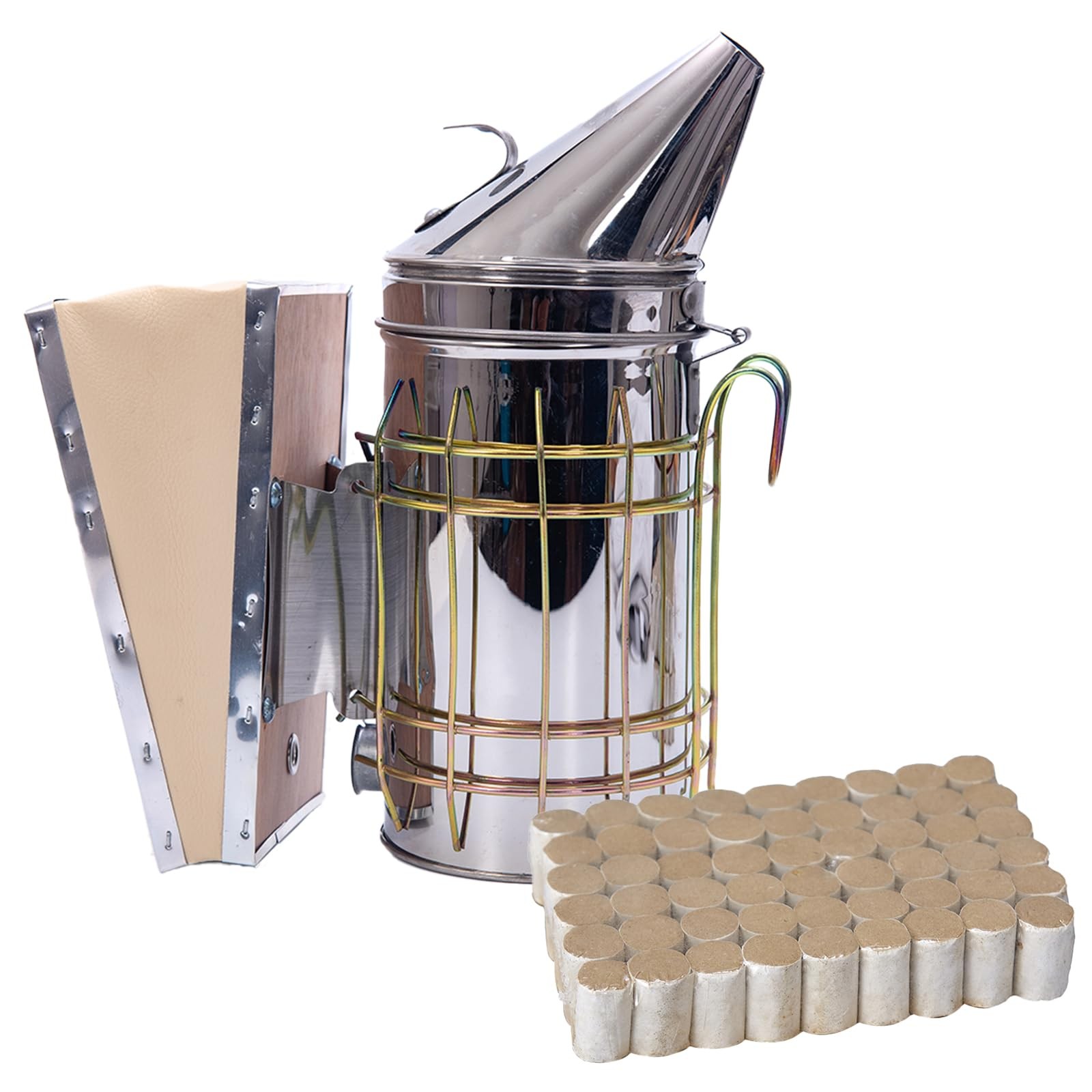 Stainless Steel Bee Hive Smoker Kit with Heat Shield Beekeeping Tool$35.99View on eBay
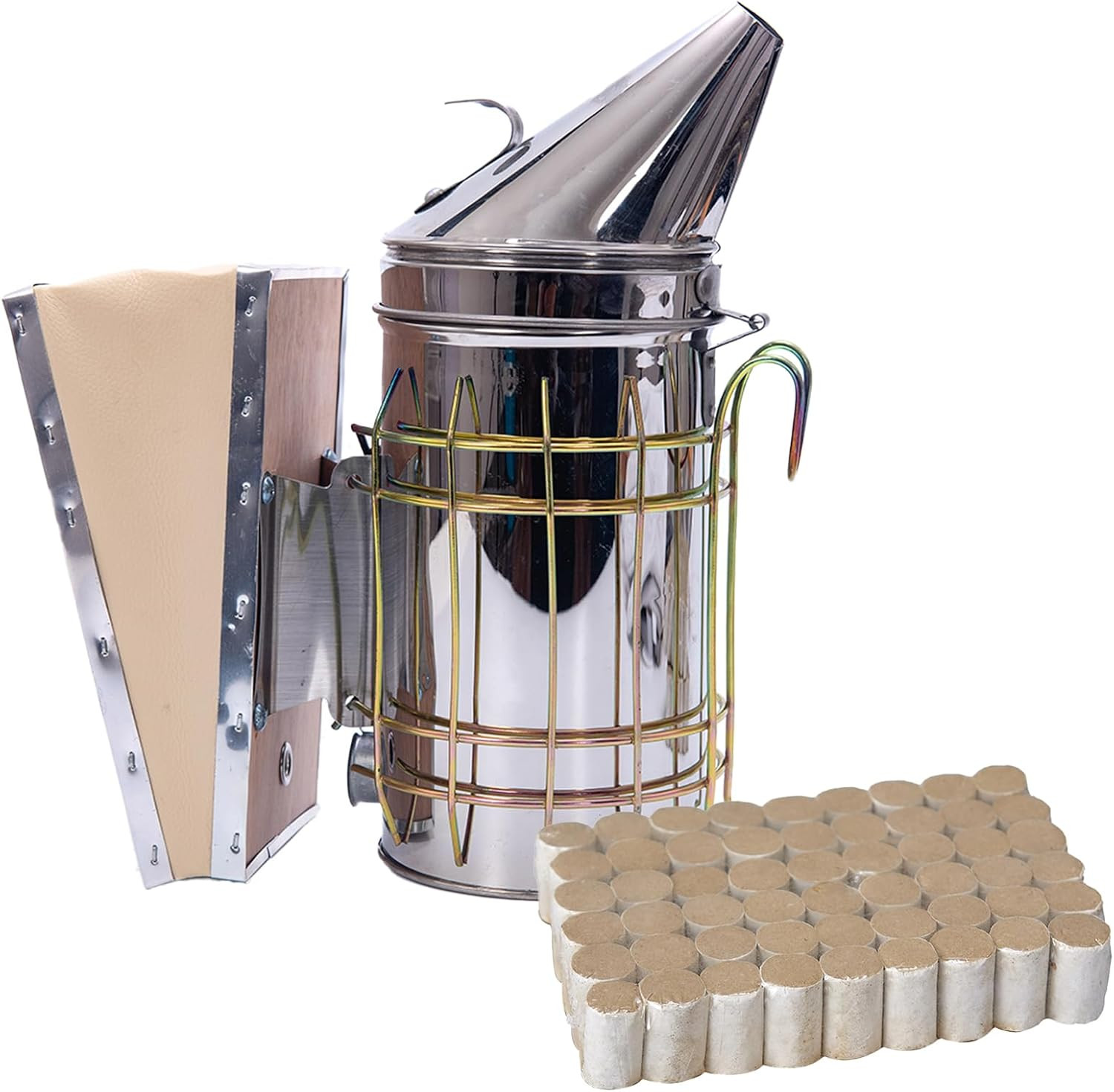 Bee Hive Smoker Kit – Stainless Steel Smoker with Heat Shield, Practical$41.99View on eBay
Highlights
- Stainless steel shells resist rust and corrosion far better than painted cold-rolled steel, which flakes and oxidizes after a few seasons of heat cycling.
- A functional heat shield — either a perforated outer cage or a bolt-on guard — keeps the hot cylinder off the glove and reduces radiant burn risk during angled inspections.
- Bellows quality determines airflow consistency: leather bellows with brass rivets outlast stapled vinyl or cardboard bellows that crack and leak at the fold.
- Hinge and latch design controls lid security and ash-pan access; a reinforced piano hinge or interlocking latch prevents the lid from popping open when the smoker is tipped.
Best use cases
- Choose a stainless smoker with heat shield and leather bellows for regular apiary work in humid or coastal climates where rust and glove burns are the main failure modes.
- Choose a basic single-wall smoker with a simple perforated guard only for occasional hobby use in dry climates, and skip kit bundles that add uncapping forks or hive tools you already own.
- Choose a kit that includes fuel (wood pellets or burlap) and a spare spring only if you are starting from zero; otherwise buy the smoker alone and source fuel locally to avoid stale or damp fuel.
- Skip oversized or novelty-shaped smokers for nucleus colonies and top-bar hives; a compact 7–9 inch barrel gives better control and less smoke volume than a large 10–12 inch barrel.
Buying tips
- Match barrel height to hive type: 7–9 inch smokers suit 8-frame and nucleus boxes, while 10–12 inch smokers give longer burn times for 10-frame Langstroth apiaries.
- Check shell thickness: 0.6–0.8 mm stainless resists denting and warping, while sub-0.5 mm shells distort at the base and leak smoke at the seam.
- Prefer a bolt-on or riveted heat shield over a friction-fit guard; friction-fit shields slip off when hot and expose the bare cylinder.
- Confirm the bellows attachment: brass rivets or screws at the hinge point hold up to repeated compression, while staples and glued seams fail within a season.
Specs
| Shell Material | Stainless steel vs painted steel |
|---|---|
| Heat Shield Type | Bolt-on cage vs perforated guard |
| Barrel Height | 7–9 in (nuc) / 10–12 in (10-frame) |
| Bellows Construction | Leather + brass rivets vs stapled |
Related searches
What to check before buying
- Measure your hive tool belt or tote to confirm the smoker's barrel diameter and height fit without tipping; a 3–4 inch diameter barrel is standard for one-handed carry.
- Check your glove size and dexterity: heat shields add 0.5–1 inch of bulk, so try the shield profile against your preferred beekeeping gloves.
- Verify fuel compatibility: wood pellets, burlap, and pine needles burn differently, and some smoker grates are sized for pellets while others need loose fuel.
- Confirm replacement parts availability for bellows, springs, and grates before buying; a smoker with no spare-parts path becomes disposable after the first bellows failure.
FAQ
Data sources: eBay / Amazon listings and product attribute feeds. Updated Nov 24, 2026.
Some links on this page are affiliate links. If you buy after clicking one, we may earn a commission at no extra cost to you. This does not change which products appear here or their order. Affiliate disclosure.