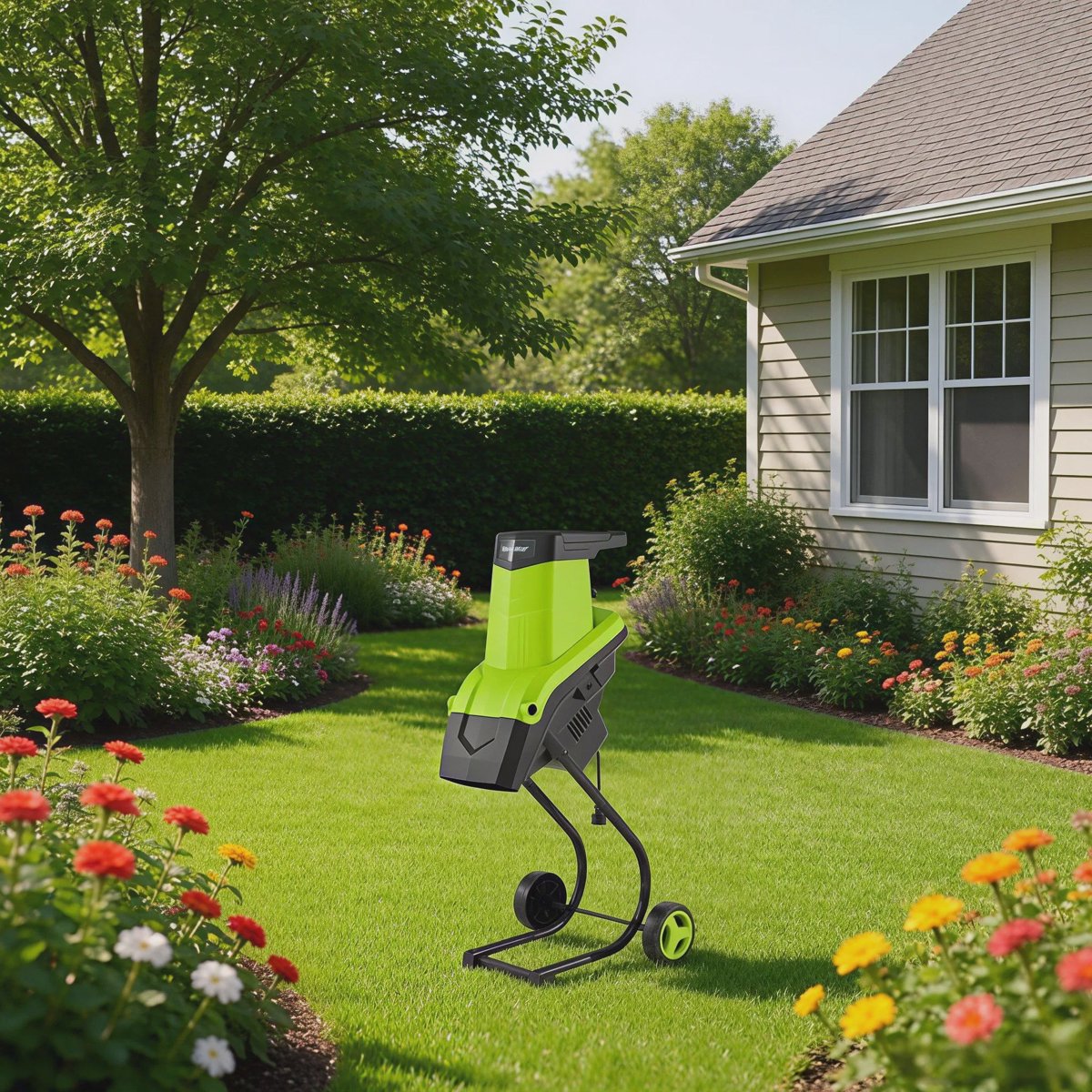

Photos from current listings. Actual item, color, and included accessories may vary.
Wood Shredder Machine Buying Guide
Wood shredder machines range from light-duty electric chipper-shredders for yard debris to heavy-duty gas-powered units for branches and storm cleanup. The right pick hinges on the material you process most—leaves and twigs, hardwood limbs, or compostable wet waste—and whether you need portability or continuous high-volume output. Most buyers misjudge feed-size capacity and power source, ending up with a machine that clogs or stalls on the first real pile.
Median $404.49
Key takeaways
- Feed capacity is rated by branch diameter: electric shredders typically handle 1.5–2.5 in, while gas units reach 3–4 in or more.
- Cutting mechanisms differ: flail/shredder blades excel at leaves and soft debris, while chipper blades or drums handle rigid branches cleanly.
- Electric models run on standard 120V household current and suit suburban yards; gas models deliver higher torque and true off-grid portability.
At a glance
- Category
- Residential Outdoor Power Equipment
- Last updated
- Nov 28, 2026
Current offers
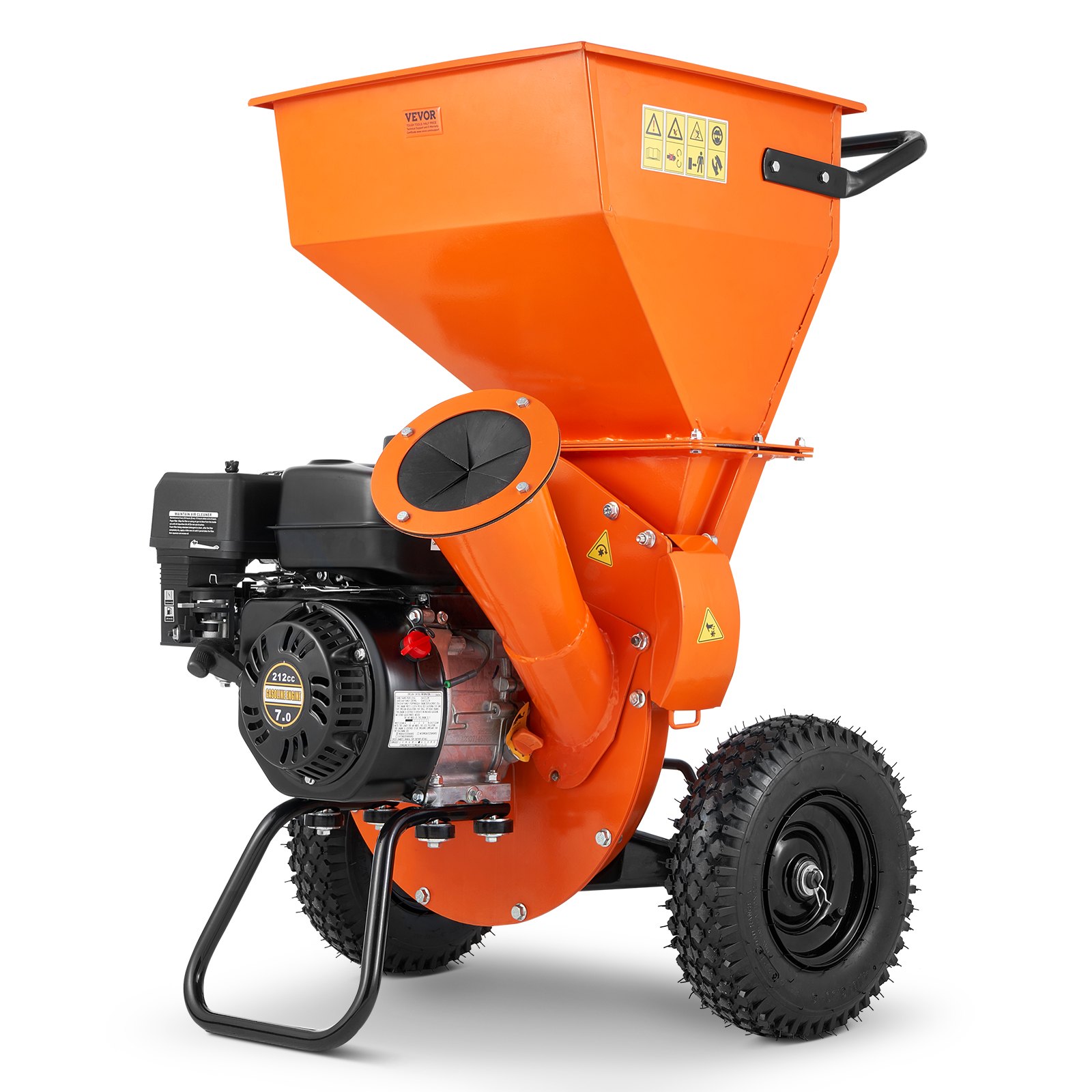
Highlights
- Feed capacity is rated by branch diameter: electric shredders typically handle 1.5–2.5 in, while gas units reach 3–4 in or more.
- Cutting mechanisms differ: flail/shredder blades excel at leaves and soft debris, while chipper blades or drums handle rigid branches cleanly.
- Electric models run on standard 120V household current and suit suburban yards; gas models deliver higher torque and true off-grid portability.
- Reduction ratios of 10:1 to 20:1 indicate how much volume is compacted—higher ratios mean fewer bagging trips and faster compost production.
Best use cases
- Choose a 15-amp electric chipper-shredder if you mainly process leaves, twigs, and garden clippings within reach of an outlet—skip gas if your yard is under half an acre.
- Pick a gas-powered chipper-shredder with 3 in+ capacity for storm cleanup, hardwood limbs, and remote property without power access.
- Select a dedicated leaf shredder with a high reduction ratio for autumn leaf volume and compost feedstock—avoid branch-rated chippers if you rarely cut limbs.
- Skip heavy 4 in+ gas units for small suburban lots; they are overkill, harder to store, and cost more to maintain than the debris volume justifies.
Buying tips
- Check branch diameter rating against your thickest regular debris; a machine rated just above your typical limb size avoids stalls and jam clearing.
- Prioritize cutting mechanism: flail blades for leafy/soft material, chipper blades or drums for rigid branches—mismatched types clog constantly.
- Compare power source by yard size and outlet distance: electric for close-in suburban work, gas for acreage or storm cleanup away from power.
- Inspect discharge and collection design—direct bagging, vacuum intake, or side discharge—so the output matches how you haul or compost debris.
Specs
| Power Source | Electric 120V vs Gas 4-cycle |
|---|---|
| Branch Capacity | Electric 1.5–2.5 in / Gas 3–4 in |
| Cutting Mechanism | Flail blades vs chipper blades/drum |
| Reduction Ratio | 10:1 to 20:1 volume compaction |
Related searches
What to check before buying
- Measure your typical branch diameter and volume per session to match feed capacity and reduction ratio to real debris, not peak specs.
- Confirm outlet proximity and cord length if choosing electric; gas models require fuel storage and ventilation.
- Check storage footprint and wheel type—small wheels suit flat lawns, larger pneumatic tires handle uneven terrain and slopes.
- Verify assembly requirements, included collection bag, and safety features like choke, push stick, and blade guard before committing.
FAQ
Data sources: eBay / Amazon listings and product attribute feeds. Updated Nov 28, 2026.
Some links on this page are affiliate links. If you buy after clicking one, we may earn a commission at no extra cost to you. This does not change which products appear here or their order. Affiliate disclosure.