
Photos from current listings. Actual item, color, and included accessories may vary.
Tiller Buying Guide
A tiller is a motorized soil cultivator that breaks up compacted earth, mixes amendments, and prepares seedbeds; the core trade-off is between corded electric power (constant torque, no runtime limit, cord-bound), cordless battery power (portable, limited runtime and torque), and gas power (highest torque for large plots, with fuel and maintenance overhead). Buy corded or gas for plots over a few hundred square feet and dense or virgin soil; choose cordless only for small beds, raised rows, and light re-tilling where a 20–40 minute runtime per charge is sufficient.
Median $155.99
Key takeaways
- Corded models deliver 10–15 A at 120 V (roughly 1.2–1.8 kW) with no battery sag, making them the strongest choice for repeat passes in clay or sod.
- Cordless tillers run 20–21 V packs rated 2–4 Ah; real runtime is typically 20–40 minutes and torque drops sharply as voltage sags under load.
- Tilling width is the primary capacity metric: 8–14 in suits narrow beds and between-row work, while 16–18 in covers larger plots with fewer passes but is heavier and harder to control.
At a glance
- Category
- Residential Outdoor Power Equipment
- Last updated
- Nov 28, 2026
Current offers
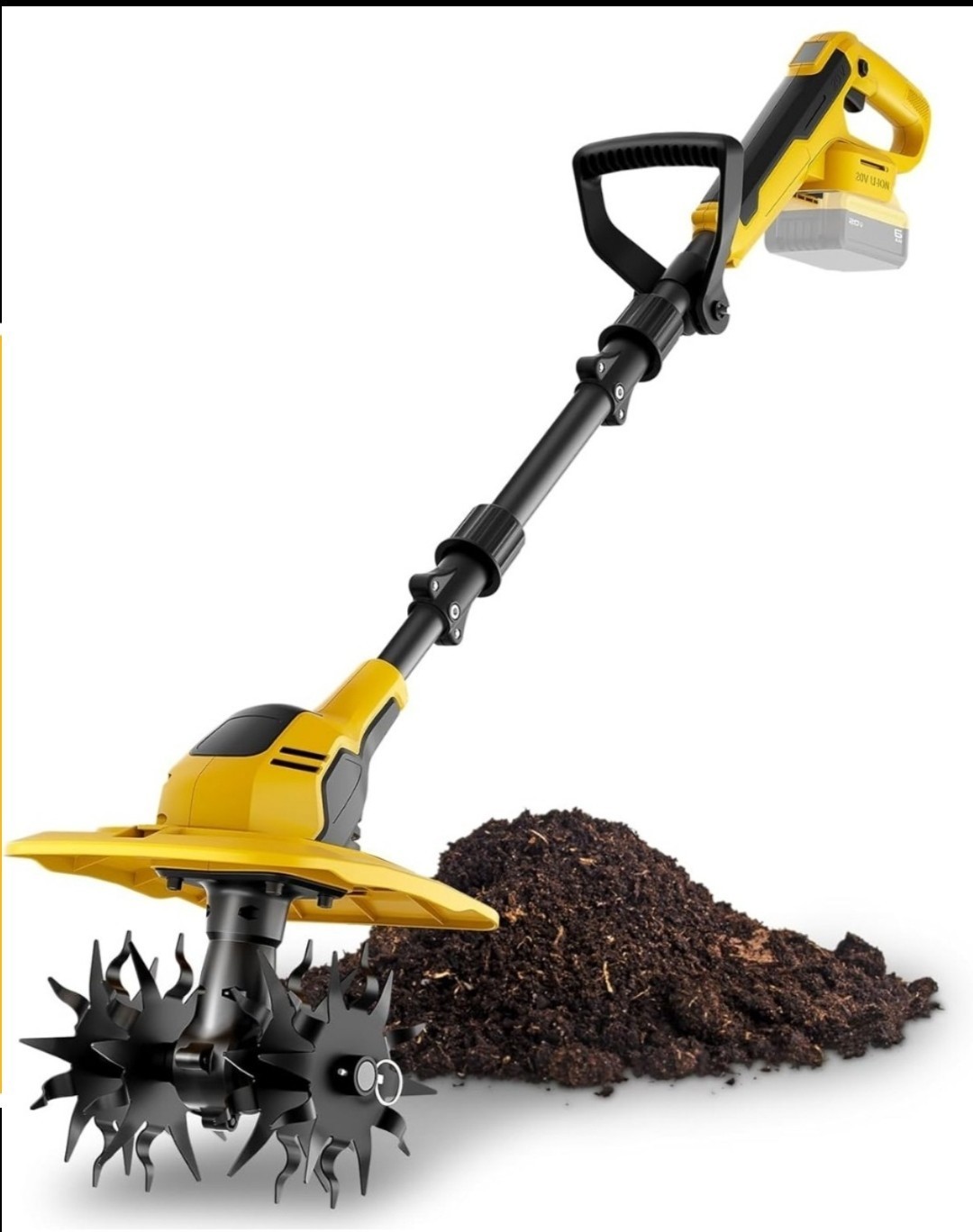 Cordless Garden Tiller Cultivator For Dewalt 20V Battery Farm Soil Cultivator$79.99View on eBay
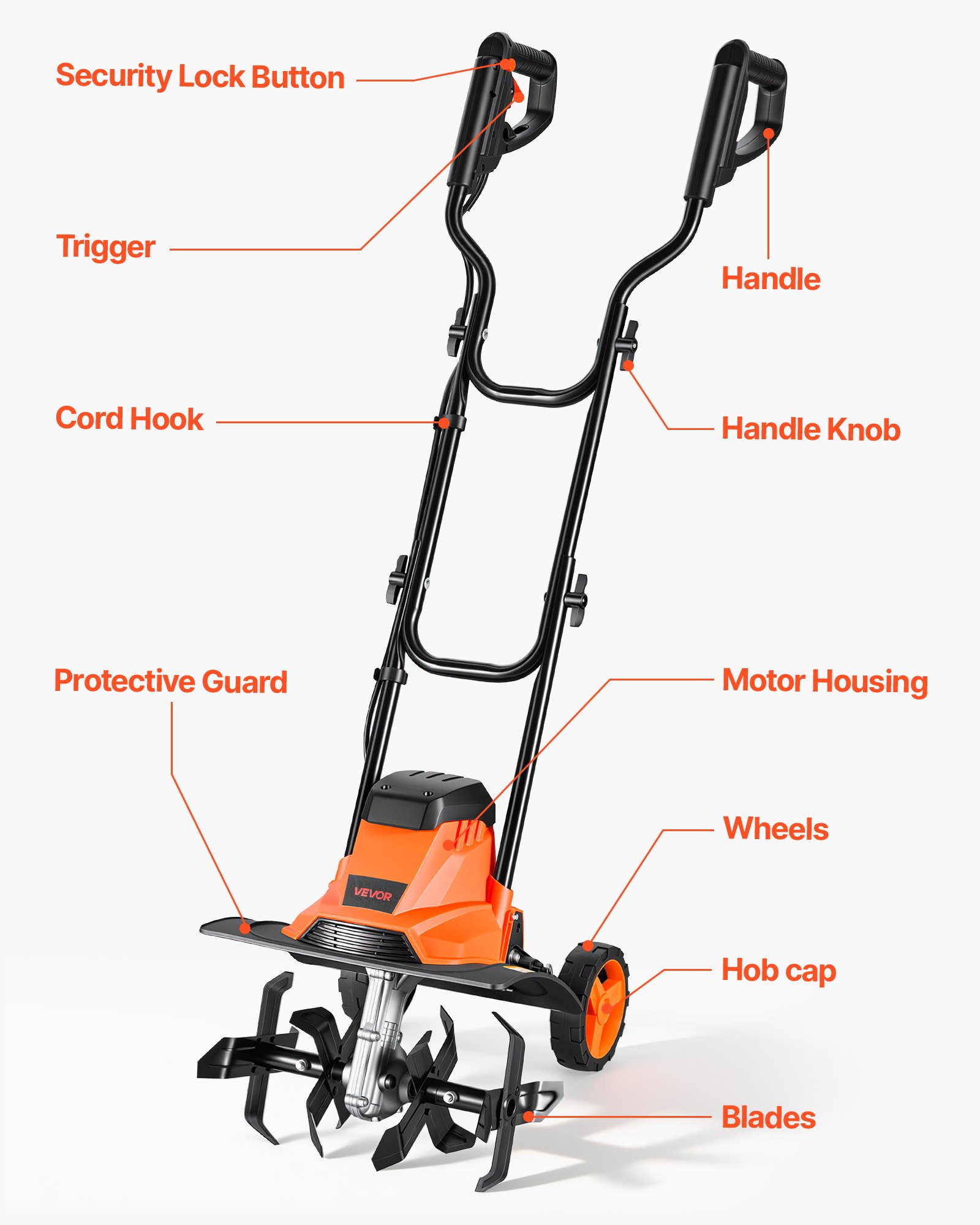 Corded Electric Tiller, 14 Inch Tilling Width Garden Rototiller, 10-Amp Motor Heavy-Duty Machine, Cultivator With Steel Tines And Foldable Handle, For Lawn, Yard, And Gardening Care$113.99View on Mallflare
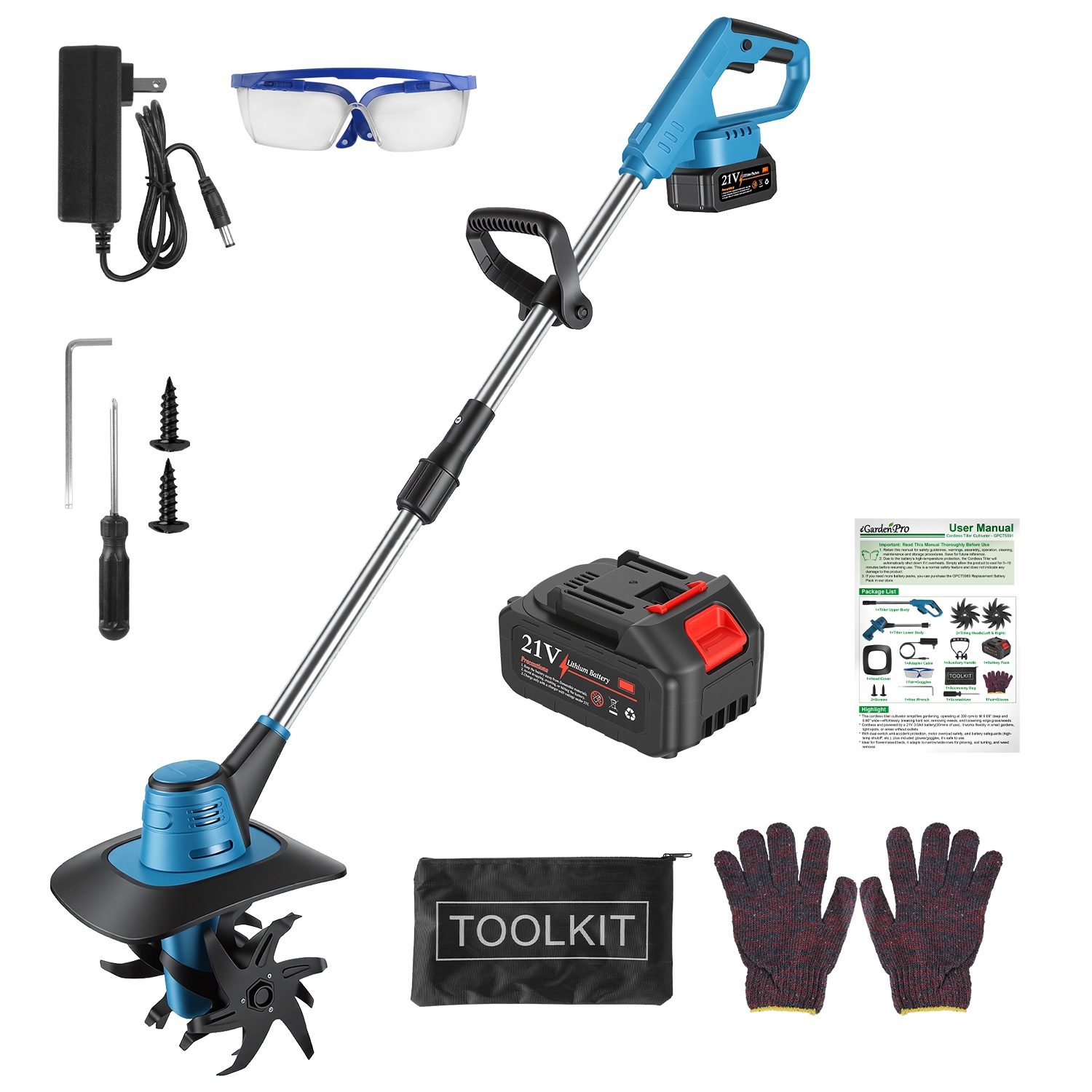 800W 21V Cordless Tiller Cultivator 3.0Ah Battery Powered Manganese Steel Tines For Soil Cultivation Weeding Gardening$124.99View on Mallflare
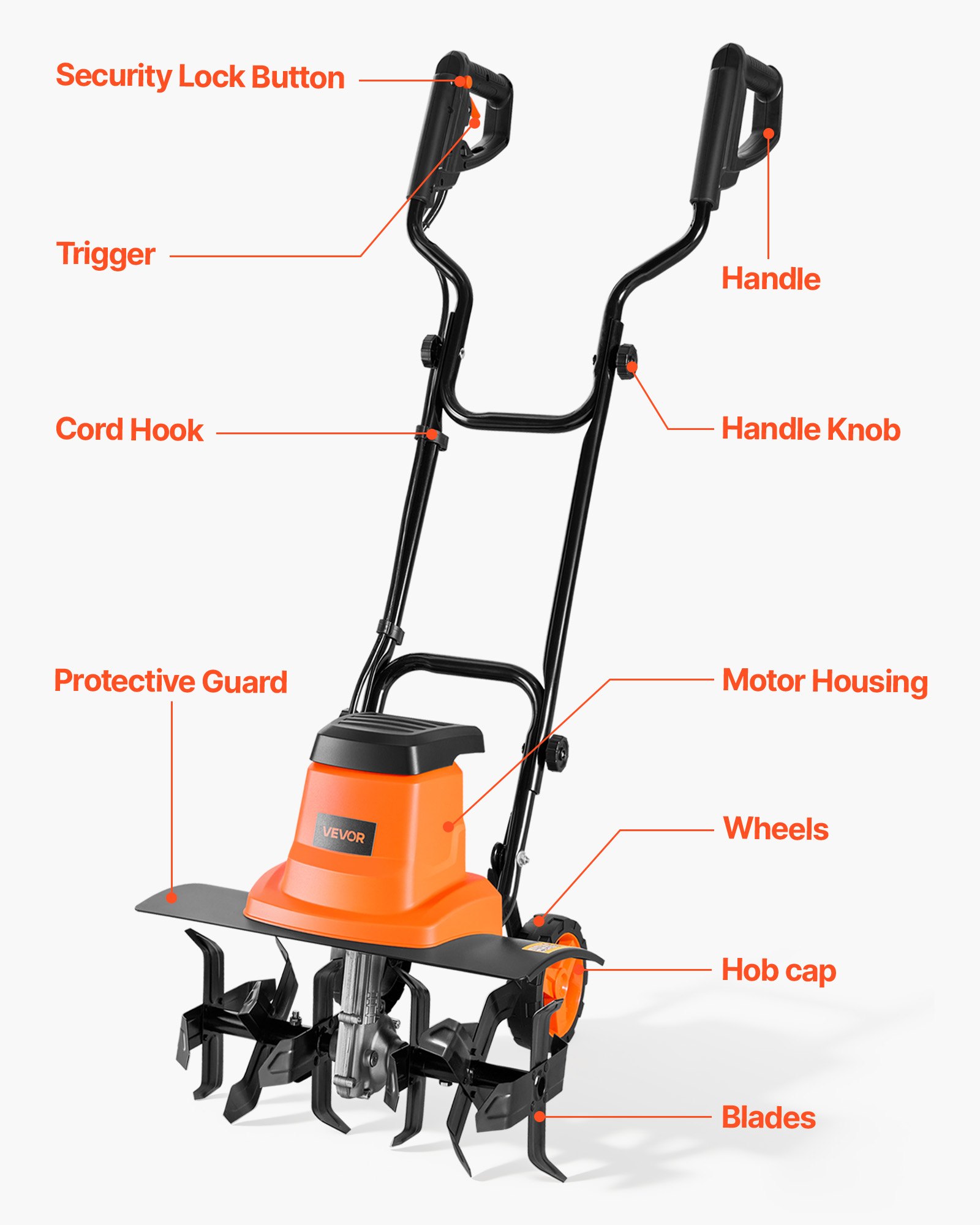 Corded Electric Tiller, 18 Inch Tilling Width Garden Rototiller, 13.5-Amp Motor Heavy-Duty Machine, Cultivator With Steel Tines And Foldable Handle, For Lawn, Yard, And Gardening Care$127.99View on Mallflare
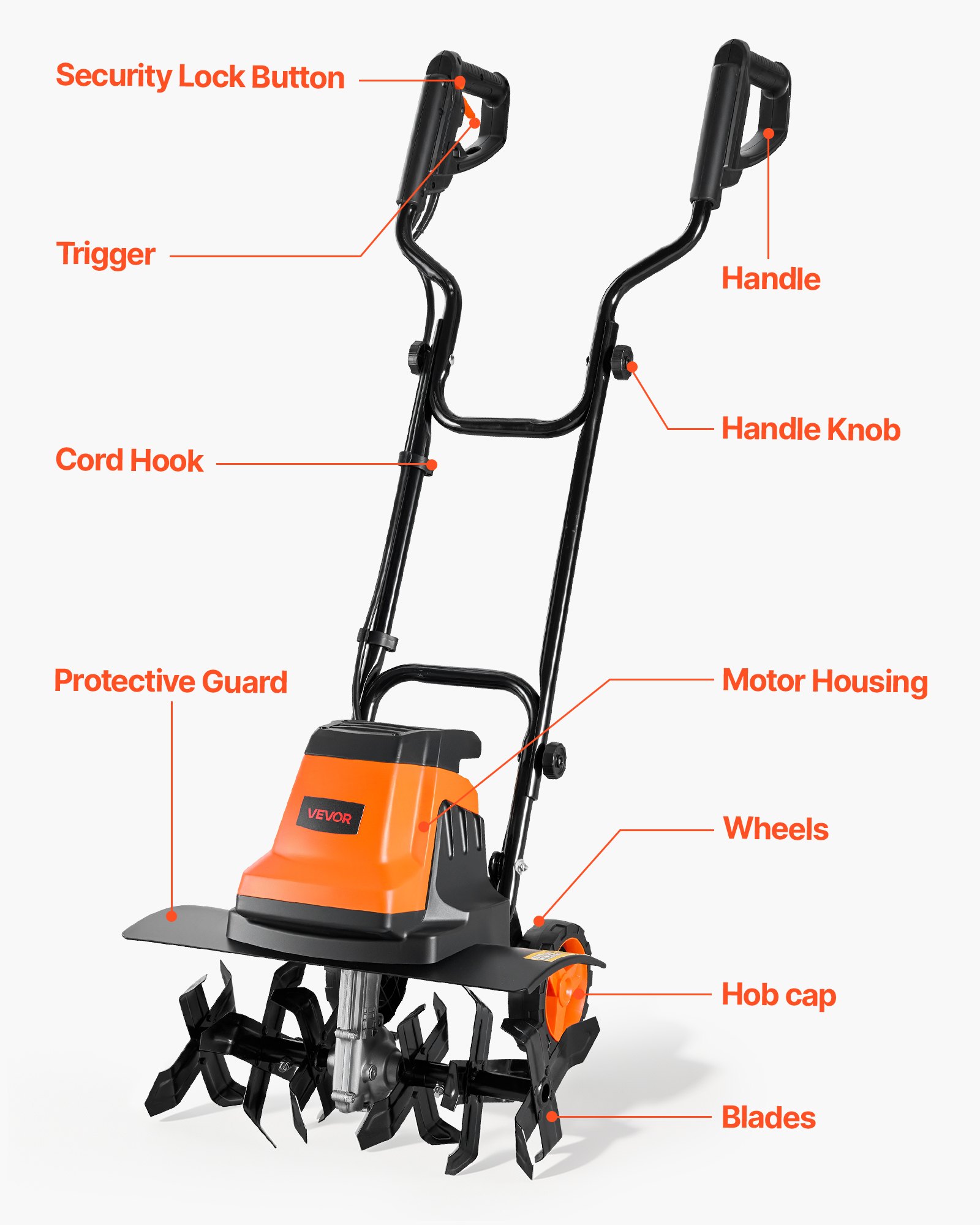 Corded Electric Tiller, 18 Inch Tilling Width Garden Rototiller, 15-Amp Motor Heavy-Duty Machine, Cultivator With Steel Tines And Foldable Handle, For Lawn, Yard, And Gardening Care$155.99View on Mallflare
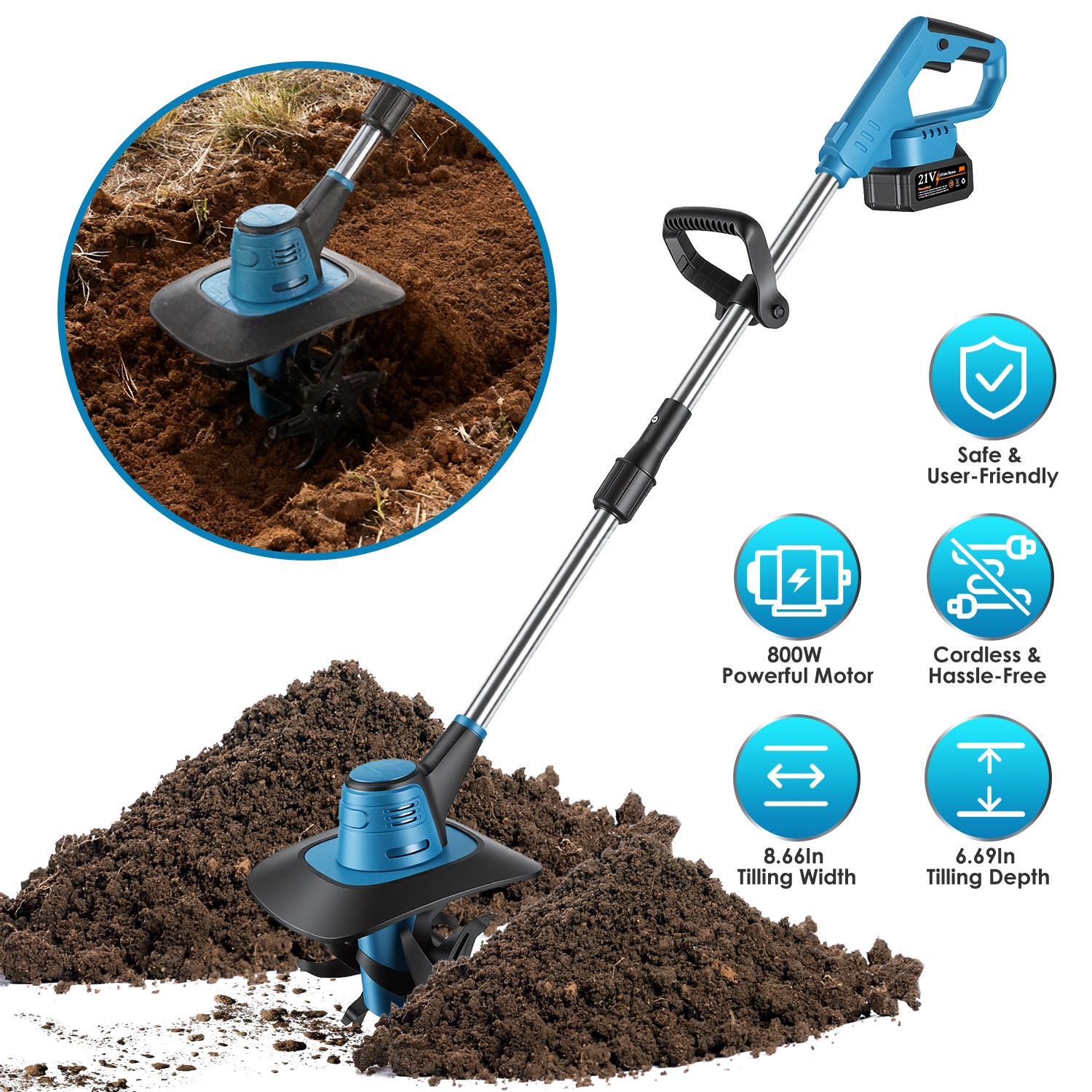 Cordless Tiller Cultivator,800W Electric Cultivator, 21V Battery Powered Soil with 6.69" Depth 8.66" Width, Handheld Garden for Yard Planting$158.99View on Mallflare
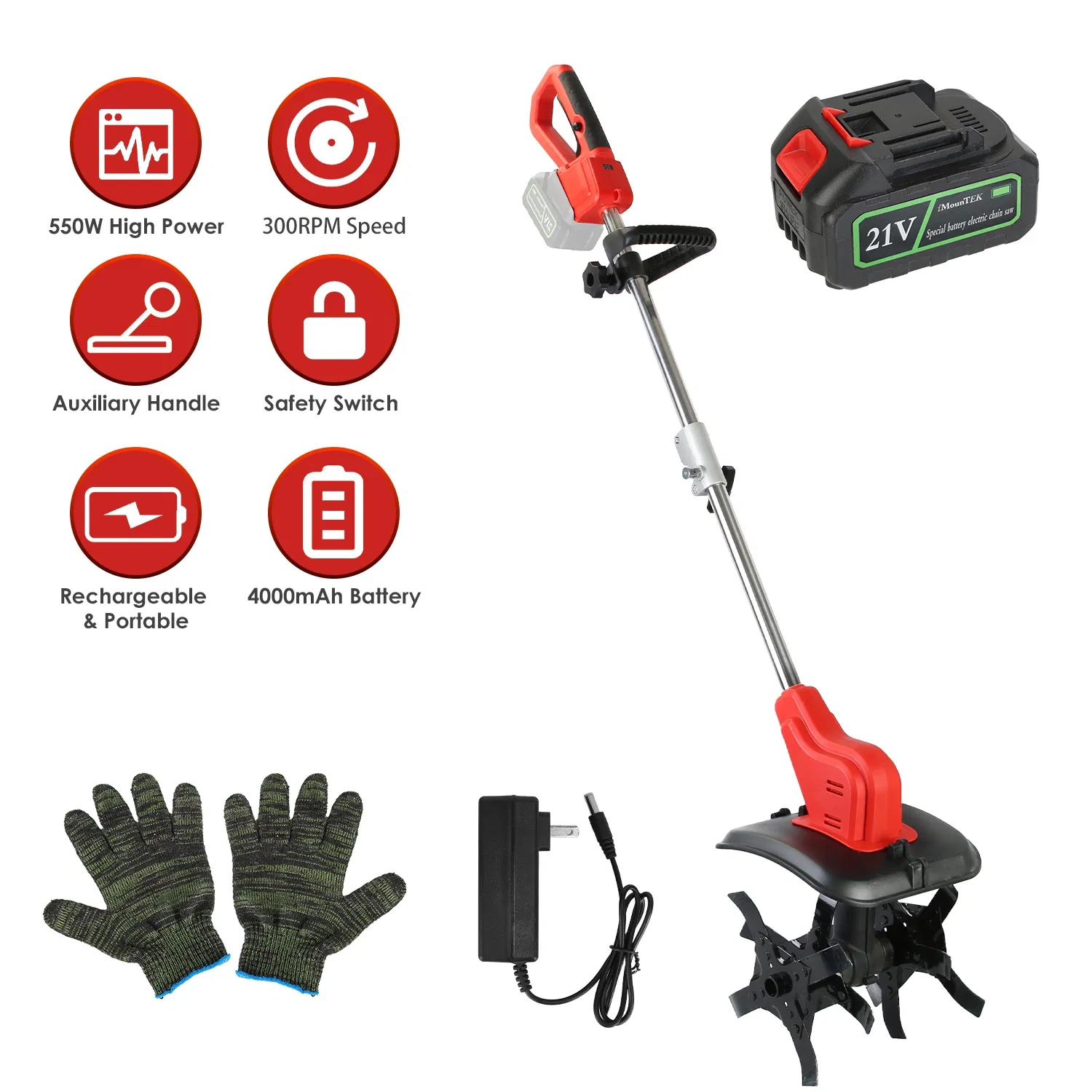 Portable Cordless Electric Tiller - 550W 300RPM Power, 16 Steel Tines, 4000mAh Battery , Safety Protection + Auxiliary Handle, Ideal for Lawn/Soil Preparation/Gardening$167.99View on Mallflare
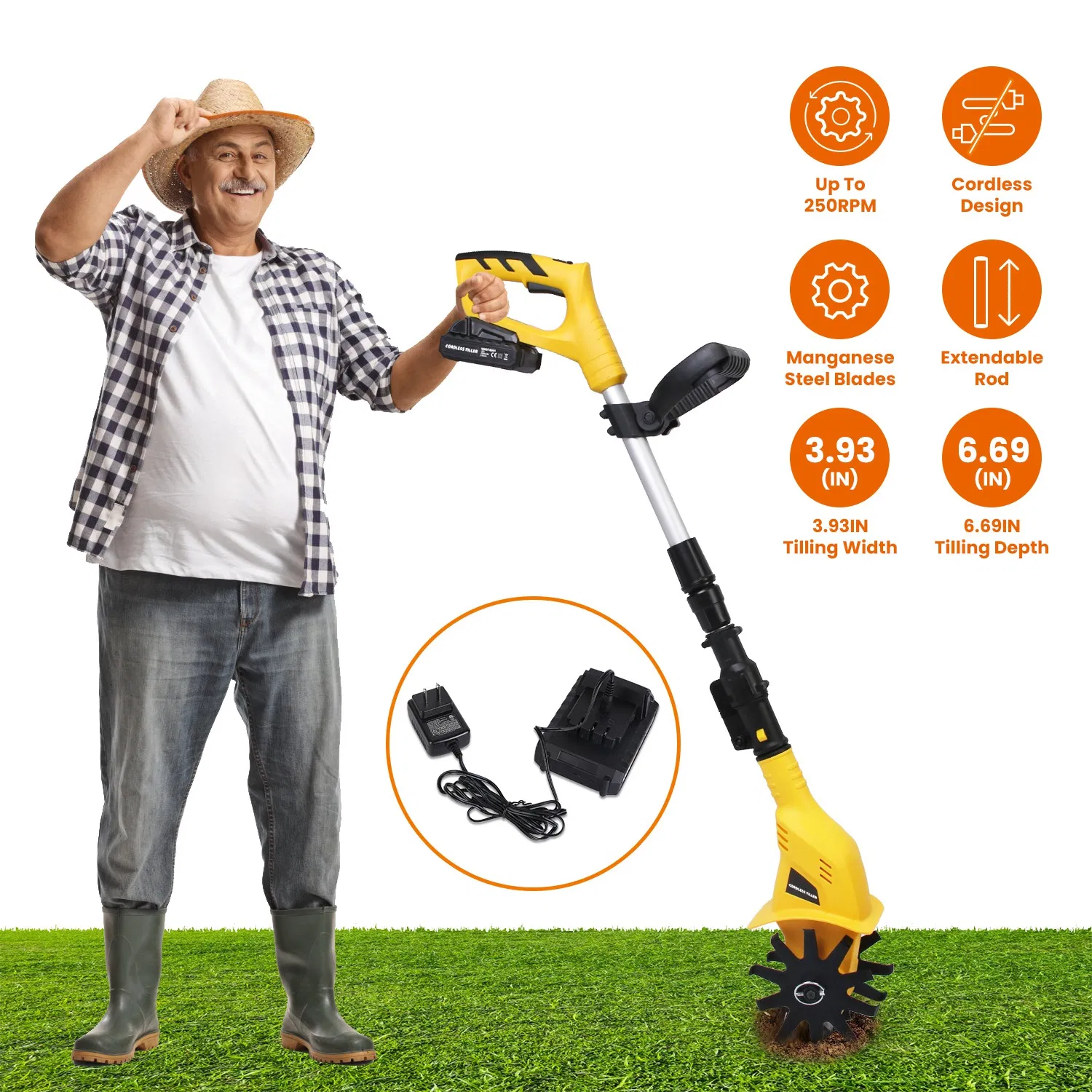 20V Cordless Tiller Cultivator, 250RPM Electric Garden Depth Rototiller for Lawn/Gardening/Soil Cultivation$181.99View on Mallflare
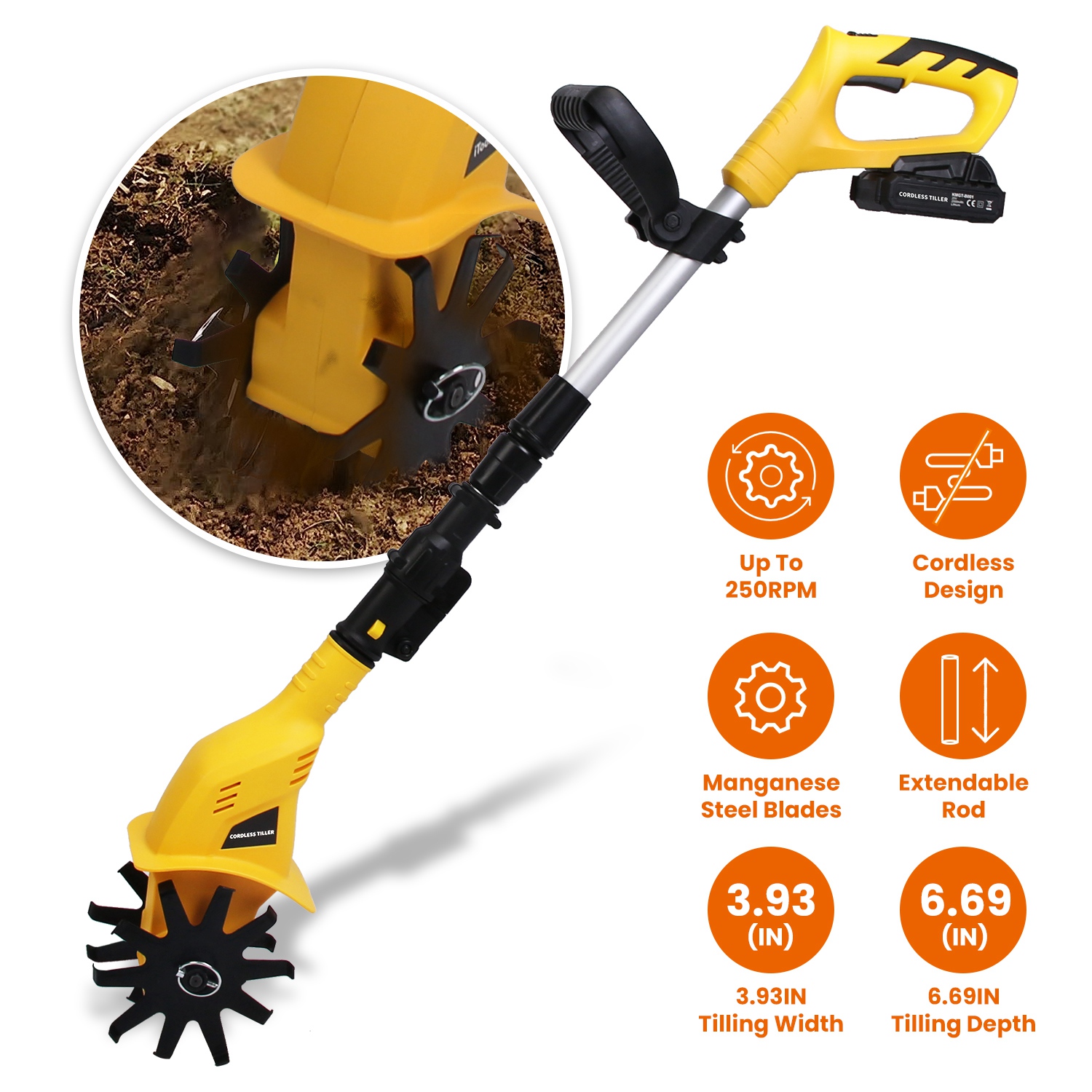 Cordless Electric Garden Tiller Cultivator With 20V Rechargeable Battery 3.93In Width 6.69In Depth 250RPM Max For Yard Farm Lawn$188.99View on Mallflare
Highlights
- Corded models deliver 10–15 A at 120 V (roughly 1.2–1.8 kW) with no battery sag, making them the strongest choice for repeat passes in clay or sod.
- Cordless tillers run 20–21 V packs rated 2–4 Ah; real runtime is typically 20–40 minutes and torque drops sharply as voltage sags under load.
- Tilling width is the primary capacity metric: 8–14 in suits narrow beds and between-row work, while 16–18 in covers larger plots with fewer passes but is heavier and harder to control.
- Tine material determines wear life: manganese or heat-treated steel tines hold an edge in rocky soil; stamped mild-steel or plastic tines bend and wear quickly in compacted ground.
Best use cases
- Choose a corded 13.5–15 A, 16–18 in tiller for a large vegetable garden or first-time breaking of sod; accept the cord and use a 12-gauge outdoor extension within 50 ft.
- Choose a 20–21 V cordless tiller with 6–8 in width and 6–7 in depth for flower beds, raised beds, and light weeding; buy a second battery if the bed exceeds roughly 150 sq ft.
- Skip mini handheld cordless cultivators for new ground or clay—their 250–300 RPM and narrow width stall; they are re-tilling and amendment-mixing tools only.
- Skip corded electric entirely for remote plots more than 50 ft from an outlet; step up to a gas rear-tine tiller for continuous heavy work.
Buying tips
- Match tilling width to bed size: 8–10 in for rows and raised beds, 14 in for standard beds, 16–18 in for open plots; wider machines are heavier and need more control.
- Check amperage on corded units: 10 A handles light loam, 13.5–15 A is required for compacted soil and repeated passes; pair with a 12-gauge cord at 50 ft or less.
- For cordless, confirm the battery platform: a bare tool needs the matching 20 V or 21 V pack and charger, and 4 Ah packs roughly double runtime versus 2 Ah.
- Verify tine construction and depth rating: steel tines with a 6–8 in working depth suit garden beds; plastic or stamped tines are for surface aeration only.
Specs
| Power Source | Corded 120V / 20-21V battery / gas |
|---|---|
| Motor Amperage | 10A light duty; 13.5-15A heavy duty |
| Tilling Width | 8-10 in beds; 14-18 in plots |
| Tine Material | Manganese/heat-treated steel vs stamped |
Related searches
What to check before buying
- Measure the plot and distance to the nearest outdoor outlet; beyond 50 ft of cord run, corded electric becomes impractical.
- Check soil type and condition: rock-free loam suits any tier; clay, sod, or rocky ground demands corded 13.5 A+ or gas torque.
- Confirm bed and row spacing so the tilling width (8, 14, or 18 in) fits between plants and along fence lines.
- For cordless, confirm the battery platform and charger are included or already owned, and budget for a spare pack.
FAQ
Data sources: eBay / Amazon listings and product attribute feeds. Updated Nov 28, 2026.
Some links on this page are affiliate links. If you buy after clicking one, we may earn a commission at no extra cost to you. This does not change which products appear here or their order. Affiliate disclosure.