
Photos from current listings. Actual item, color, and included accessories may vary.
Lawn Mower Buying Guide
A lawn mower is a cutting machine defined first by its power source (corded electric, battery, or gas) and second by its deck material and drive system, which together determine durability and terrain capability. The core trade-off is weight and maintenance versus runtime and torque: gas units deliver sustained power for large or overgrown lots but demand fuel and engine care, while battery units are lighter and quieter but limited by watt-hours and blade speed. The decision rule is simple: match deck width and power source to your lawn's square footage and slope, and reject any mower whose deck, wheels, or blade spindles are not serviceable with standard replacement parts.
Median $75.99
Key takeaways
- Deck material separates durability tiers: stamped steel resists impact and holds alignment, while molded plastic or thin stamped decks flex and crack on roots and stones.
- Battery platforms are voltage-locked: 18V/20V systems suit trimming and small lawns, while 40V–80V packs are required for sustained cutting of more than a quarter acre per charge.
- Gas engines are rated by displacement and torque: 140–160cc units handle flat lawns under half an acre, while 190cc+ engines and OHV designs maintain blade speed in tall, wet grass.
At a glance
- Category
- Residential Outdoor Power Equipment
- Last updated
- Nov 28, 2026
Current offers
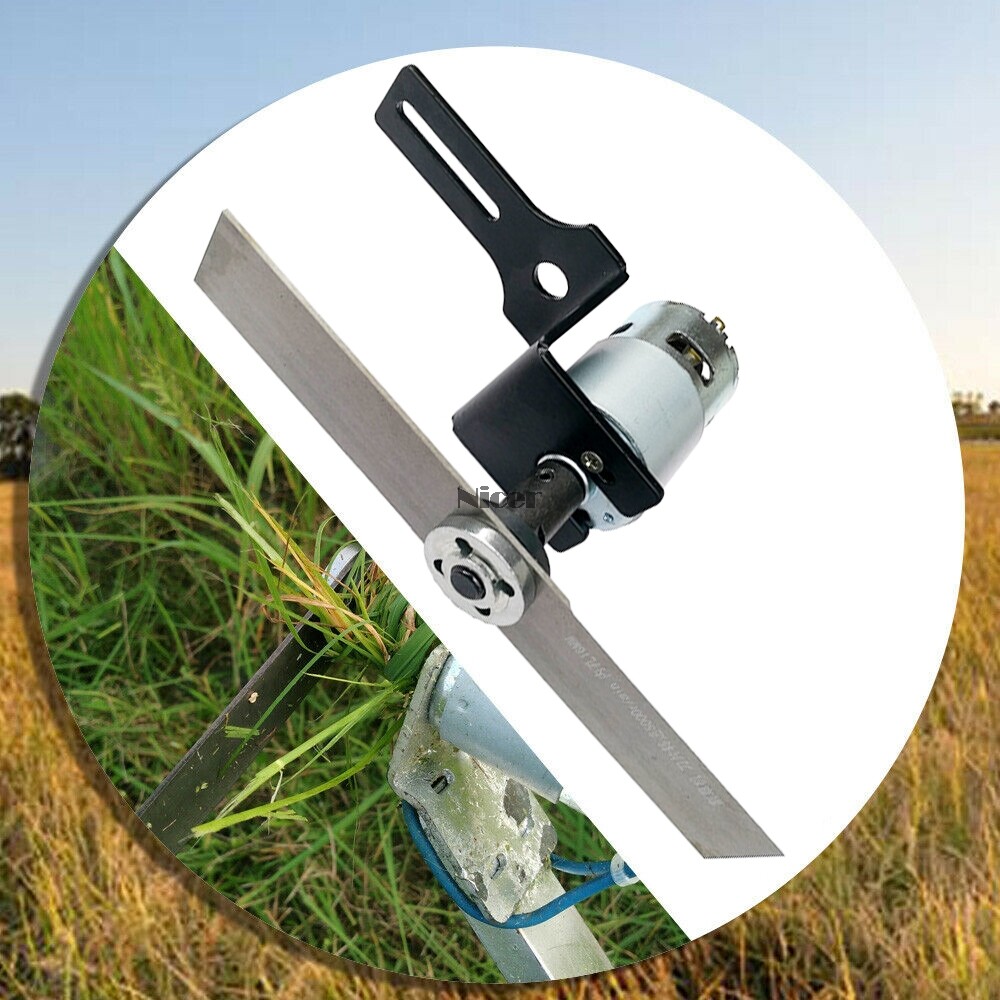 DIY Lawn Mower Set DC 12V 775 Motor Manganese Steel Blade Garden Mowing Tools$41.28Last checked Nov 22, 2026View on eBay
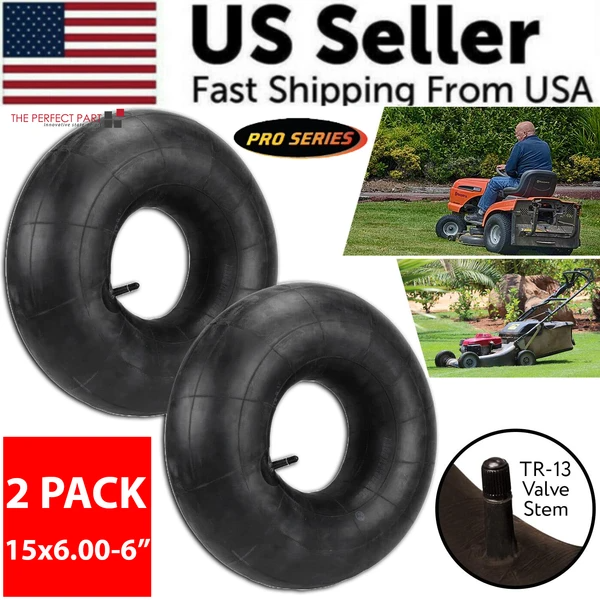 2PCS 15x6.00-6 Lawn Mower Tire Inner Tubes 15X6-6, 15X6x6, 15 6x6 TR13 Valve ATV$29.99View on Mallflare
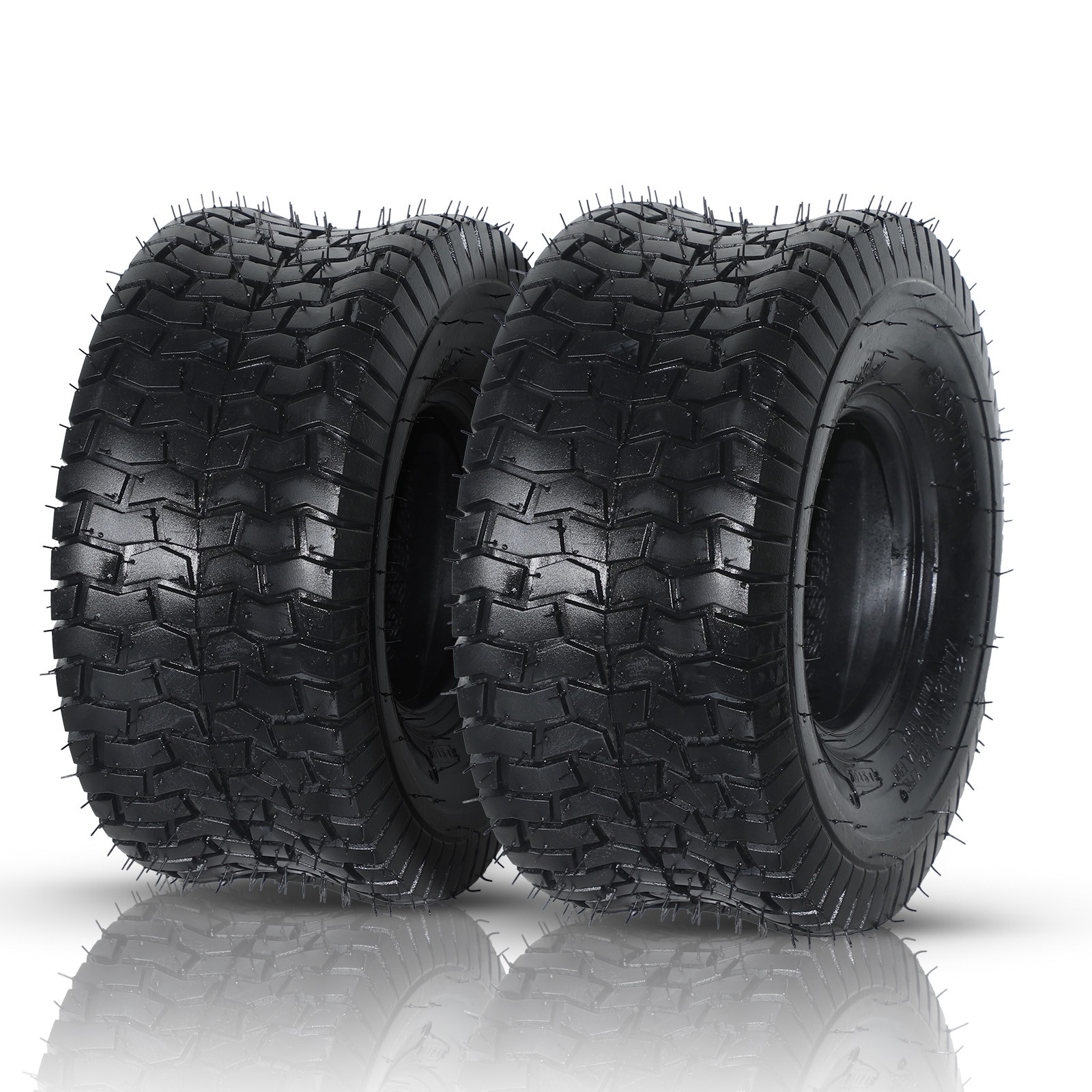 Two 15x6.00-6 15x6-6 15x6x6 Lawn Mower Garden Tractor Turf Tires 2 Ply Rated$43.99Last checked Nov 19, 2026View on eBay
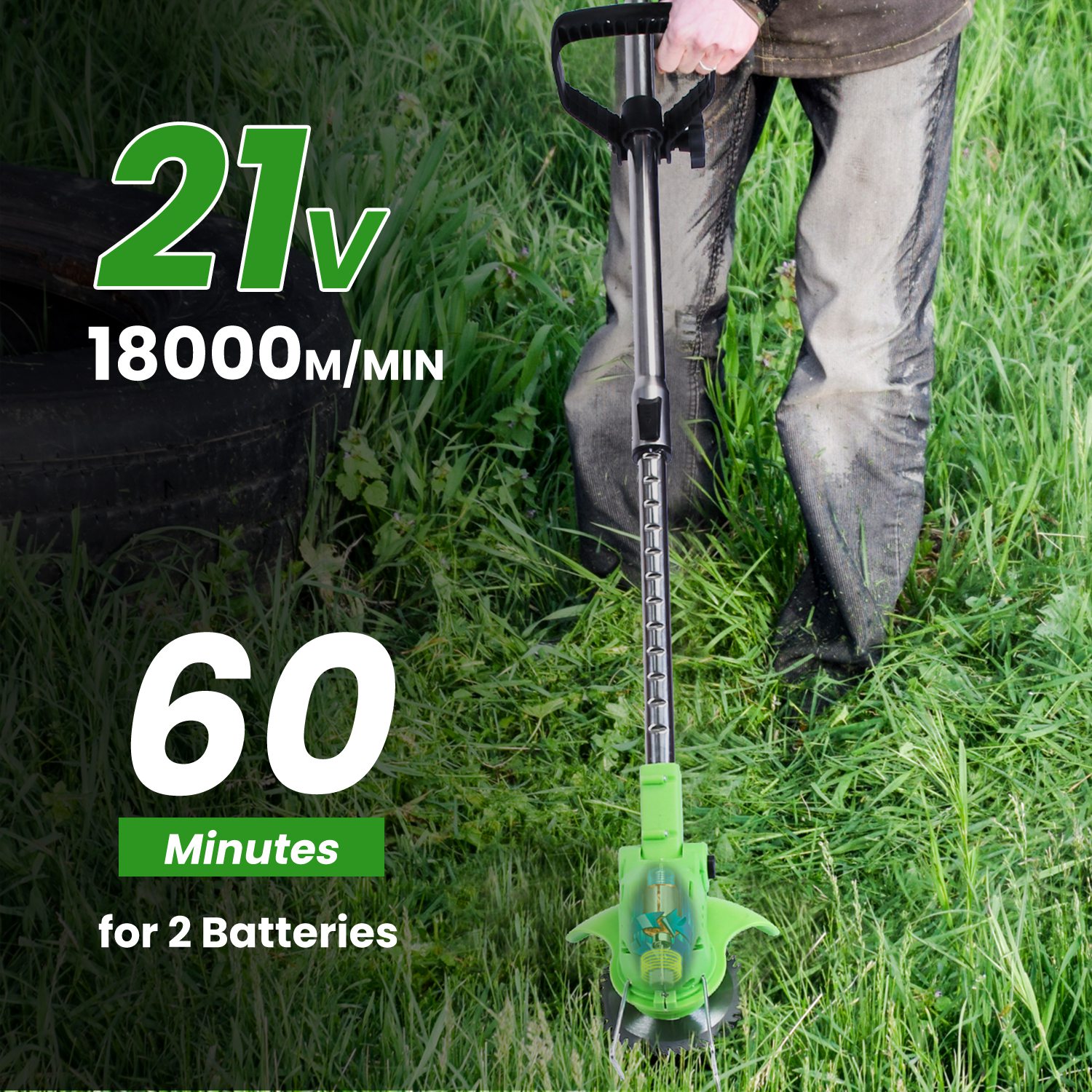 21V 300W Cordless Grass Trimmer Rechargeable Lawn Mower 18000M PER Min Weed Cutter With Saw Blade 2 Stainless Steel Blades 10 Plastic 2 Batteries Goggles Gloves$64.99View on Mallflare
- Set of 2 15x6.00-6 Lawn & Garden Mower Tractor Turf Tires 2 Ply 15x6-6 15x6x6$43.99Last checked Nov 19, 2026View on eBay
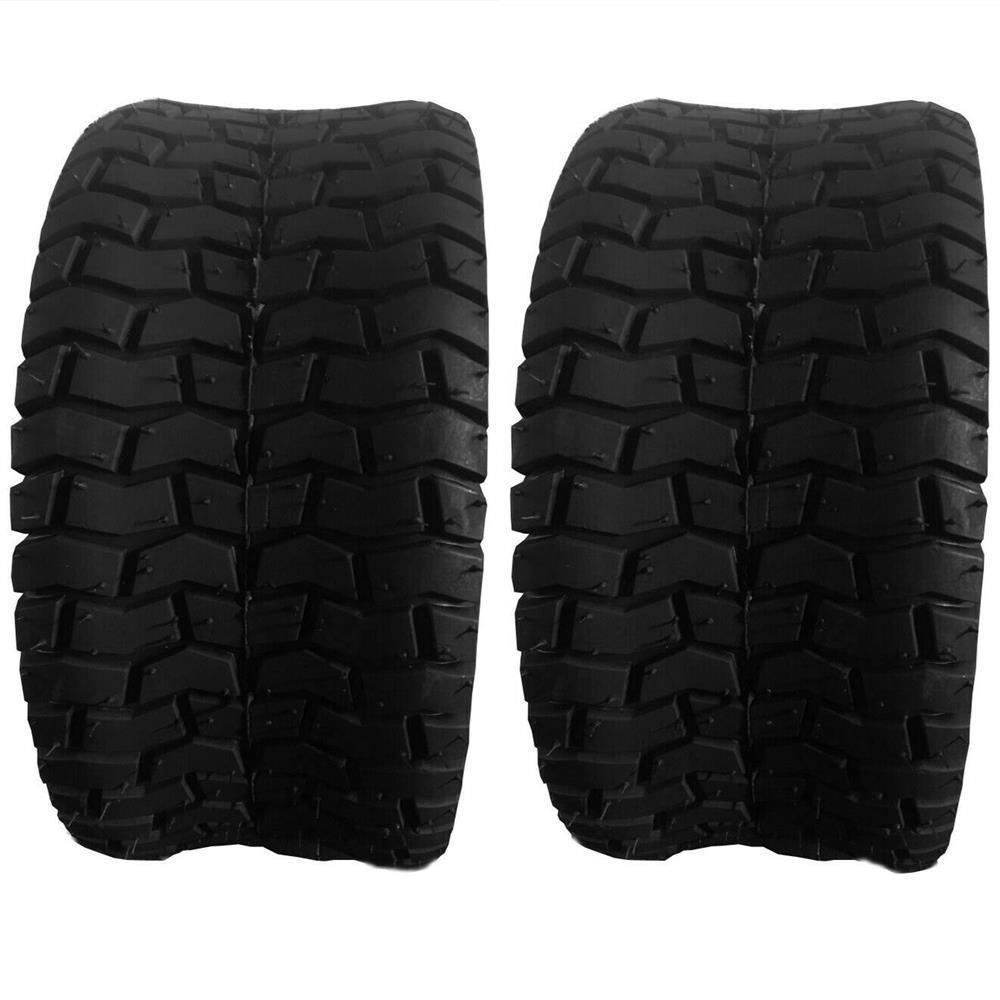 SET Of TWO 13x5.00-6 Turf Tires for Garden Tractor Lawn Mower Riding$64.99View on Mallflare
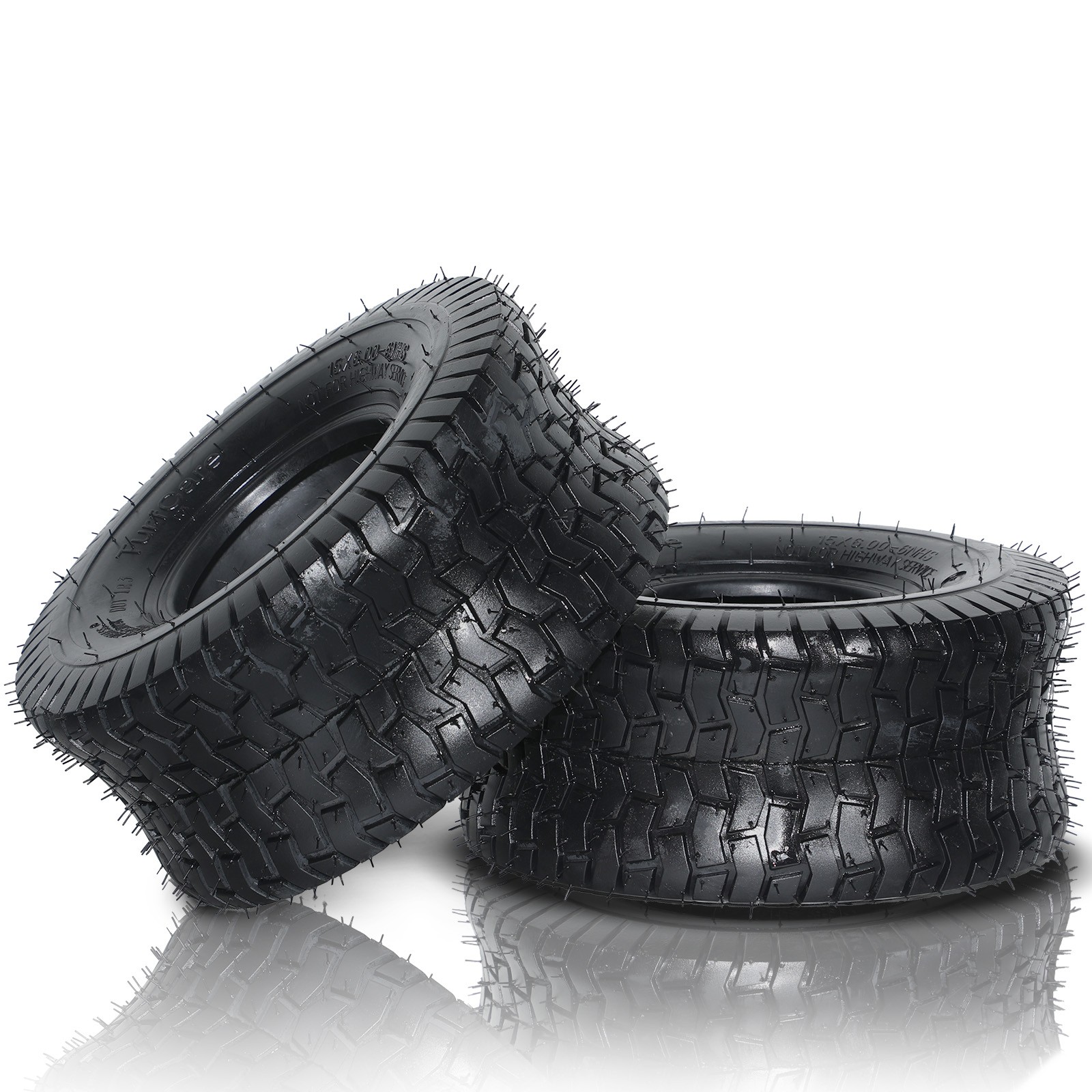 Two 15x6.00-6 Lawn & Garden Mower Tractor Turf Tires 2 Ply 15x6-6 Black Rubber$44.19Last checked Nov 19, 2026View on eBay
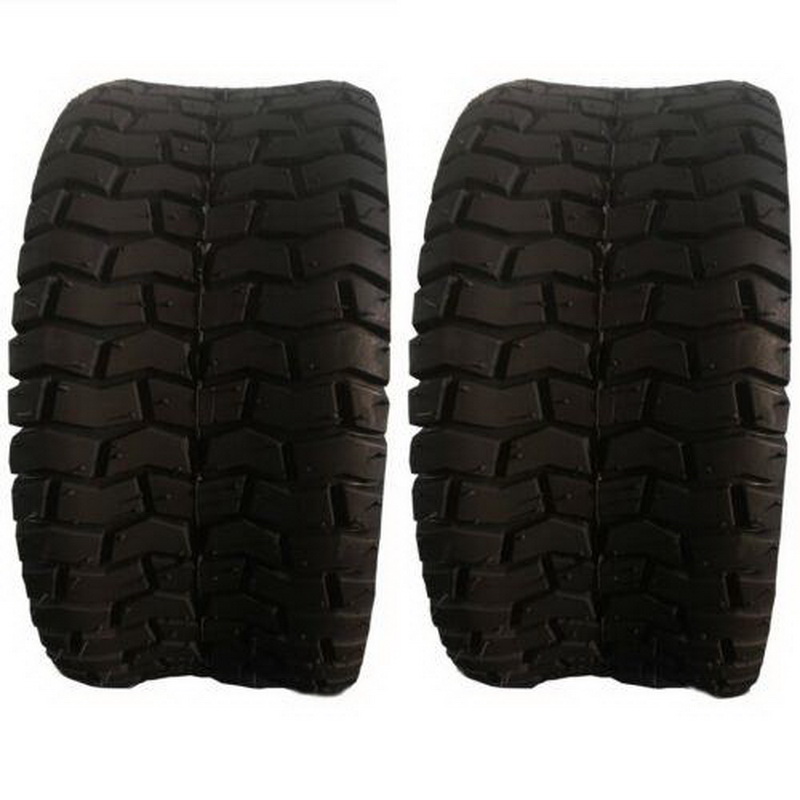 2PK 15x6.00-6 15-6.00-6 4PLY Turf Lawn Mower Go Kart Tires$75.99View on Mallflare
- DIY Lawn Mower Set DC 12V 775 Motor Manganese Steel Blade Garden Mowing Tools$46.10Last checked Nov 23, 2026View on eBay
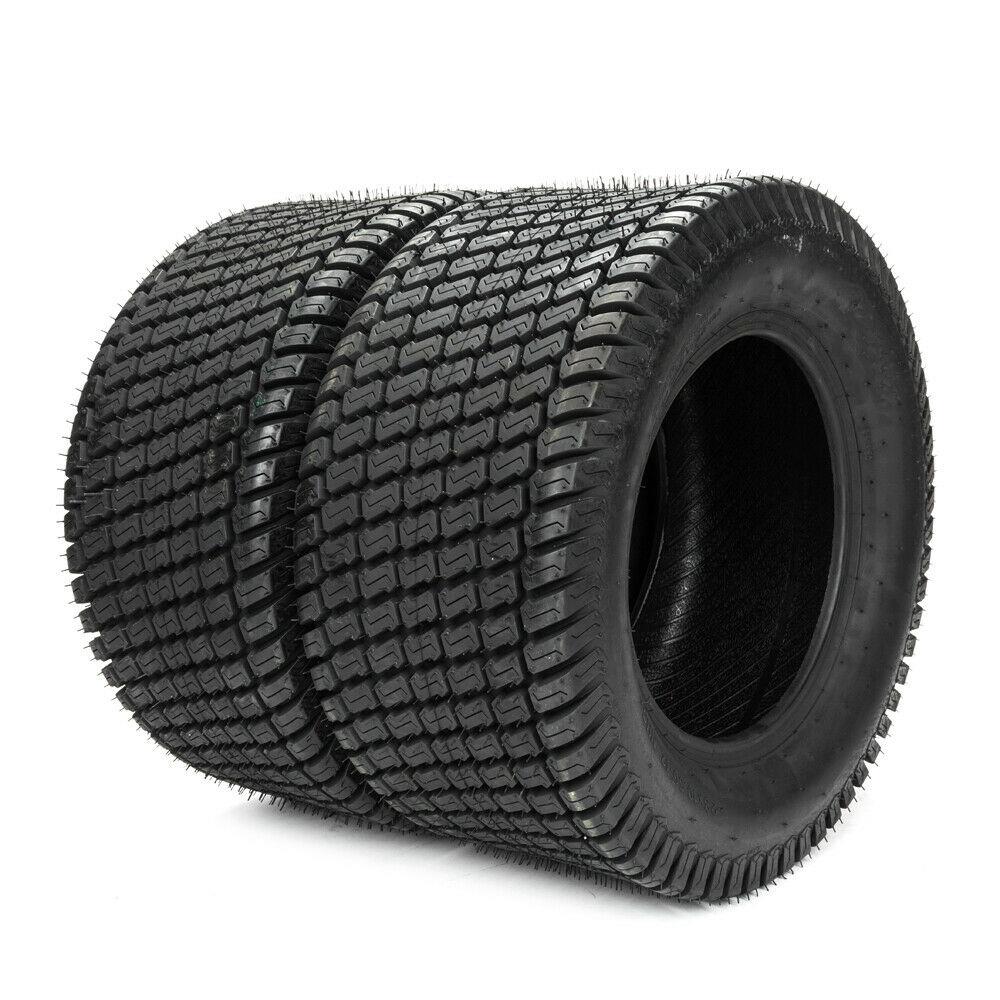 wheels 2qty 20x8.00-8 millionparts 950Lbs P332 Garden Lawn Mowers Turf Tires$127.99View on Mallflare
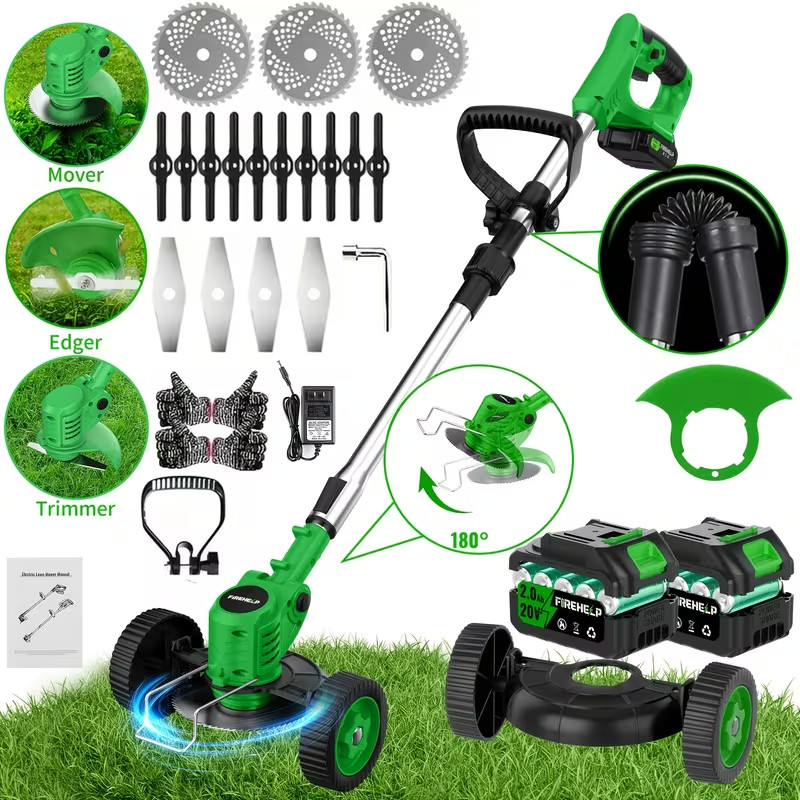 Cordless Electric Lawn Mower Trimmer 3 Blades Rechargeable Battery Garden Tool$49.99View on eBay
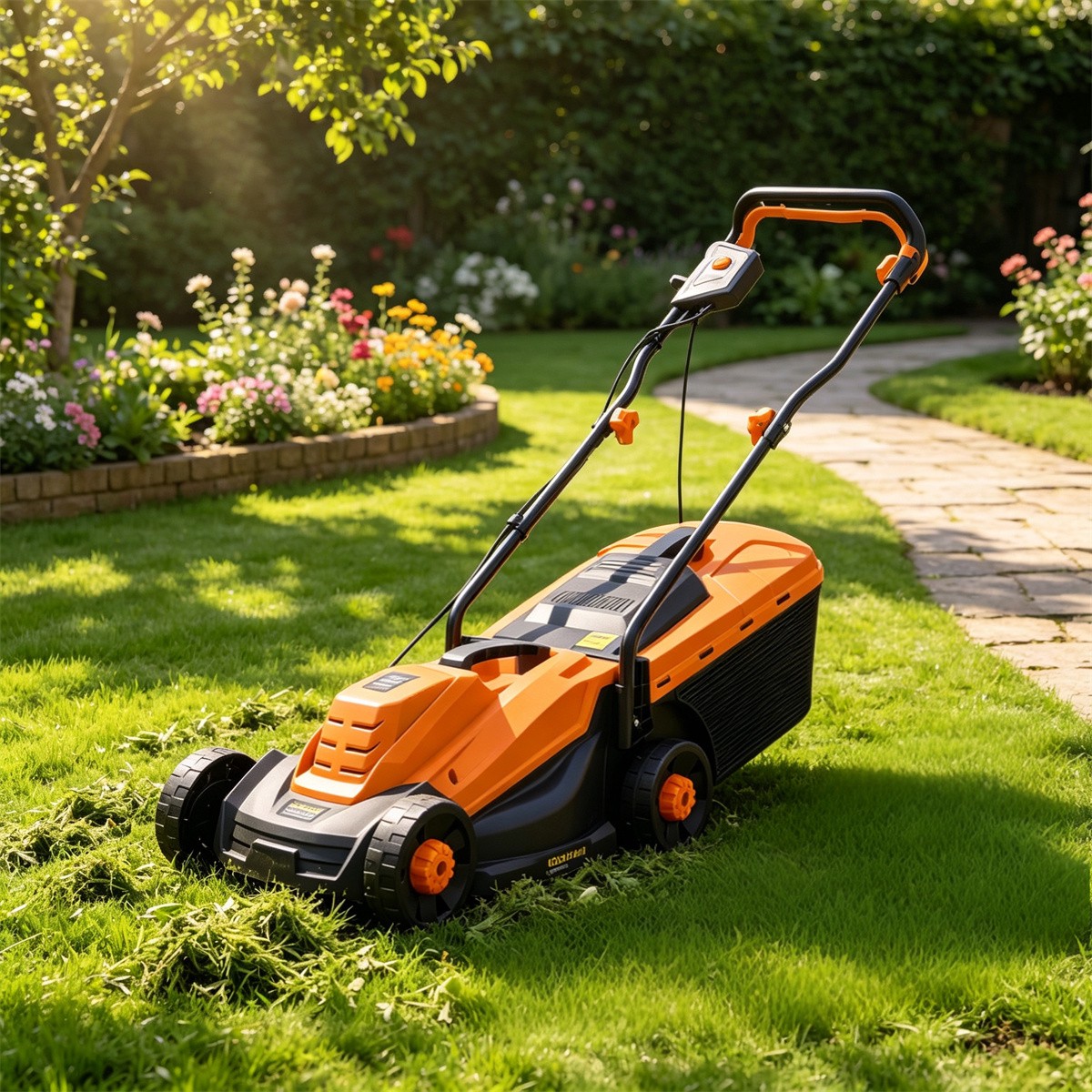 12 Amp Corded Electric Push Lawn Mower, 13" Cutting Width with 3 Heights, 8 Gallon Grass Bag, Foldable Compact for Small Yard$202.99View on Mallflare
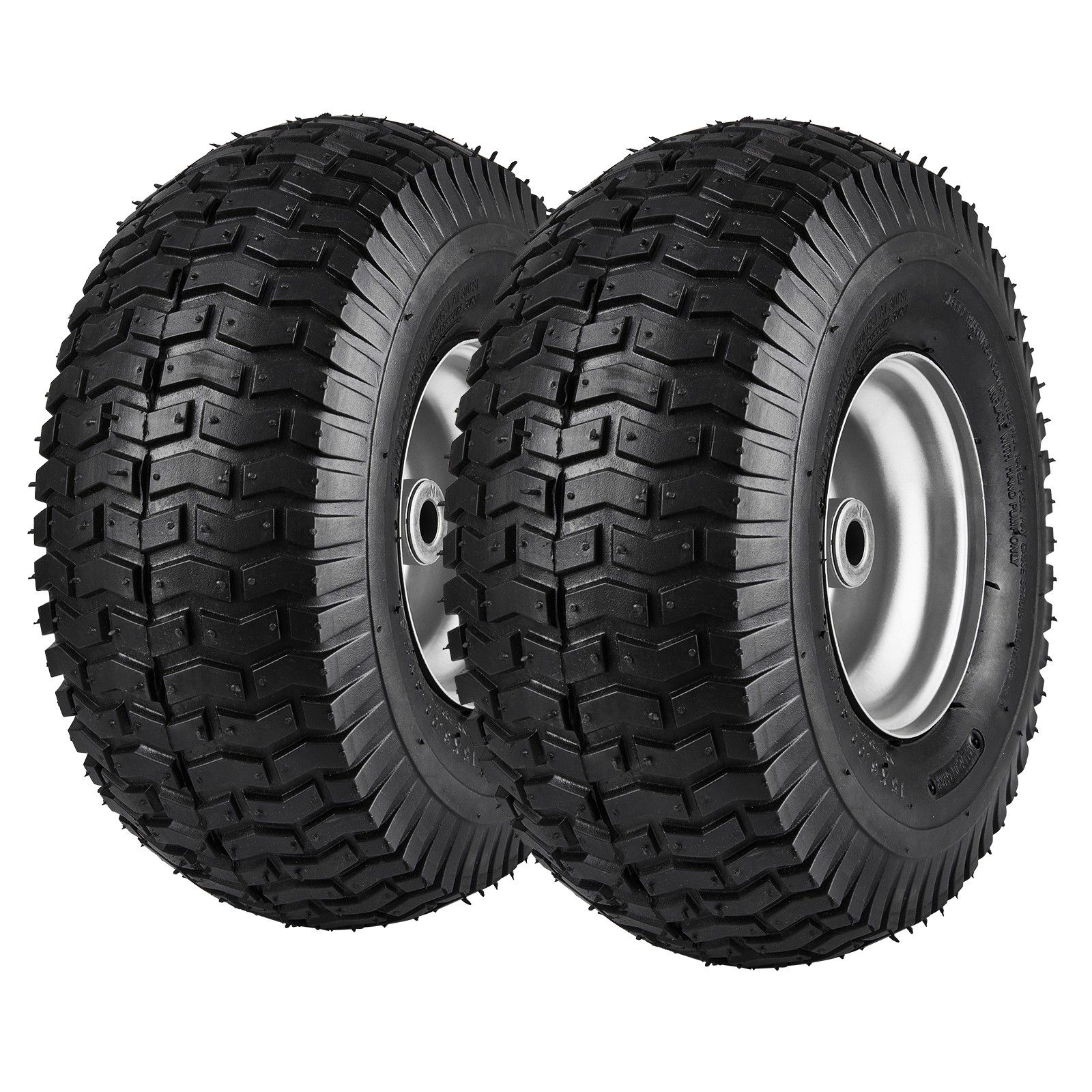 Lawn Mower Tires 15x6-6" Lawn Tractor Tires 2-Pack Turf Pneumatic Tires$54.99Last checked Nov 28, 2026View on eBay
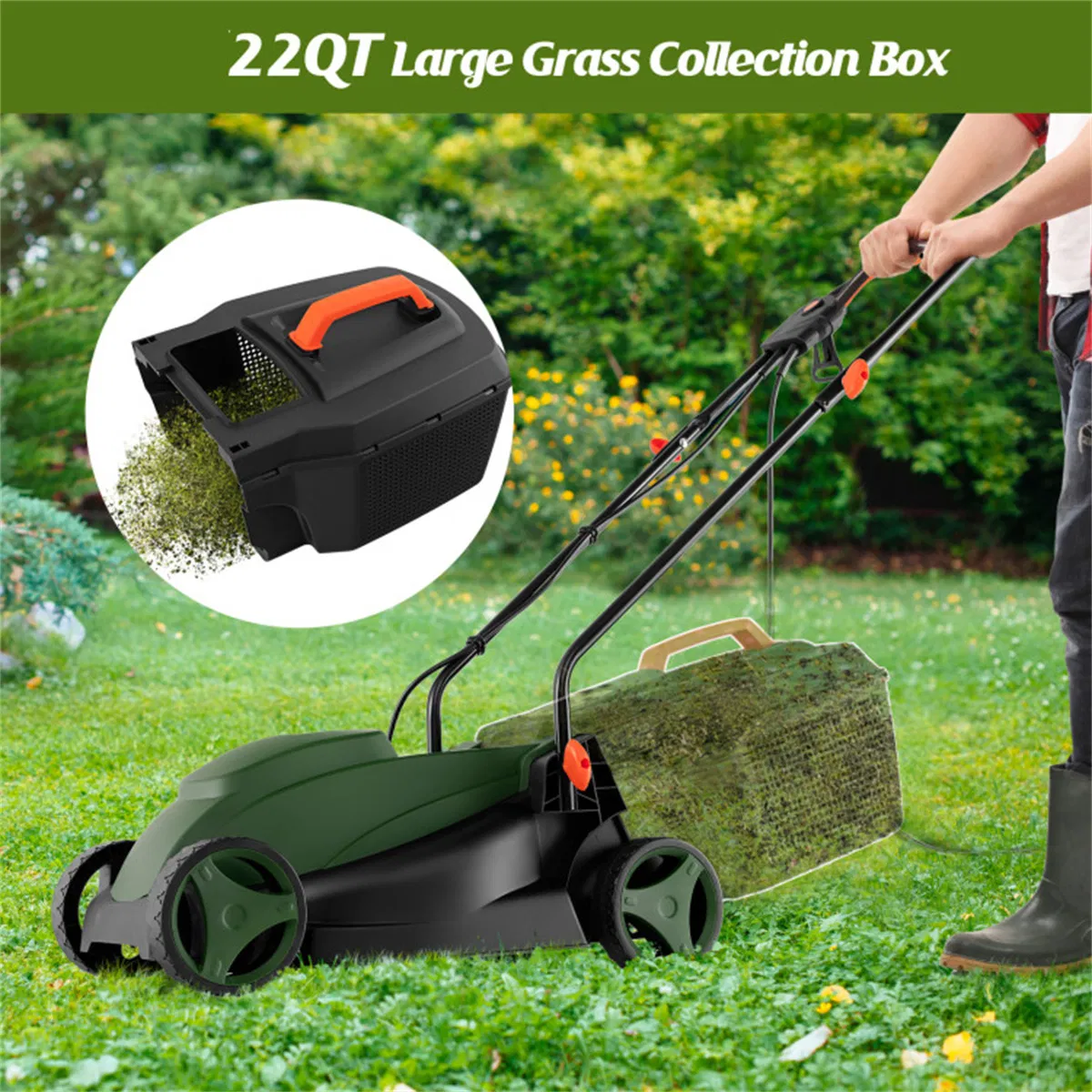 10 ampere 13 inch electric rope lawn mower with dual safety switches -Green$208.99View on Mallflare
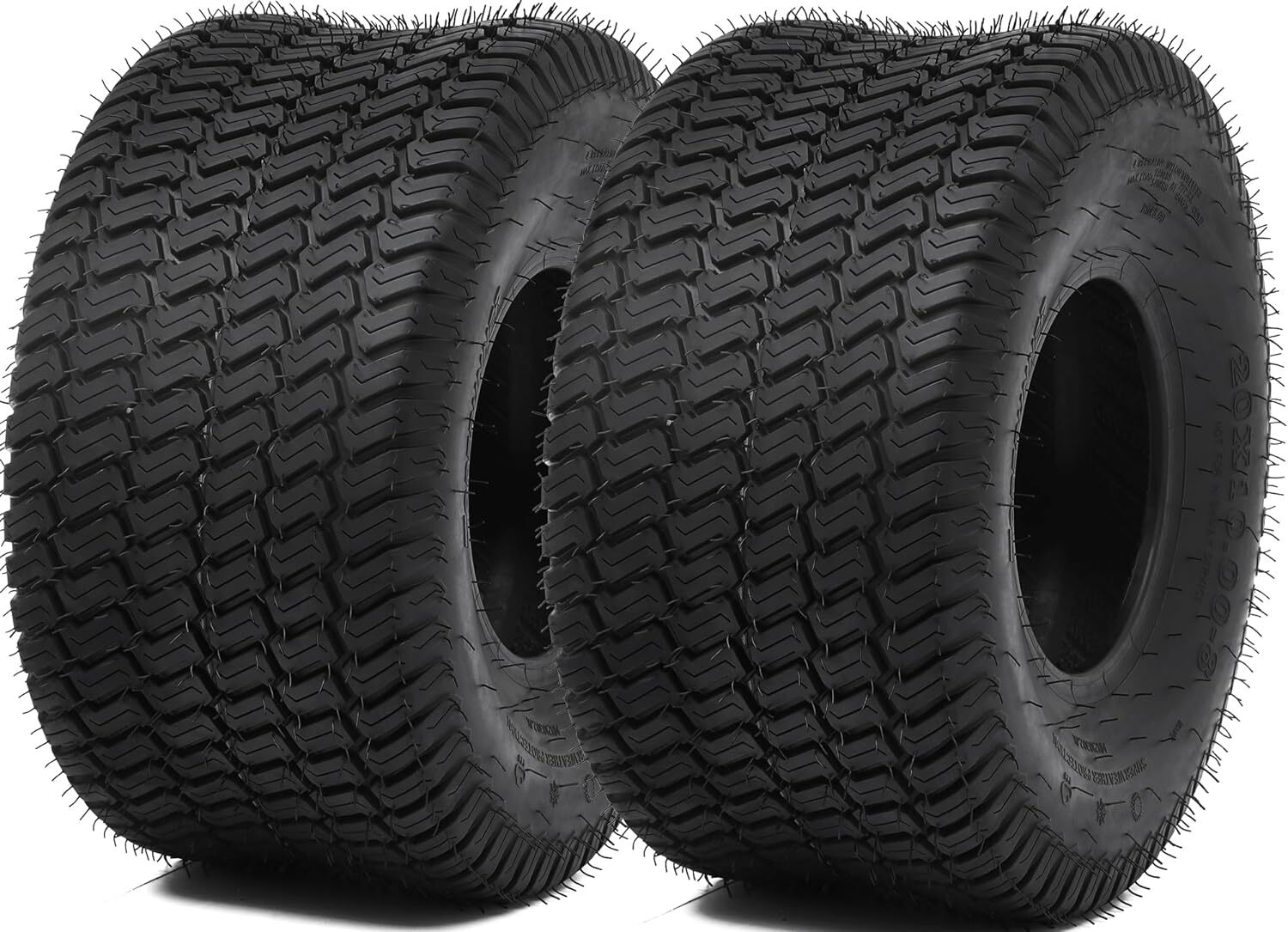 4Ply 20x10.00-8"/ 20x8.00-8"/18x8.50-8" Lawn Mower Tire for Lawn & Garden Mower$76.99Last checked Nov 19, 2026View on eBay
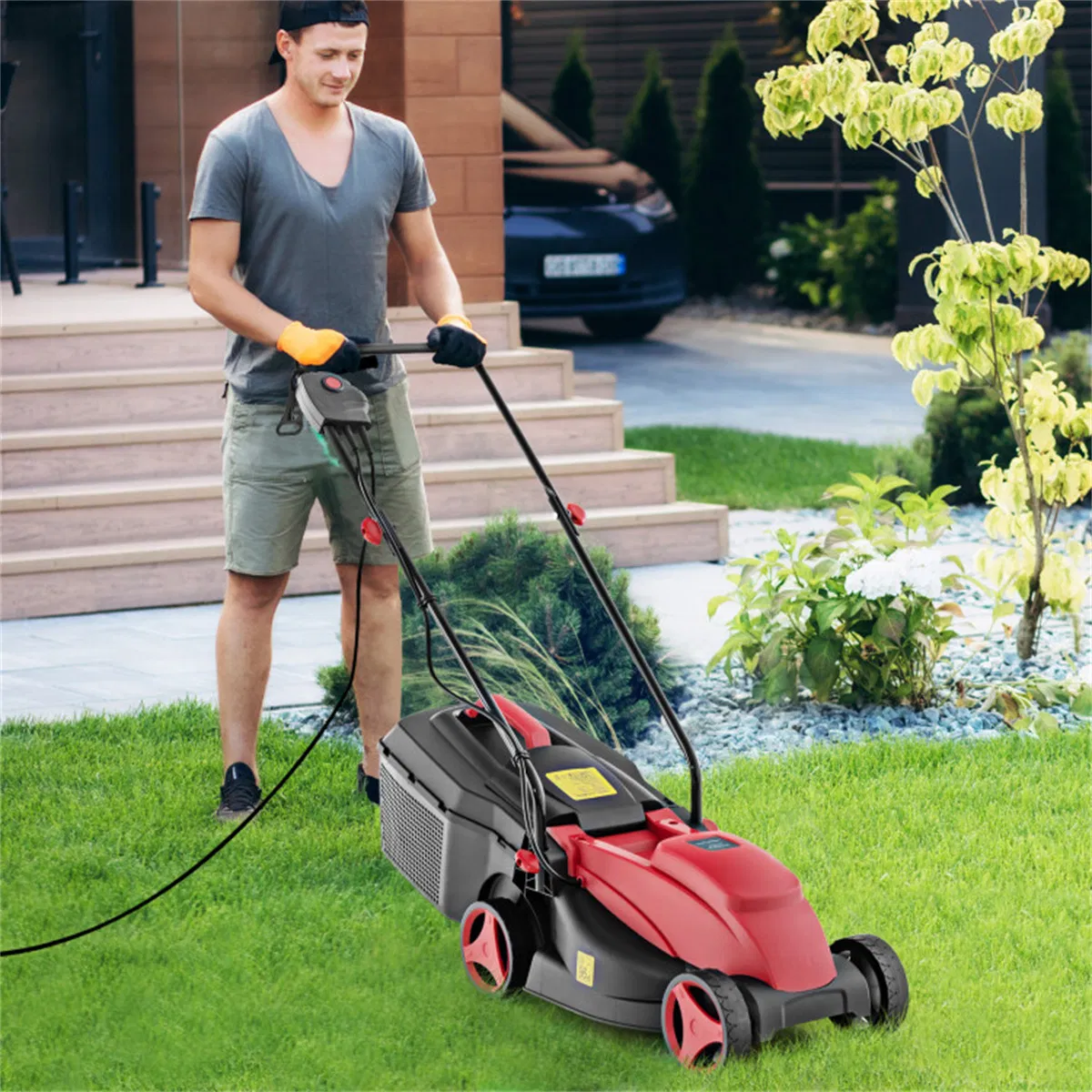 10 ampere 13 inch electric rope lawn mower with dual safety switches -Red$208.99View on Mallflare
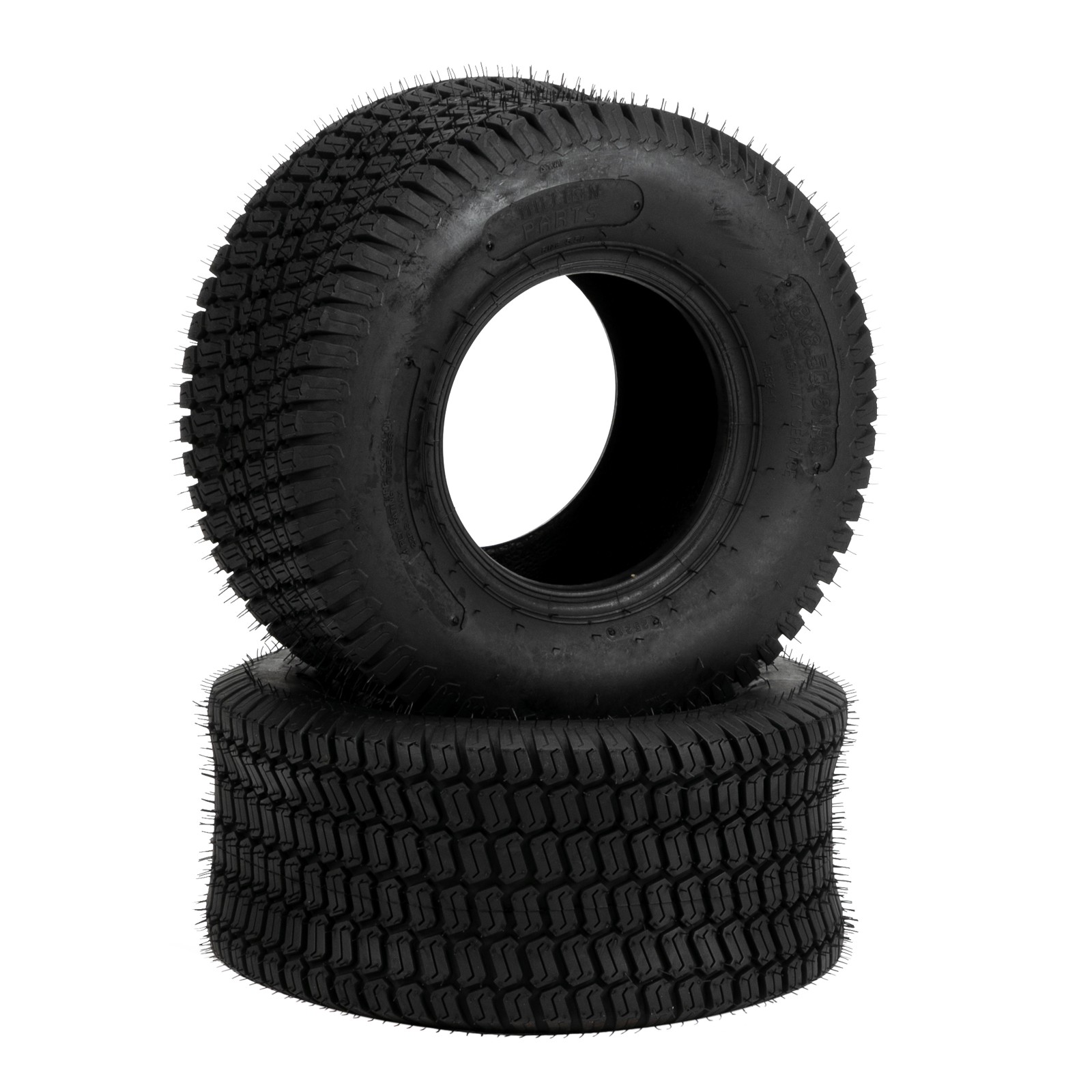 2pcs 18x8.50-8 Lawn & Garden Mower Tractor Turf Tires 4 Ply 18x8.5x8 18x8.5-8$77.99Last checked Nov 18, 2026View on eBay
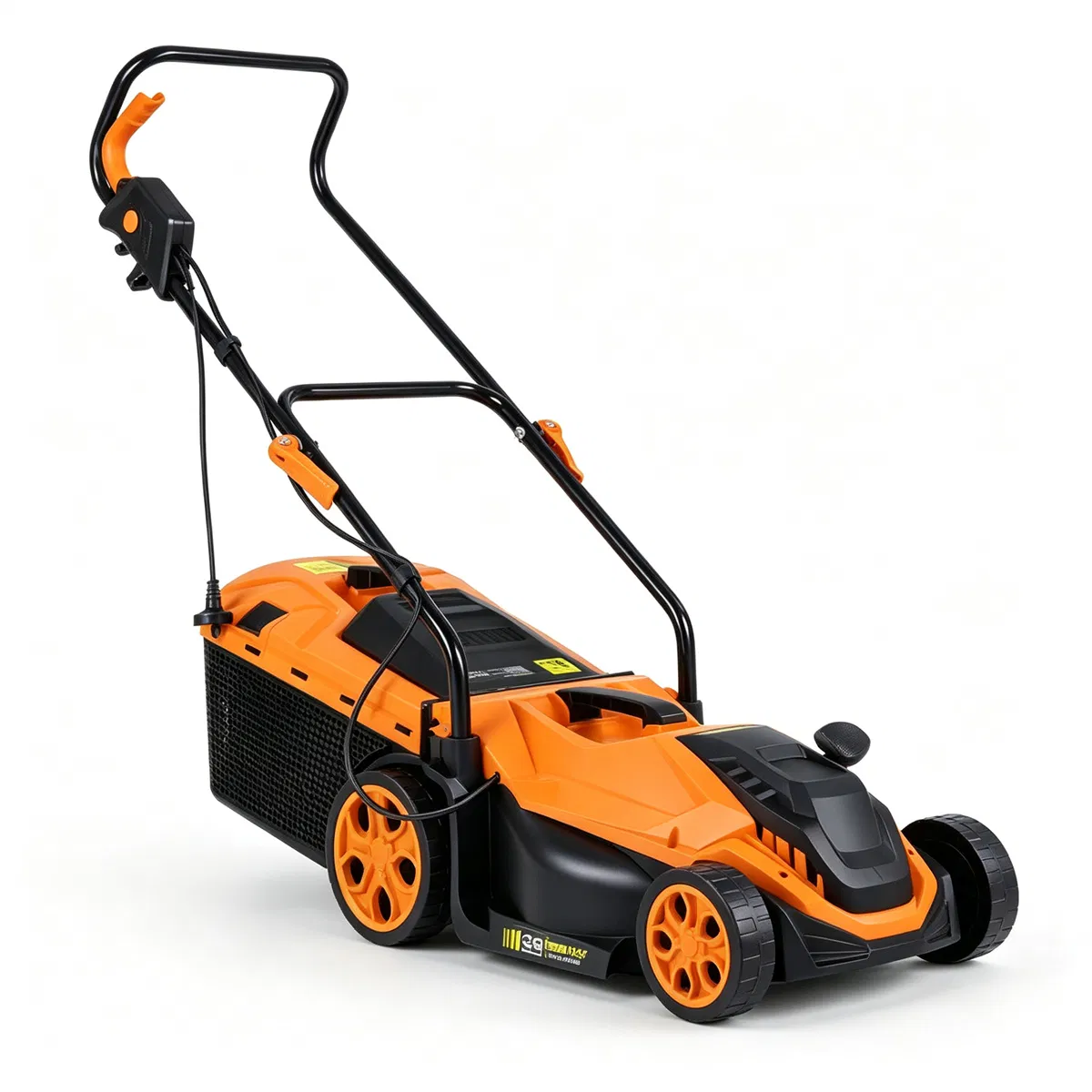 12Amp Corded Push Lawn Mower, 14 Inch Cutting Width Electric WalkBehind with 5Position Height Adjustment 8Gallon Grass Bag for Small Yard Care - Orange$228.99View on Mallflare
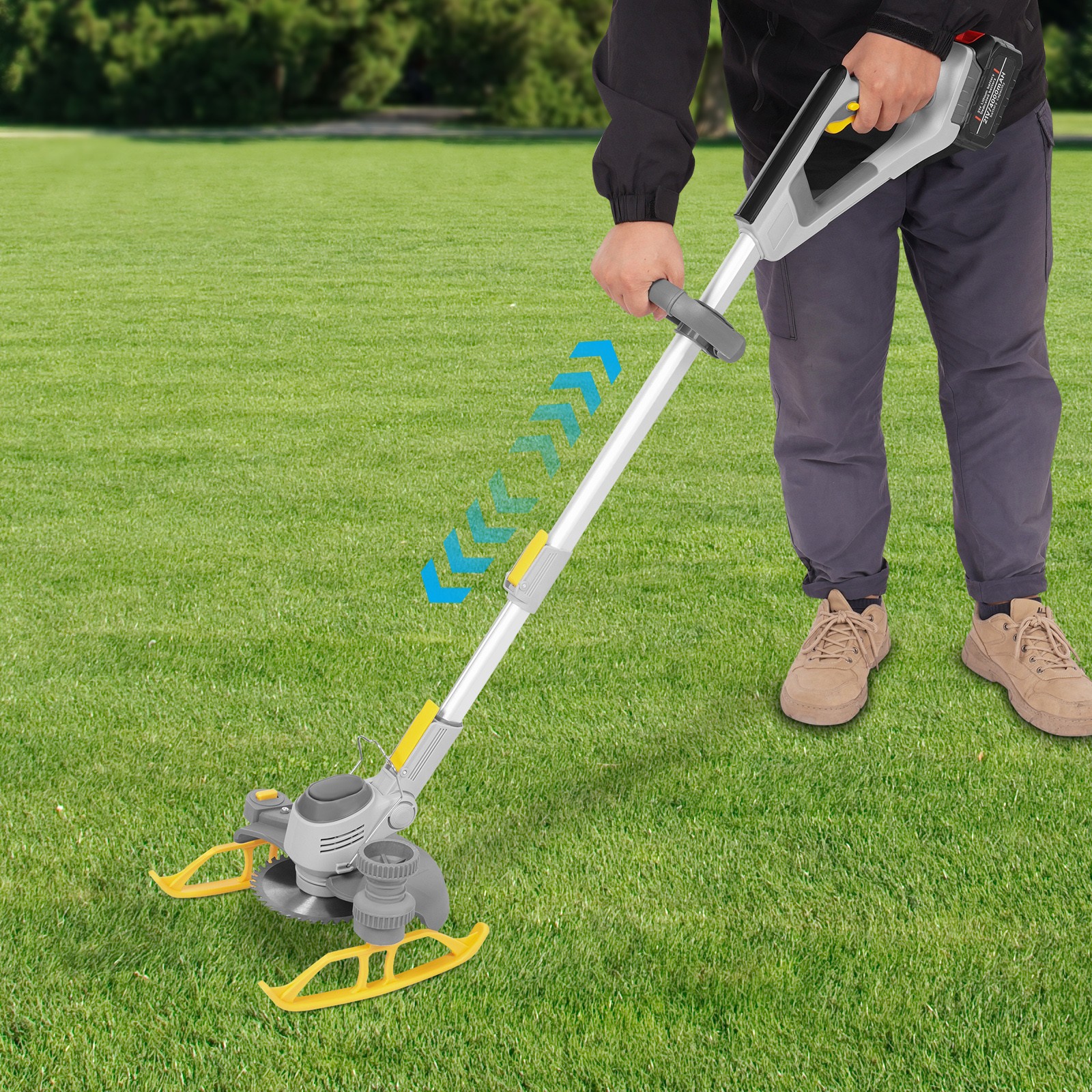 Mini-Mower for Lawn Care&Yard Work, Cordless Grass Trimmer/Edger Battery Powered$90.11Last checked Nov 28, 2026View on eBay
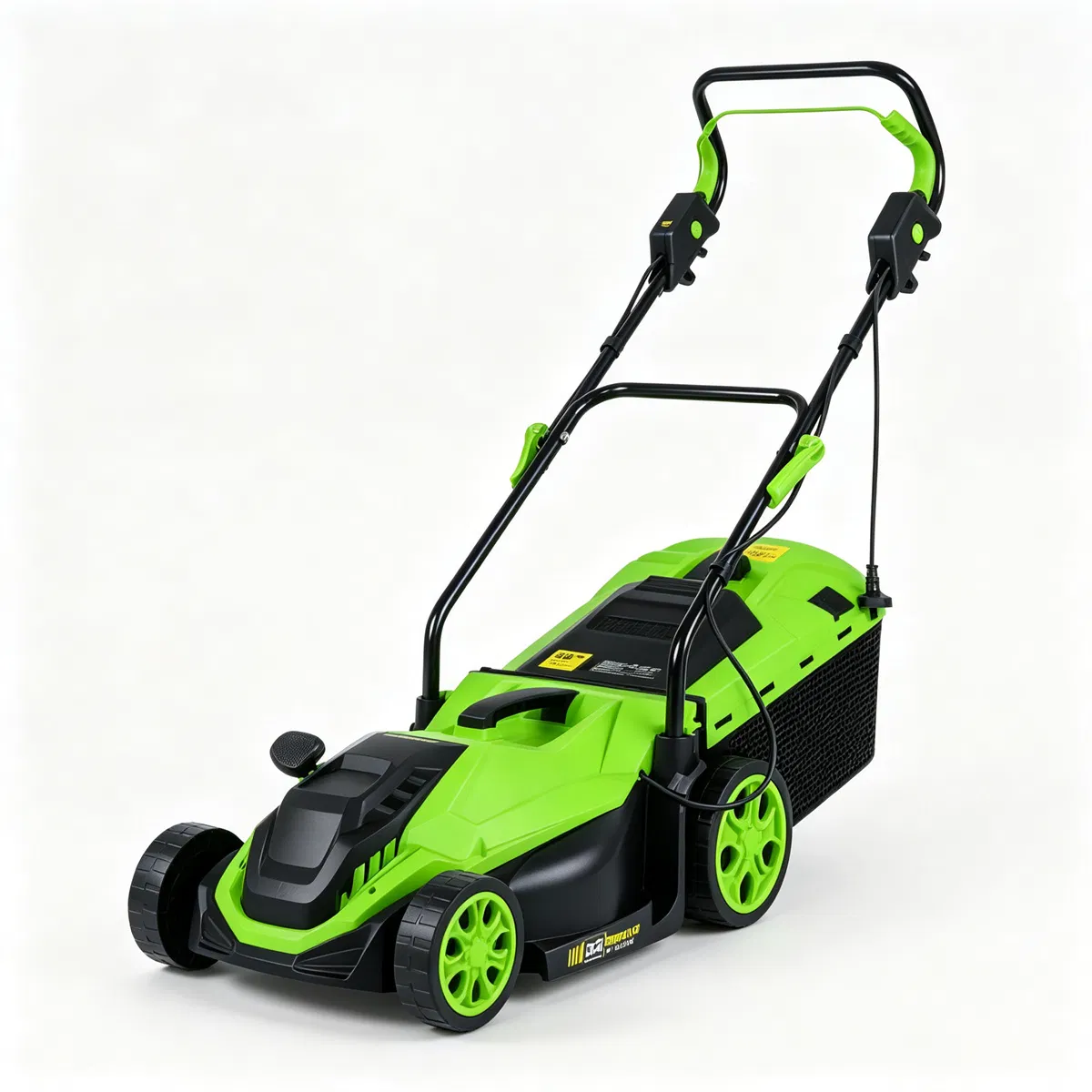 12Amp Corded Push Lawn Mower, 14 Inch Cutting Width Electric WalkBehind with 5Position Height Adjustment 8Gallon Grass Bag for Small Yard Care - Green$228.99View on Mallflare
Highlights
- Deck material separates durability tiers: stamped steel resists impact and holds alignment, while molded plastic or thin stamped decks flex and crack on roots and stones.
- Battery platforms are voltage-locked: 18V/20V systems suit trimming and small lawns, while 40V–80V packs are required for sustained cutting of more than a quarter acre per charge.
- Gas engines are rated by displacement and torque: 140–160cc units handle flat lawns under half an acre, while 190cc+ engines and OHV designs maintain blade speed in tall, wet grass.
- Wheel and tire construction matters on uneven ground: ball-bearing wheels with turf-tread tires (e.g., 15x6.00-6 4-ply) roll smoothly and resist punctures, while bushing wheels bind and flat-spot.
Best use cases
- Best fit for small flat yards under a quarter acre: a 20-inch cordless 40V push mower with a steel deck and mulching plug; skip 80V or gas units, which are overkill and heavier.
- Best fit for sloped or rough terrain: a self-propelled gas mower with rear-wheel drive and 8-inch ball-bearing wheels; skip front-wheel-drive electrics, which lose traction on inclines.
- Best fit for manicured lawns needing precise height: a reel mower with adjustable bedknife and 5-blade cylinder; skip reel mowers on lawns with weeds or debris, which jam the reel.
- Wrong fit for anything but flat, clean turf: a 12V DIY motor kit or cordless trimmer with mower attachment, which lacks torque and deck safety shielding for regular mowing.
Buying tips
- Size the deck to your lawn: 20–21 inches cuts a quarter acre efficiently; 22–24 inches suits half an acre or more; narrower decks mean more passes and time.
- Choose a battery platform with at least 5.0Ah per 10,000 sq ft of lawn; two 4.0Ah packs typically cut 12,000–14,000 sq ft on a single charge in moderate grass.
- For gas, pick an engine with a cast-iron sleeve and OHV for longevity; a 160cc engine is the minimum for mulching tall grass without bogging down.
- Confirm blade compatibility by center-hole diameter and length: 42-inch decks use two 21-inch blades with a 5-point star or 7/8-inch center hole; mismatched blades vibrate and damage spindles.
Specs
| Power Source | Gas / Battery / Corded electric / Reel |
|---|---|
| Deck Width | 20–24 in residential standard |
| Deck Material | Stamped steel vs molded plastic |
| Drive Type | Push vs self-propelled (RWD/FWD) |
Related searches
What to check before buying
- Measure your lawn area and narrowest gate width: deck width plus 2 inches must fit through gates, and area determines whether a 20-inch or 22-inch deck is practical.
- Check your terrain slope: self-propelled drive is required above 15 degrees, and rear-wheel drive offers better traction than front-wheel on hills.
- Verify your outdoor power voltage and plug standard: corded electric mowers draw 12–15 amps at 120V in the US; confirm a GFCI outlet within cord length.
- Inventory existing battery packs: buying into a platform you already own (e.g., 18V or 40V) saves cost and ensures charger compatibility.
FAQ
Data sources: eBay / Amazon listings and product attribute feeds. Updated Nov 28, 2026.
Some links on this page are affiliate links. If you buy after clicking one, we may earn a commission at no extra cost to you. This does not change which products appear here or their order. Affiliate disclosure.