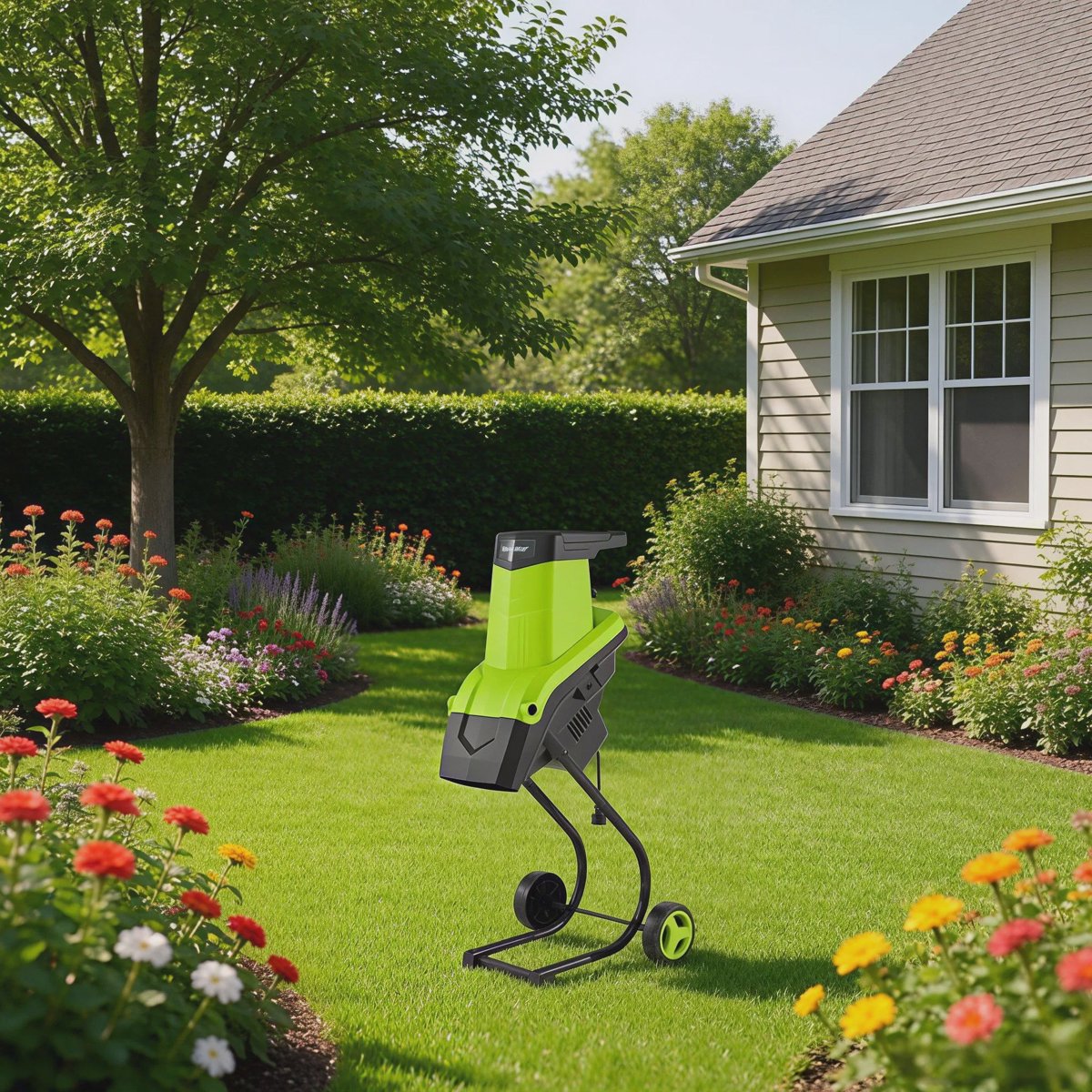

Photos from current listings. Actual item, color, and included accessories may vary.
Chipper Buying Guide
Chippers split into two distinct residential classes: 15-amp electric units that handle branches up to roughly 1.75 inches, and 200–212cc gas models that take 3-inch material but demand more maintenance. The most common buying mistake is oversizing the machine to the yard waste you actually generate, or underestimating how often you will feed it.
Power Source:15A electric 120V vs 200–212cc gasMax Cutting Diameter:1.5–1.8 in electric / 3 in gasRotor Type:Direct-drive induction vs centrifugal clutchDischarge Style:Rear low chute vs side chute / bag
Typical price range$206.99 – $601.99
Median $404.49
Key takeaways
- Electric chippers run on standard 15-amp 120V circuits and typically cap cutting diameter at 1.5–1.8 inches; gas units with 200–212cc engines reach 3 inches.
- Gas chippers use centrifugal clutch systems that require the engine to reach operating RPM before the rotor engages; electric models use direct-drive induction motors with instant torque.
- Cutting capacity is defined by the feed opening and flywheel/rotor mass — a 3-inch gas unit's heavier rotor sustains momentum through hardwood, while light electric rotors stall on green limbs.
At a glance
- Category
- Residential Outdoor Power Equipment
- Last updated
- Nov 28, 2026
Current offers
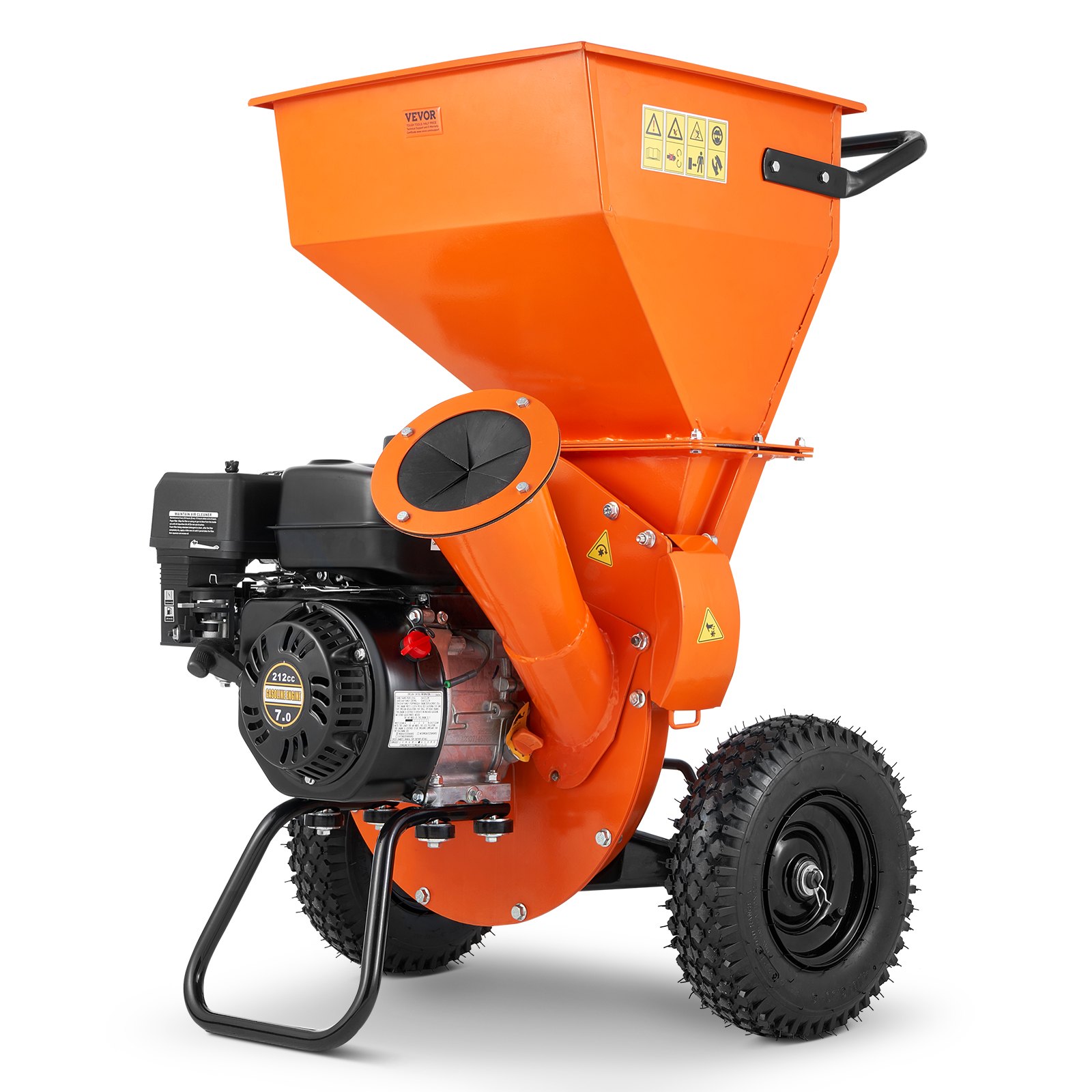
Highlights
- Electric chippers run on standard 15-amp 120V circuits and typically cap cutting diameter at 1.5–1.8 inches; gas units with 200–212cc engines reach 3 inches.
- Gas chippers use centrifugal clutch systems that require the engine to reach operating RPM before the rotor engages; electric models use direct-drive induction motors with instant torque.
- Cutting capacity is defined by the feed opening and flywheel/rotor mass — a 3-inch gas unit's heavier rotor sustains momentum through hardwood, while light electric rotors stall on green limbs.
- Most residential chippers discharge directly downward or via a chute; check whether the unit includes a collection bag or requires a tarp and wheelbarrow setup beneath the outlet.
Best use cases
- Best fit: a suburban yard producing fewer than 10 bags of pruned branches per season — a 15-amp electric chipper with 1.75-inch capacity handles the load without fuel, oil changes, or pull-start frustration.
- Best fit: a half-acre property with mature trees and storm debris — a 212cc gas chipper with 3-inch capacity and pneumatic tires moves across uneven ground and processes limbs that would stall an electric unit.
- Wrong fit: homeowners expecting to chip fresh green limbs over 2 inches with an electric unit — the motor will stall repeatedly; rent a gas chipper or hire a service for that volume.
Buying tips
- Confirm the feed opening diameter before buying: electric units top out near 1.75 inches, gas units near 3 inches, and exceeding either voids the warranty and risks flywheel damage.
- Choose a gas model only if you will use it at least several times per season — carburetor varnish from ethanol fuel is the leading cause of hard starting in stored small engines.
- Inspect the rotor or flywheel material: cast steel flywheels resist chipping better than stamped steel, and reversible chipper blades extend service life between sharpenings.
- Prioritize pneumatic tires and a balanced handle on gas units — residential chippers are heavy and wheelbarrow-style frames tip on slopes and uneven lawns.
Specs
| Power Source | 15A electric 120V vs 200–212cc gas |
|---|---|
| Max Cutting Diameter | 1.5–1.8 in electric / 3 in gas |
| Rotor Type | Direct-drive induction vs centrifugal clutch |
| Discharge Style | Rear low chute vs side chute / bag |
What to check before buying
- Measure the thickest branches you routinely need to process; if they exceed 1.75 inches, an electric chipper is the wrong class.
- Confirm a dedicated 15-amp outdoor circuit near the work area — electric chippers draw near the circuit limit and trip shared breakers.
- Check the discharge height and direction against your collection method: low rear discharge needs a tarp, while side chutes allow direct bagging.
- Verify the unit's assembled width and weight fit your storage shed or garage footprint and that you can lift or roll it solo.
FAQ
Data sources: eBay / Amazon listings and product attribute feeds. Updated Nov 28, 2026.
Some links on this page are affiliate links. If you buy after clicking one, we may earn a commission at no extra cost to you. This does not change which products appear here or their order. Affiliate disclosure.