
Photos from current listings. Actual item, color, and included accessories may vary.
Poultry Netting Buying Guide
Poultry netting splits into two distinct product families: electric netting that keeps ground predators out with a pulsed charge, and welded hardware cloth or hex wire that physically excludes predators and contains birds. The core trade-off is containment versus exclusion—electric nets stop foxes and dogs but not hawks or climbers, while hardware cloth stops everything but adds cost and needs a frame. Buy electric netting for temporary rotational grazing on open ground; buy welded wire for permanent coops, runs, and predator-proof aprons.
Median $93.99
Key takeaways
- Electric netting runs on a fence energizer delivering a short high-voltage pulse (typically 5–10 kV open-circuit); it requires a ground rod and will not shock through dry soil or heavy vegetation.
- Hardware cloth is specified by mesh opening and wire gauge: 1/2 inch 19-gauge hot-dip galvanized after welding is the predator-proof standard; 1-inch hex chicken wire only contains birds and fails against raccoons.
- Wire gauge numbers run inverse to thickness—23-gauge mesh is light garden protection, 19-gauge handles raccoon and dog pressure, 16-gauge is needed for heavy predator loads.
At a glance
- Category
- Chicken Fencing & Egg Handling
- Last updated
- Nov 27, 2026
Current offers
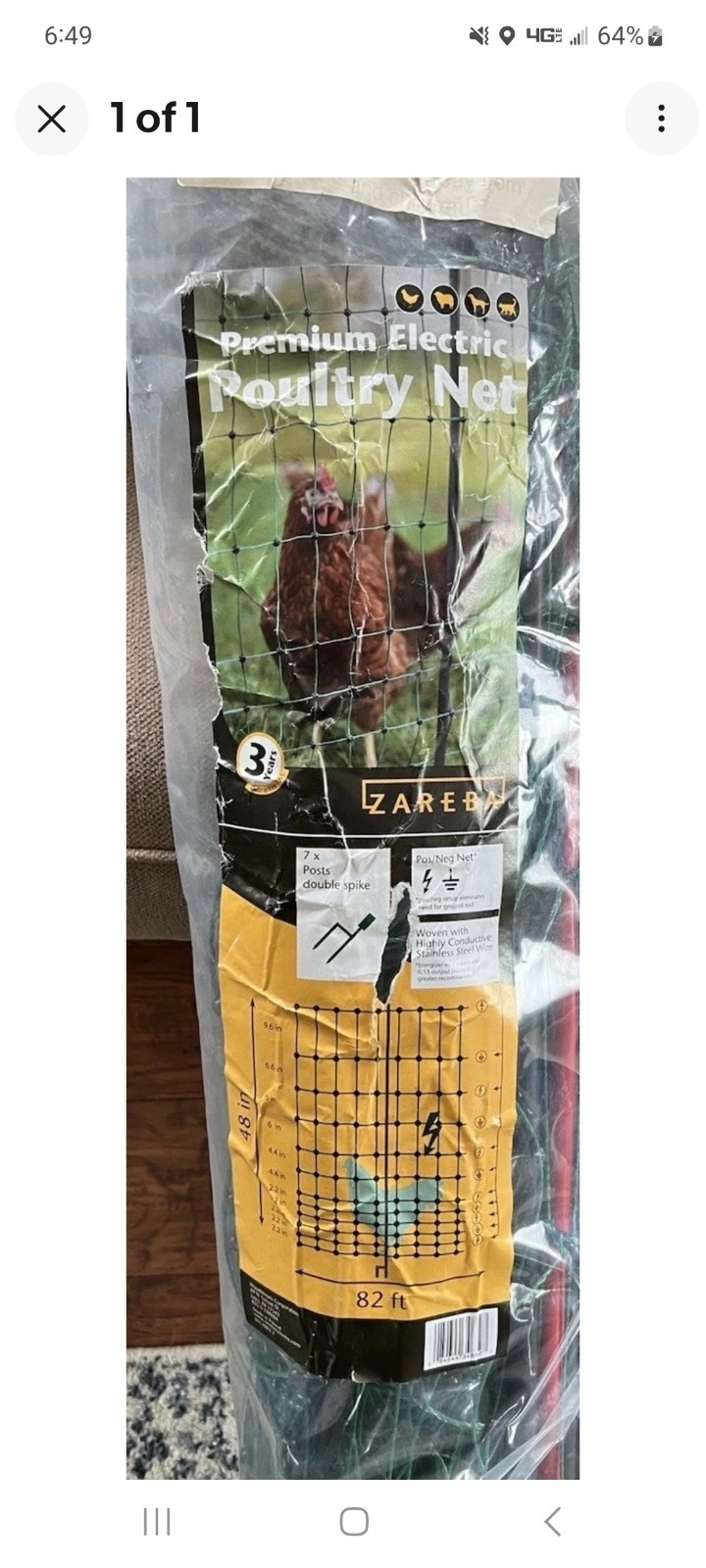 Zareba KFC4882-Z Electric Poultry Netting -48”H x 82 ftL Electric FENCE$123.45View on eBay
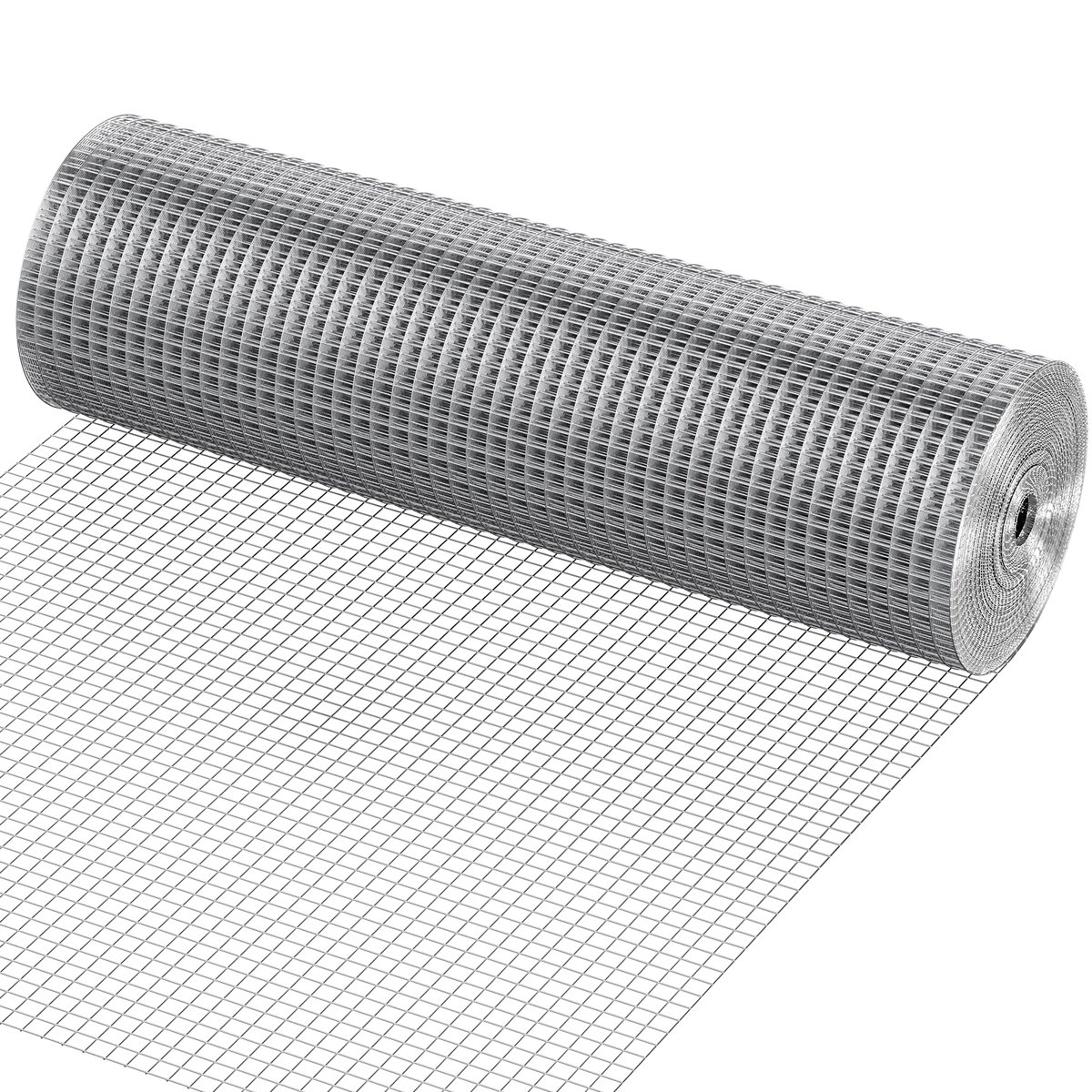 Hardware Cloth 1/2 Inch 24 X 50 Ft 19 Gauge Chicken Wire Fence, Hot-Dip Galvanized After Welding Metal Mesh Roll, Garden Plant Welded Fencing Supports Poultry Netting Cage$46.99View on Mallflare
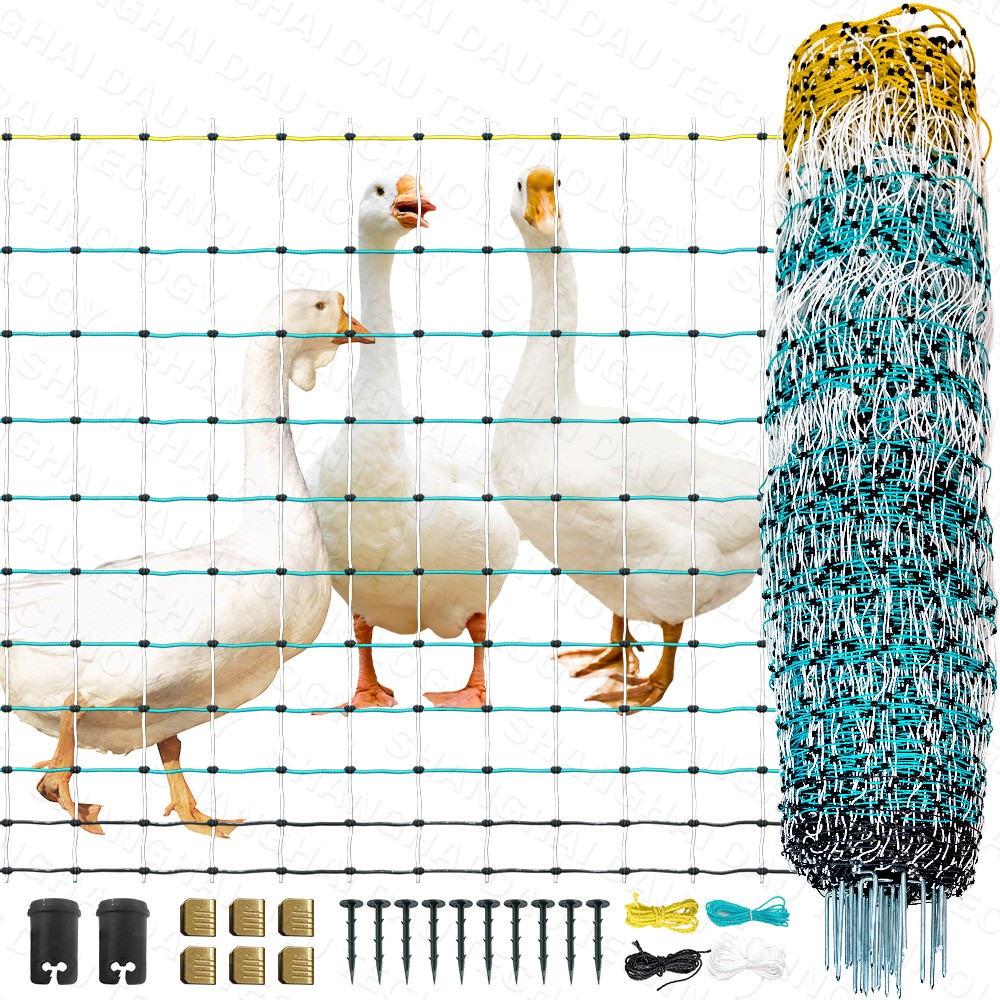 Electric Poultry Netting Chicken Fence Ducks Turkeys Sheep Geese Fence in Yard$147.19View on eBay
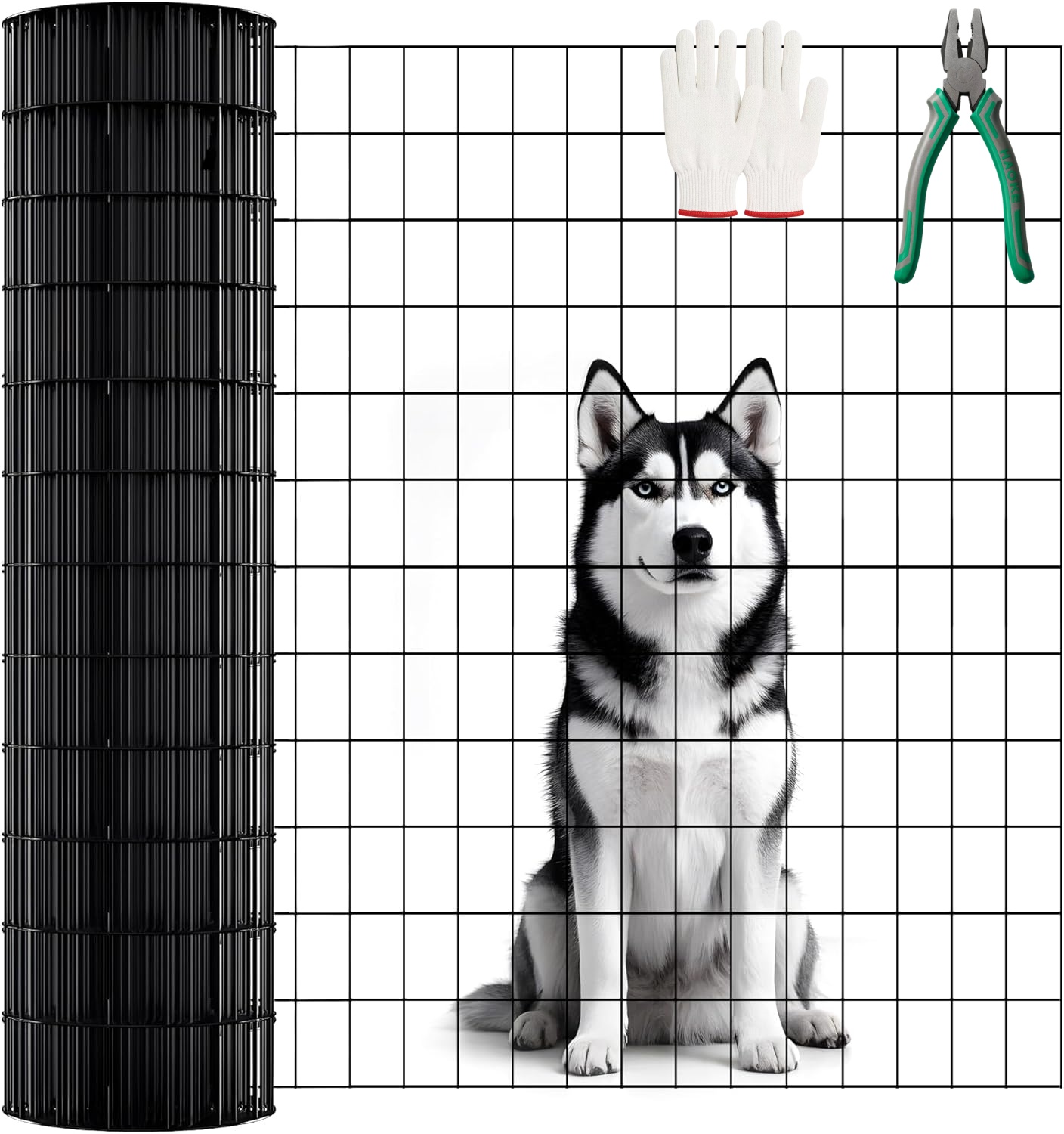 36 INCH X 33 FT Black Vinyl-coated Metal Mesh, 16 Gauge 2 3 PVC Welded Wire Support, Poultry Cage Protective Fence$46.99View on Mallflare
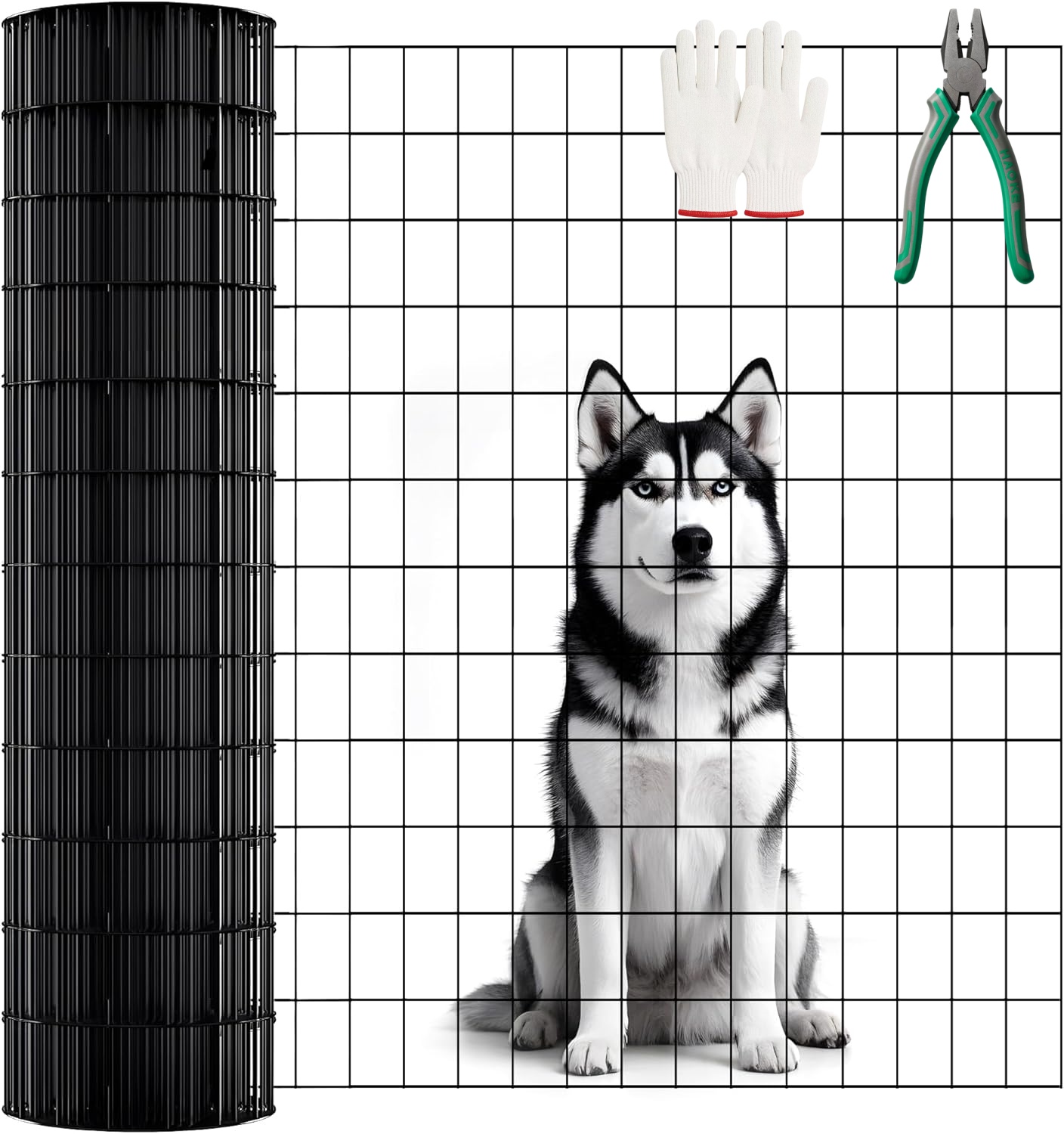 40 INCH X 33 FT Black Vinyl-coated Metal Mesh, 16 Gauge 2 3 PVC Welded Wire Support, Poultry Cage Protective Fence$72.99View on Mallflare
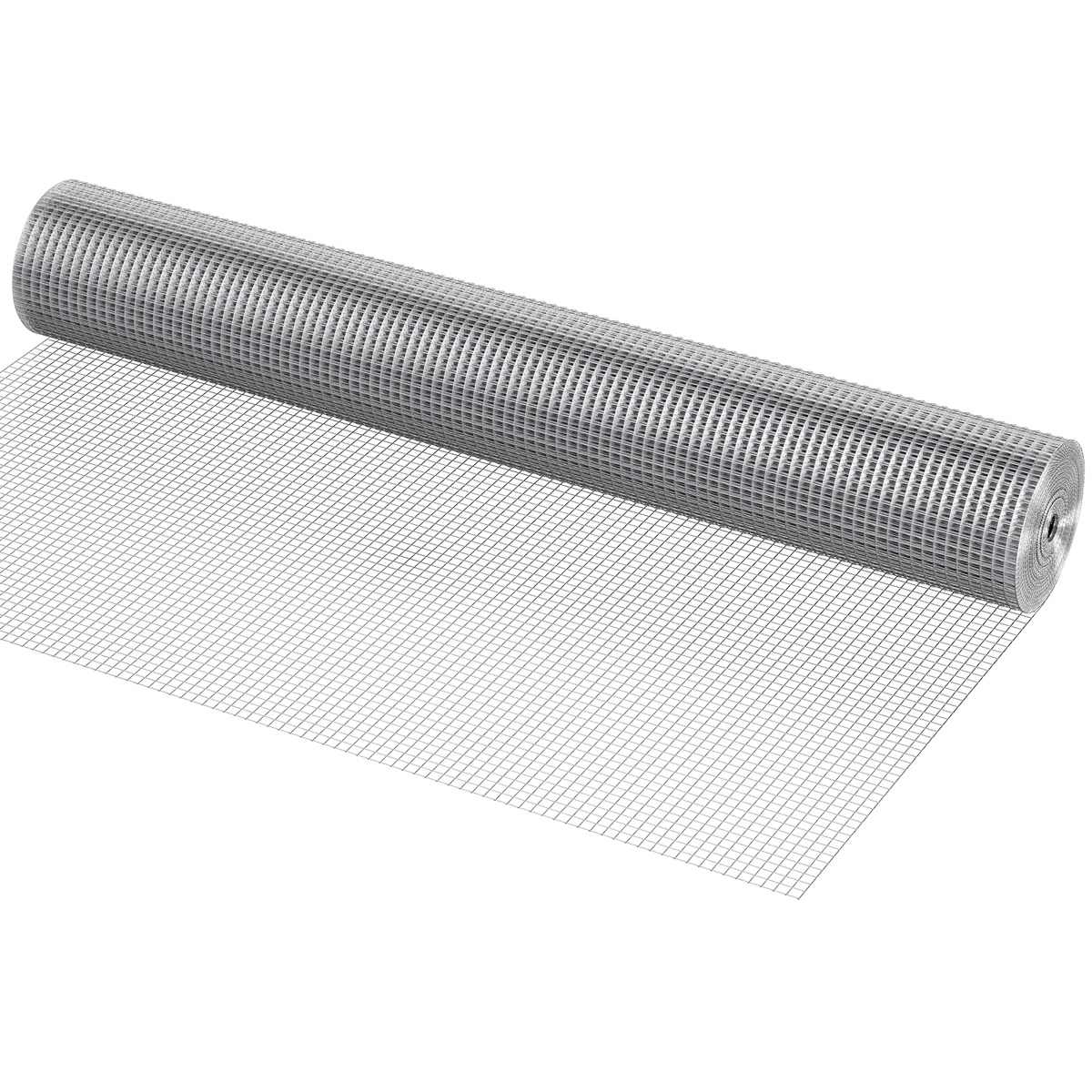 Hardware Cloth 1/2 Inch 48 X 50 Ft 19 Gauge Chicken Wire Fence, Hot-Dip Galvanized After Welding Metal Mesh Roll, Garden Plant Welded Fencing Supports Poultry Netting Cage$74.99View on Mallflare
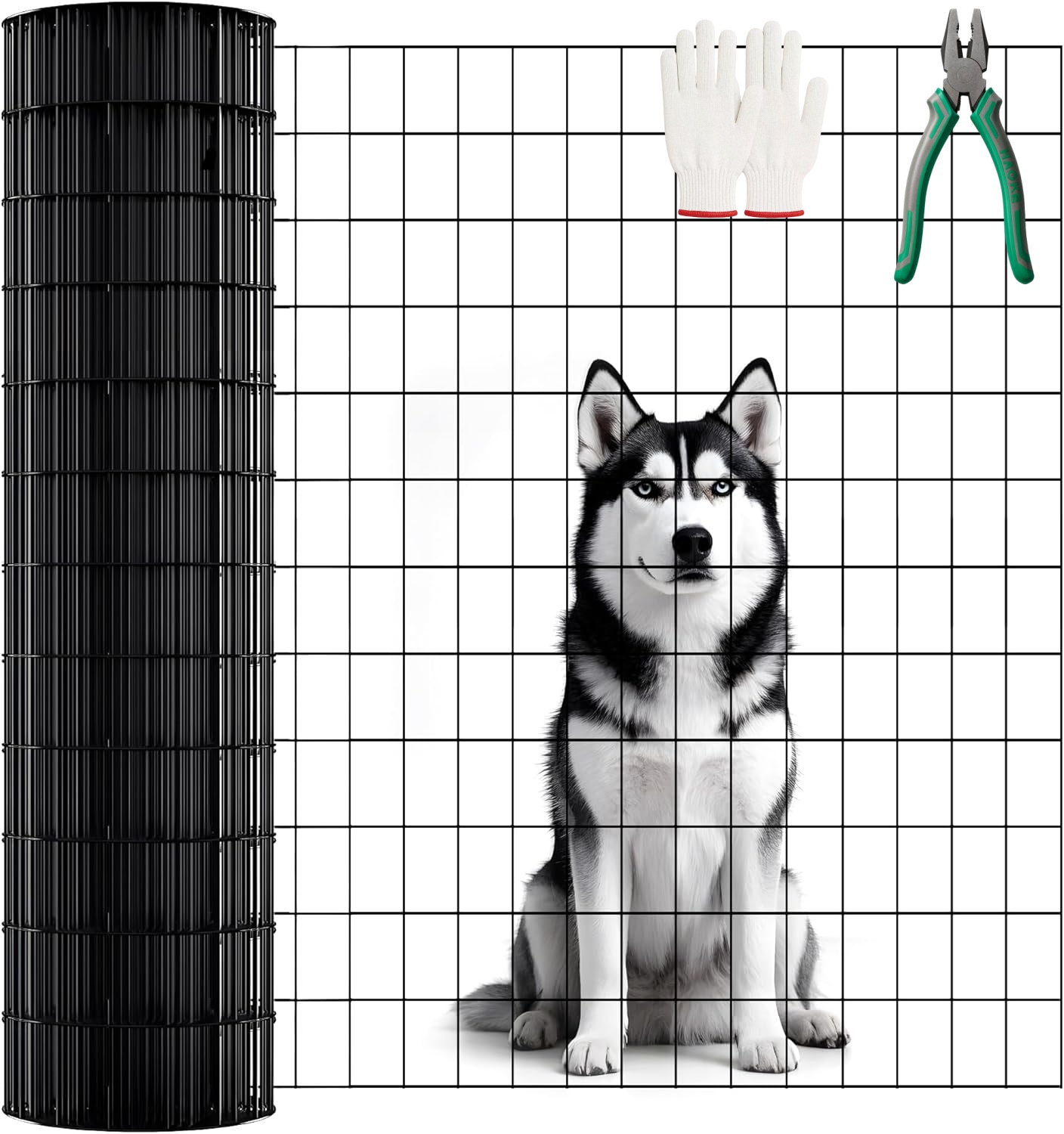 40 INCH X 50 FT Black Vinyl-coated Metal Mesh, 16 Gauge 2 3 PVC Welded Wire Support, Poultry Cage Protective Fence$75.99View on Mallflare
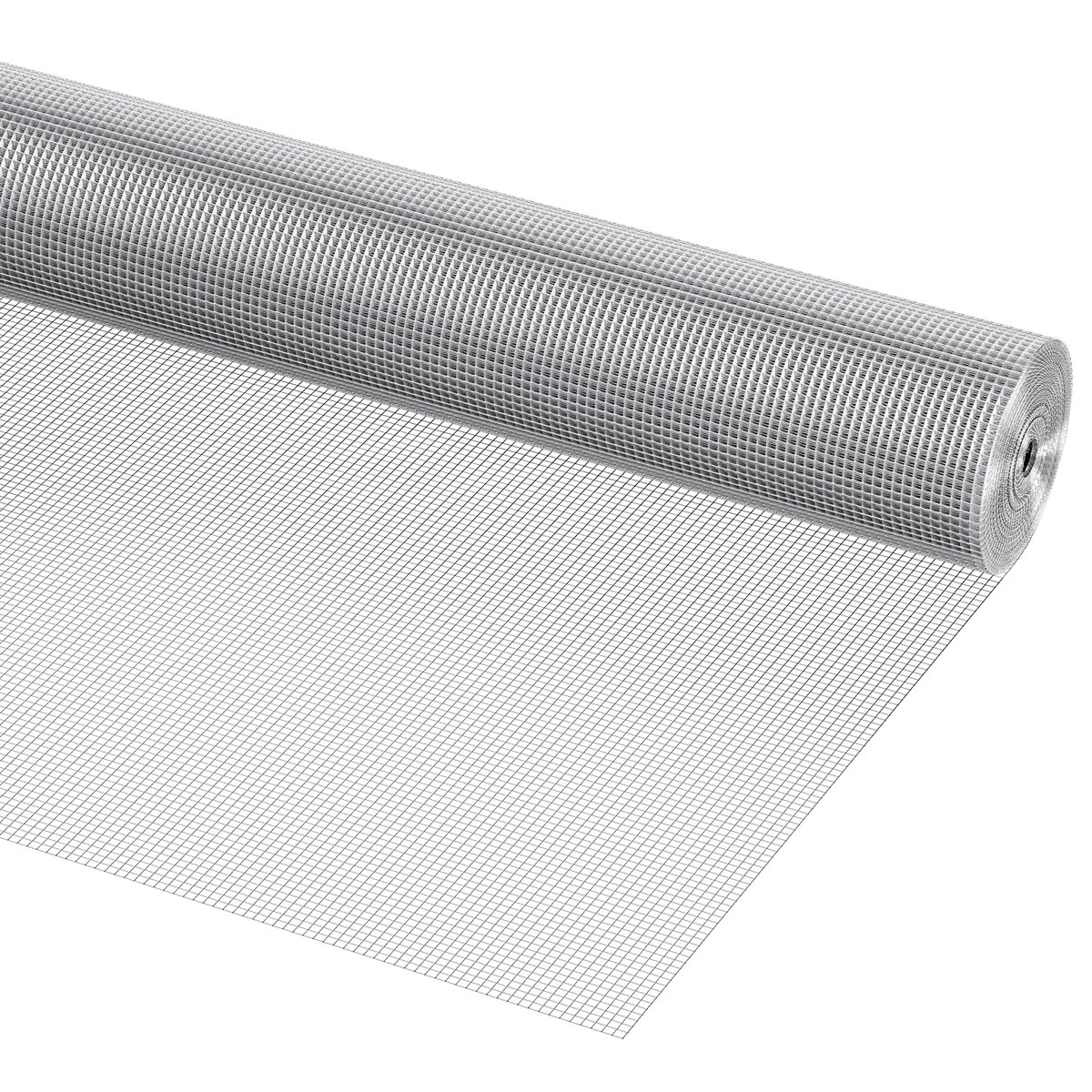 Hardware Cloth 1/4 Inch 48 X 50 Ft 23 Gauge Chicken Wire Fence, Hot-Dip Galvanized After Welding Metal Mesh Roll, Garden Plant Welded Fencing Supports Poultry Netting Cage$77.99View on Mallflare
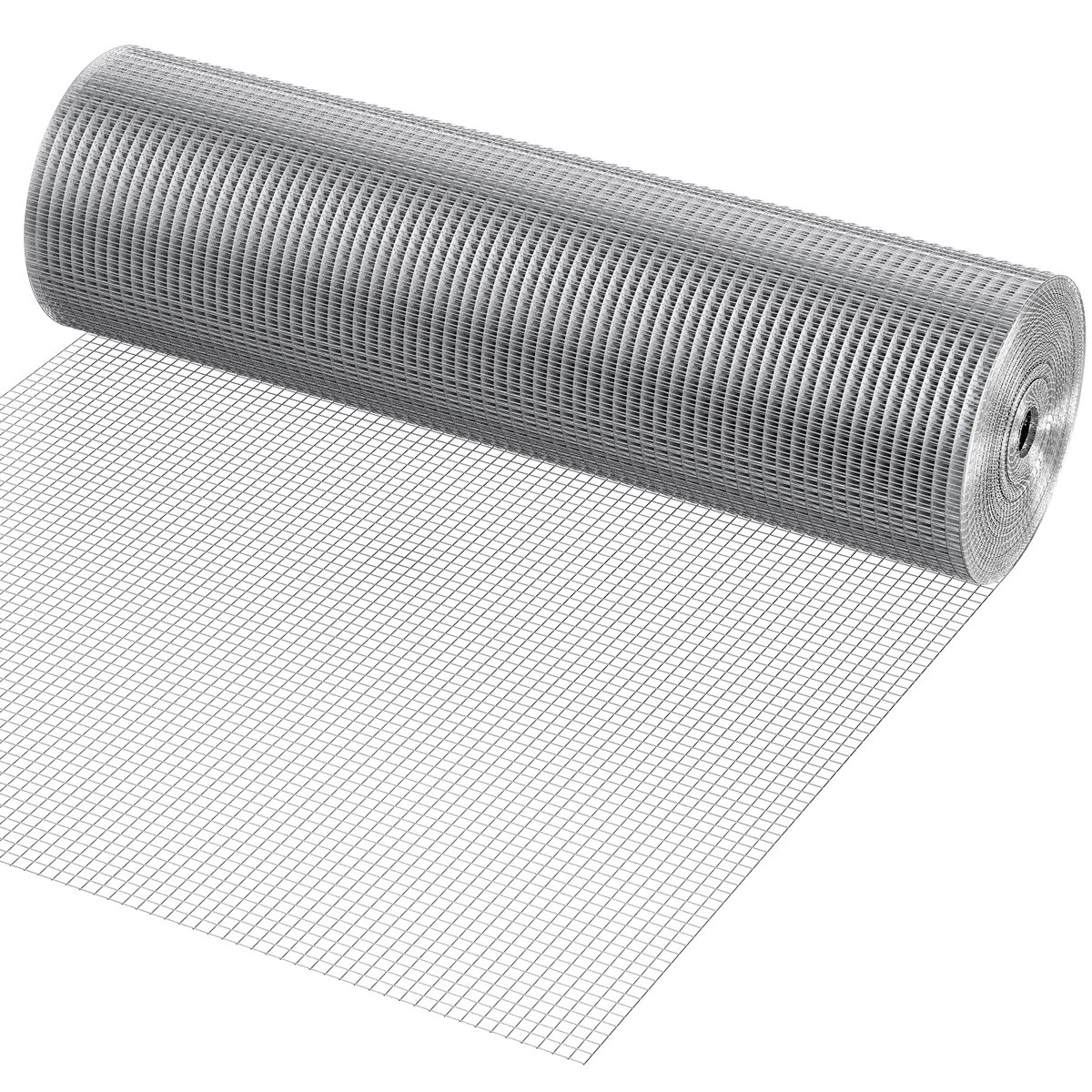 Hardware Cloth 1/2 Inch 36 X 100 Ft 19 Gauge Chicken Wire Fence, Hot-Dip Galvanized After Welding Metal Mesh Roll, Garden Plant Welded Fencing Supports Poultry Netting Cage$93.99View on Mallflare
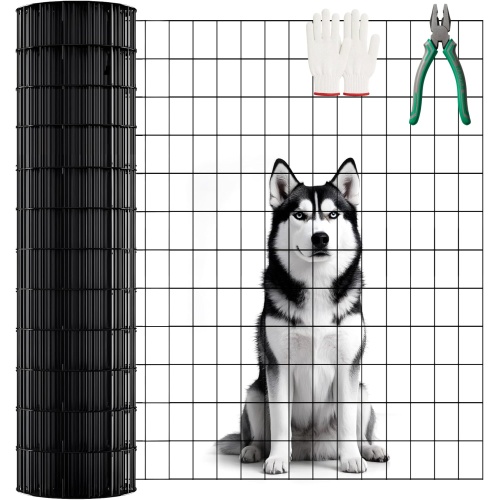 48 INCH X 99 FT Black Vinyl-coated Metal Mesh, 16 Gauge 2 3 PVC Welded Wire Support, Poultry Cage Protective Fence$117.99View on Mallflare
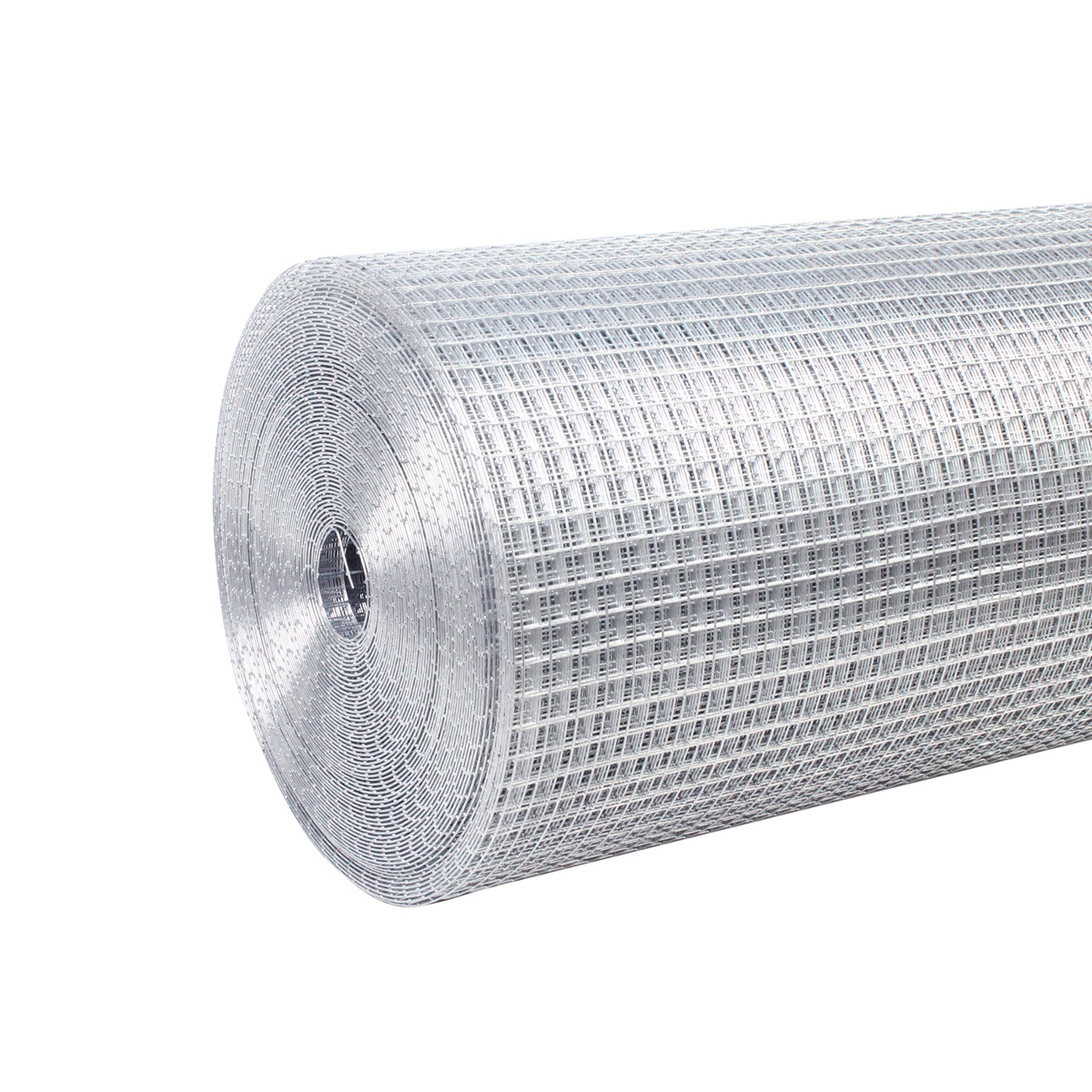 Wire Mesh Fence Roll 60inx50ft, 1-2inchx1-2inch 19GA Galvanized Steel Poultry Netting, Vinyl Coating Metal Hardware Cloth For Garden Yard Animals Plants Protection, Farm Fencing,Silver$122.99View on Mallflare
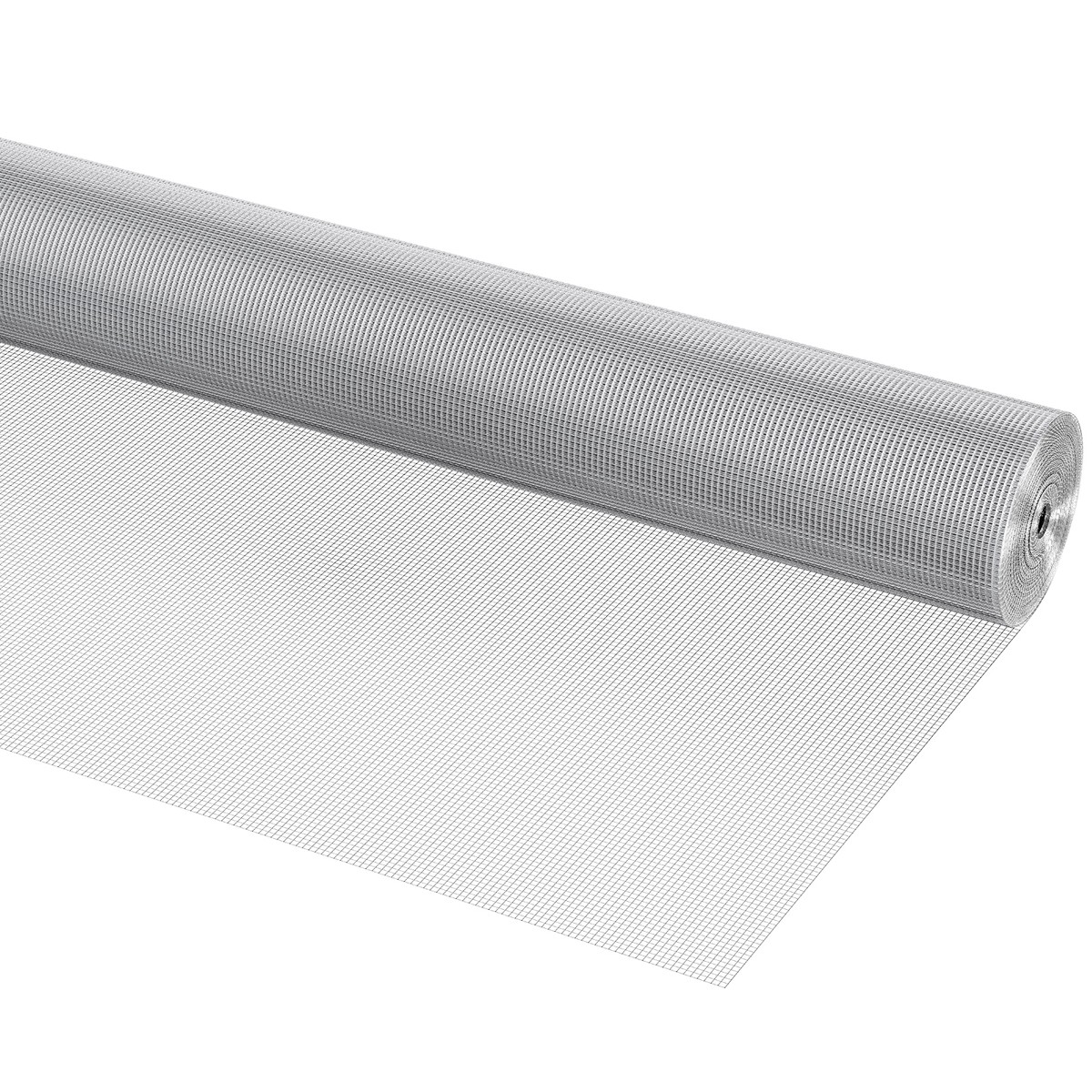 Hardware Cloth 1/4 Inch 48 X 100 Ft 23 Gauge Chicken Wire Fence, Hot-Dip Galvanized After Welding Metal Mesh Roll, Garden Plant Welded Fencing Supports Poultry Netting Cage$124.99View on Mallflare
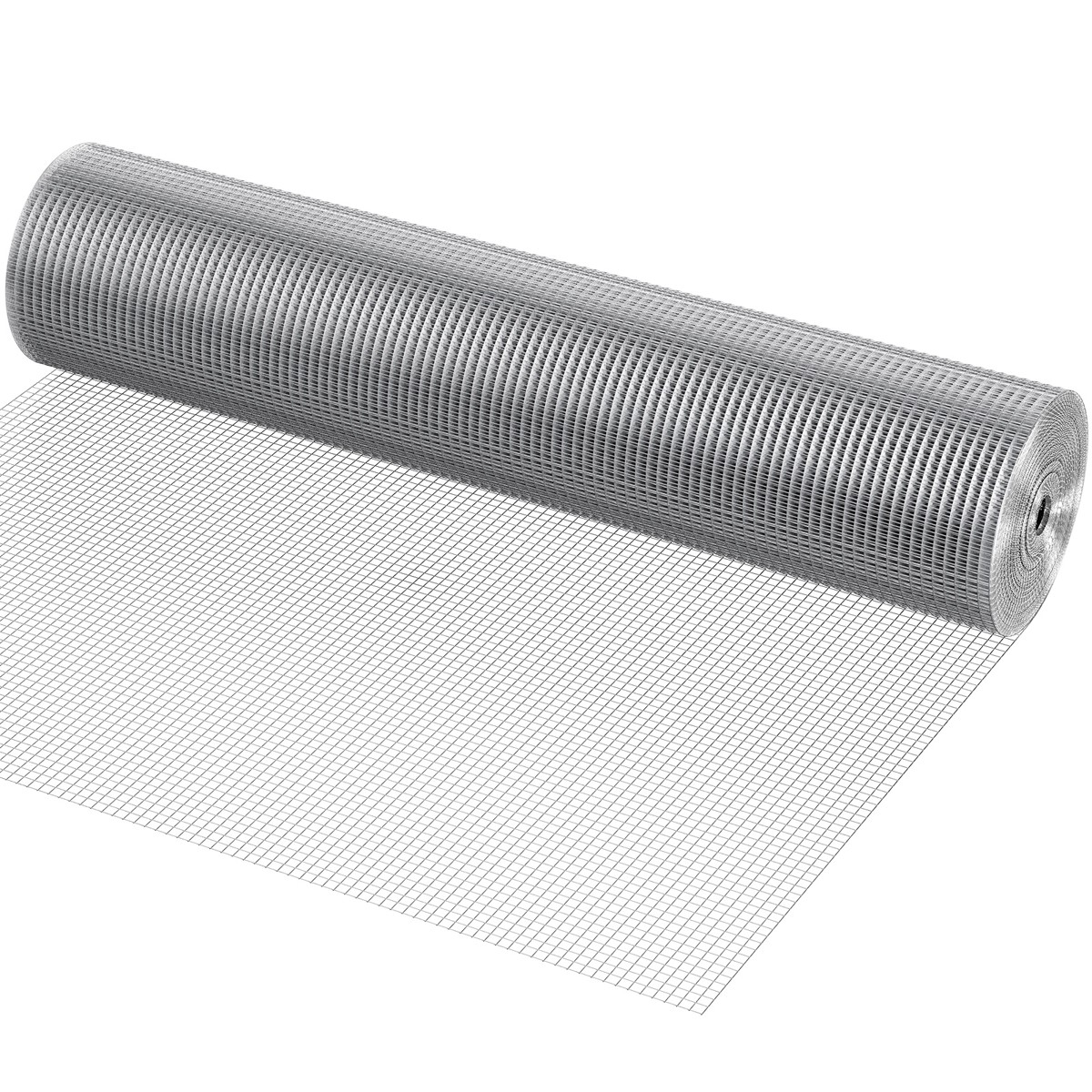 Hardware Cloth 1/2 Inch 48 X 100 Ft 19 Gauge Chicken Wire Fence, Hot-Dip Galvanized After Welding Metal Mesh Roll, Garden Plant Welded Fencing Supports Poultry Netting Cage$131.99View on Mallflare
Highlights
- Electric netting runs on a fence energizer delivering a short high-voltage pulse (typically 5–10 kV open-circuit); it requires a ground rod and will not shock through dry soil or heavy vegetation.
- Hardware cloth is specified by mesh opening and wire gauge: 1/2 inch 19-gauge hot-dip galvanized after welding is the predator-proof standard; 1-inch hex chicken wire only contains birds and fails against raccoons.
- Wire gauge numbers run inverse to thickness—23-gauge mesh is light garden protection, 19-gauge handles raccoon and dog pressure, 16-gauge is needed for heavy predator loads.
- Hot-dip galvanized-after-welding mesh resists rust far longer than galvanized-before-welding or PVC-coated mesh at the weld points, which is where corrosion starts.
Best use cases
- Best fit: rotational grazing on pasture—choose a 48-inch electric net with double-spike posts and a 0.5-joule-plus energizer; skip electric netting if soils are sandy-dry or the run is heavily weeded.
- Best fit: permanent coop and run—choose 1/2-inch 19-gauge hardware cloth for walls plus a 12–18 inch buried apron; skip 1-inch hex chicken wire for anything beyond visual containment of calm hens.
- Best fit: garden and plant protection—choose 1-inch hex or 1/4-inch 23-gauge light mesh; skip these lightweight rolls for predator exclusion around livestock.
- Best fit: free-range daytime paddock with night lockdown—electric net plus a hard coop works; skip electric-only setups where hawks or climbing predators are the primary loss.
Buying tips
- Size netting by perimeter, not area: a 164-foot roll encloses roughly a 40x40-foot square; buy two rolls for anything larger and plan a gate or corner post set.
- Match energizer joules to net length: 0.25 joule covers short dry-weather runs, 0.5–1 joule handles 100–165 feet with weeds, and 2+ joules is required for multiple rolls or heavy vegetation.
- Choose 19-gauge or heavier welded mesh for predator duty; 23-gauge is for plant supports and chick brooding only, and 1-inch hex will not stop raccoons or minks.
- Specify hot-dip galvanized after welding for outdoor permanence; PVC-coated mesh lasts in coastal or humid climates but inspect coating at cut edges where rust begins.
Specs
| Netting Type | Electric net vs welded wire vs hex |
|---|---|
| Mesh Opening | 1/2 in predator / 1 in hex containment |
| Wire Gauge | 19-23 ga welded / 20-22 ga hex |
| Electric Energizer | 0.25-2 J, 5-10 kV pulse output |
Related searches
What to check before buying
- Measure the exact run perimeter and height needed—48-inch netting contains most heavy breeds; 42-inch or lower is only for bantams and calm flocks.
- Confirm soil moisture and ground conditions for electric netting: dry sand or frozen ground needs a longer ground rod or additional ground stakes for the energizer.
- Check that your energizer, net, and ground rod are compatible—most nets use clip-and-post connections, and a plug-in energizer requires 110V outlet access near the fence.
- For hardware cloth, plan framing: 1/2-inch 19-gauge rolls are stiff and need wood or metal frame plus staples; 23-gauge rolls can be stapled directly to light frames.
FAQ
Data sources: eBay / Amazon listings and product attribute feeds. Updated Nov 27, 2026.
Some links on this page are affiliate links. If you buy after clicking one, we may earn a commission at no extra cost to you. This does not change which products appear here or their order. Affiliate disclosure.