
Photos from current listings. Actual item, color, and included accessories may vary.
Portable Chicken Fence Buying Guide
A portable chicken fence is a movable enclosure—typically electric netting, step-in poultry netting, or modular wire panels—that lets you rotationally graze flocks while keeping predators out. The primary trade-off is between energizer-powered electric netting (light, fast to move, but dependent on a charger and grounding) and non-electric mesh or panel systems (self-contained but heavier and less predator-proof). Choose electric netting if you rotate weekly and have a reliable energizer; choose rigid panels or reinforced mesh only for temporary daytime containment or for chicks and non-jumping breeds.
Median $98.99
Key takeaways
- Electric poultry netting uses conductive vertical strands spaced 3–4 inches apart; a 12V energizer delivering at least 0.25 joule is required for runs up to 165 feet, while longer nets need 0.5 joule or more.
- Step-in posts on quality nets are fiberglass or UV-stabilized plastic with a metal spike; double-pronged spikes hold better in loose soil, and netting height of 40–48 inches stops most heavy breeds but not leghorns or game fowl.
- Non-electric modular panels typically use 14- to 16-gauge welded wire with 2x3-inch or 2x4-inch mesh; heavier gauge resists bending from dogs and coyotes, while 1-inch mesh is needed for chicks and bantams.
At a glance
- Category
- Chicken Fencing & Egg Handling
- Last updated
- Nov 27, 2026
Current offers
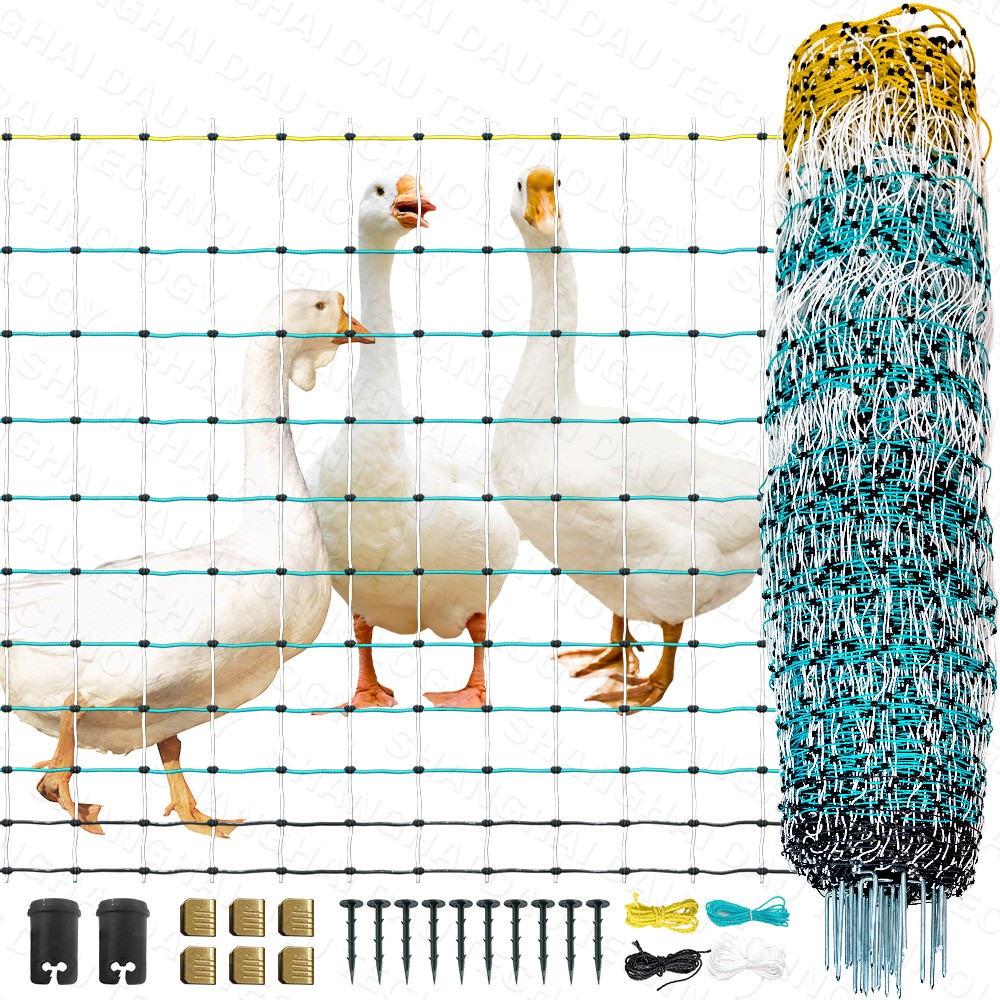 Electric Poultry Netting Chicken Fence Ducks Turkeys Sheep Geese Fence in Yard$147.19View on eBay
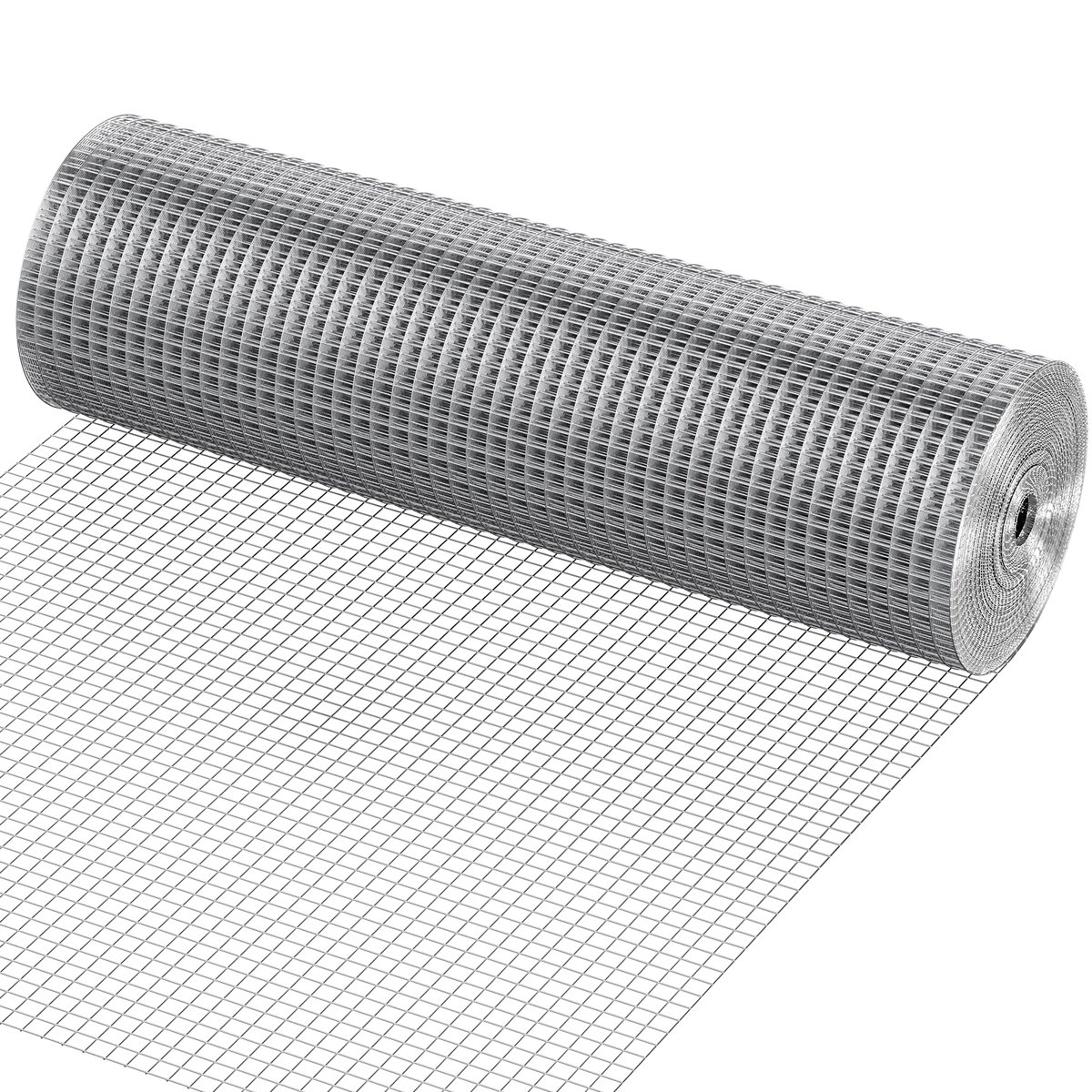 Hardware Cloth 1/2 Inch 24 X 50 Ft 19 Gauge Chicken Wire Fence, Hot-Dip Galvanized After Welding Metal Mesh Roll, Garden Plant Welded Fencing Supports Poultry Netting Cage$46.99View on Mallflare
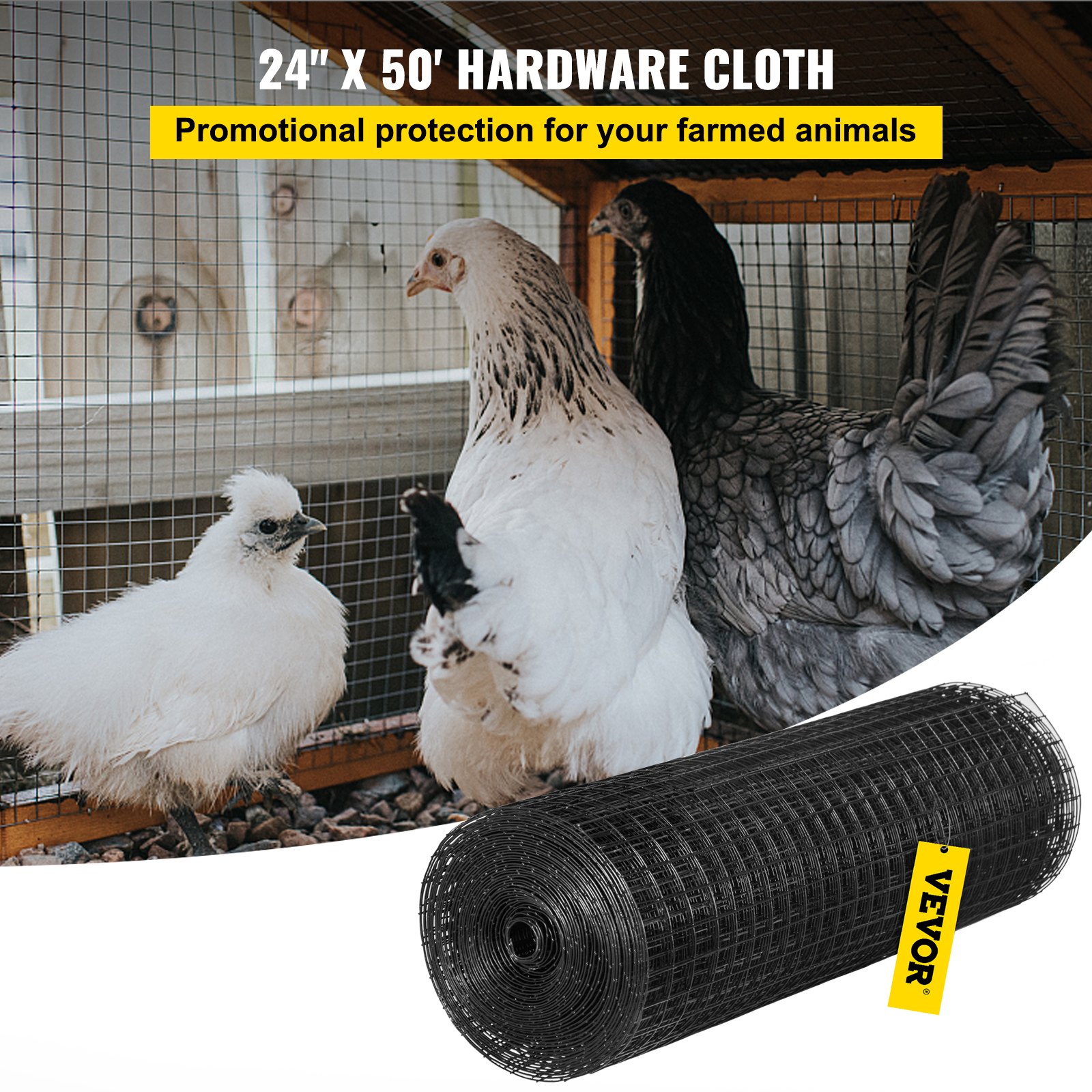 Welded Wire Fence Vinyl Coated Chicken Rabbit Mesh$55.99View on Mallflare
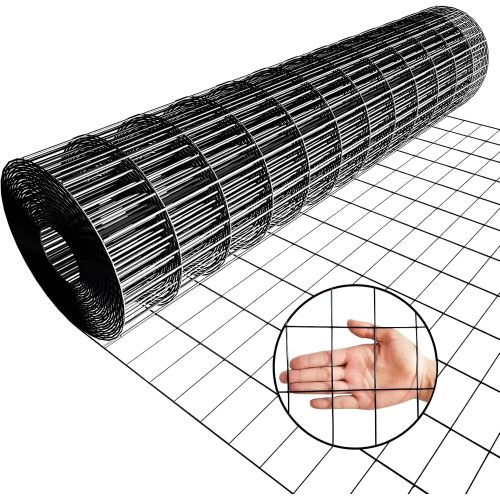 24inch X 50ft Black Vinyl Coated Hardware Cloth 2 X 3 16Ga Welded Wire Mesh Fence, PVC Chicken Fencing, Metal Garden Plant For Coop And Home Improvement$65.99View on Mallflare
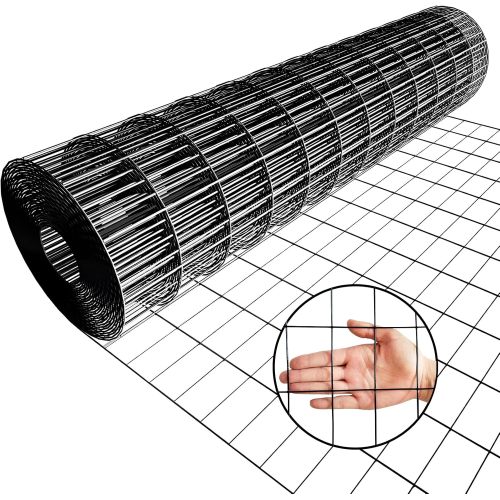 36inch X 50ft Black Vinyl Coated Hardware Cloth 2 X 3 16Ga Welded Wire Mesh Fence, PVC Chicken Fencing, Metal Garden Plant For Coop And Home Improvement$68.99View on Mallflare
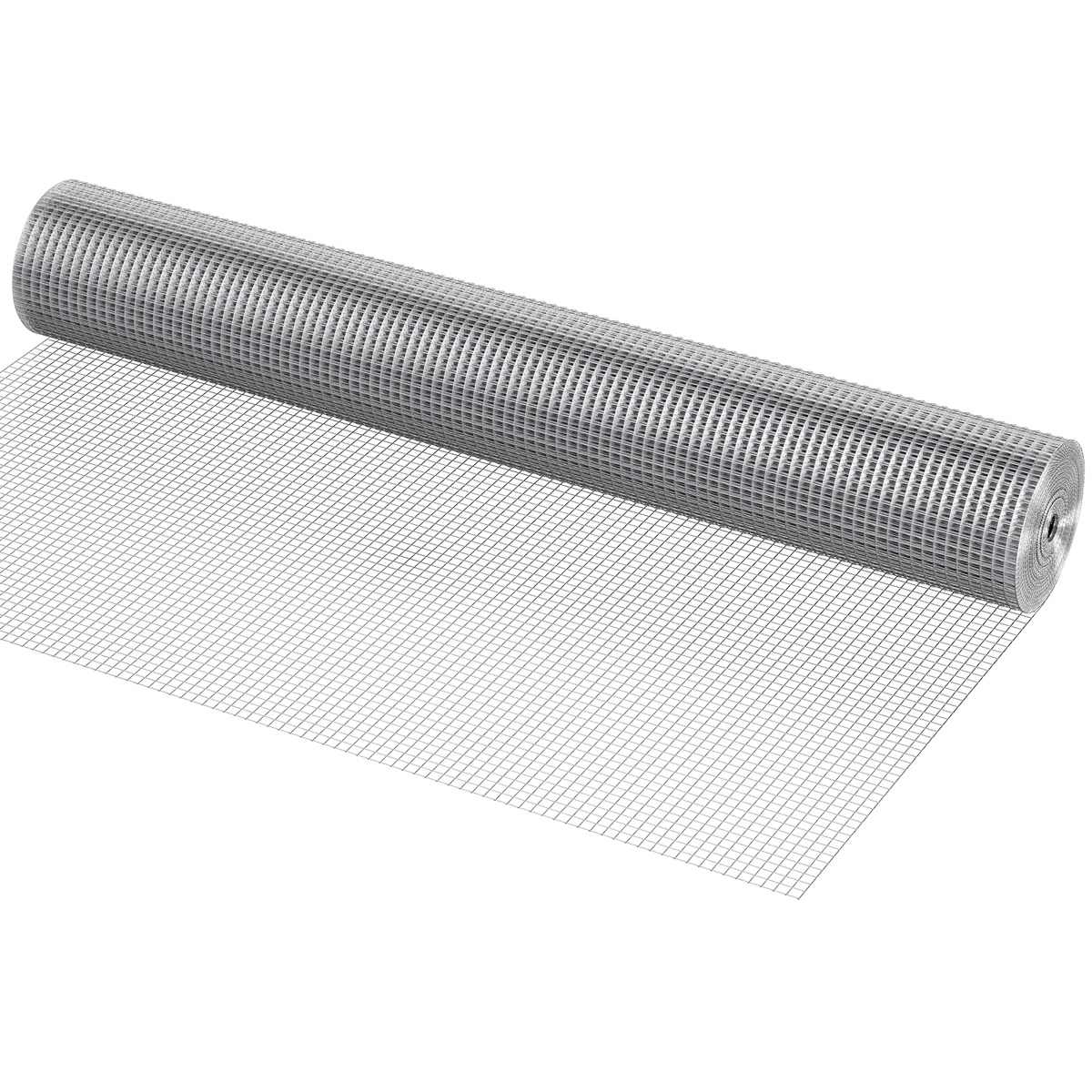 Hardware Cloth 1/2 Inch 48 X 50 Ft 19 Gauge Chicken Wire Fence, Hot-Dip Galvanized After Welding Metal Mesh Roll, Garden Plant Welded Fencing Supports Poultry Netting Cage$74.99View on Mallflare
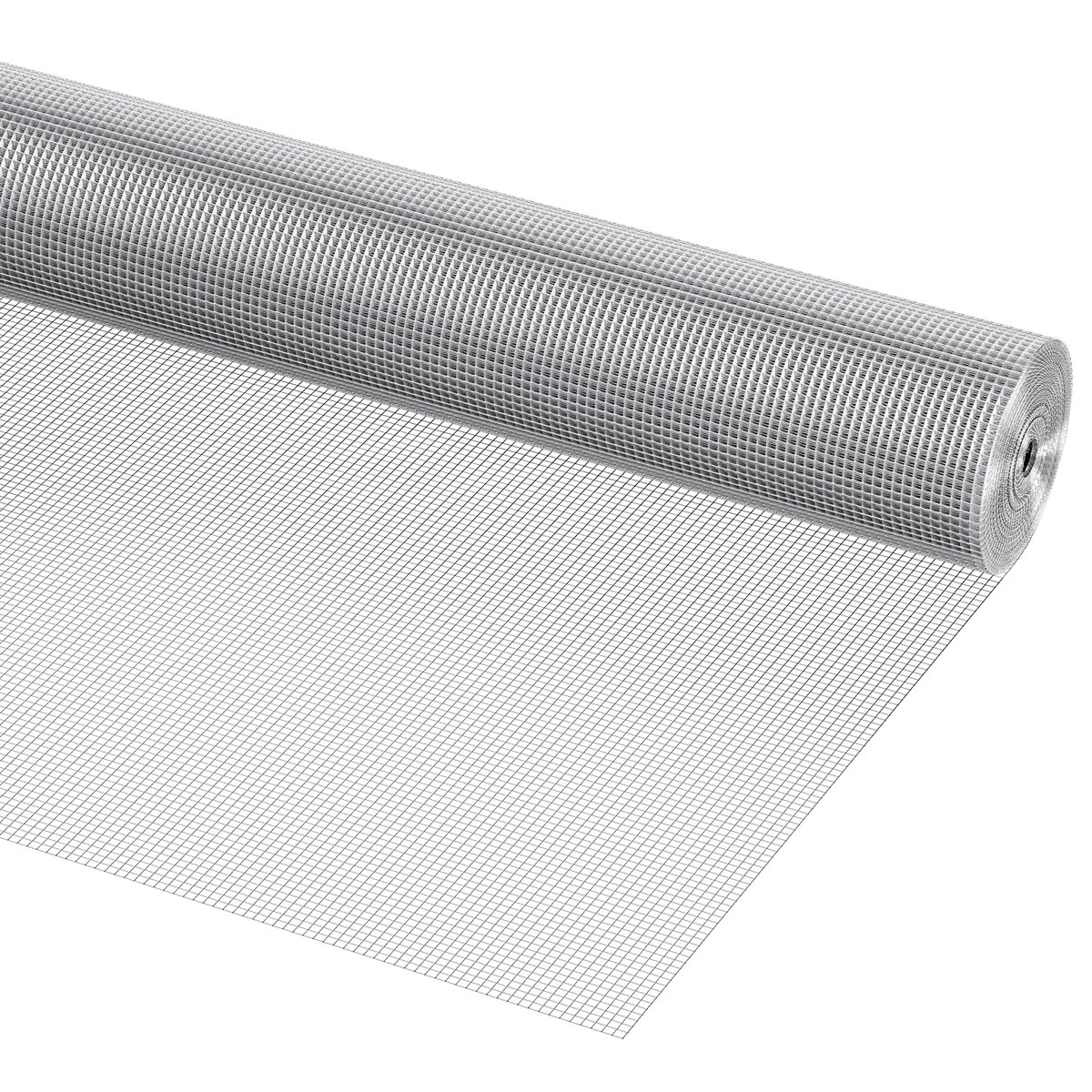 Hardware Cloth 1/4 Inch 48 X 50 Ft 23 Gauge Chicken Wire Fence, Hot-Dip Galvanized After Welding Metal Mesh Roll, Garden Plant Welded Fencing Supports Poultry Netting Cage$77.99View on Mallflare
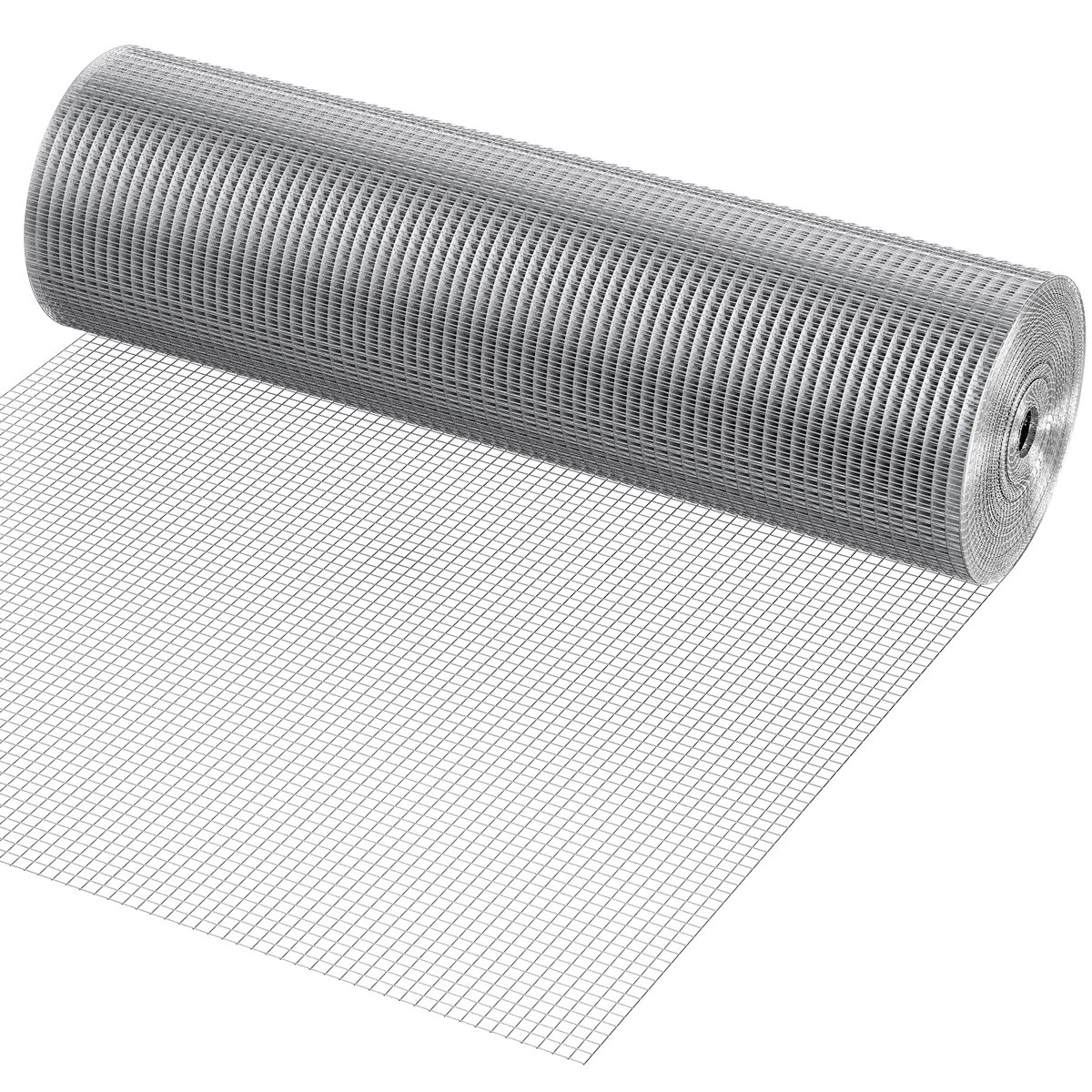 Hardware Cloth 1/2 Inch 36 X 100 Ft 19 Gauge Chicken Wire Fence, Hot-Dip Galvanized After Welding Metal Mesh Roll, Garden Plant Welded Fencing Supports Poultry Netting Cage$93.99View on Mallflare
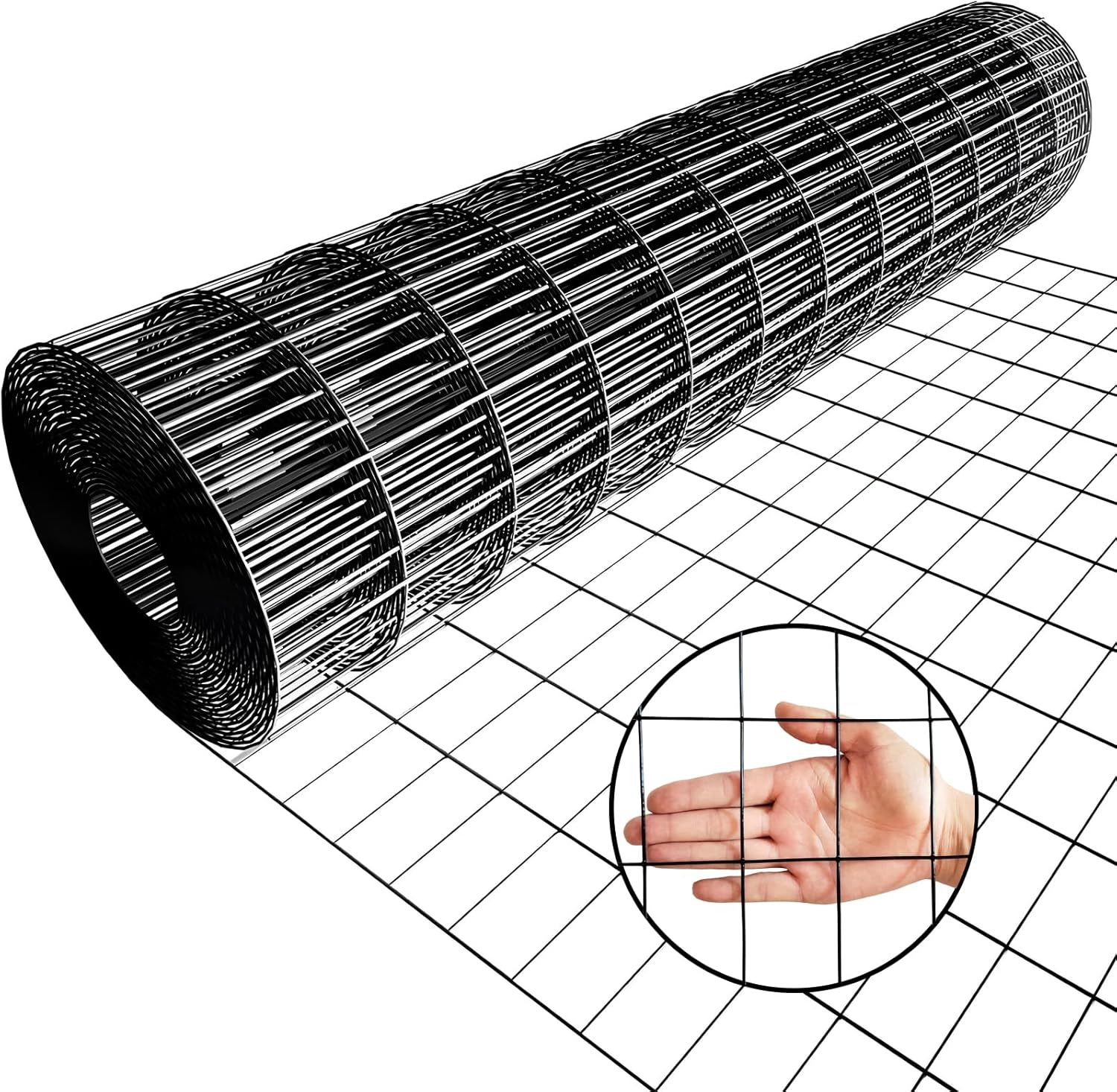 24inch x 50ft Black Vinyl Coated Hardware Cloth 2" X 3" 16Ga Welded Wire Mesh fence, PVC Chicken Fencing, Metal Garden Plant for Coop and Home Improvement$98.99View on Mallflare
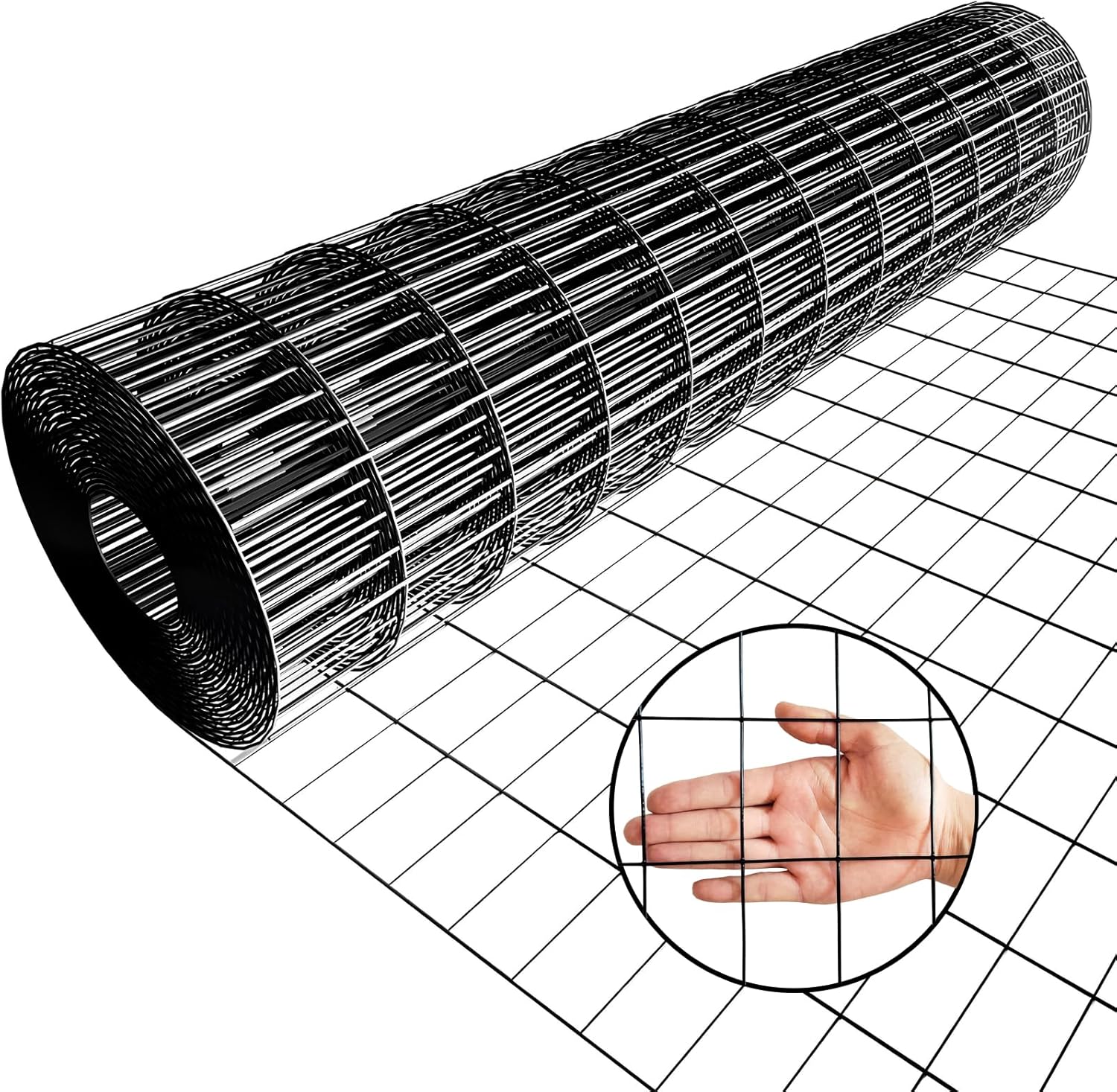 36inch x 50ft Black Vinyl Coated Hardware Cloth 2" X 3" 16Ga Welded Wire Mesh fence, PVC Chicken Fencing, Metal Garden Plant for Coop and Home Improvement$104.99View on Mallflare
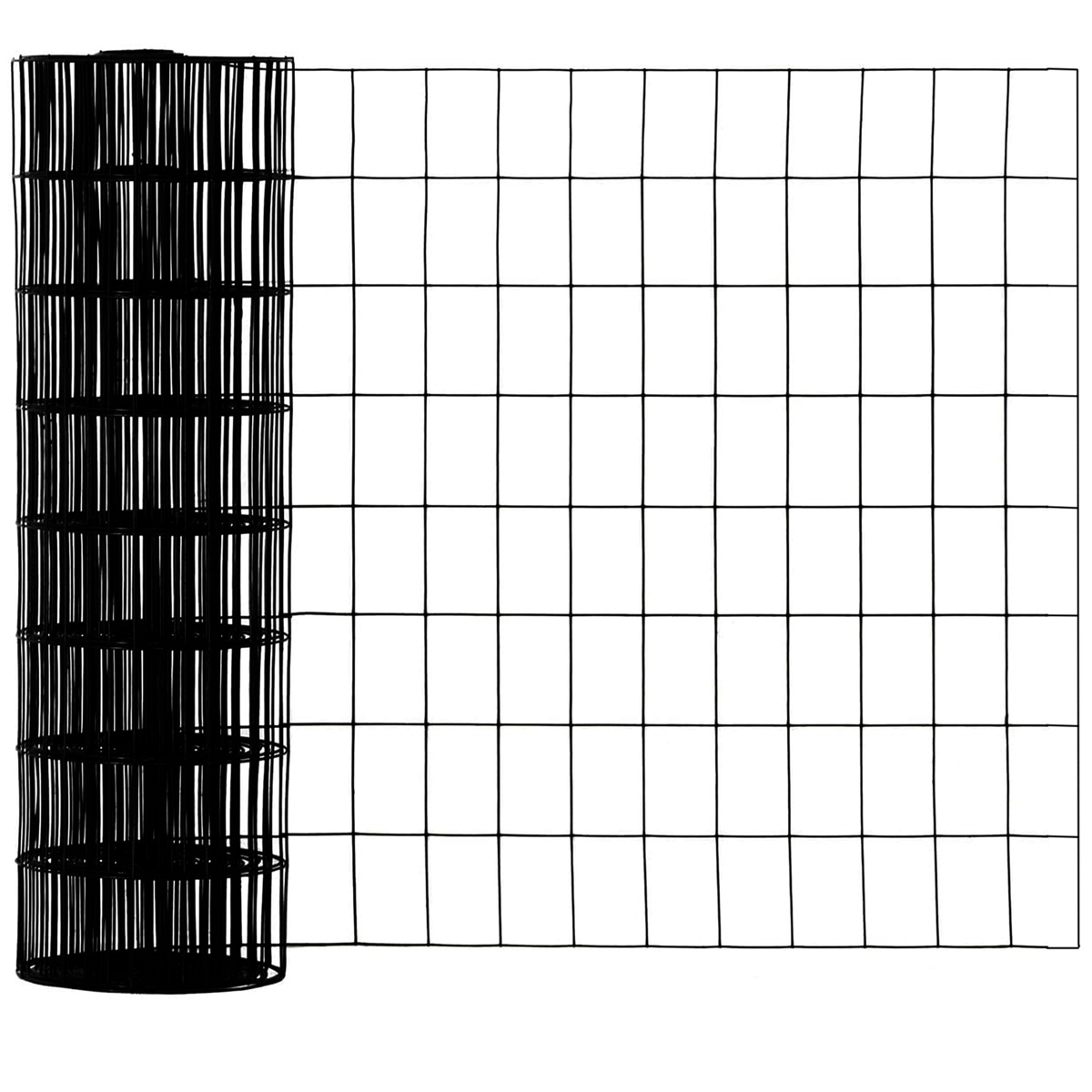 60inch X 50ft Black Vinyl Coated Hardware Cloth 2 X 4 16Ga Welded Wire Mesh Fence, PVC Chicken Fencing, Metal Garden Plant For Coop And Home Improvement$115.99View on Mallflare
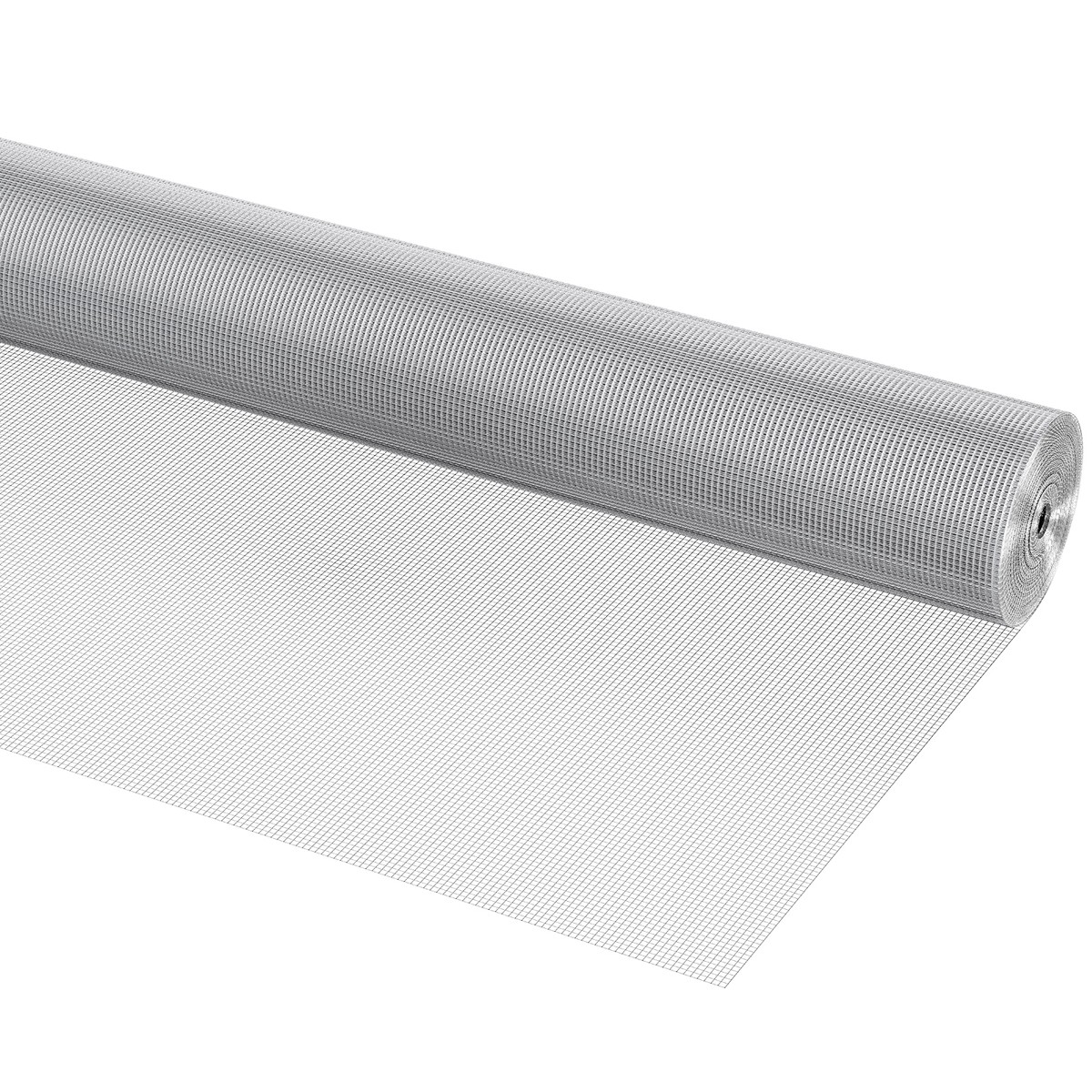 Hardware Cloth 1/4 Inch 48 X 100 Ft 23 Gauge Chicken Wire Fence, Hot-Dip Galvanized After Welding Metal Mesh Roll, Garden Plant Welded Fencing Supports Poultry Netting Cage$124.99View on Mallflare
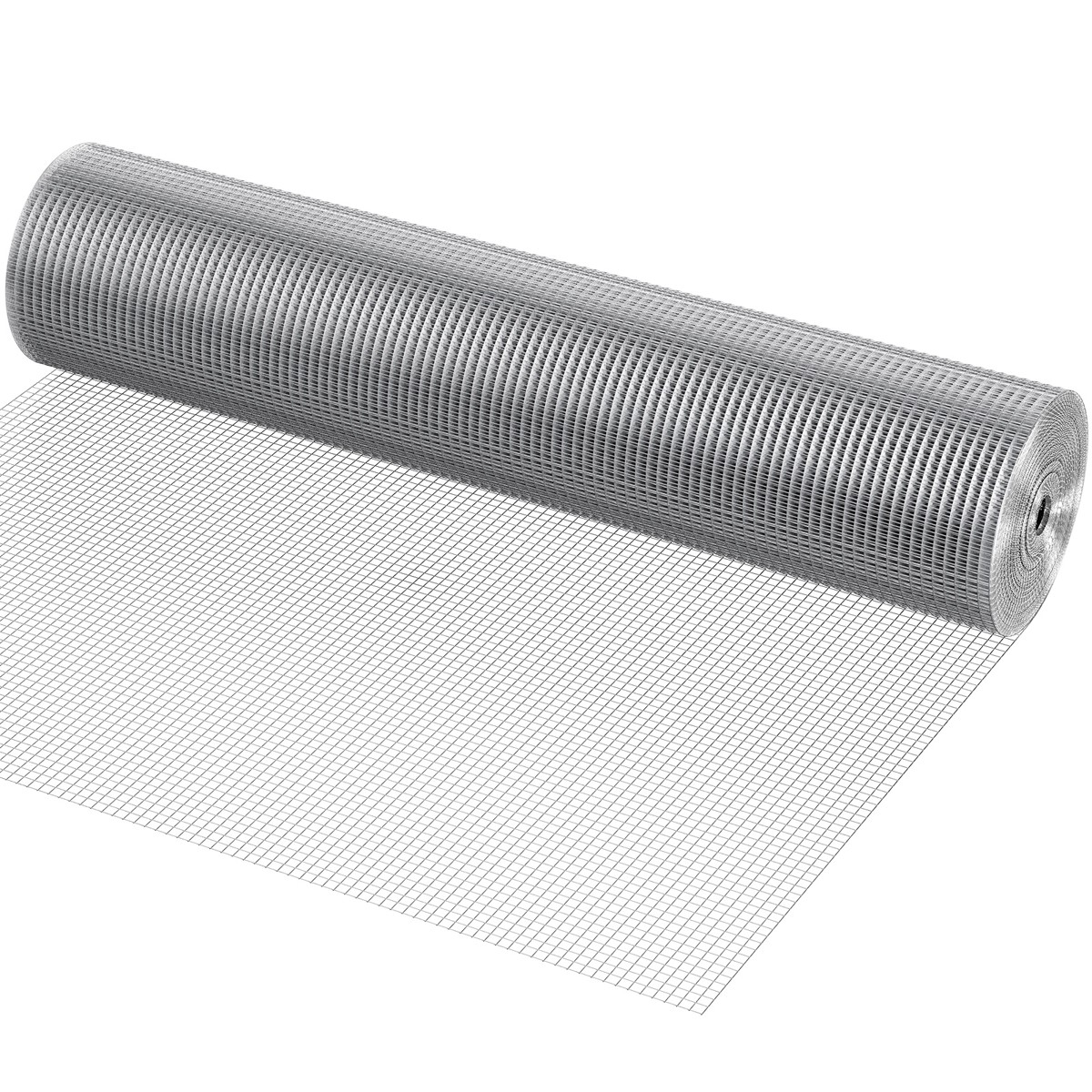 Hardware Cloth 1/2 Inch 48 X 100 Ft 19 Gauge Chicken Wire Fence, Hot-Dip Galvanized After Welding Metal Mesh Roll, Garden Plant Welded Fencing Supports Poultry Netting Cage$131.99View on Mallflare
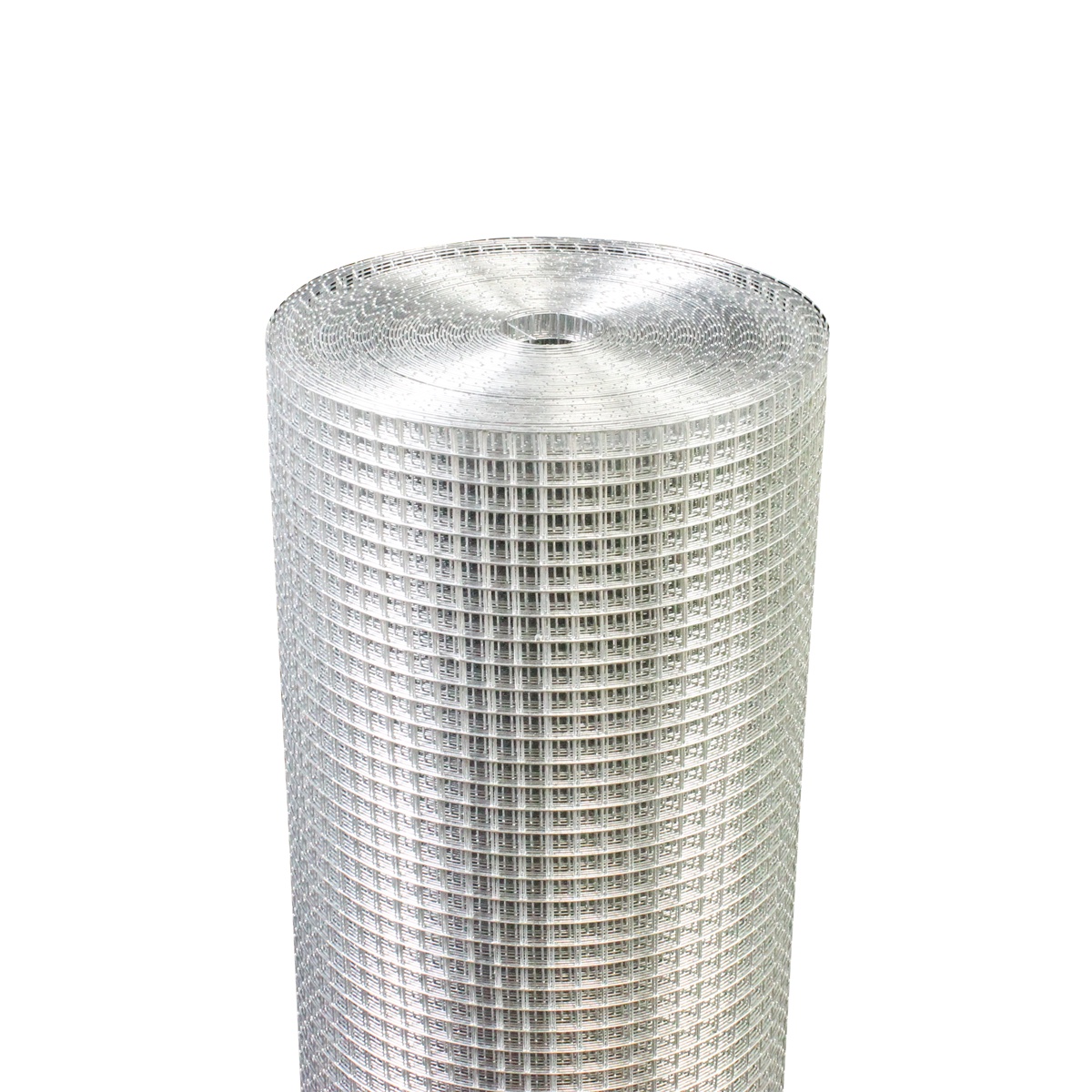 Hardware Cloth 0.25 Inch 48in , Hot Dip Galvanized After Welding Chicken Wire Fence Roll Garden Plant Welded Metal Fencing Rabbit Cages Snake$164.99View on Mallflare
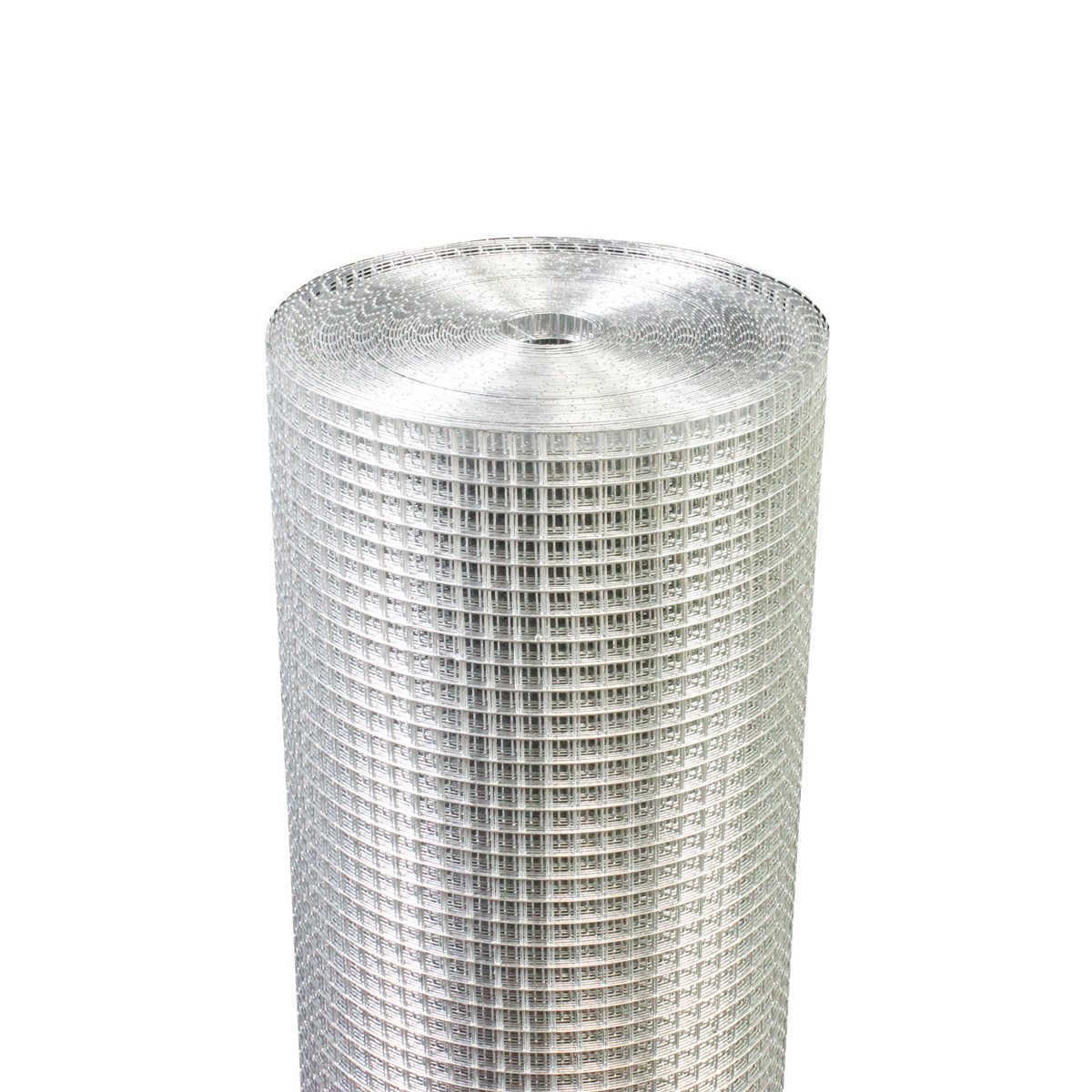 Chicken Wire Mesh Fence Roll After Metal Welding$164.99View on Mallflare
Highlights
- Electric poultry netting uses conductive vertical strands spaced 3–4 inches apart; a 12V energizer delivering at least 0.25 joule is required for runs up to 165 feet, while longer nets need 0.5 joule or more.
- Step-in posts on quality nets are fiberglass or UV-stabilized plastic with a metal spike; double-pronged spikes hold better in loose soil, and netting height of 40–48 inches stops most heavy breeds but not leghorns or game fowl.
- Non-electric modular panels typically use 14- to 16-gauge welded wire with 2x3-inch or 2x4-inch mesh; heavier gauge resists bending from dogs and coyotes, while 1-inch mesh is needed for chicks and bantams.
- Solar energizers rated at 0.1–0.3 joule suit small nets in full sun; plug-in units are more consistent but require GFCI-protected outdoor outlets and a ground rod driven at least 3 feet into moist soil.
Best use cases
- Best fit: rotational grazing on pasture or lawn—pick a 100–165 ft electric net kit with a 0.25+ joule energizer and double-pronged step-in posts; skip rigid panels, which are too heavy to move every few days.
- Best fit: backyard flock on a fixed lawn with a nearby outlet—choose plug-in energizer netting or a welded-wire panel pen with a tarp roof; skip solar-only energizers if the run sits in shade.
- Wrong fit: containing flighty breeds like Leghorns or Silkies with standard 40-inch netting—either add a roof or choose a fully enclosed panel coop with 1-inch mesh; also skip electric netting for chicks under 6 weeks.
- Best fit: temporary daytime grazing in a predator-heavy area—use two strands of electric polywire on step-in posts plus a 0.5-joule energizer, then lock the flock in a secure coop at night; skip single-strand setups, which foxes and raccoons push through.
Buying tips
- Match net length to energizer joule rating: up to 165 ft needs 0.25 joule, 165–330 ft needs 0.5 joule, and over 330 ft needs 1 joule or multiple ground rods—never undersize the energizer.
- For non-electric panels, choose 14-gauge welded wire over 16-gauge for permanent or predator-prone setups; 16-gauge is acceptable only for supervised daytime use.
- Verify mesh size against your smallest bird: 1x2-inch or 1-inch hex mesh for bantams and chicks, 2x3-inch or 2x4-inch for standard adults; anything larger lets chicks through and invites weasels.
- Check post spacing and spike type: step-in posts spaced 10–12 feet apart hold netting taut; double-prong spikes are mandatory for sandy or loose soil, while single spikes work only in firm turf.
Specs
| Fence Type | Electric netting vs welded panel vs polywire |
|---|---|
| Net Height | 40-48 in (standard adult poultry) |
| Energizer Output | 0.25-1 joule (12V or solar) |
| Mesh Opening | 1 in (chicks) to 2x4 in (adults) |
Related searches
What to check before buying
- Measure your pasture or lawn perimeter and divide by net length (typically 100 ft or 165 ft) to confirm you need one or multiple nets; also confirm gate width for a walk-through opening.
- Test soil moisture before buying an energizer: dry sand or frozen ground needs a longer ground rod (4–6 ft) and a higher-joule unit, while moist loam works with a standard 3-ft rod.
- Confirm a power source: plug-in energizers need a GFCI outdoor outlet within cord reach; solar units need 6+ hours of direct sun and a battery backup for cloudy stretches.
- Check breed flight capability and predator pressure: heavy breeds stay behind 40-inch netting, but leghorns and game fowl need 48-inch netting or a roof; high coyote or fox pressure demands electric netting over plain mesh.
FAQ
Data sources: eBay / Amazon listings and product attribute feeds. Updated Nov 27, 2026.
Some links on this page are affiliate links. If you buy after clicking one, we may earn a commission at no extra cost to you. This does not change which products appear here or their order. Affiliate disclosure.