
Photos from current listings. Actual item, color, and included accessories may vary.
Heavy Duty Welded Wire Fence Buying Guide
Heavy duty welded wire fence is galvanized steel mesh with factory-welded intersections, sold in rolls and graded primarily by wire gauge, mesh opening, and coating system. The core trade-off is predator exclusion versus cost and weight: tighter mesh and thicker wire stop snakes, weasels, and raccoons, while 2-inch mesh at light gauge only contains birds and is not predator-rated. The decision rule is simple: choose 19-gauge-or-heavier welded wire with a galvanized core plus vinyl or zinc-aluminum coating for permanent runs, and reject 1-inch-by-2-inch light-gauge welded rolls for anything that must stop digging or chewing predators.
Median $93.99
Key takeaways
- Gauge determines strength: 19-gauge wire (about 0.041 in) resists bending and chewing; 23-gauge and lighter deforms by hand and fails at ground contact.
- Mesh opening sets the predator tier: 1/2-inch stops snakes, weasels, and rodents; 1-inch stops raccoons and opossums; 2-inch only contains adult poultry.
- Galvanized core plus vinyl coating is the durability standard; bare galvanized lasts years but vinyl coating adds abrasion and rust resistance at cut edges.
At a glance
- Category
- Chicken Fencing & Egg Handling
- Last updated
- Nov 27, 2026
Current offers
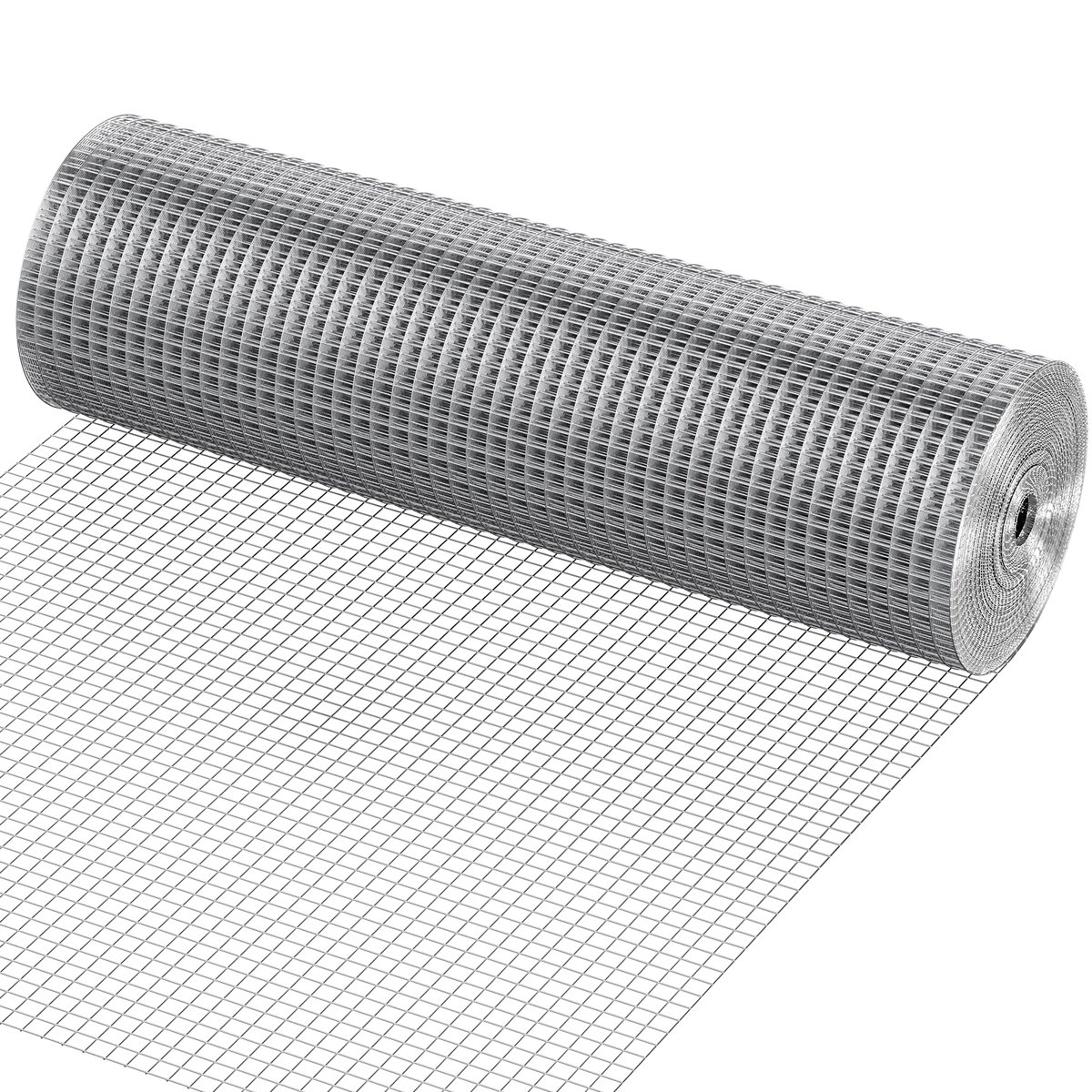 Hardware Cloth 1/2 Inch 24 X 50 Ft 19 Gauge Chicken Wire Fence, Hot-Dip Galvanized After Welding Metal Mesh Roll, Garden Plant Welded Fencing Supports Poultry Netting Cage$46.99View on Mallflare
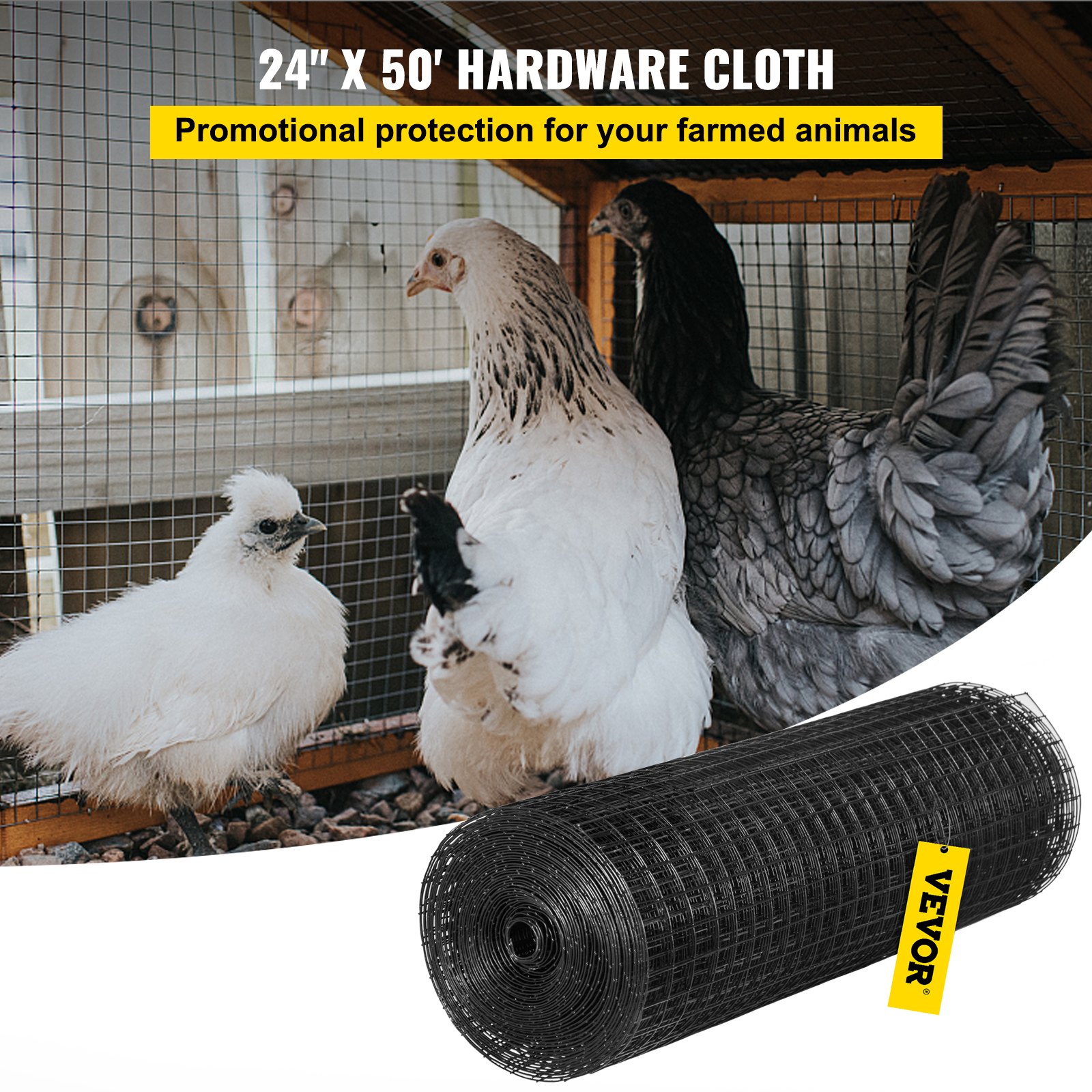 Welded Wire Fence Vinyl Coated Chicken Rabbit Mesh$55.99View on Mallflare
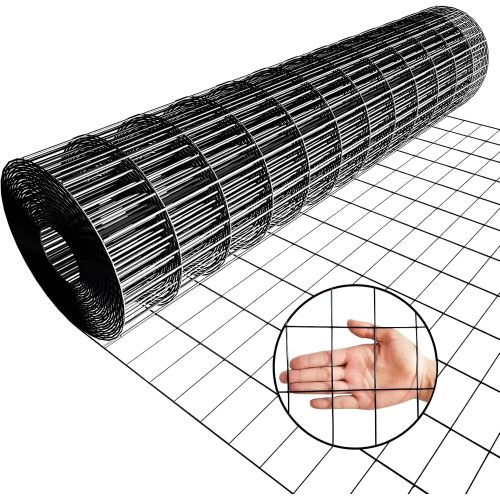 24inch X 50ft Black Vinyl Coated Hardware Cloth 2 X 3 16Ga Welded Wire Mesh Fence, PVC Chicken Fencing, Metal Garden Plant For Coop And Home Improvement$65.99View on Mallflare
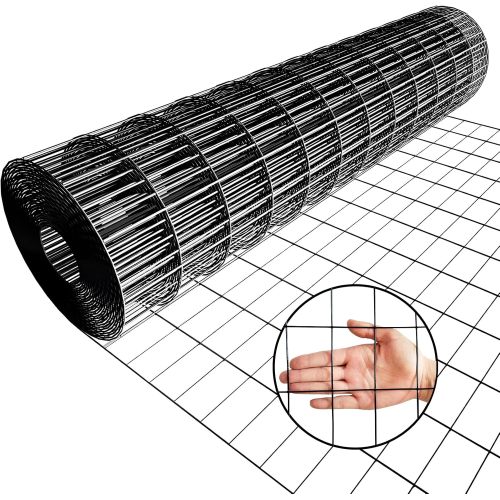 36inch X 50ft Black Vinyl Coated Hardware Cloth 2 X 3 16Ga Welded Wire Mesh Fence, PVC Chicken Fencing, Metal Garden Plant For Coop And Home Improvement$68.99View on Mallflare
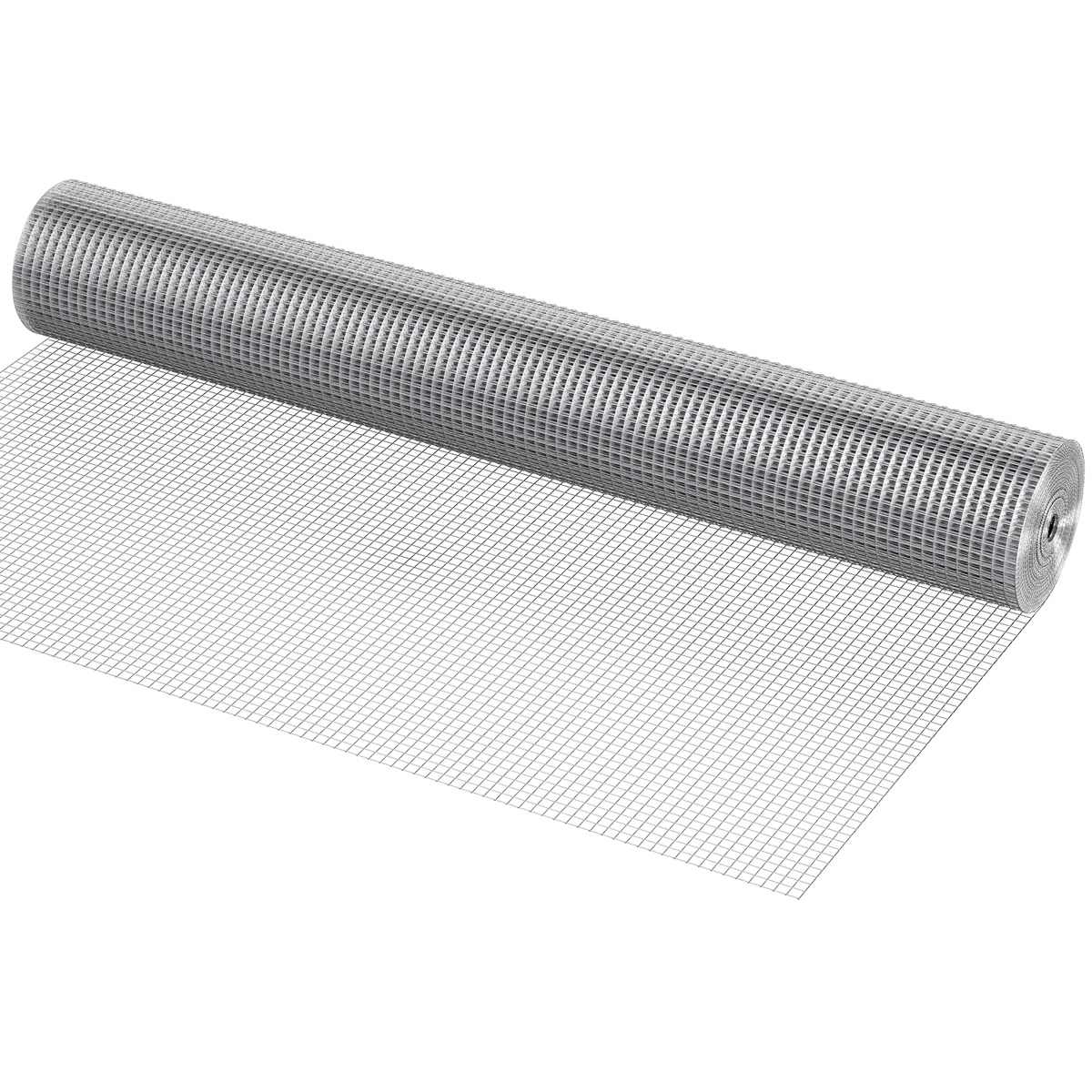 Hardware Cloth 1/2 Inch 48 X 50 Ft 19 Gauge Chicken Wire Fence, Hot-Dip Galvanized After Welding Metal Mesh Roll, Garden Plant Welded Fencing Supports Poultry Netting Cage$74.99View on Mallflare
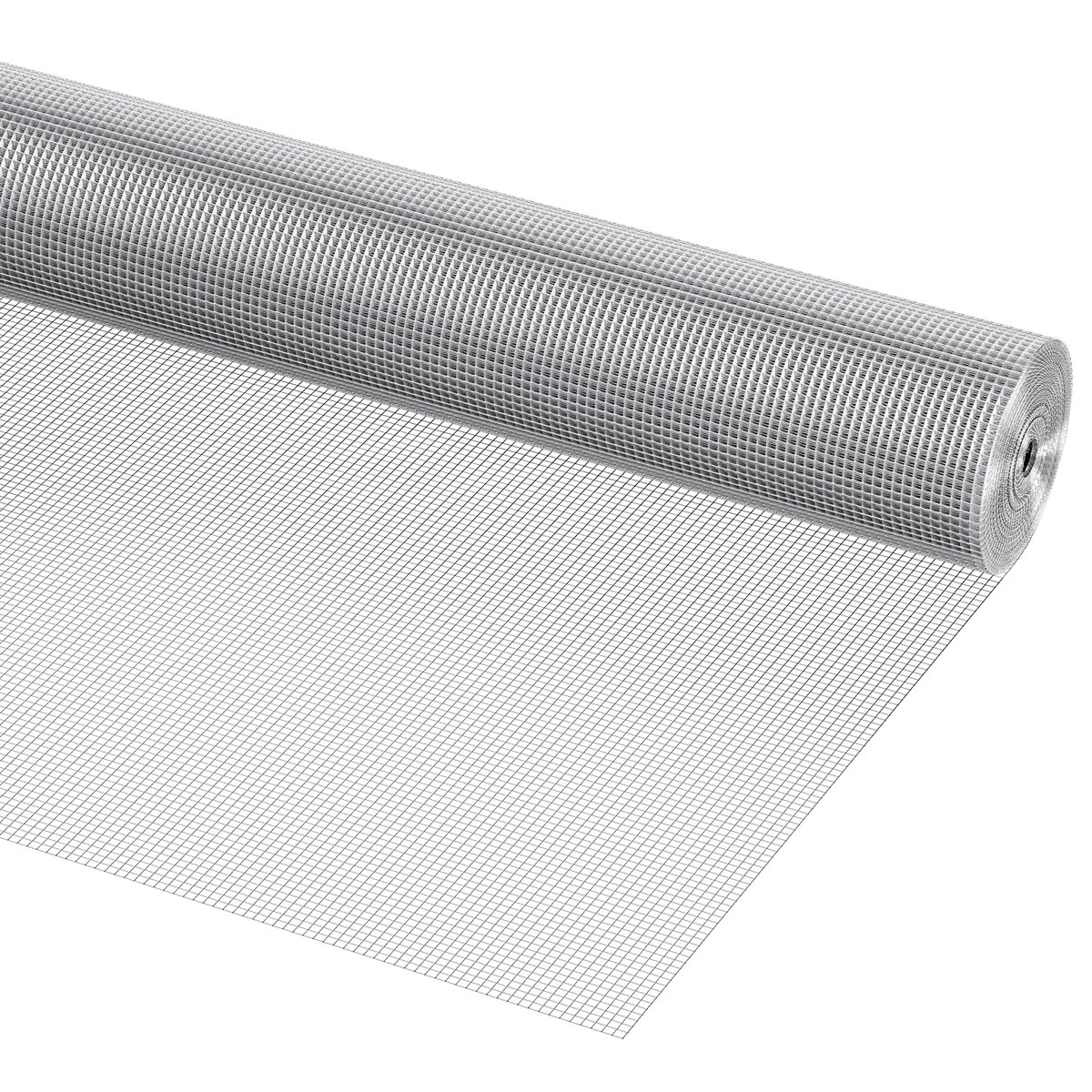 Hardware Cloth 1/4 Inch 48 X 50 Ft 23 Gauge Chicken Wire Fence, Hot-Dip Galvanized After Welding Metal Mesh Roll, Garden Plant Welded Fencing Supports Poultry Netting Cage$77.99View on Mallflare
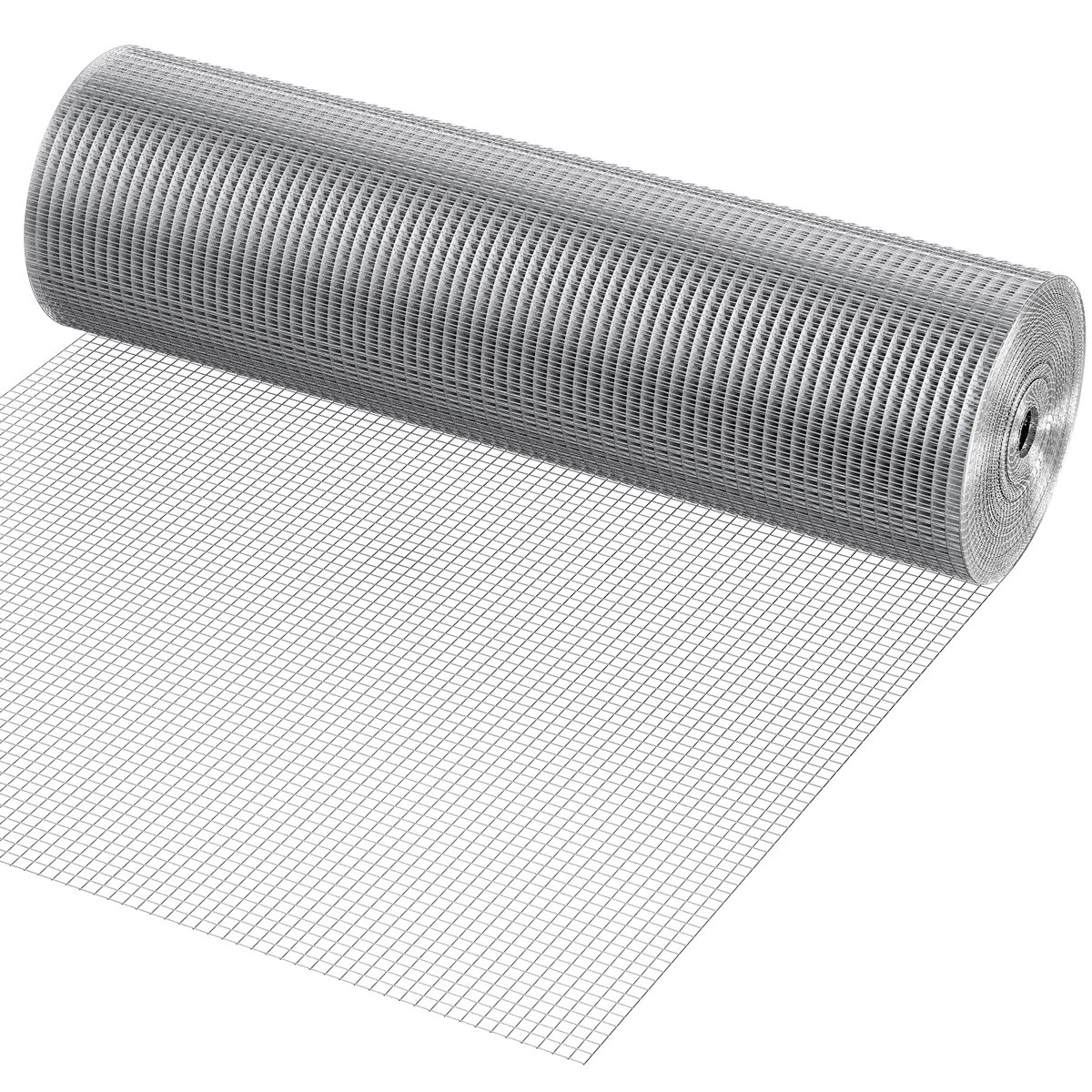 Hardware Cloth 1/2 Inch 36 X 100 Ft 19 Gauge Chicken Wire Fence, Hot-Dip Galvanized After Welding Metal Mesh Roll, Garden Plant Welded Fencing Supports Poultry Netting Cage$93.99View on Mallflare
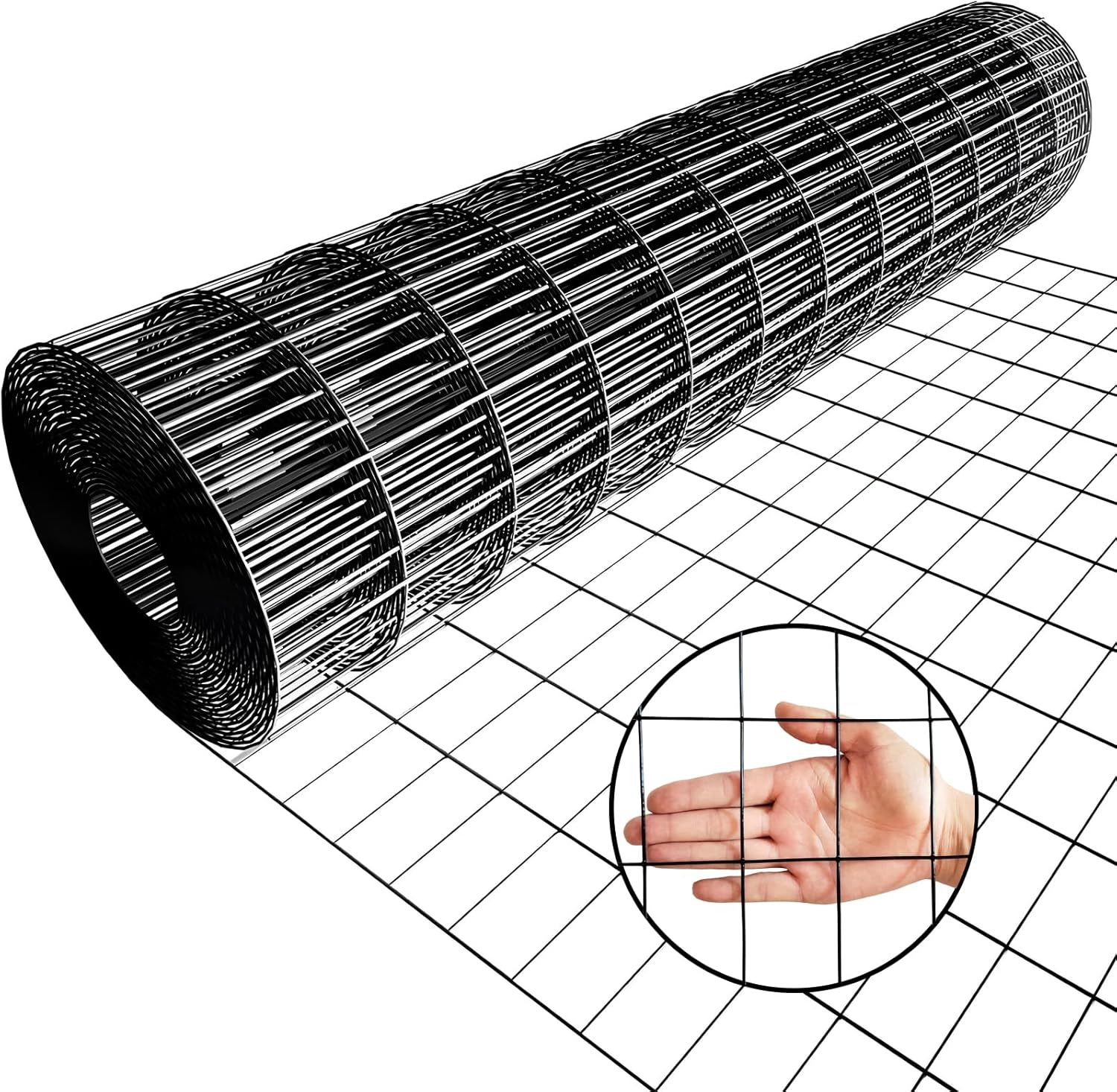 24inch x 50ft Black Vinyl Coated Hardware Cloth 2" X 3" 16Ga Welded Wire Mesh fence, PVC Chicken Fencing, Metal Garden Plant for Coop and Home Improvement$98.99View on Mallflare
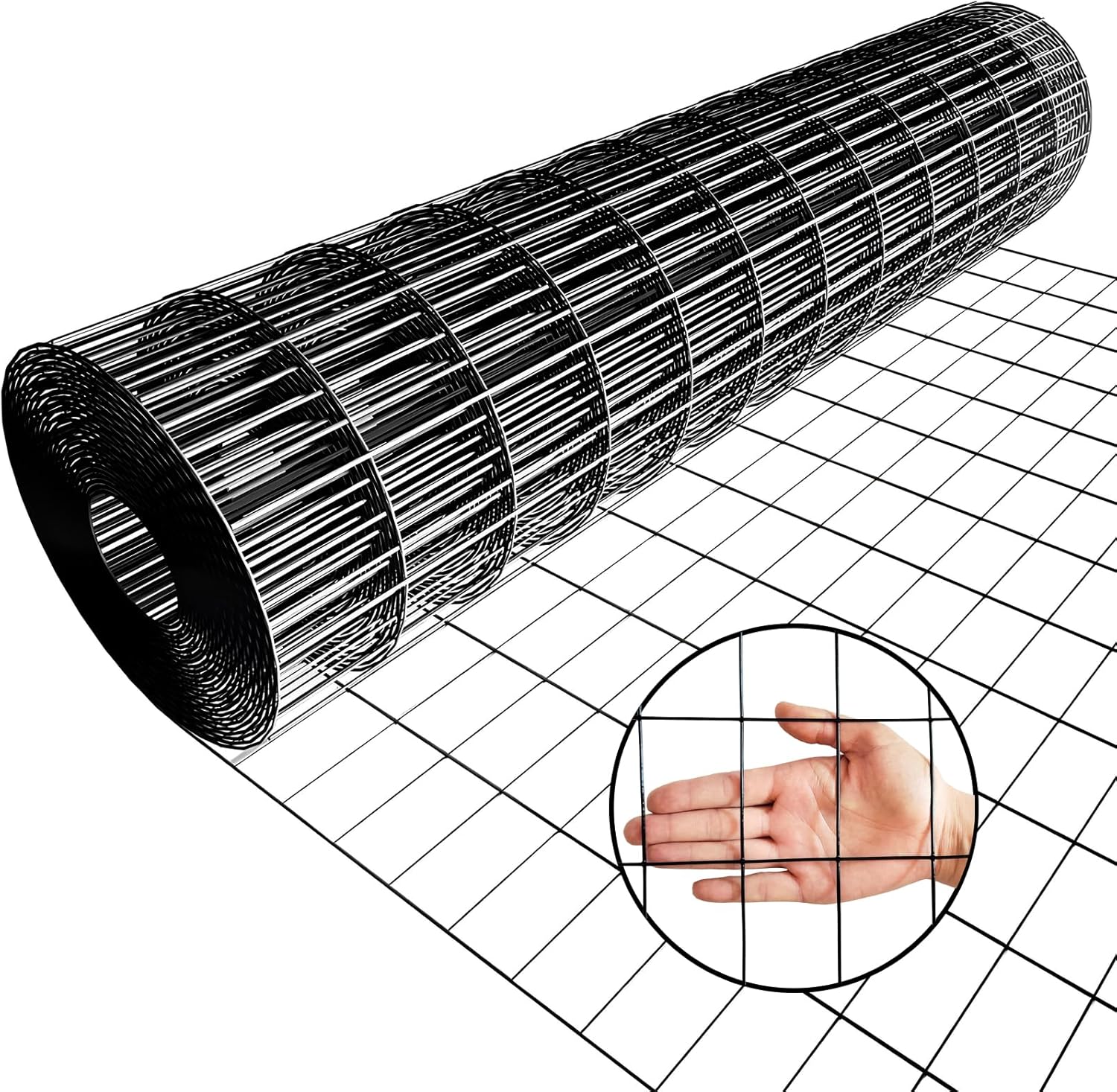 36inch x 50ft Black Vinyl Coated Hardware Cloth 2" X 3" 16Ga Welded Wire Mesh fence, PVC Chicken Fencing, Metal Garden Plant for Coop and Home Improvement$104.99View on Mallflare
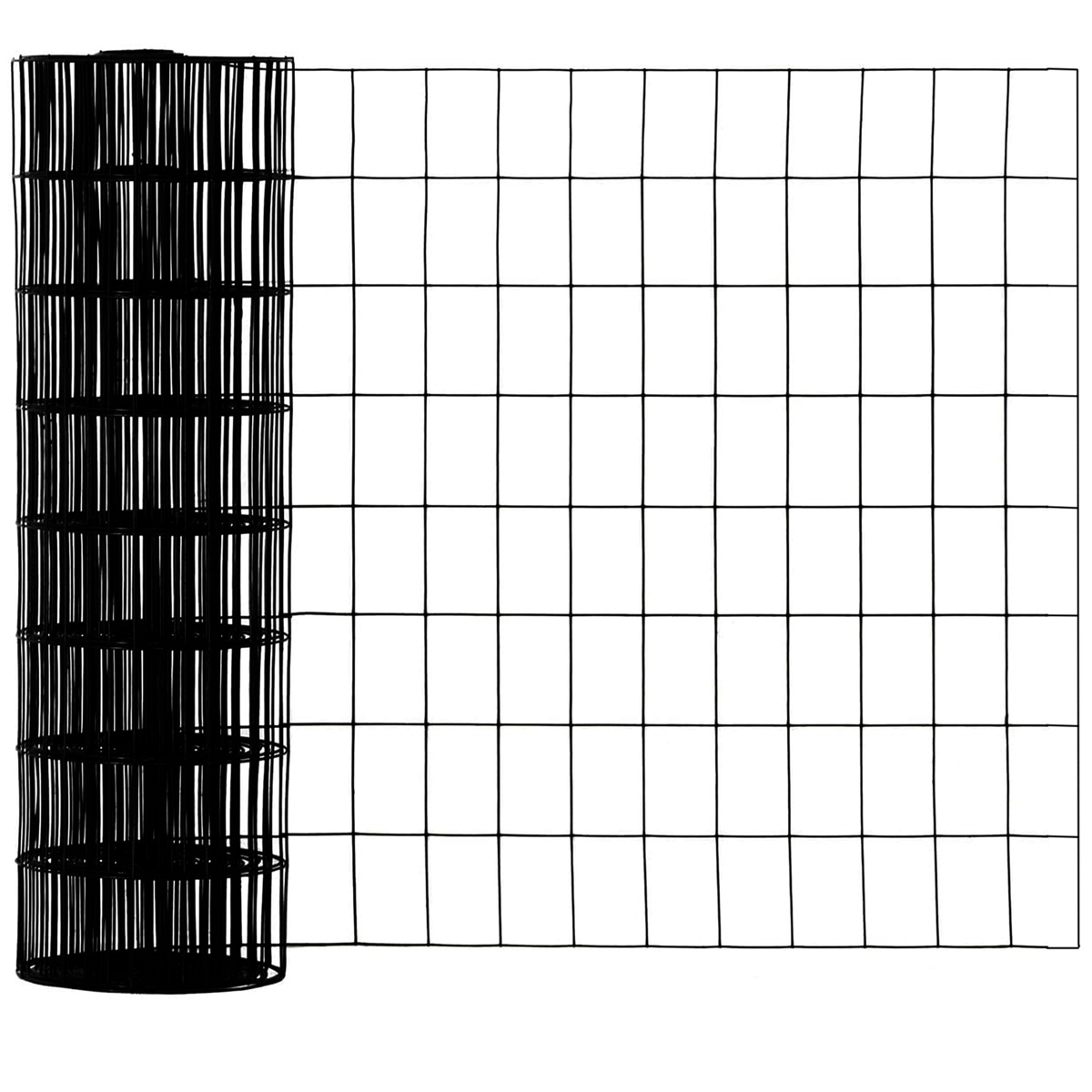 60inch X 50ft Black Vinyl Coated Hardware Cloth 2 X 4 16Ga Welded Wire Mesh Fence, PVC Chicken Fencing, Metal Garden Plant For Coop And Home Improvement$115.99View on Mallflare
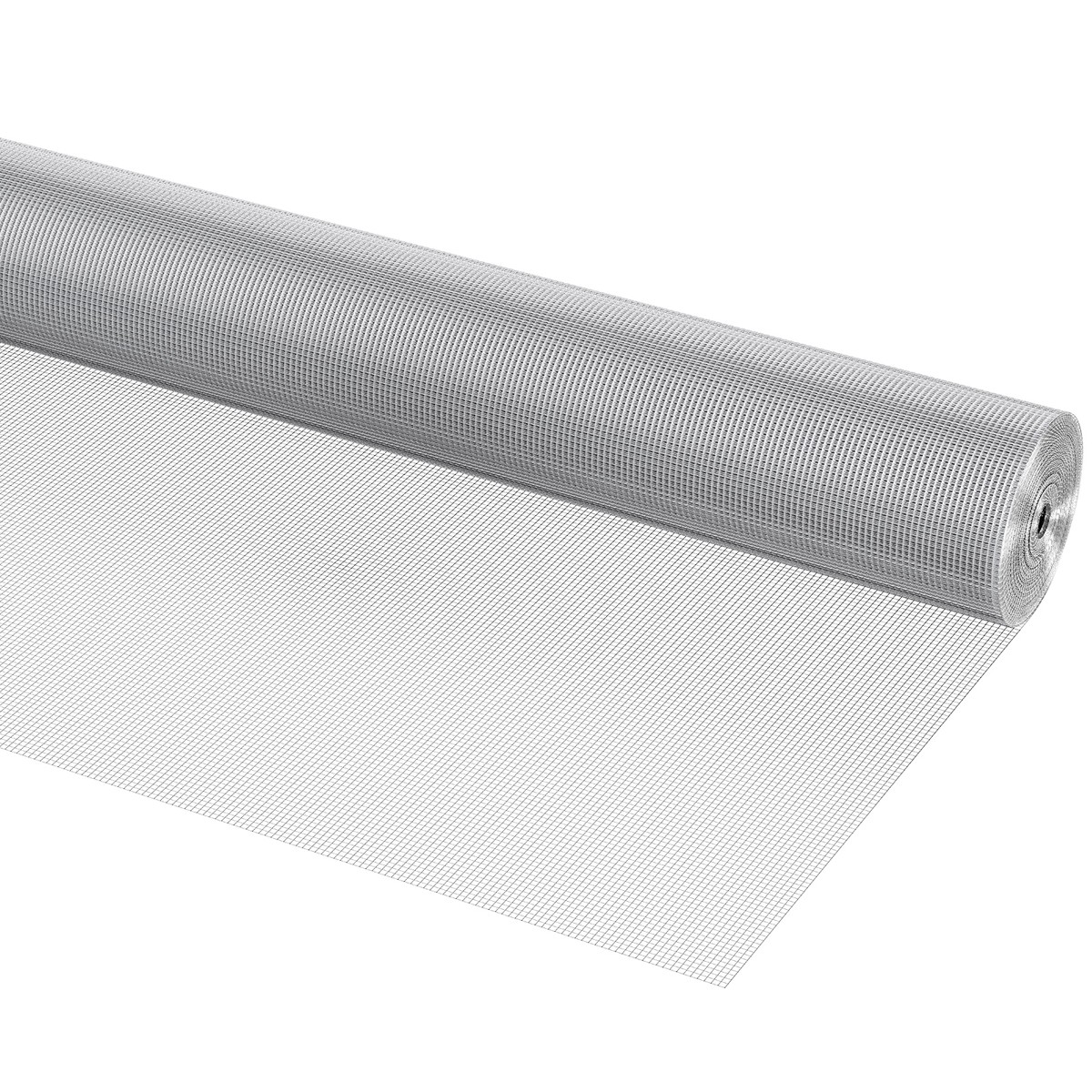 Hardware Cloth 1/4 Inch 48 X 100 Ft 23 Gauge Chicken Wire Fence, Hot-Dip Galvanized After Welding Metal Mesh Roll, Garden Plant Welded Fencing Supports Poultry Netting Cage$124.99View on Mallflare
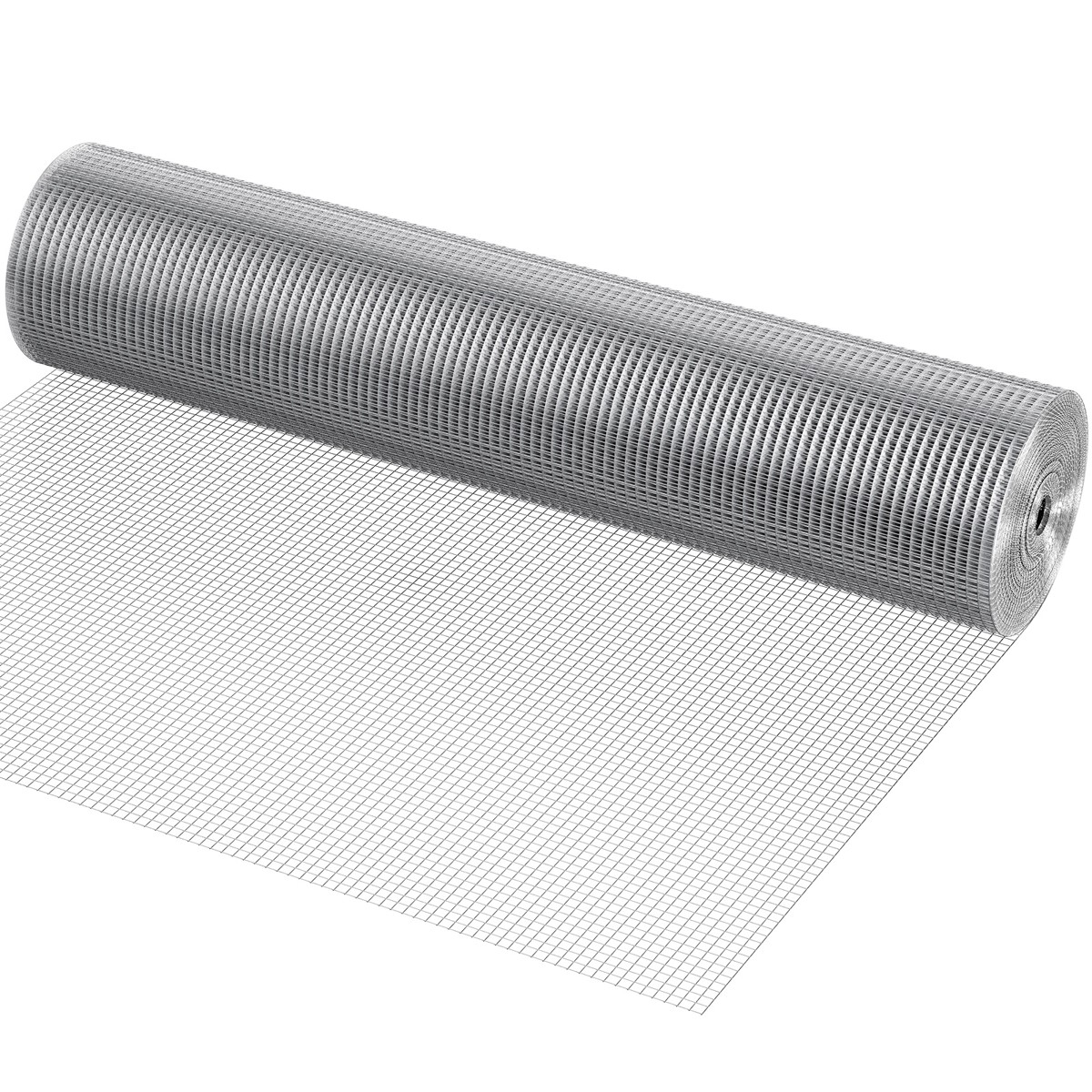 Hardware Cloth 1/2 Inch 48 X 100 Ft 19 Gauge Chicken Wire Fence, Hot-Dip Galvanized After Welding Metal Mesh Roll, Garden Plant Welded Fencing Supports Poultry Netting Cage$131.99View on Mallflare
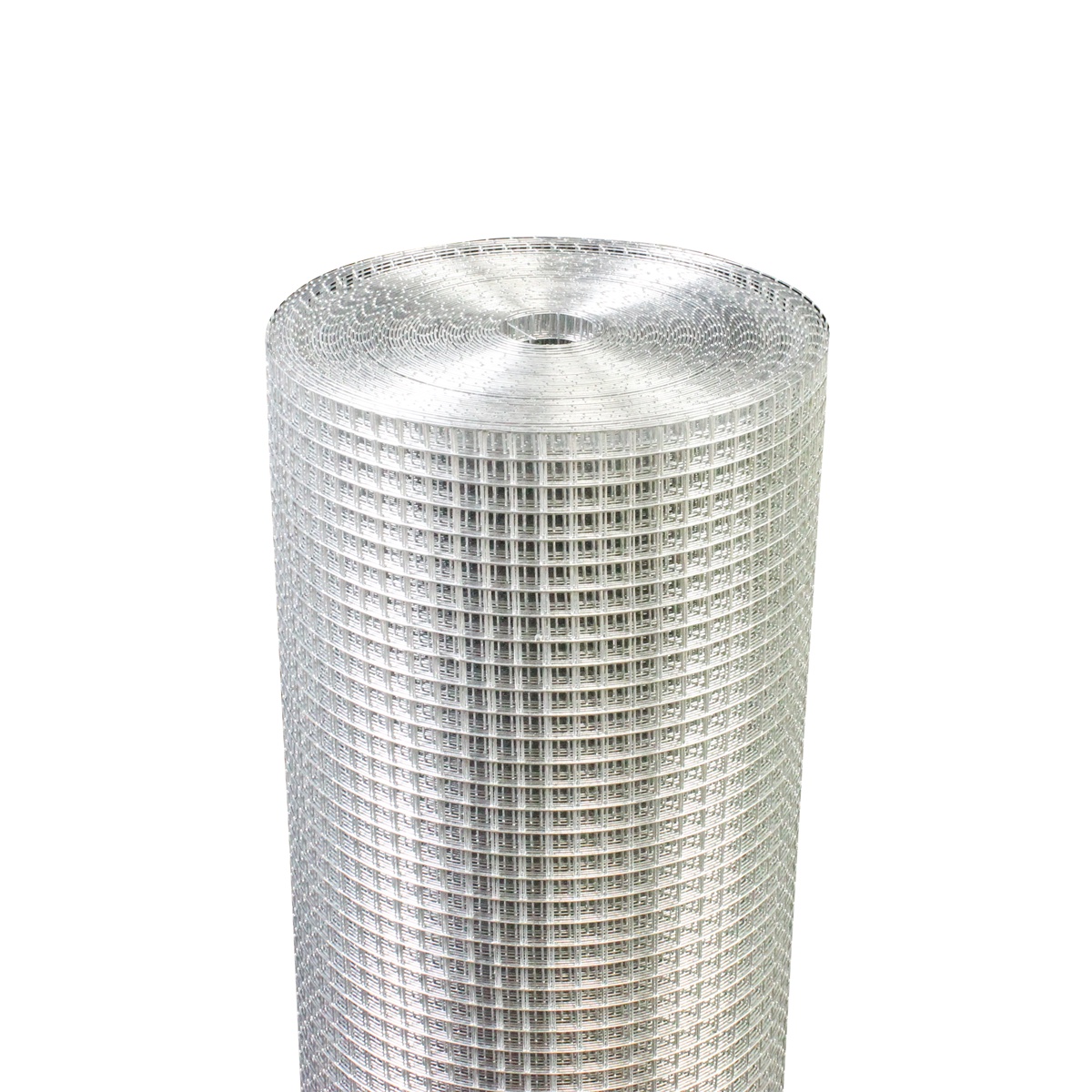 Hardware Cloth 0.25 Inch 48in , Hot Dip Galvanized After Welding Chicken Wire Fence Roll Garden Plant Welded Metal Fencing Rabbit Cages Snake$164.99View on Mallflare
Highlights
- Gauge determines strength: 19-gauge wire (about 0.041 in) resists bending and chewing; 23-gauge and lighter deforms by hand and fails at ground contact.
- Mesh opening sets the predator tier: 1/2-inch stops snakes, weasels, and rodents; 1-inch stops raccoons and opossums; 2-inch only contains adult poultry.
- Galvanized core plus vinyl coating is the durability standard; bare galvanized lasts years but vinyl coating adds abrasion and rust resistance at cut edges.
- Roll format matters: hardware cloth is welded wire, while woven poultry netting has no welded joints and unravels when cut, so welded mesh is required for rigid predator barriers.
Best use cases
- Choose 1/2-inch, 19-gauge welded mesh in 60- or 72-inch widths for coop walls and buried skirts where snakes, weasels, and digging predators are present.
- Choose 1-inch, 19-gauge mesh in 24- or 36-inch widths for portable tractors and garden bed protection where weight and roll handling matter more than rodent exclusion.
- Skip 2-inch mesh and any roll under 19 gauge for perimeter fencing; use them only as temporary poultry containment above ground with no predator pressure.
- For full-height runs use 72-inch-wide rolls plus a 12- to 18-inch buried apron; skip narrow 24-inch rolls unless you are capping an existing frame.
Buying tips
- Compute mesh-to-predator fit first: 1/2-inch for snakes and mice, 1-inch for raccoons, 2-inch only for adult bird containment.
- Use 19-gauge or thicker welded wire for ground-contact and chew zones; thinner gauge is acceptable only for overhead or interior partitions.
- Order roll width to cover post spacing without horizontal seams: 48- to 72-inch widths suit 4- to 6-foot fences, 24-inch widths suit skirts and cages.
- Confirm coating: galvanized plus vinyl or zinc-aluminum alloy outlasts bare galvanized in humid or coastal climates and at cut edges.
Specs
| Wire Gauge | 19 ga standard; 16-14 ga heavy perimeter |
|---|---|
| Mesh Opening | 1/2 in predator; 1 in raccoon; 2 in containment |
| Coating | Galvanized + vinyl or Zn-Al alloy |
| Roll Format | 24-72 in wide; 50-100 ft lengths |
Related searches
What to check before buying
- Measure post spacing, fence height, and buried apron depth before selecting roll width; add 12-18 inches of mesh for the ground apron.
- Check local predator pressure: snake and rodent areas require 1/2-inch mesh, while raccoon-only areas can use 1-inch.
- Verify the roll's wire gauge and coating on the label; welded wire should state gauge, mesh size, and coating type.
- Plan fasteners and tension: welded wire needs hog rings, J-clips, or staples plus tension wire at top and bottom to stay rigid.
FAQ
Data sources: eBay / Amazon listings and product attribute feeds. Updated Nov 27, 2026.
Some links on this page are affiliate links. If you buy after clicking one, we may earn a commission at no extra cost to you. This does not change which products appear here or their order. Affiliate disclosure.