
Photos from current listings. Actual item, color, and included accessories may vary.
Chicken Waterer Buying Guide
A chicken waterer is a container that delivers clean drinking water to poultry while keeping it free of debris, spillage, and freezing. The core trade-off is between passive gravity designs (cheap but algae-prone and freeze solid) and active heated or nipple-based systems (higher upfront cost but reliable flow and winter operation). Durable options use food-grade plastic or galvanized metal with sealed seams, while compromises rely on thin walls, open troughs, and unregulated heating elements that fail below freezing.
Median $211.41 · New listings
Key takeaways
- Nipple-style waterers eliminate open water, reducing algae growth, spillage, and bedding moisture compared with trough or bell designs.
- Heated bases and submersible de-icers typically draw 100–250W and are sized for 1–5 gallon metal or plastic buckets, not open pans.
- Food-grade HDPE or galvanized steel with welded seams resists cracking and rust; thin polypropylene and screwed seams fail within a season or two.
At a glance
- Category
- Chicken Feeders & Waterers
- Last updated
- Nov 28, 2026
Current offers
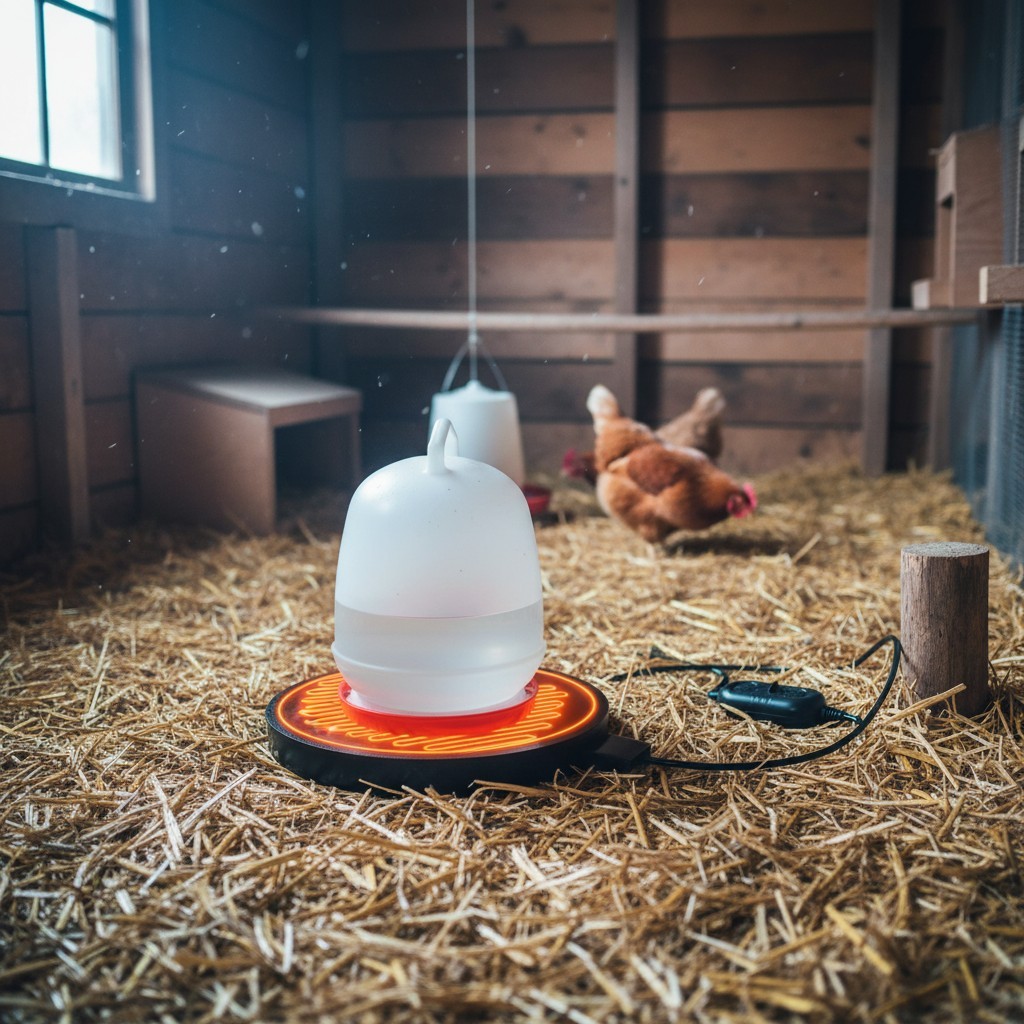 Energy-Saving Heated Chicken Waterer - Prevents Freezing for 1-5 Gallon Buckets$34.48View on eBay
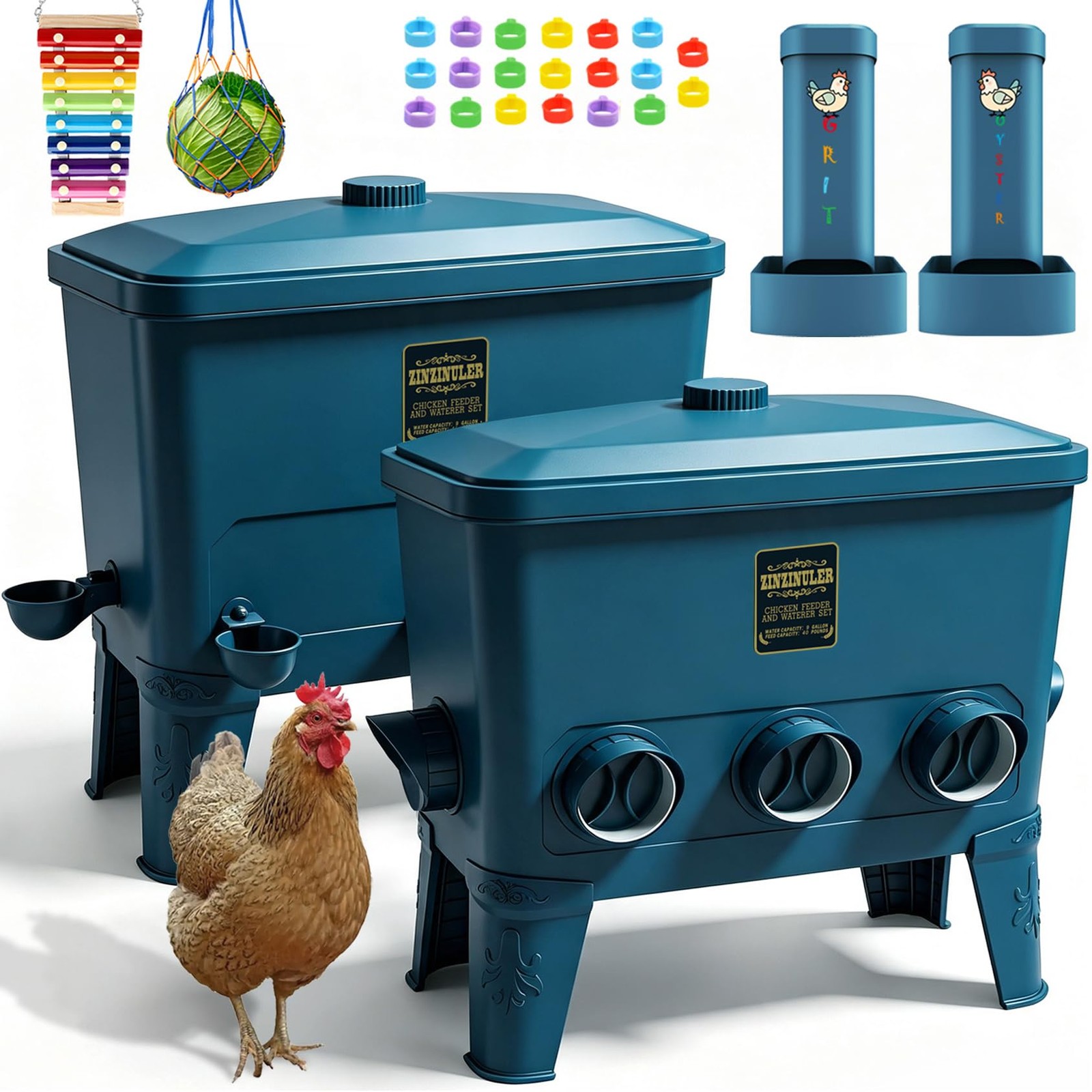 ZINZINULER Large Automatic Port Chicken Feeder and Cup Waterer Set - Chicken ...$205.19New · Last checked Nov 27, 2026View on eBay
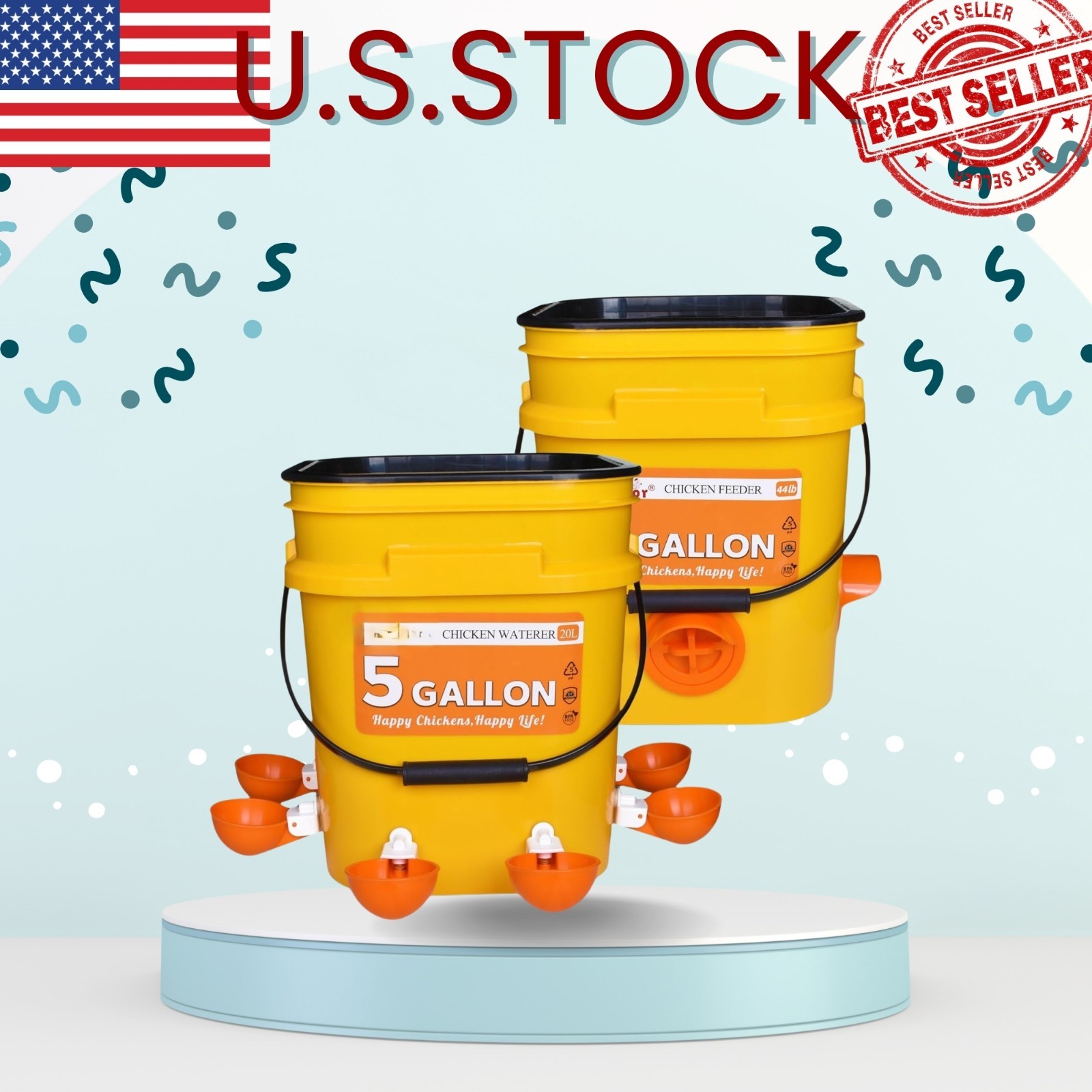 5 Gallon Automatic Chicken Feeder and Waterer Set No Waste 44 lbs$217.62New · Last checked Nov 16, 2026View on eBay
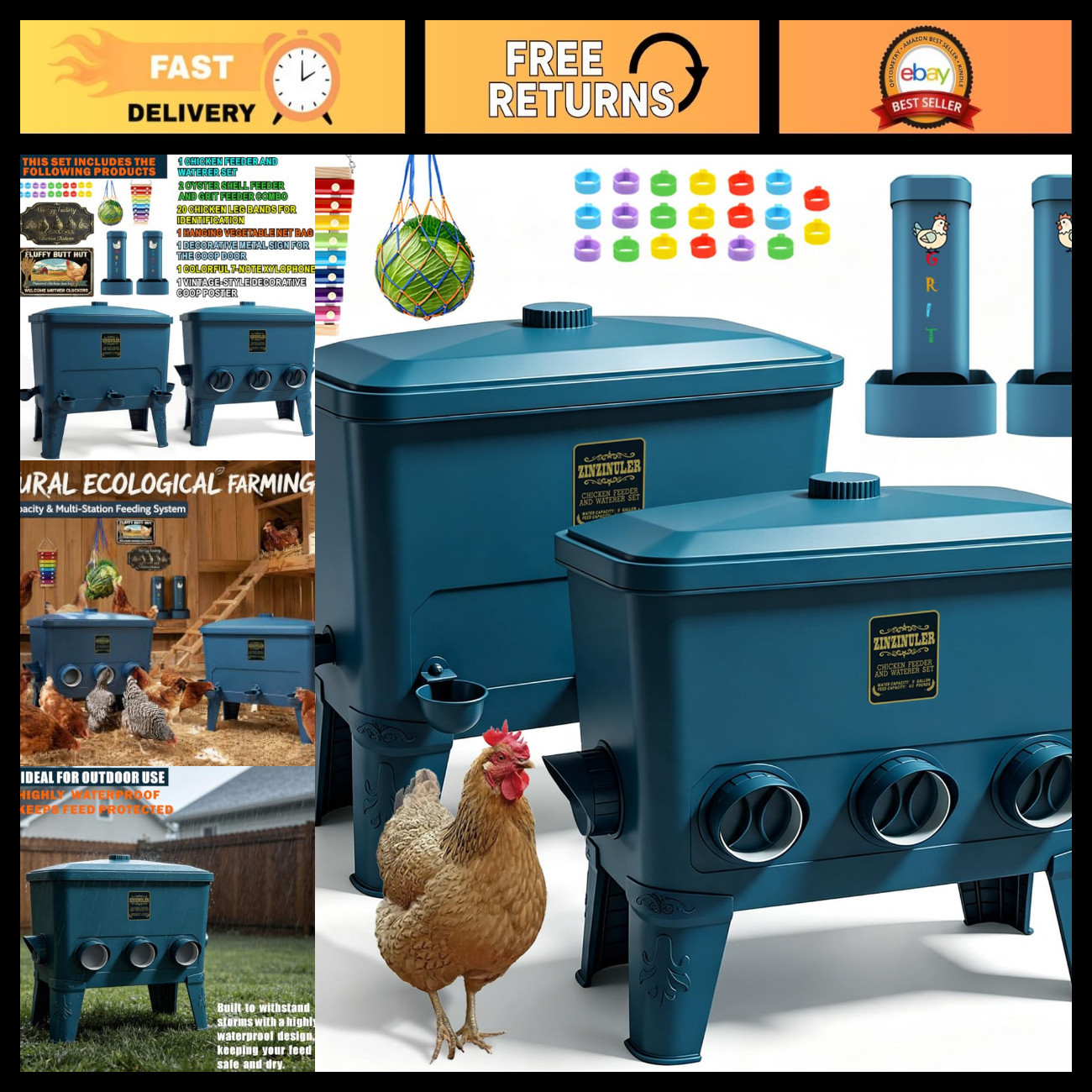 Large Automatic Chicken Feeder & Waterer Set - 9 Gallon, 50 lb Capacity, No Wast$246.99New · Last checked Nov 27, 2026View on eBay
Highlights
- Nipple-style waterers eliminate open water, reducing algae growth, spillage, and bedding moisture compared with trough or bell designs.
- Heated bases and submersible de-icers typically draw 100–250W and are sized for 1–5 gallon metal or plastic buckets, not open pans.
- Food-grade HDPE or galvanized steel with welded seams resists cracking and rust; thin polypropylene and screwed seams fail within a season or two.
- Gravity-fed waterers rely on a vacuum seal—a loose cap or warped rim causes continuous overflow and soaked litter.
Best use cases
- For a small backyard flock of 4–10 hens in a mild climate, choose a 3–5 gallon nipple waterer hung at shoulder height; skip open troughs that foul quickly.
- For winter in freezing climates, select a heated base or submersible de-icer rated for your bucket size and pair it with a metal or thick-walled plastic bucket; avoid unheated plastic that cracks when ice expands.
- For a large flock or multi-coop setup, use a gravity-fed 10+ gallon tank with multiple nipples on a shared line; skip small 1-gallon jugs that need daily refilling.
- For a mobile tractor or pasture pen, pick a lightweight 1–2 gallon nipple waterer with a carry handle; avoid heavy heated units that require permanent power.
Buying tips
- Size capacity at 0.1–0.2 gallons per bird per day; a 5-gallon unit serves roughly 25–50 hens for a day, so match refill frequency to flock size.
- In freezing conditions, choose a heater with a thermostat or at least a grounded plug and 100W+ output; unheated plastic waterers crack as ice expands.
- Prefer horizontal nipples over vertical for chickens—they leak less and stay cleaner—and use 5/16-inch drill bits with rubber washers for DIY bucket conversions.
- Verify bucket rim diameter matches the heated base or de-icer footprint; a loose fit lets cold air in and wastes power.
Specs
| Waterer Type | Nipple / Trough / Gravity-fed |
|---|---|
| Capacity Range | 1–10+ gal (0.1–0.2 gal/bird/day) |
| Winter Heating | Unheated vs 100–250W heated base |
| Material Grade | Food-grade HDPE / Galvanized steel |
Related searches
What to check before buying
- Measure coop height and hanging points—nipple waterers should sit at the birds' shoulder height, roughly 12–18 inches for adults.
- Confirm a GFCI-protected outdoor outlet is within cord reach for any heated waterer; extension cords must be rated for outdoor and wet locations.
- Check bucket or tank wall thickness—at least 1/8 inch for unheated winter use; thinner walls crack when water freezes.
- Ensure the waterer fits your climate zone: unheated units are fine above freezing, but sustained sub-32°F nights require a heated base or de-icer.
FAQ
Data sources: eBay / Amazon listings and product attribute feeds. Updated Nov 28, 2026.
Some links on this page are affiliate links. If you buy after clicking one, we may earn a commission at no extra cost to you. This does not change which products appear here or their order. Affiliate disclosure.