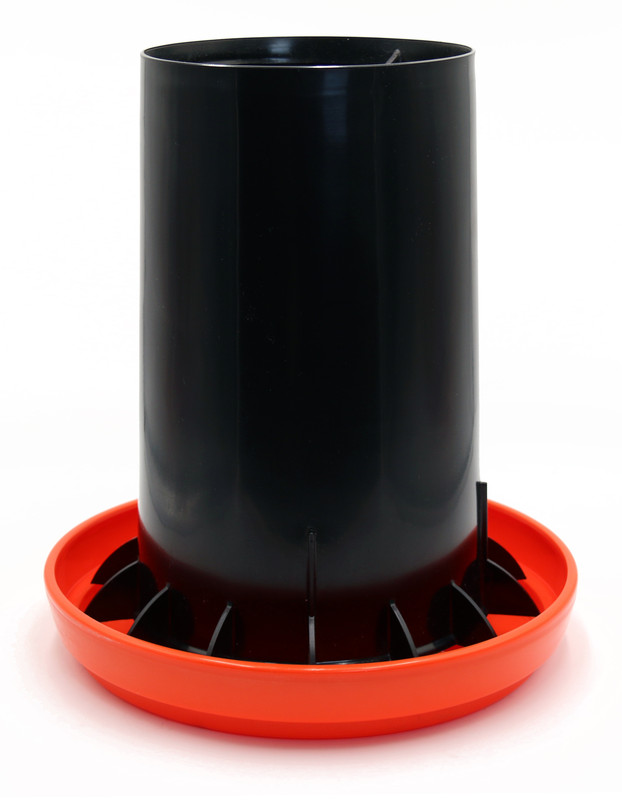

Photos from current listings. Actual item, color, and included accessories may vary.
Plastic Feeder Buying Guide
Plastic poultry feeders are molded or fabricated containers that dispense feed to chickens, ducks, and other backyard flock, and their durability hinges on UV-stabilized food-grade resin, wall thickness, and lid/port design that excludes rain and rodents. The core trade-off is between lightweight, low-cost gravity feeders that crack in sunlight and heavier UV-treated, thick-walled units that survive seasons outdoors. Choose a UV-stabilized HDPE or polypropylene feeder with a locking or threaded lid and a feed-port lip; skip thin polystyrene or unmarked recycled plastic that degrades within one summer.
Key takeaways
- UV-stabilized HDPE or polypropylene resin resists embrittlement and yellowing for multiple outdoor seasons; unmarked or polystyrene plastic becomes brittle and cracks within months.
- Feed-port design with a raised lip or restricted opening reduces billing-out and keeps feed dry; open troughs and wide-mouth ports waste feed and invite rodents.
- Wall thickness of at least 2 mm (about 0.08 in) at stress points like hangers and port rims prevents cracking under load and handling.
At a glance
- Category
- Chicken Feeders & Waterers
- Last updated
- Nov 28, 2026
Current offers
Highlights
- UV-stabilized HDPE or polypropylene resin resists embrittlement and yellowing for multiple outdoor seasons; unmarked or polystyrene plastic becomes brittle and cracks within months.
- Feed-port design with a raised lip or restricted opening reduces billing-out and keeps feed dry; open troughs and wide-mouth ports waste feed and invite rodents.
- Wall thickness of at least 2 mm (about 0.08 in) at stress points like hangers and port rims prevents cracking under load and handling.
- Sealed or threaded lids and hang-point reinforcement distinguish a weatherproof feeder from a fair-weather unit; gravity-flow tubes require a snug lid to keep feed flowing and dry.
Best use cases
- Best fit: small backyard flock of 4–10 chickens under a covered run — choose a 5–10 lb hanging or standing gravity feeder with a UV-stabilized HDPE body and sealed lid.
- Best fit: exposed, rainy, or windy coop — pick a thick-walled (2 mm+) UV-treated feeder with a threaded lid and a rain hood or sheltered hang point; skip open-top or thin-wall bargain bins.
- Wrong fit: free-range or predator-heavy areas — a lightweight plastic feeder topples and invites rodents; use a metal treadle feeder or lockable hanging feeder instead.
- Wrong fit: large flock (20+ birds) or feed-truck bulk fill — small plastic hoppers need frequent refills; choose a 20–30 lb metal or heavy-duty plastic hopper with a wide fill opening.
Buying tips
- Match feeder capacity to flock size: roughly 0.25–0.33 lb of feed per adult chicken per day; a 10 lb feeder serves about 6–8 birds for a day and a half, so size up for less frequent filling.
- Check resin labeling: UV-stabilized HDPE or polypropylene is acceptable; avoid unmarked, brittle, or thin polystyrene, which cracks at hangers and port rims within one season.
- Prefer feeders with a tight-fitting or threaded lid and a feed-port lip; loose lids allow rain in and feed caking, while wide ports increase billing-out waste.
- Measure hang height before buying: feeder lip should sit at about the birds' back height (roughly 12–18 in for standard chickens) so they eat comfortably without scratching feed out.
Specs
| Resin Type | UV-stabilized HDPE vs polypropylene |
|---|---|
| Capacity Range | 5–30 lb hopper (flock-size dependent) |
| Mount Style | Hanging vs standing vs wall-mount |
| Lid & Port Design | Sealed/threaded lid + lipped feed port |
Related searches
What to check before buying
- Flock count and feeding frequency: confirm the feeder capacity covers your birds without daily refills, and that the fill opening is wide enough for your scoop or bucket.
- Mounting method and coop space: measure hanging height and clearance from roosts and nesting boxes; a hanging feeder needs a secure hook or chain rated for the filled weight.
- Climate and placement: if the feeder sits outdoors, confirm UV-stabilized resin and a sealed lid; in freezing climates, plan to bring plastic feeders inside or choose a freeze-resistant design.
- Compatibility with existing setup: check that the feeder base or hanger fits your coop floor or wire, and that port height suits your breed (bantams need lower ports than standard or heavy breeds).
FAQ
Data sources: eBay / Amazon listings and product attribute feeds. Updated Nov 28, 2026.
Some links on this page are affiliate links. If you buy after clicking one, we may earn a commission at no extra cost to you. This does not change which products appear here or their order. Affiliate disclosure.