
Photos from current listings. Actual item, color, and included accessories may vary.
No Waste Chicken Feeder Buying Guide
A no-waste chicken feeder limits spillage and contamination using port restrictors, gravity baffles, or treadle mechanisms. The core trade-off is capacity and predator resistance versus ease of filling and cleaning. Choose a treadle feeder for serious feed savings and rodent-proofing; choose a multi-port gravity feeder for small flocks and low maintenance.
Median $286.64 · New listings
Key takeaways
- Treadle feeders open only under bird weight (typically 2–4 lb trigger), eliminating rodent and wild-bird access while cutting feed loss by up to 30%.
- Gravity port feeders use anti-bully lips or 2–3 inch openings; wider ports suit large breeds but increase billing-out waste.
- Metal (galvanized or powder-coated steel) resists rodent gnawing and UV degradation; BPA-free plastic is lighter and cheaper but cracks in freezing climates.
At a glance
- Category
- Chicken Feeders & Waterers
- Last updated
- Nov 28, 2026
Current offers
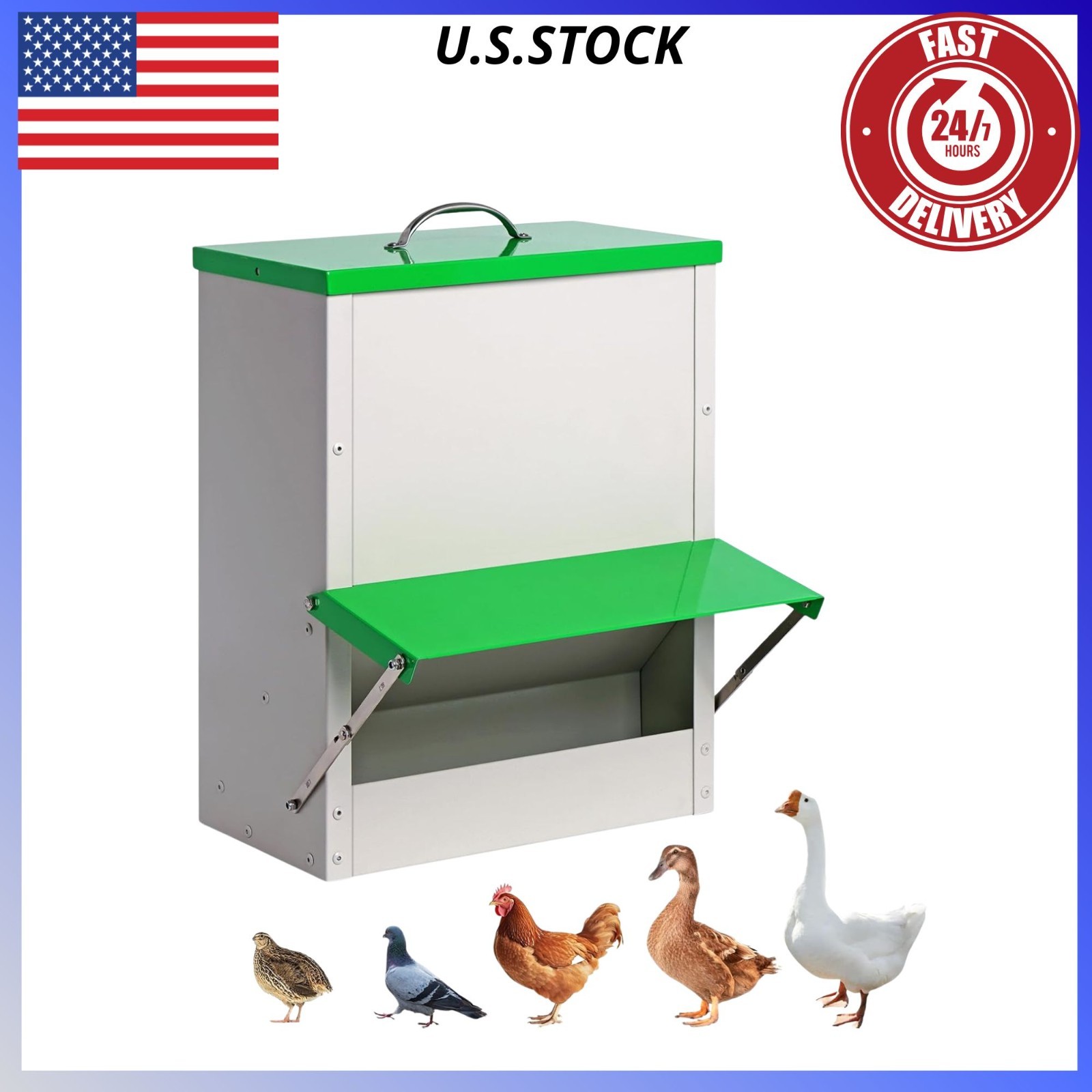 25lb Automatic Chicken Feeder Metal No Waste Poultry Feeder Waterproof Hanging$55.97View on eBay
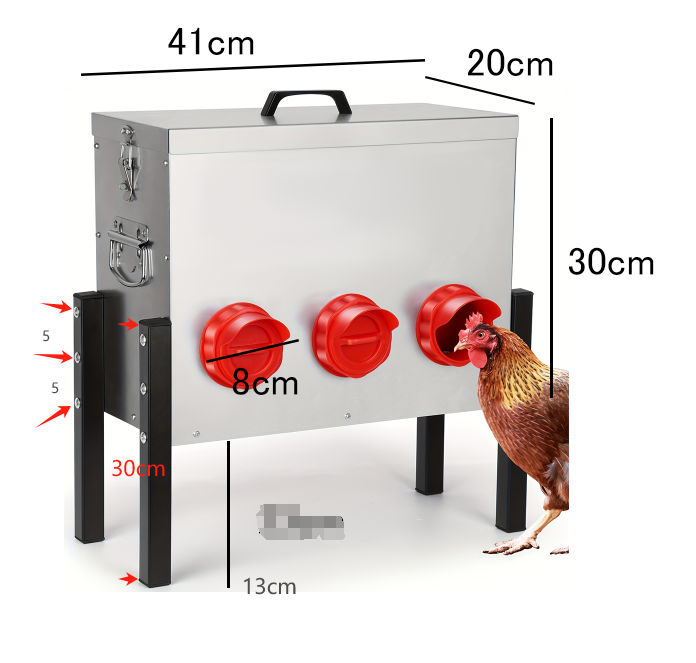 Automatic Chicken Feeder Box , 6 Feeding Ports, No Waste Poultry With Locking Lid And Adjustable Legs For Chickens, Ducks$42.99View on Mallflare
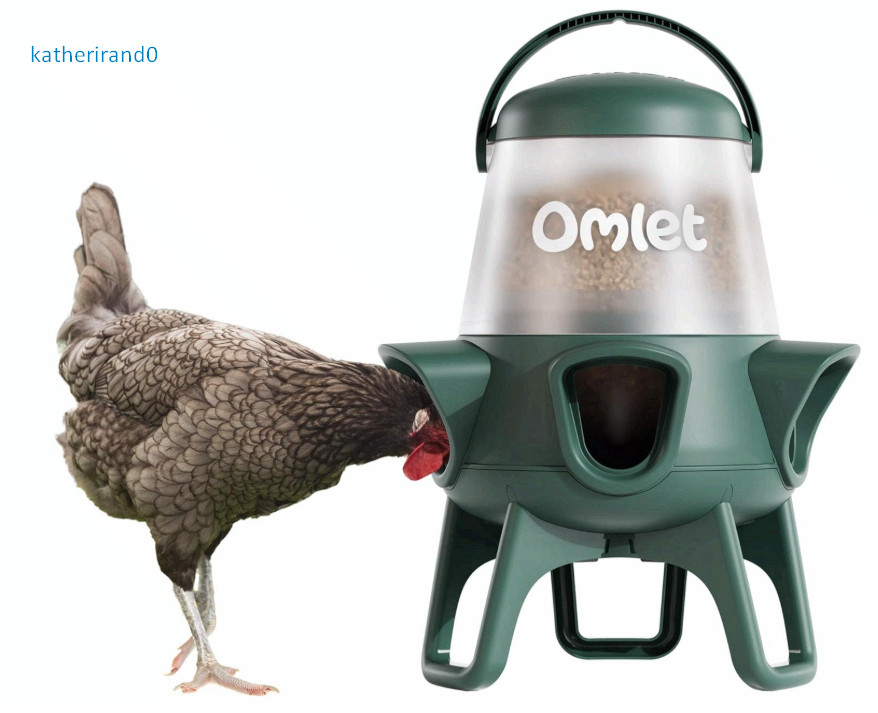 12lb No Waste Chicken Feeder, 5 Ports, Weatherproof, Hanging or Standing$89.99View on eBay
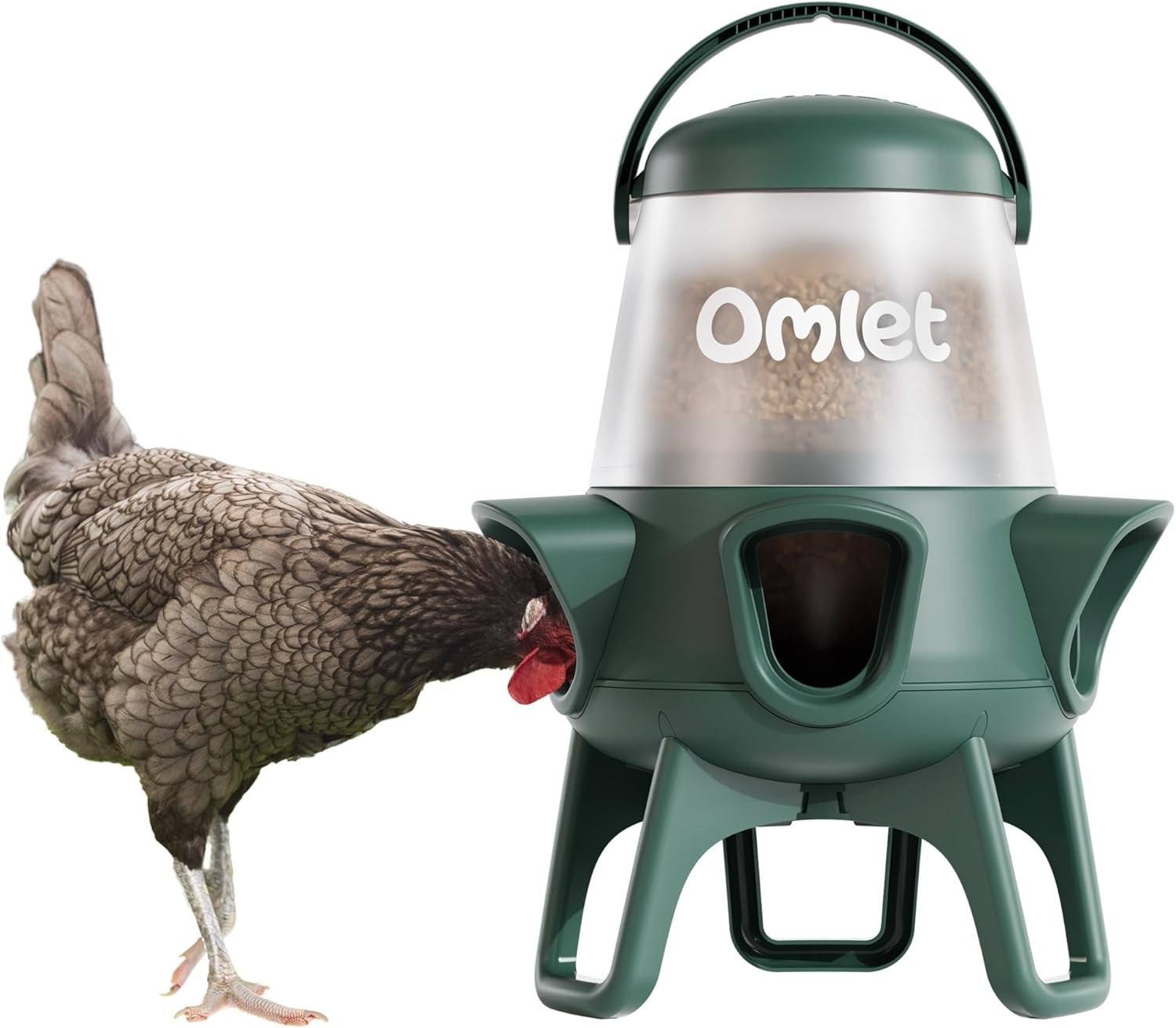 No Waste Chicken Feeder | No Spill Poultry Feeder BPA Free 5 Anti-Bully | 6lb$89.99View on eBay
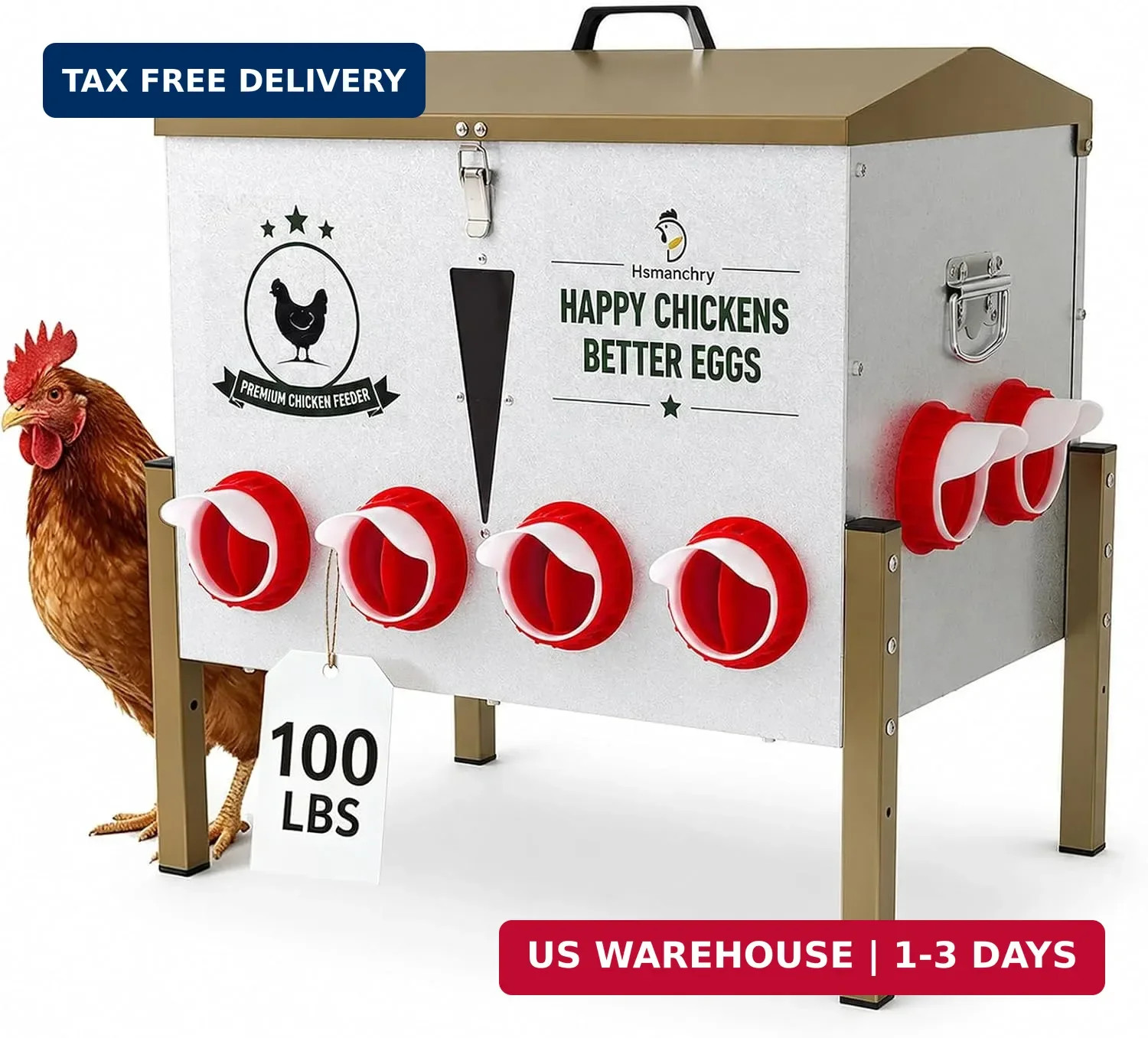 100 lb Automatic Chicken Feeder, 12-Port No-Waste Metal Feeder$211.99New · Last checked Nov 16, 2026View on eBay
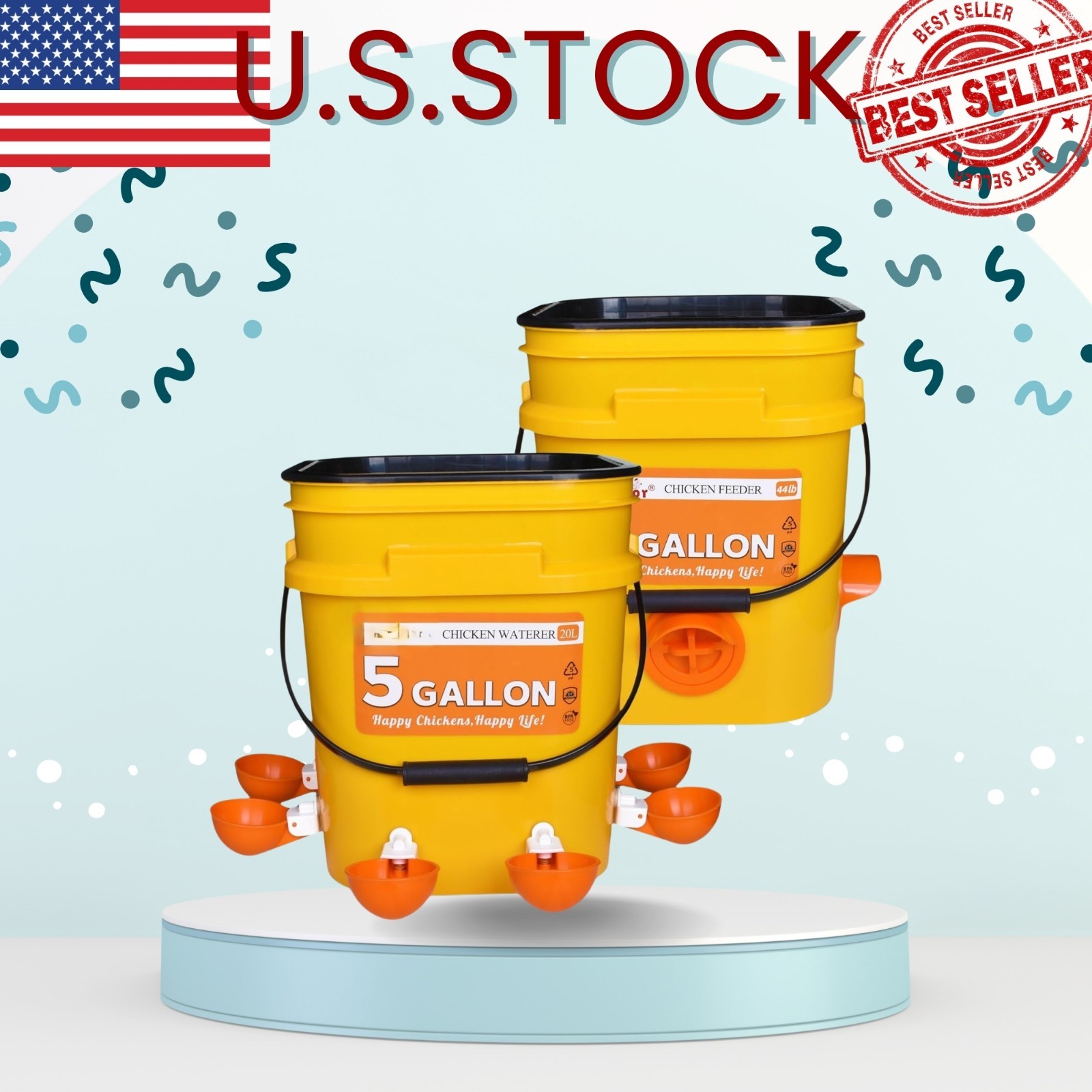 5 Gallon Automatic Chicken Feeder and Waterer Set No Waste 44 lbs$217.62New · Last checked Nov 16, 2026View on eBay
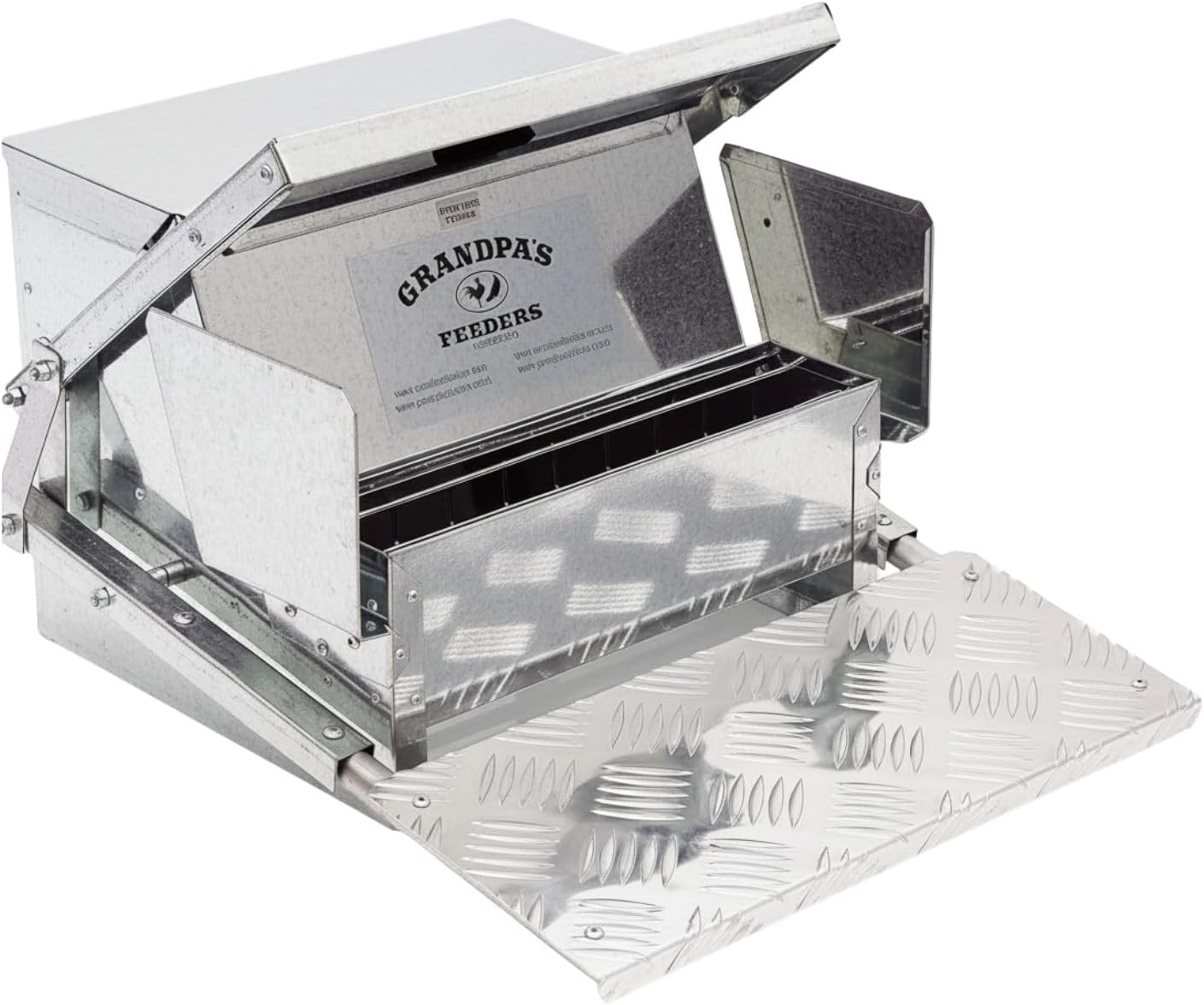 Grandpas Feeders Automatic Chicken Feeder - 20 Lbs No Waste Poultry Feeder, Rat$220.17New · Last checked Nov 16, 2026View on eBay
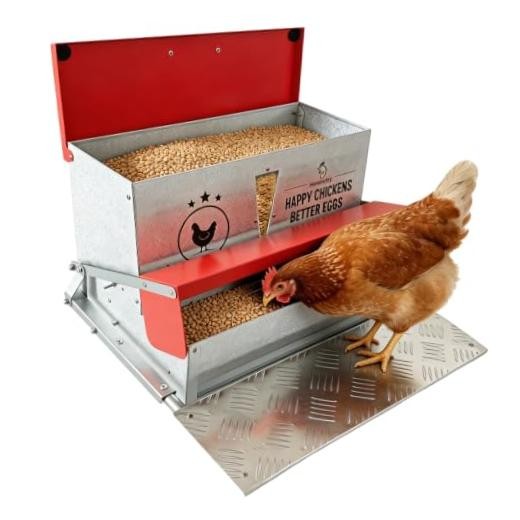 40 lb Automatic Chicken Feeder, Rat Proof Treadle No Waste - 40 lb 40 LBS$278.51New · Last checked Nov 27, 2026View on eBay
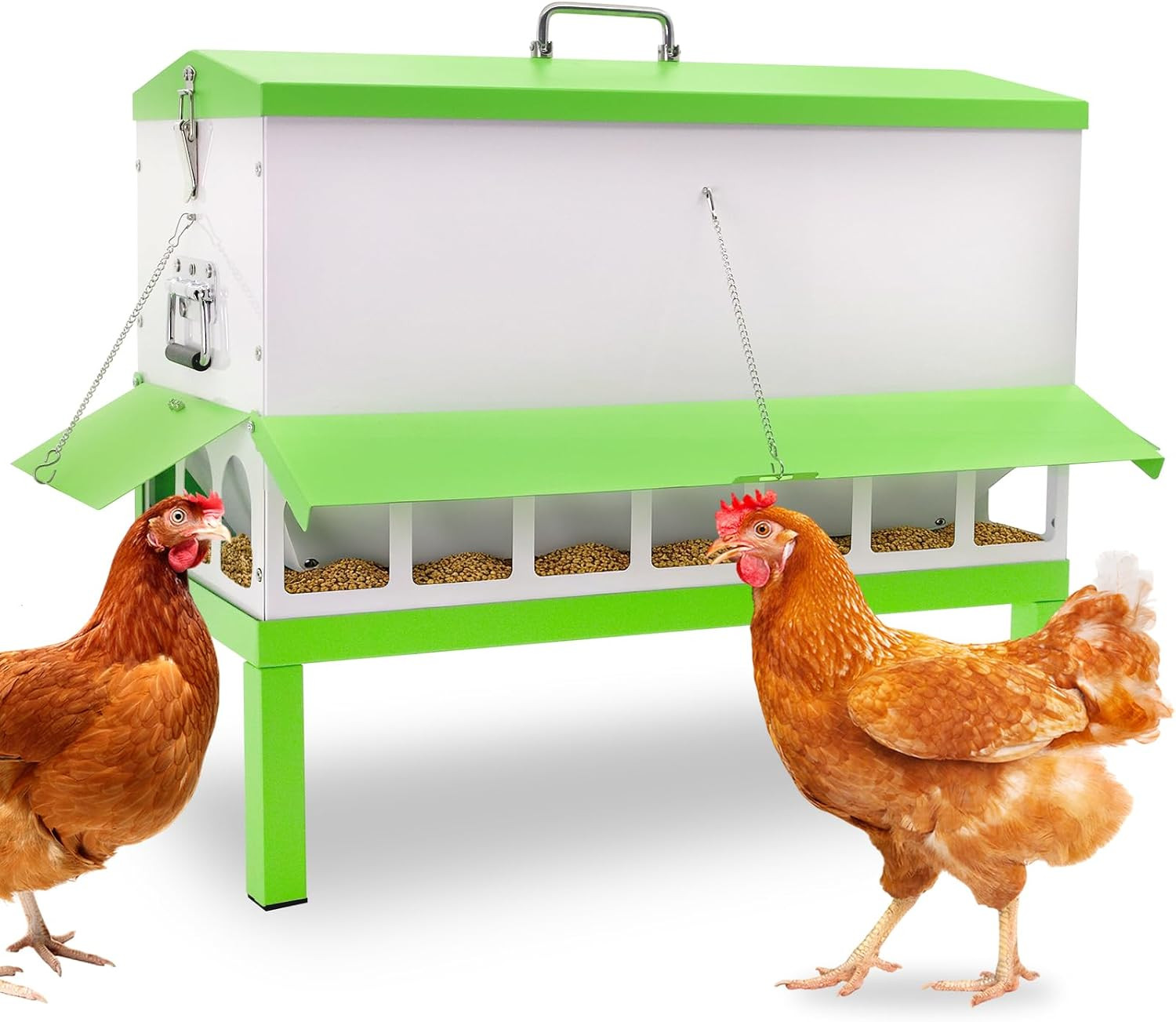 110LB Metal Chicken Feeder with 18 Ports&Legs No Waste Rat Proof$294.76New · Last checked Nov 27, 2026View on eBay
- 110LB Metal Chicken Feeder with 18 Ports&Legs No Waste Rat Proof$301.21New · Last checked Nov 27, 2026View on eBay
- 110LB Metal Chicken Feeder with 18 Ports&Legs No Waste Rat Proof$301.21New · Last checked Nov 27, 2026View on eBay
- Grandpas Feeders Automatic Chicken Feeder - 20 Lbs No Waste Poultry Feeder, Rat$304.07New · Last checked Nov 27, 2026View on eBay
- 110LB Metal Chicken Feeder with 18 Ports&Legs No Waste Rat Proof$306.88New · Last checked Nov 27, 2026View on eBay
- 110LB Metal Chicken Feeder with 18 Ports&Legs No Waste Rat Proof$308.79New · Last checked Nov 16, 2026View on eBay
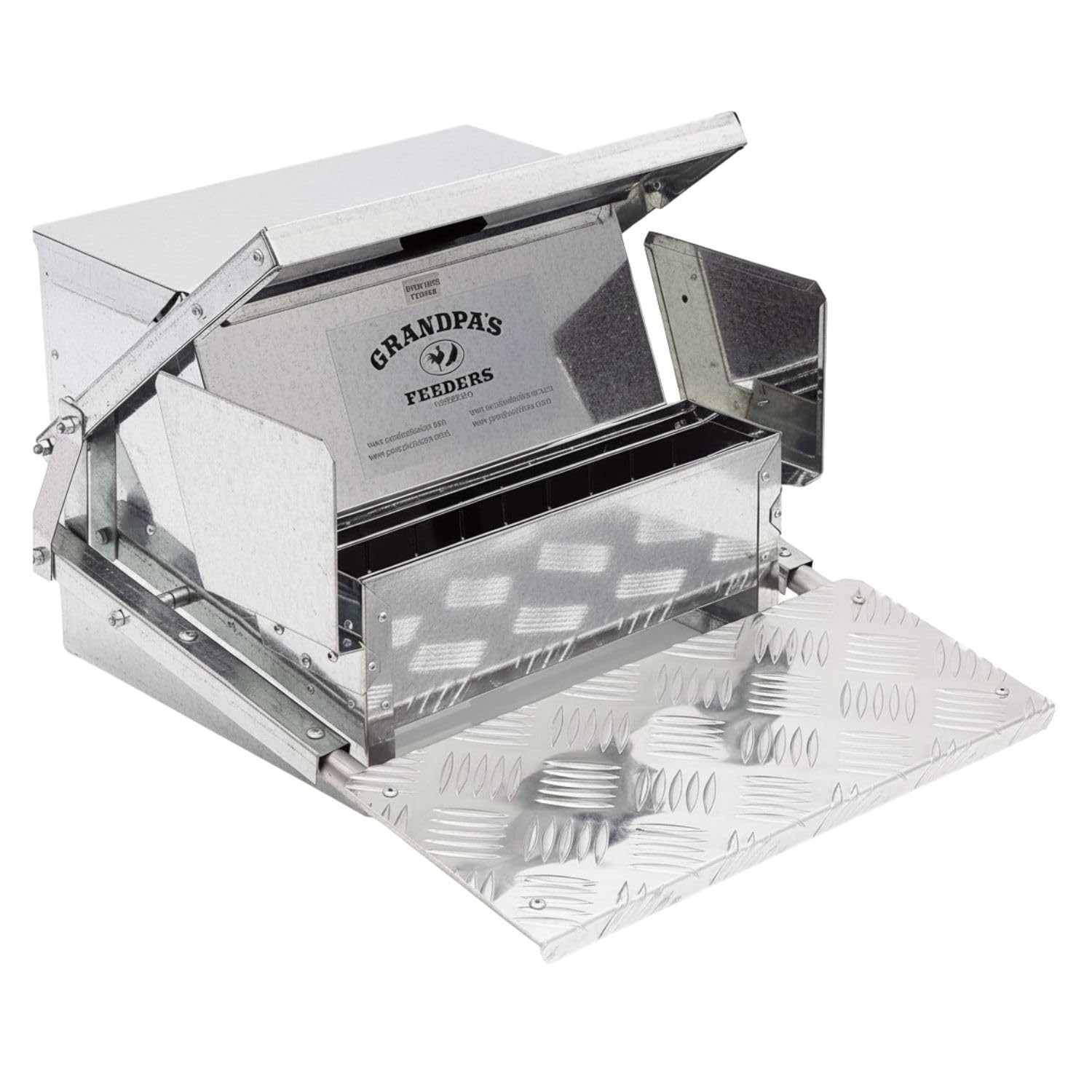 Grandpas Feeders Automatic Chicken Feeder 20 lb No Waste Rat Proof Treadle$362.99New · Last checked Nov 16, 2026View on eBay
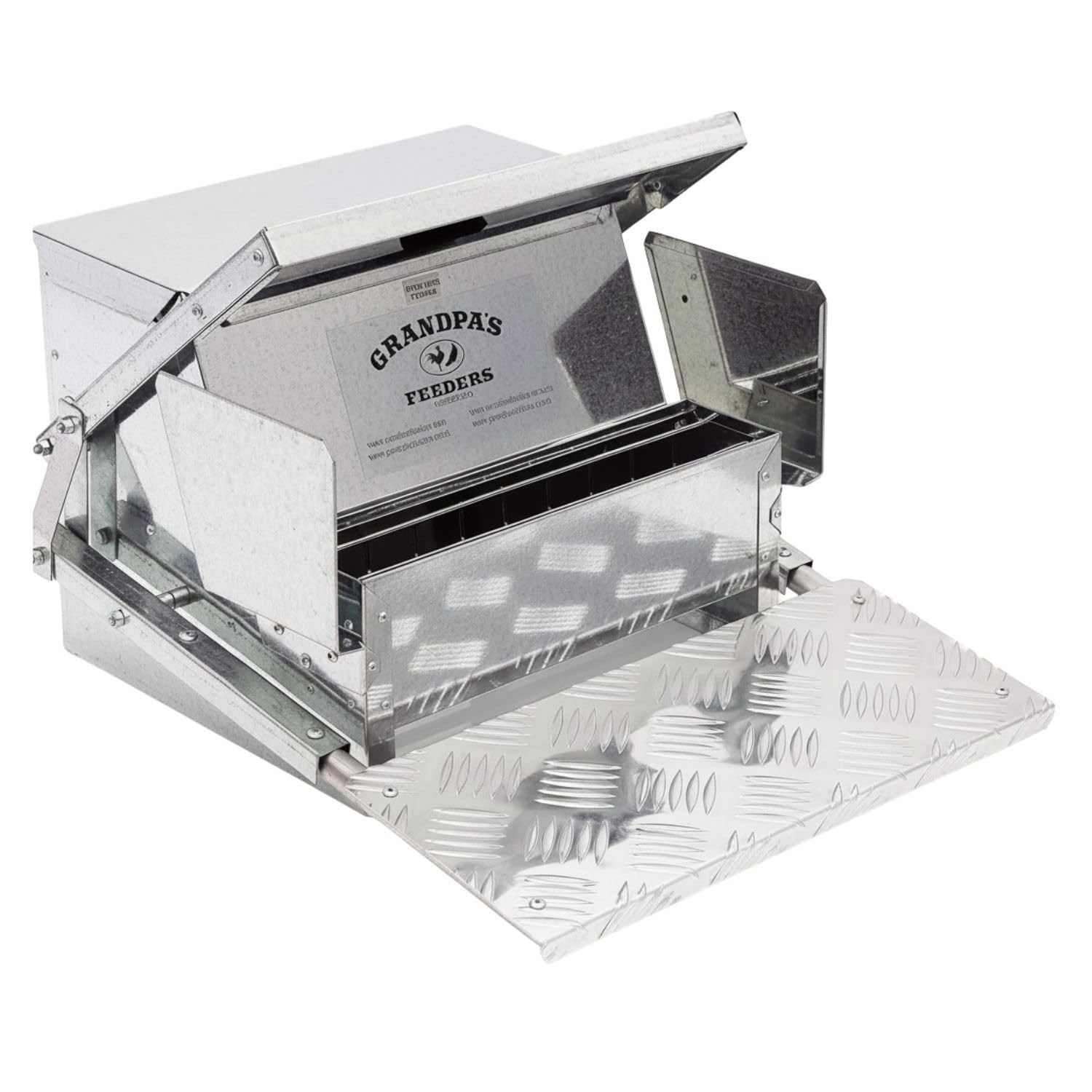 Grandpas Feeders Automatic Chicken Feeder 40 lbs No Waste Poultry Feeder, Ra...$370.40New · Last checked Nov 27, 2026View on eBay
Highlights
- Treadle feeders open only under bird weight (typically 2–4 lb trigger), eliminating rodent and wild-bird access while cutting feed loss by up to 30%.
- Gravity port feeders use anti-bully lips or 2–3 inch openings; wider ports suit large breeds but increase billing-out waste.
- Metal (galvanized or powder-coated steel) resists rodent gnawing and UV degradation; BPA-free plastic is lighter and cheaper but cracks in freezing climates.
- Hanging models must clear 6–12 inches above ground to prevent scratching contamination; standing legs need a 12–18 inch footprint per feeder.
Best use cases
- Best fit: flock of 6–15 chickens in a predator-prone area — pick a treadle feeder with a locking lid and 20–25 lb metal body.
- Best fit: small backyard flock of 2–5 hens and daily access — pick a 6–12 lb BPA-free plastic 5-port hanging feeder for easy refills and cleaning.
- Wrong fit: duck or goose keepers — skip narrow chicken-port feeders; choose a wide-bowl automatic box with adjustable legs and 6+ ports.
- Wrong fit: freezing winters — avoid thin plastic gravity feeders that crack; use galvanized metal with a waterproof lid and hanging chain.
Buying tips
- Size capacity by flock: 1 lb of feed per bird per week refill cycle. A 12 lb feeder serves 6–8 hens for one week; a 25 lb model serves 12–15 hens.
- For treadle feeders, confirm a trigger weight of 2–4 lb so bantams can open it but rats (under 1 lb) cannot.
- Pick BPA-free plastic for mild climates and galvanized steel for high humidity, rodents, or UV exposure; steel lasts 3–5x longer.
- Hanging feeders need a chain or hook rated for full weight plus 10 lb; standing feeders require adjustable legs for uneven coop floors.
Specs
| Feed Mechanism | Treadle vs gravity port |
|---|---|
| Capacity | 6–25 lb (1 lb/bird/week) |
| Material | BPA-free plastic vs galvanized steel |
| Mounting | Hanging chain vs adjustable legs |
Related searches
What to check before buying
- Measure coop headroom: hanging feeders need 6–12 inches ground clearance and 12 inches above for filling.
- Confirm floor type: dirt floors suit standing legs with stakes; wire or slatted floors require a hanging chain.
- Check climate: freezing or high-UV regions demand metal or UV-stabilized plastic, not thin BPA-free shells.
- Verify port count and width: 5 ports for 6–10 birds; 6 wide ports for ducks or large breeds.
FAQ
Data sources: eBay / Amazon listings and product attribute feeds. Updated Nov 28, 2026.
Some links on this page are affiliate links. If you buy after clicking one, we may earn a commission at no extra cost to you. This does not change which products appear here or their order. Affiliate disclosure.