
Photos from current listings. Actual item, color, and included accessories may vary.
Chicken Run Buying Guide
A chicken run is the primary outdoor enclosure that gives poultry safe access to grass and fresh air while keeping predators out. The critical trade-off is between welded galvanized steel (rigid, predator-resistant, but heavier and costlier) and wood or plastic (cheaper, but prone to rot, chewing, and gaps). Choose a walk-in steel run with 14-gauge wire and a full roof if you want a permanent, low-maintenance setup; choose a low wooden or plastic run only for temporary or small-flock use where you can inspect it regularly.
Median $225.80 · New listings
Key takeaways
- Welded wire gauge determines predator resistance: 14-gauge welded mesh stops raccoons and foxes, while 16-gauge or thinner stapled wire can be bent open by determined predators.
- Mesh size matters: 1x2 inch welded wire prevents raccoon reach-through and keeps small birds in; 2x4 inch mesh allows predators to reach through and is only suitable for large, heavy breeds.
- Run height separates walk-in (6–6.5 ft) from low-profile (3–4 ft) designs; walk-in runs need no crouching for cleaning and feeding, while low runs require a hinged roof or removable panel for access.
At a glance
- Category
- Chicken Coops & Runs
- Last updated
- Nov 28, 2026
Current offers
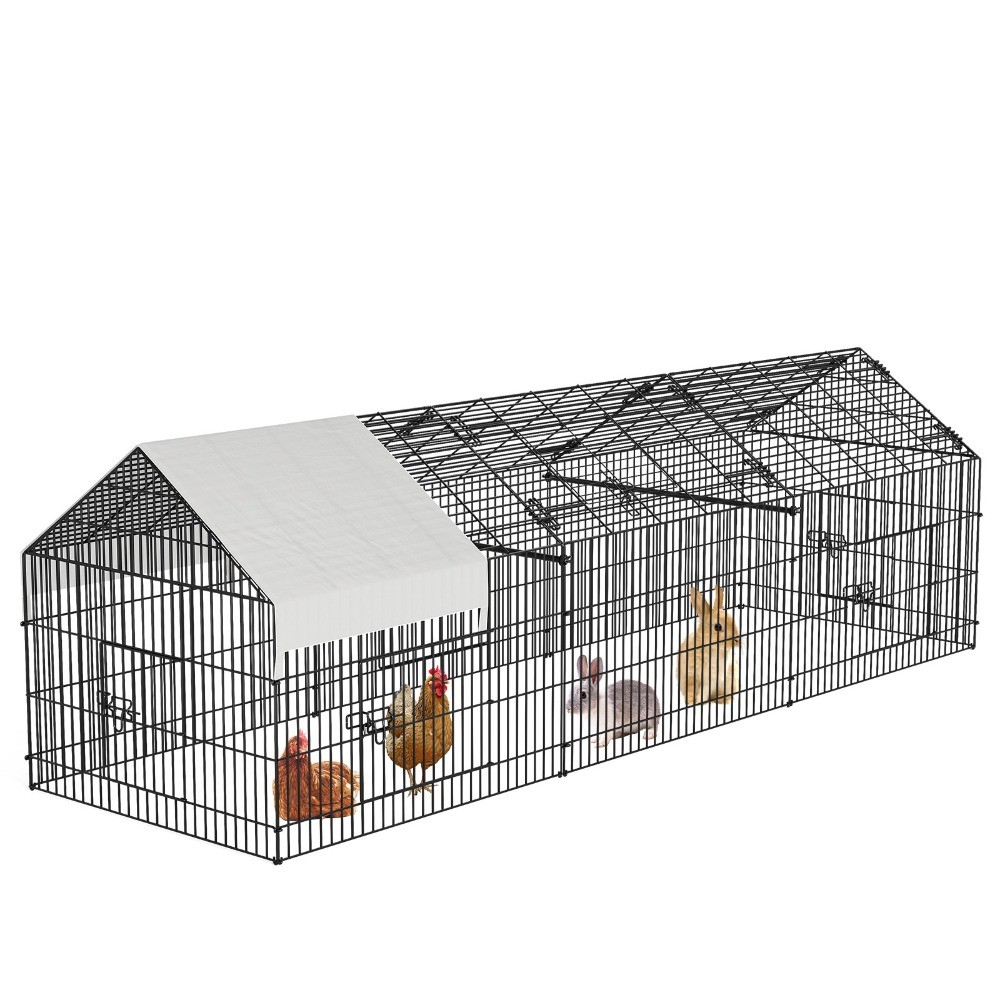 130"*40"Metal Chicken Coop Chicken Run Backyard Hen House Poultry Habitat Cage$105.99View on eBay
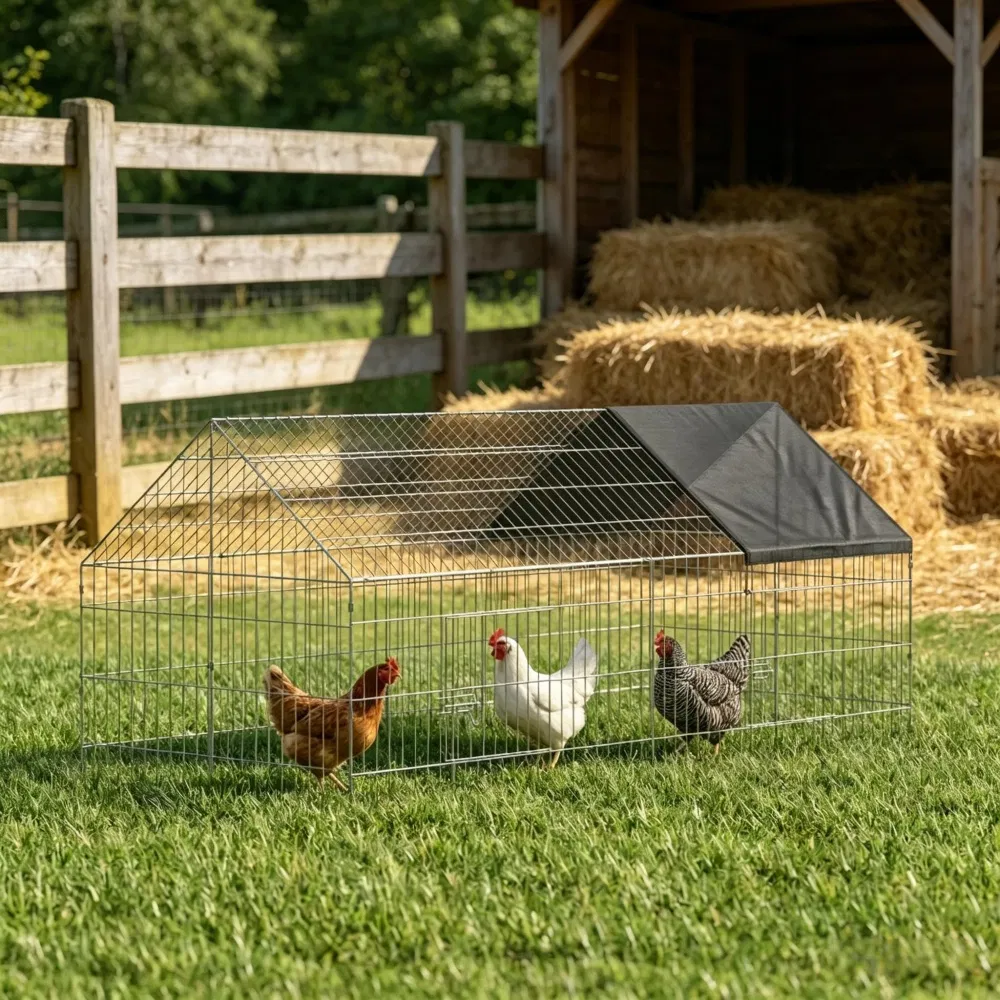 Chicken Coop, Steel Run with 90D Oxford Canopy and Two Latched Doors, 70.9 x 29.5 x in, for Chickens, Ducks and Rabbits, Black and Silver$76.99View on Mallflare
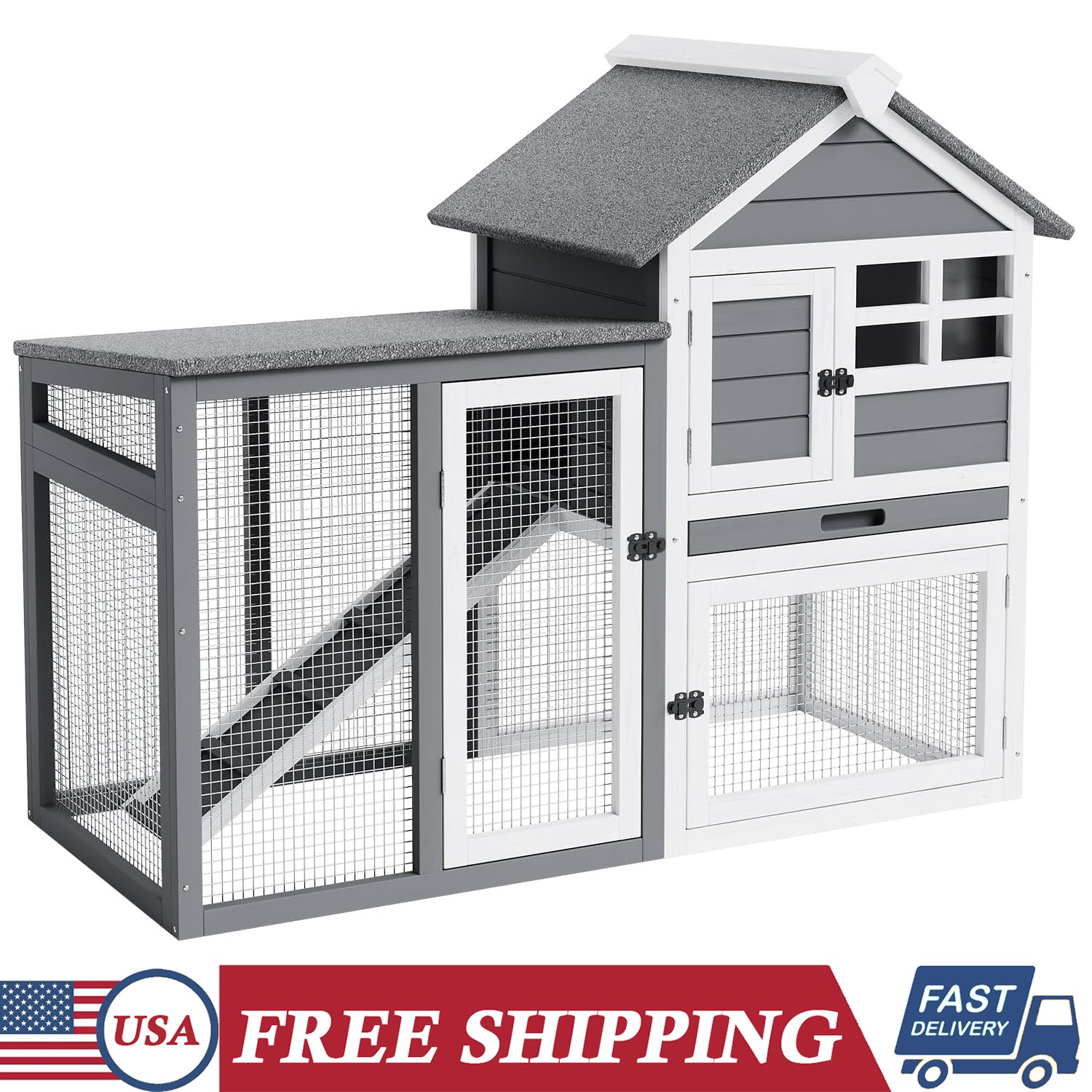 Large Chicken Coop Outdoor Wooden Backyard 2-Story Hen Rabbit House Chicken Run$109.98View on eBay
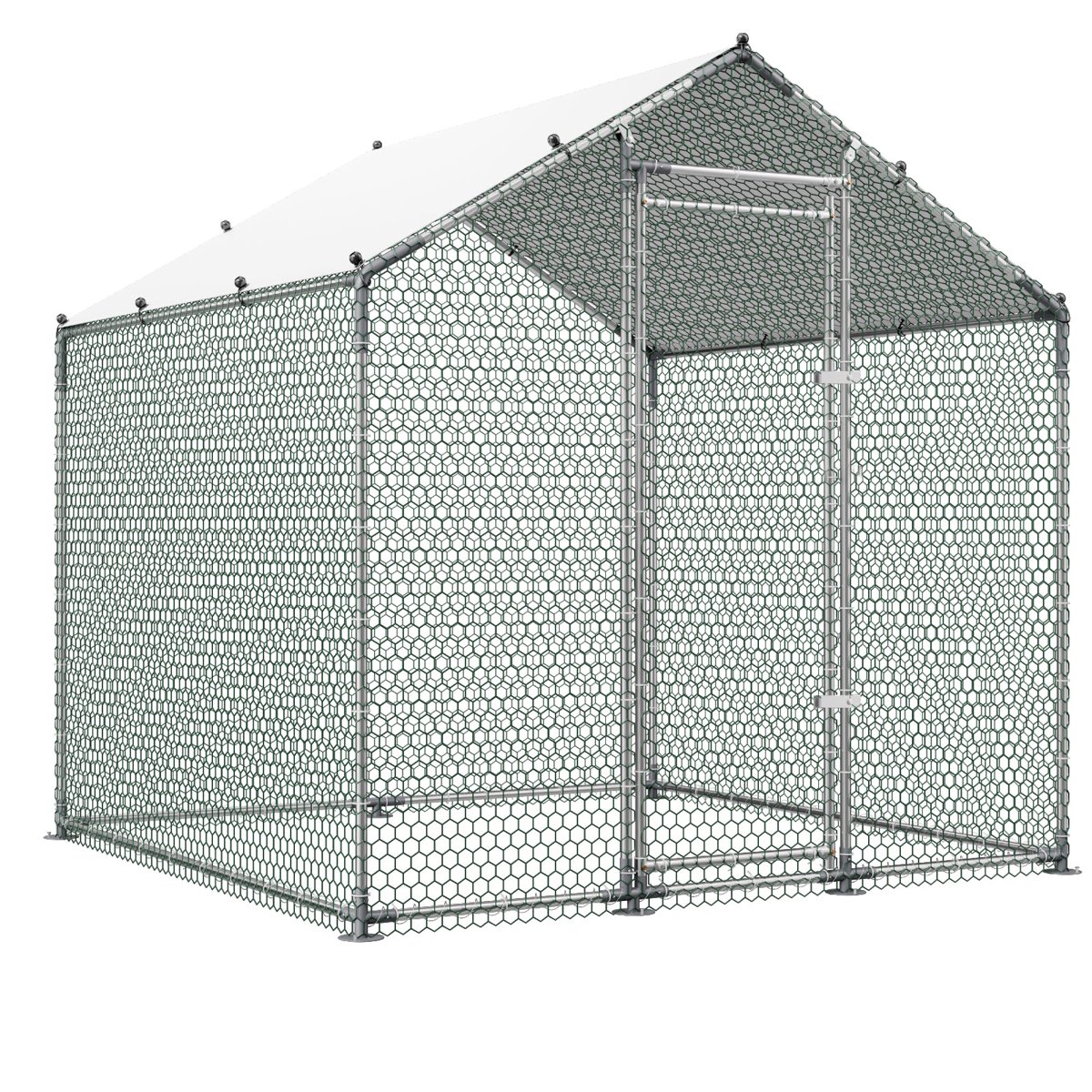 Large Metal Chicken Coop 6.6x6.6x6.6 Ft Walk-in Run House, Spire Roof Hen Enclosure With Cover And Security Lock, Outdoor Duck Rabbit Cage Poultry Pen For Backyard, Farm, Yard$115.99View on Mallflare
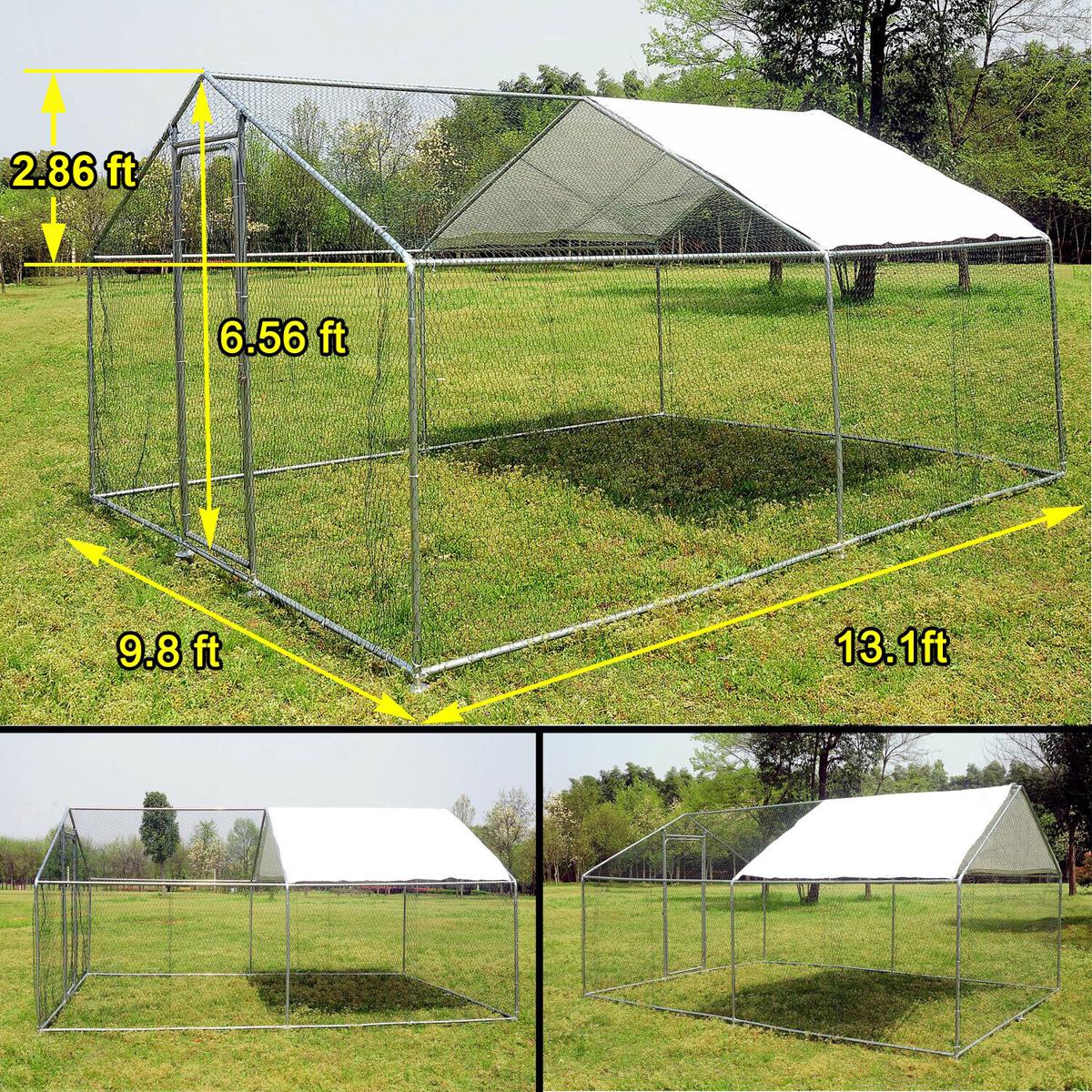 10x10'/ 13x10'/ 20x10' Chicken Coop Run Hen House Enclosed Backyard Poultry Cage$124.99View on eBay
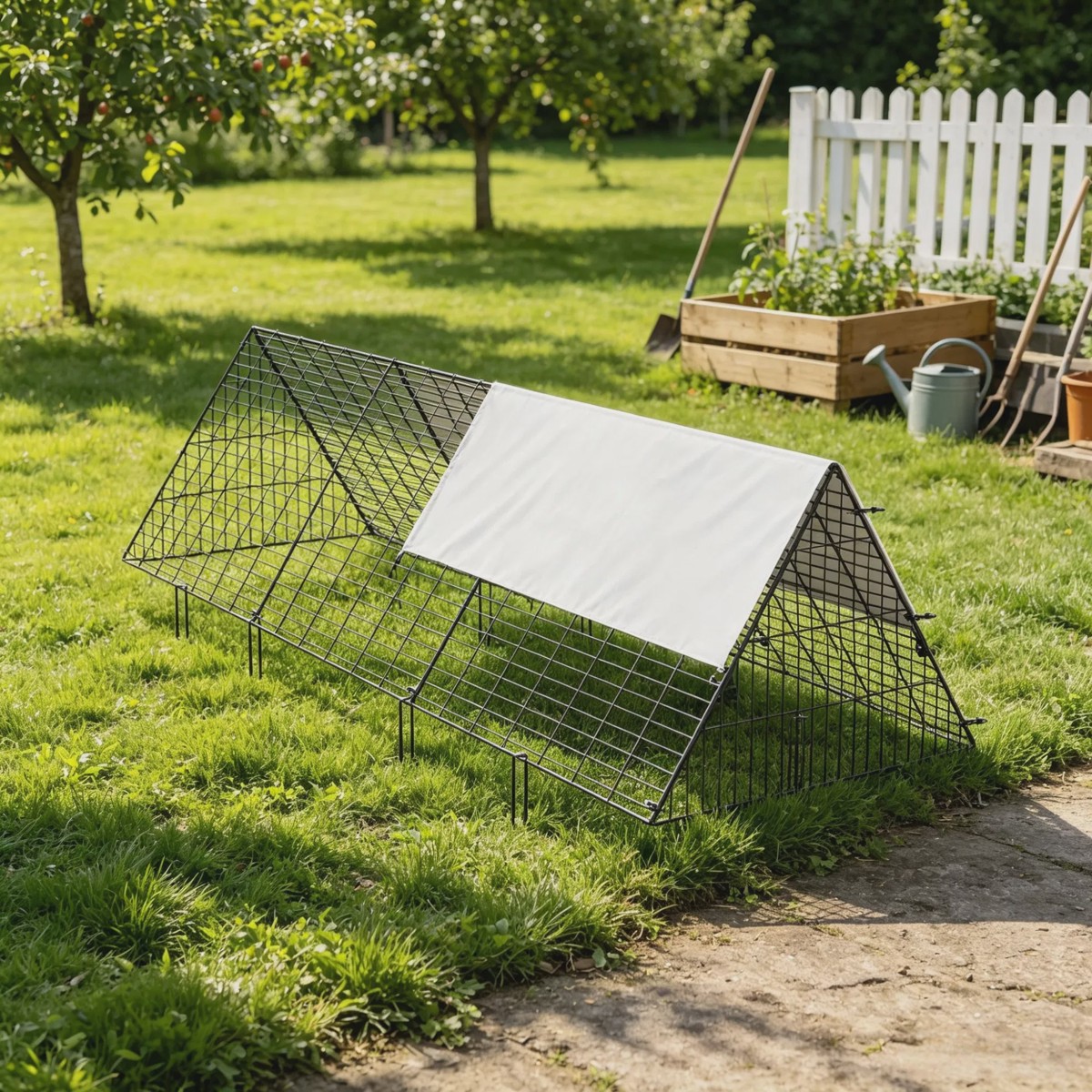 118.1 x 28 x 24.2 Inch Chicken Tunnels, Portable Coop Run for Yard, Easy Installation Outdoor Tunnel for Chickens, Ducks & Rabbits$146.99View on Mallflare
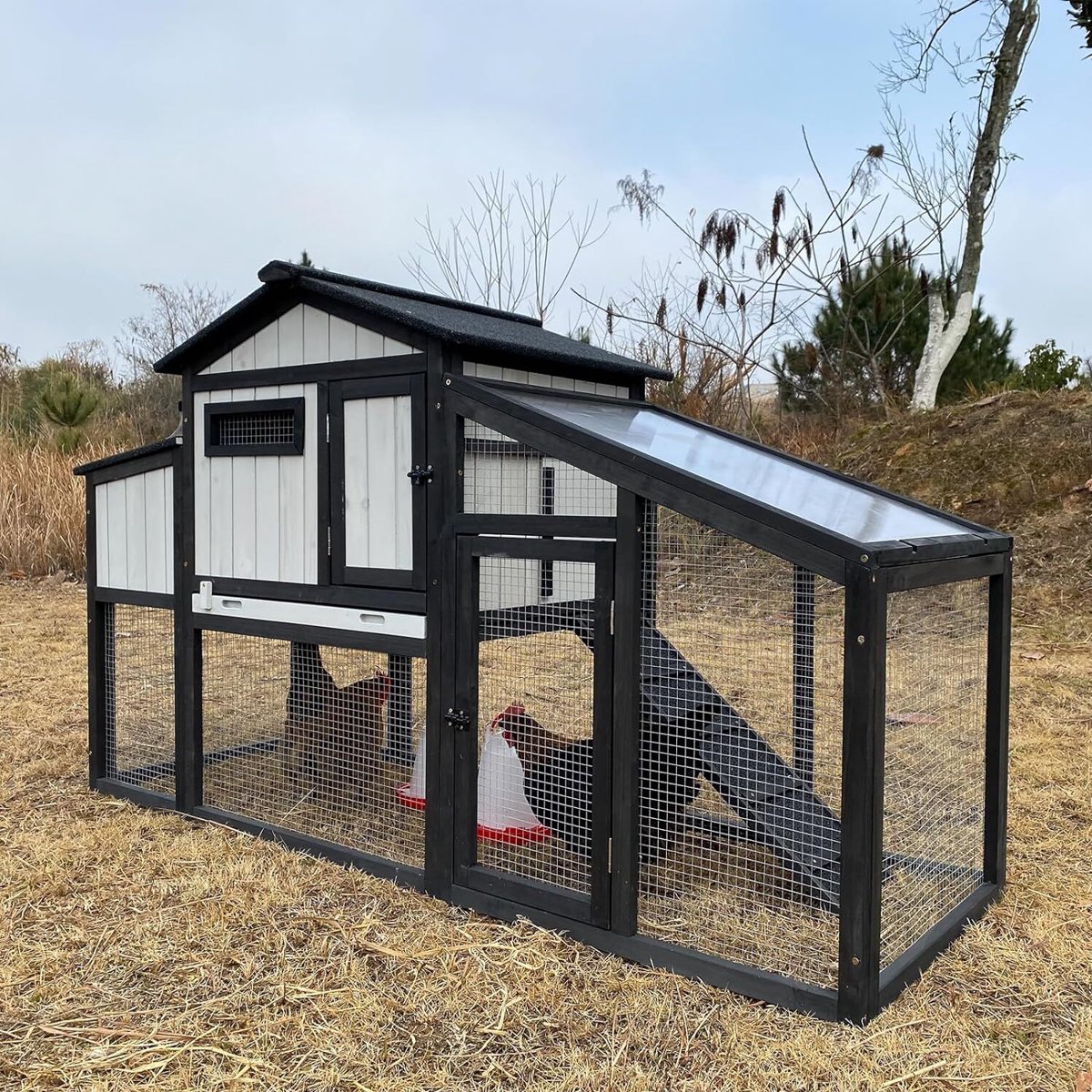 PetsCosset Chicken Coop Outdoor Wooden Backyard 2-Story Hen House Chicken Run$139.99View on eBay
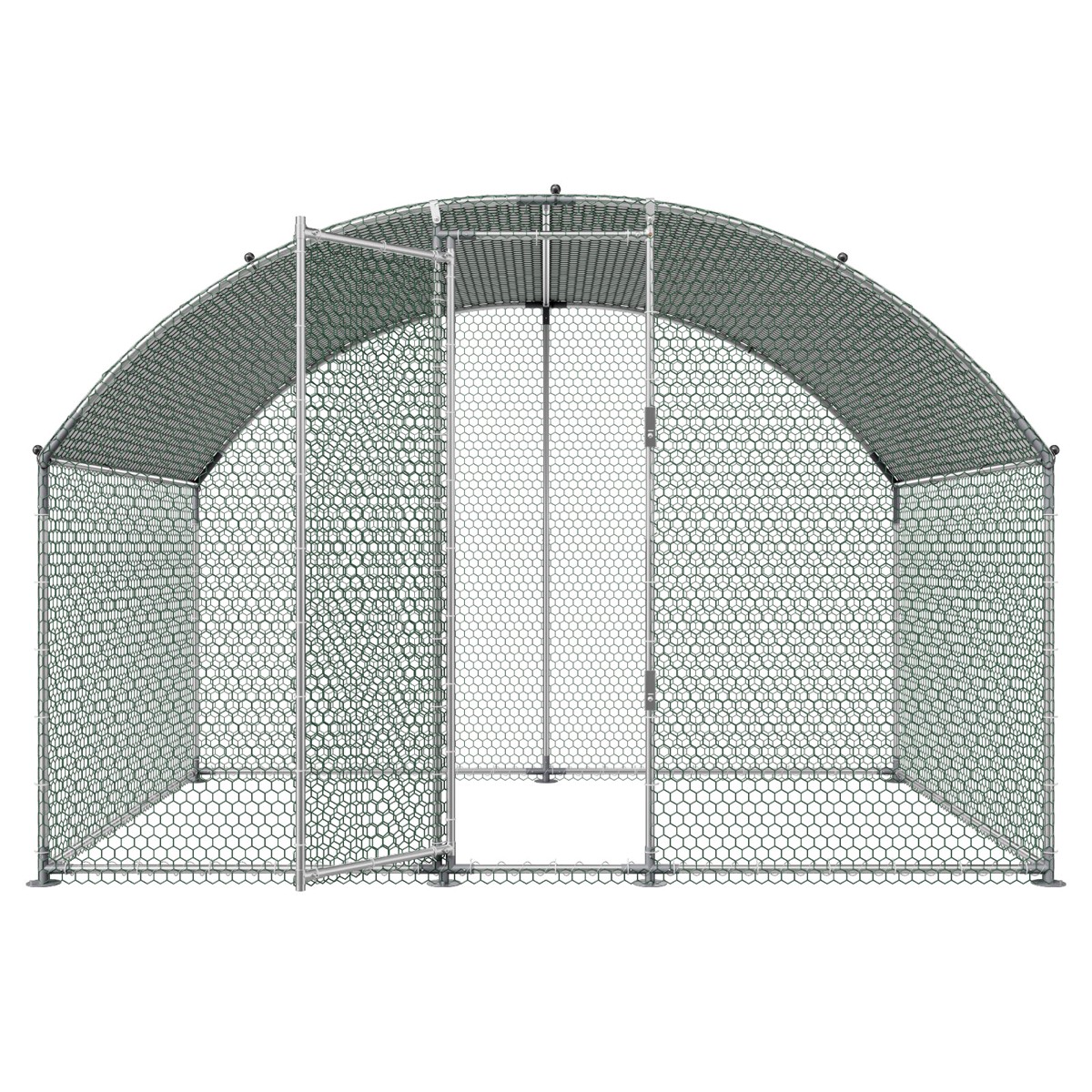 Large Metal Chicken Coop 9.8x6.6x6.6 Ft Walk-in Run House, Doom Roof Hen Enclosure With Cover And Security Lock, Outdoor Duck Rabbit Cage Poultry Pen For Backyard, Farm, Yard Use$156.99View on Mallflare
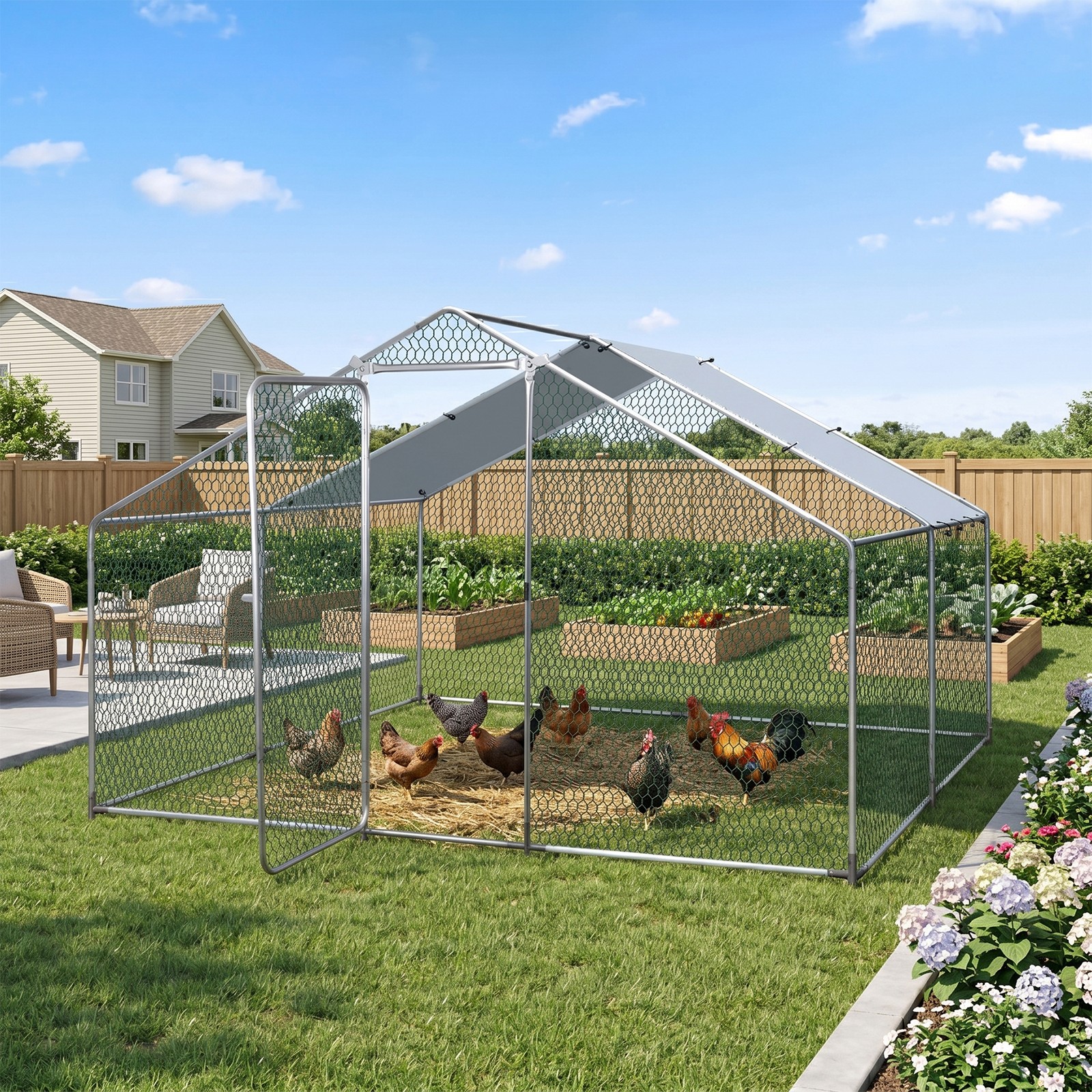 10 x 10FT Predator Proof Chicken Run 10'x13' Outdoor Galvanized Cage w/ Stakes$147.19View on eBay
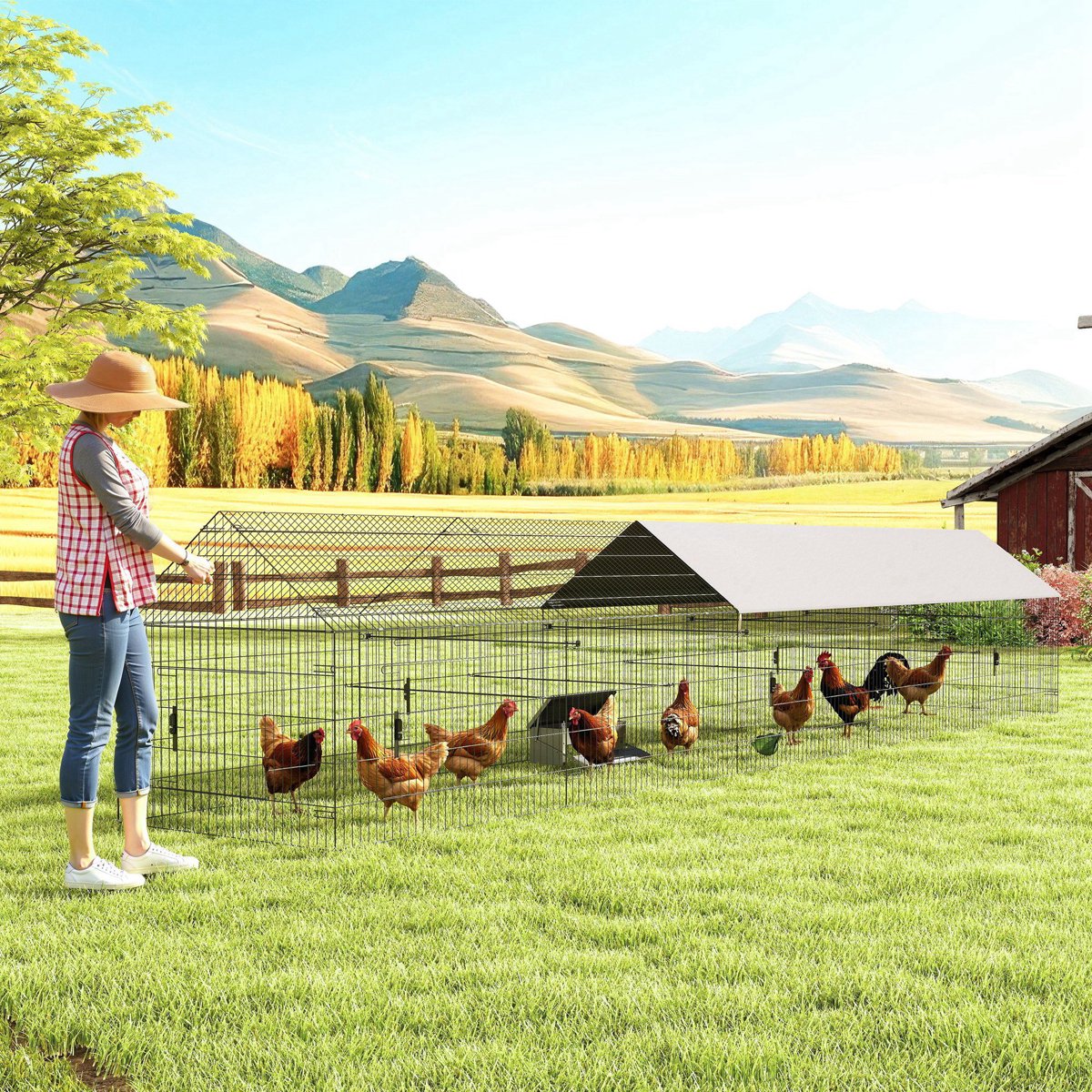 Metal Chicken Coop, Large Run with Water-Resistant & Anti-UV Cover for 7-9 Hens, Outdoor Hen House 10 Doors$170.99View on Mallflare
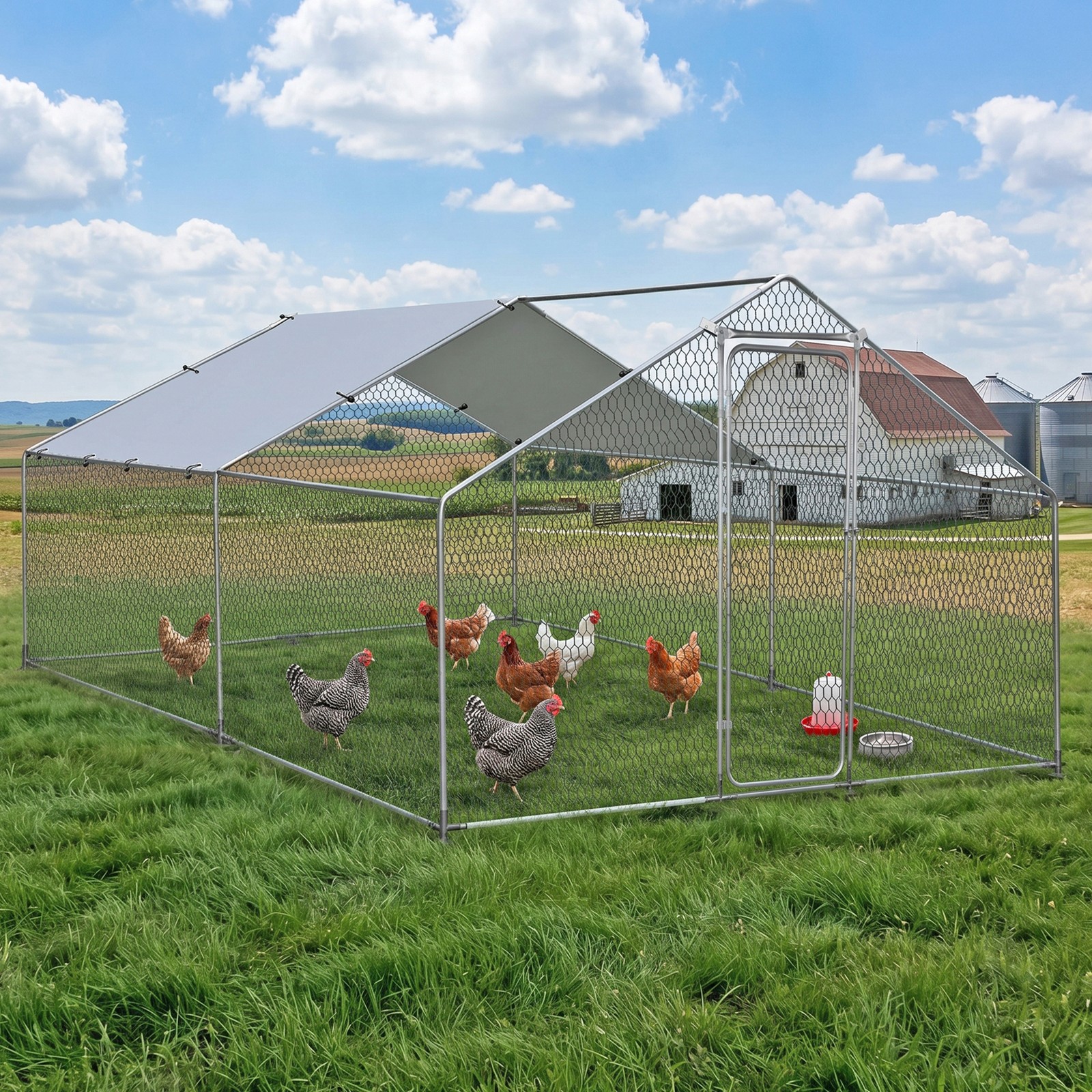 Large Predator Proof Chicken Run 10'x13' Outdoor Galvanized Cage w/ Stakes$157.19View on eBay
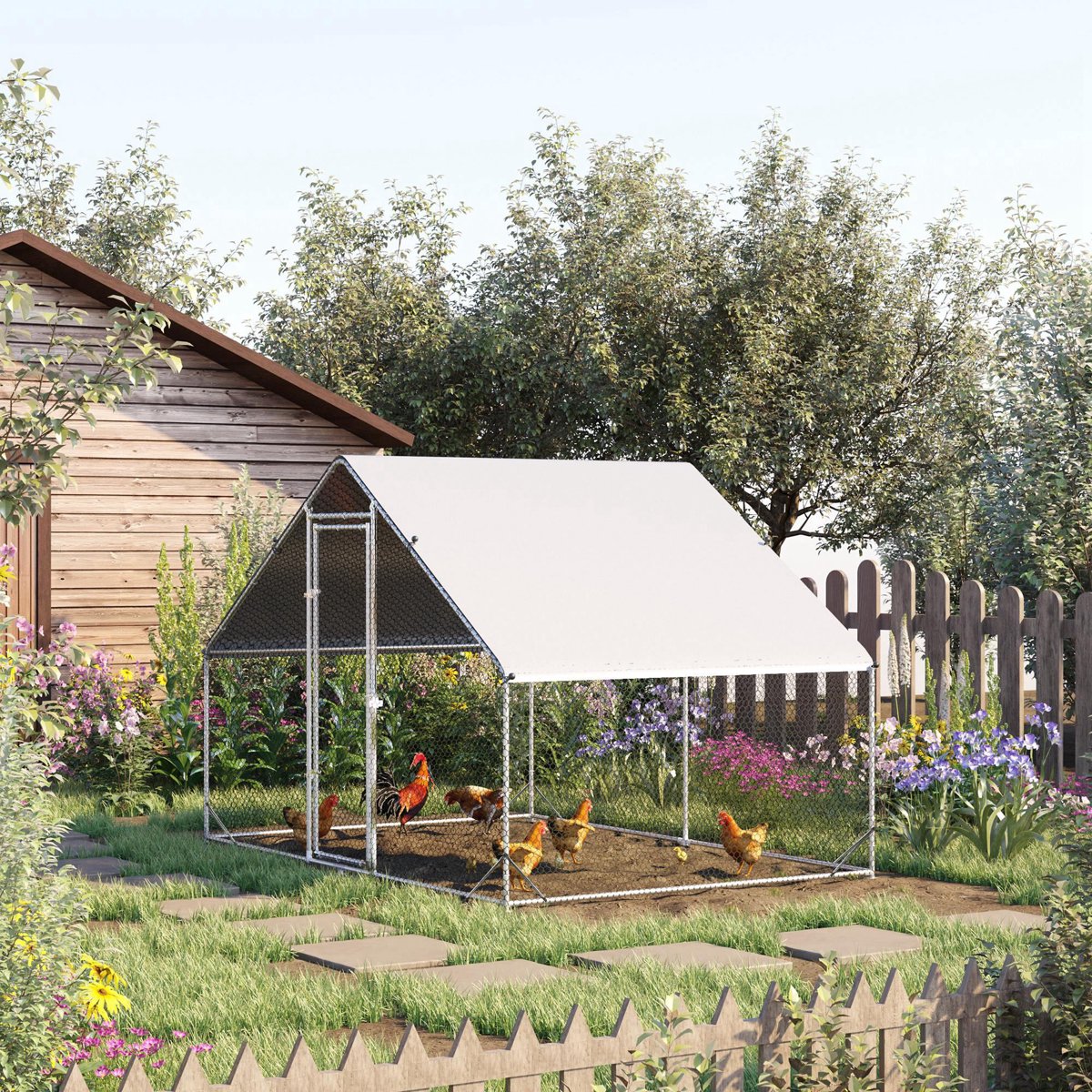 Large Chicken Coop Metal Run with Waterproof and Anti-UV Cover, Spire Shaped Walk in Fence Cage Hen House for Outdoor and Yard Farm Use, 1" Tube Diameter, 9.8 x 6.6 x 6.6$171.99View on Mallflare
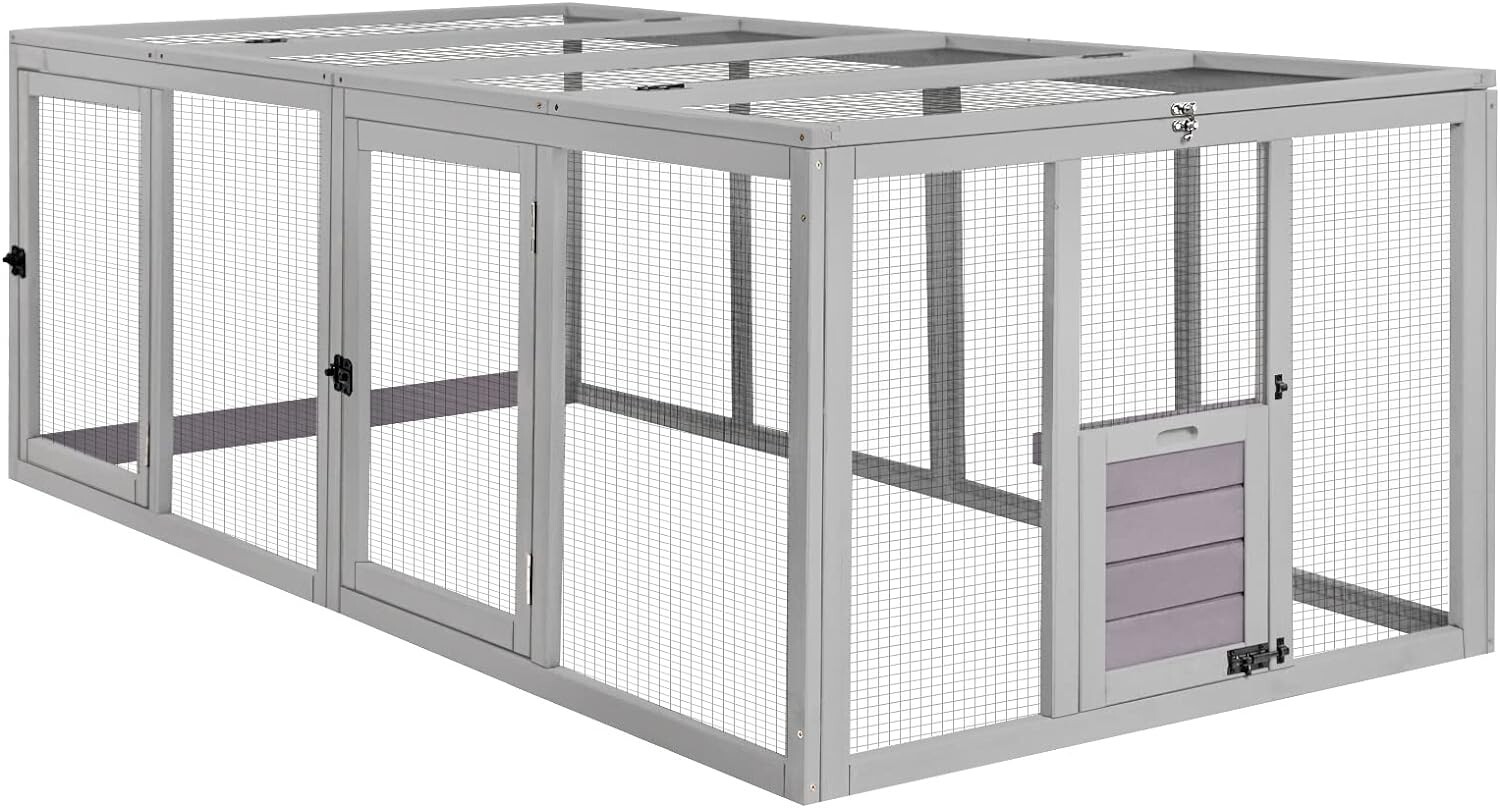 Aivituvin Chicken Coop Run Extension Rabbit Enclosure Outdoor Duck Playpen$159.99View on eBay
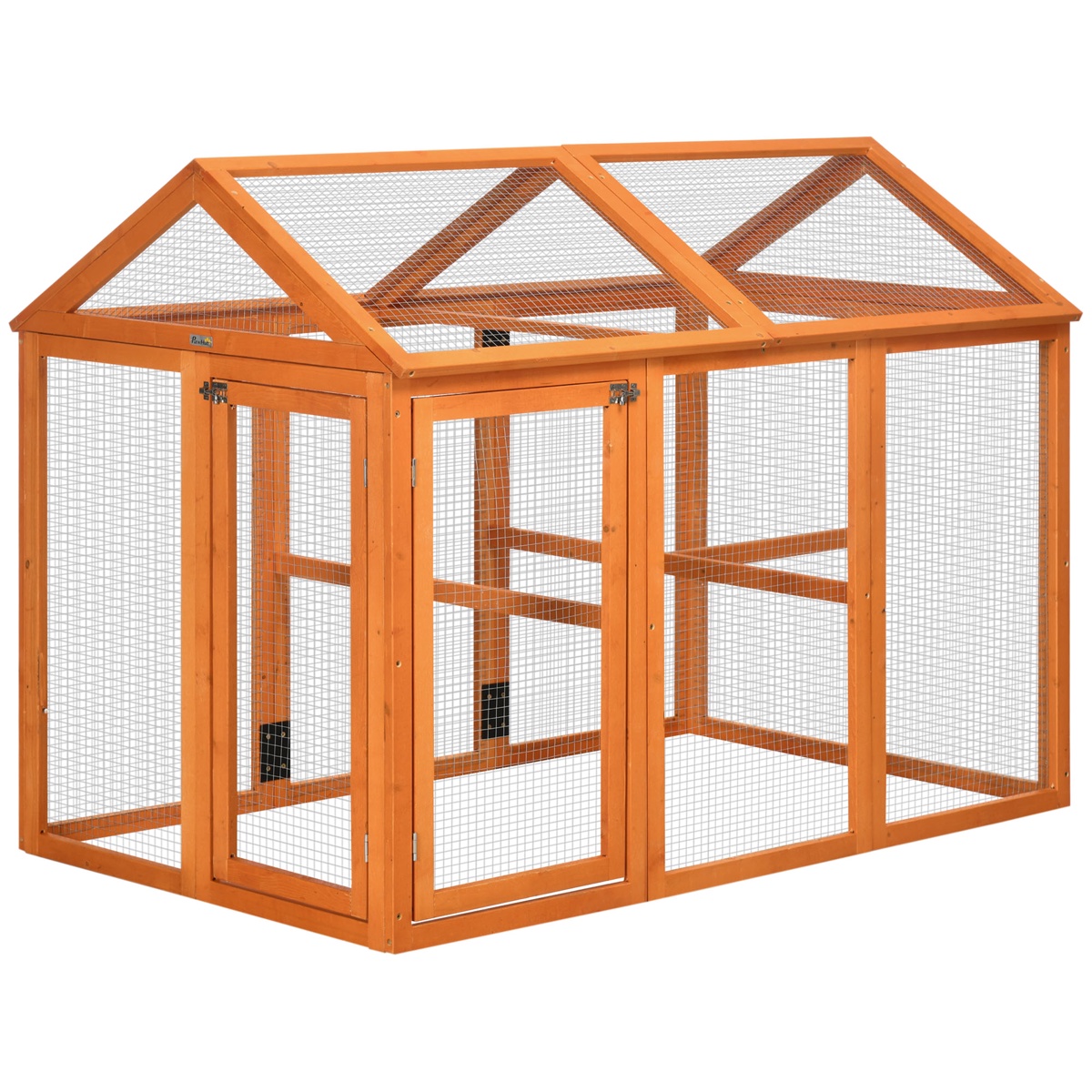 PawHut Chicken Run, Wooden Large Coop, Combinable Design With Perches & Doors For Outdoor, Backyard, Farm, 4.6' X 2.8', Orange$192.99View on Mallflare
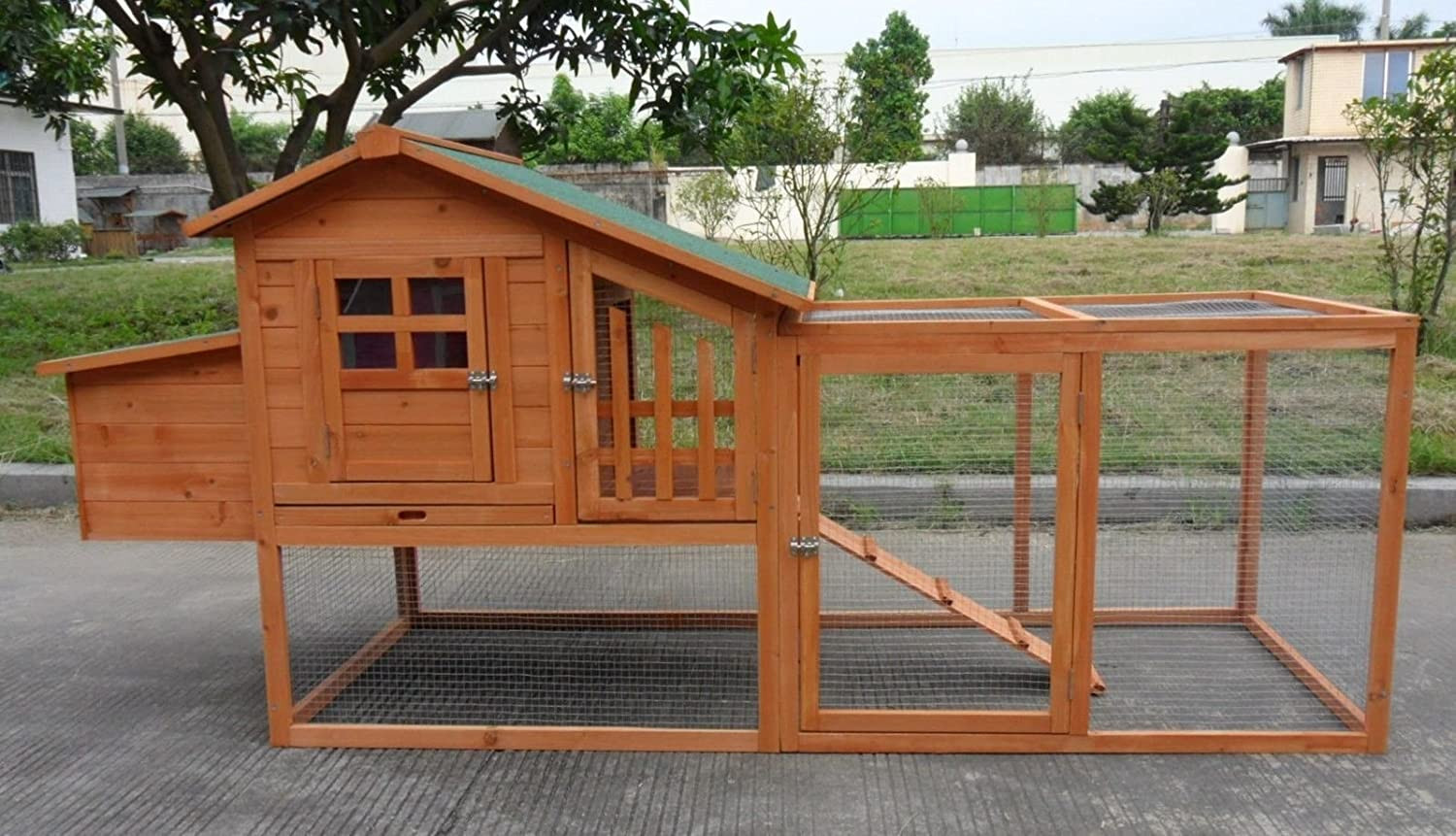 Deluxe Large Wood Chicken Coop Backyard Hen House 3-5 Chickens w Nesting Box Run$169.98View on eBay
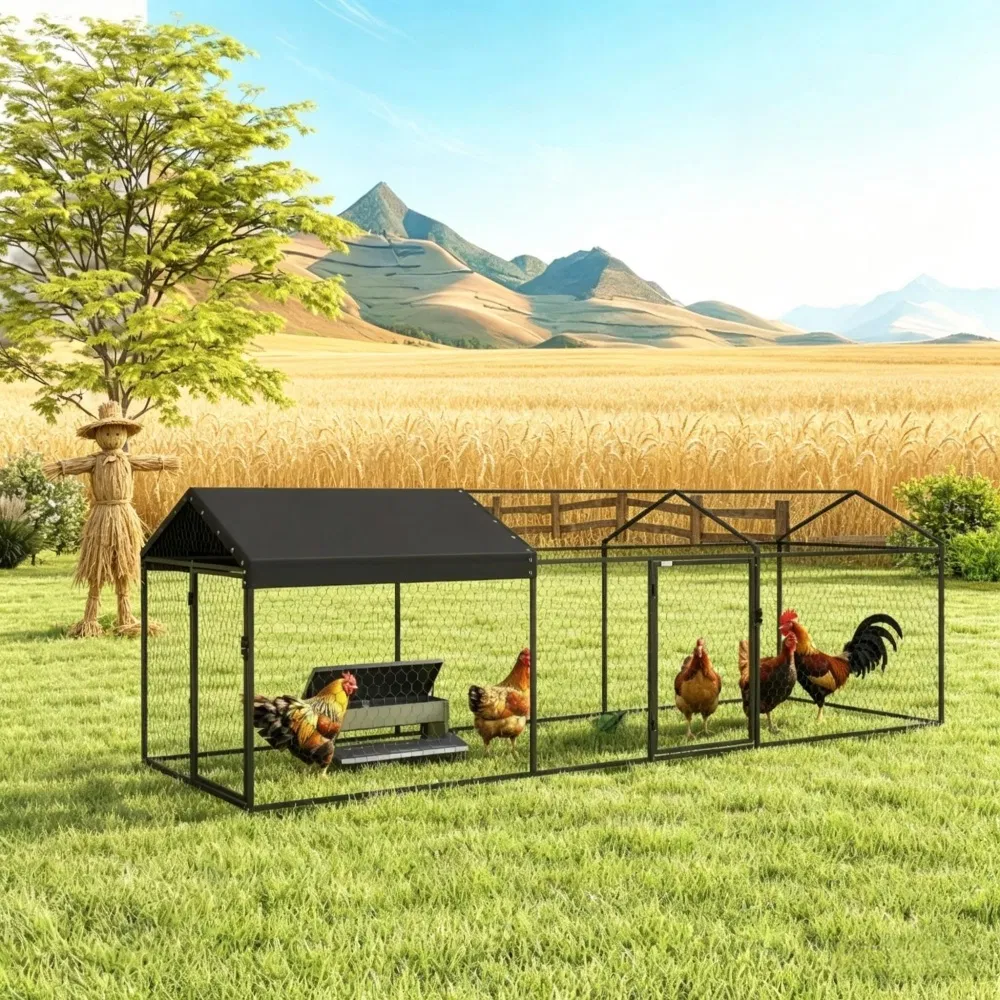 Chicken Coop, Steel Frame Run with Waterproof UV-Resistant Cover and Lockable Doors, 32.3 Sq.ft, 9.8 x 3.3 x 3.3 ft$192.99View on Mallflare
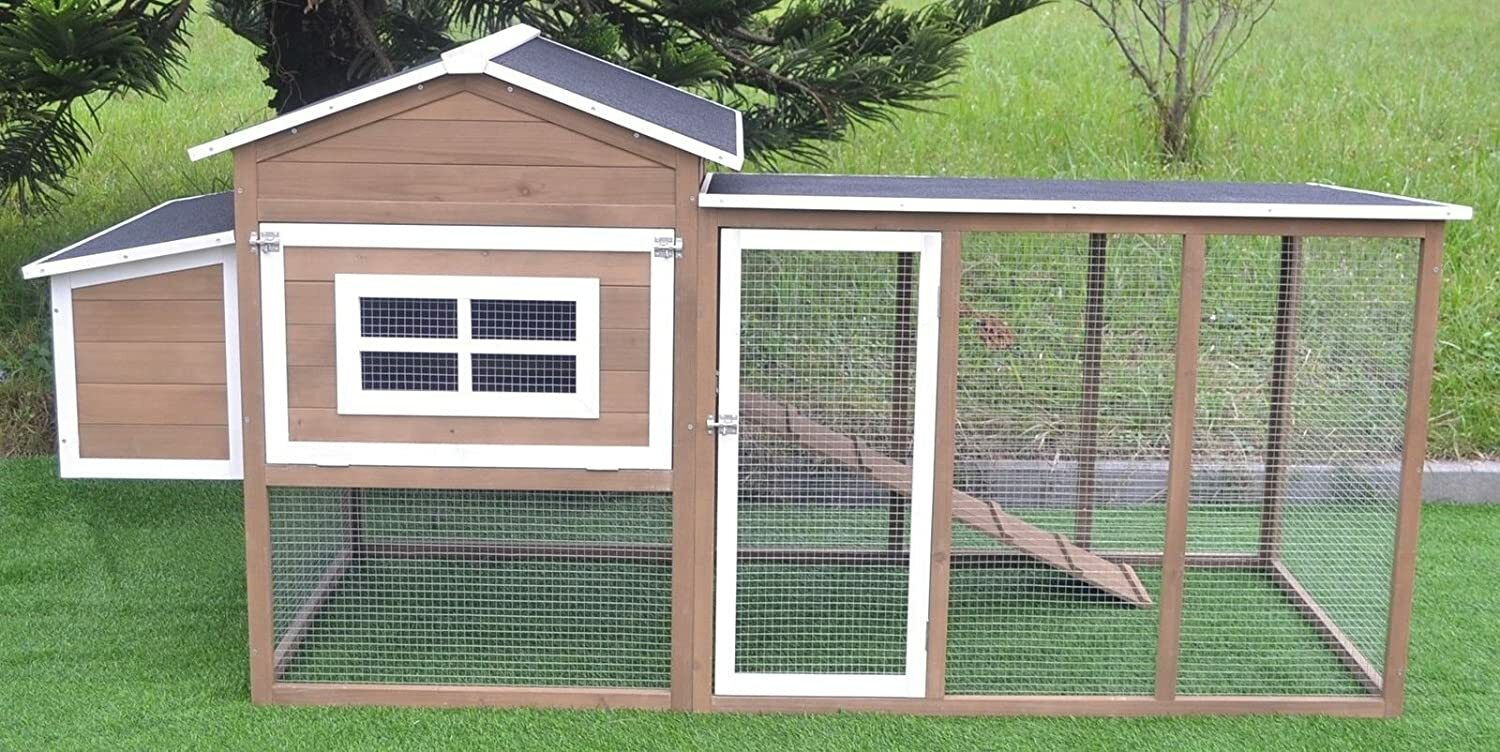 Large 87" Wood Chicken Coop Backyard Hen House 4-6 Chickens Nesting Box & Run$187.98View on eBay
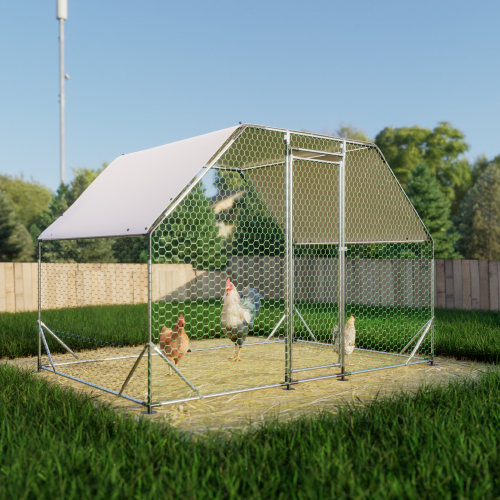 9.94 Ft. X 6.46 Ft. X 6.36 Ft. Metal Large Chicken Coop Walk-in Poultry Cage Run Flat Shaped With Waterproof Cover$194.99View on Mallflare
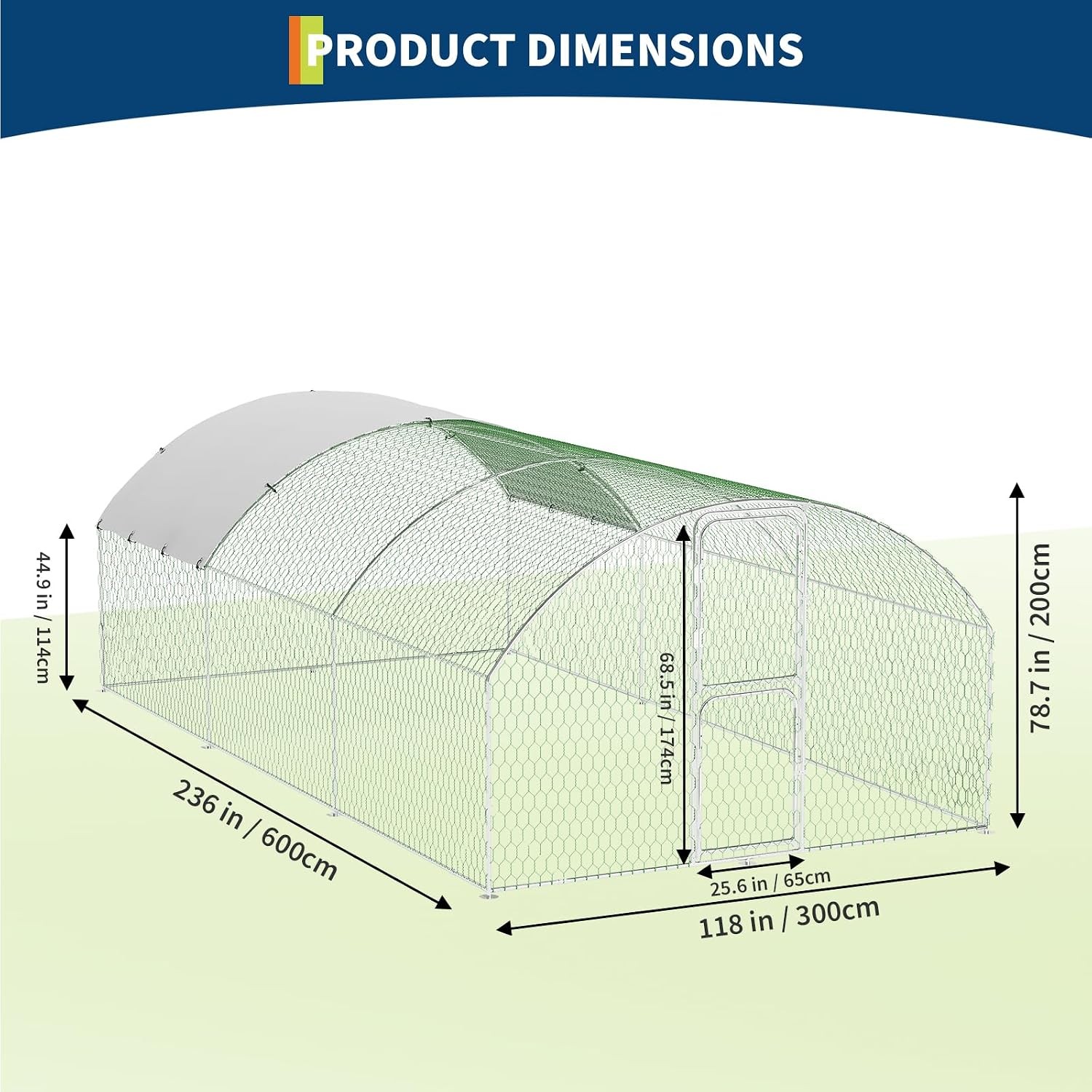 6.5/13/20 FT Metal Chicken Coop Poultry Cage Walk-in Chicken Run with Cover Roof$219.82New · Last checked Nov 22, 2026View on eBay
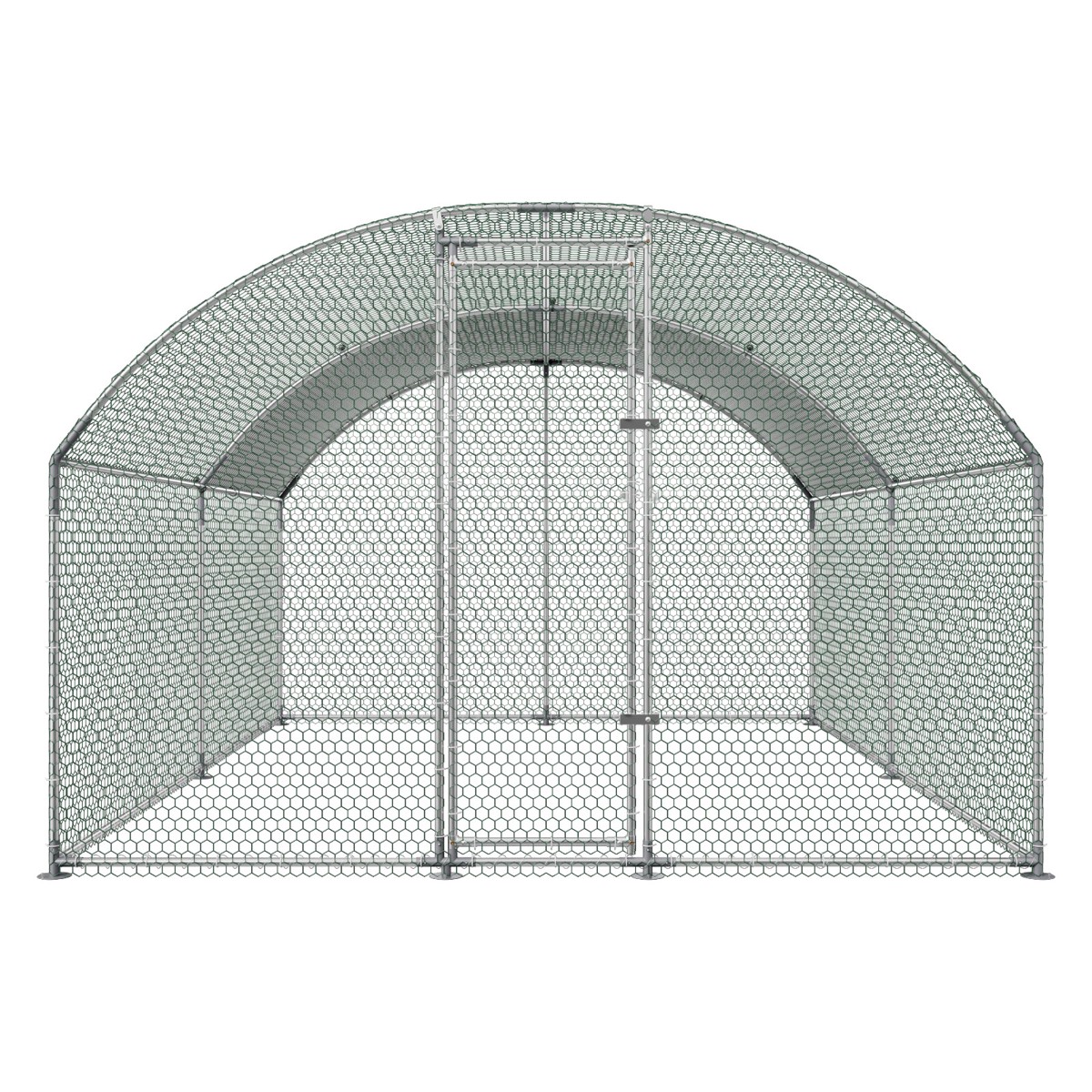 Large Metal Chicken Coop 9.8x13x6.6 Ft Walk-in Run House, Doom Roof Hen Enclosure With Cover And Security Lock, Outdoor Duck Rabbit Cage Poultry Pen For Backyard, Farm, Yard Use$207.99View on Mallflare
Highlights
- Welded wire gauge determines predator resistance: 14-gauge welded mesh stops raccoons and foxes, while 16-gauge or thinner stapled wire can be bent open by determined predators.
- Mesh size matters: 1x2 inch welded wire prevents raccoon reach-through and keeps small birds in; 2x4 inch mesh allows predators to reach through and is only suitable for large, heavy breeds.
- Run height separates walk-in (6–6.5 ft) from low-profile (3–4 ft) designs; walk-in runs need no crouching for cleaning and feeding, while low runs require a hinged roof or removable panel for access.
- Galvanized steel frames with powder coating resist rust for years, whereas untreated wood frames rot within 2–4 seasons and plastic frames can crack under UV exposure unless stabilized.
Best use cases
- Best fit: A permanent backyard flock of 6–12 hens needs a walk-in galvanized steel run with 14-gauge 1x2 mesh and a roof or cover—this resists digging predators and lets you clean without stooping.
- Wrong fit: A low 3–4 ft wooden run with stapled 16-gauge wire is only for temporary daytime use or a couple of docile bantams; skip it for overnight predator protection or wet climates where wood rots.
- Best fit: A large 10x13 ft metal run rated for 18–24 chickens suits multi-bird flocks or meat-bird grow-out; pair it with a solid coop for nighttime roosting and nesting.
- Wrong fit: A plastic or thin-wire run without a roof or skirt is not predator-proof; skimping here leads to losses from digging and climbing predators—skip it unless you add a hardware-cloth skirt and roof.
Buying tips
- Size by floor area, not bird count claims: allow 8–10 sq ft per hen in the run; a 130 sq ft run realistically fits 13–16 standard hens, not 24.
- Match wire gauge to predators: choose 14-gauge welded wire for raccoon and fox pressure; 16-gauge is acceptable only inside a fenced yard with a guardian dog.
- Check the frame-to-wire attachment: welded wire should be secured with u-staples or bolts every 6–8 inches, not thin staples that pull out.
- For walk-in runs, confirm door width of at least 24 inches and a latch that a raccoon cannot open—carabiner or slide-bolt with a pin.
Specs
| Frame Material | Galvanized steel / wood / plastic |
|---|---|
| Wire Gauge | 14–16 ga welded (14 ga best) |
| Mesh Size | 1x2 in (predator-resistant) |
| Run Height | Walk-in 6–6.5 ft / low 3–4 ft |
Related searches
What to check before buying
- Measure your available footprint and gate access: a 10x13 ft run needs a clear path at least 3 ft wide and level ground for assembly.
- Verify ground conditions: soft soil requires buried hardware-cloth skirt (12–18 inches outward) to stop digging predators; rocky ground may need staked anchors.
- Check local climate: heavy snow load requires a steeper roof or removal of cover; high wind areas need ground stakes or tie-downs included.
- Confirm you have a companion coop for nighttime roosting—runs are daytime enclosures; a run alone is not a complete housing solution.
FAQ
Data sources: eBay / Amazon listings and product attribute feeds. Updated Nov 28, 2026.
Some links on this page are affiliate links. If you buy after clicking one, we may earn a commission at no extra cost to you. This does not change which products appear here or their order. Affiliate disclosure.