
Photos from current listings. Actual item, color, and included accessories may vary.
Small Backyard Chicken Coop Buying Guide
Small backyard chicken coops are compact, enclosed structures typically sized for 2–6 hens, combining a raised sleeping house with an attached run. The core trade-off is between thin, untreated softwood or fabric-and-tube construction that fails within a season or two, and thicker, weather-treated lumber or powder-coated steel that survives predators and rot. The decision rule: buy for the bird count and climate you actually have, and reject any coop whose run mesh is under 1/2-inch hardware cloth or whose wood is under 3/4-inch thickness.
Median $185.49
Key takeaways
- Coop capacity is driven by interior floor area: allow 3–4 sq ft per hen inside the house plus 8–10 sq ft per hen in the run; a 59-inch model typically houses 2–4 hens, not the 6–8 often claimed.
- Predator resistance depends on mesh gauge: 1/2-inch 19-gauge hardware cloth stops raccoons and snakes, while 1-inch chicken wire or 25-gauge mesh fails against determined predators.
- Wood grade and treatment determine lifespan: 3/4-inch tongue-and-groove fir or cedar with water-based sealant lasts 5+ years, while 3/8-inch stapled plywood or untreated pine delaminates within 1–2 seasons.
At a glance
- Category
- Chicken Coops & Runs
- Last updated
- Nov 28, 2026
Current offers
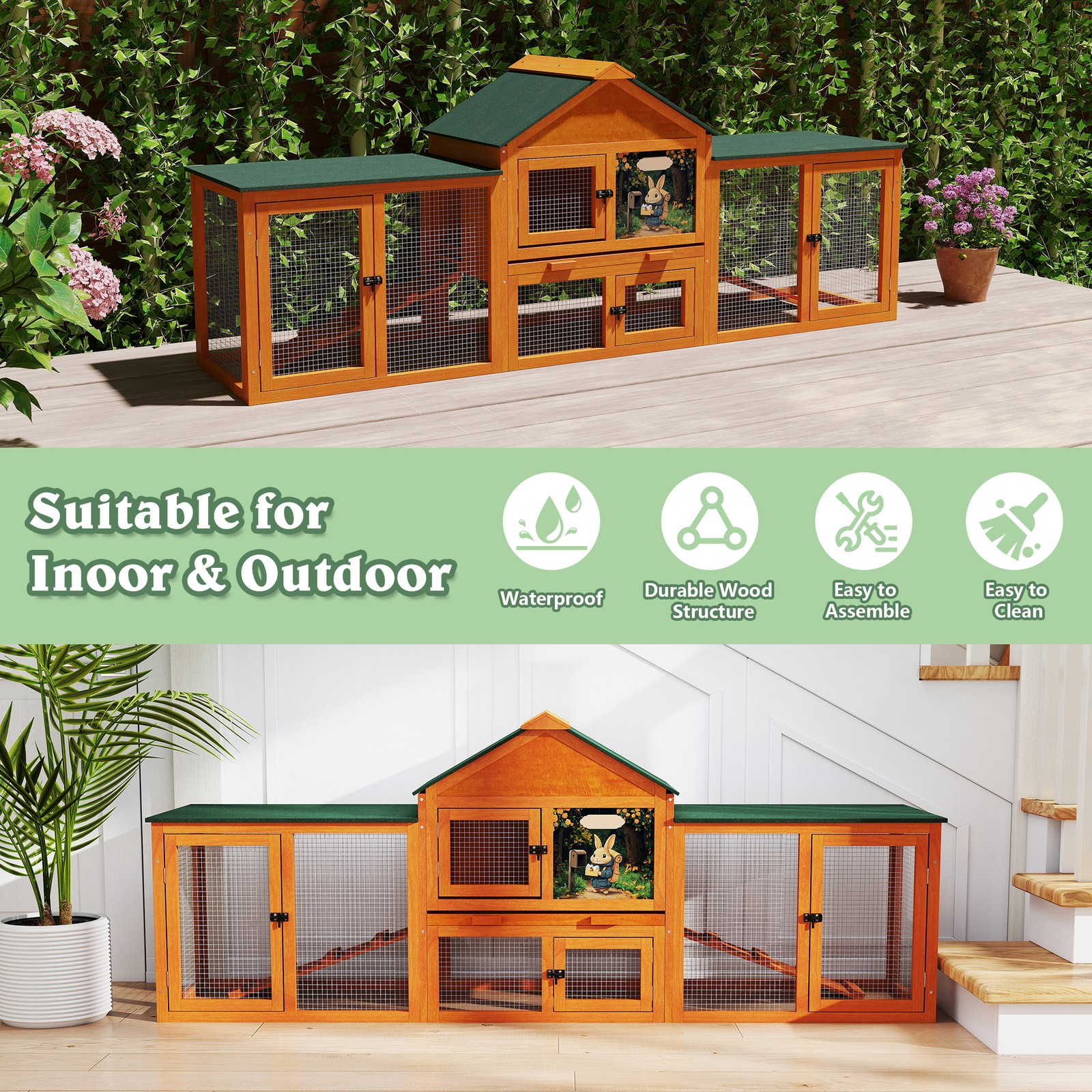 COZIWOW 84" Rabbit Hutch Chicken Coop Wooden Small Animal House Backyard Outdoor$149.99View on eBay
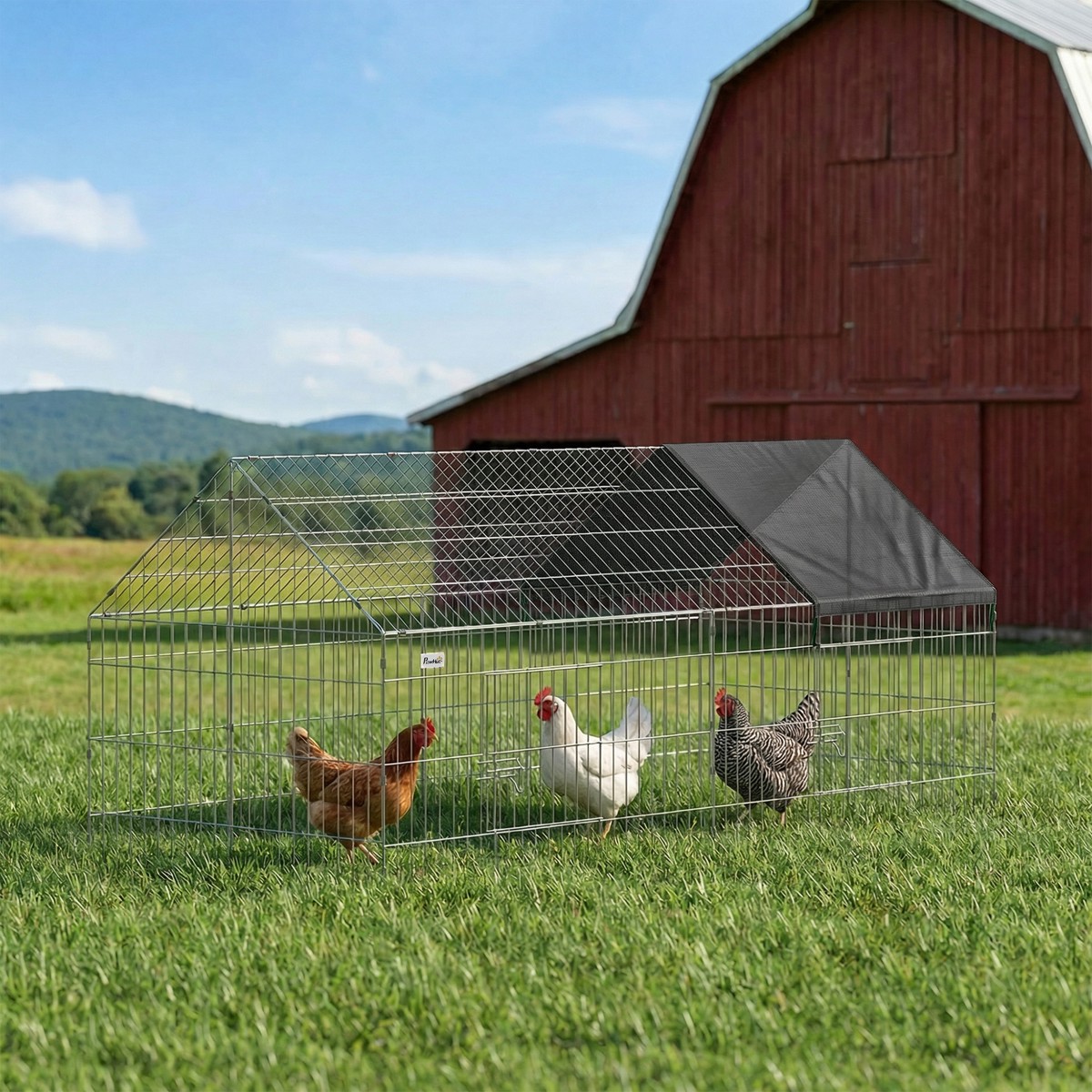 Metal Chicken Coop with Cover for Backyard Small Animals Duck Rabbit, 71" x 29.5" x Black$51.99View on Mallflare
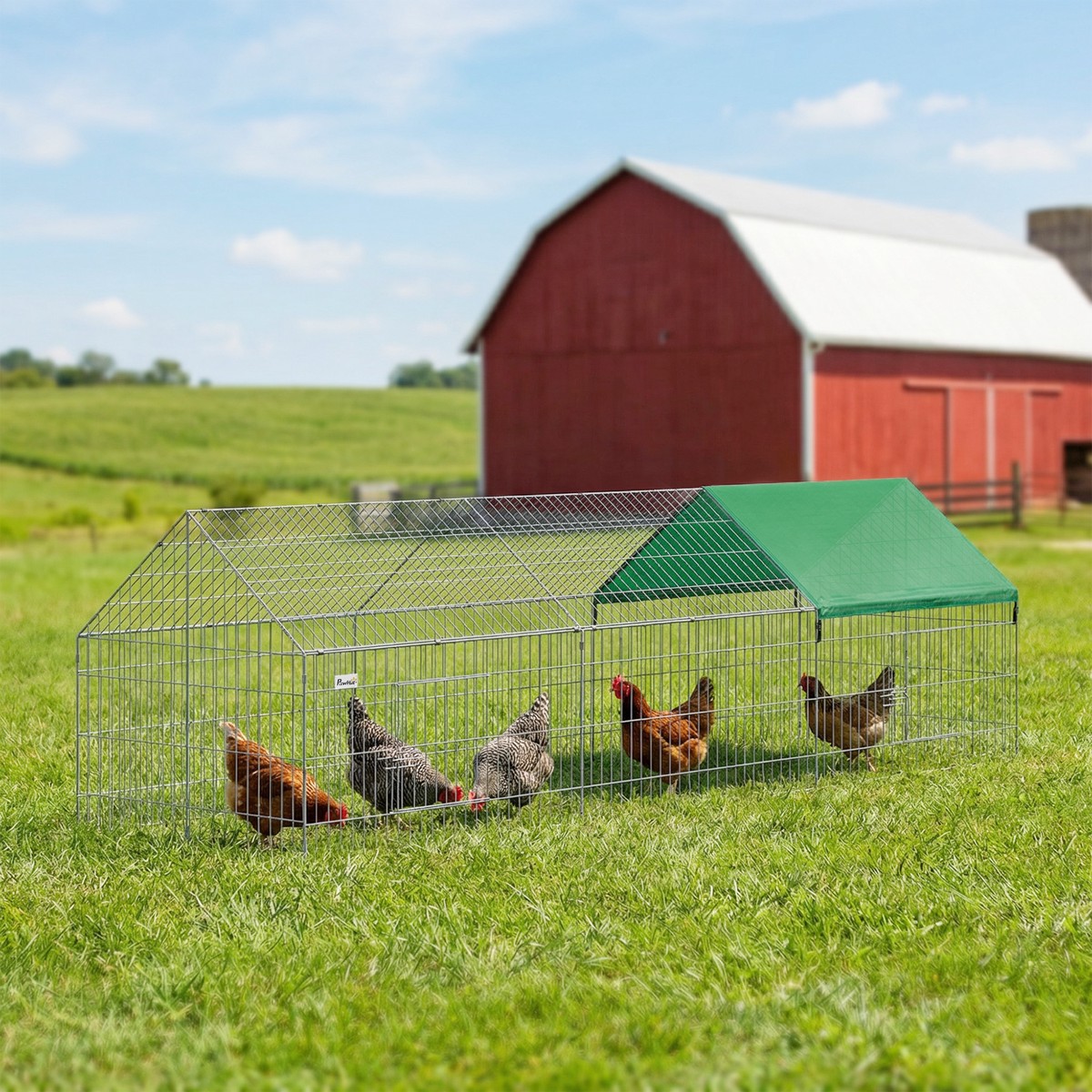 Metal Chicken Coop with Cover for Backyard Small Animals Duck Rabbit, 106" x 29.5" x Green$61.99View on Mallflare
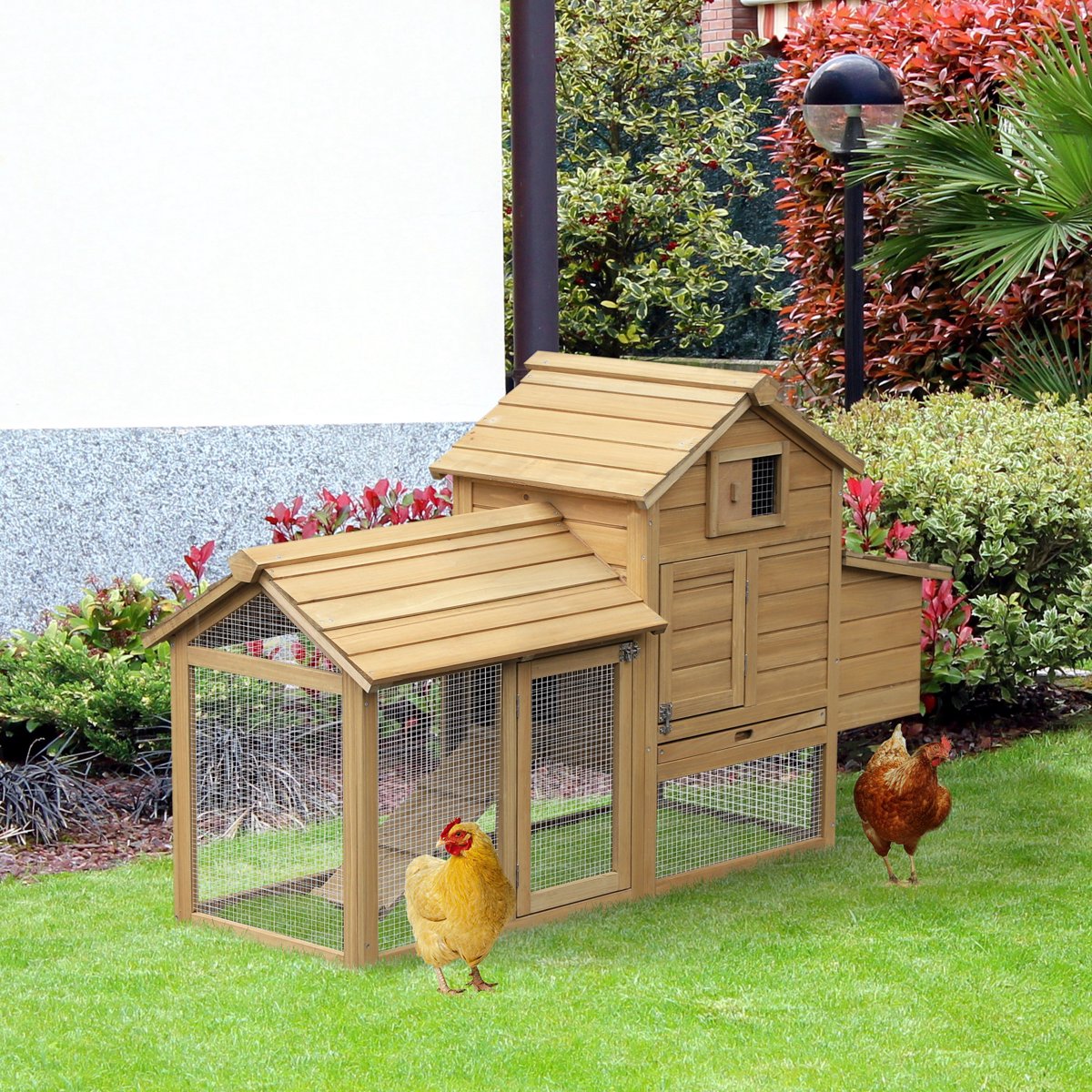 59" Small Wooden Chicken coop Hen House Poultry Cage for Outdoor Backyard with 2 Doors, Nesting Box and Removable Tray, Natural Wood$151.99View on Mallflare
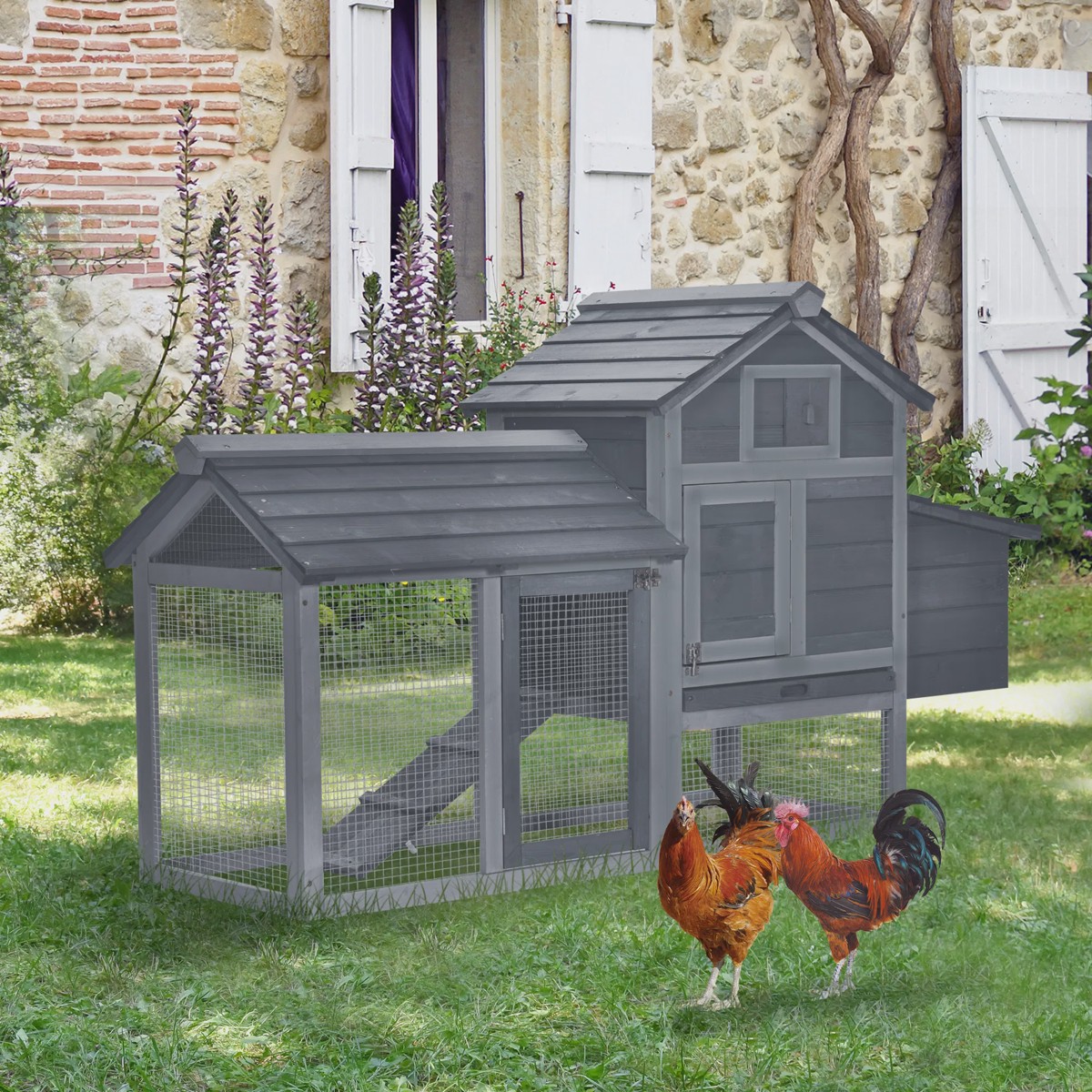 59" Small Wooden Chicken coop Hen House Poultry Cage for Outdoor Backyard with 2 Doors, Nesting Box and Removable Tray, Gray$218.99View on Mallflare
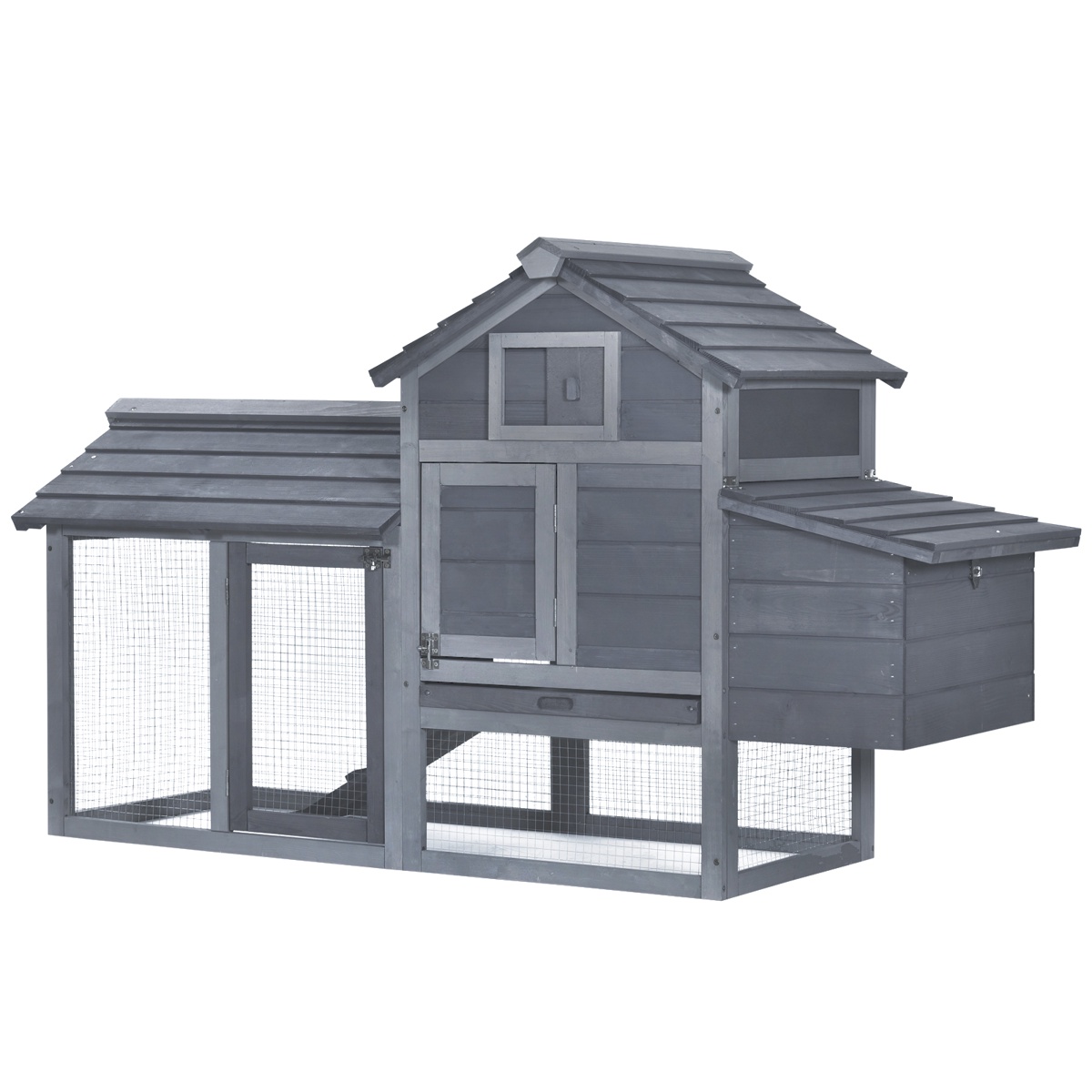 PawHut 59 Small Wooden Chicken Coop Hen House Poultry Cage For Outdoor Backyard With 2 Doors, Nesting Box And Removable Tray, Gray$234.99View on Mallflare
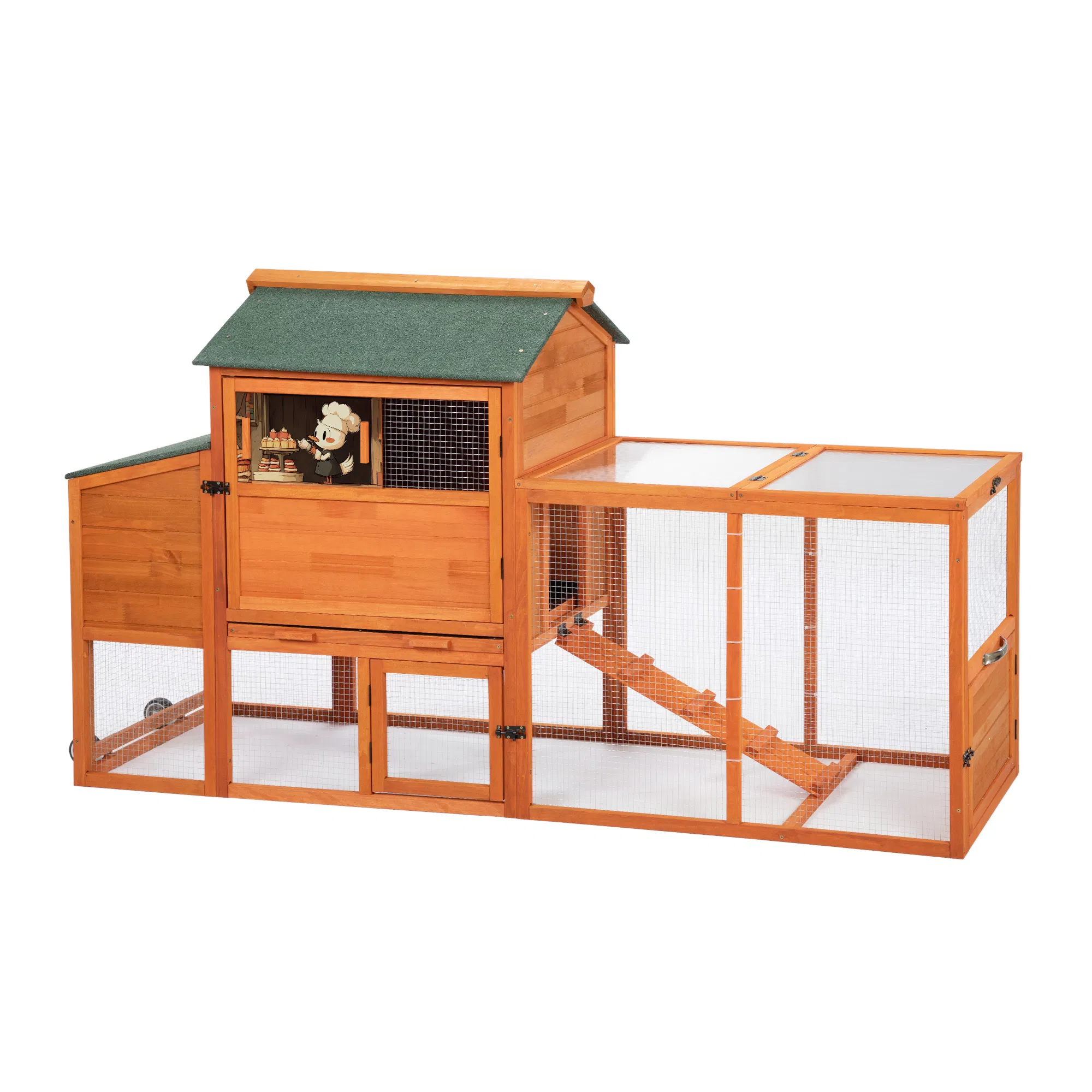 Portable Mobile Chicken Coop with Nesting Box, Sleeping Room, Run, Window, Sun Board, Doors, Pull-Out Tray, Wheels, Outdoor Backyard Pen for Small Animals, Orange Colorful Patterns$249.99View on Mallflare
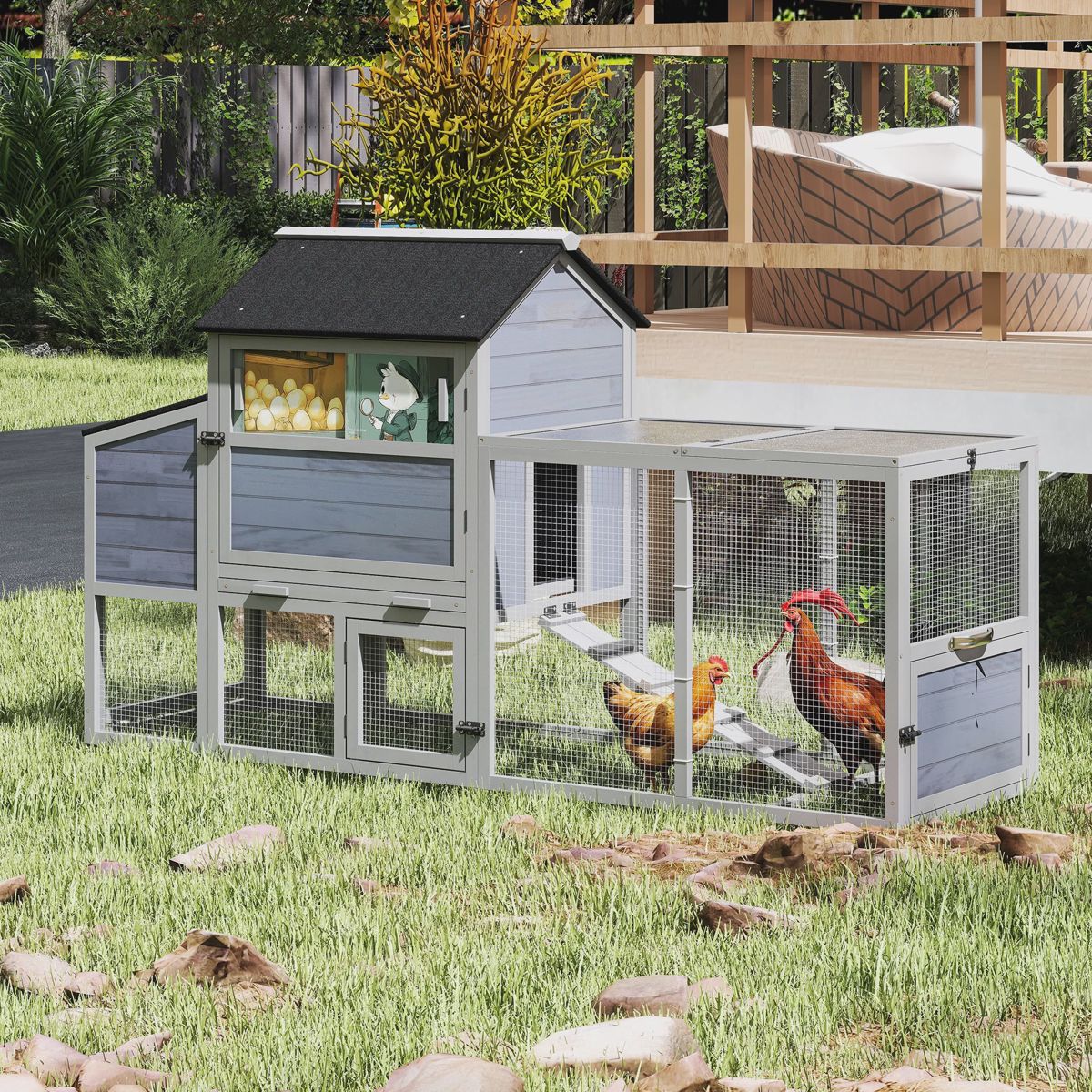 Portable Mobile Chicken Coop with Nesting Box, Sleeping Room, Run, Window, Sun Board, Doors, Pull-Out Tray, Wheels, Outdoor Backyard Pen for Small Animals, Gray Colorful Patterns$272.99View on Mallflare
Highlights
- Coop capacity is driven by interior floor area: allow 3–4 sq ft per hen inside the house plus 8–10 sq ft per hen in the run; a 59-inch model typically houses 2–4 hens, not the 6–8 often claimed.
- Predator resistance depends on mesh gauge: 1/2-inch 19-gauge hardware cloth stops raccoons and snakes, while 1-inch chicken wire or 25-gauge mesh fails against determined predators.
- Wood grade and treatment determine lifespan: 3/4-inch tongue-and-groove fir or cedar with water-based sealant lasts 5+ years, while 3/8-inch stapled plywood or untreated pine delaminates within 1–2 seasons.
- Mobility tiers differ by wheel and frame design: portable coops use 4–6 inch casters or skids with a lightweight frame under 60 lb, while stationary coops rely on ground stakes or a weighted base.
Best use cases
- Best fit for 2–4 hens in a mild climate: a 59-inch wooden coop with nesting box, removable tray, and 1/2-inch hardware cloth run—skip models with only 1-inch wire or no tray access.
- Best fit for rotating pasture or lawn care: a wheeled portable coop with a lightweight frame and integrated run—skip heavy stationary coops if you plan to move it weekly.
- Best fit for predator-heavy areas (raccoons, foxes, snakes): a raised wooden coop with lockable doors and buried or skirted mesh—skip fabric-and-tube coops that offer no chew resistance.
- Wrong fit: fabric-covered pop-up coops for permanent outdoor use—they degrade under UV within months and are suitable only for temporary daytime shading or brooding.
Buying tips
- Size by floor area, not bird count claims: measure the interior house footprint and divide by 3 sq ft per hen; a 59-inch coop with 4 sq ft of floor space fits one to two standard hens, not four.
- Demand 1/2-inch hardware cloth (19-gauge or thicker) on all openings; chicken wire keeps birds in but does not keep raccoons or snakes out.
- Choose 3/4-inch or thicker wood with a water-based, non-toxic sealant; avoid stapled 3/8-inch plywood or particleboard that swells and delaminates when wet.
- For portable coops, confirm wheel diameter of at least 4 inches and a frame weight under 60 lb; smaller casters bog down in grass and mud.
Specs
| Coop Capacity | 2–4 hens (house); 4–6 bantams |
|---|---|
| Run Mesh Grade | 1/2-in 19-ga hardware cloth min. |
| Wood Thickness | 3/4-in exterior fir/cedar |
| Mobility Type | Stationary vs wheeled portable |
Related searches
What to check before buying
- Measure your available footprint including clearance for doors and tray removal; a 59-inch coop needs roughly 5 ft by 3 ft of level ground.
- Confirm your climate: untreated wood requires annual sealing in wet climates, and fabric coops are unsuitable below freezing or in high-UV regions.
- Check the run mesh spec and door latches; raccoon-proof latches are two-step or carabiner-style, not simple hooks.
- Verify floor or ground contact: raised coops need a predator apron or buried mesh skirt, and mobile coops need level ground for wheels.
FAQ
Data sources: eBay / Amazon listings and product attribute feeds. Updated Nov 28, 2026.
Some links on this page are affiliate links. If you buy after clicking one, we may earn a commission at no extra cost to you. This does not change which products appear here or their order. Affiliate disclosure.