
Photos from current listings. Actual item, color, and included accessories may vary.
Hardwood Chicken Coop Buying Guide
A hardwood chicken coop is a timber-framed henhouse built from dense, rot-resistant species such as cedar, cypress, or pressure-treated pine, rather than softwood fir or plastic. The core trade-off is upfront cost versus service life: hardwood resists moisture, mites, and warping for a decade or more, while cheap softwood coops delaminate within two or three seasons. The decision rule is simple—buy a coop whose frame species and roof overhang match your rainfall and flock size, or accept that a softwood or plastic unit is a short-term compromise.
Median $205.09 · New listings
Key takeaways
- Cedar and cypress are naturally rot- and insect-resistant heartwoods; pine and fir are softwoods that require pressure treatment to survive outdoor exposure.
- A 1/2-inch hardware cloth apron buried 12 inches outward is the only predator-proof mesh standard; chicken wire stops hens but not raccoons or foxes.
- Ventilation should equal at least 1 square foot of open, predator-screened eave area per adult standard hen to prevent frostbite and ammonia buildup.
At a glance
- Category
- Chicken Coops & Runs
- Last updated
- Nov 28, 2026
Current offers
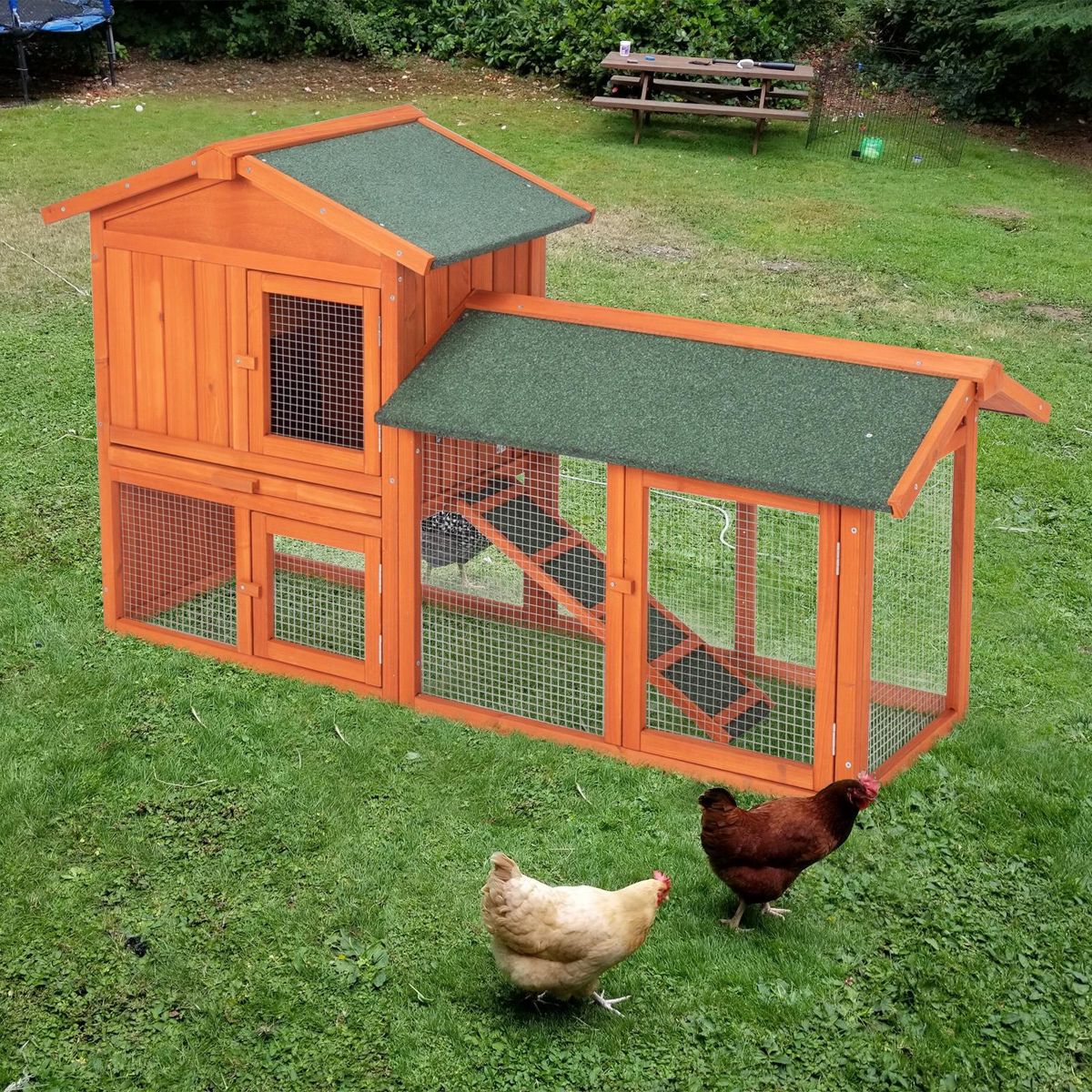 Wooden Chicken Coop Hen House Poultry Hutch Pet Cage with Nesting Box, Backyard$102.99View on eBay
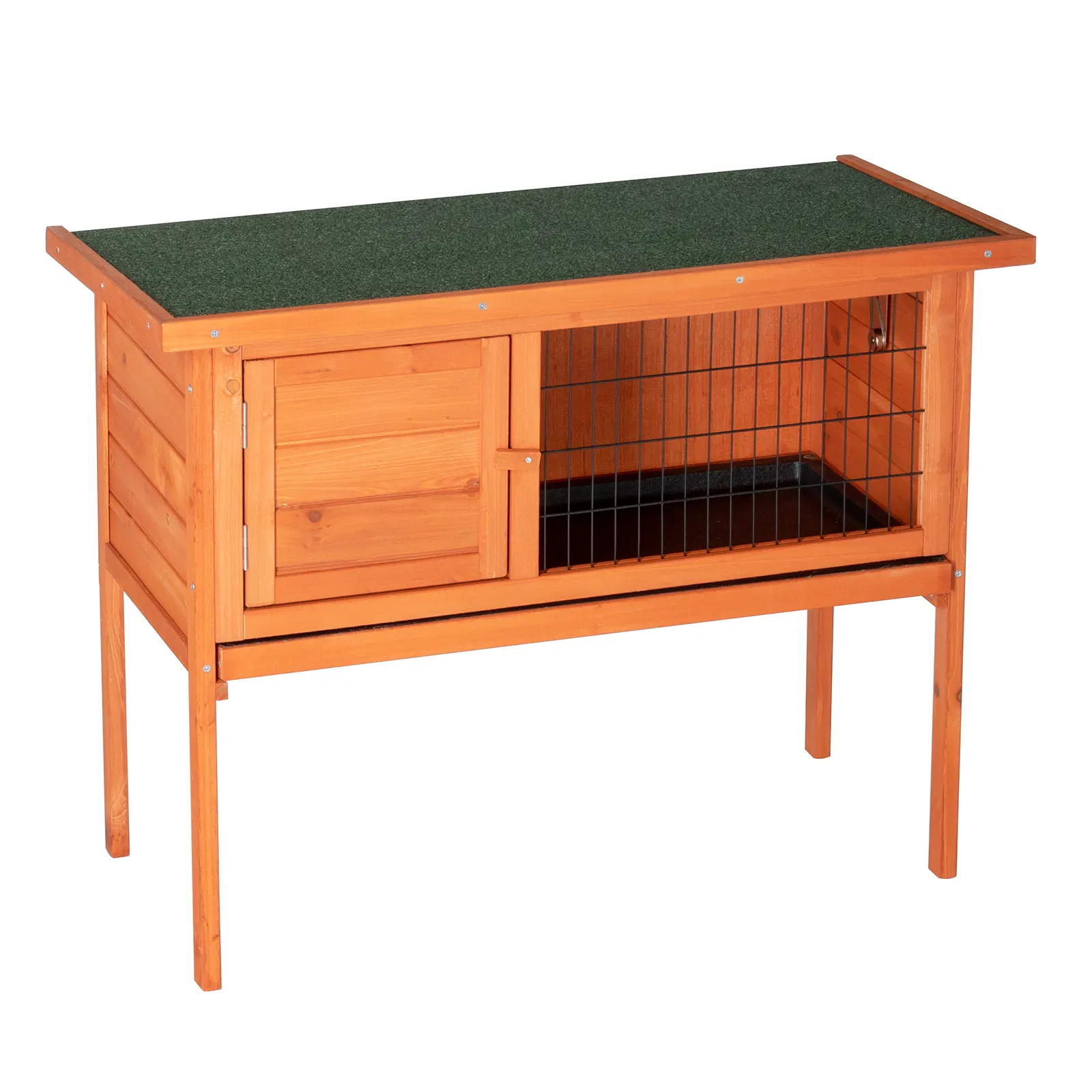 Replace 2225192136" Single Deck Waterproof Wooden Chicken Coop Hen House Pet Animal Poultry Cage Rabbit Hutch Nature$85.99View on Mallflare
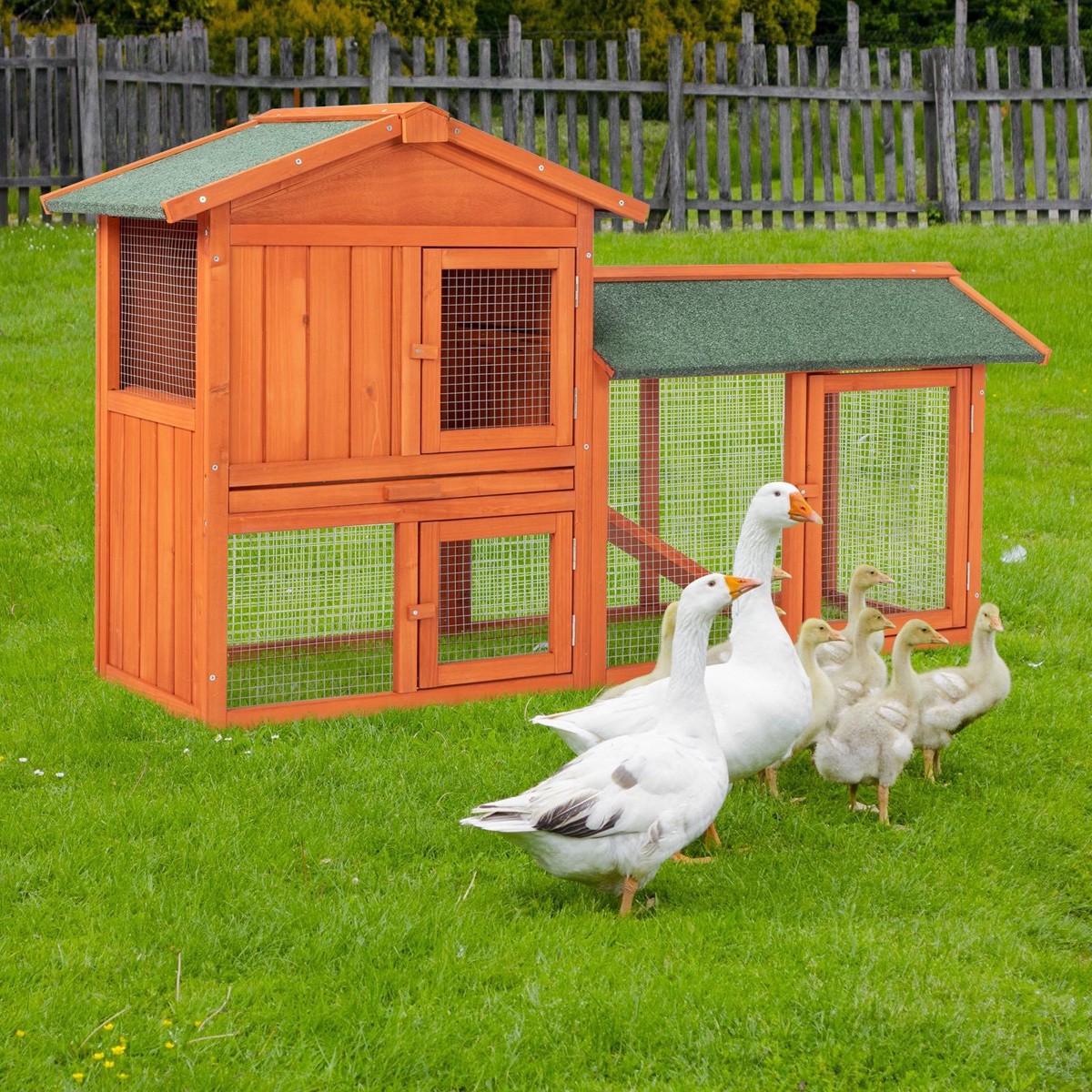 Wooden Chicken Coop Hen House Poultry Hutch Pet Cage w/ Nesting Box Backyard$106.79View on eBay
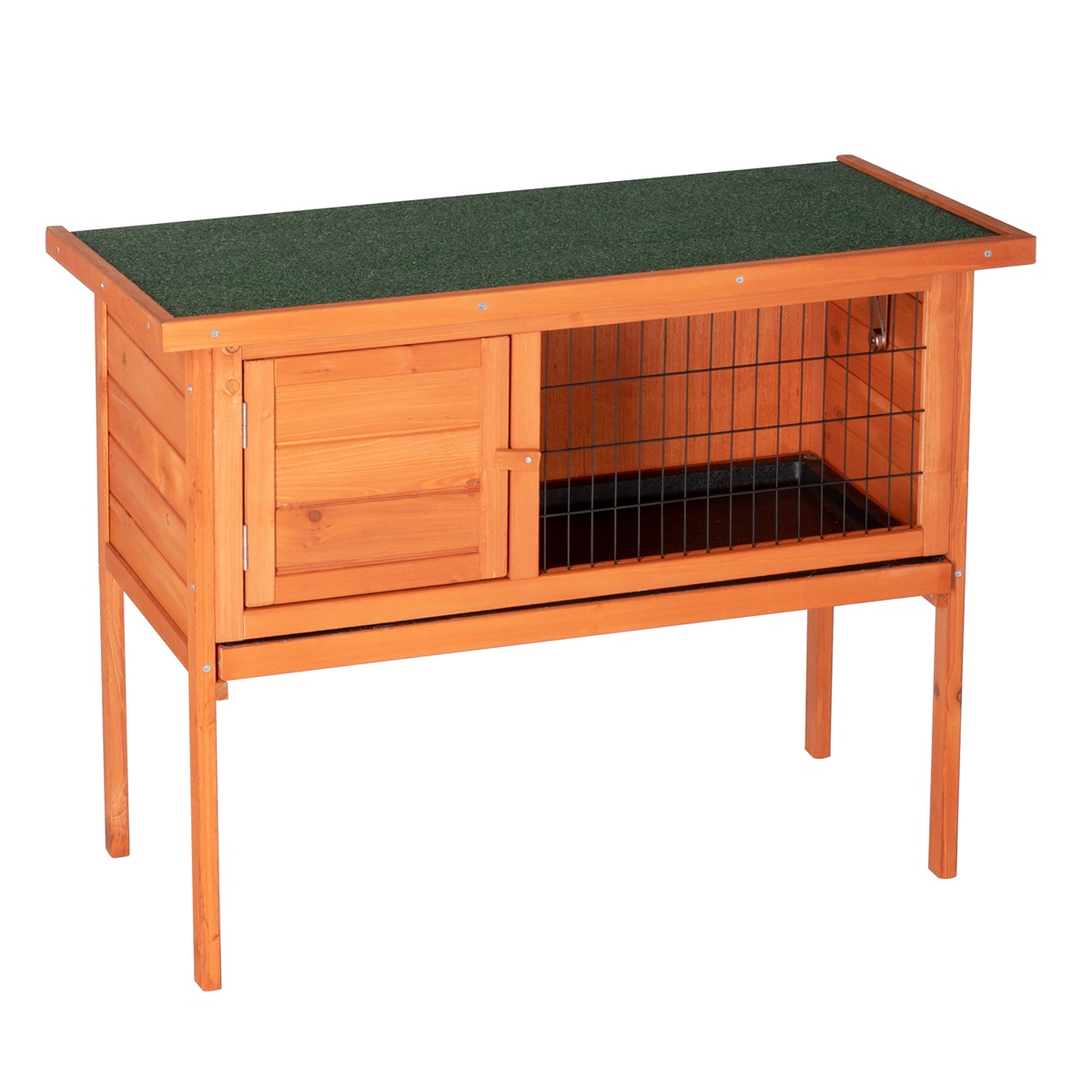 【Replace 22251921】36" Single Deck Waterproof Wooden Chicken Coop Hen House Pet Animal Poultry Cage Rabbit Hutch Nature$107.99View on Mallflare
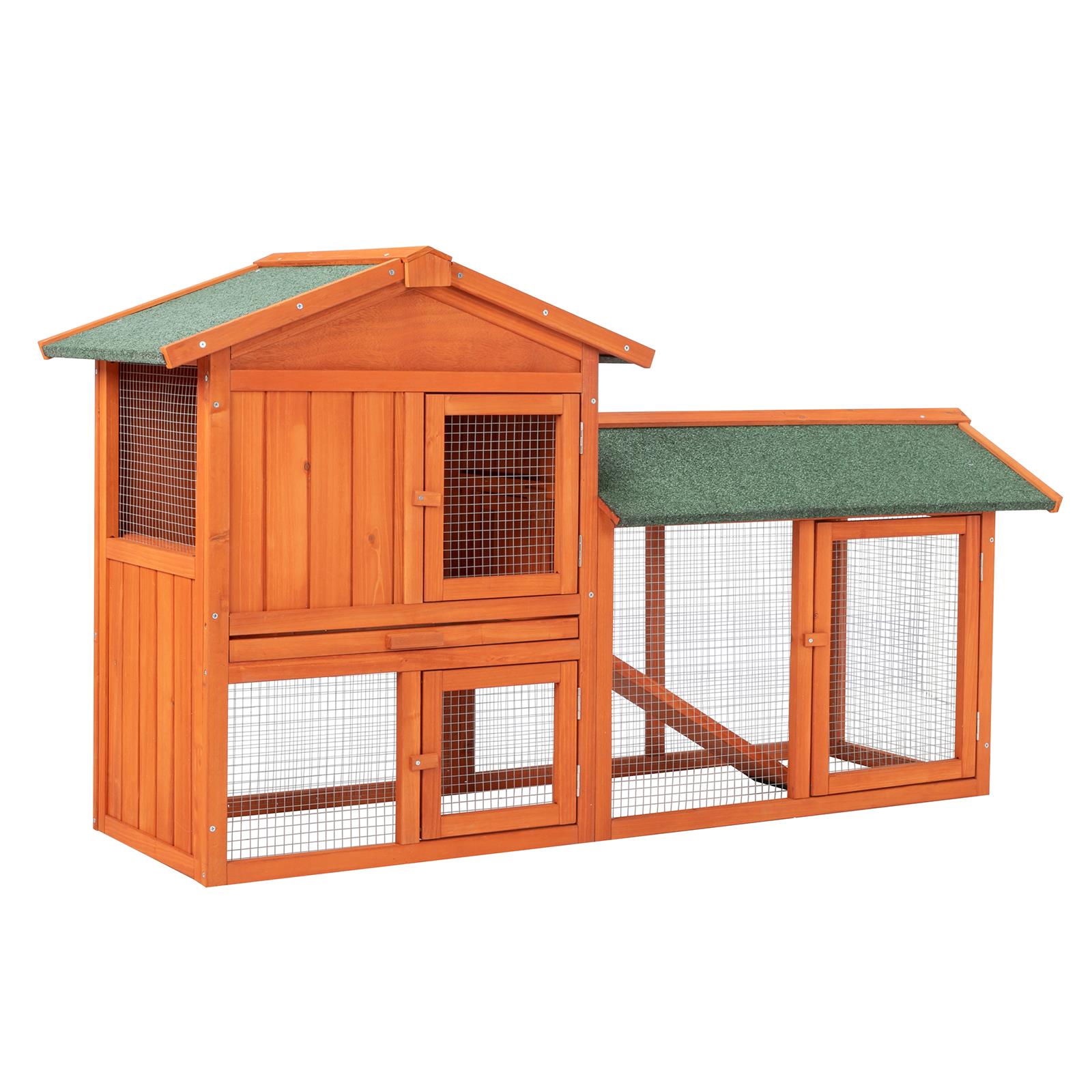 Garden Wood Chicken Coop House Poultry Hutch Pet Cage w/ Nesting Box Backyard$107.99View on eBay
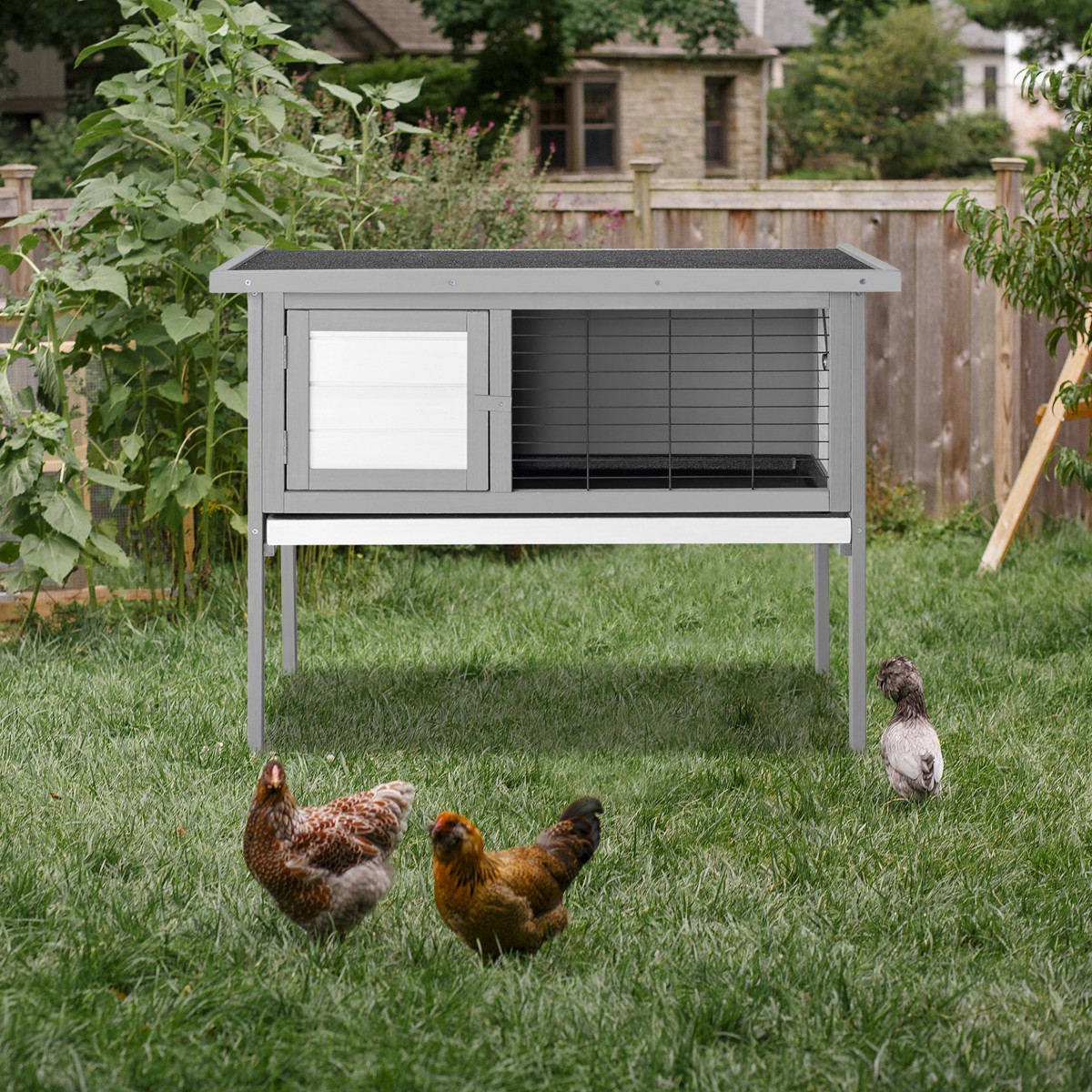 36" Single Deck Waterproof Wooden Chicken Coop Hen House Pet Animal Poultry Cage Rabbit Hutch Gray$109.99View on Mallflare
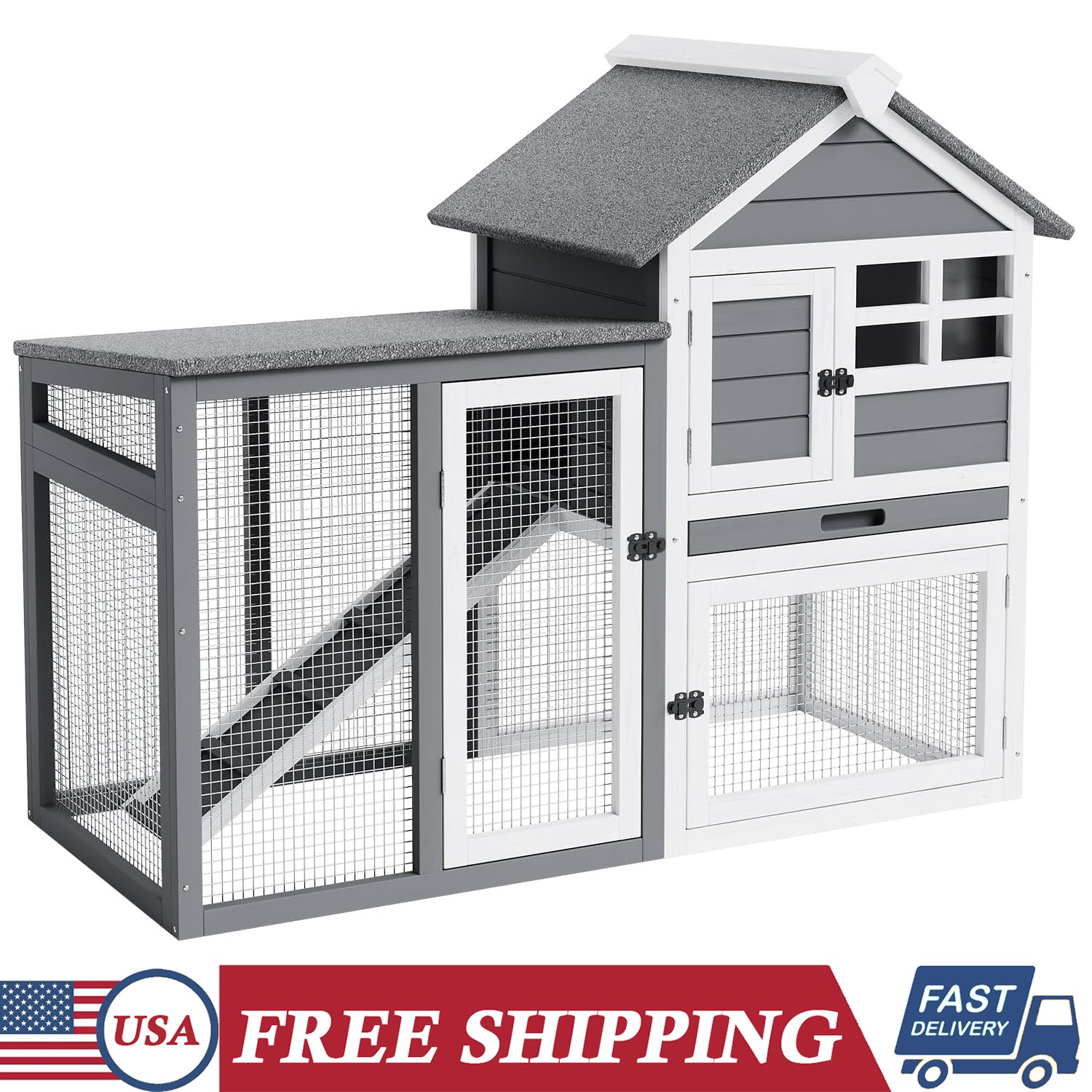 Large Chicken Coop Outdoor Wooden Backyard 2-Story Hen Rabbit House Chicken Run$109.98View on eBay
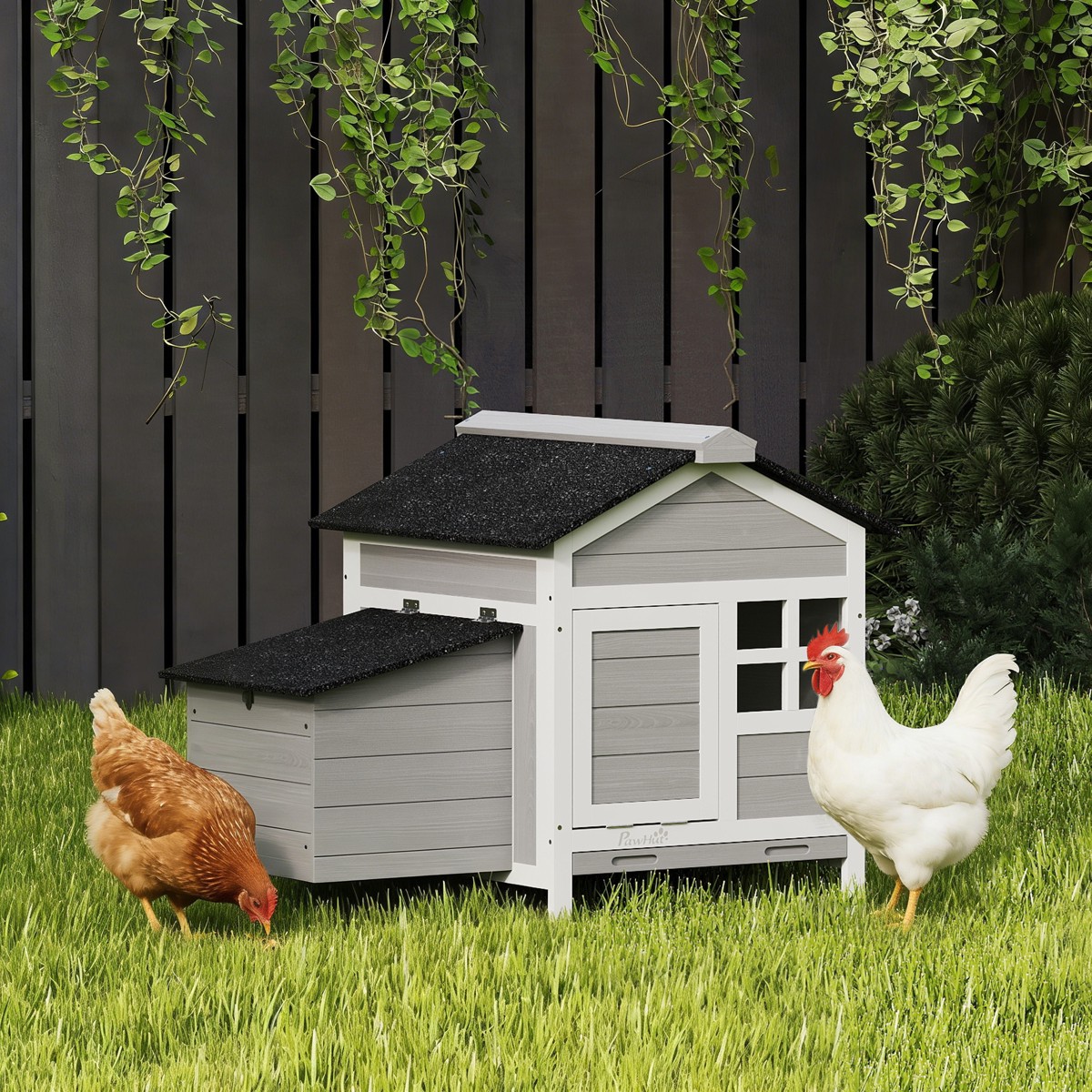 Wooden Chicken Coop Outdoor with Nesting Box, Pull-Out Metal Tray, for 1-2 Chickens, Rabbits, Ducks, 36" x 25" x 27"$115.99View on Mallflare
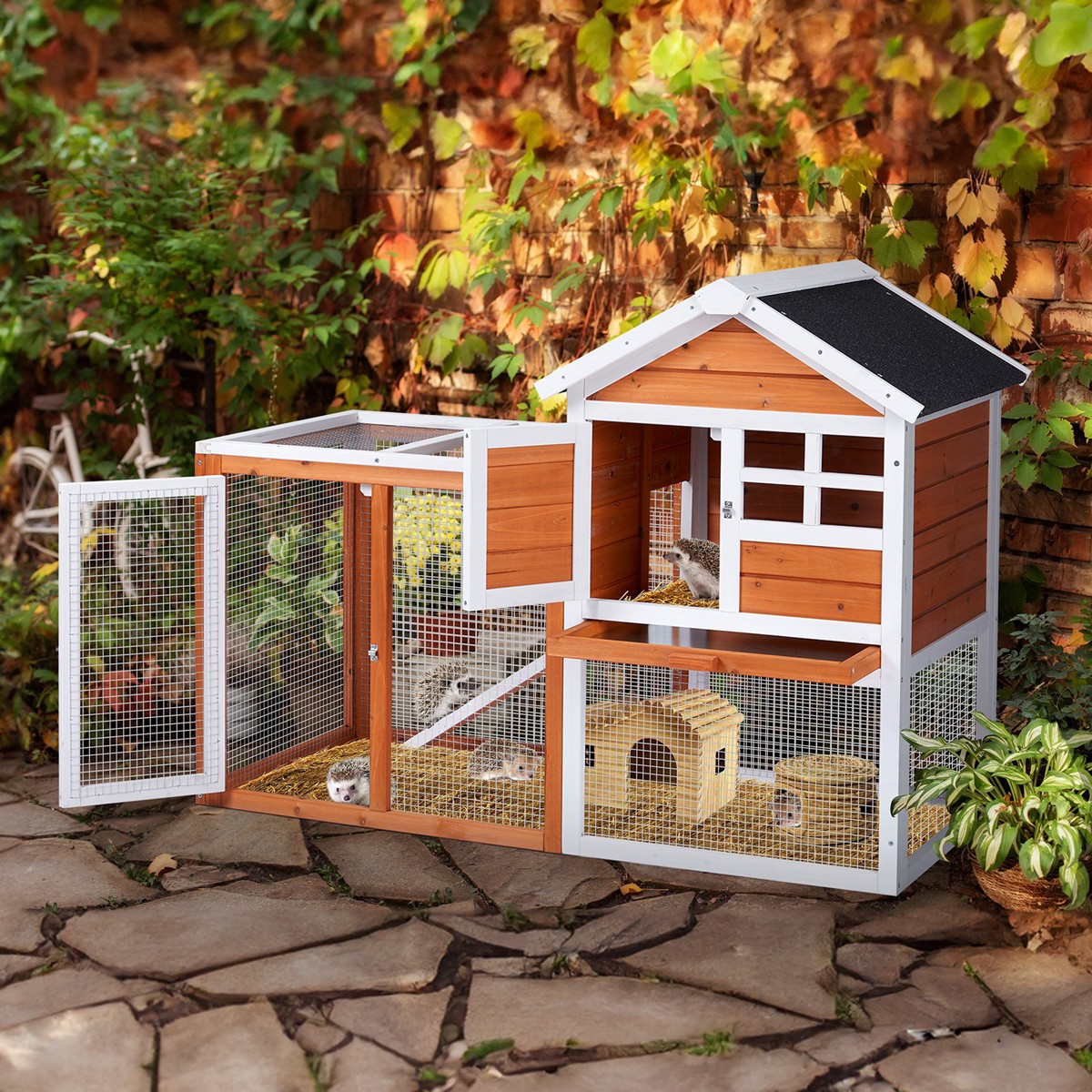 Wooden Chicken Coop Hen House Poultry Hutch Pet Cage with Nesting Box Backyard$111.99View on eBay
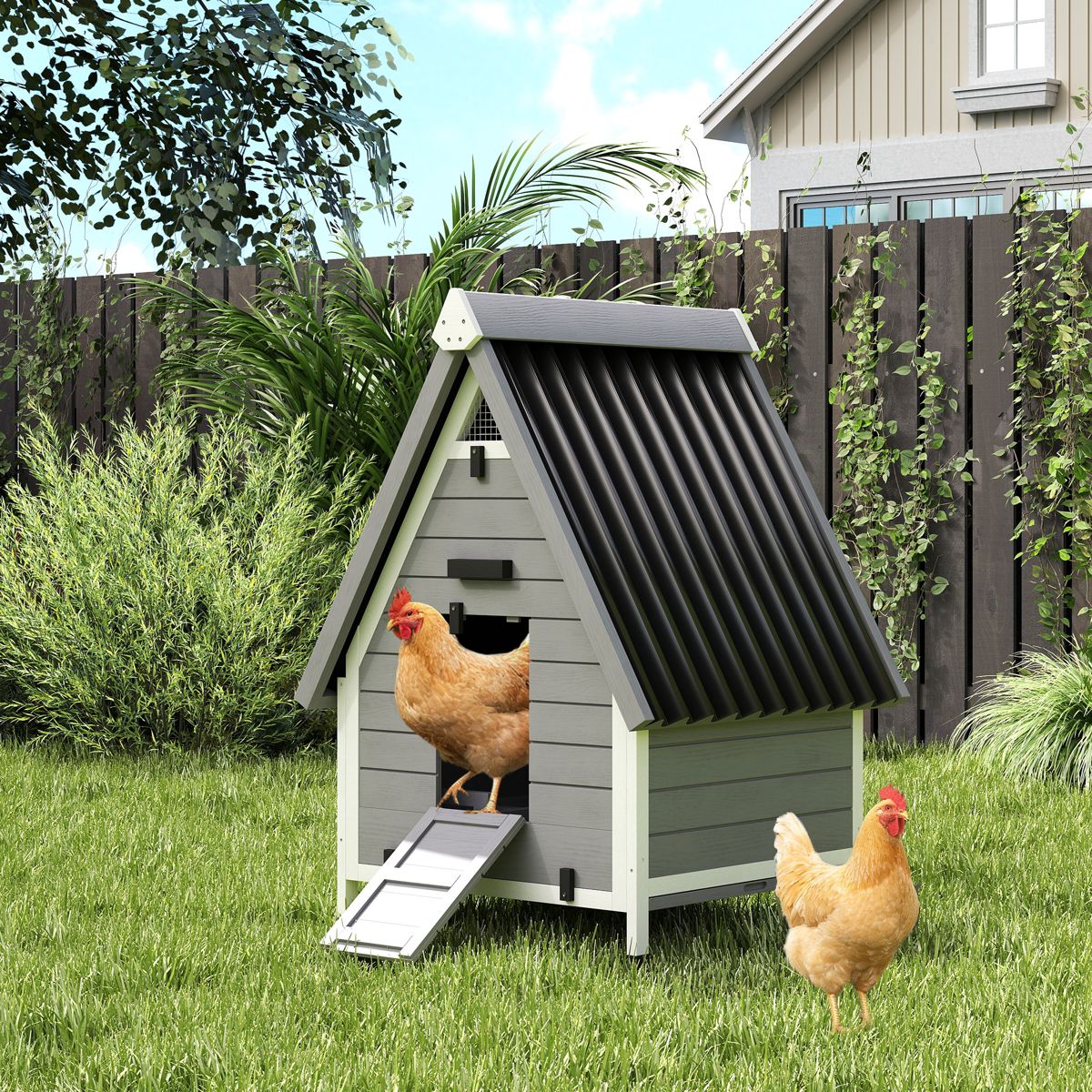 Chicken Coop for 2 Chickens, Outdoor Wooden House with Removable Nesting Box & Roosting Bar, Tray, Ramp$147.99View on Mallflare
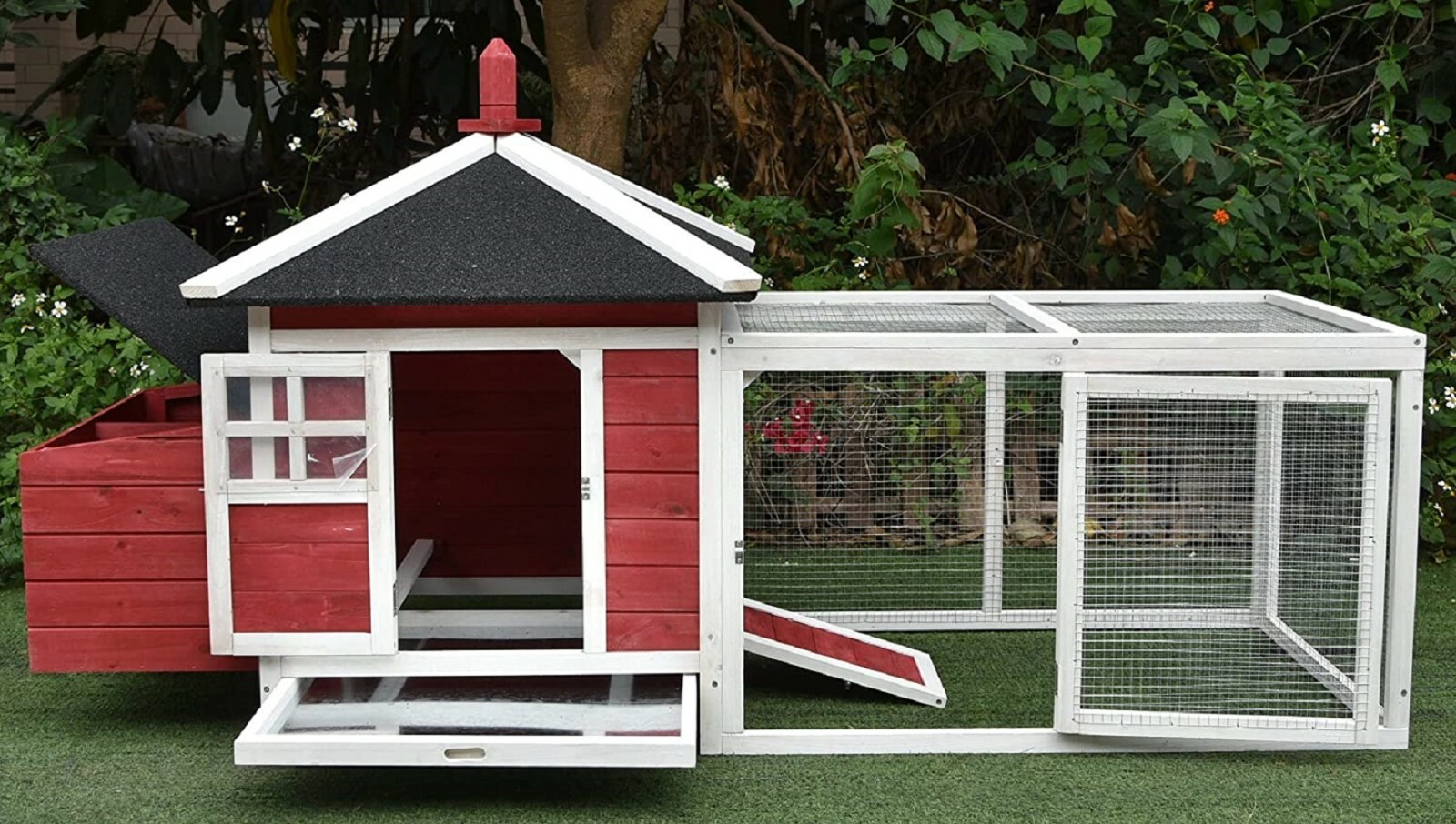 77" Wood Chicken Coop Backyard Hen House 2-4 Chickens with 2 Nesting Boxes New$137.37View on eBay
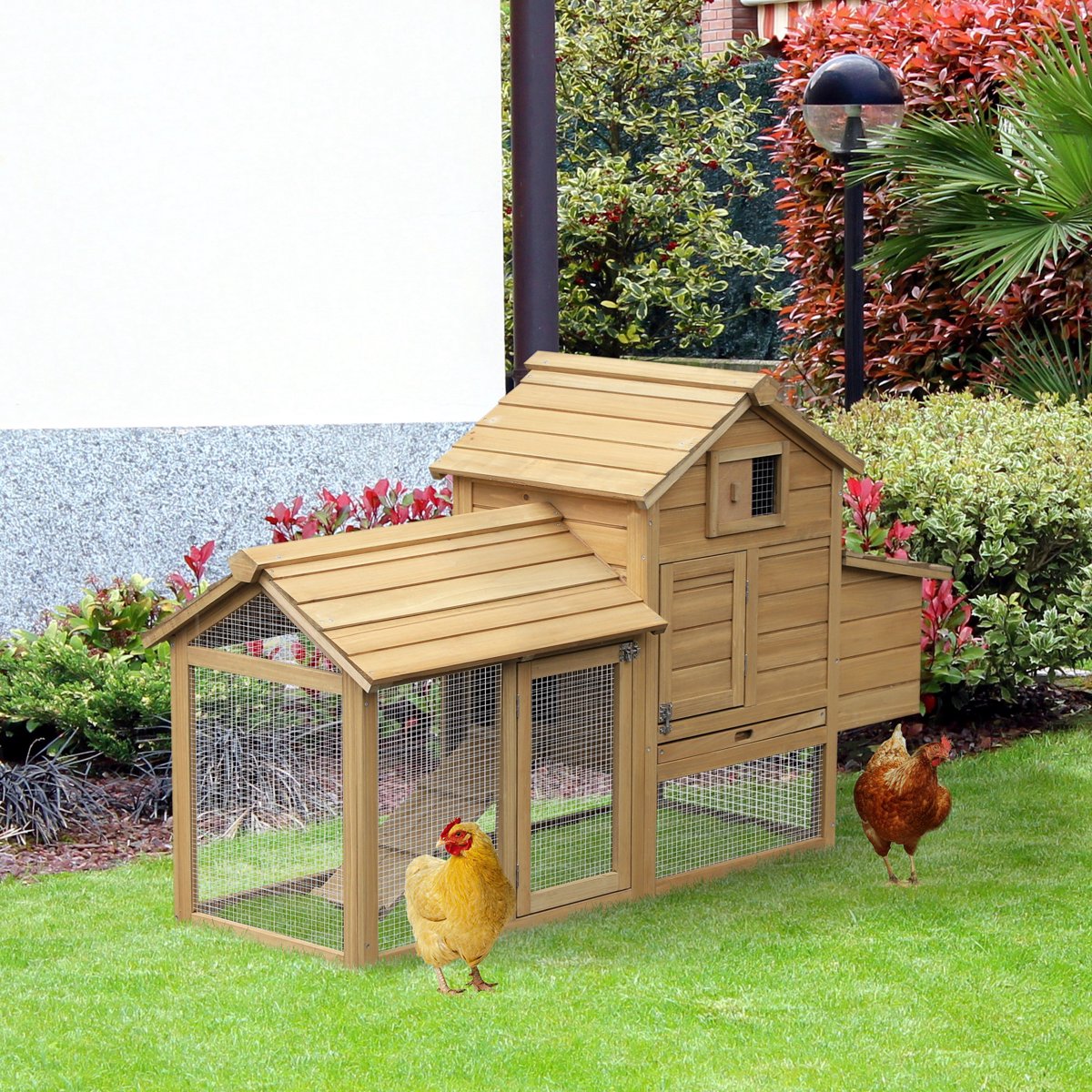 59" Small Wooden Chicken coop Hen House Poultry Cage for Outdoor Backyard with 2 Doors, Nesting Box and Removable Tray, Natural Wood$151.99View on Mallflare
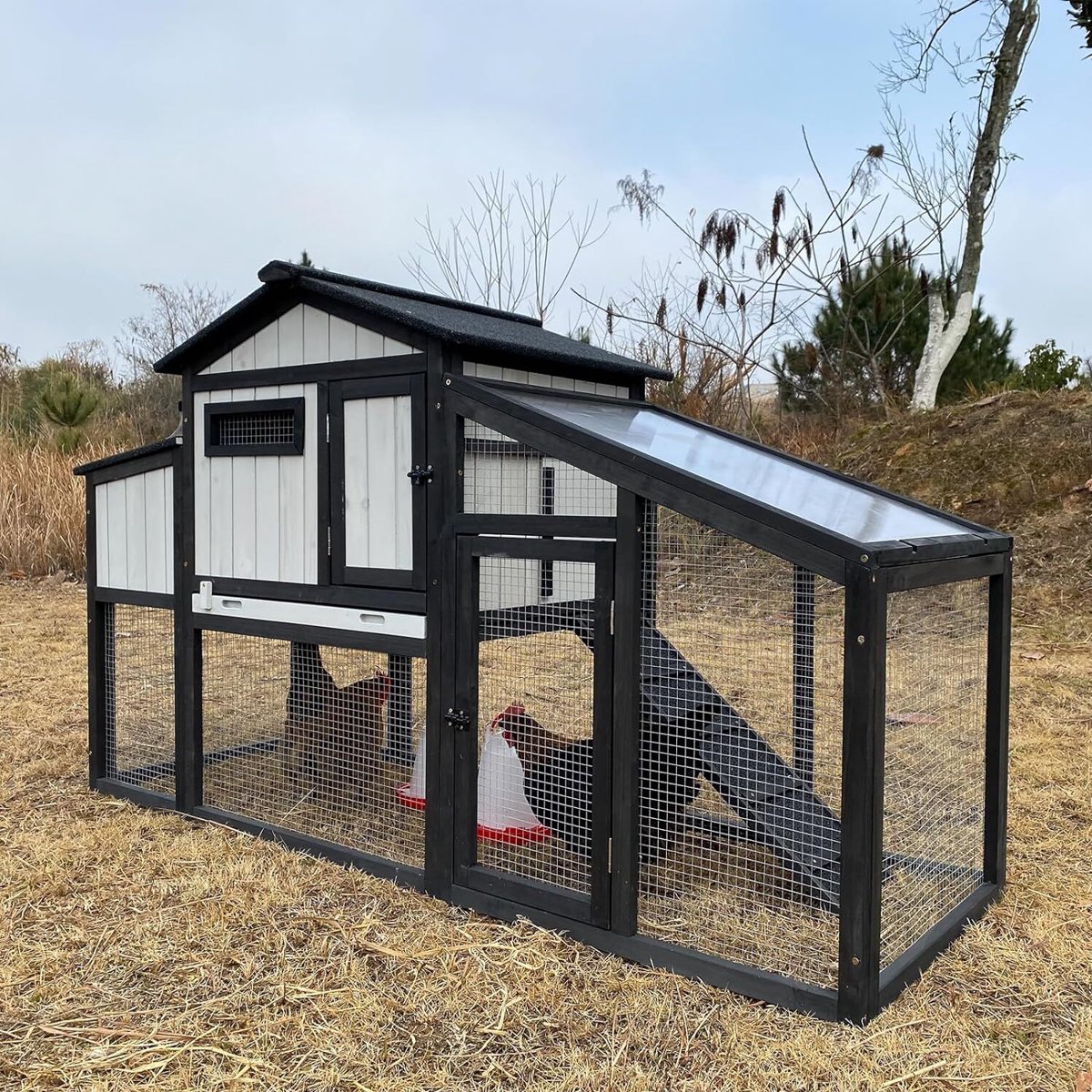 PetsCosset Chicken Coop Outdoor Wooden Backyard 2-Story Hen House Chicken Run$139.99View on eBay
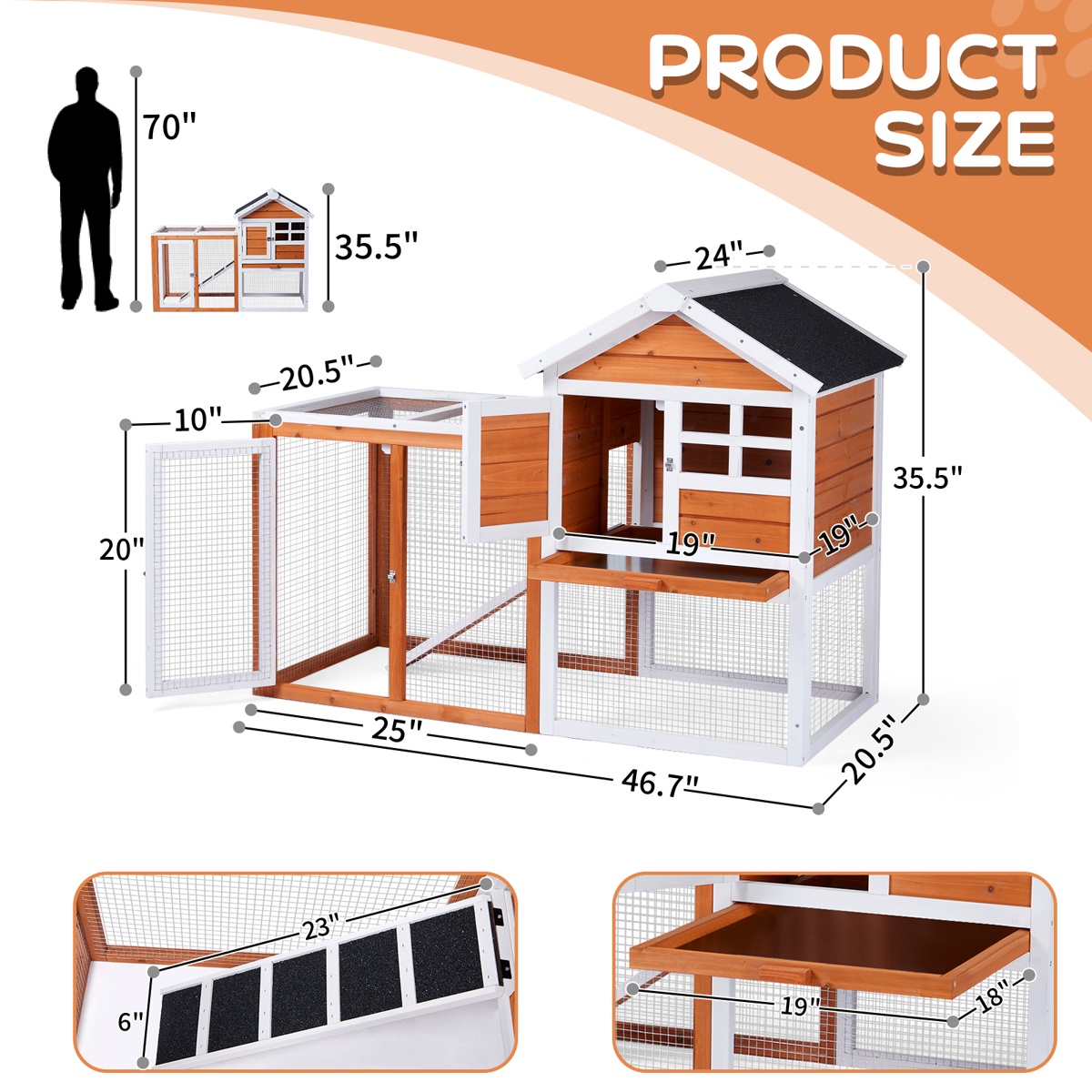 Wooden Rabbit Hutch Outdoor Chicken Coop Indoor Bunny Cage with Run, Guinea Pig House Pet Pull Out Upper Tray, Orange$172.99View on Mallflare
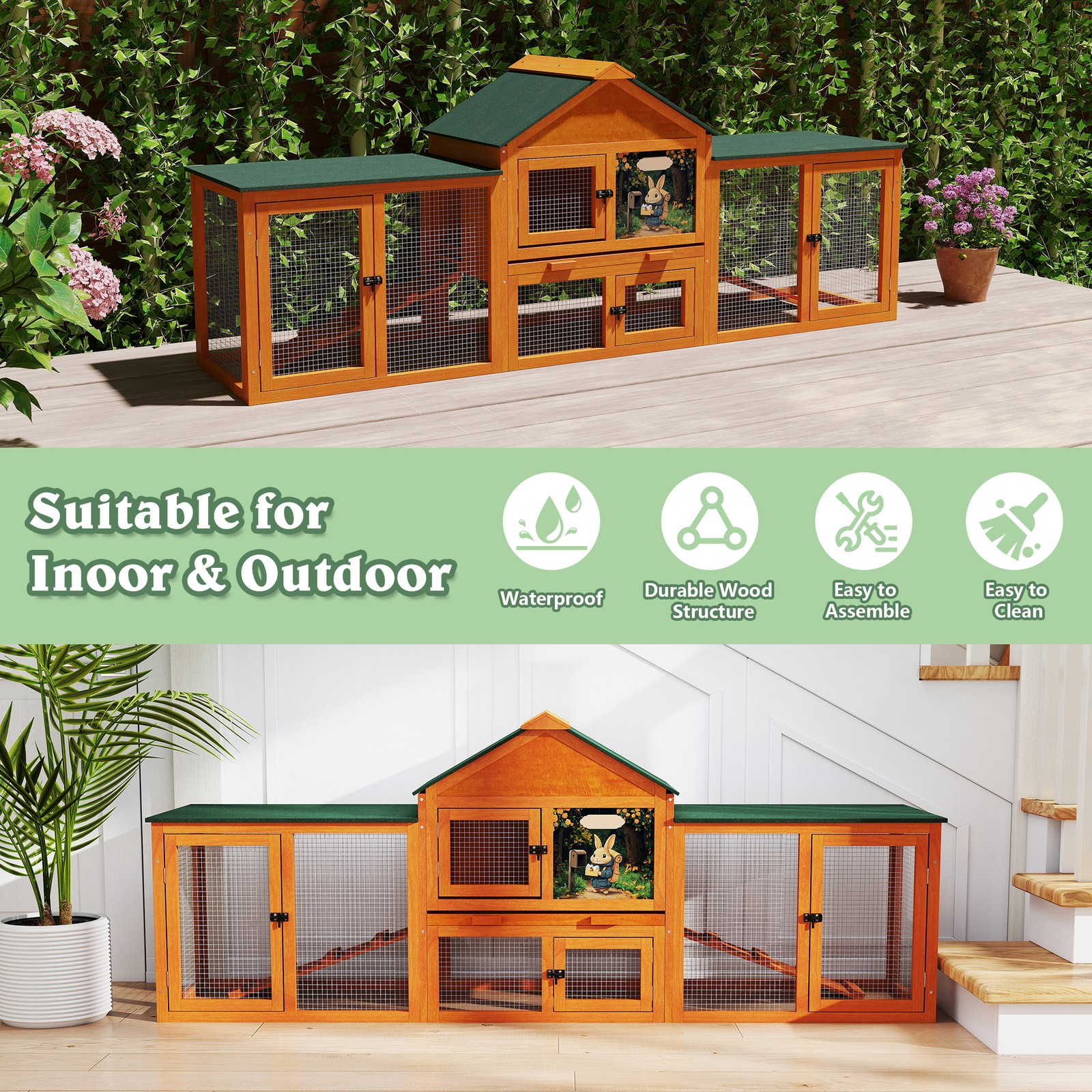 COZIWOW 84" Rabbit Hutch Chicken Coop Wooden Small Animal House Backyard Outdoor$149.99View on eBay
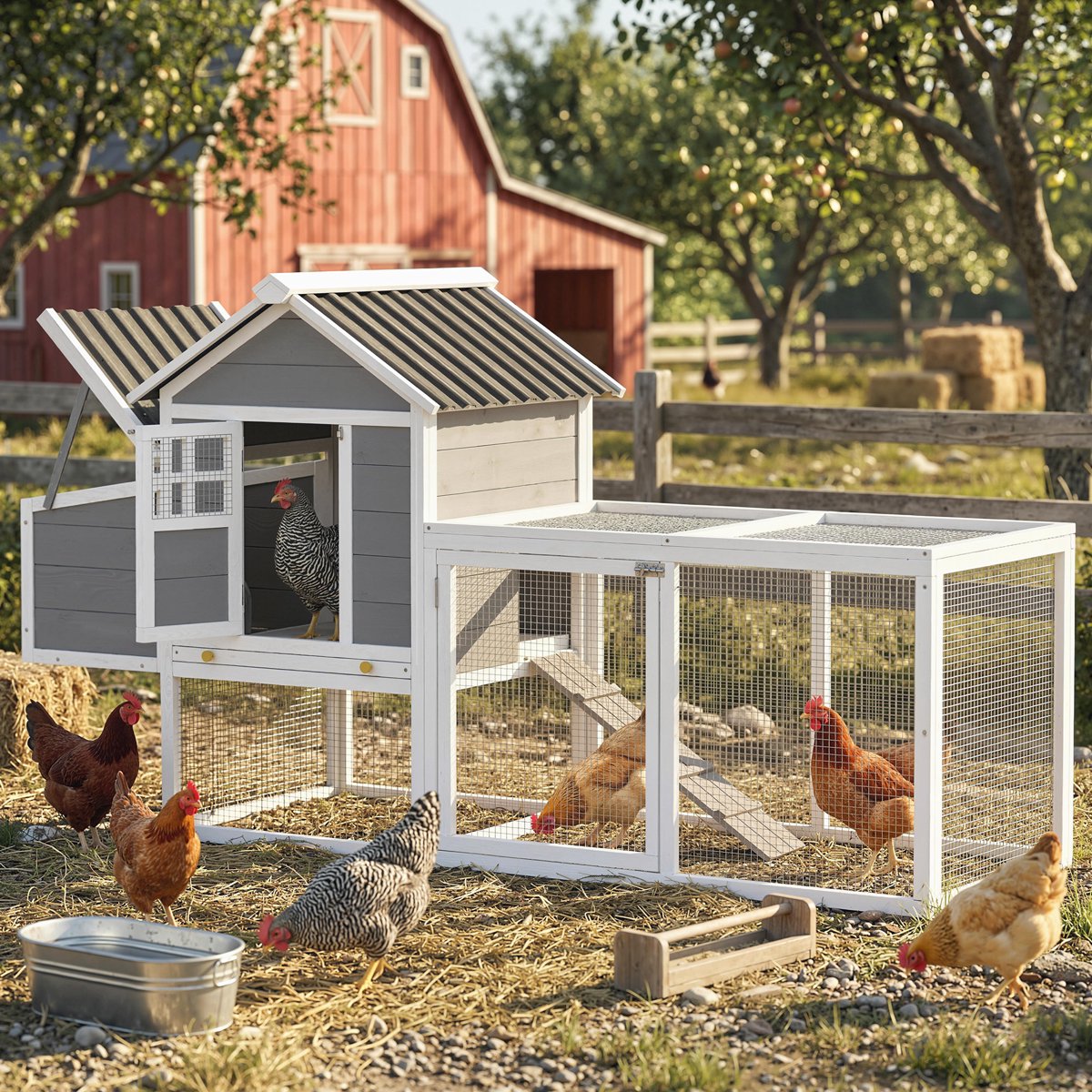 Chicken Coop, 82.3" Wooden Outdoor Hen House with Nesting Box and Pull-Out Cleaning Tray, Gray$174.99View on Mallflare
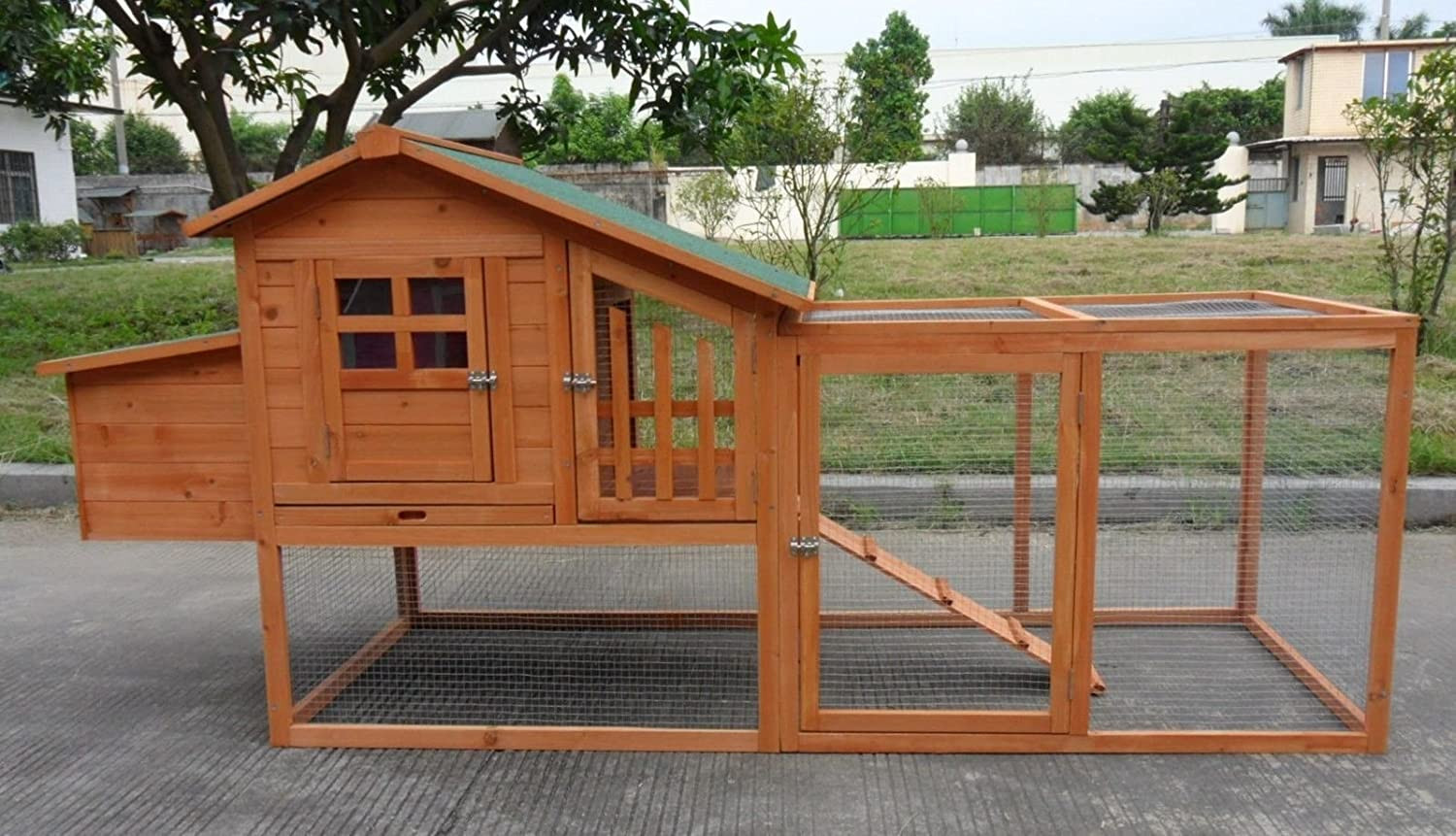 Deluxe Large Wood Chicken Coop Backyard Hen House 3-5 Chickens w Nesting Box Run$169.98View on eBay
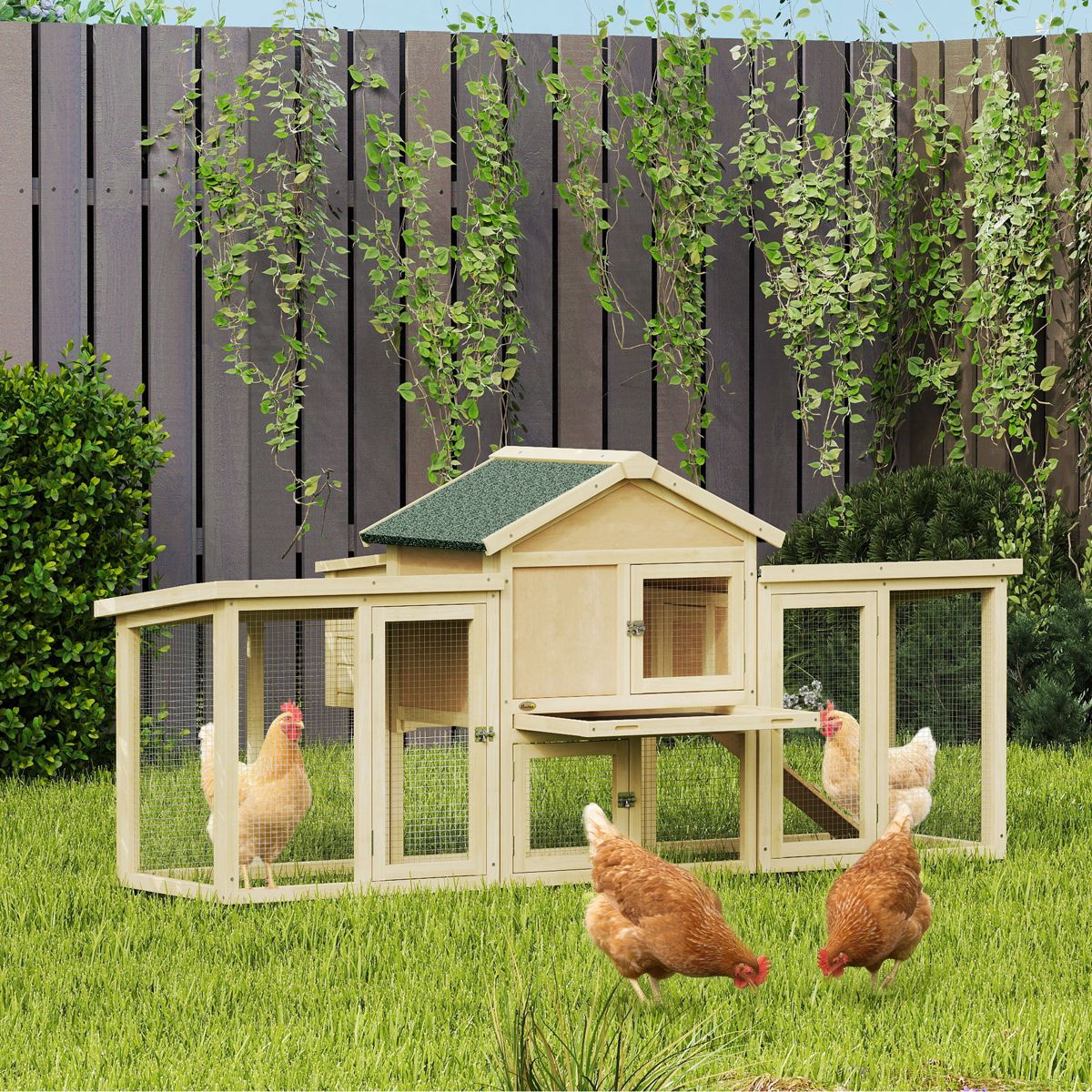 Wooden Chicken Coop ith Nesting Box, Double Runs, Removable Tray, Ramp, for Garden Backyard$178.99View on Mallflare
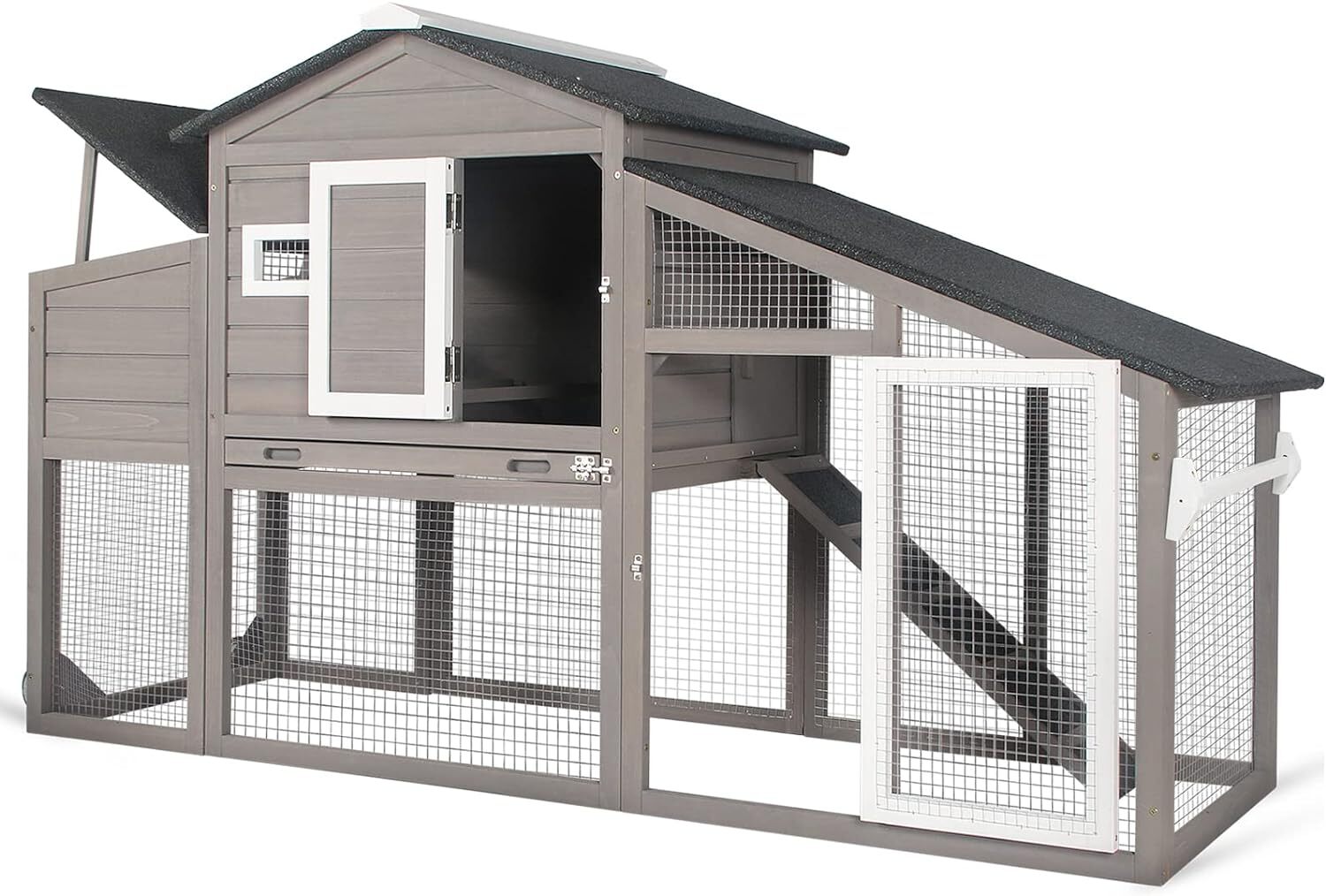 PetsCosset Chicken Coop Wooden Backyard Hen House with Run Nesting Box & Trays$169.99View on eBay
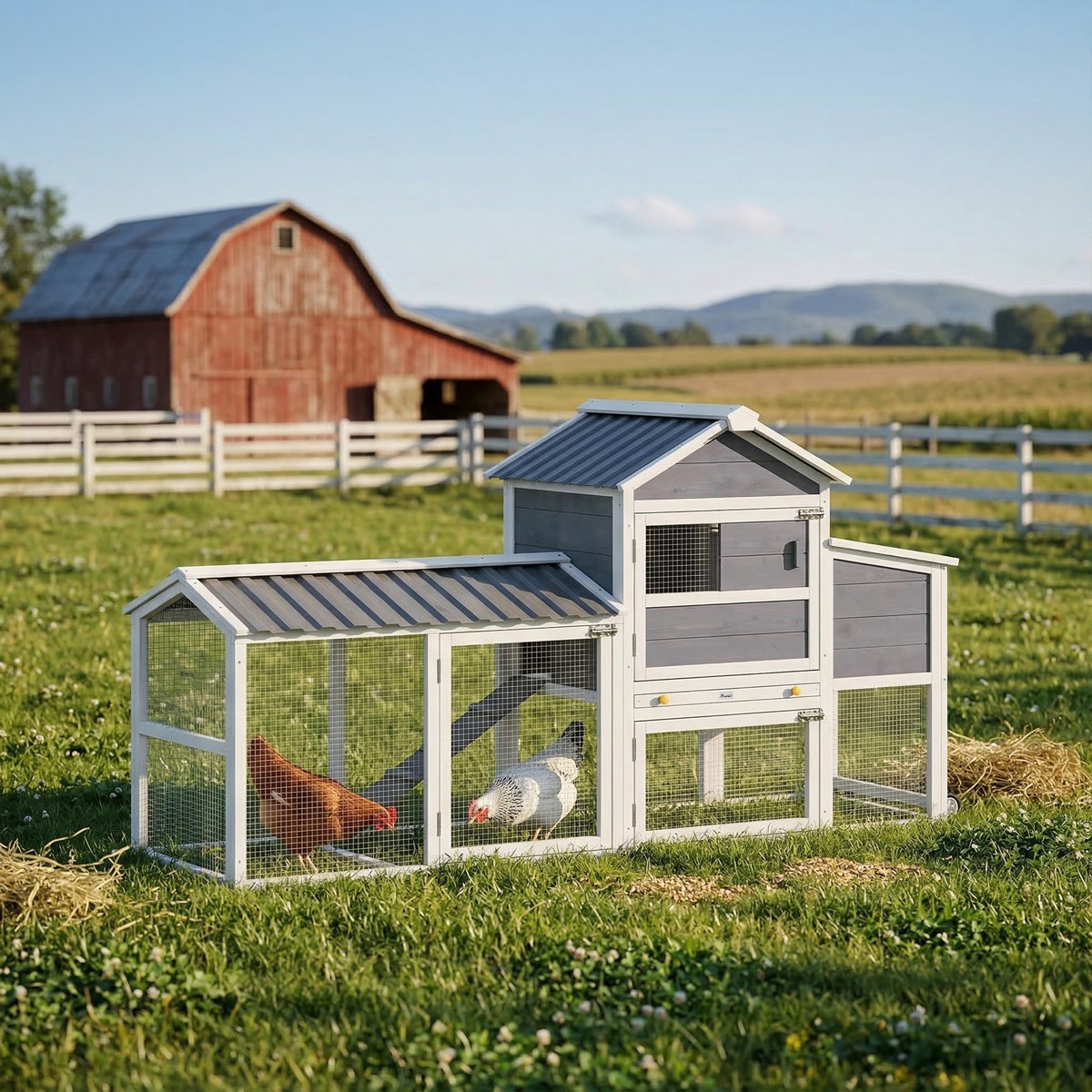 Chicken Coop with Wheels, 80" L Mobile Hen House Run, Outdoor Wooden Nesting Box, Tray, Ramp$189.99View on Mallflare
Highlights
- Cedar and cypress are naturally rot- and insect-resistant heartwoods; pine and fir are softwoods that require pressure treatment to survive outdoor exposure.
- A 1/2-inch hardware cloth apron buried 12 inches outward is the only predator-proof mesh standard; chicken wire stops hens but not raccoons or foxes.
- Ventilation should equal at least 1 square foot of open, predator-screened eave area per adult standard hen to prevent frostbite and ammonia buildup.
- Floor area of 4 square feet per hen inside the coop plus 10 square feet per hen in the run is the minimum welfare and disease-control threshold.
Best use cases
- Best fit: a fixed backyard flock of 4–8 hens in a wet climate—pick a cedar or cypress coop with a gabled, shingled roof and a raised 12-inch floor to keep the frame dry.
- Wrong fit: a mobile tractor setup moved weekly—skip heavy hardwood and choose a lightweight softwood or aluminum tractor instead, because hardwood coops weigh too much to relocate.
- Best fit: a predator-heavy rural property—choose a hardwood coop with 1/2-inch hardware cloth, locking galvanized latches, and a buried mesh apron rather than relying on the timber alone.
- Wrong fit: a temporary or rental backyard—avoid hardwood entirely; a plastic or softwood coop is easier to disassemble and relocate without losing your investment.
Buying tips
- Match coop capacity to your flock using 4 sq ft per hen inside and 10 sq ft per hen in the run; a '6-hen' label usually means 24 sq ft of floor, so measure the footprint before buying.
- Choose cedar, cypress, or pressure-treated pine rated for ground contact; untreated fir and spruce are softwoods that absorb water and harbor red mites.
- Confirm the roof overhang extends at least 6 inches past the walls and that the floor sits 12 inches above grade on skids or legs to prevent splash-back rot.
- Specify 1/2-inch galvanized hardware cloth for every opening, including vents, and check that latches are predator-resistant two-action or barrel bolts rather than simple hooks.
Specs
| Frame Wood Species | Cedar / Cypress / Treated Pine |
|---|---|
| Predator Mesh | 1/2-inch galvanized hardware cloth |
| Floor Space per Hen | 4 sq ft indoor + 10 sq ft run |
| Roof Overhang | 6+ inches past walls |
Related searches
What to check before buying
- Measure your available footprint and confirm the coop plus run fits with at least 2 feet of clearance on all sides for cleaning and air circulation.
- Check your yard's drainage: set the coop on high ground or a gravel pad, because even rot-resistant hardwood fails if the floor stays submerged.
- Verify your climate's snow and wind loads—choose a steeper roof pitch and anchored frame if you get heavy snowfall or exposed coastal winds.
- Confirm the run attaches securely to the coop and that the mesh continues underground as an apron; no timber coop is predator-proof without this.
FAQ
Data sources: eBay / Amazon listings and product attribute feeds. Updated Nov 28, 2026.
Some links on this page are affiliate links. If you buy after clicking one, we may earn a commission at no extra cost to you. This does not change which products appear here or their order. Affiliate disclosure.