
Photos from current listings. Actual item, color, and included accessories may vary.
Coop Buying Guide
Coop selection hinges less on looks than on predator-proofing, ventilation, and the floor area your flock actually needs. Buyers commonly under-size the enclosed house while overpaying for run length, or mix wood and metal tiers without accounting for climate and maintenance. Match the coop's construction and footprint to your flock count, climate, and whether you need an attached run or a standalone house.
Median $123.99
Key takeaways
- Wood coops insulate and accept hardware cloth stapling well; metal runs ventilate better but need shade covers in summer heat.
- Predator resistance depends on 1/2-inch hardware cloth and locking latches, not the included chicken wire most kits ship with.
- Enclosed house floor area matters most: allow roughly 2-3 sq ft per bird inside and 8-10 sq ft in the run.
At a glance
- Category
- Chicken Coops & Runs
- Last updated
- Nov 28, 2026
Current offers
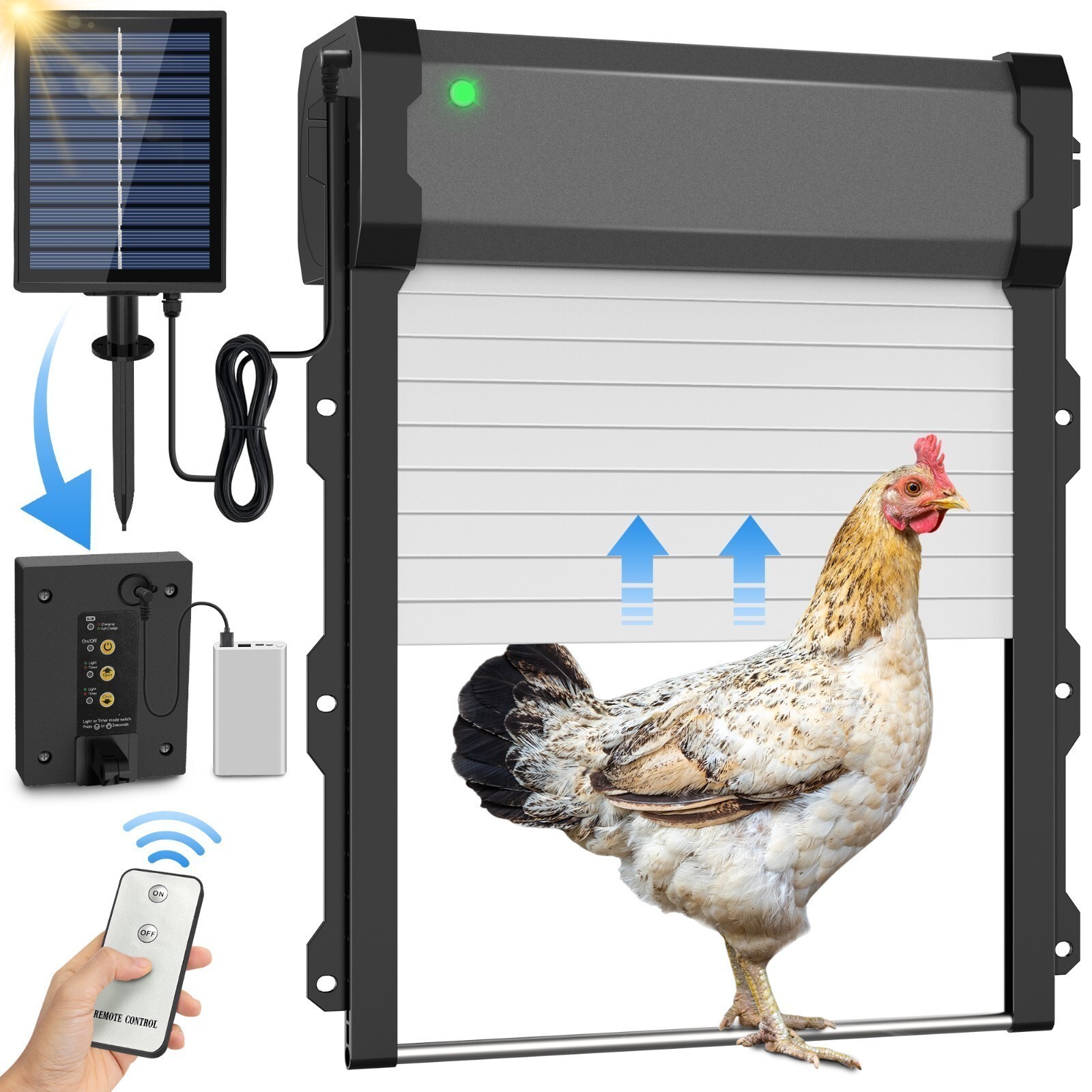 Solar Powered Chicken Coop Door Opener Timer & Light Sensor Auto Door Waterproof$65.99View on eBay
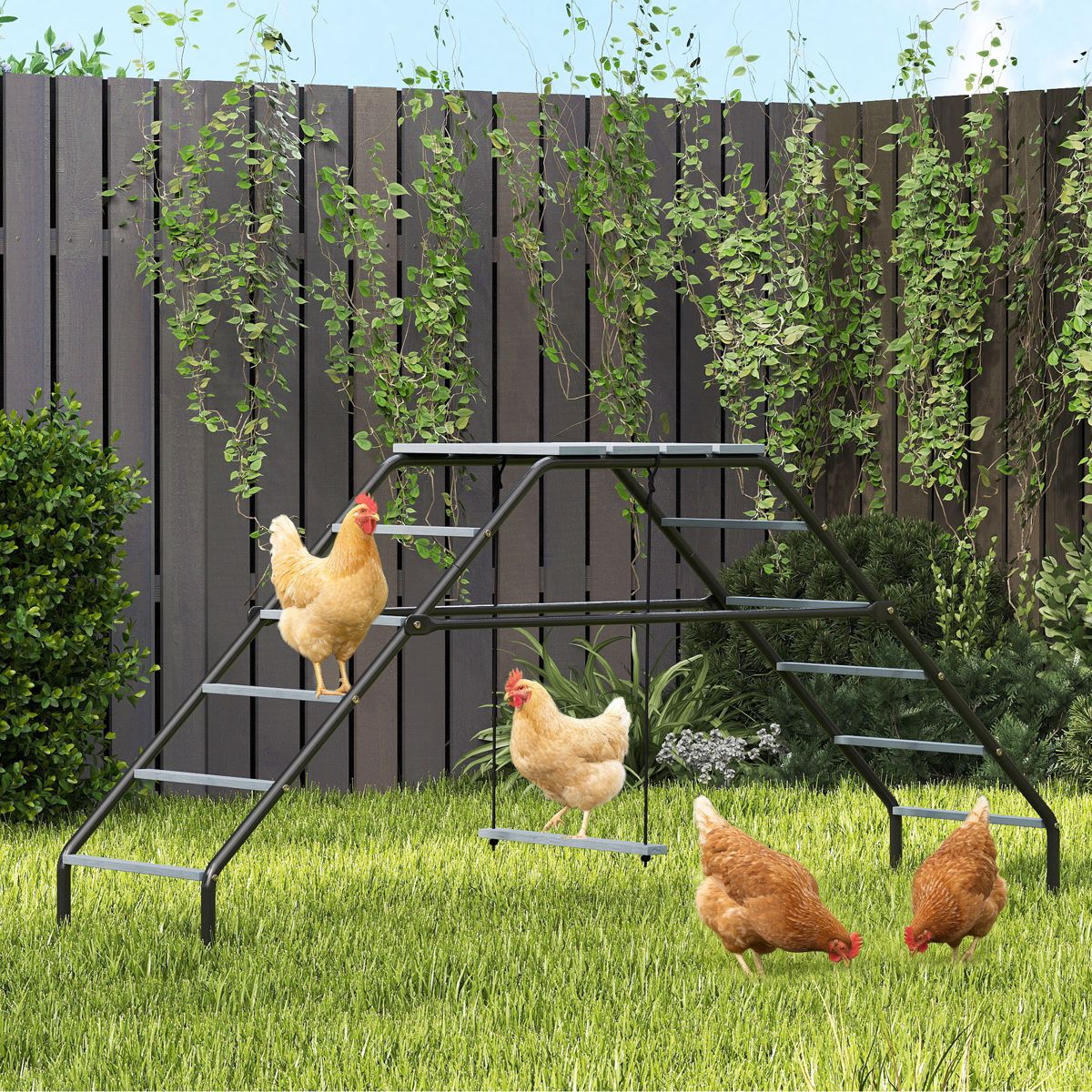 Chicken Coop Perches with Adjustable Swing, 10 Roosting Bars, for Backyard, Farm$40.99View on Mallflare
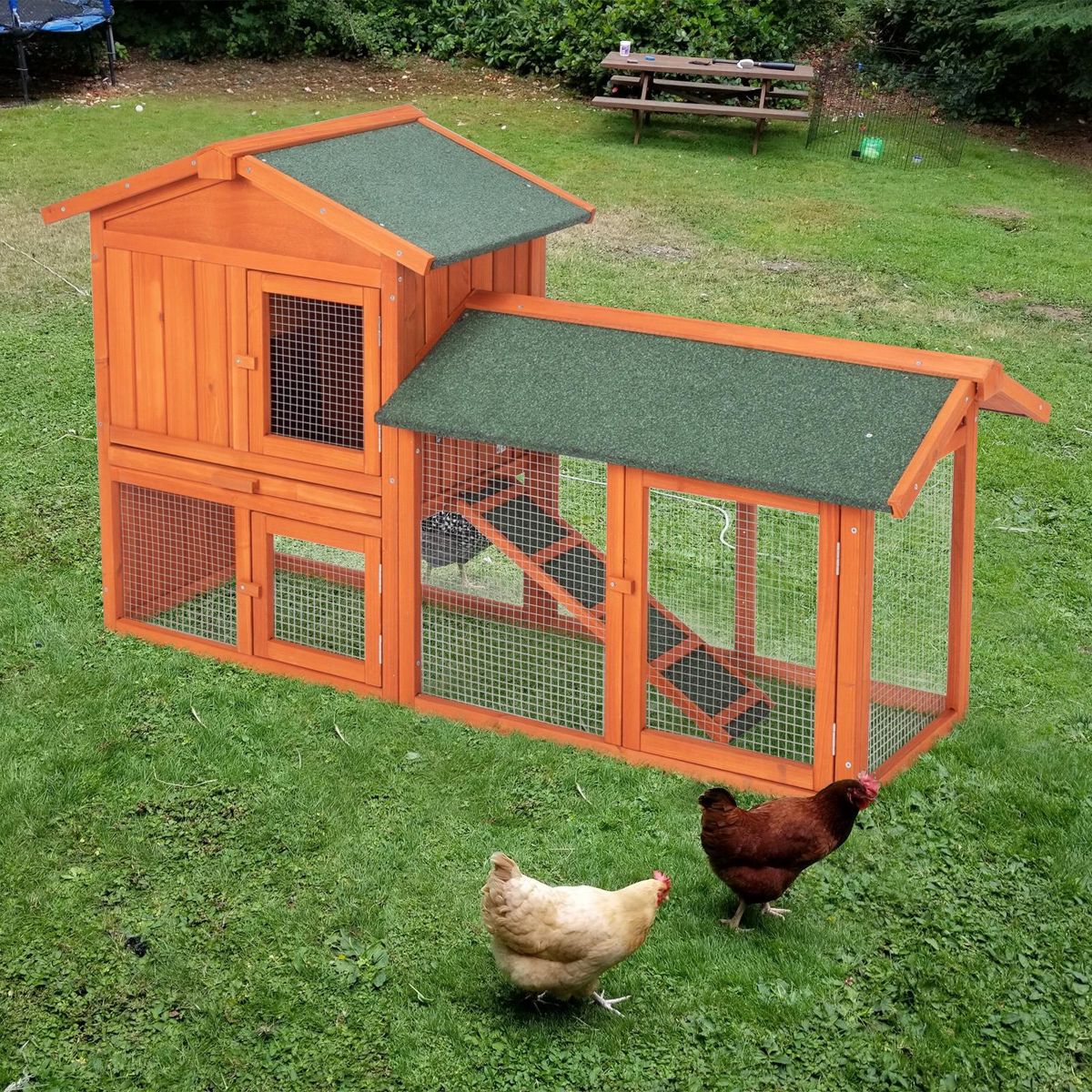 Wooden Chicken Coop Hen House Poultry Hutch Pet Cage with Nesting Box, Backyard$102.99View on eBay
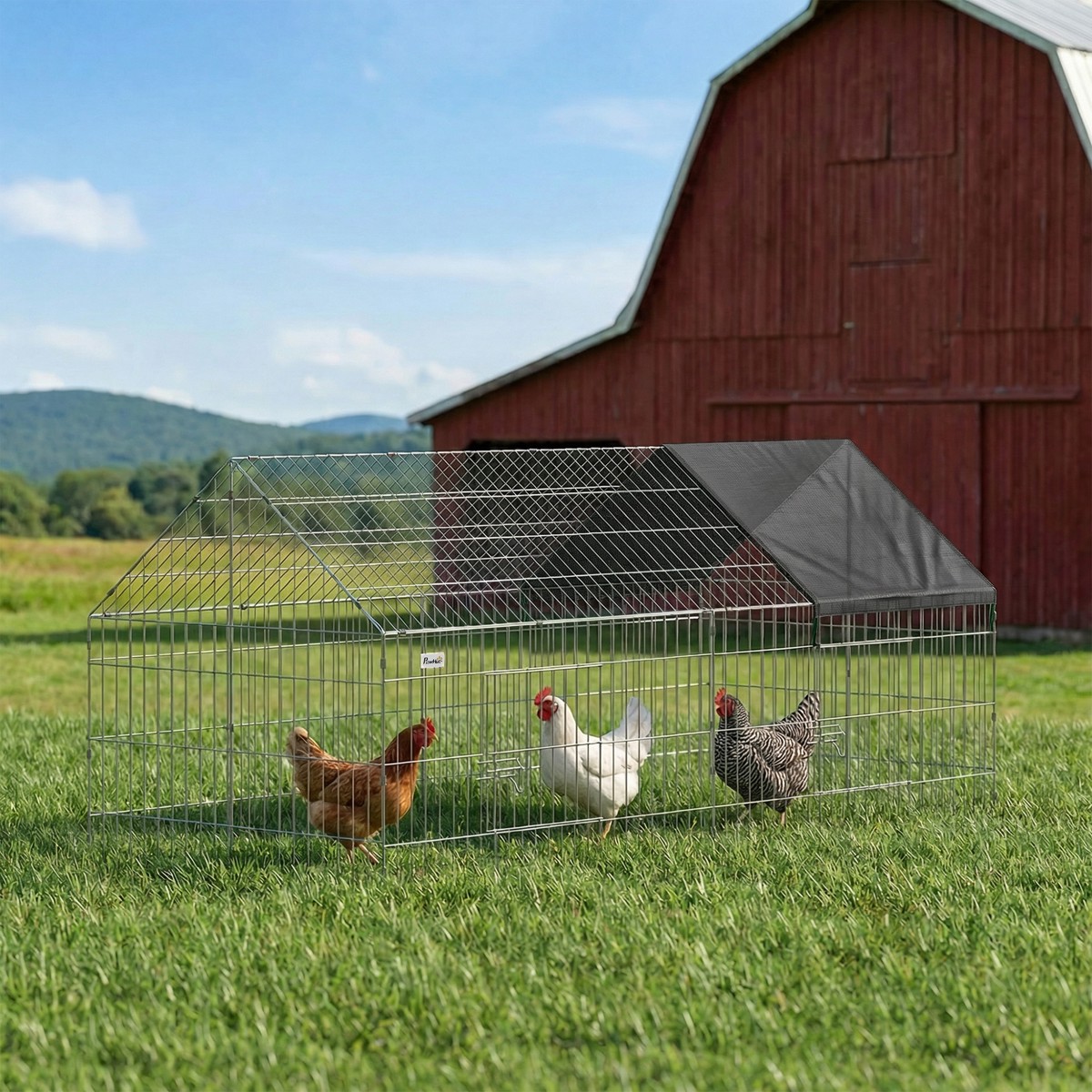 Metal Chicken Coop with Cover for Backyard Small Animals Duck Rabbit, 71" x 29.5" x Black$51.99View on Mallflare
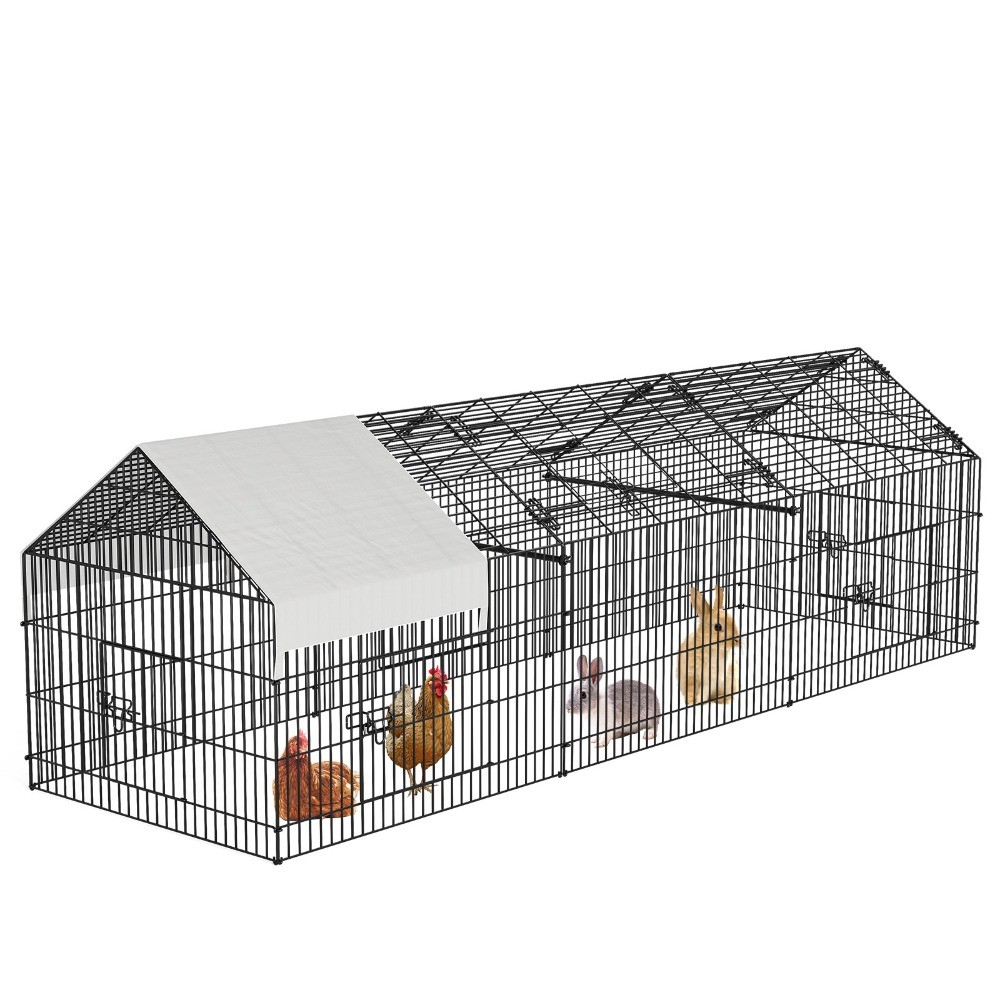 130"*40"Metal Chicken Coop Chicken Run Backyard Hen House Poultry Habitat Cage$105.99View on eBay
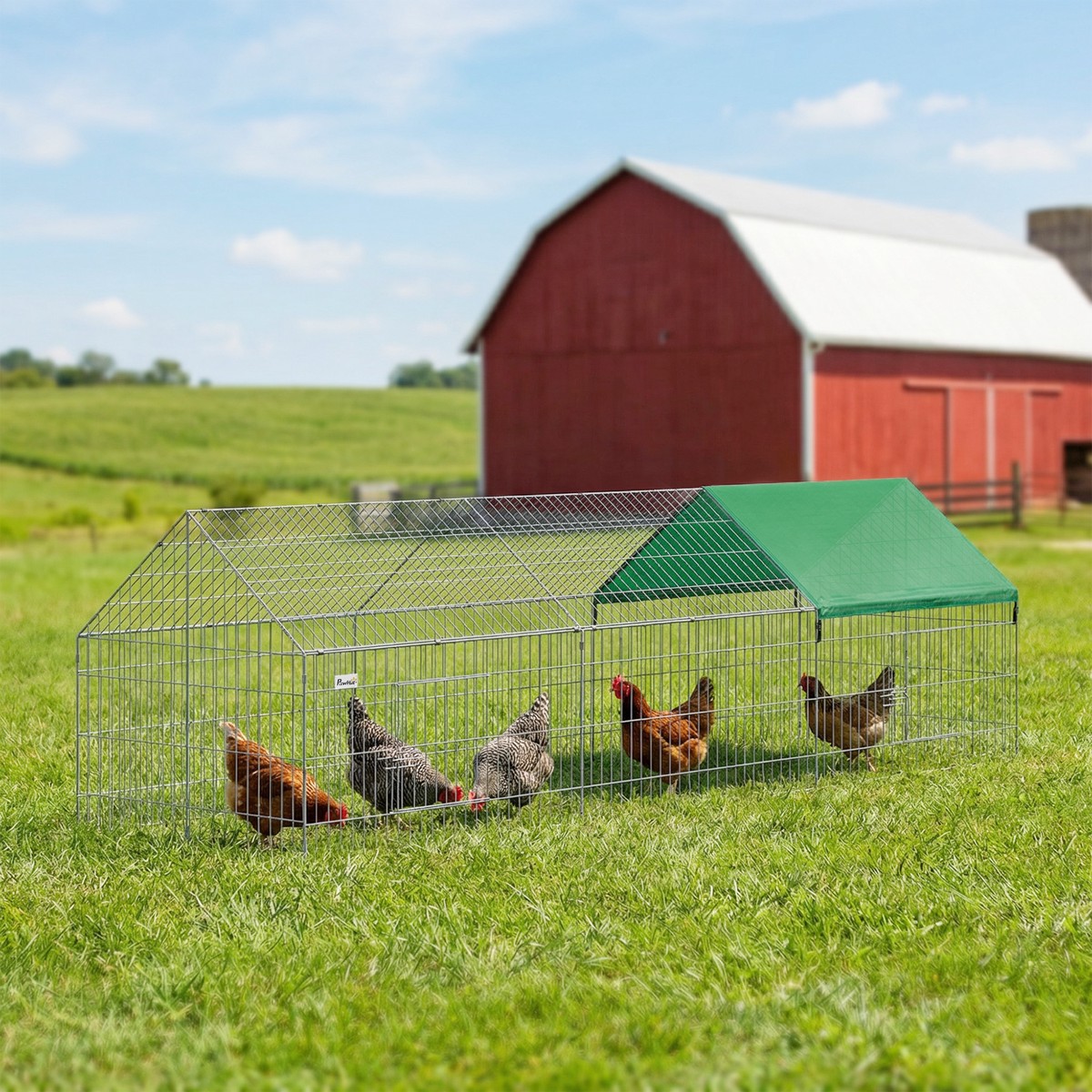 Metal Chicken Coop with Cover for Backyard Small Animals Duck Rabbit, 106" x 29.5" x Green$61.99View on Mallflare
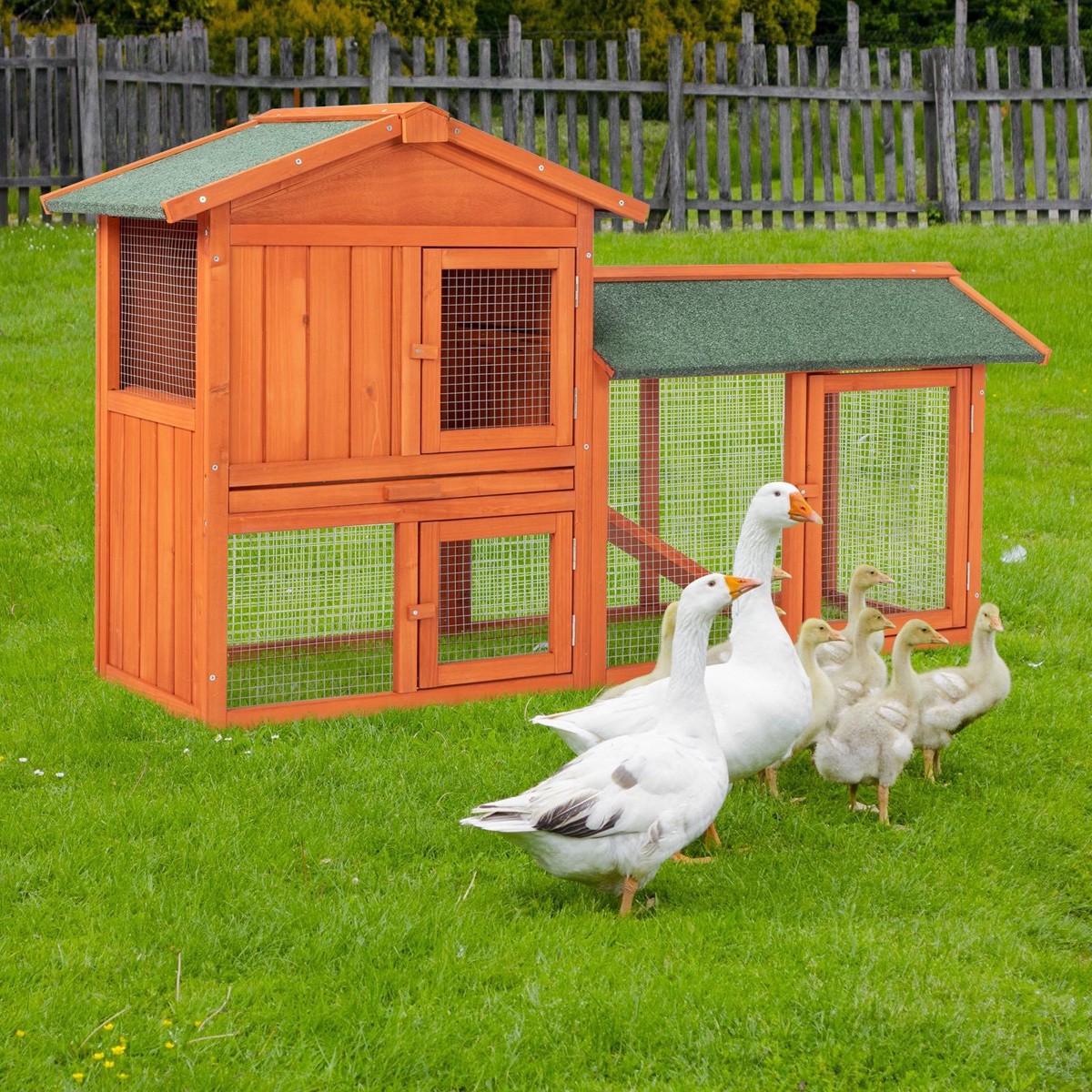 Wooden Chicken Coop Hen House Poultry Hutch Pet Cage w/ Nesting Box Backyard$106.79View on eBay
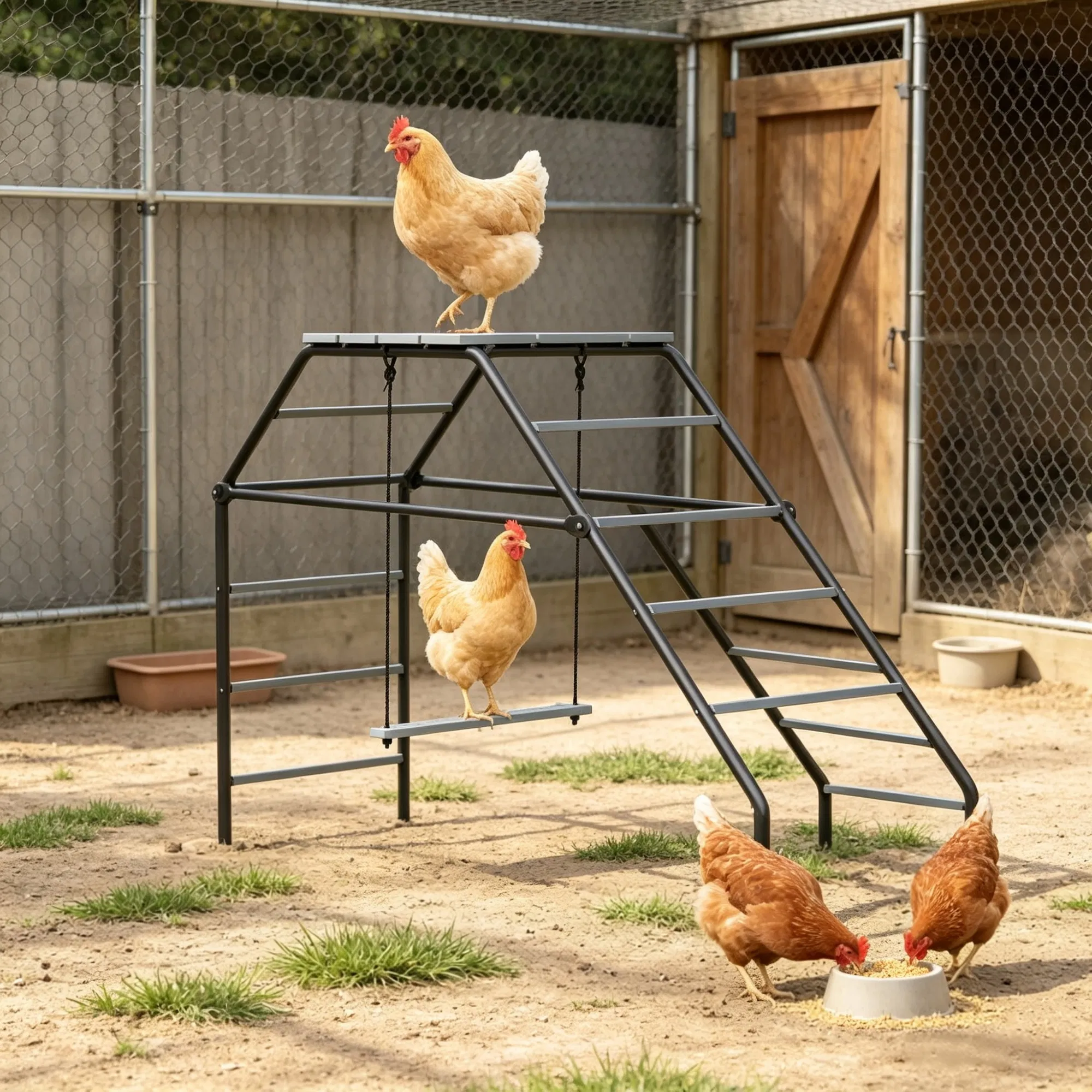 10 Pcs Chicken Coop Perches - with Adjustable Swing, Roosting Bars for Backyard Brooder & Farm Upgrade$73.99View on Mallflare
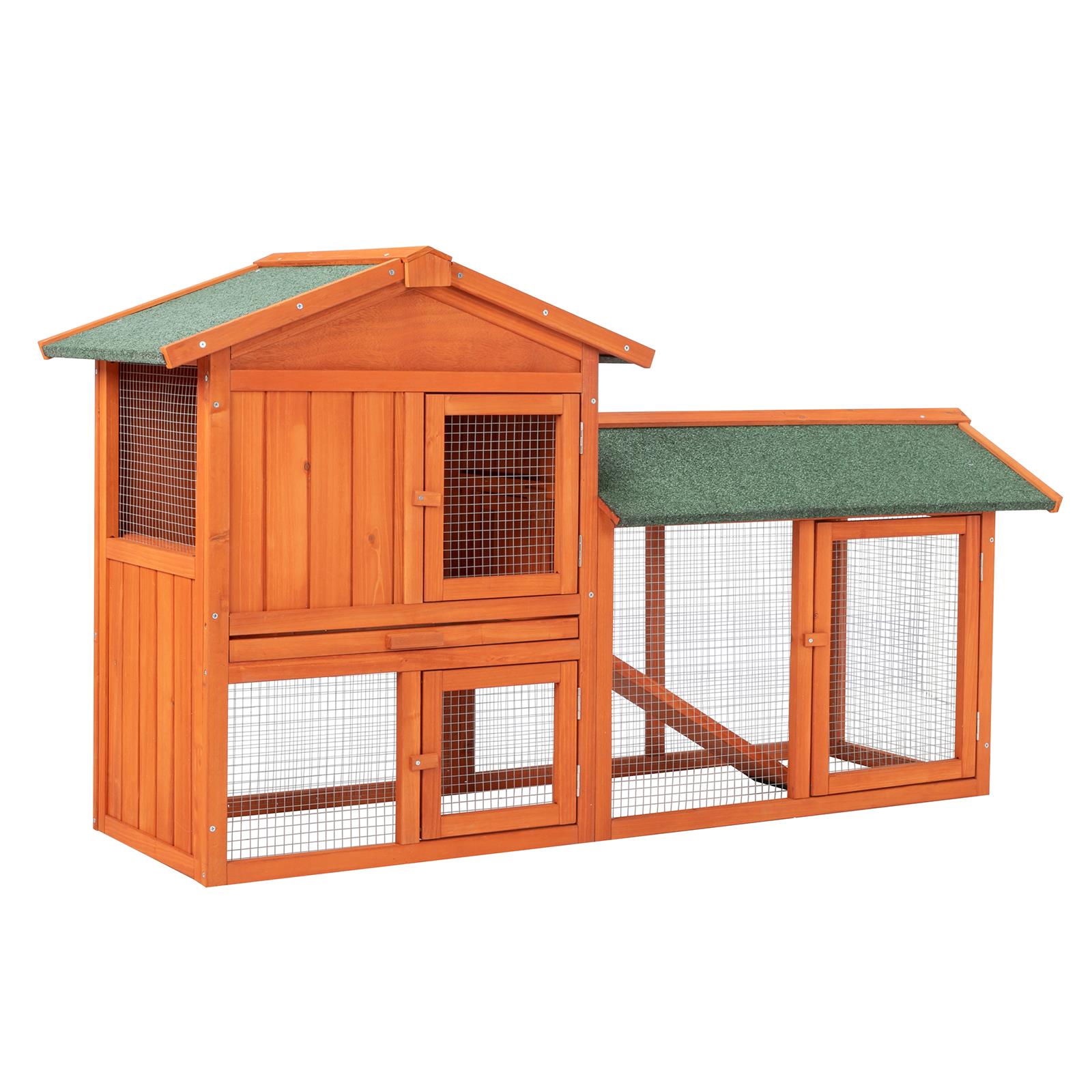 Garden Wood Chicken Coop House Poultry Hutch Pet Cage w/ Nesting Box Backyard$107.99View on eBay
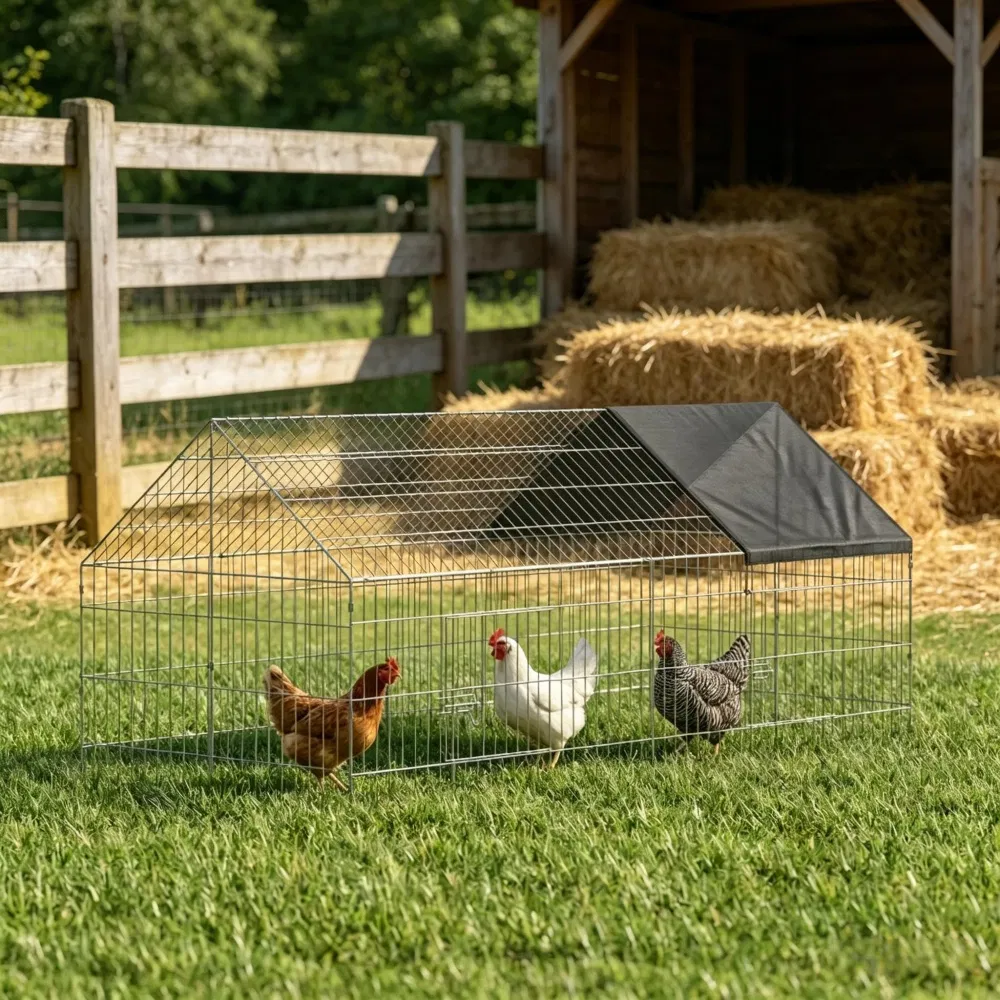 Chicken Coop, Steel Run with 90D Oxford Canopy and Two Latched Doors, 70.9 x 29.5 x in, for Chickens, Ducks and Rabbits, Black and Silver$76.99View on Mallflare
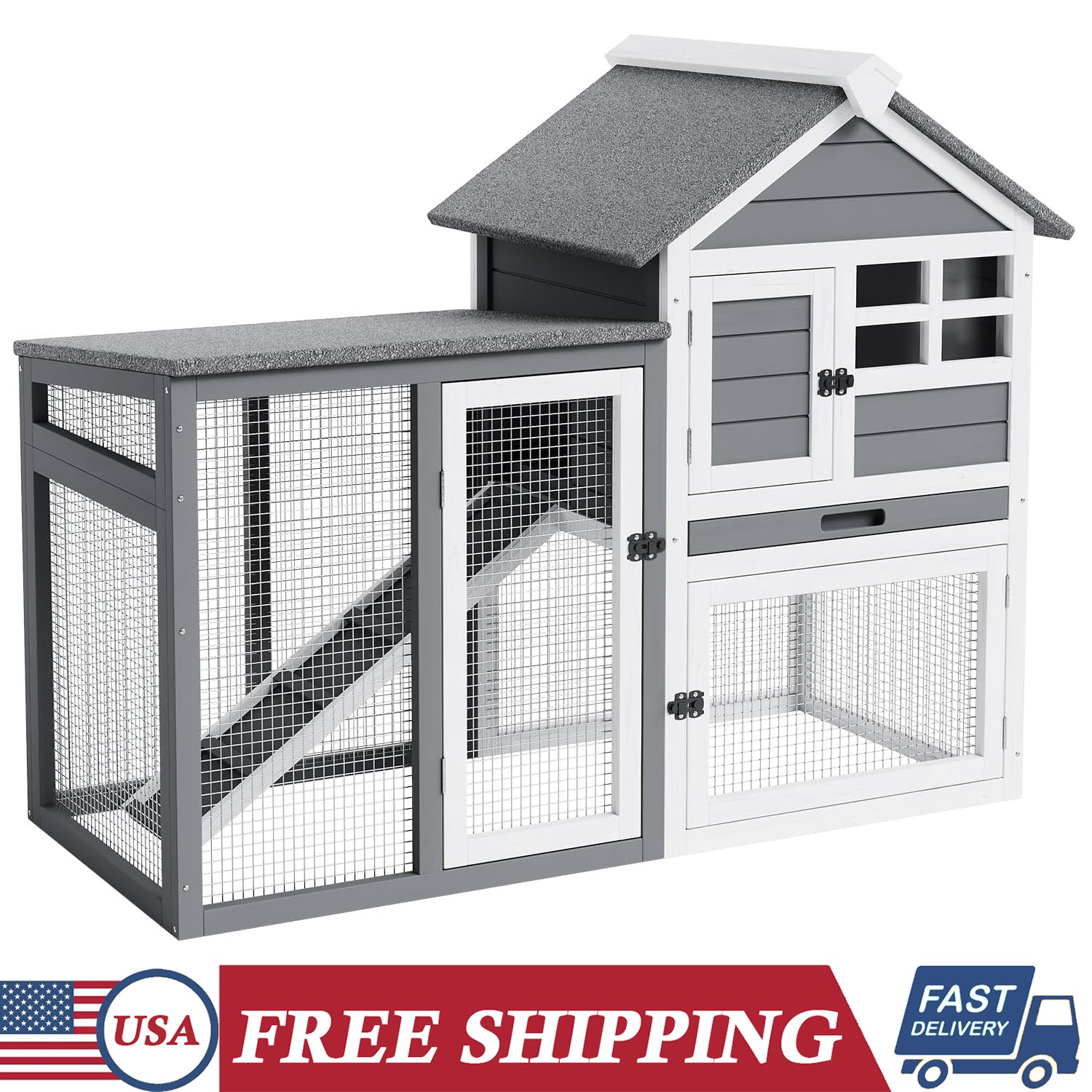 Large Chicken Coop Outdoor Wooden Backyard 2-Story Hen Rabbit House Chicken Run$109.98View on eBay
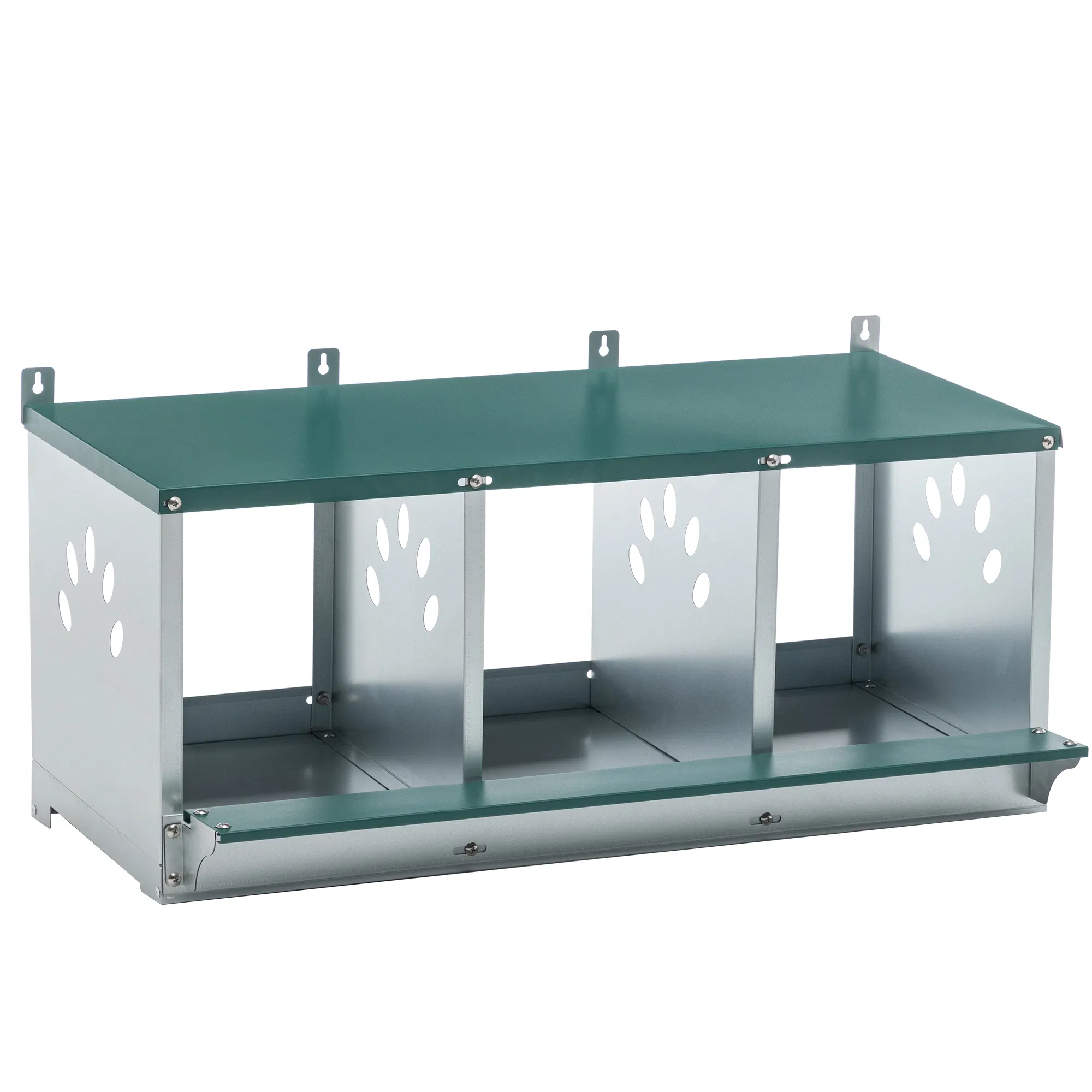 3 Room Metal Chicken Nesting Boxes 3 Compartment Egg Coop$76.99View on Mallflare
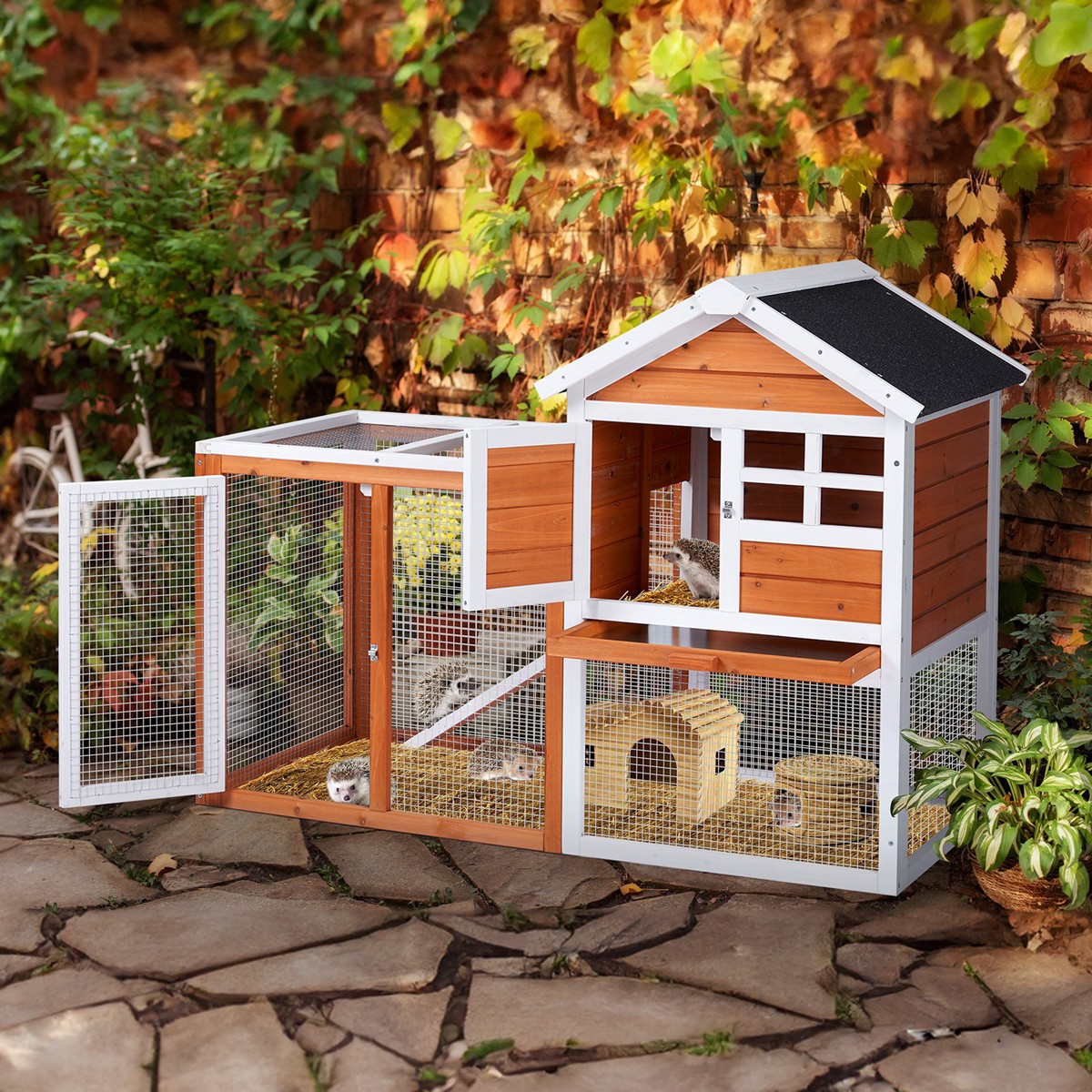 Wooden Chicken Coop Hen House Poultry Hutch Pet Cage with Nesting Box Backyard$111.99View on eBay
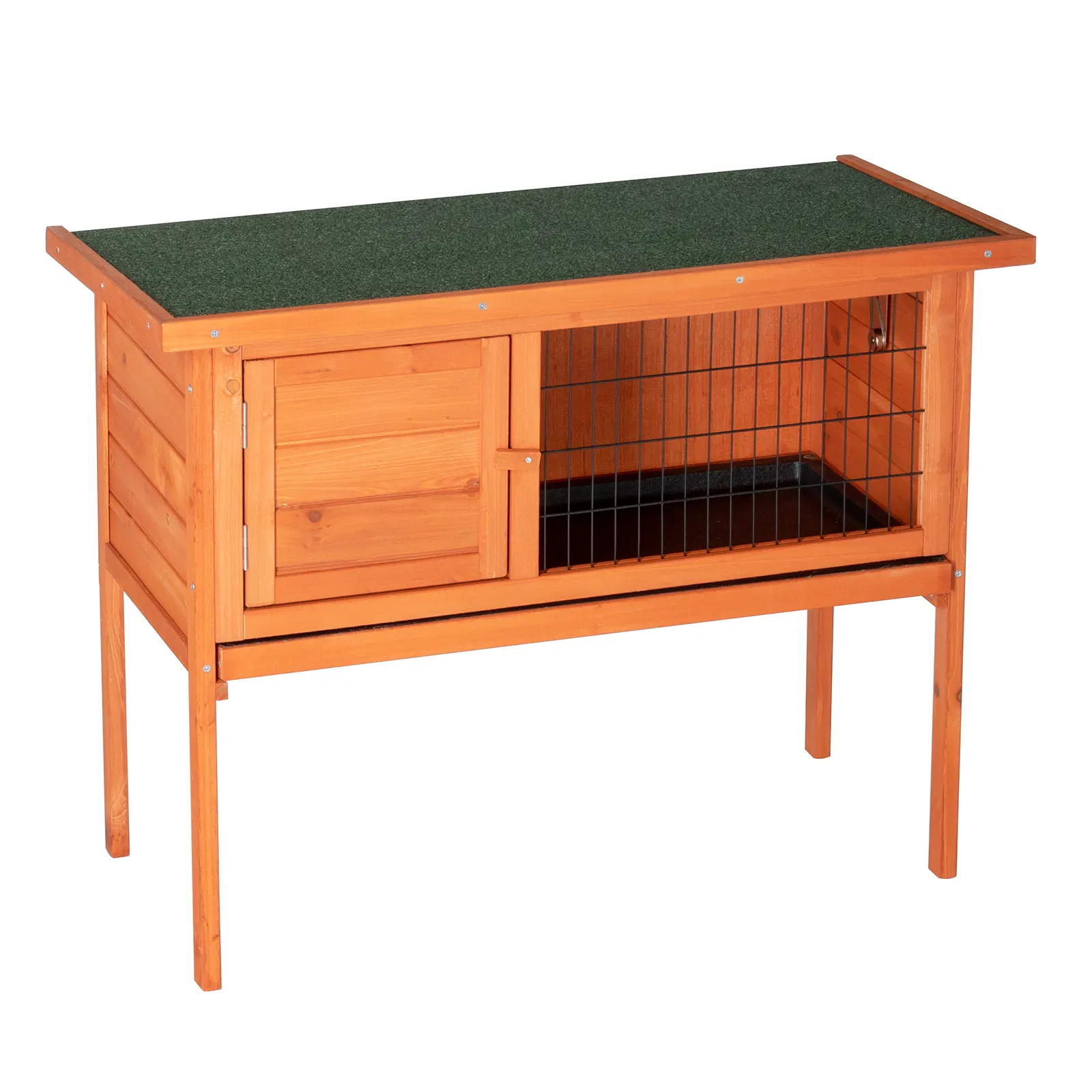 Replace 2225192136" Single Deck Waterproof Wooden Chicken Coop Hen House Pet Animal Poultry Cage Rabbit Hutch Nature$85.99View on Mallflare
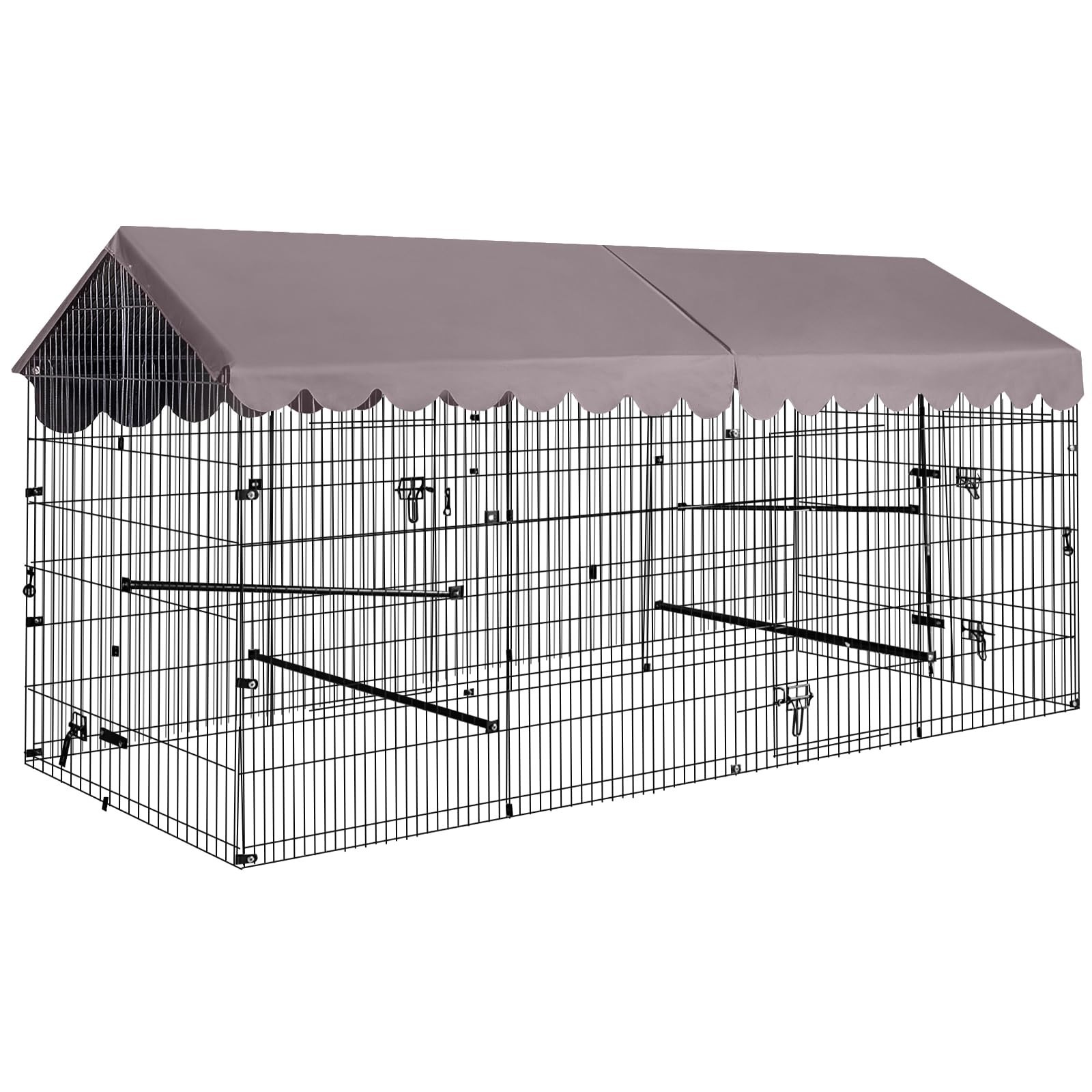 Super Large Metal Chicken Coop with Waterproof Cover Portable Poultry Cage$114.99View on eBay
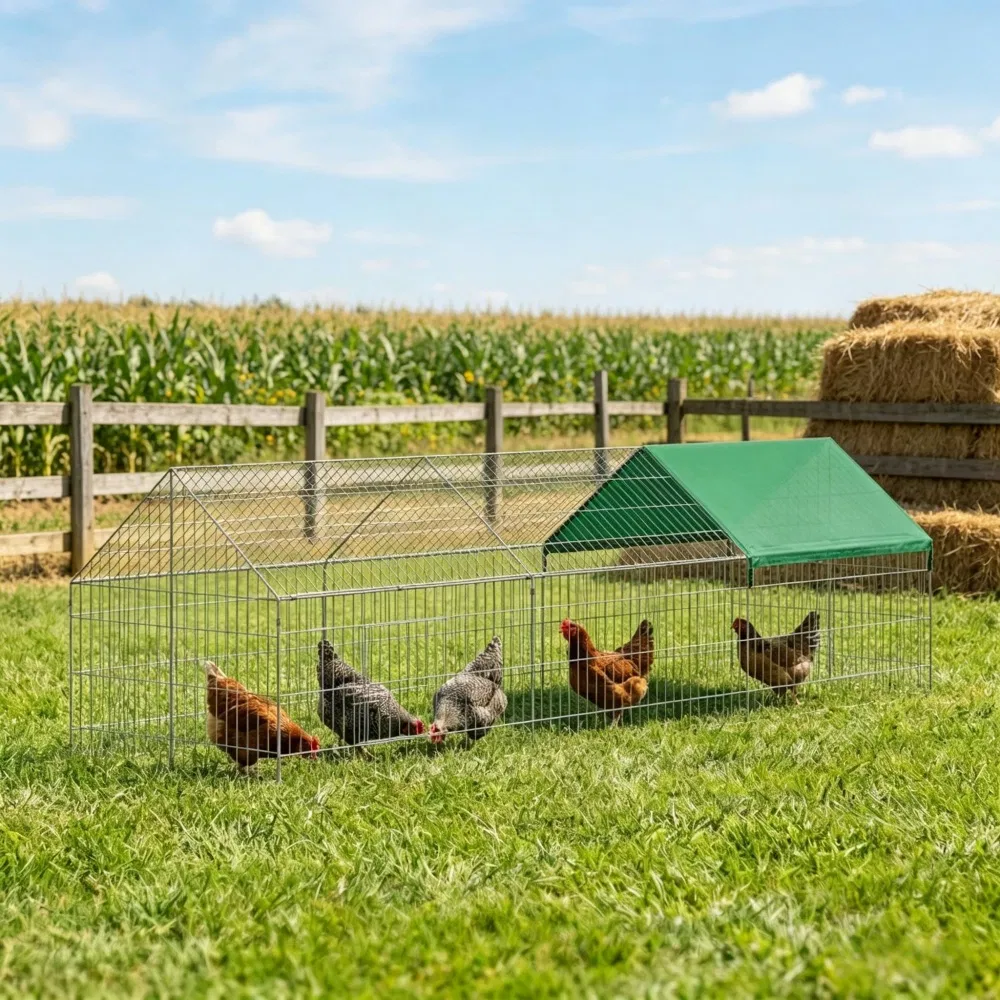 Chicken Coop 106.3 Inches for Outdoor$90.99View on Mallflare
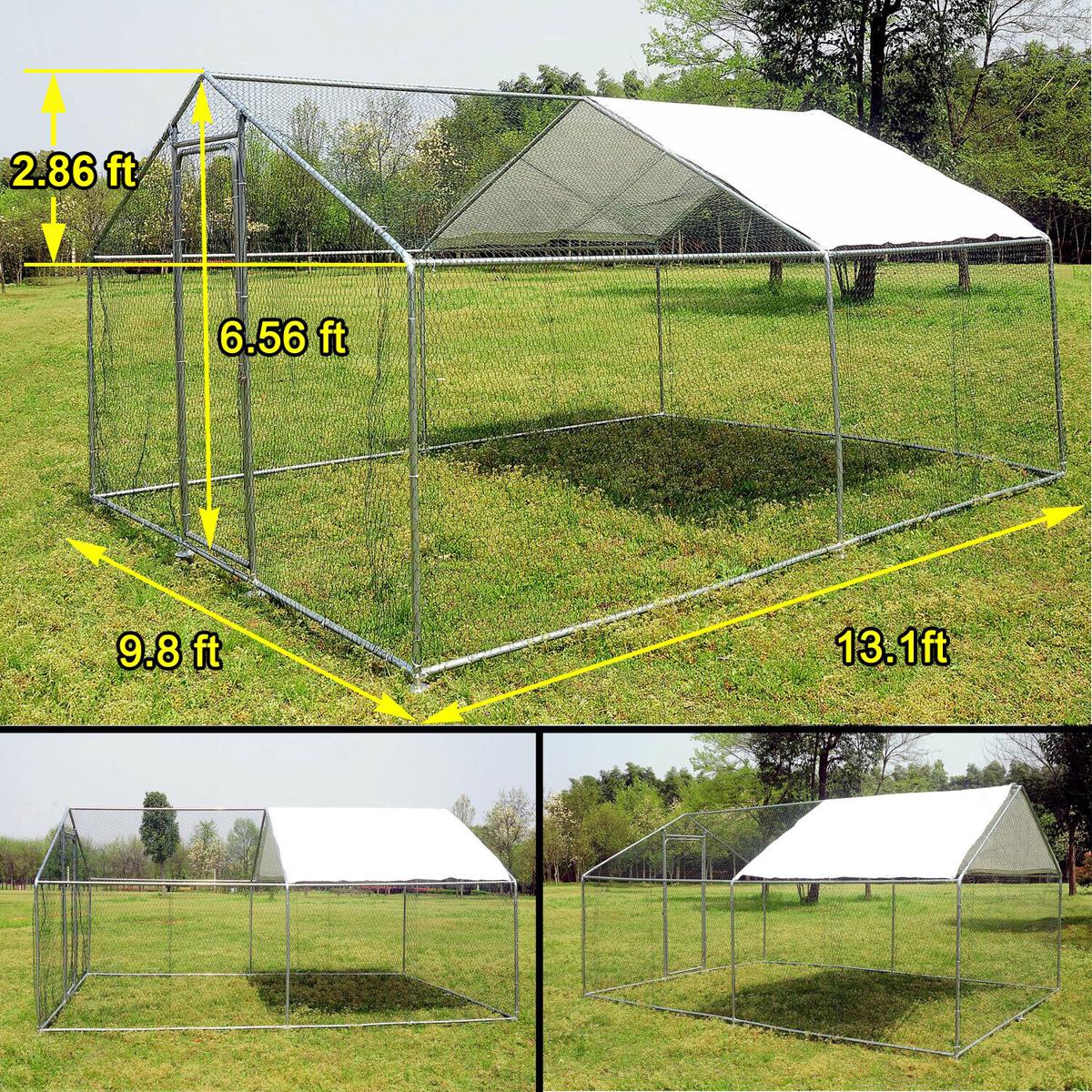 10x10'/ 13x10'/ 20x10' Chicken Coop Run Hen House Enclosed Backyard Poultry Cage$124.99View on eBay
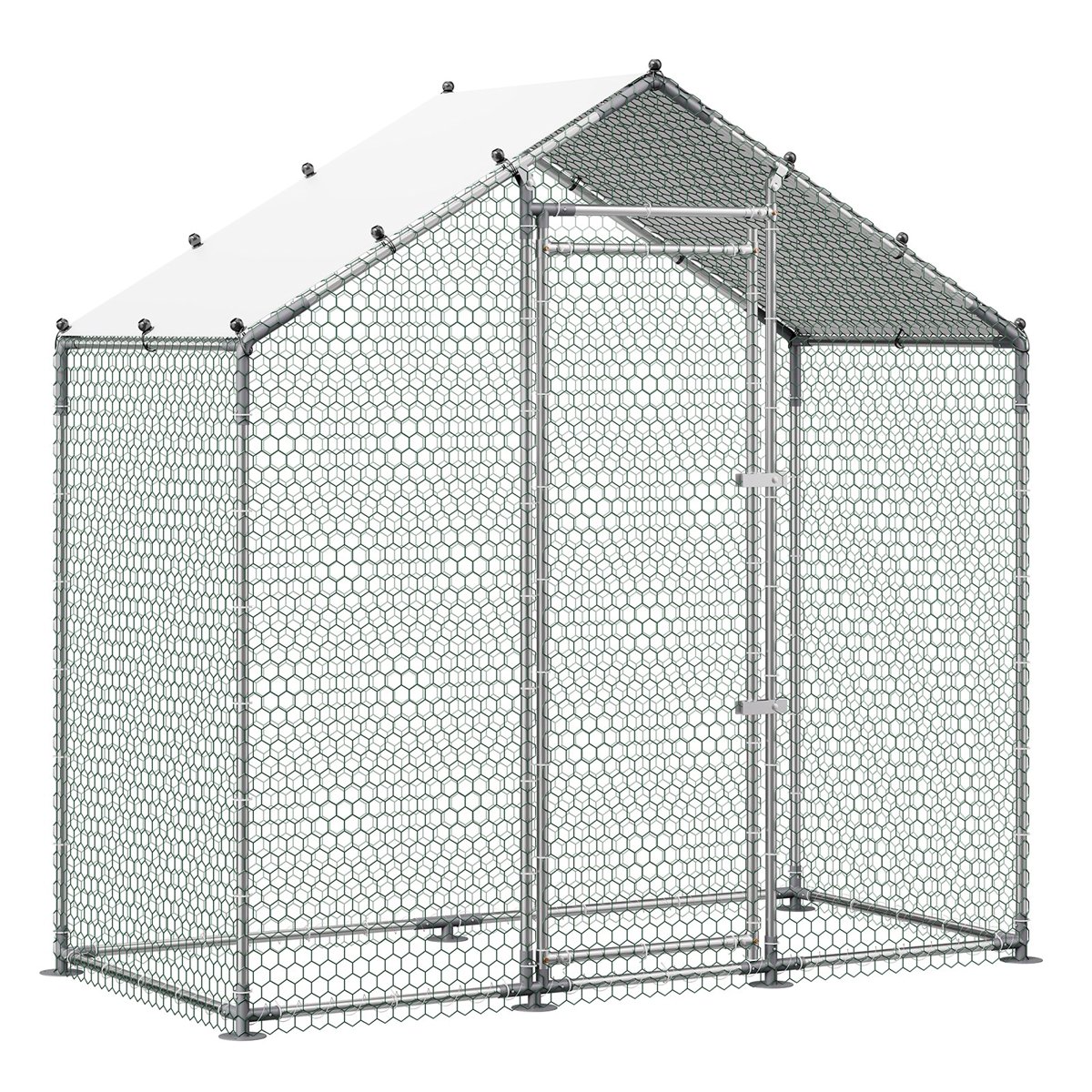 Large Metal Chicken Coop,6.6 X 3.3 X 6.6 Ft, Walk-in Run House With Waterproof Cover & Sturdy Frame, Spire Roof Poultry Cage Duck Pen For Rabbit Hen Goose Outdoor Backyard Farm Use$95.99View on Mallflare
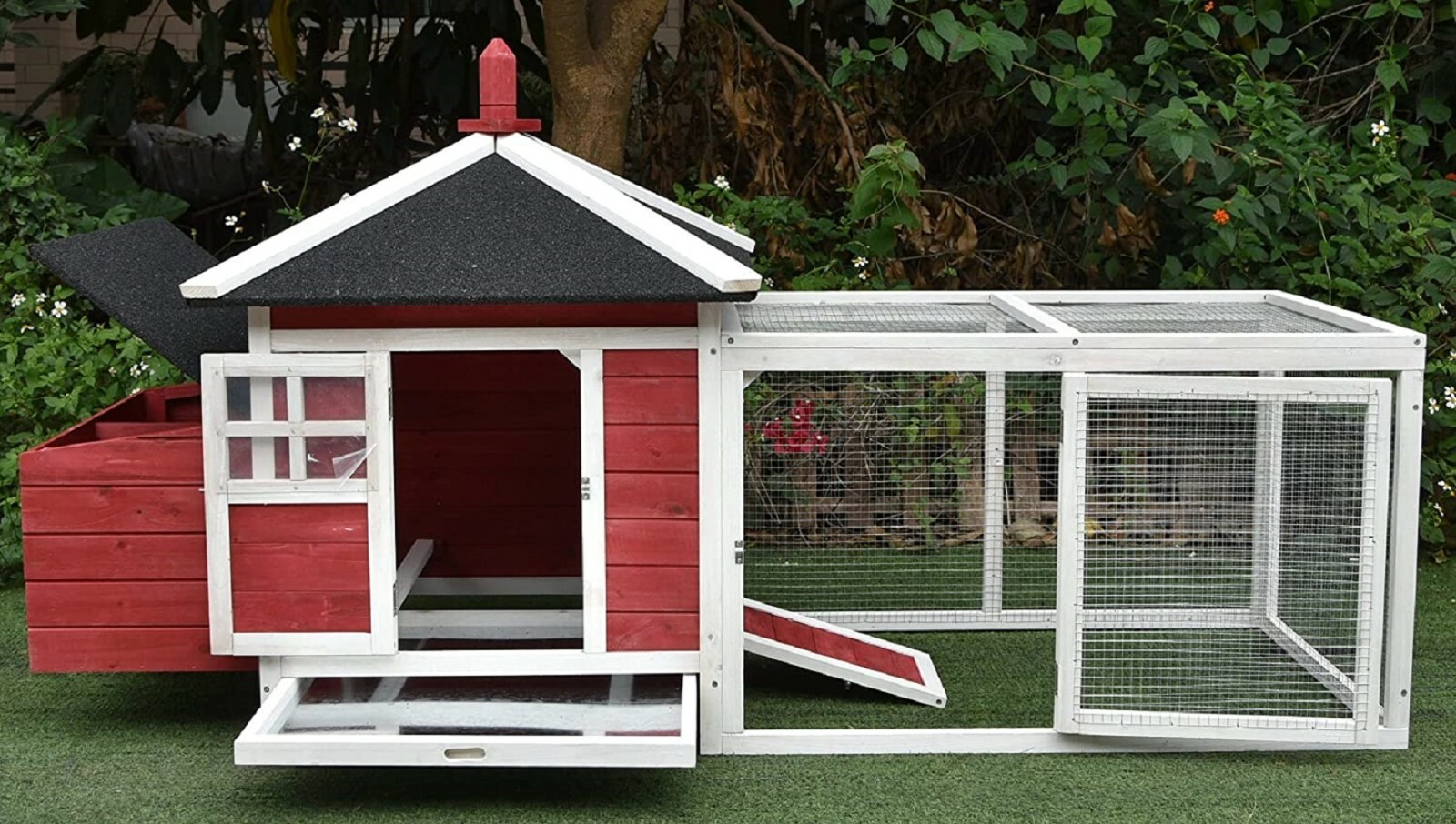 77" Wood Chicken Coop Backyard Hen House 2-4 Chickens with 2 Nesting Boxes New$137.37View on eBay
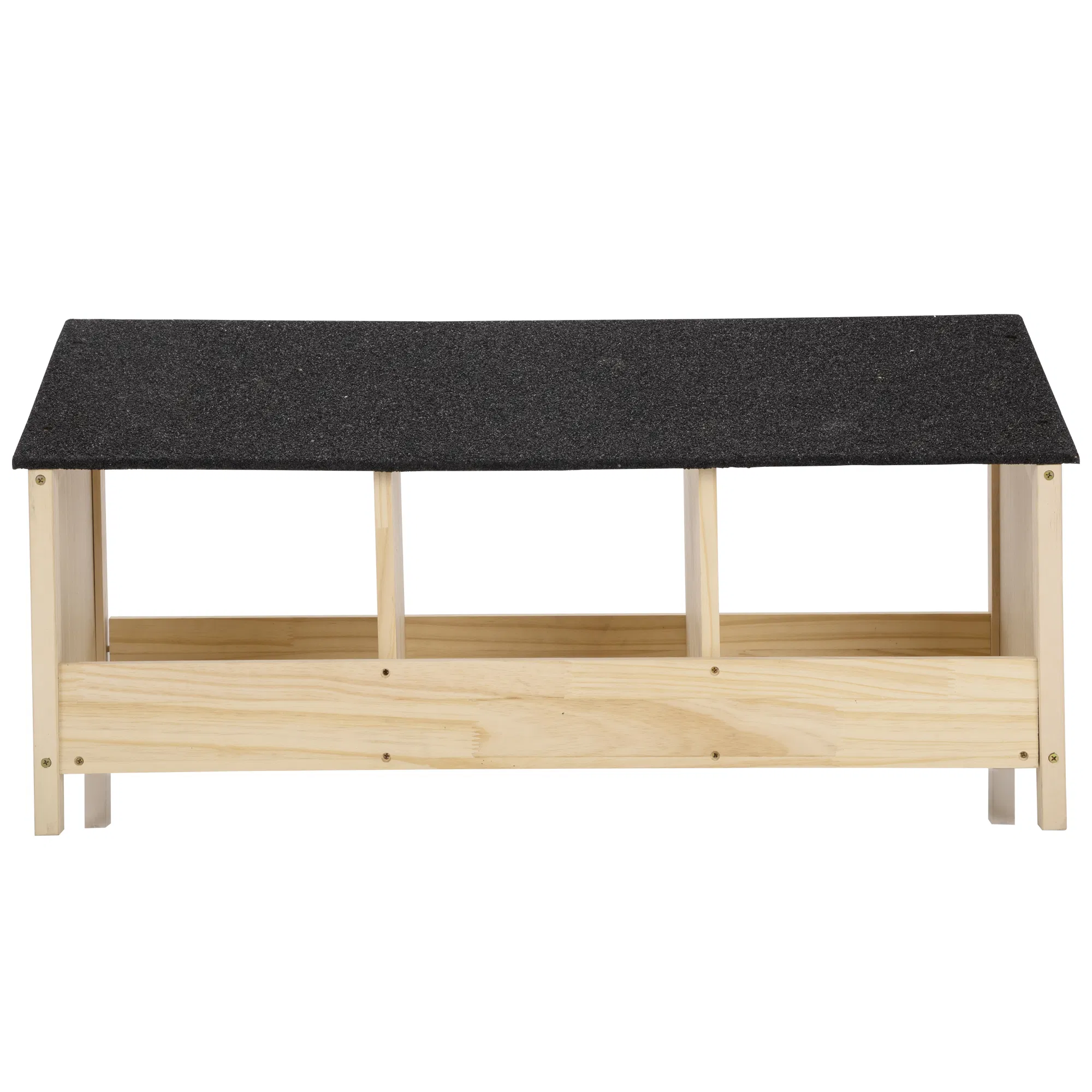 Chicken Coop with Waterproof Roof and 3 Nest Areas$95.99View on Mallflare
Highlights
- Wood coops insulate and accept hardware cloth stapling well; metal runs ventilate better but need shade covers in summer heat.
- Predator resistance depends on 1/2-inch hardware cloth and locking latches, not the included chicken wire most kits ship with.
- Enclosed house floor area matters most: allow roughly 2-3 sq ft per bird inside and 8-10 sq ft in the run.
- Automatic door openers run on solar with light sensor or timer control and prevent dawn/dusk predator losses.
Best use cases
- Small backyard flock of 3-5 hens: pick a wooden hutch with nesting box and attached run; skip bare metal cages with no enclosed roost area.
- Mild climate with room to roam: a large metal run with cover works well; add a separate wooden house if nights dip below freezing.
- Predator-heavy area (raccoons, foxes): choose a coop with locking latches and 1/2-inch hardware cloth; skip thin chicken-wire kits.
- Urban lot with tight spacing: a compact hutch-with-run fits; avoid 10 ft wide runs that exceed the fence line.
Buying tips
- Size the enclosed house at 2-3 sq ft per bird and the run at 8-10 sq ft per bird to prevent feather-pecking and stress.
- Prioritize 1/2-inch hardware cloth over included chicken wire; staple it over every opening including vents and floor seams.
- Choose wood for insulation and metal for ventilation; in humid climates, seal wood with a poultry-safe waterproof coating.
- Add a solar automatic door with light sensor or timer if you cannot close the coop at dusk; verify it fits your door width.
Specs
| Frame Material | Wood vs Metal vs Plastic |
|---|---|
| House Floor Area | 2-3 sq ft per bird |
| Run Floor Area | 8-10 sq ft per bird |
| Predator Mesh | 1/2-inch hardware cloth |
What to check before buying
- Measure your yard footprint and gate width; confirm the assembled coop and run fit with clearance for cleaning access.
- Check local climate: wood insulates in cold, metal runs need shaded covers in heat above 90°F.
- Confirm predator pressure in your area (raccoons, foxes, hawks) and plan hardware cloth upgrades and locking latches.
- Verify companion parts: nesting box, roosting bars, feeder, and waterer fit the coop's interior dimensions.
FAQ
Data sources: eBay / Amazon listings and product attribute feeds. Updated Nov 28, 2026.
Some links on this page are affiliate links. If you buy after clicking one, we may earn a commission at no extra cost to you. This does not change which products appear here or their order. Affiliate disclosure.