
Photos from current listings. Actual item, color, and included accessories may vary.
Chicken Tunnel Buying Guide
A chicken tunnel is a narrow, modular, predator-resistant corridor that connects a coop to a grazing run, letting flocks move safely across open ground without free-ranging. The decisive trade-off is tube diameter and gauge versus predator-proofing: thin 1-inch wire mesh with flimsy framing fails against digging predators and rust, while heavier-gauge galvanized mesh with secure ground skirts and lockable access panels lasts for years.
Median $150.99
Key takeaways
- Tube diameter of 1 inch (25 mm) steel tube framing is the structural baseline; thinner or plastic frames flex and collapse under snow load or a determined dog.
- Welded-wire mesh of 1-inch by 2-inch aperture or smaller prevents raccoon and hawk entry; larger 2-inch by 4-inch mesh allows predator reach-through and chick escape.
- Galvanized after welding (GAW) mesh resists rust 3-5x longer than pre-galvanized or PVC-coated wire in wet climates.
At a glance
- Category
- Chicken Coops & Runs
- Last updated
- Nov 28, 2026
Current offers
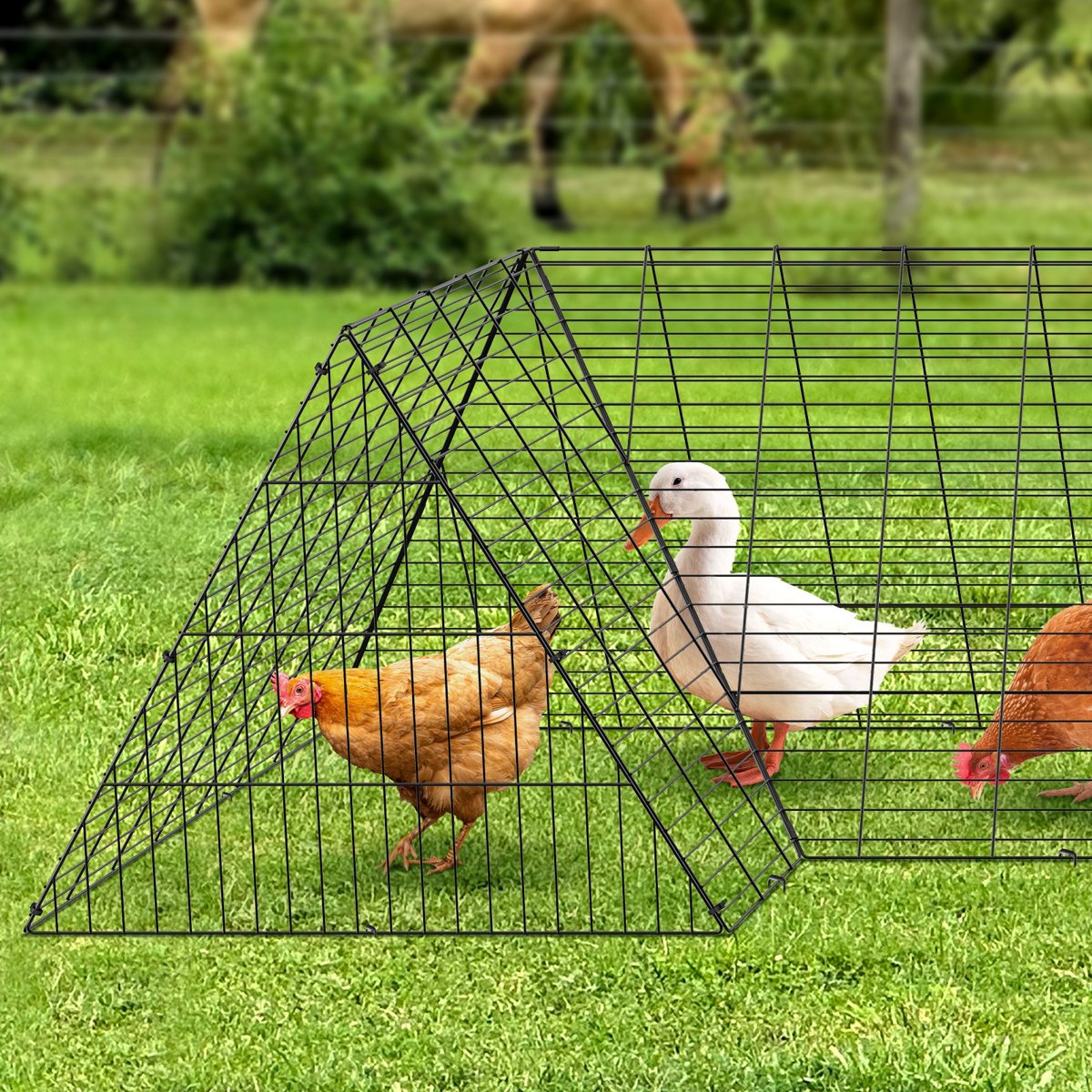 Chicken Tunnels, 157.5 X 39.4 X 24.2 Inch(LxWxH) For Yard, Portable For Outside With Corner Frames, Coop Run, Suitable For Chickens, Ducks, Rabbits$99.99View on Mallflare
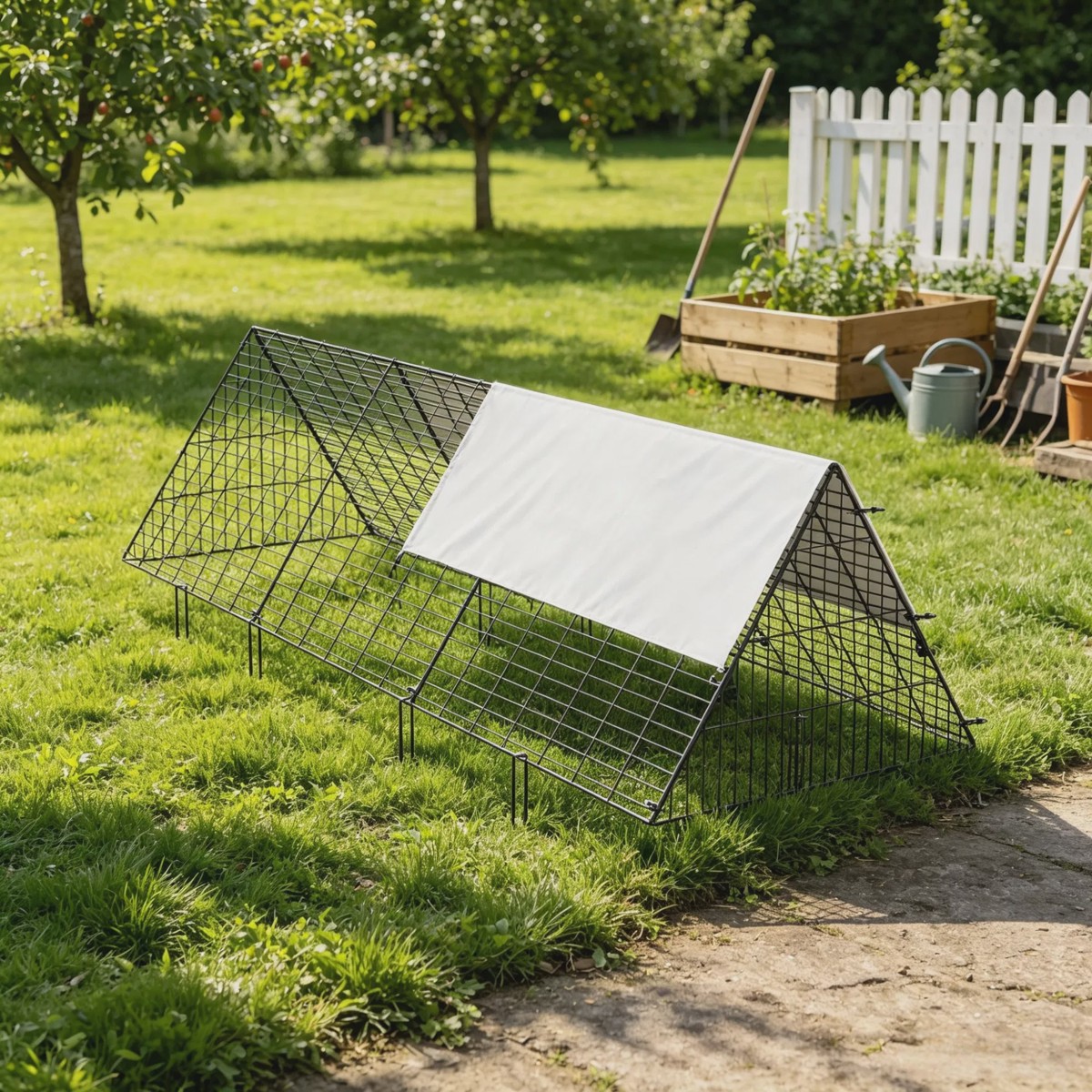 118.1 x 28 x 24.2 Inch Chicken Tunnels, Portable Coop Run for Yard, Easy Installation Outdoor Tunnel for Chickens, Ducks & Rabbits$146.99View on Mallflare
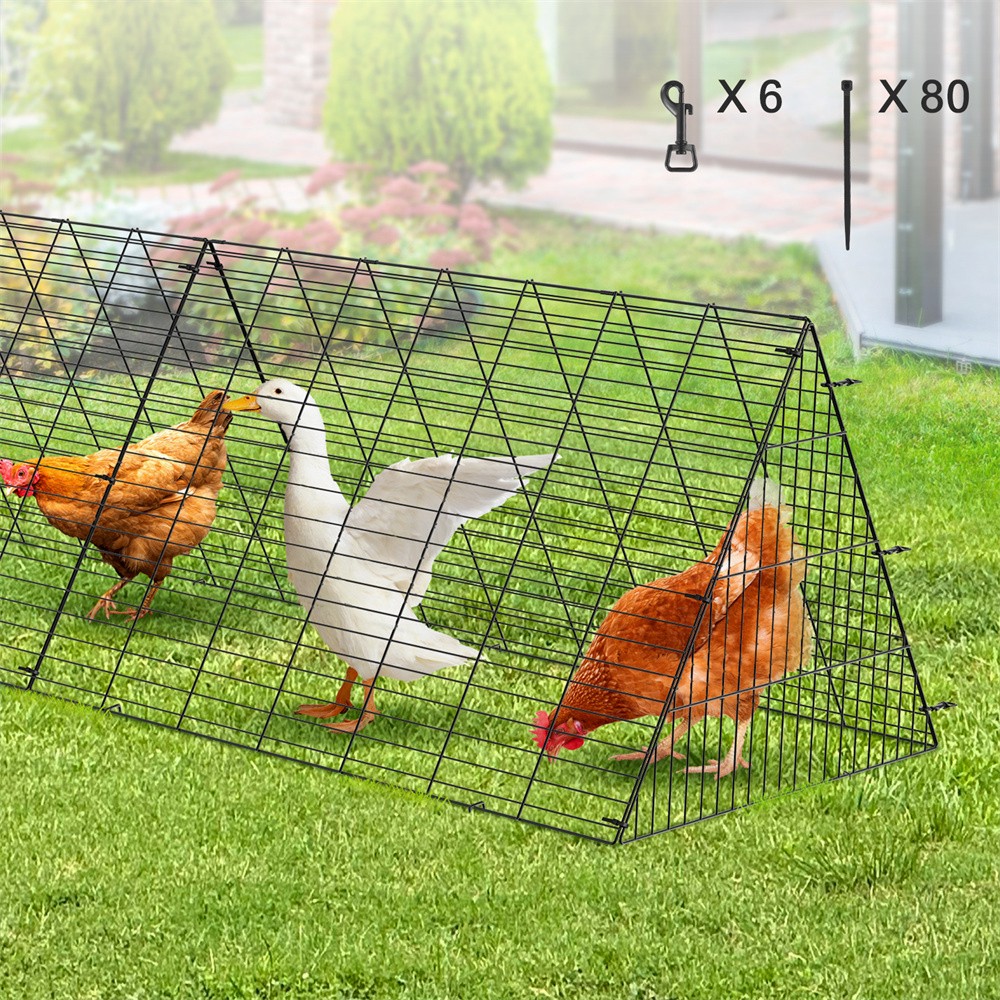 Chicken Tunnels, 287 X 78.7 X 24.2 Inch LxWxH For Yard, Portable For Outside With Corner Frames, 2 Sets, Suitable For Chickens, Ducks, Rabbits$154.99View on Mallflare
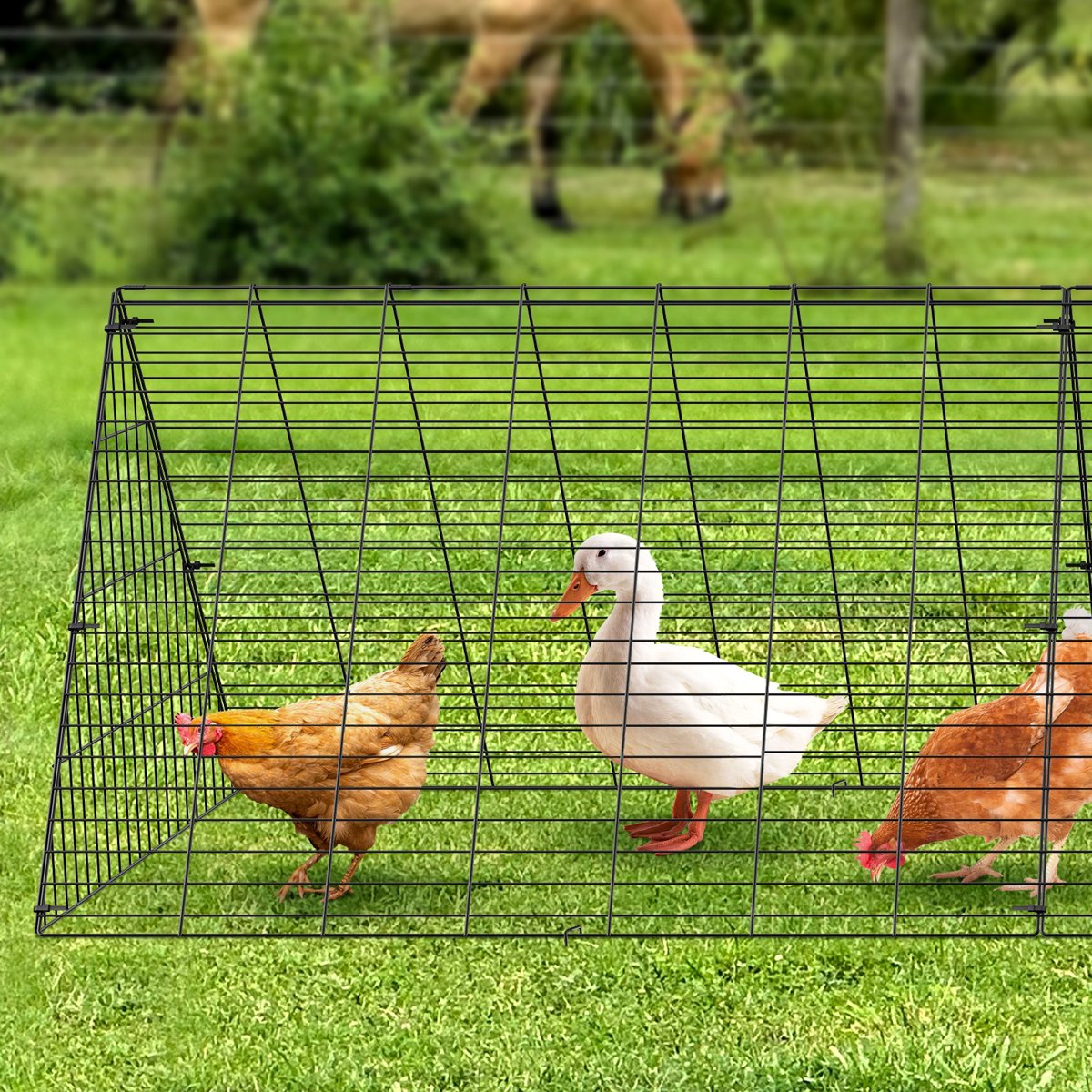 Chicken Tunnels, 236.2 X 157.5 X 24.2 Inch(LxWxH) For Yard, Portable For Outside With Corner Frames, 2 Sets, Suitable For Chickens, Ducks, Rabbits$257.99View on Mallflare
Highlights
- Tube diameter of 1 inch (25 mm) steel tube framing is the structural baseline; thinner or plastic frames flex and collapse under snow load or a determined dog.
- Welded-wire mesh of 1-inch by 2-inch aperture or smaller prevents raccoon and hawk entry; larger 2-inch by 4-inch mesh allows predator reach-through and chick escape.
- Galvanized after welding (GAW) mesh resists rust 3-5x longer than pre-galvanized or PVC-coated wire in wet climates.
- Modular tunnel sections are joined with panel clips or bolt-through flanges; each connection point is a potential predator breach, so overlapping joints and ground-anchored skirts are essential.
Best use cases
- Best fit: A backyard flock of 4-8 hens connecting a stationary coop to a rotating grazing area — choose a 24-inch-tall tunnel with 1-inch mesh and ground stakes every 6 feet.
- Best fit: A duck or rabbit owner needing a low-clearance corridor — pick a tunnel with a minimum 18-inch interior height and smooth mesh edges to prevent foot injuries.
- Wrong fit: Open pasture with heavy coyote or fox pressure — a tunnel without a buried hardware-cloth apron and lockable end gates is a liability; skip light-duty tunnel kits entirely.
- Wrong fit: Permanent, walk-in access needs — a tunnel is not a substitute for a walk-in run; buy a 6-foot-tall walk-in coop run instead of crouching through a tunnel daily.
Buying tips
- Measure coop door width first: tunnel width must match or exceed the pop-hole so hens do not bottleneck; standard tunnels run 24-28 inches wide.
- Choose hot-dipped galvanized or GAW mesh over PVC-coated wire; PVC cracks UV-degraded in 2-3 seasons and traps moisture against the steel.
- For predator defense, bury or apron the tunnel perimeter with 12-18 inches of hardware cloth angled outward; foxes dig at the base, not the sides.
- Match tunnel length to run rotation: each 10-foot section fits roughly 8-10 square feet of grazing area; plan 2-3 sections minimum for a 6-hen flock.
Specs
| Tube Frame Diameter | 1 in (25 mm) steel standard |
|---|---|
| Mesh Aperture | 1x2 in or smaller welded wire |
| Tunnel Height | 18-24 in interior clearance |
| Predator Defense | Galvanized mesh + ground apron |
Related searches
What to check before buying
- Measure coop pop-hole height and width — tunnel interior must clear both with 2 inches to spare.
- Check ground slope and soil type: tunnels need level or gently graded ground; rocky or hardpan soil requires pre-drilled anchor points.
- Confirm tunnel height against your tallest bird (ducks and geese need 24 inches minimum; bantam chickens can use 18 inches).
- Verify the tunnel kit includes ground stakes or anchor plates; tunnels without base anchoring are wind-lift and dig-under risks.
FAQ
Data sources: eBay / Amazon listings and product attribute feeds. Updated Nov 28, 2026.
Some links on this page are affiliate links. If you buy after clicking one, we may earn a commission at no extra cost to you. This does not change which products appear here or their order. Affiliate disclosure.