
Photos from current listings. Actual item, color, and included accessories may vary.
Chicken Coop With Roost Buying Guide
A chicken coop with roost is a housing structure that includes an elevated bar or platform where birds sleep at night, and the core trade-off is between thin, untreated softwood bars that warp or harbor mites versus thick, rot-resistant hardwood roosts sized correctly for foot grip. The decision rule: buy a coop whose roost is a removable, 1.5–2 inch wide hardwood bar mounted 12–18 inches above the floor with 8–10 inches of linear space per bird—anything narrower, softer, or fixed permanently is a compromise that costs you bird health and cleaning time.
Median $129.99
Key takeaways
- Roost bar width must be 1.5–2 inches (38–50 mm) so chickens can flatten their toes and cover them with feathers in cold weather; dowels under 1 inch cause foot problems and frostbite risk.
- Linear roost space per bird is 8–10 inches for standard breeds and 6–8 inches for bantams; a 4-foot bar comfortably sleeps 5–6 standard hens, not the 10–12 some coops claim.
- Mounting height should be 12–18 inches above the coop floor and higher than nest boxes, with a removable design (brackets or wing nuts) so you can lift it out for scraping and mite treatment.
At a glance
- Category
- Chicken Coops & Runs
- Last updated
- Nov 28, 2026
Current offers
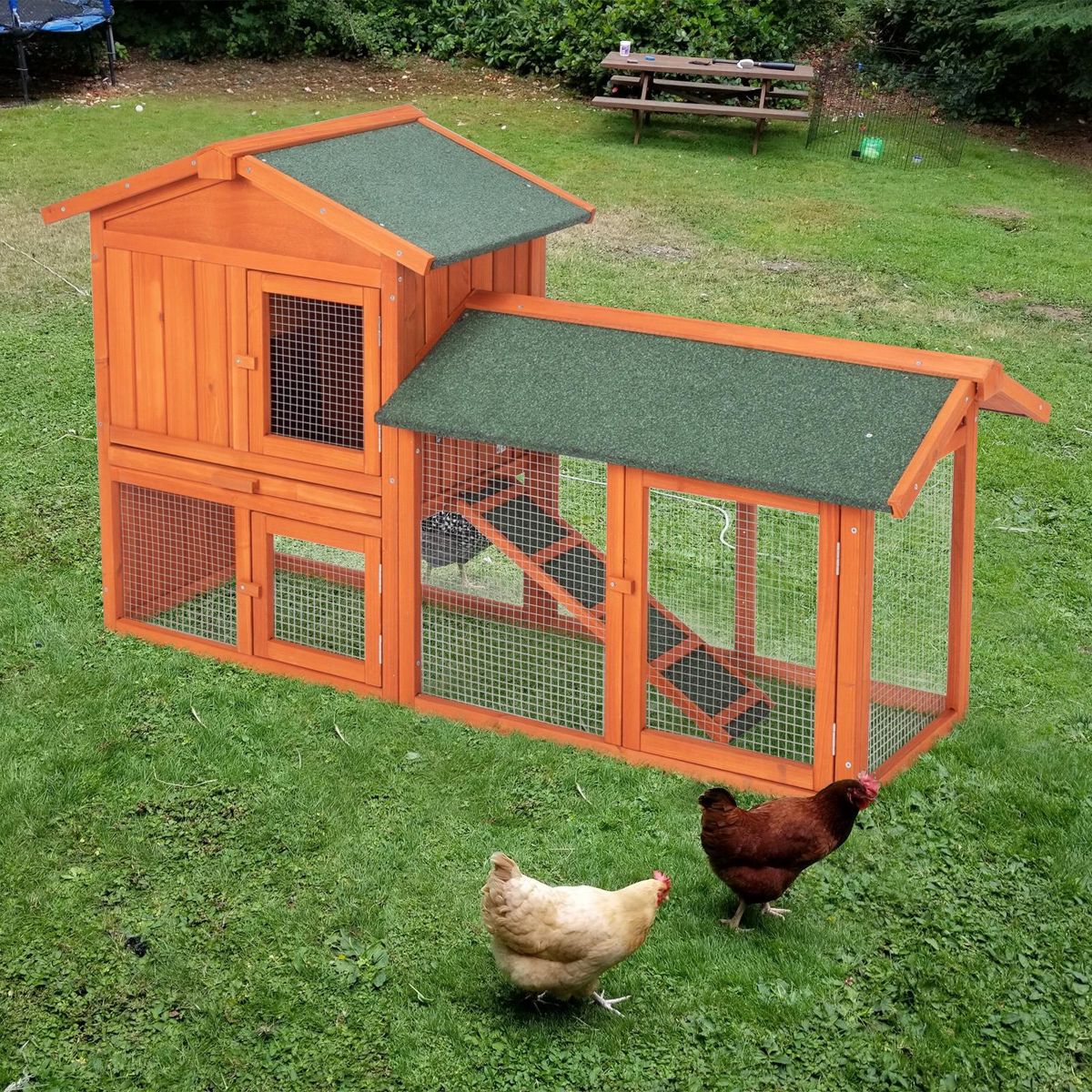 Wooden Chicken Coop Hen House Poultry Hutch Pet Cage with Nesting Box, Backyard$102.99View on eBay
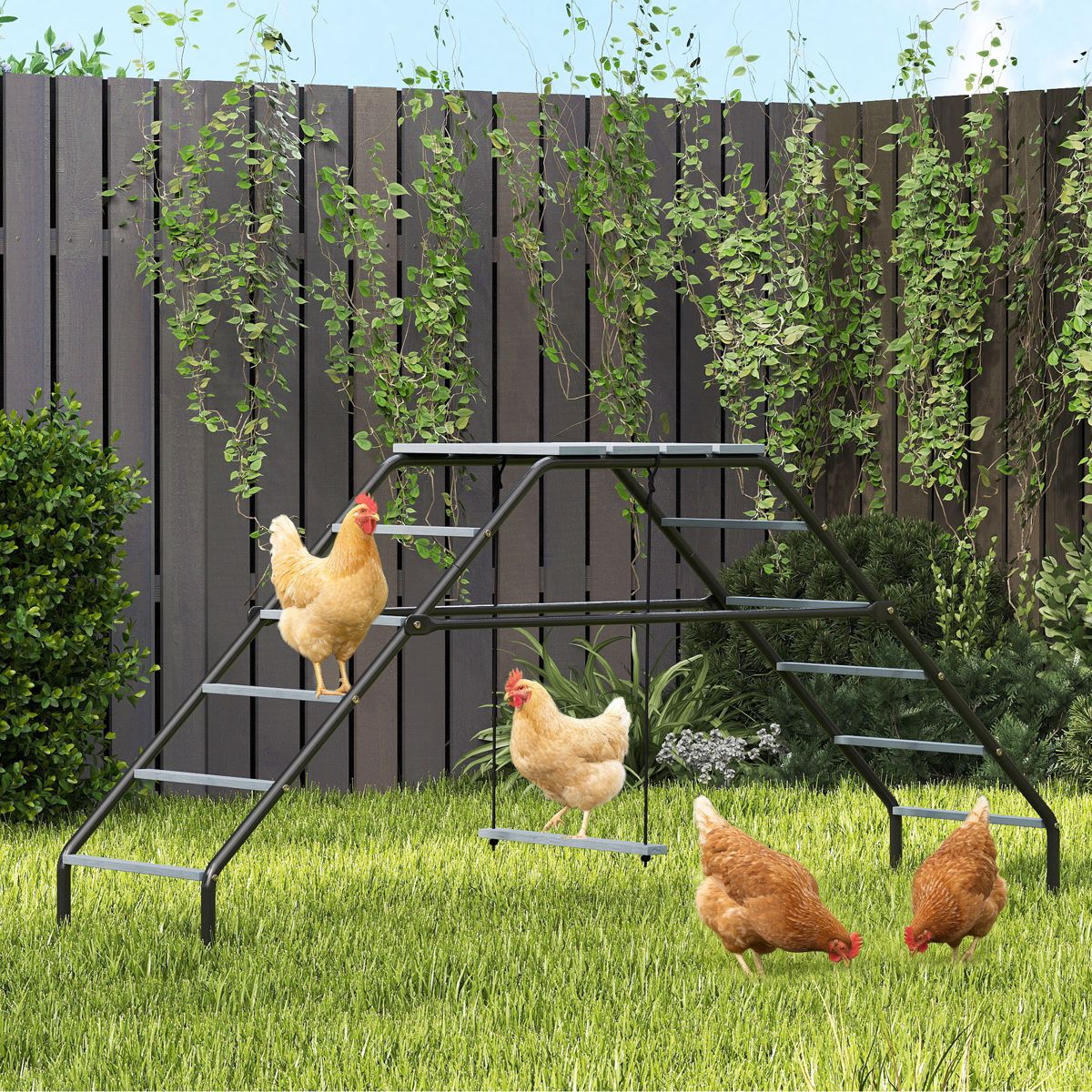 Chicken Coop Perches with Adjustable Swing, 10 Roosting Bars, for Backyard, Farm$40.99View on Mallflare
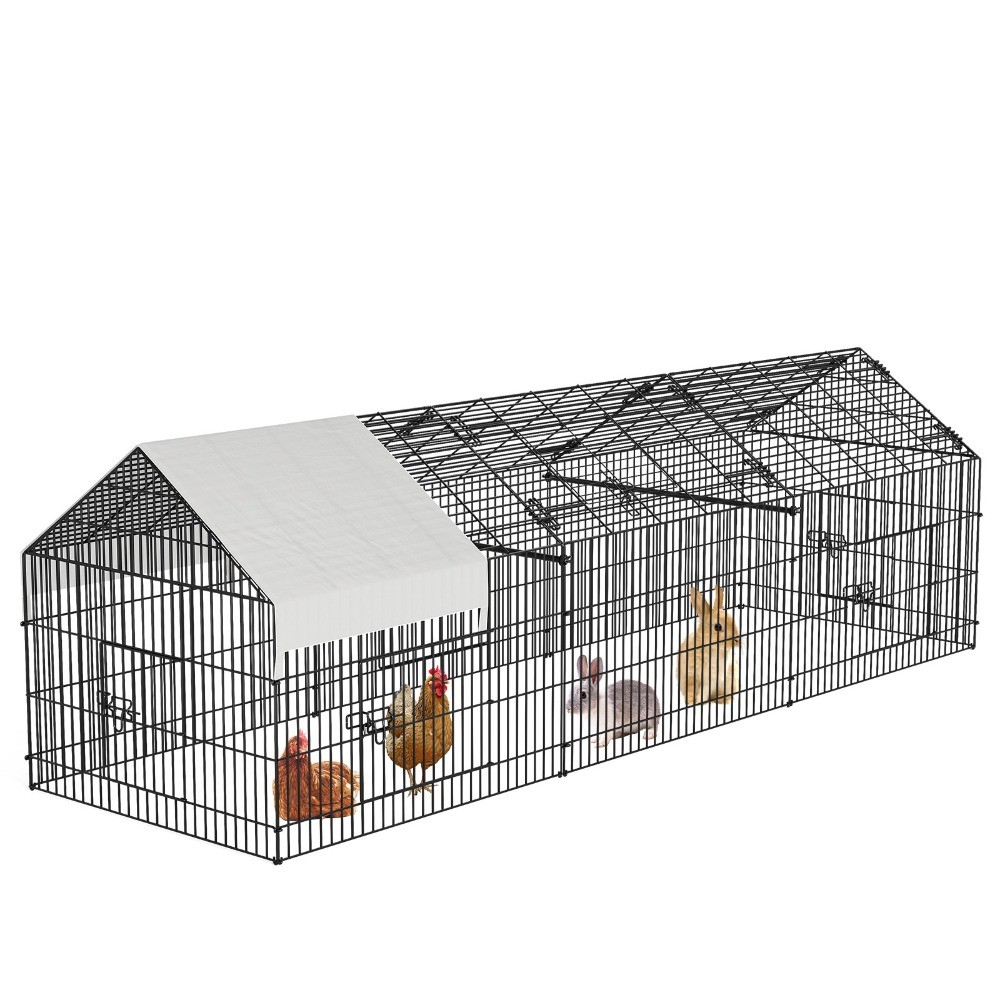 130"*40"Metal Chicken Coop Chicken Run Backyard Hen House Poultry Habitat Cage$105.99View on eBay
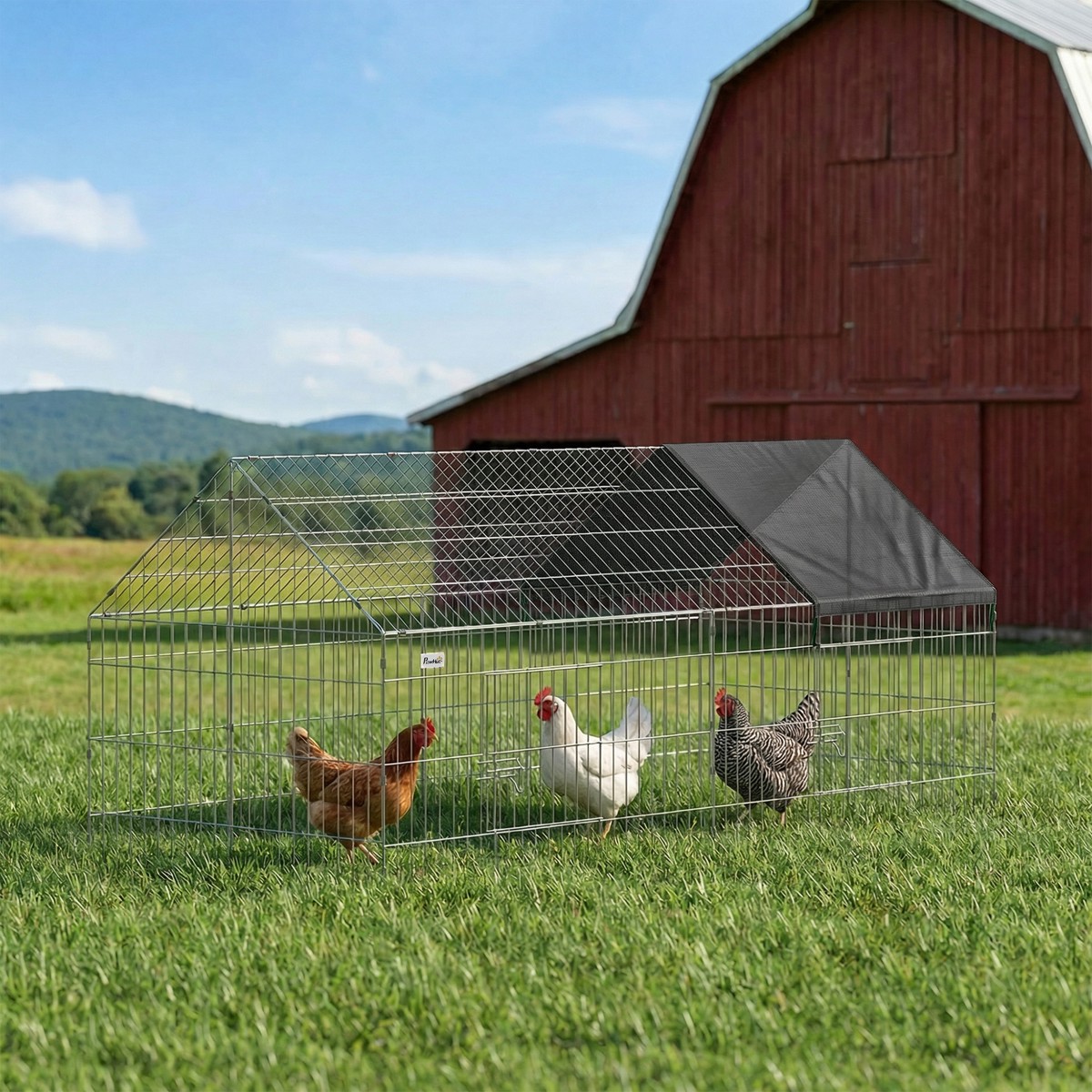 Metal Chicken Coop with Cover for Backyard Small Animals Duck Rabbit, 71" x 29.5" x Black$51.99View on Mallflare
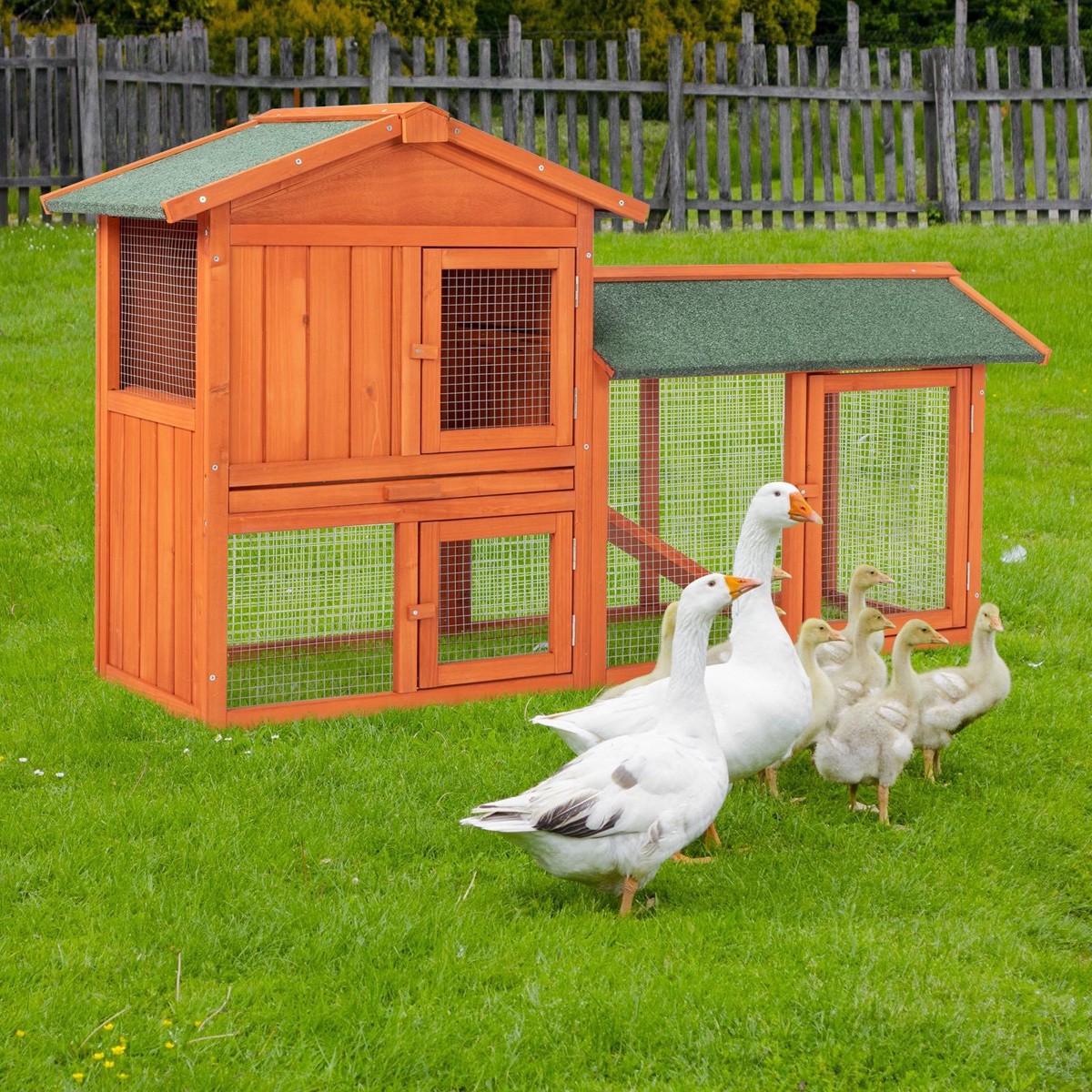 Wooden Chicken Coop Hen House Poultry Hutch Pet Cage w/ Nesting Box Backyard$106.79View on eBay
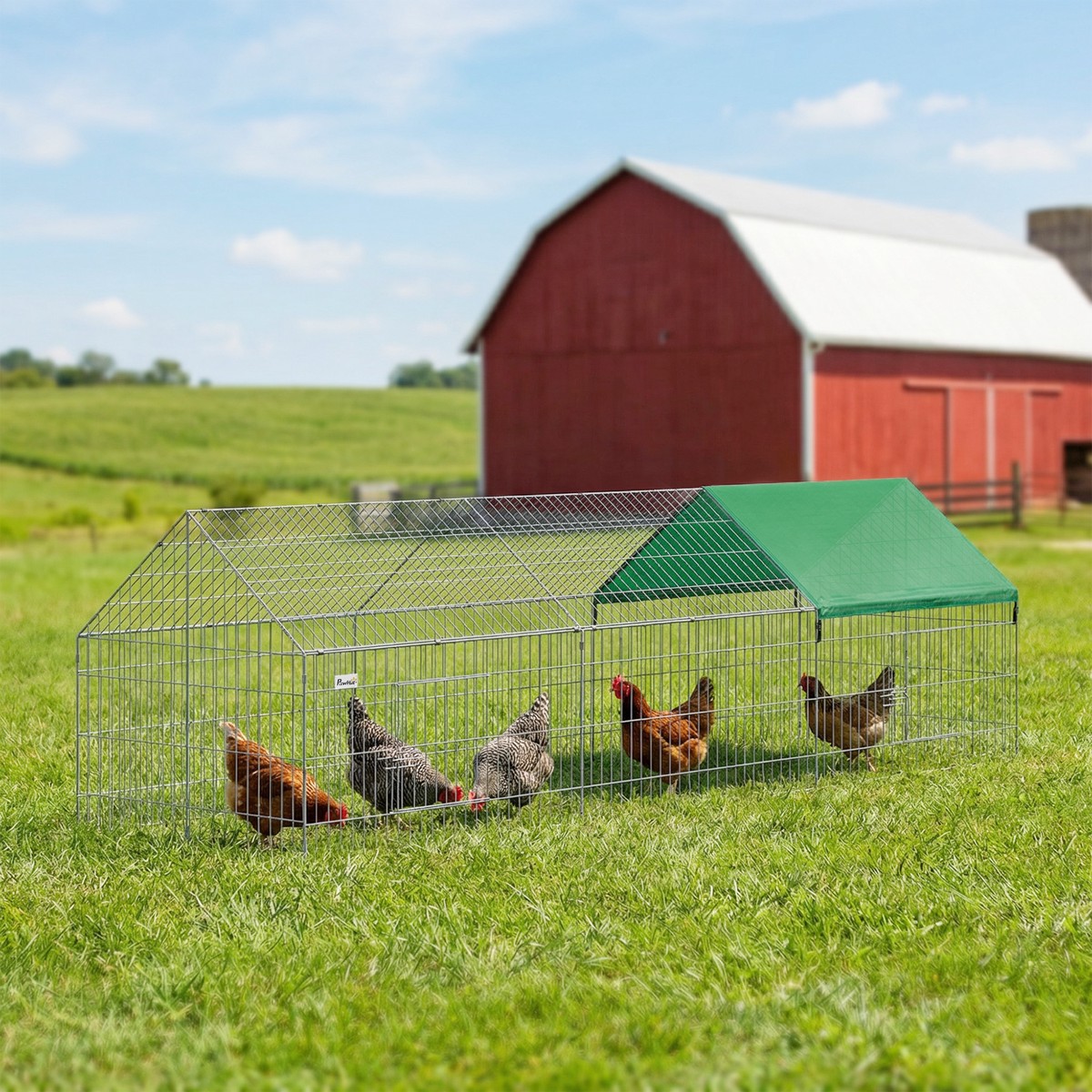 Metal Chicken Coop with Cover for Backyard Small Animals Duck Rabbit, 106" x 29.5" x Green$61.99View on Mallflare
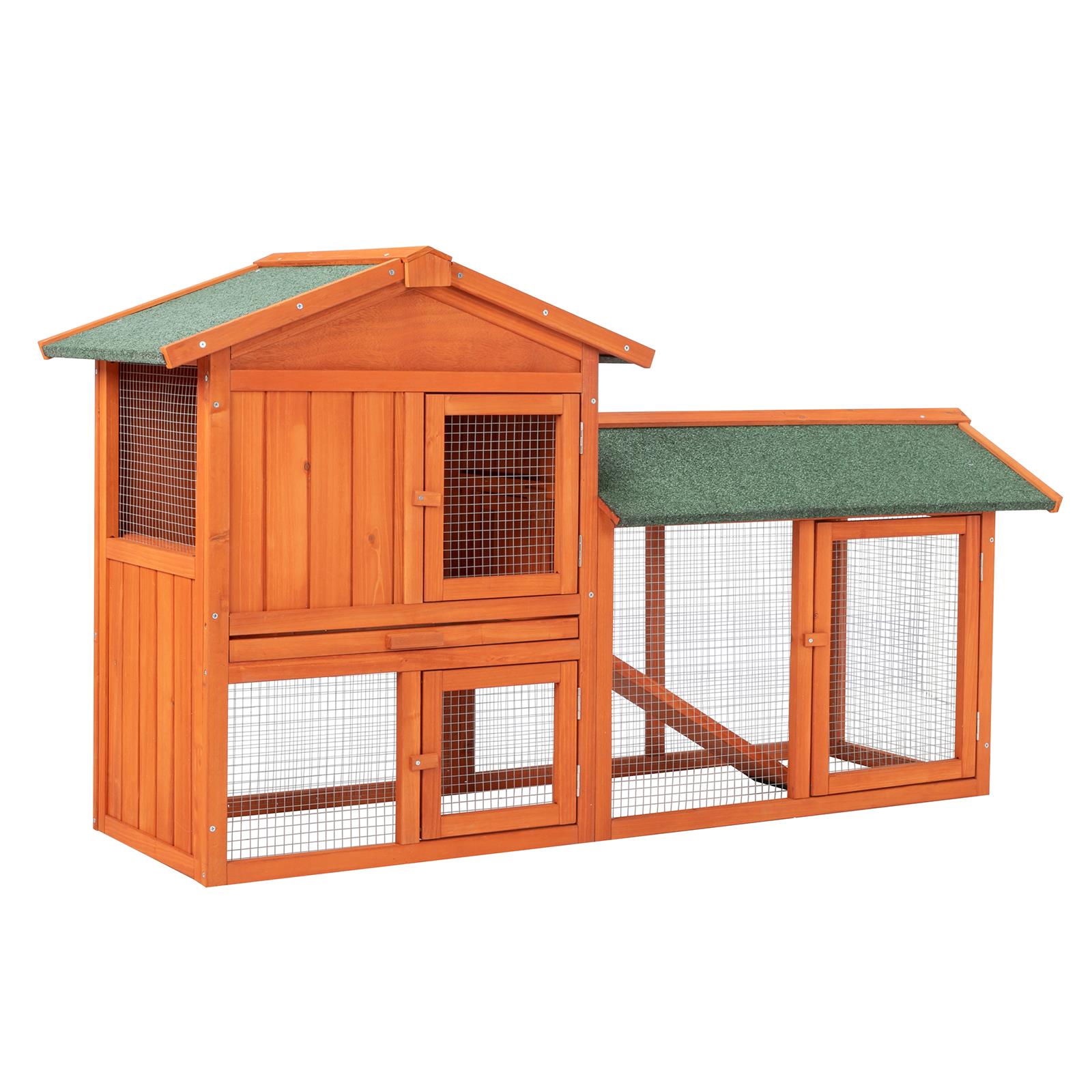 Garden Wood Chicken Coop House Poultry Hutch Pet Cage w/ Nesting Box Backyard$107.99View on eBay
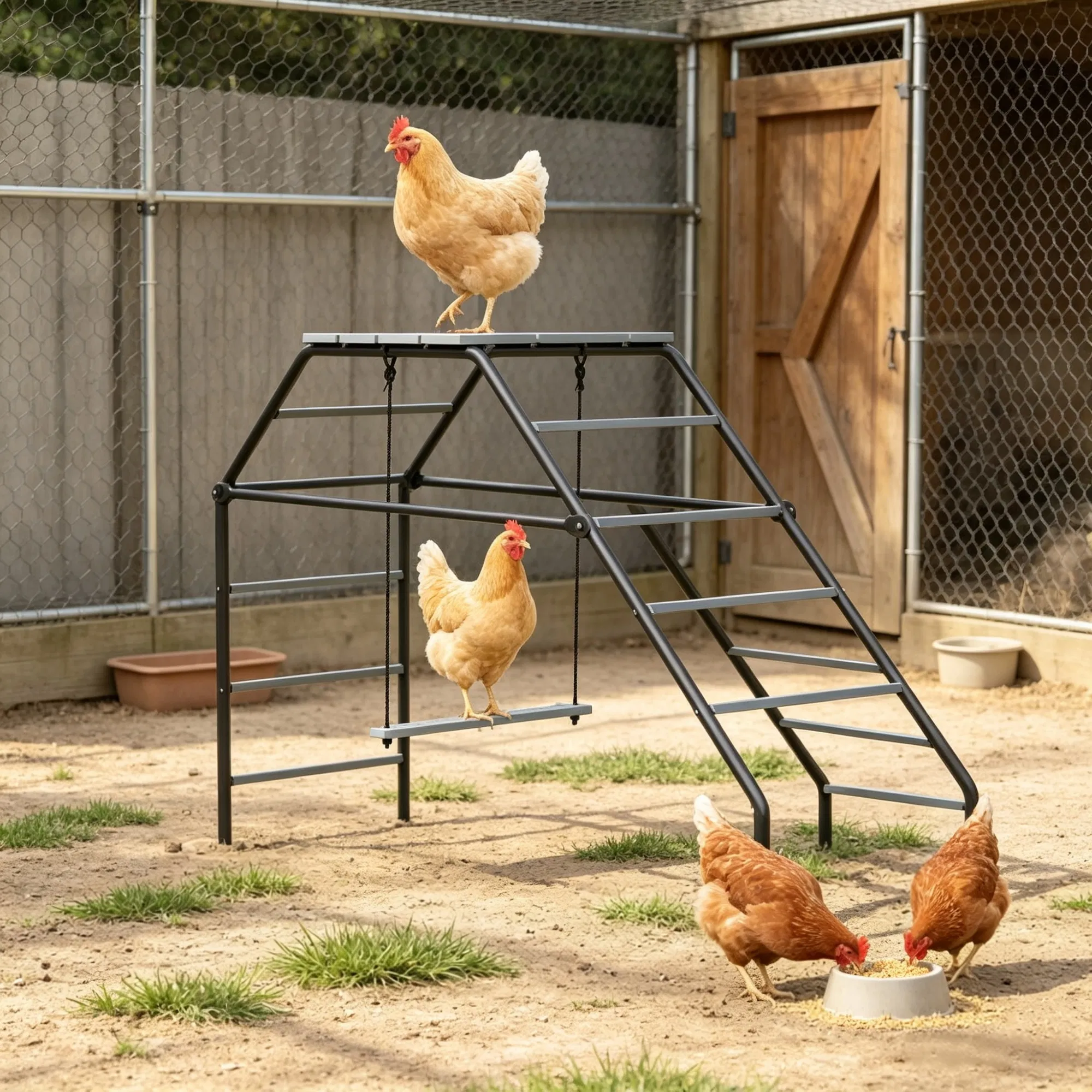 10 Pcs Chicken Coop Perches - with Adjustable Swing, Roosting Bars for Backyard Brooder & Farm Upgrade$73.99View on Mallflare
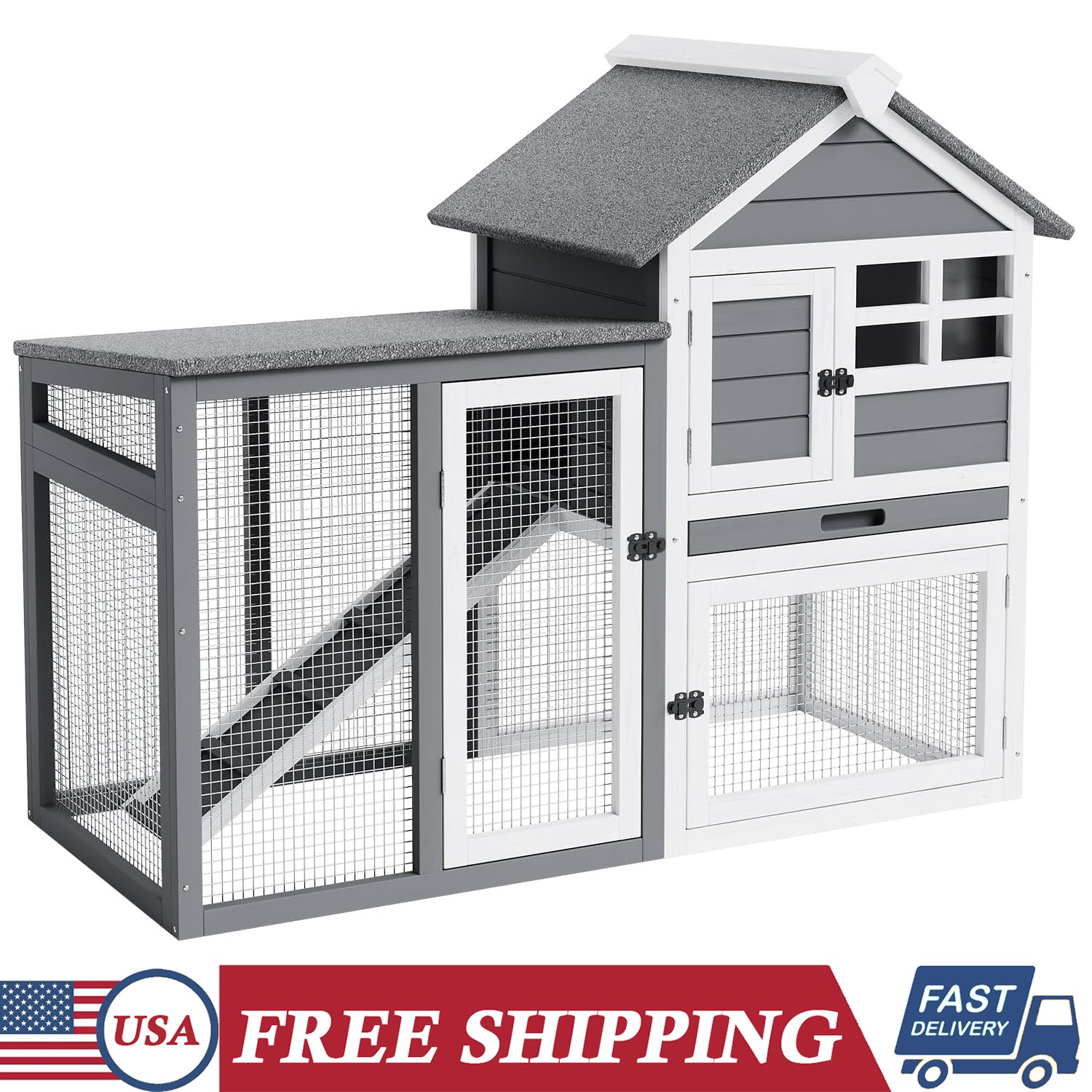 Large Chicken Coop Outdoor Wooden Backyard 2-Story Hen Rabbit House Chicken Run$109.98View on eBay
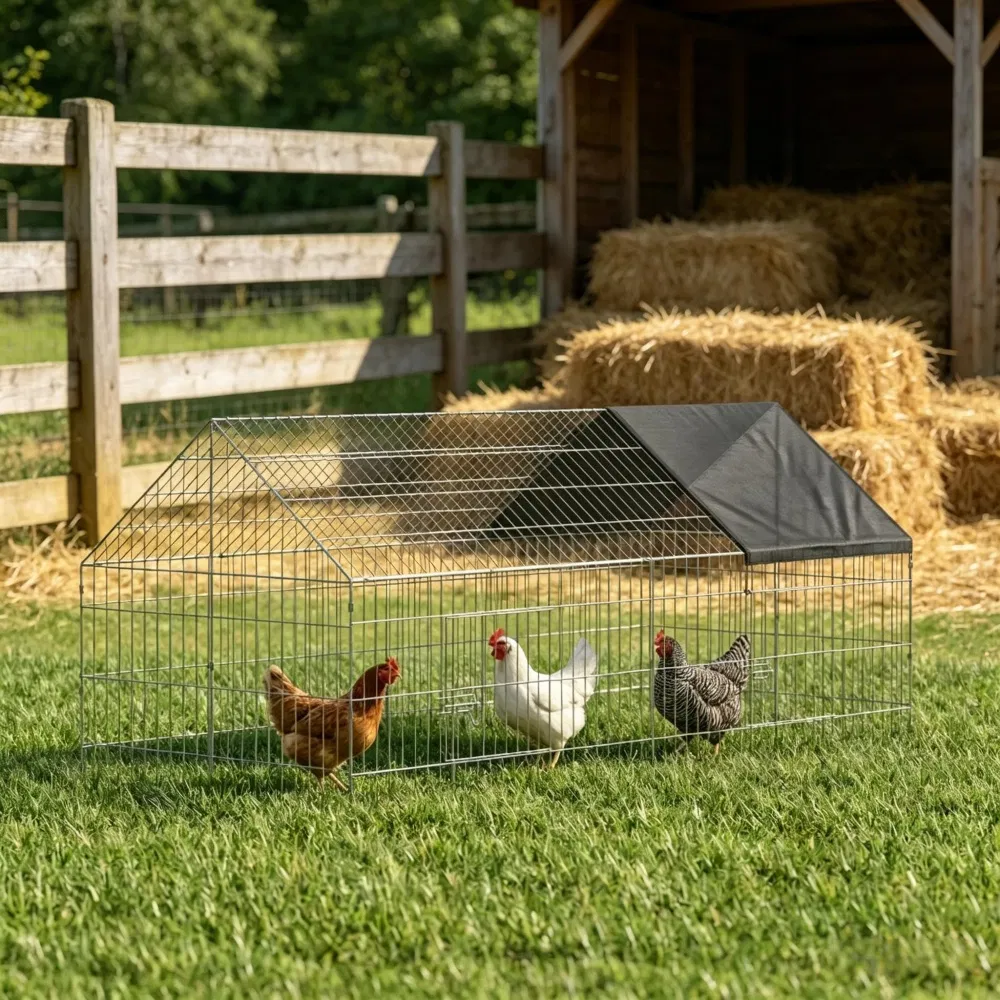 Chicken Coop, Steel Run with 90D Oxford Canopy and Two Latched Doors, 70.9 x 29.5 x in, for Chickens, Ducks and Rabbits, Black and Silver$76.99View on Mallflare
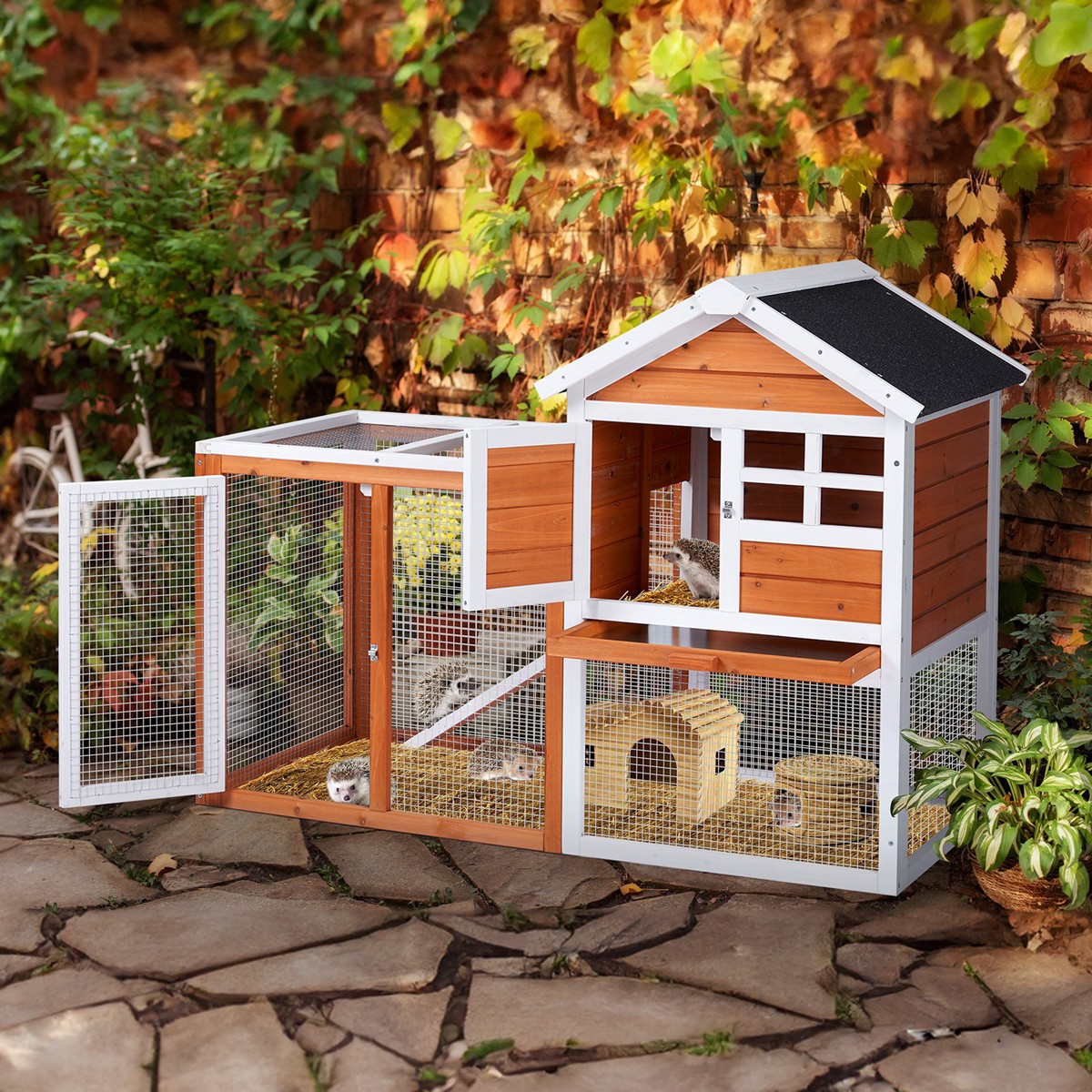 Wooden Chicken Coop Hen House Poultry Hutch Pet Cage with Nesting Box Backyard$111.99View on eBay
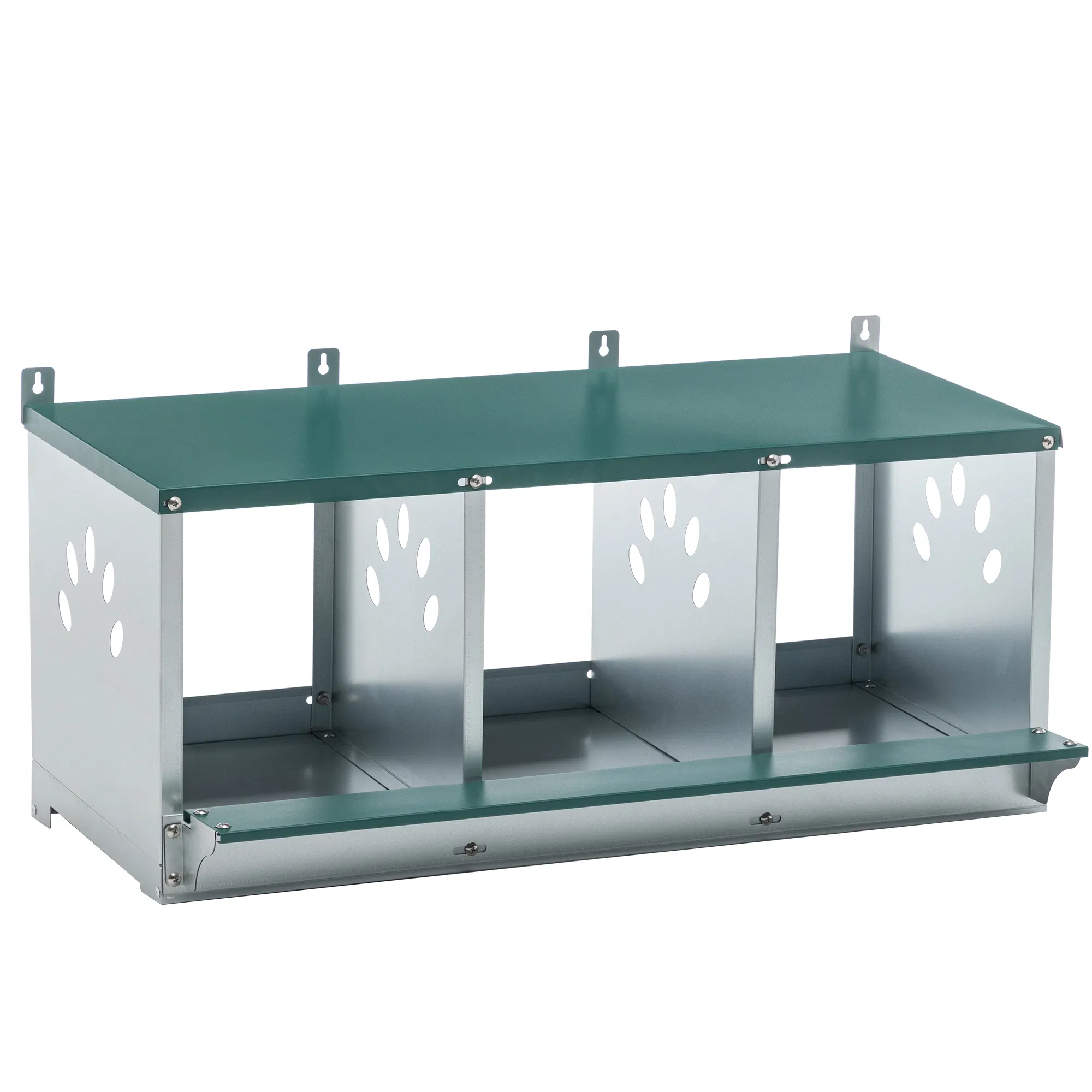 3 Room Metal Chicken Nesting Boxes 3 Compartment Egg Coop$76.99View on Mallflare
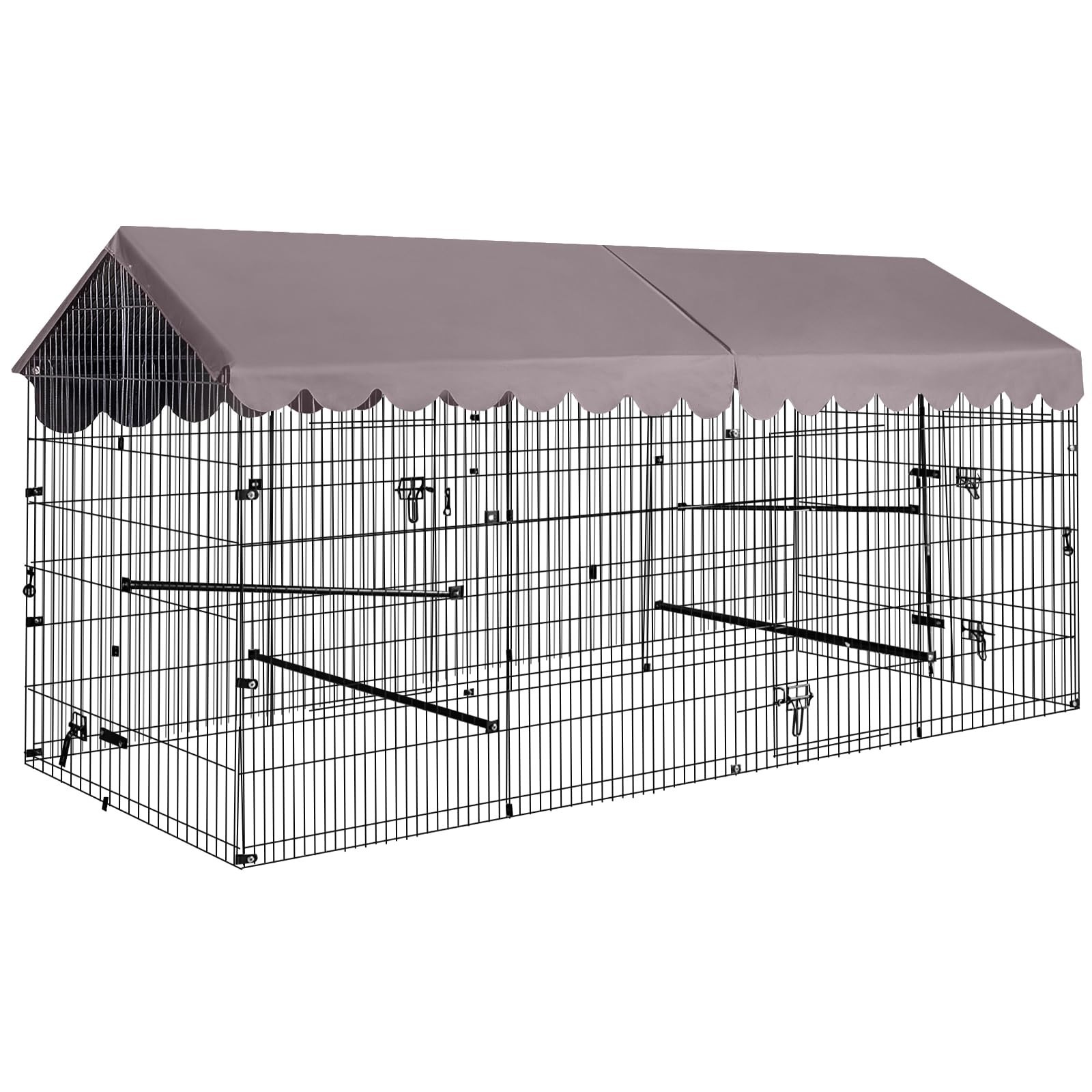 Super Large Metal Chicken Coop with Waterproof Cover Portable Poultry Cage$114.99View on eBay
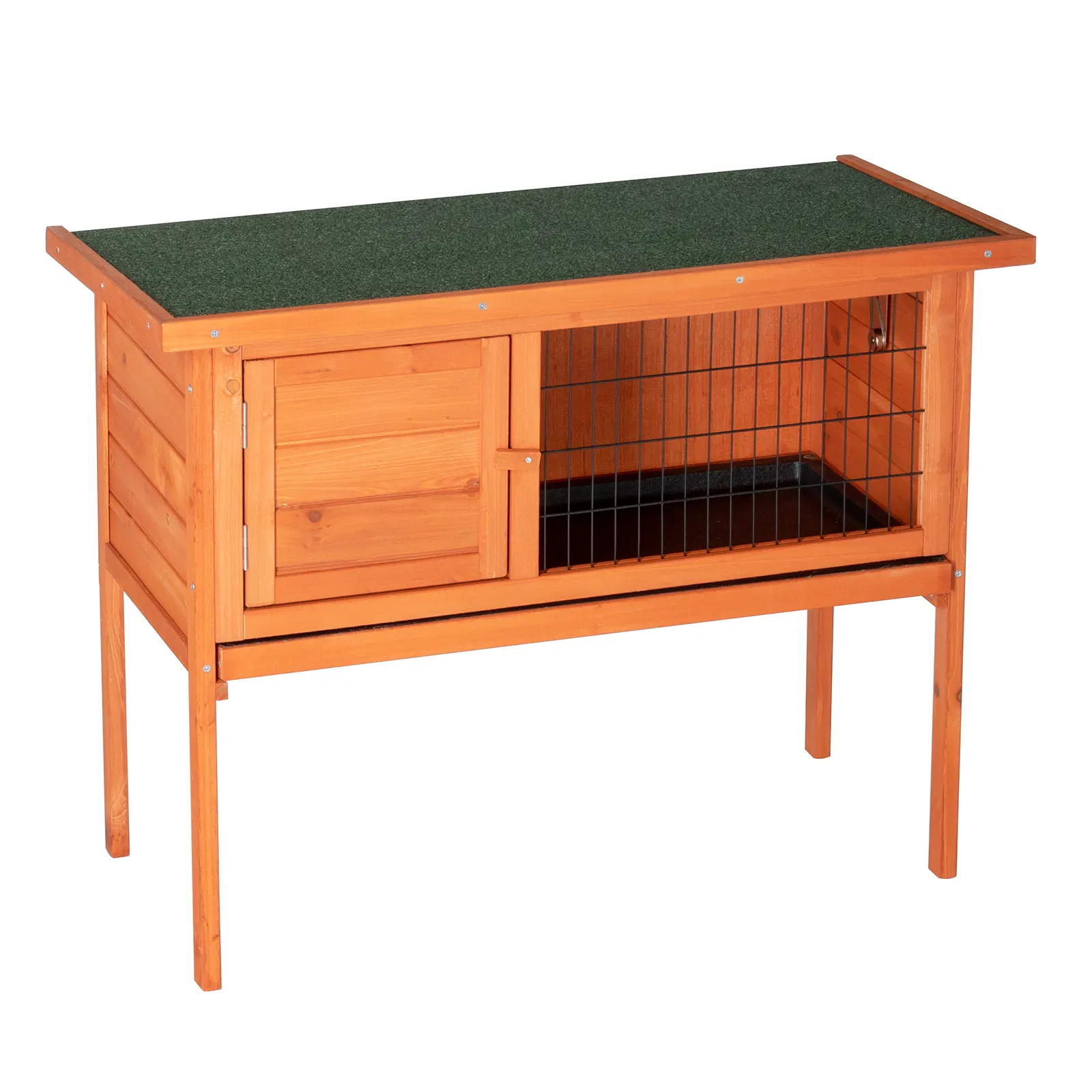 Replace 2225192136" Single Deck Waterproof Wooden Chicken Coop Hen House Pet Animal Poultry Cage Rabbit Hutch Nature$85.99View on Mallflare
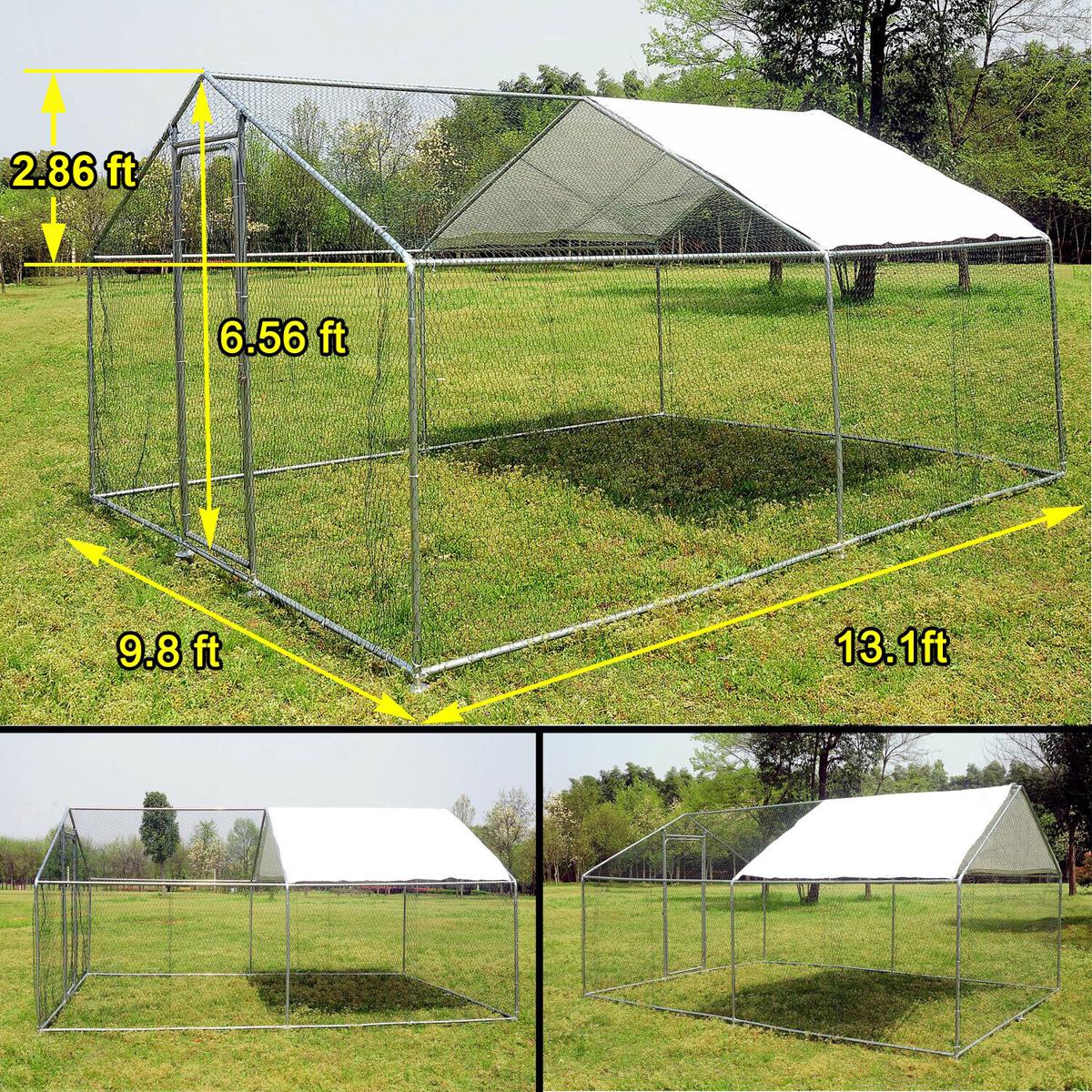 10x10'/ 13x10'/ 20x10' Chicken Coop Run Hen House Enclosed Backyard Poultry Cage$124.99View on eBay
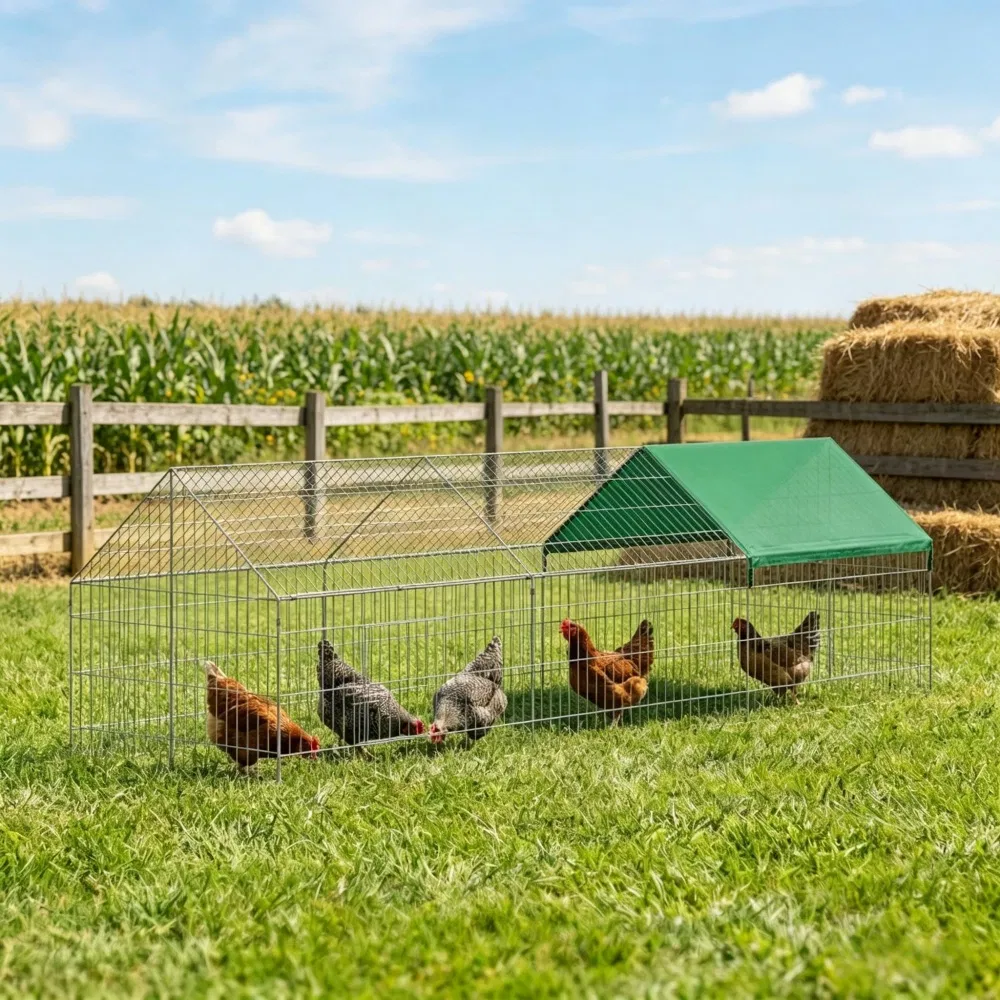 Chicken Coop 106.3 Inches for Outdoor$90.99View on Mallflare
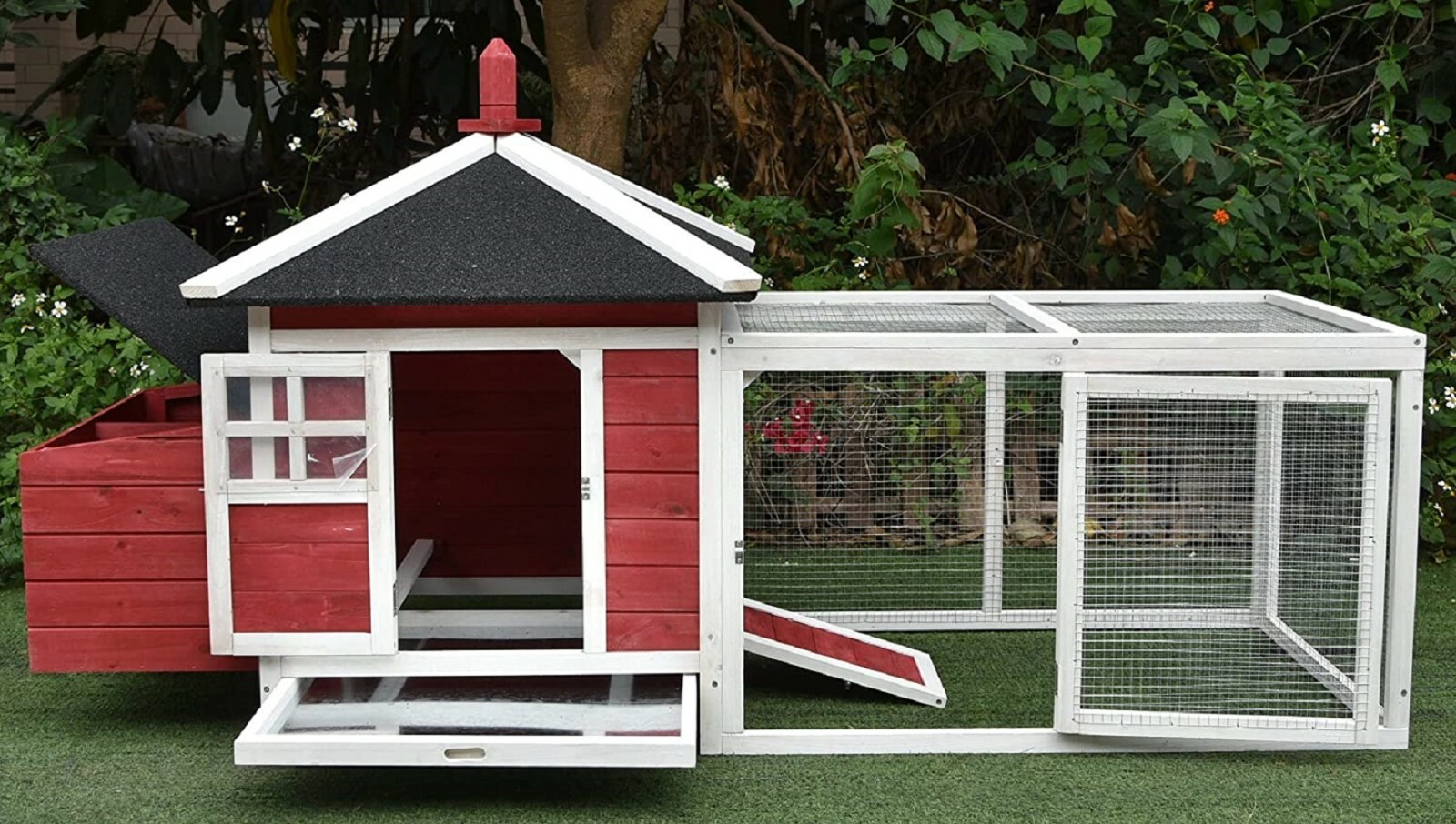 77" Wood Chicken Coop Backyard Hen House 2-4 Chickens with 2 Nesting Boxes New$137.37View on eBay
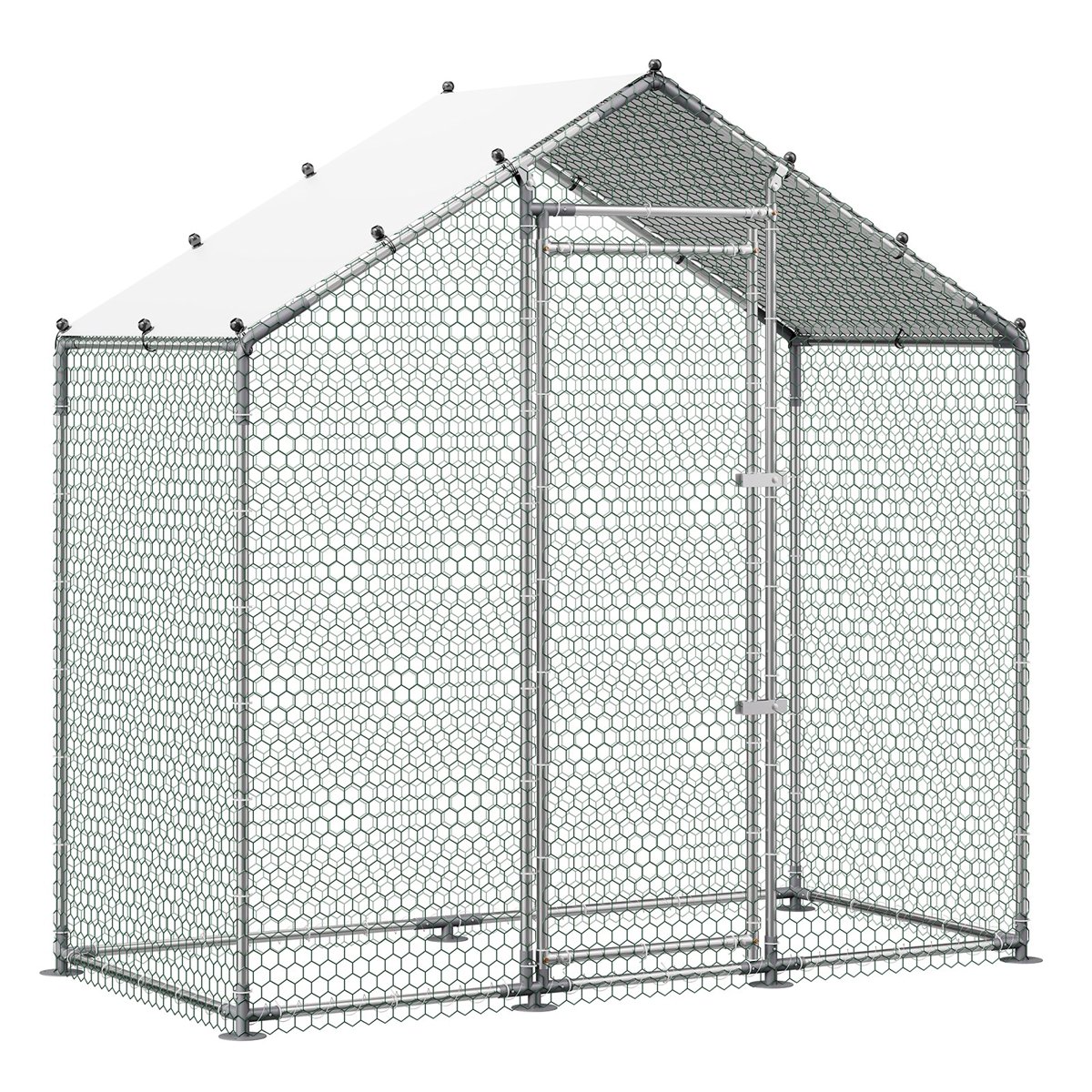 Large Metal Chicken Coop,6.6 X 3.3 X 6.6 Ft, Walk-in Run House With Waterproof Cover & Sturdy Frame, Spire Roof Poultry Cage Duck Pen For Rabbit Hen Goose Outdoor Backyard Farm Use$95.99View on Mallflare
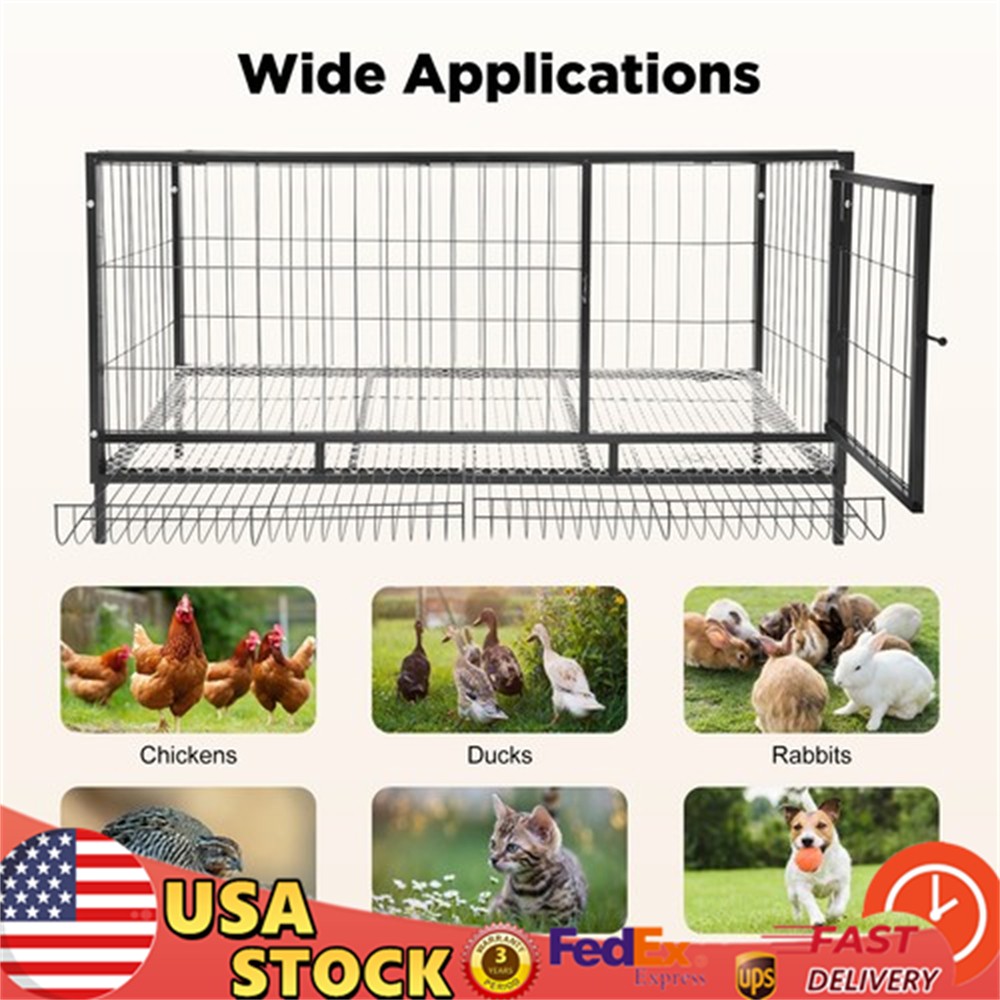 Large Chicken Coop Metal Hen House Backyards Poultry Hutch Pet Cage 47"x22"x24"$137.80View on eBay
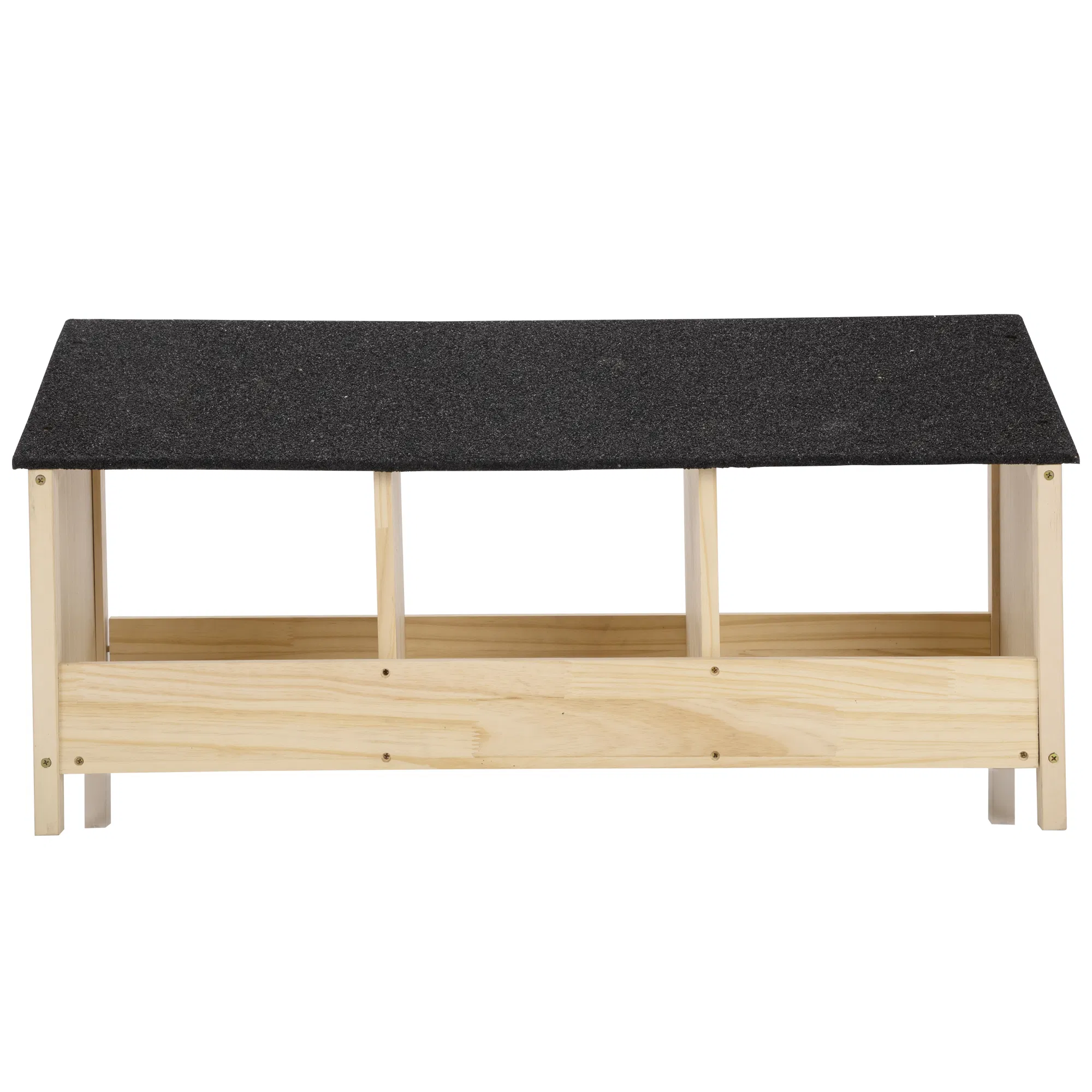 Chicken Coop with Waterproof Roof and 3 Nest Areas$95.99View on Mallflare
Highlights
- Roost bar width must be 1.5–2 inches (38–50 mm) so chickens can flatten their toes and cover them with feathers in cold weather; dowels under 1 inch cause foot problems and frostbite risk.
- Linear roost space per bird is 8–10 inches for standard breeds and 6–8 inches for bantams; a 4-foot bar comfortably sleeps 5–6 standard hens, not the 10–12 some coops claim.
- Mounting height should be 12–18 inches above the coop floor and higher than nest boxes, with a removable design (brackets or wing nuts) so you can lift it out for scraping and mite treatment.
- Hardwood (oak, ash) or pressure-treated 2x4 with the narrow edge up outperforms softwood dowels; softwood warps, splinters, and absorbs moisture, while a 2x4 on edge gives the ideal 1.5-inch grip surface.
Best use cases
- Best fit: a stationary walk-in or raised coop in a cold-winter climate—pick a coop with a removable 2x4-on-edge roost at 12–18 inches height and solid windbreak walls; skip thin dowel roosts and open-wire designs.
- Best fit: a small backyard flock of 4–6 standard hens—choose a coop with at least 4 feet of linear roost and 4 square feet of floor space per bird; skip coops marketed for '8–10 chickens' that only provide a 2-foot bar.
- Wrong fit: a mobile chicken tractor moved daily—a fixed high roost is awkward; choose a tractor with a low removable bar or skip roost-centric coops and add a separate perch bar yourself.
- Best fit: bantam or Serama keepers—use a 1–1.5 inch bar at 10–12 inches height; skip standard 2-inch roosts that are too wide for small feet to grip.
Buying tips
- Size the roost by linear inches, not bird count claims: measure the bar length and divide by 10 inches for standard hens or 7 inches for bantams; a 55-inch bar like the Mallflare jungle-gym style roost fits about 5–6 standard birds.
- Choose a roost you can remove without tools—bracket-mounted or wing-nut designs let you scrape droppings and treat for mites; permanently nailed bars force you to clean around them.
- Match the bar to the coop: a 55 x 33.75 inch roost frame needs a coop at least 5 feet wide internally; check interior width and door clearance before buying an oversized jungle-gym roost.
- Prefer hardwood or heat-treated lumber over softwood dowels; if buying a standalone roost bar, confirm the material is oak, ash, or kiln-dried pine at minimum 1.5 inches thick.
Specs
| Roost Bar Width | 1.5–2 in (38–50 mm) ideal |
|---|---|
| Roost Space per Bird | 8–10 in standard / 6–8 in bantam |
| Mounting Height | 12–18 in above floor |
| Bar Material | Hardwood or 2x4 on edge |
Related searches
What to check before buying
- Measure your coop's interior width, height above floor, and door opening—a 55-inch roost frame requires roughly 5 feet of clear width and a door wide enough to slide it in.
- Count your birds and multiply by 10 inches (standard) or 7 inches (bantam) to get required linear roost length; compare to the bar's usable length, not the frame's outer dimensions.
- Confirm the roost mounts at least 12 inches above the floor and above nest box height, and that it is removable via brackets or wing nuts.
- Check climate: in freezing areas, choose a 2-inch-wide hardwood bar and a coop with ventilation above the roost but no direct drafts on the birds.
FAQ
Data sources: eBay / Amazon listings and product attribute feeds. Updated Nov 28, 2026.
Some links on this page are affiliate links. If you buy after clicking one, we may earn a commission at no extra cost to you. This does not change which products appear here or their order. Affiliate disclosure.