
Photos from current listings. Actual item, color, and included accessories may vary.
Chicken Coop With Nesting Box Buying Guide
A chicken coop with a nesting box is a backyard poultry enclosure that pairs a sheltered roost area with dedicated egg-laying compartments, typically in wood, metal, or plastic. The core trade-off is between thin softwood hutches built for 2–4 hens and heavier framed coops rated for 6–10 birds, where ventilation, predator-grade wire, and nest box access decide longevity. The decision rule: buy by rated bird count and wire gauge first, then check nest box count and cleanout access—if the listing quotes neither, it is a compromise build.
Median $211.99 · New listings
Key takeaways
- Nest box count drives laying capacity: 1 box per 4–5 hens is the standard, so a 3-box coop suits 12–15 layers while a single-box hutch tops out around 4–5 hens.
- Predator protection depends on wire: 19-gauge or thicker welded wire with 1/2-inch mesh stops raccoons and snakes; 1-inch chicken wire only deters hawks.
- Framing separates tiers: 3/4-inch or thicker tongue-and-groove panels on 2x2 or 2x3 studs last seasons, while 10–12 mm stapled plywood hutches warp within a year or two.
At a glance
- Category
- Chicken Coops & Runs
- Last updated
- Nov 28, 2026
Current offers
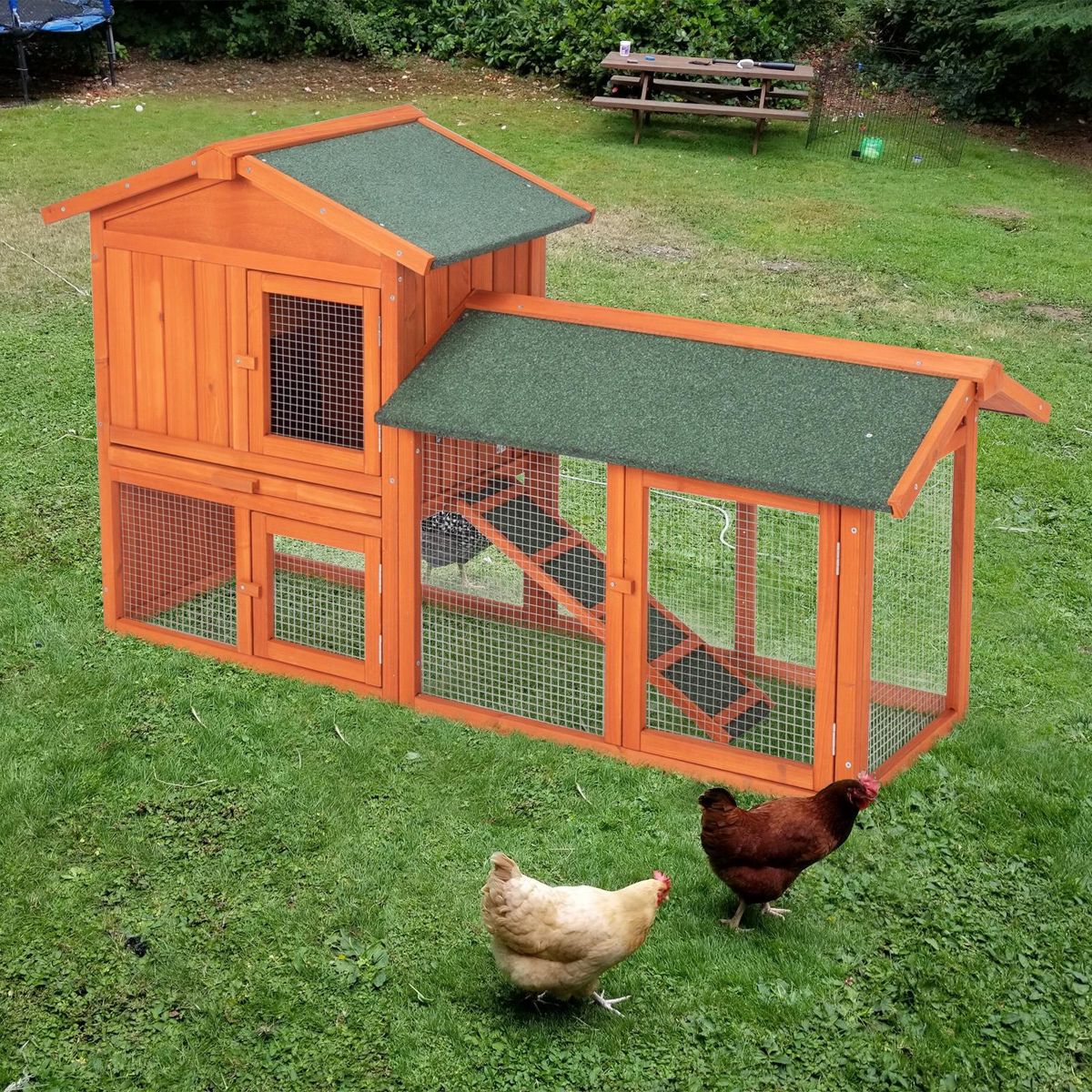 Wooden Chicken Coop Hen House Poultry Hutch Pet Cage with Nesting Box, Backyard$102.99View on eBay
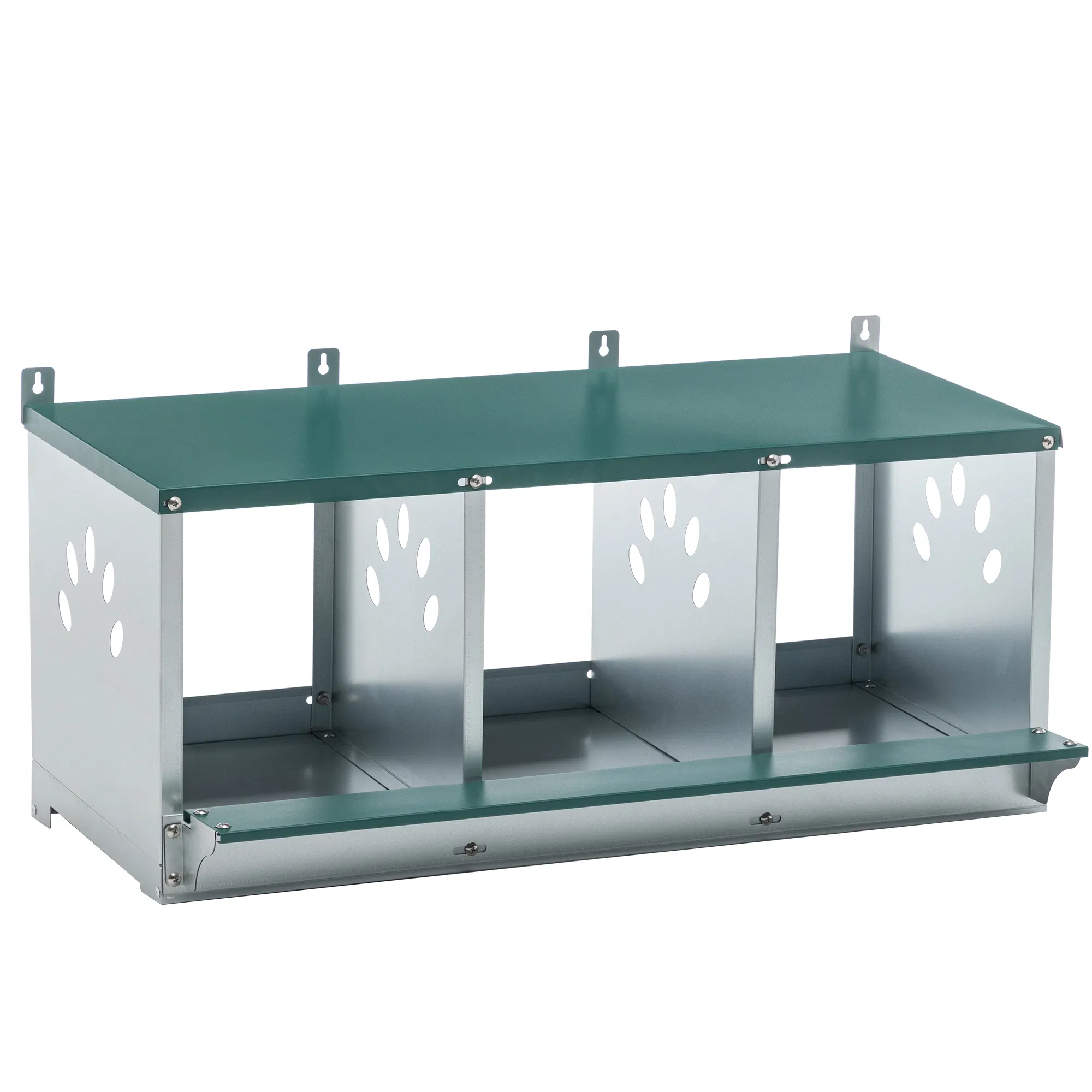 3 Room Metal Chicken Nesting Boxes 3 Compartment Egg Coop$76.99View on Mallflare
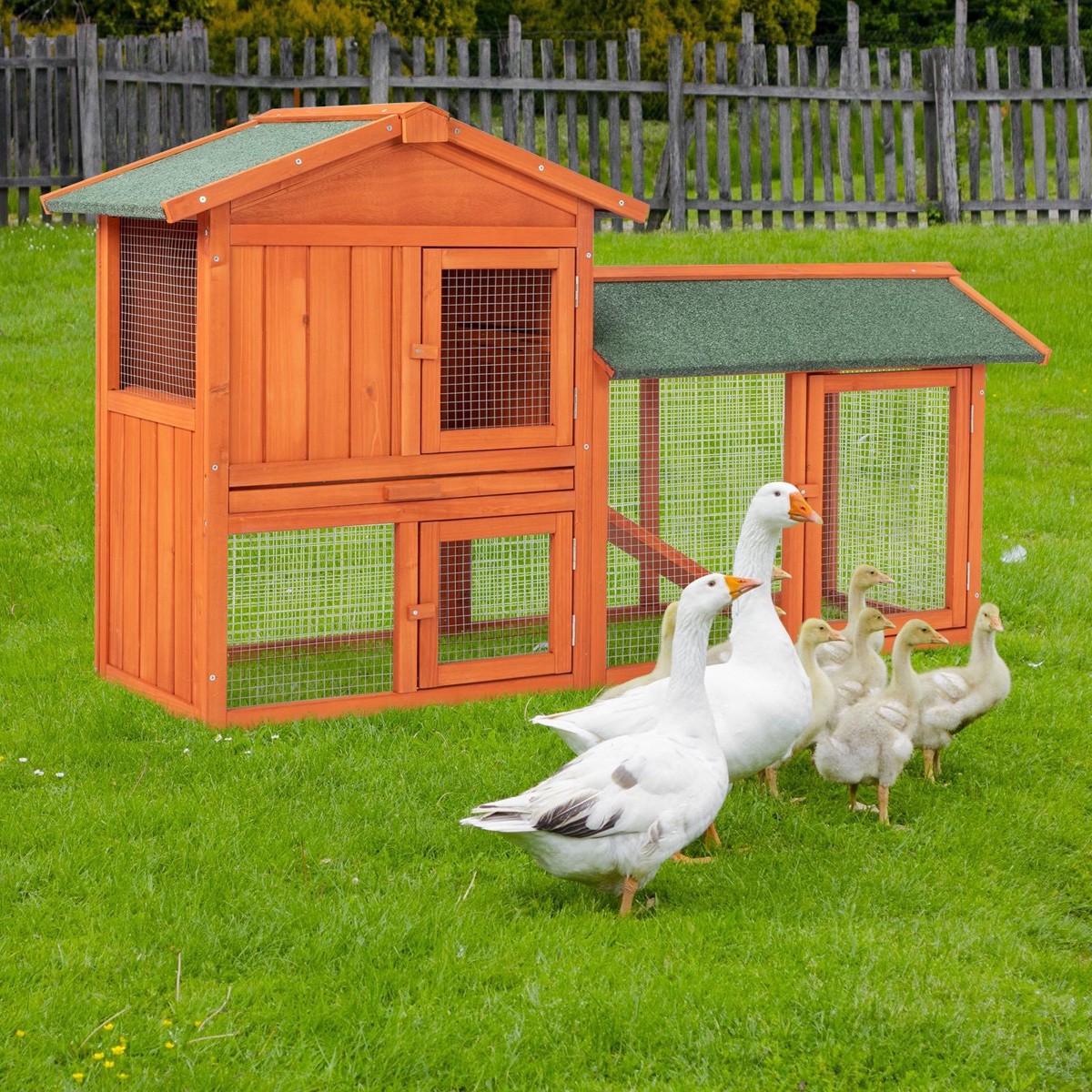 Wooden Chicken Coop Hen House Poultry Hutch Pet Cage w/ Nesting Box Backyard$106.79View on eBay
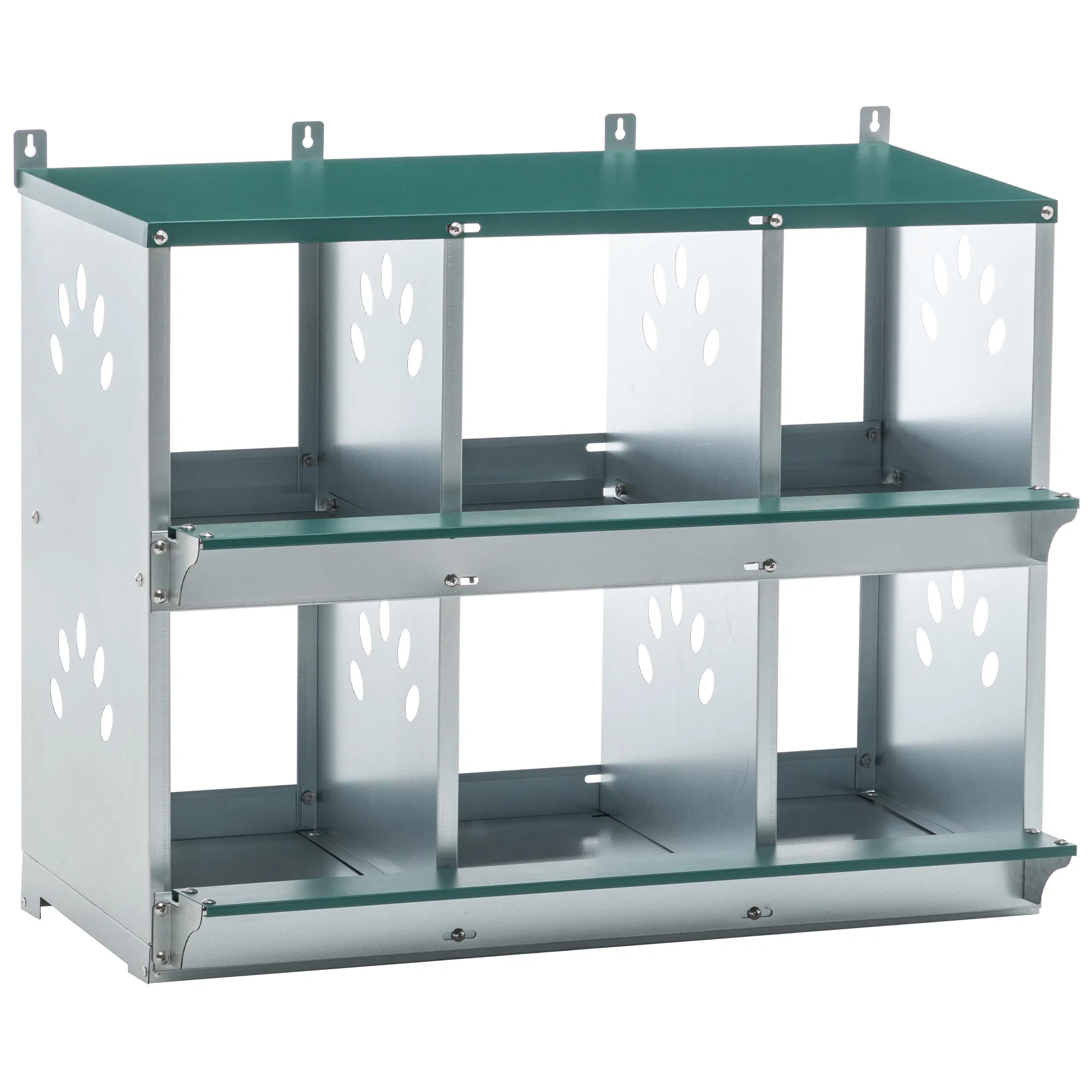 6 Room Metal Chicken Nesting Boxes 6 Compartment Egg Coop$107.99View on Mallflare
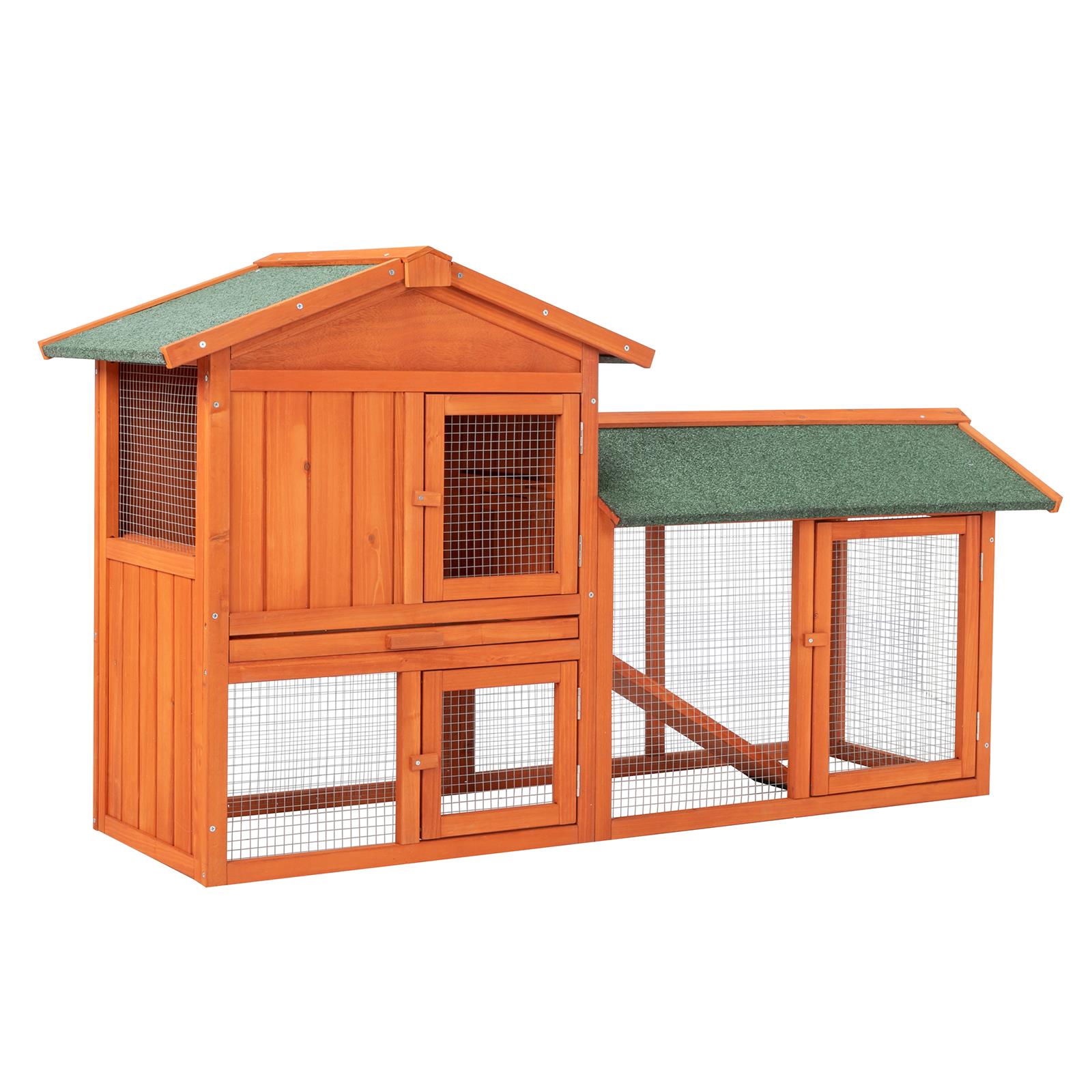 Garden Wood Chicken Coop House Poultry Hutch Pet Cage w/ Nesting Box Backyard$107.99View on eBay
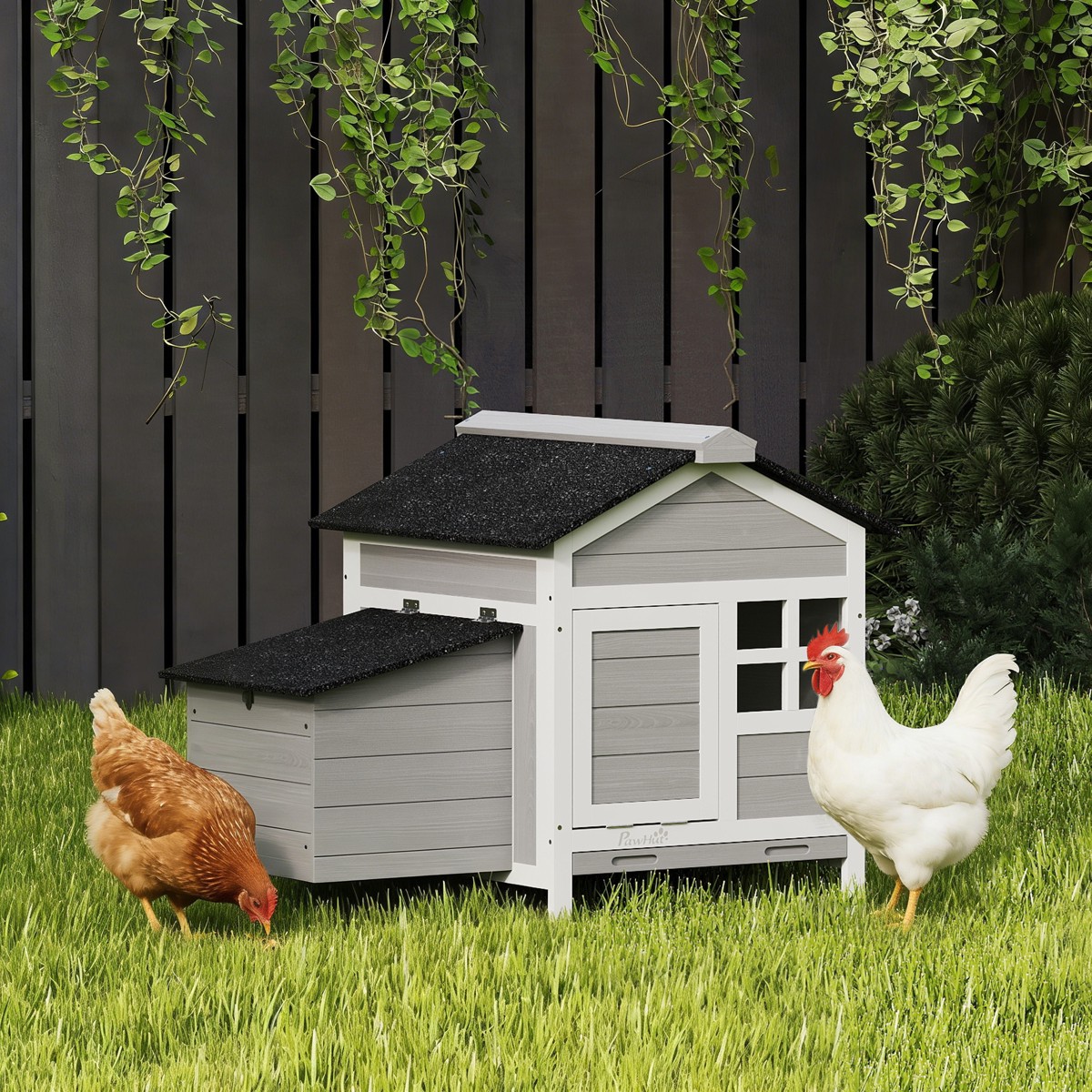 Wooden Chicken Coop Outdoor with Nesting Box, Pull-Out Metal Tray, for 1-2 Chickens, Rabbits, Ducks, 36" x 25" x 27"$115.99View on Mallflare
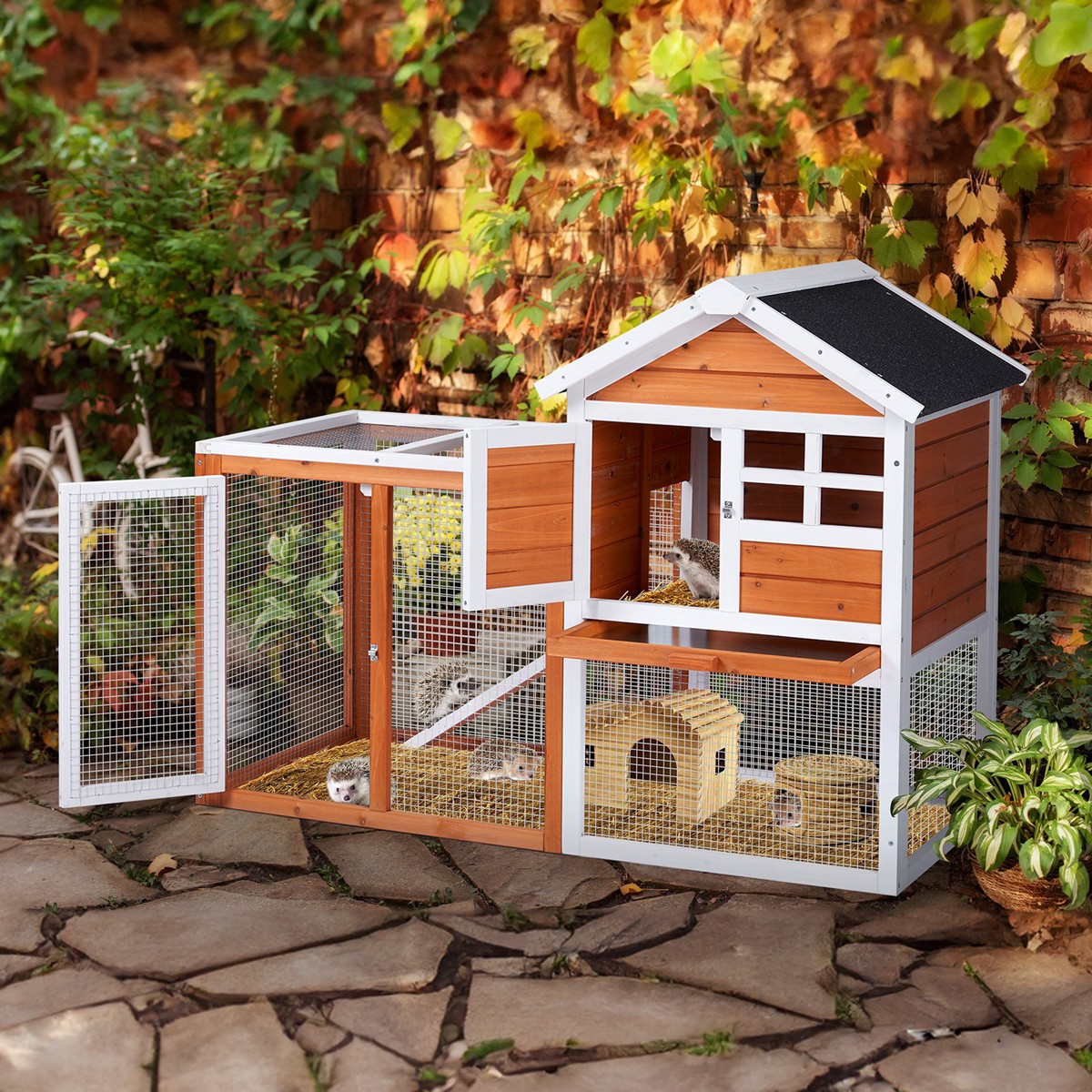 Wooden Chicken Coop Hen House Poultry Hutch Pet Cage with Nesting Box Backyard$111.99View on eBay
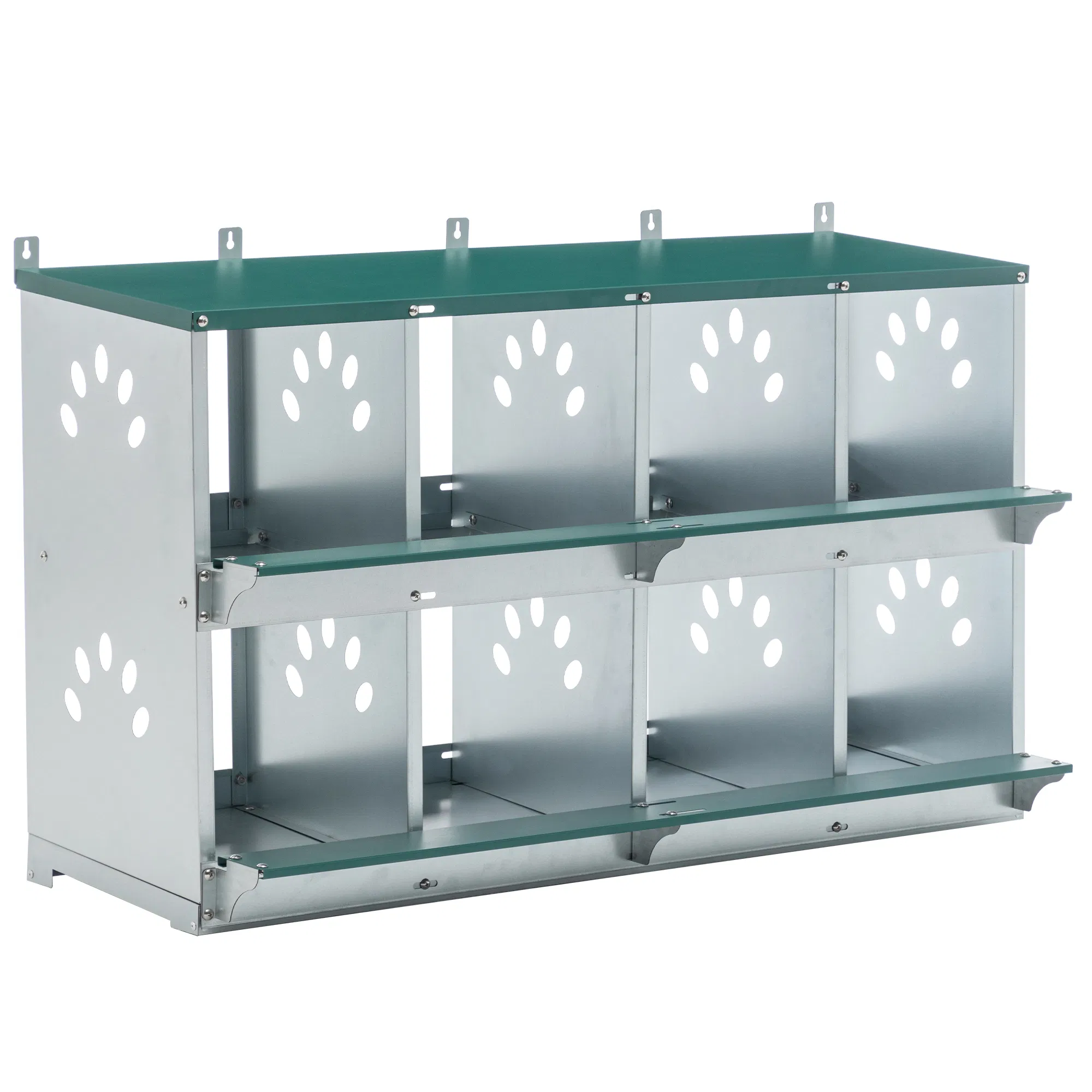 8 Room Metal Chicken Nesting Boxes 8 Compartment Egg Coop$135.99View on Mallflare
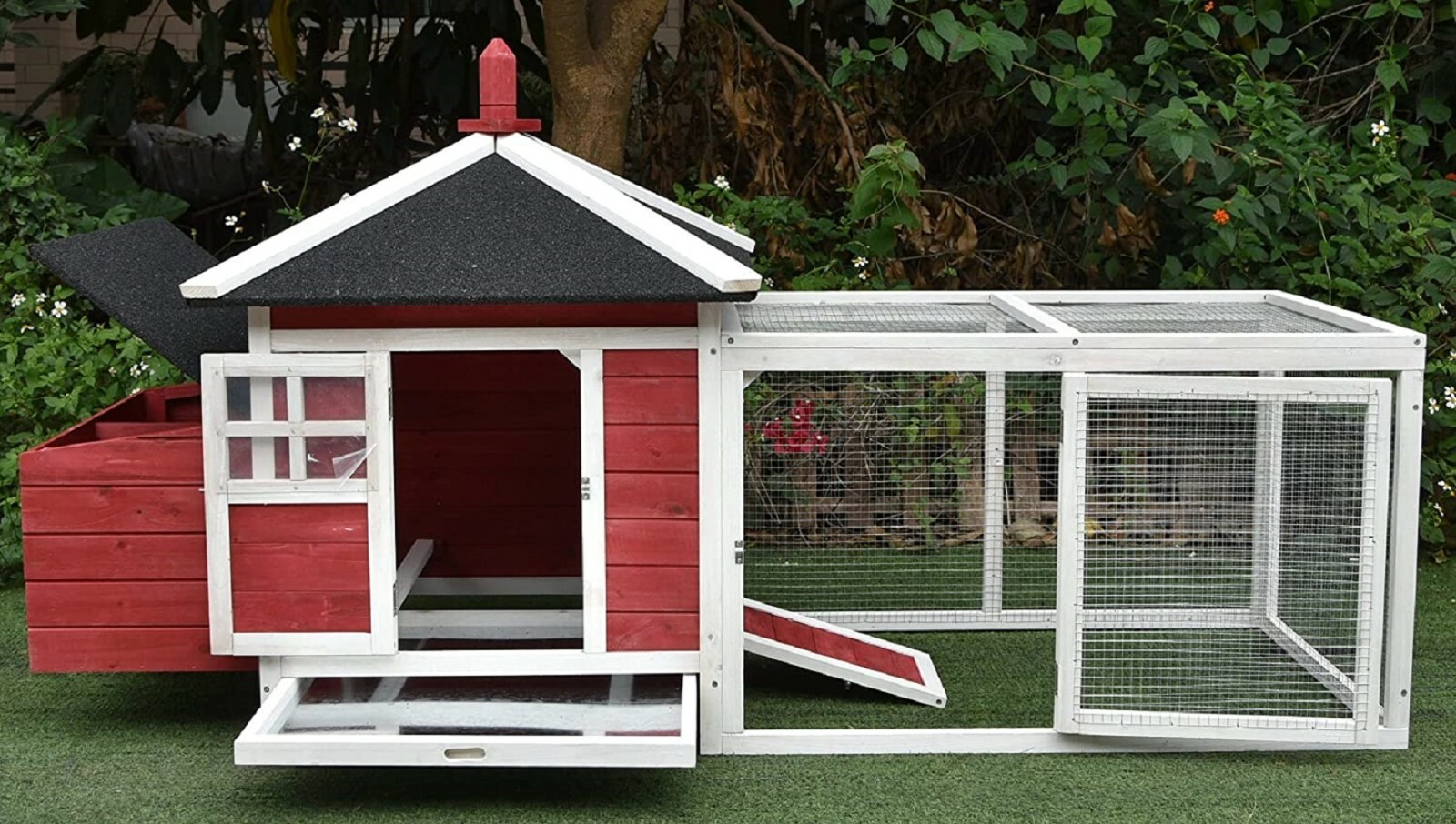 77" Wood Chicken Coop Backyard Hen House 2-4 Chickens with 2 Nesting Boxes New$137.37View on eBay
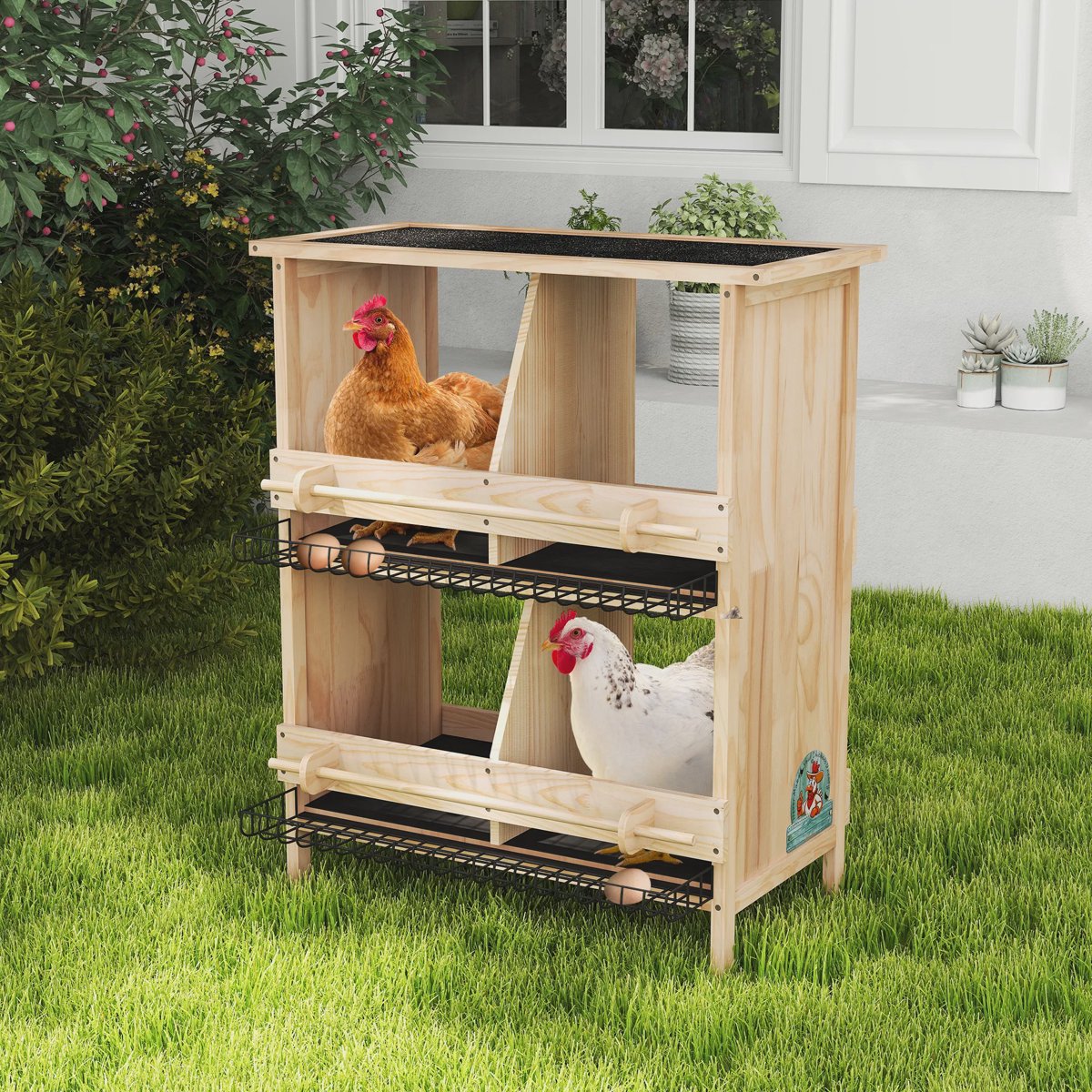 2-tier Chicken Coop with Nesting Boxes, Standing Poles, Waterproof Roof and Thermal Insulation Cotton$143.99View on Mallflare
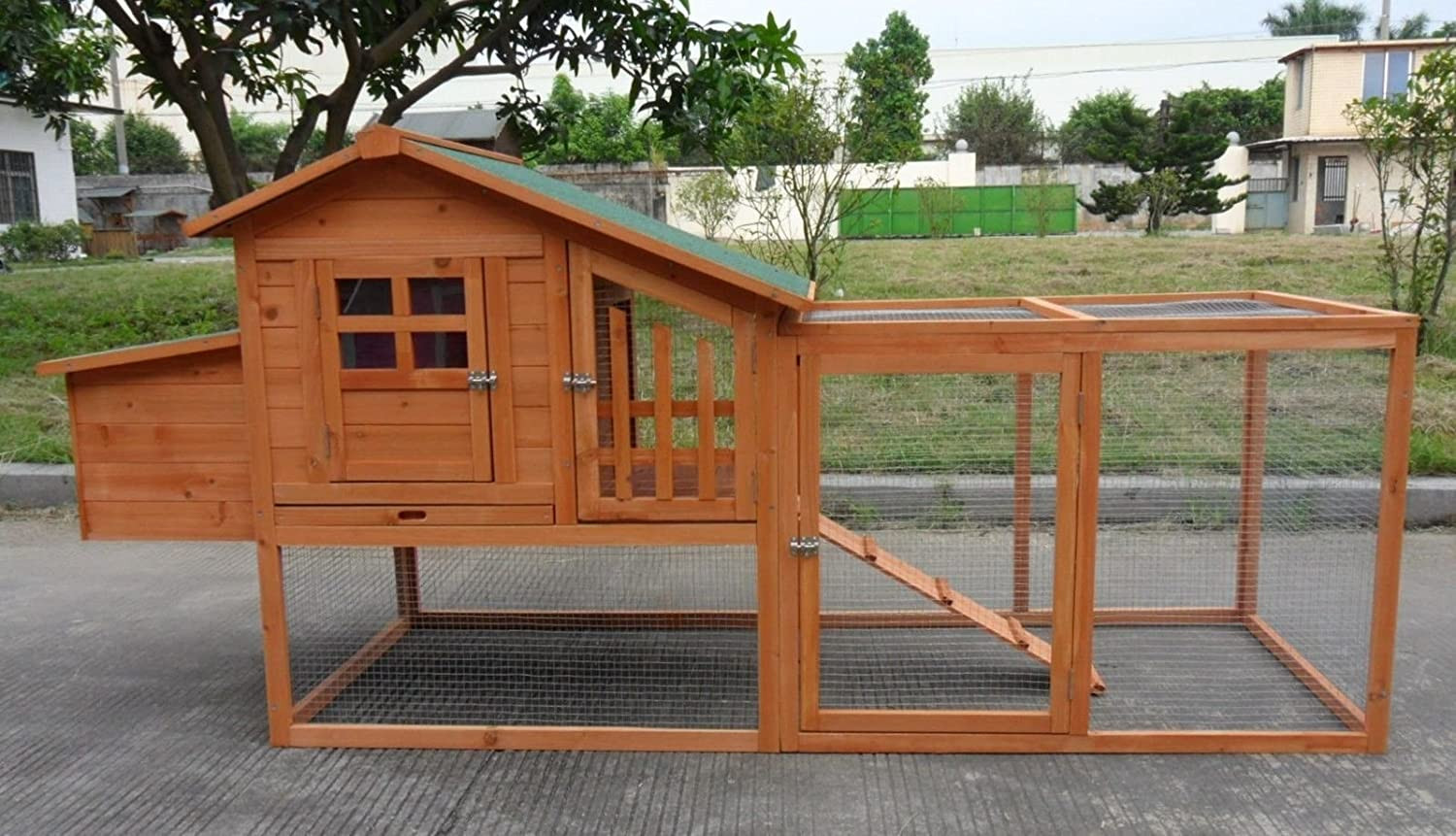 Deluxe Large Wood Chicken Coop Backyard Hen House 3-5 Chickens w Nesting Box Run$169.98View on eBay
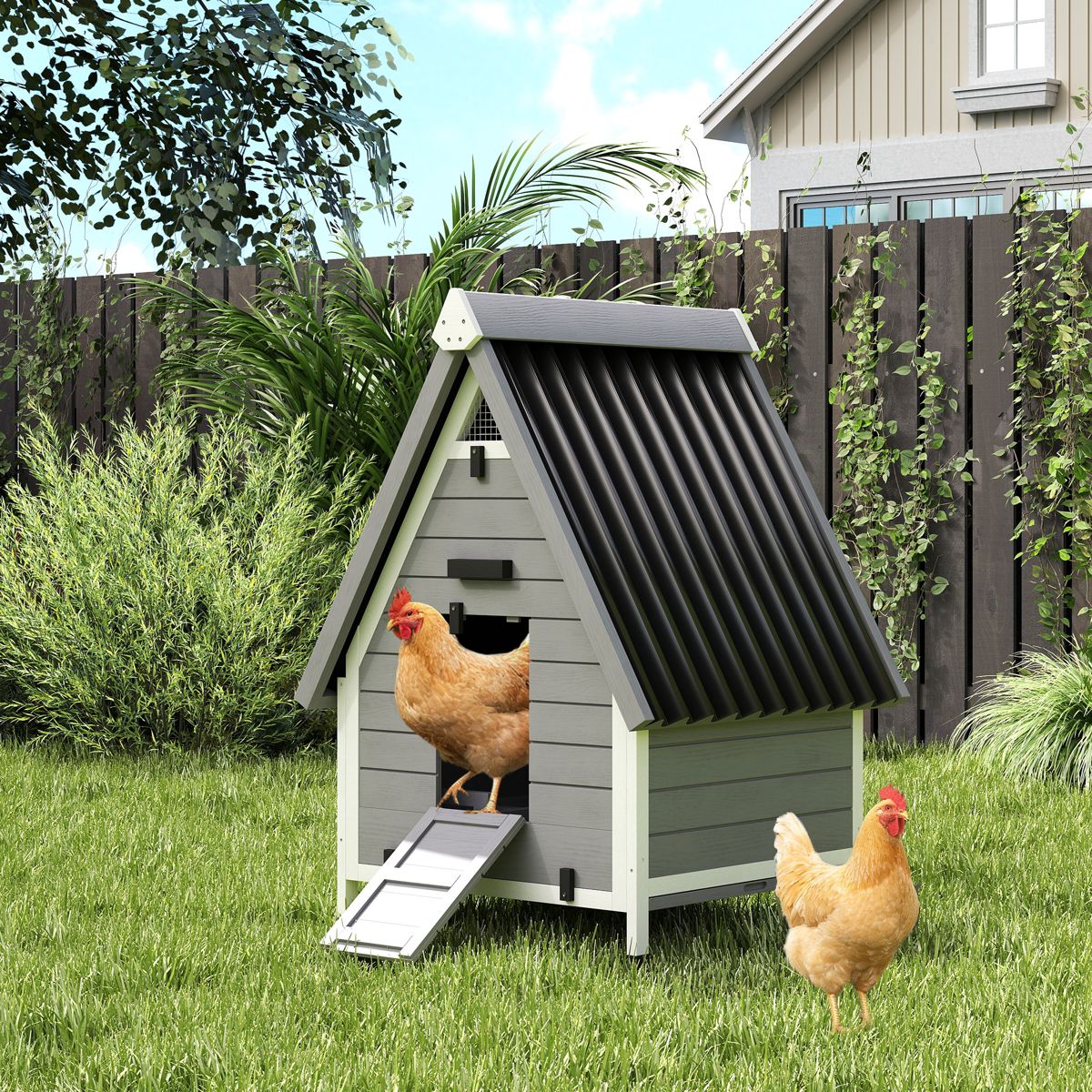 Chicken Coop for 2 Chickens, Outdoor Wooden House with Removable Nesting Box & Roosting Bar, Tray, Ramp$147.99View on Mallflare
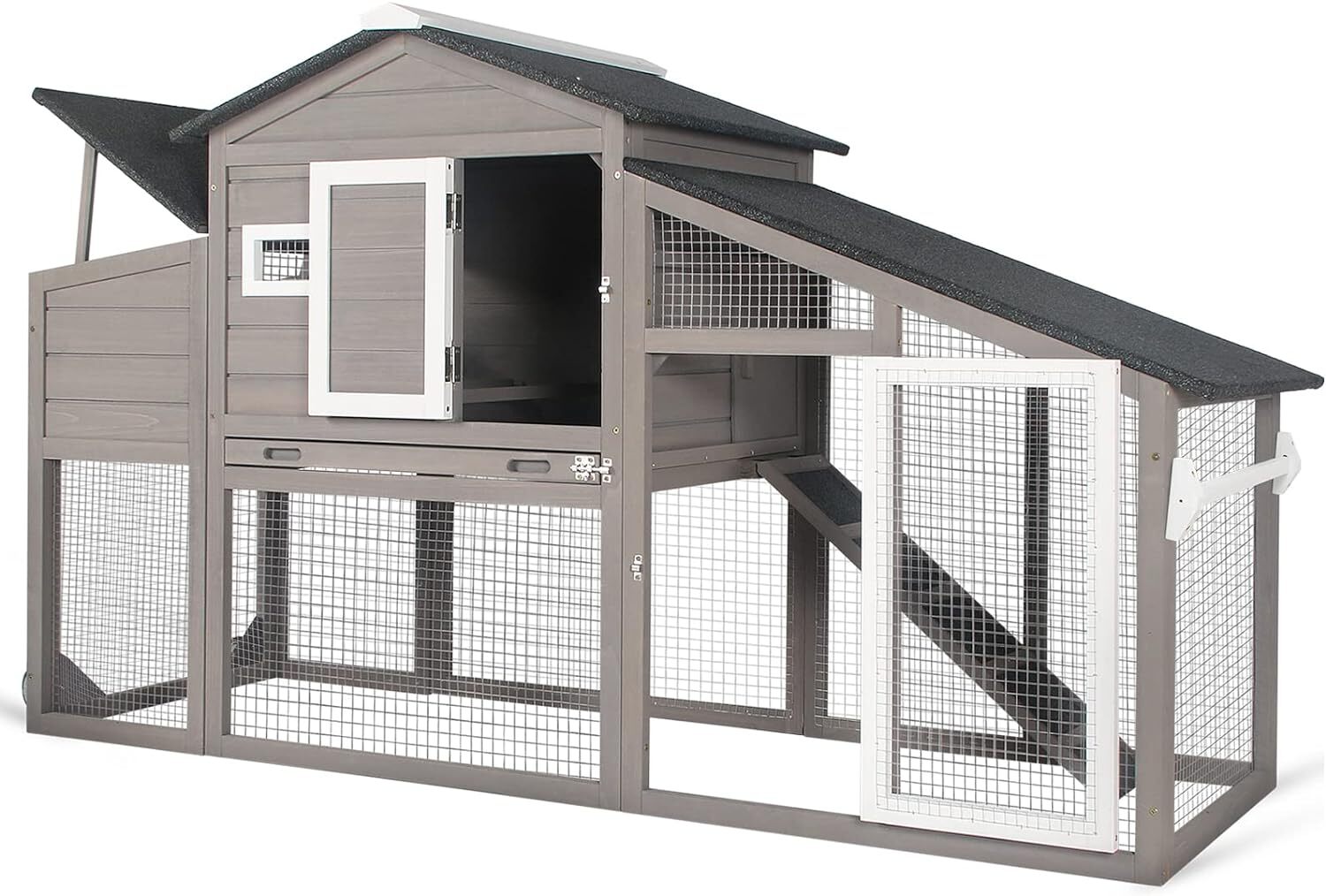 PetsCosset Chicken Coop Wooden Backyard Hen House with Run Nesting Box & Trays$169.99View on eBay
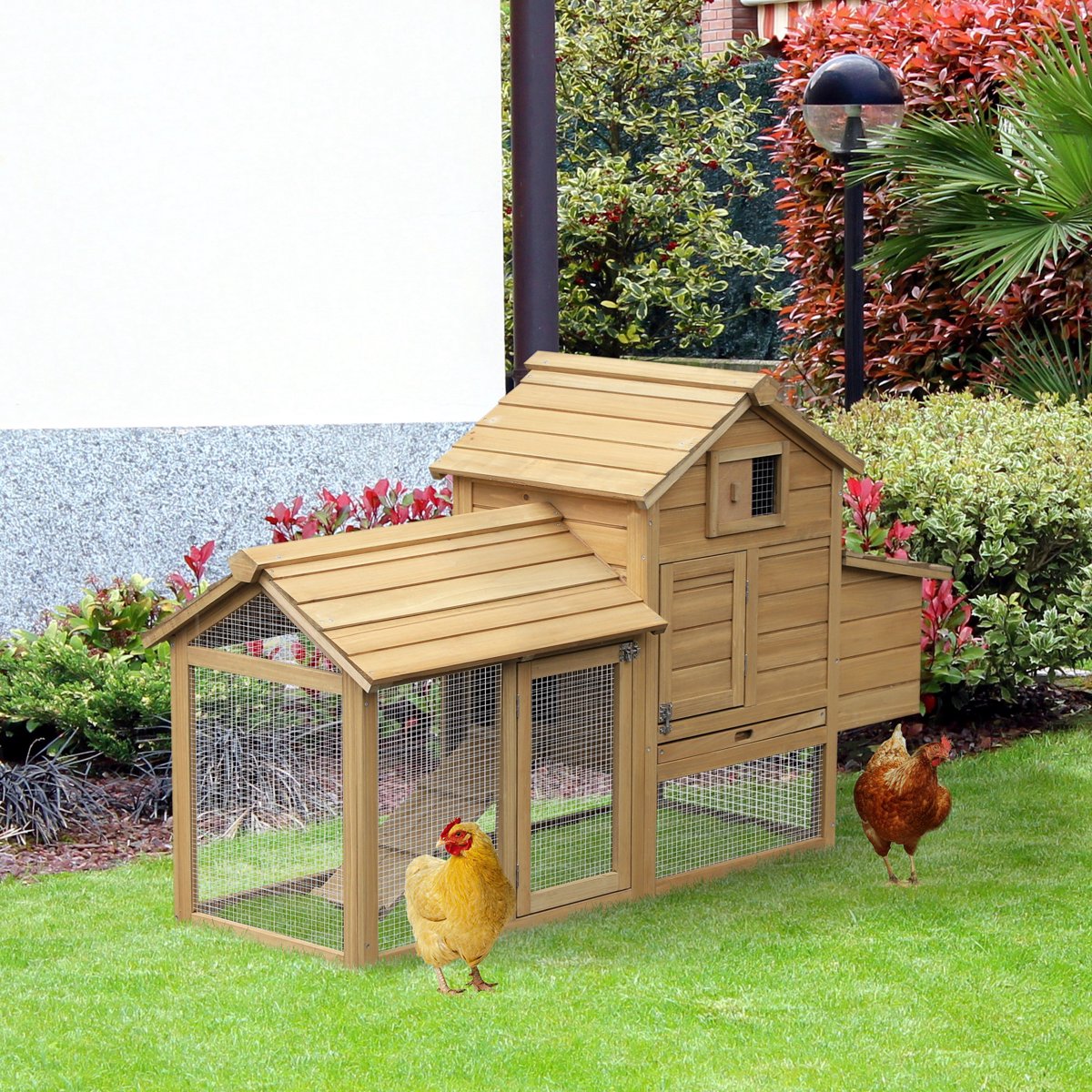 59" Small Wooden Chicken coop Hen House Poultry Cage for Outdoor Backyard with 2 Doors, Nesting Box and Removable Tray, Natural Wood$151.99View on Mallflare
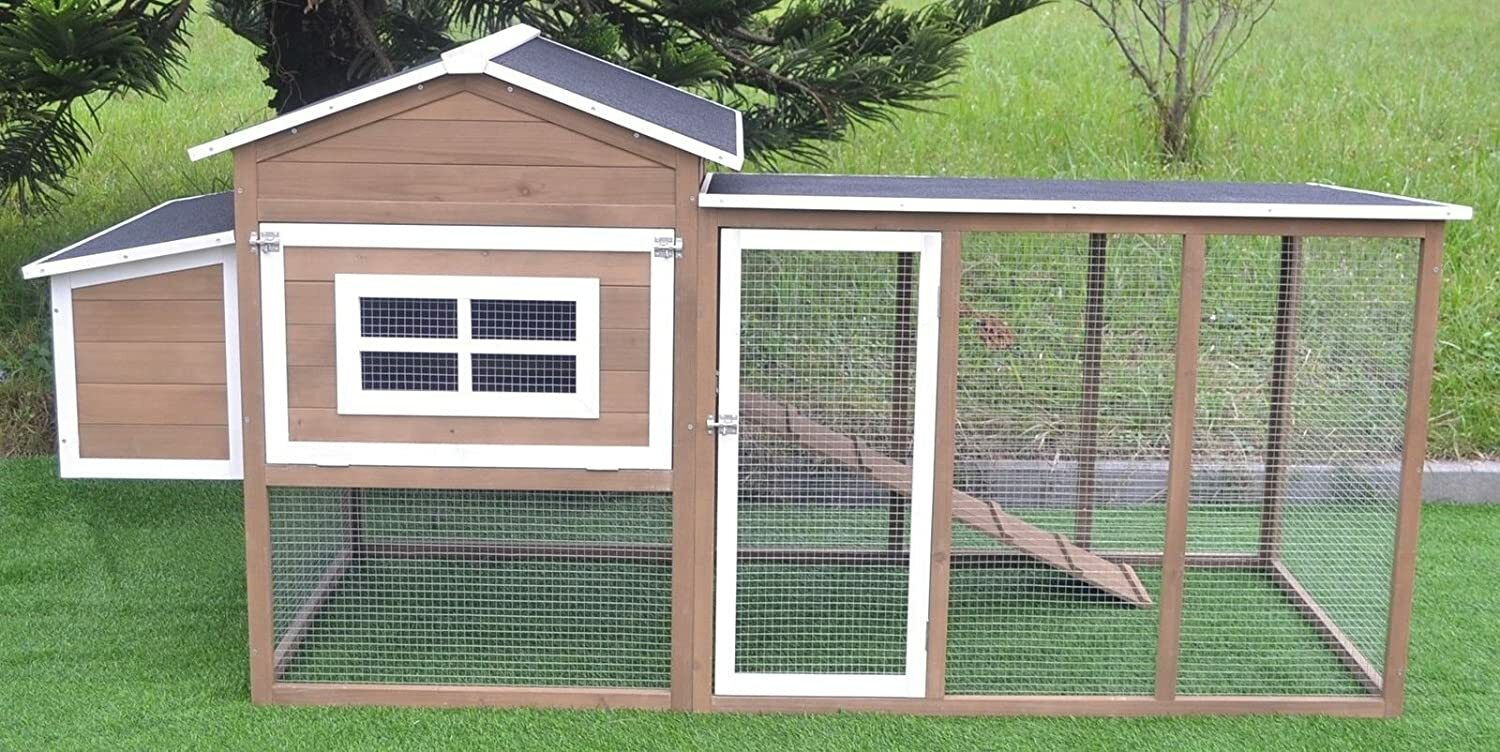 Large 87" Wood Chicken Coop Backyard Hen House 4-6 Chickens Nesting Box & Run$187.98View on eBay
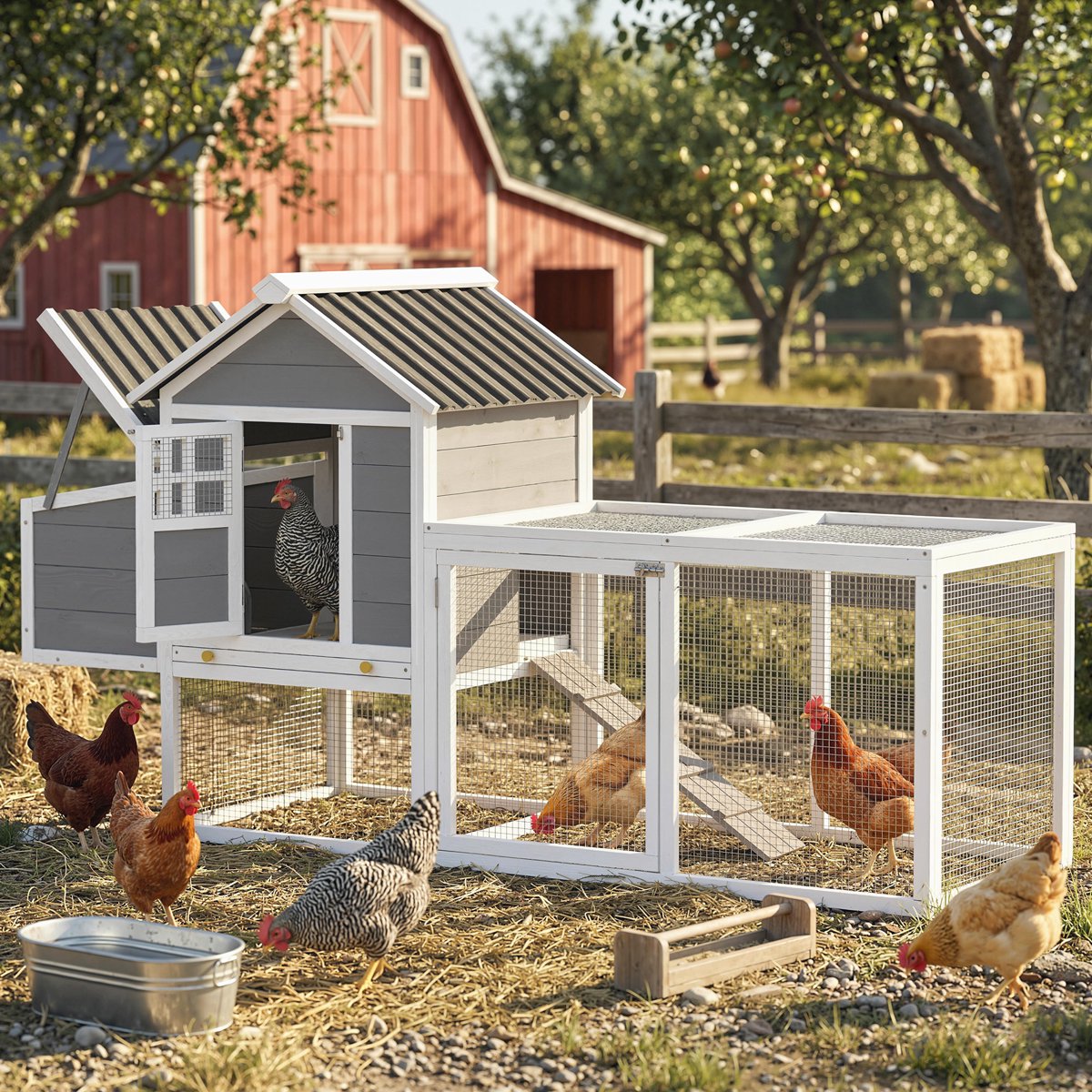 Chicken Coop, 82.3" Wooden Outdoor Hen House with Nesting Box and Pull-Out Cleaning Tray, Gray$174.99View on Mallflare
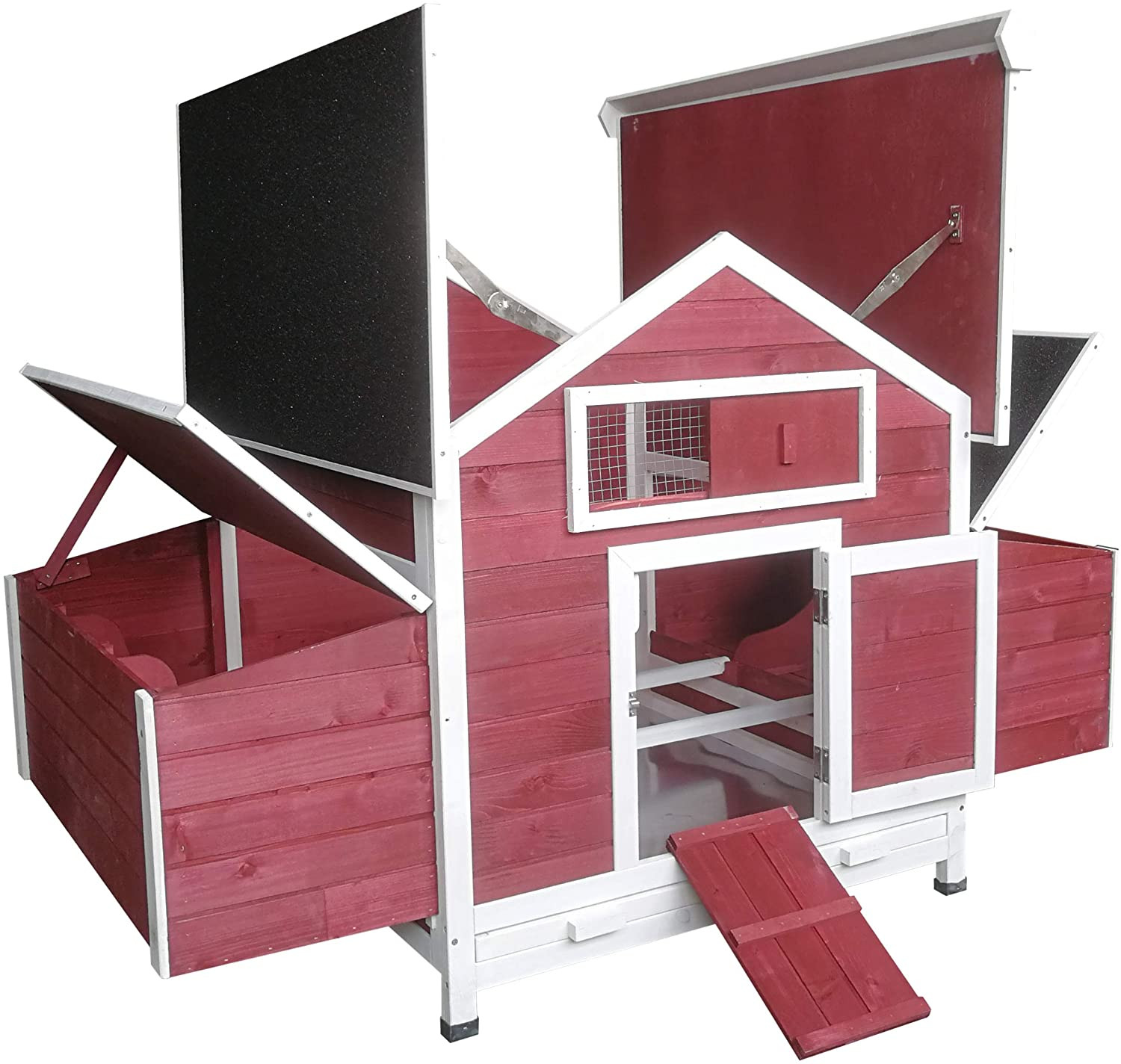 Wood Chicken Coop Backyard Hen House 4-8 Chickens with 6 Nesting Box New$188.98View on eBay
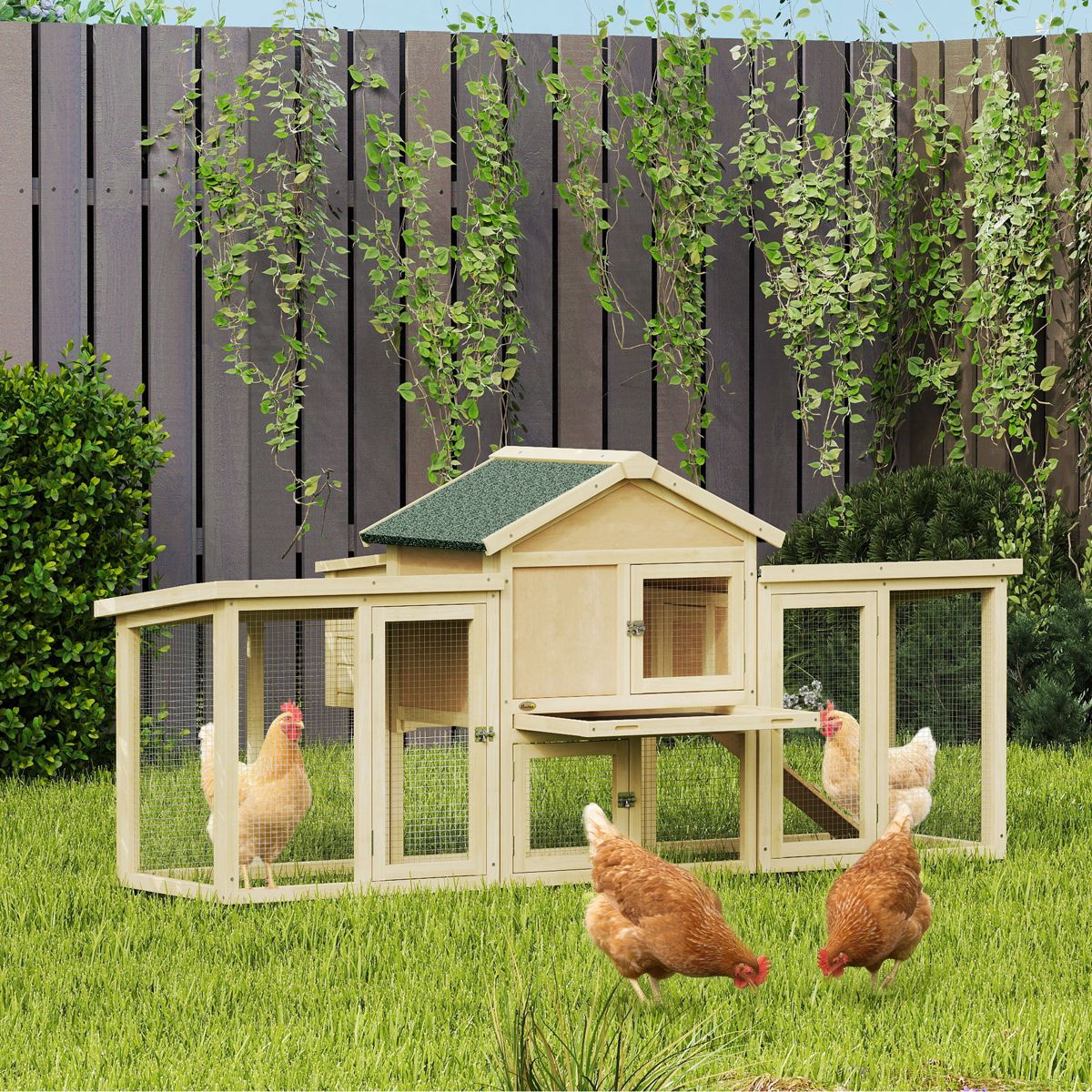 Wooden Chicken Coop ith Nesting Box, Double Runs, Removable Tray, Ramp, for Garden Backyard$178.99View on Mallflare
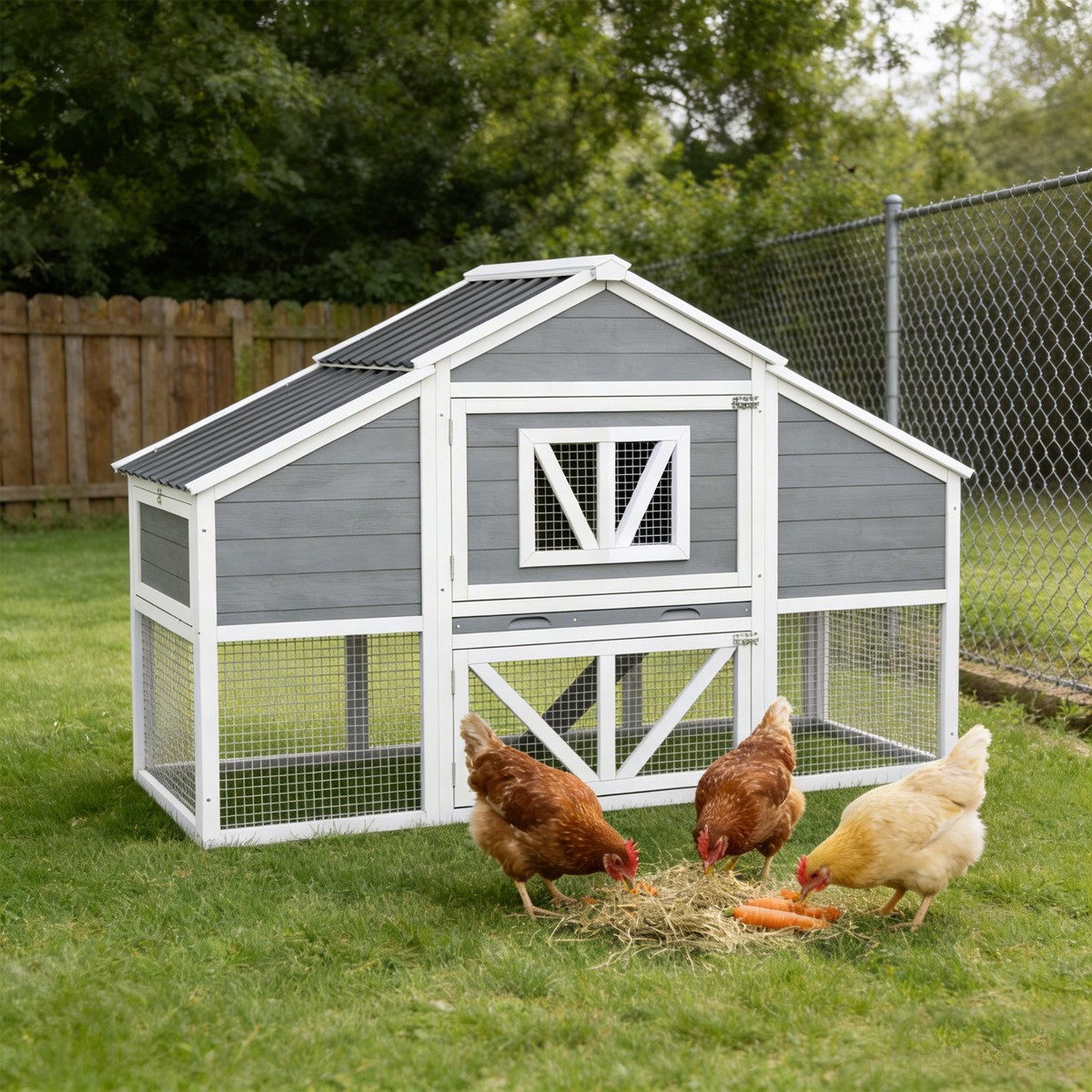 Backyard 2-Tier Wooden Chicken Coop with 4 Nesting Boxes for 6 Hens, Gray$198.00View on eBay
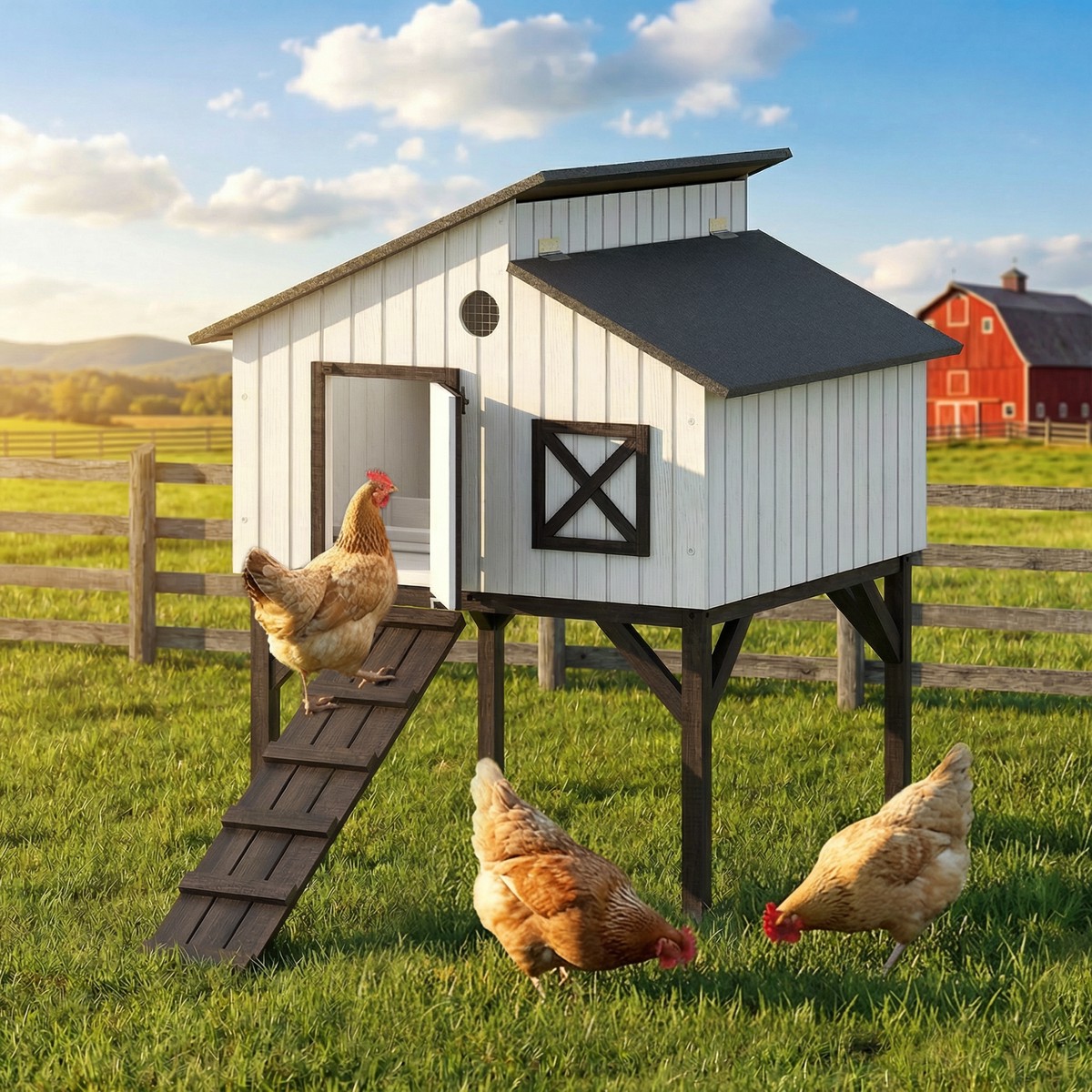 Chicken Coop Hen House with Nesting Box, Elevated Rabbit Hutch Ramp, Asphalt Openable Roof and Legs$183.99View on Mallflare
Highlights
- Nest box count drives laying capacity: 1 box per 4–5 hens is the standard, so a 3-box coop suits 12–15 layers while a single-box hutch tops out around 4–5 hens.
- Predator protection depends on wire: 19-gauge or thicker welded wire with 1/2-inch mesh stops raccoons and snakes; 1-inch chicken wire only deters hawks.
- Framing separates tiers: 3/4-inch or thicker tongue-and-groove panels on 2x2 or 2x3 studs last seasons, while 10–12 mm stapled plywood hutches warp within a year or two.
- Nest box design matters: external, hinged-lid nest boxes allow egg collection without entering the run; internal boxes force you into the coop and soil the litter.
Best use cases
- Best fit: 2–4 hens in a suburban yard — pick a wooden hutch with 1–2 nest boxes, a pull-out dropping tray, and an attached run of at least 8 sq ft.
- Best fit: 6–10 hens with daily egg collection — choose a large framed coop with external nest box lids, 3 nest boxes, and 1/2-inch welded wire; skip fabric or plastic hutches at this flock size.
- Wrong fit: free-ranging flocks in high-predator areas — a lightweight hutch without a buried skirt or 19-gauge wire will be breached; upgrade to a metal-framed run with hardware cloth.
- Wrong fit: cold-climate overwintering of many birds — uninsulated thin-panel hutches frost over; pick a coop with 3/4-inch panels, vented ridge, and deep litter capacity.
Buying tips
- Size by floor area, not bird count claims: allow 4 sq ft per hen in the coop and 10 sq ft in the run; a 77-inch coop typically yields 12–15 sq ft of interior, good for 3–4 hens.
- Match nest boxes to flock: 1 box per 4–5 hens; a 6-hen coop needs 2 boxes minimum, and boxes should be 12x12x12 inches with a 4-inch lip.
- Check the wire spec: require 1/2-inch welded wire at 19-gauge or heavier for the run; 1-inch hexagonal chicken wire fails against raccoons and weasels.
- Prefer external nest box access with hinged or sliding lids and a locking latch; interior-only boxes mean opening the main door in rain and stressing the flock.
Specs
| Coop Material | Fir wood / galvanized metal / HDPE plastic |
|---|---|
| Nest Box Count | 1-3 boxes (1 per 4-5 hens) |
| Run Wire Gauge | 19-ga+ welded, 1/2-in mesh |
| Rated Flock Size | 2-4 hens (hutch) / 6-10 hens (large) |
Related searches
What to check before buying
- Measure your run footprint: a 77-inch-long coop with run occupies roughly 2.5 x 6.5 ft; confirm gate swing and lawn access before ordering.
- Confirm ground anchoring: softwood hutches need a skirt or buried wire apron; check the base frame height clears grass and sits level on soil or pavers.
- Verify climate fit: ventilated ridge and 3/4-inch panels for wet or cold regions; plastic or metal coops for humid coastal areas to avoid rot.
- Check companion parts: nest box liners, roost bars at 8–10 inches off the floor, and a feeder/waterer that fits the run without blocking the pop door.
FAQ
Data sources: eBay / Amazon listings and product attribute feeds. Updated Nov 28, 2026.
Some links on this page are affiliate links. If you buy after clicking one, we may earn a commission at no extra cost to you. This does not change which products appear here or their order. Affiliate disclosure.