
Photos from current listings. Actual item, color, and included accessories may vary.
Chicken Coop With Brooder Buying Guide
A chicken coop with brooder integrates a heated or sheltered brooding zone for chicks within an adult coop structure. The critical trade-off is insulation and heat control for chicks versus ventilation and predator security for adults, plus the durability of the brooder partition. Choose a coop with a dedicated, draft-free brooder compartment and species-appropriate heat source; skip open-plan hutches that force you to retrofit unsafe heat lamps.
Median $123.99
Key takeaways
- Brooder compartments require 0.5–1 sq ft per chick for the first 4 weeks, expanding to 2 sq ft by 8 weeks; adult coops need 2–3 sq ft per bird in the house plus 8–10 sq ft in the run.
- Heat sources: 250W infrared bulbs suit 25–50 chicks but are fire-risk; 200W ceramic heat emitters or Brooder Plate ( radiant ) 12V/120V provide safer, draft-free warmth.
- Predator-proofing: ½-inch hardware cloth (not chicken wire) on all openings, 2-inch buried apron, and secure latches; wooden coops need ¾-inch plywood or tongue-and-groove for structural integrity.
At a glance
- Category
- Chicken Coops & Runs
- Last updated
- Nov 28, 2026
Current offers
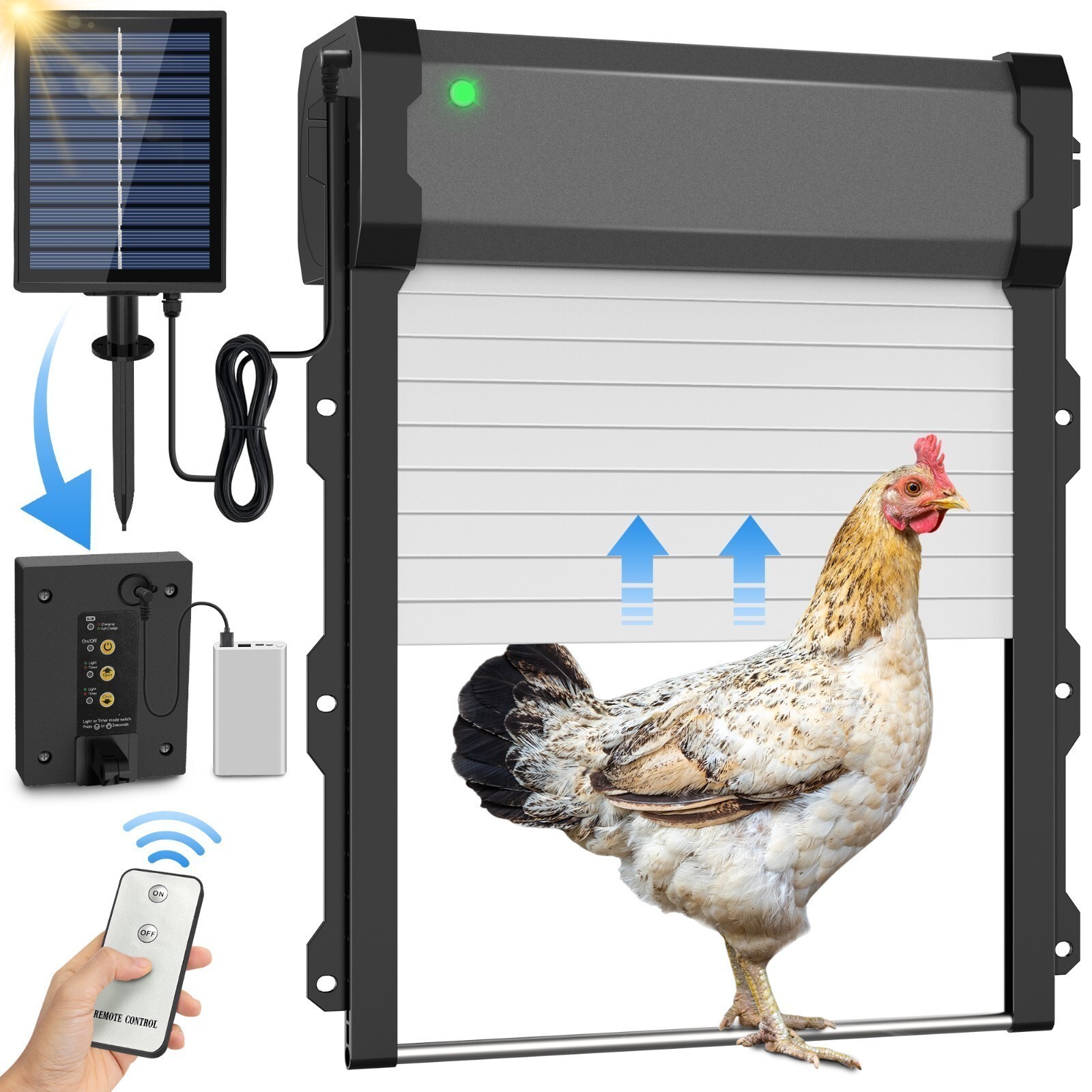 Solar Powered Chicken Coop Door Opener Timer & Light Sensor Auto Door Waterproof$65.99View on eBay
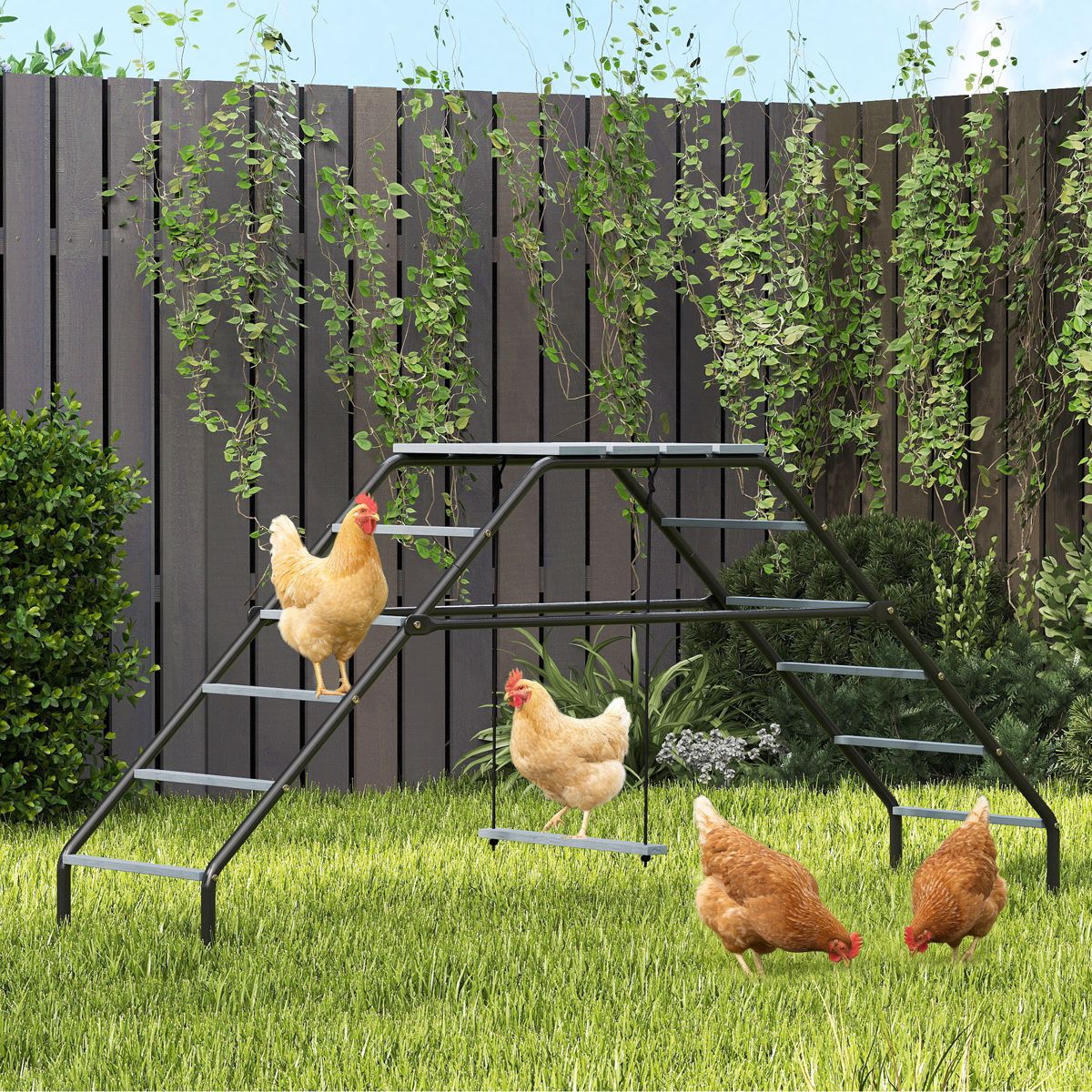 Chicken Coop Perches with Adjustable Swing, 10 Roosting Bars, for Backyard, Farm$40.99View on Mallflare
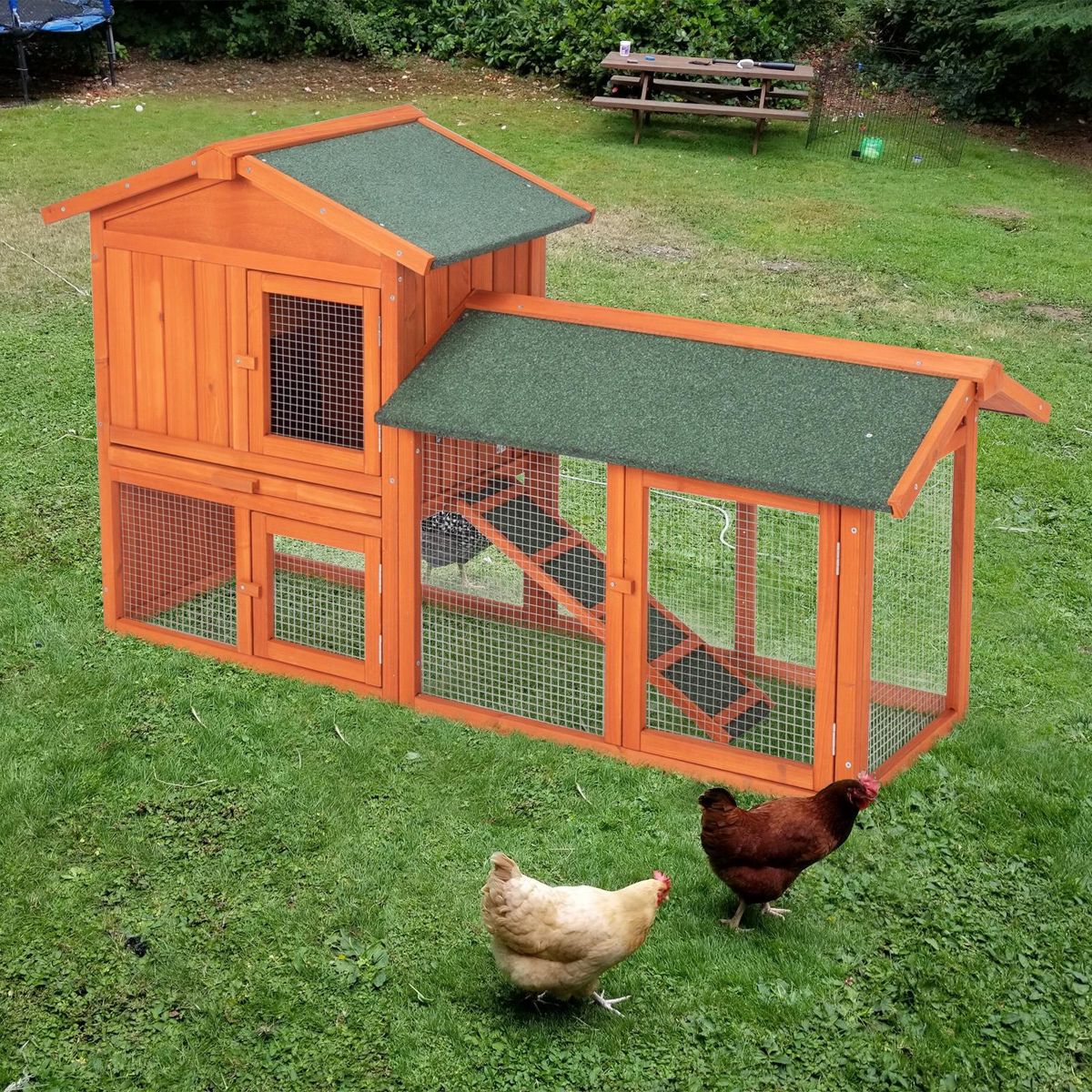 Wooden Chicken Coop Hen House Poultry Hutch Pet Cage with Nesting Box, Backyard$102.99View on eBay
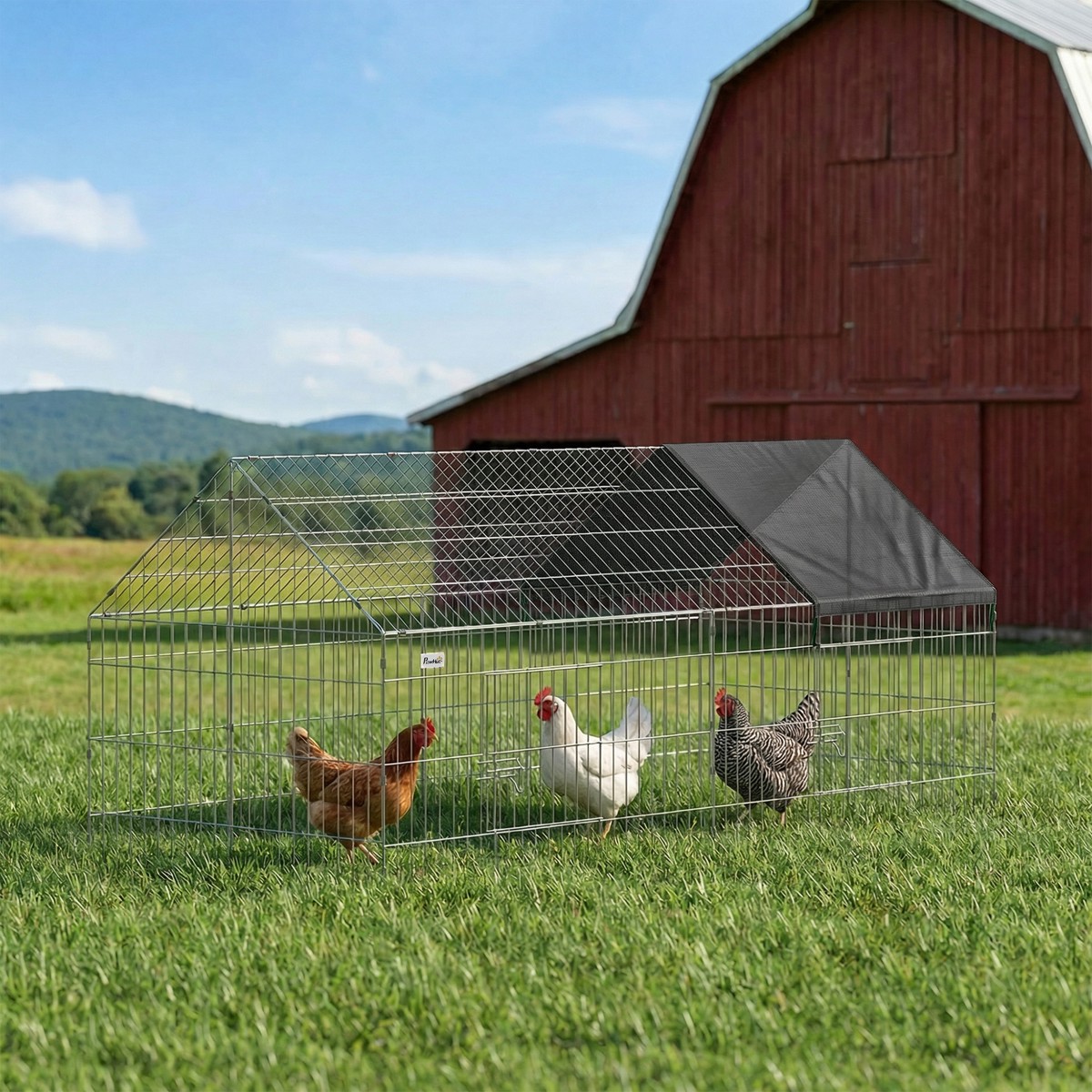 Metal Chicken Coop with Cover for Backyard Small Animals Duck Rabbit, 71" x 29.5" x Black$51.99View on Mallflare
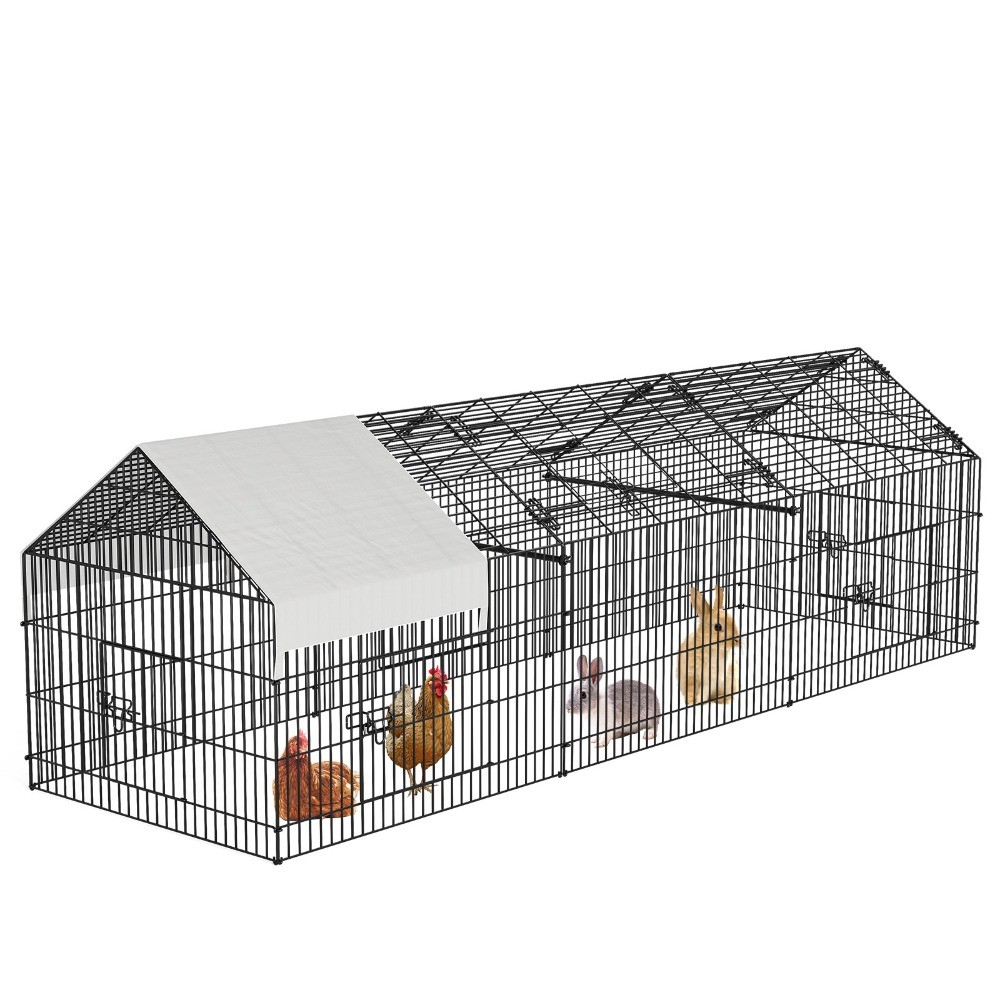 130"*40"Metal Chicken Coop Chicken Run Backyard Hen House Poultry Habitat Cage$105.99View on eBay
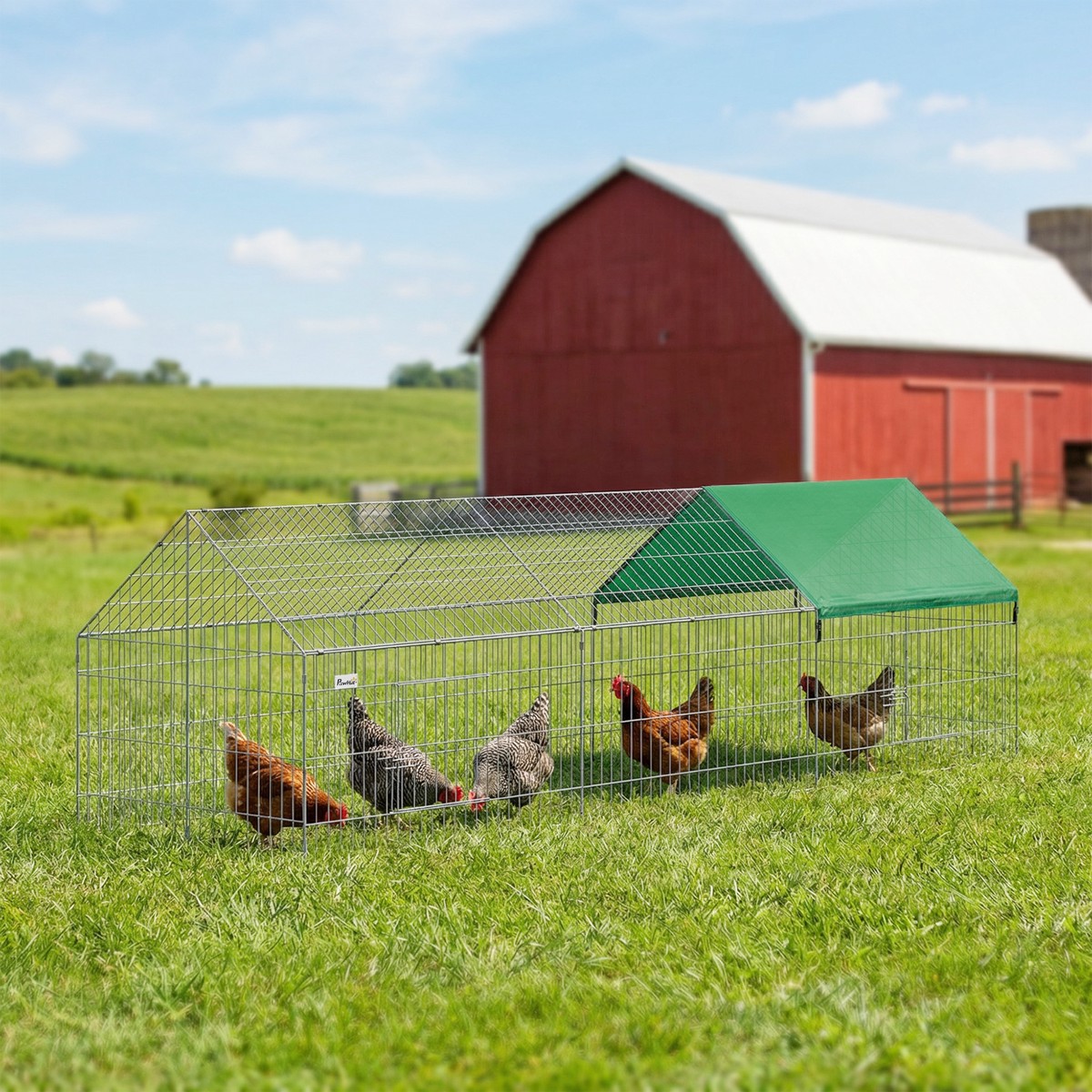 Metal Chicken Coop with Cover for Backyard Small Animals Duck Rabbit, 106" x 29.5" x Green$61.99View on Mallflare
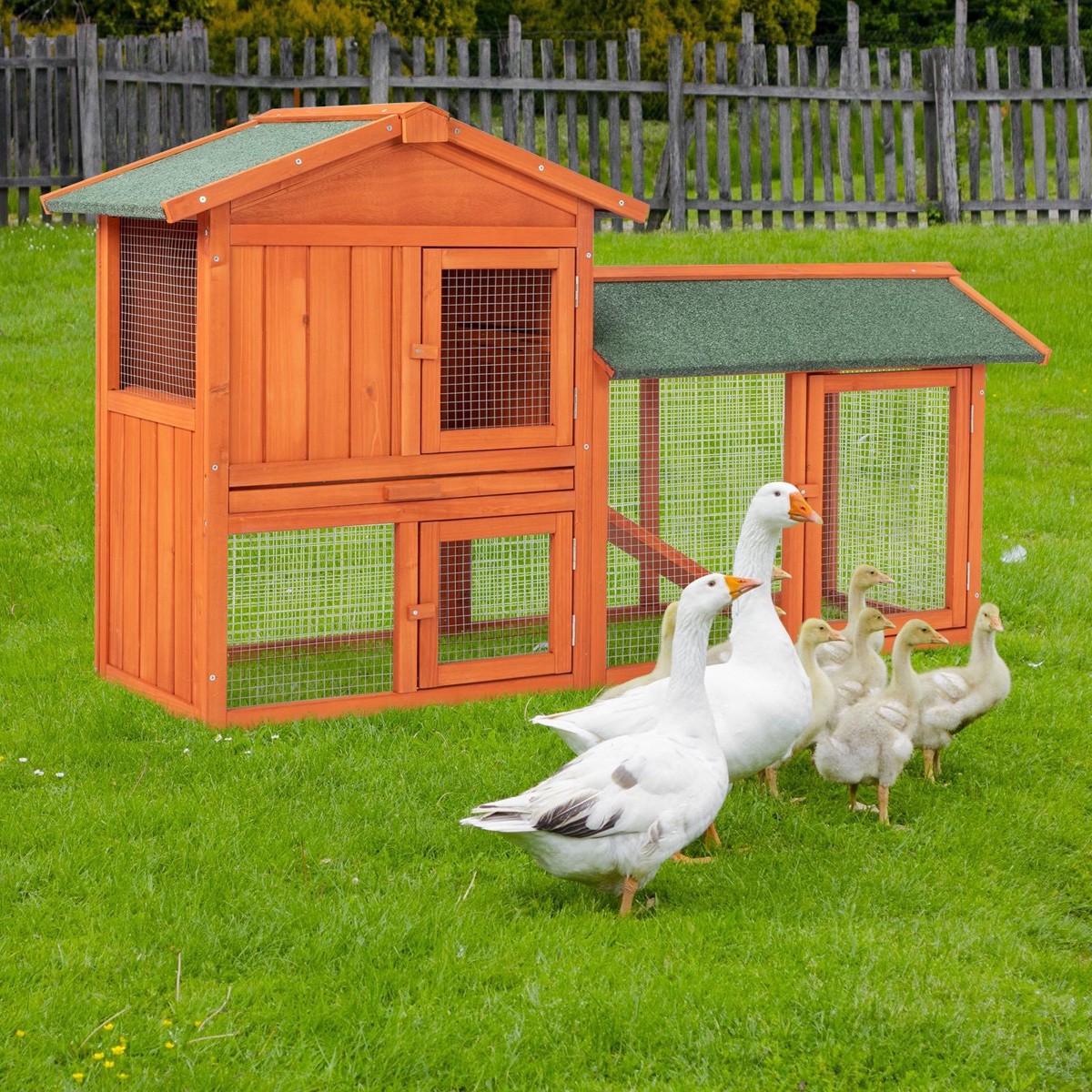 Wooden Chicken Coop Hen House Poultry Hutch Pet Cage w/ Nesting Box Backyard$106.79View on eBay
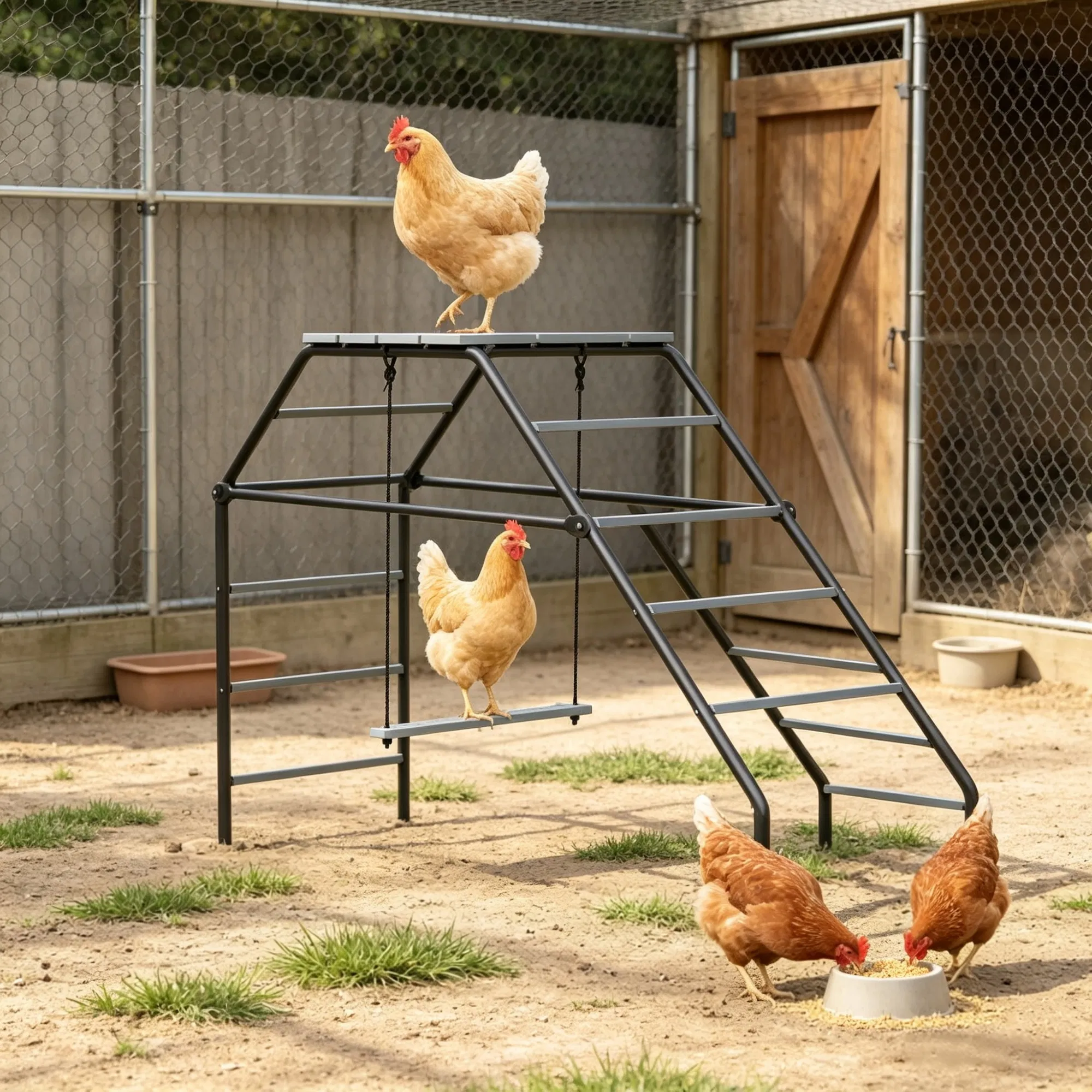 10 Pcs Chicken Coop Perches - with Adjustable Swing, Roosting Bars for Backyard Brooder & Farm Upgrade$73.99View on Mallflare
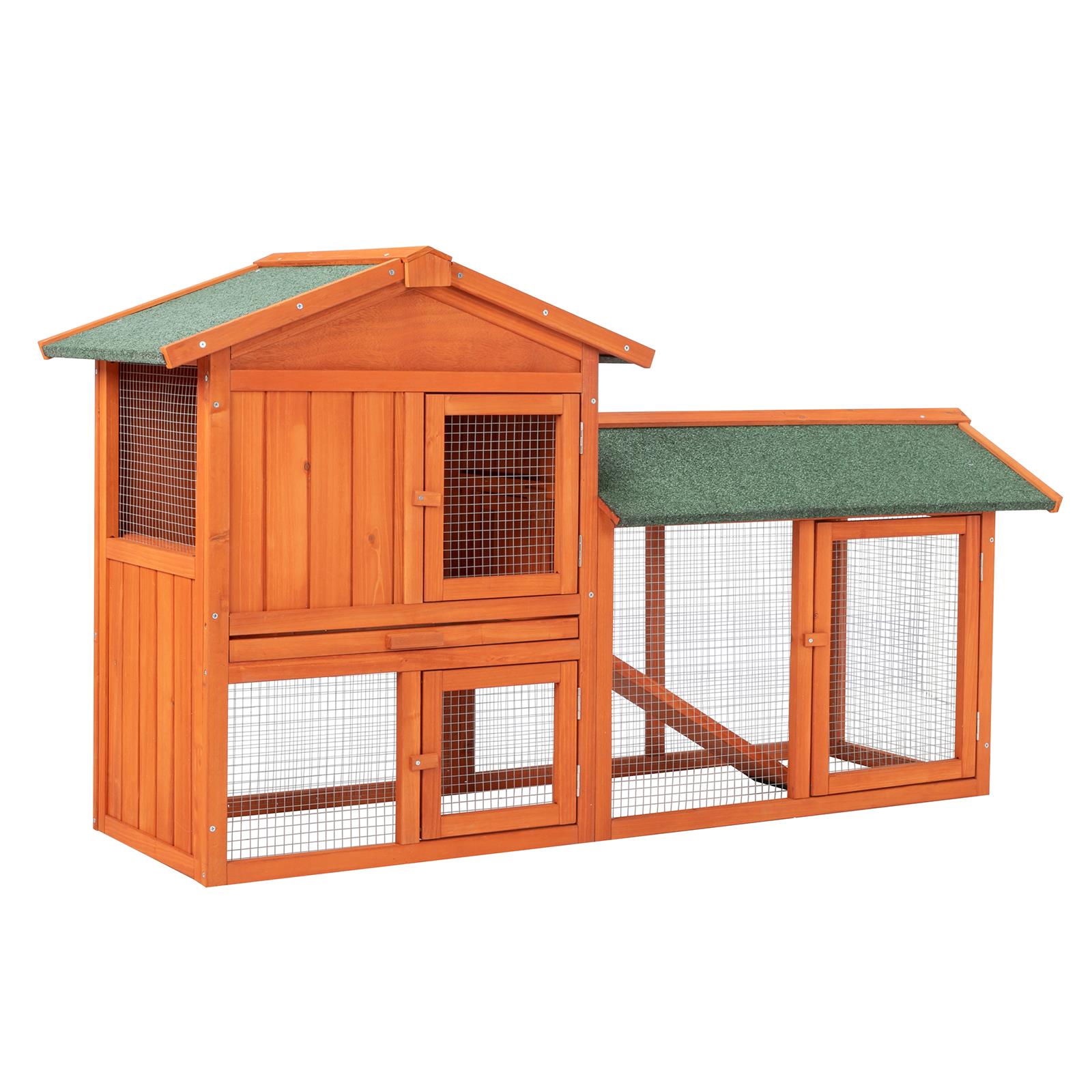 Garden Wood Chicken Coop House Poultry Hutch Pet Cage w/ Nesting Box Backyard$107.99View on eBay
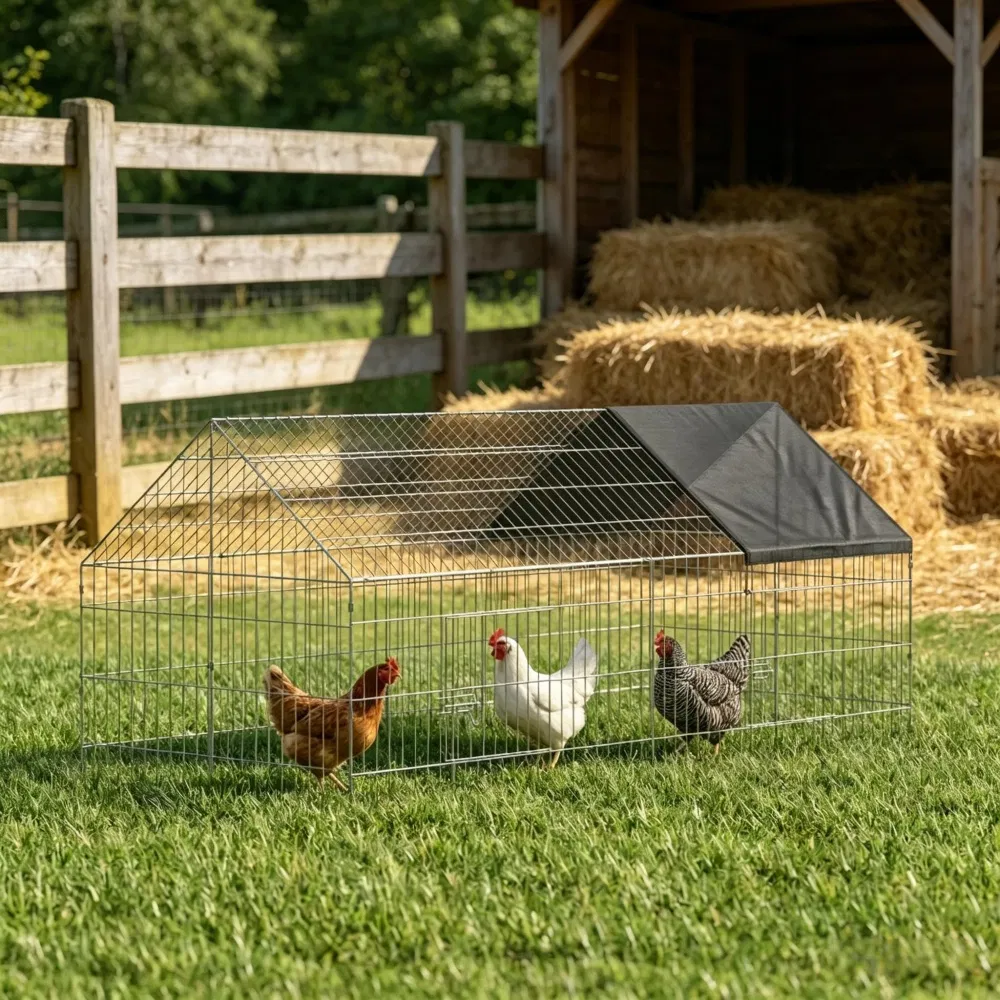 Chicken Coop, Steel Run with 90D Oxford Canopy and Two Latched Doors, 70.9 x 29.5 x in, for Chickens, Ducks and Rabbits, Black and Silver$76.99View on Mallflare
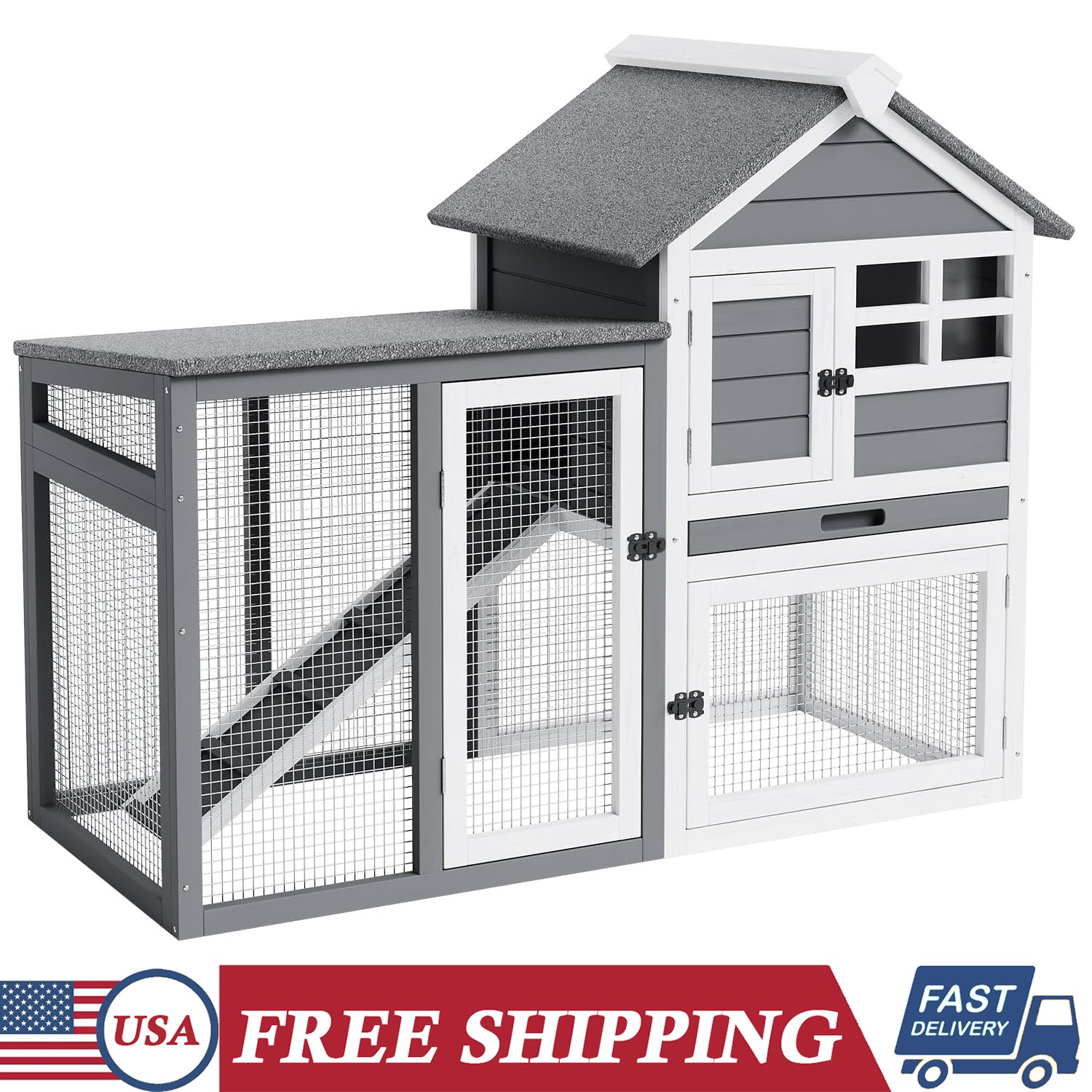 Large Chicken Coop Outdoor Wooden Backyard 2-Story Hen Rabbit House Chicken Run$109.98View on eBay
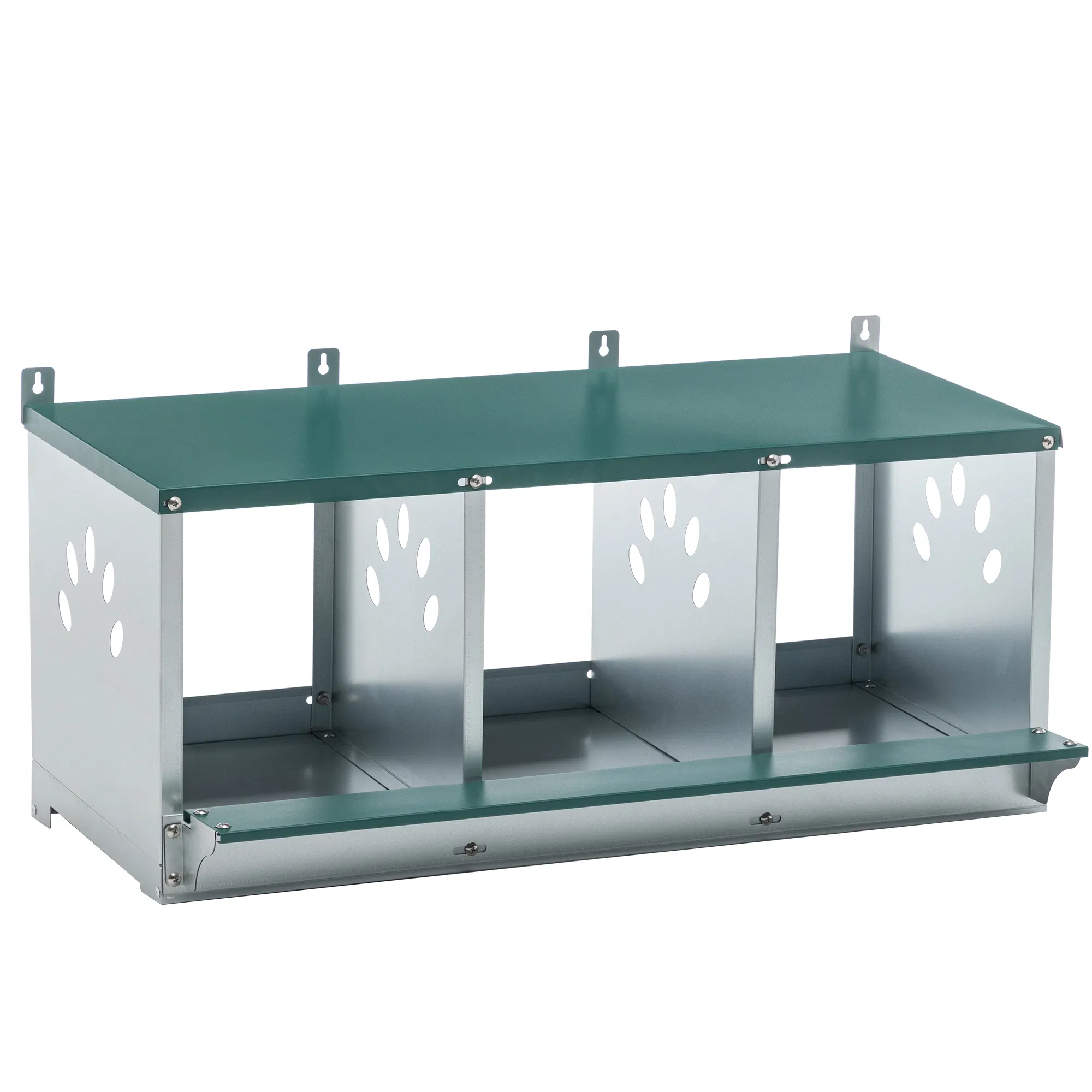 3 Room Metal Chicken Nesting Boxes 3 Compartment Egg Coop$76.99View on Mallflare
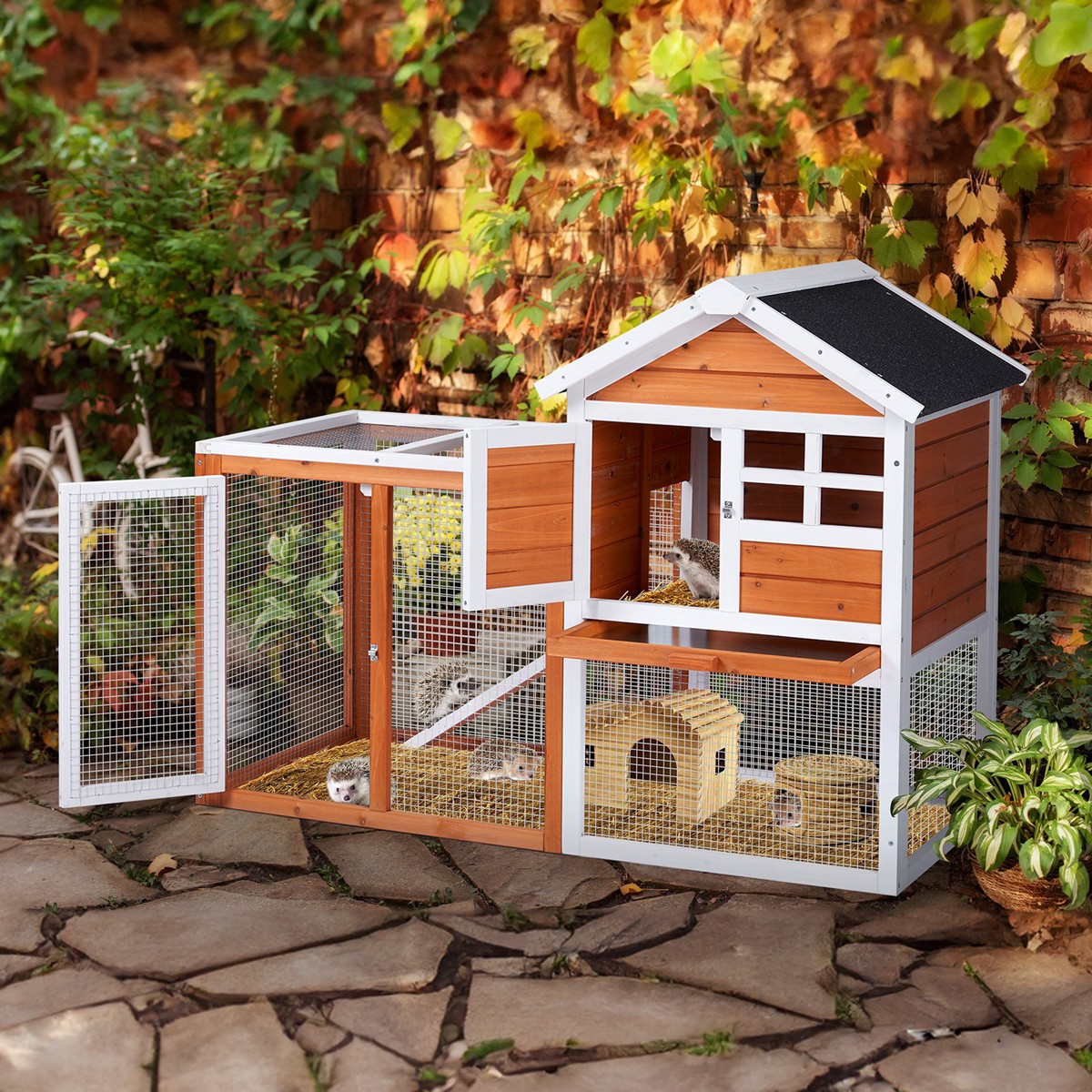 Wooden Chicken Coop Hen House Poultry Hutch Pet Cage with Nesting Box Backyard$111.99View on eBay
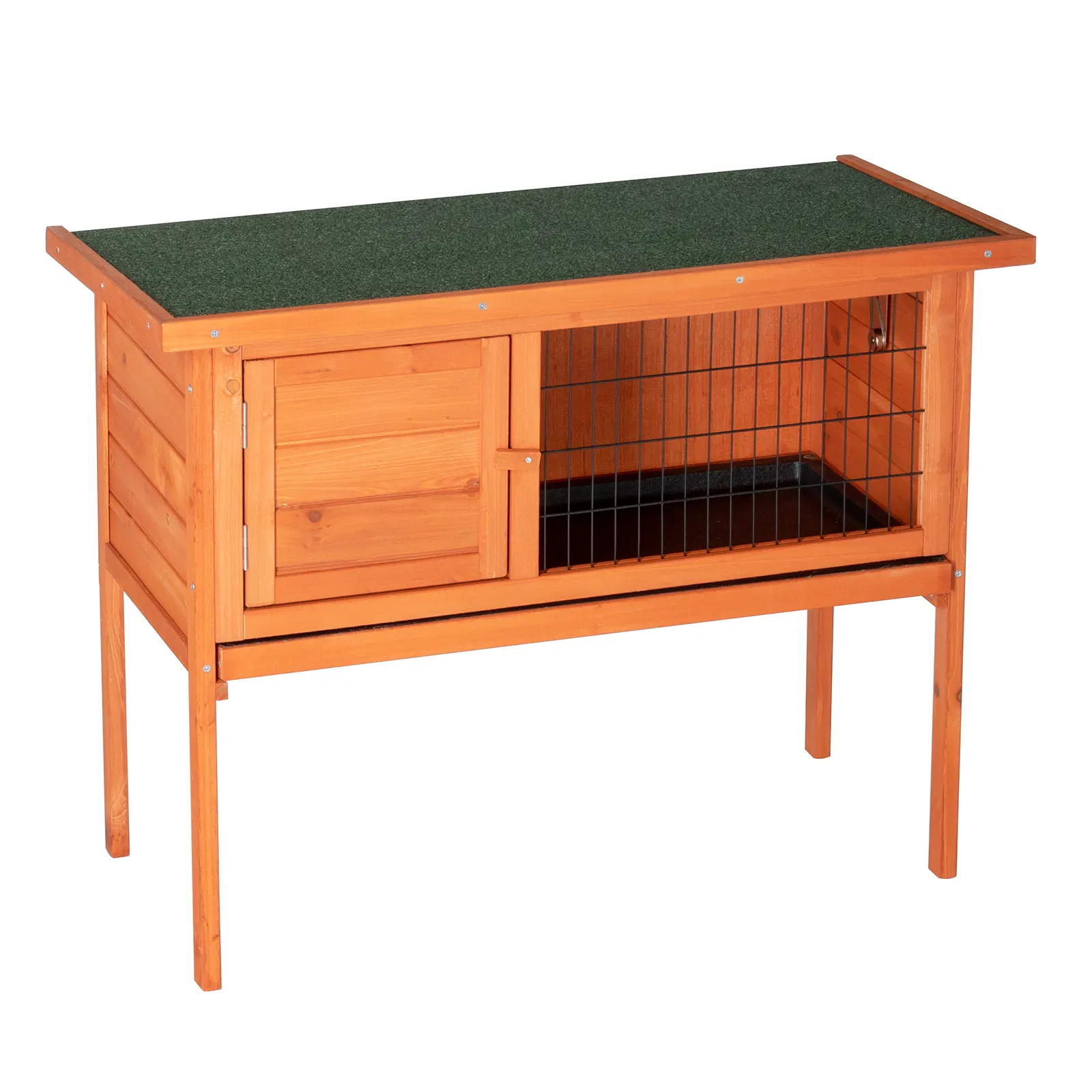 Replace 2225192136" Single Deck Waterproof Wooden Chicken Coop Hen House Pet Animal Poultry Cage Rabbit Hutch Nature$85.99View on Mallflare
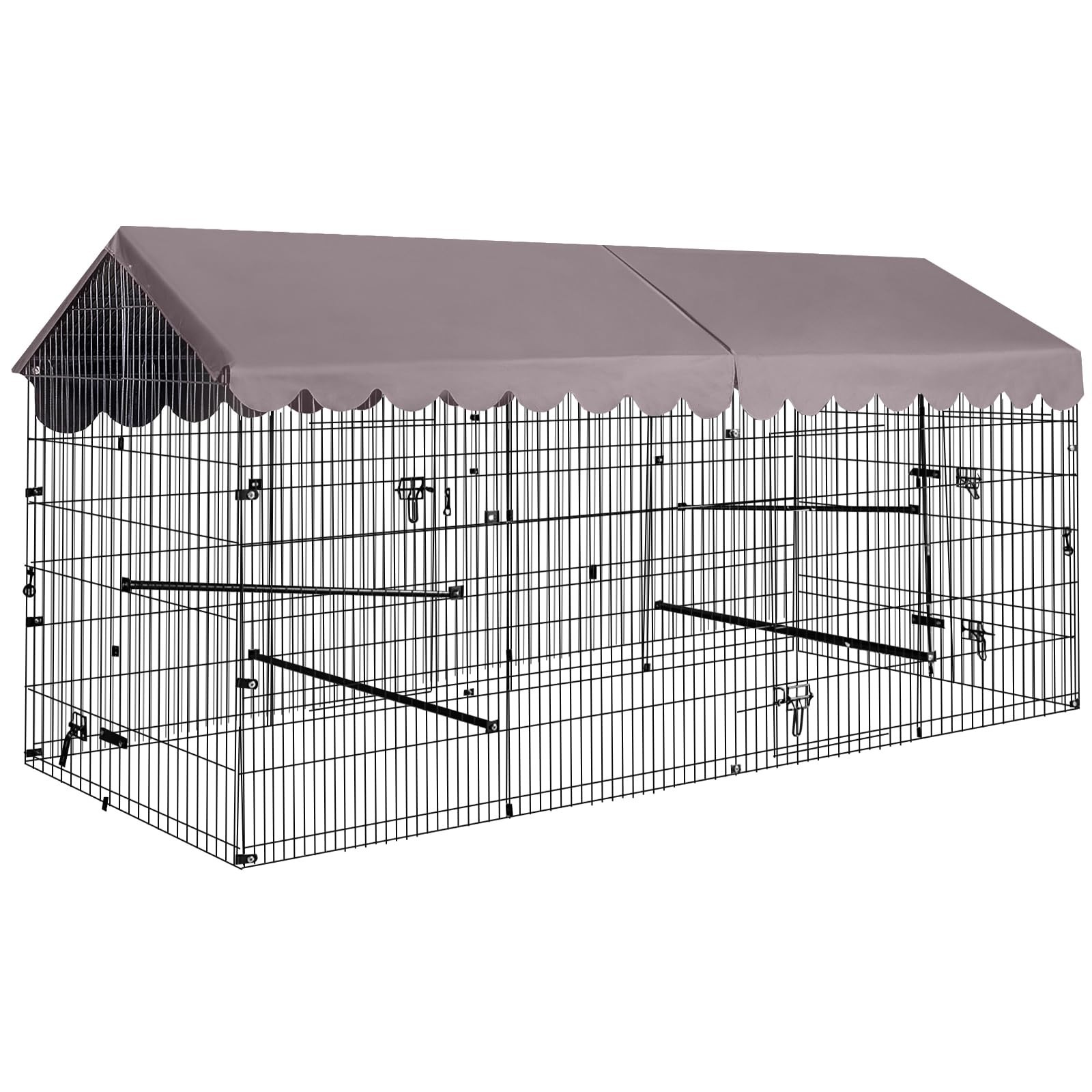 Super Large Metal Chicken Coop with Waterproof Cover Portable Poultry Cage$114.99View on eBay
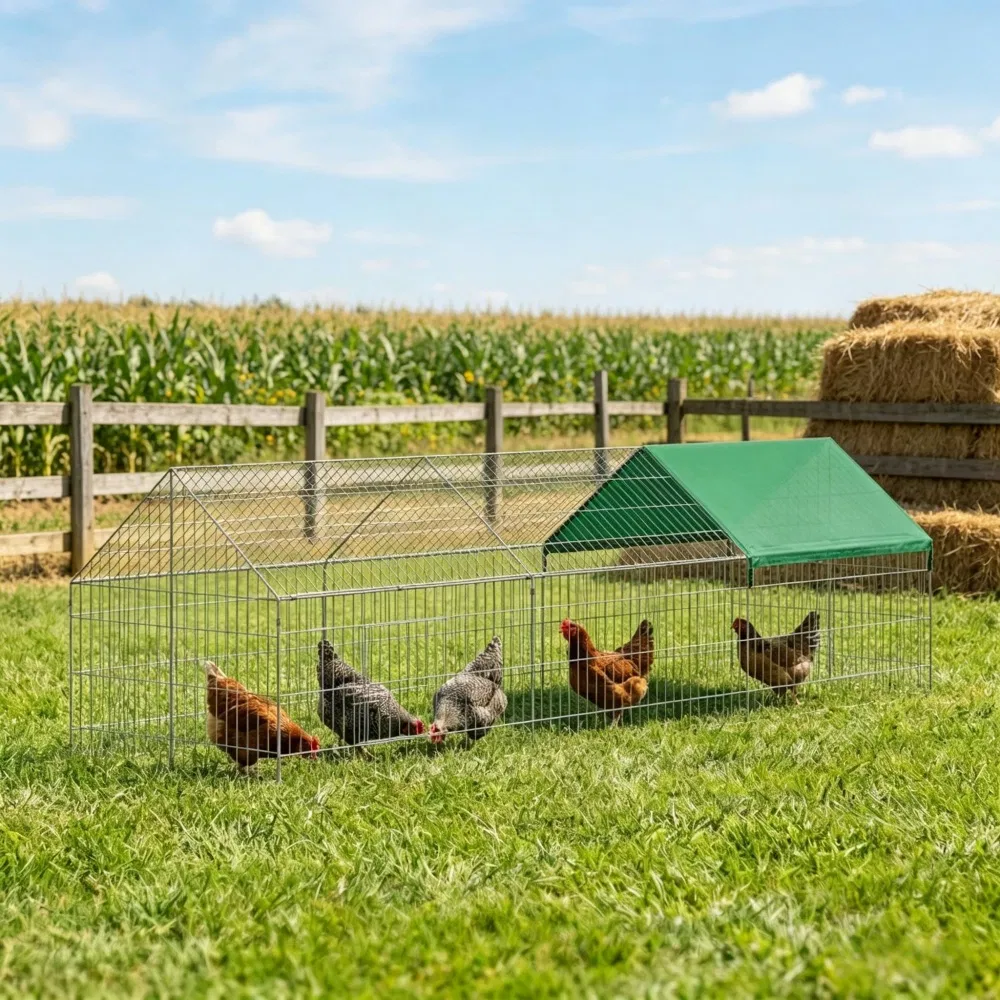 Chicken Coop 106.3 Inches for Outdoor$90.99View on Mallflare
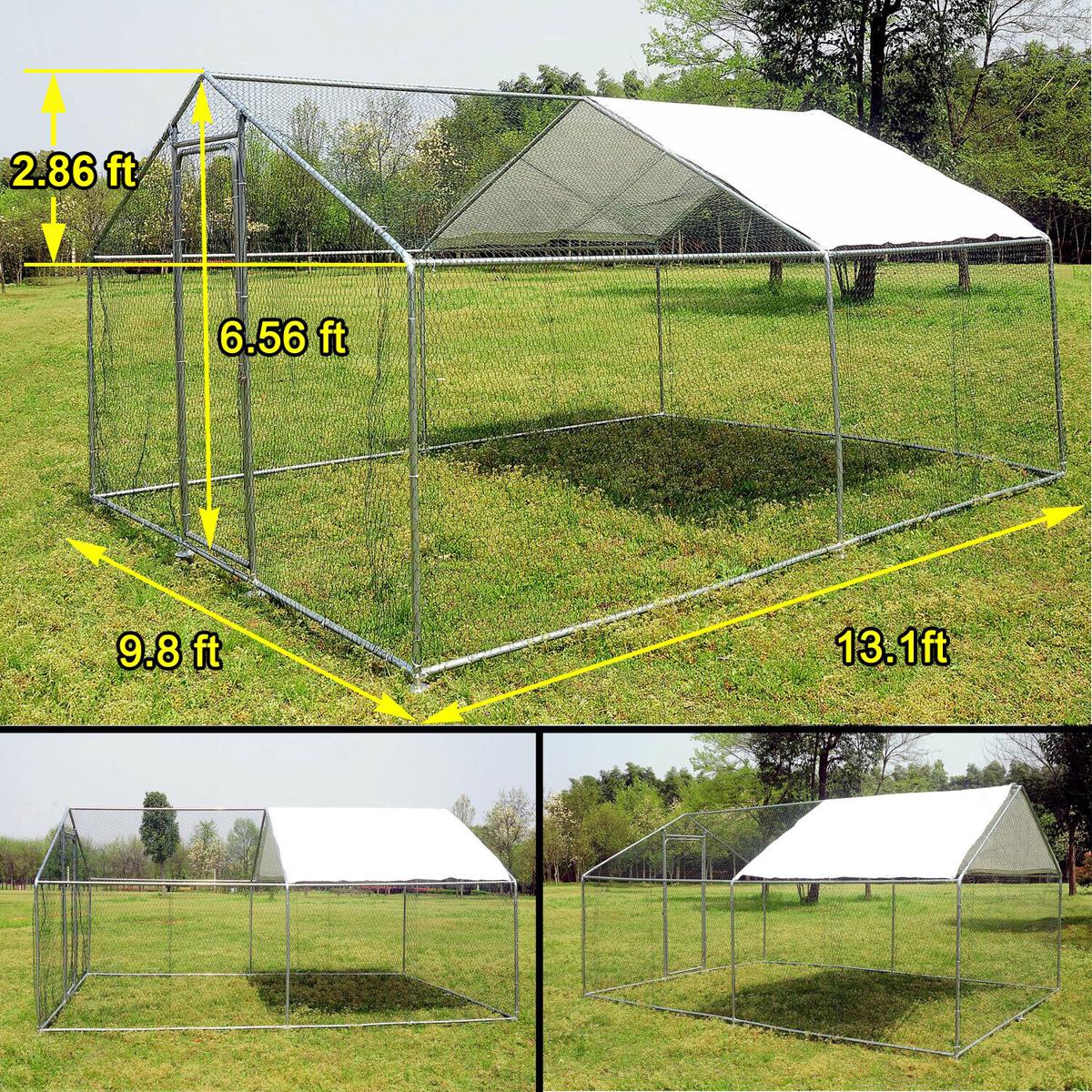 10x10'/ 13x10'/ 20x10' Chicken Coop Run Hen House Enclosed Backyard Poultry Cage$124.99View on eBay
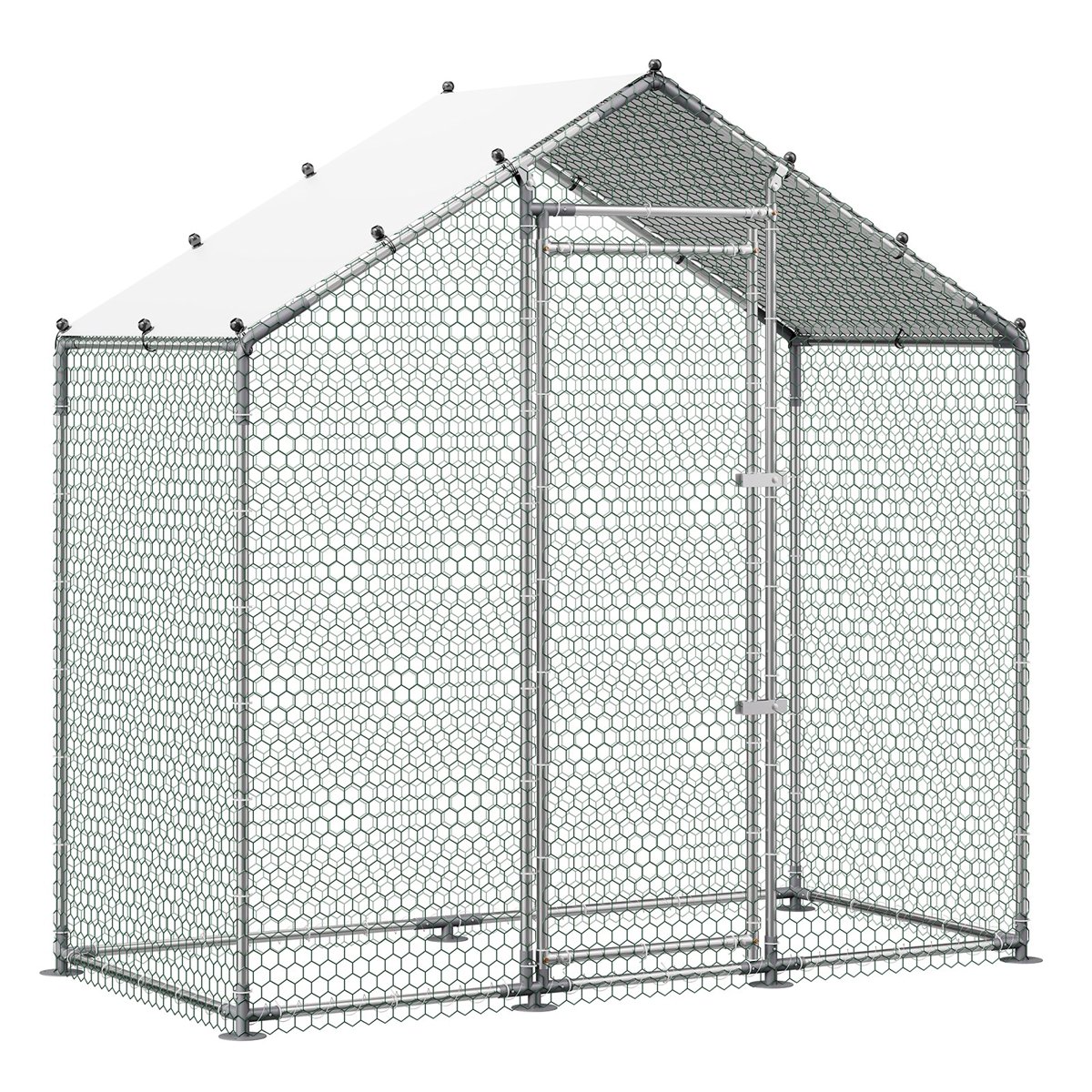 Large Metal Chicken Coop,6.6 X 3.3 X 6.6 Ft, Walk-in Run House With Waterproof Cover & Sturdy Frame, Spire Roof Poultry Cage Duck Pen For Rabbit Hen Goose Outdoor Backyard Farm Use$95.99View on Mallflare
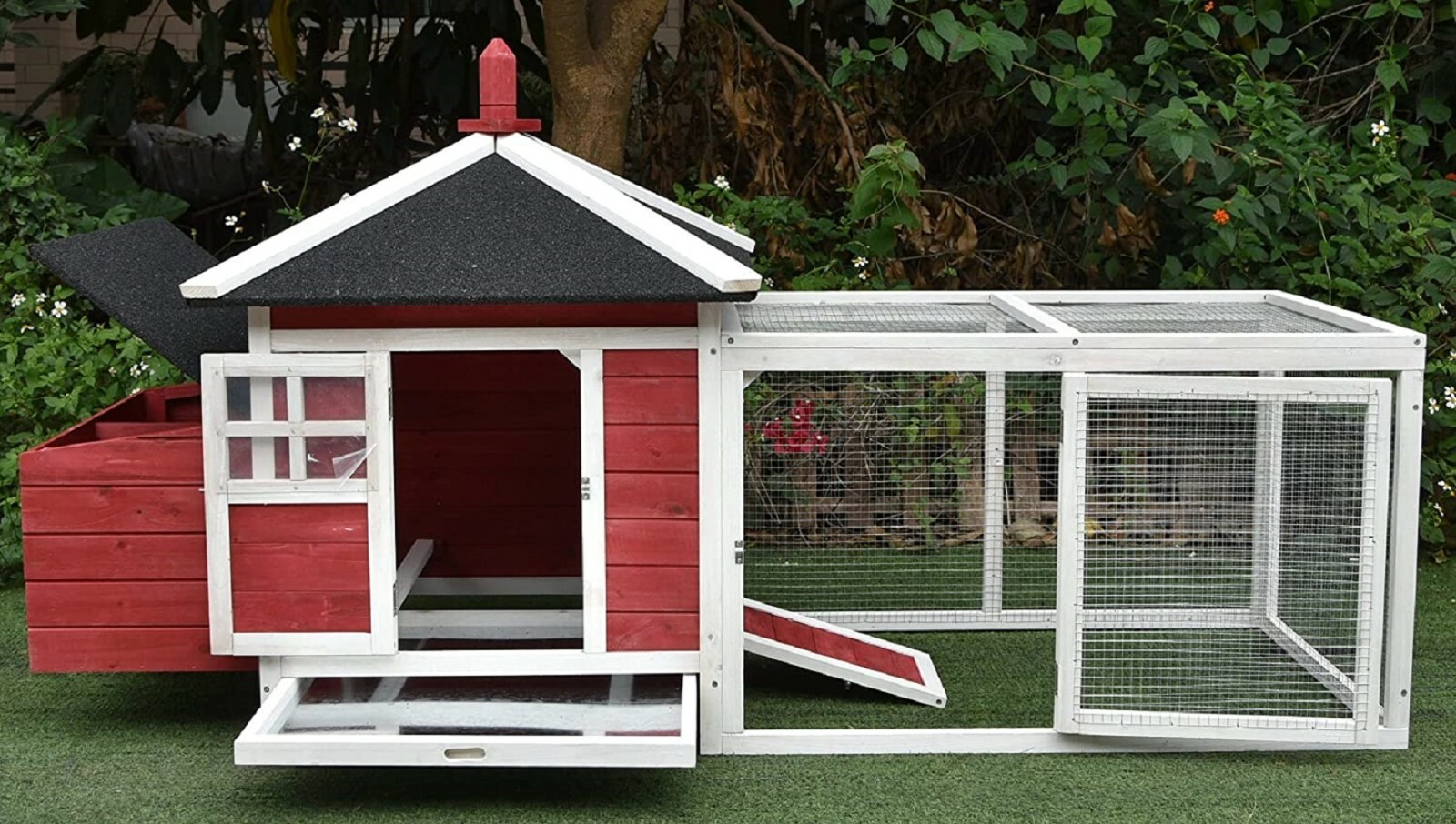 77" Wood Chicken Coop Backyard Hen House 2-4 Chickens with 2 Nesting Boxes New$137.37View on eBay
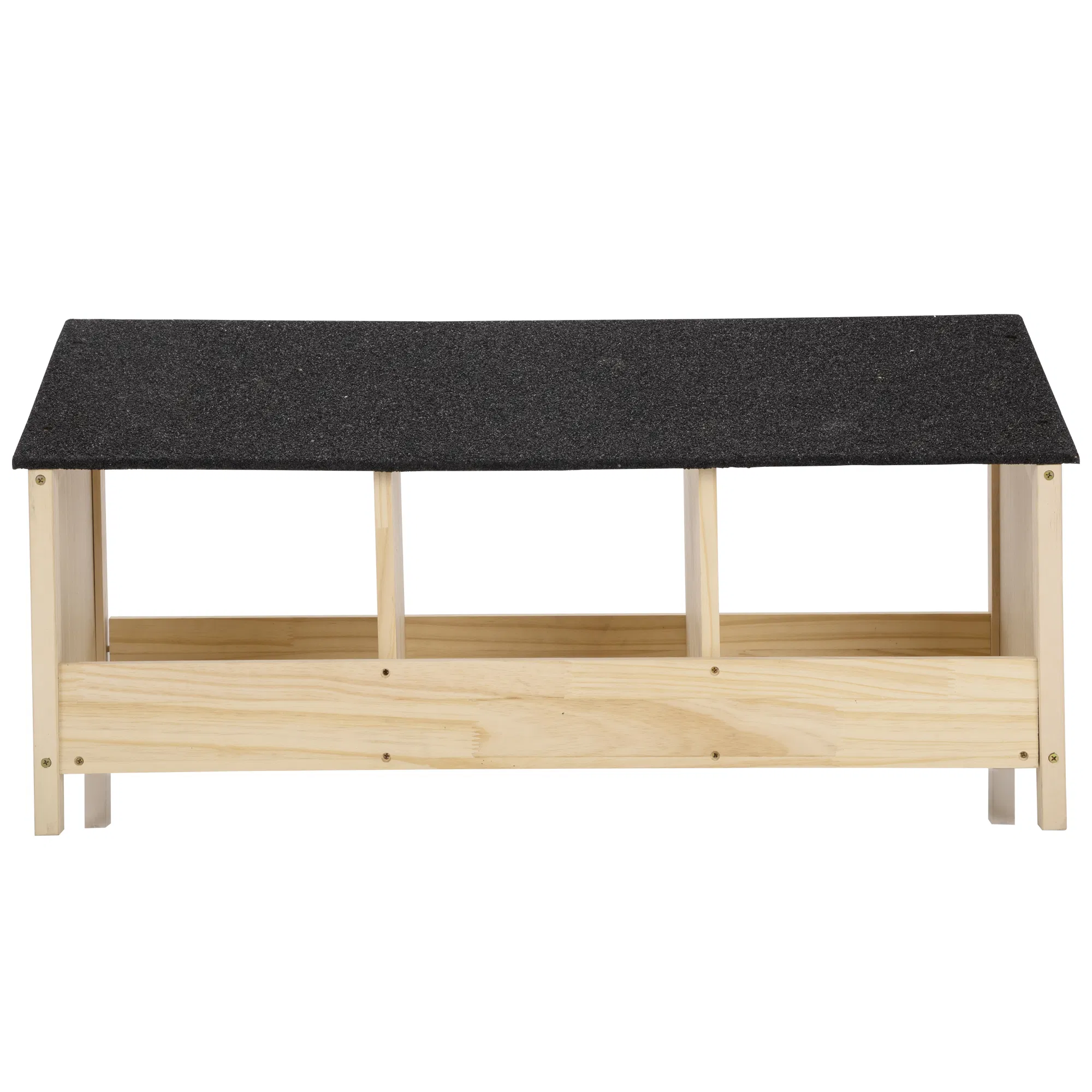 Chicken Coop with Waterproof Roof and 3 Nest Areas$95.99View on Mallflare
Highlights
- Brooder compartments require 0.5–1 sq ft per chick for the first 4 weeks, expanding to 2 sq ft by 8 weeks; adult coops need 2–3 sq ft per bird in the house plus 8–10 sq ft in the run.
- Heat sources: 250W infrared bulbs suit 25–50 chicks but are fire-risk; 200W ceramic heat emitters or Brooder Plate ( radiant ) 12V/120V provide safer, draft-free warmth.
- Predator-proofing: ½-inch hardware cloth (not chicken wire) on all openings, 2-inch buried apron, and secure latches; wooden coops need ¾-inch plywood or tongue-and-groove for structural integrity.
- Dual-zone design: brooder should have separate ventilation (low and high vents) from adult roost area to prevent humidity buildup and ammonia exposure.
Best use cases
- Best fit: backyard keepers starting with 3–6 chicks who need a permanent coop with removable brooder partition; choose a wooden hutch with ¾-inch plywood, hardware cloth, and a 200W ceramic heat emitter.
- Best fit: small-scale breeders rotating batches; pick a metal or plastic coop with slide-out brooder tray and adjustable venting for easy sanitation between clutches.
- Wrong fit: open run-only setups without a sheltered house; chicks cannot thermoregulate and will die from exposure or predation—skip any coop lacking a fully enclosed brooder box.
- Wrong fit: large flocks over 10 hens in a single small hutch; brooder integration becomes overcrowded—choose a walk-in coop with dedicated brooder room or separate brooding pen.
Buying tips
- Size math: for 6 chicks plus 4 adults, minimum 24 sq ft house ( 4 sq ft/bird for adults + brooder space ) and 60 sq ft run; double run space for heavy breeds.
- Material grade: choose galvanized steel mesh (0.9–1.2mm wire) over plastic-coated; wood coops should use cedar or pressure-treated pine, not particleboard.
- Heat safety: select coops with a built-in 120V outlet or routed cable port for brooder plates; avoid wooden coops without heat-shield clearance around bulbs.
- Ventilation standard: brooder needs 0.1–0.2 sq ft of vent area per chick, adjustable and above chick height to prevent drafts.
Specs
| Brooder Heat Type | Ceramic emitter / radiant plate / bulb |
|---|---|
| Coop Material Grade | Galvanized steel / cedar / HDPE |
| Mesh Opening | ½-inch hardware cloth (19-22 ga) |
| Vent Area Per Chick | 0.1–0.2 sq ft adjustable |
Related searches
What to check before buying
- Measure your space: coop footprint must fit your yard and allow 10 ft clearance from fences for predator access; brooder compartment should be at least 2 ft x 3 ft for 6 chicks.
- Check floor and climate: raised coops with 12–18 inch clearance prevent dampness; in cold climates, add ¼-inch foam board insulation to brooder walls.
- Voltage/plug: confirm 120V GFCI outlet within 6 ft of coop for brooder plate or heat lamp; solar door openers require 12V battery and panel compatibility.
- Companion parts: plan for feeder (1 linear inch per chick), waterer (1 quart per 2 chicks), pine shavings bedding, and a thermometer/hygrometer in the brooder.
FAQ
Data sources: eBay / Amazon listings and product attribute feeds. Updated Nov 28, 2026.
Some links on this page are affiliate links. If you buy after clicking one, we may earn a commission at no extra cost to you. This does not change which products appear here or their order. Affiliate disclosure.