
Photos from current listings. Actual item, color, and included accessories may vary.
Chicken Coop And Walk In Run Buying Guide
A walk-in chicken coop and run combo solves the daily crouch-and-reach problem of low tractors, but most shoppers buy by footprint alone and end up with a frame that racks in wind or a cover that shreds by fall. Focus on tube gauge, mesh aperture, connector type, and roof shape before comparing square footage. The right pick balances predator-proofing, human headroom, and whether the coop section actually shelters birds from wind-driven rain.
Median $215.91 · New listings
Key takeaways
- Tube diameter separates tiers: light-duty runs ship around 1 inch steel tube, while heavy-duty frames step up in wall thickness and use spring-button or bolt-through connectors instead of push-fit corners.
- Mesh aperture is the real predator spec: hexagonal or welded wire at 1 inch or less blocks raccoon reach and keeps chicks in, while wide 2-inch poultry netting lets small predators through.
- Roof geometry drives weather performance: spire and gable roofs shed rain and snow off the cover, while flat or slanted panels pool water and sag the tarp within a season.
At a glance
- Category
- Chicken Coops & Runs
- Last updated
- Nov 28, 2026
Current offers
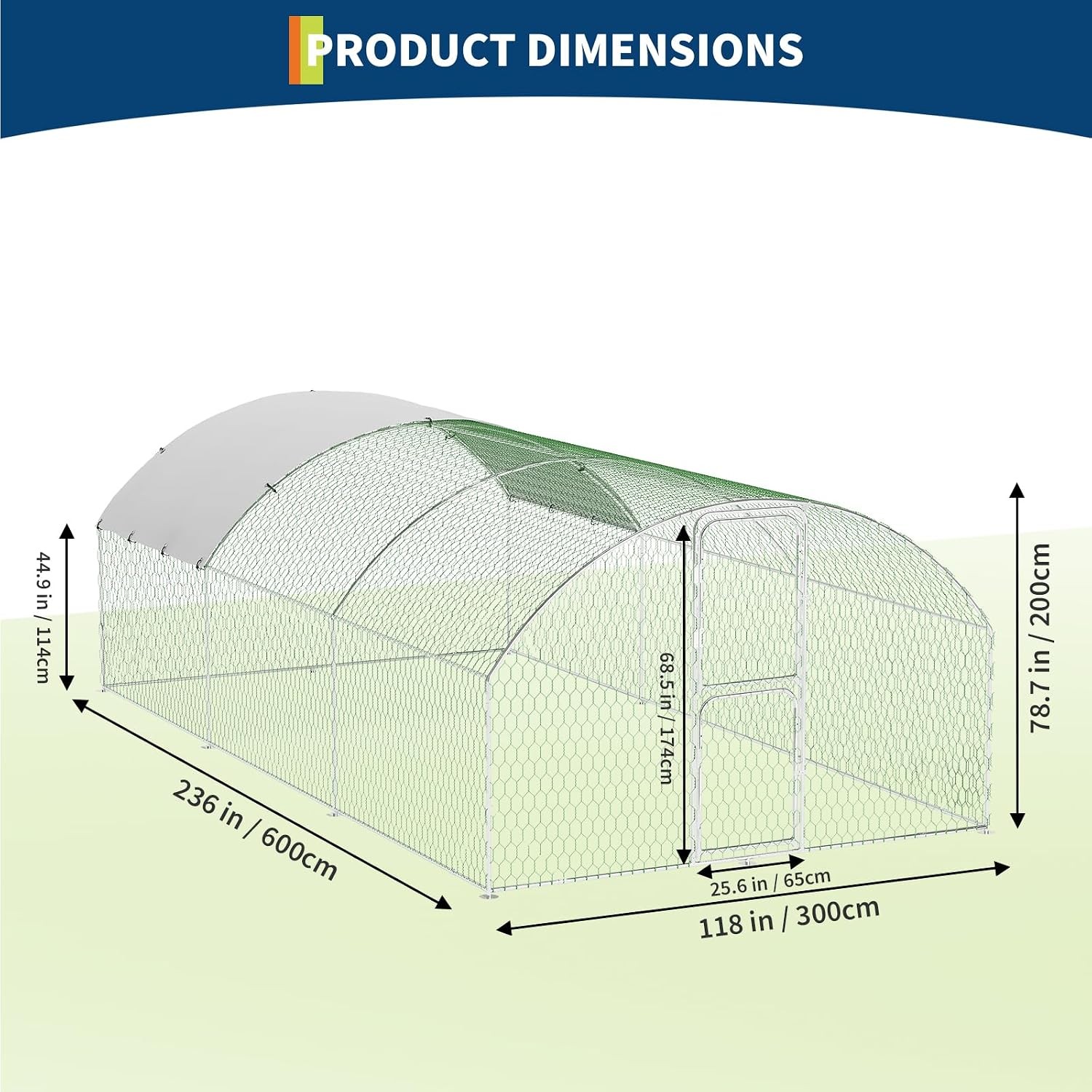 6.5/13/20 FT Metal Chicken Coop Poultry Cage Walk-in Chicken Run with Cover Roof$219.82New · Last checked Nov 22, 2026View on eBay
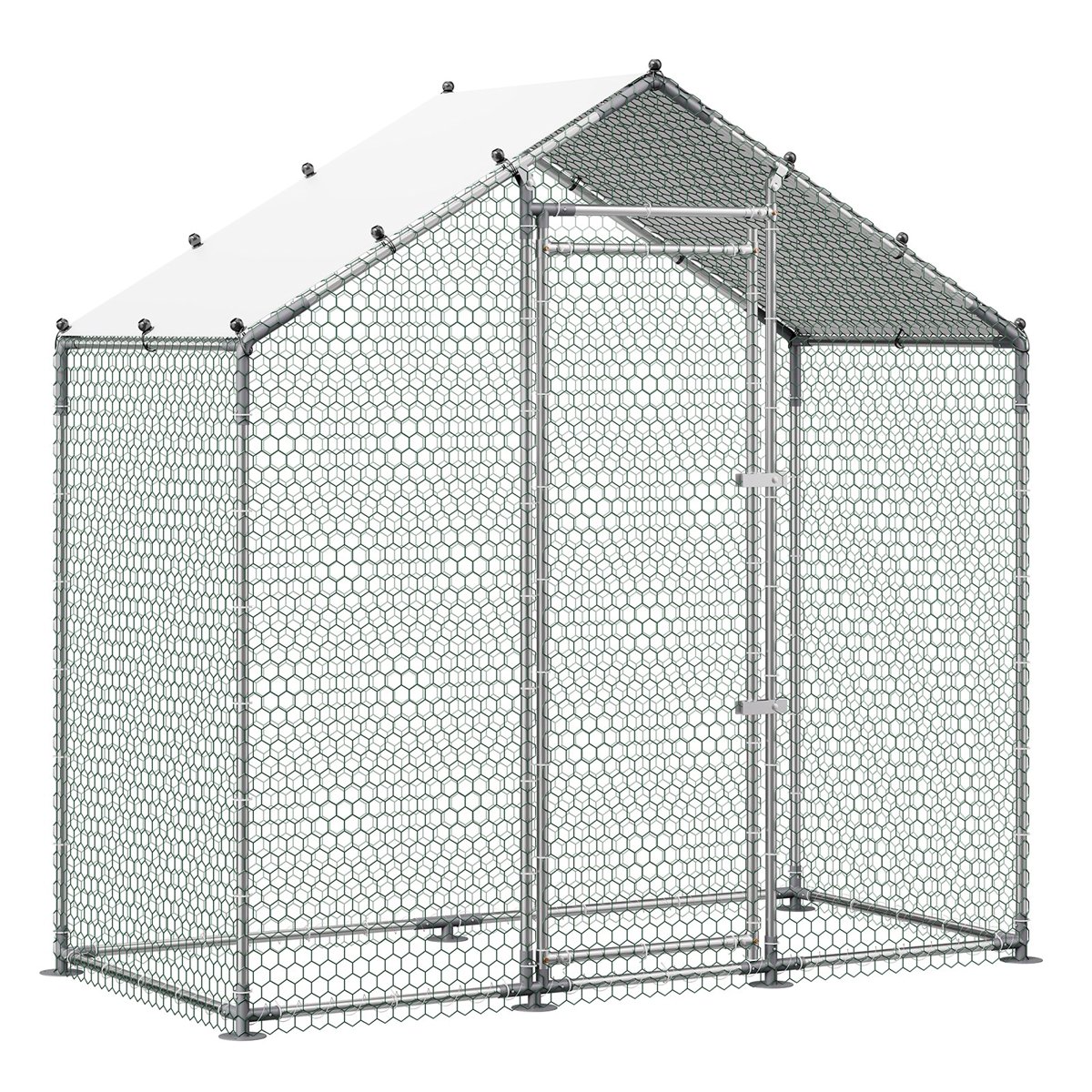 Large Metal Chicken Coop,6.6 X 3.3 X 6.6 Ft, Walk-in Run House With Waterproof Cover & Sturdy Frame, Spire Roof Poultry Cage Duck Pen For Rabbit Hen Goose Outdoor Backyard Farm Use$95.99View on Mallflare
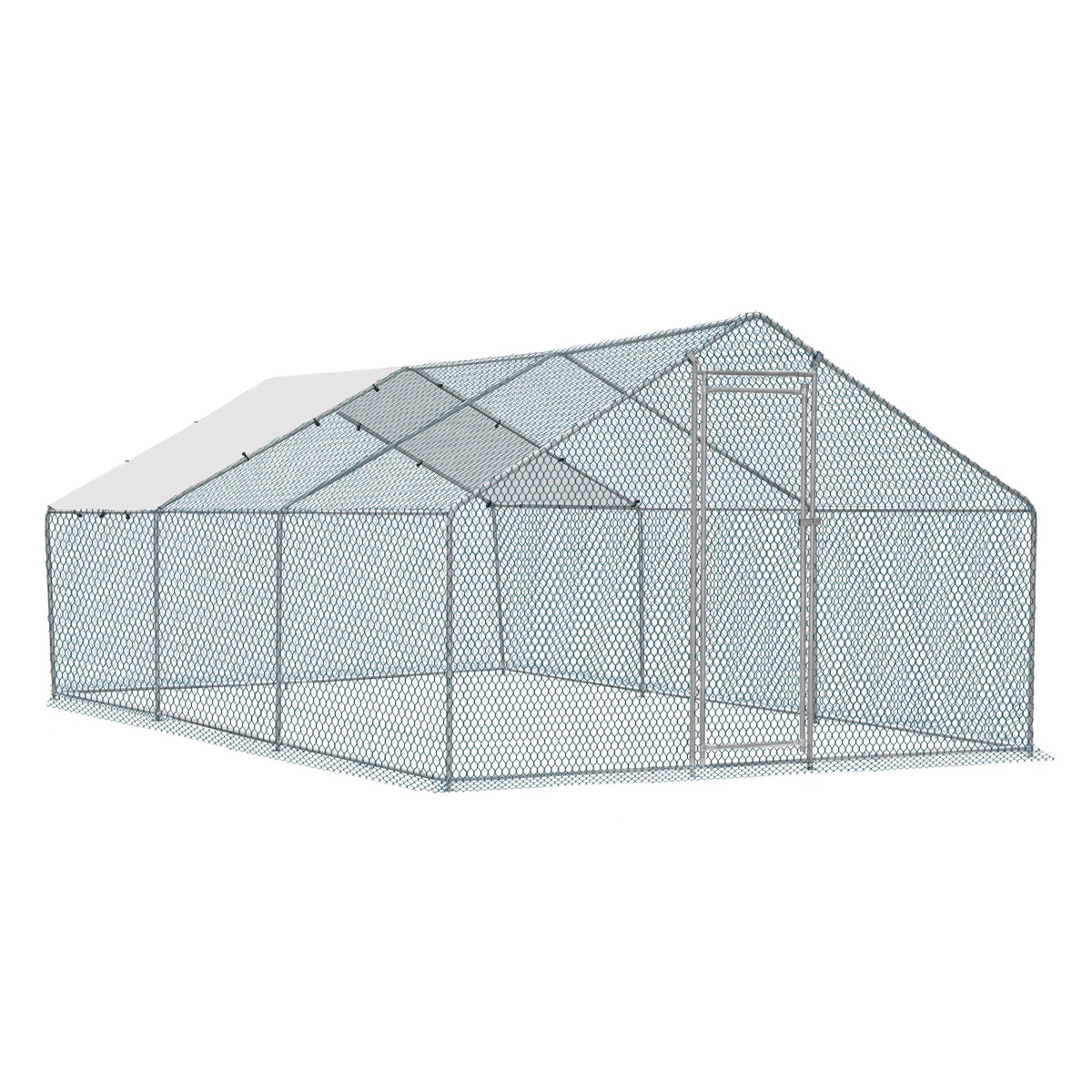 20 x 10FT Large Metal Chicken Coop Walk-in Poultry Cage Chicken Hen Run House$259.99New · Last checked Nov 22, 2026View on eBay
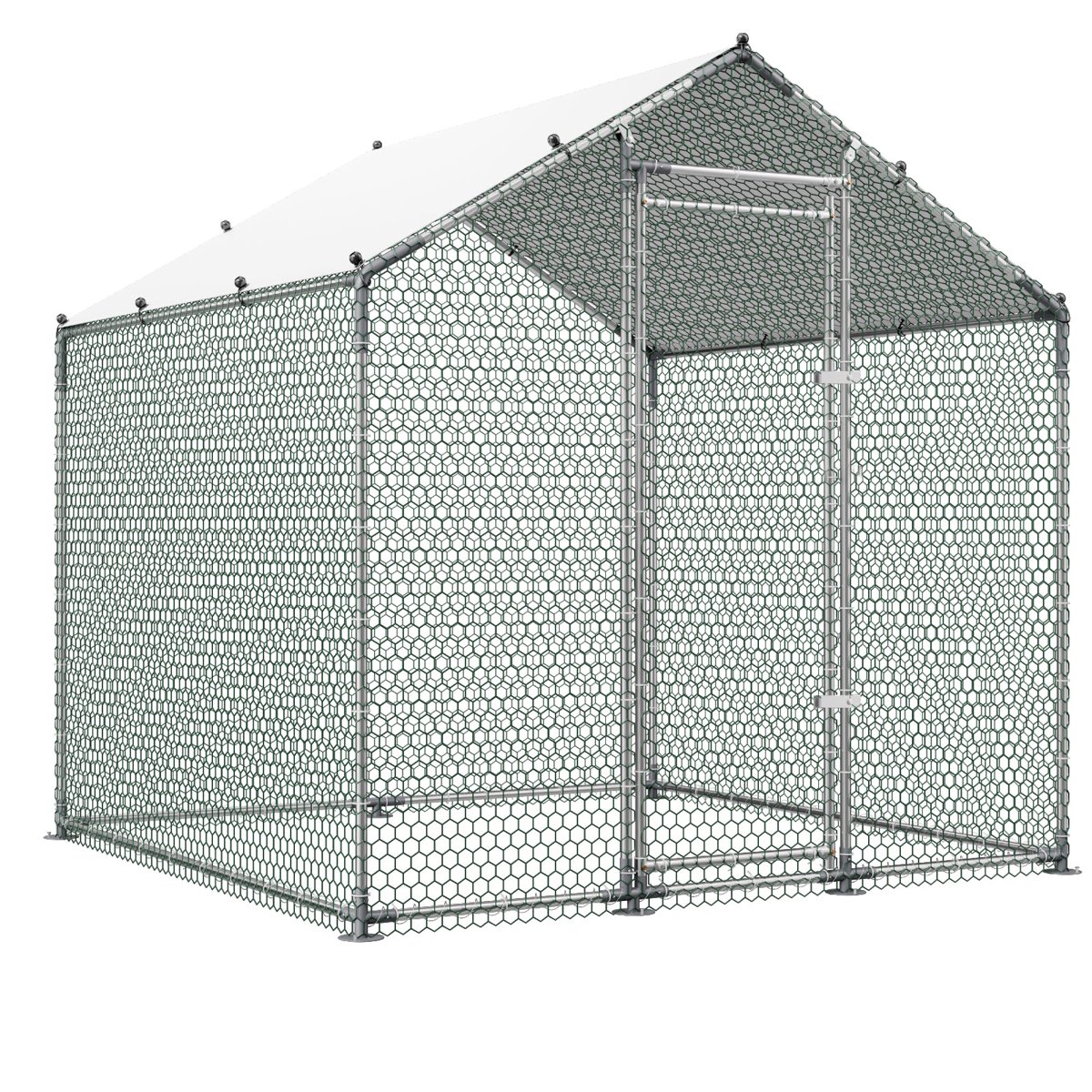 Large Metal Chicken Coop 6.6x6.6x6.6 Ft Walk-in Run House, Spire Roof Hen Enclosure With Cover And Security Lock, Outdoor Duck Rabbit Cage Poultry Pen For Backyard, Farm, Yard$115.99View on Mallflare
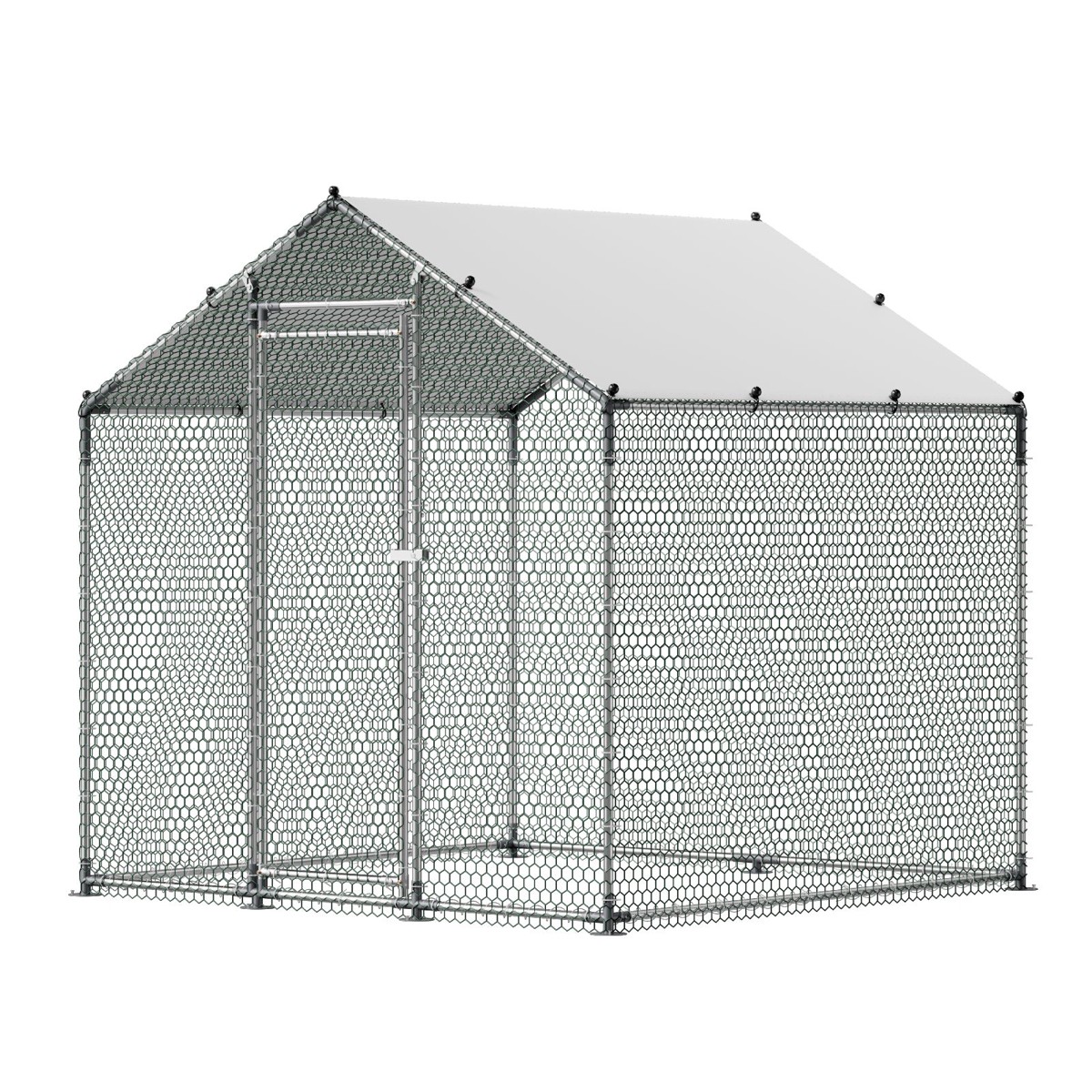 Metal Chicken Coop, 6.56x6.56x6.56ft Large Walk-in Runs With Cover, Spire Roof Hen House Enclosure Security Lock, Outdoor Duck Rabbit Cage Poultry Pen For Backyard, Farm, Yard$122.99View on Mallflare
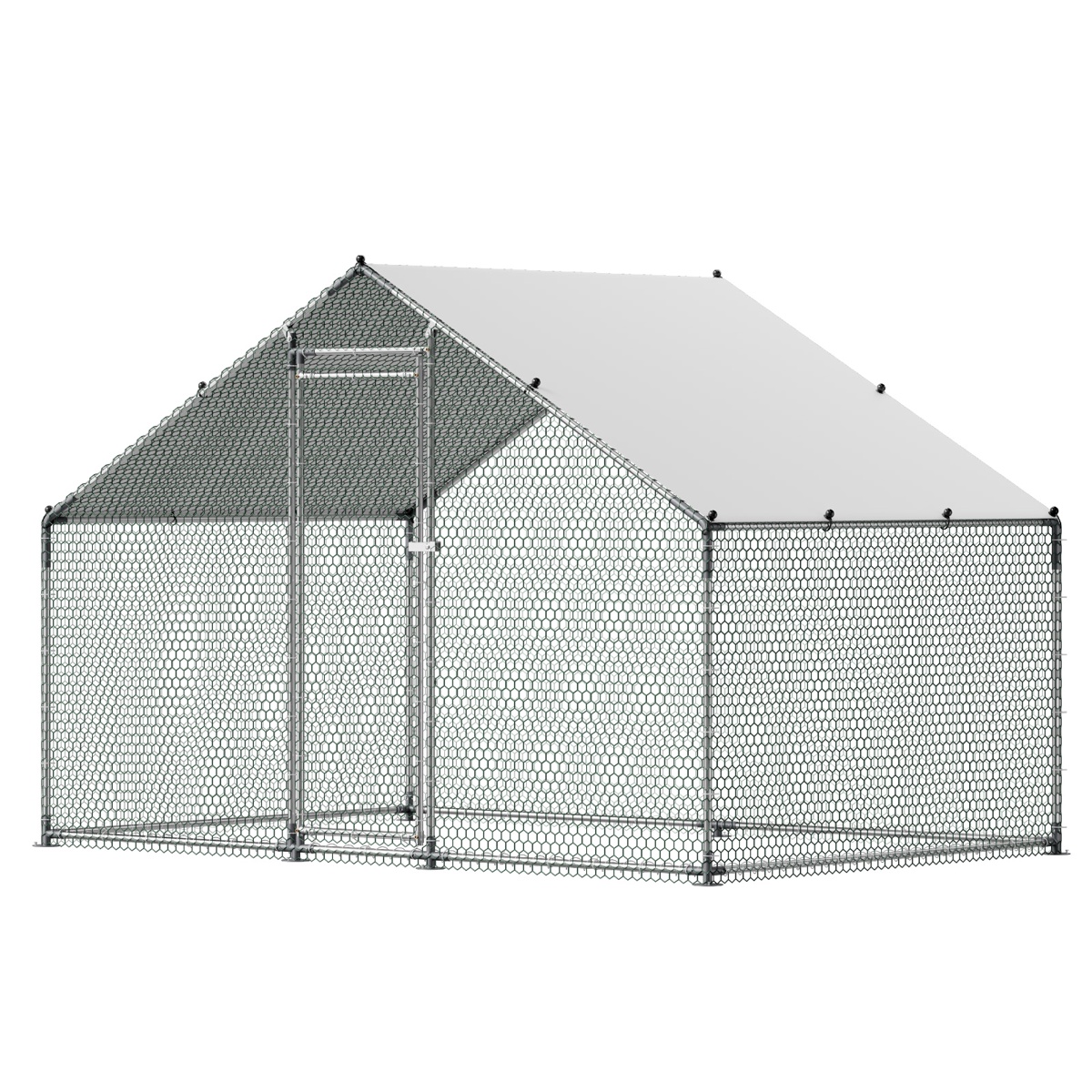 Large Metal Chicken Coop, 9.8 X 6.6 X 6.6 Ft, Walk-in Runs With Waterproof Cover, Spire Roof Hen House Enclosure Lock, Outdoor Duck Rabbit Cage Poultry Pen For Backyard, Farm, Yard$133.99View on Mallflare
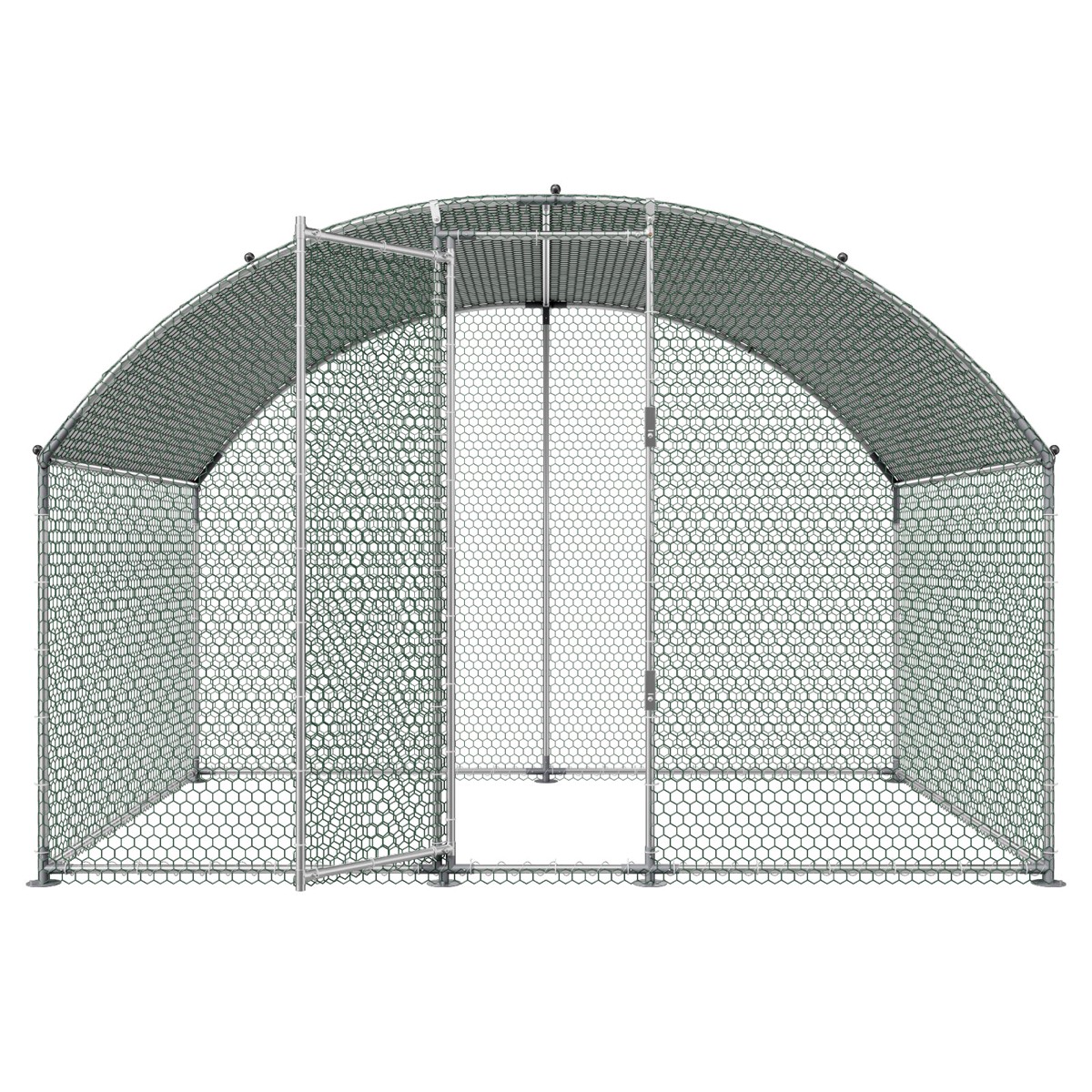 Large Metal Chicken Coop 9.8x6.6x6.6 Ft Walk-in Run House, Doom Roof Hen Enclosure With Cover And Security Lock, Outdoor Duck Rabbit Cage Poultry Pen For Backyard, Farm, Yard Use$156.99View on Mallflare
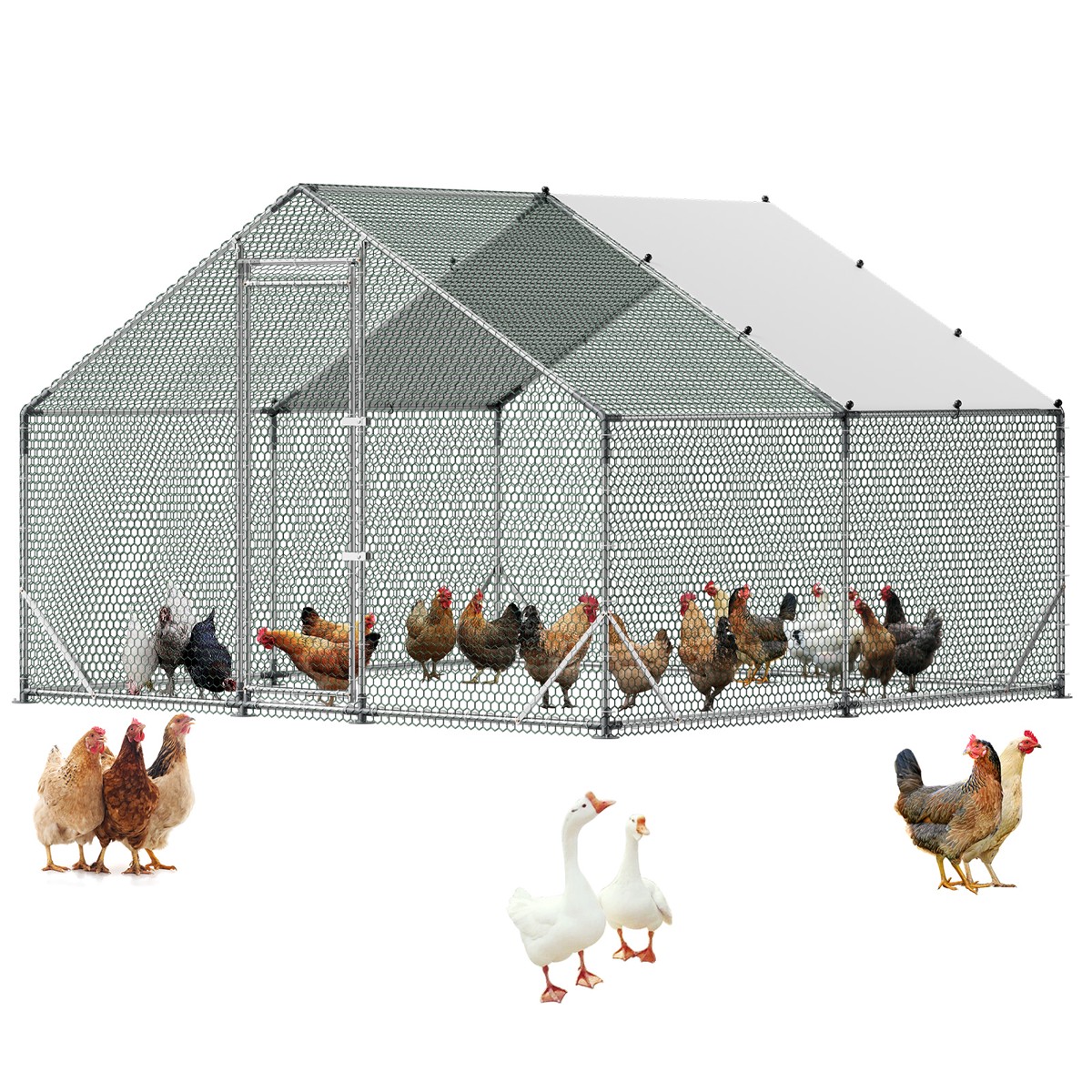 Large Metal Chicken Coop, 9.8 X 9.8 X 6.6 Ft, Walk-in Run House With Waterproof Cover & Sturdy Frame, Spire Roof Poultry Cage Duck Pen For Rabbit Hen Goose Outdoor Backyard Farm Use$161.99View on Mallflare
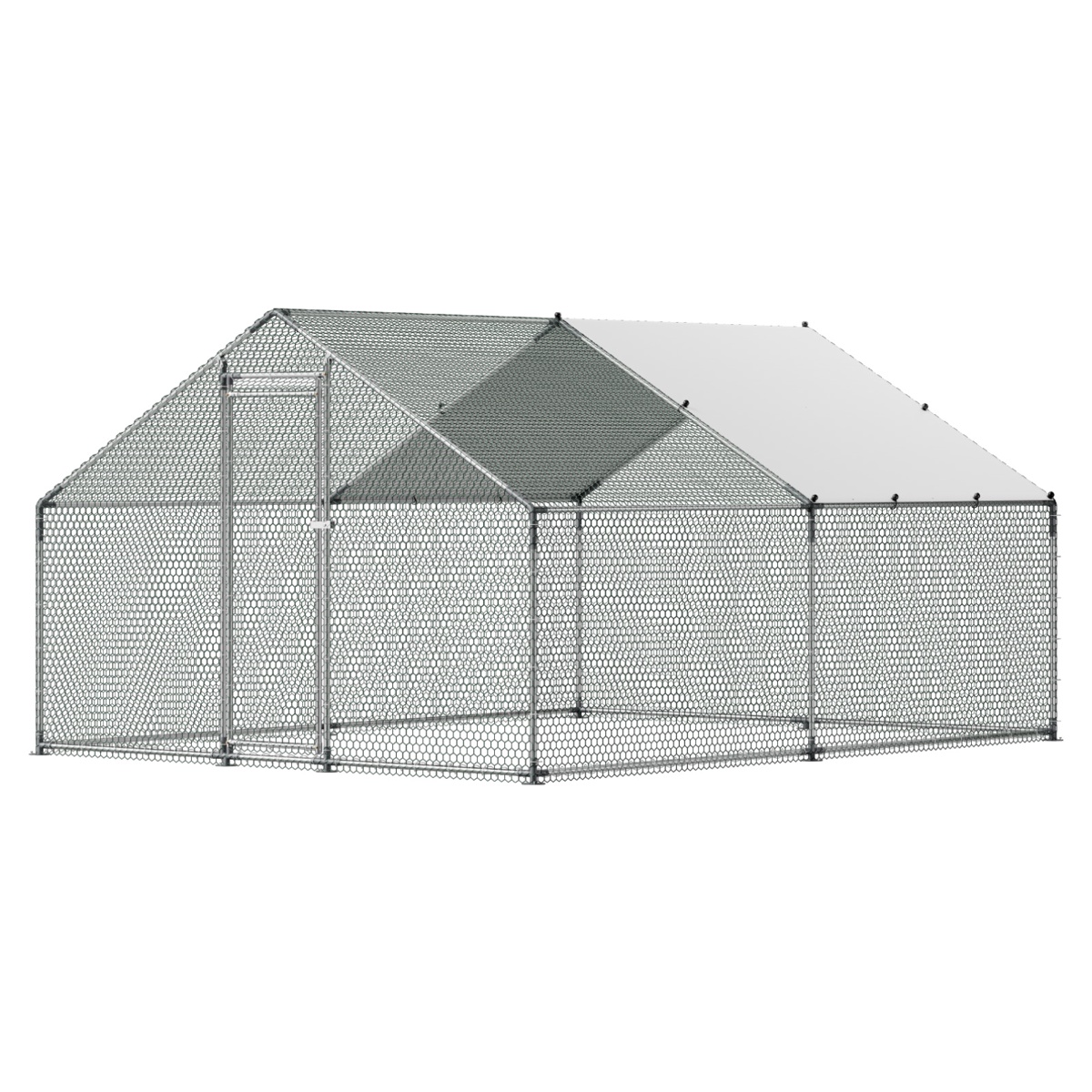 Large Metal Chicken Coop, 9.8 X 13.1 X 6.6 Ft, Walk-in Runs With Waterproof Cover, Spire Roof Hen House Enclosure Lock, Outdoor Duck Rabbit Cage Poultry Pen For Backyard, Farm, Yard$181.99View on Mallflare
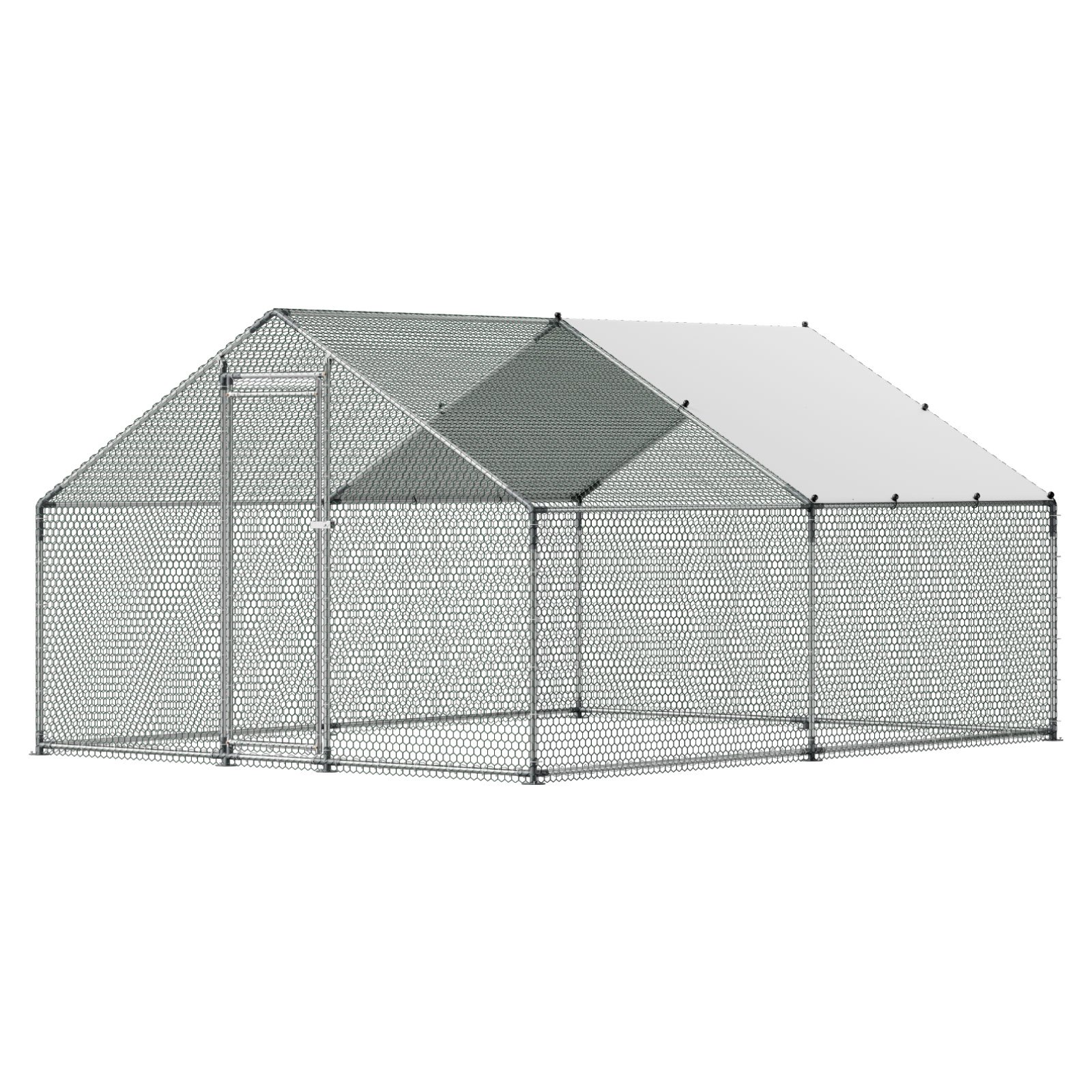 Metal Chicken Coop, 9.8x13.1x6.5 Ft Large Walk-in Runs With Cover, Spire Roof Hen House Enclosure Security Lock, Outdoor Duck Rabbit Cage Poultry Pen For Backyard, Farm, Yard$191.99View on Mallflare
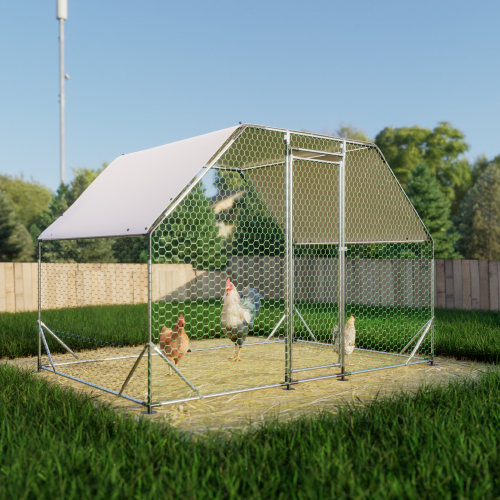 9.94 Ft. X 6.46 Ft. X 6.36 Ft. Metal Large Chicken Coop Walk-in Poultry Cage Run Flat Shaped With Waterproof Cover$194.99View on Mallflare
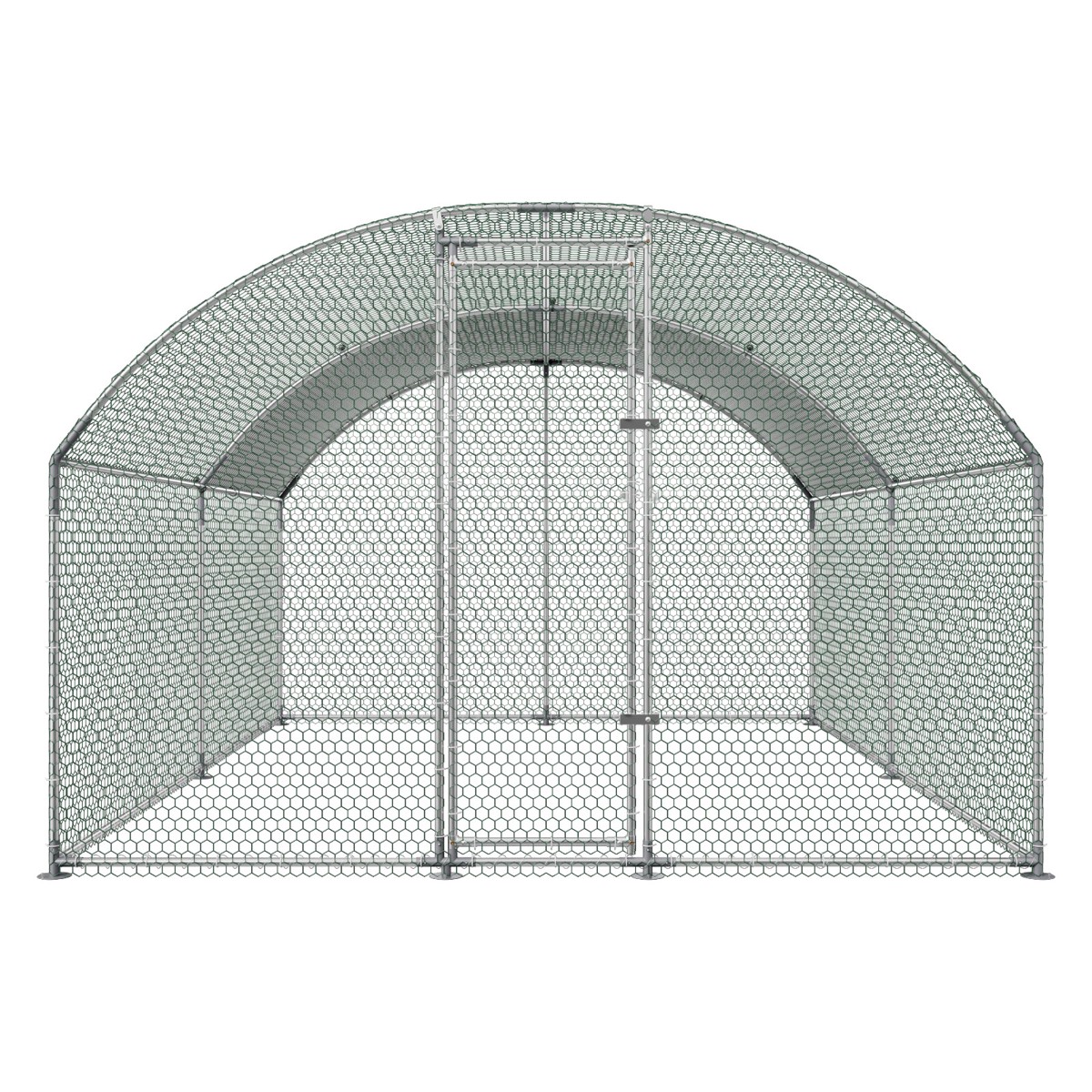 Large Metal Chicken Coop 9.8x13x6.6 Ft Walk-in Run House, Doom Roof Hen Enclosure With Cover And Security Lock, Outdoor Duck Rabbit Cage Poultry Pen For Backyard, Farm, Yard Use$207.99View on Mallflare
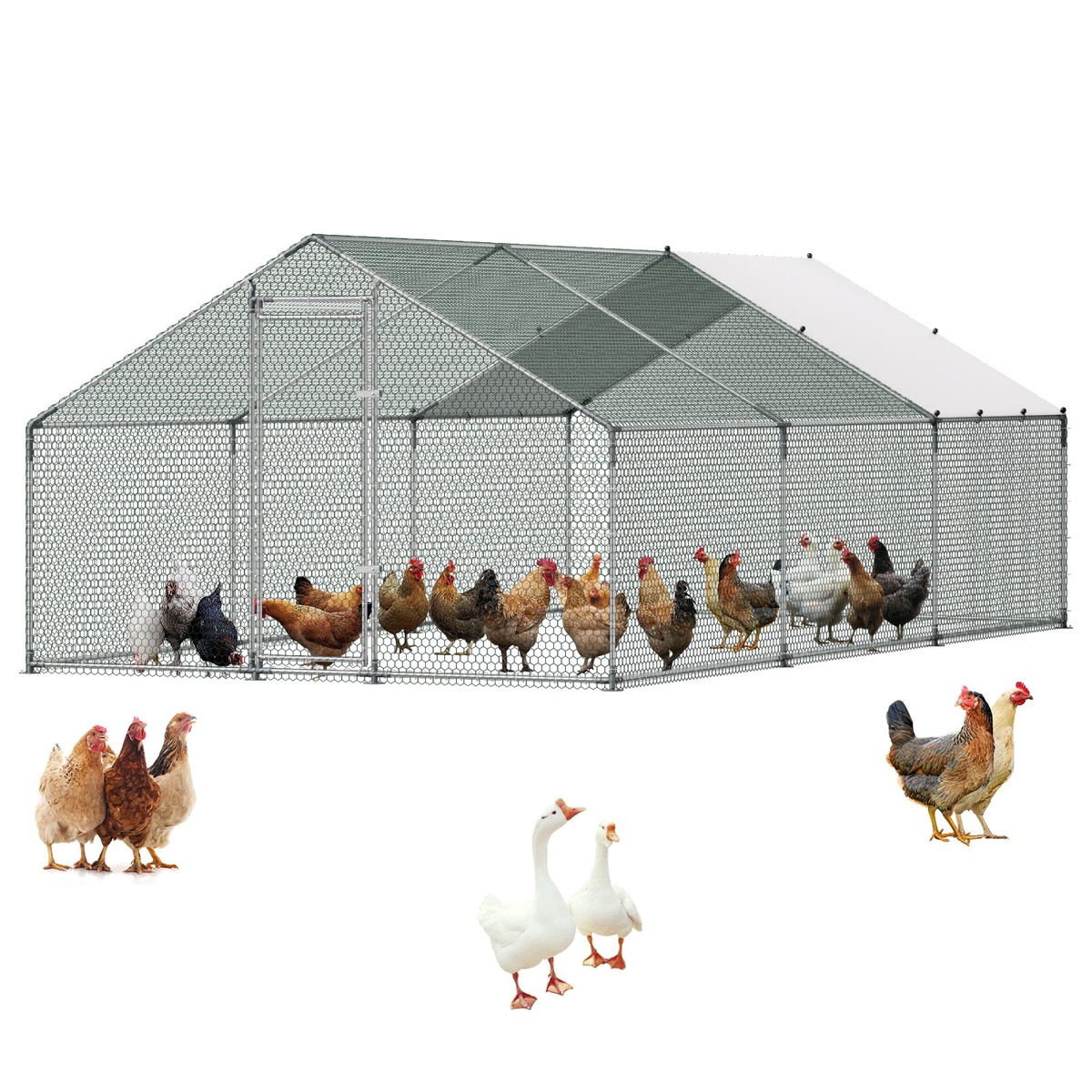 Large Metal Chicken Coop 9.8x19.5x6.6 ft Walk-in Run House, Spire Roof Hen Enclosure with Cover and Security Lock, Outdoor Duck Rabbit Cage Poultry Pen for Backyard, Farm, Yard$211.99View on Mallflare
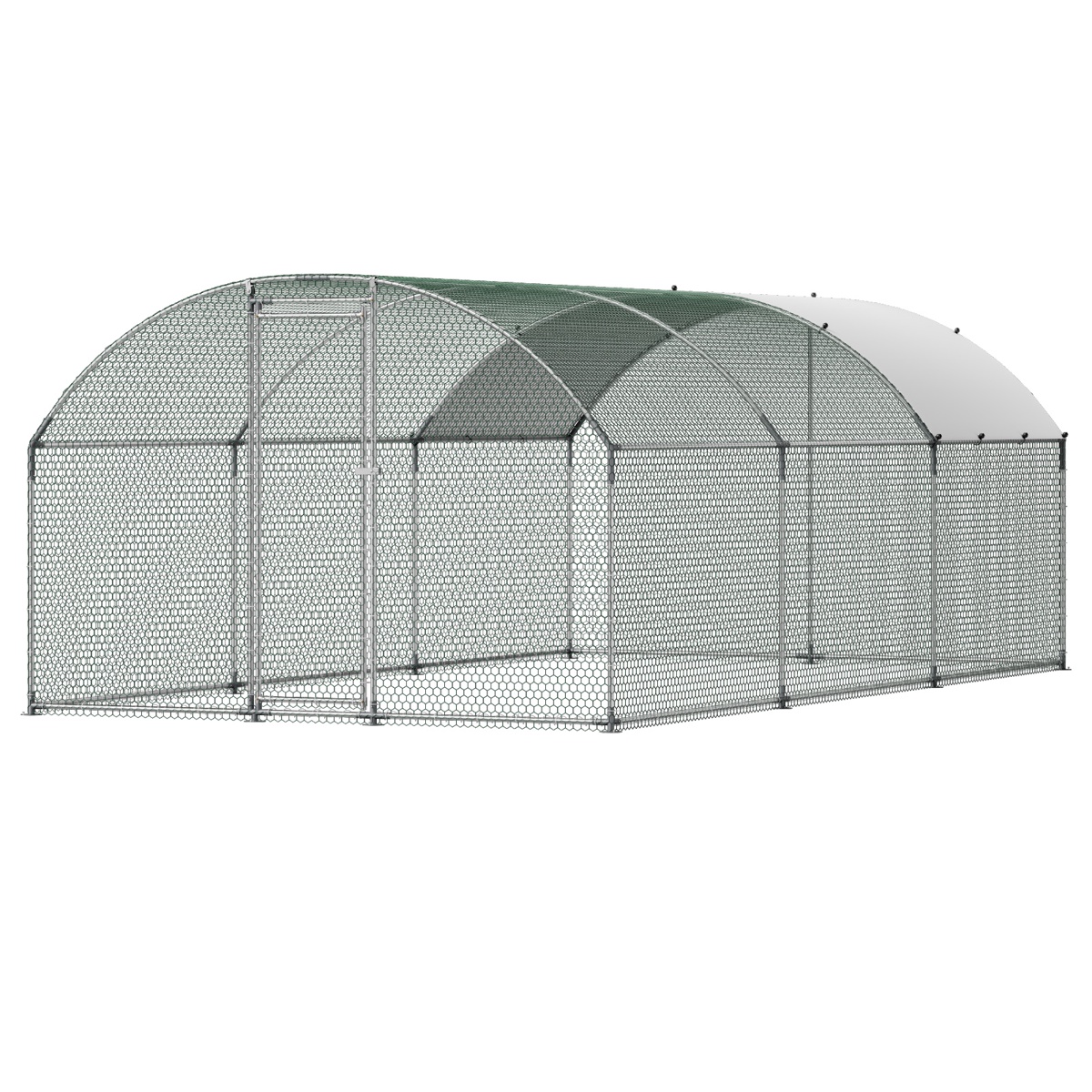 Large Metal Chicken Coop, 9.8 X 19.7 X 6.6 Ft, Walk-in Runs With Waterproof Cover, Dome Roof Hen House Enclosure Lock, Outdoor Duck Rabbit Cage Poultry Pen For Backyard, Farm, Yard$225.99View on Mallflare
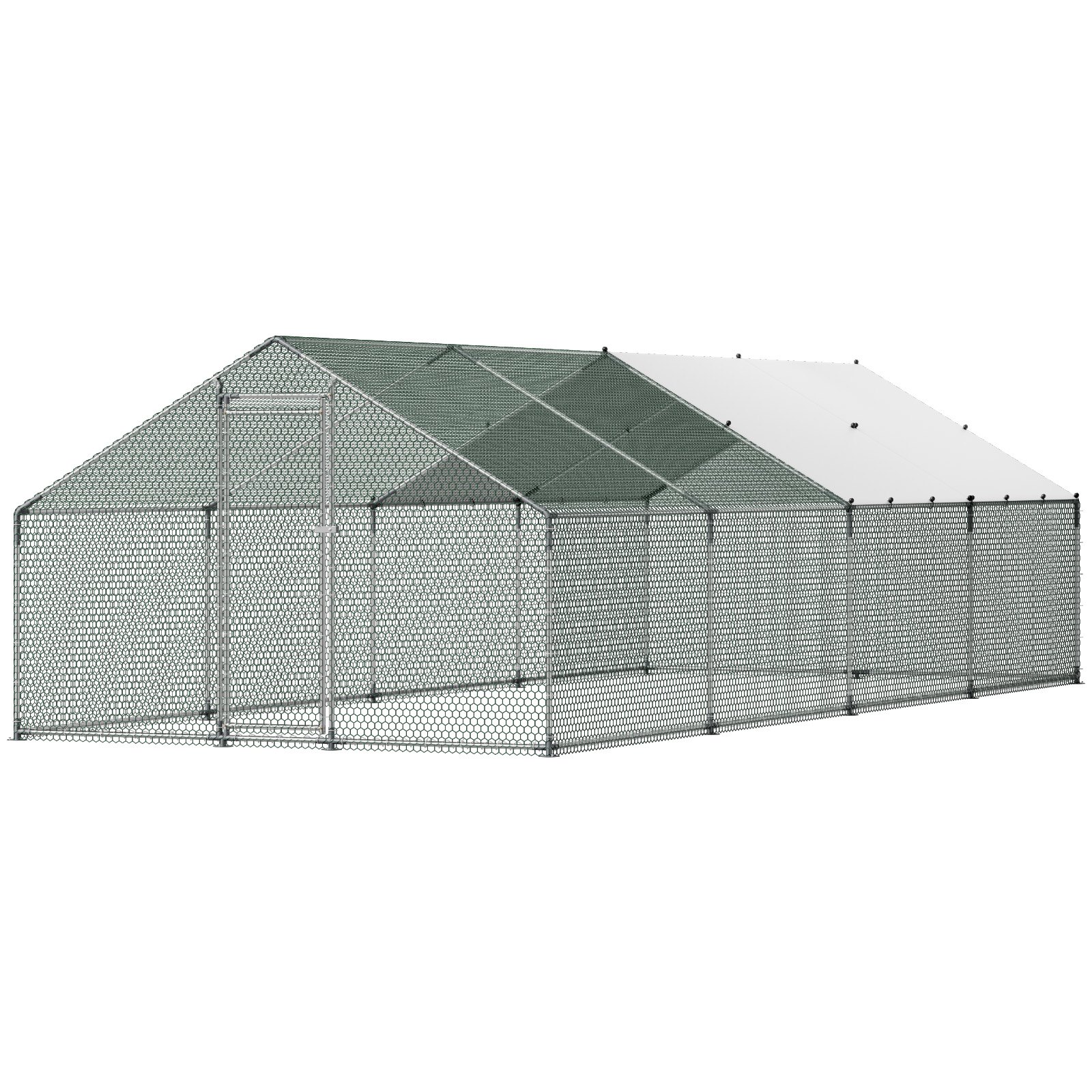 Large Metal Chicken Coop, 9.8 X 26.2 X 6.6 Ft, Walk-in Runs With Waterproof Cover, Spire Roof Hen House Enclosure Lock, Outdoor Duck Rabbit Cage Poultry Pen For Backyard, Farm, Yard$246.99View on Mallflare
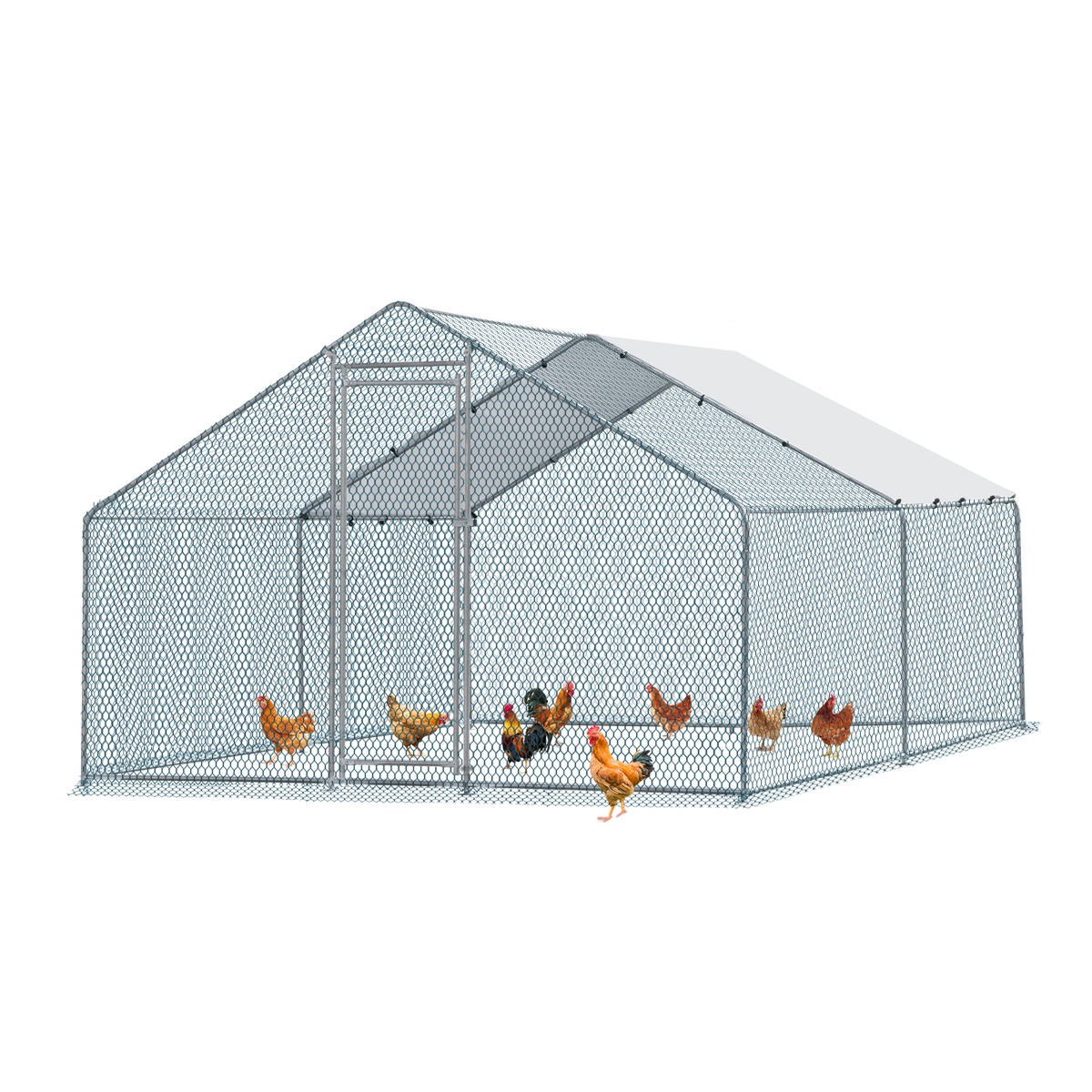 【Replace 2952922】13 x 10 ft Large Metal Chicken Coop, Walk-in Poultry Cage Hen Run House with Waterproof Cover, Rabbits Cats Dogs Farm Pen for Outdoor Backyard Garden$249.99View on Mallflare
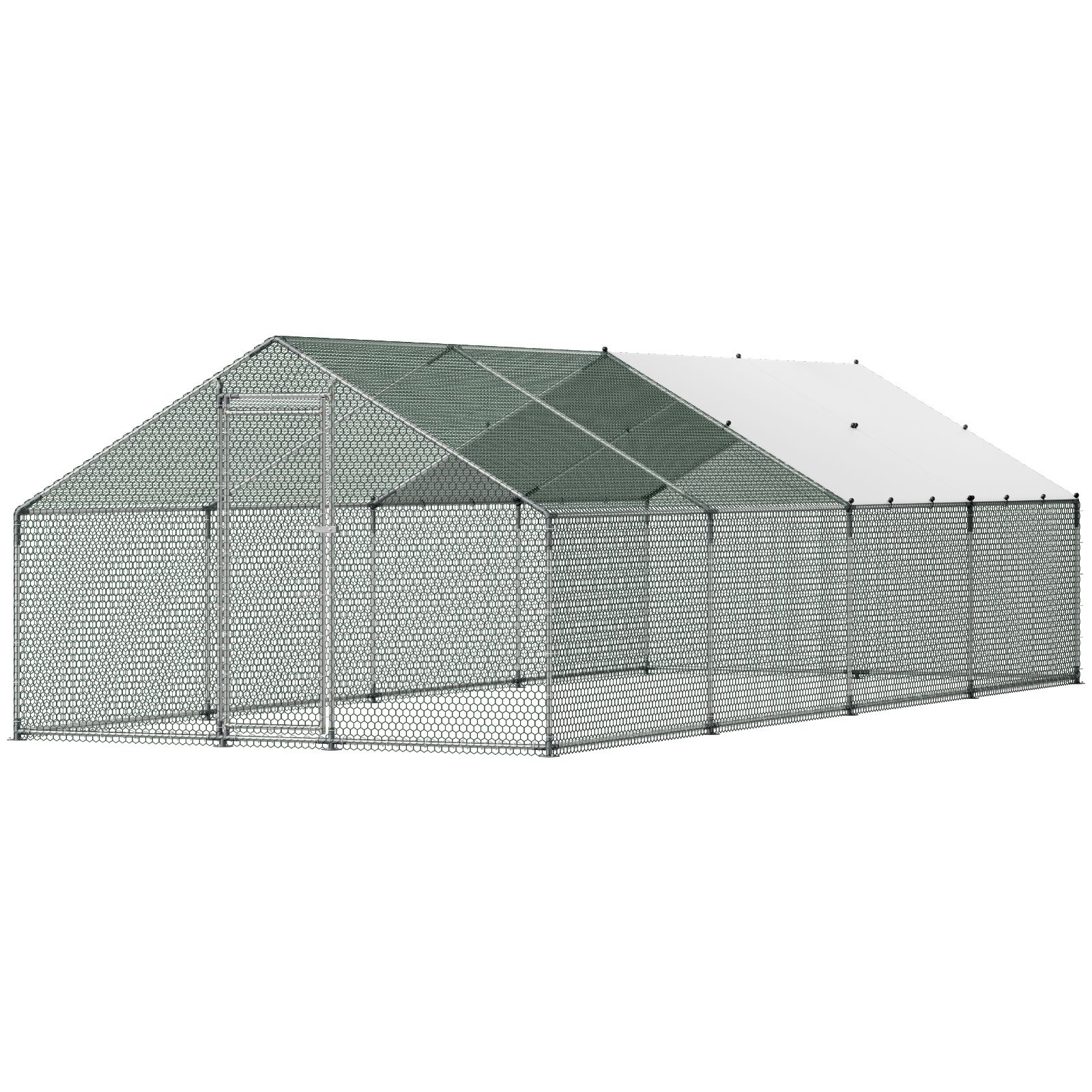 Metal Chicken Coop, 9.8x26.2x6.5 Ft Large Walk-in Runs With Cover, Spire Roof Hen House Enclosure Security Lock, Outdoor Duck Rabbit Cage Poultry Pen For Backyard, Farm, Yard$269.99View on Mallflare
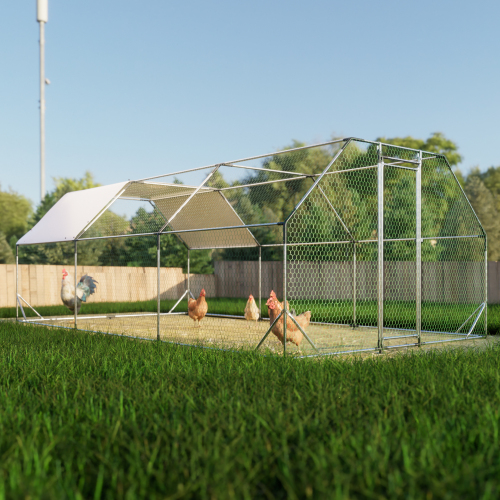 10 Ft. X 20 Ft. Galvanized Large Metal Walk In Chicken Coop Cage Farm Poultry Run Hutch Hen House$279.99View on Mallflare
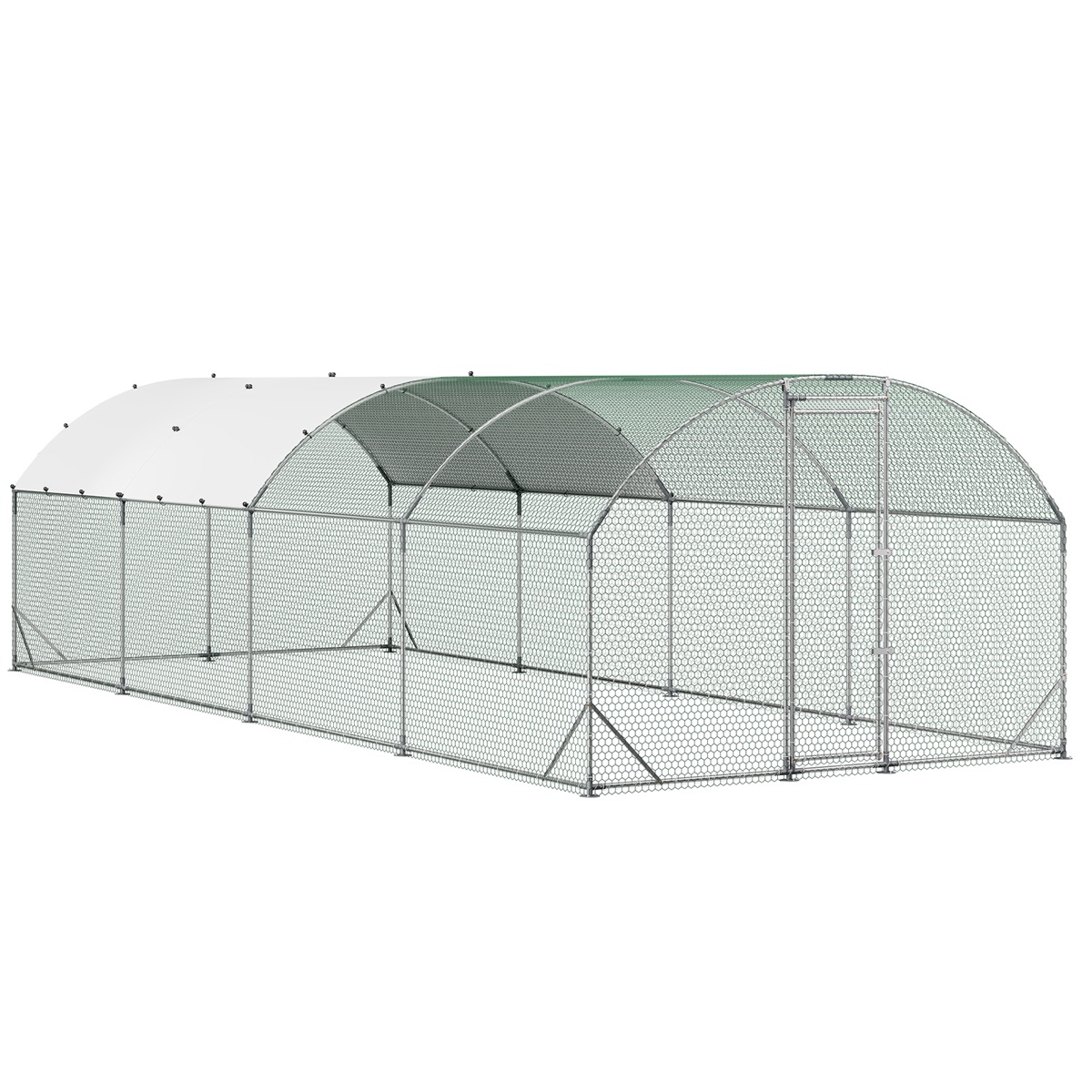 Large Metal Chicken Coop, 9 X 25 X 6.6 Ft, Walk-in Run House With Waterproof Cover & Sturdy Frame, Dome Roof Poultry Cage Duck Pen For Rabbit Hen Goose Outdoor Backyard Farm Use$285.99View on Mallflare
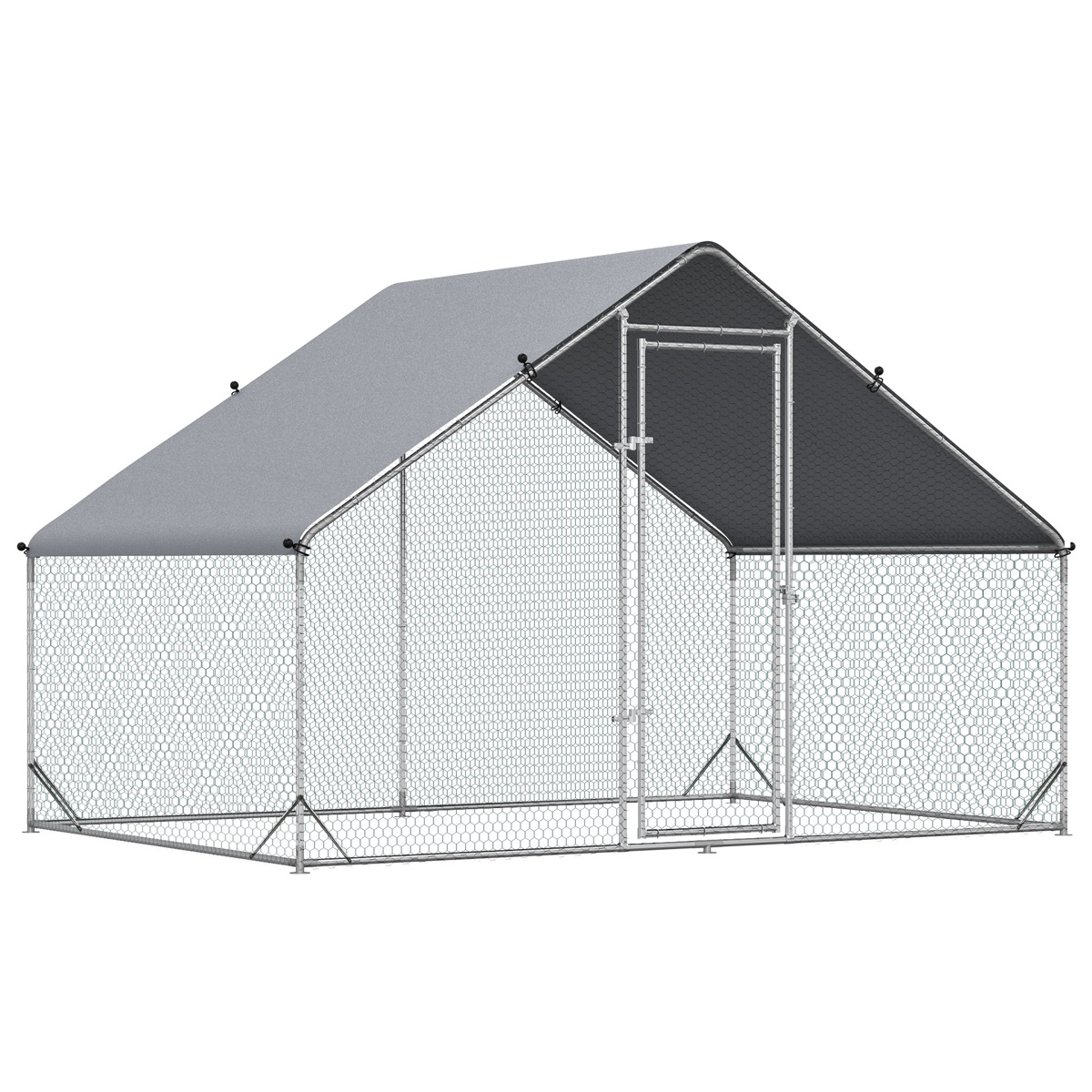 Metal Chicken Coop Run With Cover, Walk-In Outdoor Poultry Pen For Rabbits, Ducks, Large Hen House For Yard, 10' X 6.5' X 6.5', Silver$292.99View on Mallflare
Highlights
- Tube diameter separates tiers: light-duty runs ship around 1 inch steel tube, while heavy-duty frames step up in wall thickness and use spring-button or bolt-through connectors instead of push-fit corners.
- Mesh aperture is the real predator spec: hexagonal or welded wire at 1 inch or less blocks raccoon reach and keeps chicks in, while wide 2-inch poultry netting lets small predators through.
- Roof geometry drives weather performance: spire and gable roofs shed rain and snow off the cover, while flat or slanted panels pool water and sag the tarp within a season.
- Walk-in height of roughly 6.5 to 7 feet clears most adults; footprints from 6.6x3.3 ft up to 10x13 ft cover small flocks to full backyard pens, with the cover material deciding UV life.
Best use cases
- Pick a 6.6 x 6.6 ft walk-in run with spire roof for 3-6 hens in a suburban backyard where you need headroom to clean and a cover that sheds rain; skip it if snowfall is heavy and the tarp is the only roof.
- Choose a 9.8 x 13.1 ft or 10 x 10 ft footprint when you keep ducks, geese, or a mixed flock and want a separate coop house inside the run; smaller 6.6 x 3.3 ft pens crowd waterfowl and turn to mud fast.
- Skip thin push-fit frames in exposed, windy sites—specify spring-button connectors and a reinforced mesh skirt, or the panels will rack and the cover will tear at the grommets.
Buying tips
- Check tube diameter and wall thickness before footprint: 1-inch tube with spring-button connectors resists racking far better than thin push-fit poles of the same span.
- Prioritize mesh aperture under 1 inch and welded or hexagonal wire; wide poultry netting admits raccoons and rats and lets chicks slip out.
- Choose a spire or gable roof over flat panels so the waterproof cover drains instead of pooling; plan on replacing tarps every few seasons or adding rigid panels.
- Size the run for at least 8-10 sq ft per hen in the run plus 3-4 sq ft in the coop house, and add extra height if you keep ducks or geese.
Specs
| Frame Material | Galvanized steel tube vs coated metal |
|---|---|
| Tube Diameter | ~1 in light-duty to heavy-wall heavy-duty |
| Mesh Aperture | 1/2-1 in predator-proof vs 2 in poultry net |
| Roof Shape | Spire / gable shedding vs flat slanted |
Related searches
What to check before buying
- Measure your yard gate and path width—assembled 10 ft panels and 6.6 ft heights may not fit through, so confirm knock-down panel dimensions.
- Confirm ground conditions: soft lawn needs stakes and skirt mesh, while hard clay or gravel may require a base frame or concrete footings.
- Check local wind and snow loads; in exposed or snowy climates, add rigid roof panels and anchor the frame rather than relying on the tarp alone.
- Verify flock size against run and coop-house square footage, and confirm the cover is UV-stabilized if the pen sits in full summer sun.
FAQ
Data sources: eBay / Amazon listings and product attribute feeds. Updated Nov 28, 2026.
Some links on this page are affiliate links. If you buy after clicking one, we may earn a commission at no extra cost to you. This does not change which products appear here or their order. Affiliate disclosure.