
Photos from current listings. Actual item, color, and included accessories may vary.
Chicken Coop And Run Buying Guide
Chicken coop and run systems combine a sheltered henhouse with a secure outdoor run, and the core trade-off is predator-proof construction versus easy cleaning and flock capacity. Wood coops offer insulation and nesting privacy but require maintenance, while metal runs provide ventilation and visibility but need anchoring against digging predators. The decision rule: buy a walk-in metal run with a tarp cover for large flocks and a raised wooden hutch with a dropping tray for small backyard flocks in wet climates.
Median $252.59 · New listings
Key takeaways
- Wood coops use 0.5–0.75 inch exterior plywood or fir framing with asphalt shingle roofs; metal runs use 20–22 gauge galvanized steel tubing with 1–2 inch hexagonal or square wire mesh.
- Walk-in runs are 6.5–9 ft tall for human access, while low-profile runs are 3–4 ft tall and suited only to 4–6 birds; run footprint from 16 to 200 sq ft determines flock size.
- Predator-proofing requires 0.5-inch hardware cloth on the lower 18 inches and an apron or buried wire skirt extending 12–18 inches outward to stop digging.
At a glance
- Category
- Chicken Coops & Runs
- Last updated
- Nov 28, 2026
Current offers
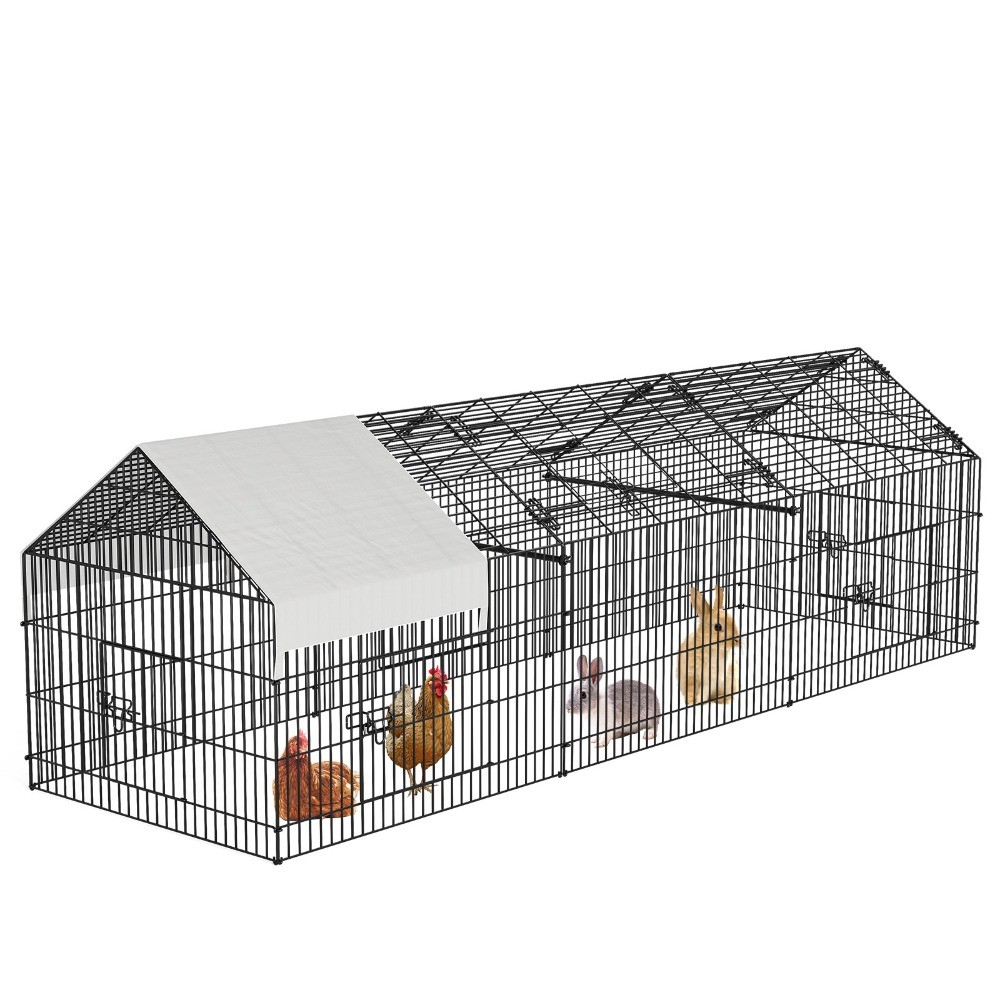 130"*40"Metal Chicken Coop Chicken Run Backyard Hen House Poultry Habitat Cage$105.99View on eBay
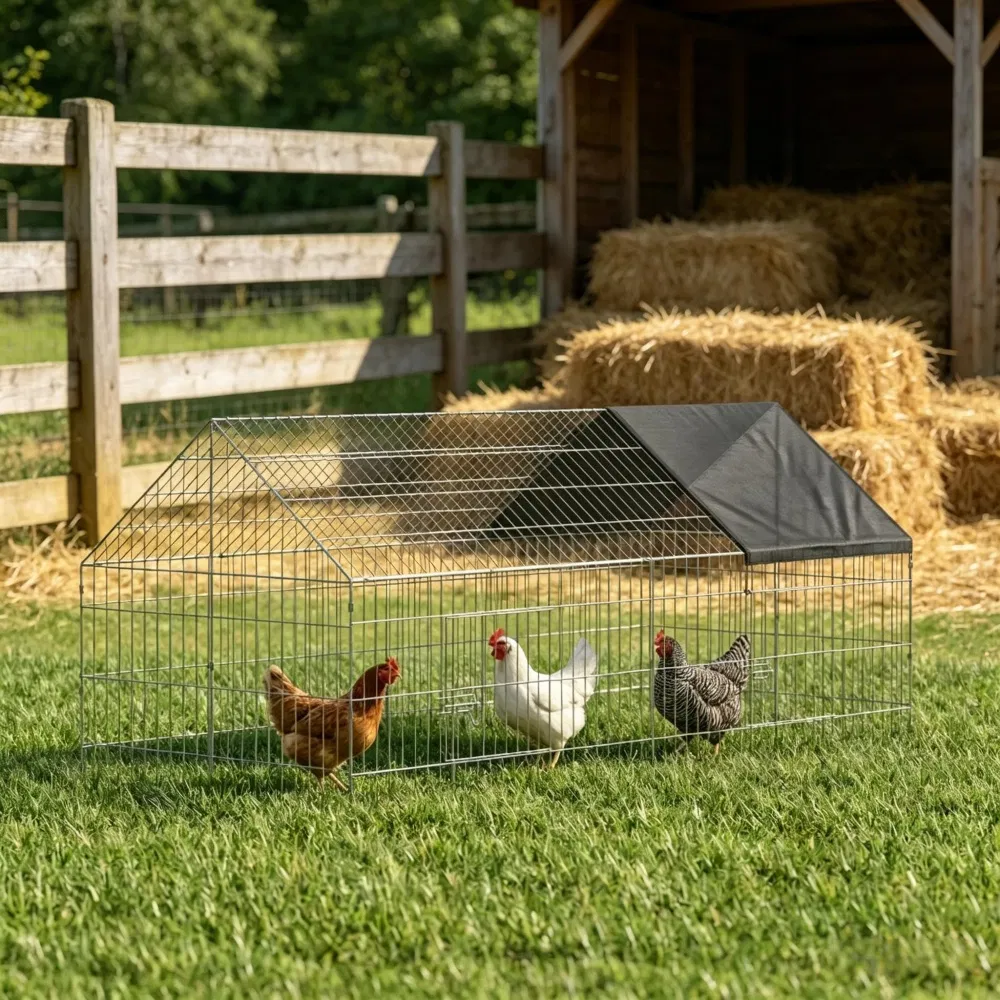 Chicken Coop, Steel Run with 90D Oxford Canopy and Two Latched Doors, 70.9 x 29.5 x in, for Chickens, Ducks and Rabbits, Black and Silver$76.99View on Mallflare
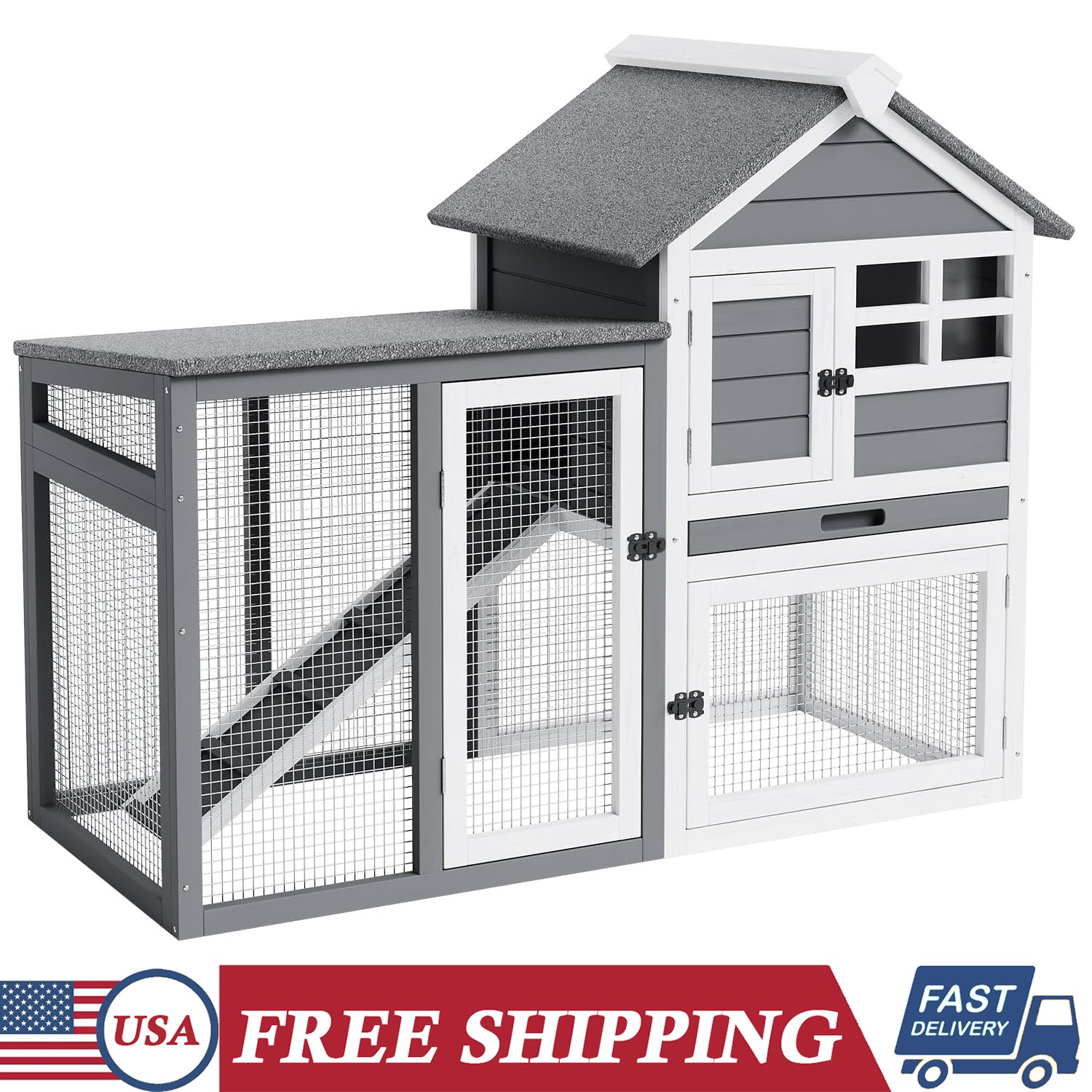 Large Chicken Coop Outdoor Wooden Backyard 2-Story Hen Rabbit House Chicken Run$109.98View on eBay
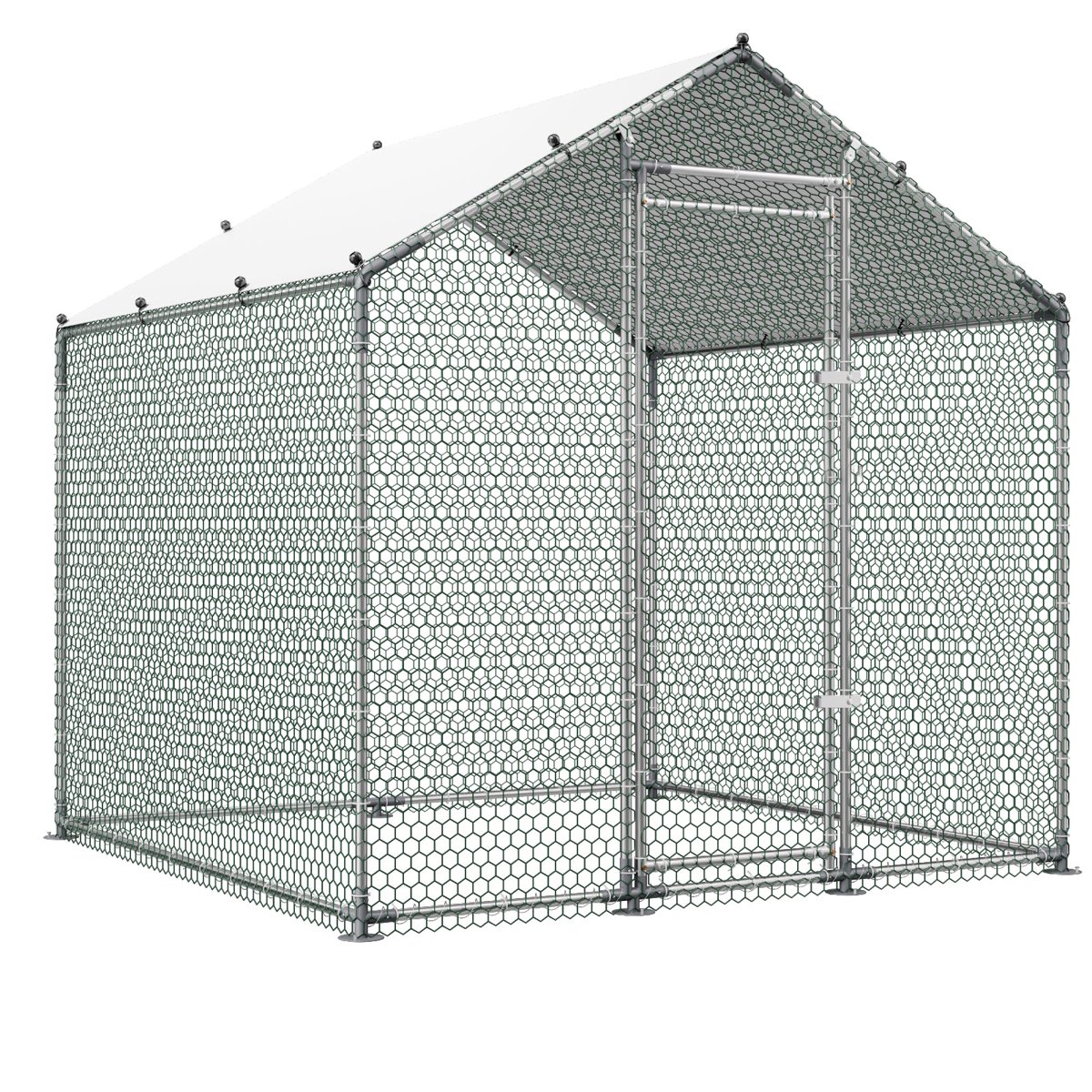 Large Metal Chicken Coop 6.6x6.6x6.6 Ft Walk-in Run House, Spire Roof Hen Enclosure With Cover And Security Lock, Outdoor Duck Rabbit Cage Poultry Pen For Backyard, Farm, Yard$115.99View on Mallflare
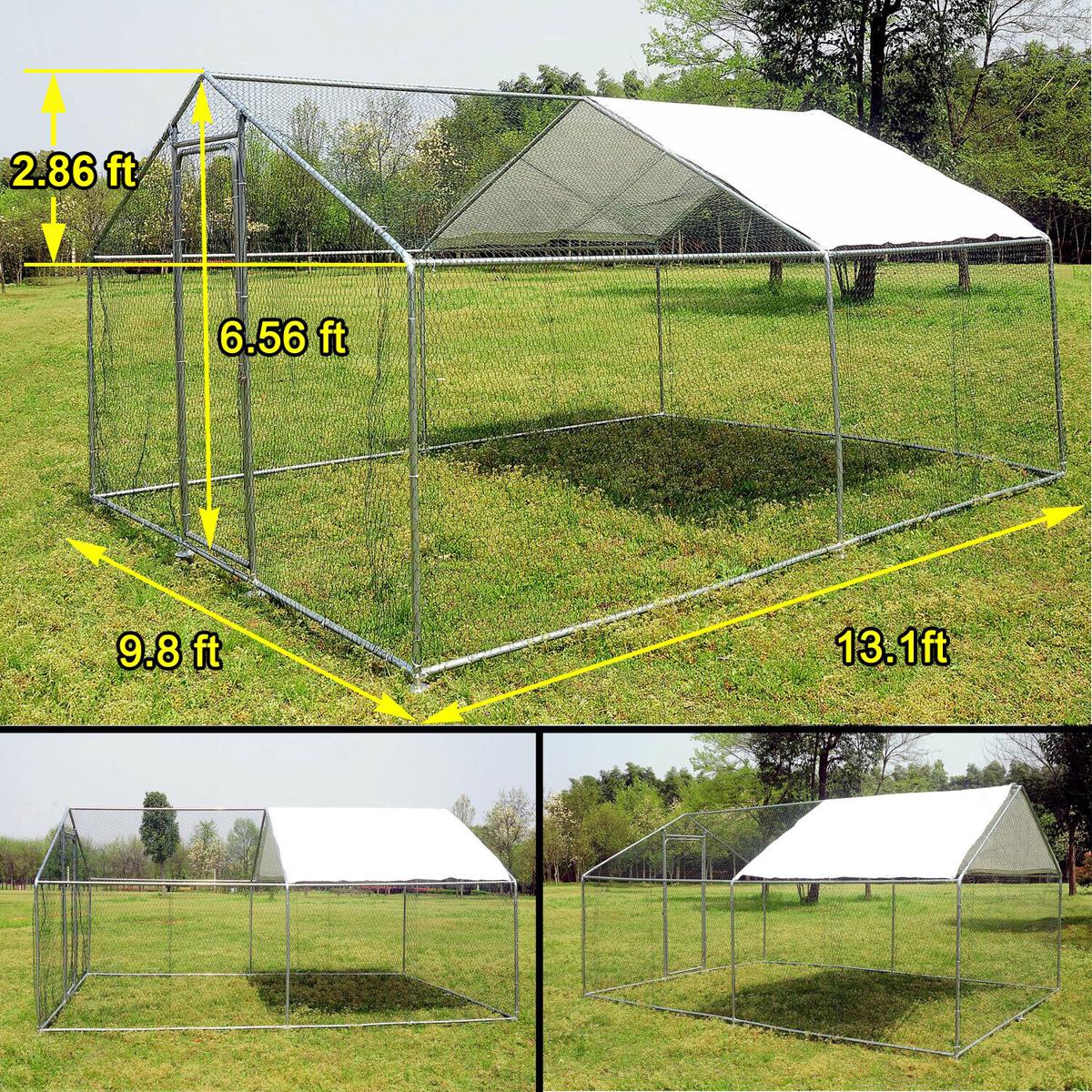 10x10'/ 13x10'/ 20x10' Chicken Coop Run Hen House Enclosed Backyard Poultry Cage$124.99View on eBay
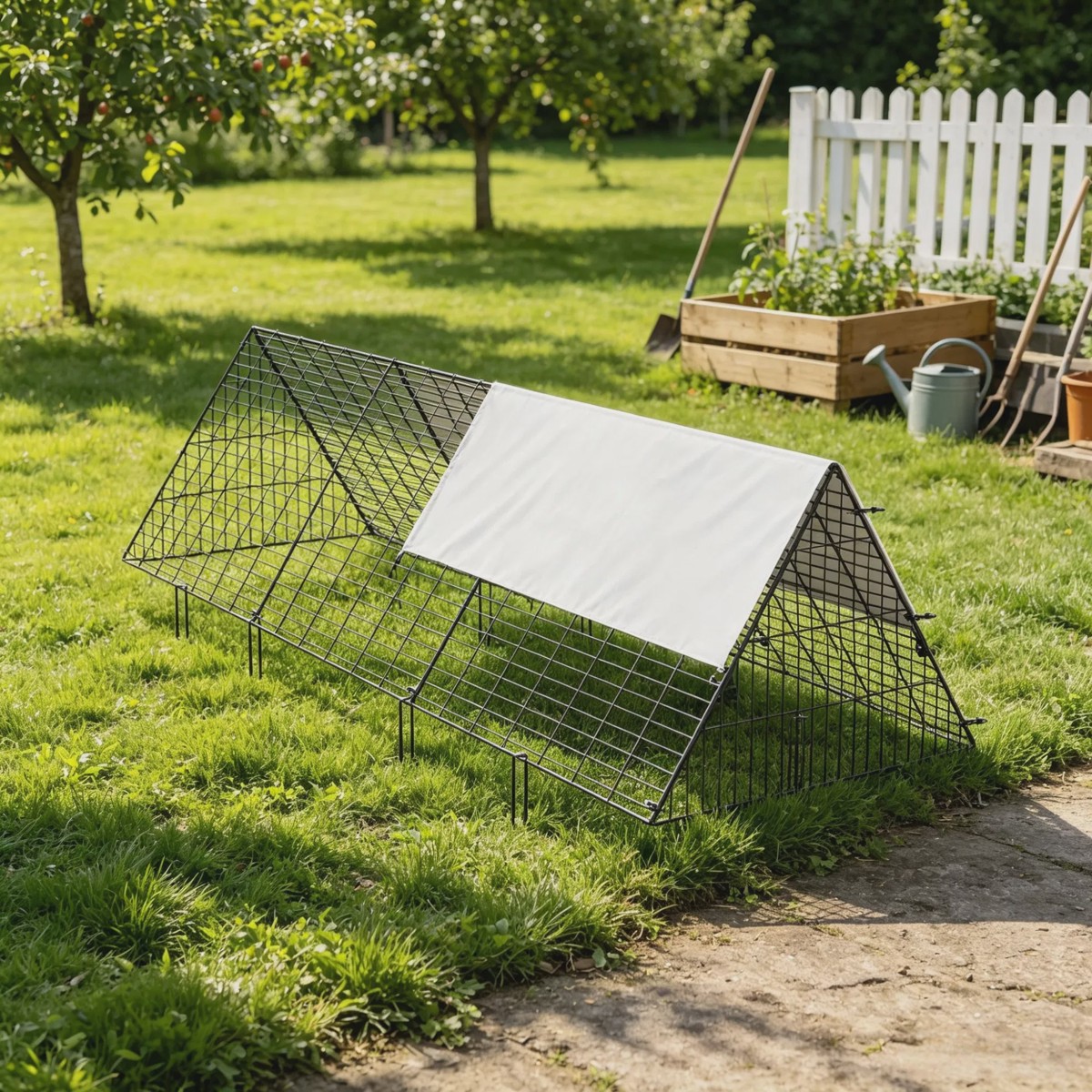 118.1 x 28 x 24.2 Inch Chicken Tunnels, Portable Coop Run for Yard, Easy Installation Outdoor Tunnel for Chickens, Ducks & Rabbits$146.99View on Mallflare
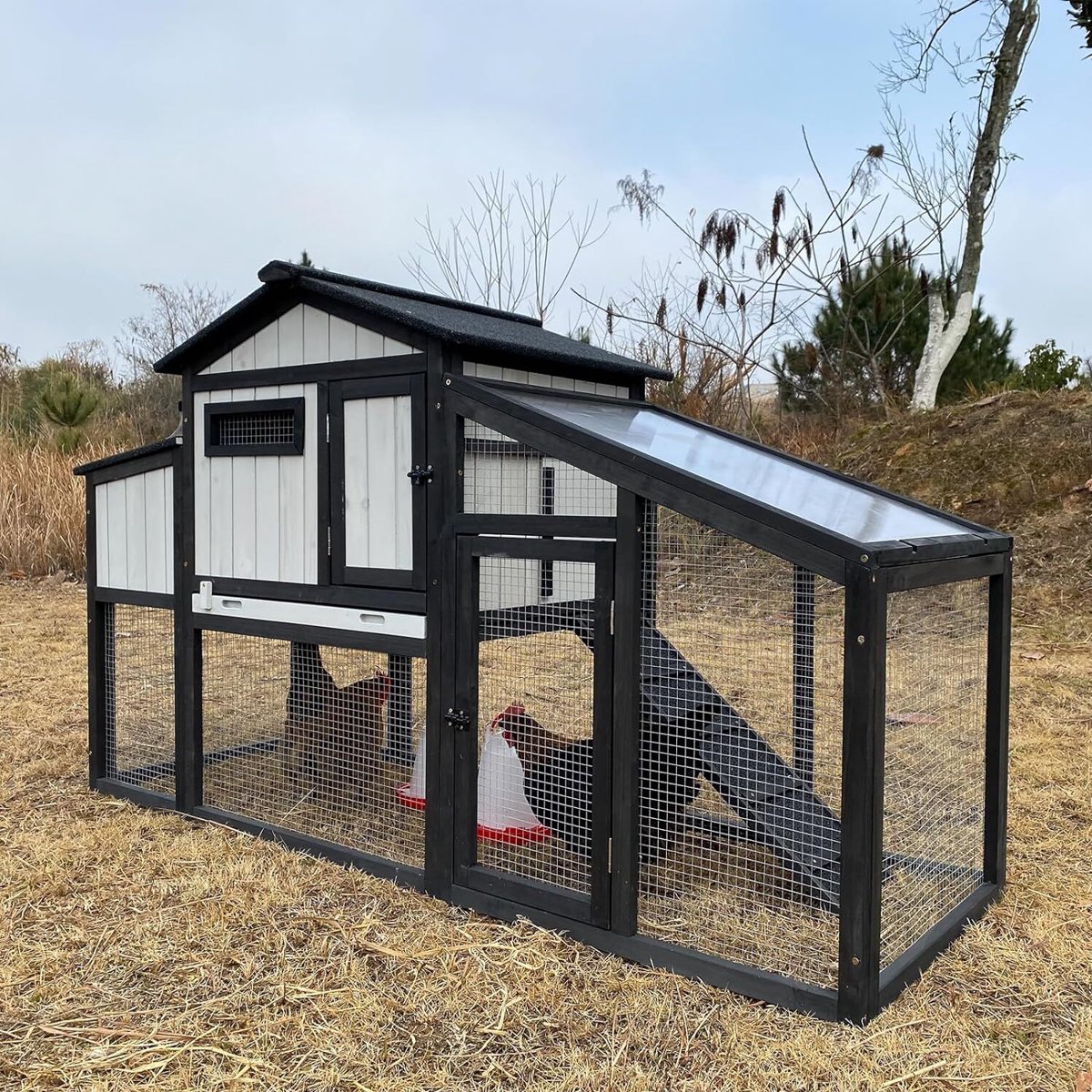 PetsCosset Chicken Coop Outdoor Wooden Backyard 2-Story Hen House Chicken Run$139.99View on eBay
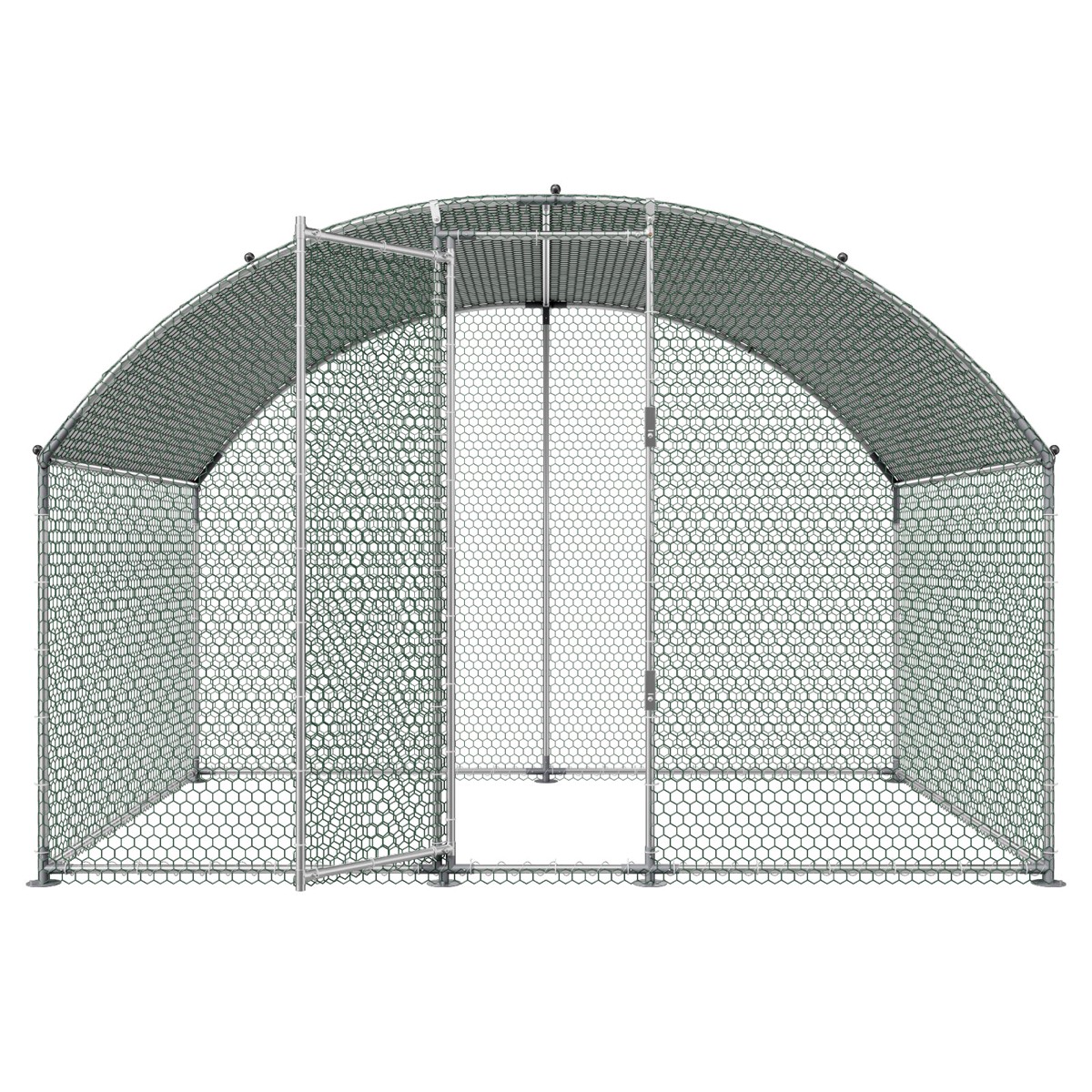 Large Metal Chicken Coop 9.8x6.6x6.6 Ft Walk-in Run House, Doom Roof Hen Enclosure With Cover And Security Lock, Outdoor Duck Rabbit Cage Poultry Pen For Backyard, Farm, Yard Use$156.99View on Mallflare
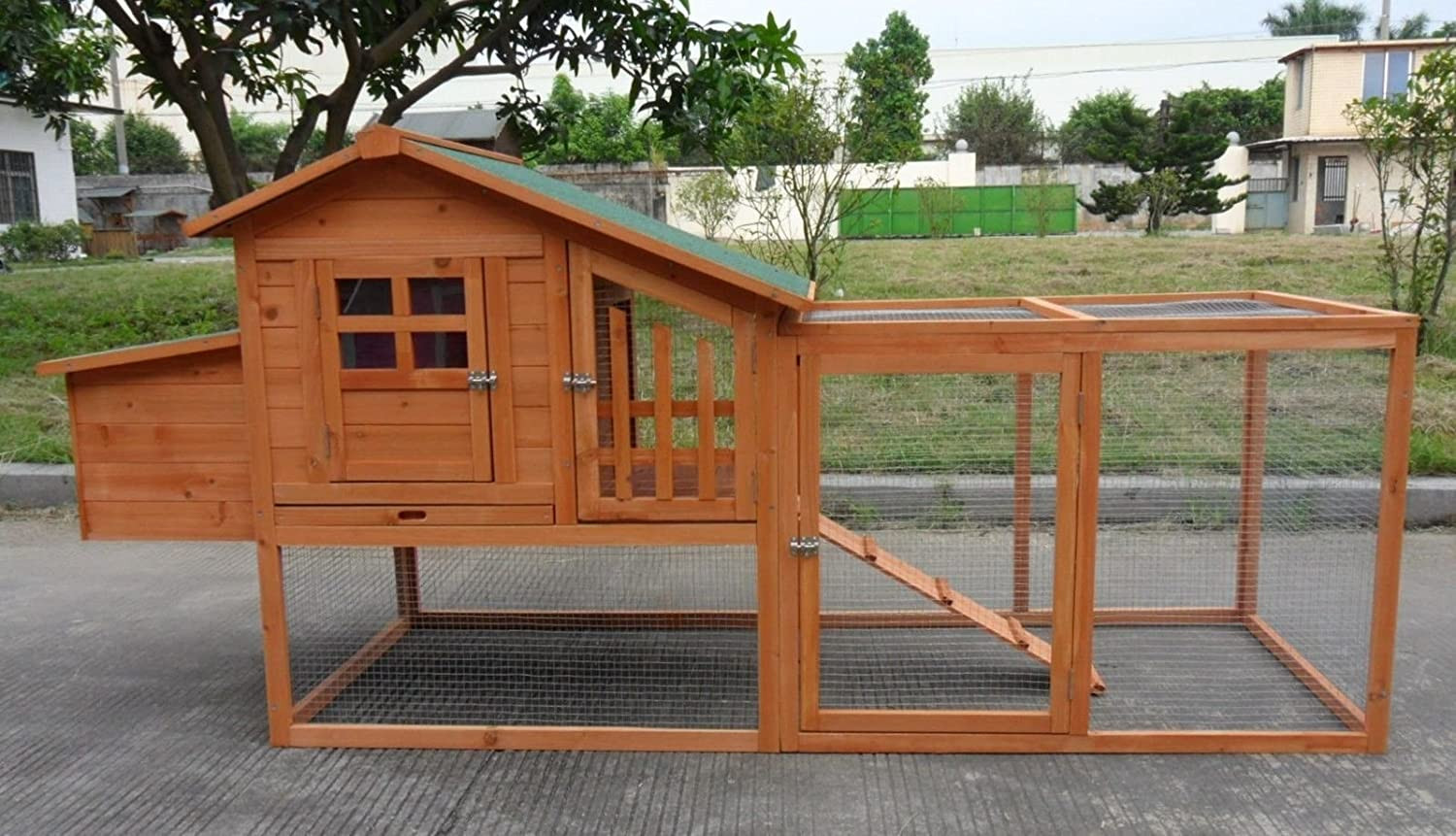 Deluxe Large Wood Chicken Coop Backyard Hen House 3-5 Chickens w Nesting Box Run$169.98View on eBay
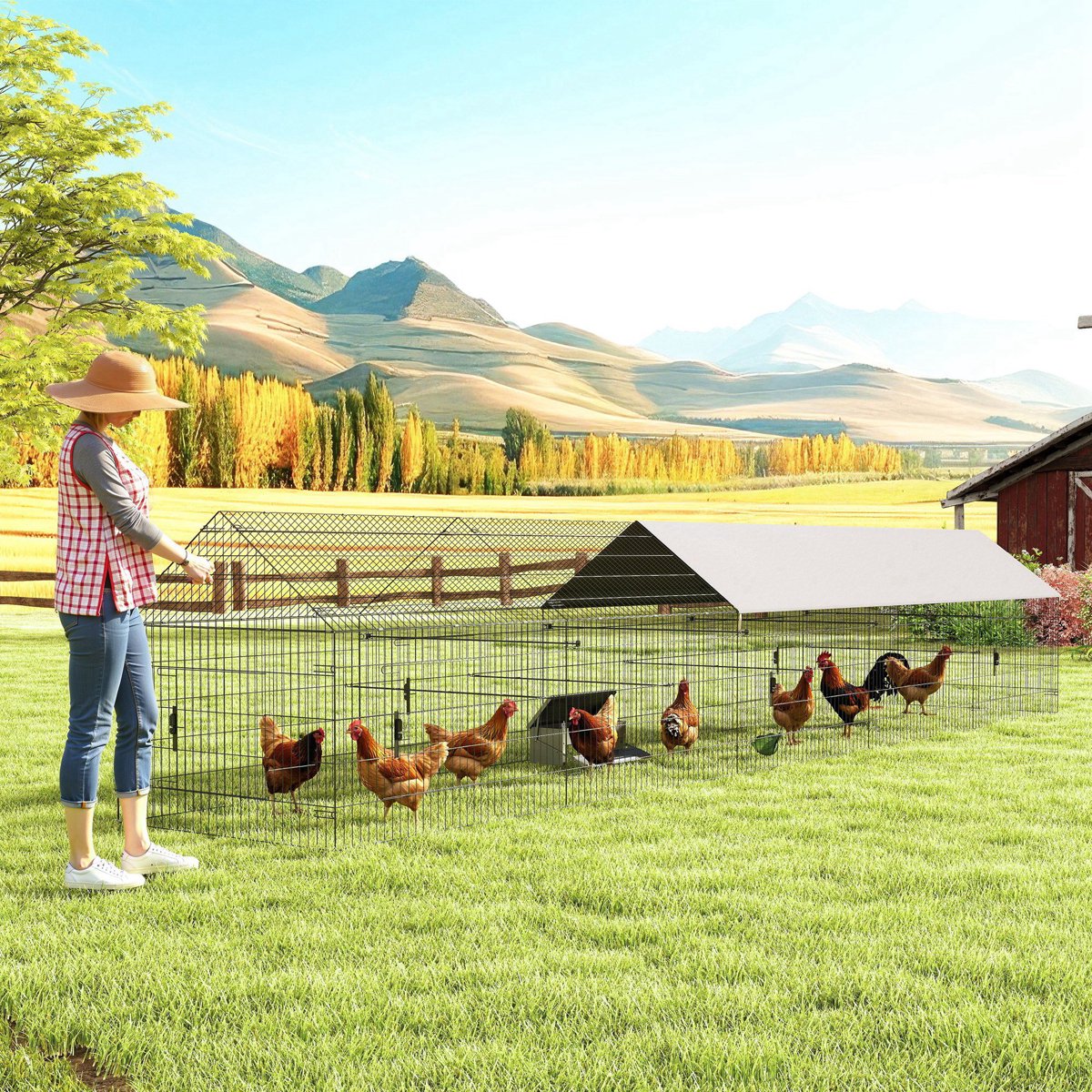 Metal Chicken Coop, Large Run with Water-Resistant & Anti-UV Cover for 7-9 Hens, Outdoor Hen House 10 Doors$170.99View on Mallflare
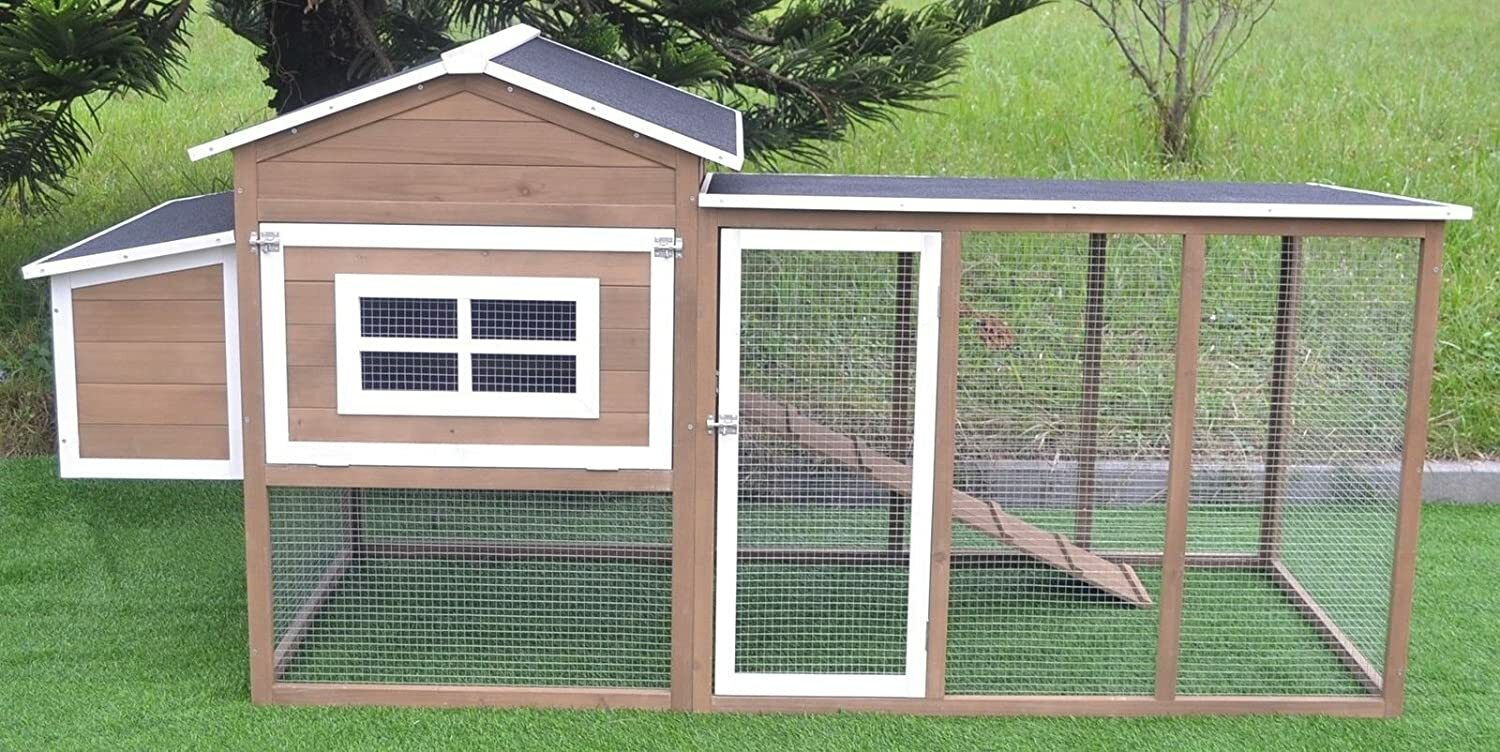 Large 87" Wood Chicken Coop Backyard Hen House 4-6 Chickens Nesting Box & Run$187.98View on eBay
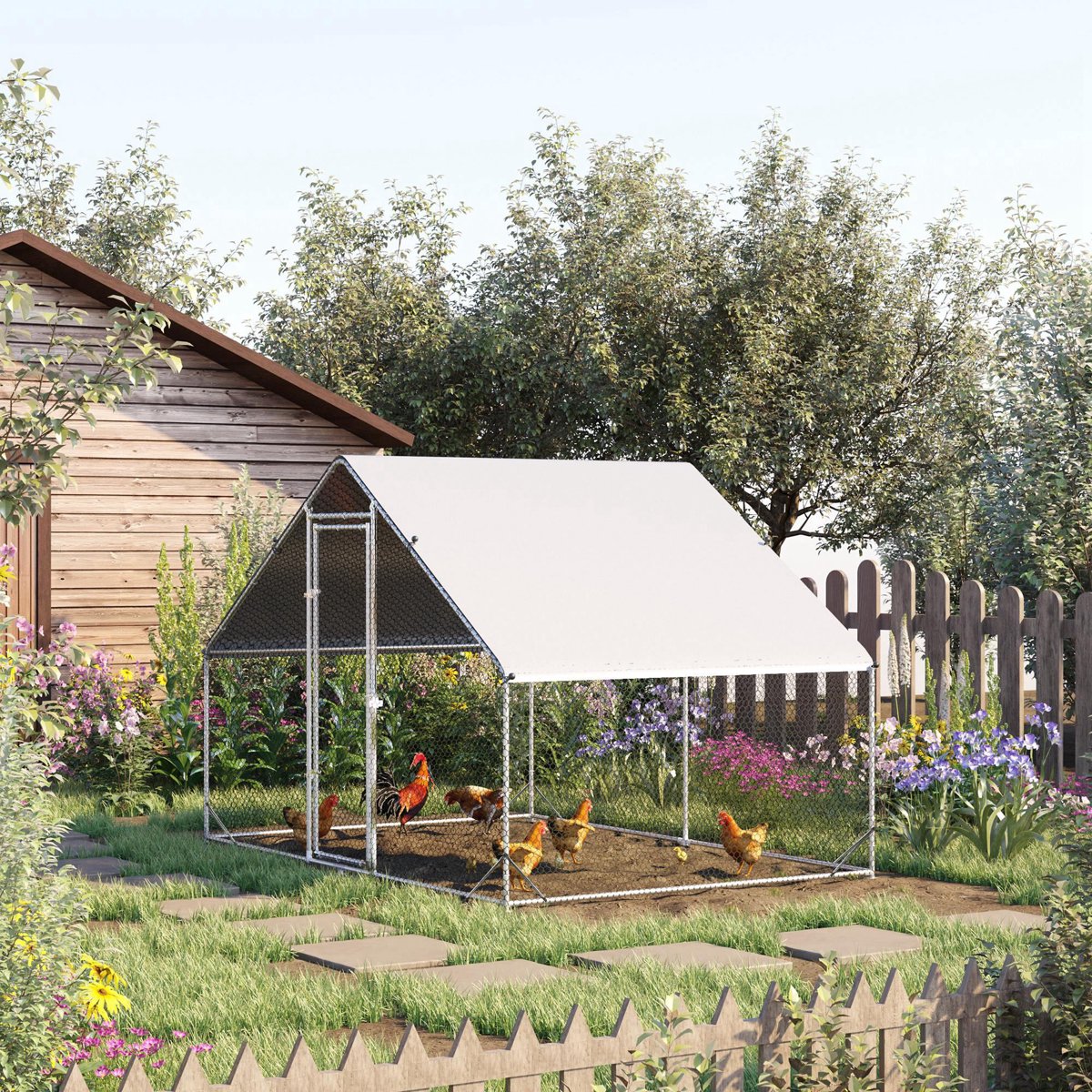 Large Chicken Coop Metal Run with Waterproof and Anti-UV Cover, Spire Shaped Walk in Fence Cage Hen House for Outdoor and Yard Farm Use, 1" Tube Diameter, 9.8 x 6.6 x 6.6$171.99View on Mallflare
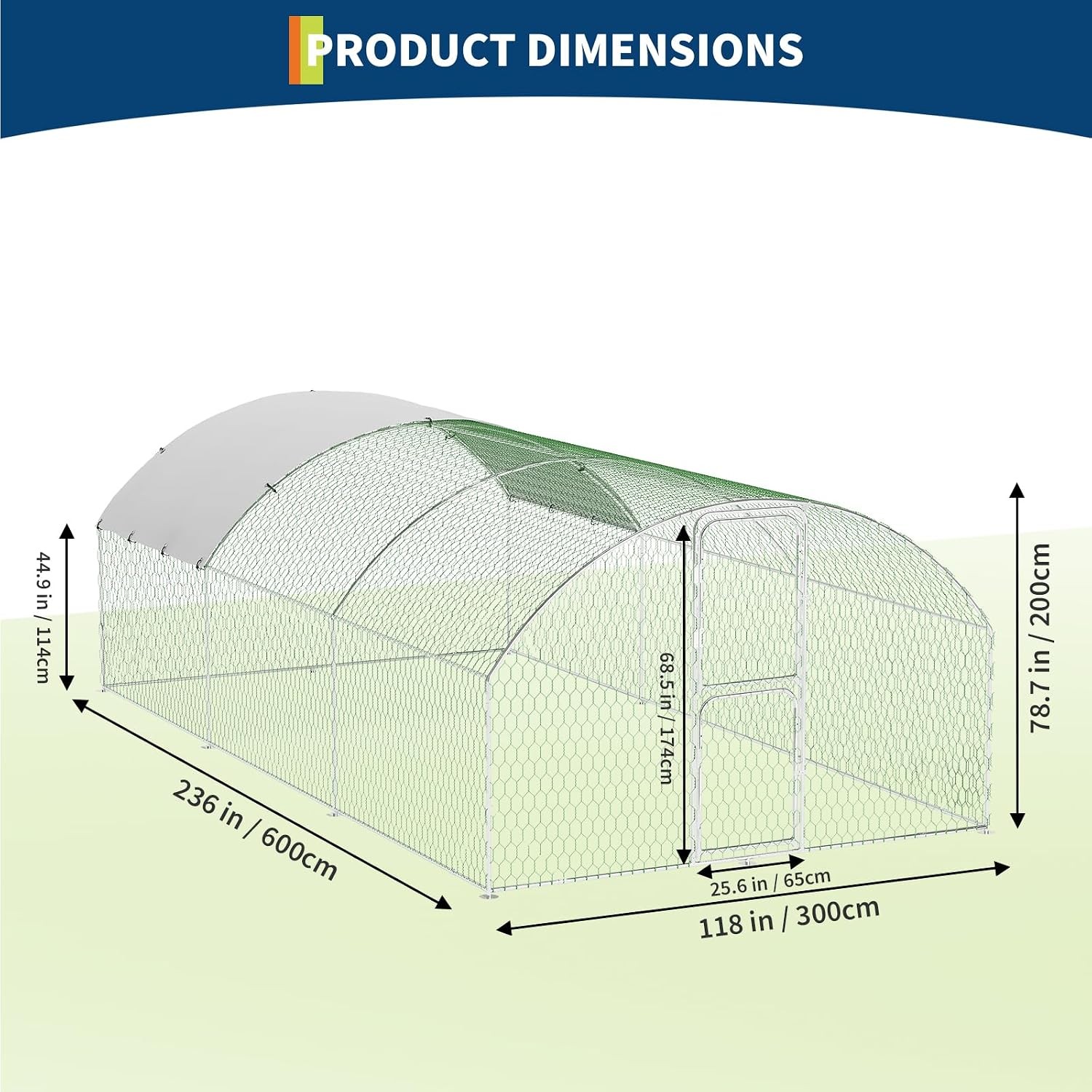 6.5/13/20 FT Metal Chicken Coop Poultry Cage Walk-in Chicken Run with Cover Roof$219.82New · Last checked Nov 22, 2026View on eBay
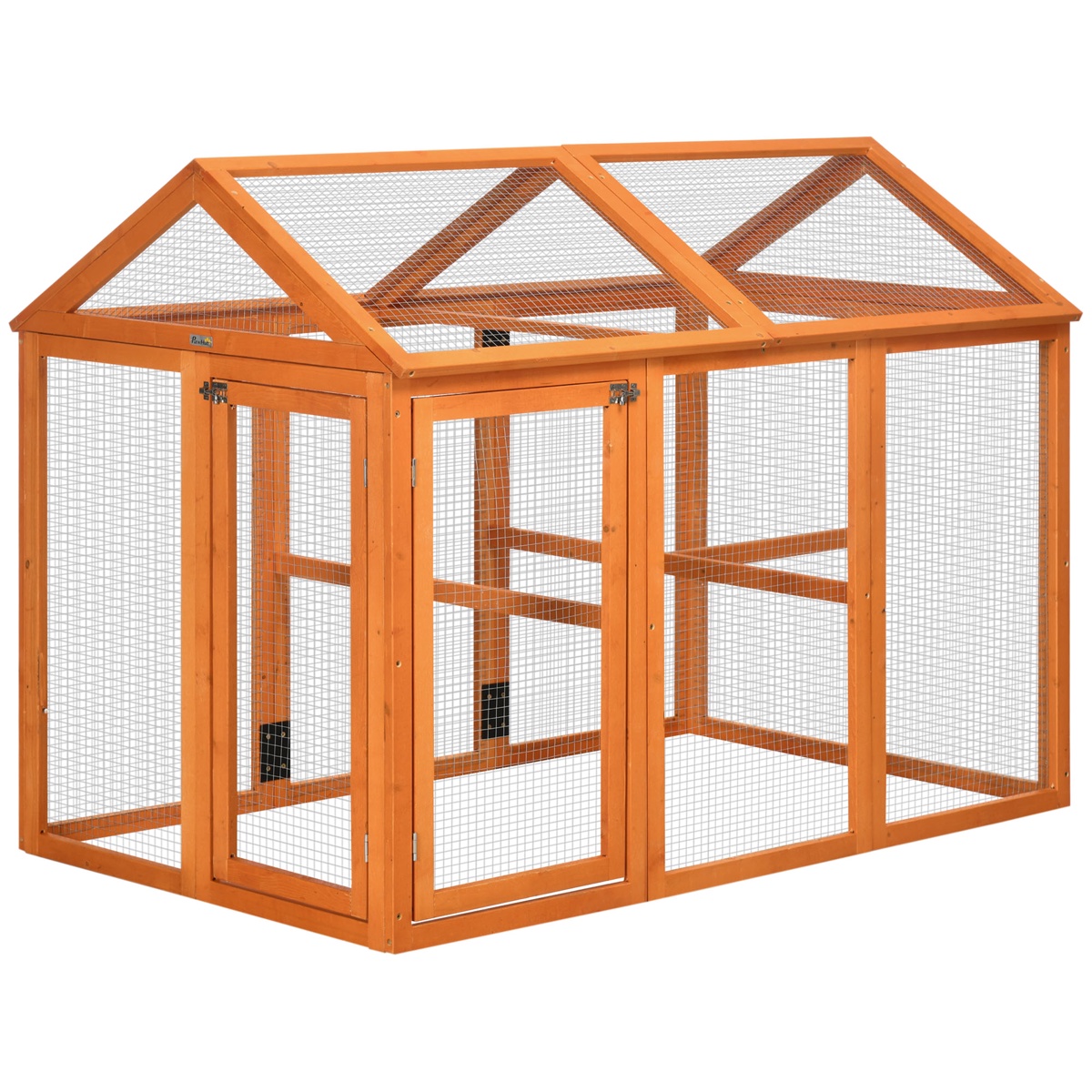 PawHut Chicken Run, Wooden Large Coop, Combinable Design With Perches & Doors For Outdoor, Backyard, Farm, 4.6' X 2.8', Orange$192.99View on Mallflare
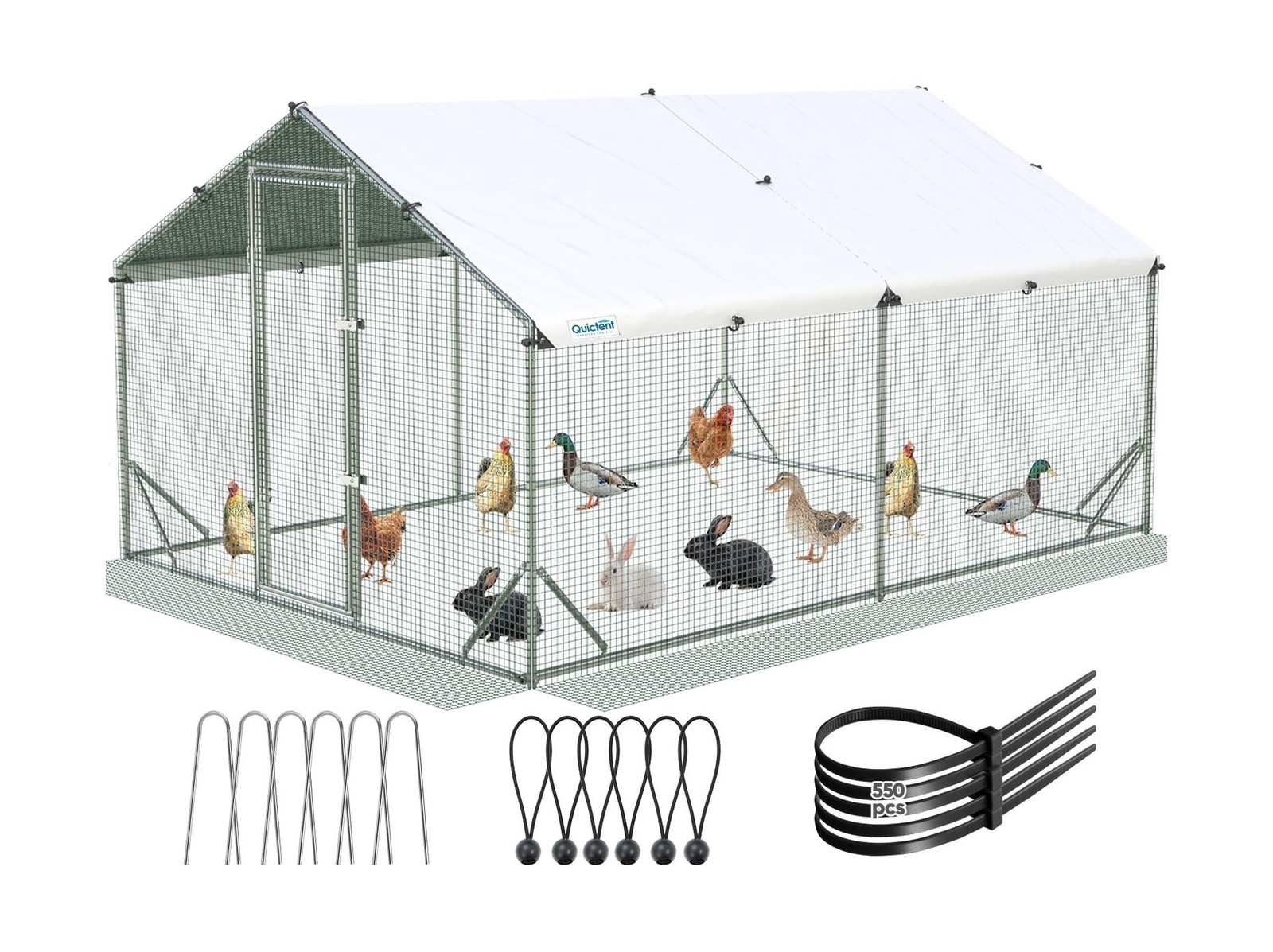 Quictent Large Metal Chicken Coop Run for 20+ Poultry w/Side Hardware Cloth$227.61New · Last checked Nov 18, 2026View on eBay
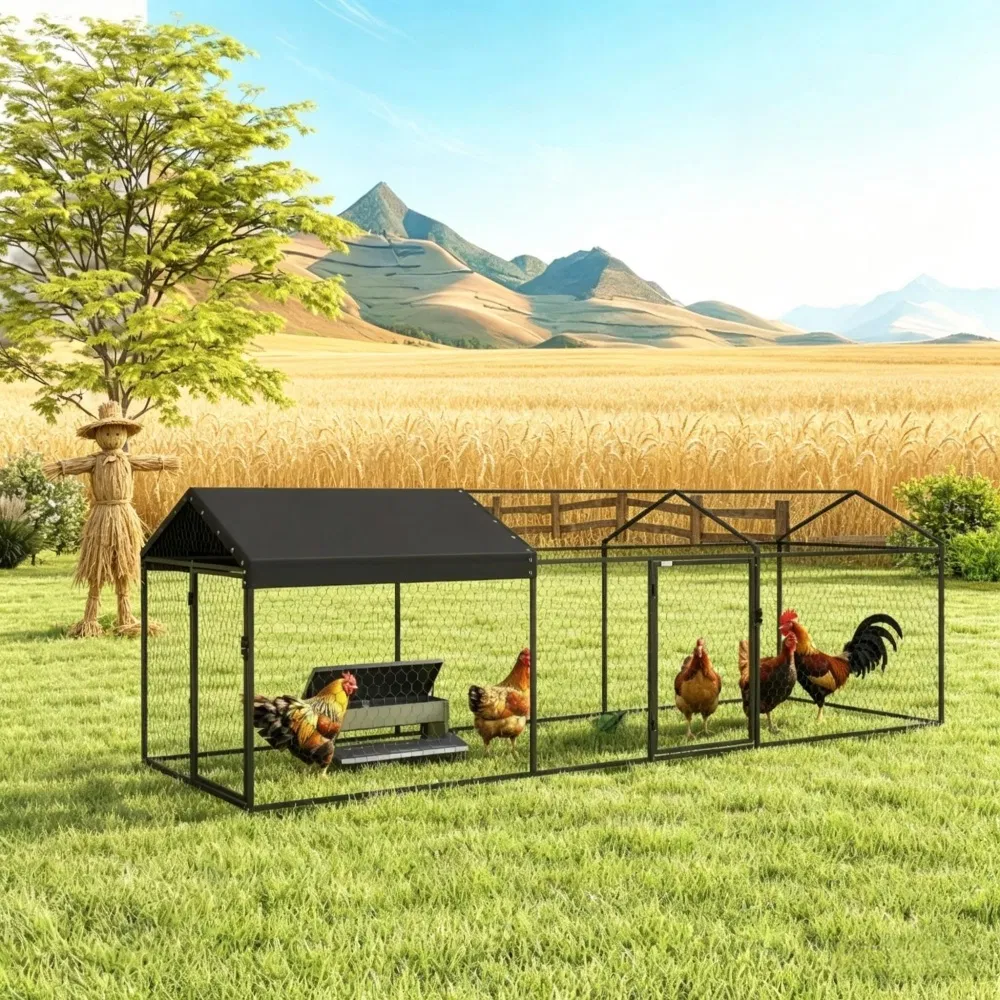 Chicken Coop, Steel Frame Run with Waterproof UV-Resistant Cover and Lockable Doors, 32.3 Sq.ft, 9.8 x 3.3 x 3.3 ft$192.99View on Mallflare
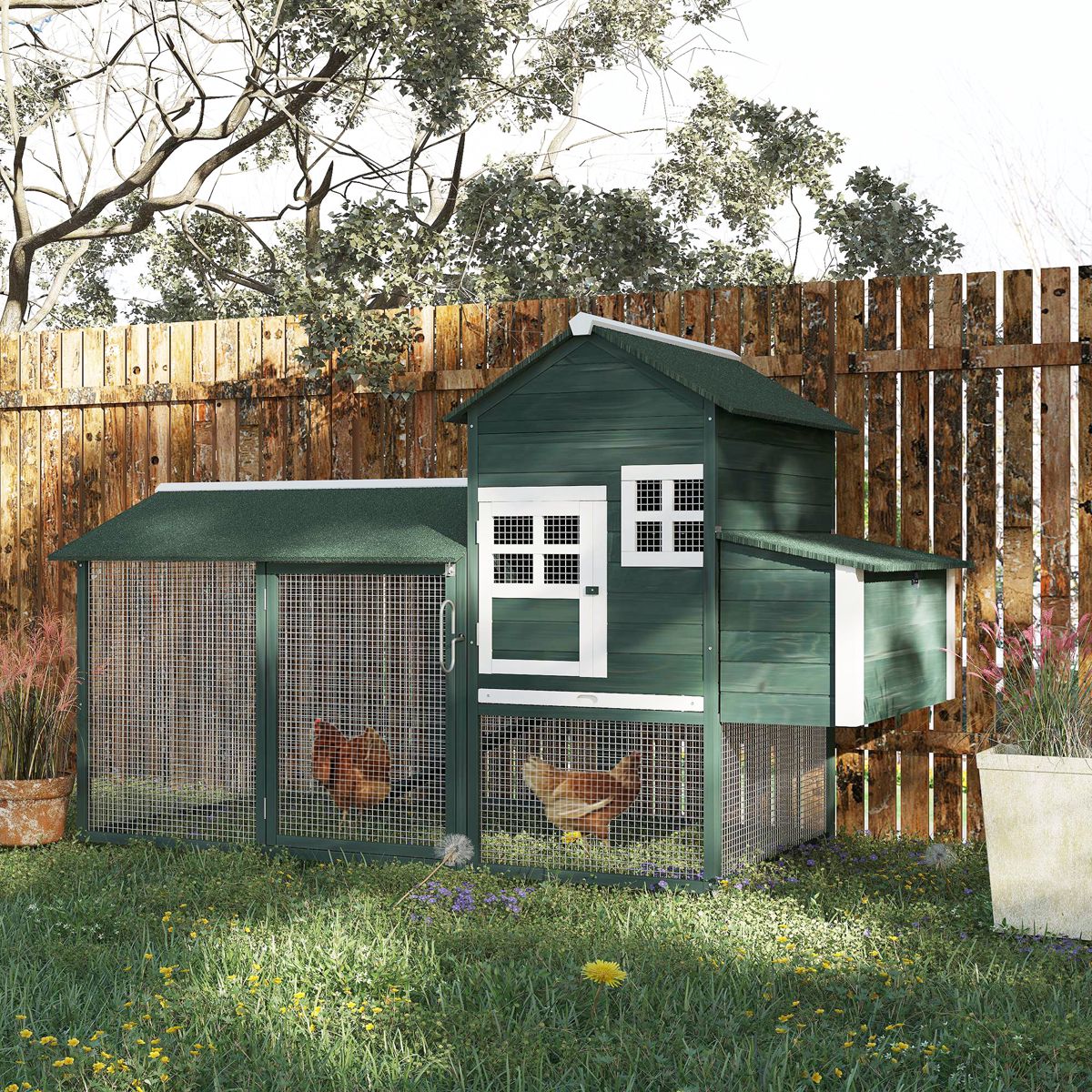 PawHut 84'' Chicken Coop Deluxe Wooden House Hen Backyard Poultry Hutch Run Box$229.99New · Last checked Nov 22, 2026View on eBay
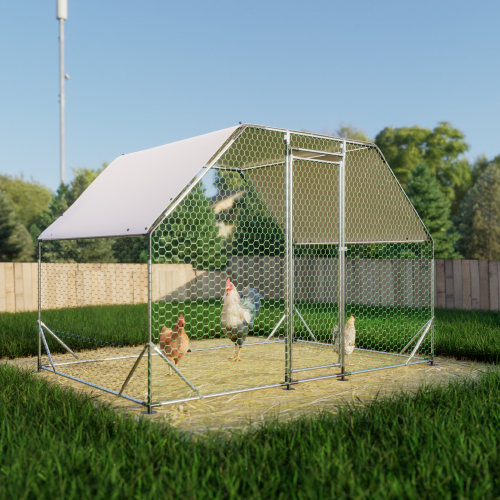 9.94 Ft. X 6.46 Ft. X 6.36 Ft. Metal Large Chicken Coop Walk-in Poultry Cage Run Flat Shaped With Waterproof Cover$194.99View on Mallflare
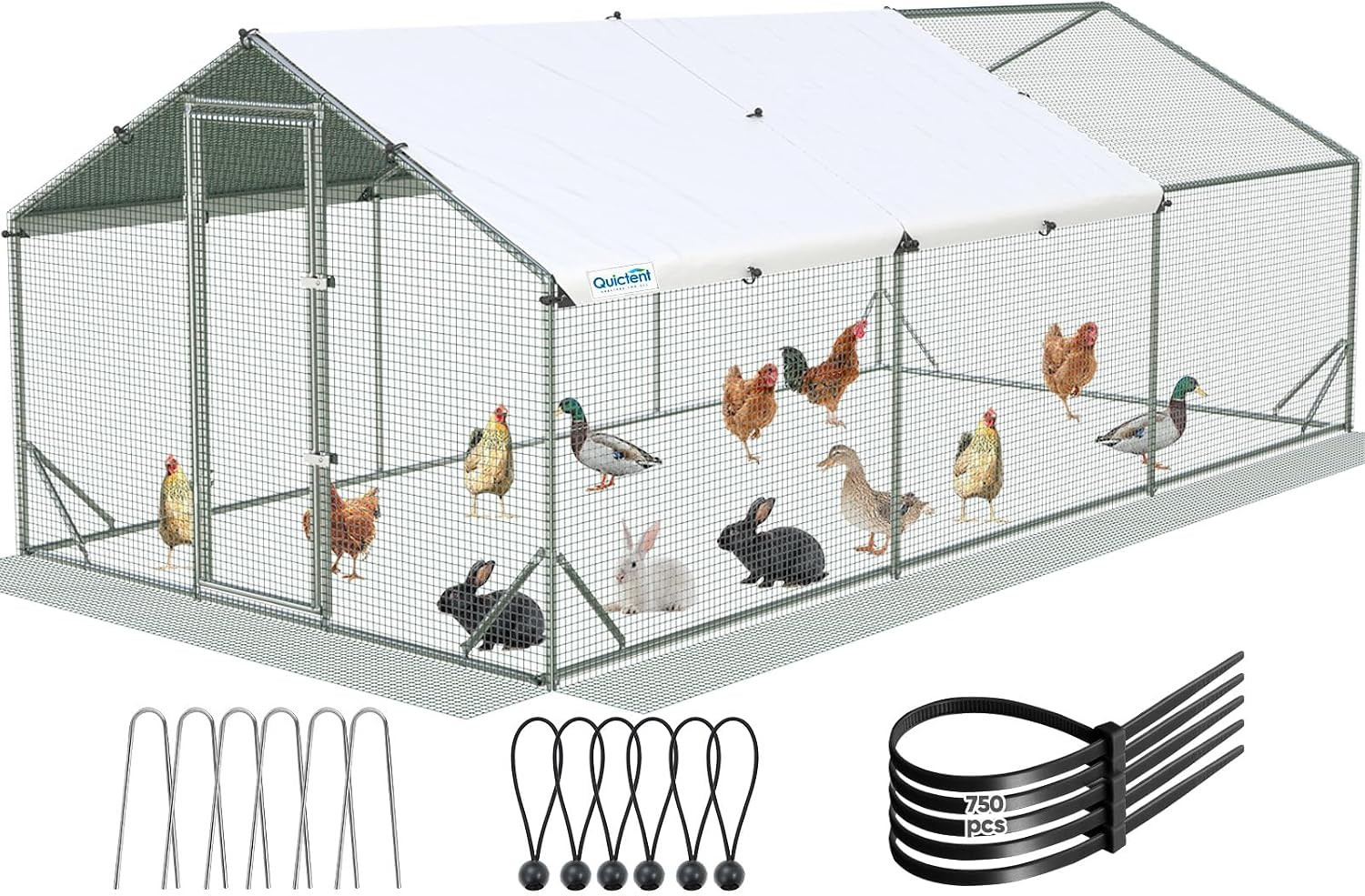 Large Metal Chicken Coop Run for 30+ Poultry W/Side Hardware Cloth$240.22New · Last checked Nov 18, 2026View on eBay
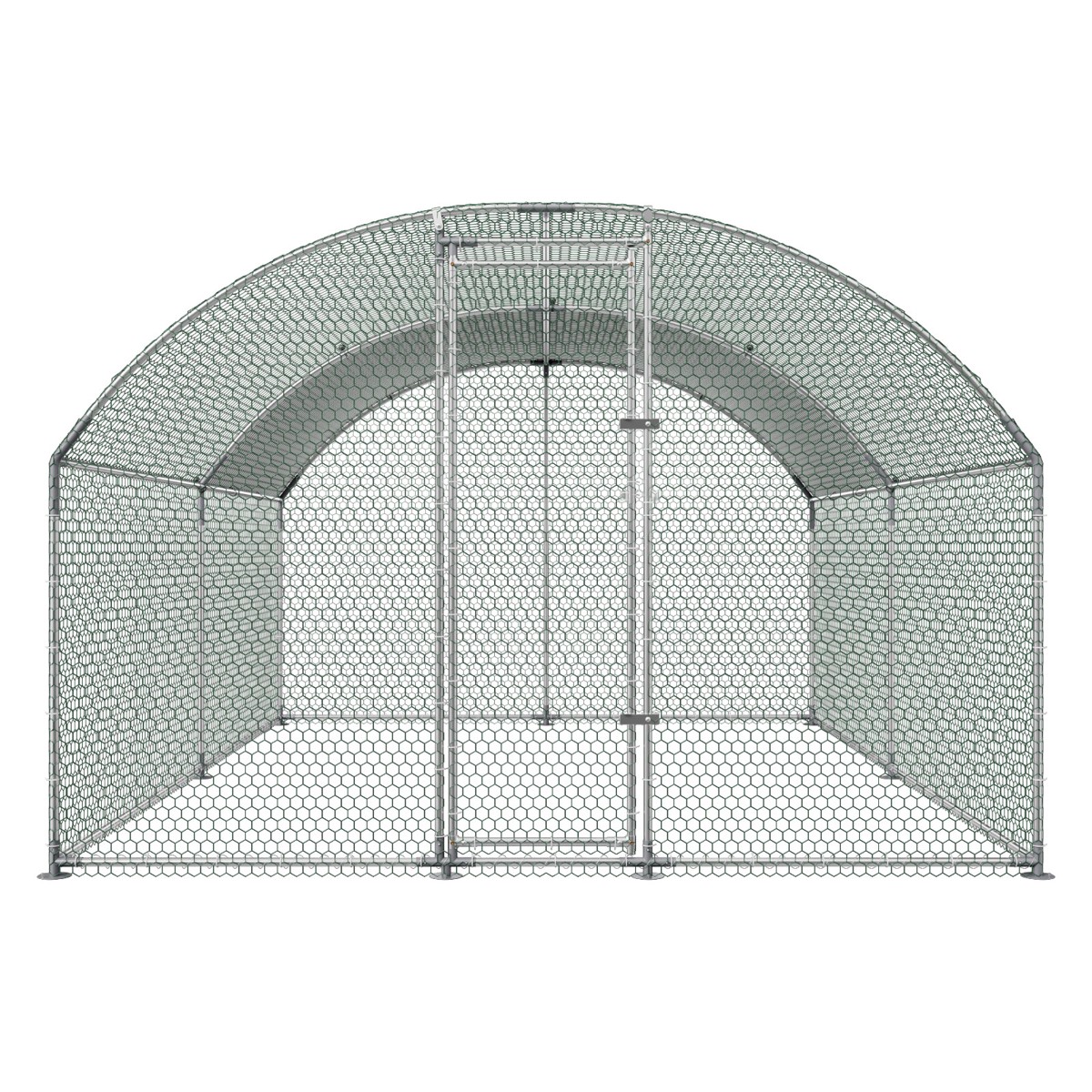 Large Metal Chicken Coop 9.8x13x6.6 Ft Walk-in Run House, Doom Roof Hen Enclosure With Cover And Security Lock, Outdoor Duck Rabbit Cage Poultry Pen For Backyard, Farm, Yard Use$207.99View on Mallflare
Highlights
- Wood coops use 0.5–0.75 inch exterior plywood or fir framing with asphalt shingle roofs; metal runs use 20–22 gauge galvanized steel tubing with 1–2 inch hexagonal or square wire mesh.
- Walk-in runs are 6.5–9 ft tall for human access, while low-profile runs are 3–4 ft tall and suited only to 4–6 birds; run footprint from 16 to 200 sq ft determines flock size.
- Predator-proofing requires 0.5-inch hardware cloth on the lower 18 inches and an apron or buried wire skirt extending 12–18 inches outward to stop digging.
- Cover systems range from waterproof/anti-UV polyethylene tarps to corrugated polycarbonate roofs; tarp covers need reinforced grommets and UV-stabilized fabric to last multiple seasons.
Best use cases
- Best fit: a 10x10 ft walk-in metal run with waterproof cover for 8–12 hens in a mild climate with a separate wooden hutch for nesting—skip low 3-ft runs that force you to crawl for cleaning.
- Best fit: a raised wooden coop with 4 nesting boxes, dropping tray, and attached run for 4–6 hens in a wet or cold region—skip untreated pine coops that warp and rot within two seasons.
- Best fit: a large 17x15 ft metal pen with spire roof for ducks, rabbits, or mixed poultry in open yards—skip fabric or plastic coops if raccoons, foxes, or hawks are present.
- Wrong fit: a small 130x40 inch hutch-and-run combo for more than 3–4 hens; it lacks vertical space and the run is too short for natural foraging behavior.
Buying tips
- Match run square footage to flock: allow 8–10 sq ft per hen in the run and 3–4 sq ft inside the coop, so a 6-hen flock needs at least 48–60 sq ft of run space.
- Choose 0.5-inch hardware cloth over chicken wire for the lower 2 ft of any run; chicken wire stops chickens but not raccoons or weasels.
- For wooden coops, specify pressure-treated or cedar framing and a sloped roof with at least 6-inch overhang; untreated pine absorbs moisture and warps.
- Confirm the coop includes a dropping tray and external nesting box access—these two features cut weekly cleaning time by more than half.
Specs
| Coop Material | Wood, metal, plastic, fabric |
|---|---|
| Run Height | Walk-in 6.5–9 ft vs low 3–4 ft |
| Mesh Type | 0.5 in hardware cloth vs 1 in chicken wire |
| Flock Capacity | 8–10 sq ft run / 3–4 sq ft coop per hen |
Related searches
What to check before buying
- Measure your yard pad: a 10x10 ft run needs a level 10.5x10.5 ft footprint; a 17x15 ft pen needs over 250 sq ft of cleared, level ground.
- Verify your predator pressure and soil: sandy or loose soil requires a buried 12–18 inch wire apron; hard clay can use surface-mounted ground stakes.
- Check climate exposure: in rainy or snowy regions pick a solid polycarbonate or shingle roof over a tarp cover, and in hot climates ensure at least 30% open-mesh wall area for airflow.
- Confirm anchor hardware and assembly: metal runs ship as bolt-together tube frames needing a cordless drill and two adults; wooden coops arrive flat-packed with labeled panels and require 2–4 hours.
FAQ
Data sources: eBay / Amazon listings and product attribute feeds. Updated Nov 28, 2026.
Some links on this page are affiliate links. If you buy after clicking one, we may earn a commission at no extra cost to you. This does not change which products appear here or their order. Affiliate disclosure.