
Photos from current listings. Actual item, color, and included accessories may vary.
Box Chicken Coop Buying Guide
A box chicken coop is a compact, enclosed housing unit (often wood, metal, or plastic) with an attached or integrated run, designed for a small flock. The core trade-off is predator resistance versus ventilation and ease of cleaning: thin OSB or fabric walls with staples fail against raccoons, while 18-gauge welded wire and solid wood framing with latches last. Buy a coop rated for your flock size with a raised floor and lockable nest box, and skip thin-walled hutches with wire floors.
Median $215.99 · New listings
Key takeaways
- Predator resistance hinges on 18- to 16-gauge welded wire mesh (not chicken wire) stapled over wood framing, with hasp or barrel-bolt latches on all doors.
- Ventilation must be high and protected: at least 1 sq ft of soffit or gable vent per bird, covered with 1/2-inch hardware cloth to stop drafts while exhausting ammonia.
- Nesting boxes come in 12x12-inch single or 3/6-compartment roll-out metal or wood units; roll-out trays keep eggs clean and reduce breakage versus open baskets.
At a glance
- Category
- Chicken Coops & Runs
- Last updated
- Nov 28, 2026
Current offers
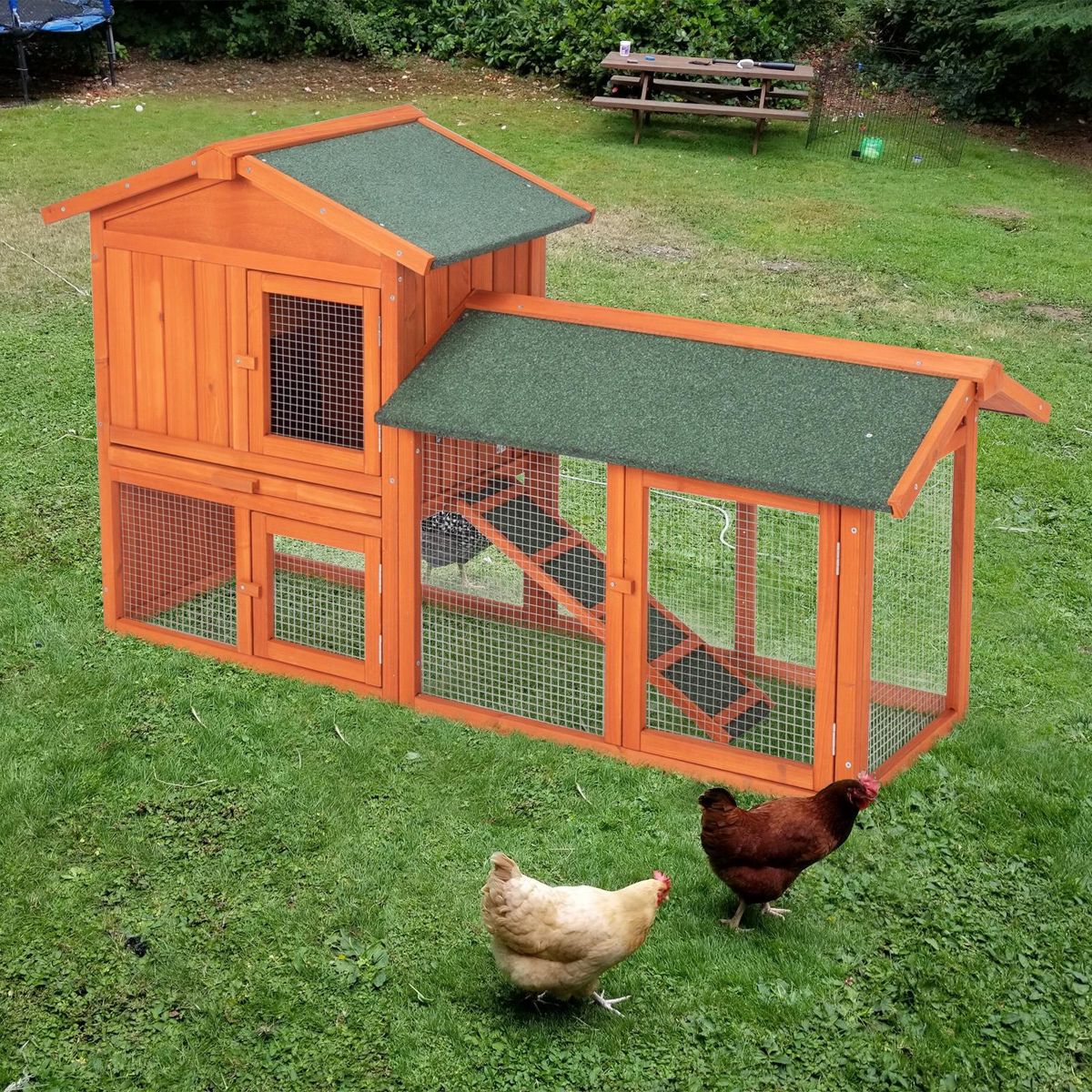 Wooden Chicken Coop Hen House Poultry Hutch Pet Cage with Nesting Box, Backyard$102.99View on eBay
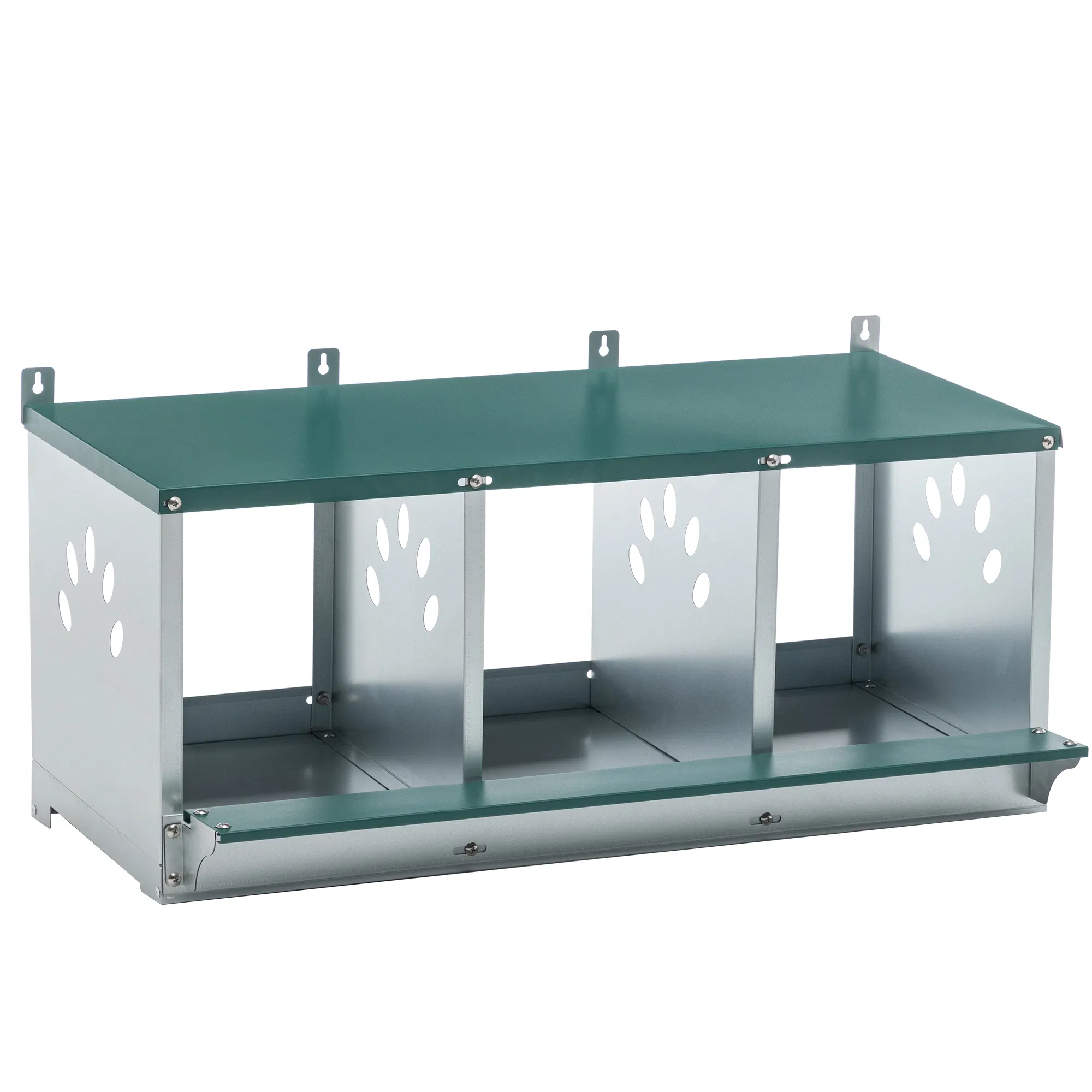 3 Room Metal Chicken Nesting Boxes 3 Compartment Egg Coop$76.99View on Mallflare
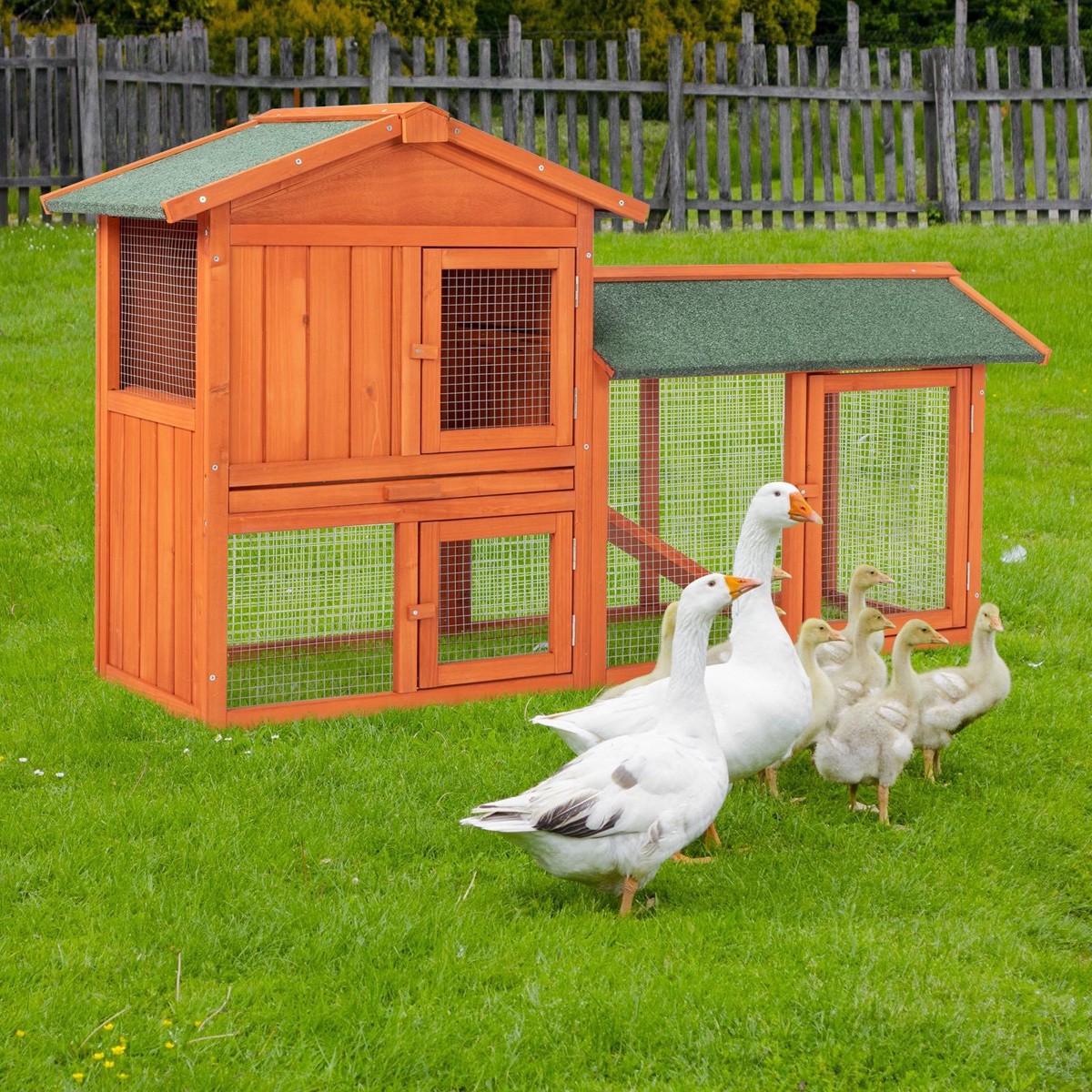 Wooden Chicken Coop Hen House Poultry Hutch Pet Cage w/ Nesting Box Backyard$106.79View on eBay
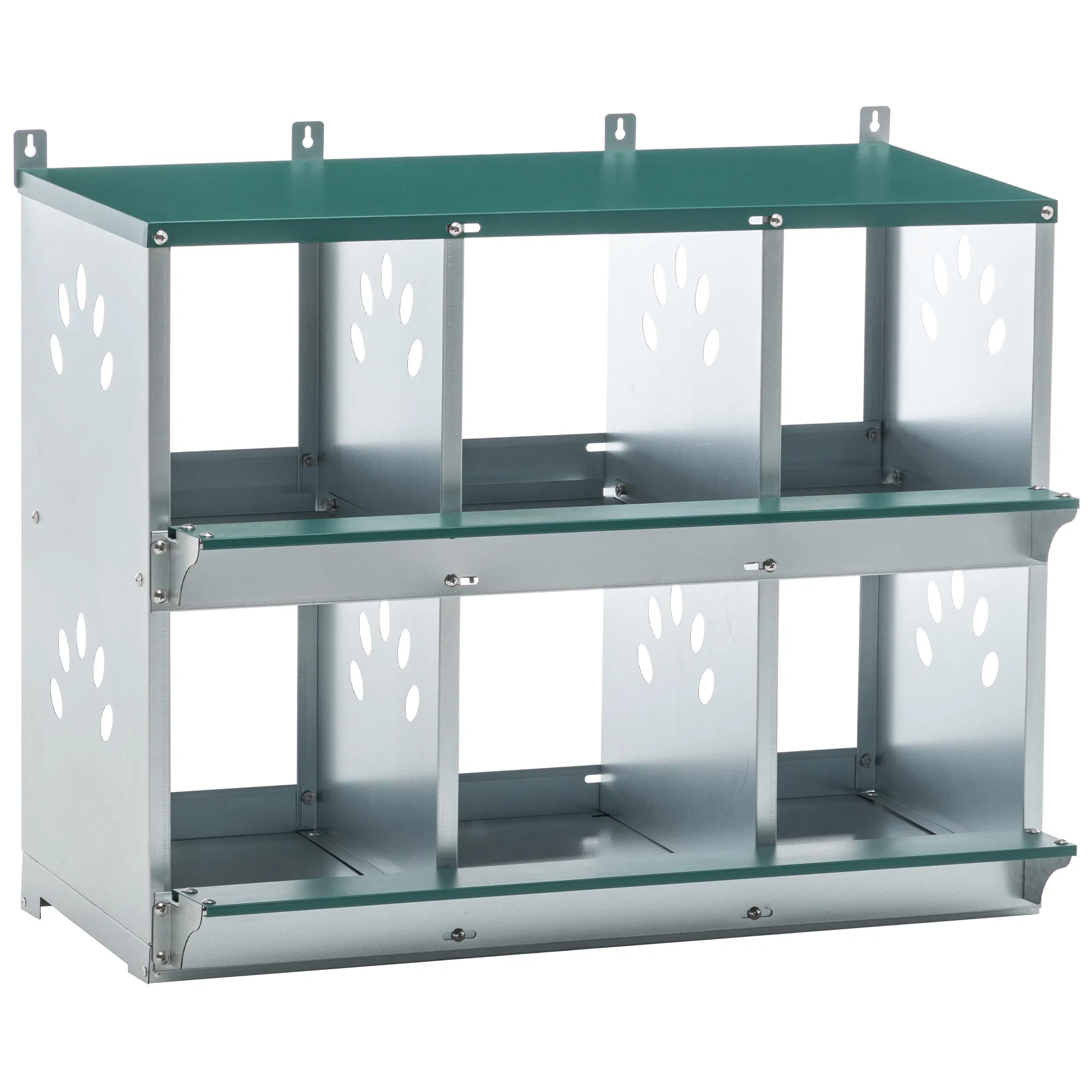 6 Room Metal Chicken Nesting Boxes 6 Compartment Egg Coop$107.99View on Mallflare
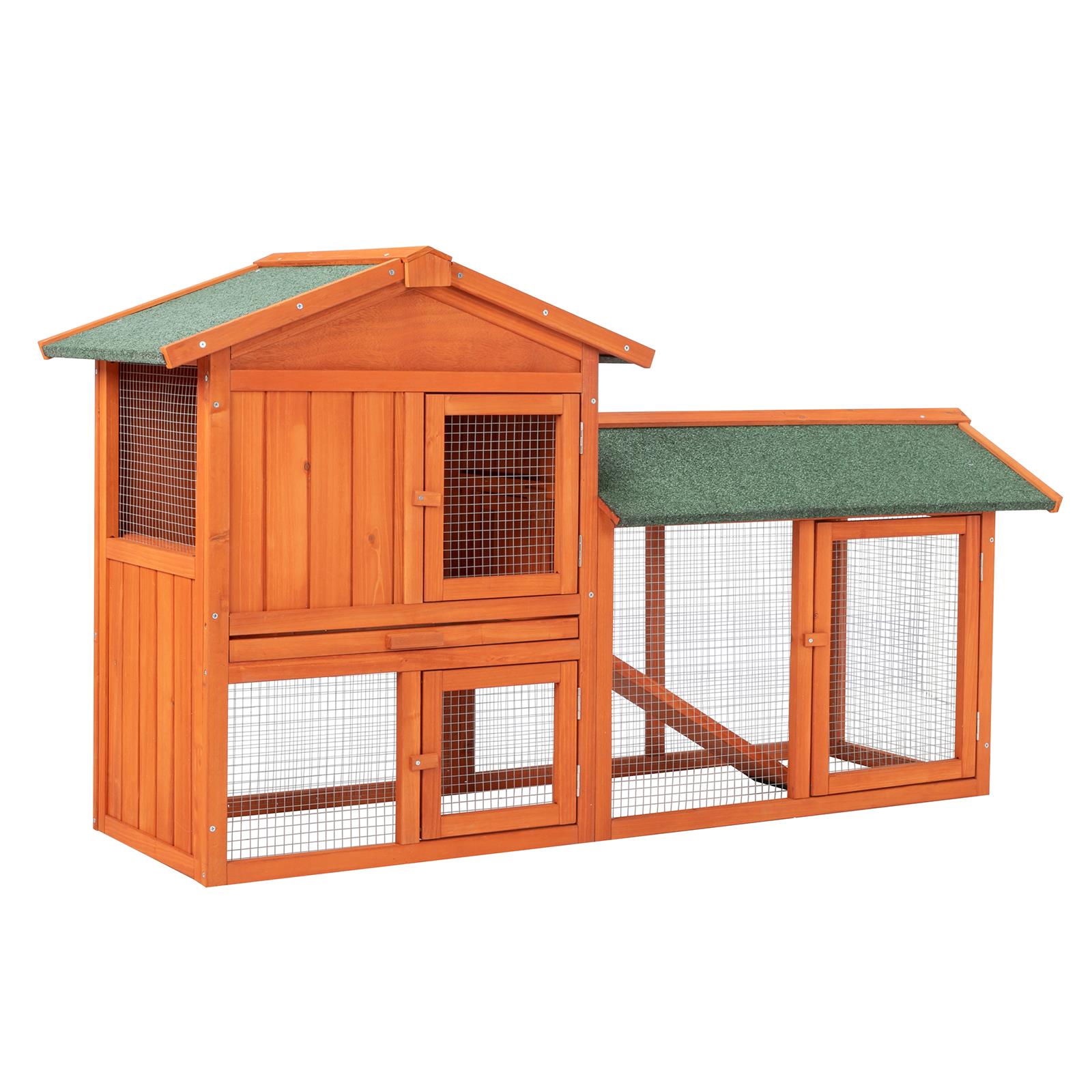 Garden Wood Chicken Coop House Poultry Hutch Pet Cage w/ Nesting Box Backyard$107.99View on eBay
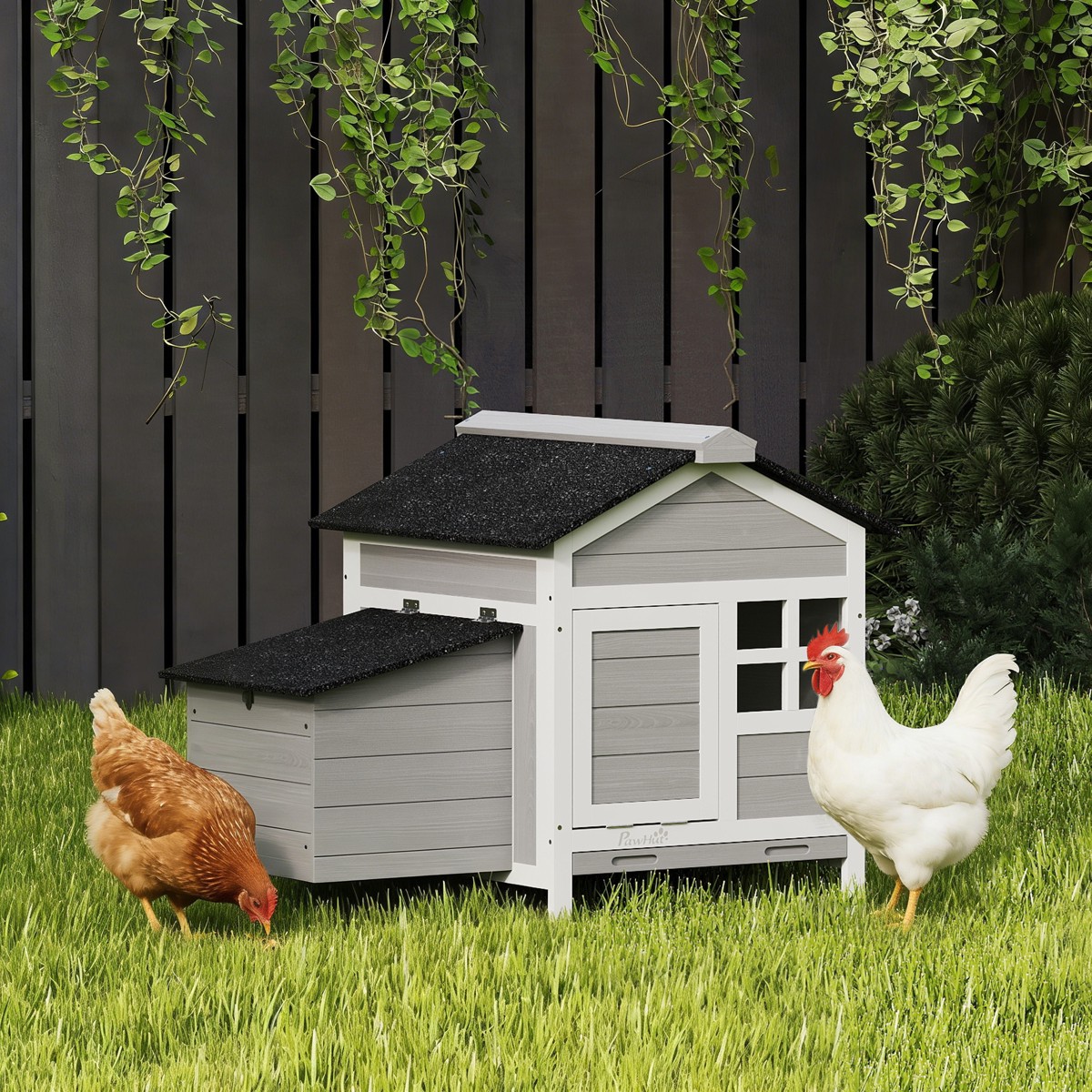 Wooden Chicken Coop Outdoor with Nesting Box, Pull-Out Metal Tray, for 1-2 Chickens, Rabbits, Ducks, 36" x 25" x 27"$115.99View on Mallflare
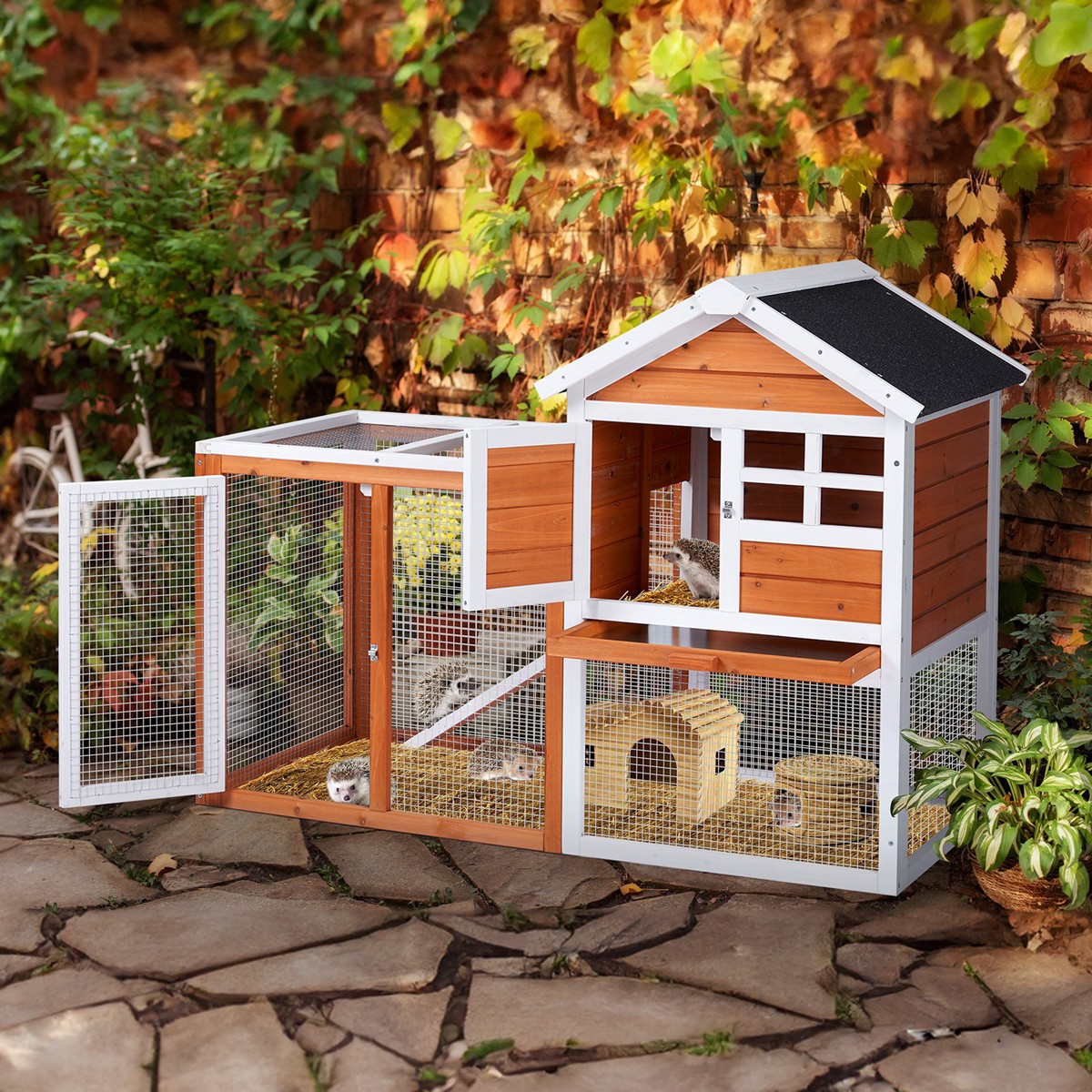 Wooden Chicken Coop Hen House Poultry Hutch Pet Cage with Nesting Box Backyard$111.99View on eBay
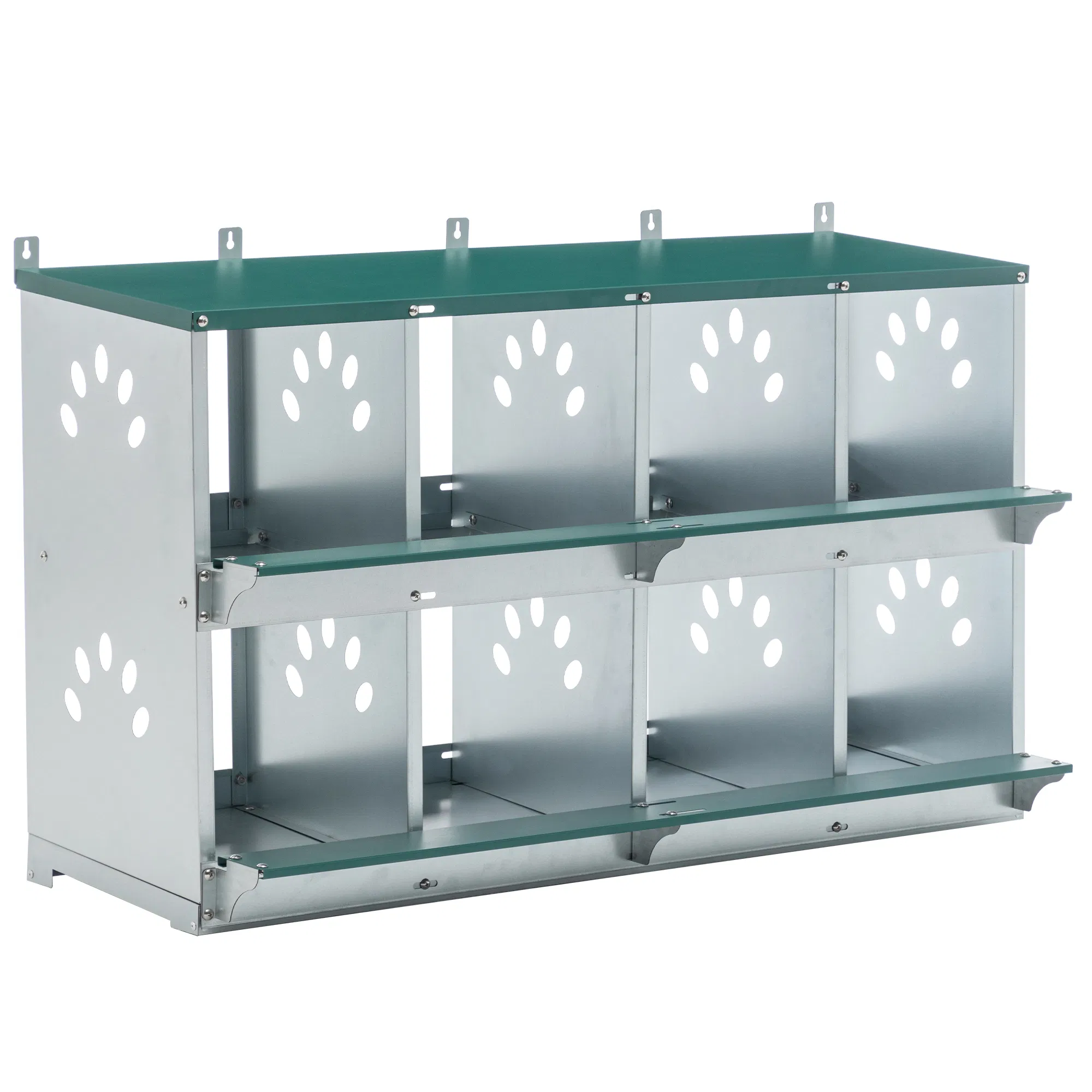 8 Room Metal Chicken Nesting Boxes 8 Compartment Egg Coop$135.99View on Mallflare
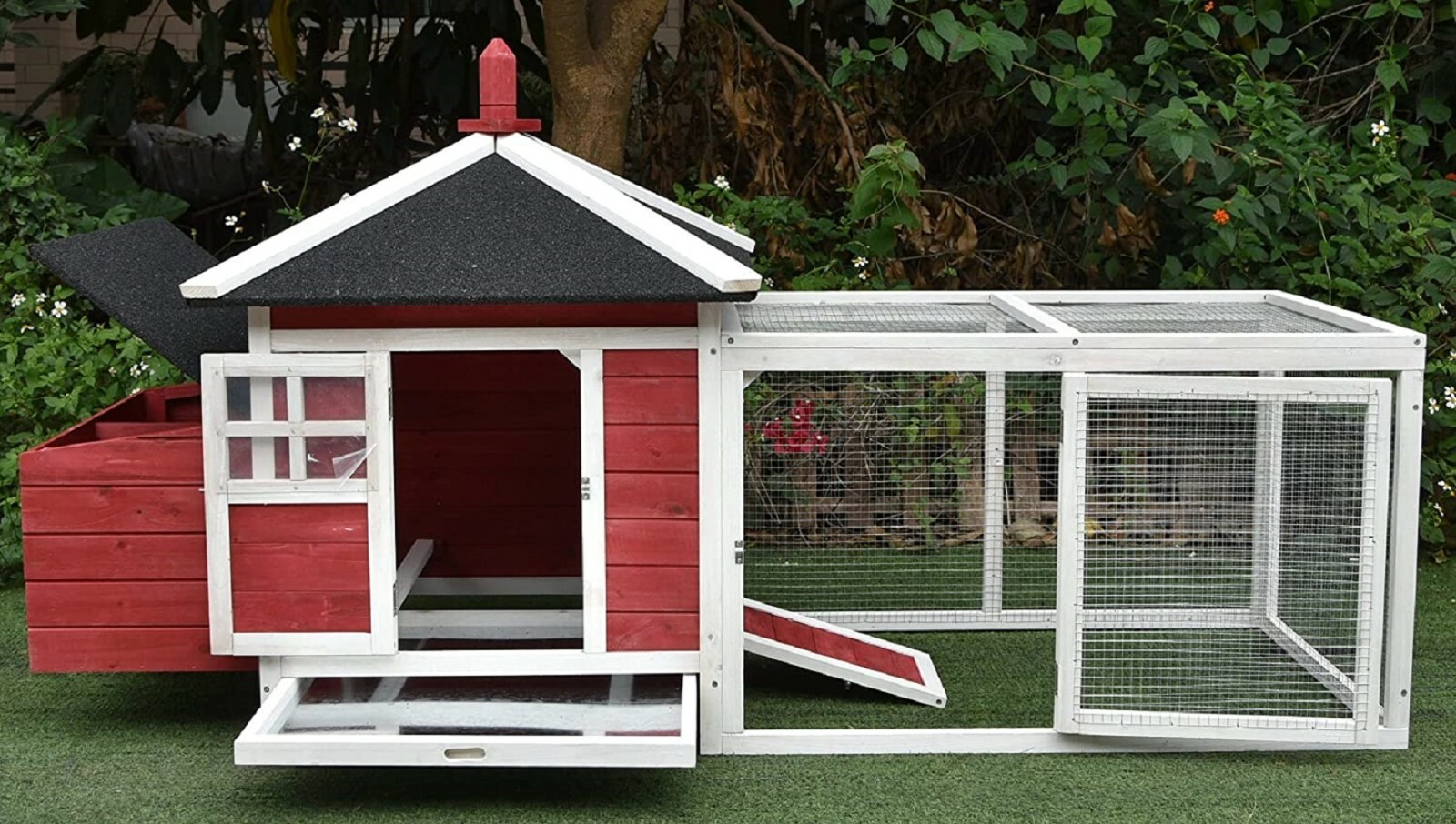 77" Wood Chicken Coop Backyard Hen House 2-4 Chickens with 2 Nesting Boxes New$137.37View on eBay
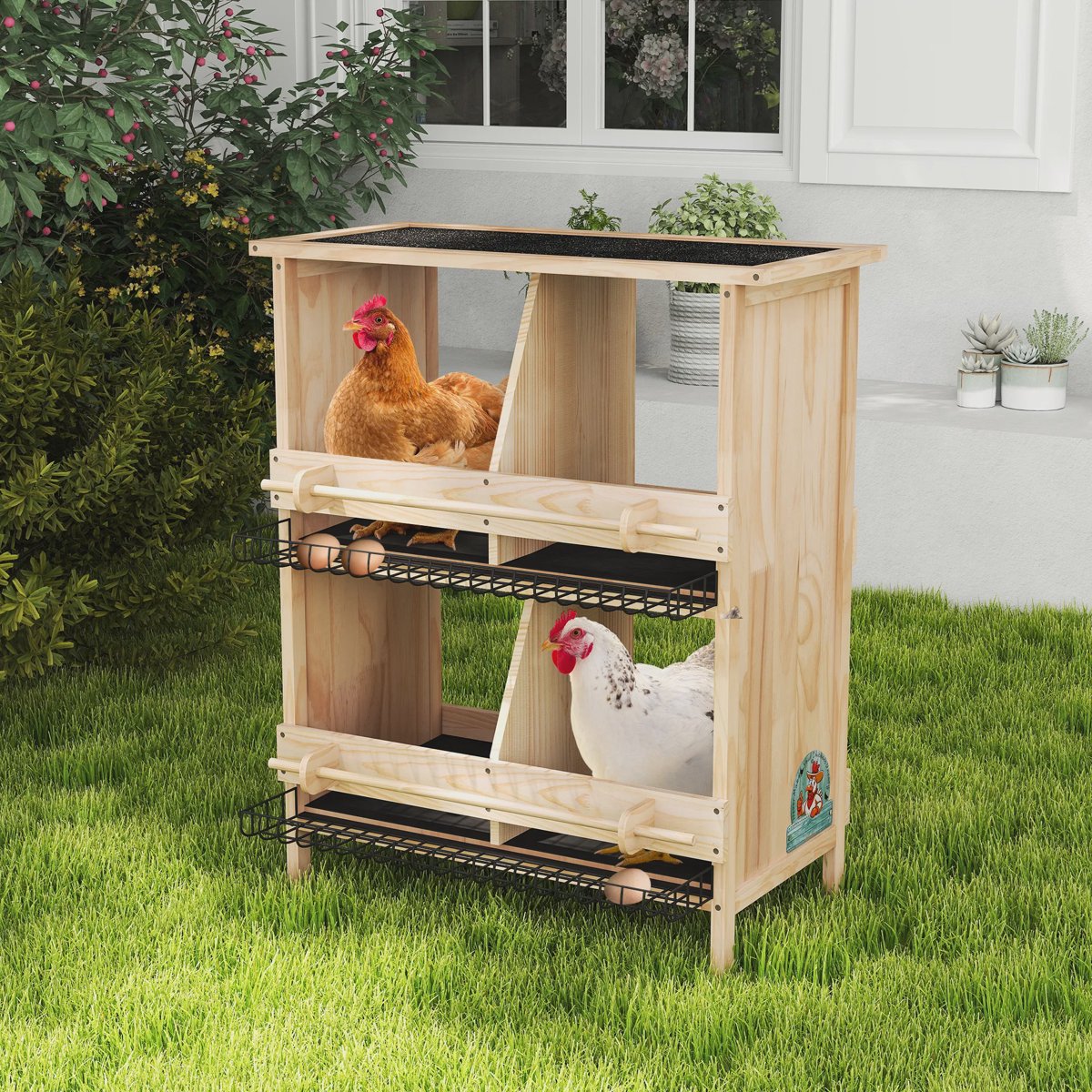 2-tier Chicken Coop with Nesting Boxes, Standing Poles, Waterproof Roof and Thermal Insulation Cotton$143.99View on Mallflare
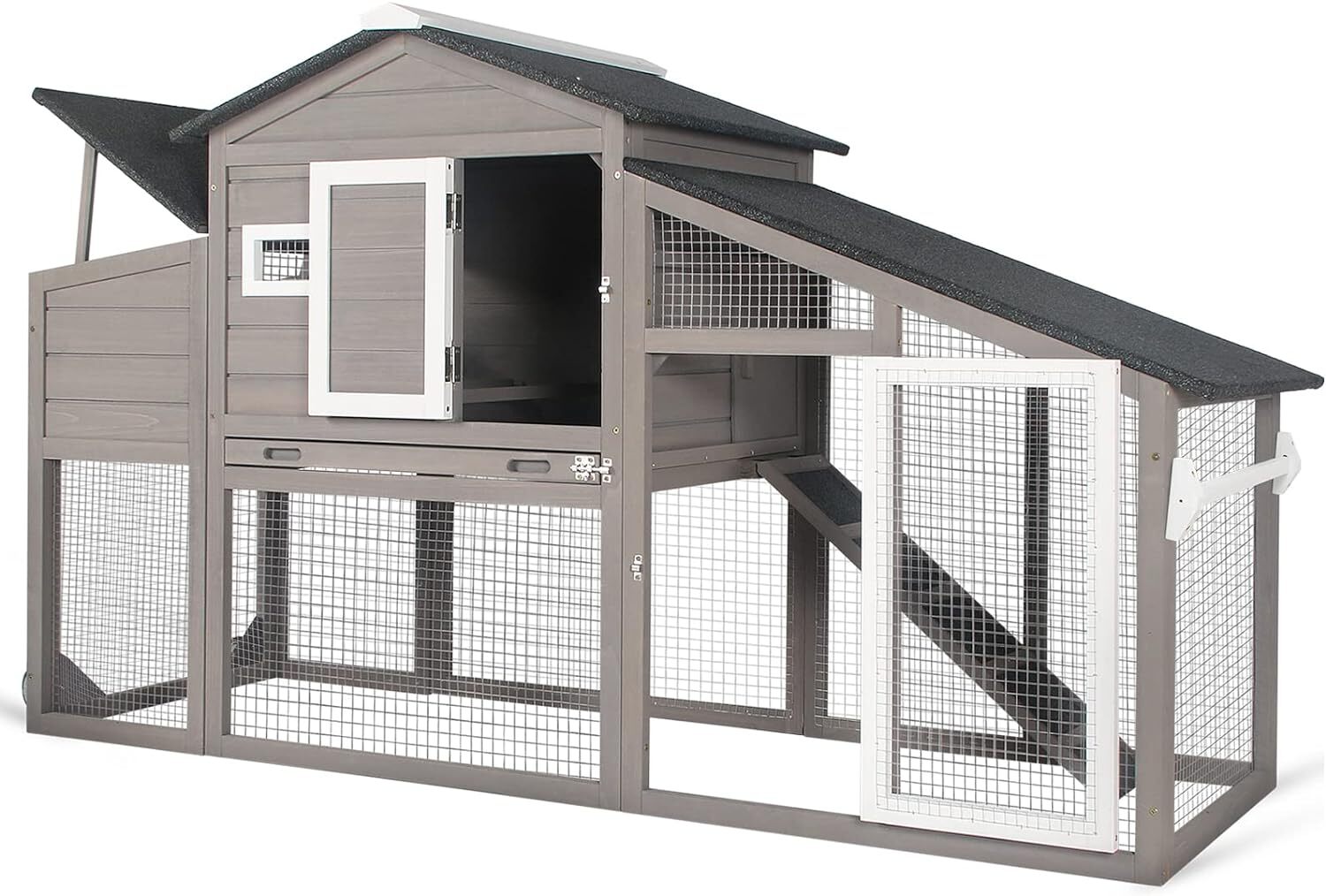 PetsCosset Chicken Coop Wooden Backyard Hen House with Run Nesting Box & Trays$169.99View on eBay
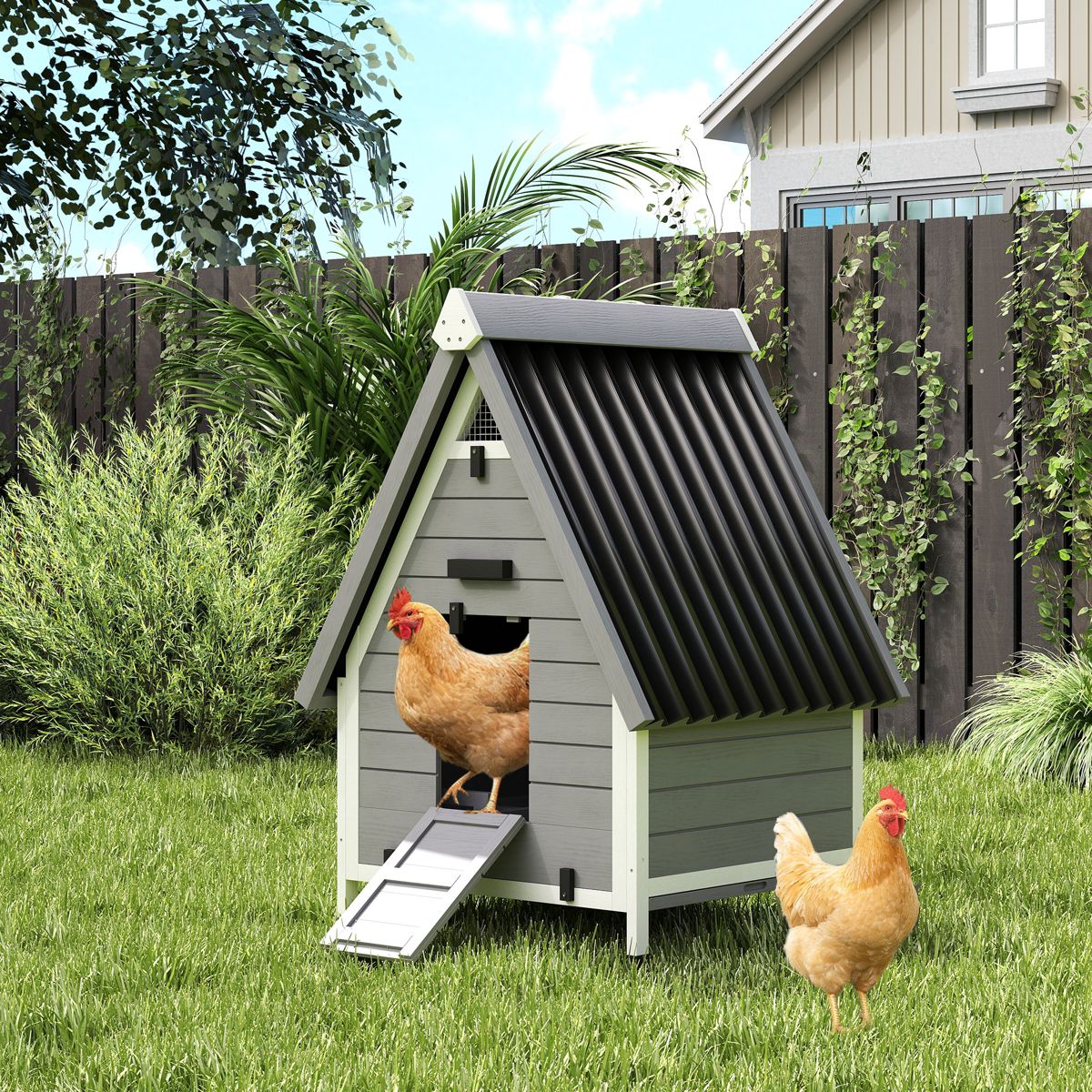 Chicken Coop for 2 Chickens, Outdoor Wooden House with Removable Nesting Box & Roosting Bar, Tray, Ramp$147.99View on Mallflare
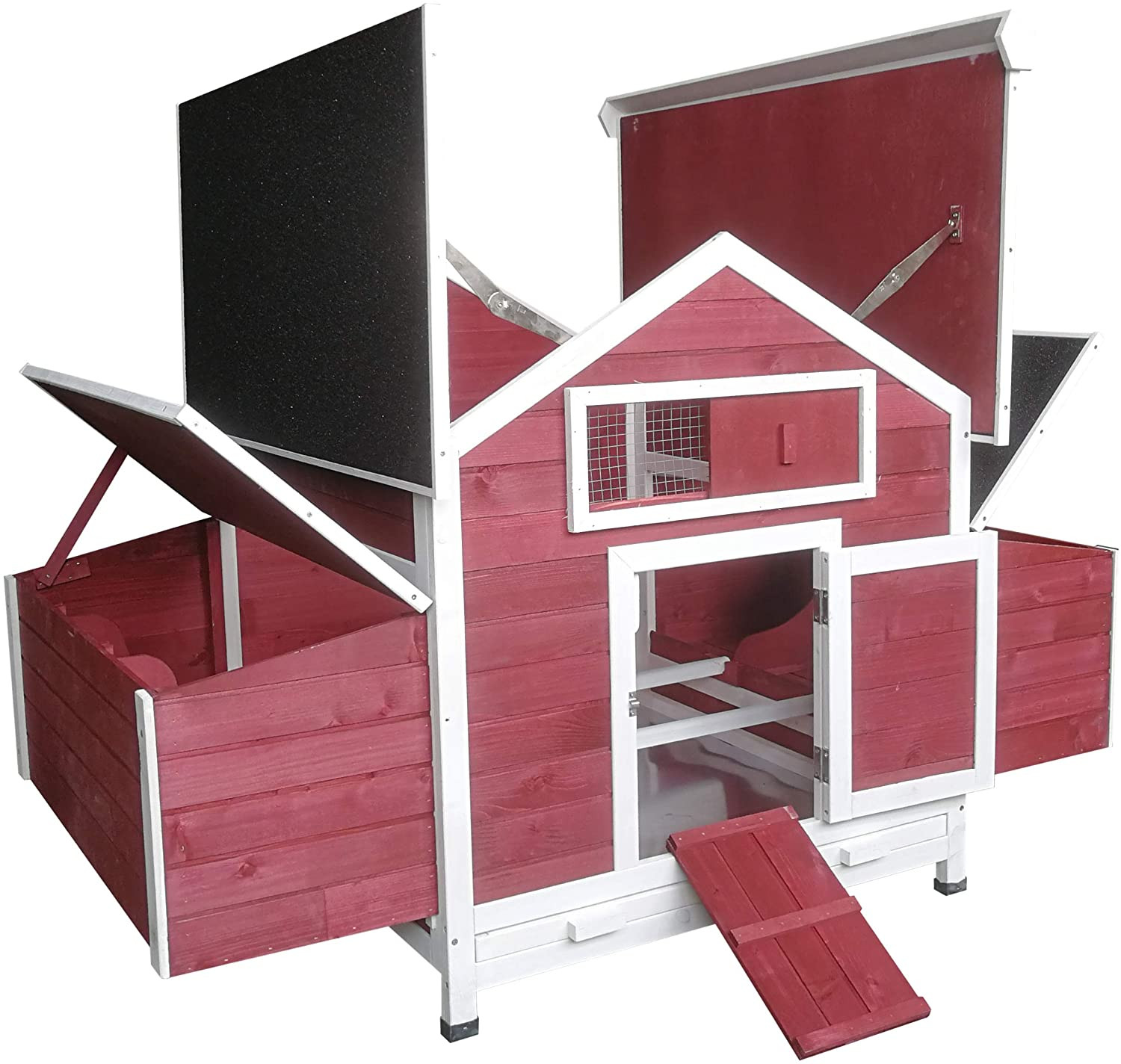 Wood Chicken Coop Backyard Hen House 4-8 Chickens with 6 Nesting Box New$188.98View on eBay
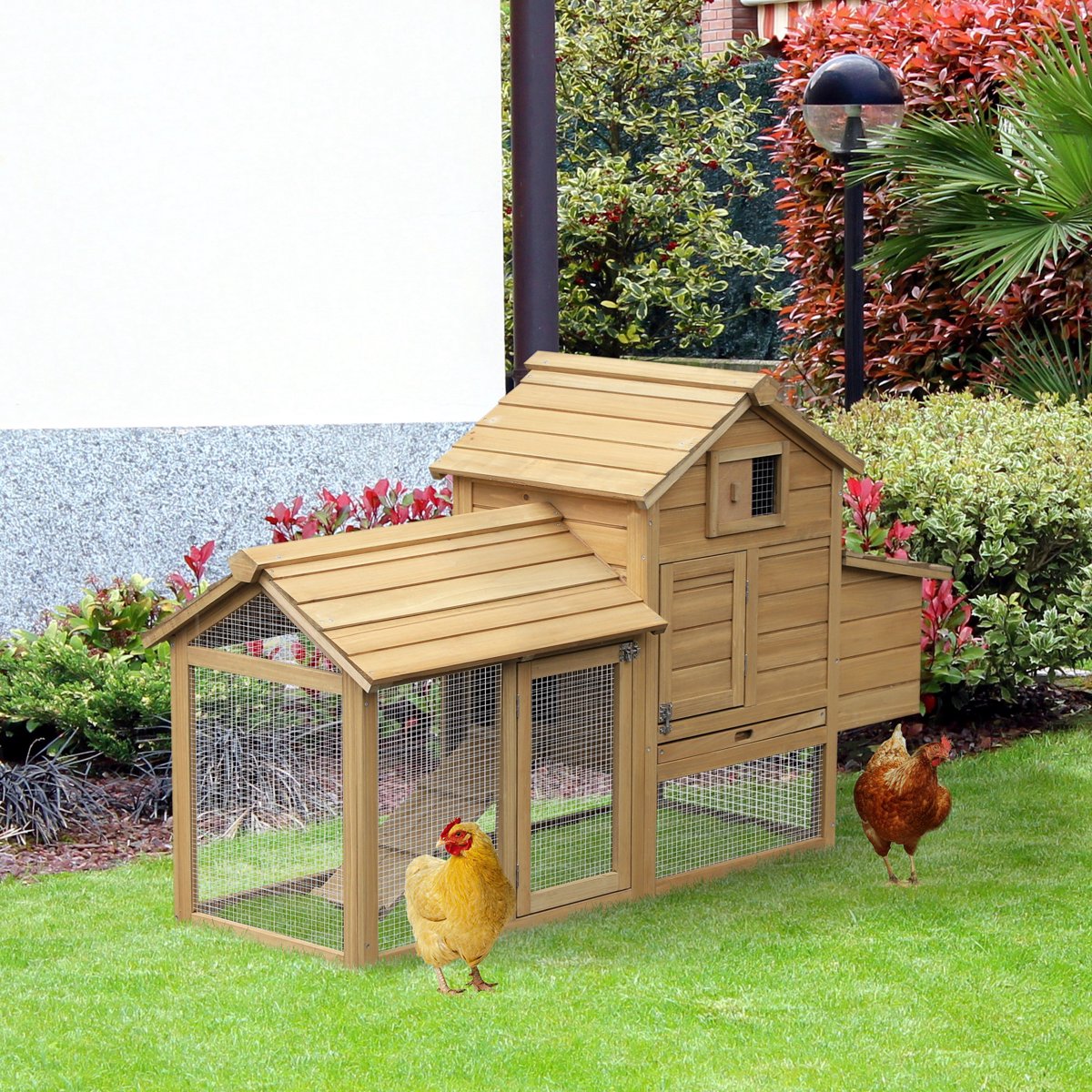 59" Small Wooden Chicken coop Hen House Poultry Cage for Outdoor Backyard with 2 Doors, Nesting Box and Removable Tray, Natural Wood$151.99View on Mallflare
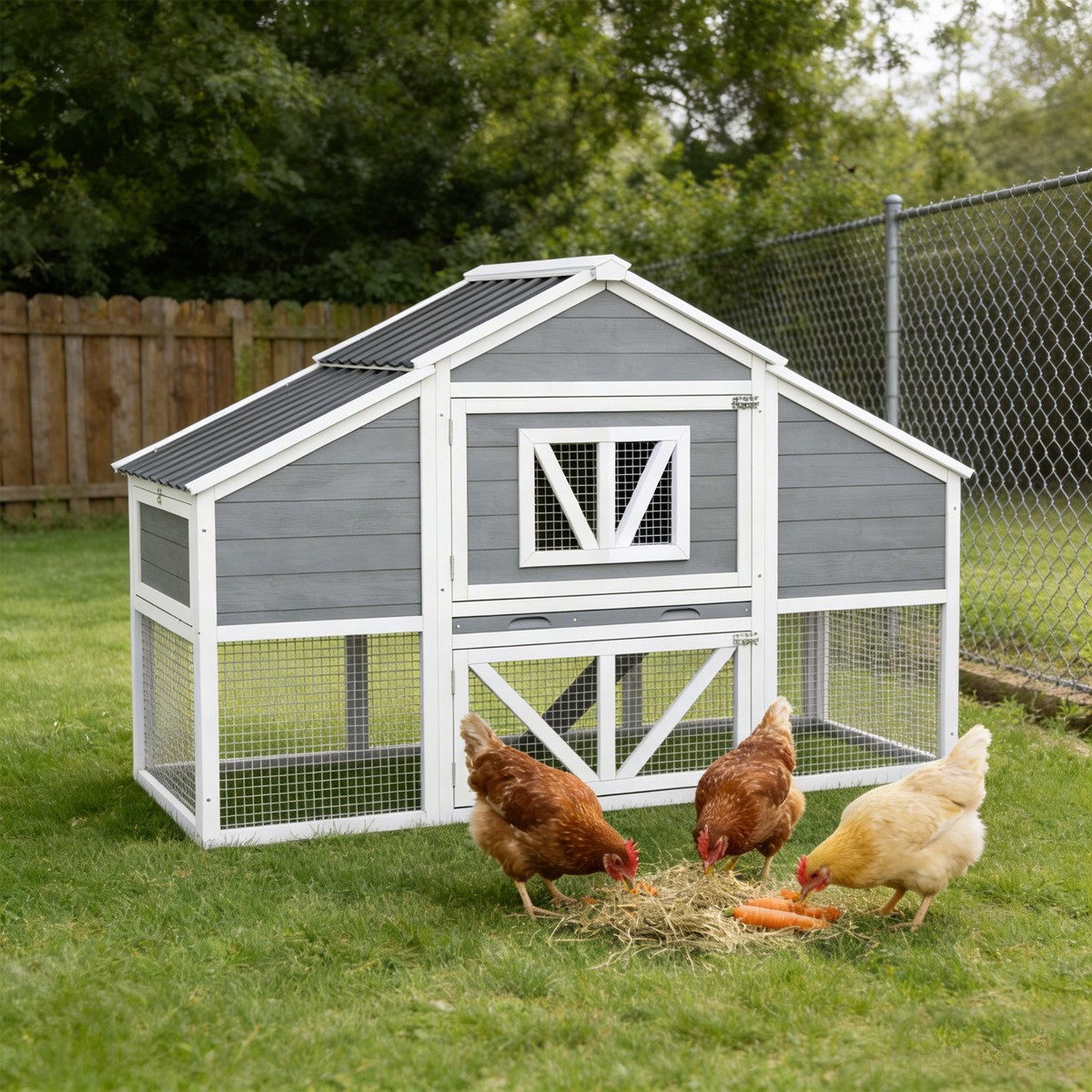 Backyard 2-Tier Wooden Chicken Coop with 4 Nesting Boxes for 6 Hens, Gray$198.00View on eBay
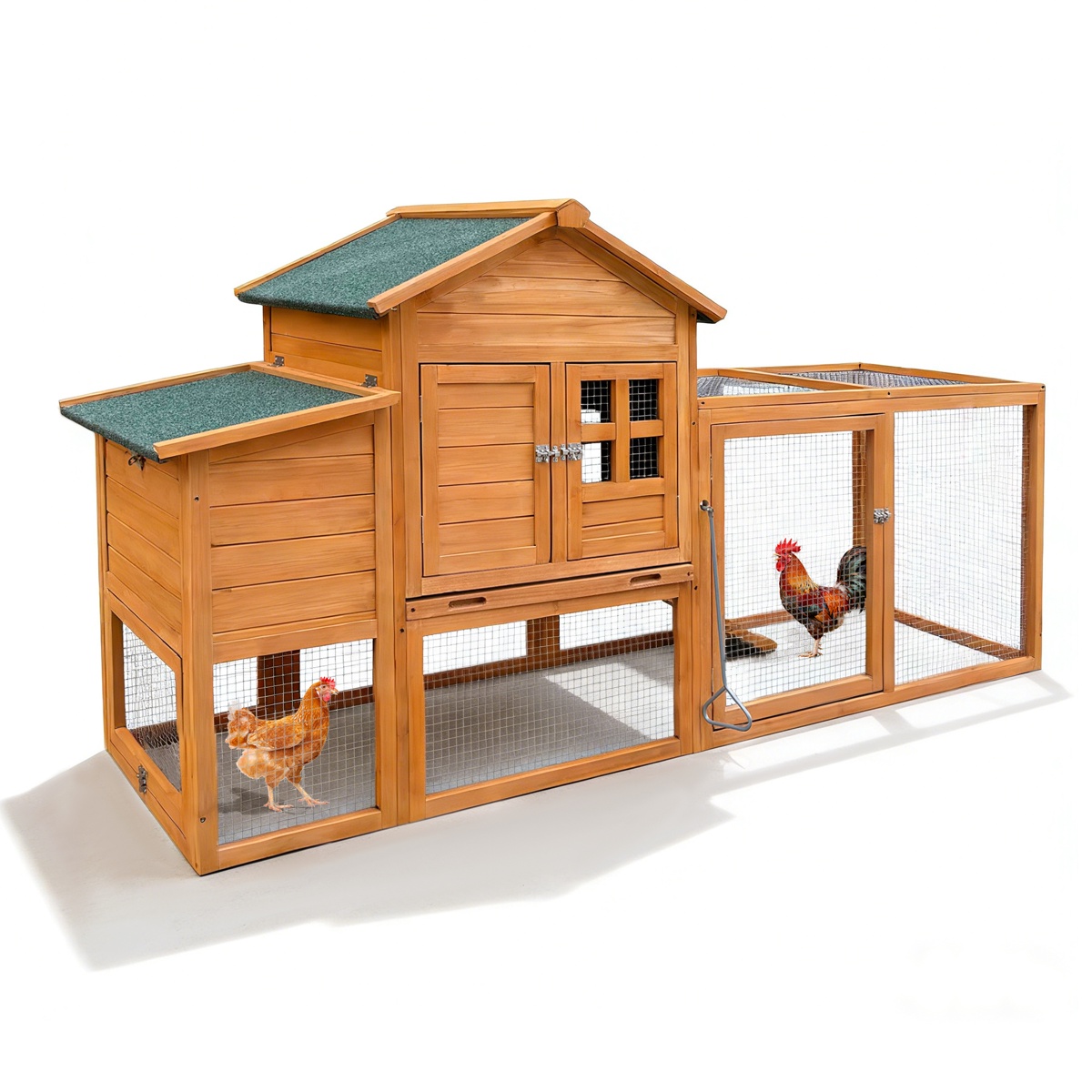 80 Chicken Coop With Nest Box And Removable Tray, Hen House For 2-6 Chickens, Outdoor Weatherproof Small Animal Cages$173.99View on Mallflare
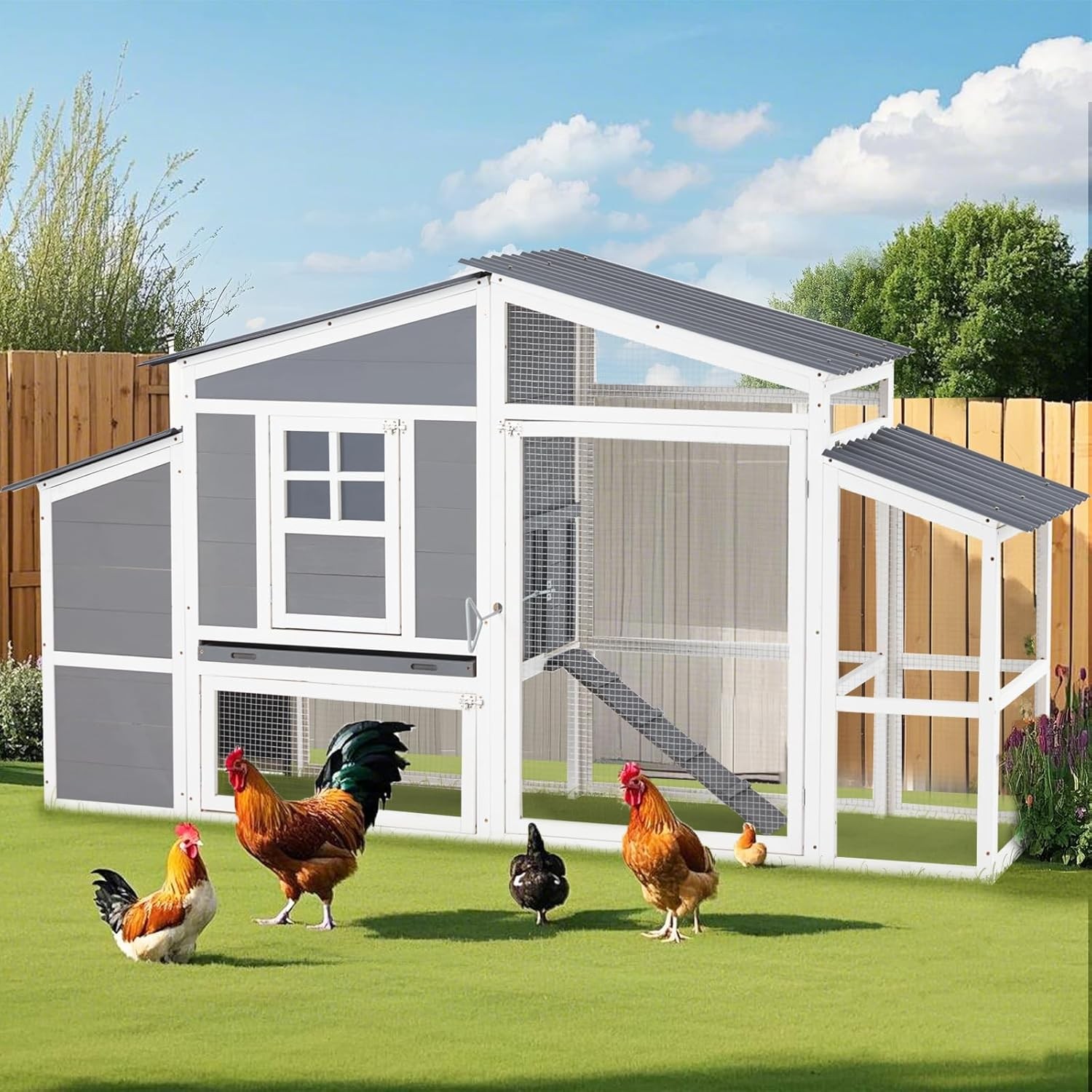 81” Large Chicken Coop Outdoor Wooden Hen House Poultry Cage w/ Nesting Boxes$209.99New · Last checked Nov 22, 2026View on eBay
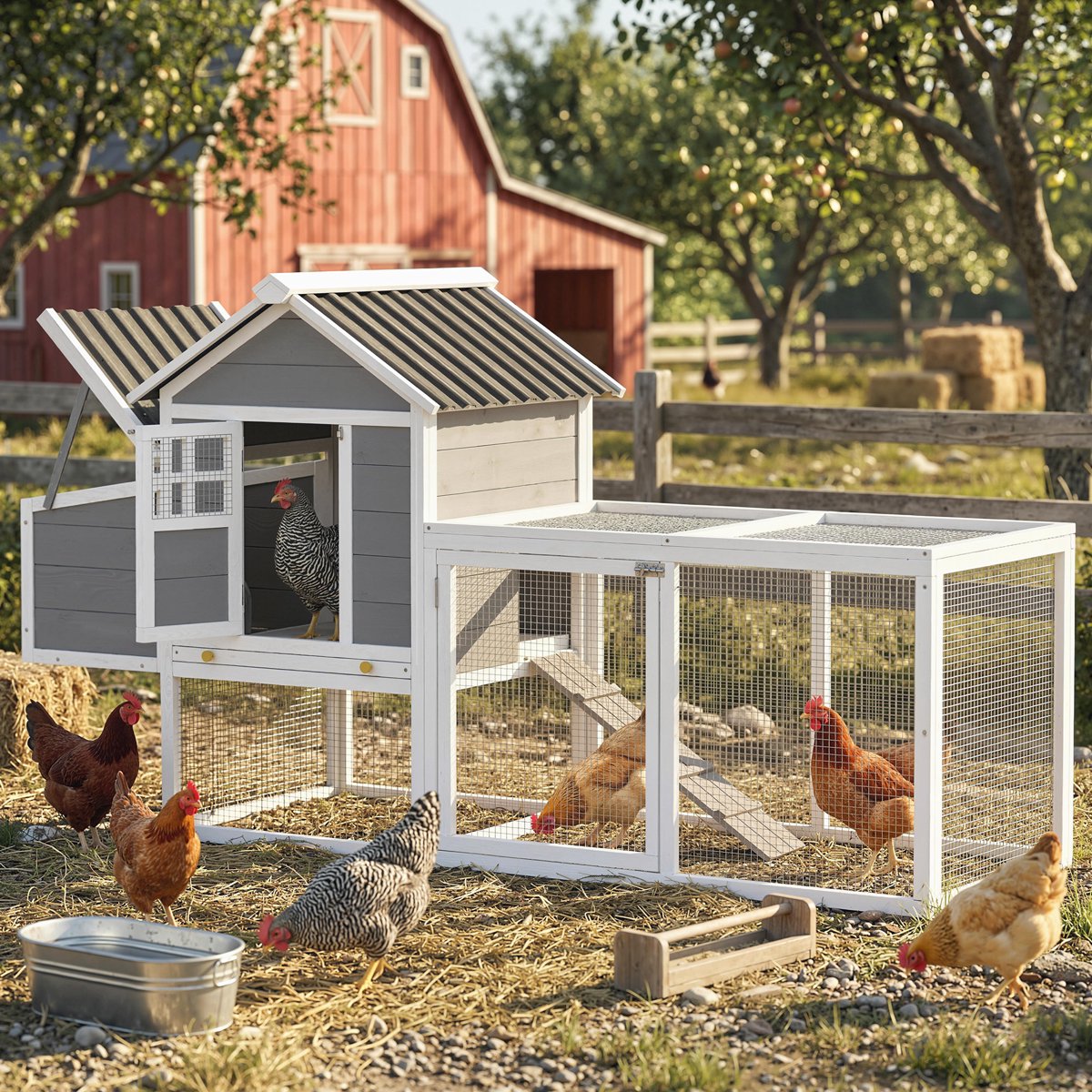 Chicken Coop, 82.3" Wooden Outdoor Hen House with Nesting Box and Pull-Out Cleaning Tray, Gray$174.99View on Mallflare
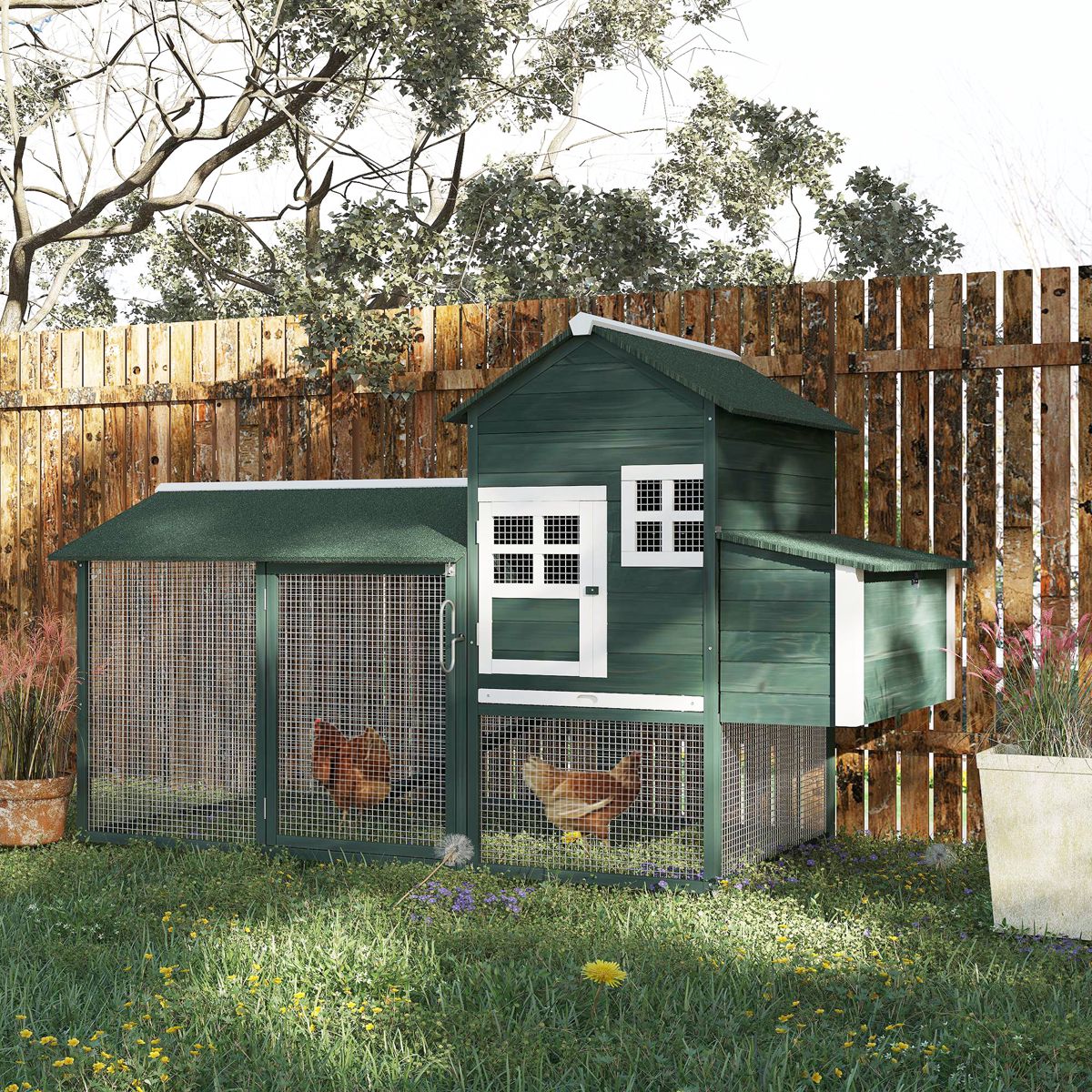 PawHut 84'' Chicken Coop Deluxe Wooden House Hen Backyard Poultry Hutch Run Box$229.99New · Last checked Nov 22, 2026View on eBay
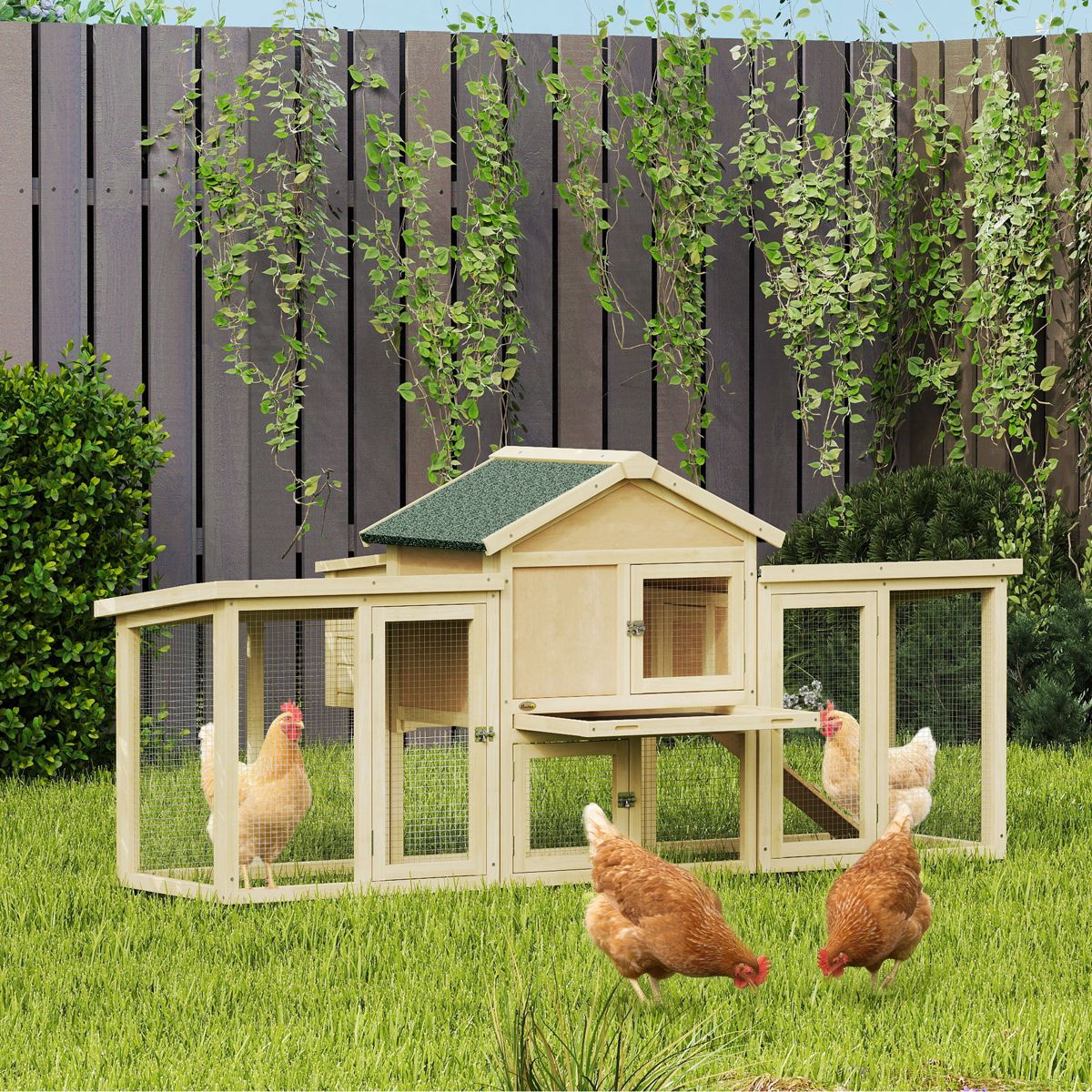 Wooden Chicken Coop ith Nesting Box, Double Runs, Removable Tray, Ramp, for Garden Backyard$178.99View on Mallflare
Highlights
- Predator resistance hinges on 18- to 16-gauge welded wire mesh (not chicken wire) stapled over wood framing, with hasp or barrel-bolt latches on all doors.
- Ventilation must be high and protected: at least 1 sq ft of soffit or gable vent per bird, covered with 1/2-inch hardware cloth to stop drafts while exhausting ammonia.
- Nesting boxes come in 12x12-inch single or 3/6-compartment roll-out metal or wood units; roll-out trays keep eggs clean and reduce breakage versus open baskets.
- Floor construction separates durable from disposable: raised plywood or plastic floors with a pull-out dropping tray beat wire floors, which cause foot sores and are hard to sanitize.
Best use cases
- Best fit for 2–4 hens in a backyard: a wooden hutch with an integrated run, raised floor, and one nesting box; skip large aviary-style coops that need more space than a suburban yard allows.
- Best fit for egg collection in a larger flock: a 3- or 6-compartment roll-out metal nesting box mounted inside an existing coop or run; skip decorative single nest boxes if you have more than 6 hens.
- Wrong fit for open pasture or heavy snow: lightweight fabric or plastic pop-up coops without a solid roof and anchored frame; choose a wood-and-metal hutch with a pitched roof instead.
- Wrong fit for very hot climates: dark-colored metal coops with poor roof insulation; pick a light-colored wooden coop with ample high vents and shade.
Buying tips
- Size by floor area, not bird count claims: allow 2–3 sq ft per hen inside the coop and 8–10 sq ft in the run; a 'large' hutch often means only 6–8 sq ft total.
- Check wire gauge and mesh size: 1/2-inch hardware cloth in 18- to 16-gauge is predator-proof; 1-inch chicken wire stops chickens but not raccoons or foxes.
- Prefer wood thickness of at least 3/8 inch (plywood) or 3/4-inch framing; thin 5 mm panels warp and split at hinges within a season.
- Confirm nesting box dimensions: 12x12x12 inches per hen is the minimum; roll-out boxes need a slight 5–10 degree tilt and an external egg-collection lid.
Specs
| Frame Material | Wood, metal, plastic, fabric |
|---|---|
| Wire Gauge | 16–18 ga hardware cloth |
| Floor Area per Hen | 2–3 sq ft coop / 8–10 sq ft run |
| Nesting Box Size | 12x12x12 in per hen |
Related searches
What to check before buying
- Measure your yard pad: the coop footprint plus run length must fit with 2 ft clearance for cleaning and door swing; a typical wooden hutch with run is 80 inches long.
- Check floor and ground: place on level ground or pavers; raised floors need a solid base, and direct-soil runs need a buried apron of hardware cloth to stop digging predators.
- Verify climate fit: snow load needs a pitched, braced roof; hot sun needs insulation or shade and high vents; humid areas need treated wood or plastic, not untreated MDF.
- Confirm companion parts: latch hardware, a dropping tray, and a feeder/waterer mount; coops without these need add-on kits that often cost more than the upgrade.
FAQ
Data sources: eBay / Amazon listings and product attribute feeds. Updated Nov 28, 2026.
Some links on this page are affiliate links. If you buy after clicking one, we may earn a commission at no extra cost to you. This does not change which products appear here or their order. Affiliate disclosure.