
Photos from current listings. Actual item, color, and included accessories may vary.
Backyard Chicken Coop Buying Guide
A backyard chicken coop is a predator-resistant shelter plus a ventilated run sized to your flock, built from wood, metal, plastic, or fabric. The core trade-off is upfront cost versus predator and weather durability: thin wire, untreated pine, and zip-on fabric fail within a season, while welded galvanized steel and rot-resistant lumber last years. The decision rule: buy for a minimum 4 sq ft of indoor floor space and 8-10 sq ft of run per bird, and reject any enclosure whose wire is under 1 mm or whose door latch is a single twist hook.
Median $169.99 · New listings
Key takeaways
- Hardware cloth is the durability standard: 19-gauge 1/2-inch welded mesh stops raccoons and weasels, while 1-inch chicken wire lets predators reach through and tears under clawing.
- Wood coops need 3/4-inch exterior plywood or rot-resistant cedar/pine plus a raised floor; untreated particleboard and stapled panels swell and fail after one wet winter.
- Walk-in metal runs use 25-32 mm galvanized tube frames; powder-coated steel outlasts bare zinc, and a PE or PVC roof cover is required to keep feed and litter dry.
At a glance
- Category
- Chicken Coops & Runs
- Last updated
- Nov 28, 2026
Current offers
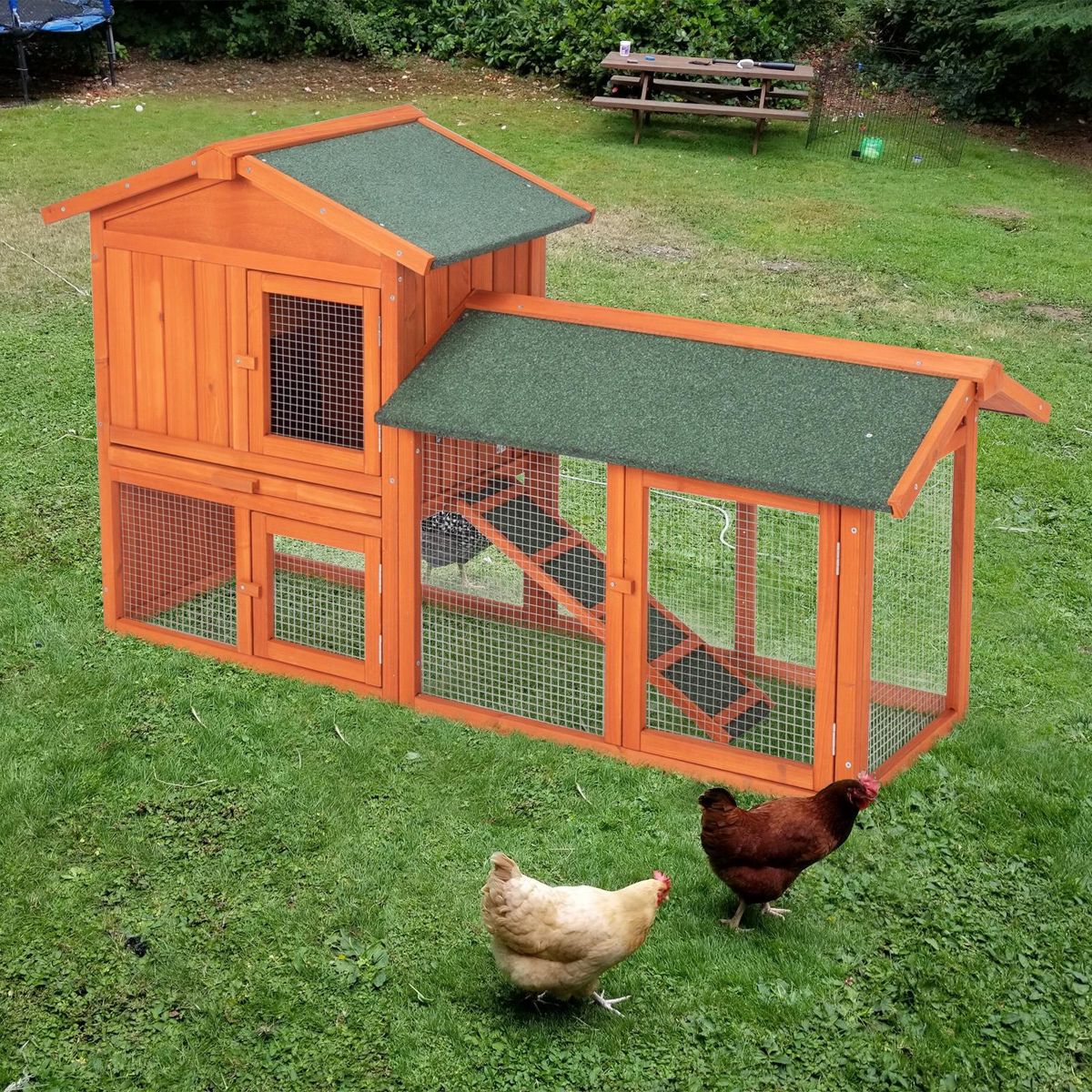 Wooden Chicken Coop Hen House Poultry Hutch Pet Cage with Nesting Box, Backyard$102.99View on eBay
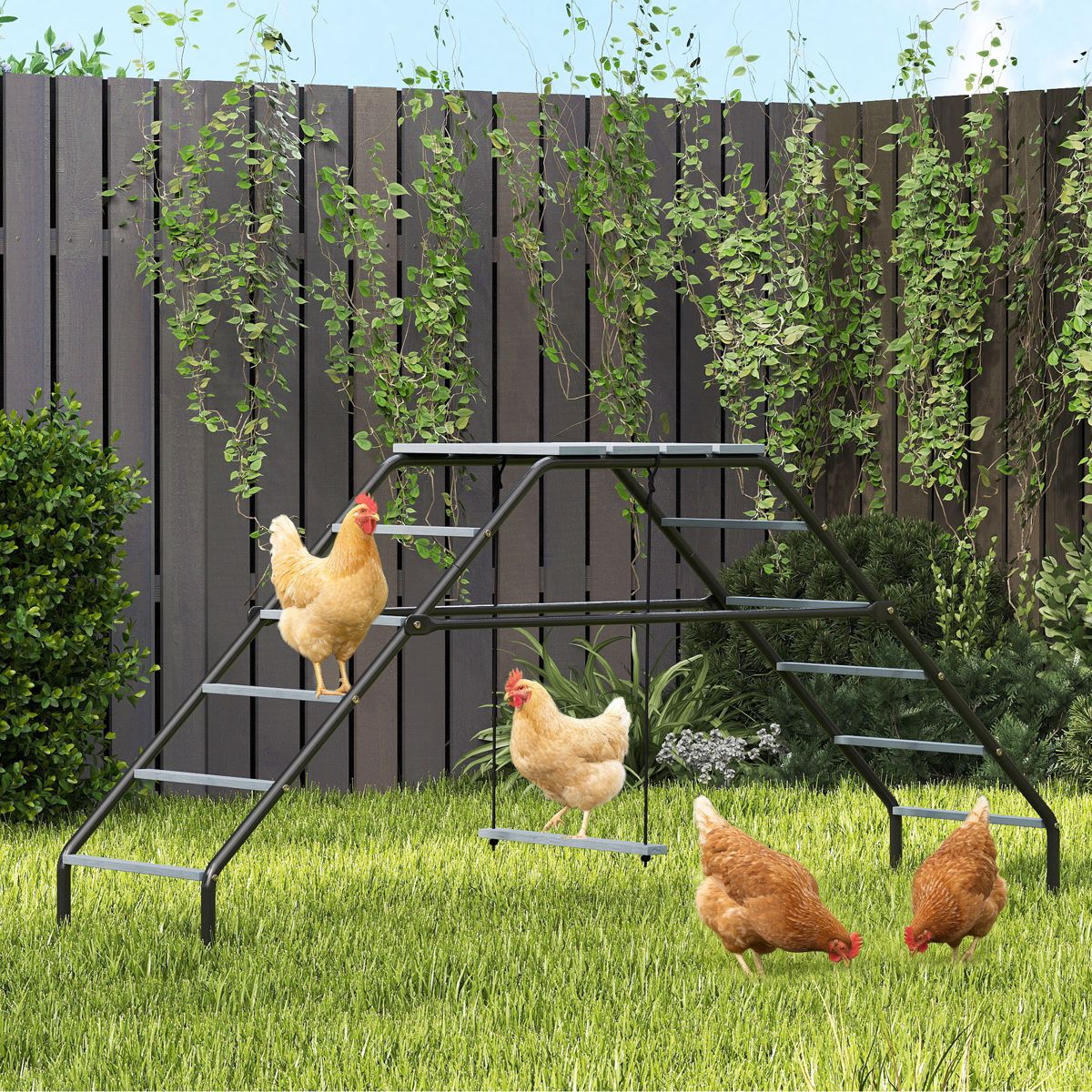 Chicken Coop Perches with Adjustable Swing, 10 Roosting Bars, for Backyard, Farm$40.99View on Mallflare
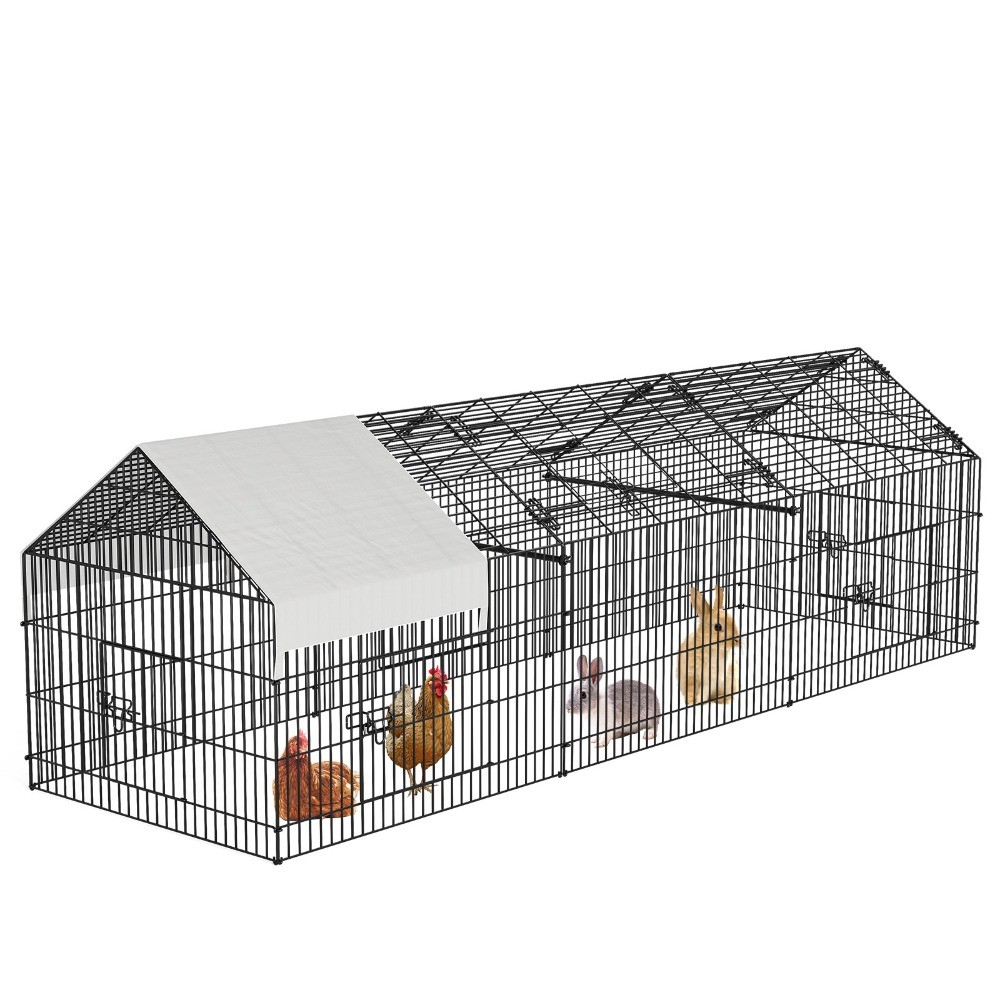 130"*40"Metal Chicken Coop Chicken Run Backyard Hen House Poultry Habitat Cage$105.99View on eBay
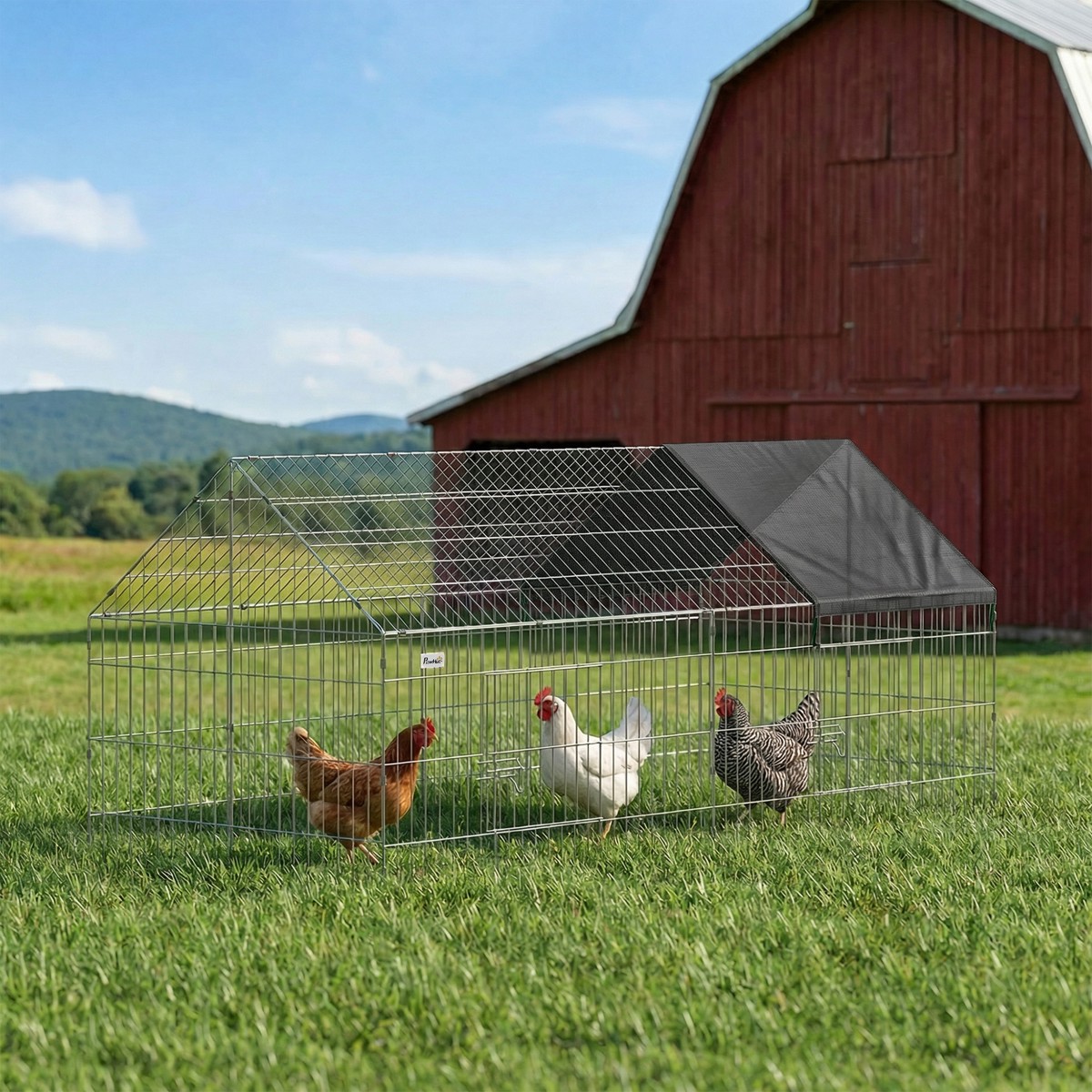 Metal Chicken Coop with Cover for Backyard Small Animals Duck Rabbit, 71" x 29.5" x Black$51.99View on Mallflare
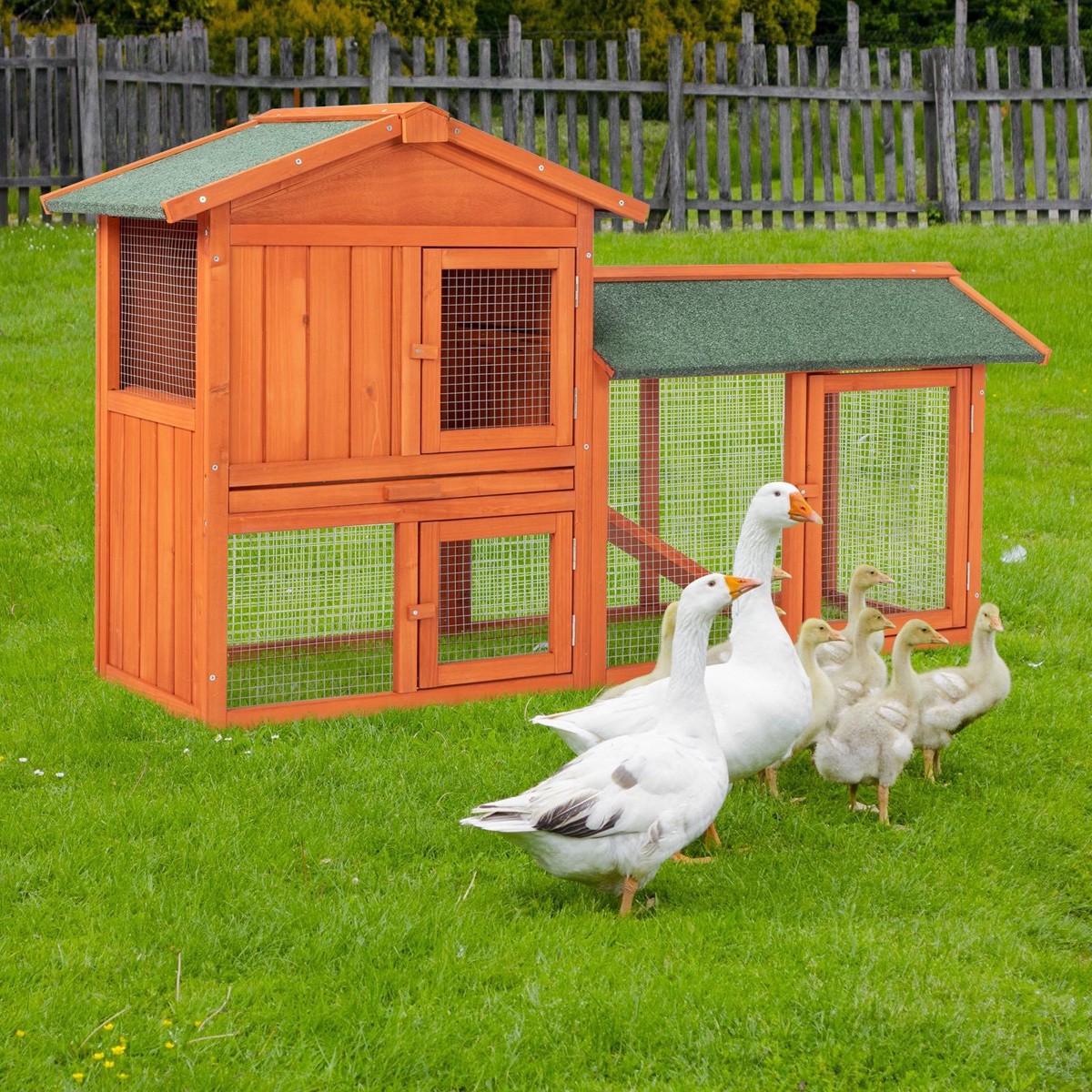 Wooden Chicken Coop Hen House Poultry Hutch Pet Cage w/ Nesting Box Backyard$106.79View on eBay
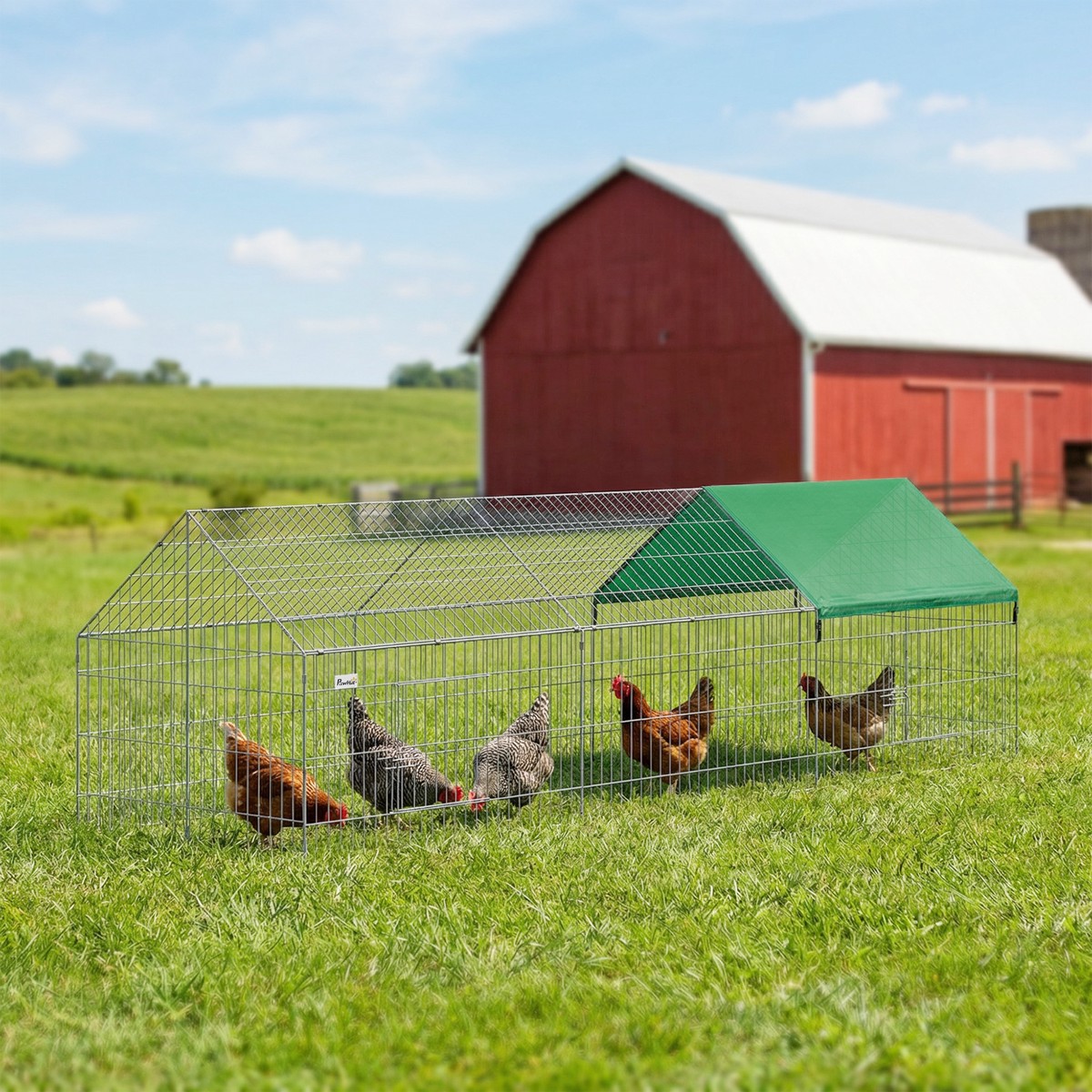 Metal Chicken Coop with Cover for Backyard Small Animals Duck Rabbit, 106" x 29.5" x Green$61.99View on Mallflare
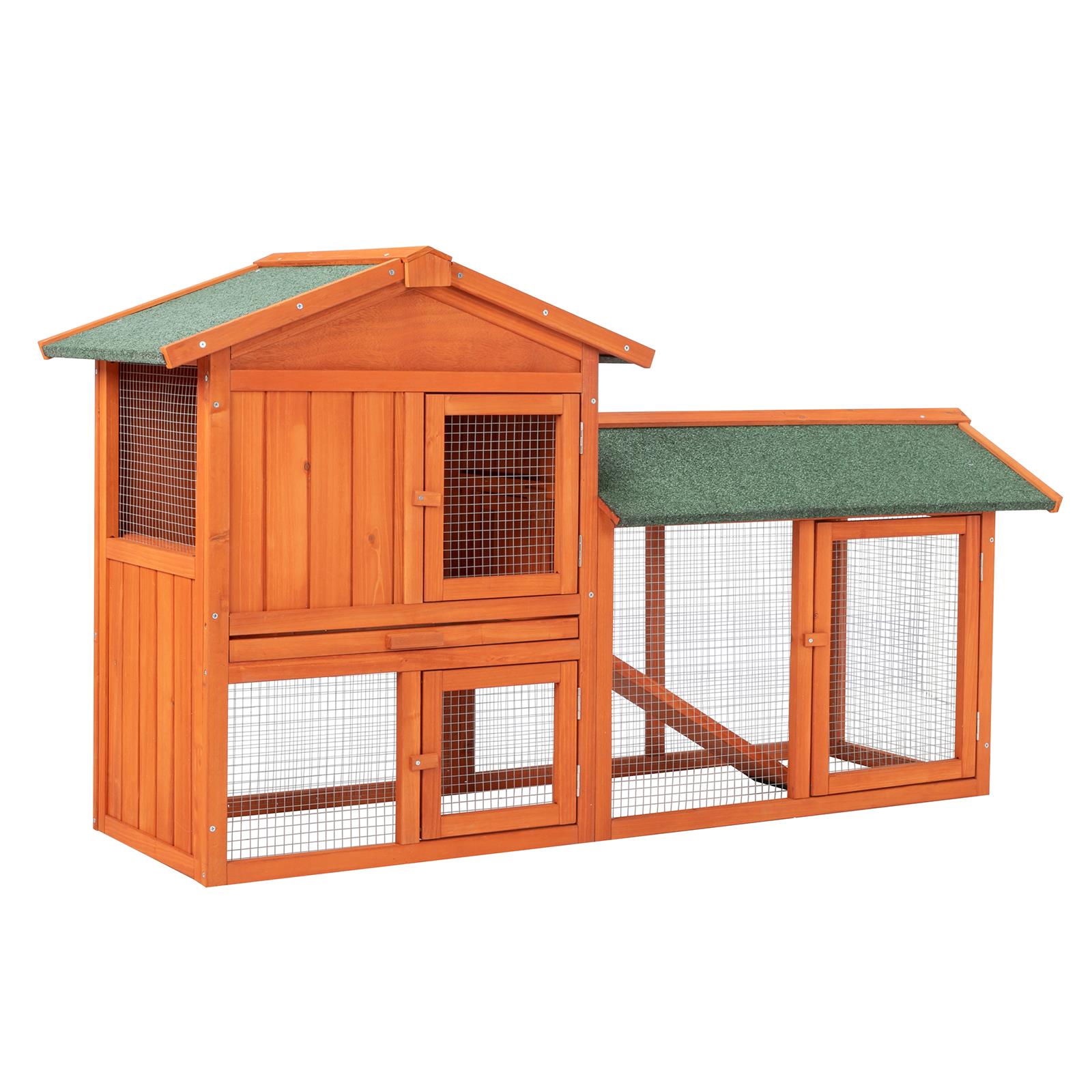 Garden Wood Chicken Coop House Poultry Hutch Pet Cage w/ Nesting Box Backyard$107.99View on eBay
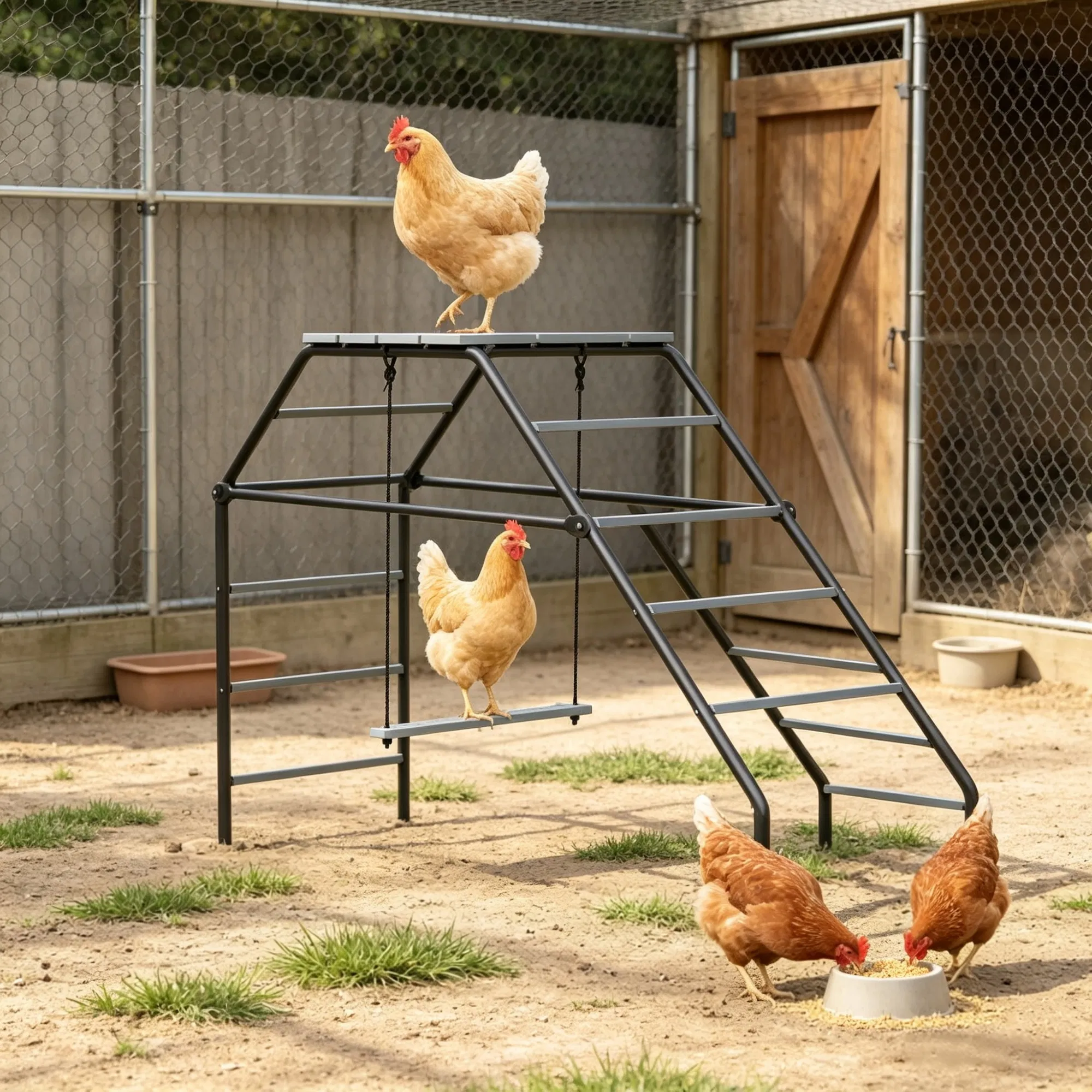 10 Pcs Chicken Coop Perches - with Adjustable Swing, Roosting Bars for Backyard Brooder & Farm Upgrade$73.99View on Mallflare
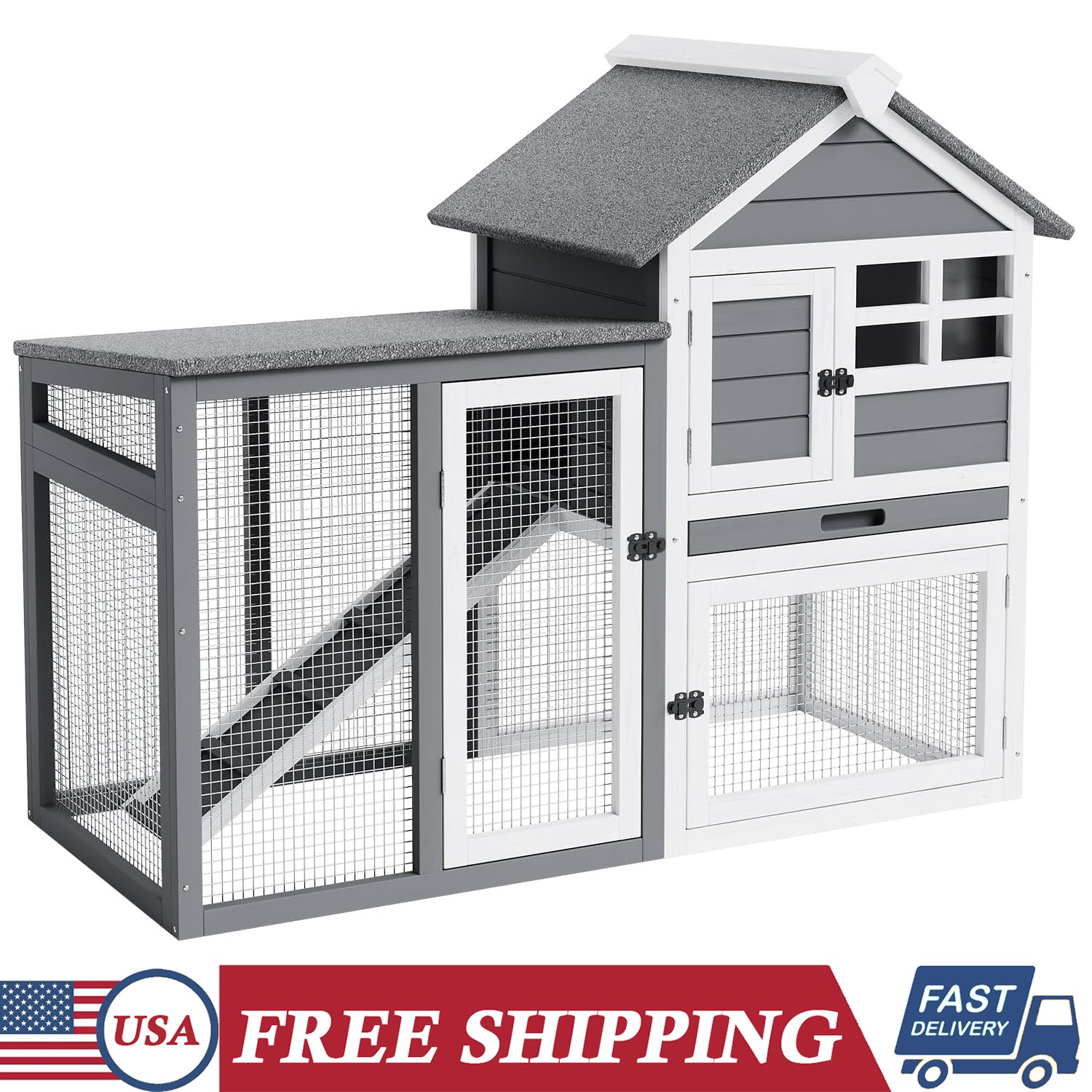 Large Chicken Coop Outdoor Wooden Backyard 2-Story Hen Rabbit House Chicken Run$109.98View on eBay
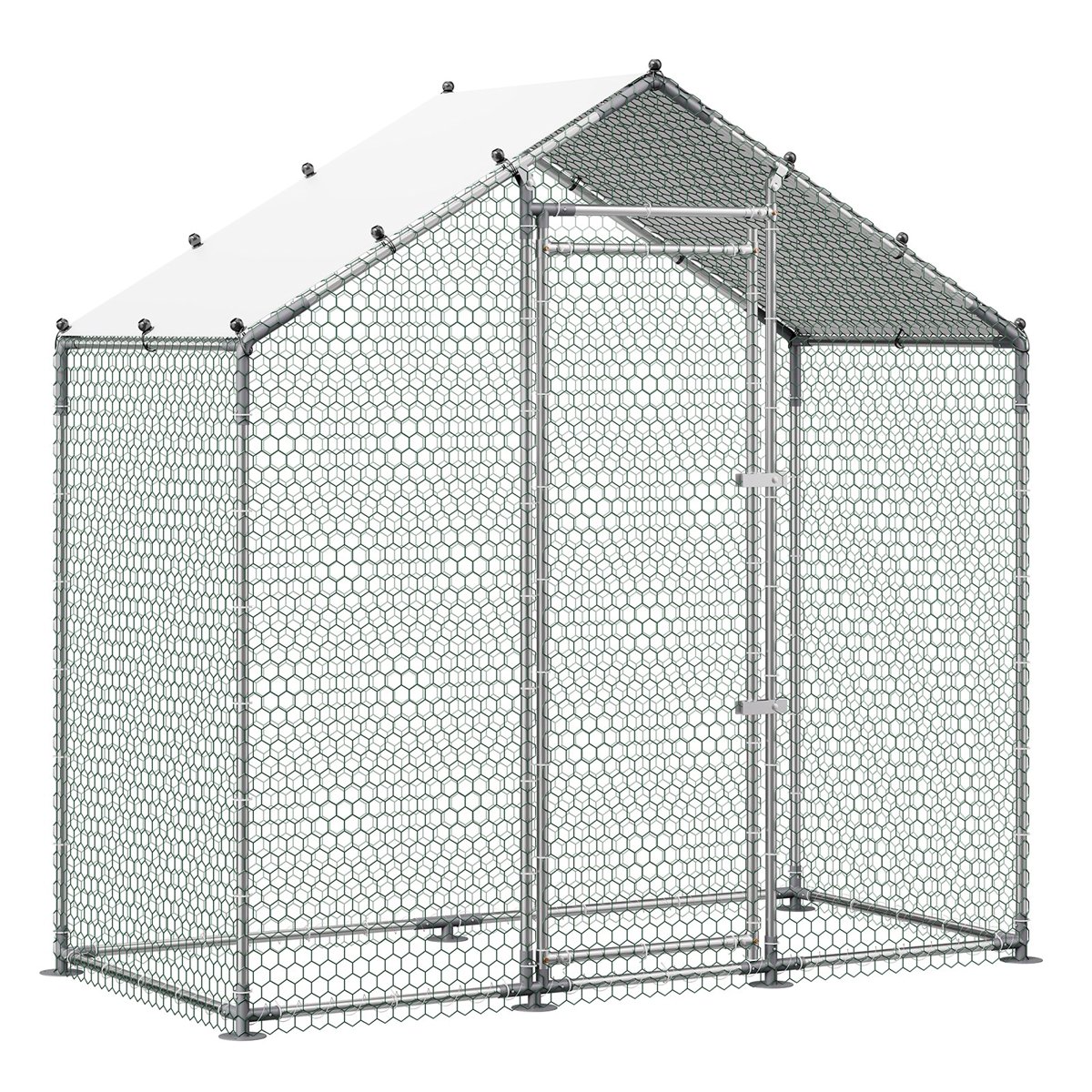 Large Metal Chicken Coop,6.6 X 3.3 X 6.6 Ft, Walk-in Run House With Waterproof Cover & Sturdy Frame, Spire Roof Poultry Cage Duck Pen For Rabbit Hen Goose Outdoor Backyard Farm Use$95.99View on Mallflare
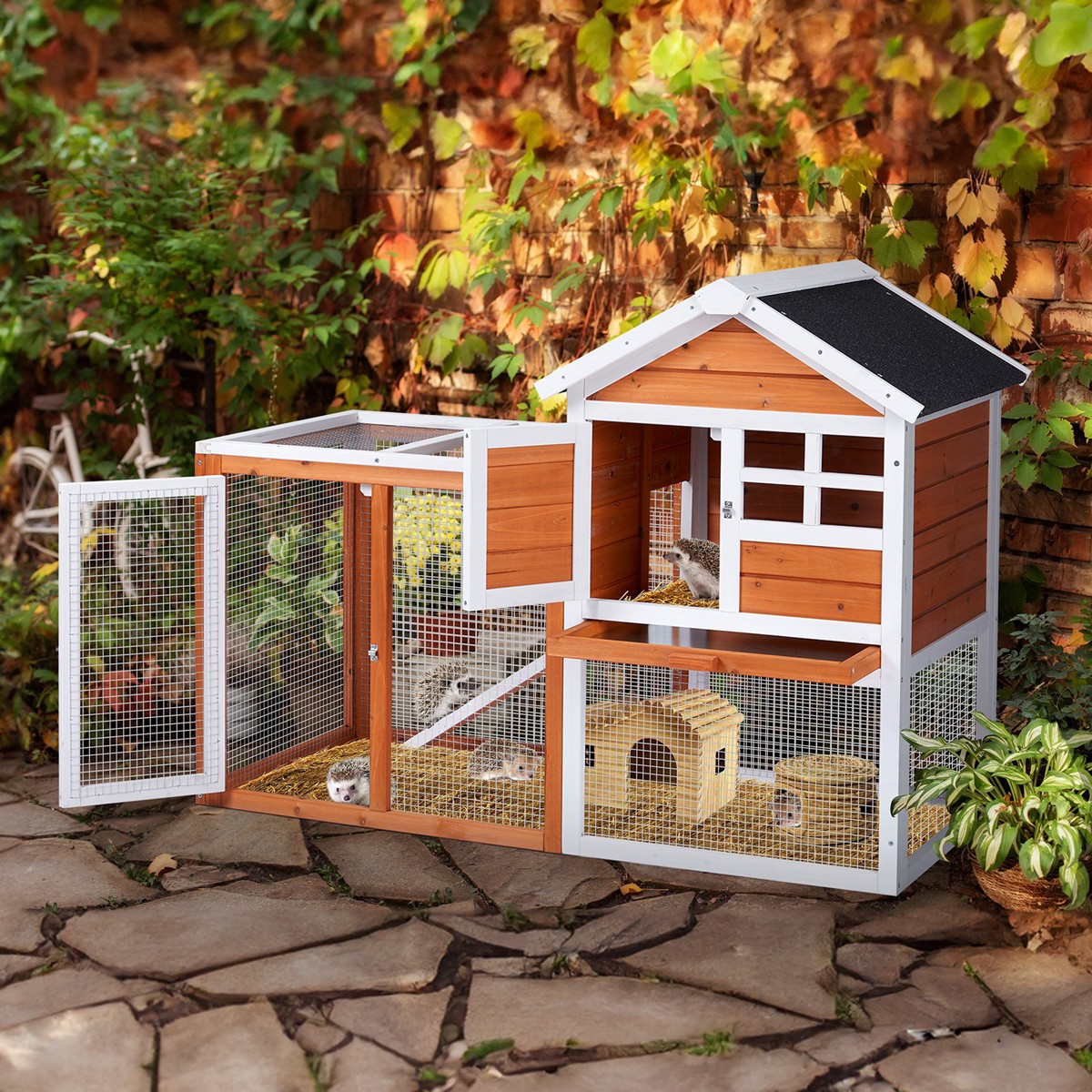 Wooden Chicken Coop Hen House Poultry Hutch Pet Cage with Nesting Box Backyard$111.99View on eBay
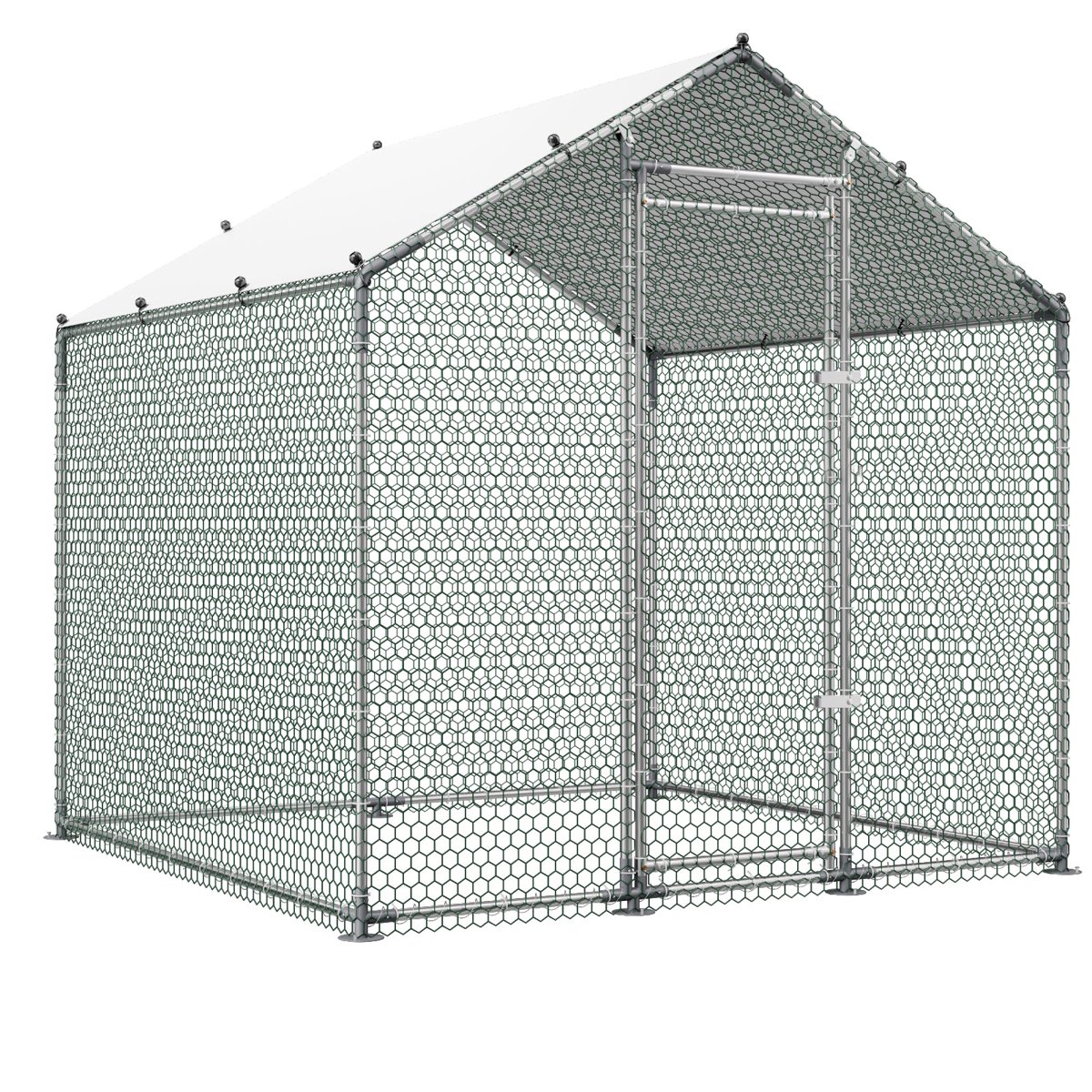 Large Metal Chicken Coop 6.6x6.6x6.6 Ft Walk-in Run House, Spire Roof Hen Enclosure With Cover And Security Lock, Outdoor Duck Rabbit Cage Poultry Pen For Backyard, Farm, Yard$115.99View on Mallflare
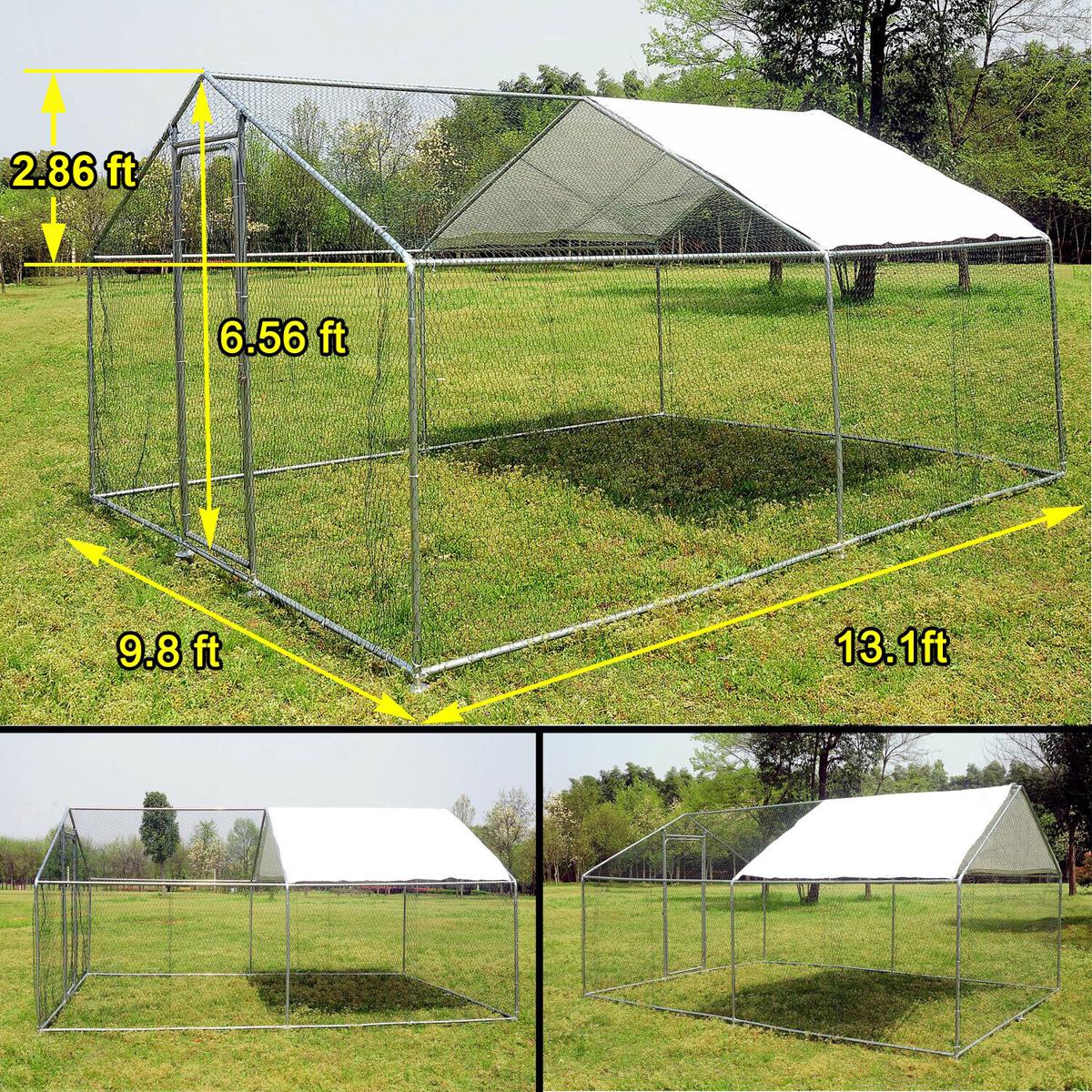 10x10'/ 13x10'/ 20x10' Chicken Coop Run Hen House Enclosed Backyard Poultry Cage$124.99View on eBay
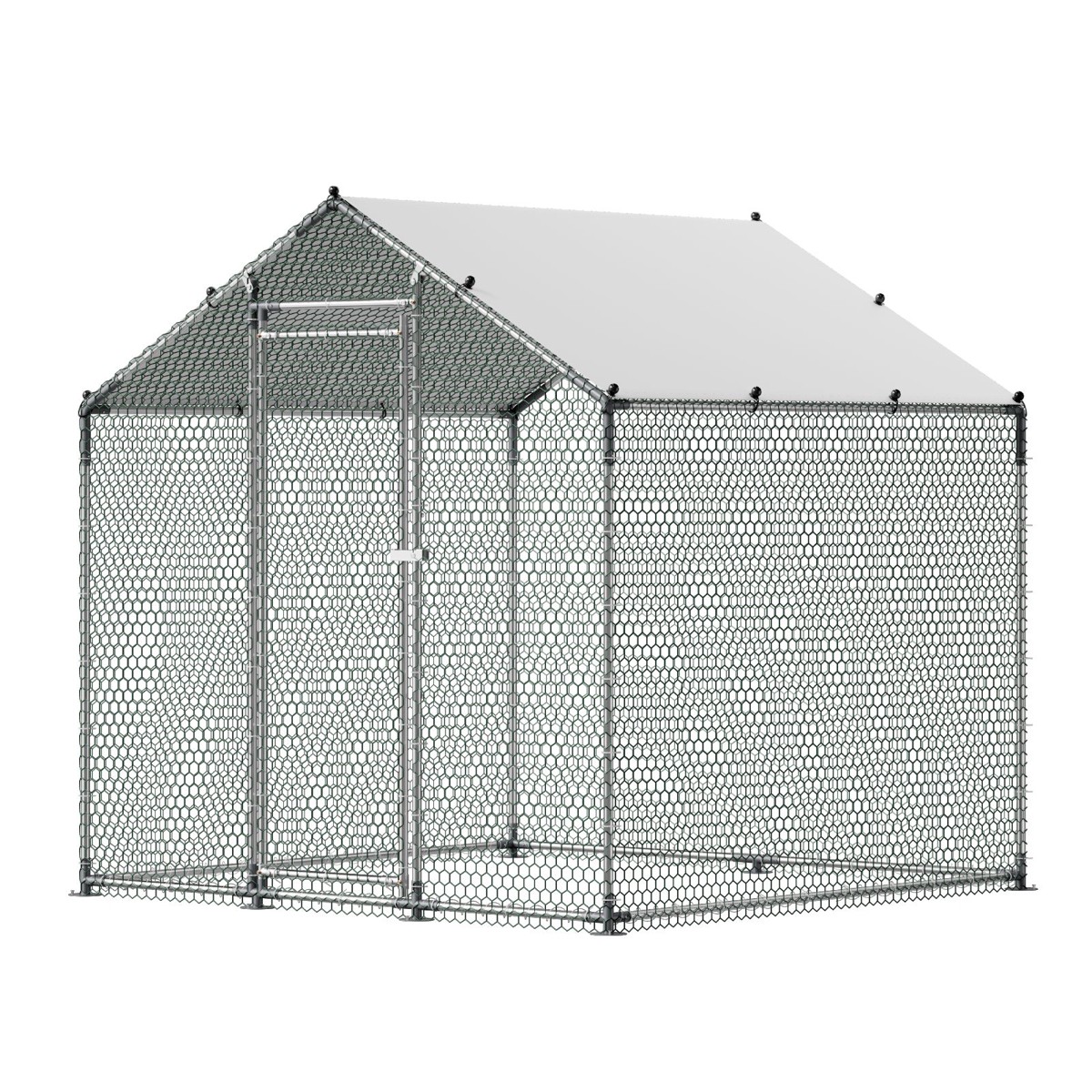 Metal Chicken Coop, 6.56x6.56x6.56ft Large Walk-in Runs With Cover, Spire Roof Hen House Enclosure Security Lock, Outdoor Duck Rabbit Cage Poultry Pen For Backyard, Farm, Yard$122.99View on Mallflare
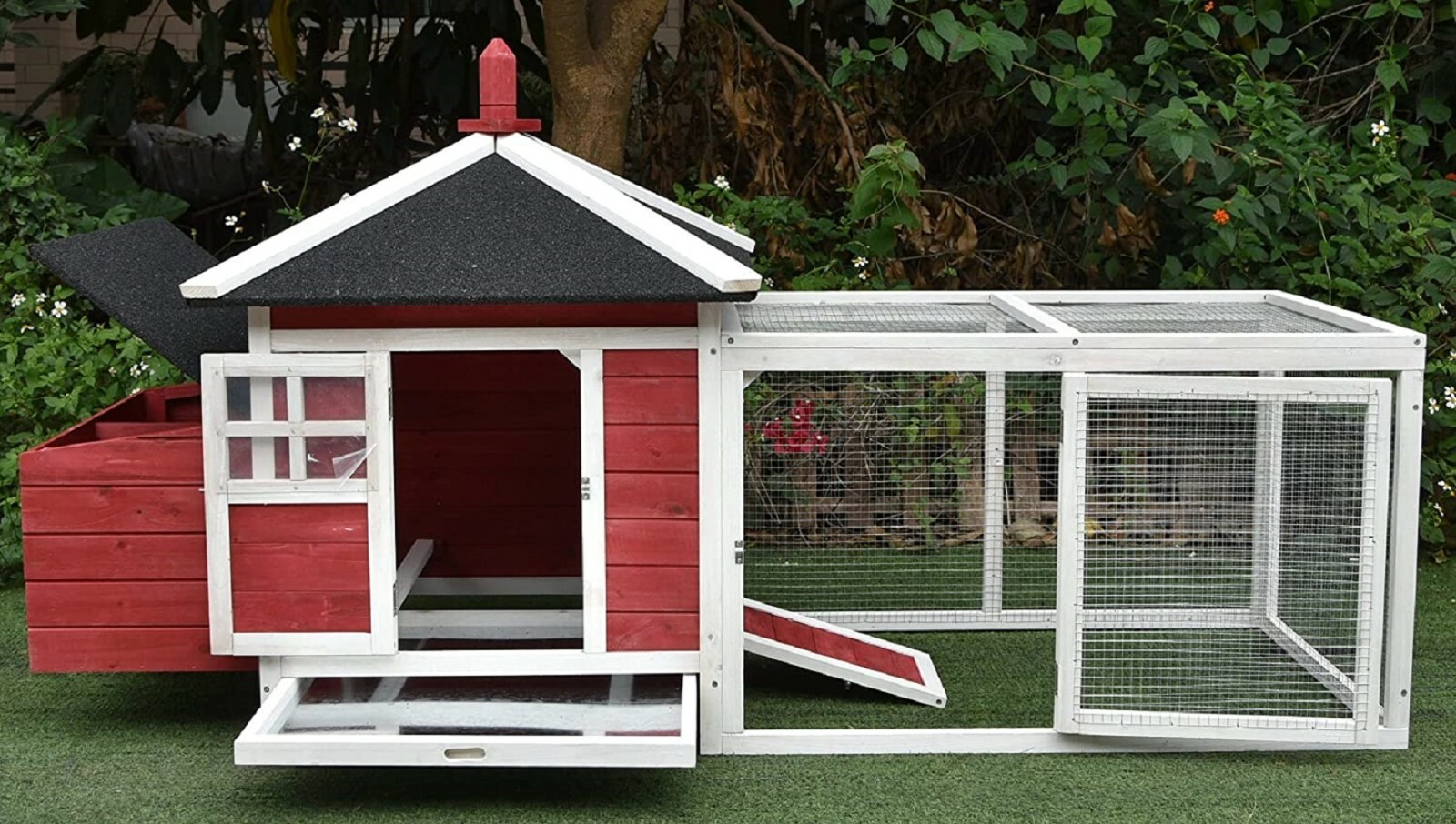 77" Wood Chicken Coop Backyard Hen House 2-4 Chickens with 2 Nesting Boxes New$137.37View on eBay
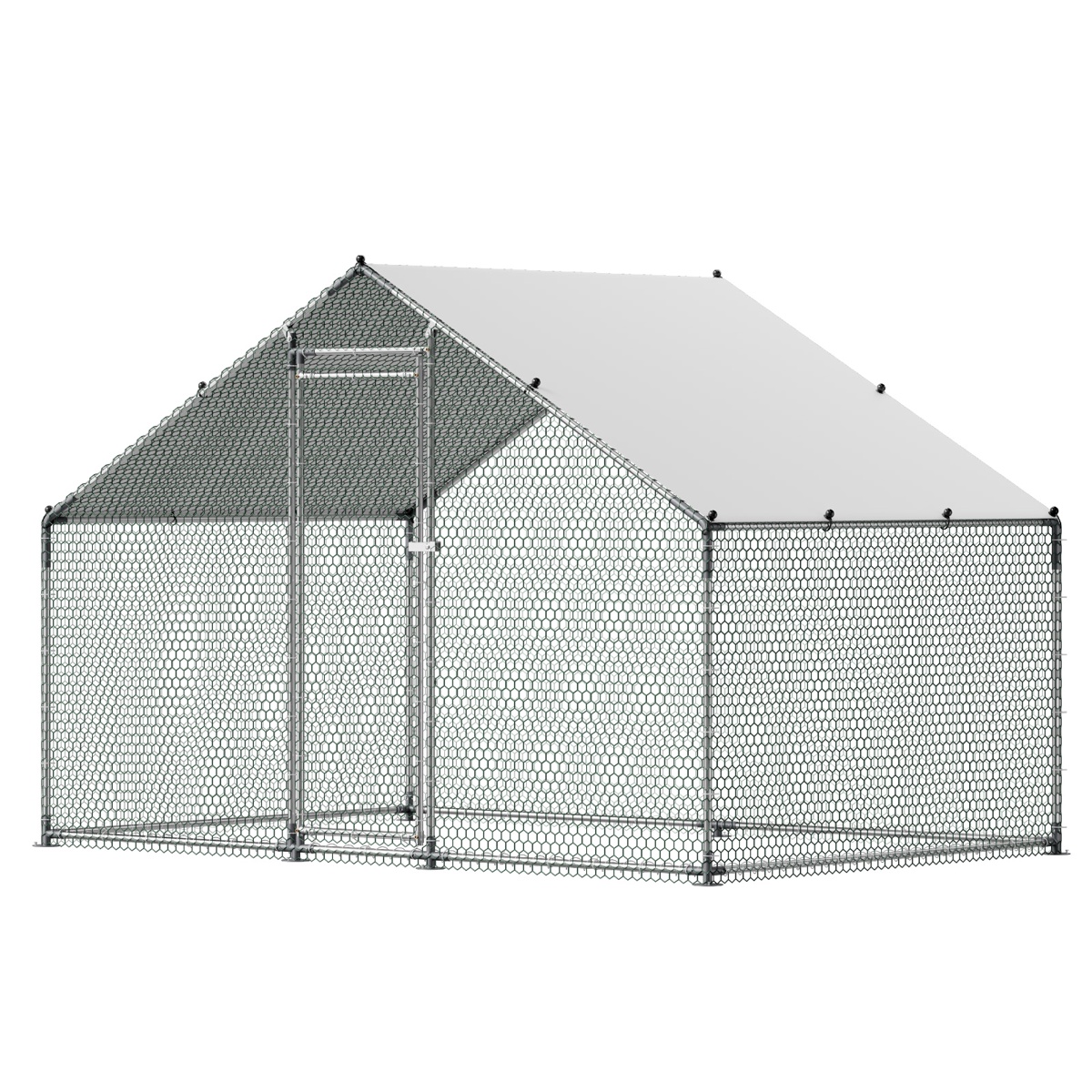 Large Metal Chicken Coop, 9.8 X 6.6 X 6.6 Ft, Walk-in Runs With Waterproof Cover, Spire Roof Hen House Enclosure Lock, Outdoor Duck Rabbit Cage Poultry Pen For Backyard, Farm, Yard$133.99View on Mallflare
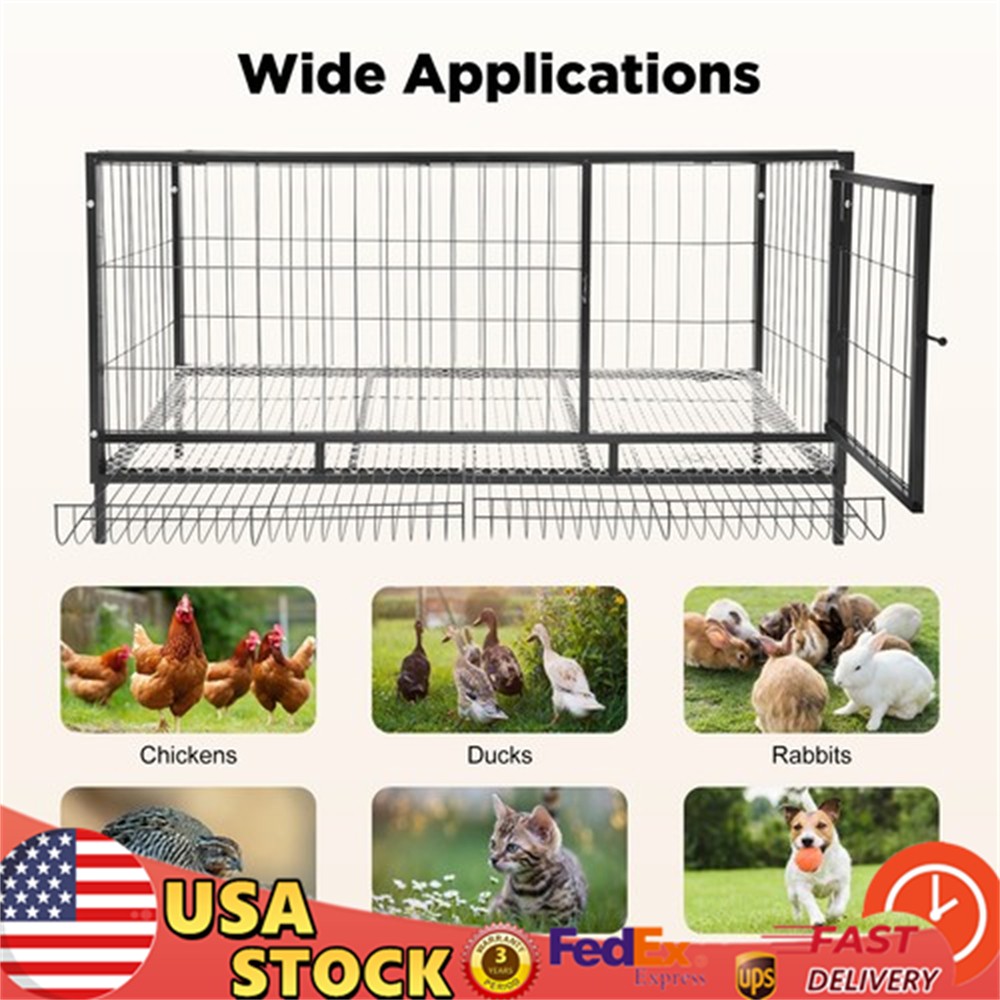 Large Chicken Coop Metal Hen House Backyards Poultry Hutch Pet Cage 47"x22"x24"$137.80View on eBay
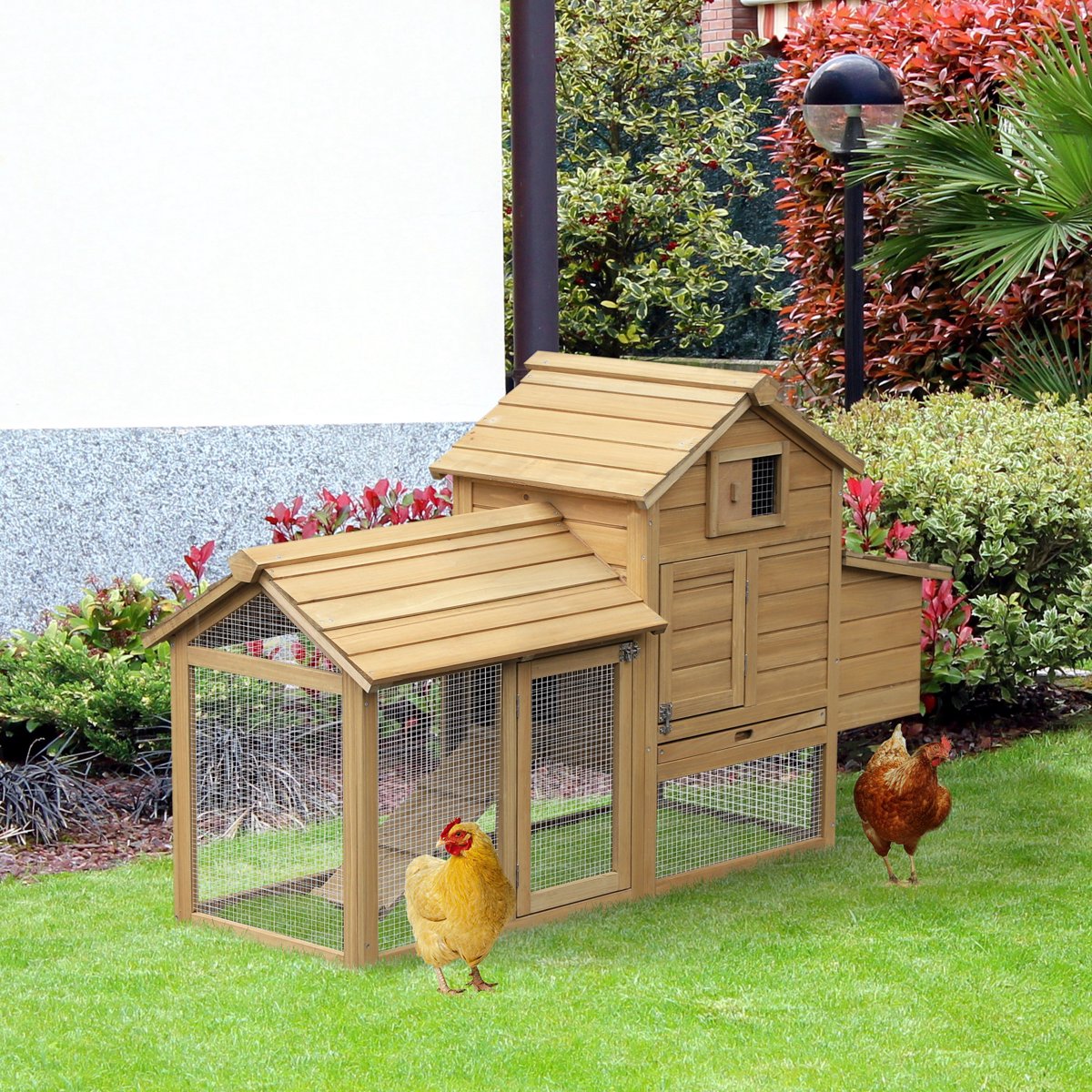 59" Small Wooden Chicken coop Hen House Poultry Cage for Outdoor Backyard with 2 Doors, Nesting Box and Removable Tray, Natural Wood$151.99View on Mallflare
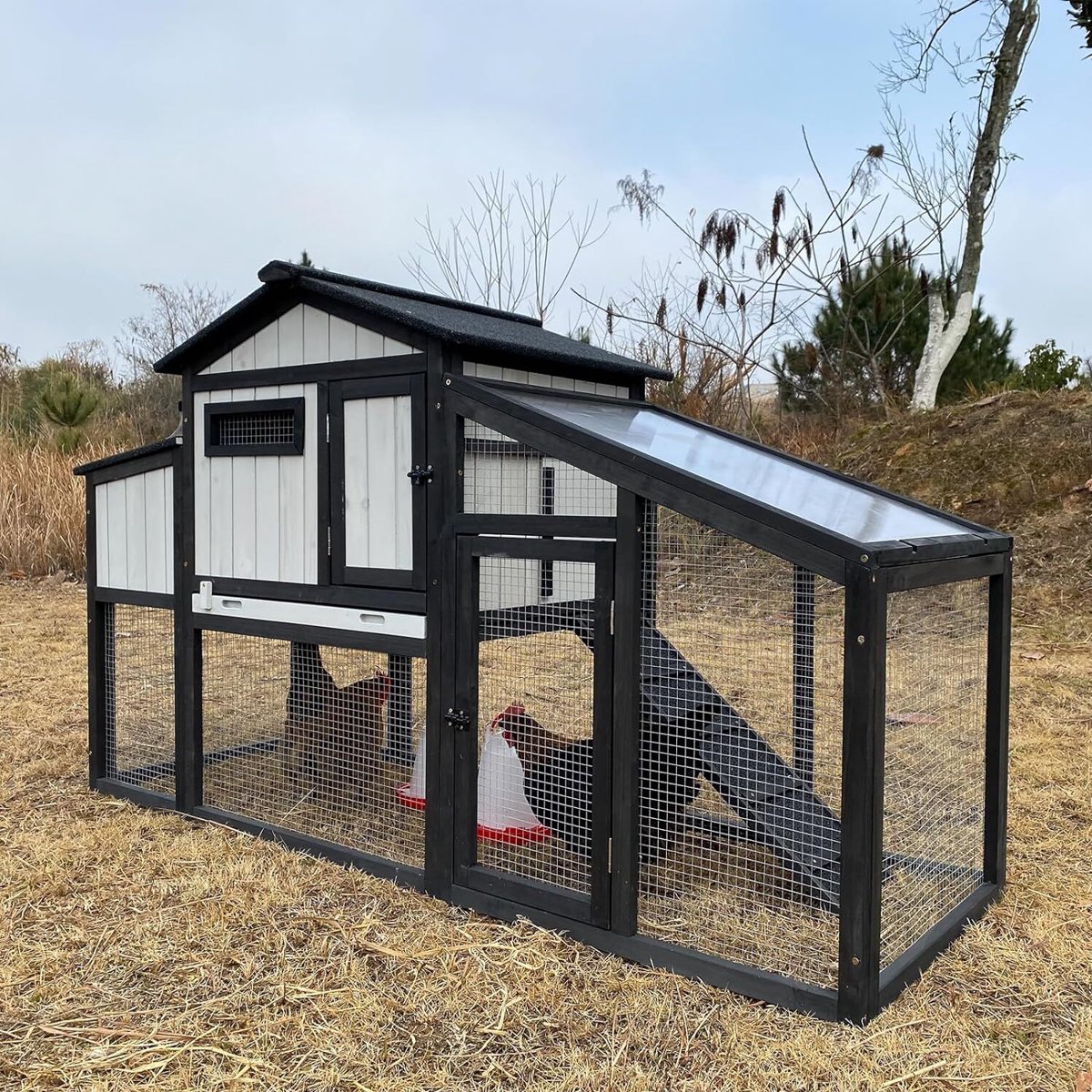 PetsCosset Chicken Coop Outdoor Wooden Backyard 2-Story Hen House Chicken Run$139.99View on eBay
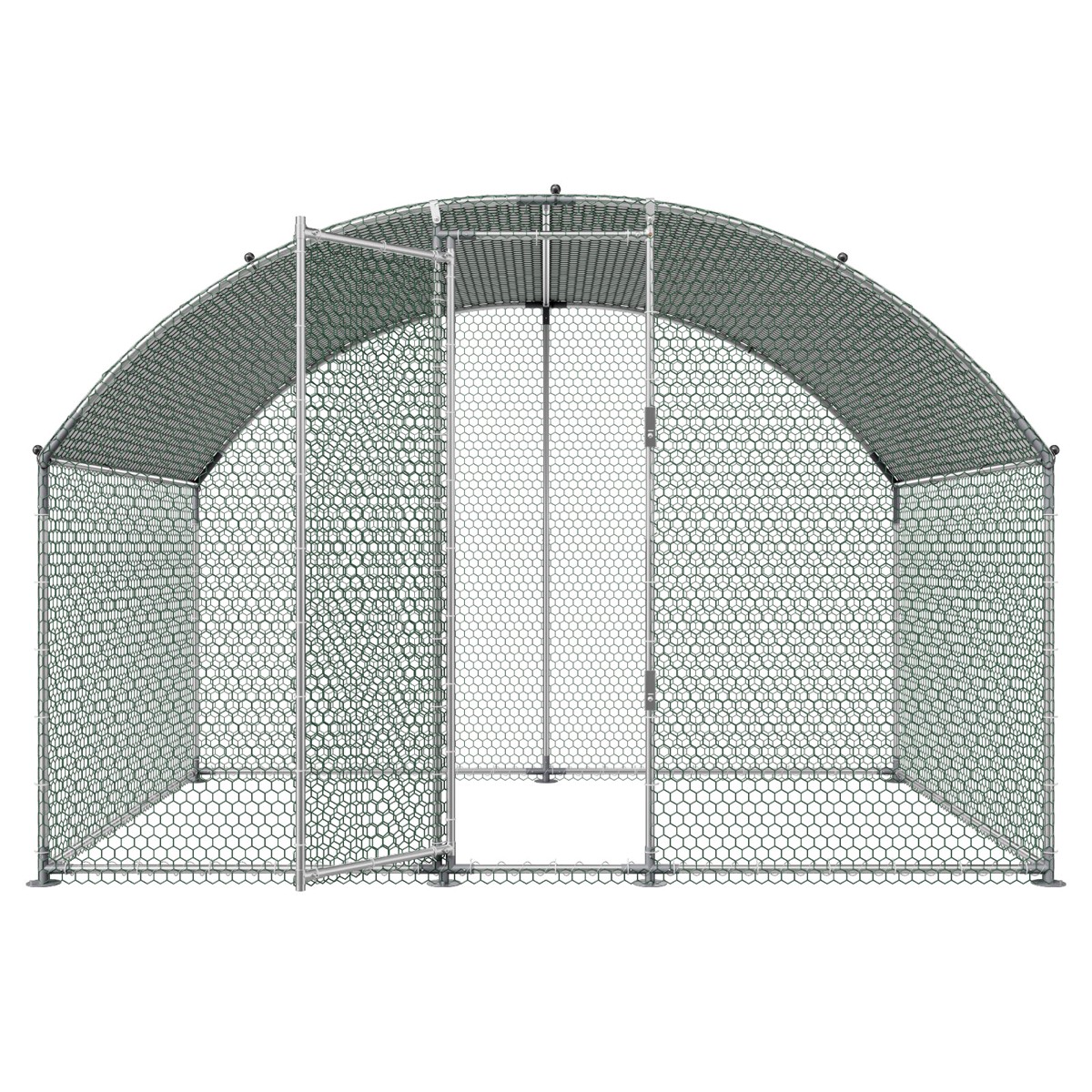 Large Metal Chicken Coop 9.8x6.6x6.6 Ft Walk-in Run House, Doom Roof Hen Enclosure With Cover And Security Lock, Outdoor Duck Rabbit Cage Poultry Pen For Backyard, Farm, Yard Use$156.99View on Mallflare
Highlights
- Hardware cloth is the durability standard: 19-gauge 1/2-inch welded mesh stops raccoons and weasels, while 1-inch chicken wire lets predators reach through and tears under clawing.
- Wood coops need 3/4-inch exterior plywood or rot-resistant cedar/pine plus a raised floor; untreated particleboard and stapled panels swell and fail after one wet winter.
- Walk-in metal runs use 25-32 mm galvanized tube frames; powder-coated steel outlasts bare zinc, and a PE or PVC roof cover is required to keep feed and litter dry.
- Nesting boxes should be 12x12x12 inches per 3-4 hens, and roost bars need 8-10 inches of linear space per bird at 18-24 inches above the floor.
Best use cases
- Small fixed flock in a suburban yard: pick a wooden hutch with attached run and 4-6 sq ft of house for 3-4 hens, with a latchable human-access door for cleaning.
- 4-8 bird flock needing daily walk-in access: choose a 6.6 x 6.6 x 6.6 ft walk-in metal run with spire roof and cover, plus a separate nesting hutch, instead of a low crawl-in cage.
- Temporary or rotational grazing setup: a fabric or lightweight PVC-frame mobile pen works only with electric netting backup; skip it for permanent winter housing or raccoon-heavy areas.
- Skip the small rabbit-style hutch sold for '4-8 chickens' if you cannot stand inside: those low cages force kneeling and rarely provide 4 sq ft per bird of dry indoor space.
Buying tips
- Size by math, not labels: 3-4 hens need 12-16 sq ft of coop floor and 24-40 sq ft of run; a 130 x 40 inch run covers about 36 sq ft, suitable for 3-4 birds only.
- Choose 19-gauge or thicker 1/2-inch hardware cloth over 1-inch poultry netting, and confirm the mesh is fastened with staples or steel ties, not zip ties alone.
- For wood builds, specify cedar, pressure-treated pine, or 3/4-inch exterior plywood with a sloped asphalt or metal roof and an elevated floor 12-18 inches off the ground.
- For metal runs, pick 25 mm+ galvanized or powder-coated tube frames with ground stakes or skirt panels; a PE cover and a padlockable door are mandatory for predator and rain protection.
Specs
| Frame Material | Galvanized steel / cedar / fir / PVC |
|---|---|
| Mesh Grade | 19-ga 1/2 in hardware cloth vs 1 in wire |
| Space Per Bird | 4 sq ft coop + 8-10 sq ft run |
| Run Height | Walk-in 6.6 ft vs low 3-4 ft hutch |
Related searches
What to check before buying
- Measure your yard pad and gate width: a 6.6 x 6.6 ft walk-in run needs a clear flat area plus 2-3 ft of access clearance on the door side.
- Confirm local setback and flock limits: many suburbs cap 4-6 hens and ban roosters, and coops must sit 10-25 ft from property lines.
- Check ground and climate: buried skirt or 12-inch apron for digging predators, snow-load-rated roof for cold zones, and shade plus ventilation above roost height for hot climates.
- Plan companions: feeder, 1-2 gallon drinker per 6 birds, roost bars, nesting pads, and a lockable latch or carabiner for every door and nest lid.
FAQ
Data sources: eBay / Amazon listings and product attribute feeds. Updated Nov 28, 2026.
Some links on this page are affiliate links. If you buy after clicking one, we may earn a commission at no extra cost to you. This does not change which products appear here or their order. Affiliate disclosure.