
Photos from current listings. Actual item, color, and included accessories may vary.
Full Body Bee Suit Buying Guide
A full body bee suit is a one-piece or jacket-plus-veil barrier garment that keeps stingers out while allowing enough airflow to work a hive in summer heat. The core trade-off is fabric protection versus breathability: dense cotton blocks bees but overheats, while ventilated three-layer mesh costs more and must be inspected for gap-free construction. Buy ventilated mesh with a fencing-style veil and taped or bound seams for active hives; choose cotton only for cool climates and short inspections.
Median $29.99
Key takeaways
- Fabric construction splits into two architectures: 100% cotton (usually 220-280 GSM) for physical thickness, and ventilated three-layer mesh for airflow with a solid inner liner that stops stingers.
- Veil type matters more than suit brand: fencing-style mesh veils give the best visibility and stand off the face; round hat-style veils collapse against the head and are best avoided for active colonies.
- Seam treatment defines real sting protection; flat-felled or bound seams and a veil-to-shoulder overlap of at least 3-4 inches prevent bees from probing gaps at the neck and wrists.
At a glance
- Category
- Beekeeping Suits & Protection
- Last updated
- Nov 25, 2026
Current offers
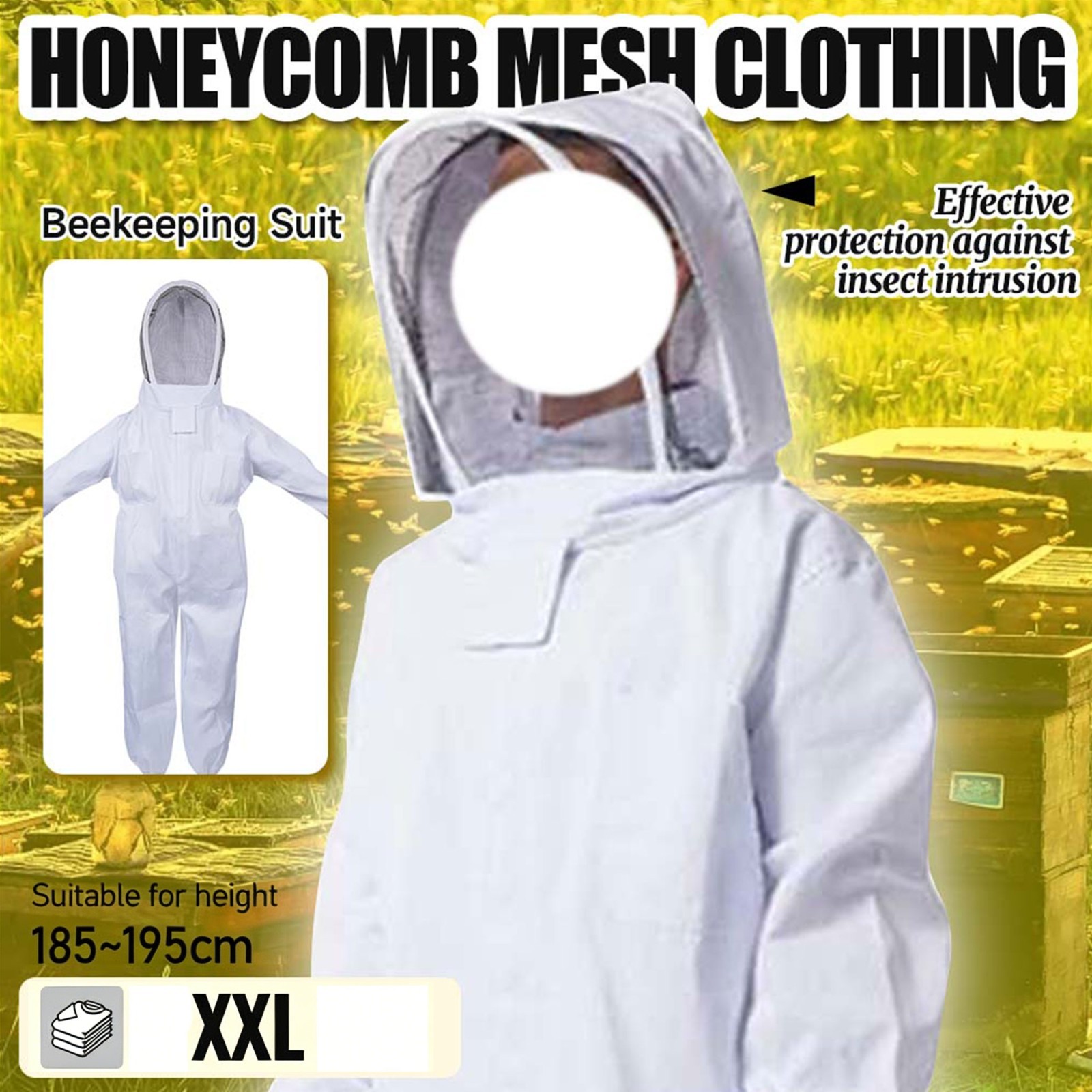 XXL White Anti-Bee Suit Full Body Ventilated Veil Beekeeping Hood Coat$25.99View on eBay
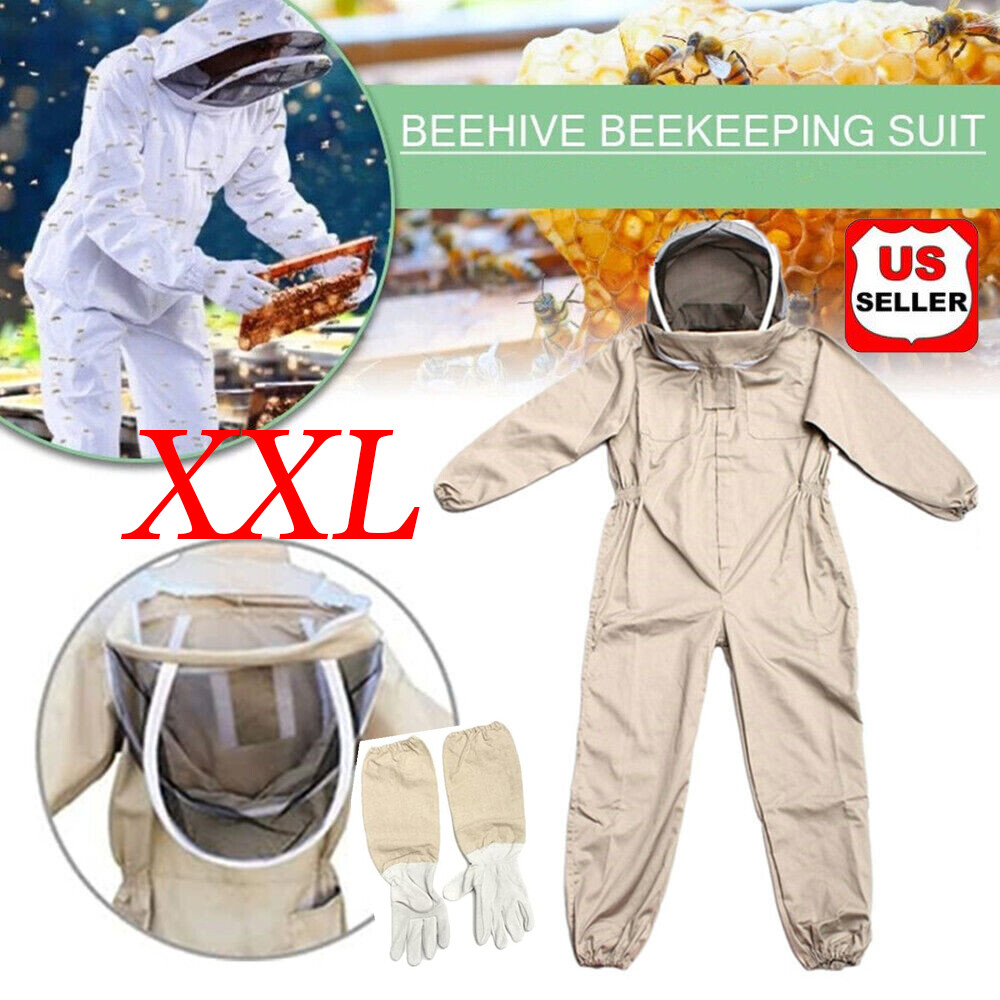 XXL-Unisex Professional Cotton Full Body Beekeeping Bee Keeping Suit W/Veil-Hood$29.00View on eBay
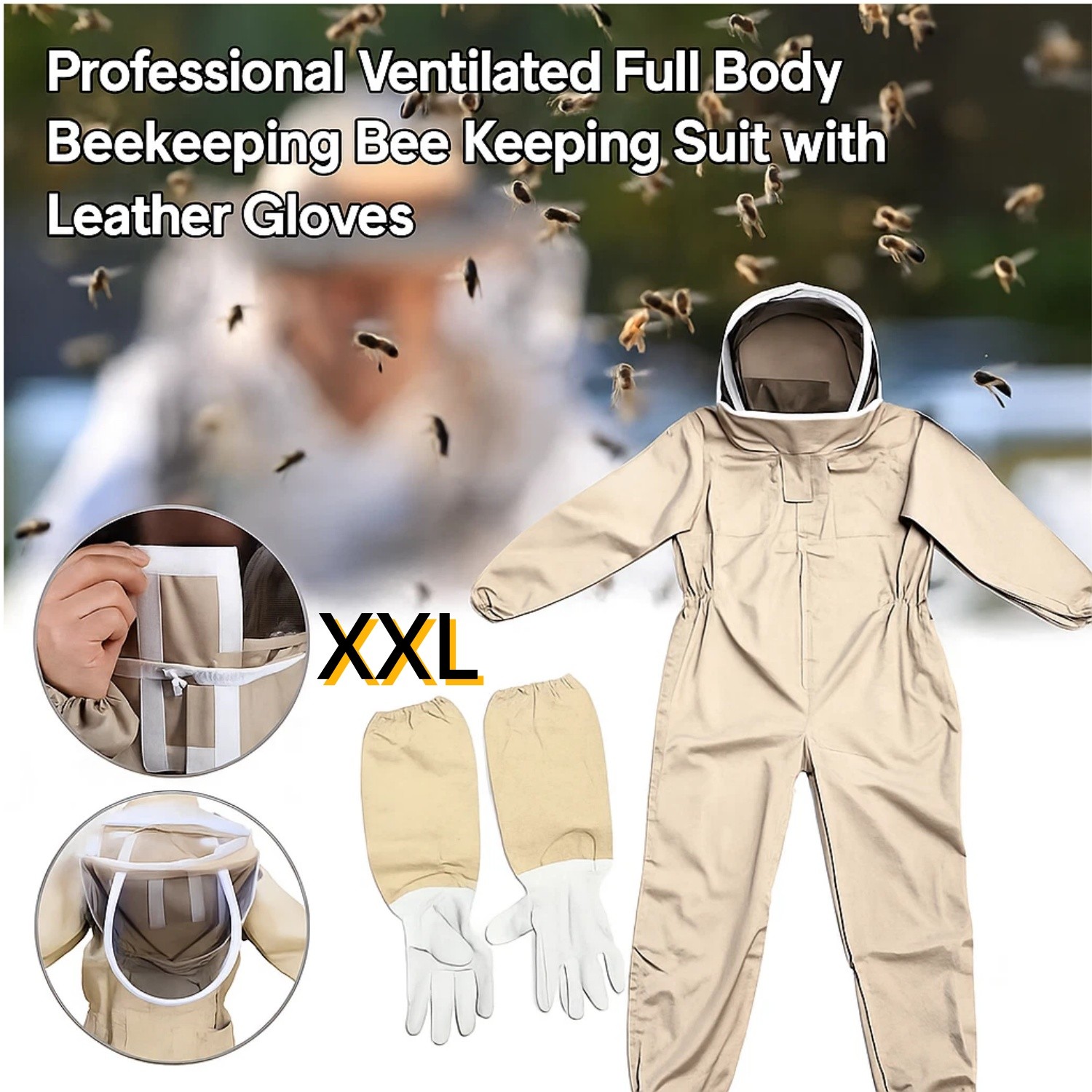 XXL-Unisex Professional Cotton Full Body Beekeeping Bee Keeping Suit W/Veil-Hood$29.99View on eBay
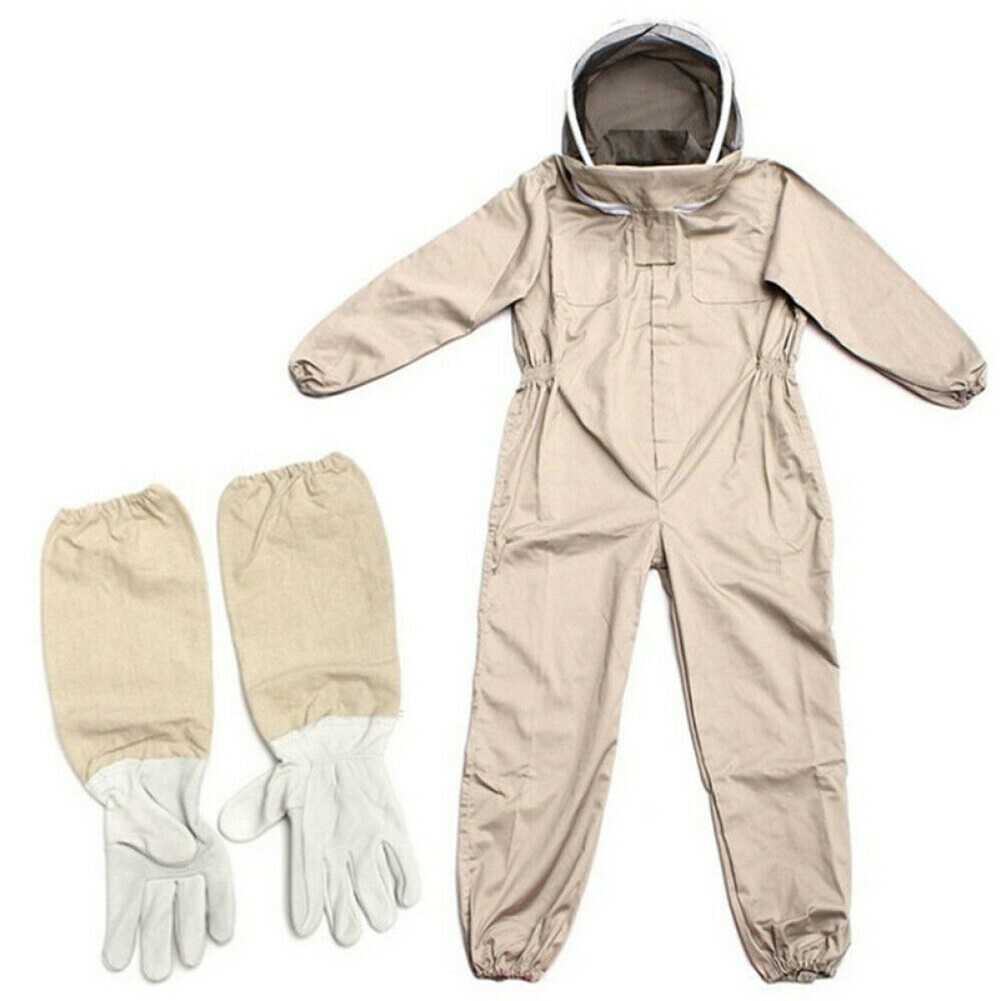 XXL-Unisex Professional Cotton Full Body Beekeeping Bee Keeping Suit W/Veil-Hood$29.99View on eBay
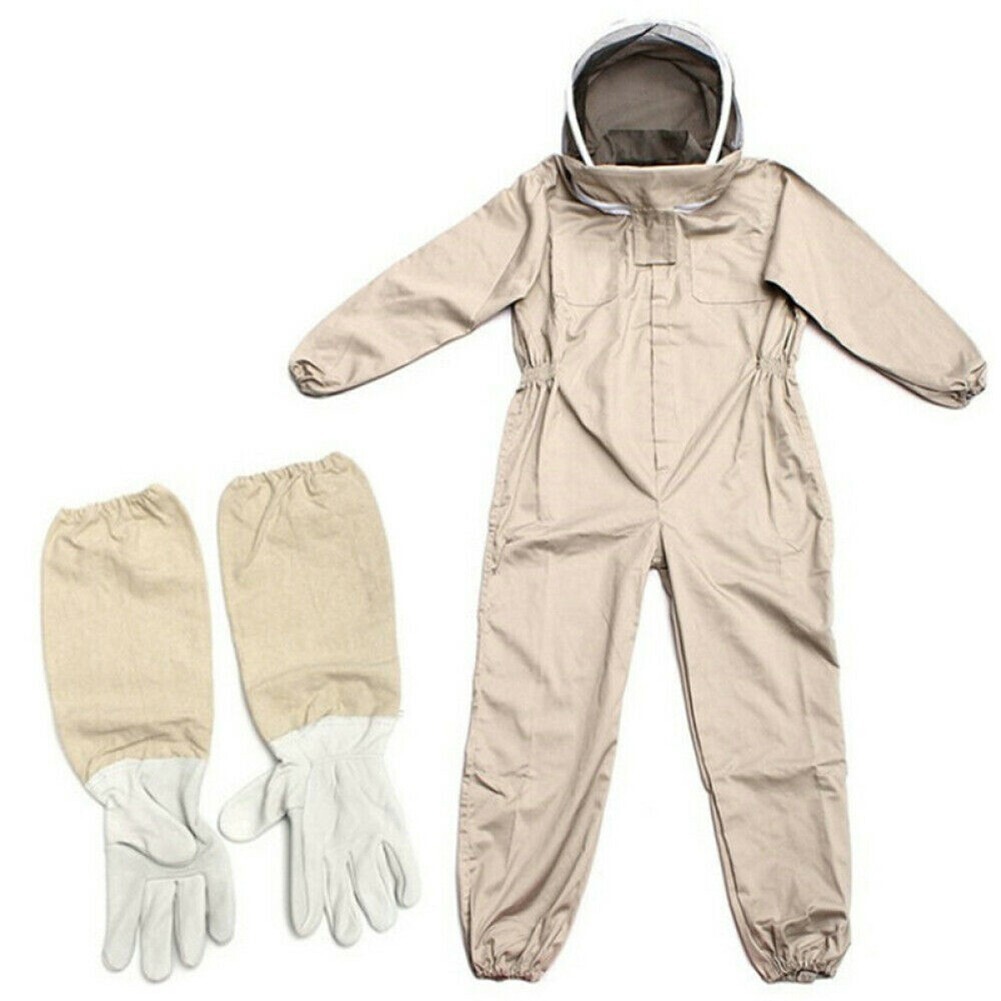 XXL-Unisex Cotton Full Body Beekeeping Bee Keeping Suit Professional W/Veil-Hood$29.99View on eBay
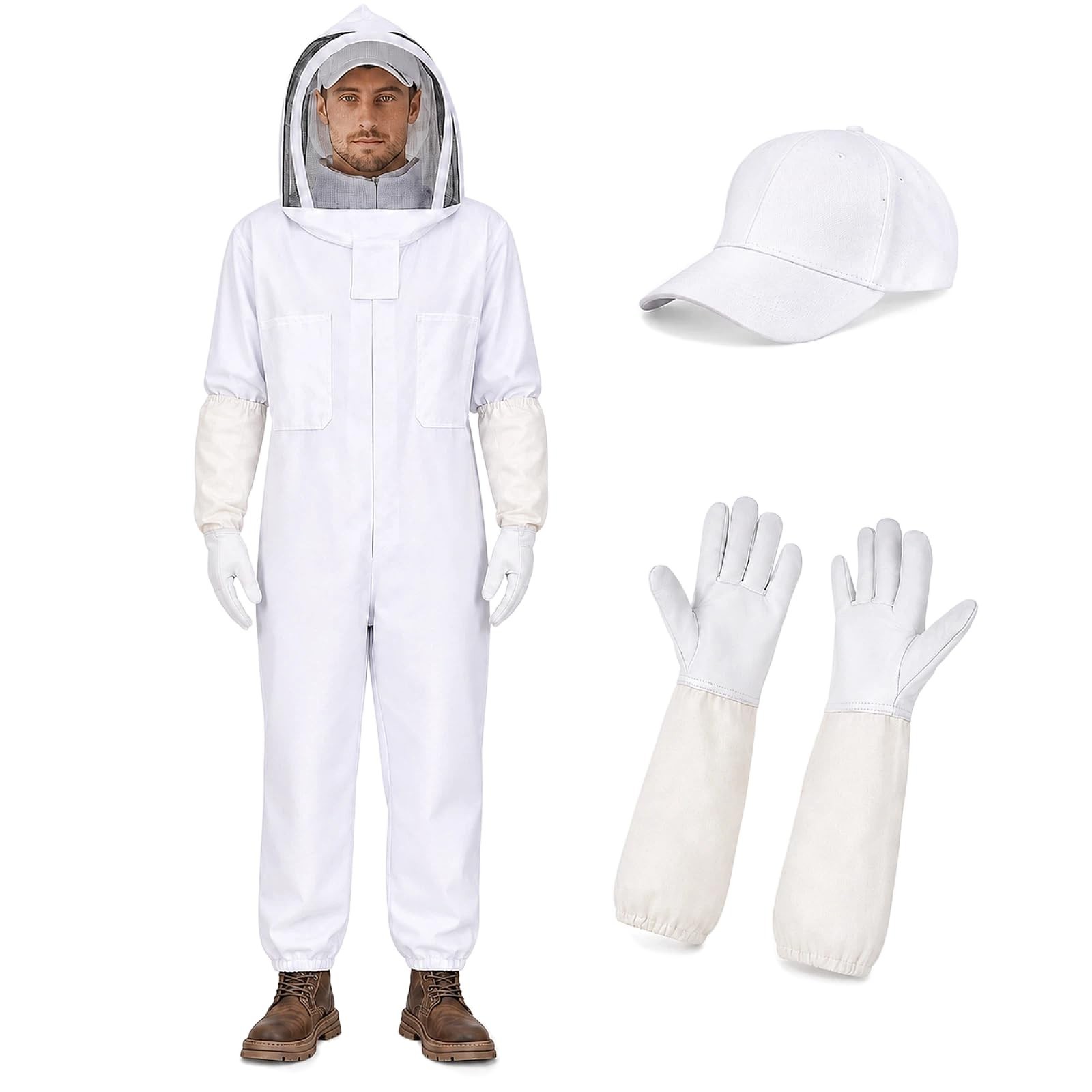 Bee Suit with Adjustable Cap and Gloves, Full Body Beekeeper Suit, XXXL | Pro...$45.99View on eBay
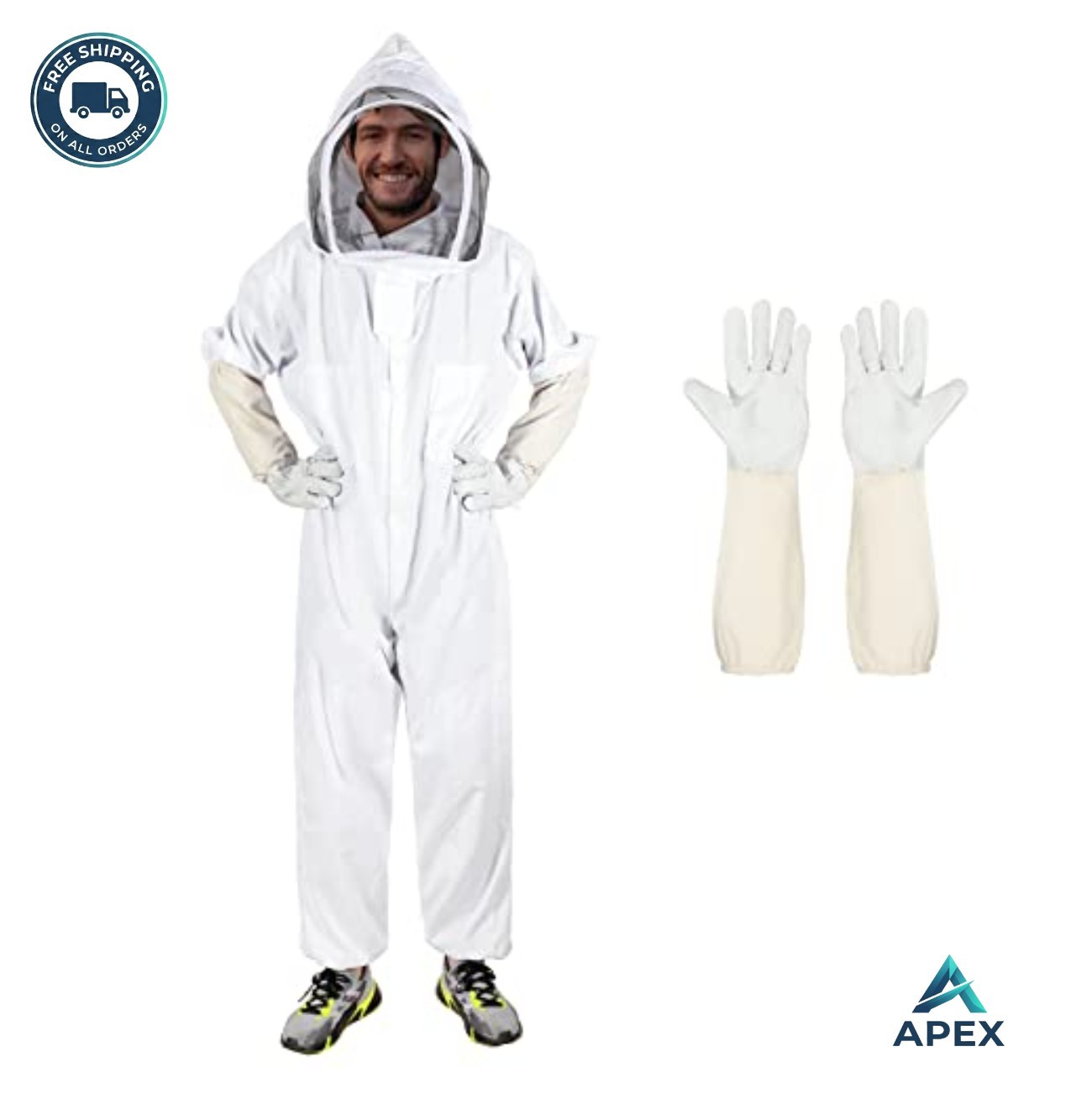 Bee Suit Beekeeper Coverall with Gloves Included XL Full Body Hooded Fence Veil$59.67View on eBay
Highlights
- Fabric construction splits into two architectures: 100% cotton (usually 220-280 GSM) for physical thickness, and ventilated three-layer mesh for airflow with a solid inner liner that stops stingers.
- Veil type matters more than suit brand: fencing-style mesh veils give the best visibility and stand off the face; round hat-style veils collapse against the head and are best avoided for active colonies.
- Seam treatment defines real sting protection; flat-felled or bound seams and a veil-to-shoulder overlap of at least 3-4 inches prevent bees from probing gaps at the neck and wrists.
- Ankle and wrist closures are the most common failure point: elastic cuffs plus zippered or velcroed ankles over boots stop bees crawling upward; open pant legs let foragers inside.
Best use cases
- Best fit: ventilated three-layer mesh suit with fencing veil for summer inspections in hot climates and for beekeepers with multiple hives who stay suited for 30+ minutes.
- Best fit: 260-280 GSM cotton suit with fencing veil for cool-weather work, cut comb, and beginners who prefer a heavier, more reassuring barrier at lower cost.
- Wrong fit: round hat-style veils and unstructured hoods for aggressive colonies or Africanized stock; they sit against the face and allow stings through the mesh.
- Wrong fit: buying an oversized suit to 'cover everything' — baggy fabric snags frames and gaps at the wrists and ankles; size to your chest and inseam with room for one base layer.
Buying tips
- Size by chest and inseam, not by letter alone: measure your chest and add 2-4 inches for a base layer, then match to the suit's size chart; a 3X-Large typically fits 48-52 inch chests.
- Insist on a fencing-style veil with a rigid hoop and at least a 3-inch overlap where the veil meets the shoulders or jacket zipper.
- For ventilated suits, confirm three-layer construction with an inner mesh liner; single-layer mesh lets stingers through and defeats the purpose.
- Check closure hardware: metal or heavy-duty plastic zippers at the torso and ankles, elastic cuffs, and thumb loops on sleeves keep gloves and boots sealed.
Specs
| Fabric Architecture | Cotton 220-280 GSM vs 3-layer mesh |
|---|---|
| Veil Style | Fencing veil vs round hat veil |
| Seam Construction | Bound/flat-felled vs serged |
| Closure System | Zipper + elastic cuffs/ankles |
Related searches
What to check before buying
- Measure chest, waist, and inseam with work clothes on; compare against the suit's size chart, not generic letter sizing.
- Confirm your boot height and glove cuff diameter so ankle elastics and sleeve cuffs overlap rather than gap.
- Match suit climate to your season: ventilated mesh for 80°F+ inspections, cotton for cooler spring and fall work.
- Verify the suit includes or is compatible with a fencing veil and that the veil hoop is rigid, not collapsible.
FAQ
Data sources: eBay / Amazon listings and product attribute feeds. Updated Nov 25, 2026.
Some links on this page are affiliate links. If you buy after clicking one, we may earn a commission at no extra cost to you. This does not change which products appear here or their order. Affiliate disclosure.