
Photos from current listings. Actual item, color, and included accessories may vary.
Bee Keeper Suit Buying Guide
A bee keeper suit is a full-body or jacket-plus-veil barrier against stings, and the primary trade-off is ventilation versus fabric thickness: thin 220–280 GSM cotton/poly blends breathe but sting through when bees press, while 350+ GSM three-layer mesh or vented suits stop stings with airflow at higher cost. The decision rule: buy a suit rated at least 300 GSM or explicitly ventilated, sized one size up from street wear with room to layer—anything lighter or tighter is a hobby compromise, not durable protection.
Median $47.98
Key takeaways
- Fabric weight separates tiers: 220–250 GSM cotton/poly is entry-level (stings through when pressed), 280–320 GSM is mid, and 350+ GSM or 3-layer ventilated mesh is the professional barrier standard.
- Ventilated suits use three bonded mesh layers that keep bees' stingers from reaching skin while passing air; non-ventilated suits above 350 GSM trap heat and are only tolerable under 20°C / 68°F.
- Veil type changes safety: round/fencing hoods keep mesh off the face with rigid hoops, while folding square veils pack flat but collapse against skin when bent—round hoods are safer for beginners.
At a glance
- Category
- Beekeeping Suits & Protection
- Last updated
- Nov 25, 2026
Current offers
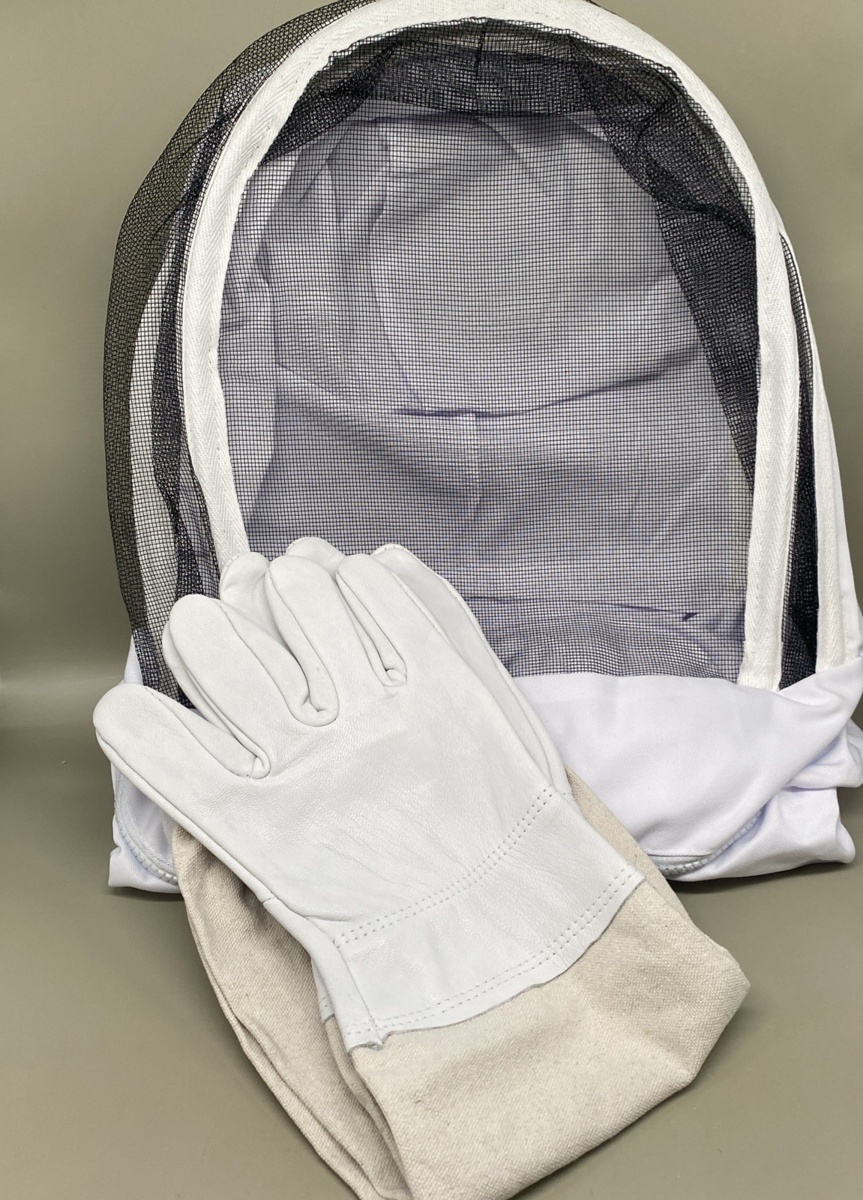 Professional Bee Suit Size Large For Backyard Beekeeper New$28.00View on eBay
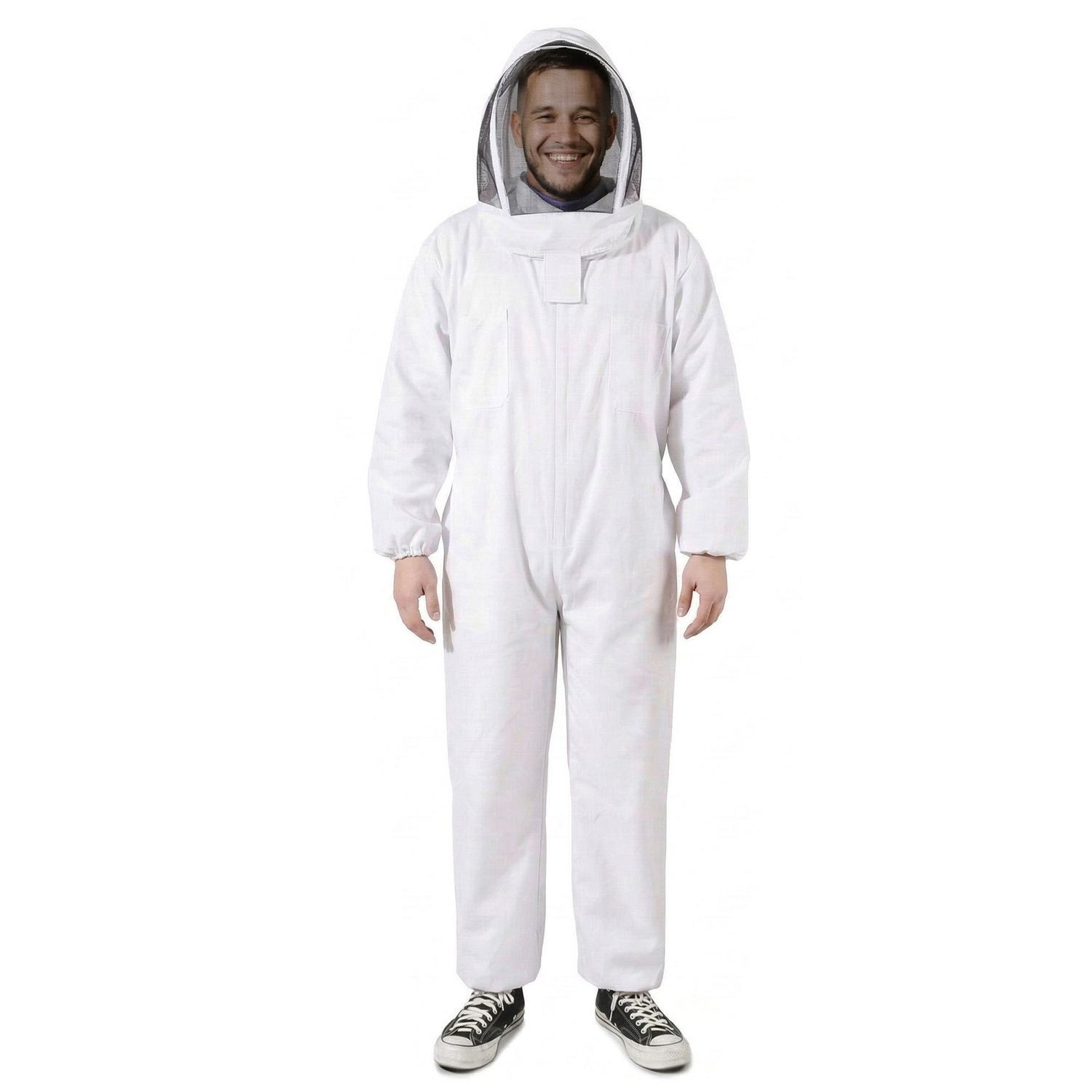 Beekeeping Suit Full Body - Beekeeper Coverall Outfit With Veil (Medium)$44.99View on eBay
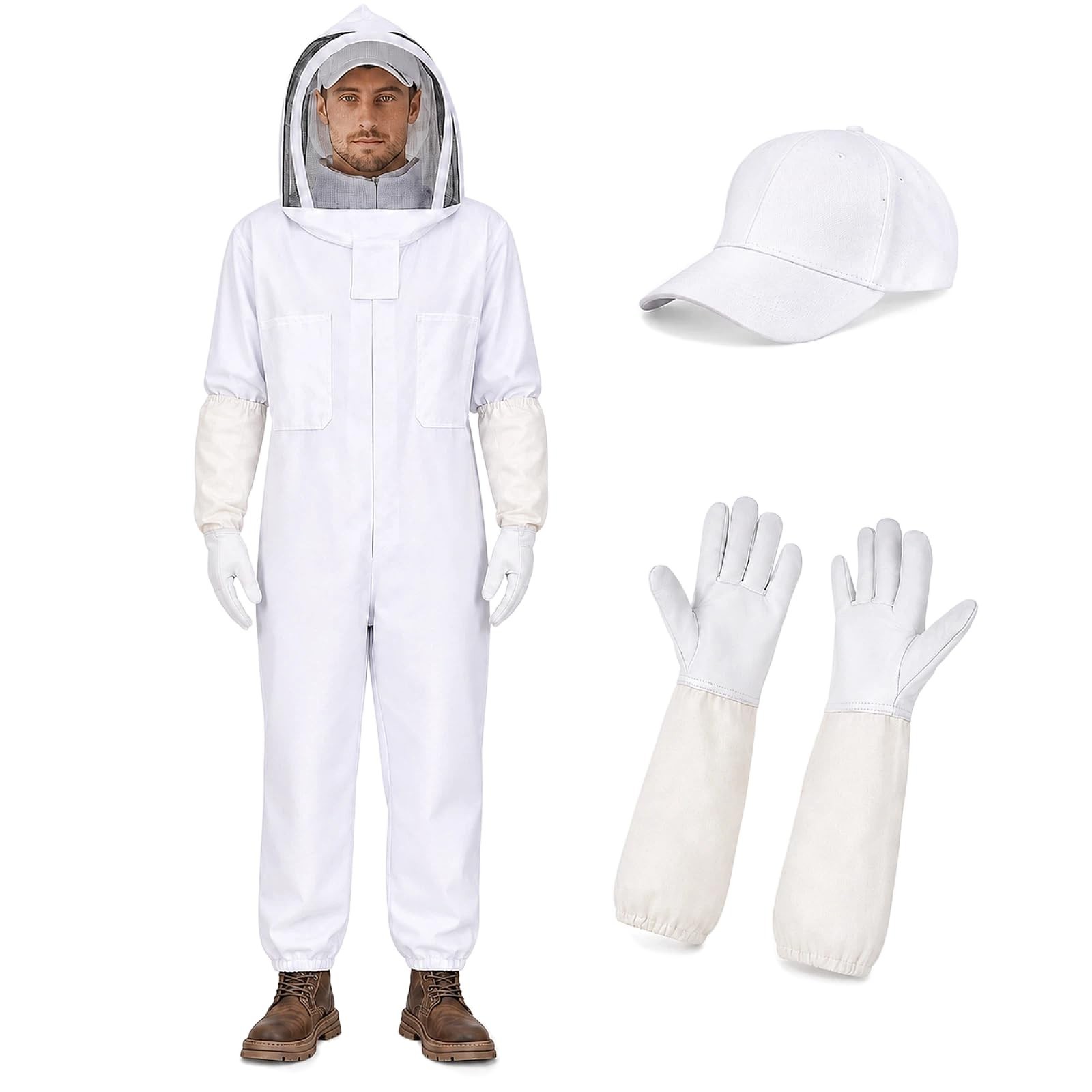 Bee Suit with Adjustable Cap and Gloves, Full Body Beekeeper Suit, XXXL | Pro...$45.99View on eBay
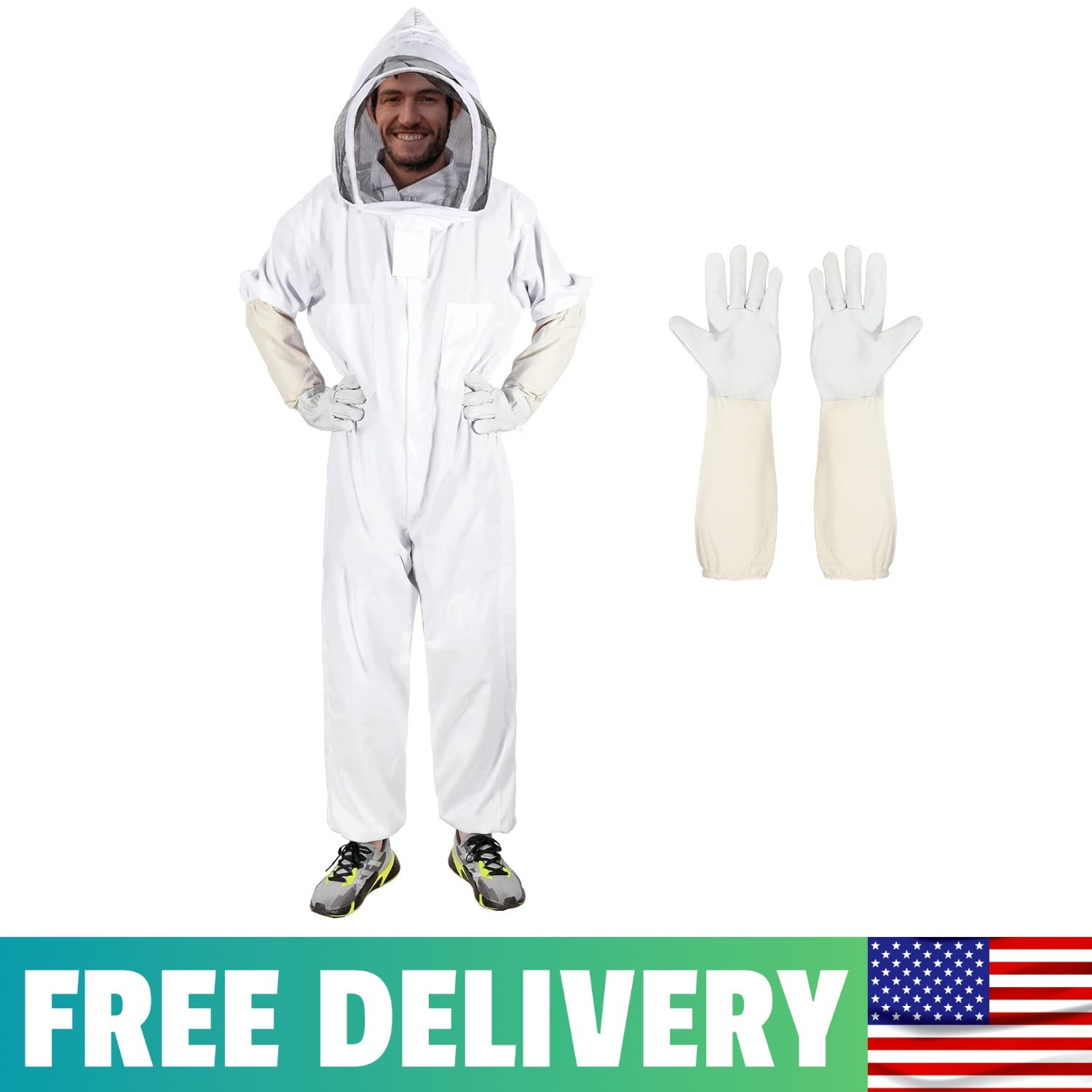 Bee Suit Beekeeper Suit With Beekeeping Gloves & Veil 2XL | Professional Bee$47.98View on eBay
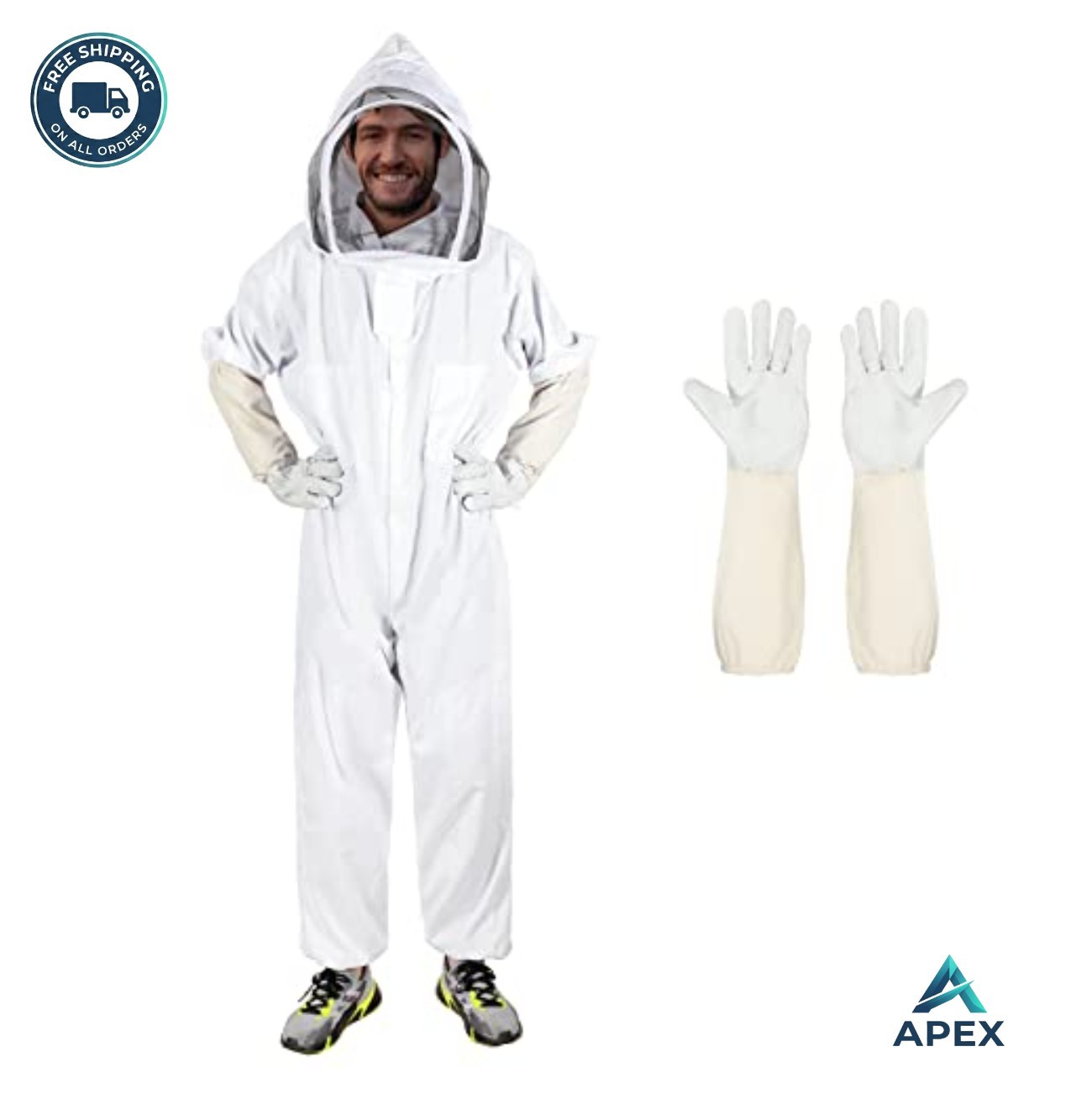 Bee Suit Beekeeper Coverall with Gloves Included XL Full Body Hooded Fence Veil$59.67View on eBay
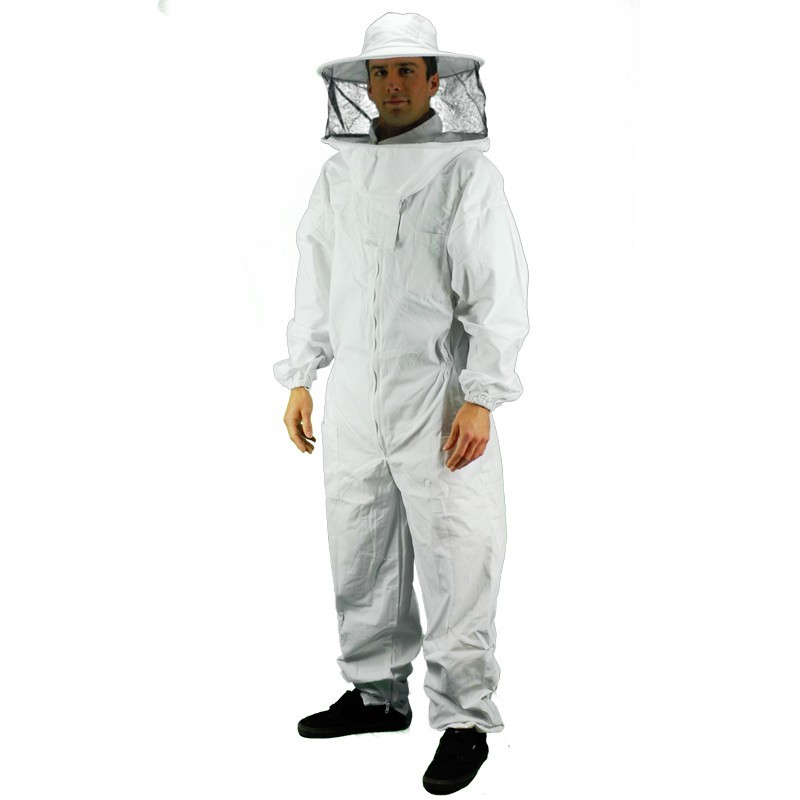 Professional Bee Suit,Beekeeping Supply Suit-Eco Keeper( Round hood)- X Large$118.95View on eBay
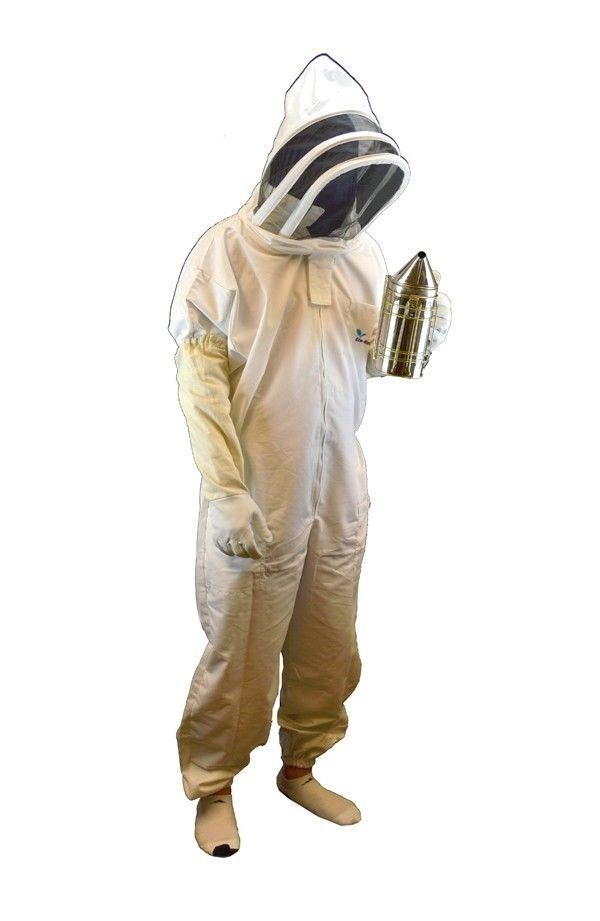 Beekeeping Suit, Bee Suit, Beekeeper suit with Gloves -Large Size$119.99View on eBay
Highlights
- Fabric weight separates tiers: 220–250 GSM cotton/poly is entry-level (stings through when pressed), 280–320 GSM is mid, and 350+ GSM or 3-layer ventilated mesh is the professional barrier standard.
- Ventilated suits use three bonded mesh layers that keep bees' stingers from reaching skin while passing air; non-ventilated suits above 350 GSM trap heat and are only tolerable under 20°C / 68°F.
- Veil type changes safety: round/fencing hoods keep mesh off the face with rigid hoops, while folding square veils pack flat but collapse against skin when bent—round hoods are safer for beginners.
- Cuff seals matter more than zip quality: elastic cuffs with thumb loops plus ankle zips stop bees crawling up sleeves and pant legs; glued/stitched seam overlap at wrists and ankles is the fail point on cheap suits.
Best use cases
- Backyard hobbyist with 1–3 hives in mild climate: a 280–320 GSM polycotton full-body suit with round hood and elastic cuffs is the right tier; skip 220 GSM 'economy' suits and thin veil-only jackets.
- Hot-climate or high-humidity beekeeper (regularly above 30°C / 86°F): pick a three-layer ventilated mesh suit—non-vented 350 GSM will cause heat exhaustion; ventilated suits are also correct for long inspections.
- Commercial or aggressive-breed (Africanized/defensive) work: choose 350+ GSM or triple-layer vented suit with round fencing hood, gloves with long gauntlets, and ankle zips; ordinary cotton jackets and folding veils are wrong-fit here.
- Quick hive check or mentoring: a jacket-plus-veil combo is fine and easier to don than a full coverall, but only if it has 280+ GSM fabric and elastic cuffs—thin 'bee jacket' fashion items are wrong-fit.
Buying tips
- Size by chest and height, not letter: a suit should allow a base layer plus 5–8 cm (2–3 in) of slack at chest and 3–5 cm at wrists/ankles; XXL commonly fits 6'0"–6'2" and 3XL for broader builds—order one size up from street wear.
- Check fabric weight in GSM before anything else: 220–250 GSM is a sting-through risk when bees press; 280–320 GSM is the practical hobby minimum; 350+ GSM or 3-layer vented mesh is the durable/professional spec.
- Demand a round or fencing-style veil with rigid hoops and a zippered, overlapping attachment; folding square veils and elastic-only hoods are the most common sting-entry point at the neck.
- Look for elastic cuffs with thumb loops, ankle zips over boots, and doubled or taped seams at wrists, ankles, and neck—these seals decide real-world protection more than the main zipper or brand.
Specs
| Fabric Weight | 220–350+ GSM; 300+ pro |
|---|---|
| Ventilation | 3-layer mesh vs solid cotton |
| Veil Type | Round fencing hood vs folding |
| Seal Features | Elastic cuffs, ankle zips |
Related searches
What to check before buying
- Measure chest circumference and height in shoes; compare to the suit's size chart allowing a base layer plus 2–3 in chest ease and correct inseam so cuffs sit over boots, not above them—XXL charts typically cover 6'0"–6'2".
- Match fabric to local climate: choose ventilated 3-layer mesh for sustained heat above 30°C / 86°F, and 320–350 GSM cotton/poly for cooler regions where sting-through resistance matters more than airflow.
- Confirm boot and glove compatibility: ankle zips must open wide enough for work boots, and gauntlet gloves need to overlap cuffs; a suit without ankle zips will gap over tall boots.
- Check included components and washing: full kits should include veil/hood, gloves, and sometimes jacket; confirm the suit is machine-washable (cold, no fabric softener) since propolis and venom residue degrade unwashed fabric over seasons.
FAQ
Data sources: eBay / Amazon listings and product attribute feeds. Updated Nov 25, 2026.
Some links on this page are affiliate links. If you buy after clicking one, we may earn a commission at no extra cost to you. This does not change which products appear here or their order. Affiliate disclosure.