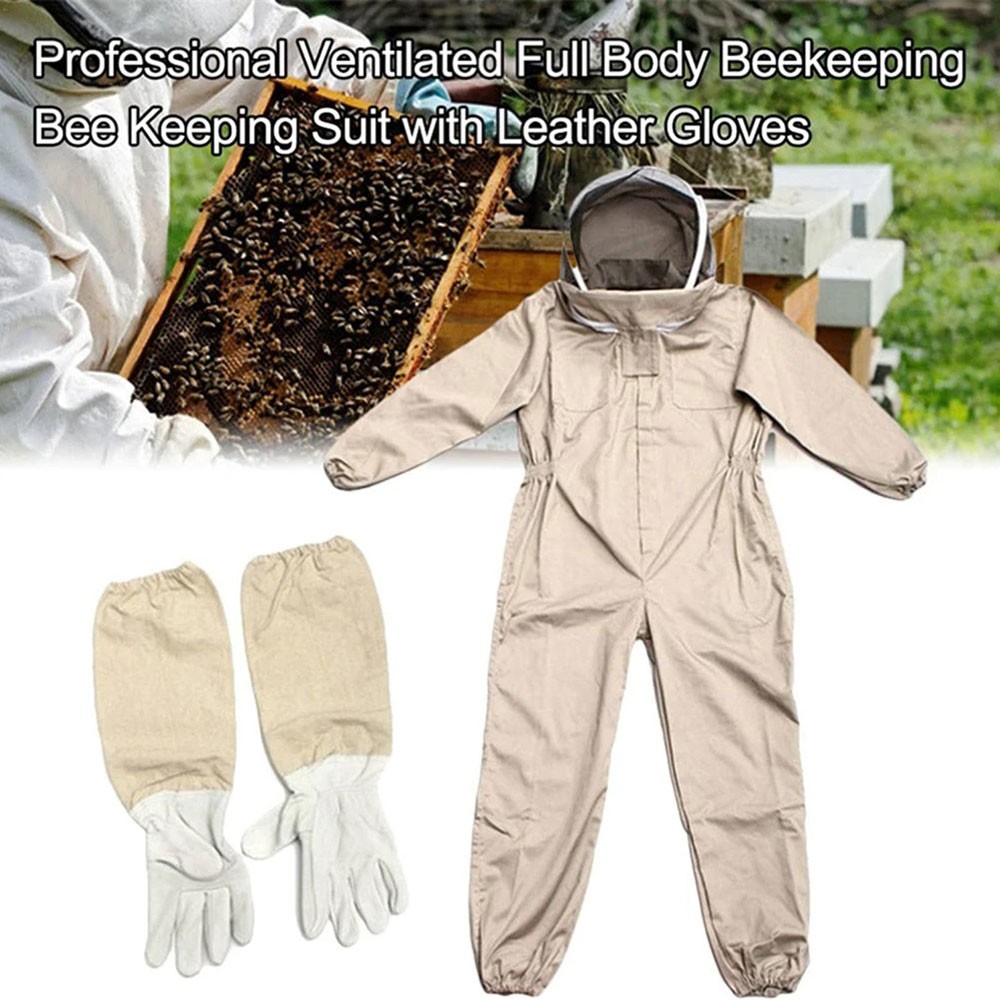

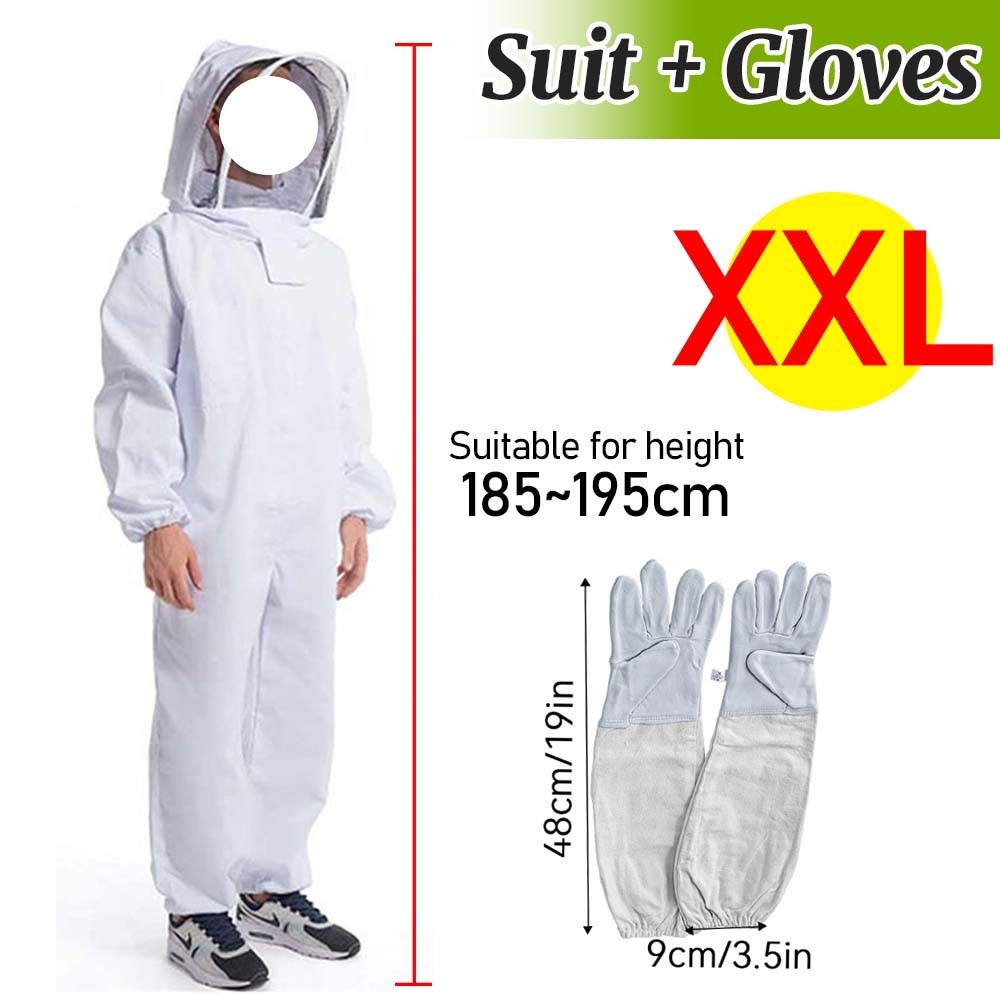
Photos from current listings. Actual item, color, and included accessories may vary.
Beekeeping Hood Buying Guide
A beekeeping hood is the single most critical barrier between you and a defensive colony, yet buyers often pick a veil style without matching it to their inspection habits. The right hood balances visibility, ventilation, and sting-proof closure—not just fabric thickness. Get the attachment method and face clearance wrong, and you'll either fog up or leave a gap at the neckline.
Median $35.30
Key takeaways
- Fencing-style veils use a rigid mesh cylinder held off the face by a hat brim or wire hoop, while suit-attached hoods zip directly to the coverall collar for a sealed neckline.
- Ventilated mesh hoods rely on three-layer or laminated mesh that blocks stingers while passing air—unventilated cotton or polyester veils trap heat and fog glasses during long inspections.
- Hat-mounted veils secure with a brim channel or elastic band and suit casual checks; full zip-on hoods with neck straps are the standard for defensive colonies and multi-hive apiaries.
At a glance
- Category
- Beekeeping Suits & Protection
- Last updated
- Nov 25, 2026
Current offers
Highlights
- Fencing-style veils use a rigid mesh cylinder held off the face by a hat brim or wire hoop, while suit-attached hoods zip directly to the coverall collar for a sealed neckline.
- Ventilated mesh hoods rely on three-layer or laminated mesh that blocks stingers while passing air—unventilated cotton or polyester veils trap heat and fog glasses during long inspections.
- Hat-mounted veils secure with a brim channel or elastic band and suit casual checks; full zip-on hoods with neck straps are the standard for defensive colonies and multi-hive apiaries.
- Stainless or fiberglass screen mesh resists tearing and holds shape better than nylon netting, which snags on frames and loses face clearance after repeated washing.
Best use cases
- Choose a zip-on ventilated hood for Langstroth inspections in summer heat—it seals the neckline and keeps mesh off your face while you work full frames.
- Pick a hat-attached fencing veil for quick entrance checks or top-bar hive work where you need fast on-off and maximum peripheral vision.
- Skip round-brim hat veils for defensive Africanized or overwintered colonies—the gap-prone elastic neck seal is the first place bees exploit.
- Avoid unventilated cotton hoods for multi-hour apiary sessions; condensation on the mesh obscures vision and turns a routine check into a blind fumble.
Buying tips
- Prioritize hood-to-suit attachment method first: zippered hoods suit full inspections, while hat-mounted veils favor speed and portability.
- Inspect mesh construction—three-layer ventilated mesh and stainless screen hold shape and block stingers better than single-layer nylon netting.
- Check face clearance by measuring from the hat brim or hoop to the mesh panel; less than two inches lets bees press mesh against your nose.
- Choose hoods with reinforced neck seams and elastic or drawstring cinches, since the neckline is the most common sting entry point.
Specs
| Veil Style | Fencing / Ventilated / Hat-mounted |
|---|---|
| Attachment | Zipper / Elastic / Brim channel |
| Mesh Type | 3-layer ventilated / Stainless screen |
| Neck Seal | Drawstring / Elastic / Zippered collar |
Related searches
What to check before buying
- Confirm your suit's collar zipper or attachment ring matches the hood style you buy—hoods are rarely universal across brands.
- Measure your hat circumference if selecting a hat-mounted veil, since brim channels and elastic bands fit specific head sizes.
- Check local climate: ventilated mesh hoods are essential in humid summers, while solid veils suit cooler spring inspections.
- Verify the hood includes a neck seal or strap system, and that replacement veils are sold separately for your chosen hat or suit.
FAQ
Data sources: eBay / Amazon listings and product attribute feeds. Updated Nov 25, 2026.
Some links on this page are affiliate links. If you buy after clicking one, we may earn a commission at no extra cost to you. This does not change which products appear here or their order. Affiliate disclosure.