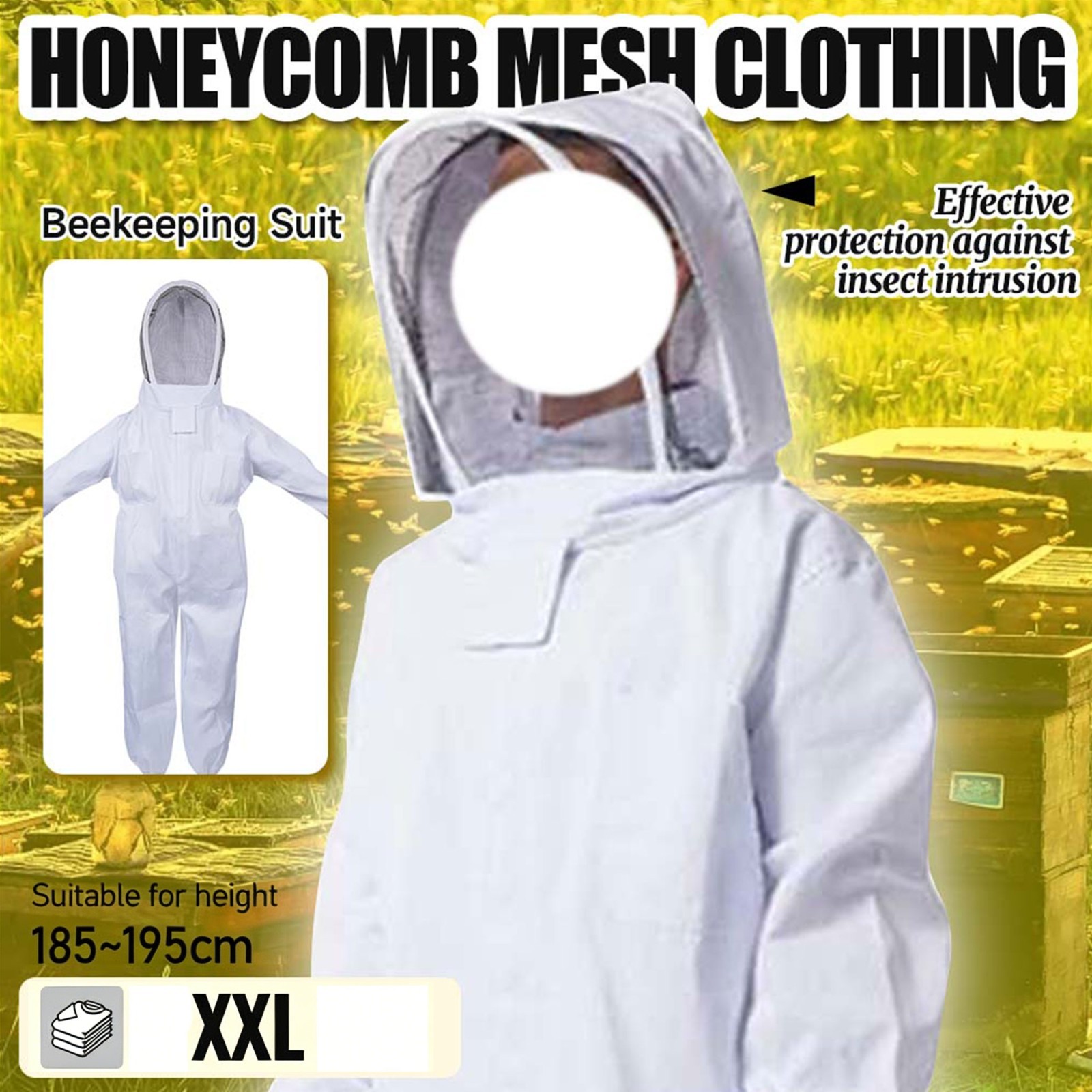

Photos from current listings. Actual item, color, and included accessories may vary.
Bee Veil Buying Guide
A bee veil is the critical face-and-neck barrier that separates a controlled hive inspection from a sting to the head or throat, and the category splits cleanly into hat-attached round veils, fencing-style square veils, and full suit-integrated hoods. The primary trade-off is visibility and airflow versus sting-proof sealing: cheap mesh with coarse apertures or elastic-only neck closures lets bees probe through, while proper veils use fine 18-20 mesh per inch screen and a zippered or double-drawcord seal. The decision rule is simple: buy a veil with a minimum 18-mesh screen and a positive mechanical neck seal (zipper or dual drawcord), and skip any veil that relies on a single elastic band or open-bottom drape as its only defense.
Key takeaways
- Mesh aperture is the defining spec: 18-20 holes per inch blocks honeybees and wasps while passing air; coarser 14-16 mesh lets bees probe and is only acceptable for distant observation.
- Veil architecture falls into three classes: hat-attached round veils (best visibility and airflow), square fencing veils (best for tucking into jacket collars with a rigid frame), and suit-integrated hoods (best seal but least ventilation).
- Neck closure mechanics determine sting risk: a zippered collar or double drawcord with an overlapping fabric skirt beats a single elastic band, which gaps when you bend forward.
At a glance
- Category
- Beekeeping Suits & Protection
- Last updated
- Nov 25, 2026
Current offers
Highlights
- Mesh aperture is the defining spec: 18-20 holes per inch blocks honeybees and wasps while passing air; coarser 14-16 mesh lets bees probe and is only acceptable for distant observation.
- Veil architecture falls into three classes: hat-attached round veils (best visibility and airflow), square fencing veils (best for tucking into jacket collars with a rigid frame), and suit-integrated hoods (best seal but least ventilation).
- Neck closure mechanics determine sting risk: a zippered collar or double drawcord with an overlapping fabric skirt beats a single elastic band, which gaps when you bend forward.
- Hat compatibility matters — round veils clamp to a specific brim diameter, so the hat and veil must be bought as a matched pair or the veil must include an adjustable headband.
Best use cases
- Backyard beekeeper doing weekly inspections in temperate weather: pick a hat-attached round veil with 18+ mesh and a zippered neck for maximum airflow and face visibility; skip full suit-integrated hoods that fog and restrict vision.
- Hot-climate or high-humidity inspections: choose a ventilated round veil with a rigid brim and fine mesh; avoid cotton suit hoods that trap heat and moisture against the face.
- Working defensive hives or doing cutouts: use a square fencing veil with a rigid frame and a double-drawcord neck that tucks into a jacket collar; a round hat veil alone leaves the neck and upper chest exposed when you lean over the brood box.
- Beginners or shared-equipment households: buy a suit-integrated hood with a full-length front zipper and a matched glove and cuff system; separate hat-and-veil combos are cheaper but more prone to gaps at the neck and wrists.
Buying tips
- Match veil type to hat: measure your hat brim diameter and choose a round veil rated for that brim, or buy a veil with an adjustable elastic headband that fits any brim from about 15 to 20 inches.
- Use the 18-mesh rule: any veil marketed with 'fine mesh' should state at least 18 holes per inch; if the listing gives no mesh count, treat it as unsuitable for close hive work.
- Size the veil for your upper body, not just your head: round veils should drop to the shoulders and square veils to mid-chest, and a veil under about 12 inches of drop leaves the neck exposed when bending.
- Prefer metal or heavy-duty plastic zippers over coil zippers on the neck closure, and look for an overlapping fabric flap behind the zipper to stop bees from working through the teeth.
Specs
| Veil Type | Round hat / Square fencing / Suit hood |
|---|---|
| Mesh Rating | 18-20 holes per inch (fine) |
| Neck Closure | Zipper or double drawcord |
| Drop Length | 12-16 in to shoulders or chest |
Related searches
What to check before buying
- Measure your hat brim diameter or confirm the veil ships with a matched hat; an unmatched round veil will not seal at the brim and bees will enter at the crown.
- Confirm the veil drop length reaches your shoulders (round) or mid-chest (square) when worn over your usual jacket or suit.
- Check that the neck closure is a zipper or double drawcord with an overlapping skirt — single elastic bands gap when you bend.
- Verify the mesh is rated 18 holes per inch or finer and that the screen is black or dark for glare reduction during long inspections.
FAQ
Data sources: eBay / Amazon listings and product attribute feeds. Updated Nov 25, 2026.
Some links on this page are affiliate links. If you buy after clicking one, we may earn a commission at no extra cost to you. This does not change which products appear here or their order. Affiliate disclosure.