
Photos from current listings. Actual item, color, and included accessories may vary.
Beehive Buying Guide
A beehive is a modular Langstroth box system with frames and foundation that dictates colony management and honey harvest efficiency. The primary trade-off is frame count and box depth versus material and joint durability: 8-frame hives are lighter but yield less, while 10-frame deeps maximize brood space at significant lifted weight. Choose kiln-dried cedar or pine with finger or dovetail joints and beeswax-coated foundation for lasting service; avoid stapled butt joints and plastic-only foundation if you want long-term comb stability.
Median $209.00 · New listings
Key takeaways
- Langstroth is the standard modular hive: boxes stack vertically, frames hang parallel with 3/8-inch bee space, and components from different makers usually interchange by frame count.
- Box depth defines volume: deep brood boxes hold 10 frames of 9-5/8-inch depth, mediums hold 6-5/8-inch, and shallow supers hold 5-11/16-inch; deeps are heaviest when full of honey.
- Frame count drives weight and capacity: a full 10-frame deep can weigh 80-90 lb, while an 8-frame deep runs roughly 60-70 lb and suits beekeepers prioritizing manageability.
At a glance
- Category
- Beehives & Frames
- Last updated
- Nov 27, 2026
Current offers
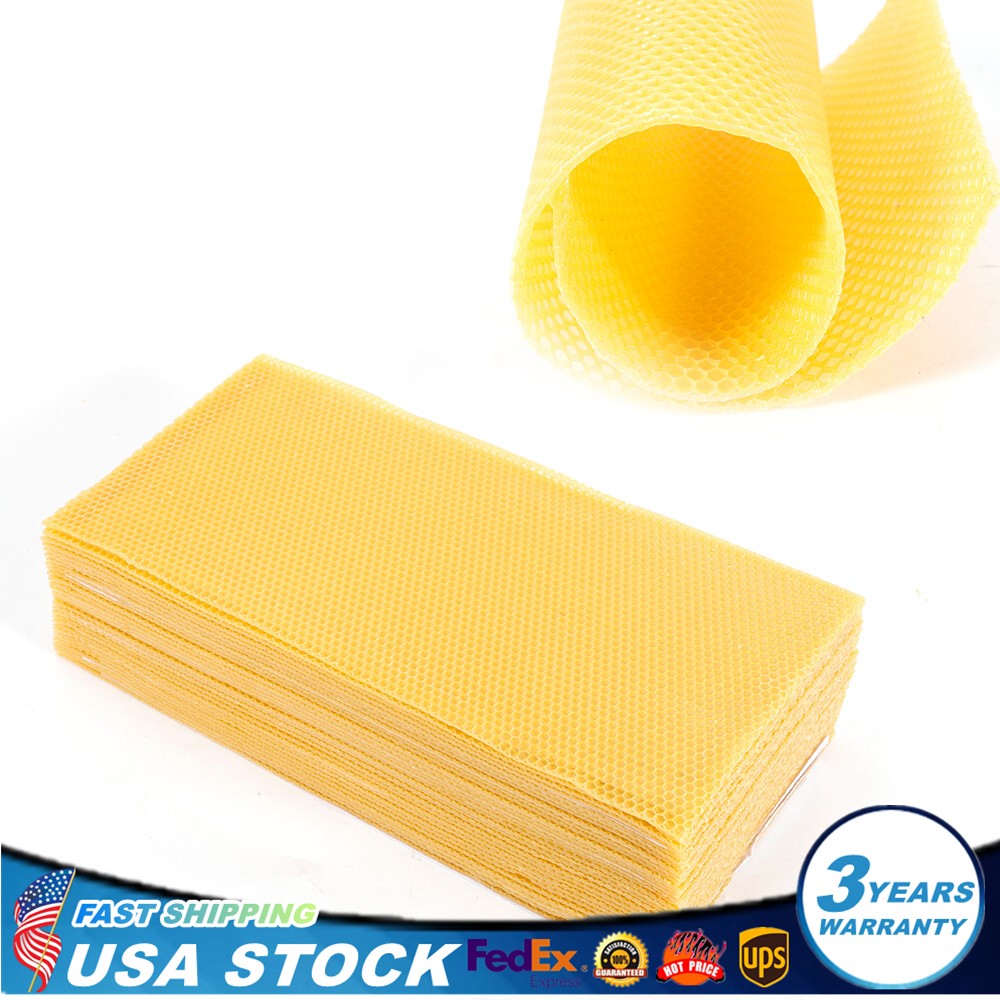 30x Bee Hive Foundation Honey Hive Equipment Deep House Nest Honeycomb Wax Frame$31.99View on eBay
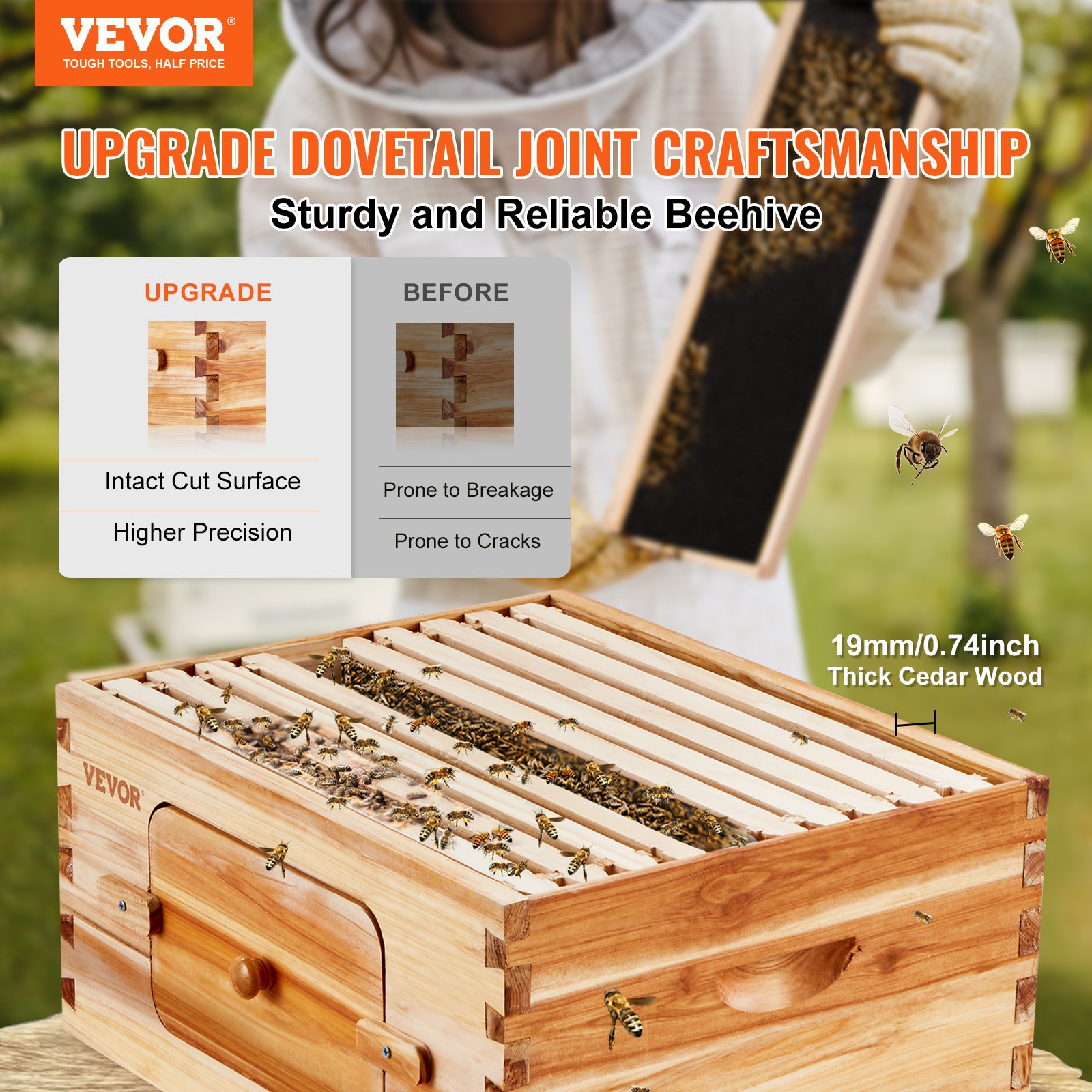 Bee Hive Deep Box Starter Kit, Beeswax Coated Natural Cedar Wood, Langstroth Beehive Kit With 10 Frames And Foundations, Transparent Acrylic Bee Windows For Beginners And Pro Beekeepers$49.99View on Mallflare
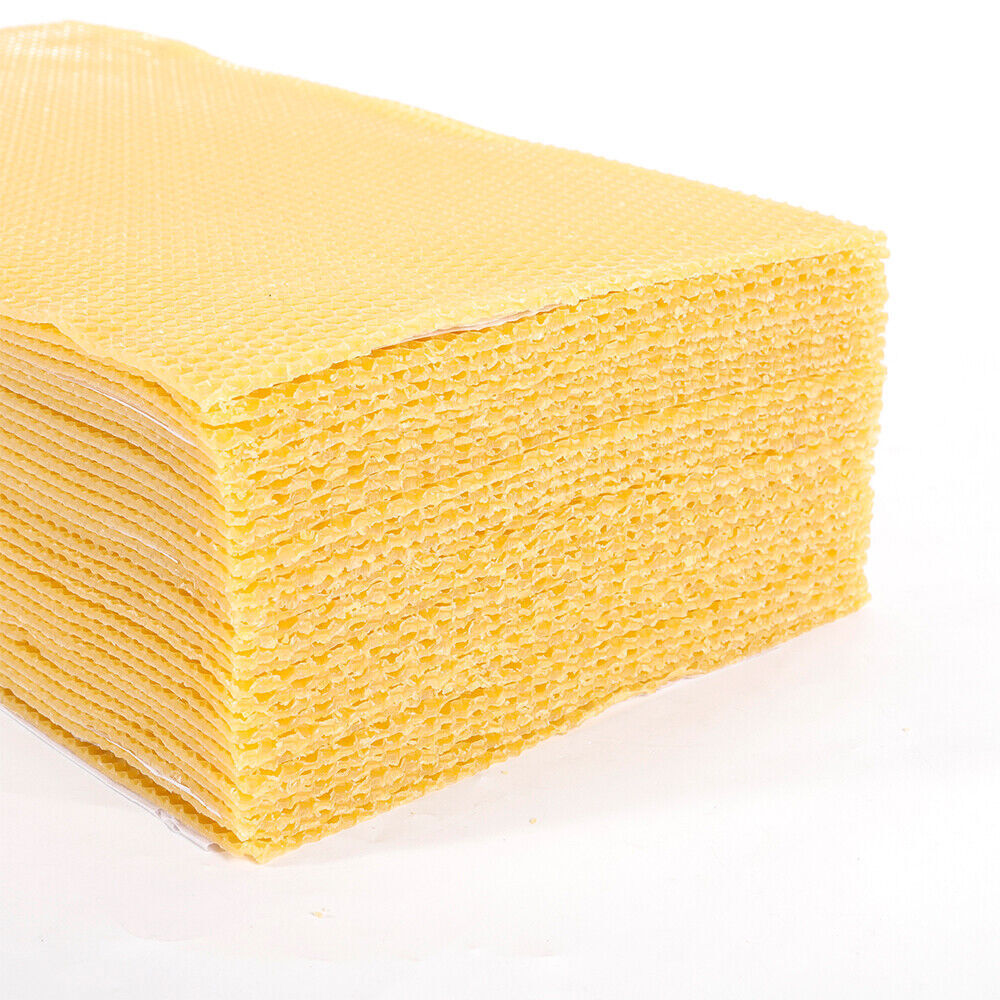 Bee Hive Foundation Honey Hive Equipment Deep House Nest Honeycomb Wax Frame$37.37View on eBay
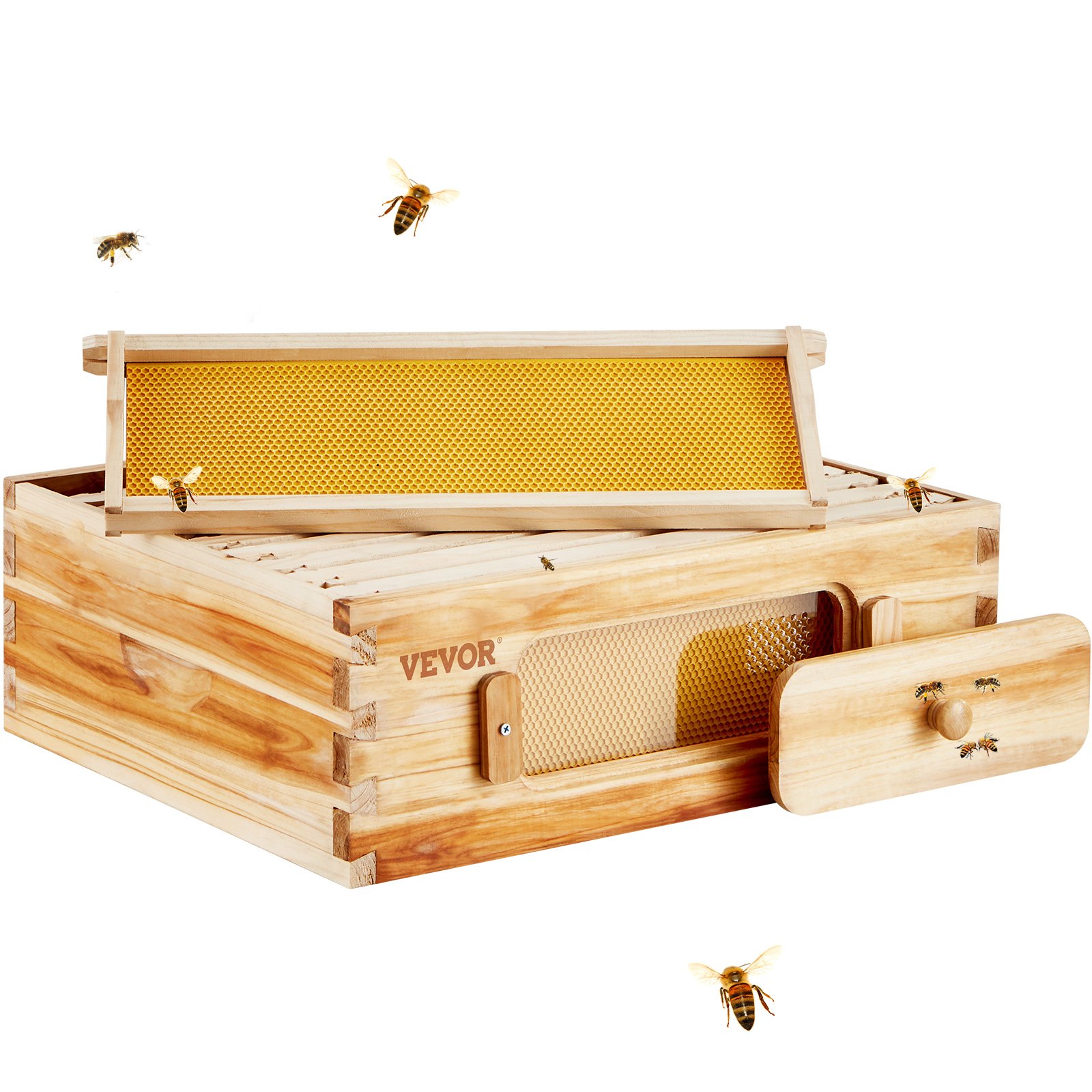 Bee Hive Medium Box Starter Kit, 100% Beeswax Coated Natural Cedar Wood, Langstroth Beehive Kit With 10 Frames And Foundations, Transparent Acrylic Bee Windows For Beginners And Pro Beekeepers$56.99View on Mallflare
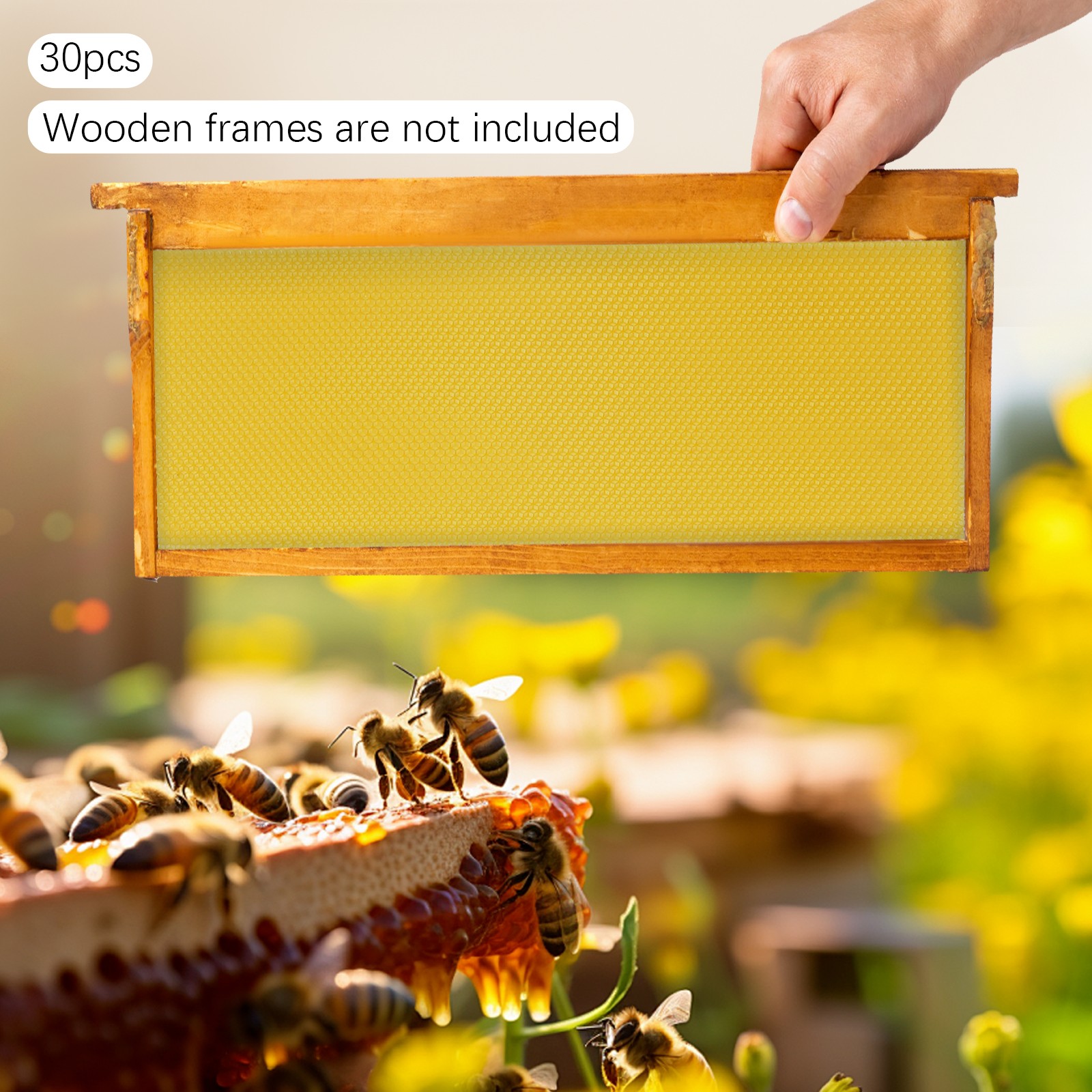 Bee Hive Foundation Honey Hive Equipment Deep House Nest Honeycomb Wax Frame$39.95View on eBay
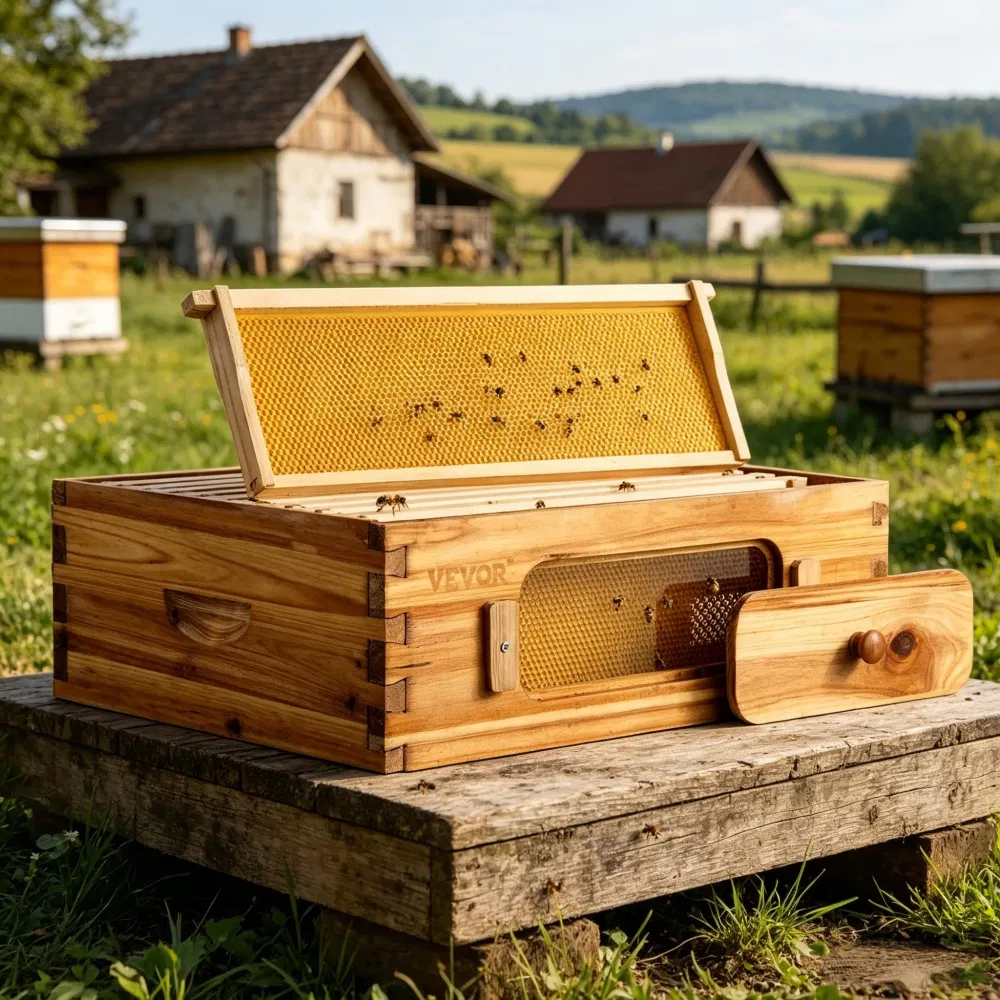 Bee Hive for Outdoor$98.99View on Mallflare
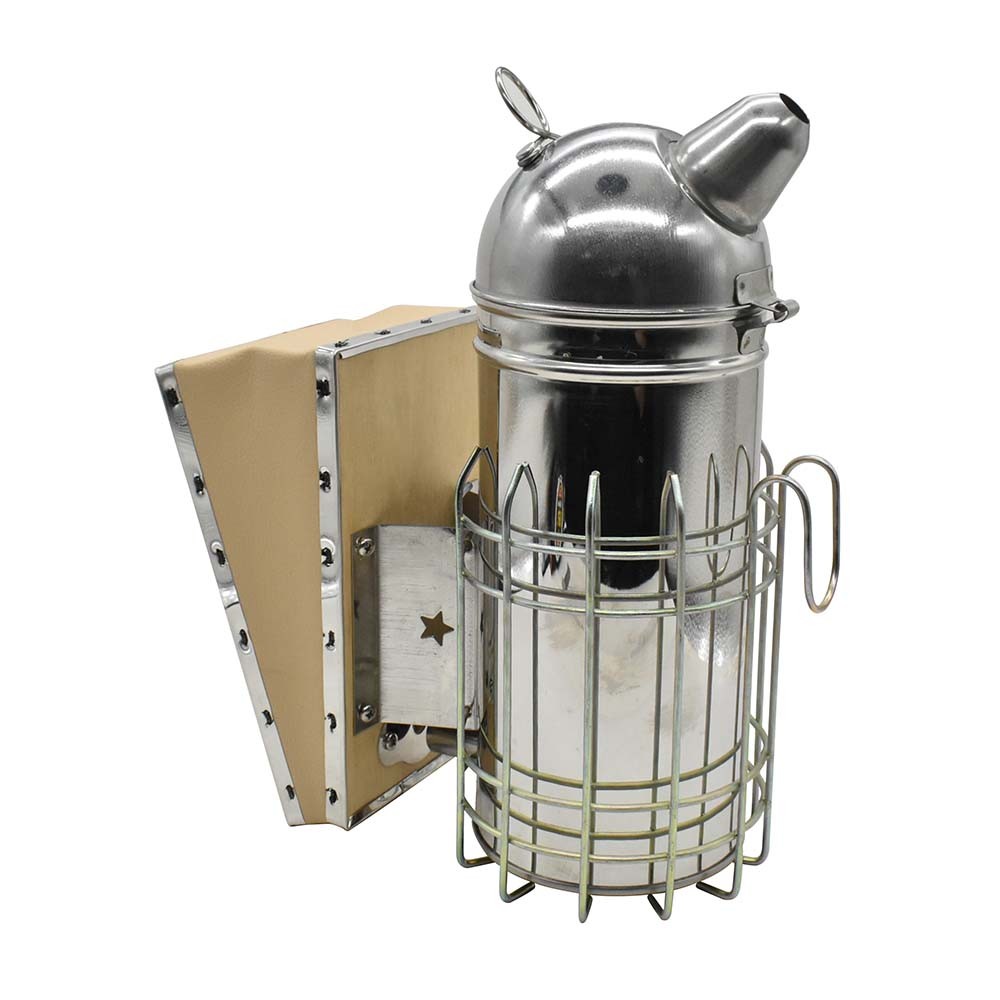 GoodLand Bee Supply GL-TKIT2 Beekeeping Beehive Kit inlcudes Smoker and Spacer$40.01View on eBay
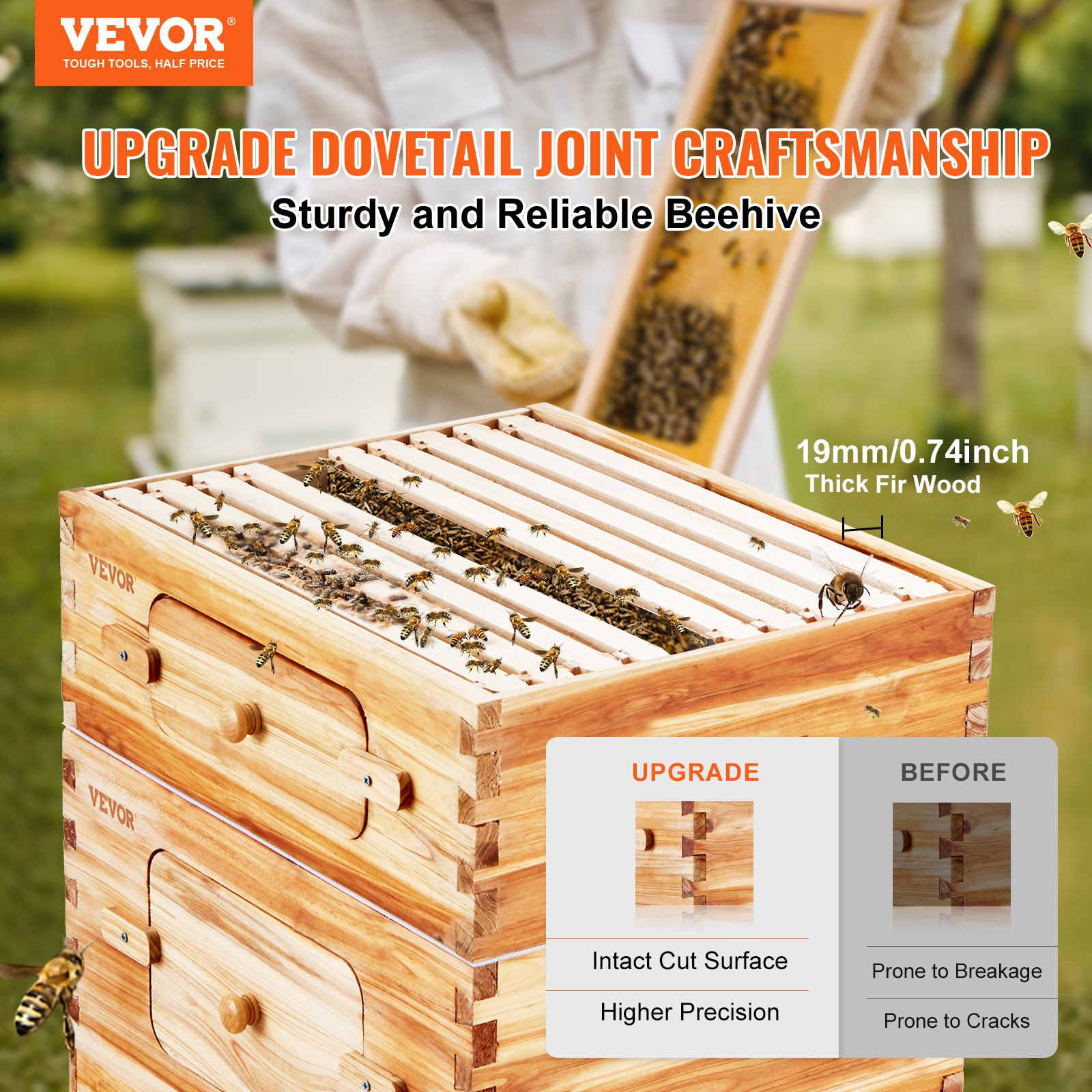 Bee Hive 20 Frame Bee Hives Starter Kit, Beeswax Coated Cedar Wood, Bee Boxes Langstroth Beehive Kit, Transparent Acrylic Windows With Foundations For Beginners Pro Beekeepers$144.99View on Mallflare
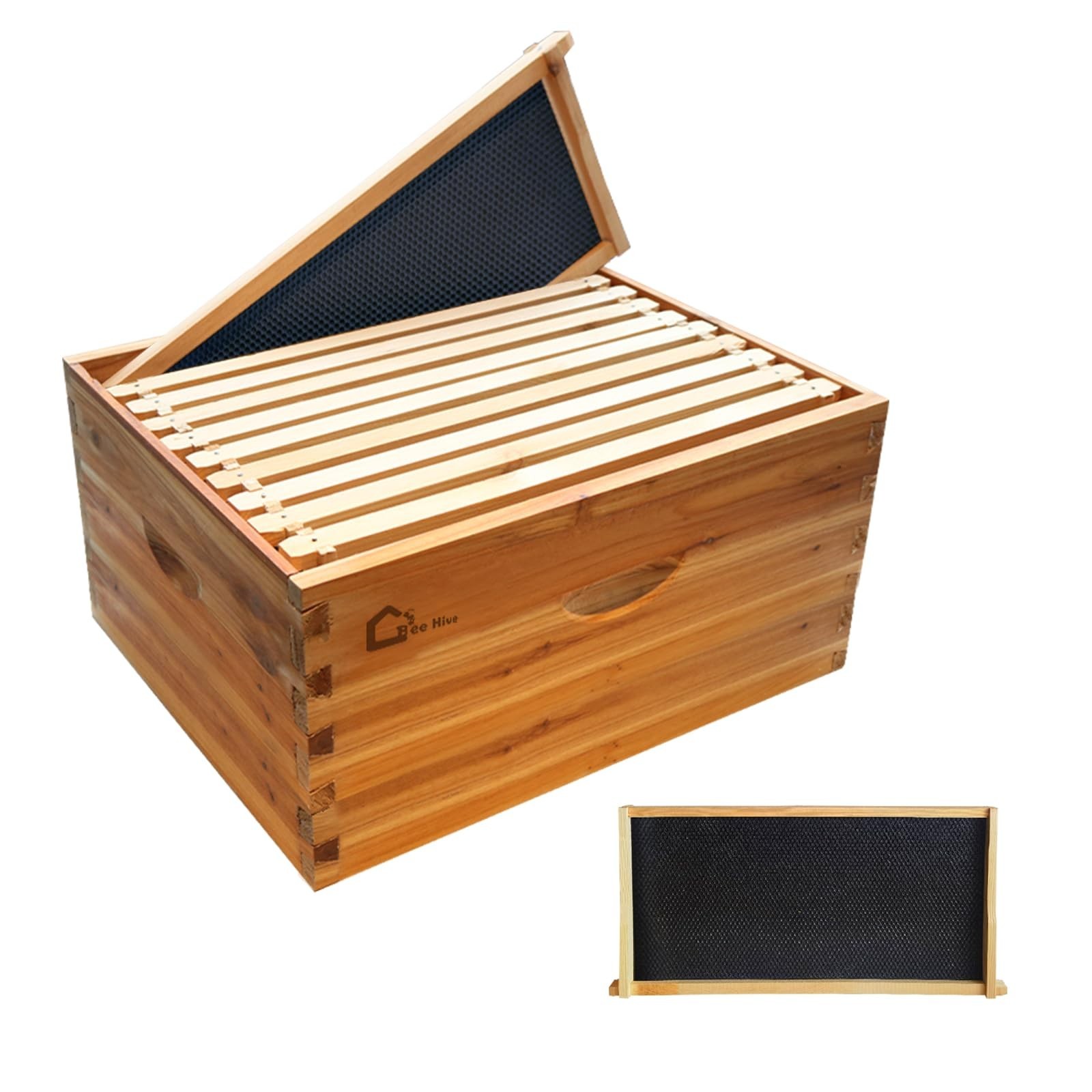 Beehive 10 Frame Complete Box Kit Langstroth Traditional Beekeeping Waterproof$55.10View on eBay
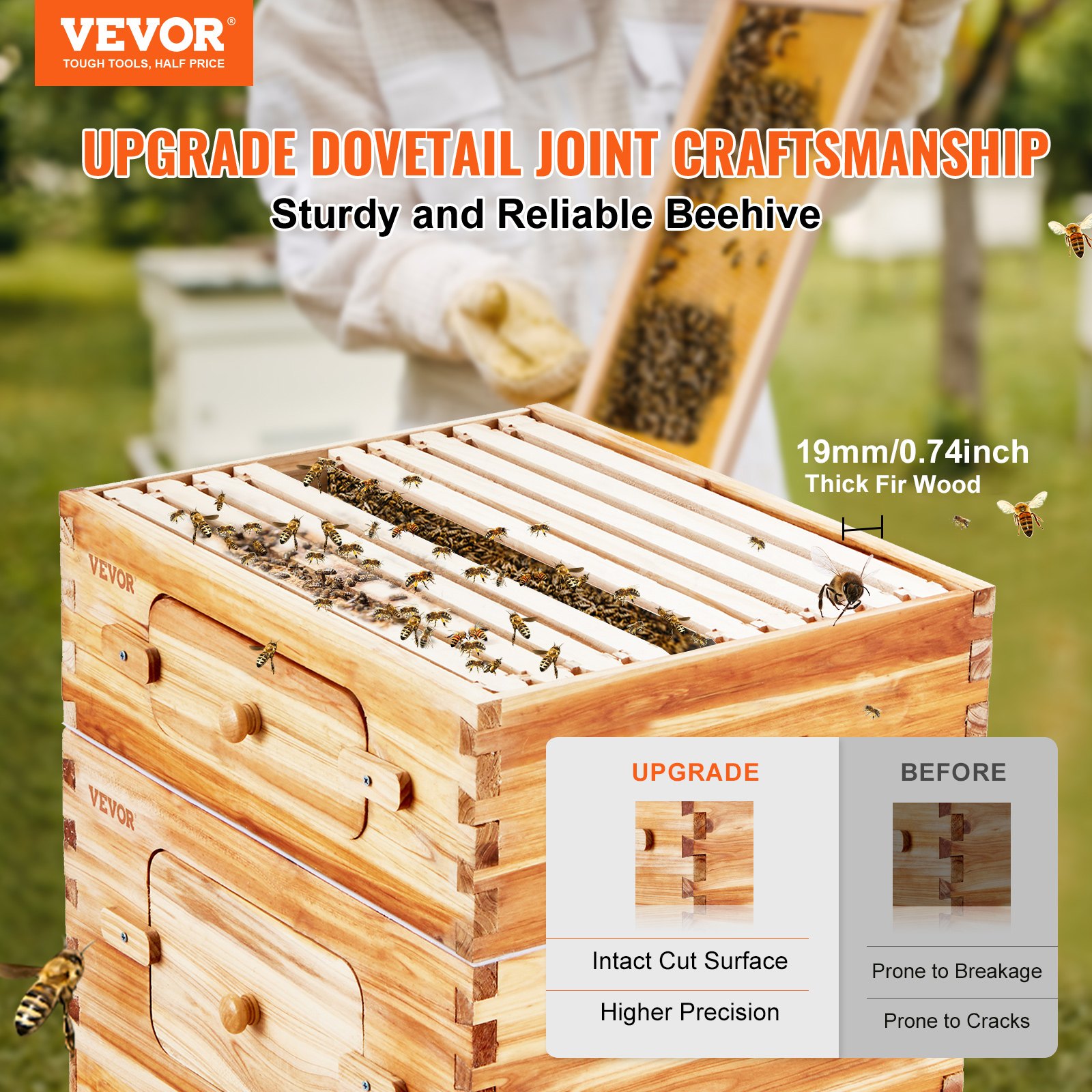 Bee Hive 30 Frame Bee Hives Starter Kit, Beeswax Coated Fir Wood, 2 Deep 1 Medium Bee Boxes Langstroth Beehive Kit, Transparent Acrylic Windows With Foundations For Beginners Pro Beekeepers$169.99View on Mallflare
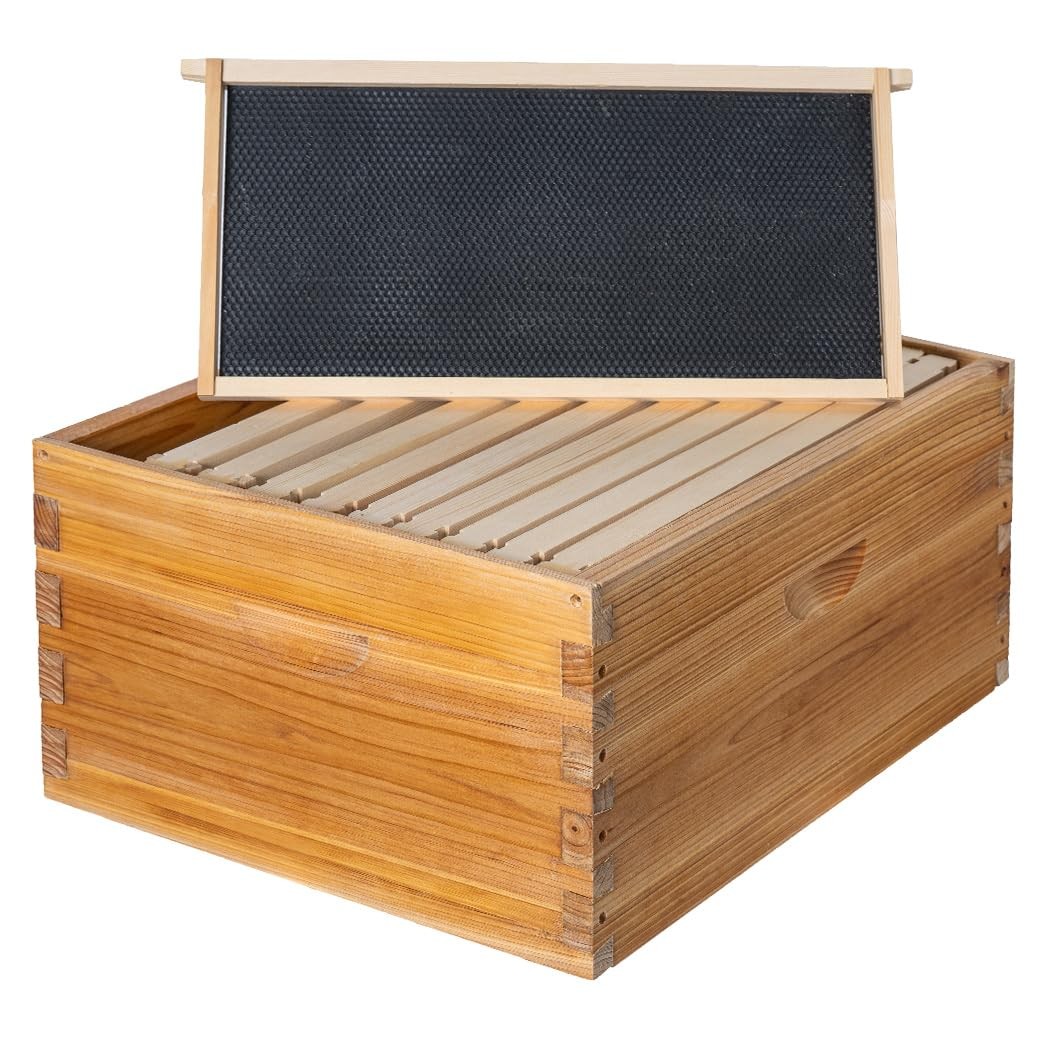 Beeswax Dipped Langstroth Bee Hive Box 10 Frame Deep Brood Beehive Equipment$75.56View on eBay
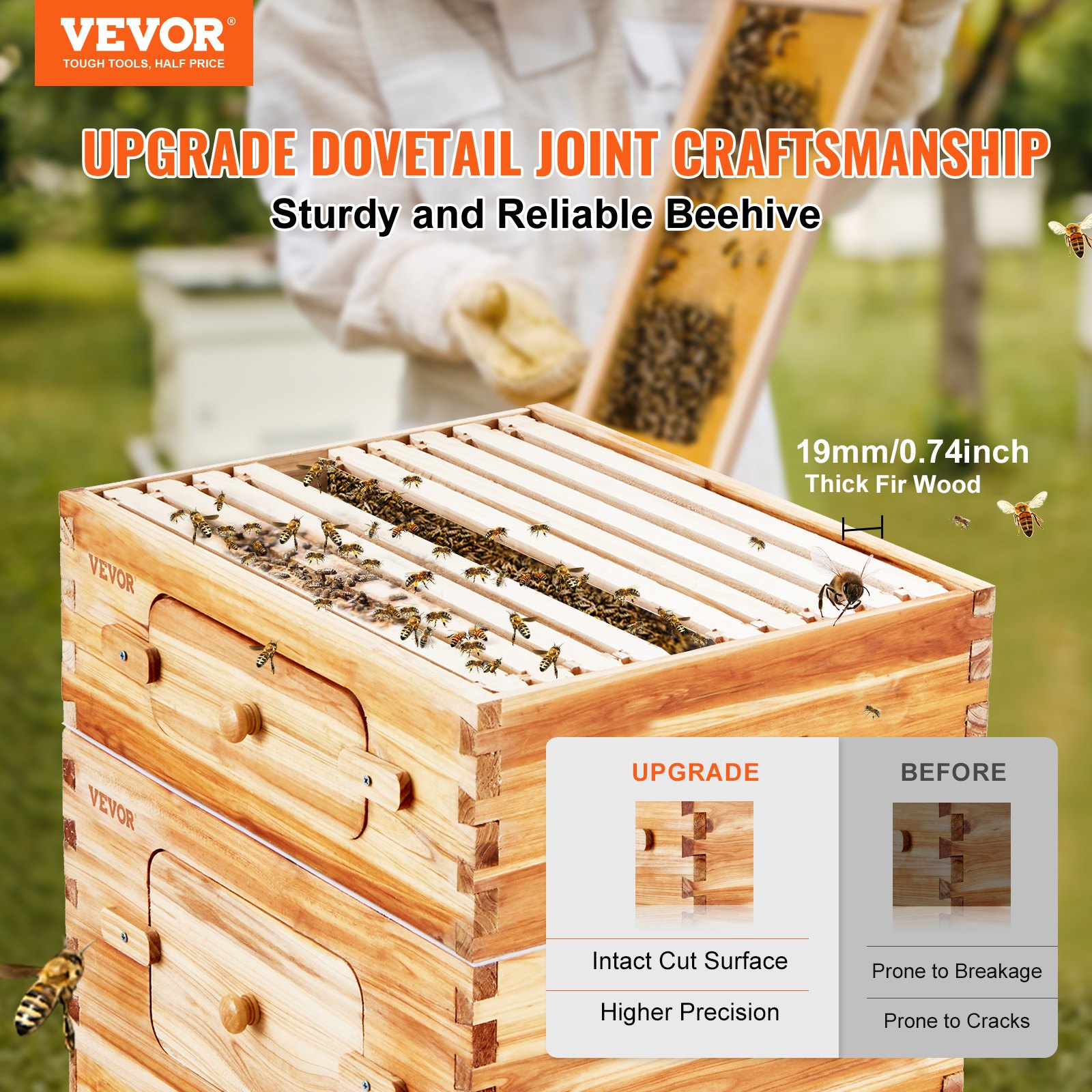 Bee Hive 40 Frame Bee Hives Starter Kit, Beeswax Coated Cedar Wood, 2 Deep 2 Medium Bee Boxes Langstroth Beehive Kit, Transparent Acrylic Windows With Foundations For Beginners Pro Beekeepers$207.99View on Mallflare
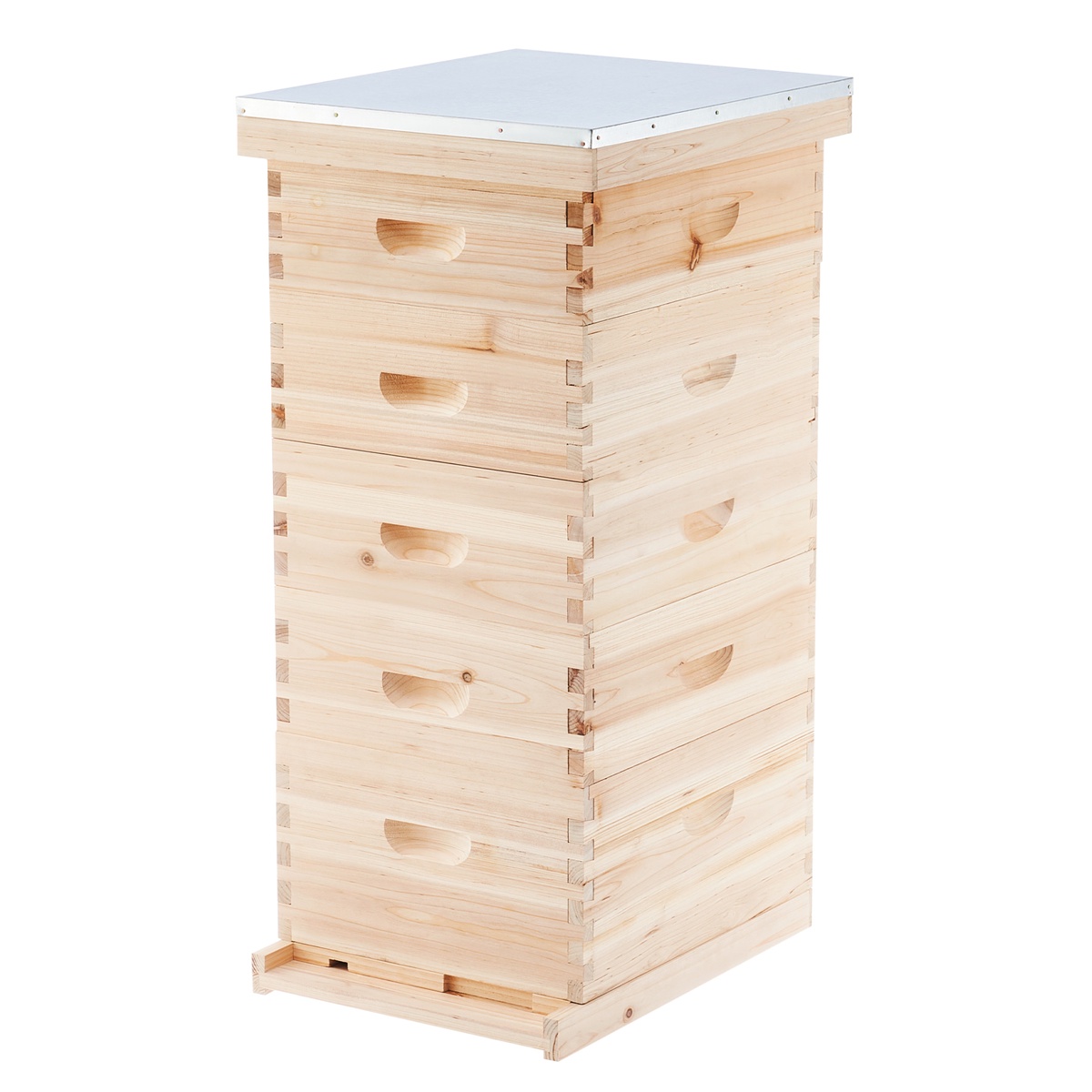 Upgraded Beehive 5 layer Honey Bee Hive W/ Metal Roof and queen excluder$124.99View on eBay
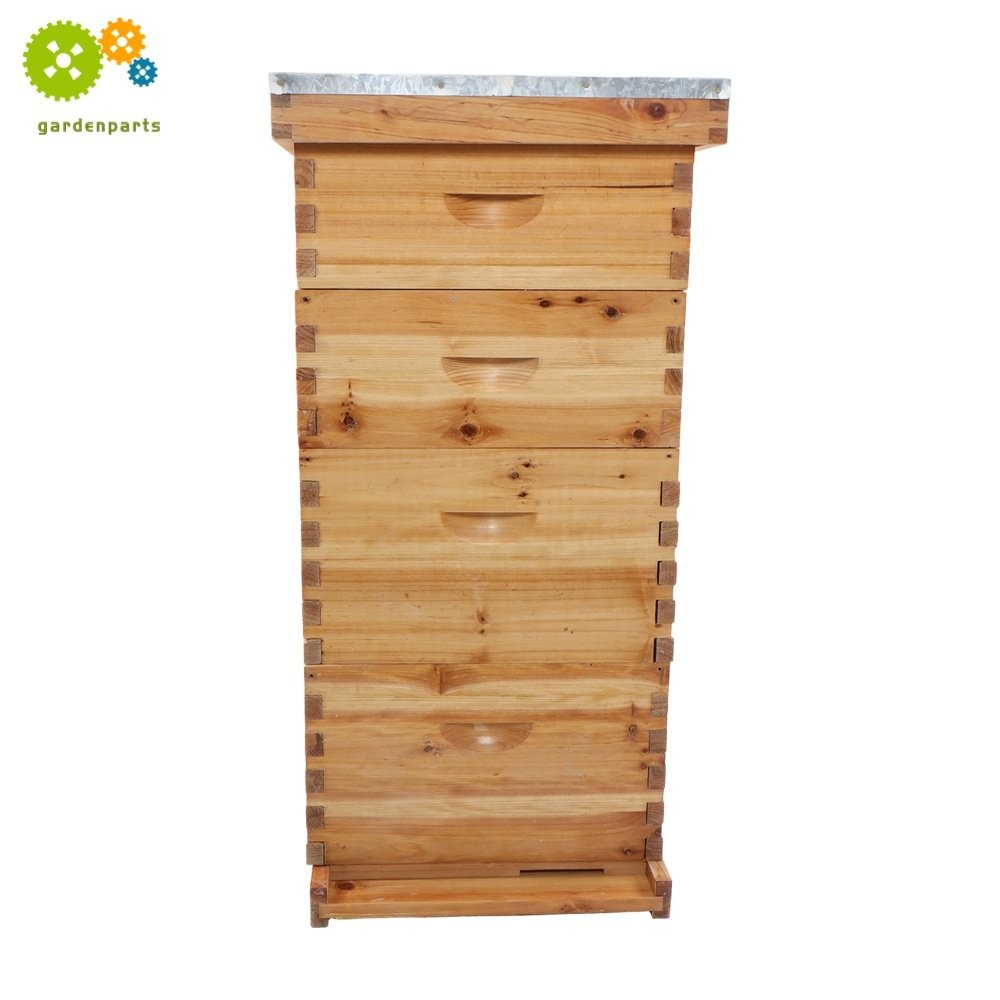 4 Layer Complete Beehive Box Includes 2 Deep Boxes & 2 Medium Boxes 8 Frame$149.65View on eBay
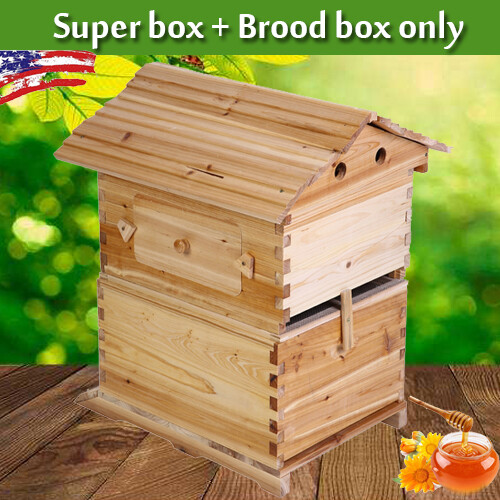 Auto Bee Hive Box Beekeeping Beehive House Beekeeping Equipment Tools Supplies$149.69View on eBay
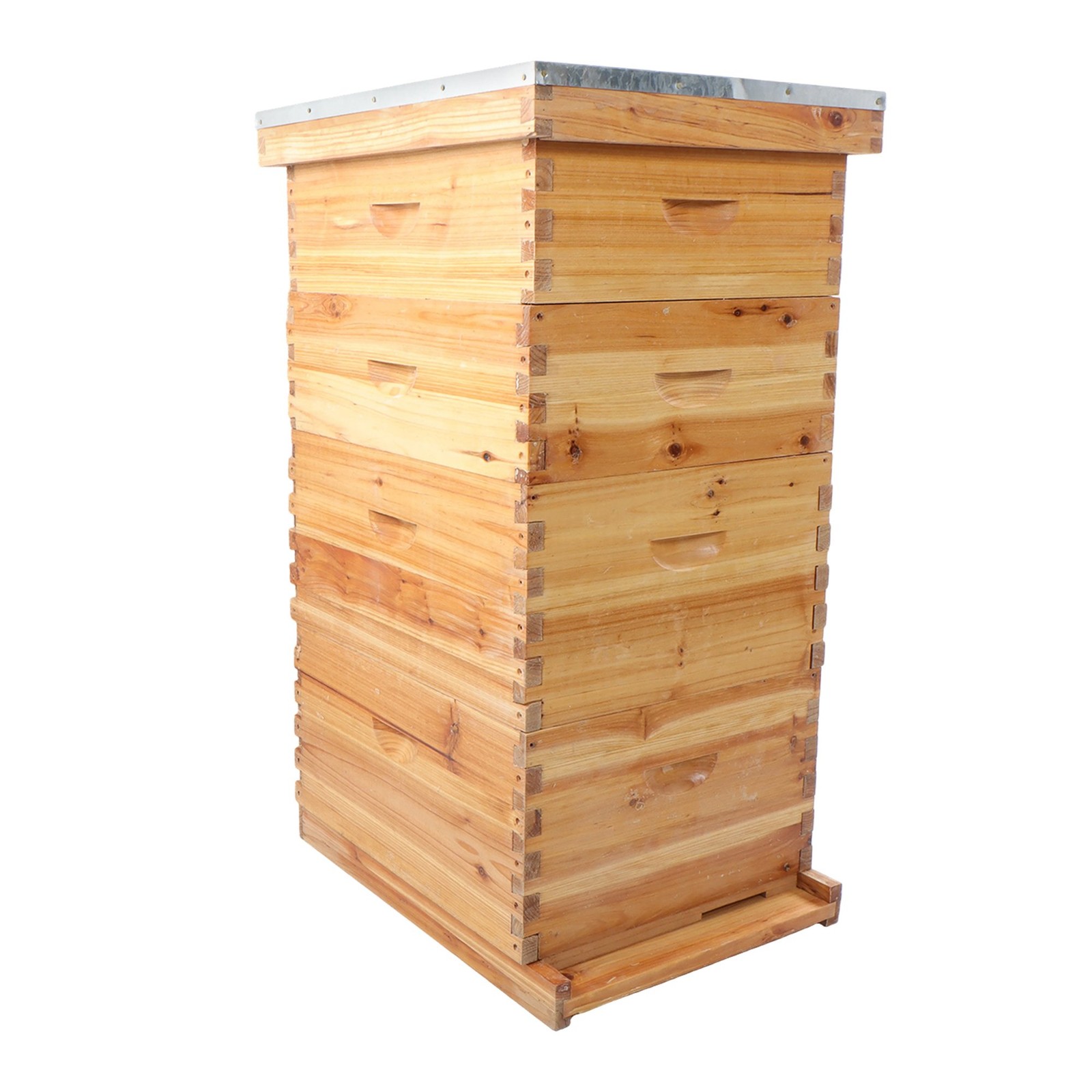 4 Layer Bee Hive Beeswax Coated Includes Beehive Frames and Foundations 8 Frame$150.12View on eBay
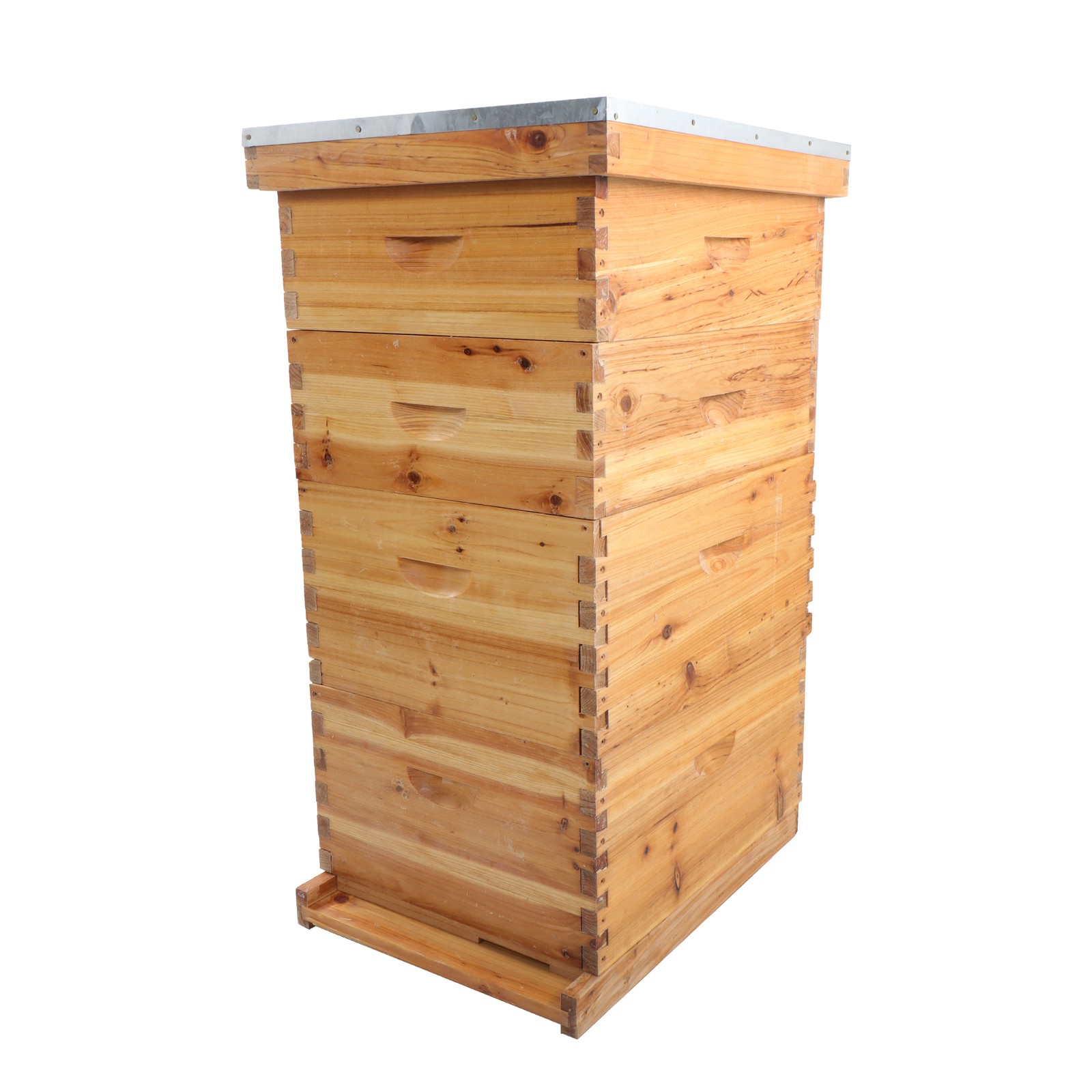 4 Layer 10 Frame Bee Hive Beeswax Coated Includes Beehive Frames and Foundations$166.08View on eBay
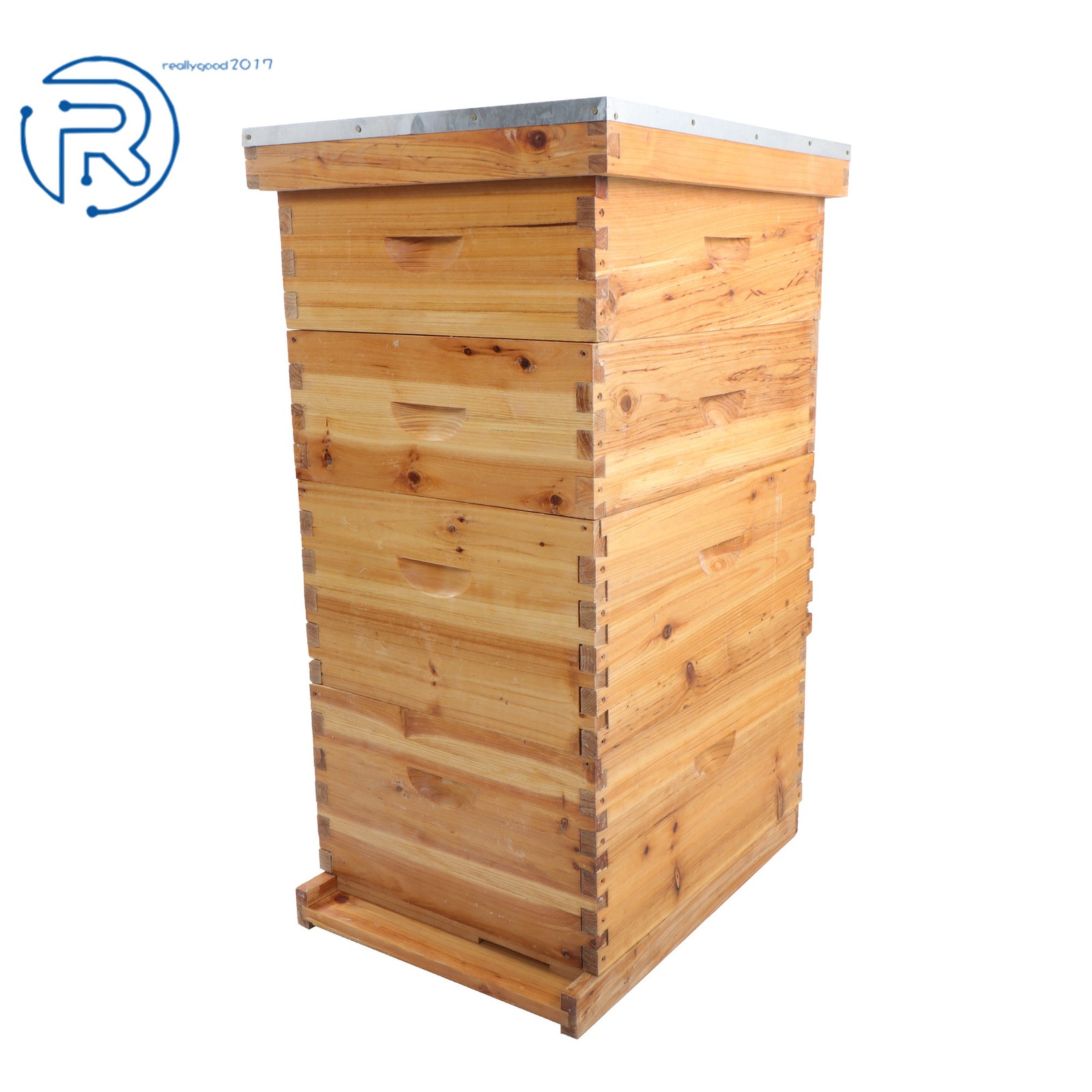 Beeswax Coated 4 Layer 10 Frame Bee Hive Includes Beehive Frames and Foundations$167.46View on eBay
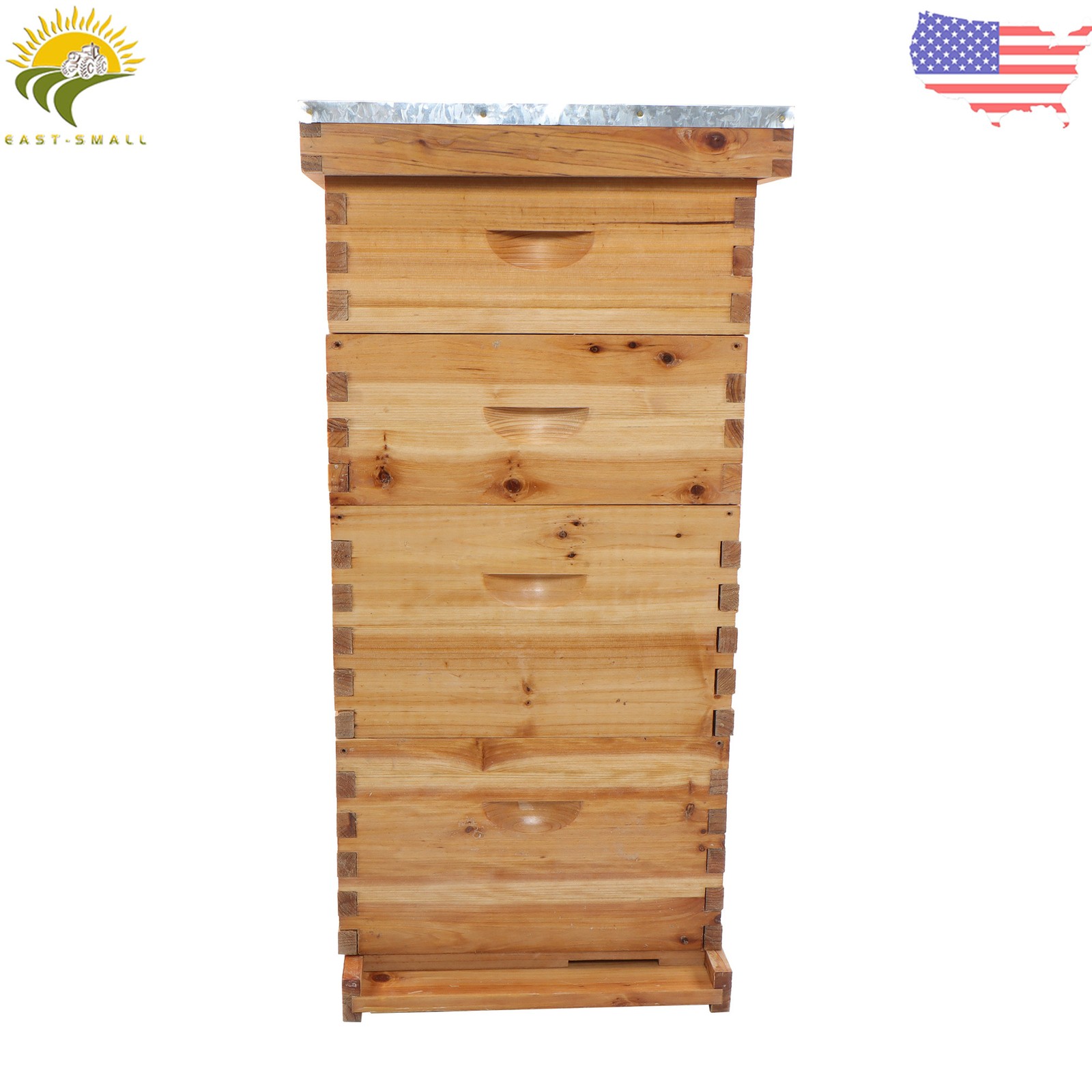 4 Layer Beehive Box 10 Frame Beeswax Coated Bee Hive With Frames For Bee Keeping$167.46View on eBay
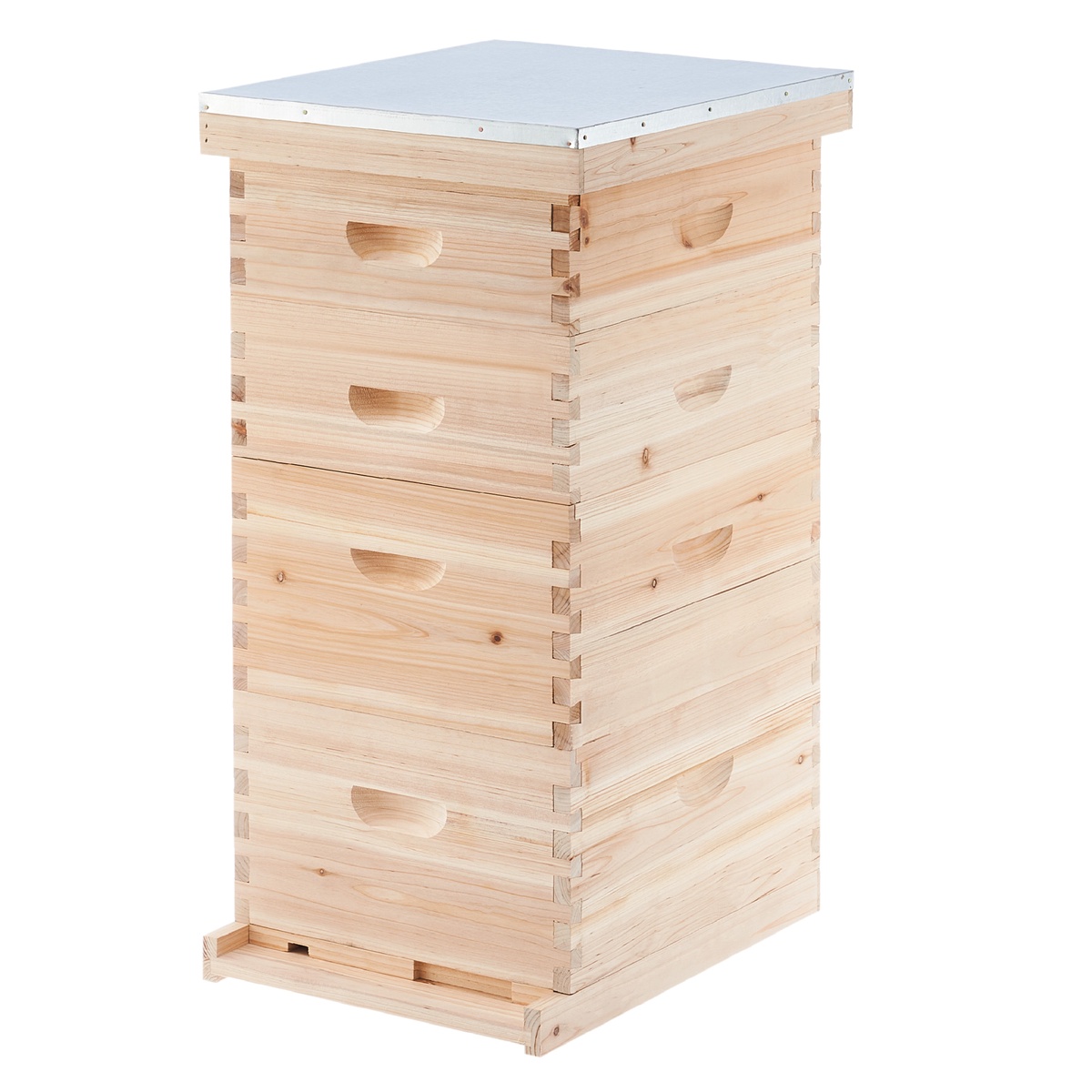 Langstroth Beehive Kit - 40 Frame Box with 20 Deep & 20 Medium Frames$177.99View on eBay
Highlights
- Langstroth is the standard modular hive: boxes stack vertically, frames hang parallel with 3/8-inch bee space, and components from different makers usually interchange by frame count.
- Box depth defines volume: deep brood boxes hold 10 frames of 9-5/8-inch depth, mediums hold 6-5/8-inch, and shallow supers hold 5-11/16-inch; deeps are heaviest when full of honey.
- Frame count drives weight and capacity: a full 10-frame deep can weigh 80-90 lb, while an 8-frame deep runs roughly 60-70 lb and suits beekeepers prioritizing manageability.
- Cedar and pine are the common woods: cedar resists rot without treatment and lasts longer in wet climates, while pine is cheaper but needs painting or sealing; finger/dovetail joints outlast stapled butt joints.
Best use cases
- Beginners starting one or two colonies: pick a complete 8-frame or 10-frame Langstroth starter kit with at least one deep brood box, frames with wax-coated foundation, a bottom board, inner cover, and telescoping outer cover; skip bare hut-style or top-bar hives for the first year.
- Hobbyists expanding honey production: add medium supers above a queen excluder on a 10-frame deep brood chamber; choose 8-frame medium supers only if you struggle with lifted weight.
- Cold-climate or wet-coastal beekeepers: choose cedar boxes with tight finger joints and a solid bottom board plus entrance reducer; skip thin pine kits with stapled butt joints and open screened bottoms as the only floor.
- Small-yard or urban beekeepers wanting a compact hive: an 8-frame setup in medium depth reduces footprint and weight; a 5-frame nuc box is a temporary starter, not a permanent home, and mini observation hives are display units only.
Buying tips
- Match frame count to your lifting limit: a full 10-frame deep honey box can exceed 80 lb, so choose 8-frame deeps or 10-frame mediums if you need to move boxes alone.
- Select box depth by purpose: deeps (9-5/8 in) for brood, mediums (6-5/8 in) for honey supers, shallows (5-11/16 in) for comb honey; standardize on one depth if you want interchangeable frames.
- Demand beeswax-coated foundation or real beeswax sheets rather than bare plastic; wax coating speeds comb drawing and improves acceptance, especially for beginners.
- Check joint construction: finger or dovetail joints with exterior-grade fasteners and waterproof glue outlast stapled butt joints; metal roof caps and hive stands extend service life in wet climates.
Specs
| Hive Standard | Langstroth modular (3/8 in bee space) |
|---|---|
| Frame Count | 8-frame vs 10-frame boxes |
| Box Depth | Deep 9-5/8 / Medium 6-5/8 / Shallow 5-11/16 |
| Wood & Joints | Cedar or pine; finger/dovetail joints |
Related searches
What to check before buying
- Measure your apiary space and stand: a 10-frame hive needs roughly 22 inches in length and 18 inches in width per box stack, plus clearance for the roof overhang and working room behind.
- Confirm your climate and wood choice: cedar for humid or rainy regions without painting, pine only if you will paint or seal it; ensure the roof is metal or heavy-gauge plastic.
- Verify components are Langstroth-compatible: frames must be 19 inches long with 3/8-inch bee space between boxes; avoid non-standard hut or top-bar parts if you plan to add supers.
- Plan companion parts before ordering: smoker, hive tool, bee suit or jacket, feeder, entrance reducer, and a queen excluder if you will run honey supers.
FAQ
Data sources: eBay / Amazon listings and product attribute feeds. Updated Nov 27, 2026.
Some links on this page are affiliate links. If you buy after clicking one, we may earn a commission at no extra cost to you. This does not change which products appear here or their order. Affiliate disclosure.