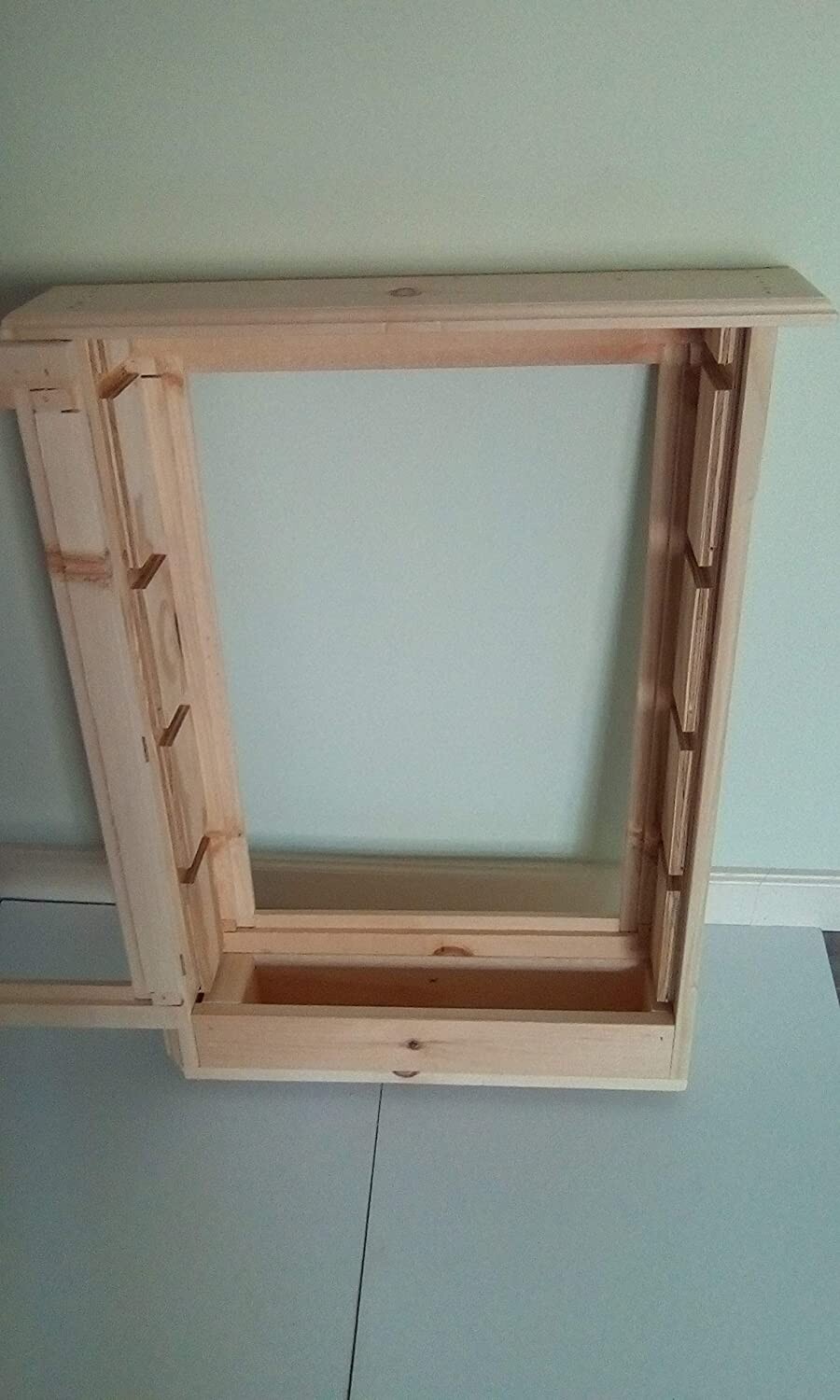

Photos from current listings. Actual item, color, and included accessories may vary.
Observation Hive Buying Guide
An observation hive is a single- or multi-frame glass-fronted hive built for safe indoor or classroom viewing, not honey production. The core trade-off is between thin acrylic/glass panels with loose tolerances and a sealed, bee-tight frame with proper ventilation and a secure entry tube. Choose a unit with a 3/8-inch bee space, tempered glass or high-clarity acrylic, and a closable entrance if you want a durable display hive rather than a seasonal novelty.
Key takeaways
- Bee space: 3/8 in (9.5 mm) between panes and frame ends prevents burr comb and bridge comb that cloud viewing.
- Glazing: tempered glass resists scratching and warping; 1/8 in acrylic cracks under UV and cleaning solvents over time.
- Ventilation: screened top and bottom ports maintain airflow; sealed units without vents cause condensation and mold on glass.
At a glance
- Category
- Beehives & Frames
- Last updated
- Nov 28, 2026
Current offers
Highlights
- Bee space: 3/8 in (9.5 mm) between panes and frame ends prevents burr comb and bridge comb that cloud viewing.
- Glazing: tempered glass resists scratching and warping; 1/8 in acrylic cracks under UV and cleaning solvents over time.
- Ventilation: screened top and bottom ports maintain airflow; sealed units without vents cause condensation and mold on glass.
- Entry: 3/4 in ID tube or slot with a closable gate controls traffic and allows safe relocation or confinement.
Best use cases
- Classroom or nature center: pick a 2- or 3-frame vertical unit with lockable glass panels and a rear access door for safe frame removal.
- Home display: choose a wall-mount single-frame unit with an exterior entry tube and interior vent to avoid bee traffic through living space.
- Wrong fit: avoid open-bottom or unvented decorative boxes for overwintering; they lack insulation and condensation control.
- Wrong fit: skip multi-frame units for permanent indoor use unless you can provide a 2-week rotation with an outdoor support hive.
Buying tips
- Match frame count to bee population: a single deep frame suits a nucleus; 2-3 frames require a full colony and outdoor rotation.
- Measure glass thickness: 3/16 in tempered glass or 1/4 in UV-stabilized acrylic resists bowing and cleaning scratches.
- Check bee-tight construction: joints should be glued and pinned, not stapled, with no gap over 1/16 in at corners.
- Plan entry orientation: the tube must reach an exterior wall or window; a 1 in ID tube runs up to 6 ft without excessive traffic slowdown.
Specs
| Frame Capacity | 1-3 deep frames |
|---|---|
| Glazing Material | Tempered glass / UV acrylic |
| Bee Space | 3/8 in (9.5 mm) |
| Entry Type | Closable tube or slot |
Related searches
What to check before buying
- Measure mounting location: allow 2 in clearance above and 6 in below for ventilation and frame access.
- Confirm exterior wall or window access for a 3/4-1 in entry tube at least 4 ft above ground.
- Verify indoor temperature stays between 60-85°F; avoid direct sun on glass to prevent overheating.
- Have an outdoor support hive ready for frame rotation every 2-3 weeks to prevent colony stress.
FAQ
Data sources: eBay / Amazon listings and product attribute feeds. Updated Nov 28, 2026.
Some links on this page are affiliate links. If you buy after clicking one, we may earn a commission at no extra cost to you. This does not change which products appear here or their order. Affiliate disclosure.