
Photos from current listings. Actual item, color, and included accessories may vary.
Bee House Buying Guide
A bee house is a managed beekeeping shelter — either a full Langstroth hive stack or a decorative solitary-bee nesting block — and the core trade-off is hive architecture and wood/joinery grade: standard Langstroth boxes with interchangeable frames support real honey production and inspection, while ornamental bee hotels only host tunnel-nesting species. Buy a Langstroth-compatible hive with 10-frame boxes, kiln-dried pine or cedar at 3/4-inch wall thickness, and wax or plastic foundation if you intend to keep honeybees; choose a sealed, predrilled nesting block only for pollinator gardening.
Median $149.69
Key takeaways
- Langstroth hives use interchangeable 10-frame deep boxes (9-5/8 in deep) with a 19-7/8 in frame length — the de facto standard for inspection, honey extraction, and component swaps.
- Auto honey hives (flow-style) replace foundation frames with plastic comb cassettes and a turn-key drain — convenient for hobbyists, but cassettes are proprietary and not cross-compatible with standard Langstroth frames.
- Hive body and super wall thickness of 3/4 in in kiln-dried pine or cedar provides insulation; thinner 5/8 in or unseasoned lumber warps and opens bee-space gaps above 3/8 in.
At a glance
- Category
- Beehives & Frames
- Last updated
- Nov 27, 2026
Current offers
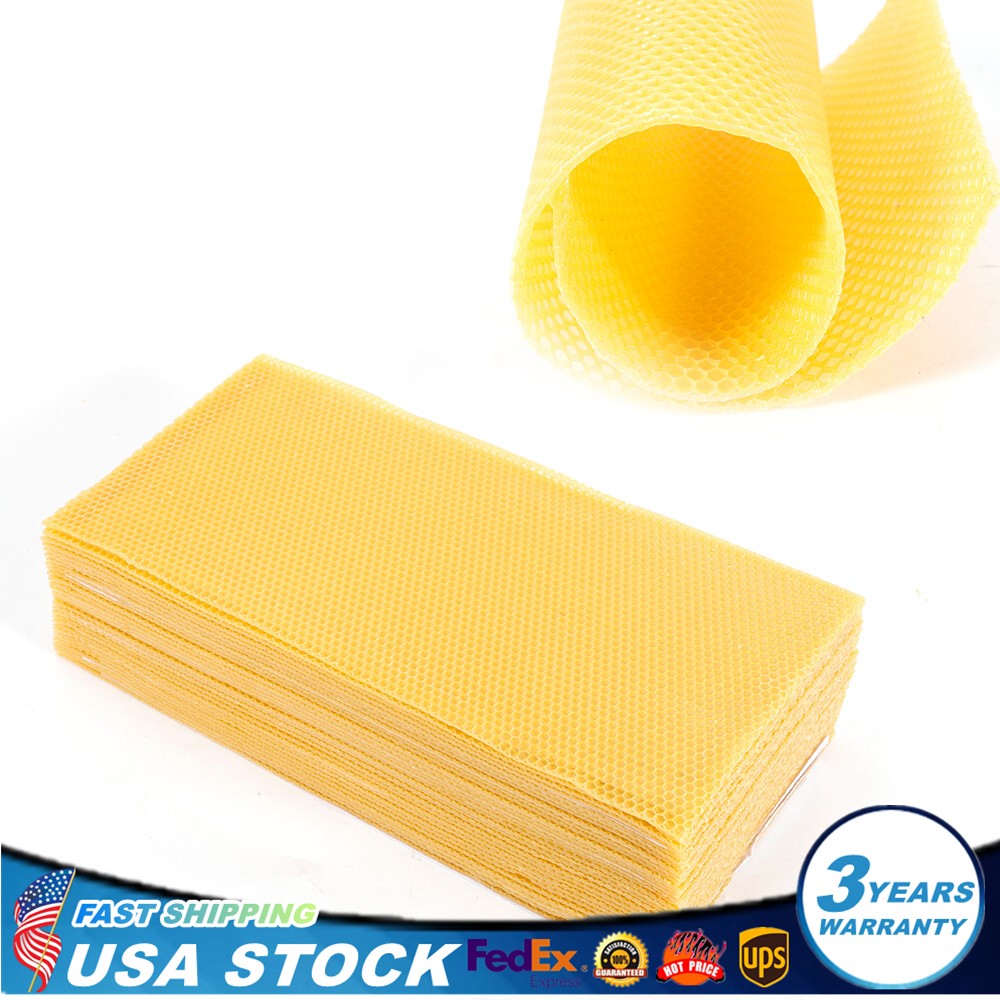 30x Bee Hive Foundation Honey Hive Equipment Deep House Nest Honeycomb Wax Frame$31.99View on eBay
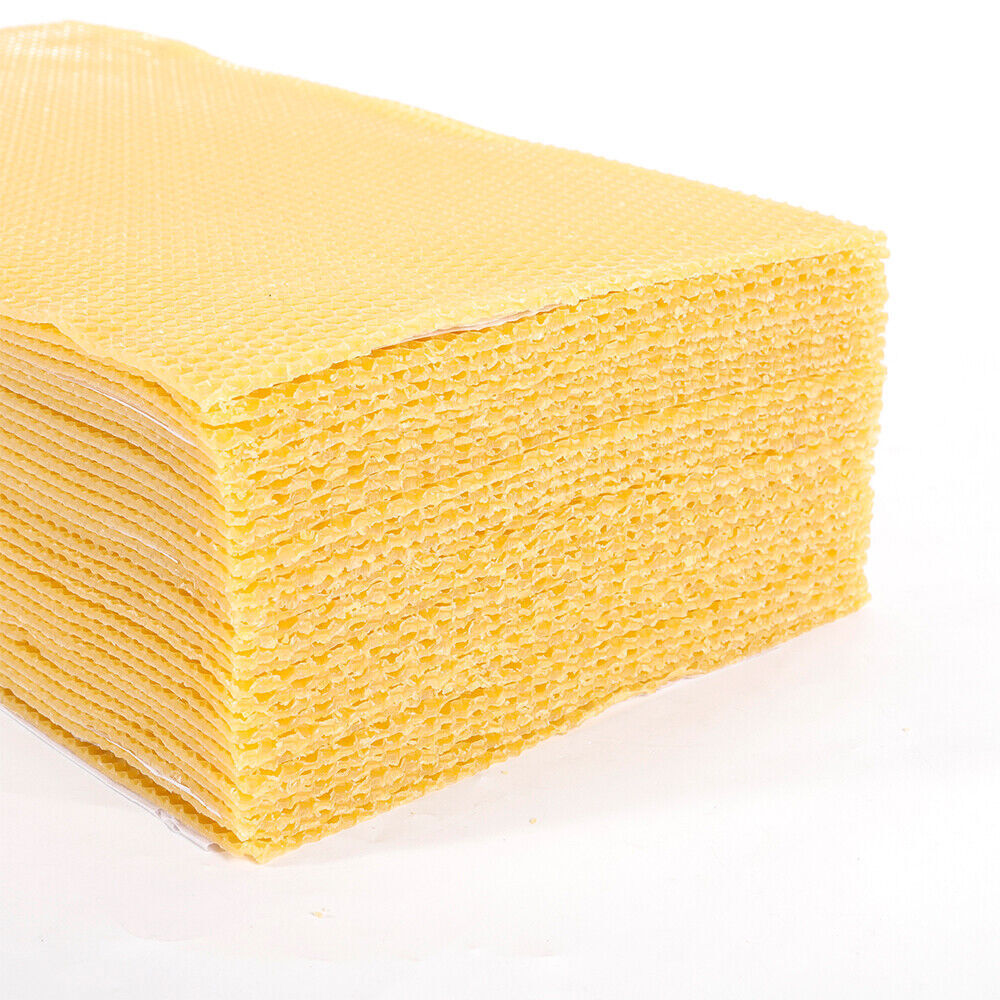 Bee Hive Foundation Honey Hive Equipment Deep House Nest Honeycomb Wax Frame$37.37View on eBay
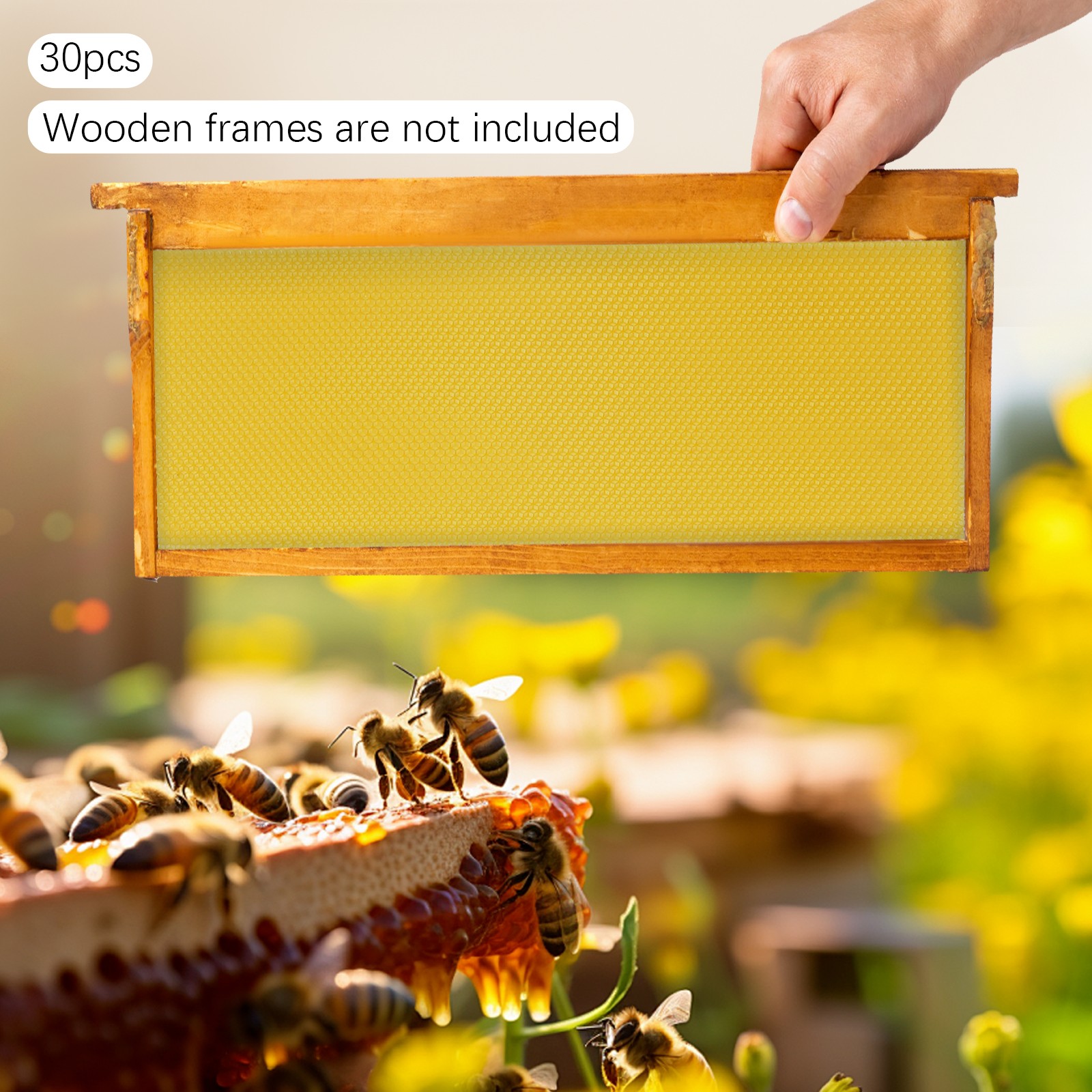 Bee Hive Foundation Honey Hive Equipment Deep House Nest Honeycomb Wax Frame$39.95View on eBay
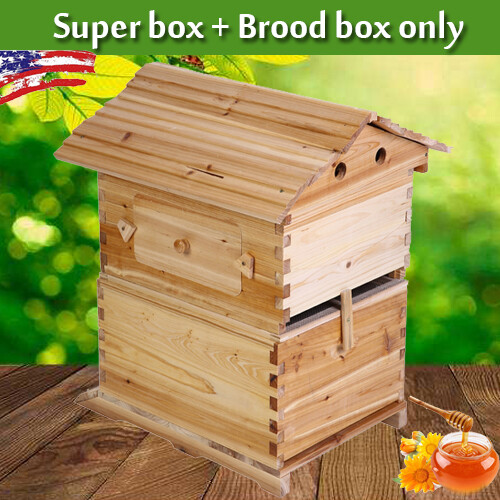 Auto Bee Hive Box Beekeeping Beehive House Beekeeping Equipment Tools Supplies$149.69View on eBay
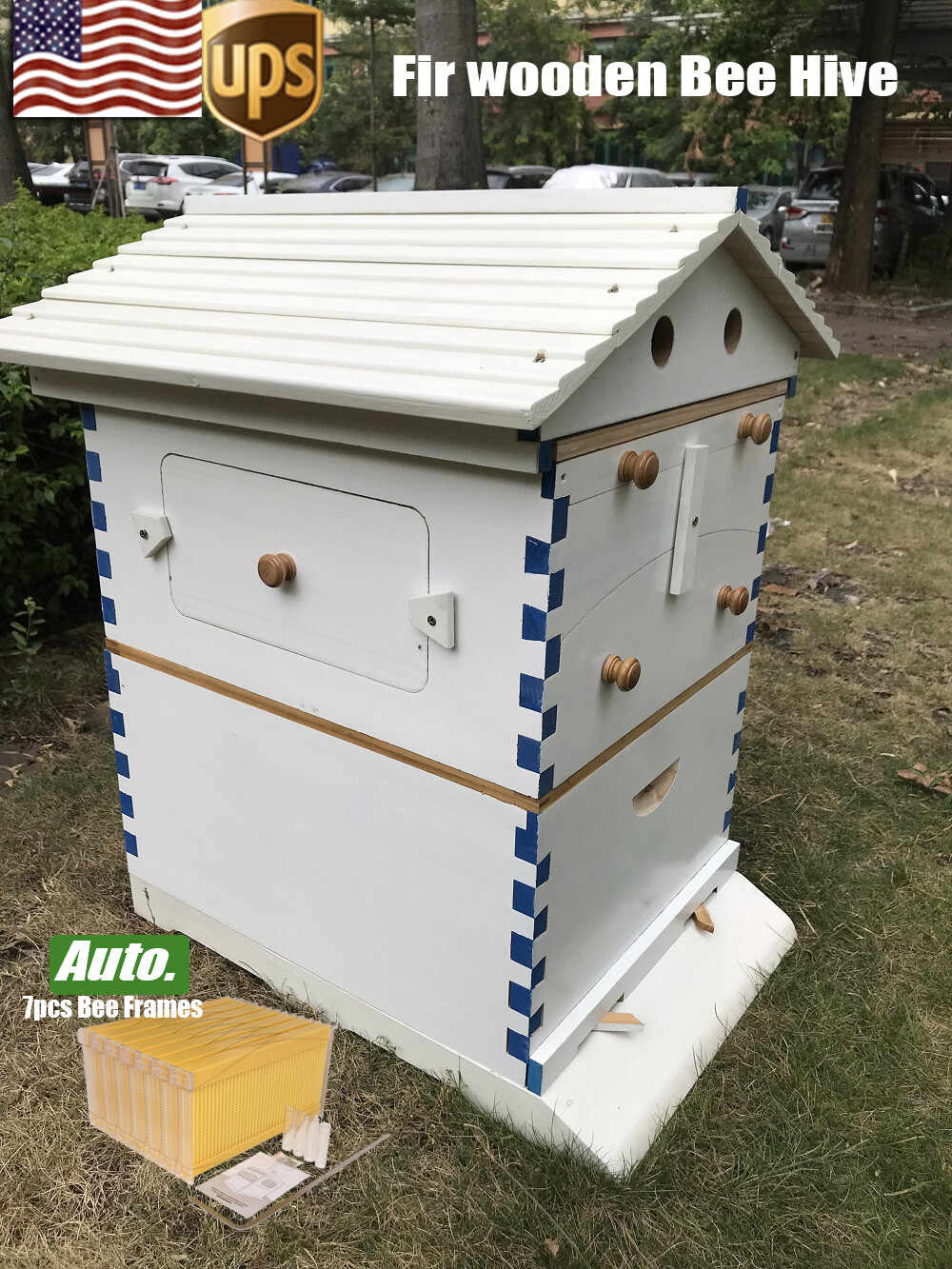 Painted Auto Langstroth Bee Hive Boxes Beekeeping Hives House 7x Bee Frames New$188.66Last checked Nov 18, 2026View on eBay
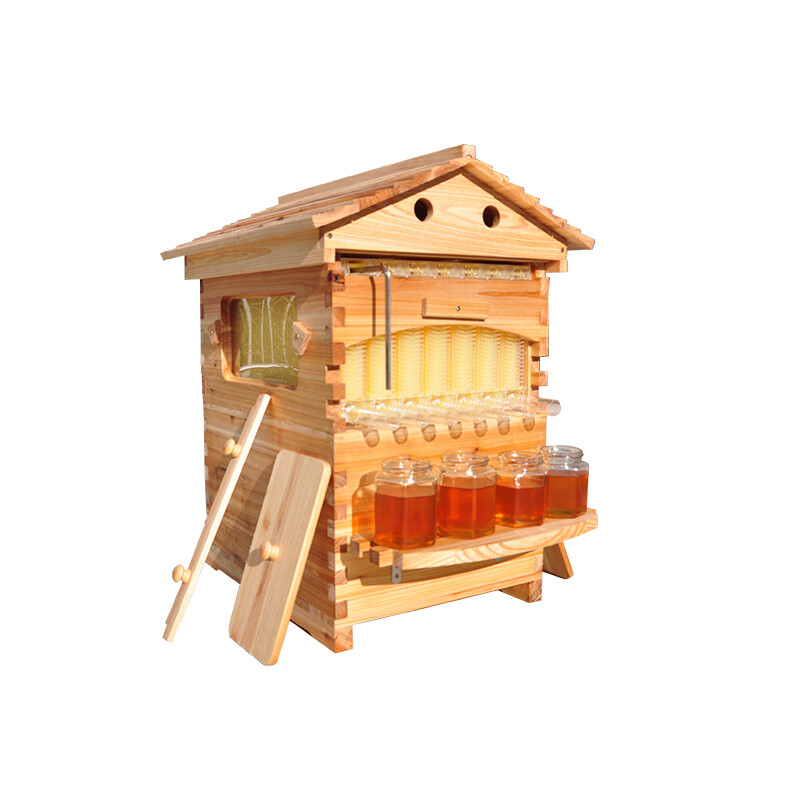 Auto Seep Bee Hives Boxes Langstroth Bee Hive HOUSE + 7x Bee Beekeeping Frames$190.95Last checked Nov 18, 2026View on eBay
- Auto Honey Bee Hives Boxes Langstroth Bee Hive HOUSE + 7x Bee Beekeeping Frames$199.59Last checked Nov 18, 2026View on eBay
Highlights
- Langstroth hives use interchangeable 10-frame deep boxes (9-5/8 in deep) with a 19-7/8 in frame length — the de facto standard for inspection, honey extraction, and component swaps.
- Auto honey hives (flow-style) replace foundation frames with plastic comb cassettes and a turn-key drain — convenient for hobbyists, but cassettes are proprietary and not cross-compatible with standard Langstroth frames.
- Hive body and super wall thickness of 3/4 in in kiln-dried pine or cedar provides insulation; thinner 5/8 in or unseasoned lumber warps and opens bee-space gaps above 3/8 in.
- Solitary bee houses need tunnel diameters of 5/16–3/8 in, 6 in depth, a solid back, and a front overhang — open-backed or shallow boxes invite mold, parasites, and rain intrusion.
Best use cases
- Best fit for honey production: a standard Langstroth stack with two deep brood boxes plus medium supers, wooden frames, and wax foundation — skip auto-flow cassettes if you want standard extraction and frame interchange.
- Best fit for beginners: a complete painted Langstroth kit with 7–10 frames, an entrance reducer, and a screened bottom board — skip unassembled thin-pine kits that warp in the first season.
- Best fit for pollinator gardens: a sealed solitary-bee block with 5/16–3/8 in tunnels and a rain overhang, mounted 3–5 ft high facing morning sun — skip open-backed decorative hotels.
- Wrong fit: buying a decorative 'bee house' for honeybees — solitary-bee hotels cannot host a honeybee colony, which needs a full boxed hive with movable frames.
Buying tips
- Size the stack to your climate: two deep brood boxes (20 frames total) is the minimum overwintering configuration in cold zones; single deep boxes overheat and starve in winter.
- Match component standards: buy 10-frame Langstroth boxes, 19-7/8 in top bars, and 9-1/8 in frame heights so boxes, frames, excluders, and feeders stay interchangeable across suppliers.
- Choose wood grade deliberately: kiln-dried pine or cedar at 3/4 in for durability; painted exterior surfaces and dovetail or box joints outlast stapled butt joints by seasons.
- For solitary bees, confirm tunnel depth (6 in) and diameter (5/16–3/8 in) — holes outside that range host no mason or leafcutter bees and become parasite reservoirs.
Specs
| Hive Type | Langstroth 10-frame / 8-frame / auto-flow |
|---|---|
| Frame Standard | 19-7/8 in top bar, 9-1/8 in deep |
| Wall Thickness | 3/4 in kiln-dried pine or cedar |
| Bee Hotel Tunnels | 5/16–3/8 in dia, 6 in deep |
Related searches
What to check before buying
- Measure your stand footprint: a 10-frame Langstroth deep box is roughly 20 in long × 16-1/4 in wide, so plan a level stand with clearance for supers and a hive tool.
- Check local apiary rules: many municipalities require hive registration, setback distances from property lines, and a water source within the yard.
- Confirm climate fit: insulate or wrap hives in cold zones and provide shade and ventilation in hot climates; cedar and painted pine handle moisture best.
- For bee hotels, site the block 3–5 ft off the ground, facing east or southeast morning sun, with a solid back and rain overhang — and plan to replace or clean tunnels annually.
FAQ
Data sources: eBay / Amazon listings and product attribute feeds. Updated Nov 27, 2026.
Some links on this page are affiliate links. If you buy after clicking one, we may earn a commission at no extra cost to you. This does not change which products appear here or their order. Affiliate disclosure.