
Photos from current listings. Actual item, color, and included accessories may vary.
Bee Hive Box Buying Guide
A bee hive box is a modular Langstroth hive component—brood box, honey super, or complete kit—whose performance depends on wood species, frame count, and joinery. The core trade-off is cedar versus pine and 8-frame versus 10-frame capacity. Buy cedar, 10-frame Langstroth boxes with beeswax-dipped foundations; skip untreated pine and non-standard frame sizes.
Median $201.79 · New listings
Key takeaways
- Langstroth hives use standardized 10-frame or 8-frame boxes; 10-frame deep brood boxes measure 19-7/8" x 16-1/4" and accept 9-1/8" deep frames.
- Cedar wood resists rot and moisture without chemical treatment; pine requires painting or sealing and typically lasts fewer seasons outdoors.
- Beeswax-dipped foundation or coated boxes encourage comb drawing; plastic foundation works but bees accept wax-coated surfaces faster.
At a glance
- Category
- Beehives & Frames
- Last updated
- Nov 27, 2026
Current offers
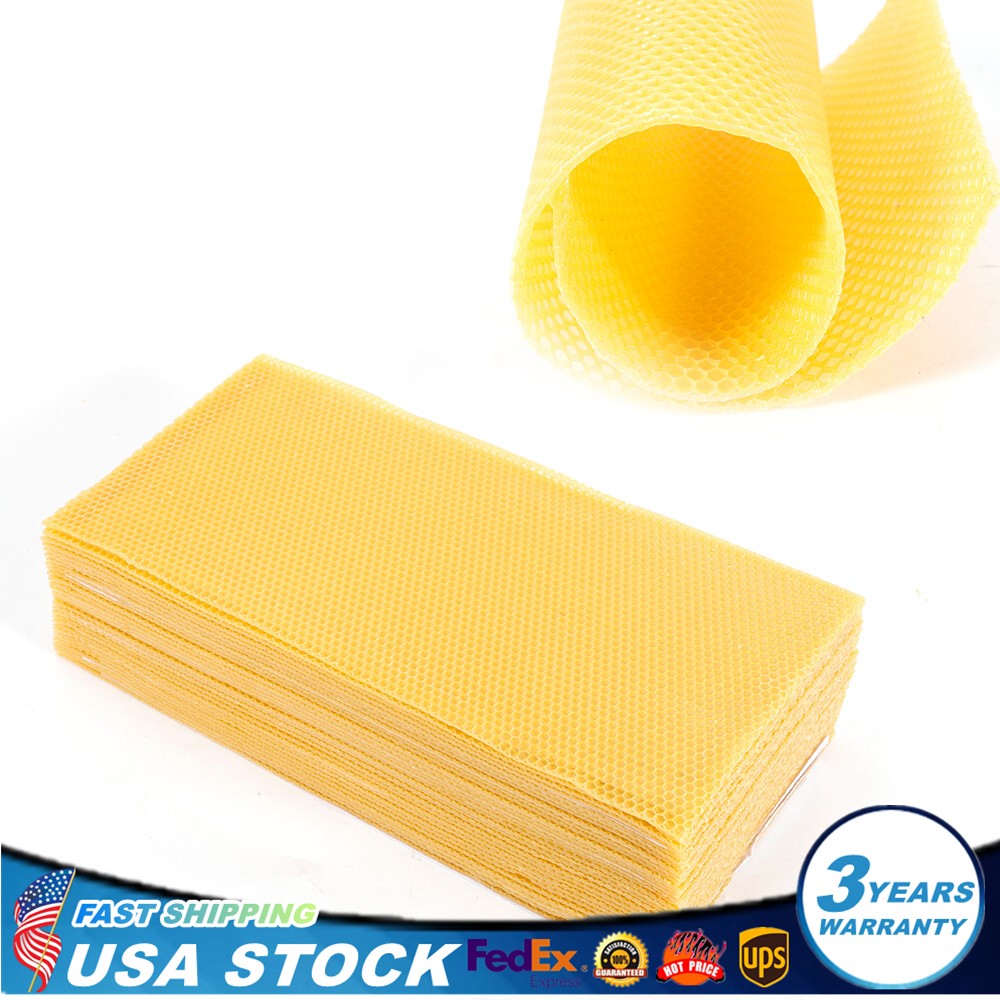 30x Bee Hive Foundation Honey Hive Equipment Deep House Nest Honeycomb Wax Frame$31.99View on eBay
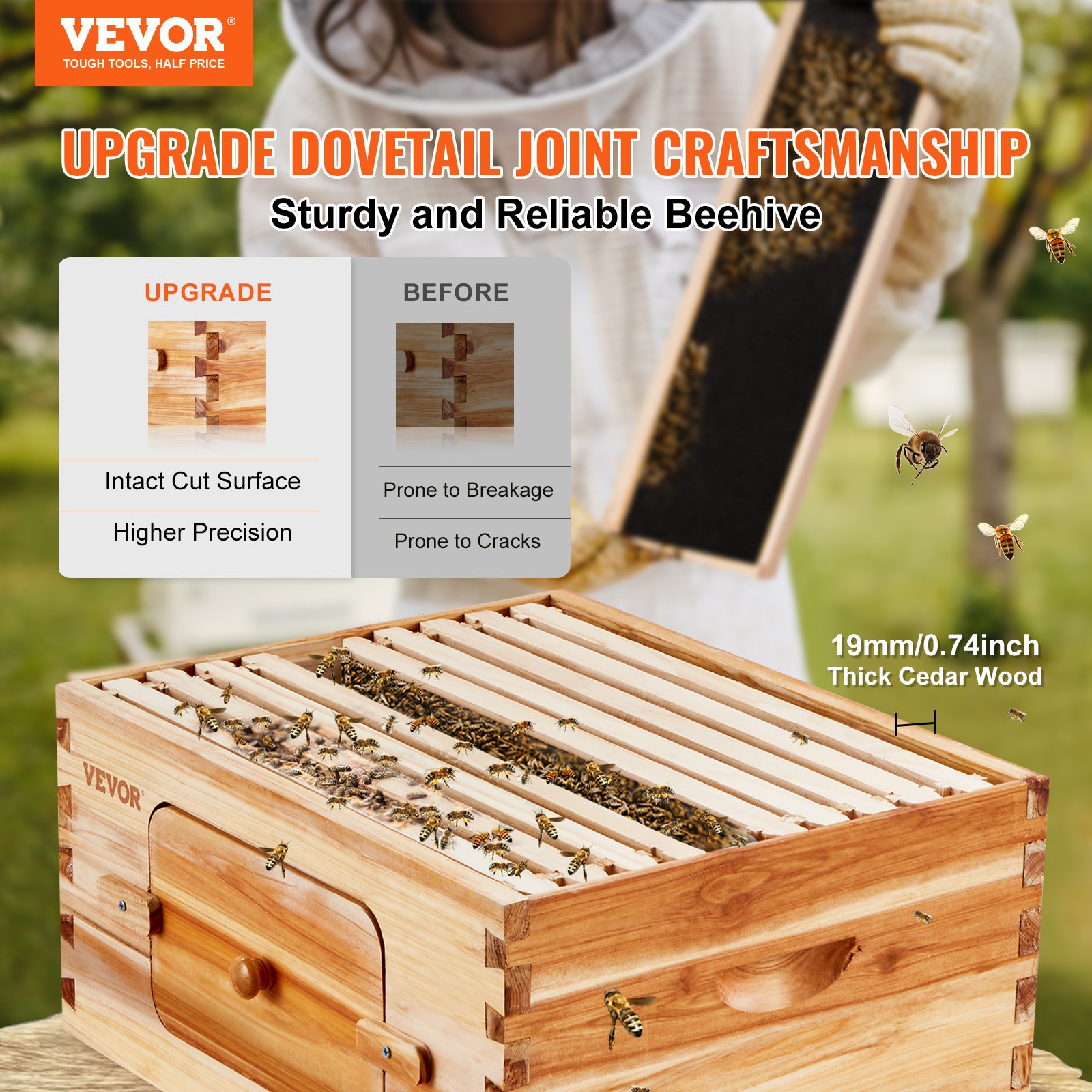 Bee Hive Deep Box Starter Kit, Beeswax Coated Natural Cedar Wood, Langstroth Beehive Kit With 10 Frames And Foundations, Transparent Acrylic Bee Windows For Beginners And Pro Beekeepers$49.99View on Mallflare
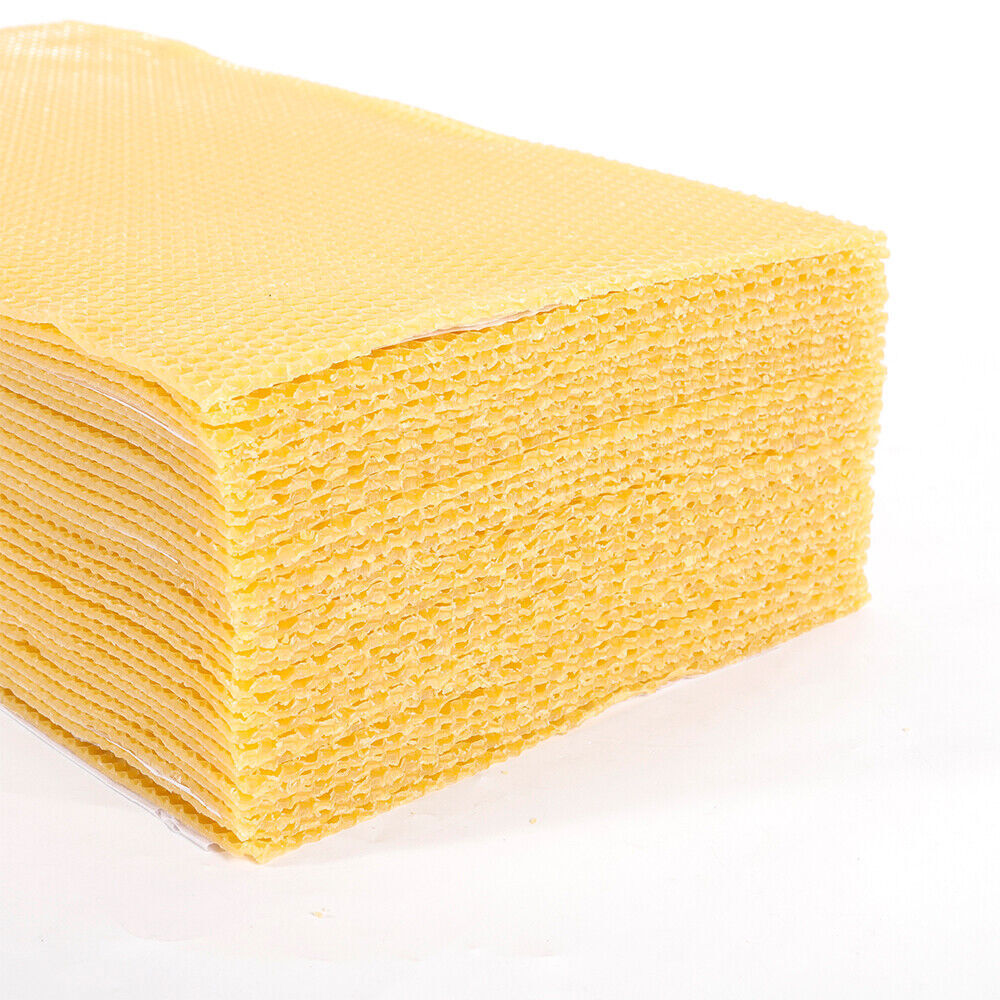 Bee Hive Foundation Honey Hive Equipment Deep House Nest Honeycomb Wax Frame$37.37View on eBay
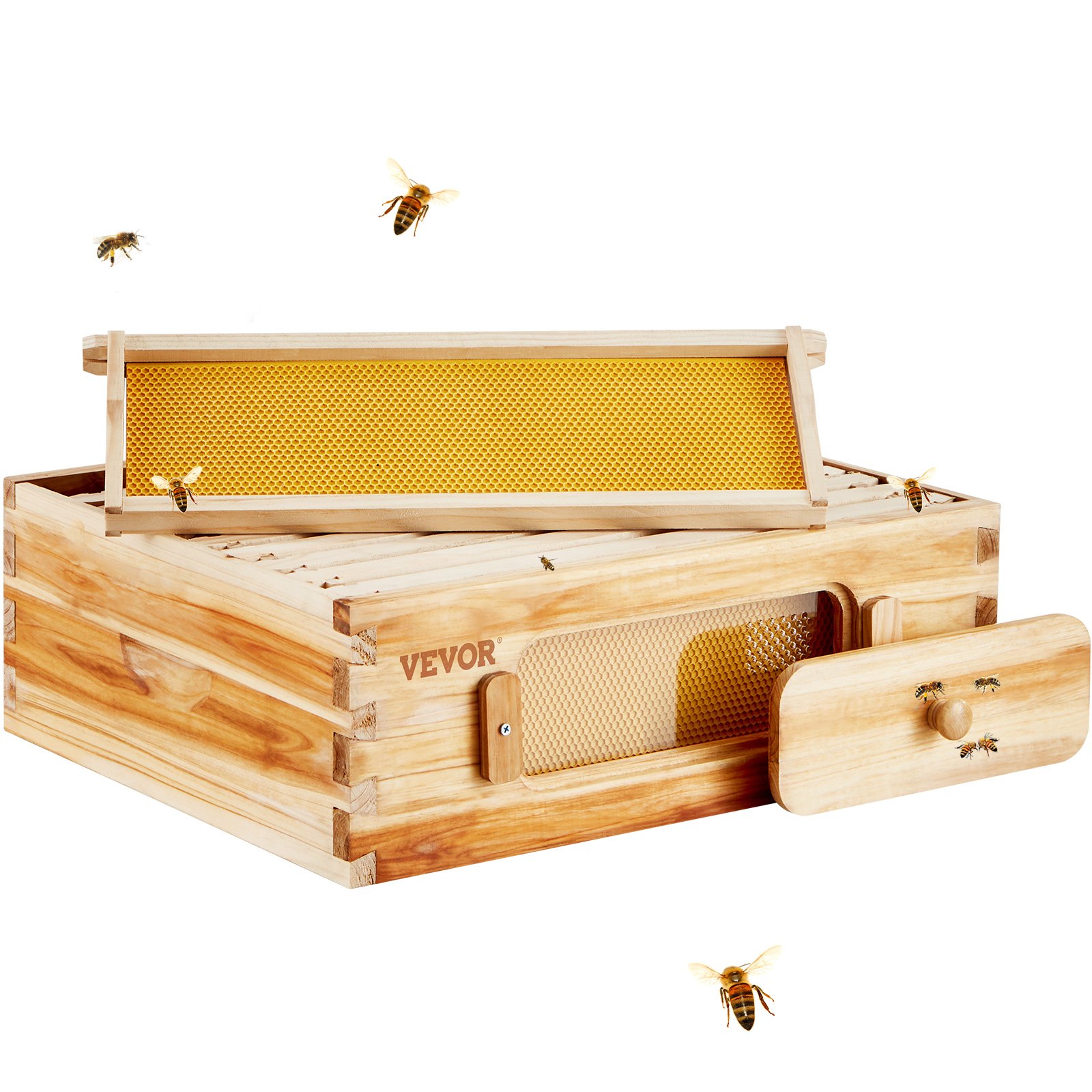 Bee Hive Medium Box Starter Kit, 100% Beeswax Coated Natural Cedar Wood, Langstroth Beehive Kit With 10 Frames And Foundations, Transparent Acrylic Bee Windows For Beginners And Pro Beekeepers$56.99View on Mallflare
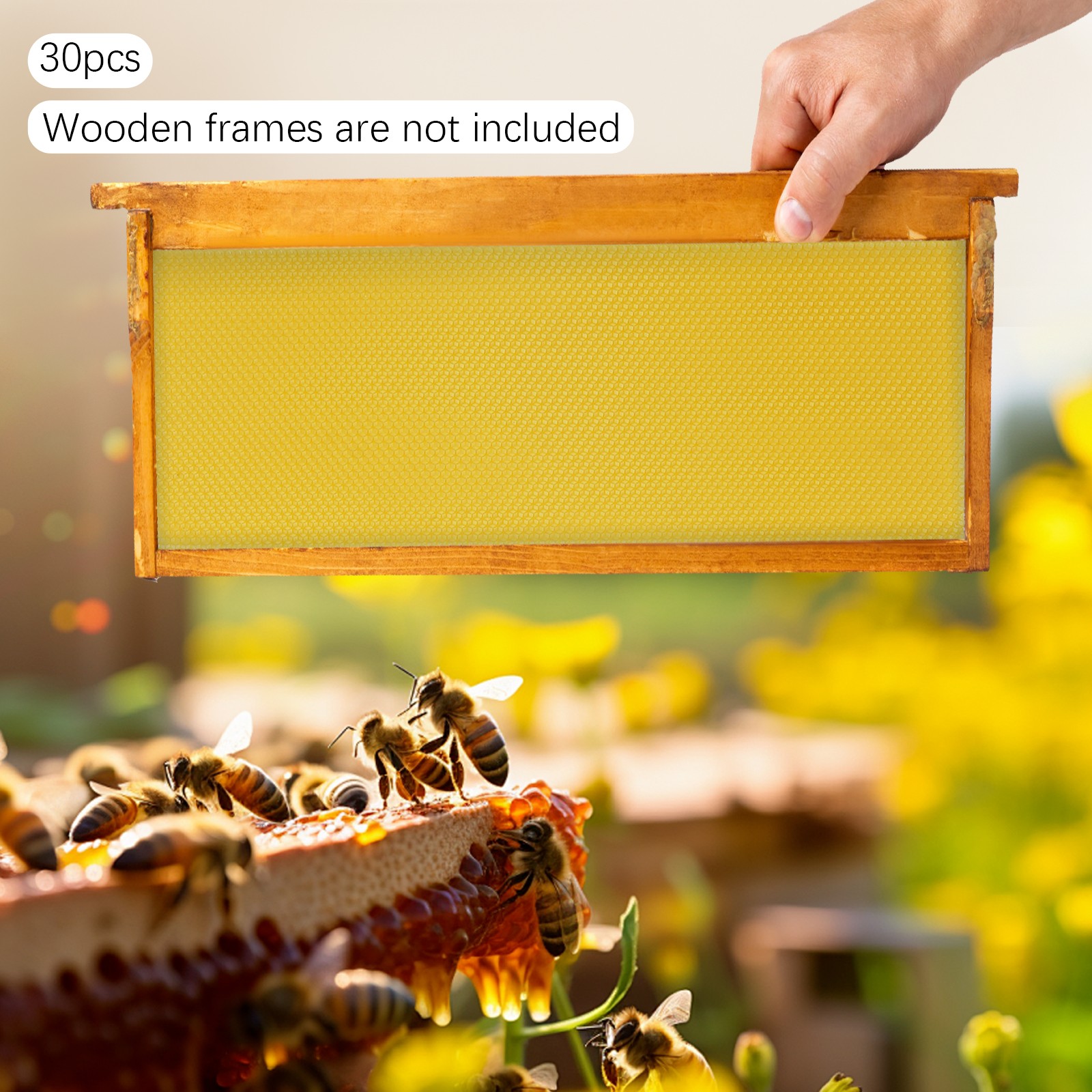 Bee Hive Foundation Honey Hive Equipment Deep House Nest Honeycomb Wax Frame$39.95View on eBay
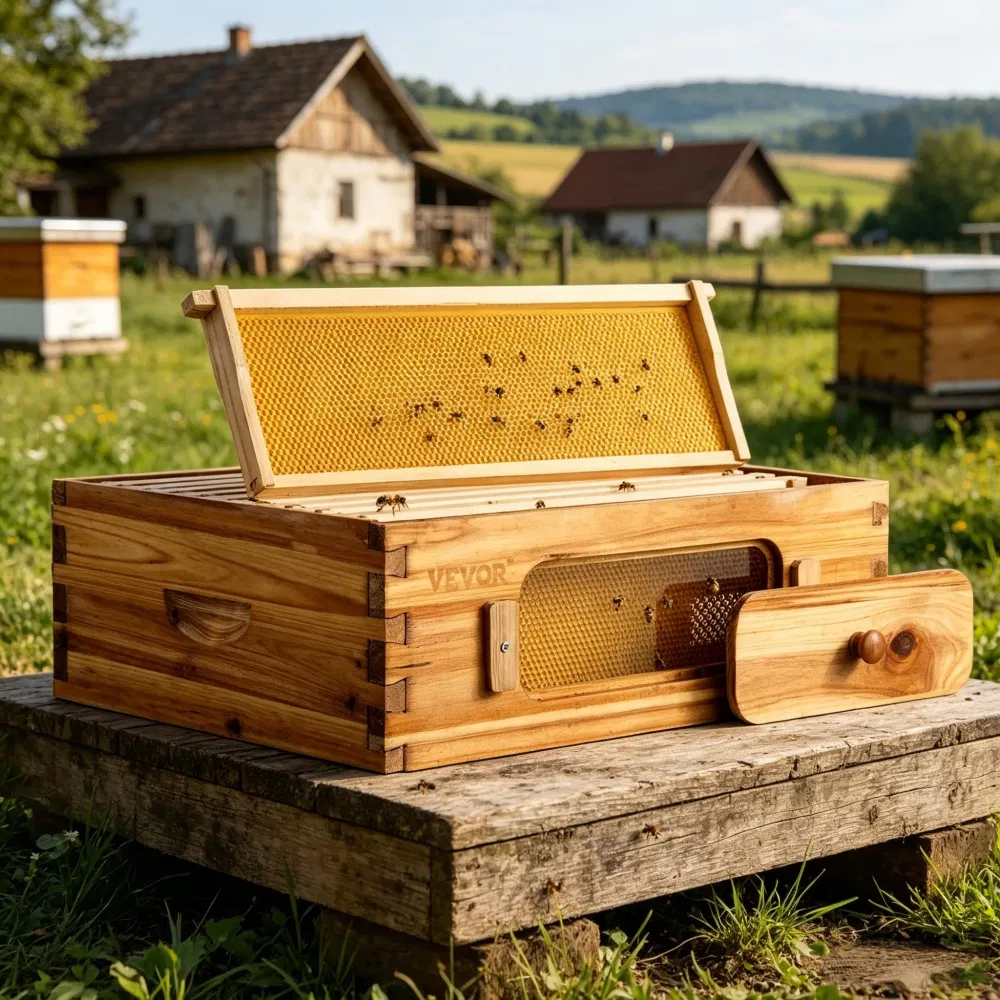 Bee Hive for Outdoor$98.99View on Mallflare
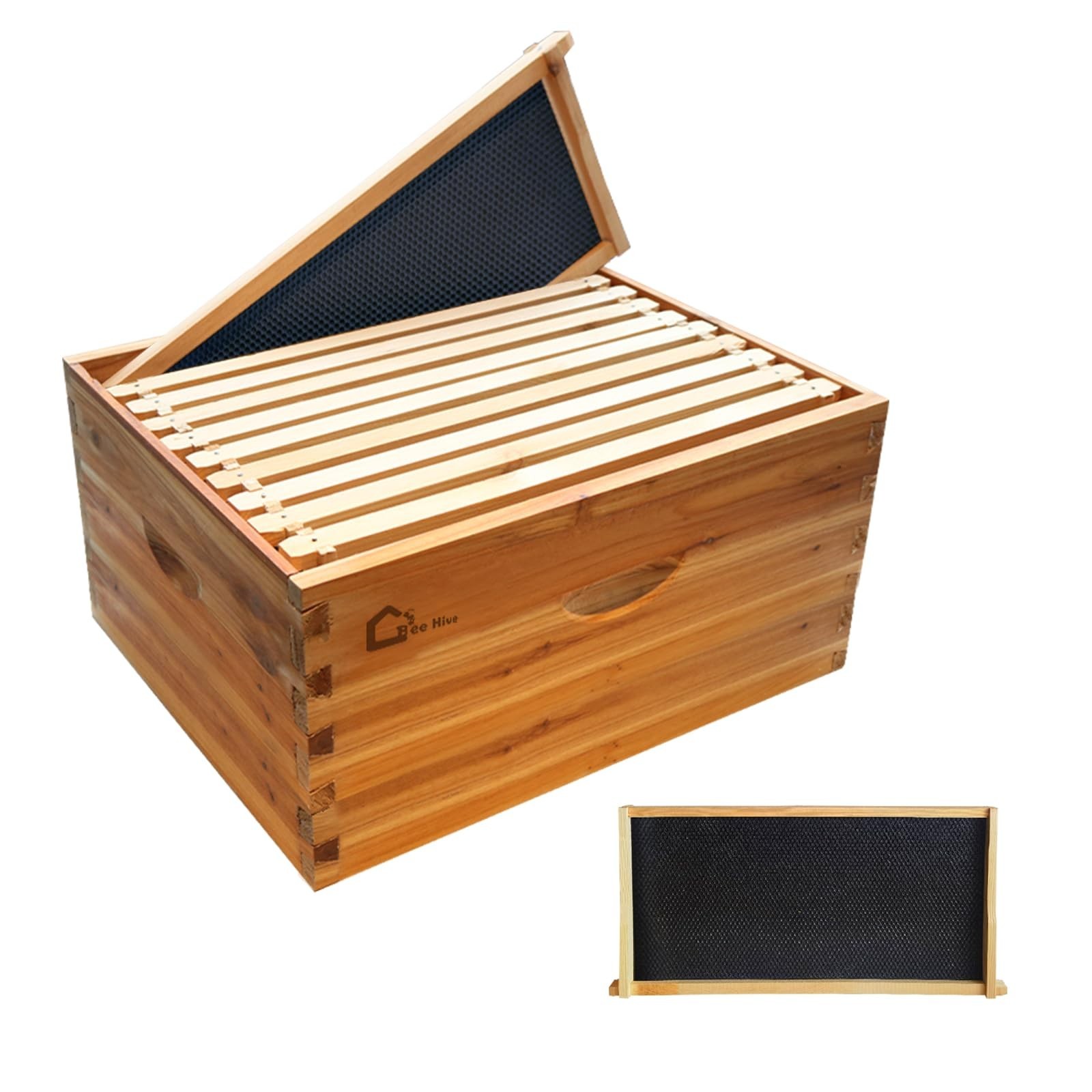 Beehive 10 Frame Complete Box Kit Langstroth Traditional Beekeeping Waterproof$55.10View on eBay
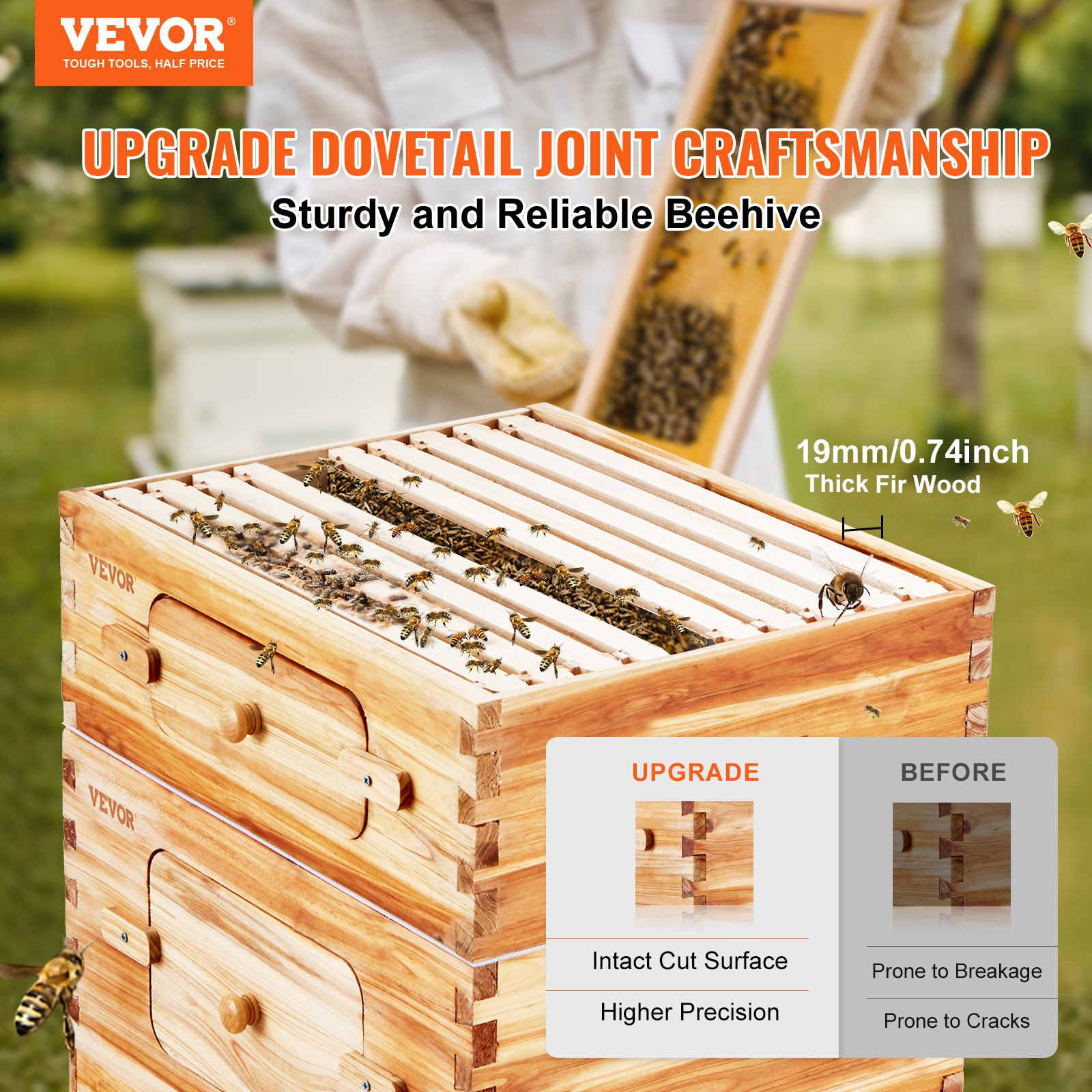 Bee Hive 20 Frame Bee Hives Starter Kit, Beeswax Coated Cedar Wood, Bee Boxes Langstroth Beehive Kit, Transparent Acrylic Windows With Foundations For Beginners Pro Beekeepers$144.99View on Mallflare
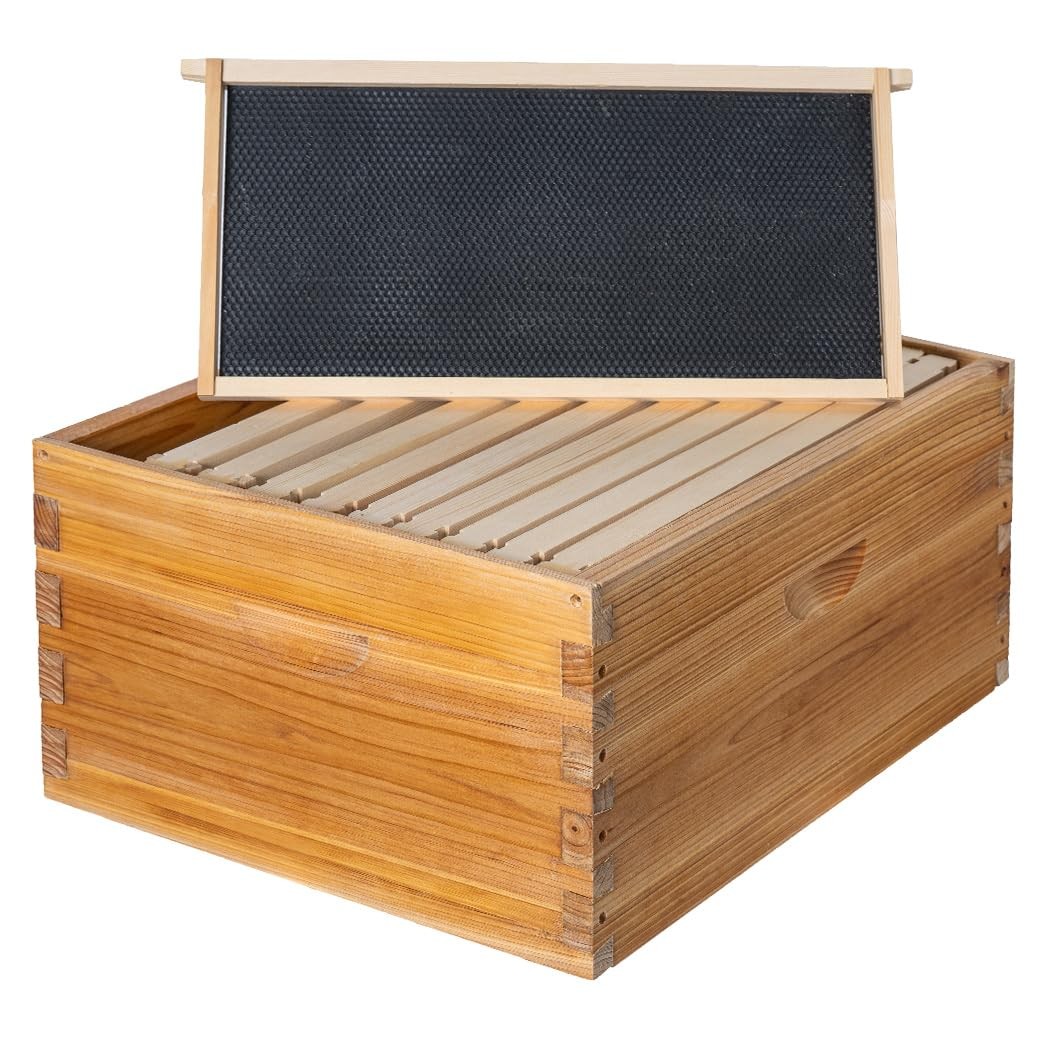 Beeswax Dipped Langstroth Bee Hive Box 10 Frame Deep Brood Beehive Equipment$75.56View on eBay
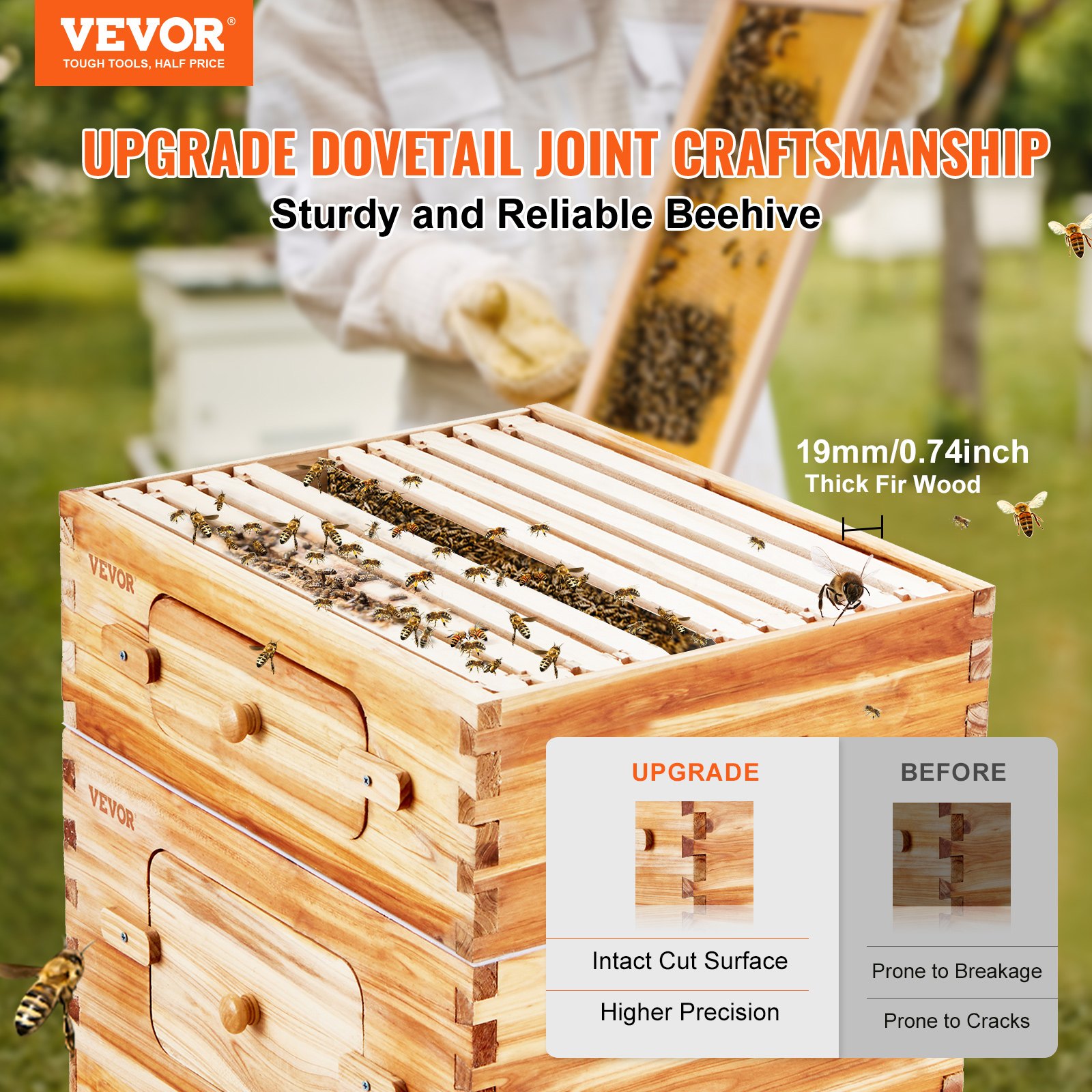 Bee Hive 30 Frame Bee Hives Starter Kit, Beeswax Coated Fir Wood, 2 Deep 1 Medium Bee Boxes Langstroth Beehive Kit, Transparent Acrylic Windows With Foundations For Beginners Pro Beekeepers$169.99View on Mallflare
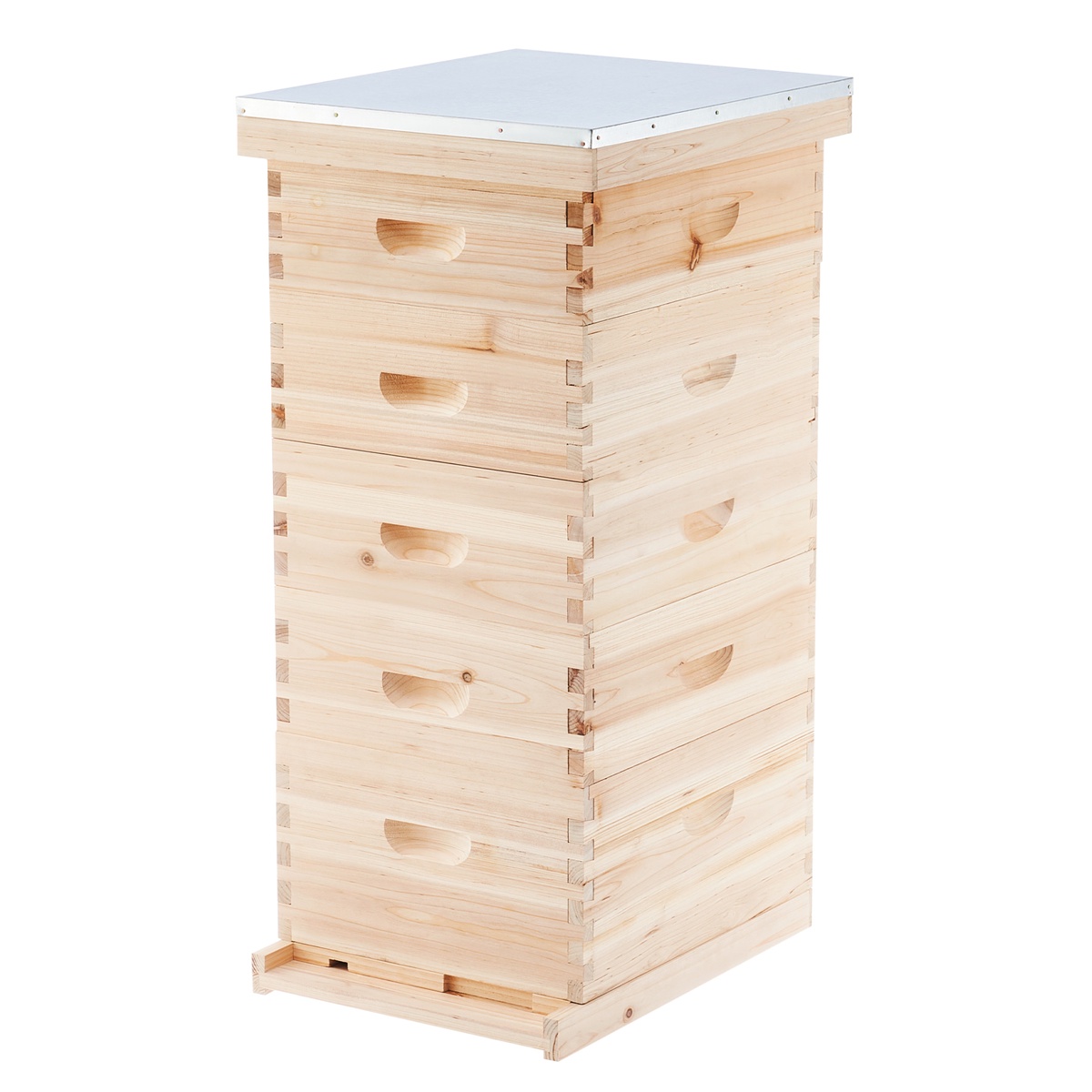 Upgraded Beehive 5 layer Honey Bee Hive W/ Metal Roof and queen excluder$124.99View on eBay
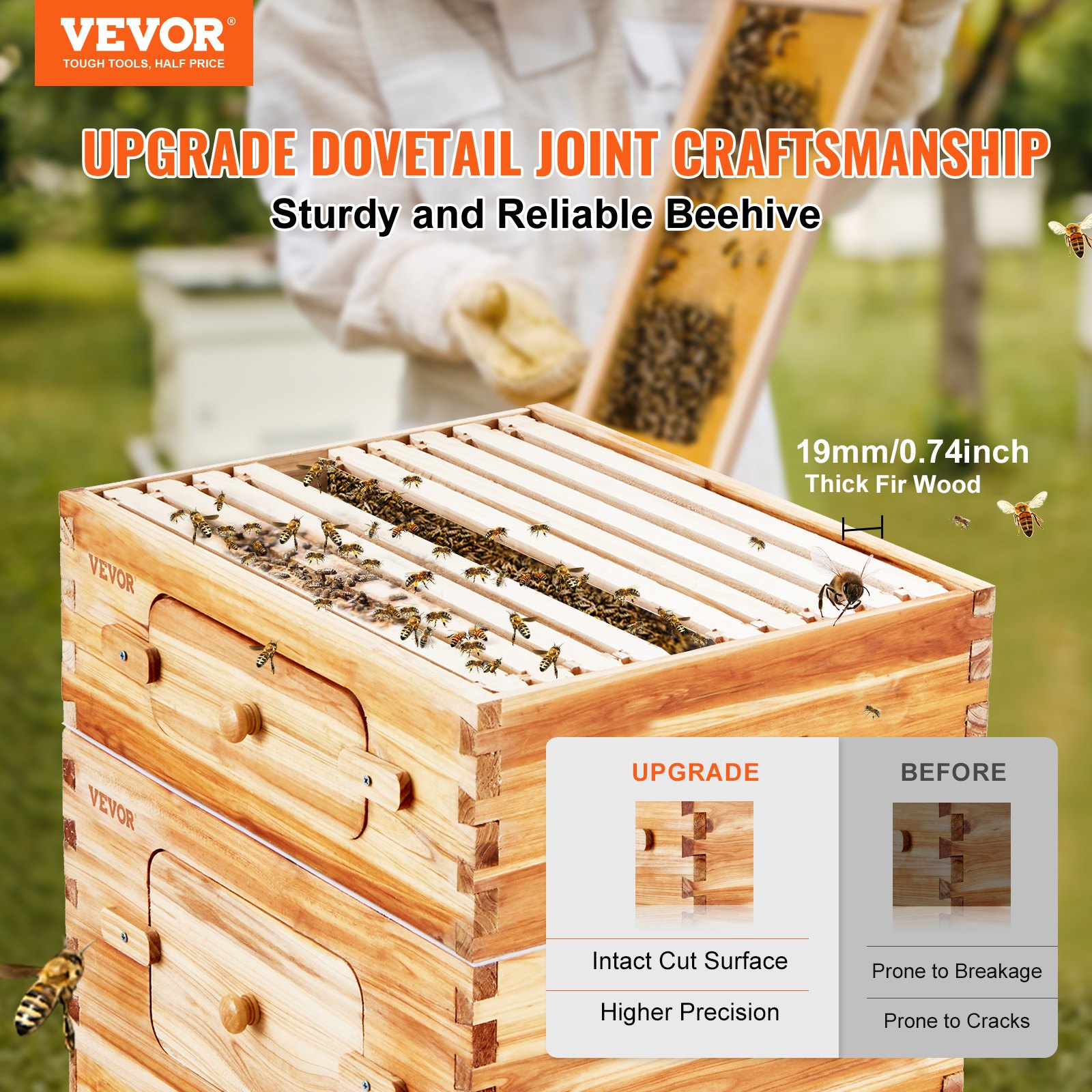 Bee Hive 40 Frame Bee Hives Starter Kit, Beeswax Coated Cedar Wood, 2 Deep 2 Medium Bee Boxes Langstroth Beehive Kit, Transparent Acrylic Windows With Foundations For Beginners Pro Beekeepers$207.99View on Mallflare
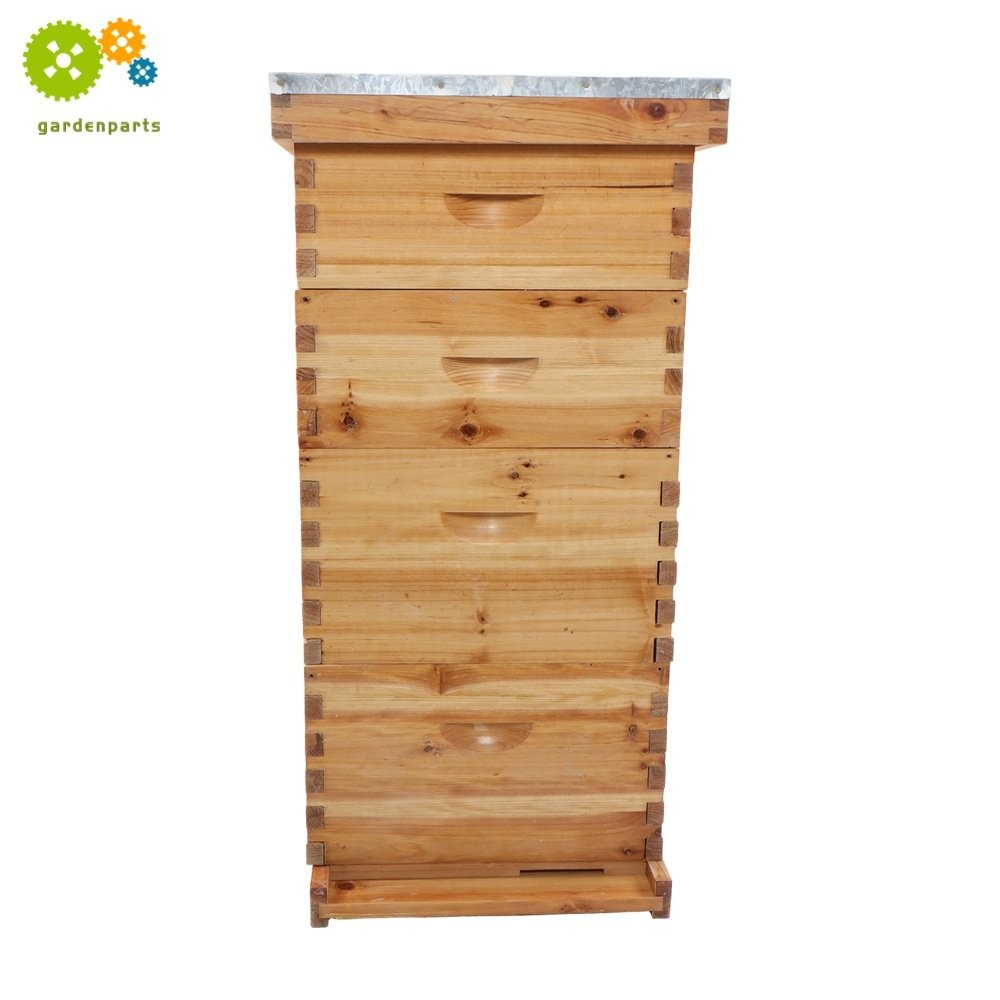 4 Layer Complete Beehive Box Includes 2 Deep Boxes & 2 Medium Boxes 8 Frame$149.65View on eBay
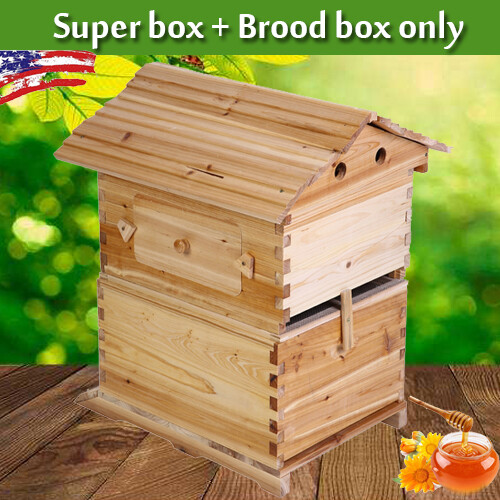 Auto Bee Hive Box Beekeeping Beehive House Beekeeping Equipment Tools Supplies$149.69View on eBay
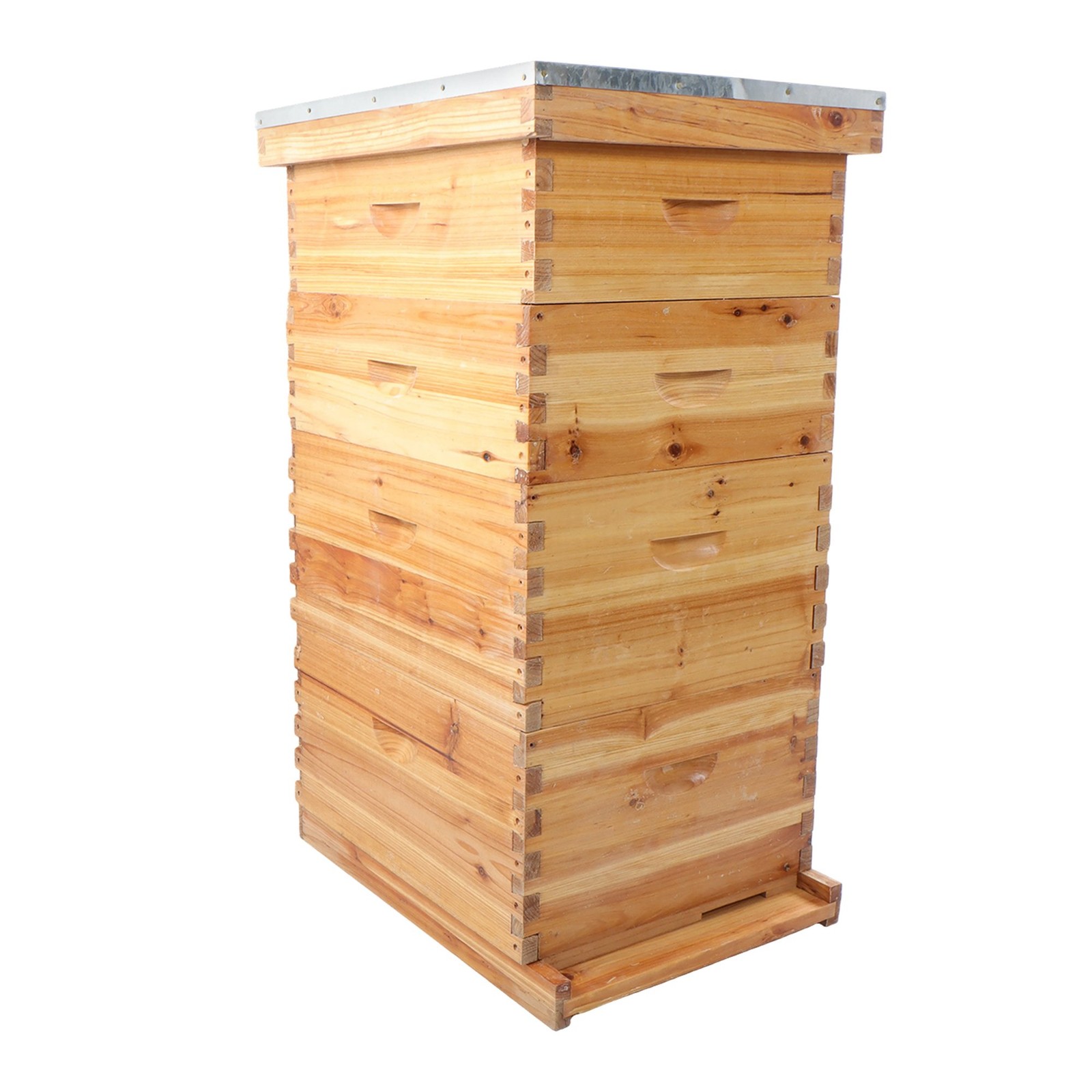 4 Layer Bee Hive Beeswax Coated Includes Beehive Frames and Foundations 8 Frame$150.12View on eBay
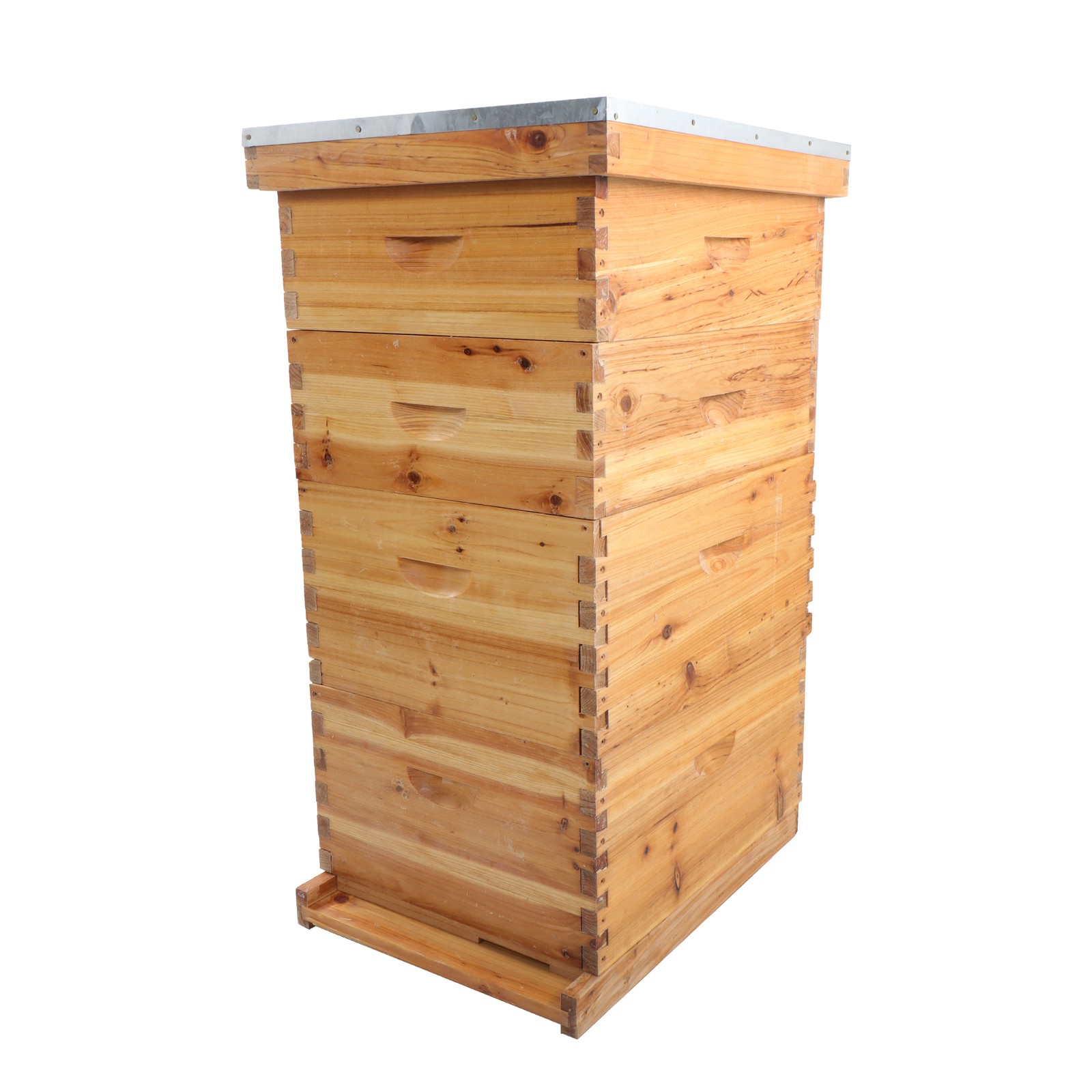 4 Layer 10 Frame Bee Hive Beeswax Coated Includes Beehive Frames and Foundations$166.08View on eBay
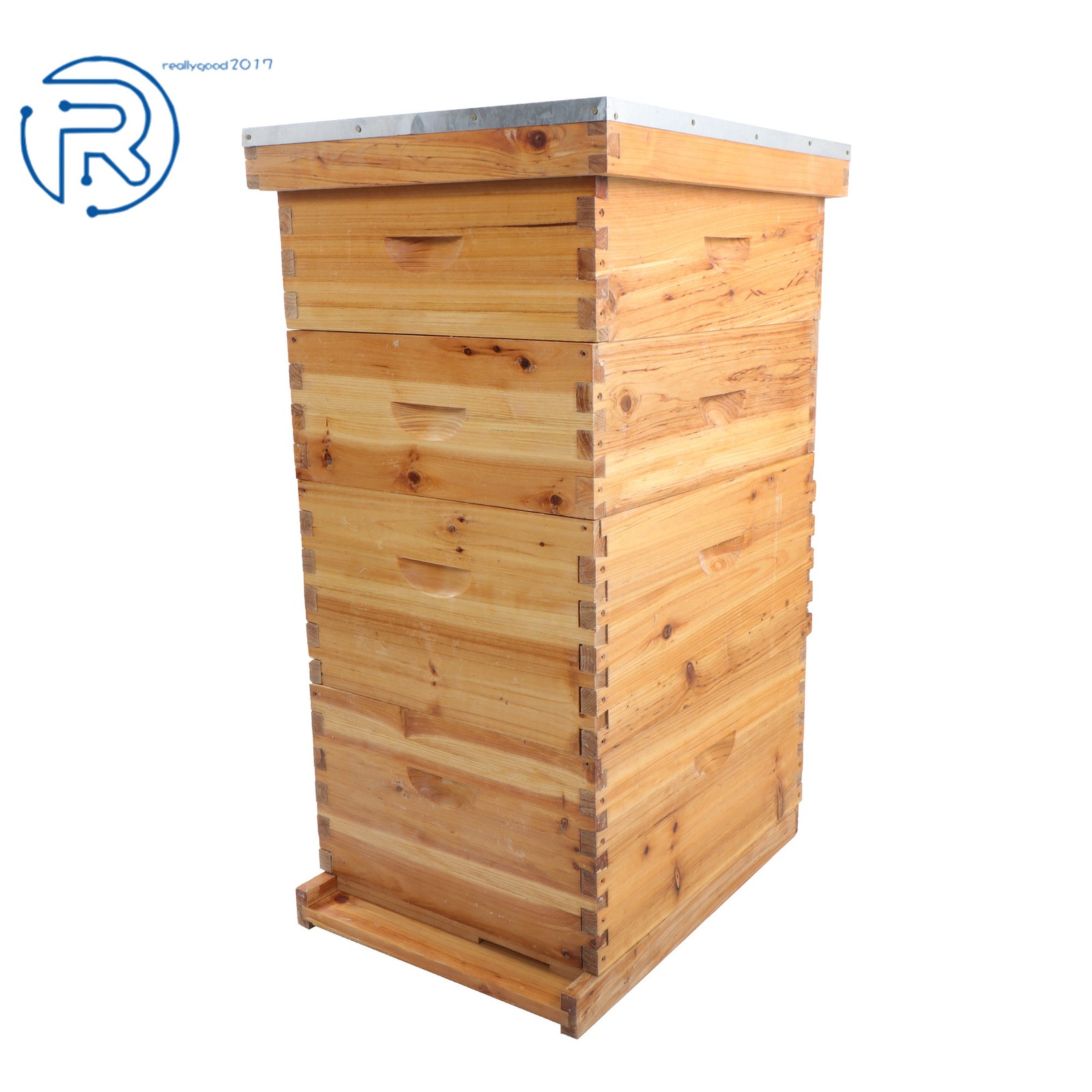 Beeswax Coated 4 Layer 10 Frame Bee Hive Includes Beehive Frames and Foundations$167.46View on eBay
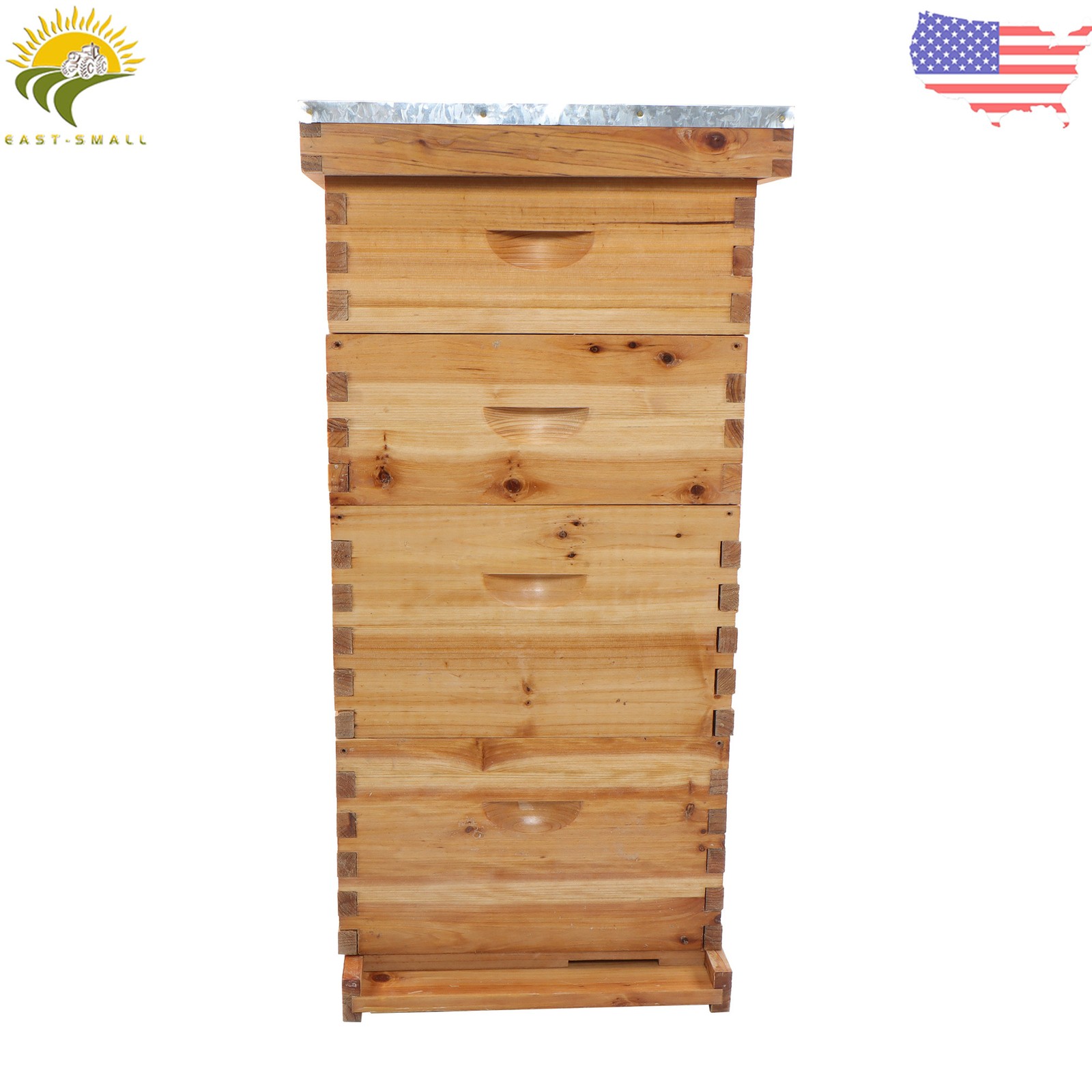 4 Layer Beehive Box 10 Frame Beeswax Coated Bee Hive With Frames For Bee Keeping$167.46View on eBay
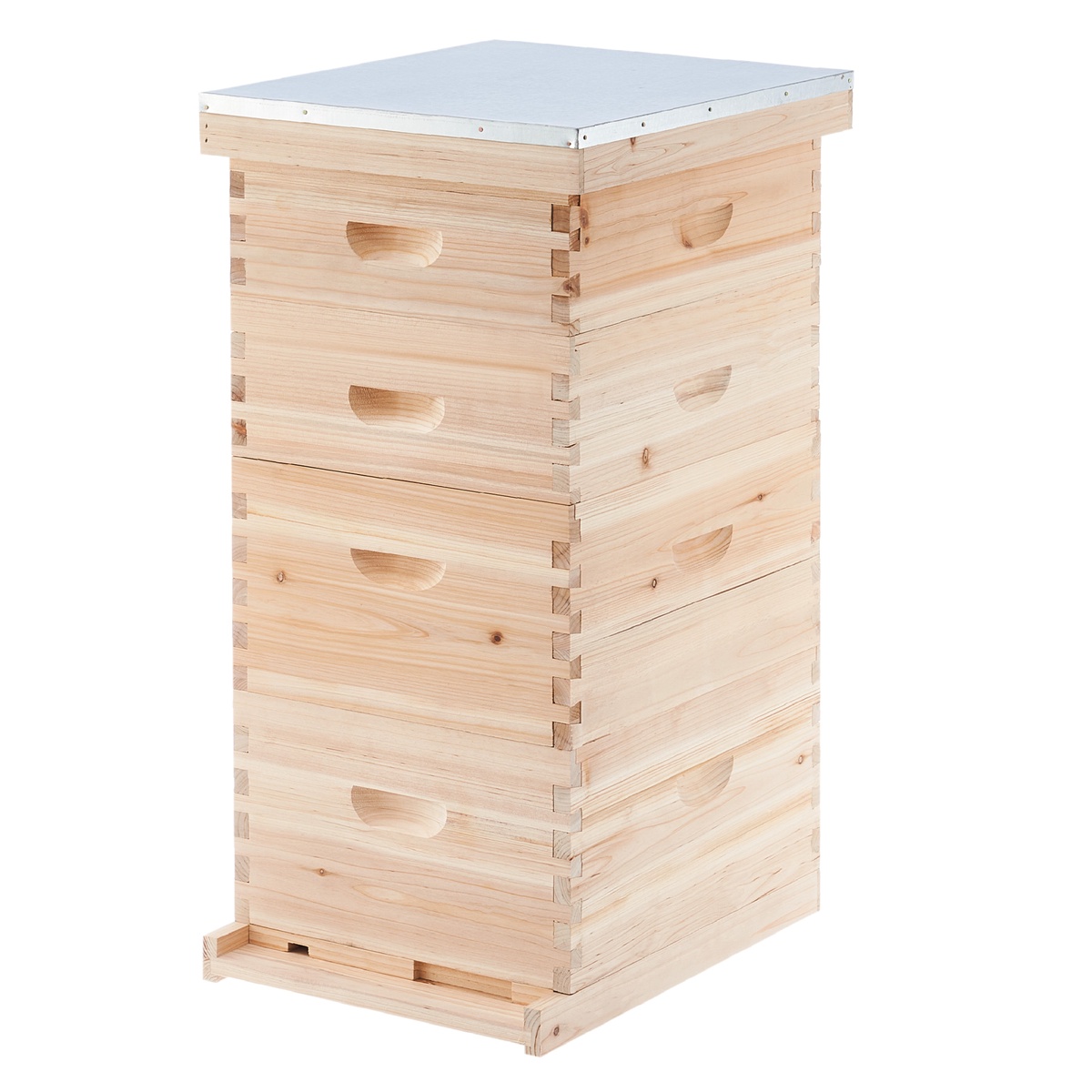 Langstroth Beehive Kit - 40 Frame Box with 20 Deep & 20 Medium Frames$177.99View on eBay
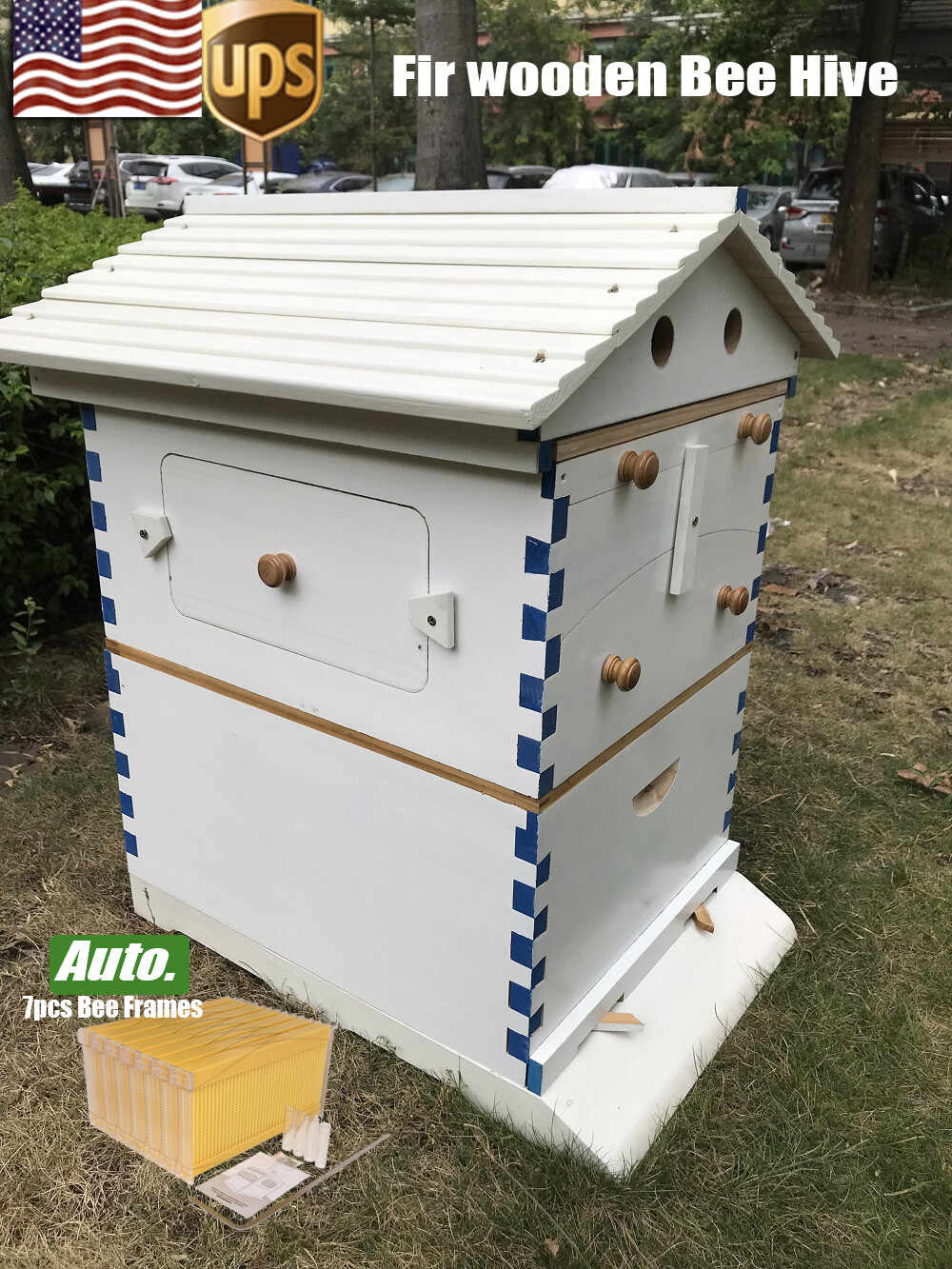 Painted Auto Langstroth Bee Hive Boxes Beekeeping Hives House 7x Bee Frames New$188.66Last checked Nov 18, 2026View on eBay
Highlights
- Langstroth hives use standardized 10-frame or 8-frame boxes; 10-frame deep brood boxes measure 19-7/8" x 16-1/4" and accept 9-1/8" deep frames.
- Cedar wood resists rot and moisture without chemical treatment; pine requires painting or sealing and typically lasts fewer seasons outdoors.
- Beeswax-dipped foundation or coated boxes encourage comb drawing; plastic foundation works but bees accept wax-coated surfaces faster.
- Medium supers (6-5/8" deep) are lighter when full of honey; deep boxes (9-5/8") hold more but exceed 70 lbs when capped.
Best use cases
- Backyard beginner: pick a complete 10-frame cedar kit with frames, foundations, and entrance reducer—not a bare box needing separate purchases.
- Honey-focused beekeeper: add medium supers above the deep brood box; medium frames are interchangeable and lighter to lift during harvest.
- Cold-climate keeper: choose thicker-walled cedar or add insulation wraps; skip thin pine boxes that condense moisture in winter.
- Frequent inspector: select boxes with precut handholds and telescoping lids; skip flat lids that seal with propolis and require prying.
Buying tips
- Match frame count to box width: 10-frame boxes require 10 frames and foundations; 8-frame boxes save weight but yield less honey per super.
- Buy boxes with dovetail or box-joint corners; stapled butt joints separate under the weight of honey-laden frames.
- Choose beeswax-coated cedar or dipped foundation; raw wood frames require extra waxing before bees draw comb.
- Confirm Langstroth standard dimensions; non-standard boxes will not interchange with your existing frames, feeders, or excluders.
Specs
| Frame Count | 10-frame standard / 8-frame lightweight |
|---|---|
| Wood Type | Cedar (rot-resistant) vs Pine (paint required) |
| Box Depth | Deep 9-5/8" / Medium 6-5/8" / Shallow |
| Foundation | Beeswax-dipped / Plastic / Wax-coated |
Related searches
What to check before buying
- Measure your hive stand footprint: a 10-frame box is roughly 20" long and 16" wide; verify clearance for the lid overhang.
- Check your climate: cedar performs in humid regions; pine needs painting and may crack in freeze-thaw cycles.
- Confirm frame compatibility: your existing frames must match the box depth—deep, medium, or shallow.
- Plan for a bottom board, inner cover, and telescoping lid; most bare boxes ship without these companion parts.
FAQ
Data sources: eBay / Amazon listings and product attribute feeds. Updated Nov 27, 2026.
Some links on this page are affiliate links. If you buy after clicking one, we may earn a commission at no extra cost to you. This does not change which products appear here or their order. Affiliate disclosure.