Choosing bee feeders & mite treatment starts with a format decision: do you need a screened hive component, or a strip treatment aimed at mites? These four choices are not interchangeable. API is a bottom board, while CheckMite, Apivar, and Formic Pro are treatment-oriented strip choices with different stated pest coverage or use conditions. Decide the job first, then use price as a tie-breaker.
Quick take
- For hive hardware: The API screened mite pest control bottom board is the relevant format.
- For two named pest types: CheckMite identifies Varroa mites and small hive beetles.
- For ready-to-use Varroa treatment: Mann Lake Apivar 2.0 specifies an outdoor setting and ready-to-use type.
- For a formic-acid schedule: NOD Formic Pro provides 14-day and 20-day treatment options, with a stated daytime temperature range.
Listed-price comparison
The listed prices run from $39.99 to $61.90, a $21.91 spread across choices serving different purposes.
| Product | Listed price | Price bar |
|---|---|---|
| API screened bottom board | $39.99 | |
| CheckMite hive pest control strips | $51.90 | |
| Apivar 2.0 Varroa treatment | $61.90 | |
| Formic Pro for Bees | $42.49 |
Decision matrix
- Format: Choose API for the screened bottom-board format; the other three are strip treatments.
- Pest scope: CheckMite names Varroa mites and small hive beetles, while Apivar identifies Varroa mites.
- Application planning: Apivar is marked ready to use; Formic Pro specifies two treatment schedules and a 50° F-84° F daytime range.
- Price context: API and Formic Pro are the two lower listed prices, while CheckMite and Apivar sit higher; the difference should be considered alongside the job each format addresses.
Product notes
API 10 Frame Compatible Beehive Screened Mite Pest Control Bottom Board, Brown
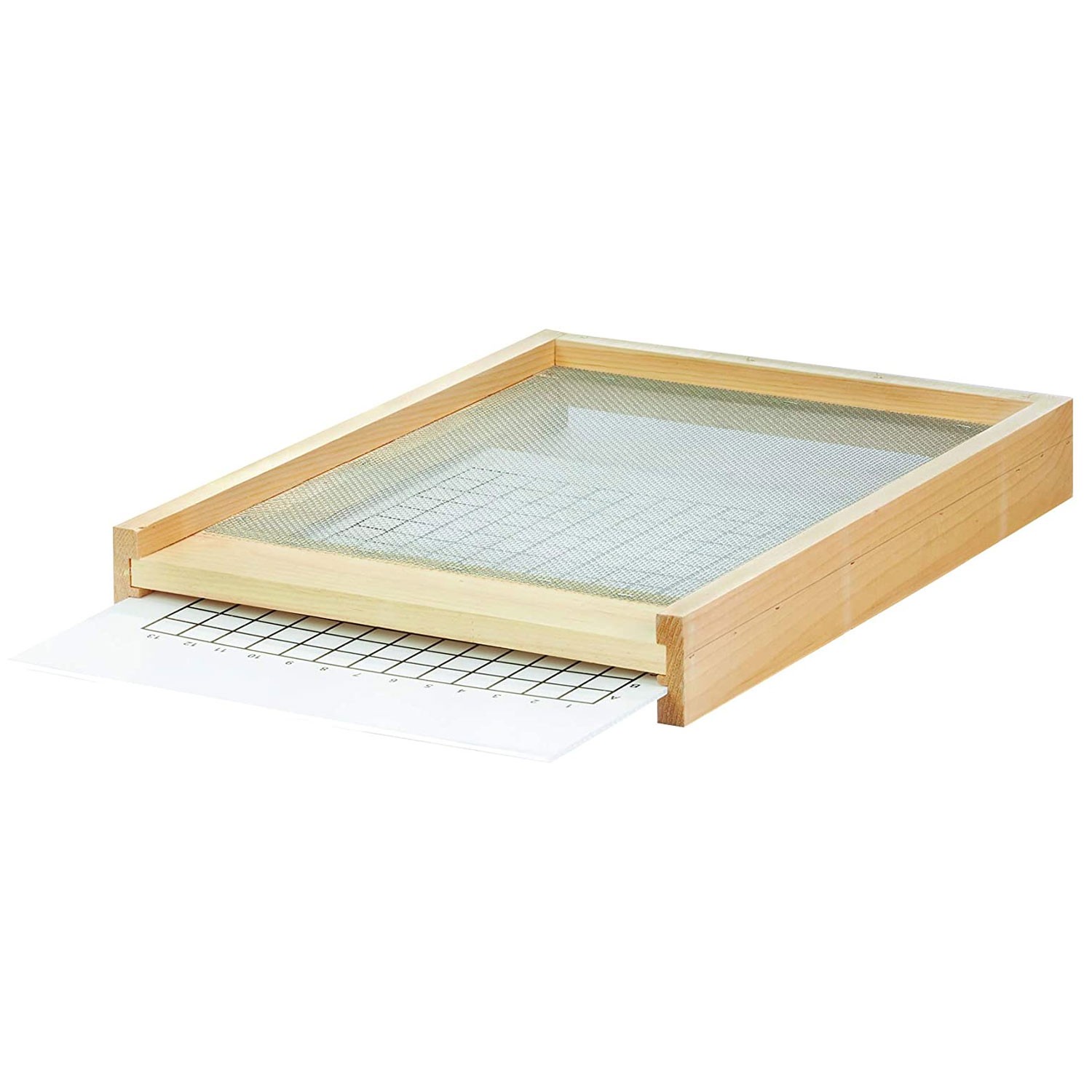
For a shopper who needs a hive component rather than an applied treatment, API centers on a screened mite pest control bottom board. Its name also specifies 10 Frame and brown, giving the choice a clear hardware identity. The main reason to choose it is the format: it belongs in a setup decision about the hive base, not a strip schedule. The limitation is just as concrete: it is not a ready-to-use mite-treatment strip, so it does not match a brief focused on applying Varroa control. Treat it as a hardware-oriented choice rather than a substitute for the strip treatments below.
CheckMite Bee Hive Pest Control Strips | Treatment for Varroa Mites Hive Beetles
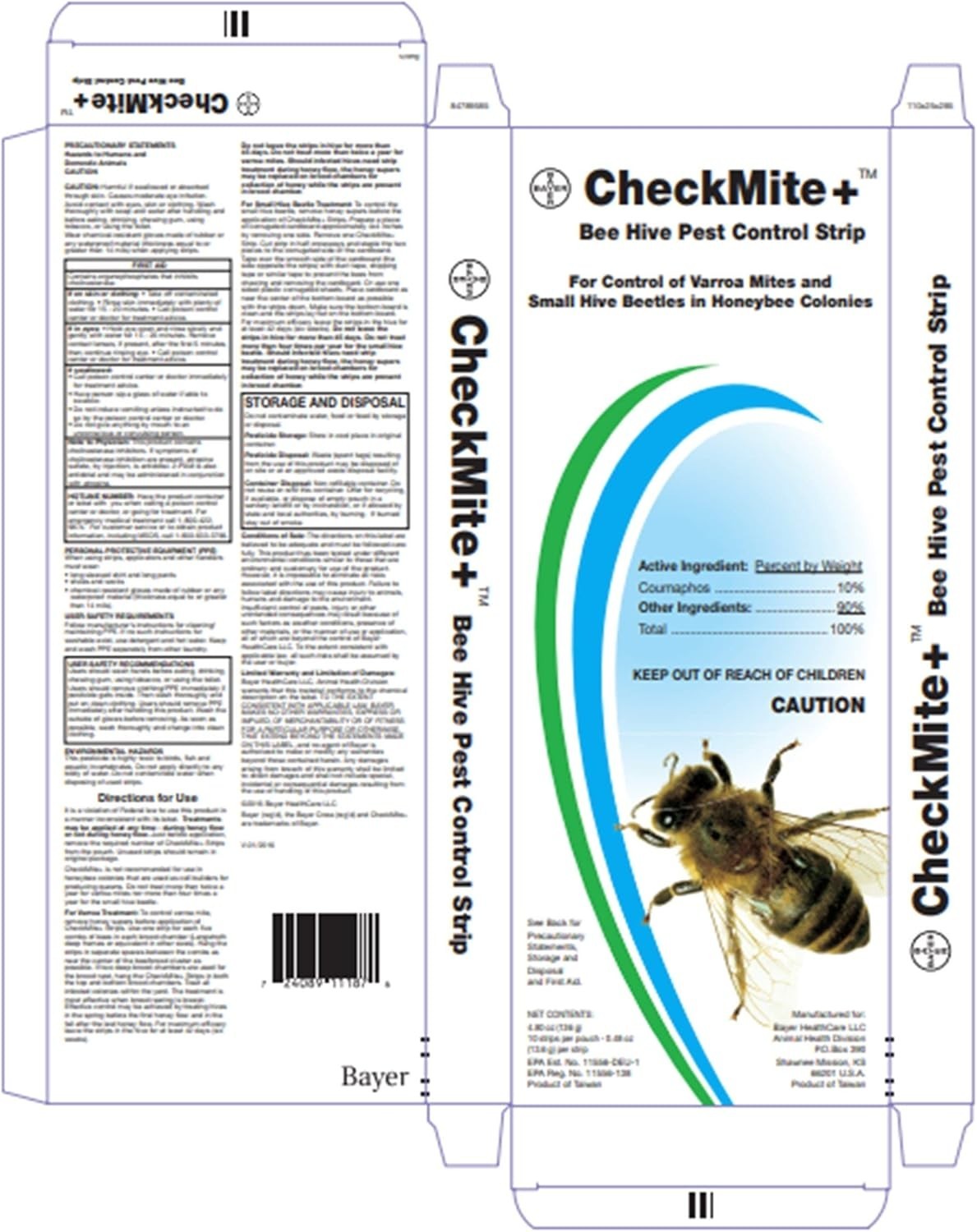
CheckMite fits shoppers who want a strip treatment with named coverage for Varroa mites and small hive beetles. The 10-unit count is useful when comparing pack size, and the United States country-of-origin attribute adds a concrete product detail without changing the main choice. Its limitation is format: it is a pest-control strip, not a screened bottom board or a hardware component. That makes it less suitable when the project is about changing hive equipment. Choose it when the two-pest wording matters more than having a bottom-board solution.
Mann Lake Apivar 2.0 Varroa Treatment 12 Strips - Bee Hive - Pest Control
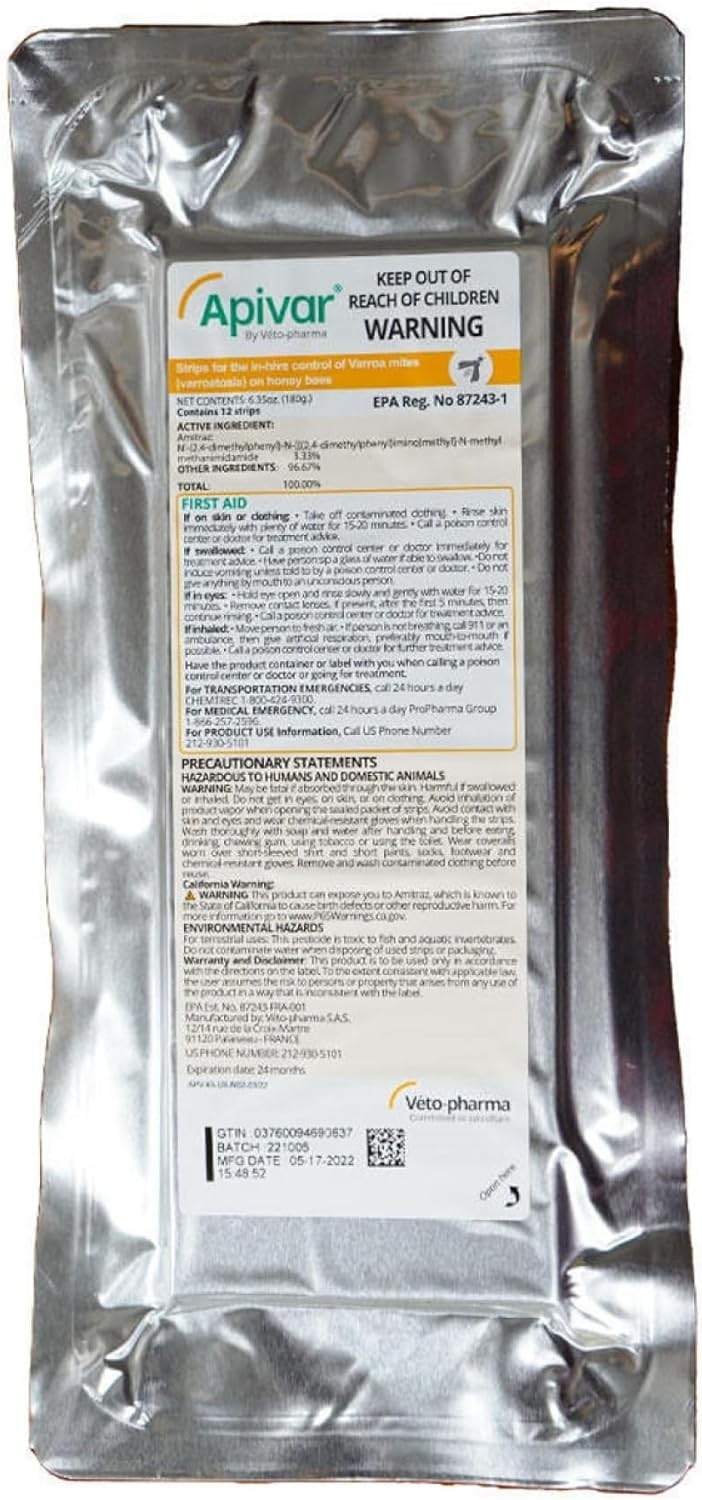
Mann Lake Apivar 2.0 addresses a narrower treatment brief: its attributes identify Varroa mites, an outdoor setting, and a ready-to-use type. The EPA registration number 87243-1 is another concrete reason to choose it when that identifier matters to your purchasing process. The limitation is scope: the named pest is Varroa mites, not the Varroa-and-hive-beetle pairing named for CheckMite. Apivar therefore fits a shopper looking for its stated treatment format and identifiers, rather than a general answer for every hive-pest concern.
NOD Formic Pro For Bees Varroa Mite 4 Dose (8 strips) EXP:06/2028
NOD Formic Pro stands apart through its formic-acid treatment description and two schedules: two strips for 14 days, or a first strip for 10 days followed by the second for 10 more days. That scheduling choice is a concrete reason to choose it when either plan fits the work. The limitation is operational: daytime temperatures must be 50° F-84° F, and the description calls for recommended safety equipment when handling acid. The title also identifies a four-dose, eight-strip package and an EXP:06/2028 marking, distinguishing it from the other strip treatments.
Final recommendation by use case
- Choose API when the purchase is for the screened bottom-board format named in its title.
- Choose CheckMite when the relevant brief includes both Varroa mites and small hive beetles.
- Choose Apivar when ready-to-use, outdoor Varroa treatment and EPA registration number 87243-1 are the deciding details.
- Choose Formic Pro when a 14-day or 20-day formic-acid schedule fits daytime temperatures of 50° F-84° F.
The central choice is format before price. API is a hive-component purchase, while the other three address mite control through strips; comparing them as though they perform the same role can lead to the wrong fit.