
Photos from current listings. Actual item, color, and included accessories may vary.
Hot Tub And Spa Buying Guide
Hot tubs and spas span inflatable plug-and-play vinyl tubs, acrylic hard-shell portable spas, and in-ground Gunite/vinyl-liner installations, each with distinct power, filtration, and chemical-management demands. The core trade-off is upfront build cost versus long-term efficiency: rotomolded or acrylic shells with full foam insulation and UL-listed 240V heaters cost more but hold temperature reliably, while inflatable PVC tubs with 110V heaters lose heat fast in cold climates. The decision rule: if you use the spa year-round or below 50°F ambient, buy a hard-shell with insulated cabinet and 240V service; if occasional warm-weather use, an inflatable with 110V and a well-fitting thermal cover is sufficient.
Median $183.99 · New listings
Key takeaways
- Shell construction separates tiers: rotomolded polyethylene and acrylic shells with fiberglass backing resist UV and freezing, while inflatable PVC/vinyl liners rely on drop-stitch seams and puncture repair.
- Heater voltage dictates recovery: 110–120V plug-in heaters typically add heat slowly and are best for 2–4 person inflatables, whereas 220–240V hardwired heaters can maintain temperature in acrylic spas of 300–500 gallons.
- Filtration and sanitation are separate systems: 50–150 sq ft pleated cartridge filters handle most portable spas, while chlorine tablets (1-inch trichlor) or bromine granules feed via floaters; ozone or UV assist reduces chemical demand.
At a glance
- Category
- Pools & Spas
- Last updated
- Nov 27, 2026
Current offers
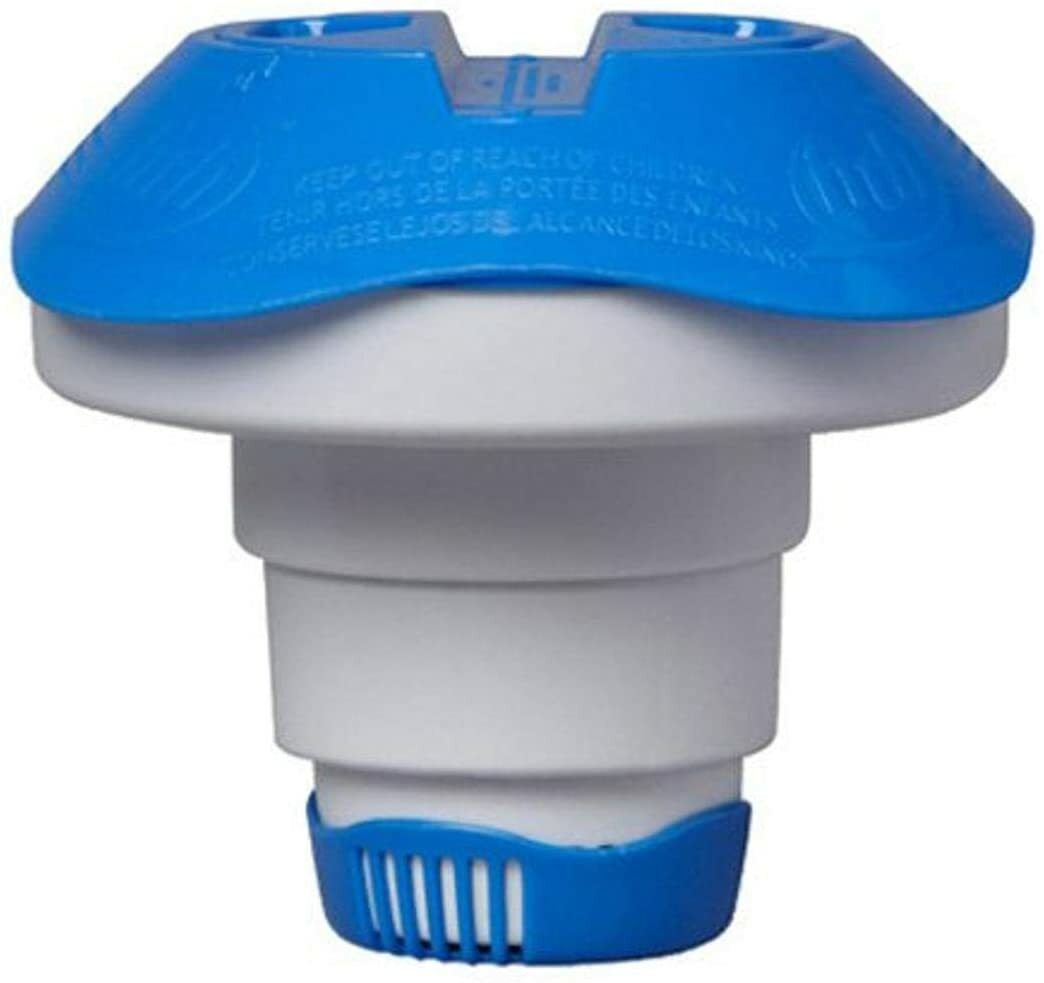 HTH Spa 4088 Pop Up Floater for Spas and Hot Tubs$9.99View on eBay
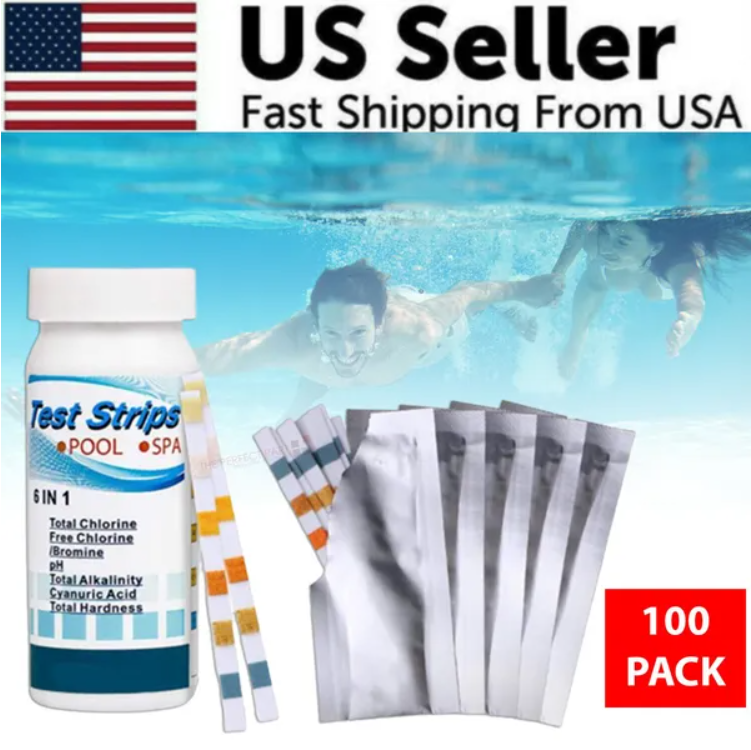 6 IN 1 Chlorine Dip Test Strips Hot Tub SPA Swimming Pool PH Tester Paper Bottle$21.99View on Mallflare
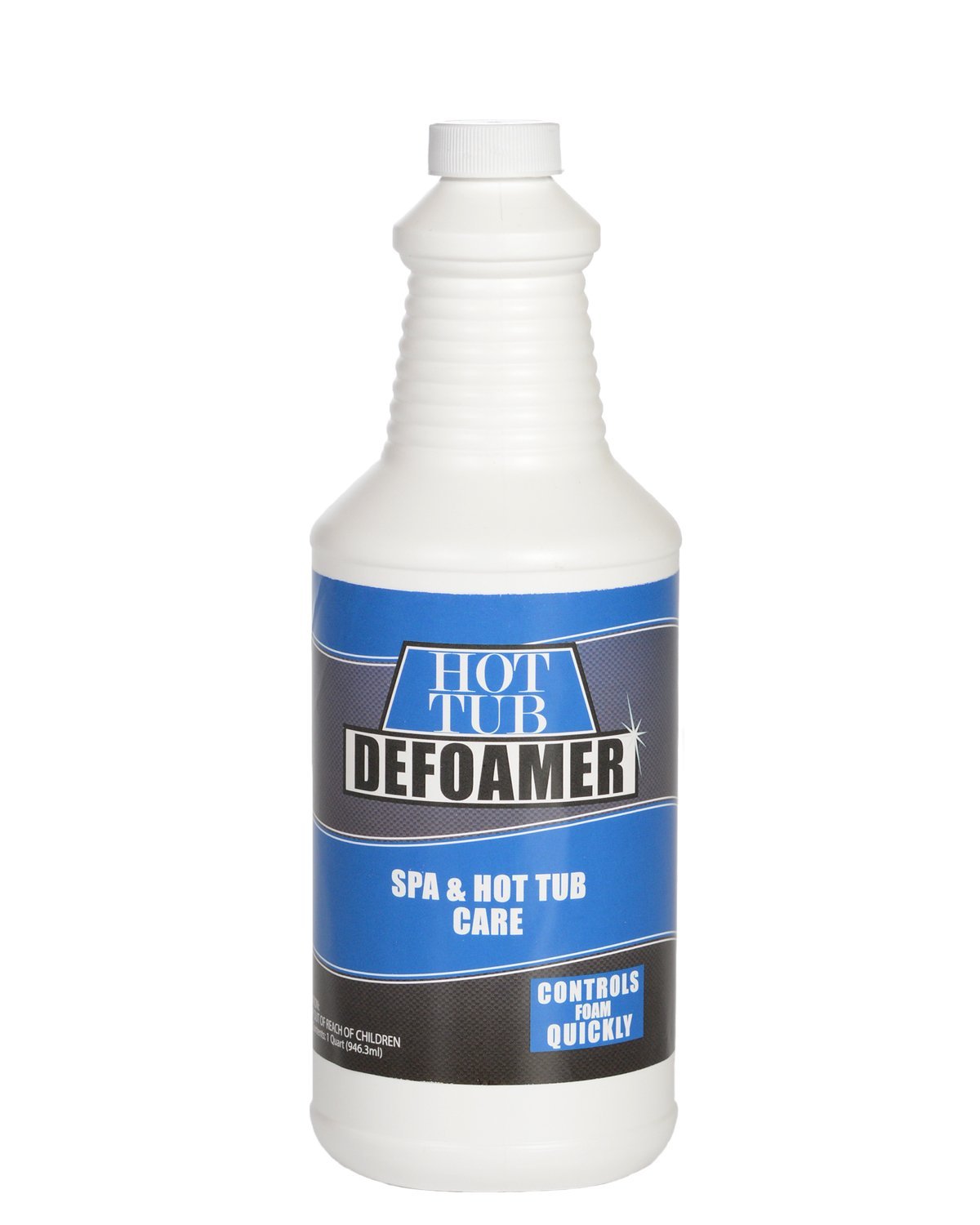 Spa and Hot Tub Defoamer - Quickly Takes Foam Down - 32 Ounce Quart$16.99View on eBay
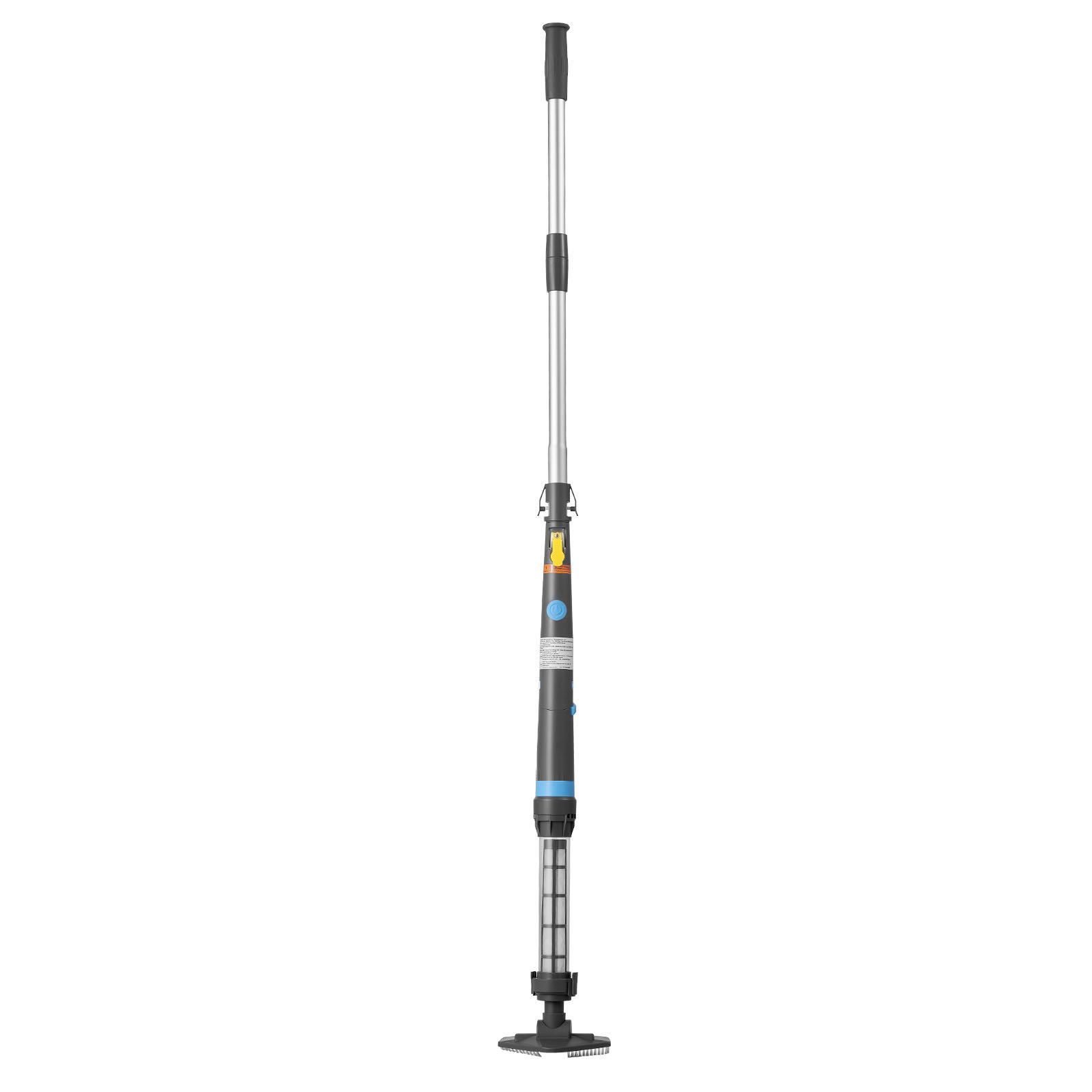 Handheld Pool Vacuum, 8.5 GPM Cordless Spa Hot Tub With Extension Pole And 2 Brush Heads, 60 Mins Running Time, For Small Debris, Sand, Rechargeable Cleaner For Above Ground Pools$78.99View on Mallflare
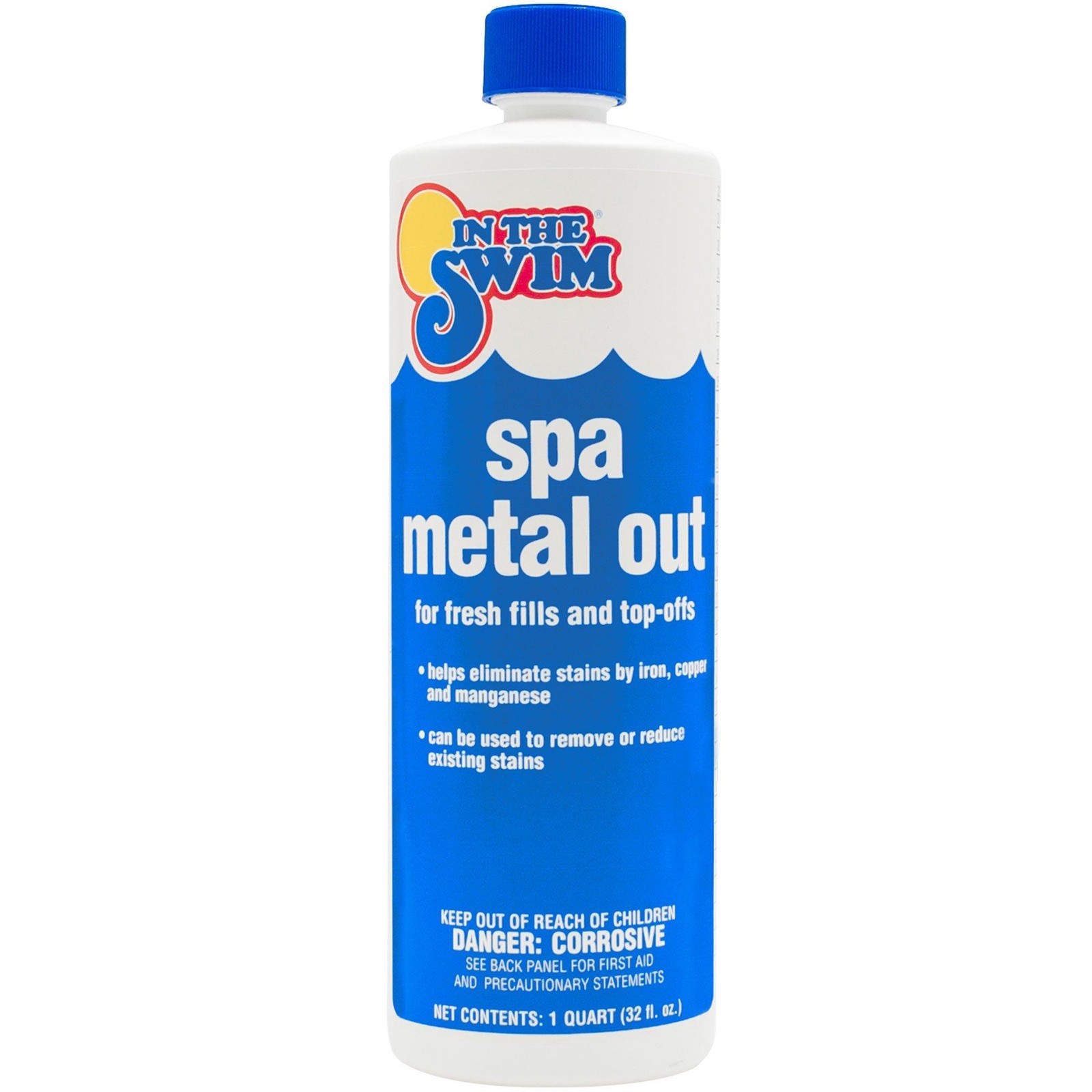 In The Swim Spa Metal Out, 1 qt - Spa Chemicals and Hot Tub Products$21.49View on eBay
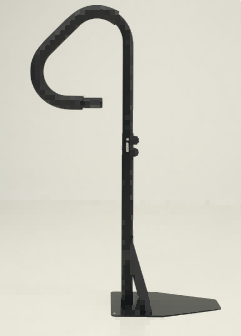 Hot Tub Handrail, Aluminum Spa Hand Rail With 44 -60 Adjustable Height & 360 Swivel, Safety Side Handrails Slide-Under Mount Base For Most Hot Tubs & Swim Spas, 600 LBS Capacity$93.99View on Mallflare
- In The Swim Spa Metal Out, 1 qt - Spa Chemicals and Hot Tub Products$21.49View on eBay
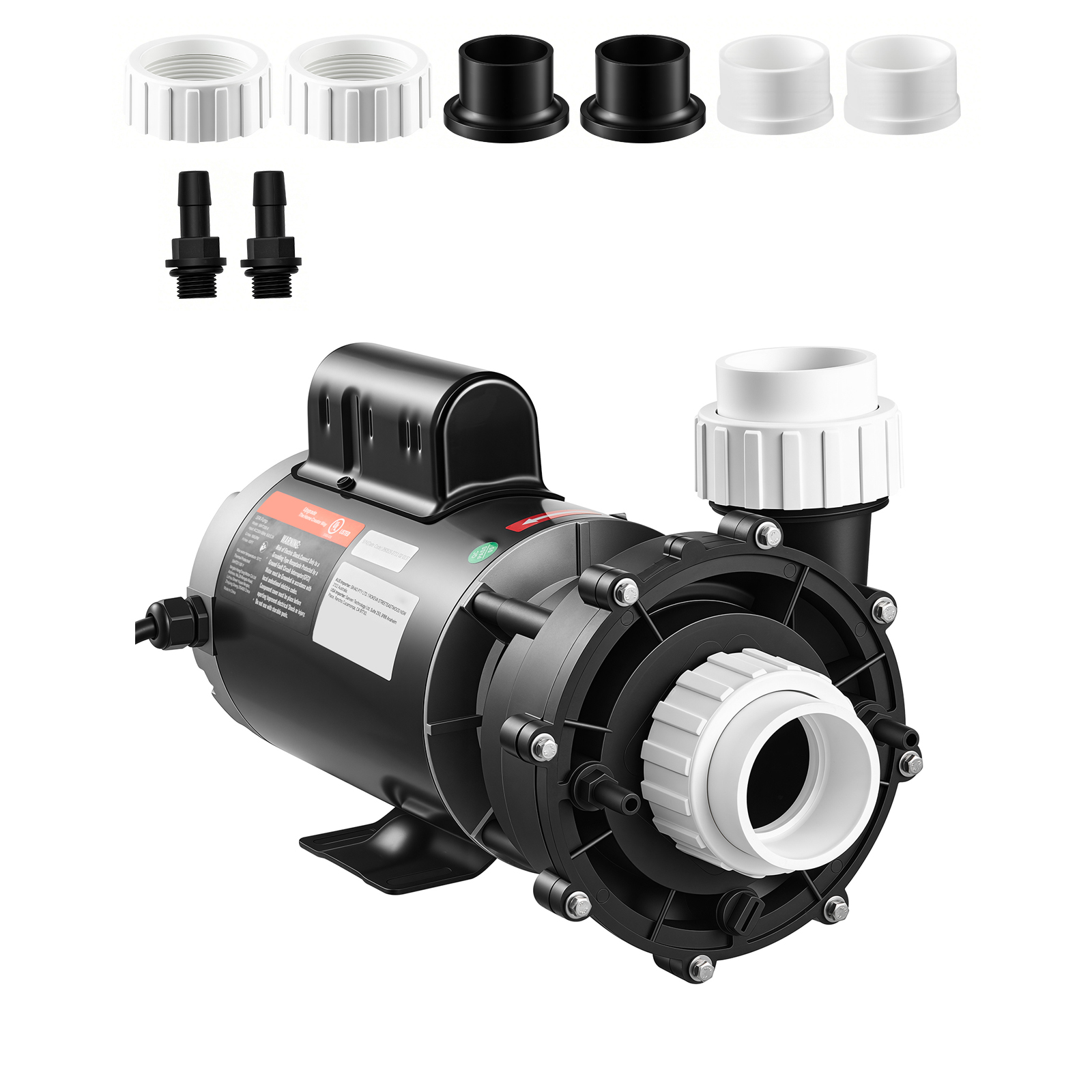 SPA Pump 2HP Hot Tub 2 Speed 56 Frame With 1.5" & 2" Port, 230V, 168 GPM High & 68 GPM Low 90° Rotational Interface, SPA Bath Water Circulation, Compatible OEM Models$273.99View on Mallflare
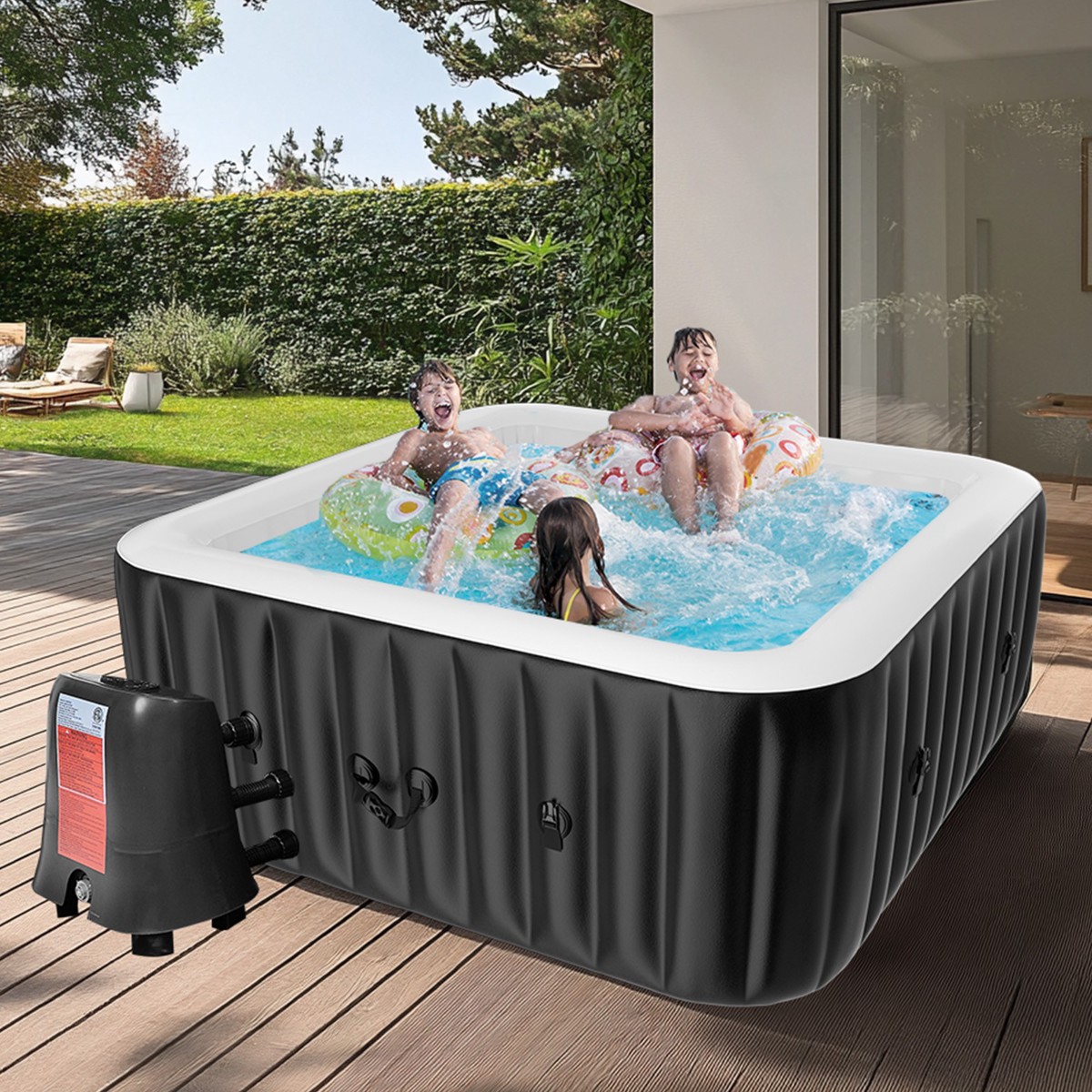 MOPHOTO Hot Tub 4 Person Inflatable Blow Up Hot Tub Spa 110 Bubble Jets 158Gal$428.99New · Last checked Nov 22, 2026View on eBay
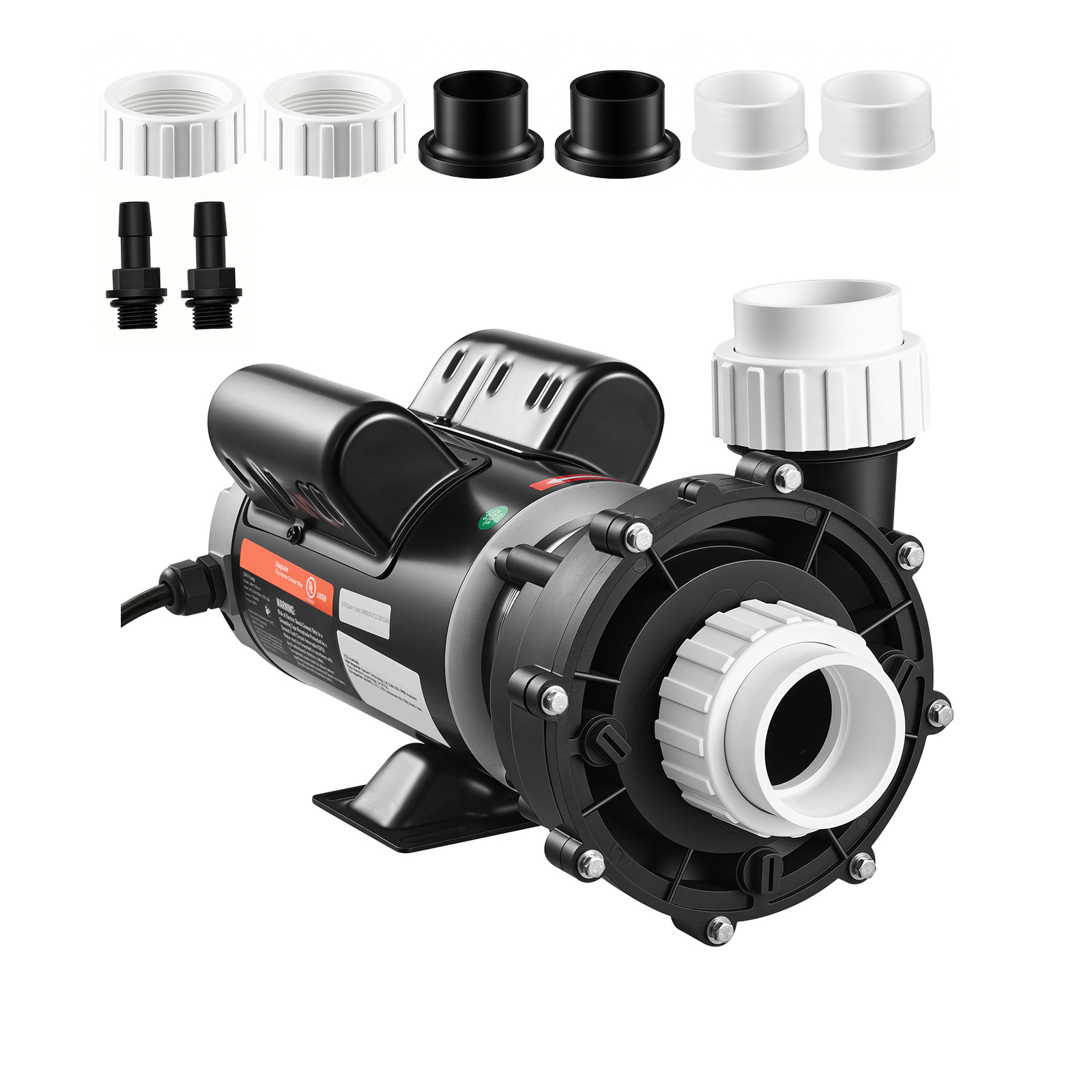 SPA Pump 3HP Hot Tub 2 Speed 48 Frame With 1.5" & 2" Port, 230V, 190 GPM High & 90 GPM Low 90° Rotational Interface, SPA Bath Water Circulation, Compatible OEM Models$273.99View on Mallflare
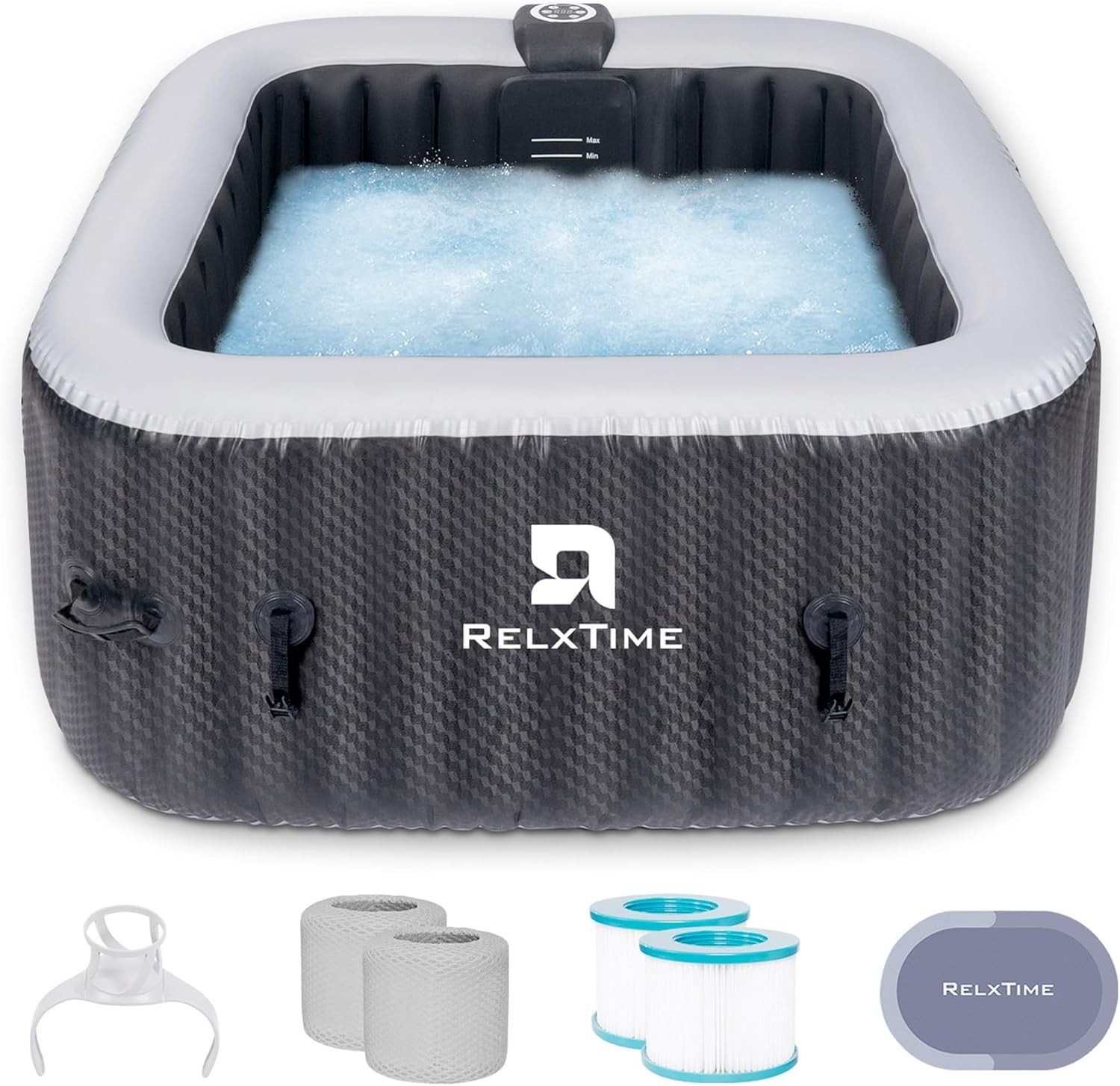 RELXTIME Square Inflatable Hot Tub Black 2 to 4 Person Blow Up Spa 120 Jets$429.00New · Last checked Nov 22, 2026View on eBay
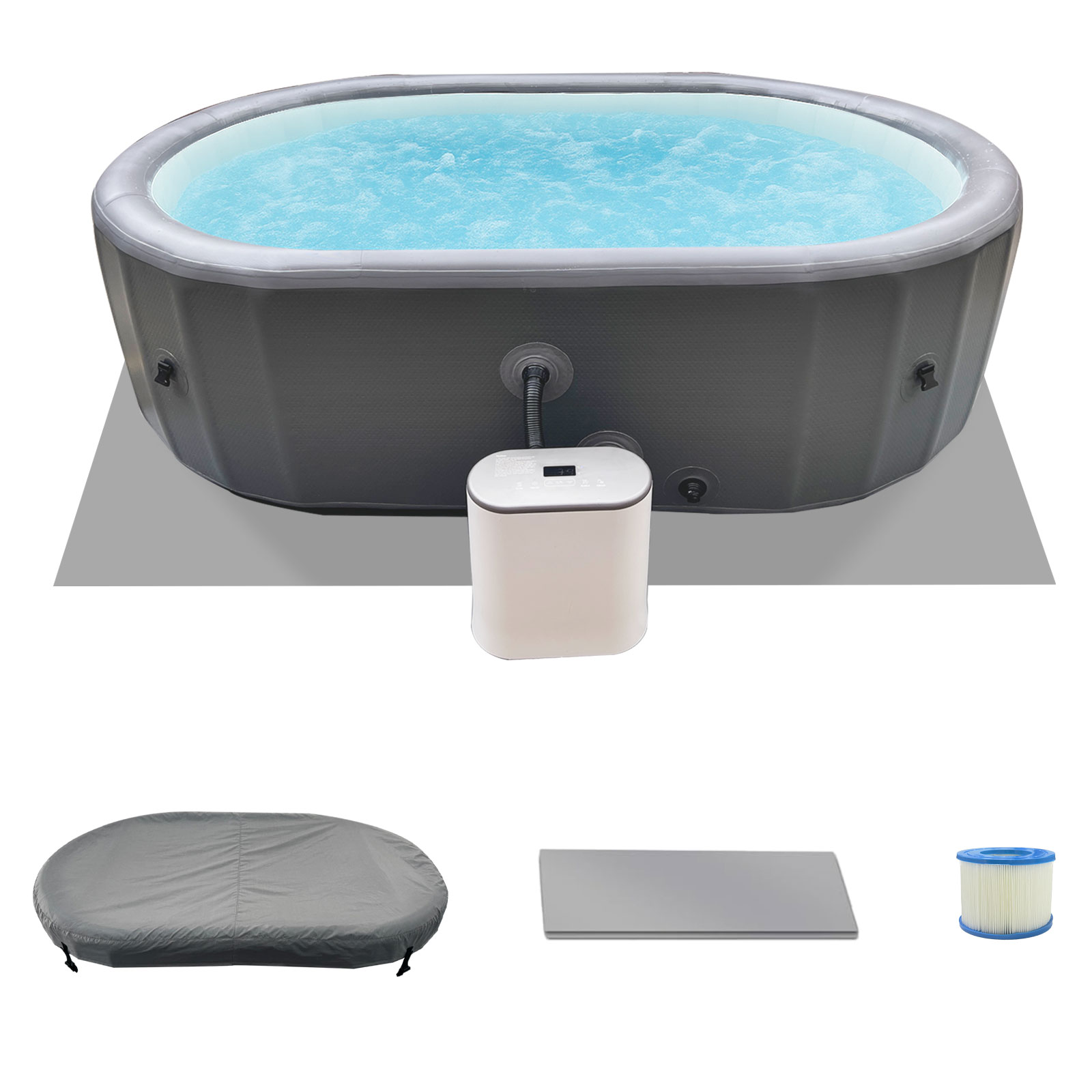 Hot Tub Inflatable Portable Oval Spa 2 Person Hot Tub with 180 Bubble Jets, Cover, Filter Cartridges, Pump$922.99View on Mallflare
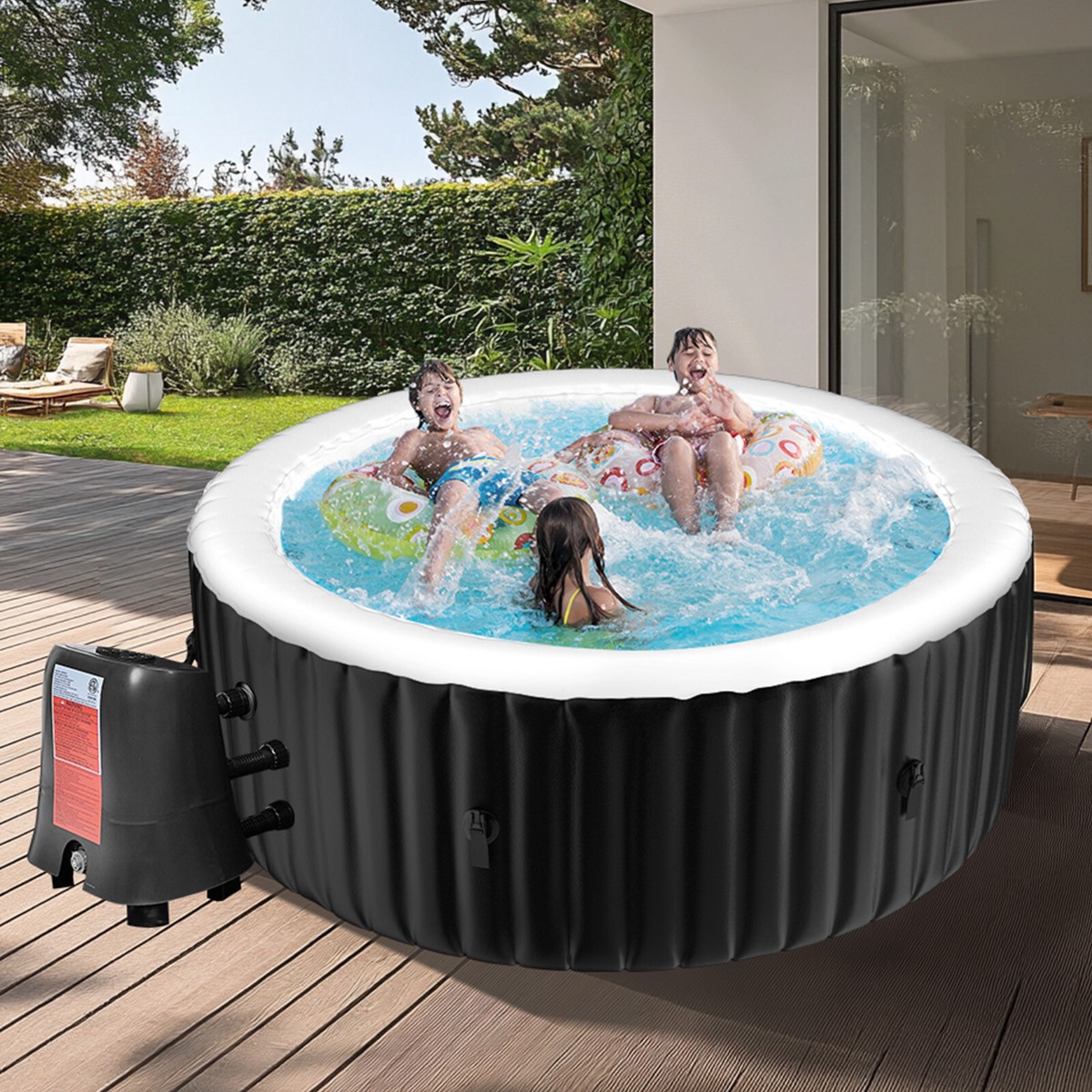 NAIZEA Hot Tub 4 Person Portable Blow Up Hot Tub Portable Spa 120 Bubble Jet$429.99New · Last checked Nov 22, 2026View on eBay
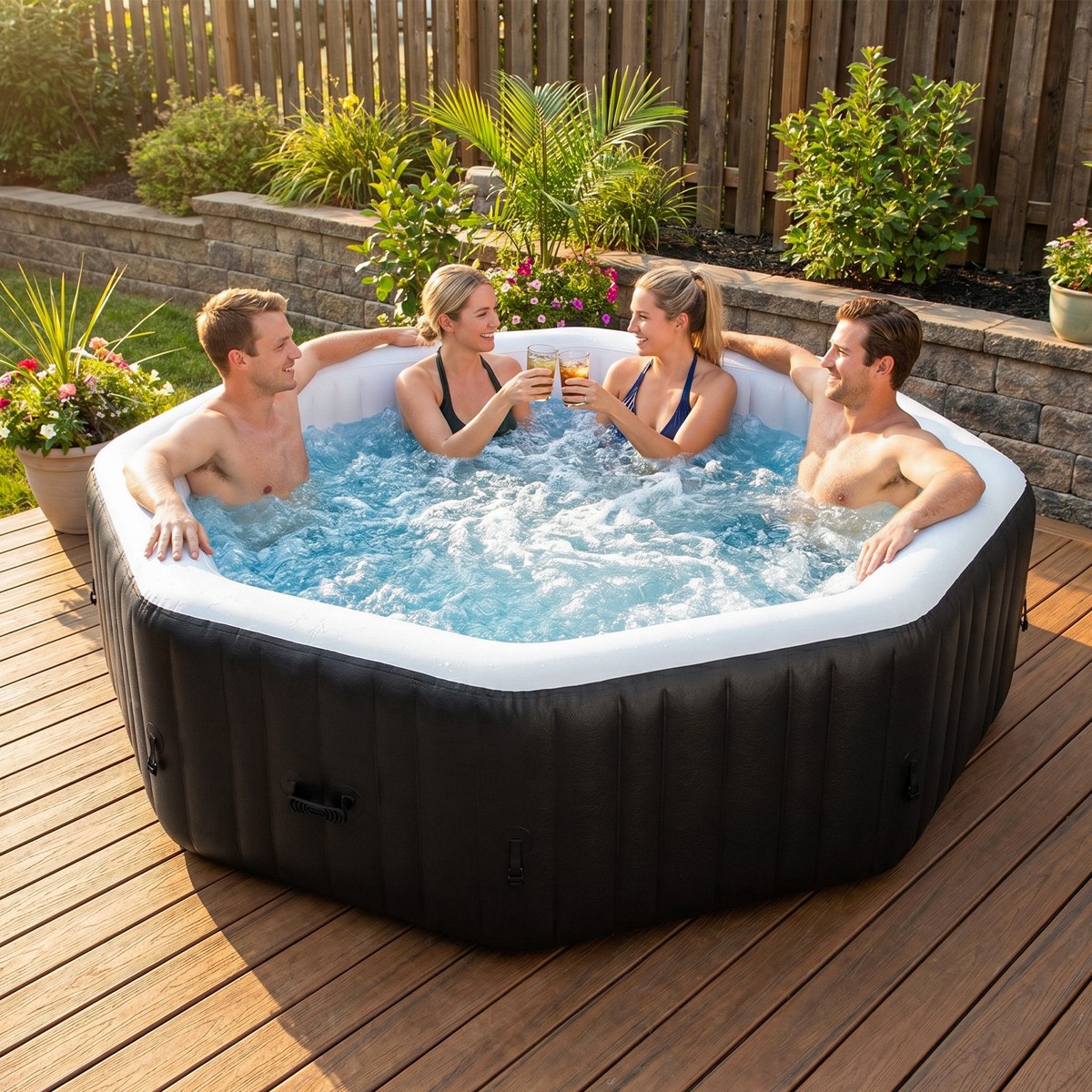 NAIZEA 4-6 Person Inflatable Hot Tub 77"X77"X25" Octagonal Blow up Hot tub Spa$479.99New · Last checked Nov 22, 2026View on eBay
Highlights
- Shell construction separates tiers: rotomolded polyethylene and acrylic shells with fiberglass backing resist UV and freezing, while inflatable PVC/vinyl liners rely on drop-stitch seams and puncture repair.
- Heater voltage dictates recovery: 110–120V plug-in heaters typically add heat slowly and are best for 2–4 person inflatables, whereas 220–240V hardwired heaters can maintain temperature in acrylic spas of 300–500 gallons.
- Filtration and sanitation are separate systems: 50–150 sq ft pleated cartridge filters handle most portable spas, while chlorine tablets (1-inch trichlor) or bromine granules feed via floaters; ozone or UV assist reduces chemical demand.
- Pump ratings matter less than head and flow compatibility: single-speed 1–2 HP pumps with 80–110 GPM max flow serve above-ground pools, but a spa needs a 2-speed pump or dedicated circulation pump to run filtration quietly at low speed.
Best use cases
- Year-round cold-climate use (below 50°F): choose a hard-shell acrylic or rotomolded spa with full foam insulation, a 240V heater, and a locking insulated cover; skip inflatable PVC tubs, which lose heat and stress seams in freezing conditions.
- Warm-weather occasional use or rental: a 110V inflatable or hybrid soft-sided spa with a thermal cover and cartridge filter is the right fit; skip 240V hardwired models that require an electrician and permanent pad.
- Above-ground pool owner adding therapy: pick a standalone spa with its own 2-speed pump and 50+ sq ft filter; skip repurposing a 1–2 HP single-speed pool pump, which runs too loudly and too hot for daily spa filtration.
Buying tips
- Size by seated bathers, not dry weight: allow 30–35 gallons per person for comfortable soaking; a 4-person spa generally needs 250–350 gallons and a 6-person 400–500 gallons.
- Match the electrical circuit to the heater: confirm 110–120V 15–20A plug-in for inflatables vs 220–240V 50A hardwired for full-size acrylic spas; a 240V heater in a 110V tub is not a valid configuration.
- Check filter cartridge availability and dimension before buying: standard 50 sq ft cartridges are widely stocked, while proprietary shapes lock you into one supplier; spa pumps use 2-inch ports with 90-degree rotational unions for easy service.
- For sanitation, 1-inch chlorine tablets suit floaters in warm water; bromine is more stable at spa temperatures above 100°F; scum absorbers and defoamer are maintenance aids, not substitutes for balanced pH and alkalinity.
Specs
| Shell Type | Inflatable PVC / Rotomolded / Acrylic |
|---|---|
| Heater Voltage | 110-120V plug-in vs 220-240V hardwired |
| Water Capacity | 150-500 gal (2-6 person) |
| Sanitizer Type | Chlorine tablets / Bromine / Ozone |
Related searches
What to check before buying
- Measure the delivery path and pad: confirm gate width, stair turns, and a level 4–6 inch reinforced concrete or composite pad sized to the spa footprint plus clearance for the cover lifter.
- Verify the electrical service: a dedicated 240V GFCI-protected circuit within reach of the spa, or a weatherproof 110V outlet for inflatables; check local code for disconnect placement.
- Check climate and cover fit: a tapered insulated cover with a locking strap is essential outdoors; confirm the cover matches the spa's exact corner radius and dimensions.
- Confirm water supply and drainage: a garden hose fill is standard, but plan for a submersible pump or drain hose for water changes, and keep the spa within hose reach.
FAQ
Data sources: eBay / Amazon listings and product attribute feeds. Updated Nov 27, 2026.
Some links on this page are affiliate links. If you buy after clicking one, we may earn a commission at no extra cost to you. This does not change which products appear here or their order. Affiliate disclosure.