
Photos from current listings. Actual item, color, and included accessories may vary.
Patio Chair Buying Guide
Patio chairs are outdoor seating built to survive sun, rain, and seasonal storage, and the primary trade-off is frame material and weatherproofing versus upfront cost and weight. Durable options use powder-coated aluminum, solid acacia/teak, or high-density HDPE, while compromises hide mild steel under paint or use thin polyester cushion covers that fade and mold. The decision rule: buy a chair whose frame material and joinery are specified by grade, not just by a brand color name.
Median $136.49 · New listings
Key takeaways
- Frame metallurgy decides lifespan: powder-coated aluminum resists rust indefinitely, while painted mild steel rusts at weld points and chip sites within a season or two.
- HDPE (high-density polyethylene) lumber is UV-stabilized, never rots, and holds color without painting; acacia and teak are naturally rot-resistant hardwoods that need annual oiling to prevent checking.
- PE rattan is a UV-stabilized polyethylene weave over an aluminum or steel frame—the weave grade and frame beneath it matter more than the wicker look itself.
At a glance
- Category
- Patio Furniture
- Last updated
- Nov 28, 2026
Current offers
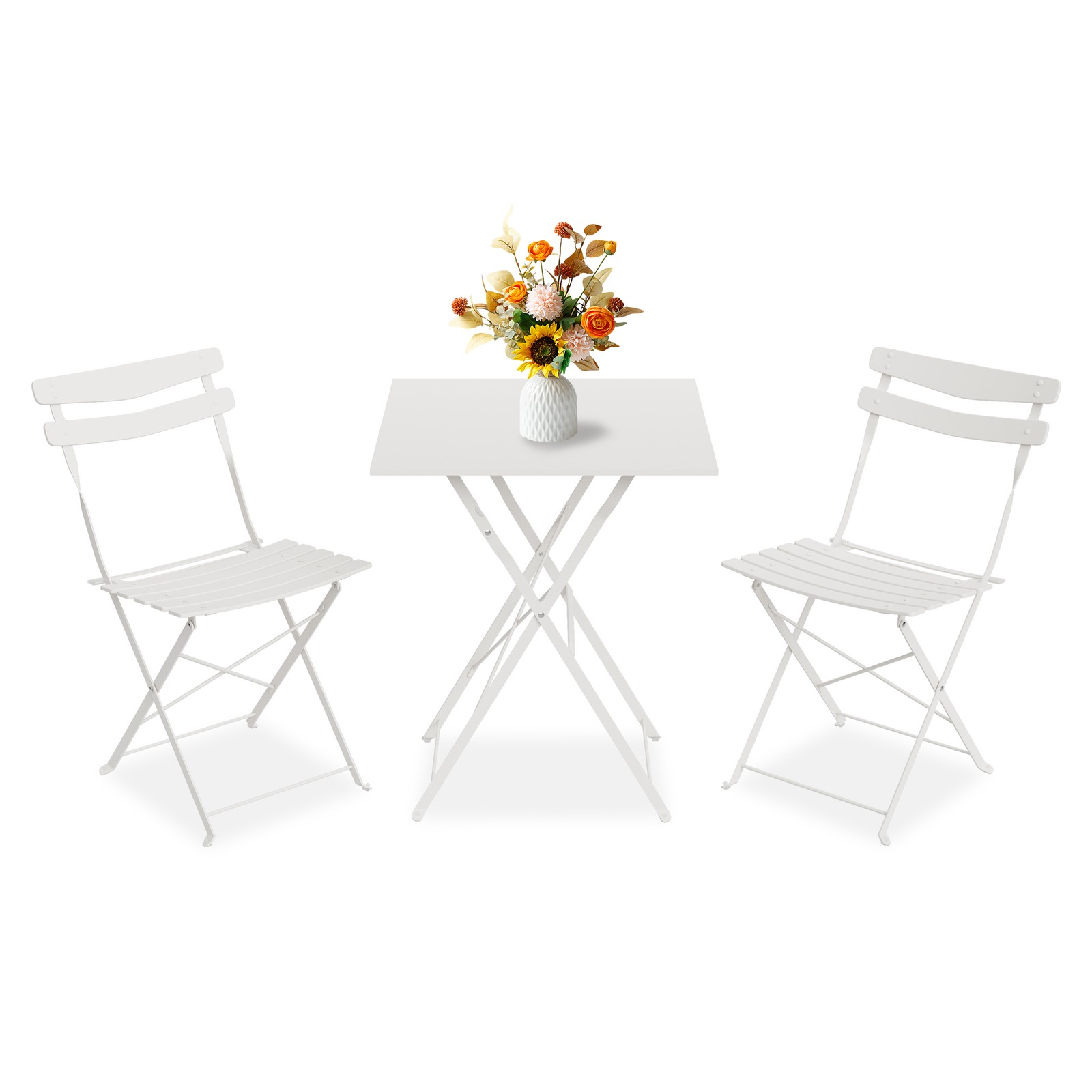 3-Piece Metal Patio Bistro Set Folding Table & 2 Chairs Outdoor/Indoor Furniture$72.19Last checked Nov 24, 2026View on eBay
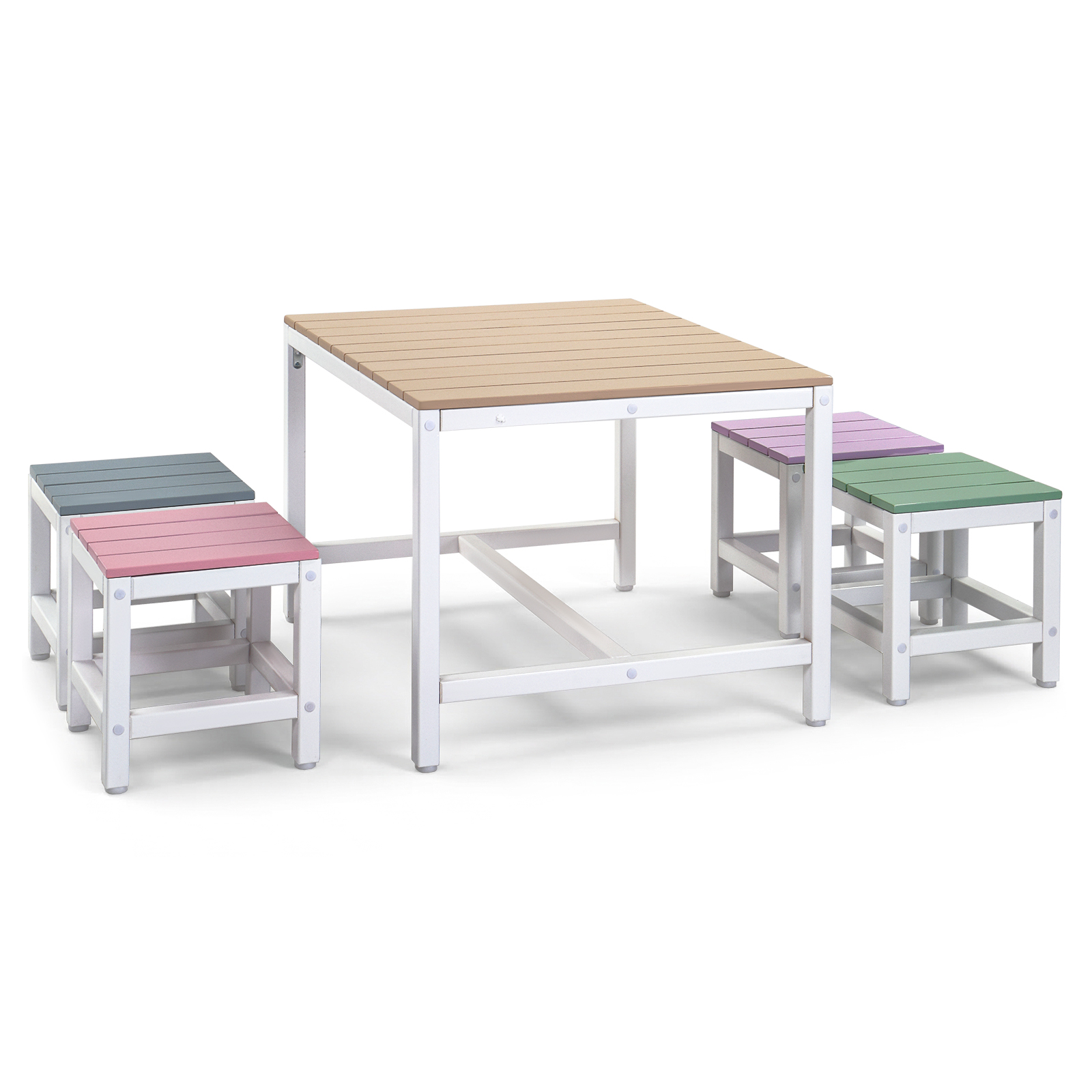 5-piece children's patio table and chair set (1 + 4 stools), 29.5 inches, khaki, pink, purple, blue, and green color blocking, made of poplar wood$113.99View on Mallflare
 Space-Saving 3-Piece Folding Bistro Set Metal Frame Patio Table and 2 Chairs$72.19Last checked Nov 24, 2026View on eBay
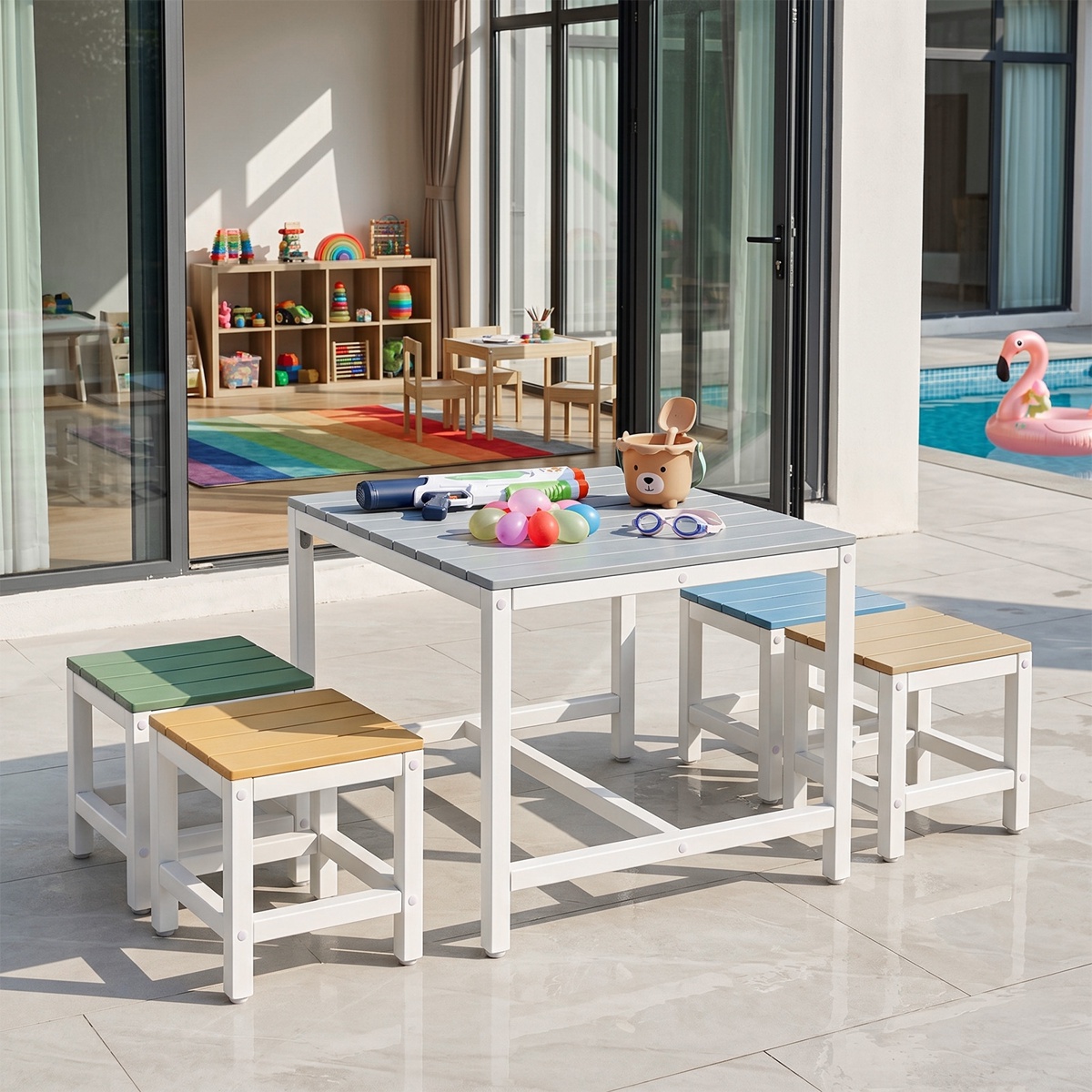 5-piece children's patio table and chair set (1 + 4 stools), 29.5 inches, blue-khaki, light orange, blue-green color blocking, made of poplar wood$113.99View on Mallflare
- Folding 3-Piece Metal Bistro Set Compact Outdoor Patio Table and 2 Chairs$72.19Last checked Nov 24, 2026View on eBay
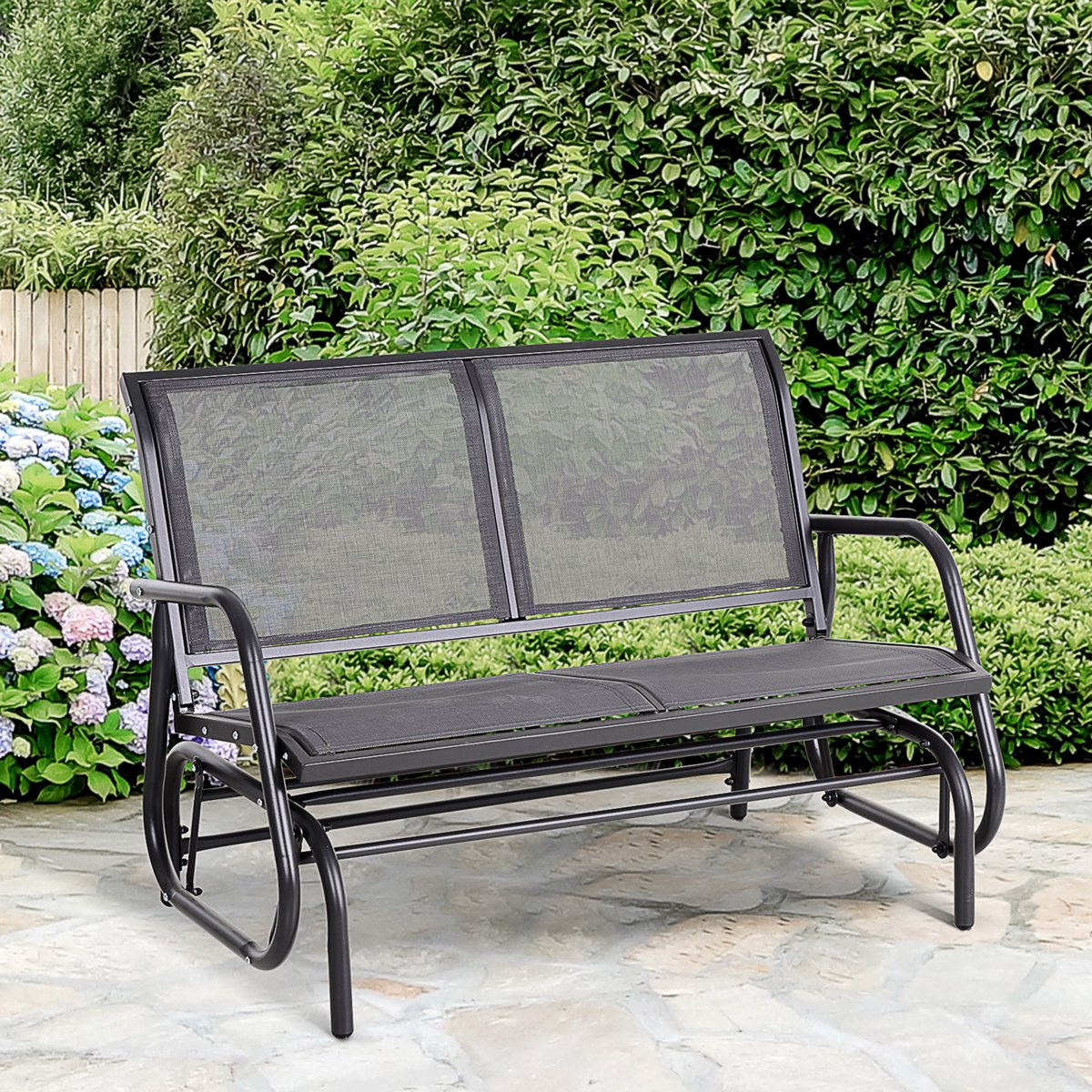 2-Person Outdoor Glider Bench Patio Double Swing Rocking Chair Loveseat w/Power Coated Steel Frame for Backyard Garden Porch, Grey$114.99View on Mallflare
- Space-Saving 3-Piece Patio Bistro Set Outdoor Collapsible Metal Table & 2 Chairs$72.19Last checked Nov 19, 2026View on eBay
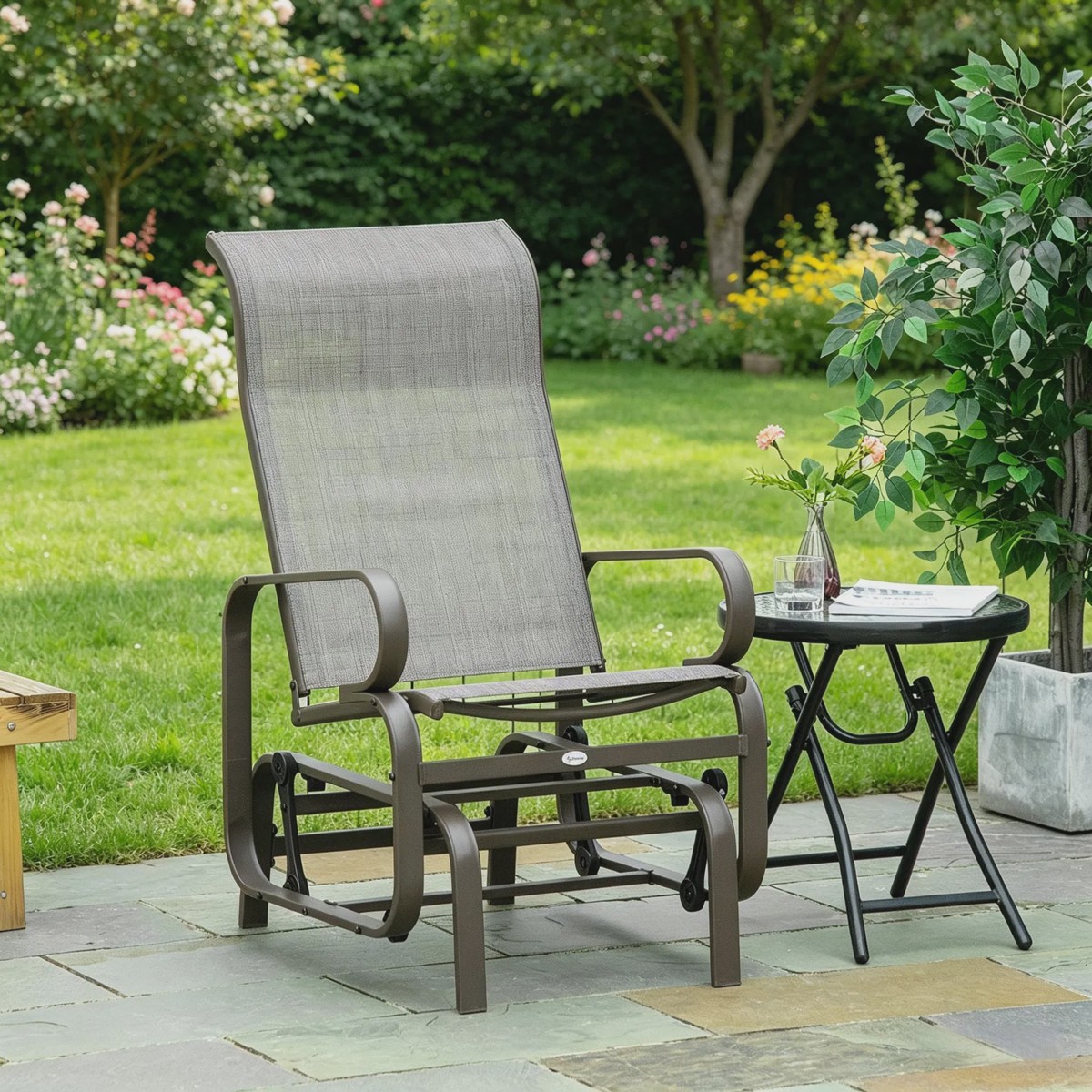 Grey Metal High Back Outdoor Patio Rocking Chair - Comfortable Garden Furniture$118.99View on Mallflare
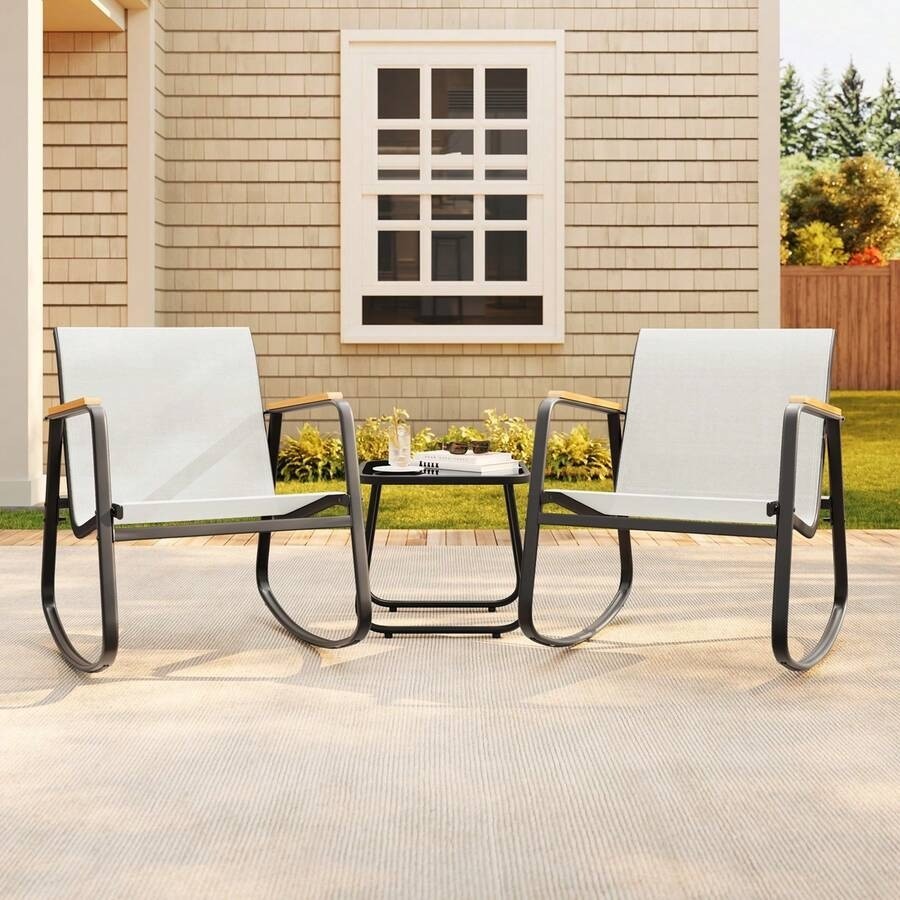 3 Piece Outdoor Rattan Rocking Chair Bistro Set Grey Patio Furniture For Balcony$75.11Last checked Nov 22, 2026View on eBay
 Kids Patio Swing Chair, Red Double Seat Steel Frame with Adjustable Canopy, Belts and Lion Design for Porch, Lawn or Backyard$118.99View on Mallflare
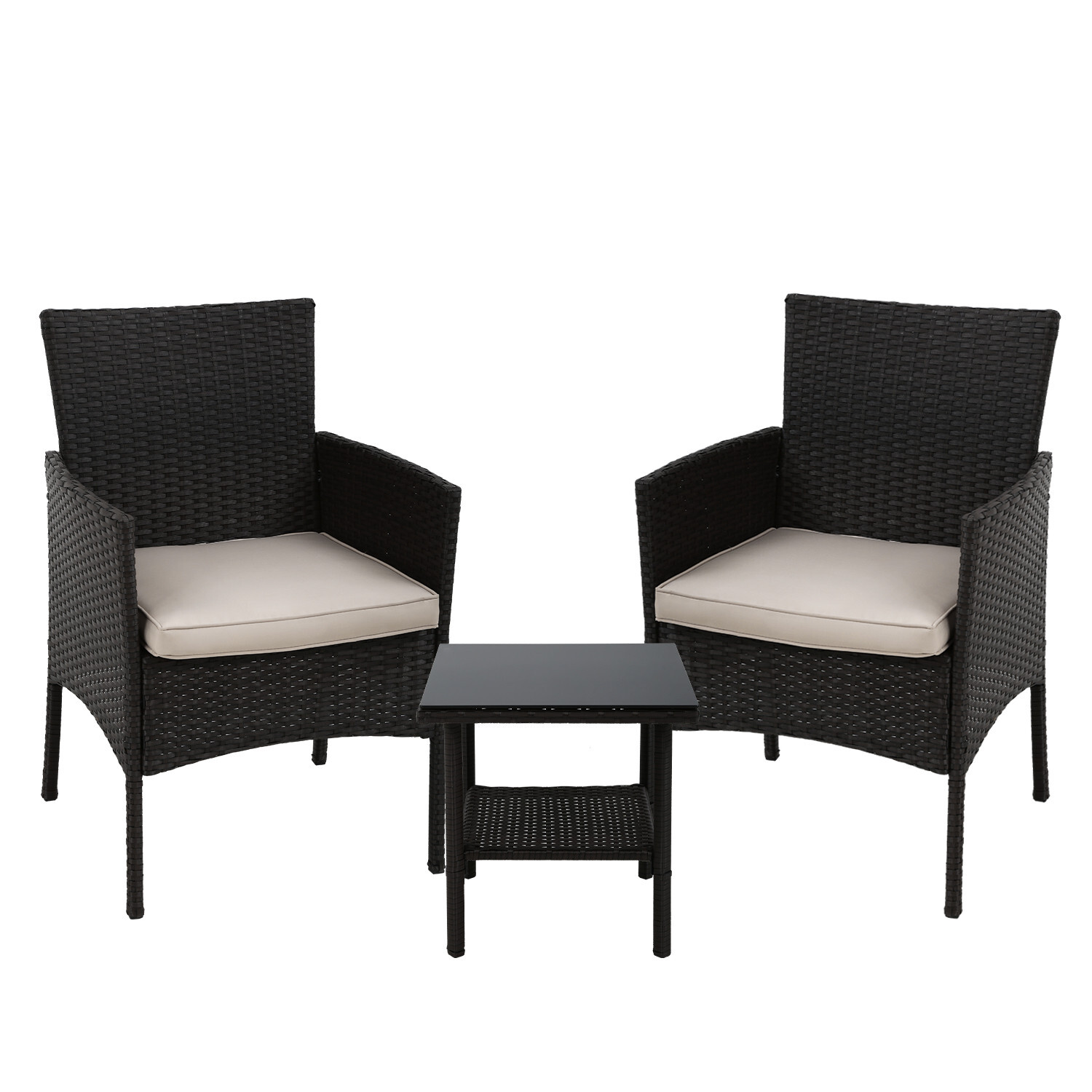 Patio Furniture Set 3 Pieces Outdoor Rattan Chair Conversation Sets for Yard$79.04View on eBay
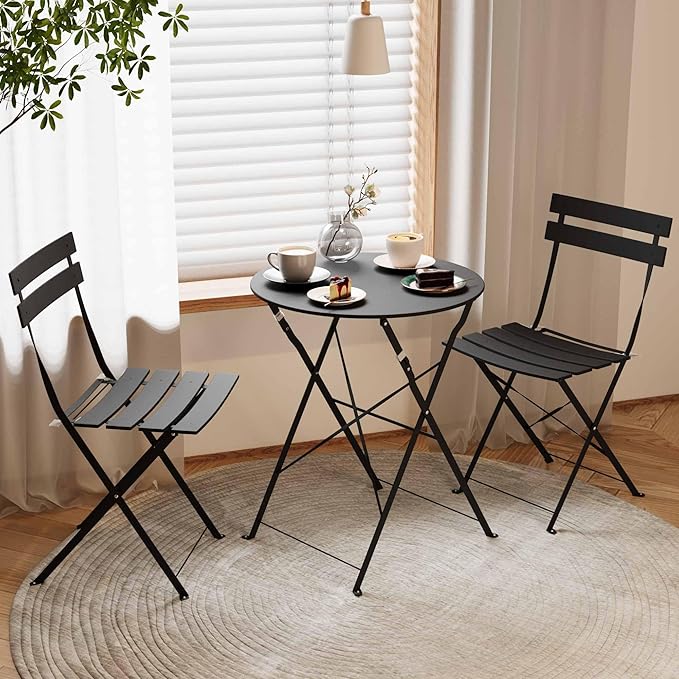 Indoor Outdoor 3-Piece Foldable Bistro Set Folding Patio Furniture Sets 2 Chairs And 1 Table, Weather-Resistant Conversation Set For$119.99View on Mallflare
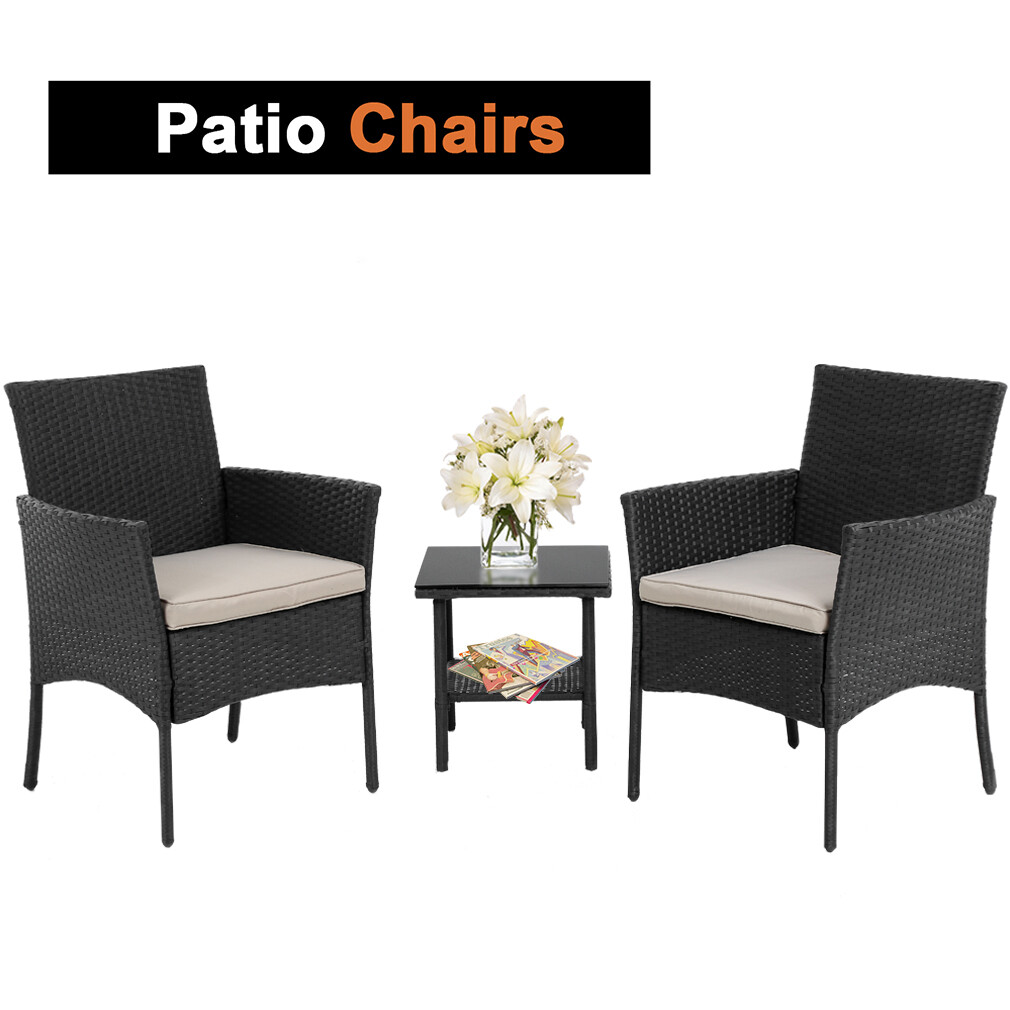 Patio Furniture Sets 3 Pieces Outdoor Bistro Set Rattan Chairs Wicker Set$79.04View on eBay
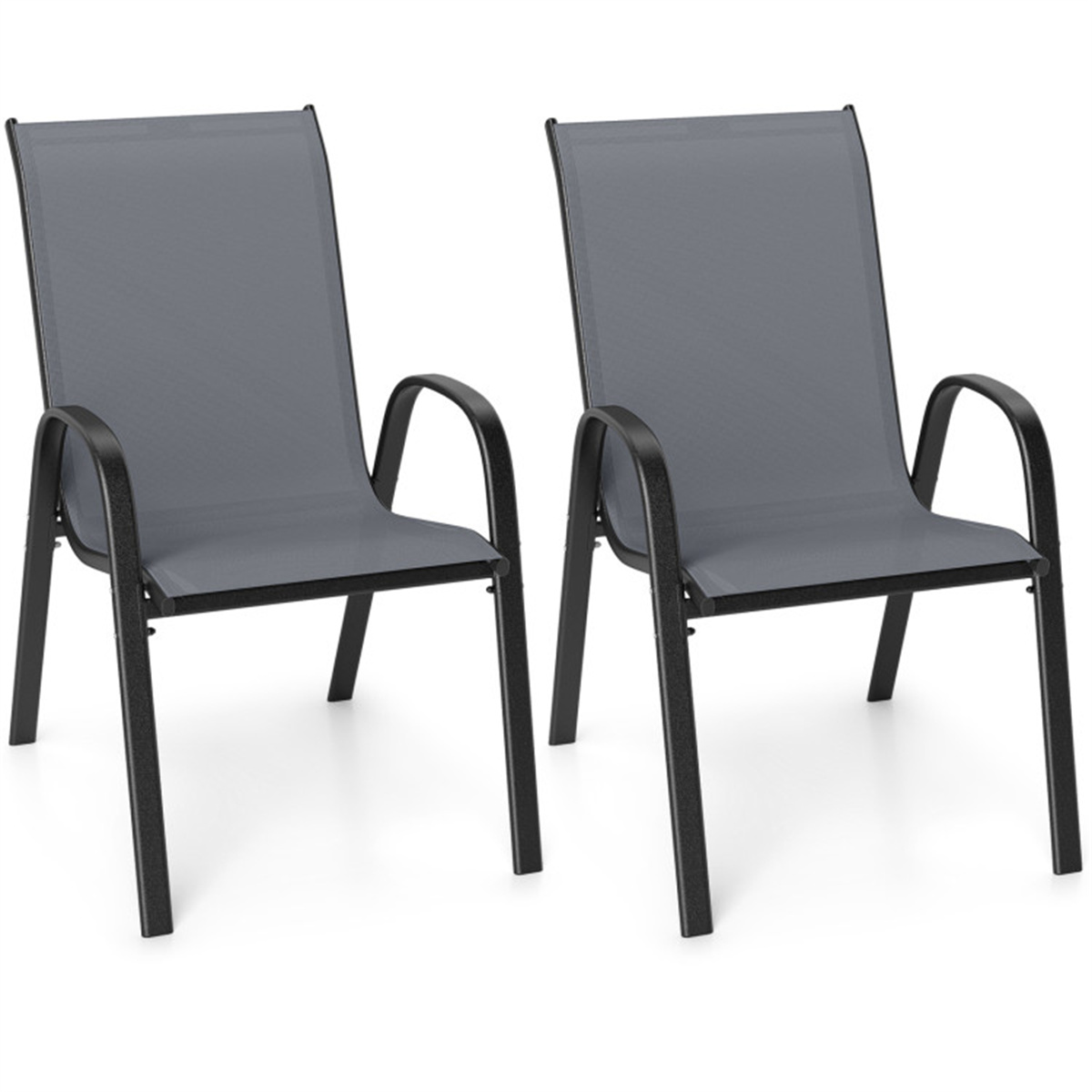 Gray 2 Pack Stackable Patio Dining Chairs, Ergonomic Steel Frame Breathable Fabric Outdoor 330 LBS Capacity$120.99View on Mallflare
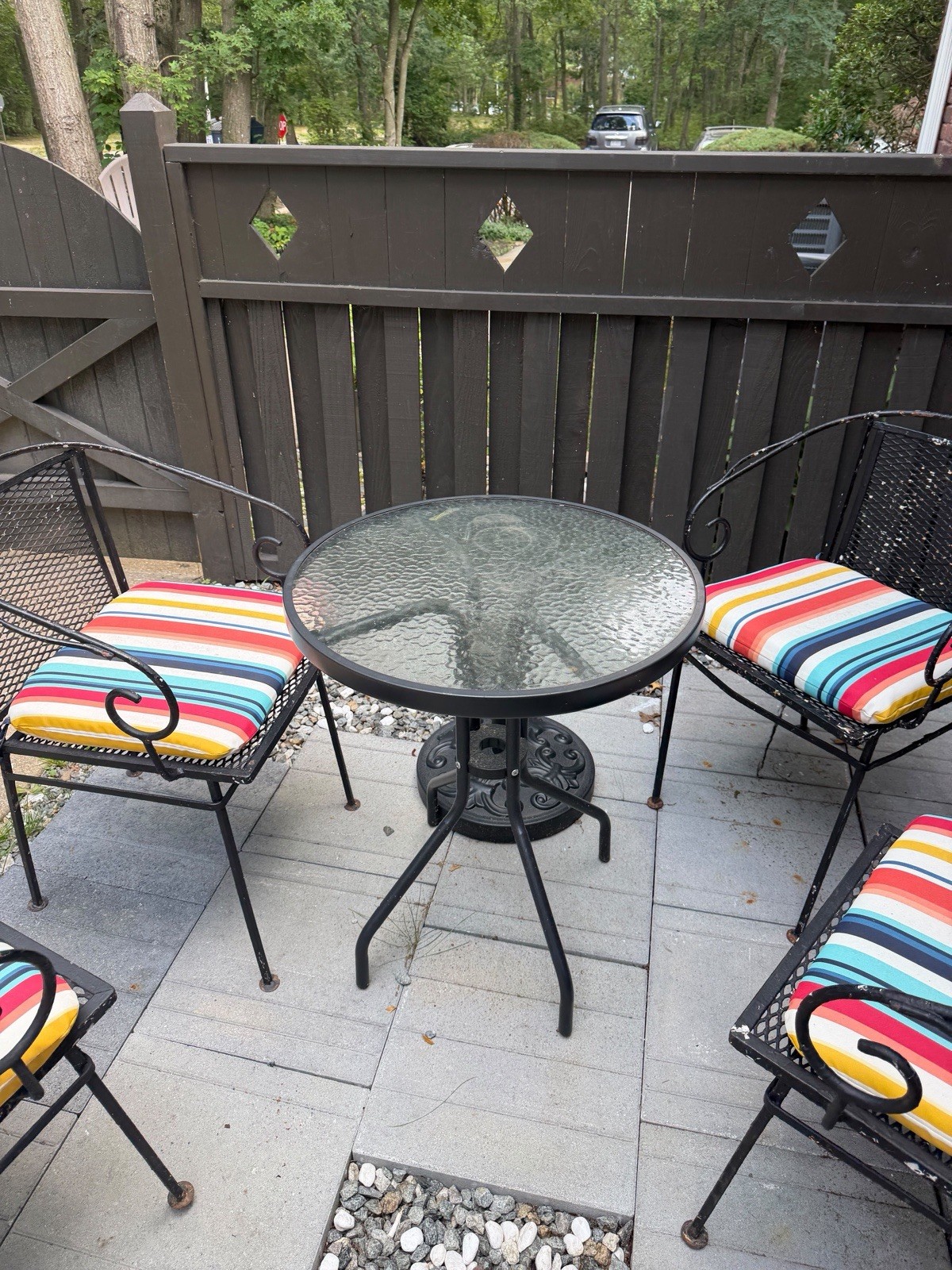 Outdoor Dining Set 5-Piece Patio Round Table Chairs, Garden Furniture$80.00View on eBay
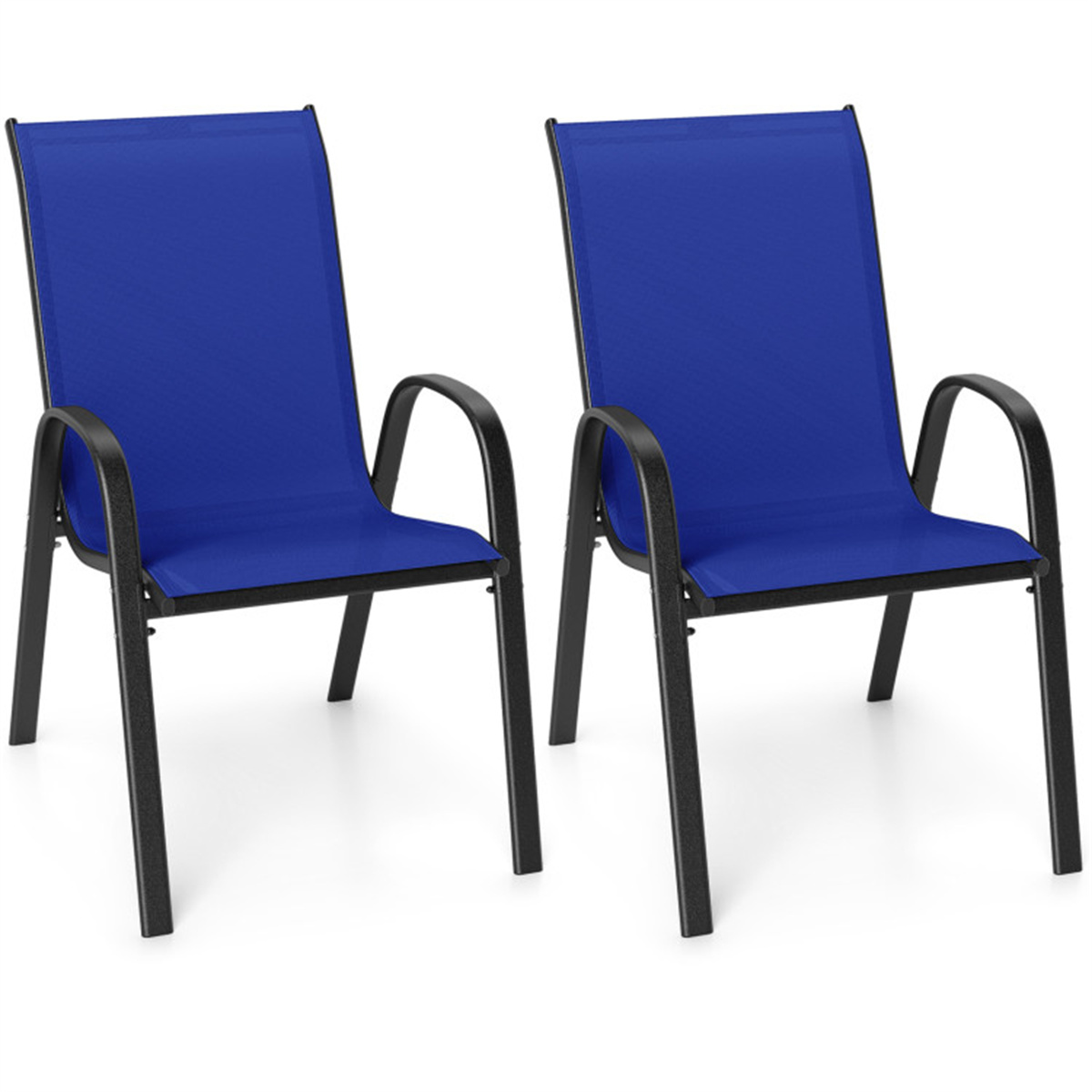 Navy 2 Pack Stackable Patio Dining Chairs, Ergonomic Steel Frame Breathable Fabric Outdoor 330 LBS Capacity$124.99View on Mallflare
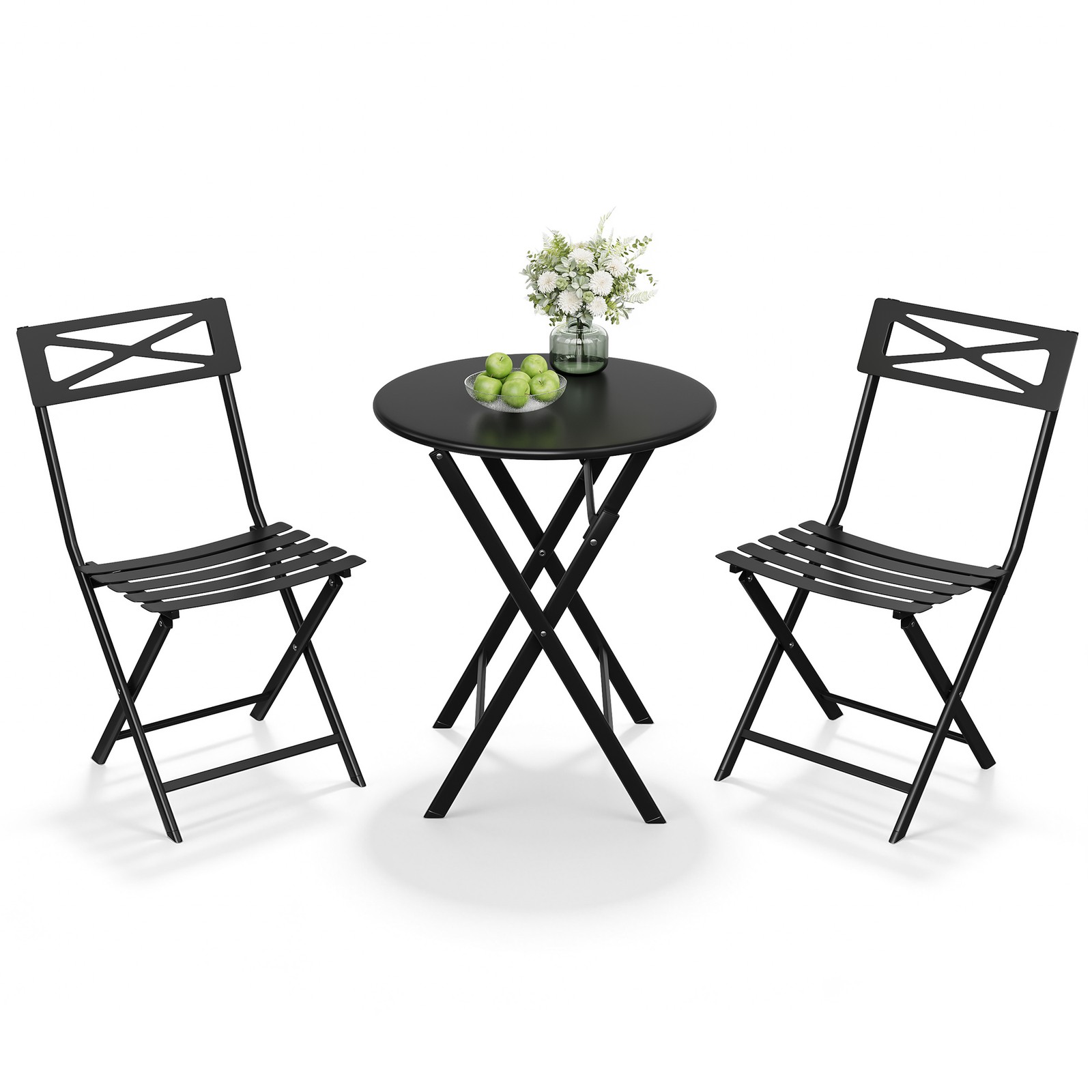 3 Piece Bistro Set Folding Patio Furniture Set Outdoor Table 2 Chairs for Patio$89.29Last checked Nov 20, 2026View on eBay
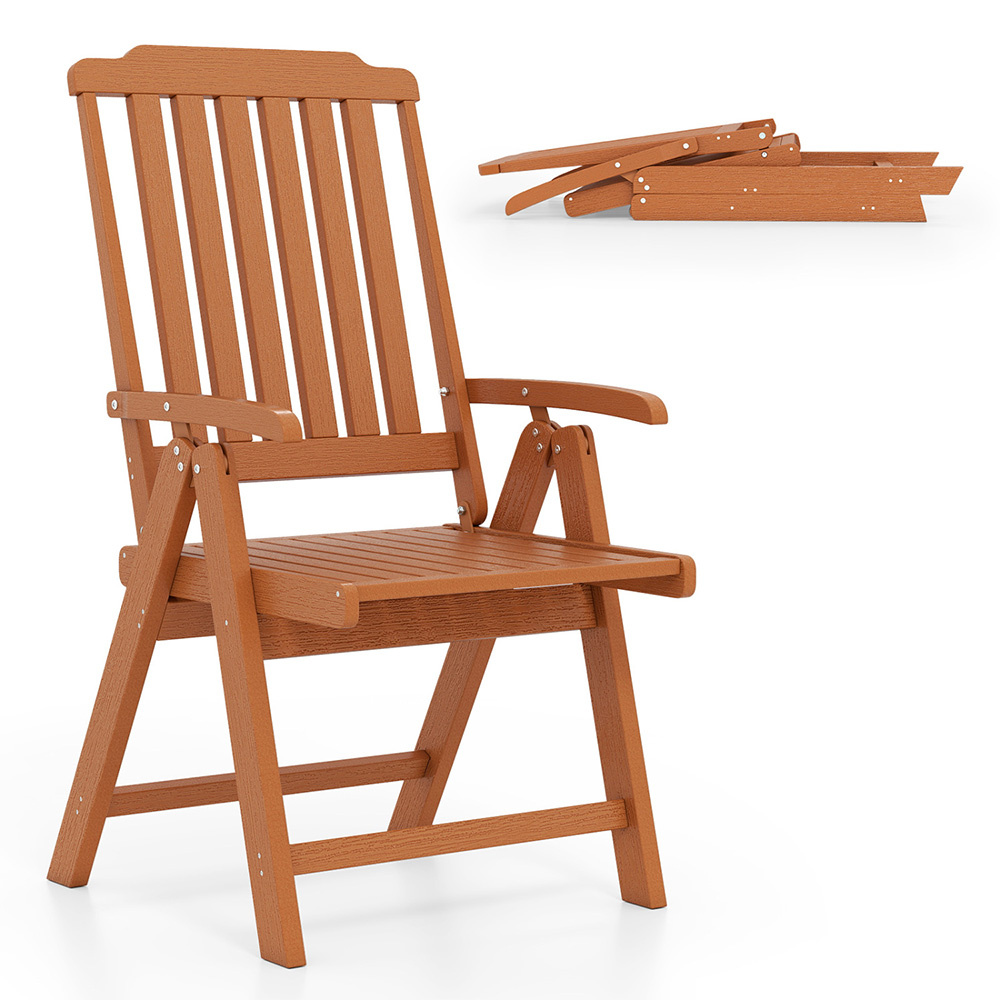 Brown Foldable All-Weather HDPE Patio Dining Chair With Armrest, Outdoor Garden$134.99View on Mallflare
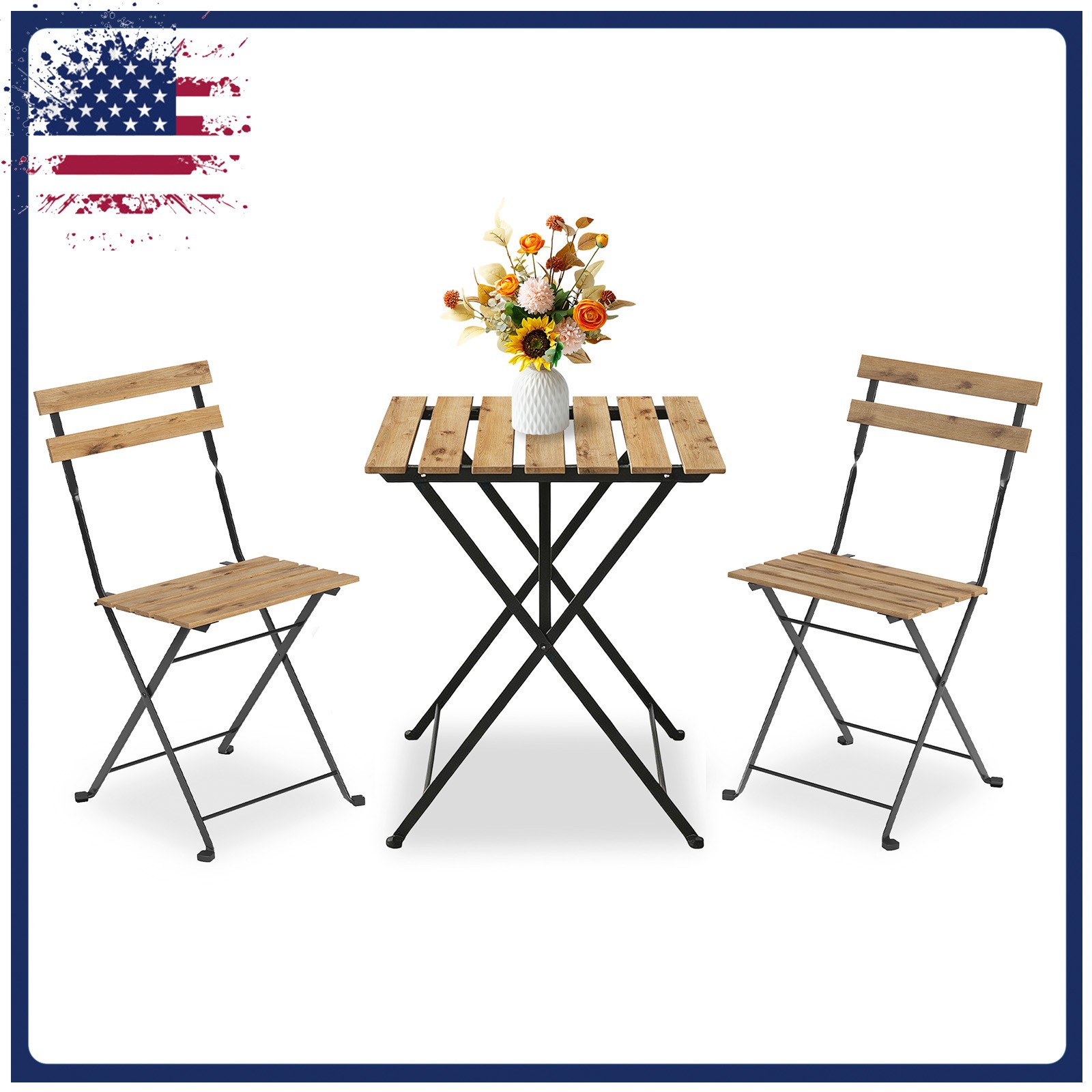 3-Piece Wood Patio Bistro Set Outdoor Furniture Set Bistro Table & 2 Chairs Set$94.99Last checked Nov 20, 2026View on eBay
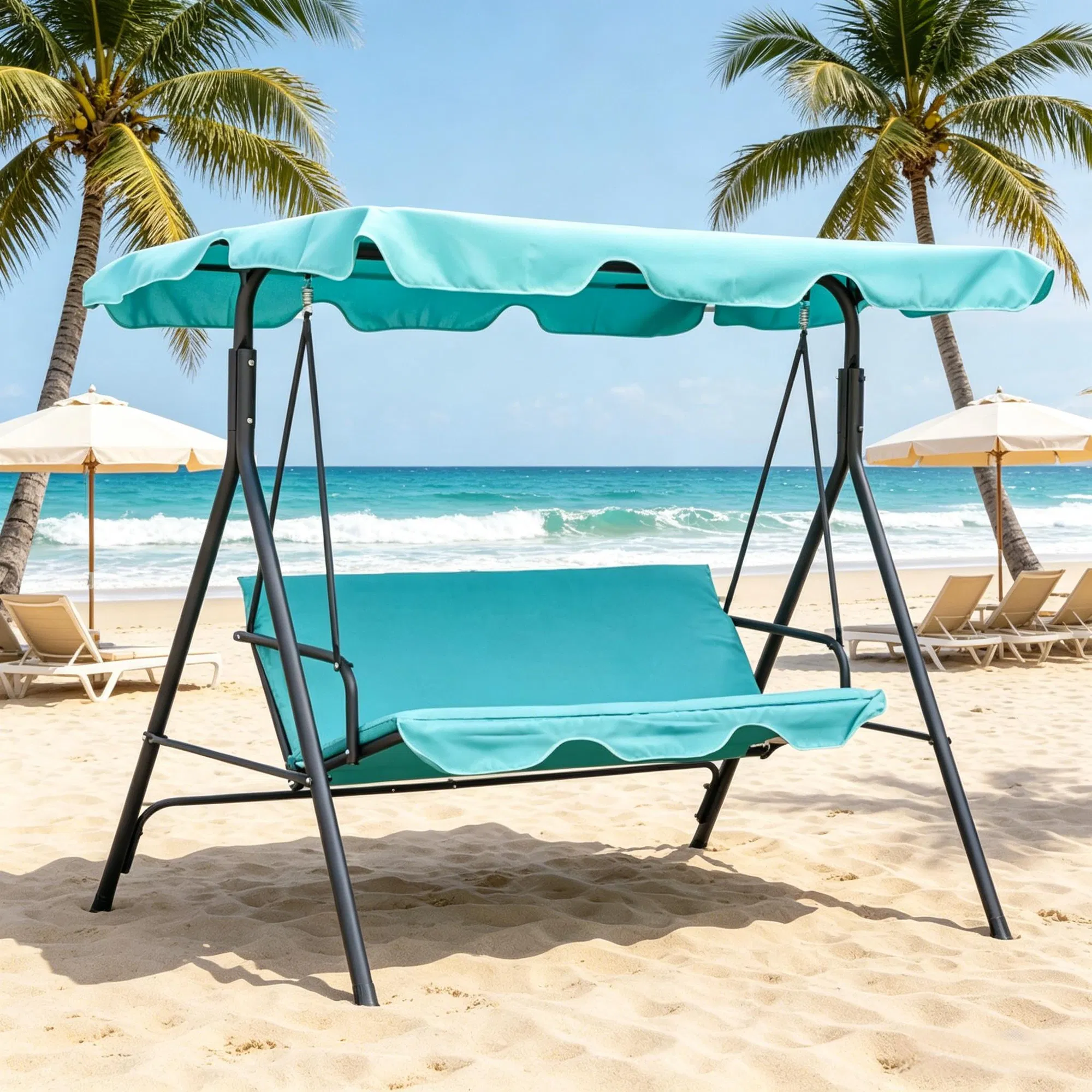 3-Seat Outdoor Patio Swing Chair Green Steel Frame with Removable Cushion Adjustable Tilt Canopy for Garden Poolside Balcony Backyard$137.99View on Mallflare
Highlights
- Frame metallurgy decides lifespan: powder-coated aluminum resists rust indefinitely, while painted mild steel rusts at weld points and chip sites within a season or two.
- HDPE (high-density polyethylene) lumber is UV-stabilized, never rots, and holds color without painting; acacia and teak are naturally rot-resistant hardwoods that need annual oiling to prevent checking.
- PE rattan is a UV-stabilized polyethylene weave over an aluminum or steel frame—the weave grade and frame beneath it matter more than the wicker look itself.
- Stackable and foldable chairs trade padding and reclining geometry for storage density, so pick folding/HDPE for tight decks and fixed aluminum or wood for year-round lounging.
Best use cases
- Best fit: exposed, windy, or rainy patios—choose powder-coated aluminum or HDPE with drainage-friendly sling or mesh seats; skip painted steel and thick non-removable cushions.
- Best fit: covered porches and sunrooms—acacia or teak with removable, quick-dry polyester cushions gives the best comfort-to-durability ratio; skip untreated pine or MDF-backed frames.
- Best fit: small balconies and apartments—folding HDPE or stackable aluminum bistro chairs store flat; skip deep-seat lounge chairs and heavy cast-aluminum sets that cannot be moved alone.
- Wrong fit: year-round uncovered exposure with budget polyurethane foam cushions—foam retains water, grows mildew, and collapses; specify open-cell quick-dry foam or sling seating instead.
Buying tips
- Match seat height to surface: dining chairs sit 17–19 in floor-to-seat, counter stools 24–26 in, and bar stools 28–30 in—measure your table or counter before choosing.
- Check weight capacity per chair, not per set: aluminum and acacia frames typically rate 250–400 lb, while thin tubular steel and resin often cap at 200–250 lb.
- Choose cushions by cover and fill: solution-dyed acrylic or olefin covers resist UV fade, and quick-dry reticulated foam drains; standard polyester wraps and polyurethane foam trap water.
- For sets of two, confirm the per-chair dimensions and shipping bundle—two-chair packs often ship flat with assembly required, and armrest width must clear your table apron.
Specs
| Frame Material | Powder-coated aluminum, steel, HDPE, acacia |
|---|---|
| Seat Height | Dining 17-19 in / Bar 28-30 in |
| Weight Capacity | 250-400 lb per chair |
| Cushion Cover | Solution-dyed acrylic / olefin / polyester |
Related searches
What to check before buying
- Measure your table height and available clearance: dining chairs need 17–19 in seat height with 10–12 in between chair arm and table apron.
- Confirm your surface: composite decks and stone patios suit any frame, but bare wood decks benefit from rubber-capped glides to prevent scratching and moisture trapping.
- Check the storage plan: folding or stacking chairs need vertical clearance and a dry spot; fixed lounge chairs need winter covers rated for your climate's freeze-thaw cycles.
- Verify cushion care and hardware: removable, machine-washable covers and stainless or zinc-plated bolts prevent the two most common patio-chair failure points.
FAQ
Data sources: eBay / Amazon listings and product attribute feeds. Updated Nov 28, 2026.
Some links on this page are affiliate links. If you buy after clicking one, we may earn a commission at no extra cost to you. This does not change which products appear here or their order. Affiliate disclosure.