
Photos from current listings. Actual item, color, and included accessories may vary.
Outdoor Rocking Chair Buying Guide
Outdoor rocking chairs range from all-weather slatted acacia and powder-coated aluminum to rattan-wrapped steel and folding zero-gravity rockers, and the core trade-off is between long-term weather durability and portability/recline features. Solid hardwood and aluminum frames with stainless or coated fasteners survive season after season, while thin folding steel and composite rattan degrade faster under UV and rain. The clear rule: buy a frame material rated for full outdoor exposure (acacia, teak, aluminum, or HDPE) with a weight capacity at least 50 lbs above the heaviest user, and skip any rocker sold primarily on foldability unless it is strictly for seasonal balcony use.
Median $201.99 · New listings
Key takeaways
- Solid acacia and teak rockers use dense hardwood with natural oil content; acacia needs annual oiling to prevent checking, while powder-coated aluminum never rusts and needs no finish.
- Rattan and wicker rockers are either natural peel (fades and cracks in UV) or HDPE synthetic weave over aluminum or steel; only HDPE weave is genuinely all-weather.
- Folding zero-gravity rockers rely on a locking recline hinge and thinner steel tubing; they are portable but flex more and typically cap at lower weight ratings than fixed-frame rockers.
At a glance
- Category
- Patio Furniture
- Last updated
- Nov 28, 2026
Current offers
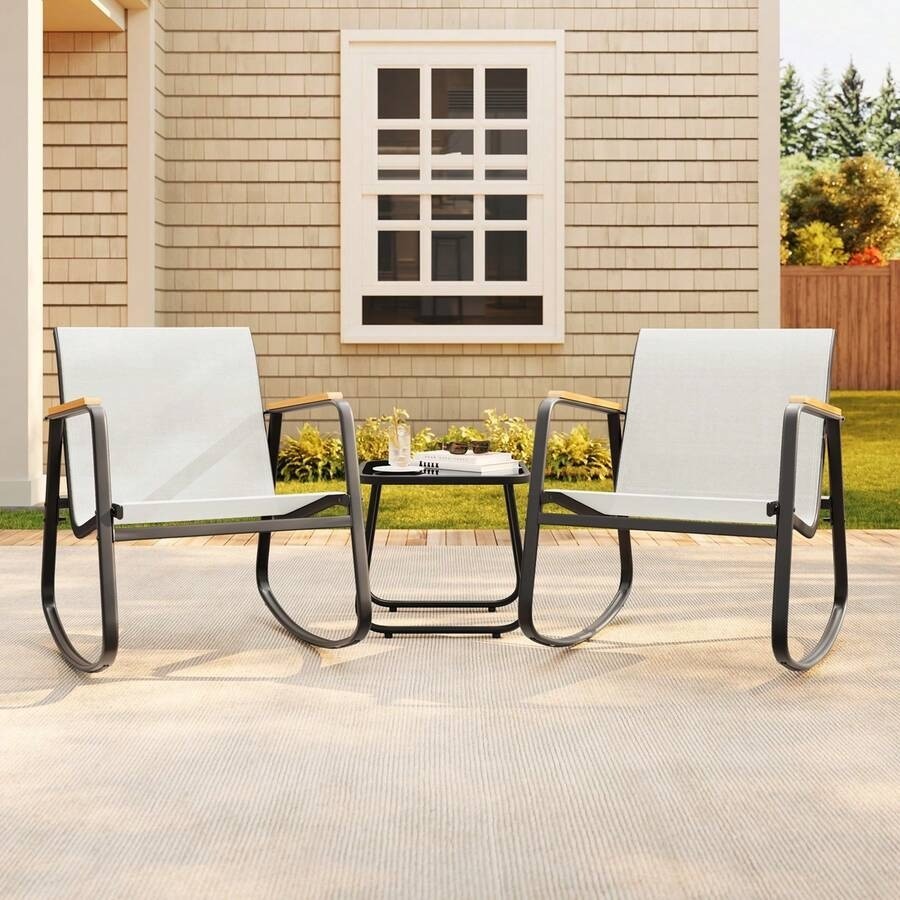 3 Piece Outdoor Rattan Rocking Chair Bistro Set Grey Patio Furniture For Balcony$75.11Last checked Nov 22, 2026View on eBay
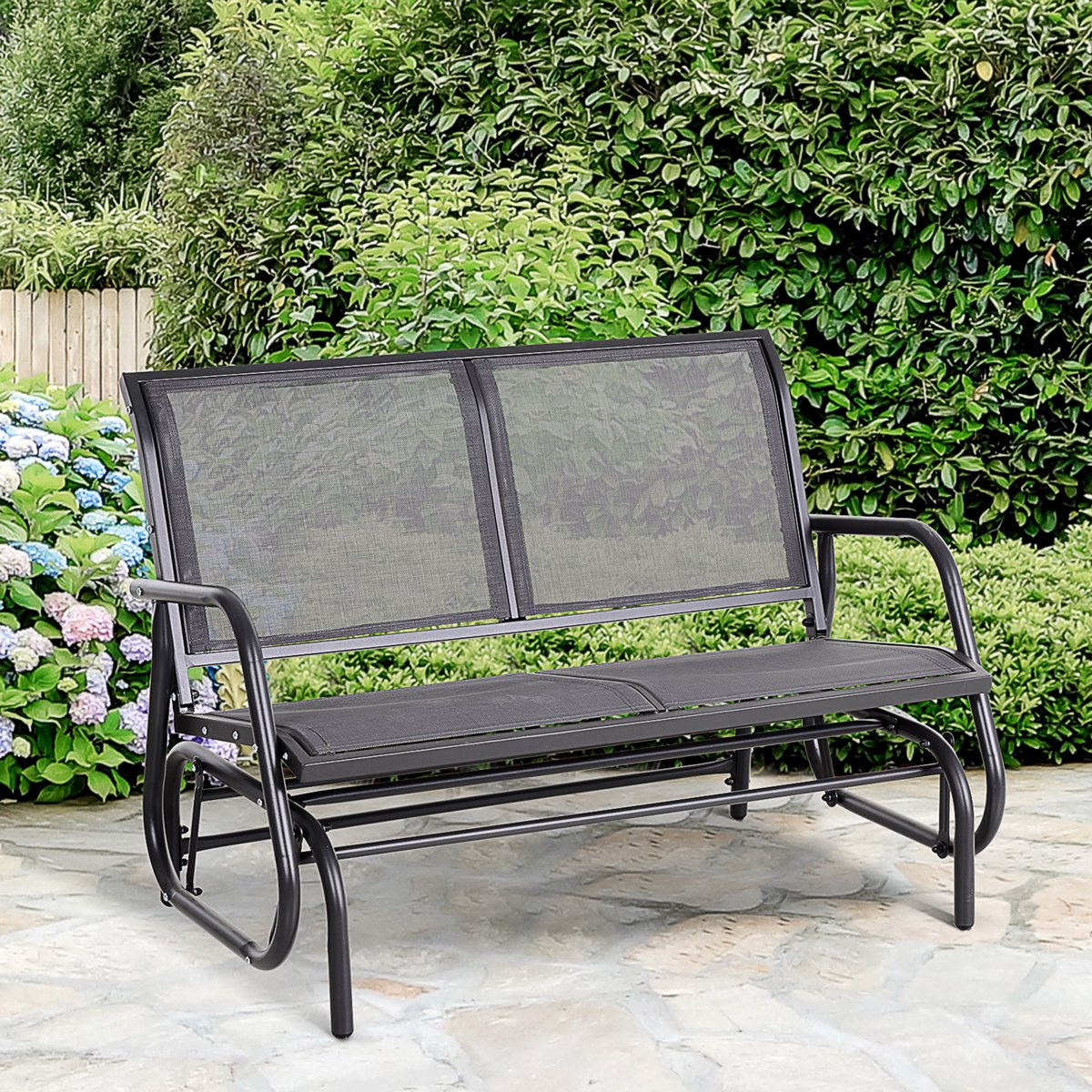 2-Person Outdoor Glider Bench Patio Double Swing Rocking Chair Loveseat w/Power Coated Steel Frame for Backyard Garden Porch, Grey$114.99View on Mallflare
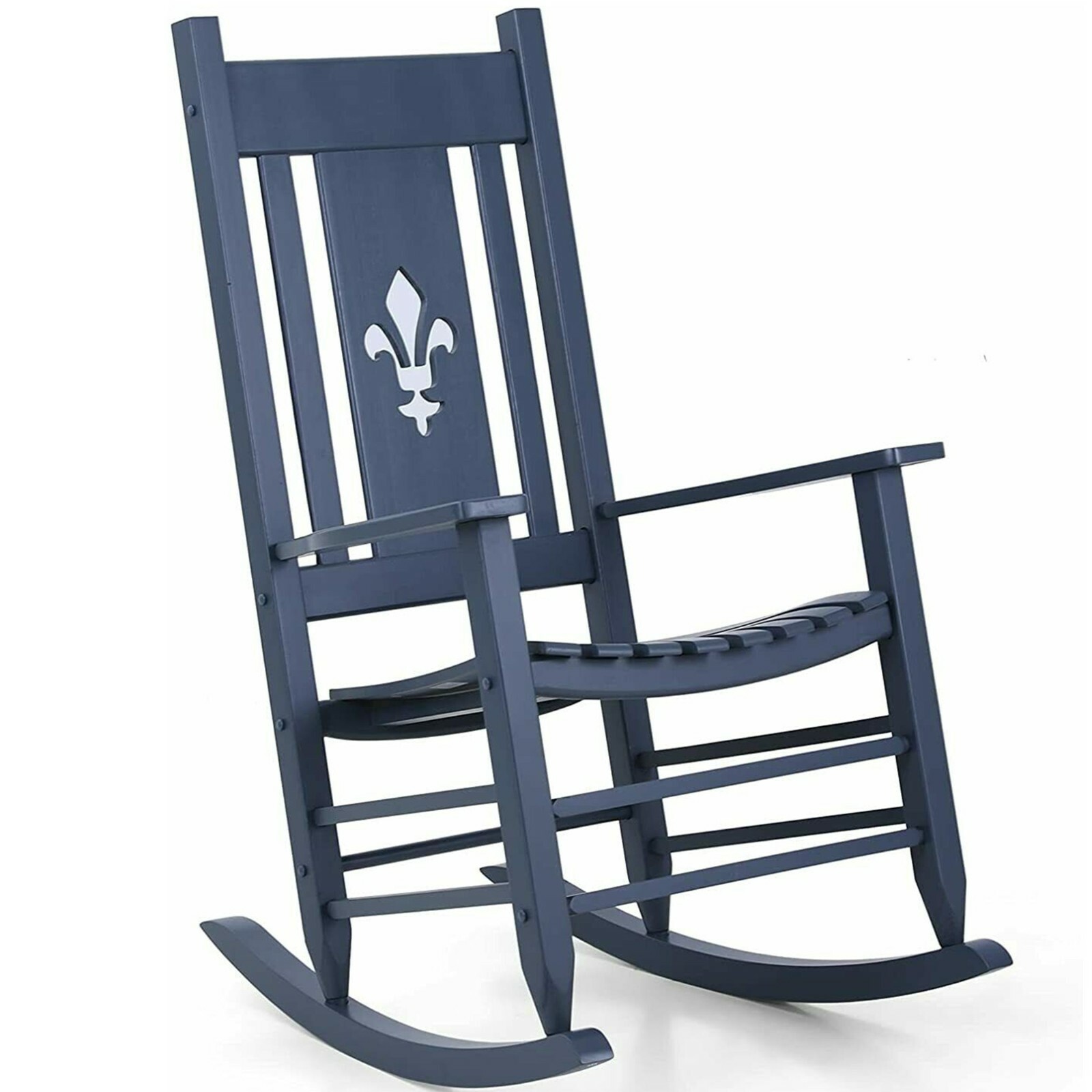 Wood Patio Rocking Chair Indoor Outdoor High Back Living Room Porch Garden Yard$98.65Last checked Nov 20, 2026View on eBay
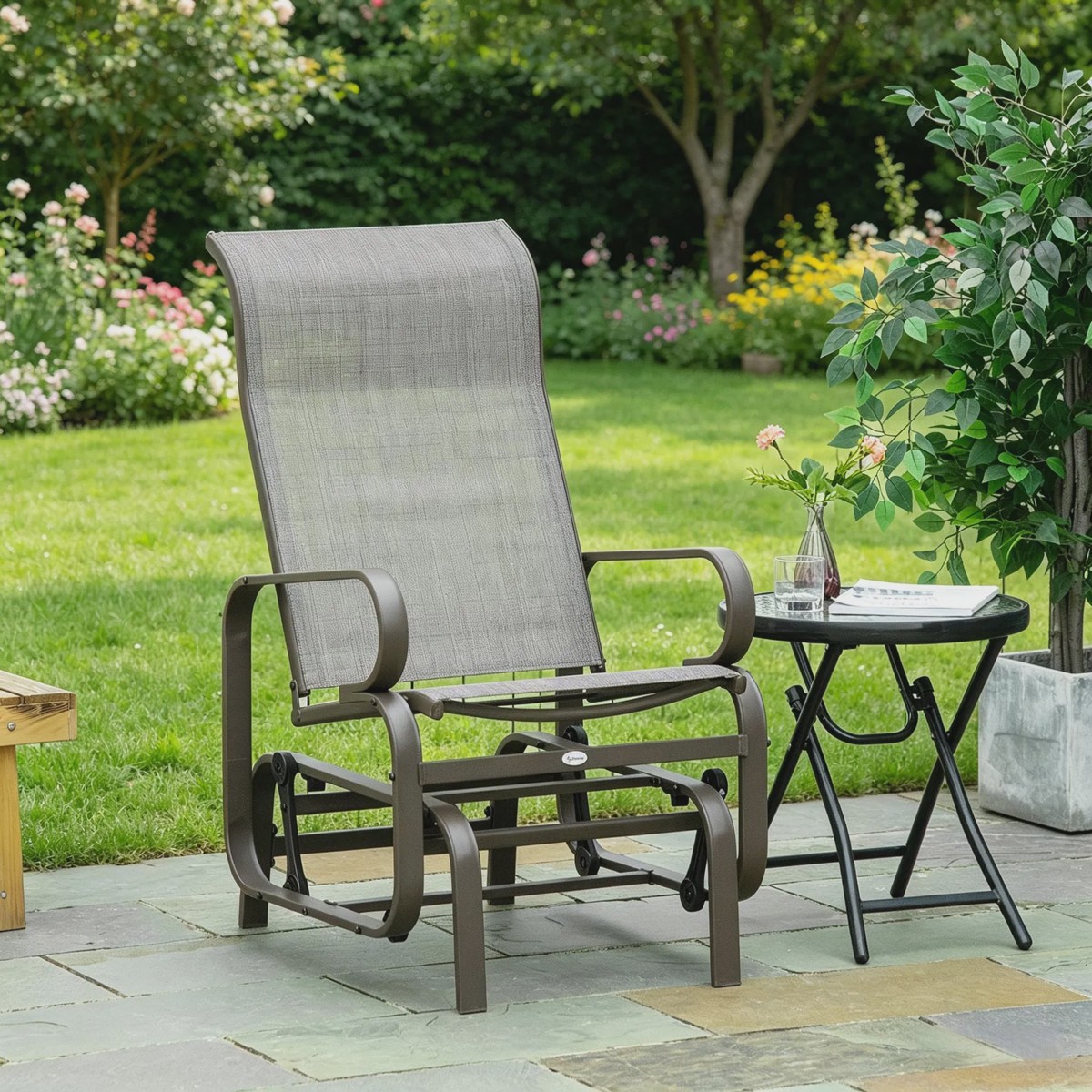 Grey Metal High Back Outdoor Patio Rocking Chair - Comfortable Garden Furniture$118.99View on Mallflare
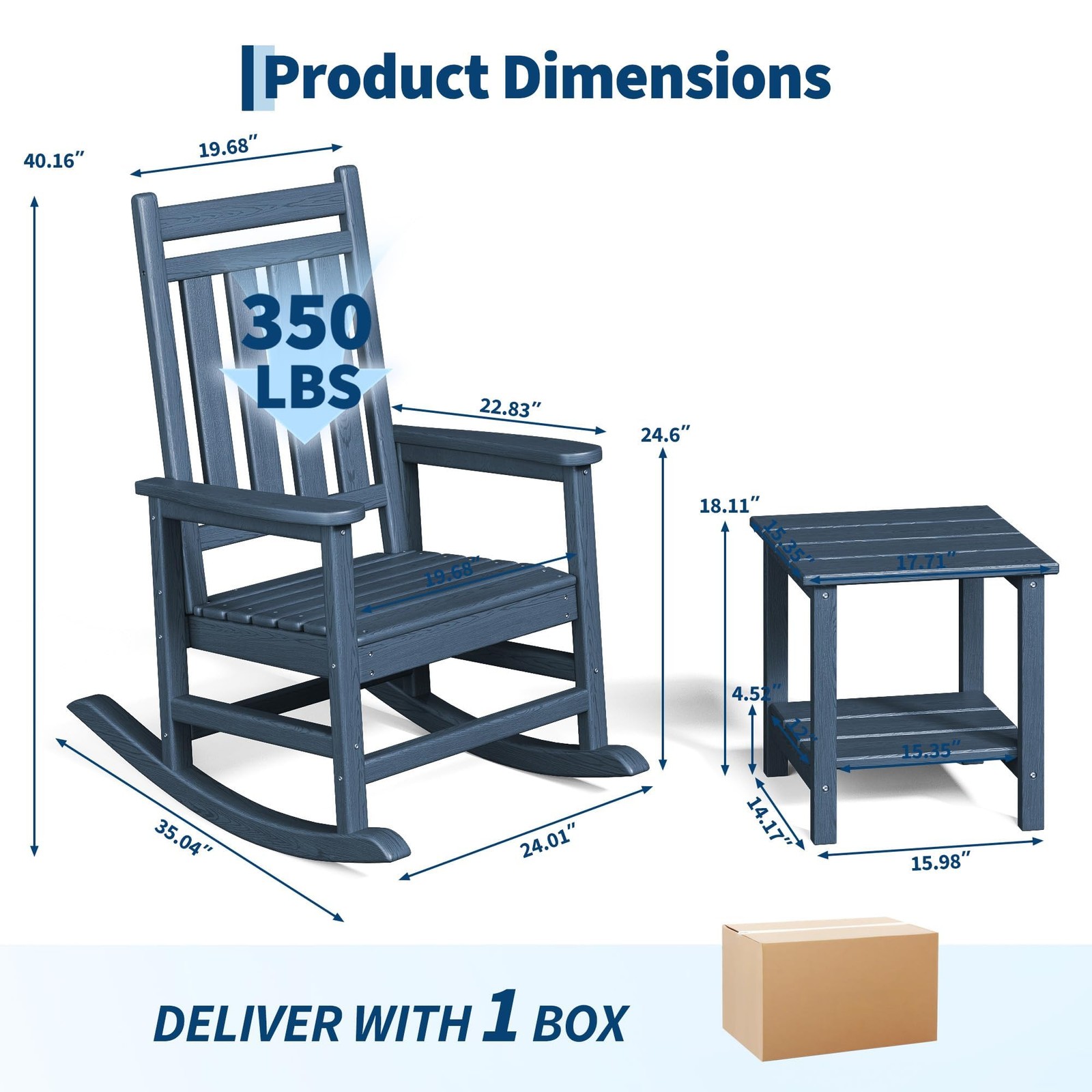 HDPE Outdoor Rocking Chair Adirondack Patio Porch Rocker w/ Optional Side Table$212.87New · Last checked Nov 23, 2026View on eBay
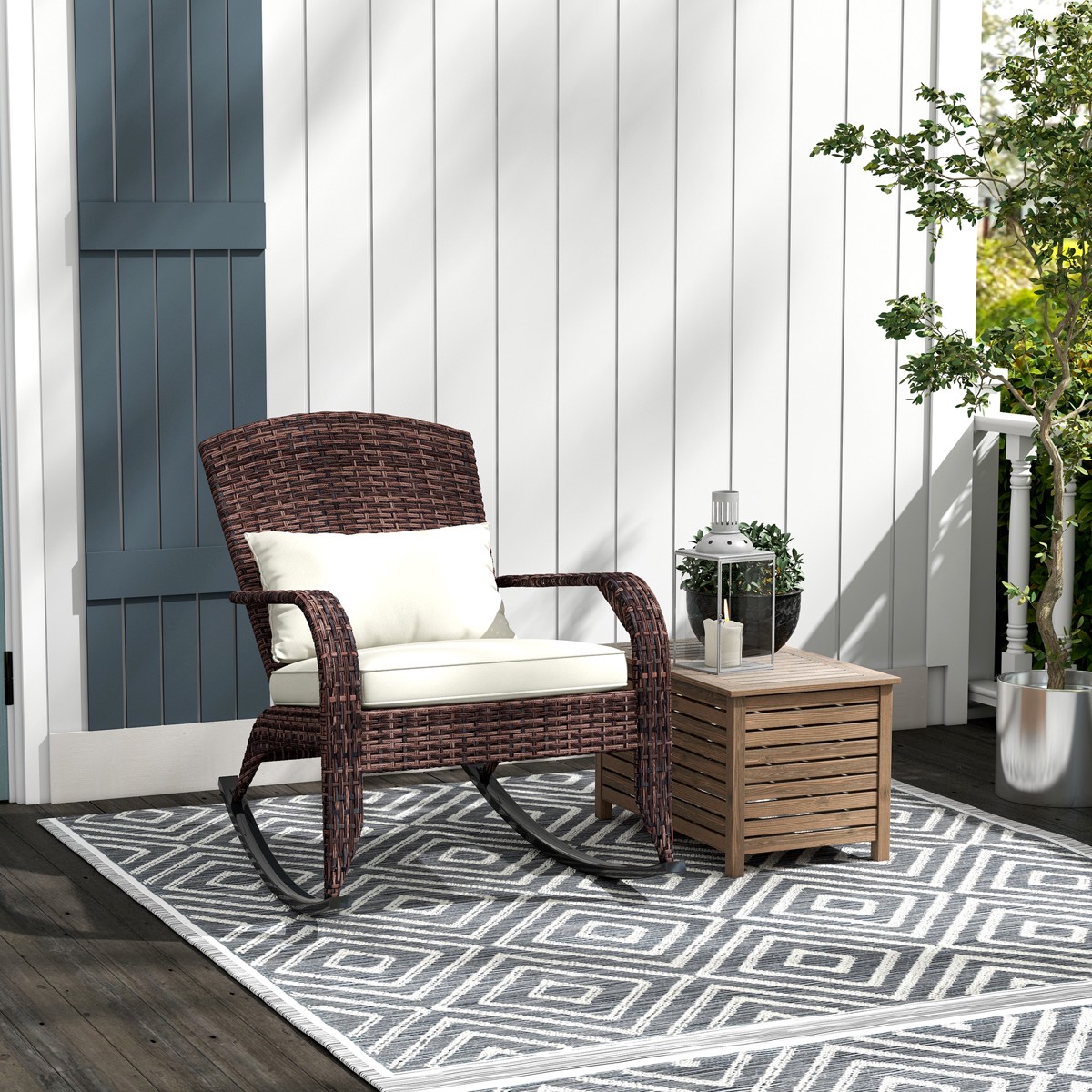 Adirondack Chair, Outdoor Wicker Rocking with High Back, Seat Cushion, and Pillow for Porch, Balcony, Cream White$126.99View on Mallflare
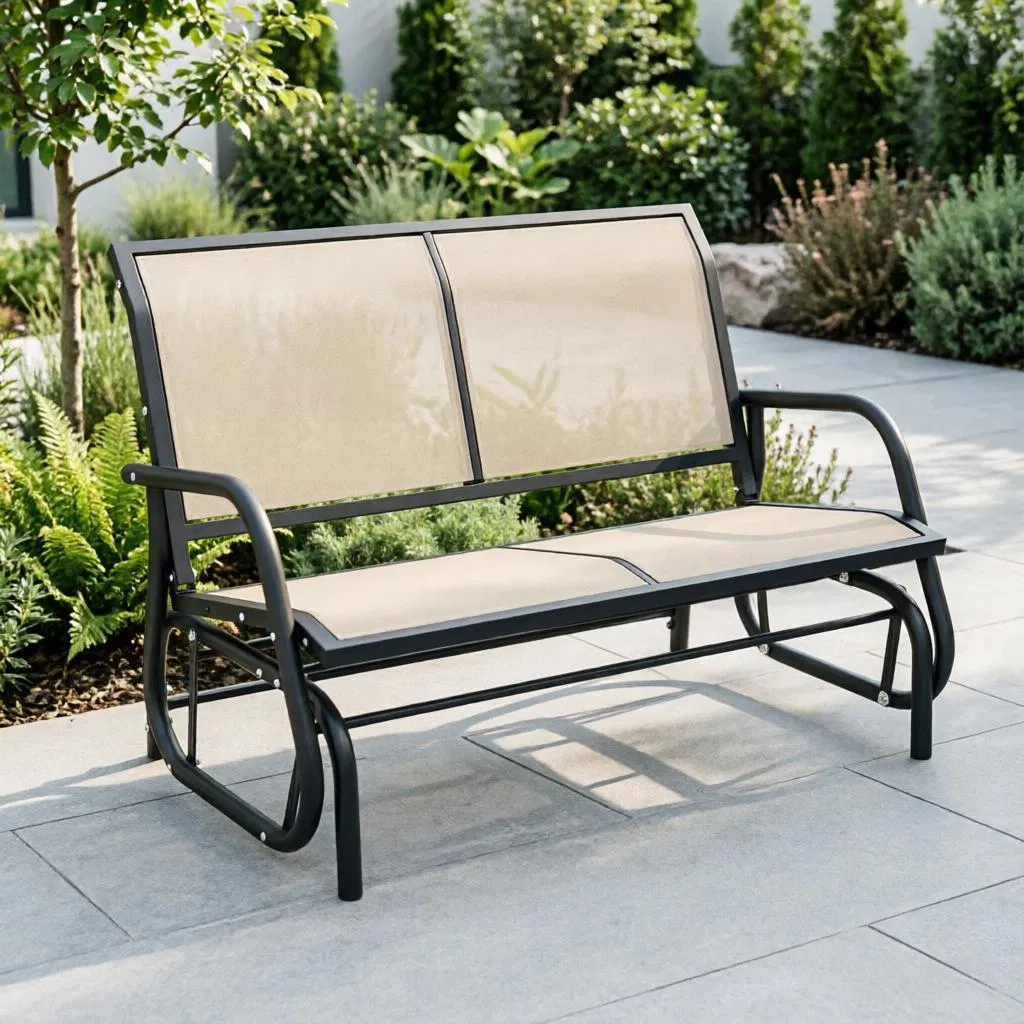 Beige 2-Person Outdoor Glider Bench Patio Double Swing Rocking Chair with Coated Steel Frame for Backyard Garden Porch$141.99View on Mallflare
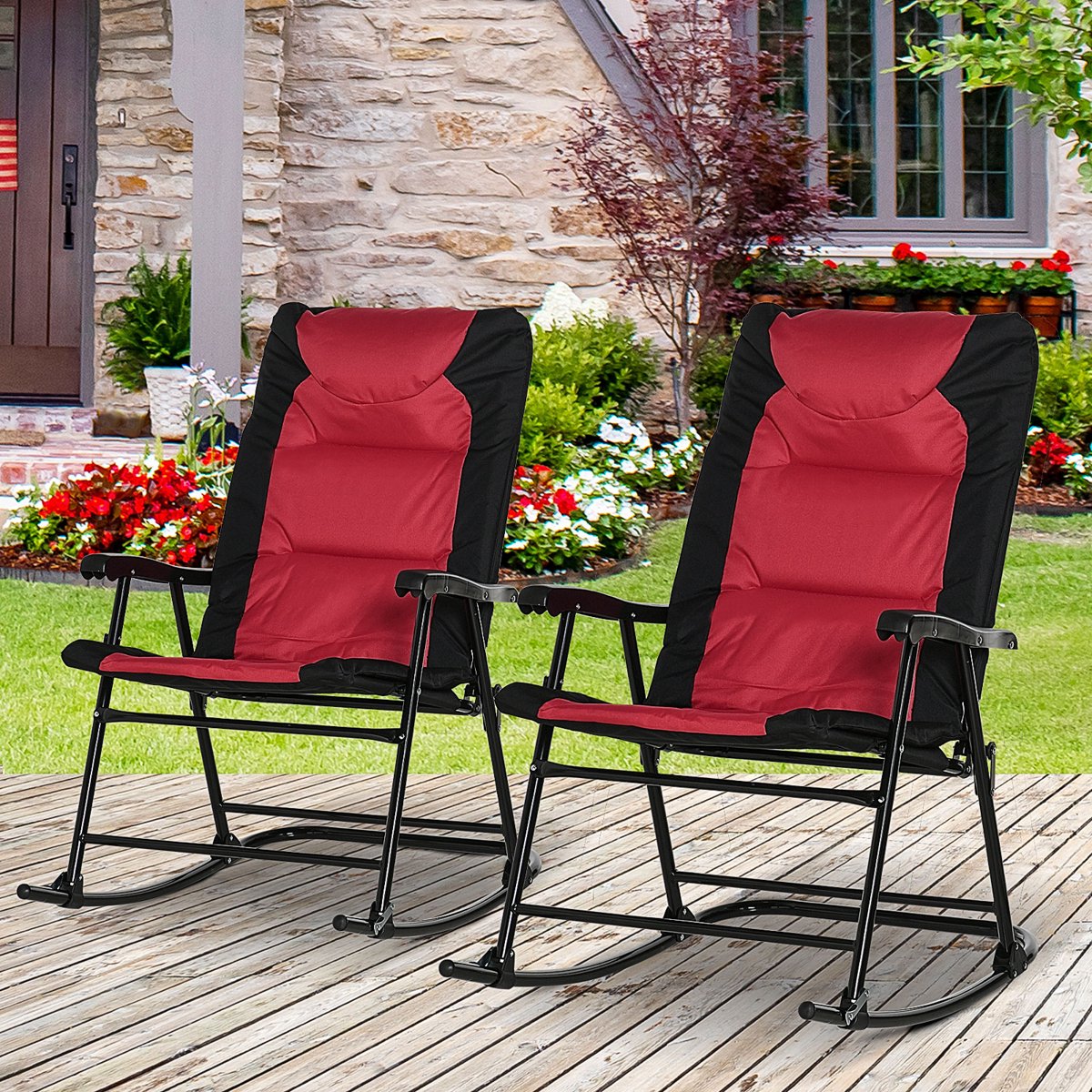 2 Piece Outdoor Patio Furniture Set with 2 Folding Padded Rocking Chairs, Bistro Style for Porch, Camping, Balcony, Red$143.99View on Mallflare
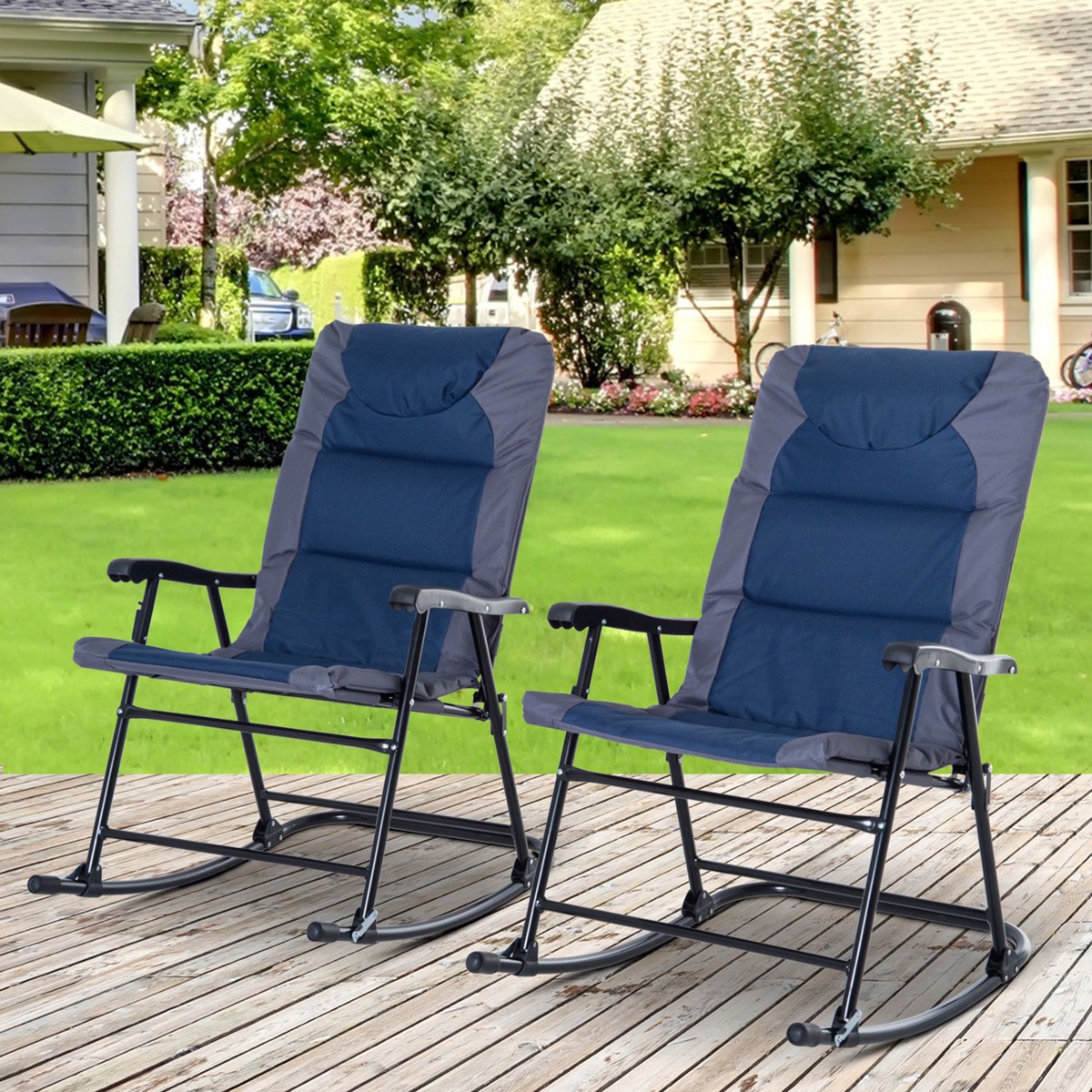 2 Piece Outdoor Patio Furniture Set with 2 Folding Padded Rocking Chairs, Bistro Style for Porch, Camping, Balcony, Navy Blue$150.99View on Mallflare
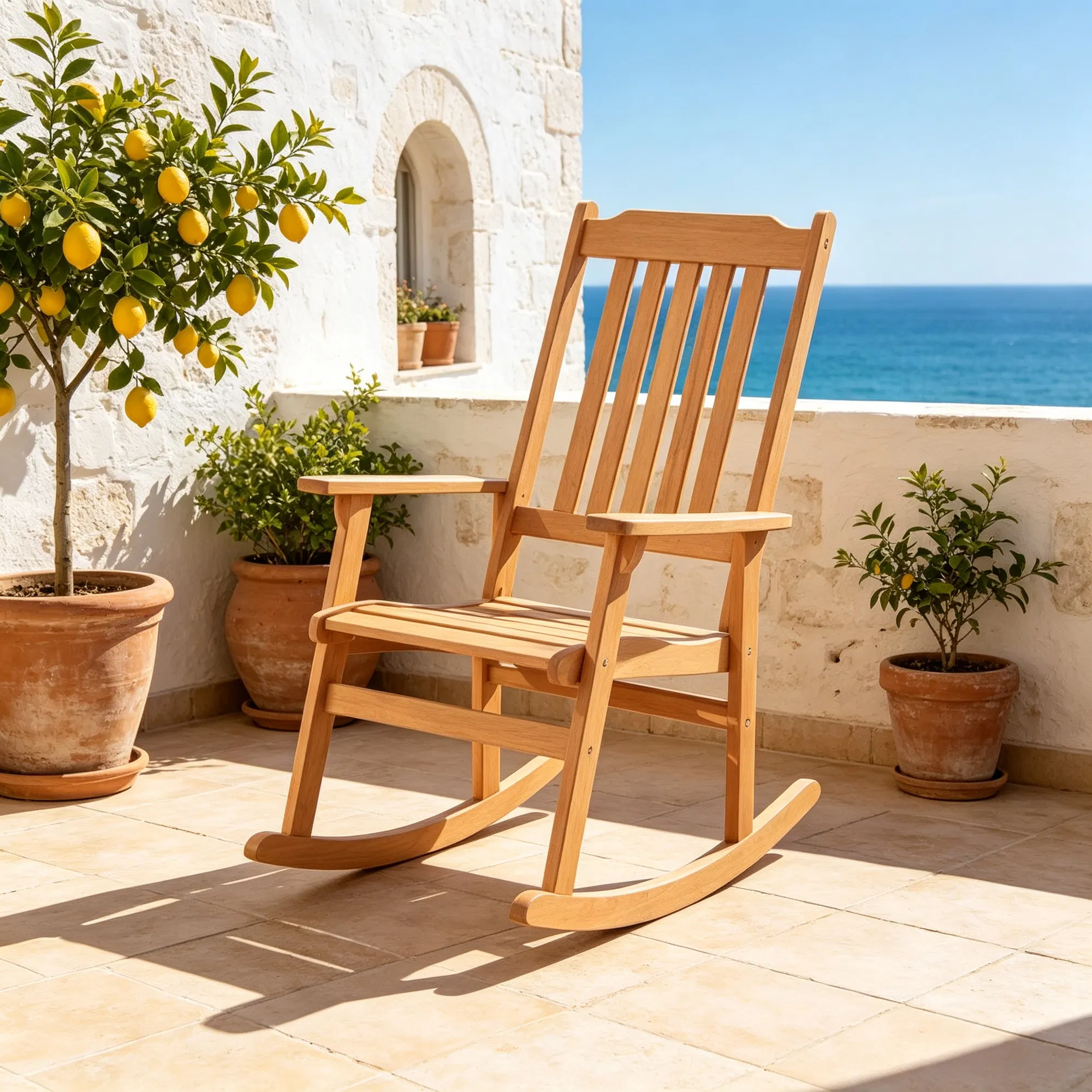 Outdoor Rocking Chair Acacia Wood High Back Patio with Armrests Comfortable Seating for Backyard Garden Furniture$151.99View on Mallflare
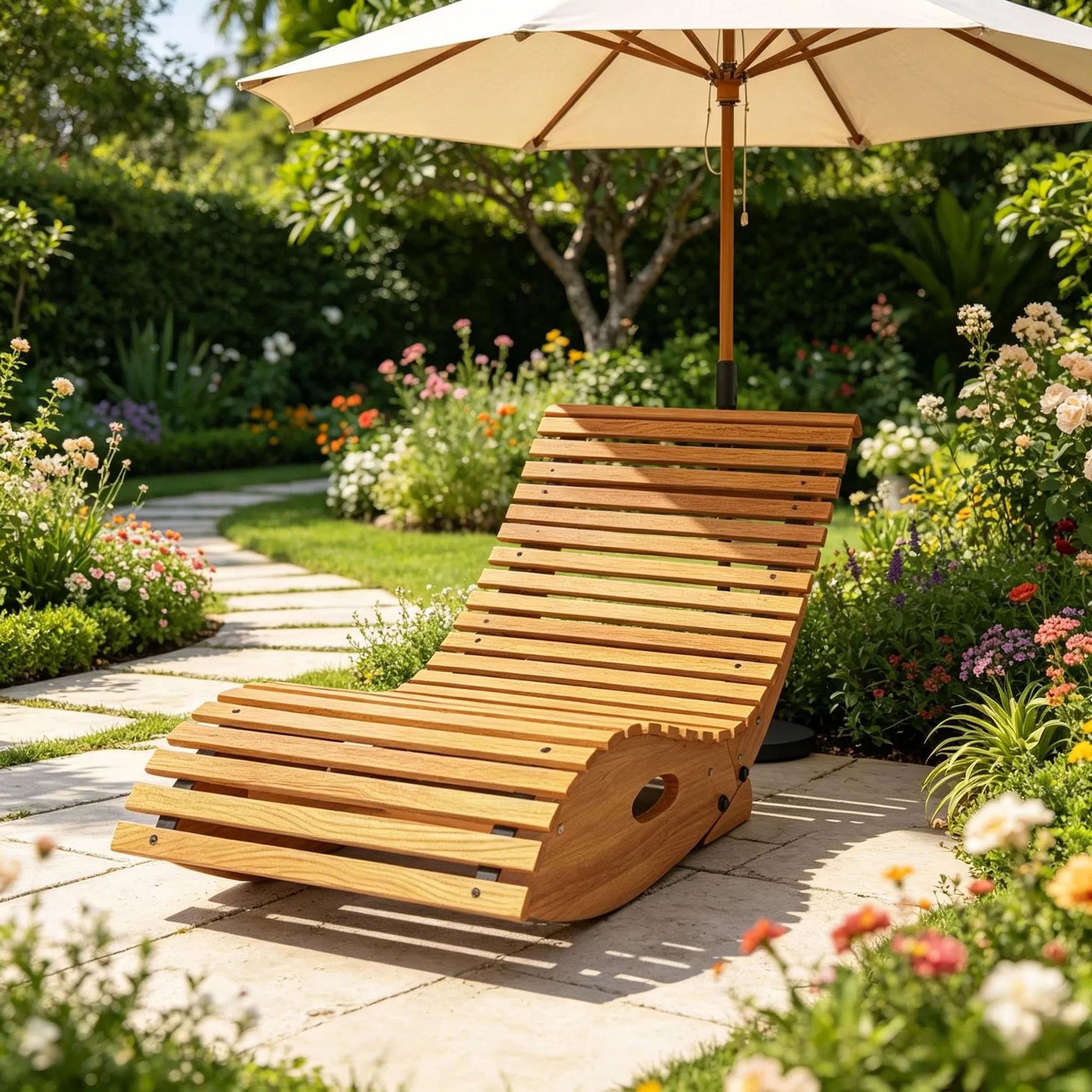 Outdoor Wooden Rocking Chair with Slatted Seat Teak Material 51.25 X 23.5 X Inch Size for Garden Patio Furniture$152.99View on Mallflare
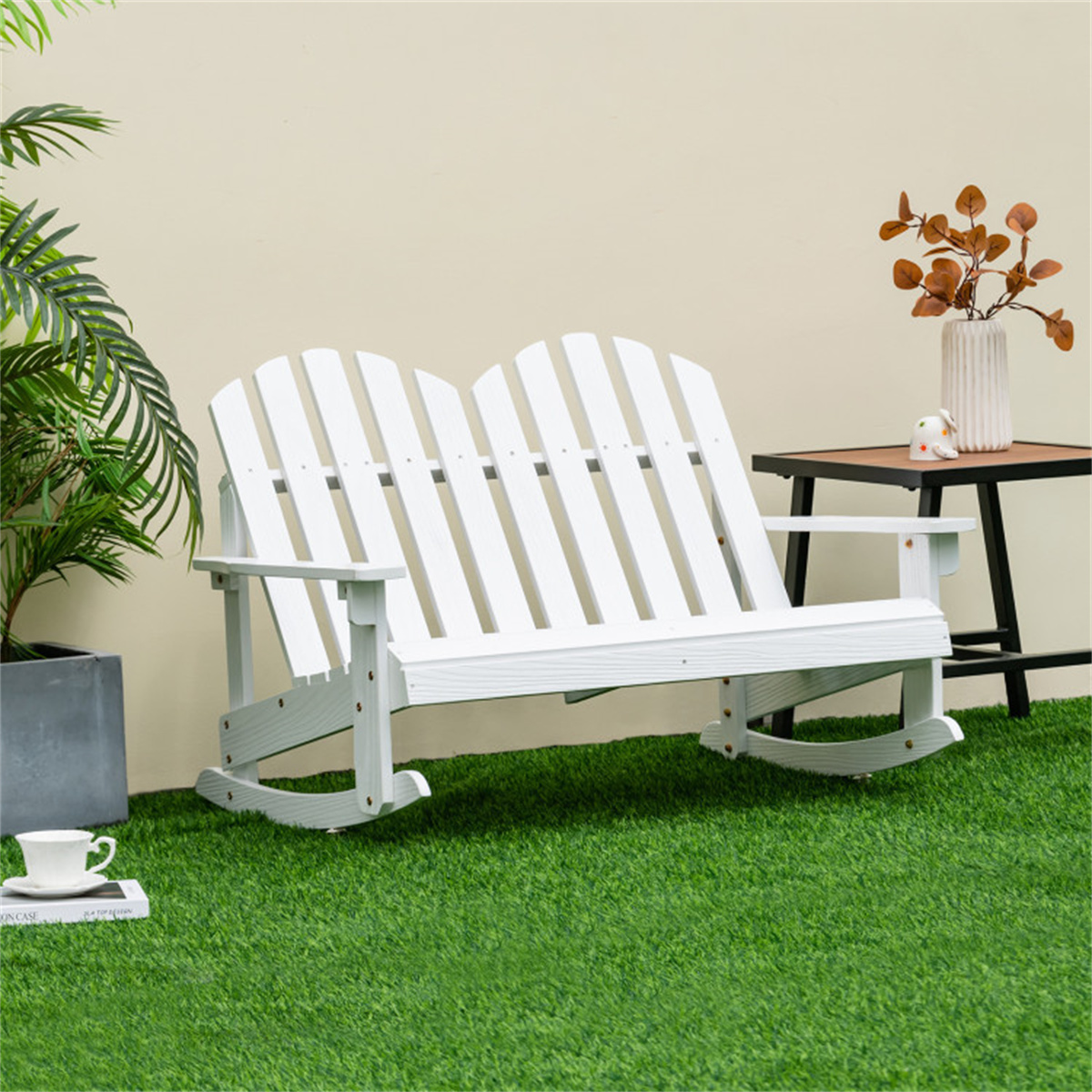 Outdoor solid wood rocking chair for children$161.99View on Mallflare
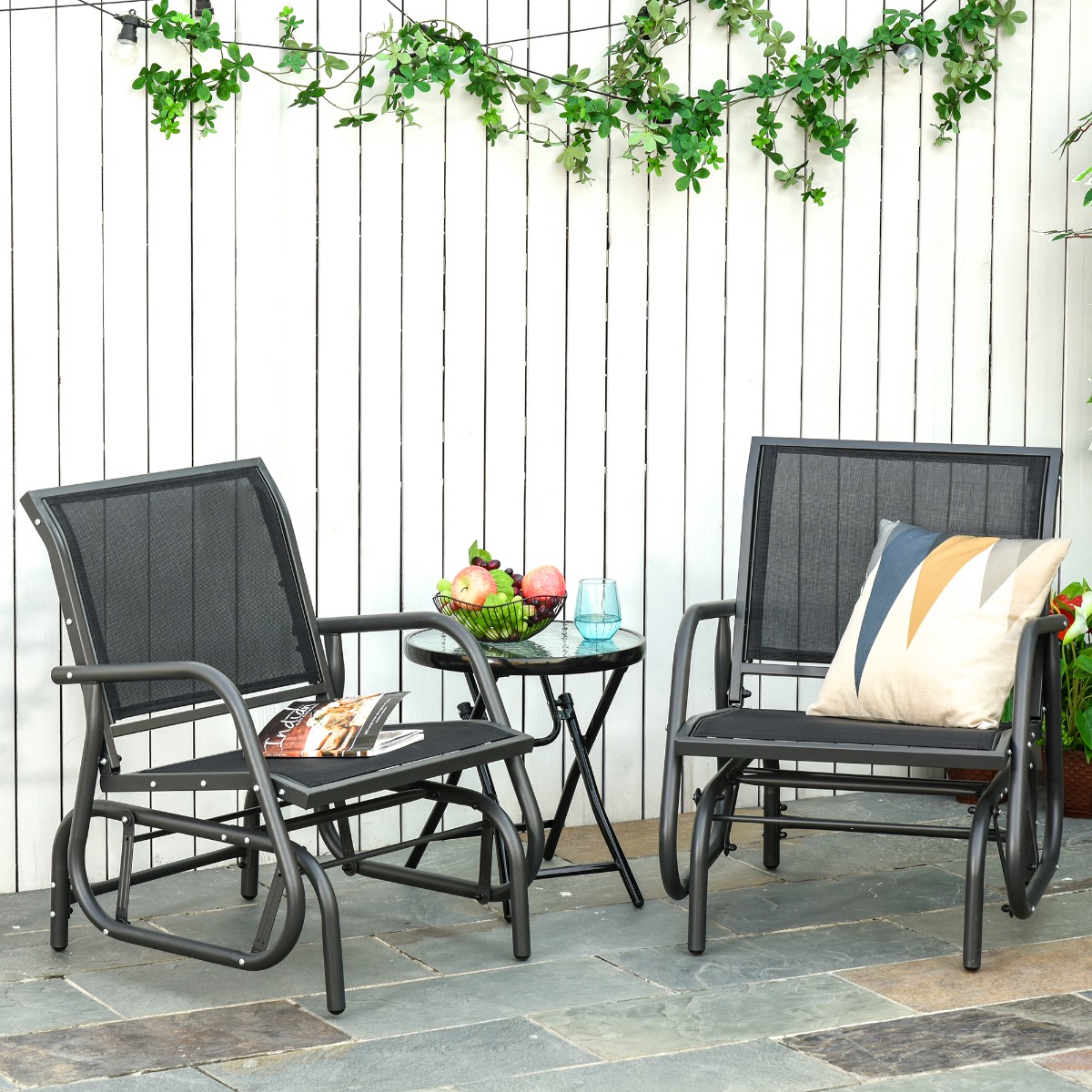 2-Piece Outdoor Glider Swing, Rocking Chair Set with Breathable Mesh Fabric, Sturdy Durable Frame, Curved Armrests, Supports Up to 264 lbs., for Backyard, Garden, Porch, Black$162.99View on Mallflare
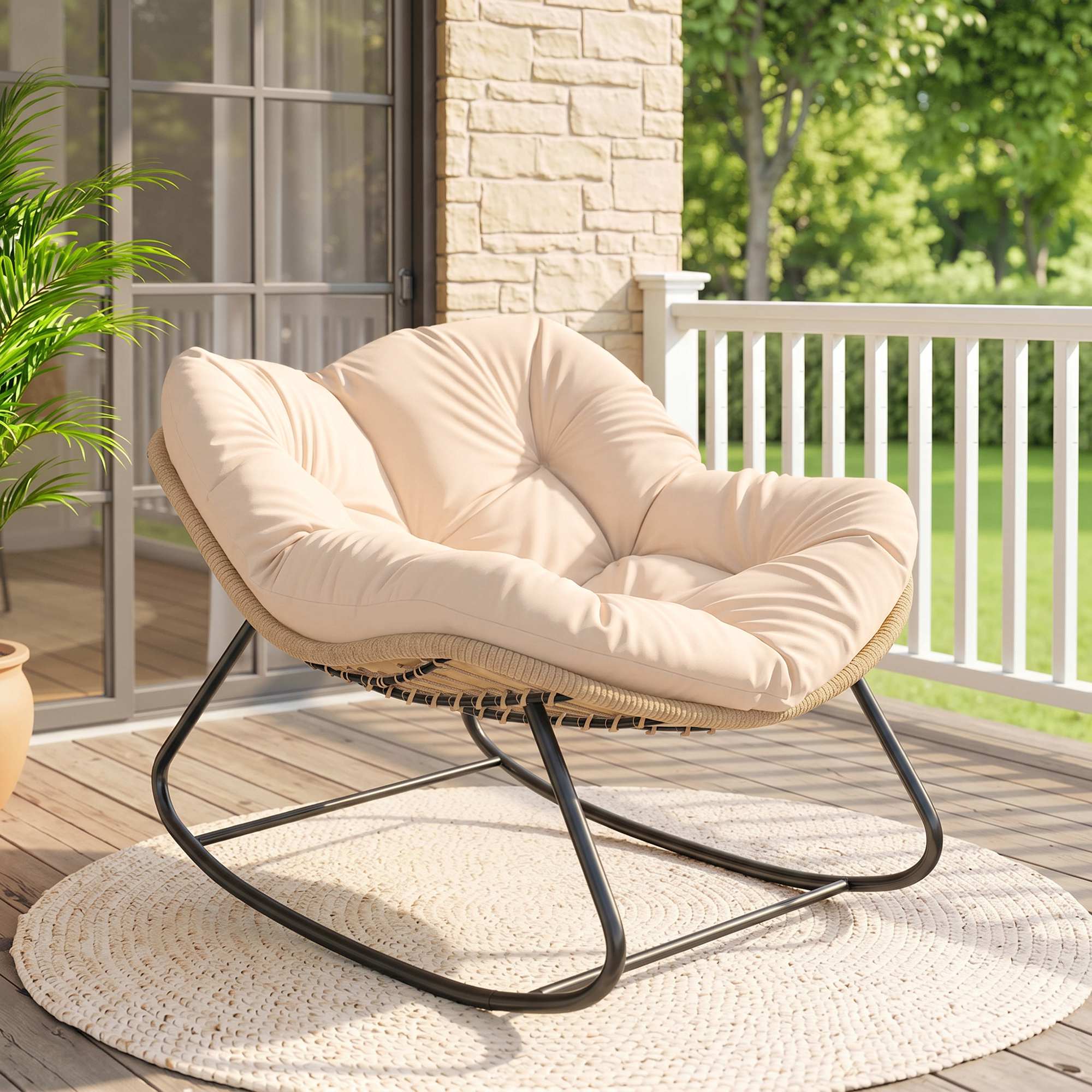 Indoor Outdoor Papasan Rocking Chair, Oversized Egg with Cushion for Garden, Patio, Cream White$162.99View on Mallflare
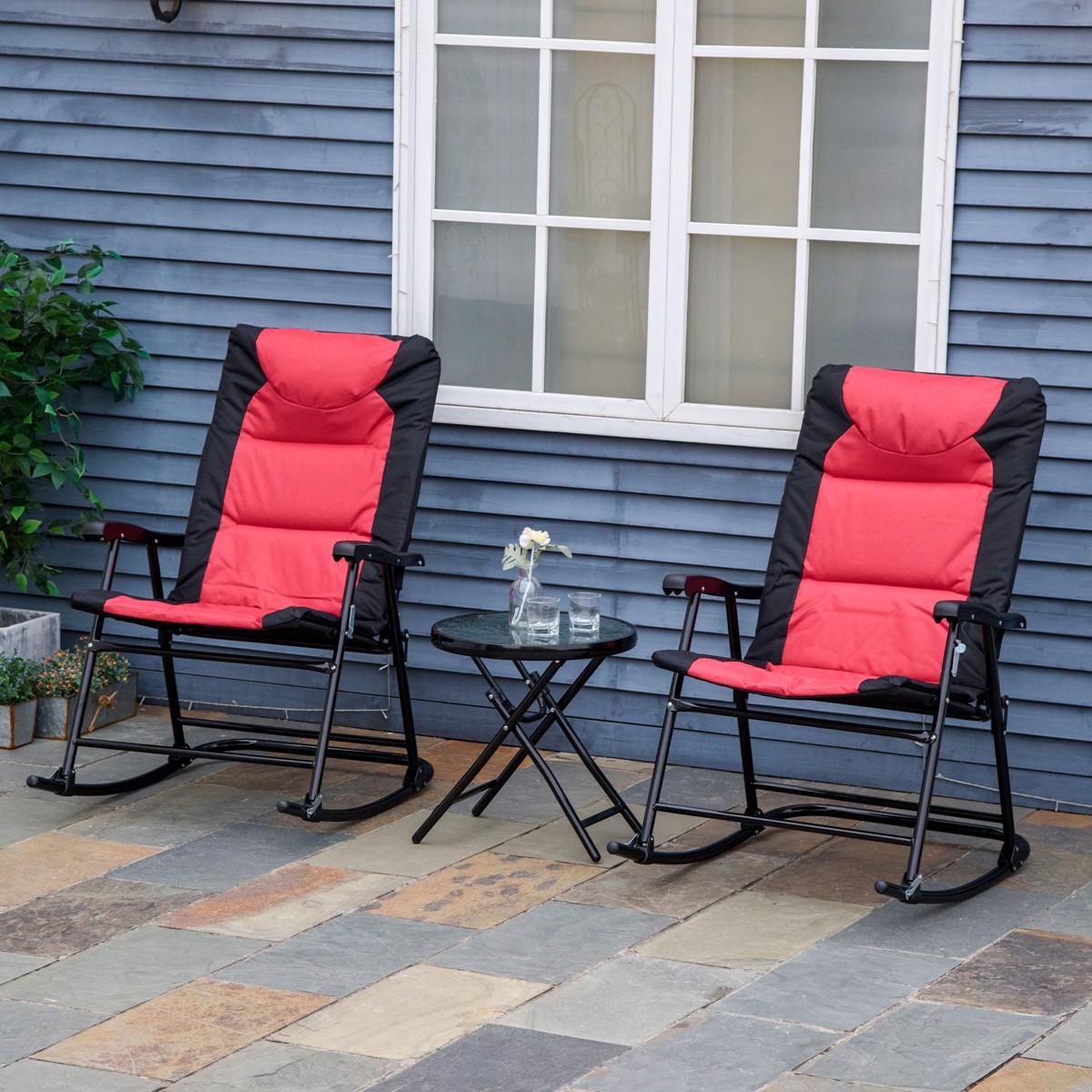 3 Piece Outdoor Patio Furniture Set with Glass Coffee Table & 2 Folding Padded Rocking Chairs, Bistro Style for Porch, Camping, Balcony, Red$162.99View on Mallflare
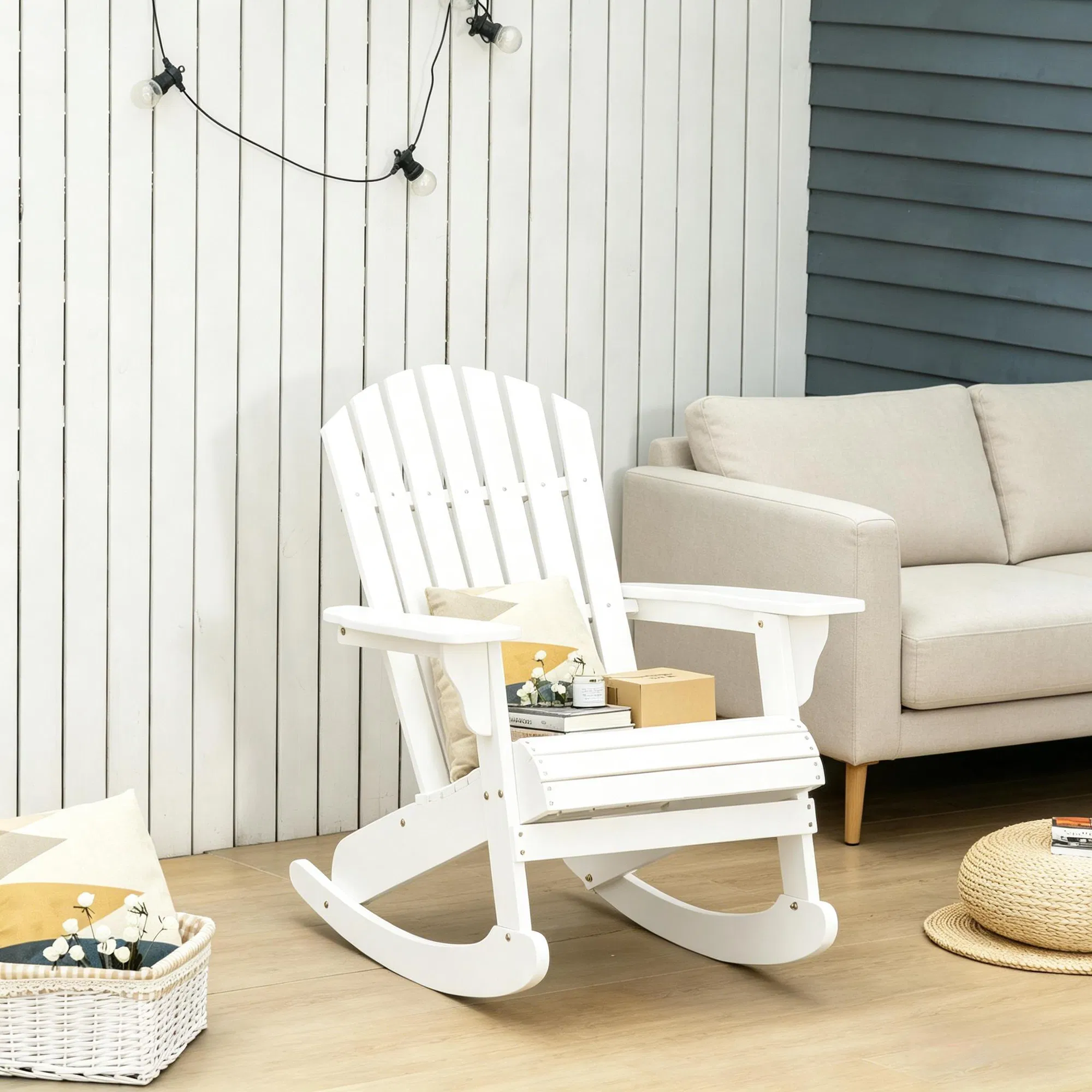 White Wooden Rocking Chair Outdoor Lounge Fire Pit Seating Slatted Design Fanned Back for Garden Patio Comfort$169.99View on Mallflare
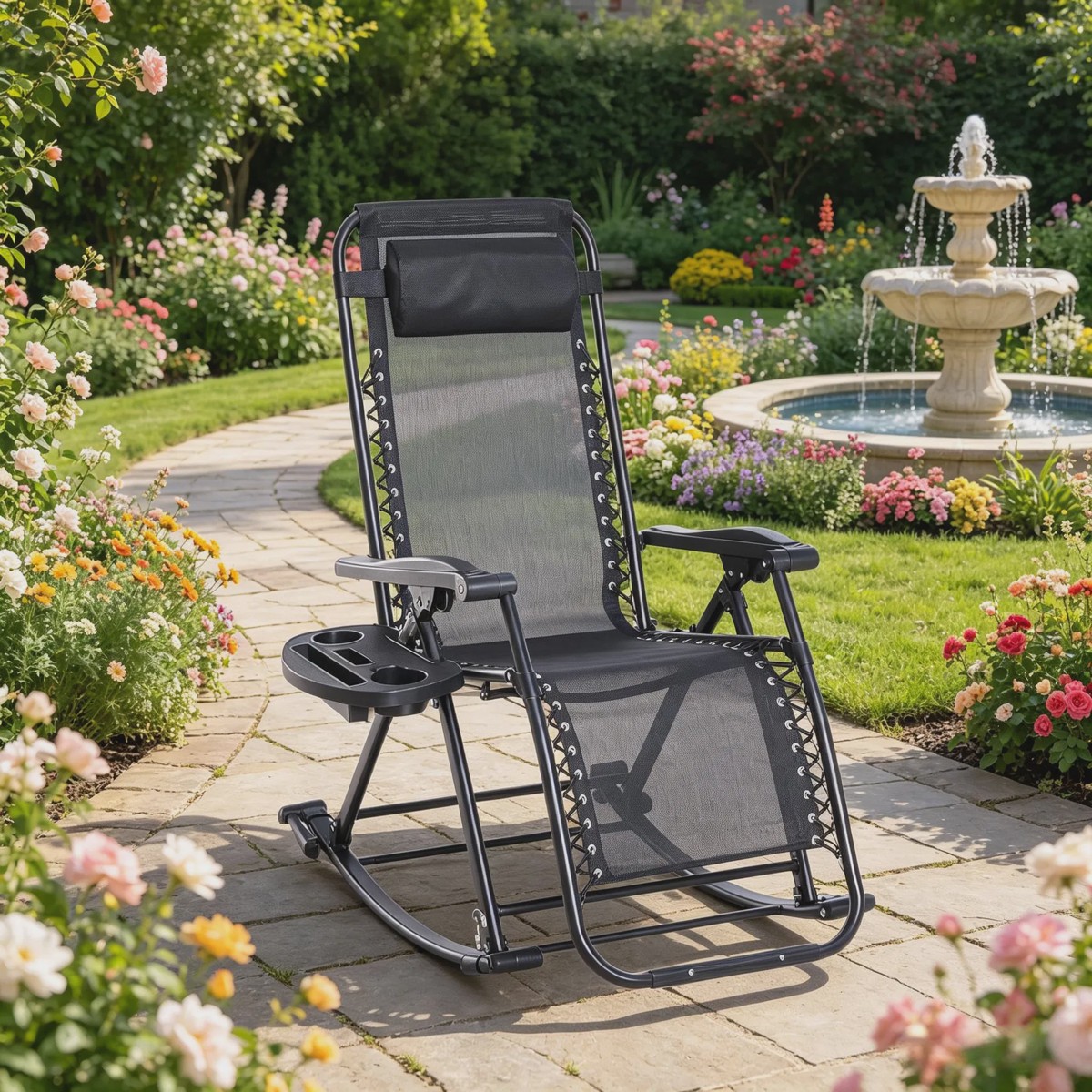 Black Outdoor Rocking Chair Foldable Reclining Zero Gravity Lounge Rocker with Pillow Cup & Phone Holder Combo Design Folding Legs$185.99View on Mallflare
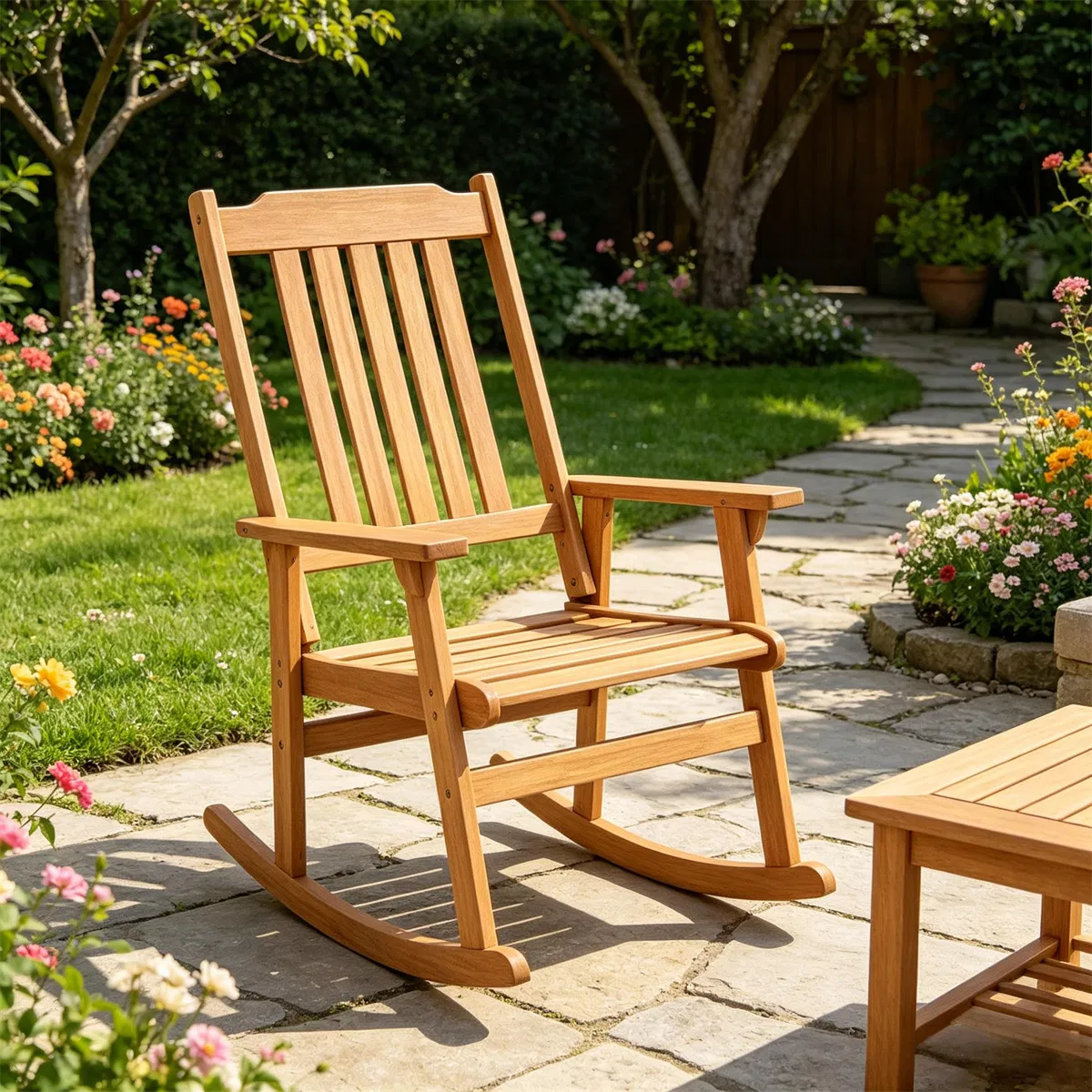 Solid Acacia Wood Outdoor Rocking Chair, Heavy Duty 400LBS Capacity Porch Rocker with Slatted Back for Backyard Deck Garden$185.99View on Mallflare
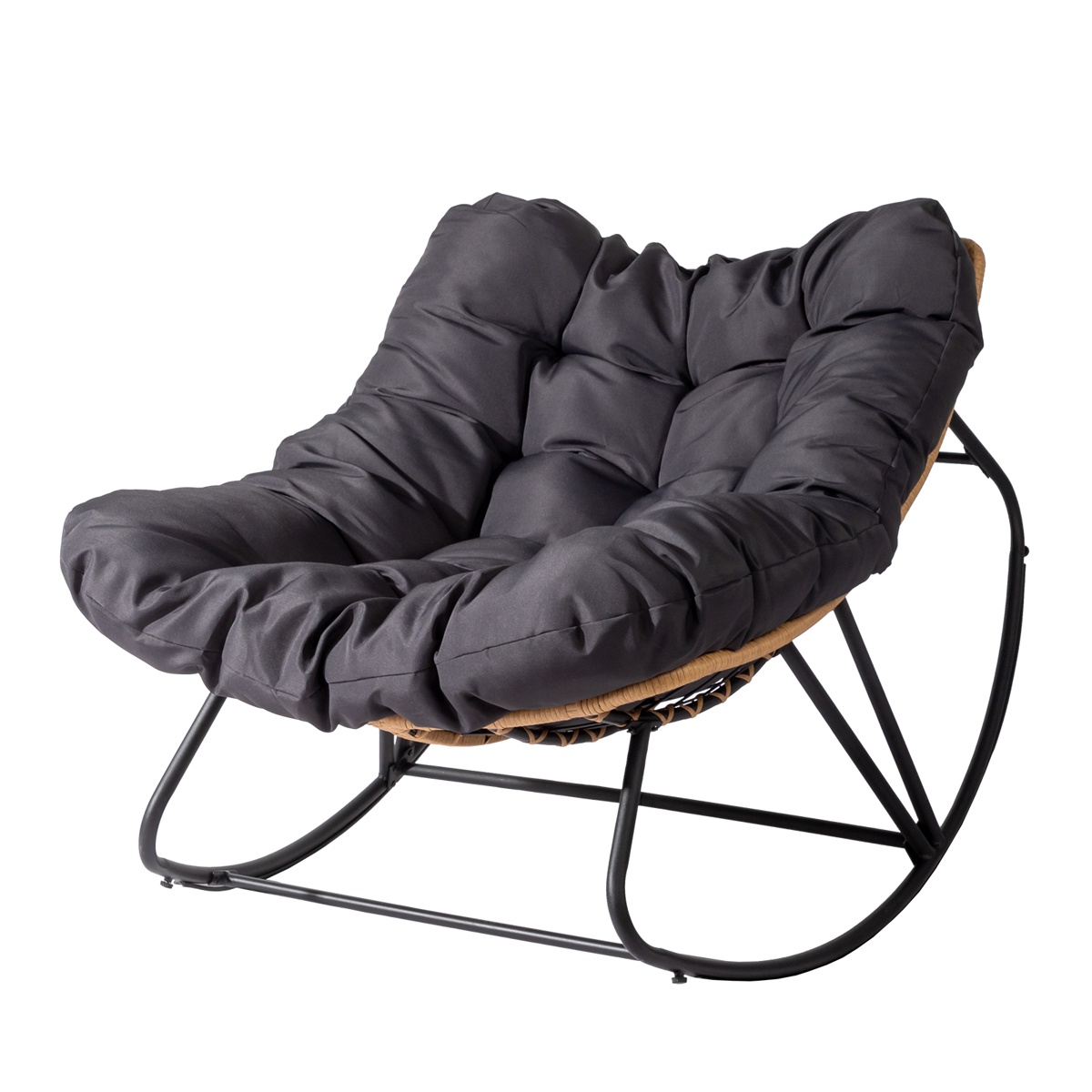 【Replace 58406521】Outdoor Rocking Chair, Oversized Patio Papasan Rocker, Comfy Reading Lounge Egg for Indoor Use, Porch, Garden, Dark Gray$198.99View on Mallflare
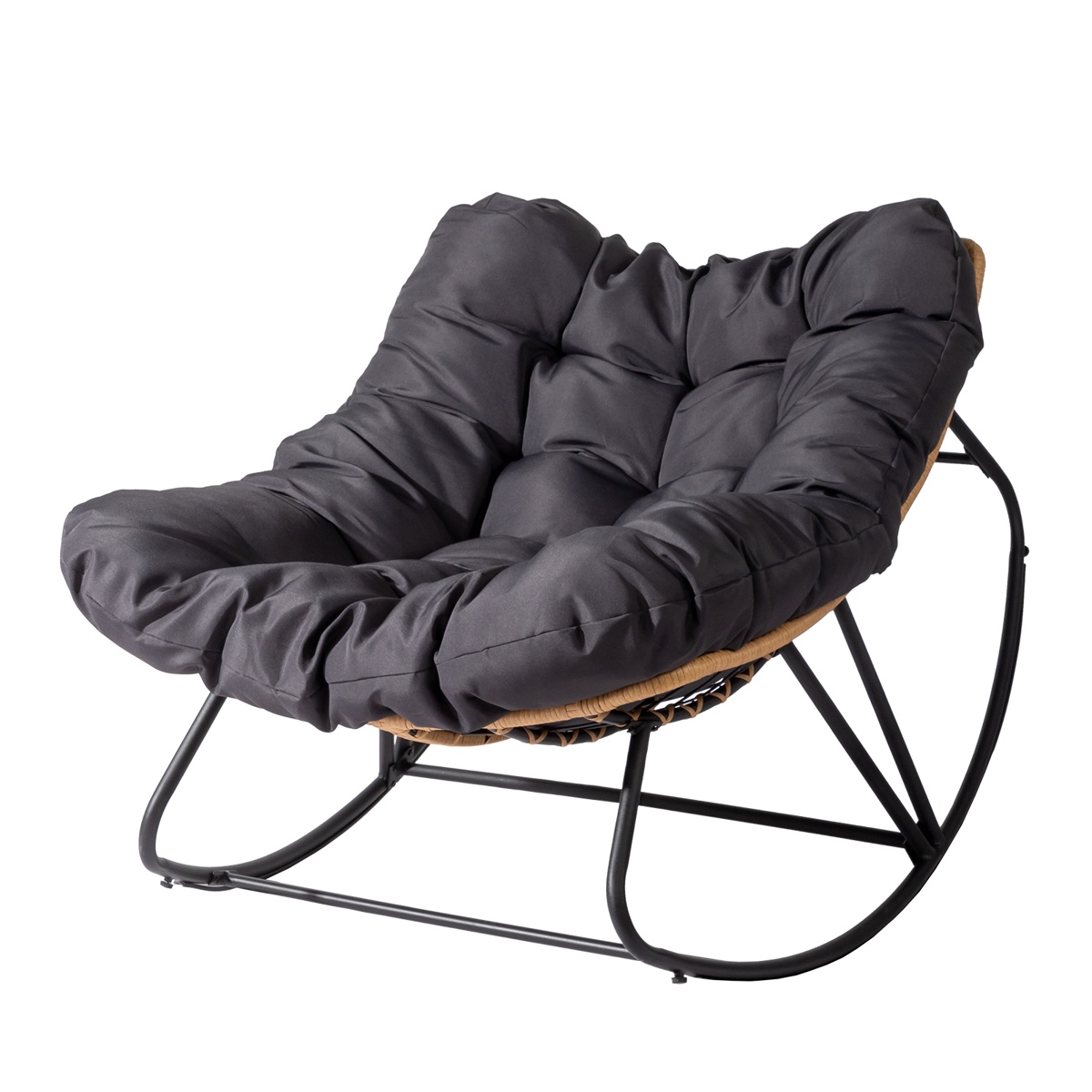 Oversized Rattan Papasan Chair, Outdoor Steel Wicker Rocking Seating with Thick Padded Cushion for Patio, Living Room, Backyard, Porch(Yellow & Gray$198.99View on Mallflare
Highlights
- Solid acacia and teak rockers use dense hardwood with natural oil content; acacia needs annual oiling to prevent checking, while powder-coated aluminum never rusts and needs no finish.
- Rattan and wicker rockers are either natural peel (fades and cracks in UV) or HDPE synthetic weave over aluminum or steel; only HDPE weave is genuinely all-weather.
- Folding zero-gravity rockers rely on a locking recline hinge and thinner steel tubing; they are portable but flex more and typically cap at lower weight ratings than fixed-frame rockers.
- Cast iron and wrought-iron rockers are the heaviest and most stable against wind, but require touch-up paint on chips to stop rust; aluminum is the lighter rust-proof alternative.
Best use cases
- Best fit: a covered porch or deck with year-round exposure — pick solid acacia, teak, or powder-coated aluminum with stainless hardware; skip natural rattan and thin folding steel.
- Best fit: a balcony or apartment with limited storage — a folding zero-gravity or folding aluminum rocker is the right call; skip heavy cast iron and large two-seat rocker sets.
- Best fit: windy, uncovered patio — choose a heavy cast-iron or dense hardwood rocker with a wide base; skip lightweight folding rockers that tip in gusts.
- Best fit: cushion-and-comfort lounging — an aluminum rocker with removable, quick-dry cushions works; skip slatted wood if you want plush seating without adding separate pads.
Buying tips
- Match weight capacity to the heaviest user plus 50 lbs: 250 lb ratings suit average adults, while 350–400 lb ratings are needed for larger users or two-person sharing.
- Measure seat height and armrest height against your body: seat heights around 17–18 inches suit most adults, and low-back rockers under 30 inches tall are for lounging, not head support.
- For wood rockers, confirm acacia or teak rather than pine or fir; dense hardwoods resist rot and checking, and expect to re-oil every 6–12 months.
- For metal rockers, demand powder-coated aluminum or stainless hardware; bare steel and painted iron rust at weld points and chip sites within a season or two.
Specs
| Frame Material | Acacia / Teak / Aluminum / Rattan |
|---|---|
| Weight Capacity | 250–400 lbs (fixed frames) |
| Weather Rating | All-weather HDPE / powder-coat |
| Rocking Type | Fixed arc vs folding zero-gravity |
Related searches
What to check before buying
- Measure porch or deck depth: rockers need roughly 36–48 inches of front-to-back clearance for the rock arc, plus 24 inches behind for recline models.
- Confirm the surface: wood decks need felt or rubber glides on the rocker rails, while concrete and stone tolerate metal rails but may scratch without pads.
- Check climate: coastal salt air demands aluminum or teak with stainless fasteners; humid climates favor aluminum and HDPE over natural rattan and untreated steel.
- Verify assembly and companion parts: most rockers ship flat-packed with Allen-key assembly, and cushion sets, footrests, and side tables are usually sold separately.
FAQ
Data sources: eBay / Amazon listings and product attribute feeds. Updated Nov 28, 2026.
Some links on this page are affiliate links. If you buy after clicking one, we may earn a commission at no extra cost to you. This does not change which products appear here or their order. Affiliate disclosure.