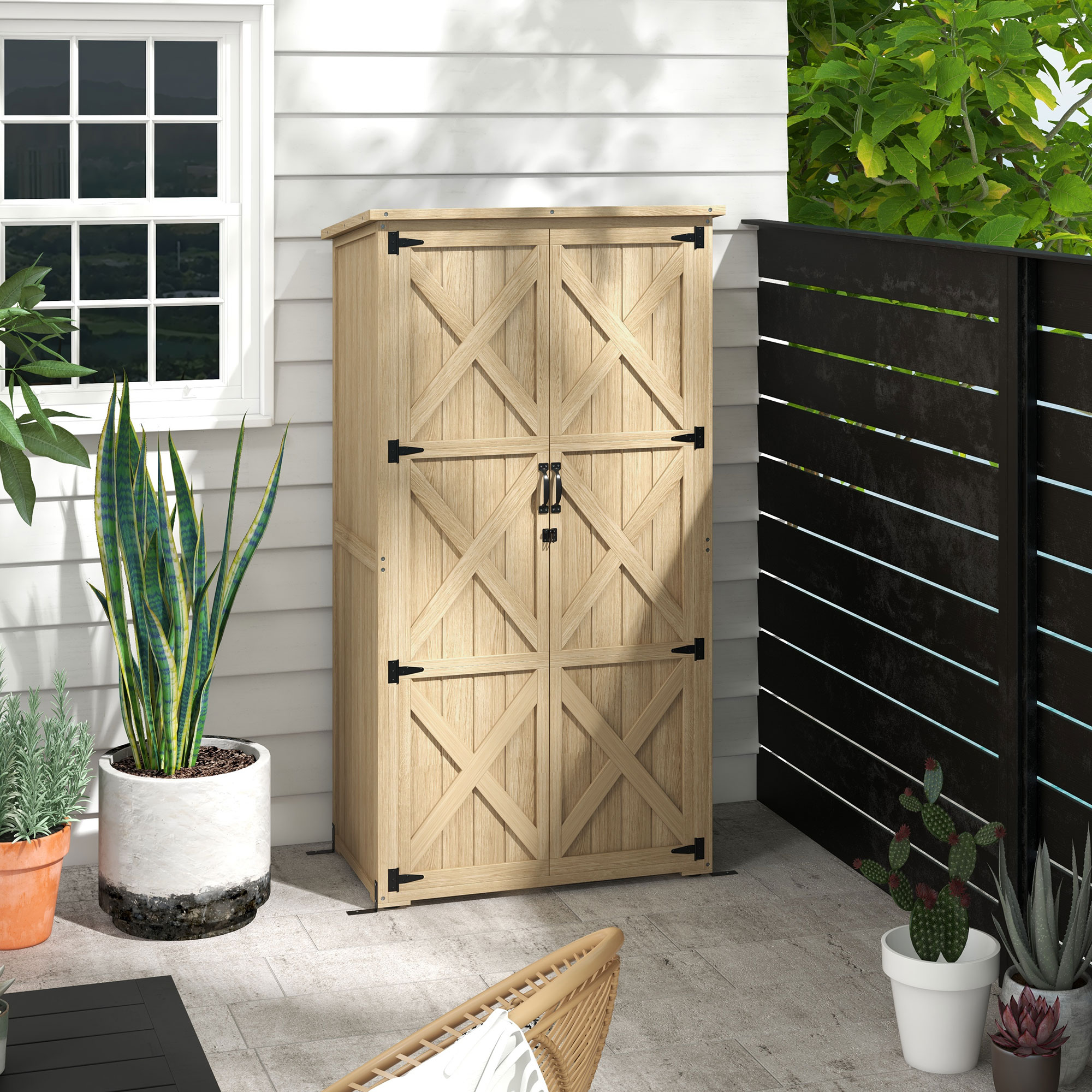

Photos from current listings. Actual item, color, and included accessories may vary.
Outsunny Outdoor Storage Cabinet Buying Guide
Outsunny outdoor storage cabinets are wooden utility structures sold under a single lifestyle brand, but they vary widely by wood species, roof type, and door configuration. The primary trade-off is fir or pine softwood versus rot-resistant cedar or fir with asphalt roofing; softwoods need annual sealing, while asphalt roofs determine water shedding. The clear decision rule: buy a model with an asphalt or metal roof and a raised floor, and skip any cabinet with an untreated softwood base sitting directly on soil.
Key takeaways
- Fir and pine are softwoods that absorb moisture; cedar and pressure-treated pine resist rot without annual sealing.
- Asphalt roof panels shed rain but degrade under prolonged UV; metal roofs outlast asphalt by several years.
- Raised floor battens and a slatted base keep stored items off damp ground and prevent rising moisture.
At a glance
- Category
- Outdoor Storage
- Status
- Listings available
- Last updated
- Nov 27, 2026
Current offers
Highlights
- Fir and pine are softwoods that absorb moisture; cedar and pressure-treated pine resist rot without annual sealing.
- Asphalt roof panels shed rain but degrade under prolonged UV; metal roofs outlast asphalt by several years.
- Raised floor battens and a slatted base keep stored items off damp ground and prevent rising moisture.
- Door hardware is usually plated steel; stainless or galvanized hinges and latches resist rust in wet climates.
Best use cases
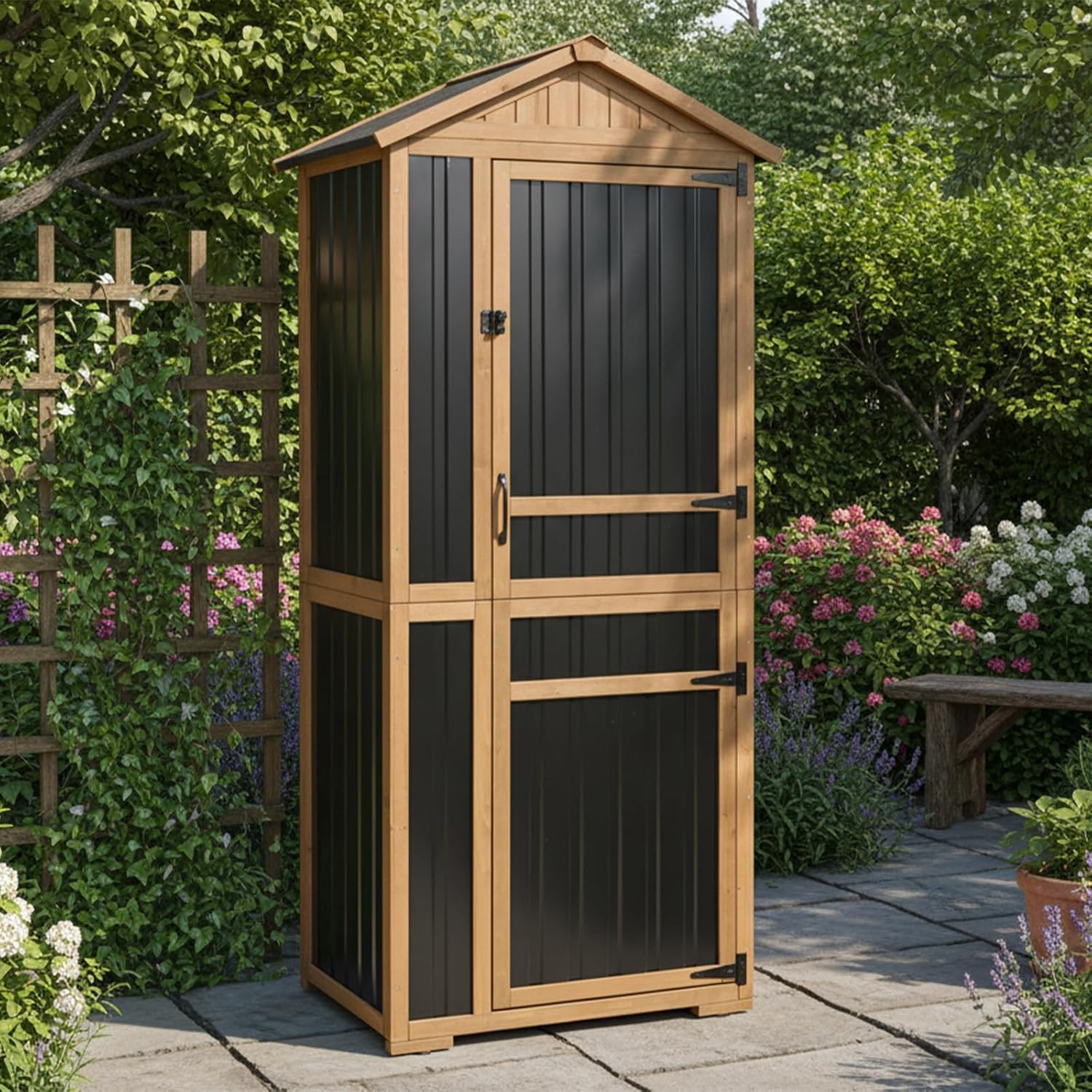
- Best fit: store long-handled garden tools upright in a tall cabinet with double doors and an asphalt roof on a patio or deck.
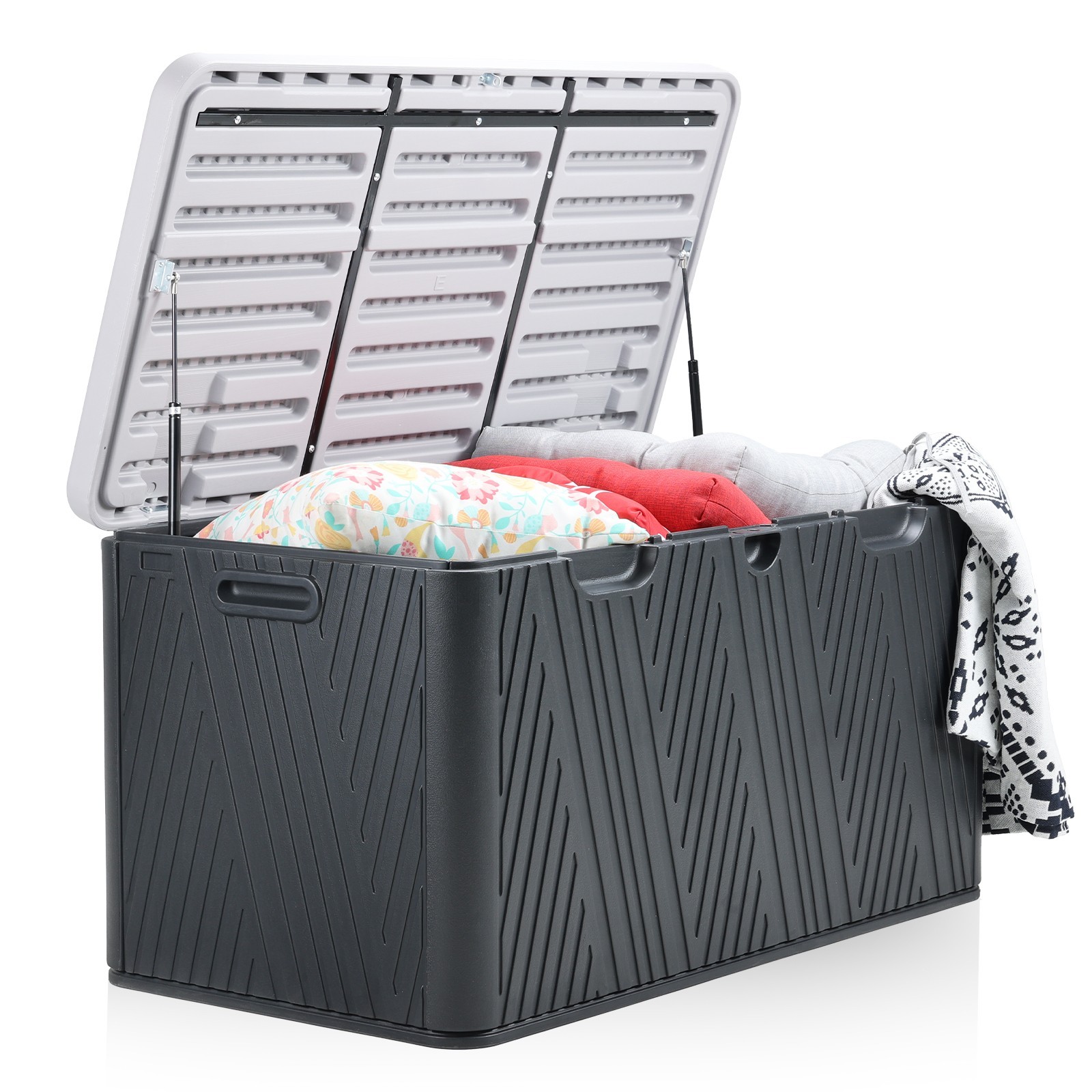
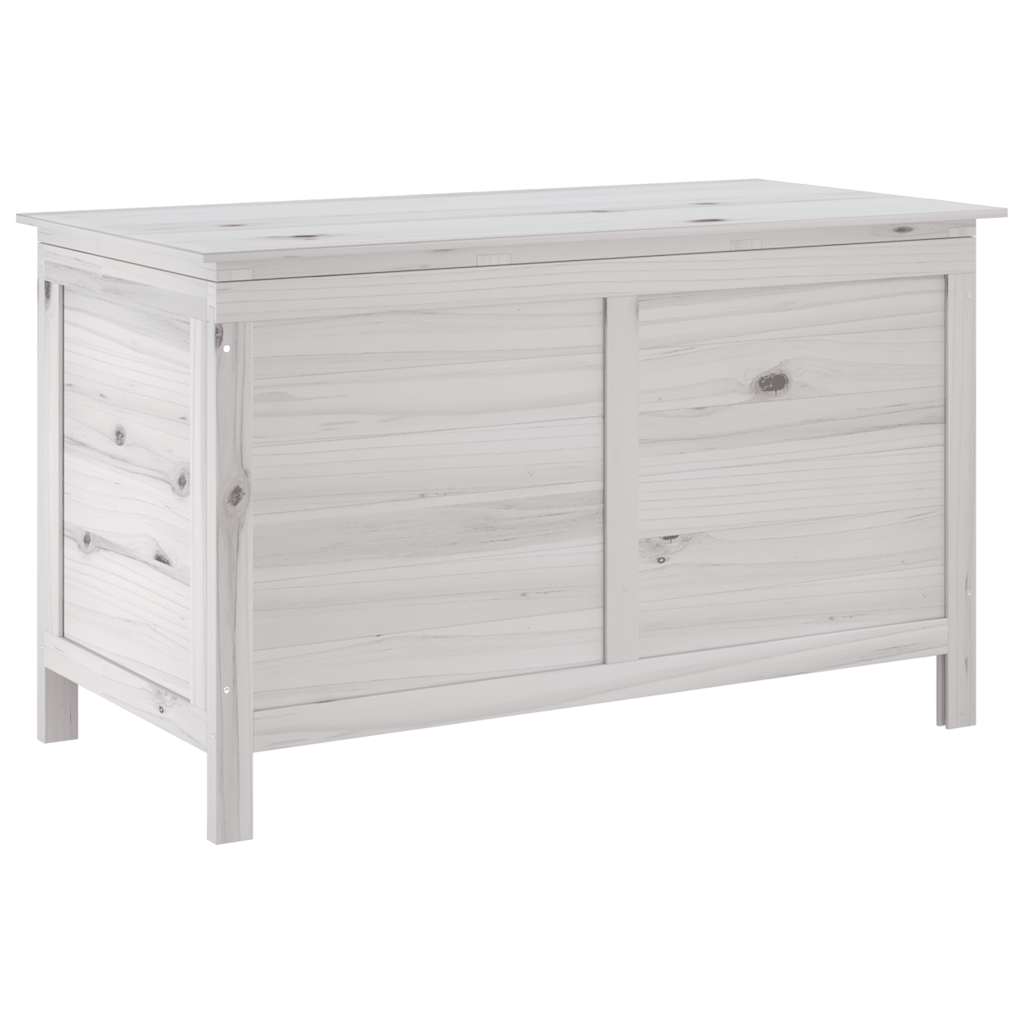
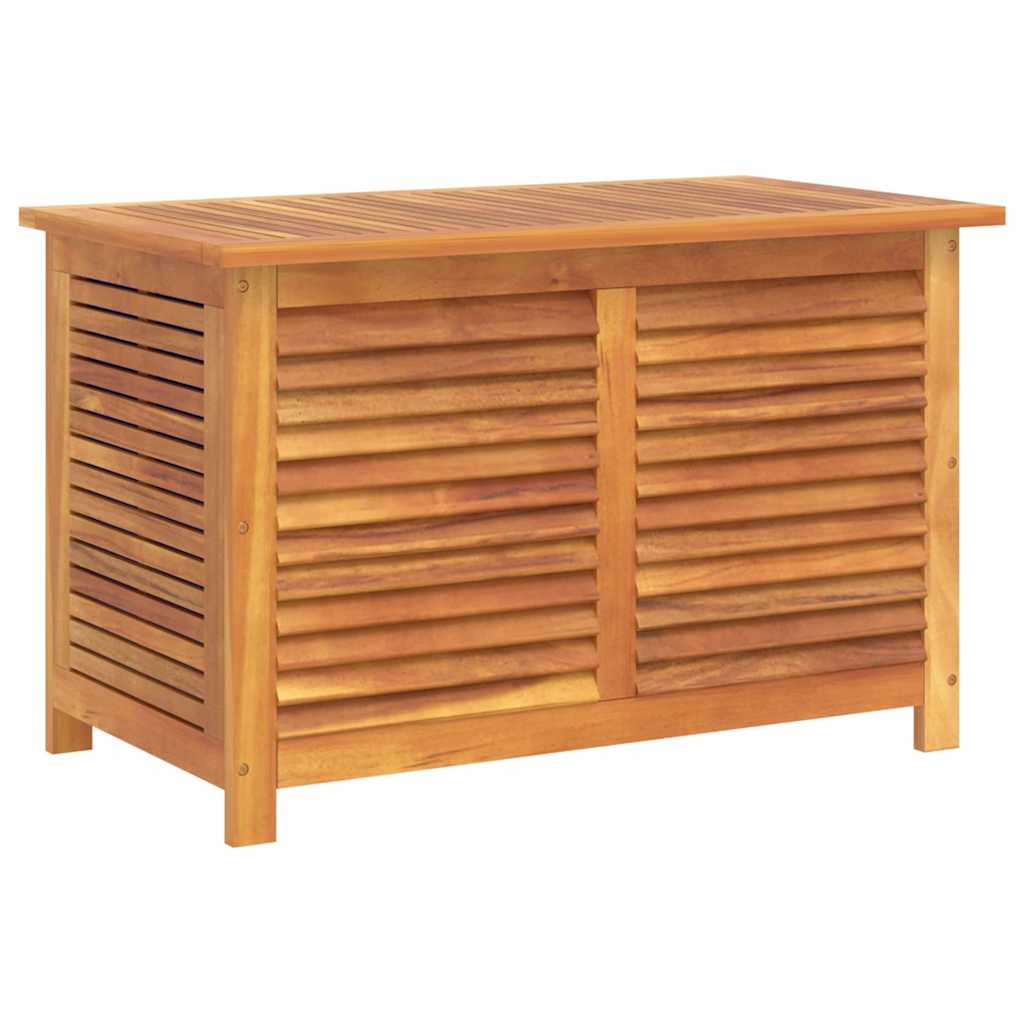
- Best fit: keep cushions and small equipment dry in a bench-style cabinet with a hinged lid and raised slatted floor.
- Wrong fit: placing any softwood Outsunny cabinet directly on bare soil or grass—water wicks into the base and rots it within seasons.
- Skip: open-front or single-wall models for year-round outdoor exposure in rainy climates; they offer no rain protection.
Buying tips
- Match footprint to your storage: measure the longest handle or tool and add 4–6 inches of clearance to the cabinet's internal depth.
- Choose cedar or pressure-treated pine over untreated fir if the cabinet sits in shade or receives constant moisture.
- Pick an asphalt or metal roof over a bare wood lid; a roof with a drip edge and overlap sheds water away from the cabinet walls.
- Check door swing and hinge side against your patio layout; double doors need clear space equal to half the cabinet width.
Specs
| Wood Species | Fir / Pine / Cedar softwood |
|---|---|
| Roof Type | Asphalt shingle / Metal / Bare wood |
| Floor Design | Raised battens / Slatted / Flat base |
| Door Style | Single / Double / Hinged lid |
Alternatives to compare
Related searches
What to check before buying
- Measure your patio or deck pad and confirm a flat, level surface at least as large as the cabinet footprint plus door swing.
- Verify the cabinet floor is raised on battens or a slatted base; never set a wooden cabinet directly on soil or grass.
- Confirm the roof material is asphalt shingle or metal, not a bare wooden lid, if the cabinet will be fully exposed to rain.
- Check that hinges, latches, and screws are galvanized or stainless steel for coastal or high-humidity environments.
FAQ
Data sources: eBay / Amazon listings and product attribute feeds. Updated Nov 27, 2026.
Some links on this page are affiliate links. If you buy after clicking one, we may earn a commission at no extra cost to you. This does not change which products appear here or their order. Affiliate disclosure.