
Photos from current listings. Actual item, color, and included accessories may vary.
Outdoor Shed Buying Guide
Outdoor sheds range from lightweight fabric tents and resin cabinets to galvanized steel and wood-framed structures. The primary trade-off is upfront cost versus wind/snow load capacity, weather sealing, and foundation requirements. Choose a steel or resin shed with a rated wind and snow load for permanent storage; skip fabric and thin plastic only if you need a seasonal, portable shelter.
Median $395.99
Key takeaways
- Galvanized steel panels resist rust and denting; resin/plastic sheds never rust but can crack under heavy snow loads.
- Fabric and tent sheds use UV-treated polyester and powder-coated steel frames but typically lack snow-load ratings and locking security.
- Wood sheds offer superior insulation and can be painted or stained, but require annual maintenance and a level foundation.
At a glance
- Category
- Outdoor Storage
- Last updated
- Nov 28, 2026
Current offers
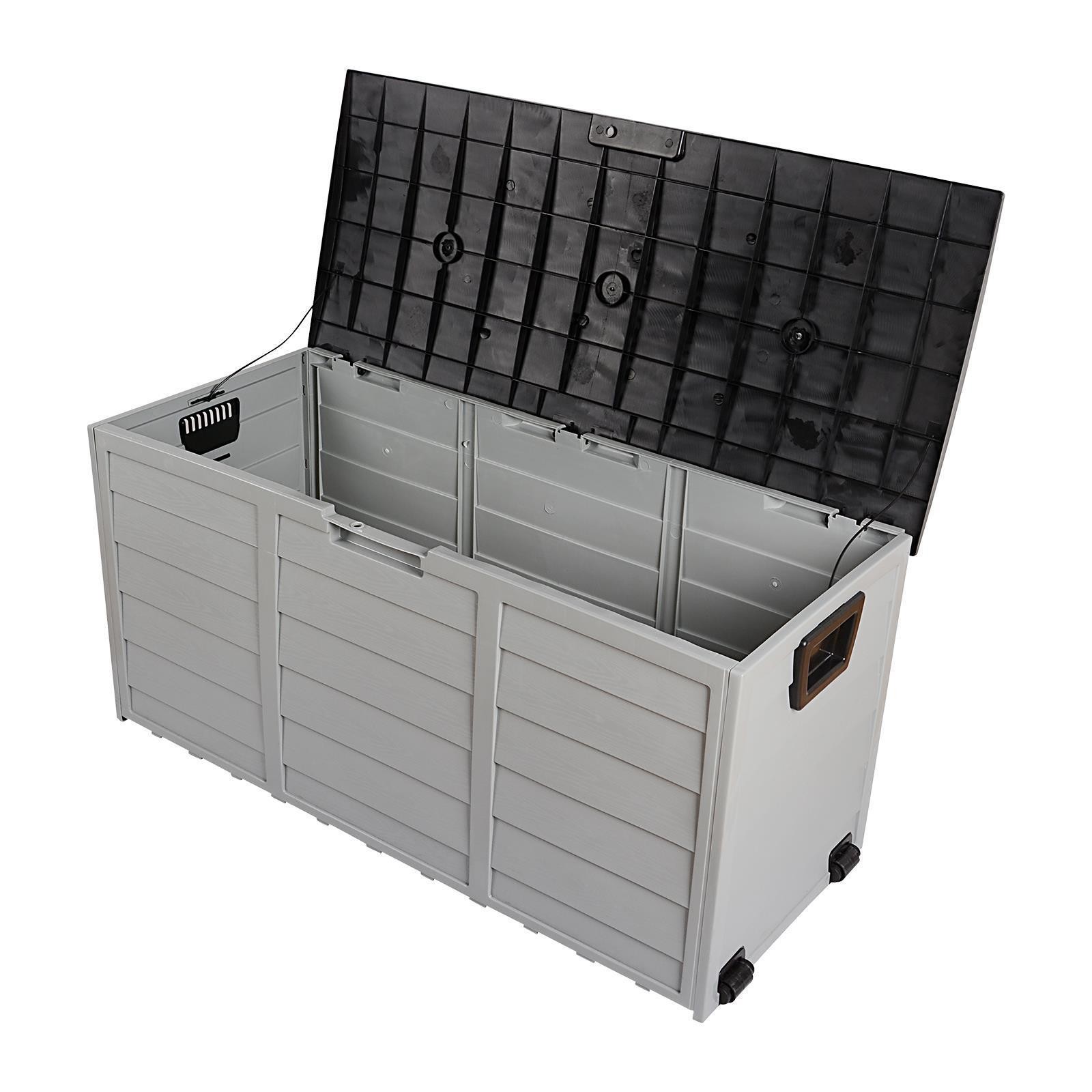 All Weather UV Pool Deck Box Storage Shed Bin Backyard Patio Outdoor w/ Wheel$63.99Last checked Nov 22, 2026View on eBay
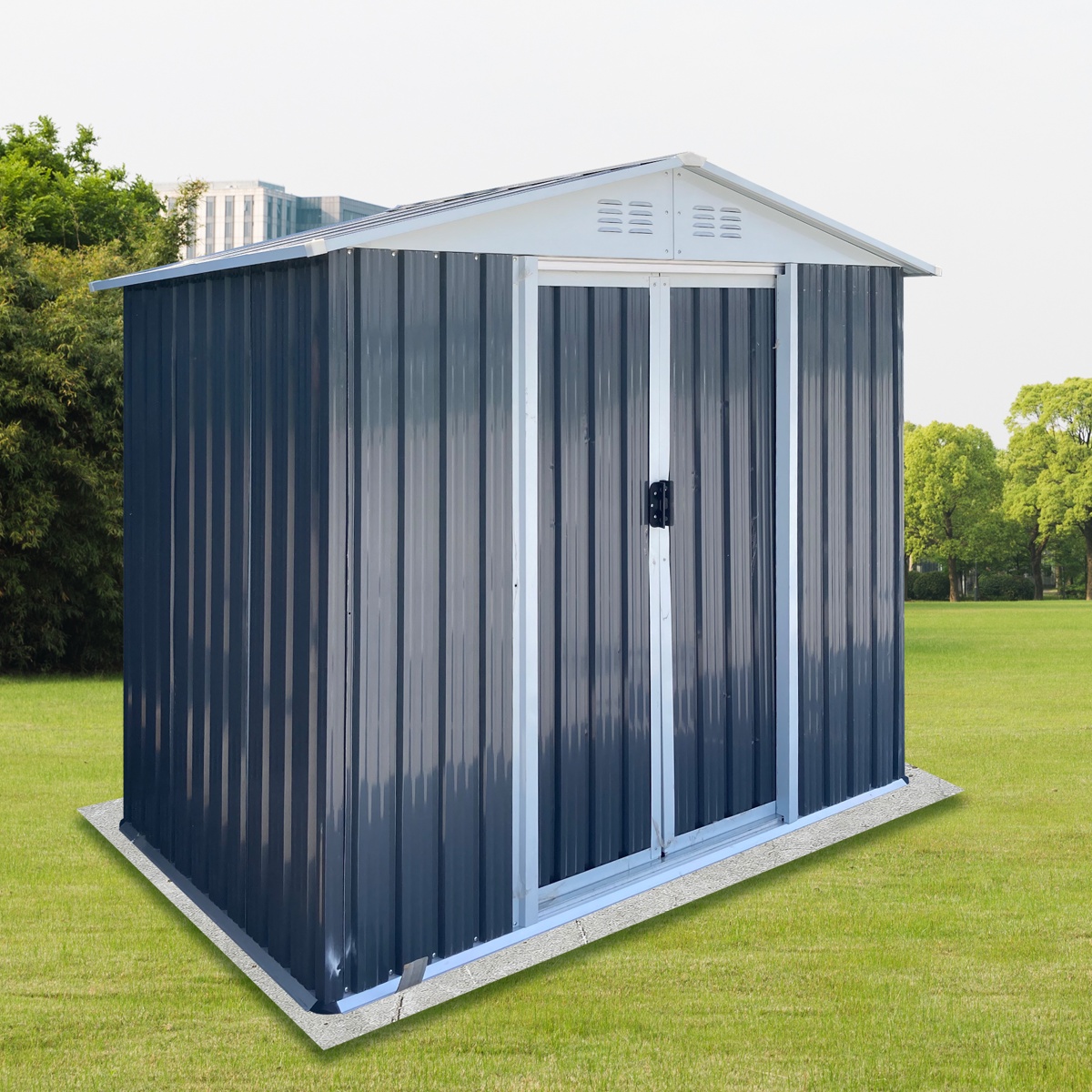 Outdoor Storage Sheds 6FTx4FT Roof Grey$129.99View on Mallflare
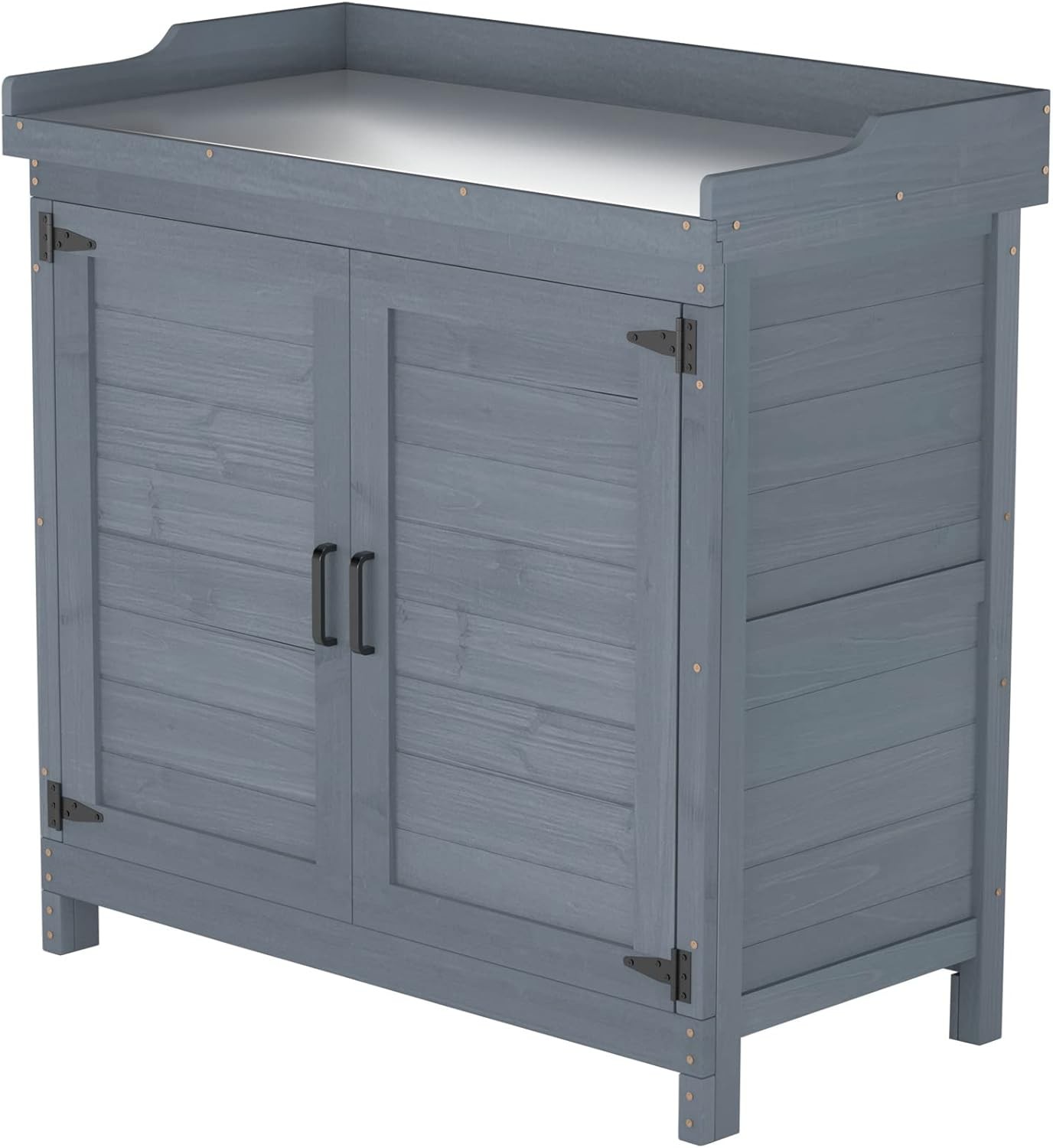 Outdoor Garden Patio Wooden Storage Cabinet Furniture Waterproof Tool Shed$139.99Last checked Nov 25, 2026View on eBay
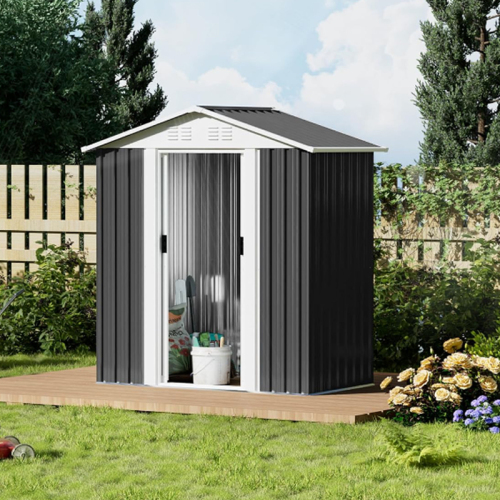 5X3 Feet Dark Grey Outdoor Storage Shed With Aluminum Alloy Frame Base$135.99View on Mallflare
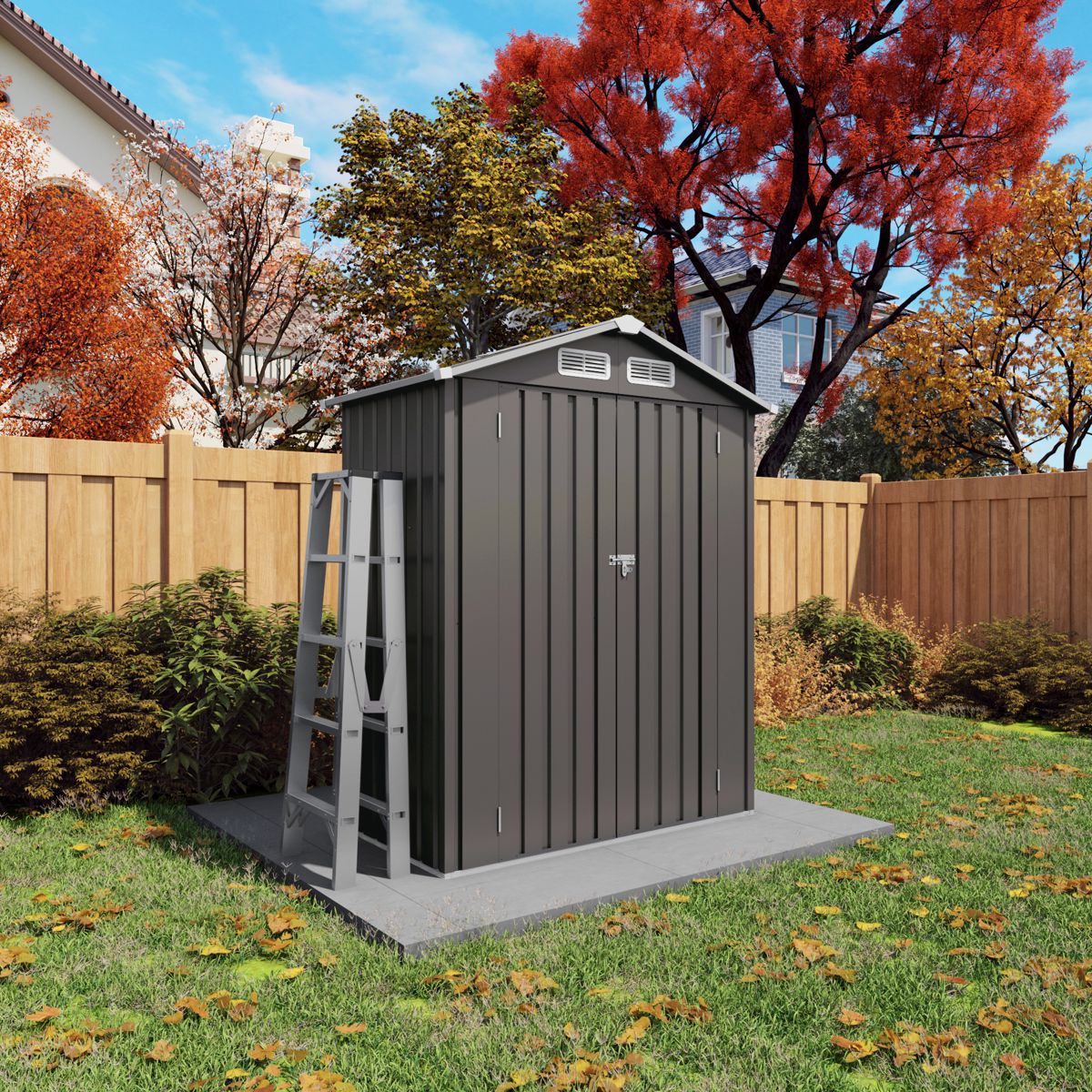 5X3 FT Metal Outdoor Storage Shed, Tool With Peaked Roof Waterproof, Lockable Door Compact For Garden, Backyard, Patio, Sundries And Bike Gray$159.99View on Mallflare
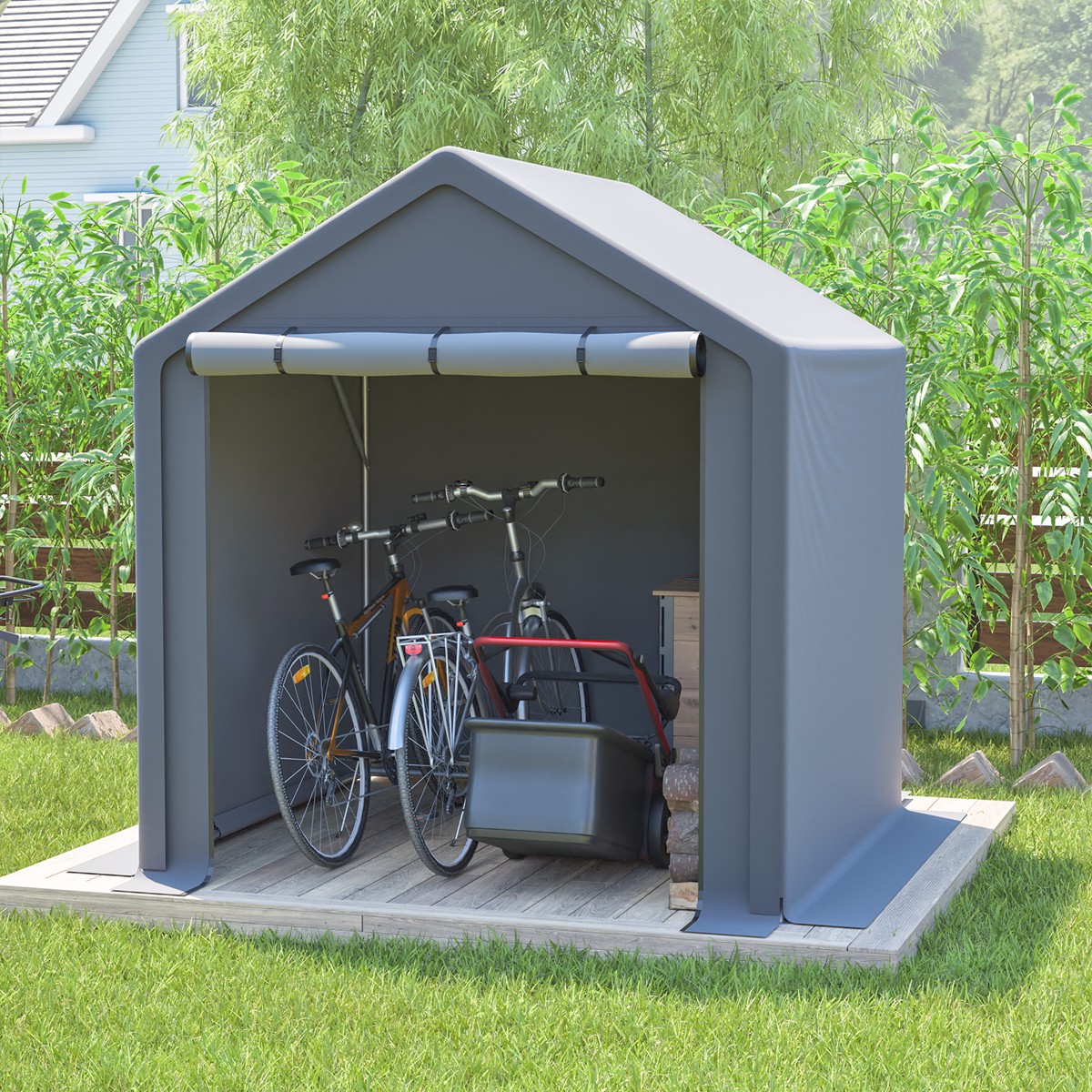 6x6 FT All-Season Storage Tent Quick-Install Waterproof & UV-Resistant Outdoor Shed$163.99View on Mallflare
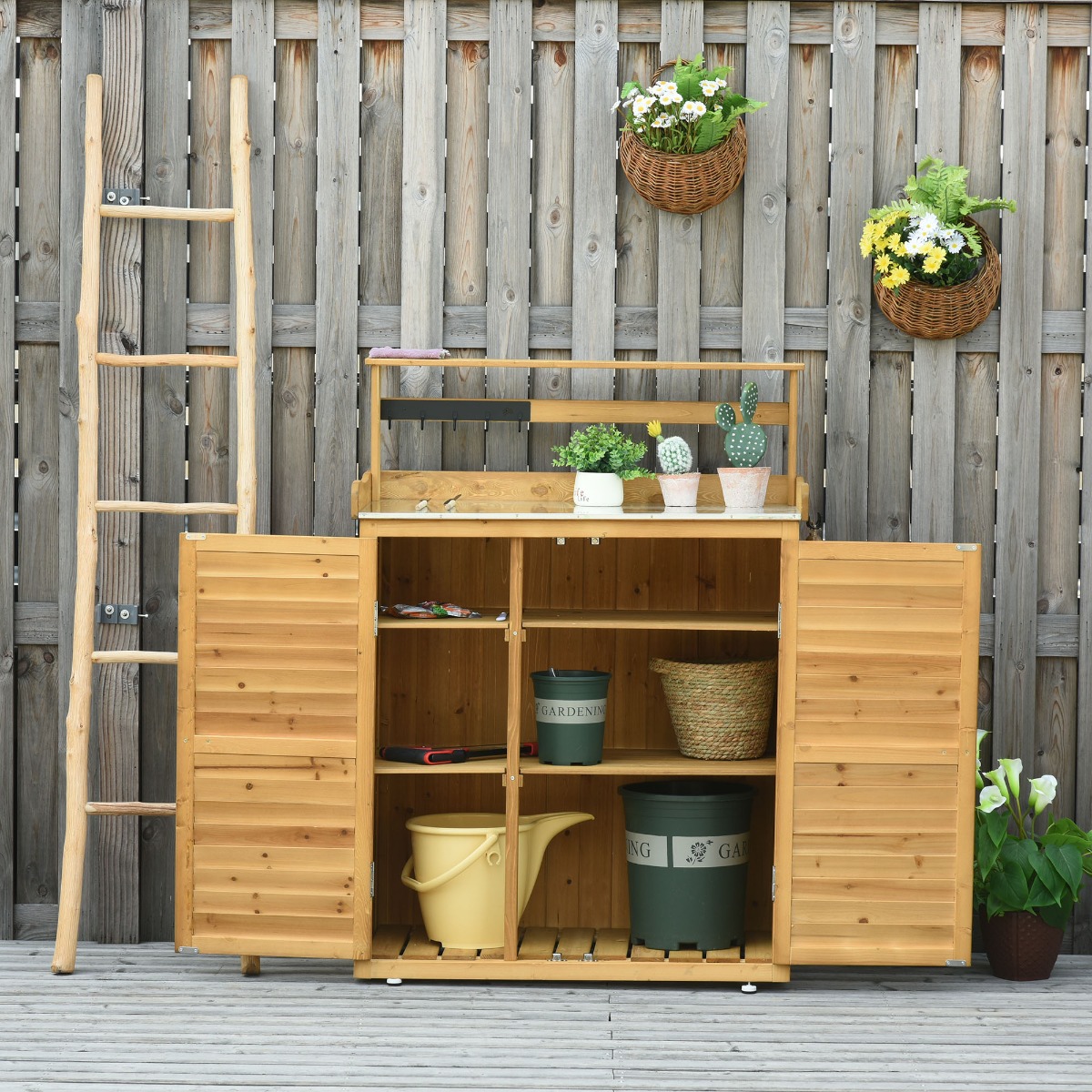 Backyard Garden Tool Storage Shed, Outdoor & Potting Bench with 2 Magnetic Close Doors & Large Interior Space$179.99View on Mallflare
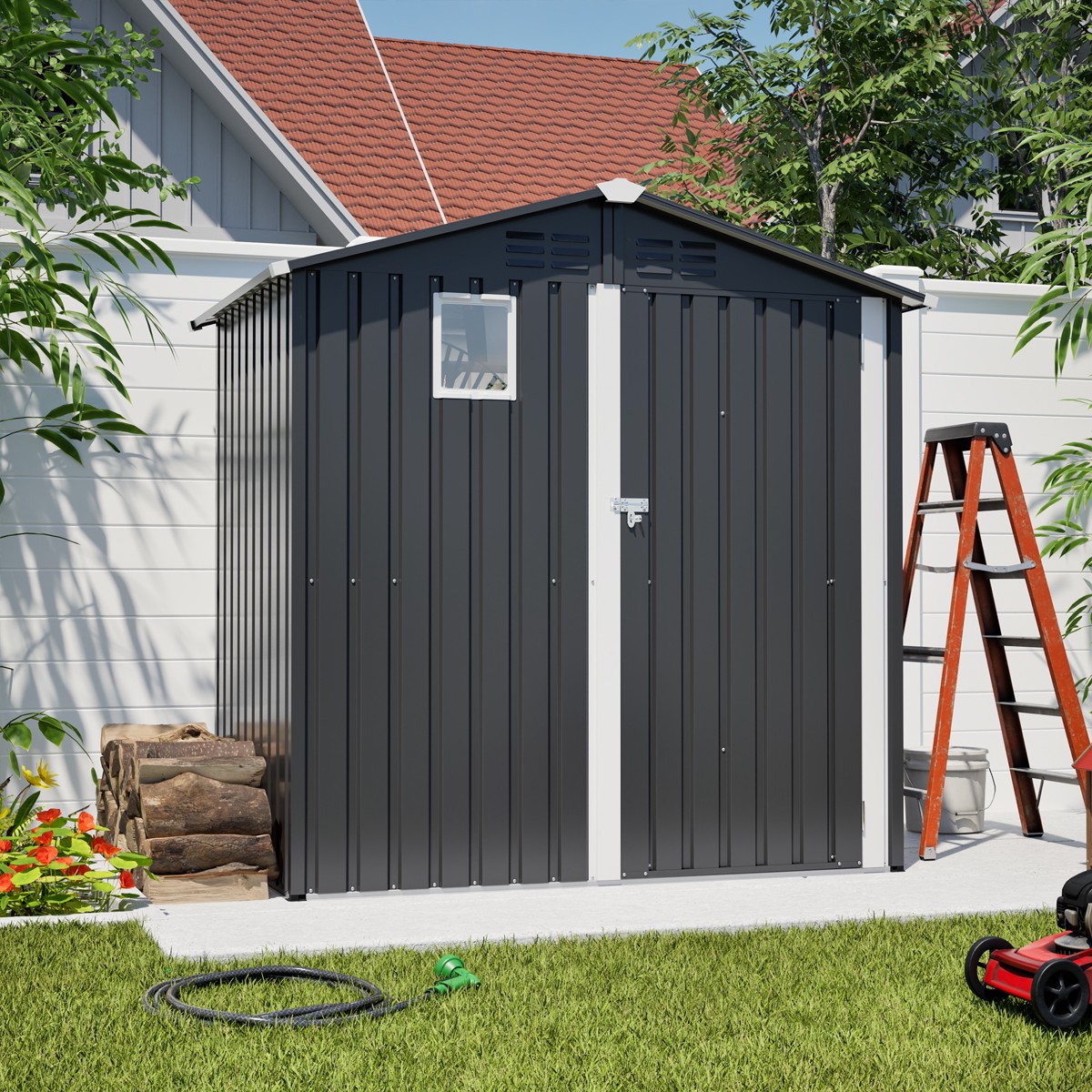 Metal Outdoor Storage Shed 6FT X 4FT, Steel Utility Tool House , Sheds For Backyard Garden Patio Lawn 6 X 4,Gray$208.99View on Mallflare
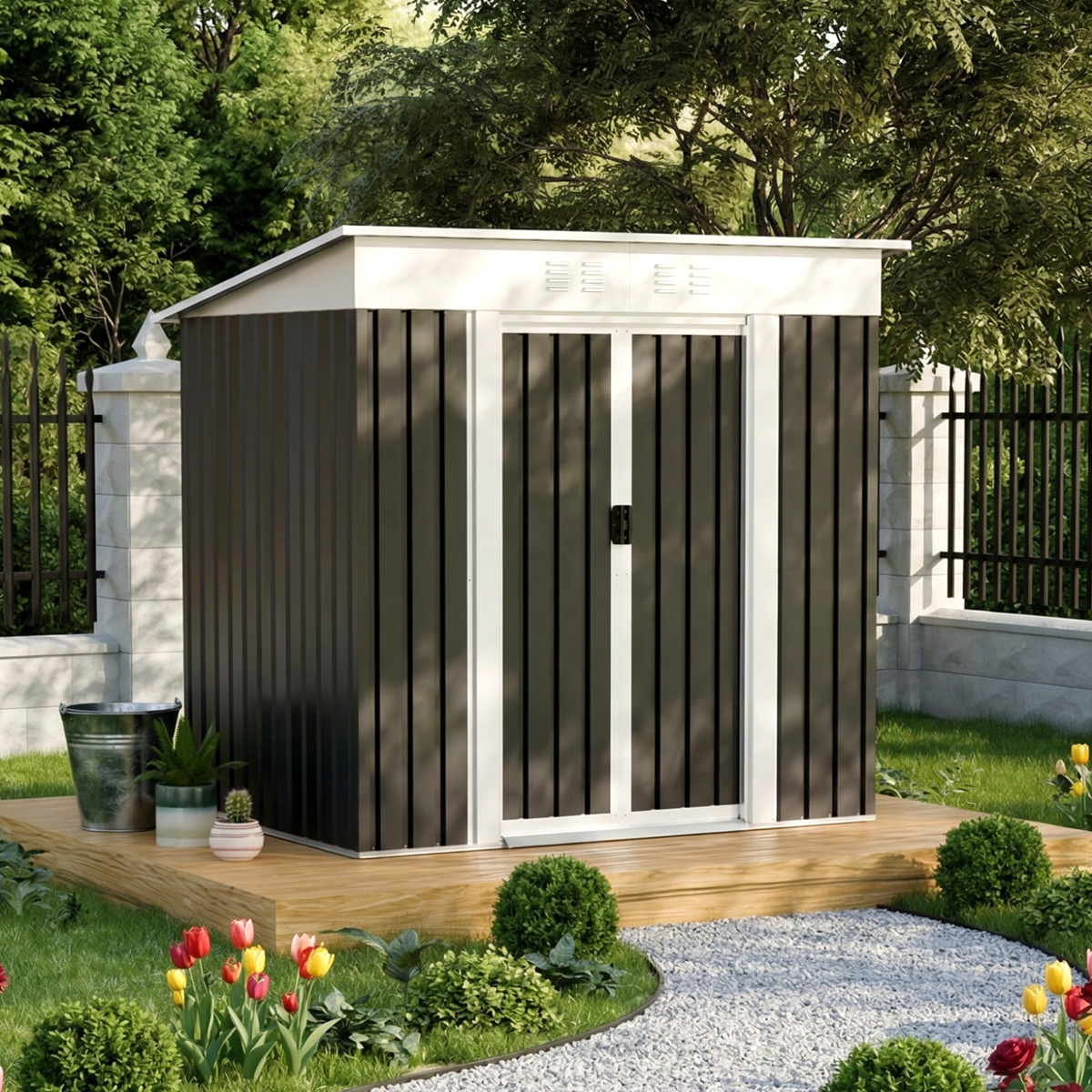 6x4 FT Garden Shed For Patio Outdoors Storage Metal Frame Design Sliding Door$208.99View on Mallflare
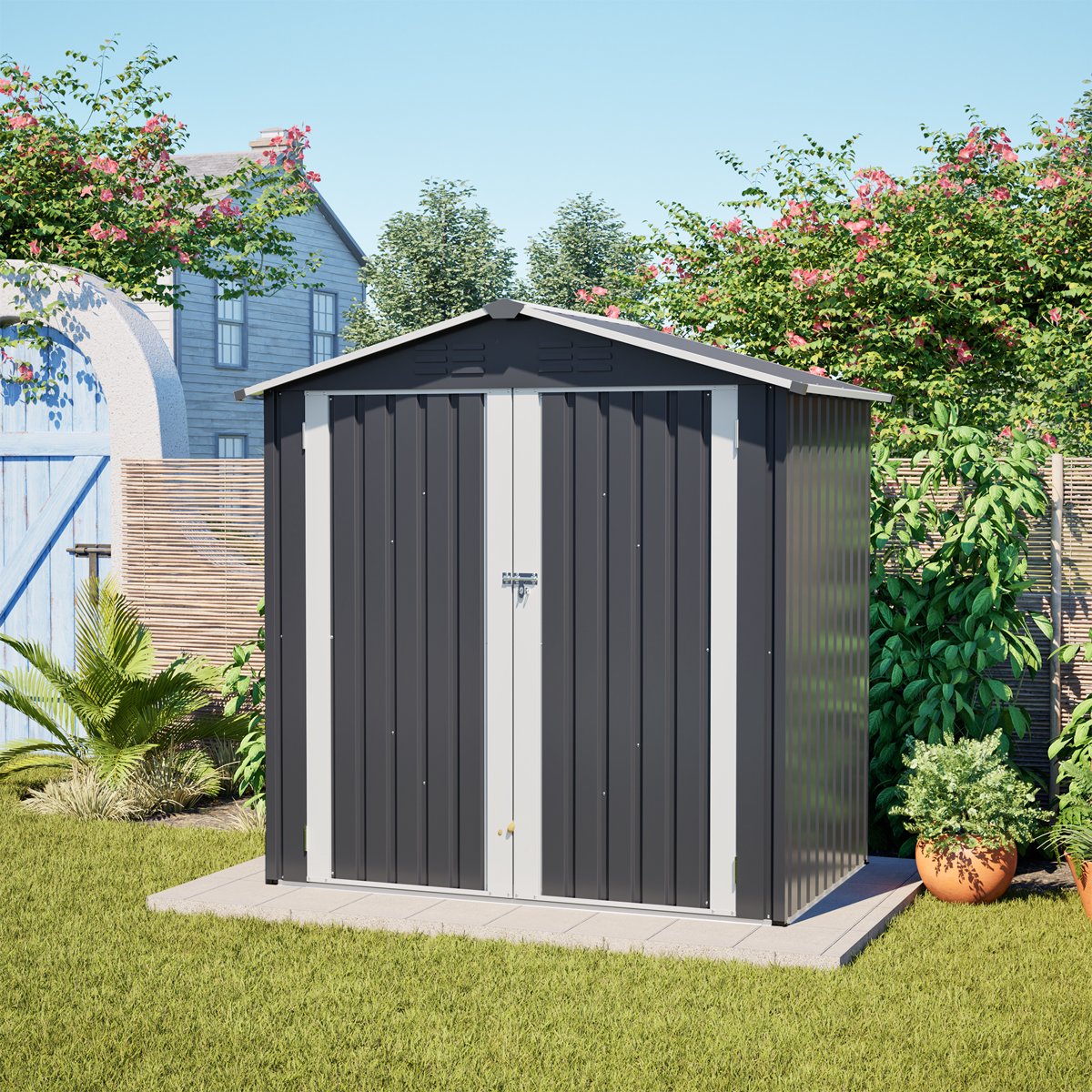 Metal Outdoor Storage Shed 6 X 4 FT With Lockable Door,Waterproof Garden Tool House For Patio Lawn,Gray$209.99View on Mallflare
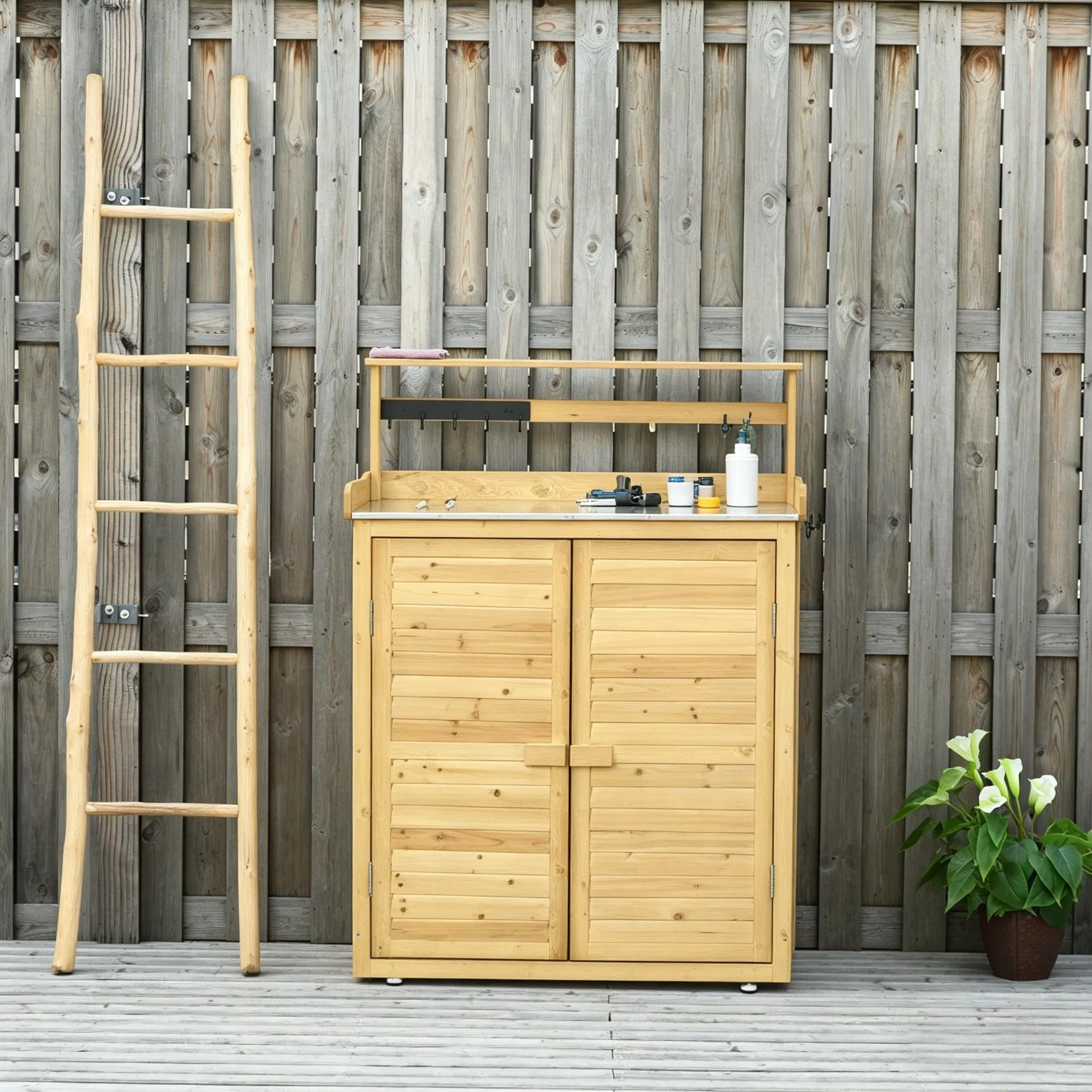 Outdoor Backyard Garden Tool Storage Shed with Potting Bench Large Interior 2Magnetic Close Doors for Organization And Convenience$230.99View on Mallflare
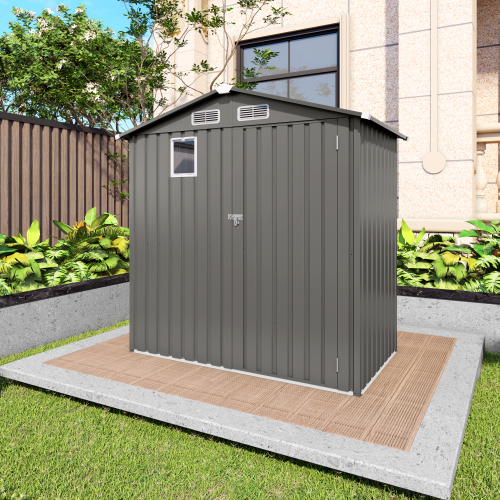 6X 3.6FT Metal Outdoor Storage Shed, Tool With Peaked Roof Watertight Clear Window And Lockable Door Compact Room For Garden, Backyard, Patio, Sundries And Bike Gray$248.99View on Mallflare
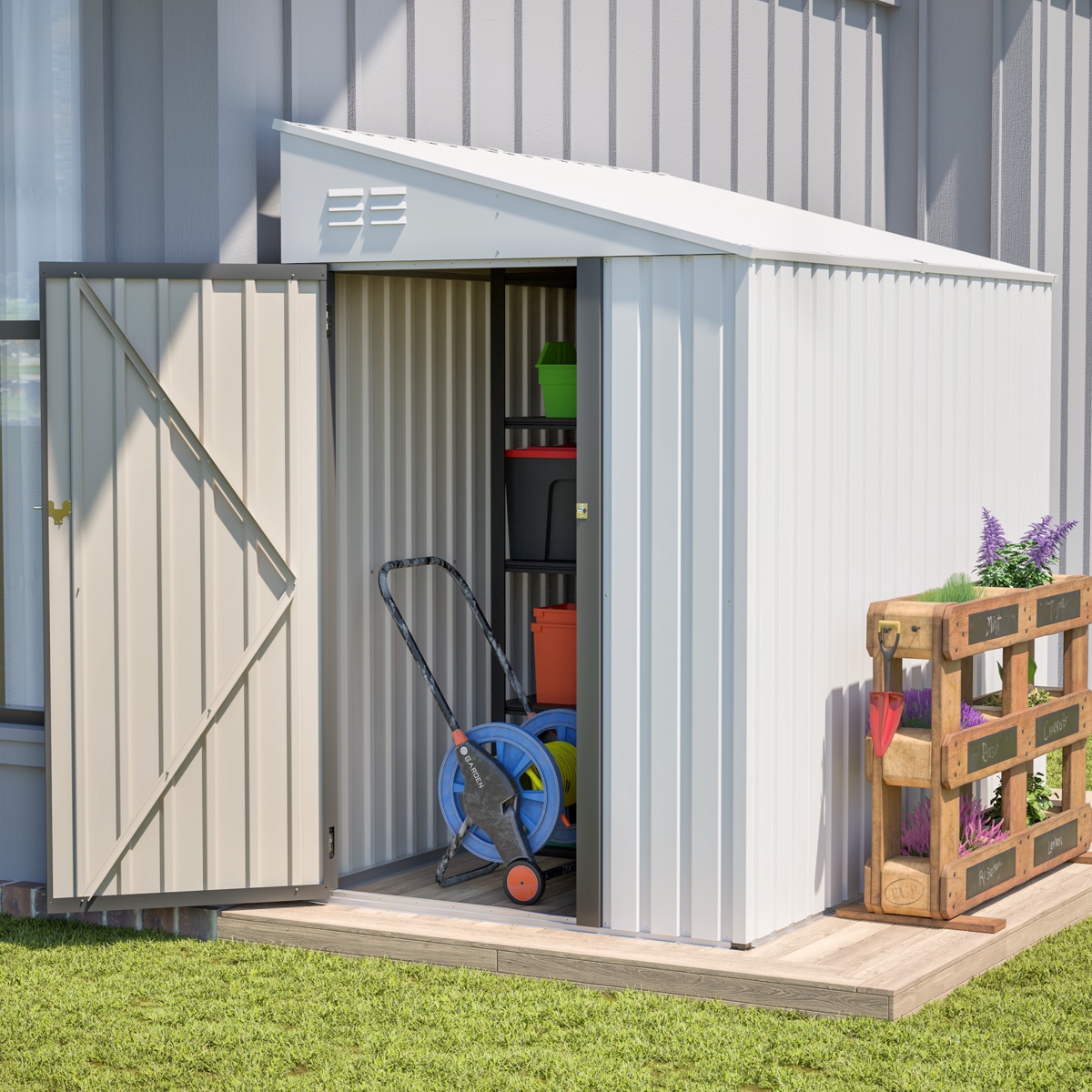 White 4 X 7 Lean-To Storage Shed, Heavy-Duty Metal Outdoor Garden & Bike With Lockable Door, Easy Assembly Solution$279.99View on Mallflare
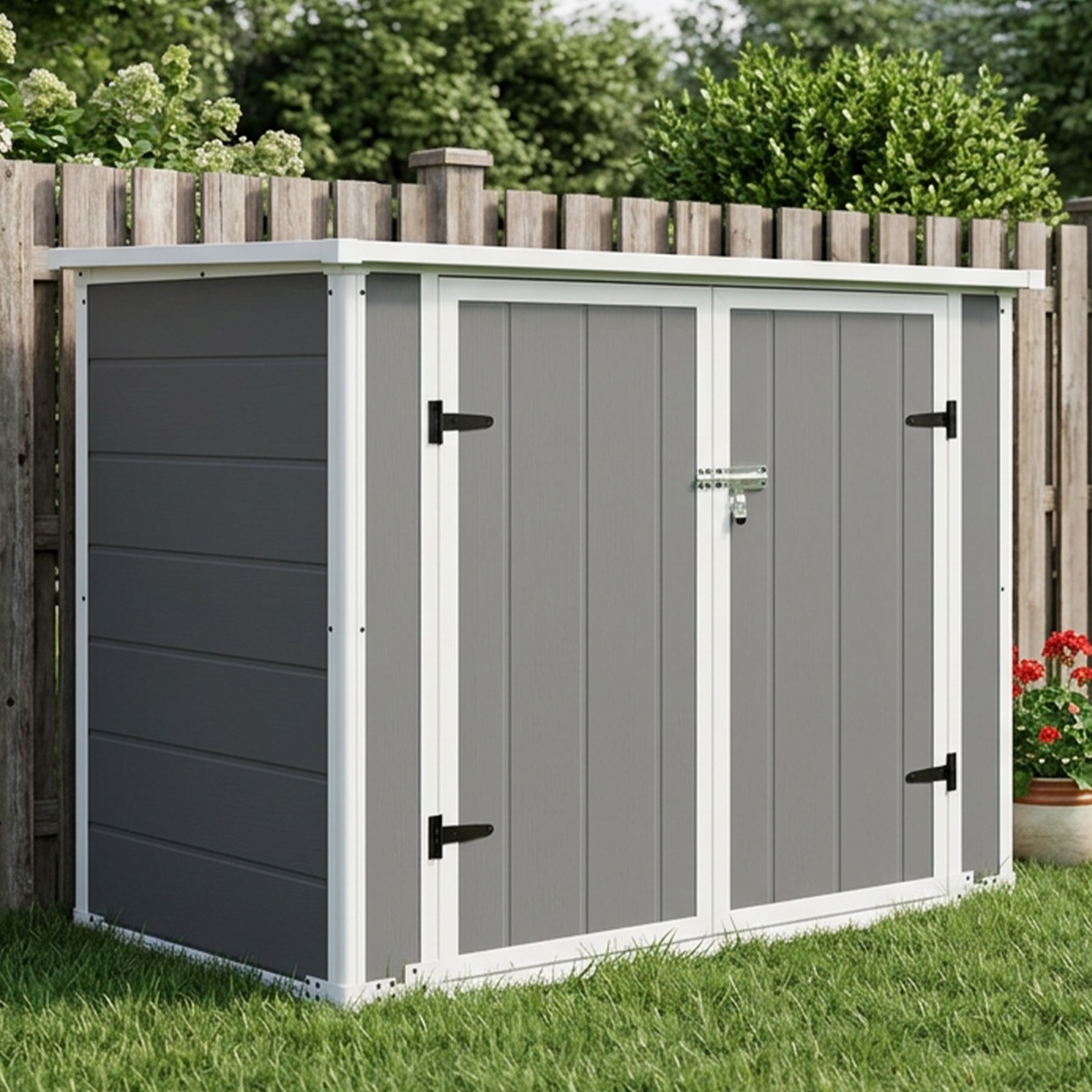 Horizontal Outdoor Storage Shed with Ramp & Hydraulic Lid, Lockable Waterproof Cabinet for Trash Cans, Tools & Firewood$285.99View on Mallflare
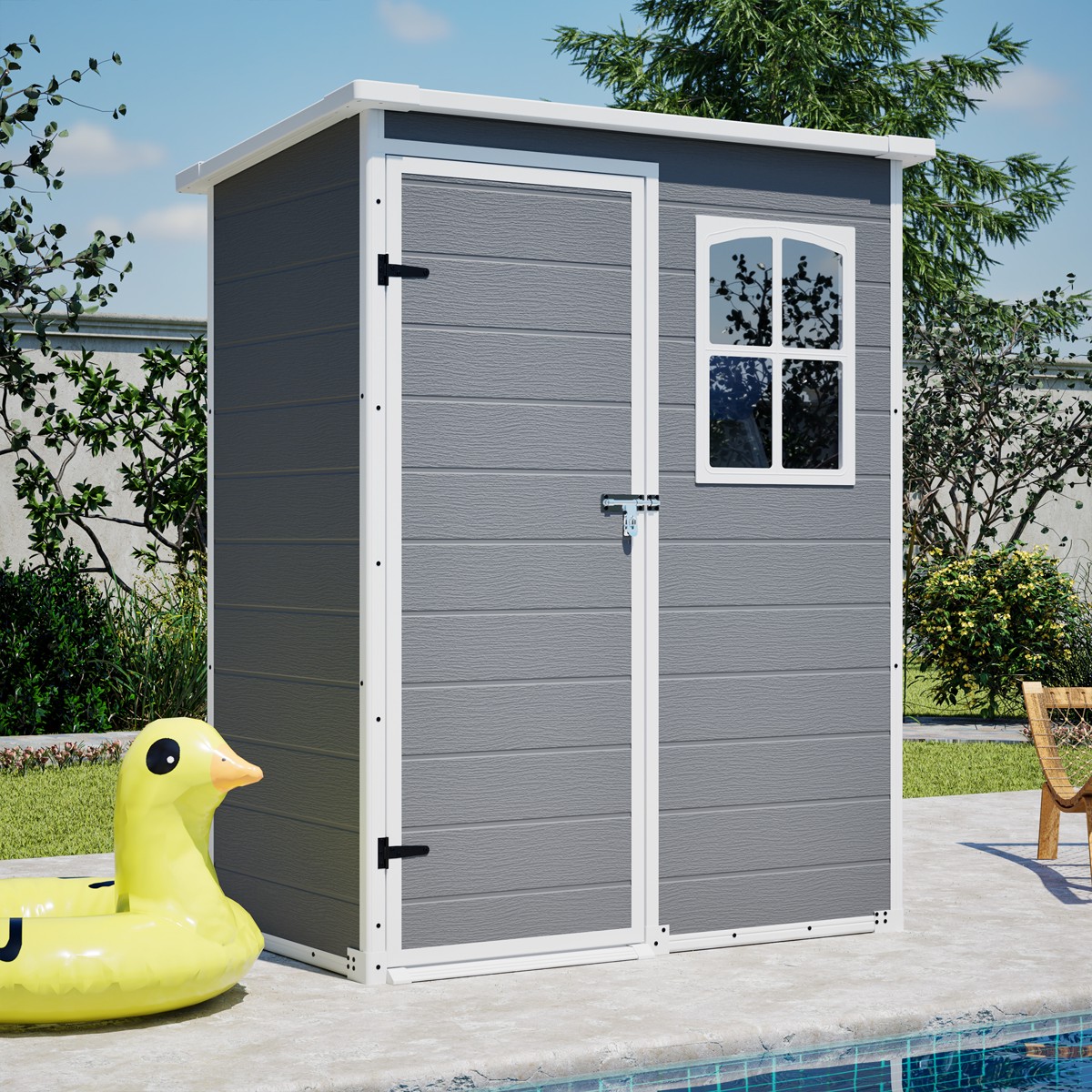 5x3ft Gray Resin Outdoor Storage Shed With Floor, Waterproof Lockable Design And Window - Ideal Tool & Garden For Backyard, Patio, Lawn$311.99View on Mallflare
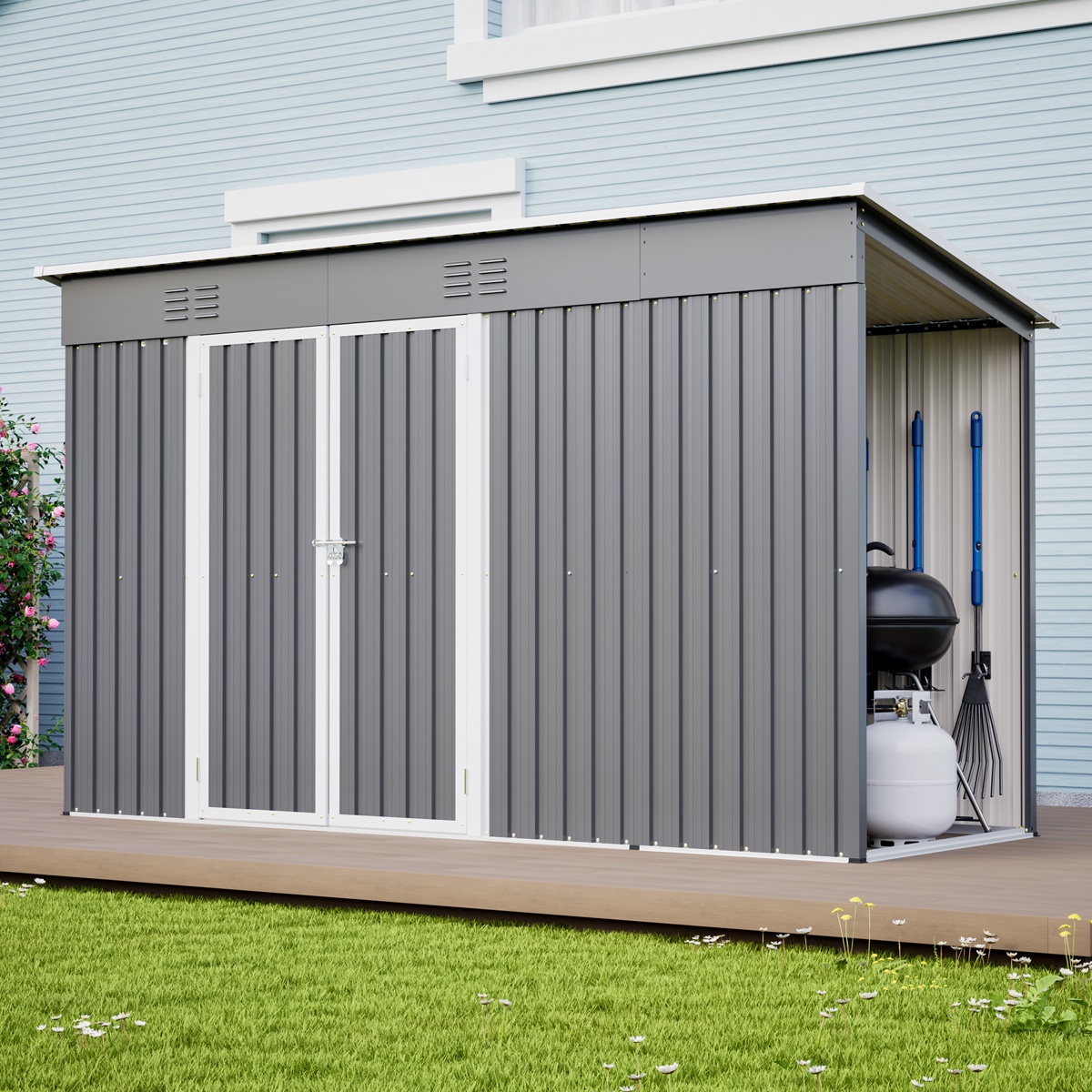 10 X4 Outdoor Metal Storage Shed For Garden Tools Lockable Door With Floor Frame$312.99View on Mallflare
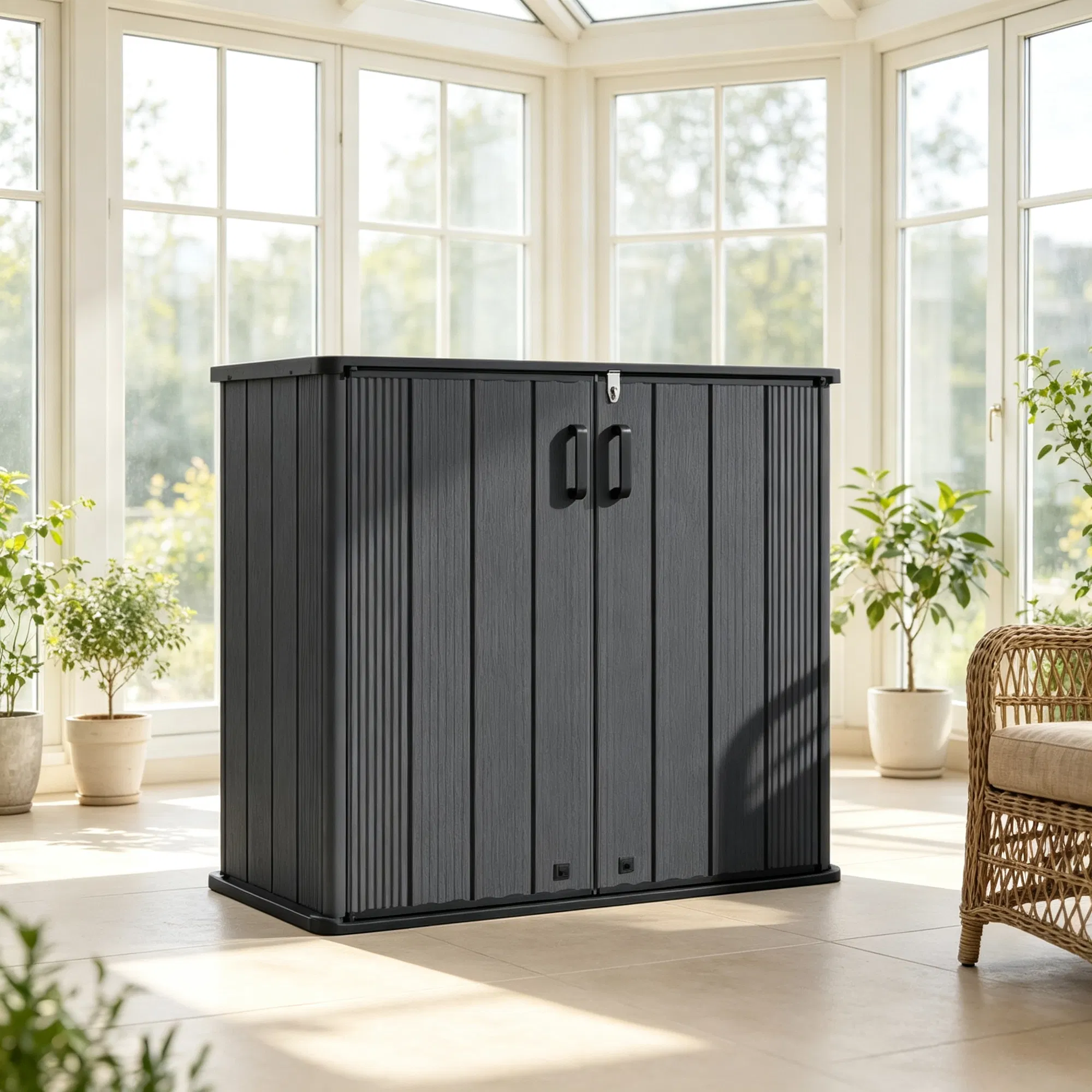 Outdoor Storage Box 23.5 Cu.ft All-Weather Lockable Floor Door Required Garden Equipment Shed for Lawn And$366.99View on Mallflare
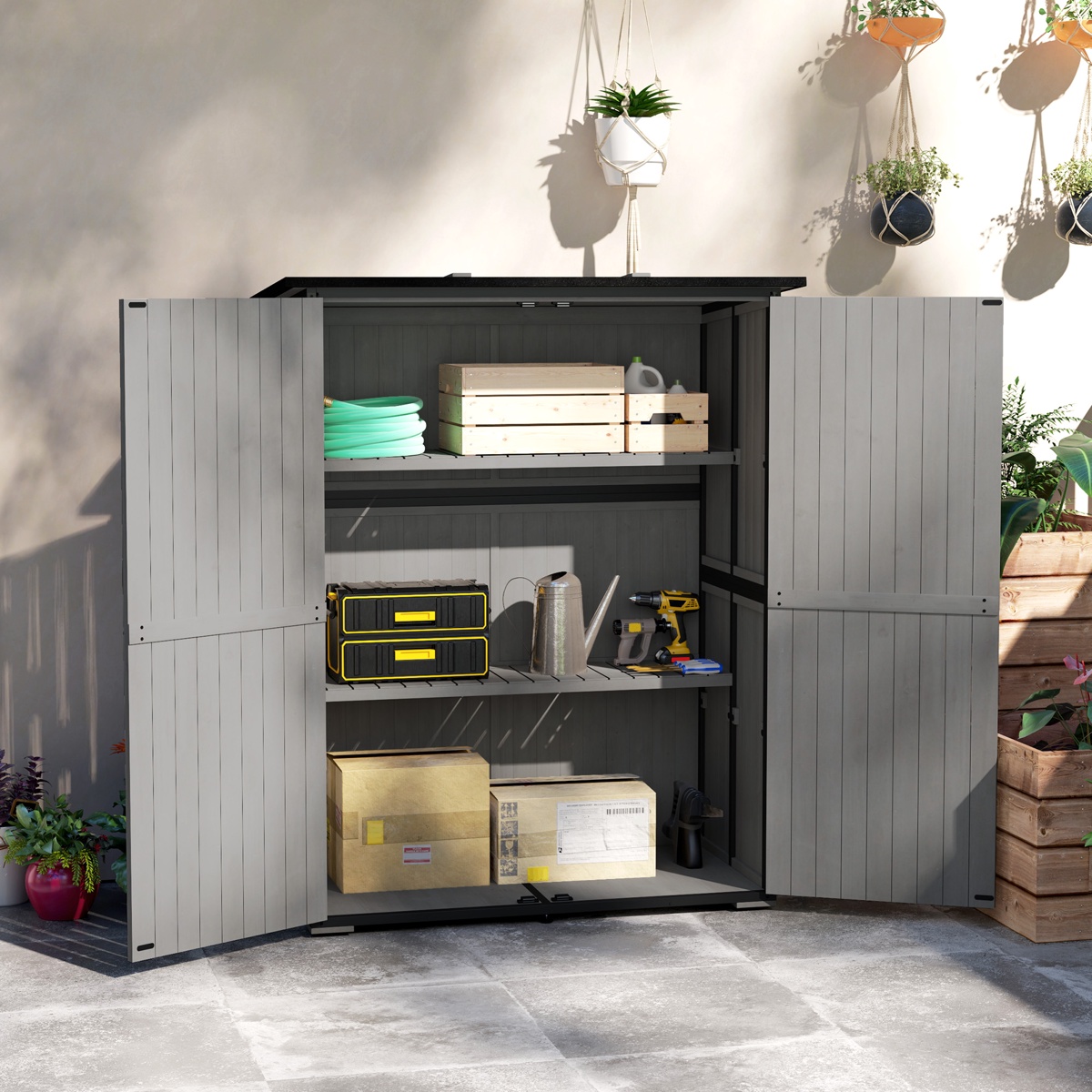 Wood Storage Shed, Outdoor Garden with Asphalt Roof, 2 Shelves, Lockable Doors and Adjustable Feet, Gray$395.99View on Mallflare
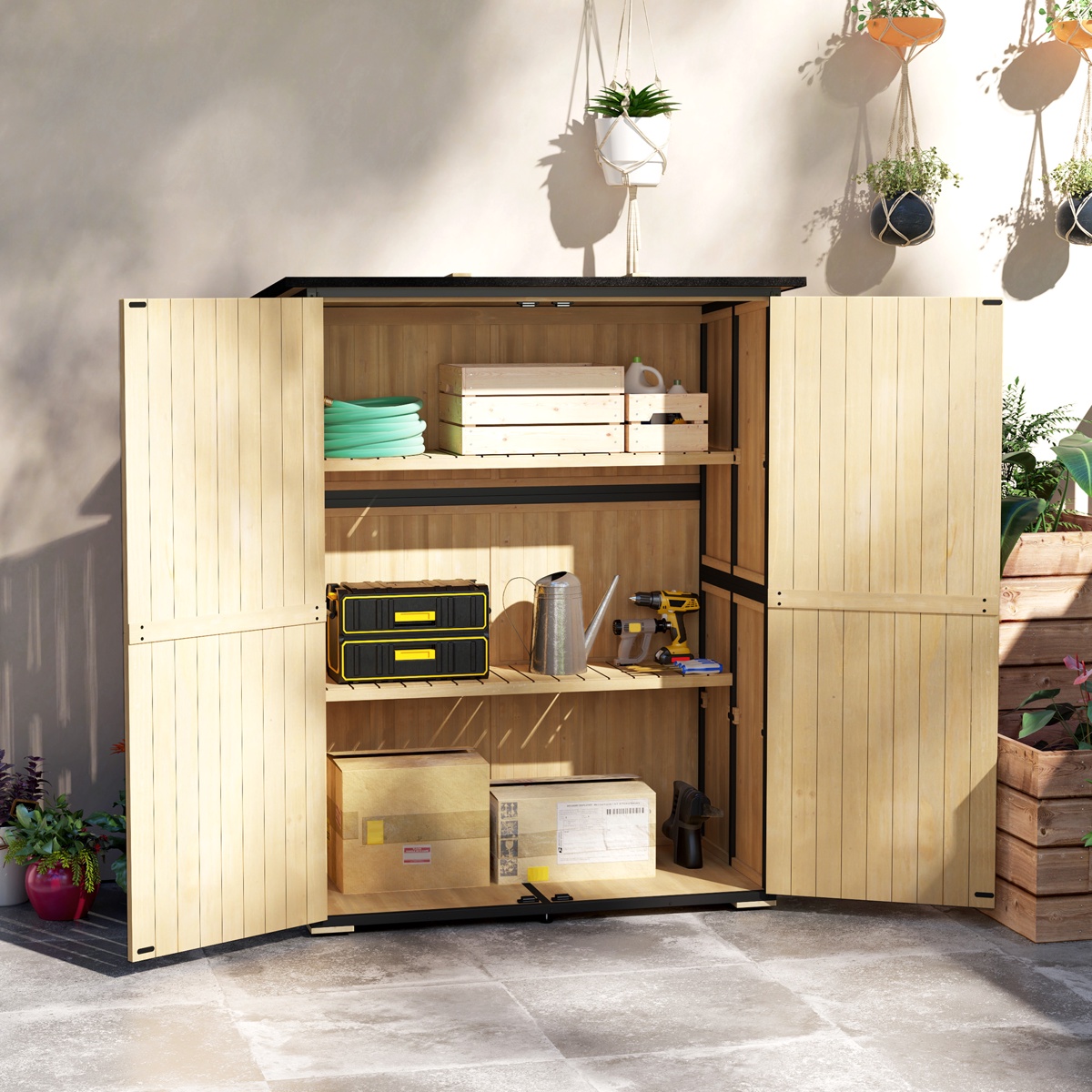 Wood Storage Shed, Outdoor Garden with Asphalt Roof, 2 Shelves, Lockable Doors and Adjustable Feet, Natural$395.99View on Mallflare
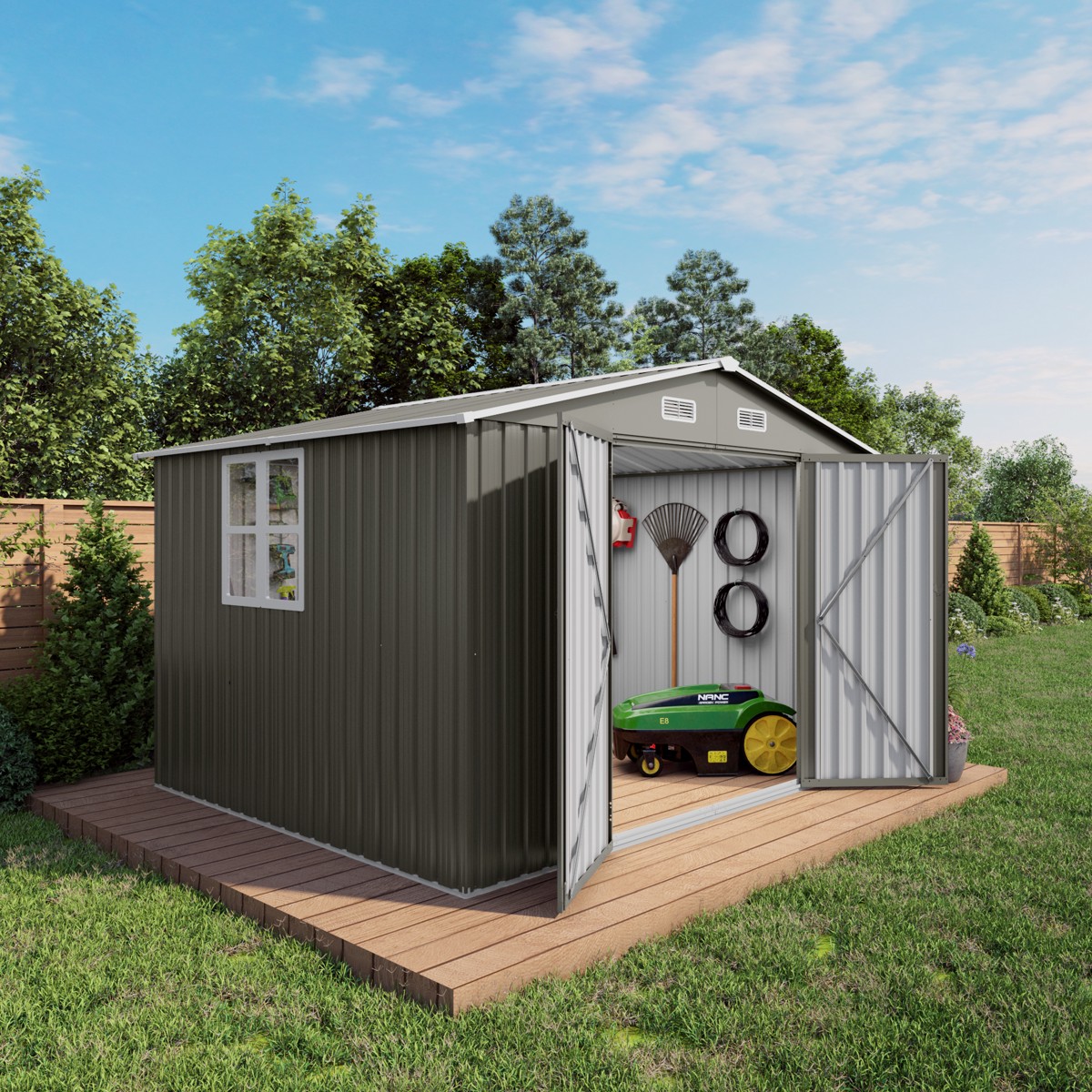 10 X 8 FT Outdoor Storage Shed, Large Metal Lockable Door And Air Vent, Clear Window Garden Tool For Bicycles, Tools, Lawnmowers, Backyards, Patios, Lawns - Gray$422.99View on Mallflare
Highlights
- Galvanized steel panels resist rust and denting; resin/plastic sheds never rust but can crack under heavy snow loads.
- Fabric and tent sheds use UV-treated polyester and powder-coated steel frames but typically lack snow-load ratings and locking security.
- Wood sheds offer superior insulation and can be painted or stained, but require annual maintenance and a level foundation.
- Anchoring is mandatory: steel and resin sheds must be bolted to a concrete slab or ground anchors to meet wind ratings.
Best use cases
- Best fit: a 5x3 or 6x4 ft galvanized steel shed with a peaked roof and lockable doors for garden tools and bikes in a side yard.
- Best fit: a resin cabinet-style shed with double doors and a lift-up lid for quick-access pool chemicals and patio cushions on a deck.
- Wrong fit: a fabric tent shed for storing lawnmowers or valuables in high-wind or snowy regions—it will tear and offers no security.
- Wrong fit: a wood shed without a pre-built level base—it will warp, rot, and void the manufacturer’s warranty.
Buying tips
- Measure your footprint including door swing: a 6x4 ft shed needs at least 7x5 ft of clear ground for assembly and access.
- For snow regions, select a shed with a peaked roof rated for at least 20 psf snow load; flat-roof resin cabinets are not suitable.
- Check door opening width: bikes need at least 32 inches clear; lawn tractors need 48 inches or double doors.
- Match foundation to shed type: steel and resin require a level concrete slab or pressure-treated timber base; fabric tents need staked ground.
Specs
| Material | Galvanized steel / resin / wood / fabric |
|---|---|
| Foundation | Concrete slab / timber base / ground stakes |
| Roof Type | Peaked / flat / lean-to |
| Wind Rating | Anchored: 65–90 mph; unanchored: none |
Related searches
What to check before buying
- Confirm local zoning: sheds under 100 sq ft often need no permit, but setbacks from property lines still apply.
- Verify ground slope: a 2% slope is acceptable for fabric tents, but steel and resin sheds require a flat base within 1/8 inch per foot.
- Check anchoring hardware: include ground anchors or bolts for wind ratings; most kits include them but confirm.
- Ensure a power source or hand tools for assembly: steel sheds need a nut driver and ladder; allow 4–6 hours for two people.
FAQ
Data sources: eBay / Amazon listings and product attribute feeds. Updated Nov 28, 2026.
Some links on this page are affiliate links. If you buy after clicking one, we may earn a commission at no extra cost to you. This does not change which products appear here or their order. Affiliate disclosure.