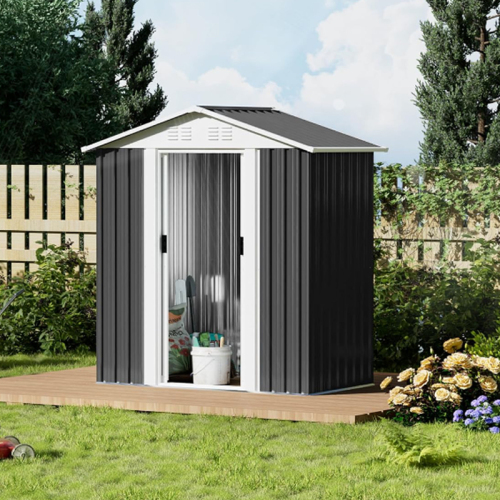

Photos from current listings. Actual item, color, and included accessories may vary.
Aluminum Storage Shed Buying Guide
Aluminum storage sheds are lightweight, rust-proof outdoor structures that use aluminum framing with either aluminum or steel wall panels, trading the rigidity of galvanized steel for corrosion resistance and easier DIY assembly. The primary trade-off is frame gauge and panel material: thin 0.8mm aluminum skins and light 1.2mm frames dent and flex, while 1.5mm+ frames with reinforced gussets and 0.6mm+ steel or 1.0mm+ aluminum panels hold shape under wind and snow load. The decision rule: buy by wind/snow rating and anchor method first, then footprint, and treat any shed without a rated wind load or slab anchoring kit as a fair-weather compromise.
Median $333.49
Key takeaways
- Frame gauge drives durability: 1.2mm aluminum is light-duty DIY, 1.5–2.0mm with corner gussets is semi-permanent, and only thick-gauge frames survive sustained 70+ mph winds.
- Panel material separates tiers: aluminum panels never rust but dent easily at 0.8mm; 0.5–0.6mm galvanized steel panels resist impact better but need edge sealing against rust.
- Roof load is the failure point: most kit sheds carry 15–20 psf; areas with 30+ psf snow load need steep-pitch roofs and closer purlin spacing, not flat tops.
At a glance
- Category
- Outdoor Storage
- Last updated
- Nov 28, 2026
Current offers
Highlights
- Frame gauge drives durability: 1.2mm aluminum is light-duty DIY, 1.5–2.0mm with corner gussets is semi-permanent, and only thick-gauge frames survive sustained 70+ mph winds.
- Panel material separates tiers: aluminum panels never rust but dent easily at 0.8mm; 0.5–0.6mm galvanized steel panels resist impact better but need edge sealing against rust.
- Roof load is the failure point: most kit sheds carry 15–20 psf; areas with 30+ psf snow load need steep-pitch roofs and closer purlin spacing, not flat tops.
- Anchoring determines real wind rating: every shed needs either a concrete slab with wedge anchors or a ground-anchor kit with helical piles; the panels are rarely the weak link.
Best use cases
- Best fit for a 5x3 ft aluminum shed: tight side-yard or patio storage for mowers, bikes, and tools where a rust-proof light structure matters more than walk-in space.
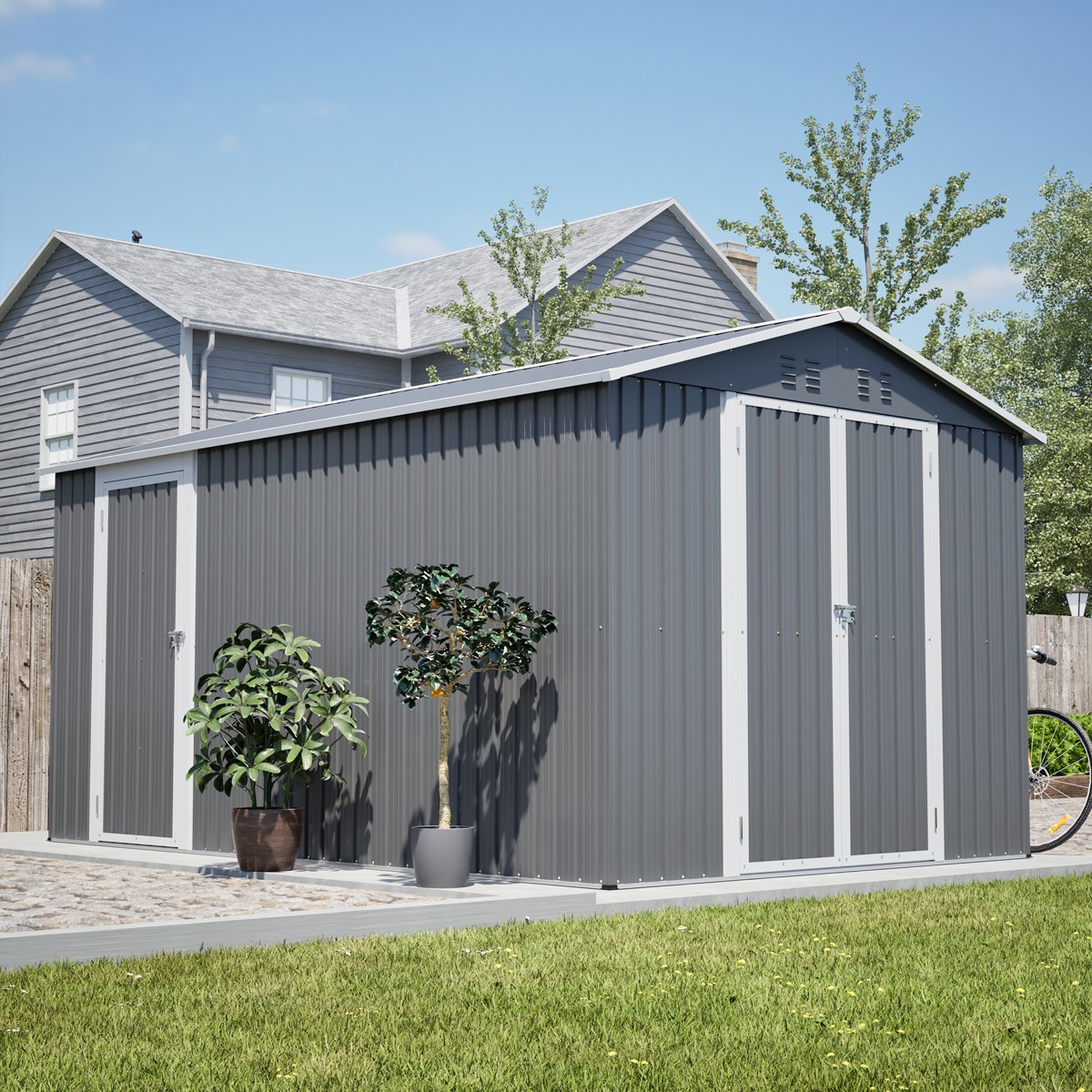
- Best fit for an 8x12 ft aluminum-frame shed: backyard tool and equipment storage with double-door access; choose the side-door version only if you need a second entry point for long items.
- Wrong fit: heavy snow-belt or high-wind coastal properties without upgrading to a rated steel-frame shed or a reinforced aluminum model with documented wind/snow load and slab anchoring.
- Wrong fit: storing high-value power equipment in an unanchored thin-panel kit shed; impact and pry resistance are low, so pair it with a lockable hardened hasp and a poured slab.
Buying tips
- Measure the slab first: a nominal 8x12 ft shed needs a footprint about 2–4 inches larger than the base rails on each side for anchoring and drainage.
- Match wall height to use: 6 ft walls suit shelving and walk-in access; 5 ft walls are for lawn equipment only and will feel cramped for standing work.
- Confirm door clearance: double doors typically give 4–5 ft of width; verify the opening exceeds your widest item (riding mower, wheelbarrow) before buying.
- Pick anchoring by surface: concrete slab uses wedge anchors, gravel or soil needs helical ground anchors or a treated timber base; never rely on the shed's own weight alone.
Specs
| Frame Material | Aluminum vs galvanized steel |
|---|---|
| Frame Gauge | 1.2mm light / 1.5–2.0mm heavy |
| Panel Type | Aluminum vs steel / double-wall |
| Wind & Snow Rating | 70+ mph / 15–30+ psf |
Related searches
What to check before buying
- Slab or base: confirm a level concrete pad or compacted gravel base sized 2–4 inches beyond the shed footprint, with slope for drainage.
- Wind and snow load: know your local ground snow load (psf) and design wind speed; reject any shed without a stated rating that meets them.
- Local code and HOA: check setback rules and permit thresholds for accessory structures, which often trigger above 100–120 sq ft.
- Door swing and access: verify the door opening width and swing clearance against your widest stored item and the path to the shed.
FAQ
Data sources: eBay / Amazon listings and product attribute feeds. Updated Nov 28, 2026.
Some links on this page are affiliate links. If you buy after clicking one, we may earn a commission at no extra cost to you. This does not change which products appear here or their order. Affiliate disclosure.