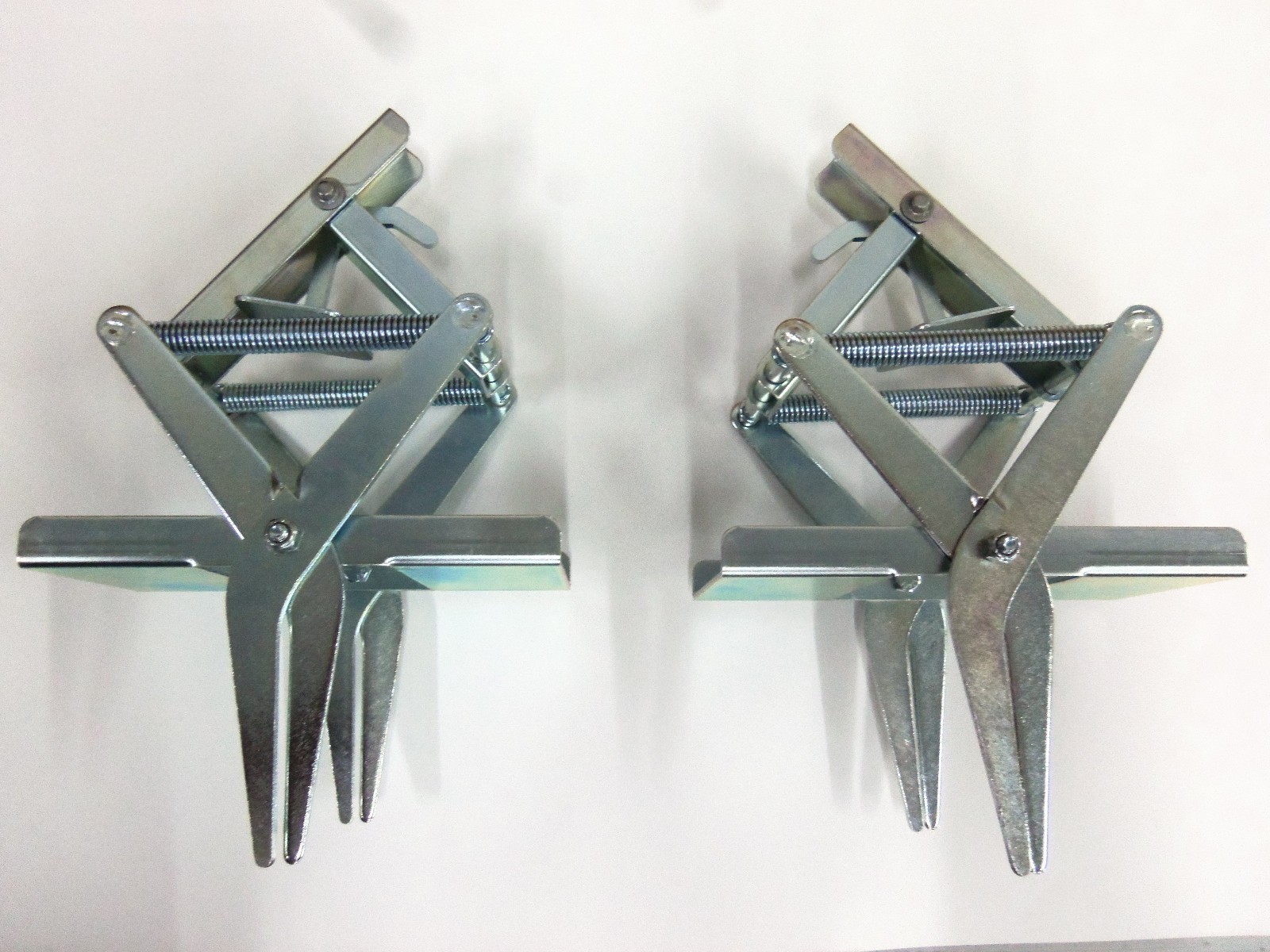

Photos from current listings. Actual item, color, and included accessories may vary.
Wire Tek 1001 Buying Guide
The Wire Tek 1001 is a spring-loaded, easy-set mole trap designed for residential lawns where moles are pushing up ridges and mounds. Its all-steel construction and step-on setting mechanism make it a durable, reusable option for homeowners who want a no-poison, kill-trap solution. Buyers should focus on tunnel identification and soil conditions rather than trap count, since correct placement determines success more than any product feature.
Key takeaways
- The 1001 uses a dual-spring, scissor-jaw mechanism that is set by stepping on the foot pedal, eliminating the need for kneeling or hand-cocking.
- Constructed from galvanized steel with a weather-resistant finish, it is built for repeated outdoor use and resists rust in wet soil.
- Triggered by a sensitive trip pan that sits in the active tunnel, the trap fires when a mole displaces soil while traveling.
At a glance
- Category
- Lawn Care
- Status
- Listings available
- Last updated
- Nov 27, 2026
Current offers
Highlights
- The 1001 uses a dual-spring, scissor-jaw mechanism that is set by stepping on the foot pedal, eliminating the need for kneeling or hand-cocking.
- Constructed from galvanized steel with a weather-resistant finish, it is built for repeated outdoor use and resists rust in wet soil.
- Triggered by a sensitive trip pan that sits in the active tunnel, the trap fires when a mole displaces soil while traveling.
- Made in the United States with a fixed jaw width sized for typical Eastern mole tunnels, which are roughly 2 to 2.5 inches in diameter.
Best use cases
- Best fit: homeowners with active surface tunnels in lawns or gardens who want a reusable, poison-free trap and are willing to locate tunnels by probing. Choose the 1001 for standard 2-inch tunnel systems.
- Also best fit: repeated seasonal use where durability matters; galvanized steel outlasts plastic-bodied traps and the step-on set reduces strain.
- Wrong fit: gopher or vole control, or tunnels wider than 3 inches—the 1001 jaw spread is sized for moles, and larger rodents will not trigger it reliably. Skip it for pocket-gopher runs.
Buying tips
- Prioritize tunnel verification: press down a raised ridge with your thumb; if it gives easily, that is an active feeding tunnel and a valid set location.
- Choose the 1001 only if your soil is loam or sandy loam; in heavy clay or rocky ground, the jaws may not close fully, so consider a plunger-style trap instead.
- Check that you are comfortable with a lethal trap—the 1001 is a kill mechanism, not a live catch; if relocation is required, skip it and use a live trap.
- Inspect the trip pan tension before setting; a pan that fires under light finger pressure is correctly sensitive for moles, while a stiff pan will miss lightweight triggers.
Specs
| Trap Type | Spring-loaded scissor-jaw kill trap |
|---|---|
| Target Pest | Moles (2-2.5 in tunnels) |
| Construction | Galvanized steel, weather-resistant |
| Setting Method | Step-on foot pedal |
Alternatives to compare
Related searches
What to check before buying
- Confirm you have active mole tunnels: look for fresh ridges within 24 hours, and probe with a rod to find a straight run at least 6 inches long.
- Measure tunnel diameter by inserting a probe; the 1001 fits tunnels roughly 2 to 2.5 inches wide—larger runs may not trigger the pan.
- Ensure you have a setting tool or sturdy boot for the step-on pedal, and gloves for handling—moles carry scent that can deter re-entry.
FAQ
Data sources: eBay / Amazon listings and product attribute feeds. Updated Nov 27, 2026.
Some links on this page are affiliate links. If you buy after clicking one, we may earn a commission at no extra cost to you. This does not change which products appear here or their order. Affiliate disclosure.