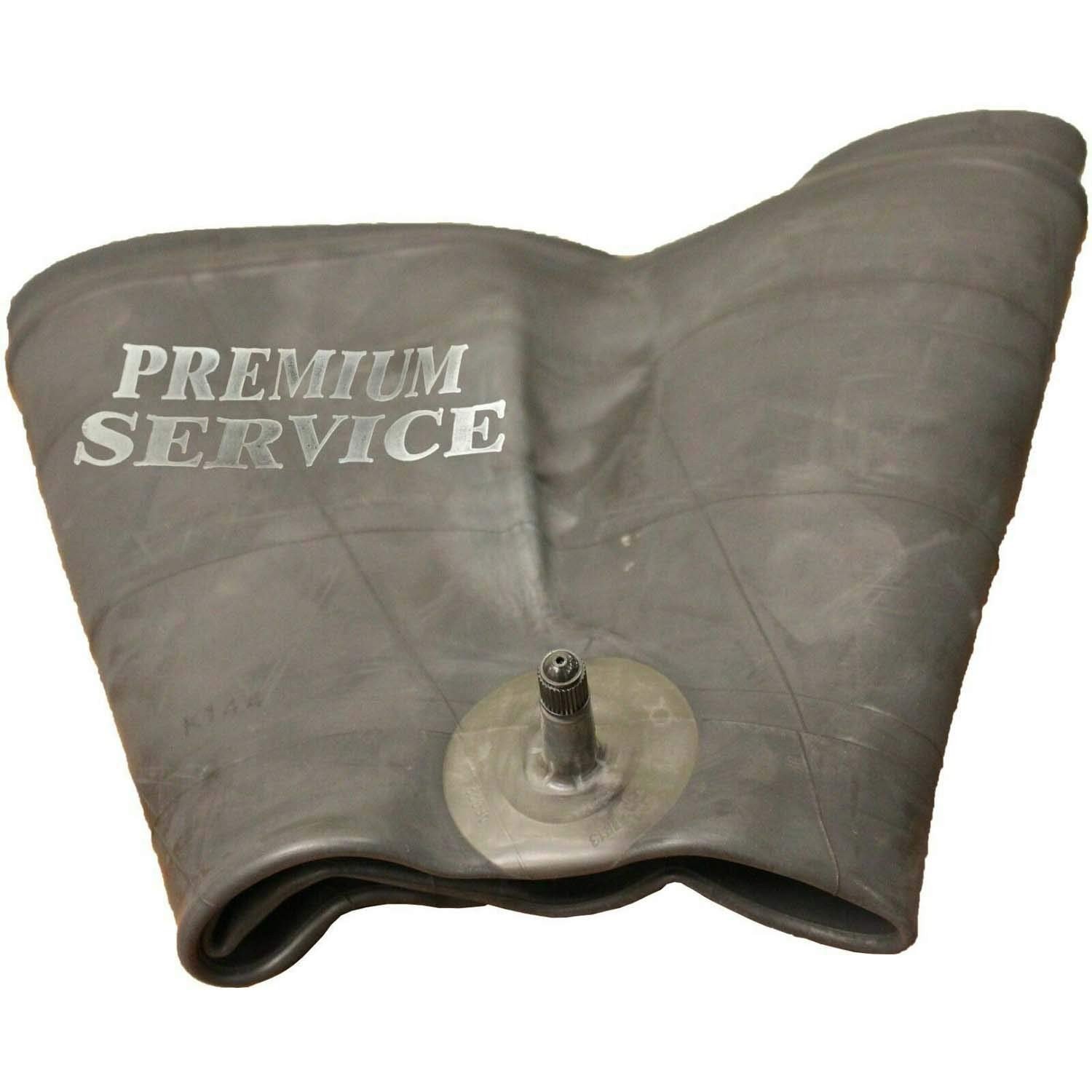

Photos from current listings. Actual item, color, and included accessories may vary.
Lawn Service Buying Guide
Lawn service encompasses two distinct purchases: hiring a recurring maintenance crew or buying the durable pneumatic inner tubes and tires that keep mowers and utility tractors rolling. The core trade-off is between labor convenience (subscription crews) and equipment longevity (butyl-rubber tubes versus cheap natural rubber). Choose butyl tubes for heat resistance and air retention, and hire a service only when mowing time exceeds your available weekend hours.
Median $33.97
Key takeaways
- Butyl rubber inner tubes retain air 3–5x longer than natural rubber and resist heat buildup from continuous mower deck vibration.
- TR13 valve stems are the industry-standard snap-in metal stem for lawn and garden wheels; TR87 is the bent-metal alternative for tight axle clearances.
- Tire size 24x12.00-12 indicates a 24-inch outer diameter, 12-inch width, and 12-inch rim — always match all three numbers exactly.
At a glance
- Category
- Lawn Care
- Last updated
- Nov 28, 2026
Current offers
Highlights
- Butyl rubber inner tubes retain air 3–5x longer than natural rubber and resist heat buildup from continuous mower deck vibration.
- TR13 valve stems are the industry-standard snap-in metal stem for lawn and garden wheels; TR87 is the bent-metal alternative for tight axle clearances.
- Tire size 24x12.00-12 indicates a 24-inch outer diameter, 12-inch width, and 12-inch rim — always match all three numbers exactly.
- Commercial mower tires use 4-ply or 6-ply rated sidewalls; homeowner duty tires are typically 2-ply and puncture more easily on rough terrain.
Best use cases
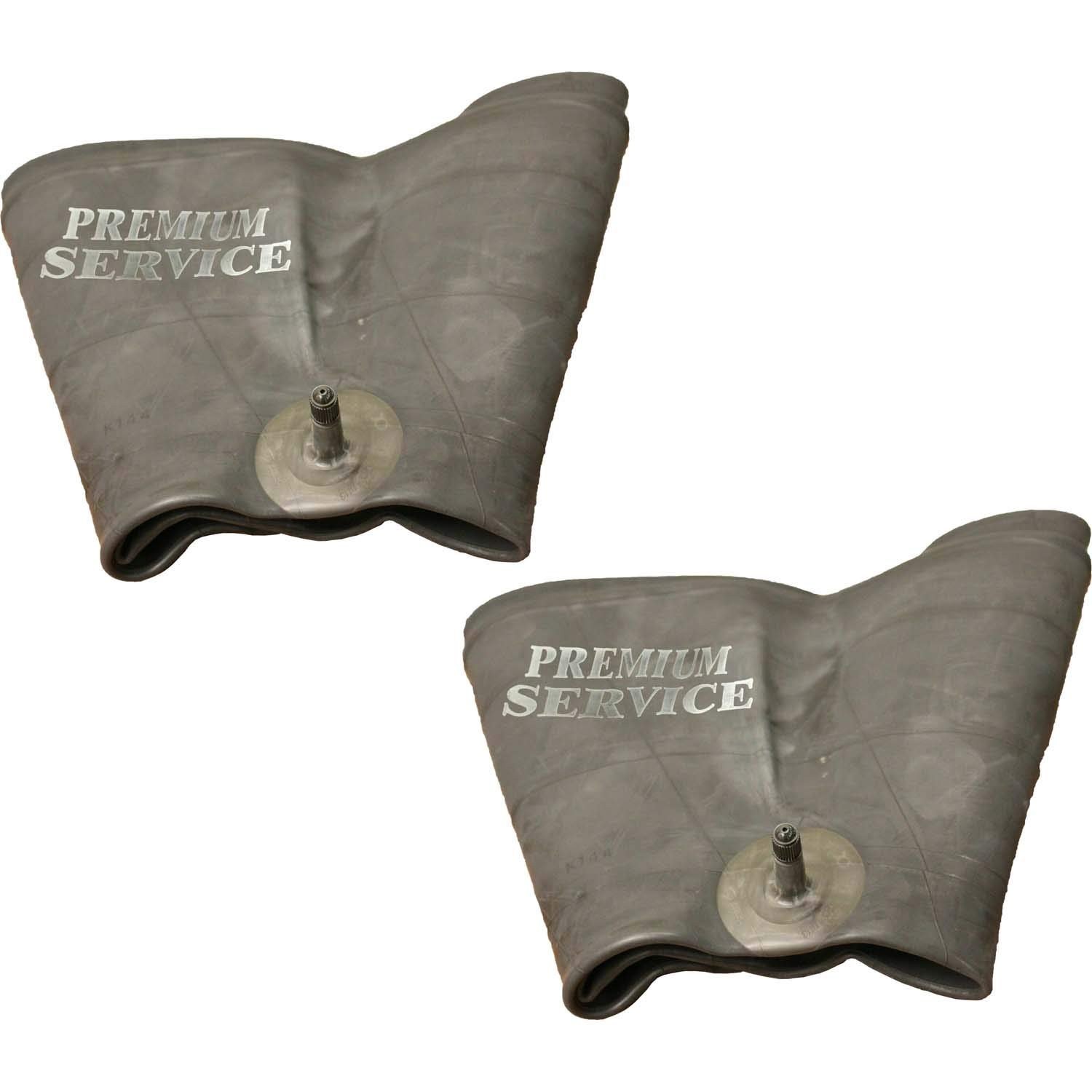
- Best fit: Butyl TR13 tubes in 24x12.00-12 for zero-turn mowers and garden tractors running daily on rough or thorny ground — buy the 2-pack for front and rear spares.
- Wrong fit: Natural-rubber bargain tubes for commercial crews; they lose pressure weekly and fail at valve-stem seams under heat cycling.
- Best fit: Hiring a lawn service for lots over 1/4 acre with steep slopes or edging-heavy landscaping where a crew's commercial equipment outperforms homeowner gear.
- Wrong fit: Subscription lawn service for a small, flat, low-maintenance yard under 5,000 sq ft — a quality walk-behind mower and butyl-tube tires cost less over two seasons.
Buying tips
- Match all three tire numbers (e.g., 24x12.00-12) before buying a tube; a 24x12-12 tube will not seal a 24x12.00-12 tire correctly.
- Specify butyl rubber, not 'natural rubber' or 'rubber blend,' for any tube exposed to summer heat and continuous mower vibration.
- For wheels with less than 1 inch of axle clearance, choose a TR87 bent valve stem instead of the straight TR13.
- Confirm ply rating when replacing a tire: 4-ply minimum for slopes and hauling, 2-ply only for flat decorative lawns.
Specs
| Tube Material | Butyl rubber vs natural rubber |
|---|---|
| Valve Stem Type | TR13 straight / TR87 bent |
| Tire Size Format | Diameter x Width - Rim (e.g. 24x12.00-12) |
| Ply Rating | 2-ply homeowner / 4-6 ply commercial |
Related searches
What to check before buying
- Measure the tire sidewall for all three dimensions (outer diameter x width - rim diameter) before ordering any tube.
- Check valve-stem hole diameter: TR13 requires a 0.453-inch rim hole; smaller holes need a TR87 or TR4 stem.
- Verify your mower's wheel rim width matches the tube's intended rim range — a 12-inch rim tube fits only 12-inch rims.
- If hiring a service, confirm the crew carries licensing and liability insurance and specifies mowing height and edging frequency in the contract.
FAQ
Data sources: eBay / Amazon listings and product attribute feeds. Updated Nov 28, 2026.
Some links on this page are affiliate links. If you buy after clicking one, we may earn a commission at no extra cost to you. This does not change which products appear here or their order. Affiliate disclosure.