
Photos from current listings. Actual item, color, and included accessories may vary.
Fertilizer Buying Guide
Lawn fertilizer is a granular or liquid product defined by its N-P-K ratio and release mechanism, which together determine whether it feeds grass steadily or burns it. The core trade-off is between fast-release nitrogen for quick greening and slow-release or organic nitrogen for safe, sustained feeding. Buy slow-release or organic blends for established lawns; skip high-analysis fast-release products unless you are prepared to water-in immediately and accept burn risk.
Median $22.99
Key takeaways
- N-P-K analysis drives everything: a 13-13-13 balanced blend supports establishment, while a 1-0-0 or high-N fall product targets greening or winterizing specifically.
- Slow-release nitrogen (water-insoluble nitrogen, or WIN) should be at least 30% of total N for safety; fast-release urea and ammonium sulfate green fast but burn in heat.
- Granular products are measured in pounds per 1,000 sq ft (typically 1 lb N per 1,000 sq ft); liquids are diluted and sprayed, covering faster but with less residual feeding.
At a glance
- Category
- Lawn Care
- Last updated
- Nov 27, 2026
Current offers
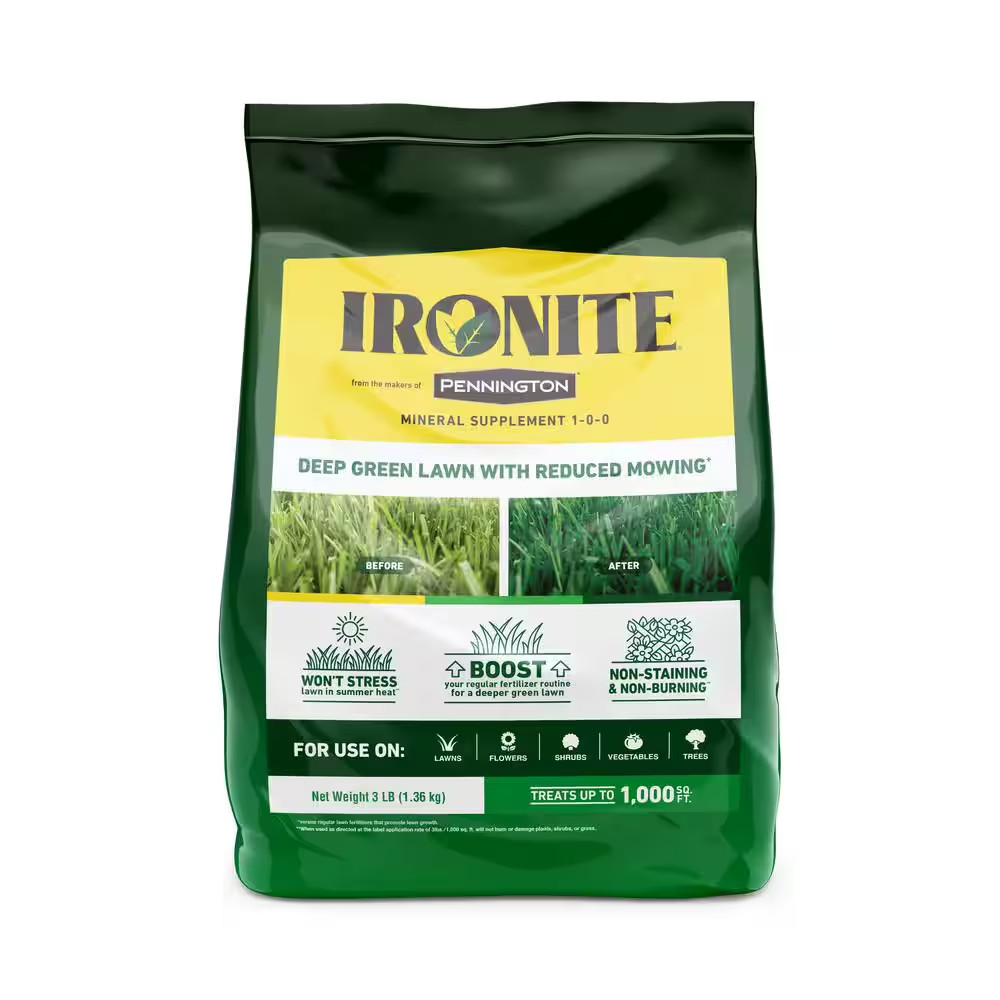 3 Lb. 1,000 Sq. Ft. Dry Lawn and Garden Fertilizer 1-0-0$14.26View on eBay
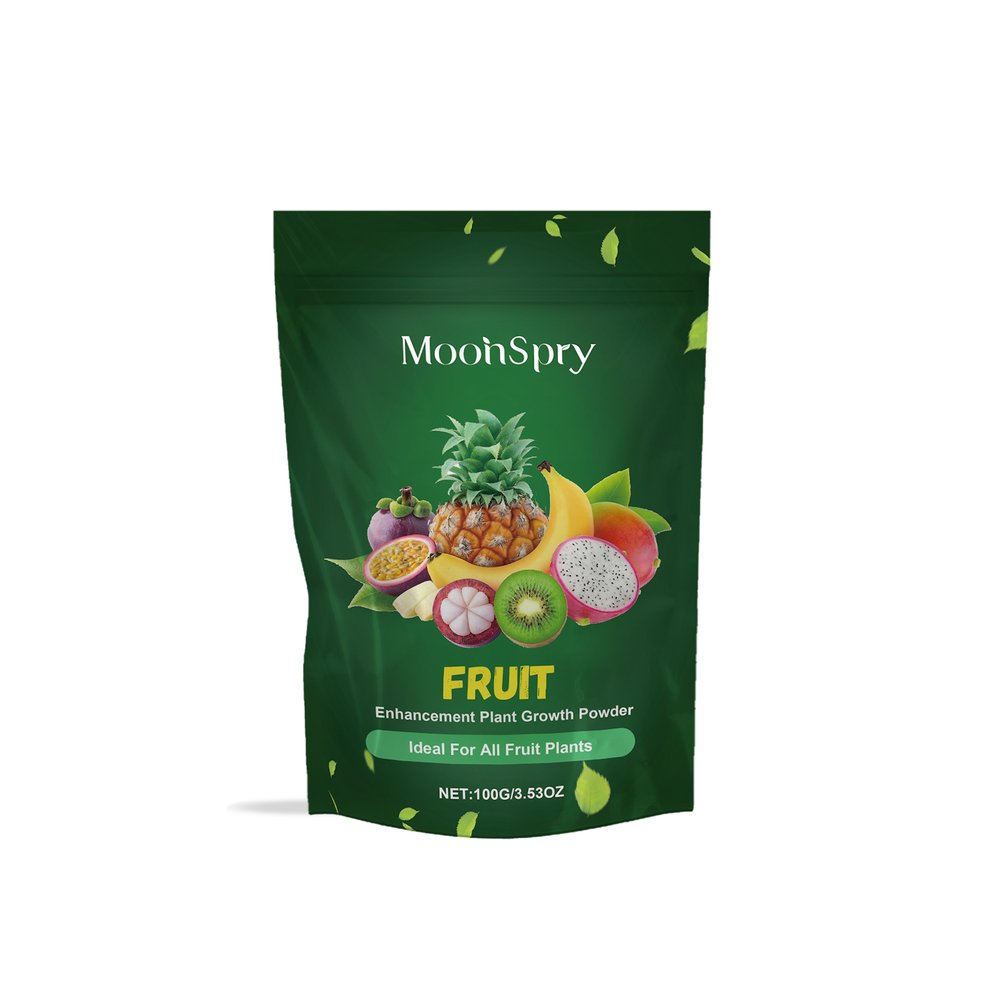 Fruit Plant Growth Powder Universal Gentle Pellet Vegetable Growing Green Fertilizer Nutrient$22.99View on Mallflare
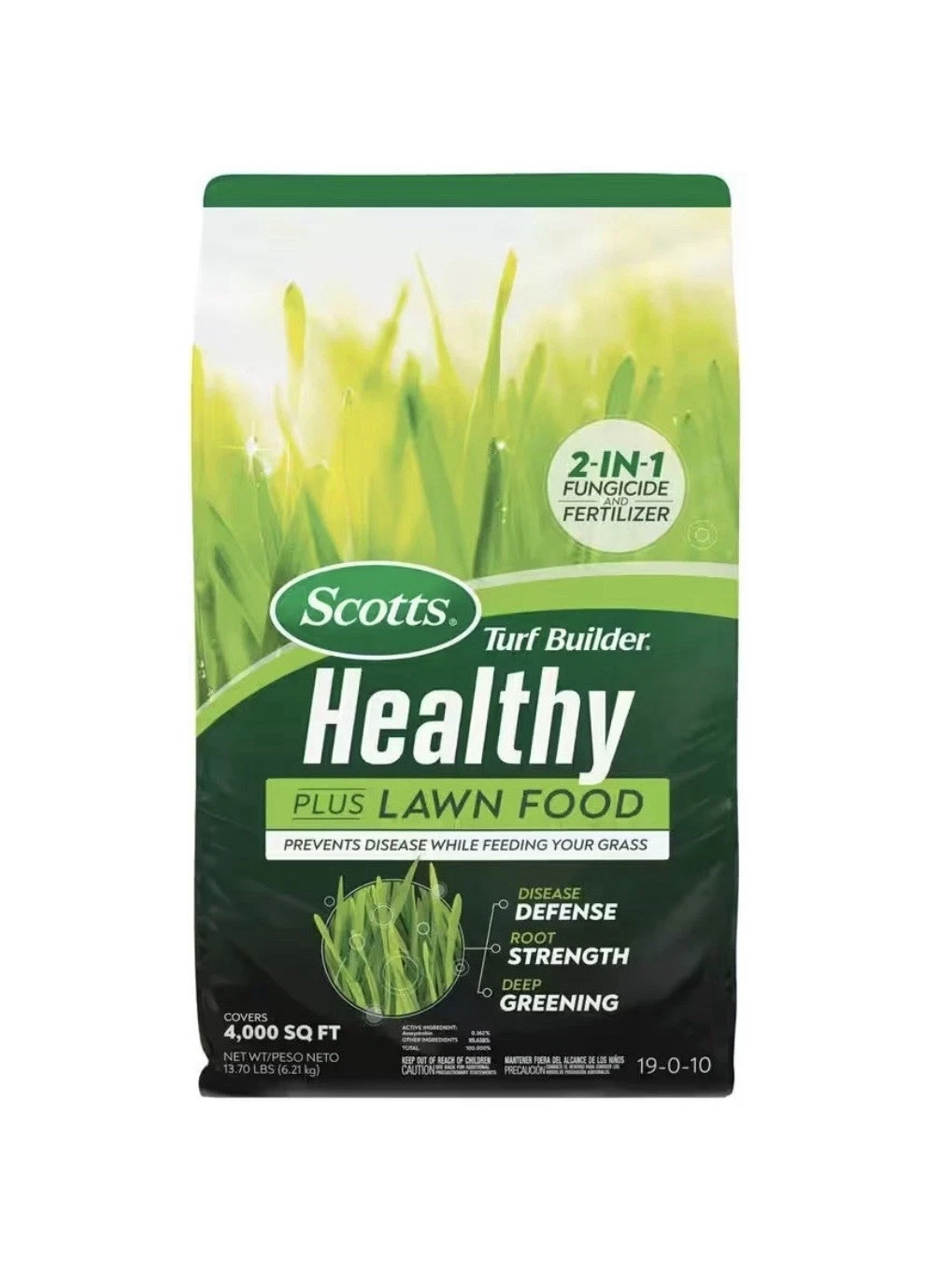 Scotts Turf Builder Healthy Plus Lawn Food Fertilizer 13.7 lbs 4,000 sq. ft$24.99View on eBay
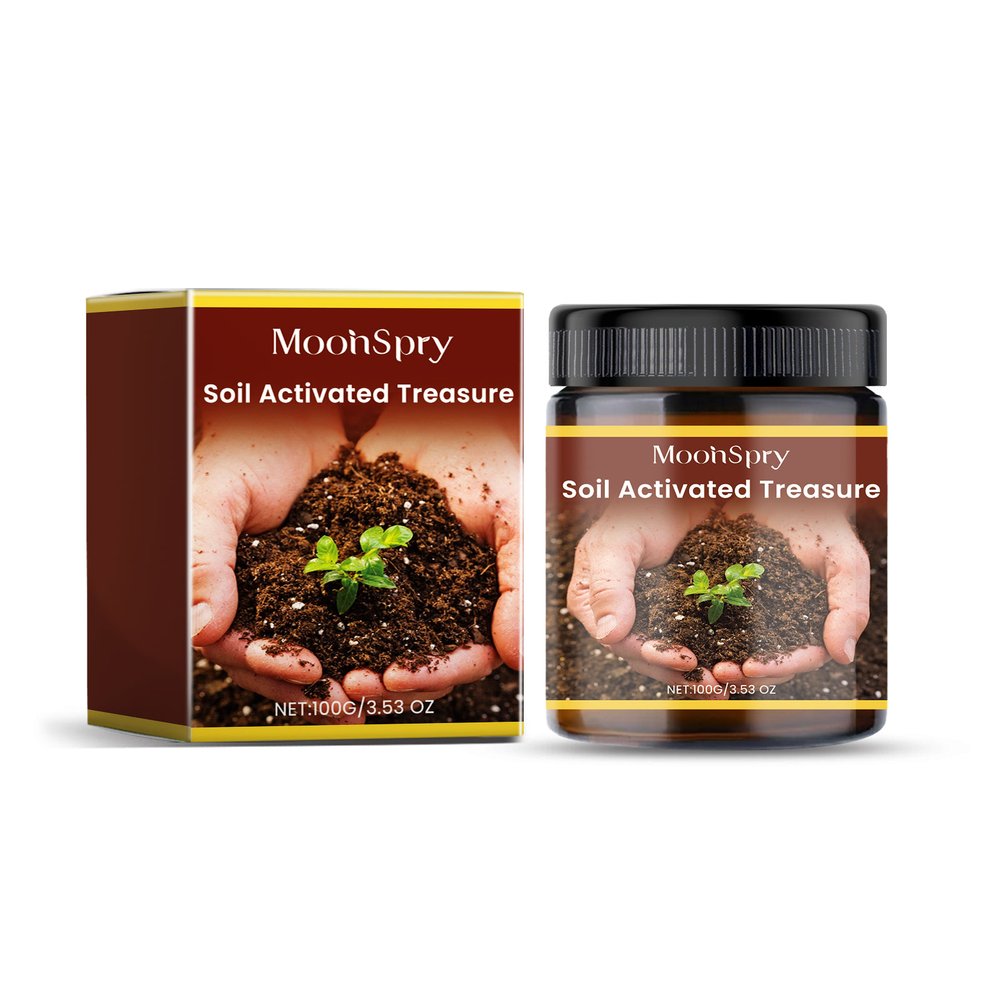 Soil Activator Universal Gentle Granular Fertilizer Fruit and Vegetable Planting Controlled Release Green Plant$22.99View on Mallflare
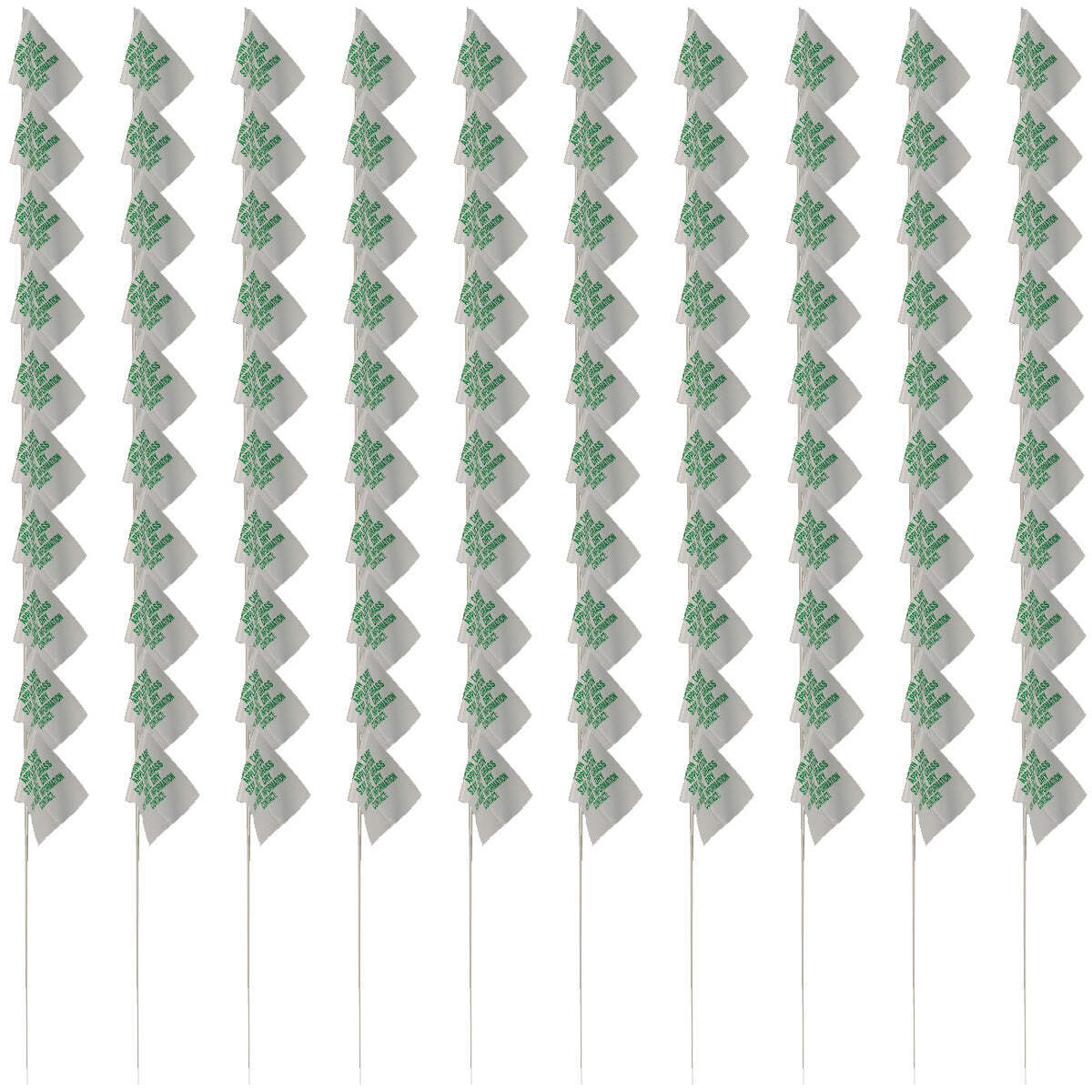 Lawn Care Application Fertilizer Flag Marker Stay Off Grass Marking Flags 100 Pk$32.99Last checked Nov 20, 2026View on eBay
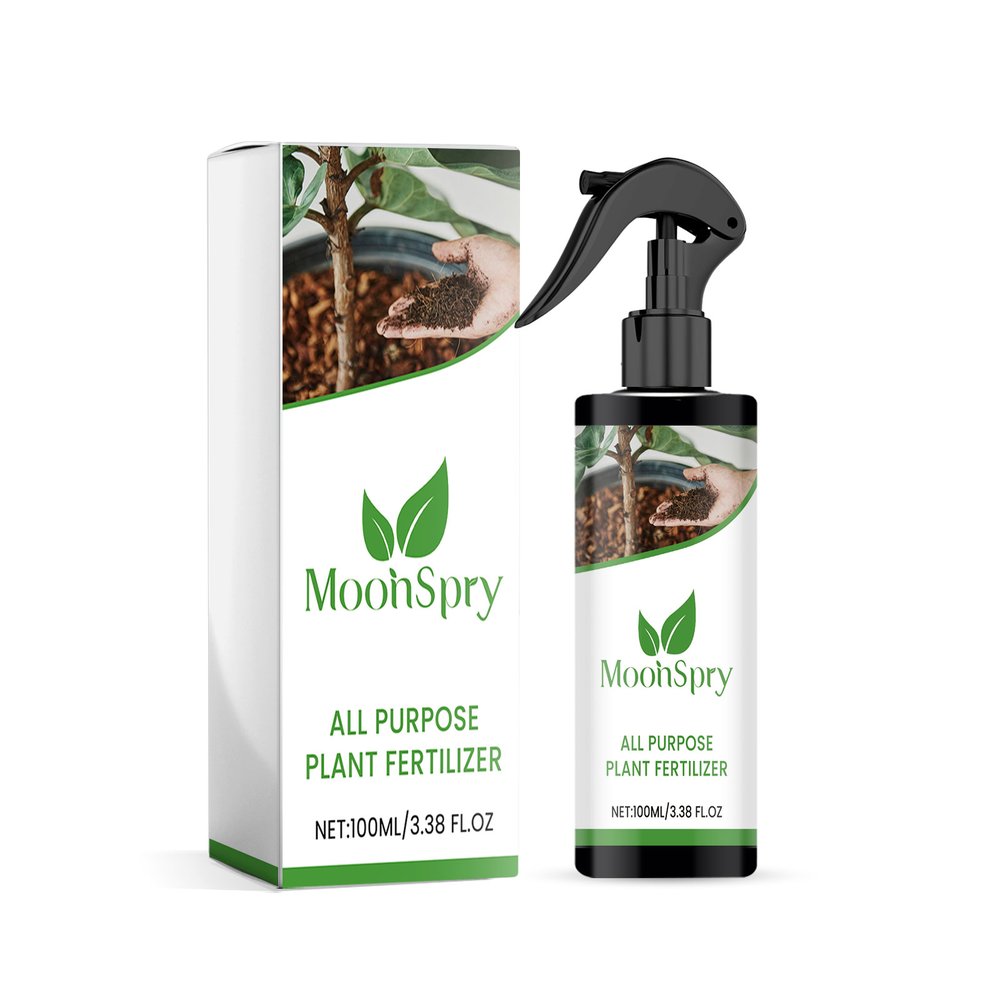 Plant Growth Spray Flowers Succulent Greenery Lawn Concentrated Fertilizer$22.99View on Mallflare
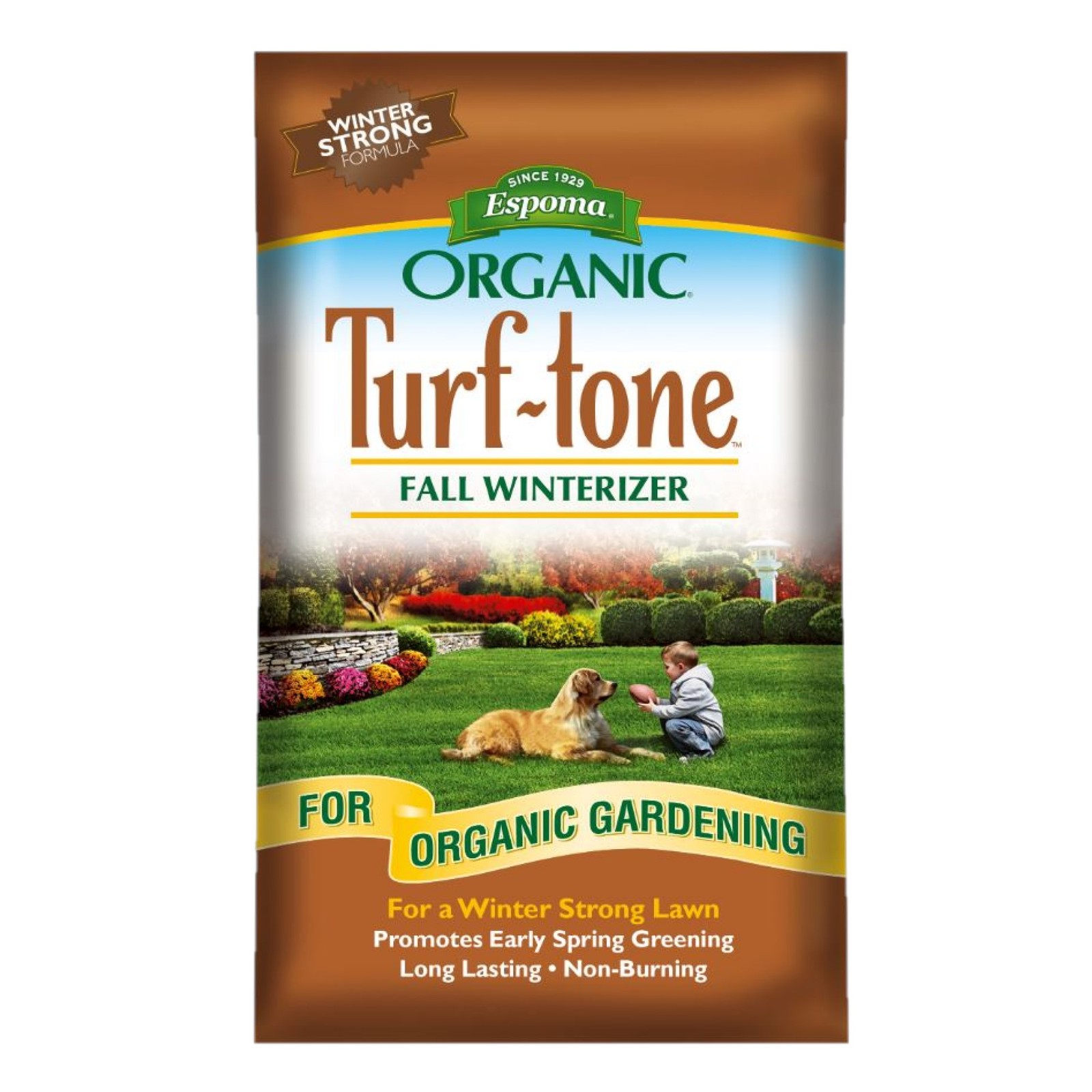 Espoma Turf-Tone Fall Winterizer Lawn Fertilizer, 30lbs$59.41View on eBay
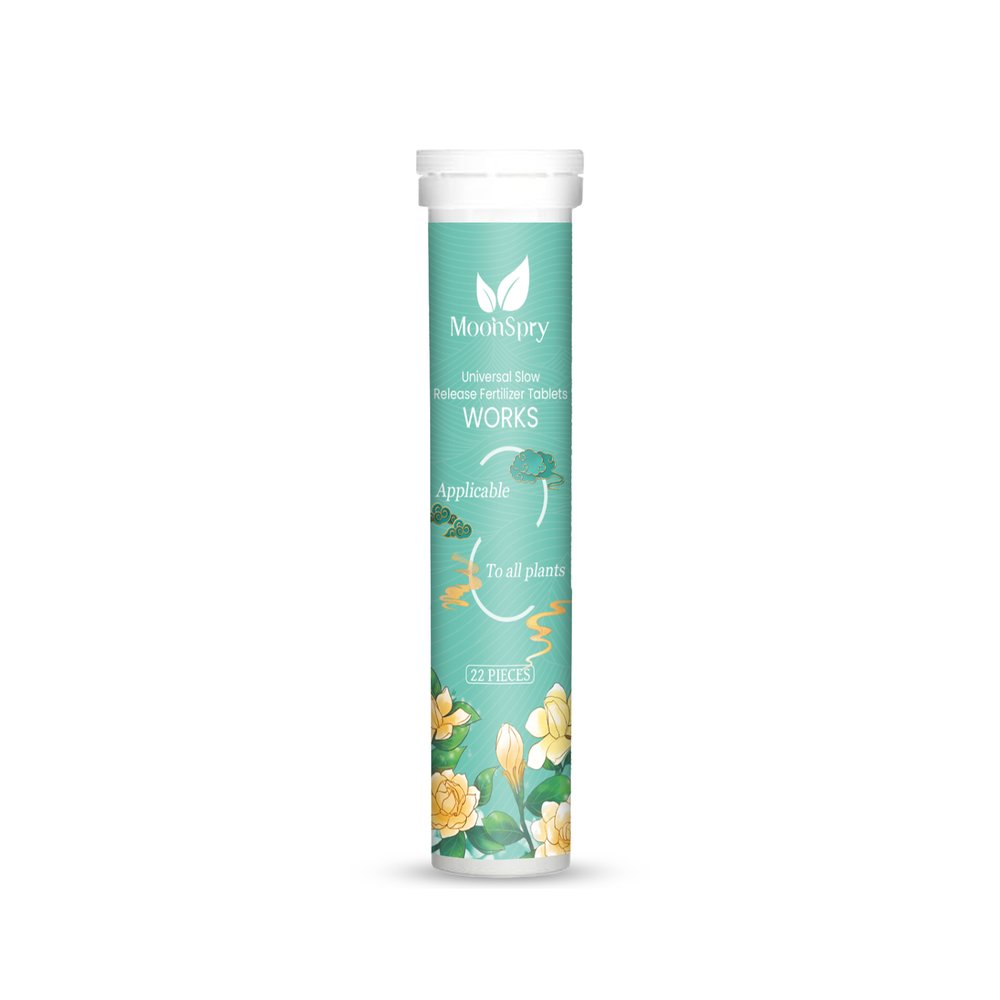 Universal Slow Release Green Tablet Fertilizer Promotes Plant Growth Horticultural Organic Compound Tablets$22.99View on Mallflare
Highlights
- N-P-K analysis drives everything: a 13-13-13 balanced blend supports establishment, while a 1-0-0 or high-N fall product targets greening or winterizing specifically.
- Slow-release nitrogen (water-insoluble nitrogen, or WIN) should be at least 30% of total N for safety; fast-release urea and ammonium sulfate green fast but burn in heat.
- Granular products are measured in pounds per 1,000 sq ft (typically 1 lb N per 1,000 sq ft); liquids are diluted and sprayed, covering faster but with less residual feeding.
- Organic fertilizers (e.g., poultry manure, feather meal) release nitrogen slowly and improve soil structure, but their N-P-K is low (often 4-2-4 or similar) so they need higher application rates.
Best use cases
- Best fit: a 13-13-13 slow-release granular for new lawns or overseeding, because balanced N-P-K supports root and shoot growth without excessive top growth.
- Best fit: a high-N fall/winterizer product (e.g., 30-0-10 or similar) applied in late fall to promote root storage and spring green-up, not top growth.
- Wrong fit: a fast-release 46-0-0 urea applied in summer heat without irrigation, which will burn turf and waste product; choose slow-release instead.
- Wrong fit: using a hydroponic or greenhouse-grade soluble calcium fertilizer on lawn; it lacks the balanced N-P-K turf needs and is formulated for controlled environments.
Buying tips
- Match the N-P-K ratio to the season: high-N for spring green-up, balanced for establishment, low-N/high-K for fall winterizing; avoid high-N in summer heat.
- Calculate coverage from the label: divide the bag weight by the recommended lbs per 1,000 sq ft, and confirm the bag covers your lawn area plus 10% for overlap.
- Check that at least 30-50% of the nitrogen is slow-release (WIN or polymer-coated) to reduce burn risk and extend feeding to 6-8 weeks.
- For organic options, expect lower analysis and higher application rates; verify the product is OMRI-listed if you need certified organic inputs.
Specs
| N-P-K Ratio | 13-13-13 / 30-0-10 / 1-0-0 |
|---|---|
| Nitrogen Release | Slow-release WIN ≥30% vs fast-release |
| Form | Granular / Liquid concentrate / Tablet |
| Coverage Rate | 1 lb N per 1,000 sq ft |
Related searches
What to check before buying
- Measure your lawn area in square feet (length × width for rectangles, or use a mapping tool) and buy a bag sized to cover it at the label rate.
- Confirm spreader type and setting: rotary spreaders handle most granular products, but drop spreaders need precise calibration for narrow strips.
- Check local regulations: some municipalities restrict phosphorus (middle number) in lawn fertilizer; choose a 0-phosphorus blend if required.
- For liquid concentrates, verify you have a hose-end sprayer or tank sprayer with the correct dilution ratio and that the product is labeled for lawn use.
FAQ
Data sources: eBay / Amazon listings and product attribute feeds. Updated Nov 27, 2026.
Some links on this page are affiliate links. If you buy after clicking one, we may earn a commission at no extra cost to you. This does not change which products appear here or their order. Affiliate disclosure.