
Photos from current listings. Actual item, color, and included accessories may vary.
Aerator Buying Guide
Lawn aerators relieve soil compaction by pulling cores, slicing slits, or driving spikes, and the core trade-off is soil disruption versus effort: hollow tines remove plugs but need moisture and muscle, while spikes and shoes merely push holes and can worsen compaction. The durable rule is simple: buy core or rolling-slice machines with serviceable steel tines and real bearings; skip stamped spike bars and strap-on shoes unless your only goal is liquid/fertilizer penetration on loose soil.
Median $66.99
Key takeaways
- Core vs spike mechanics: hollow tines 8-16 mm diameter remove 5-10 cm plugs and relieve compaction; solid spikes and aerator shoes compress soil sideways and can harden it.
- Tine construction determines life: heat-treated carbon steel or stainless tines with replaceable tips survive rocky soil, while welded stamped-steel spike bars bend at the axle.
- Manual barrel aerators rely on 90-130 kg of operator weight and moist soil; rolling push units need wheels/bearings rated for loaded torque, not just a steel handle.
At a glance
- Category
- Lawn Care
- Last updated
- Nov 27, 2026
Current offers
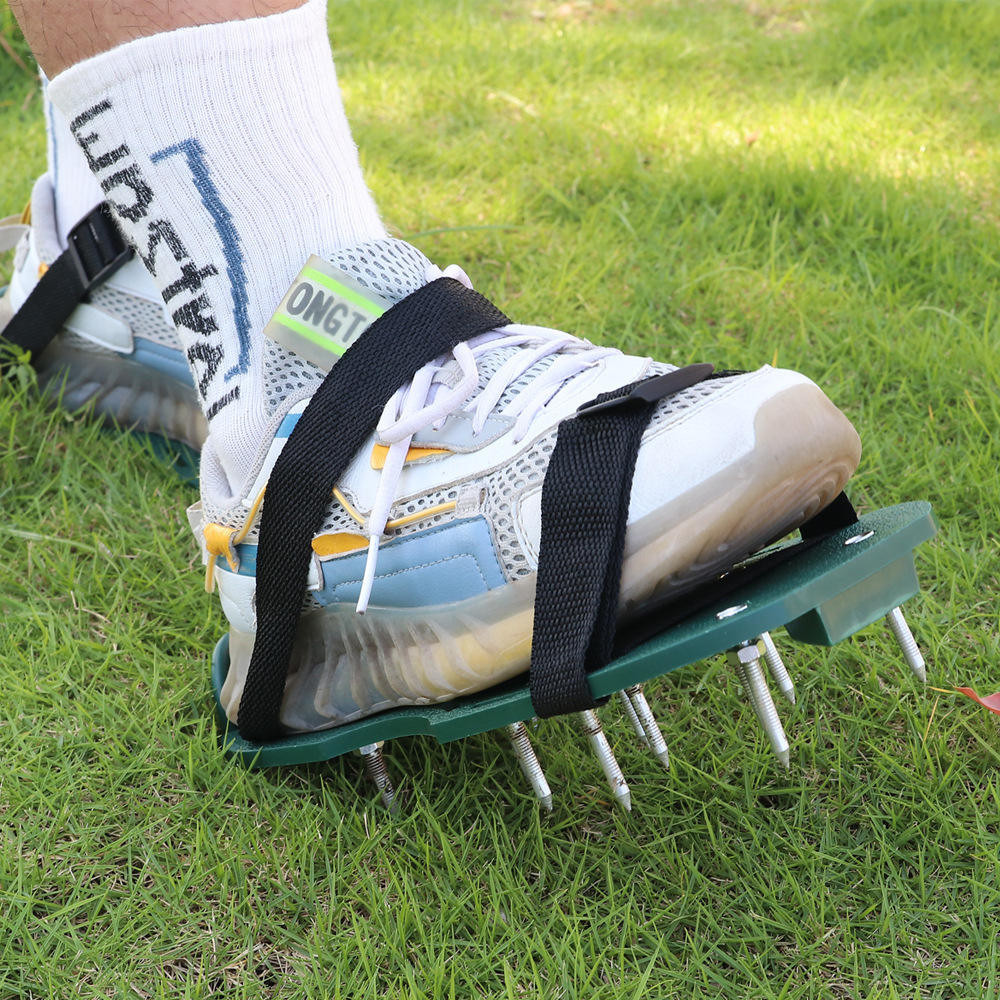 1 Pair Heavy Duty Lawn Aerator Shoes Grass Aerator Shoes Aerating Spike Sandal$6.00View on eBay
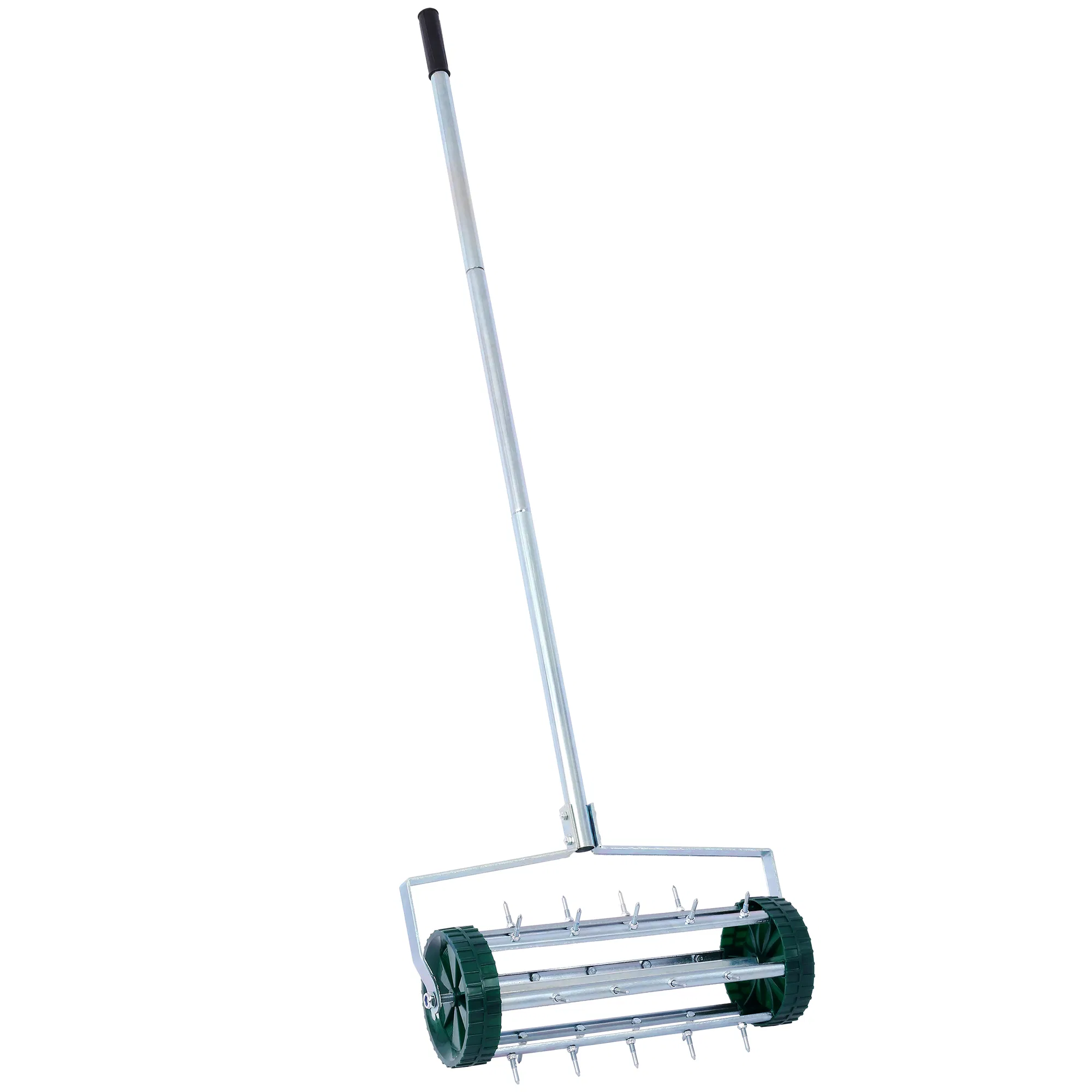 Lawn Aerator, Heavy Duty Rolling Garden Yard Rotary Push Aeration with Steel Handle$48.99View on Mallflare
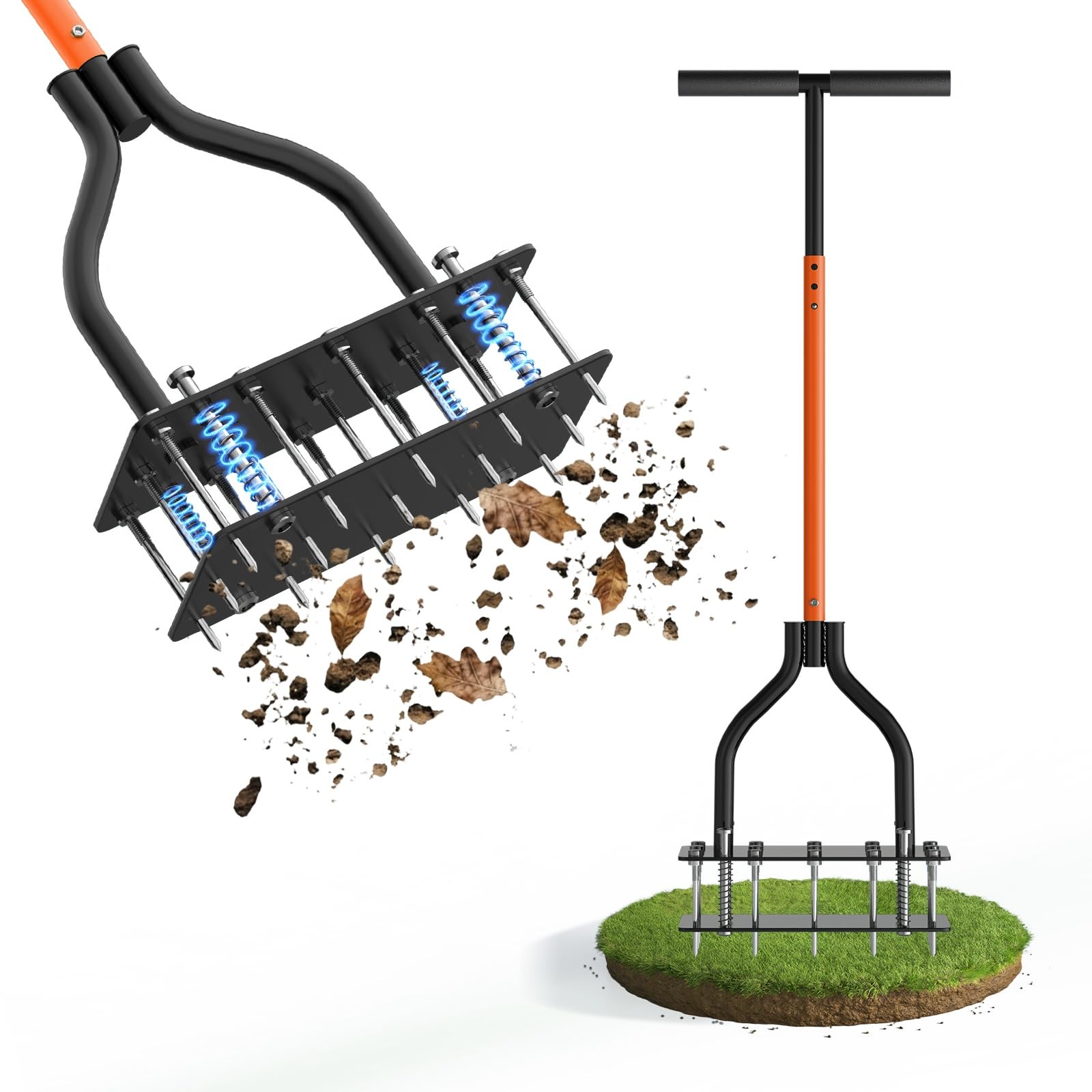 KXGBARN Lawn Aerator Tool with Dual-Layer Self-Cleaning Spikes, orange-black$23.23View on eBay
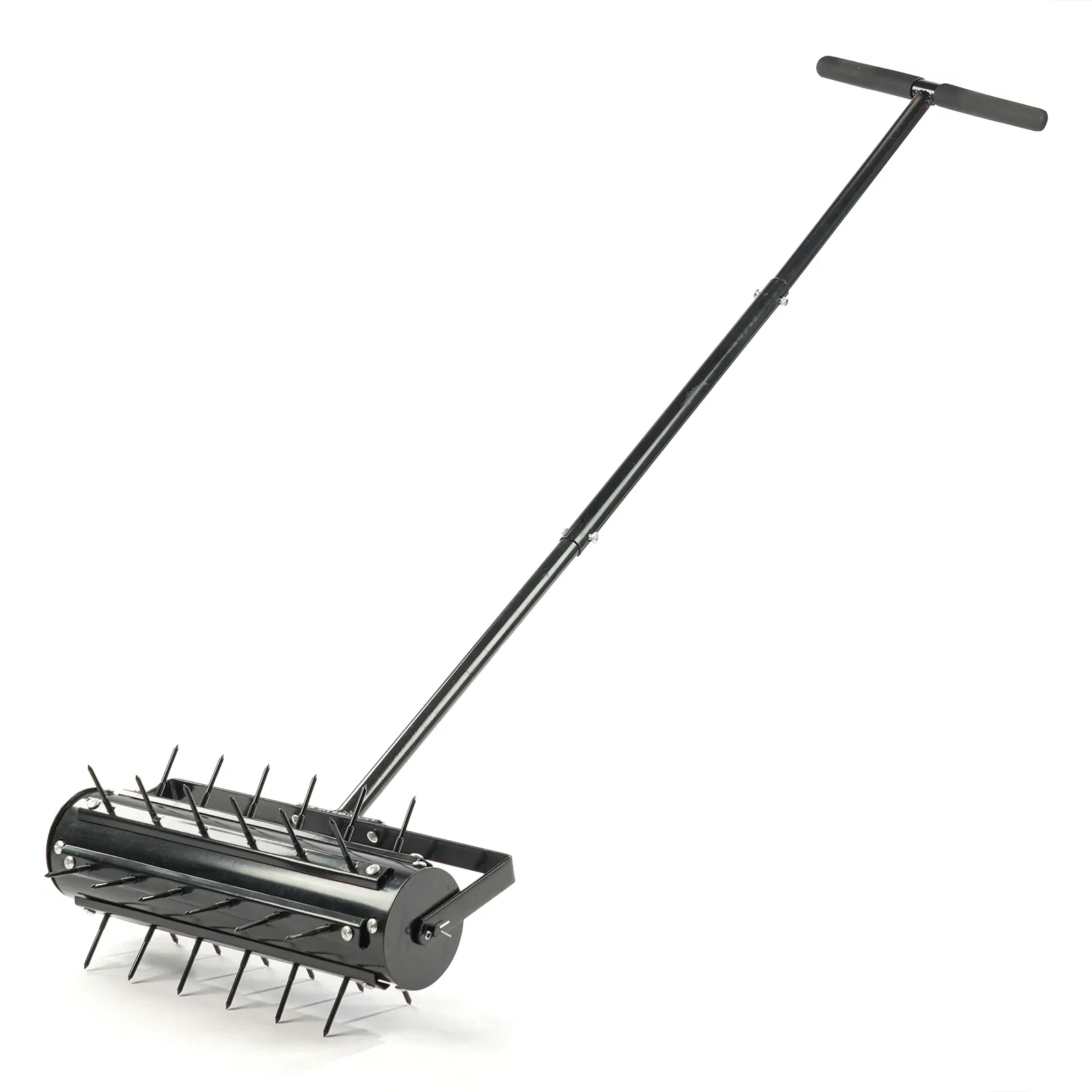 17-inch Lawn Aerator, Rolling Tool with T-shaped Handle, Heavy Duty Grass & Garden Tools for Aeration & Soil Health, Black$66.99View on Mallflare
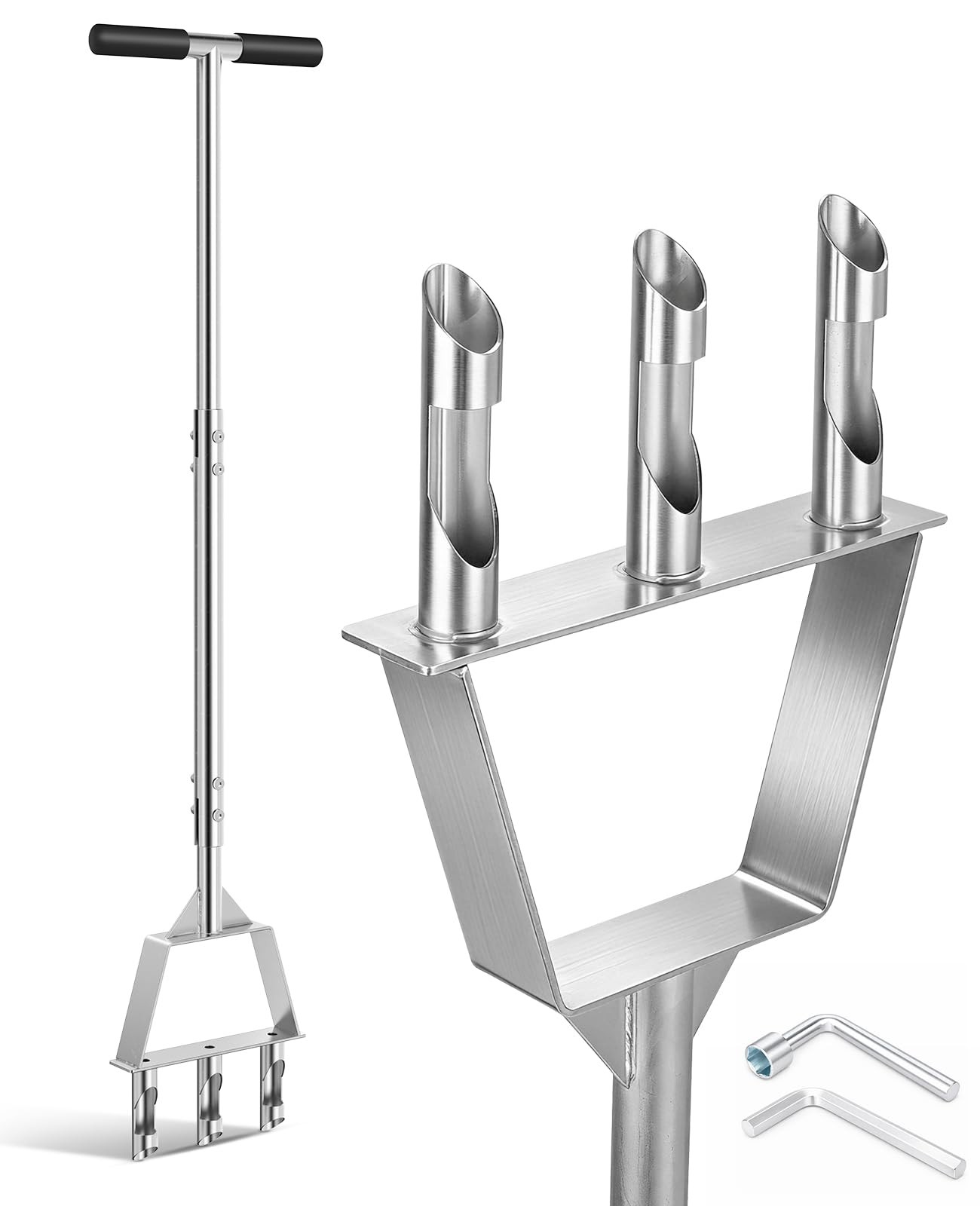 Manual Lawn Aerator Tool with Stainless Steel Tines for Effective Soil Care$25.17View on eBay
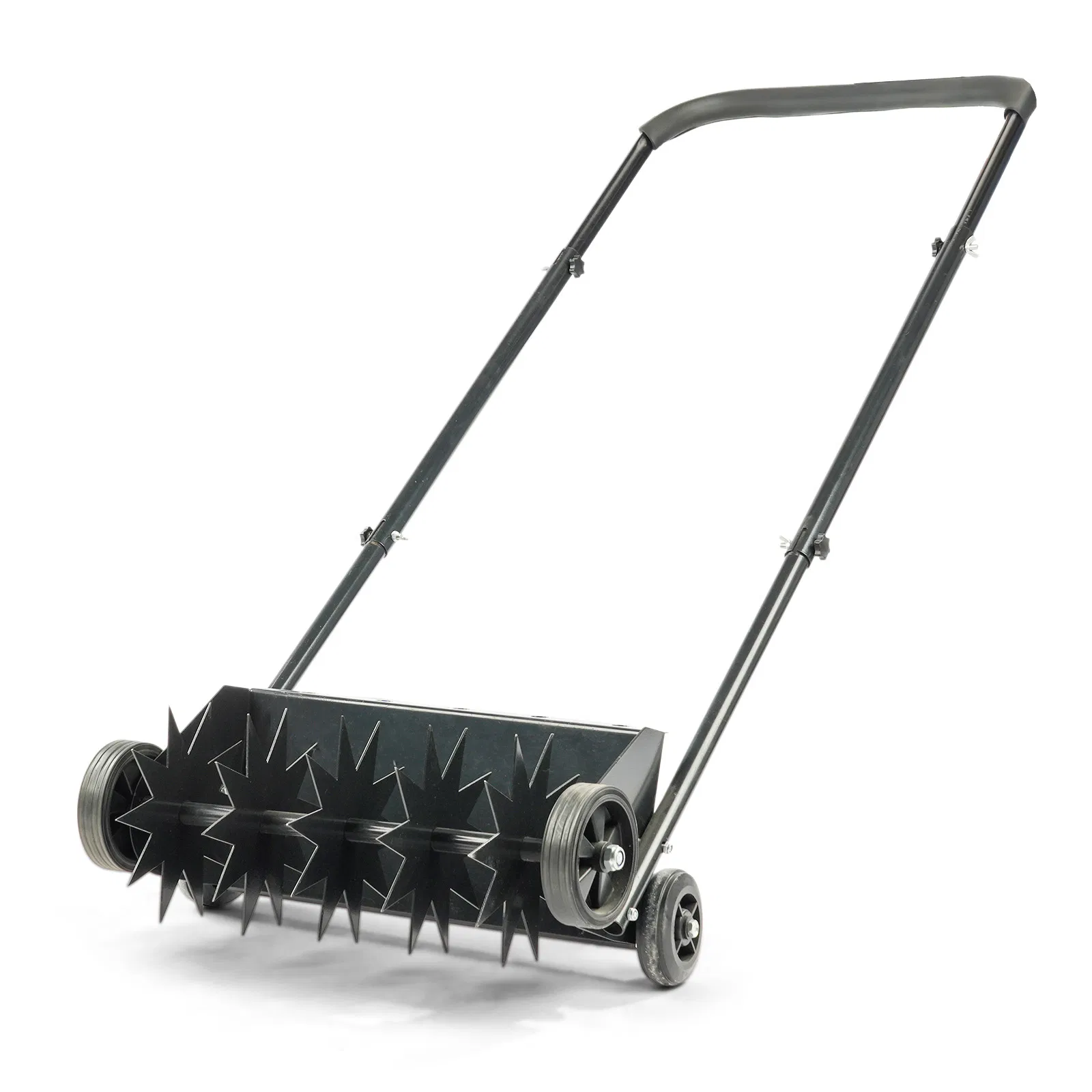 19in Push Spike Aerator, Heavy Duty Rolling Lawn Rotary Manual Aeration Equipment with U-shaped Handle, for Garden Yard Grass$73.99View on Mallflare
 1 Pair Heavy Duty Lawn Aerator Shoes Grass Aerator Shoes Aerating Spike Sandal$25.99Last checked Nov 19, 2026View on eBay
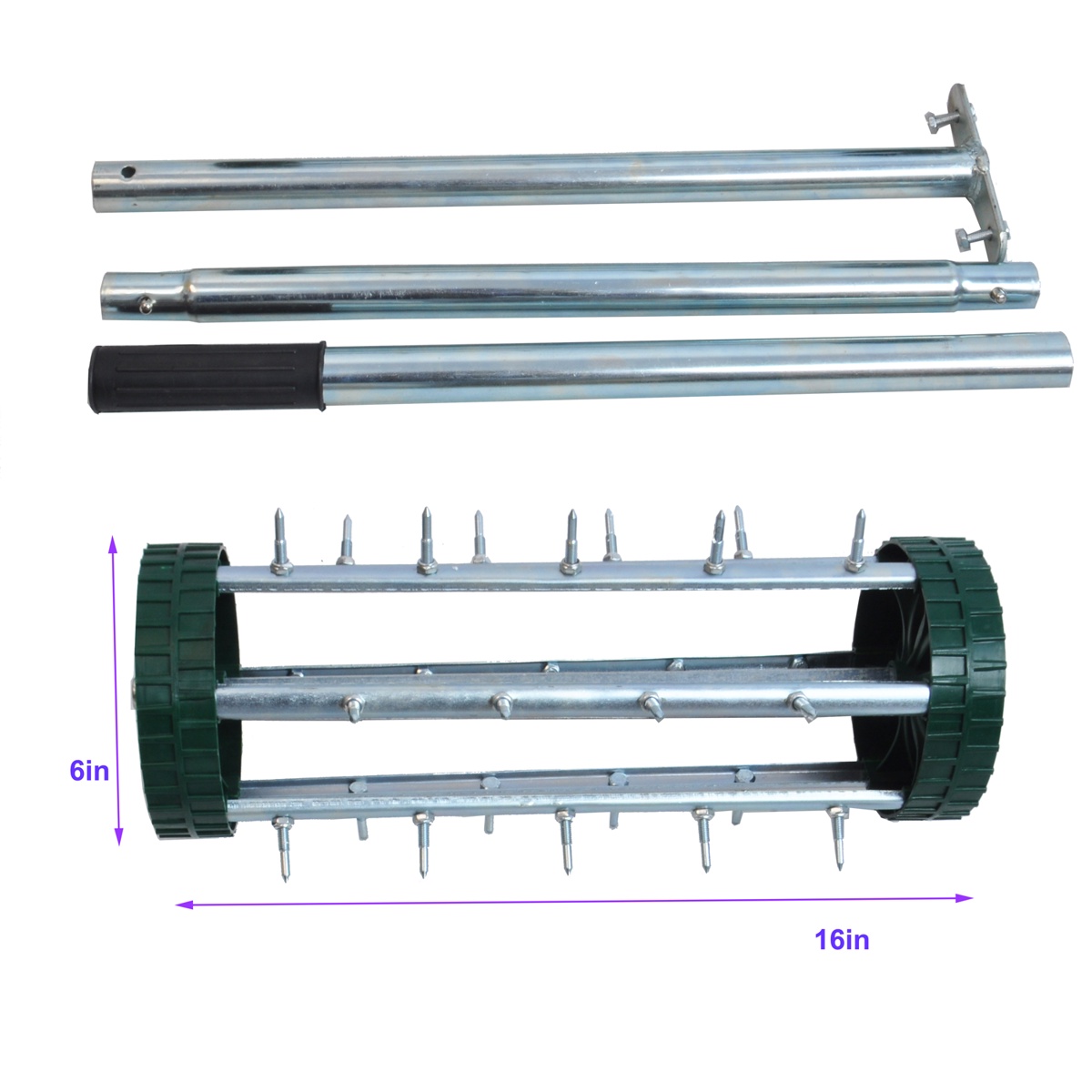 Heavy Duty Rolling Lawn Aerator,Rolling Aerator, Rotary Push Tine Spike Soil Gardening Tool with 3-Piece Long Steel Handle for Garden Yard Grass Maintenance,Garden$76.99View on Mallflare
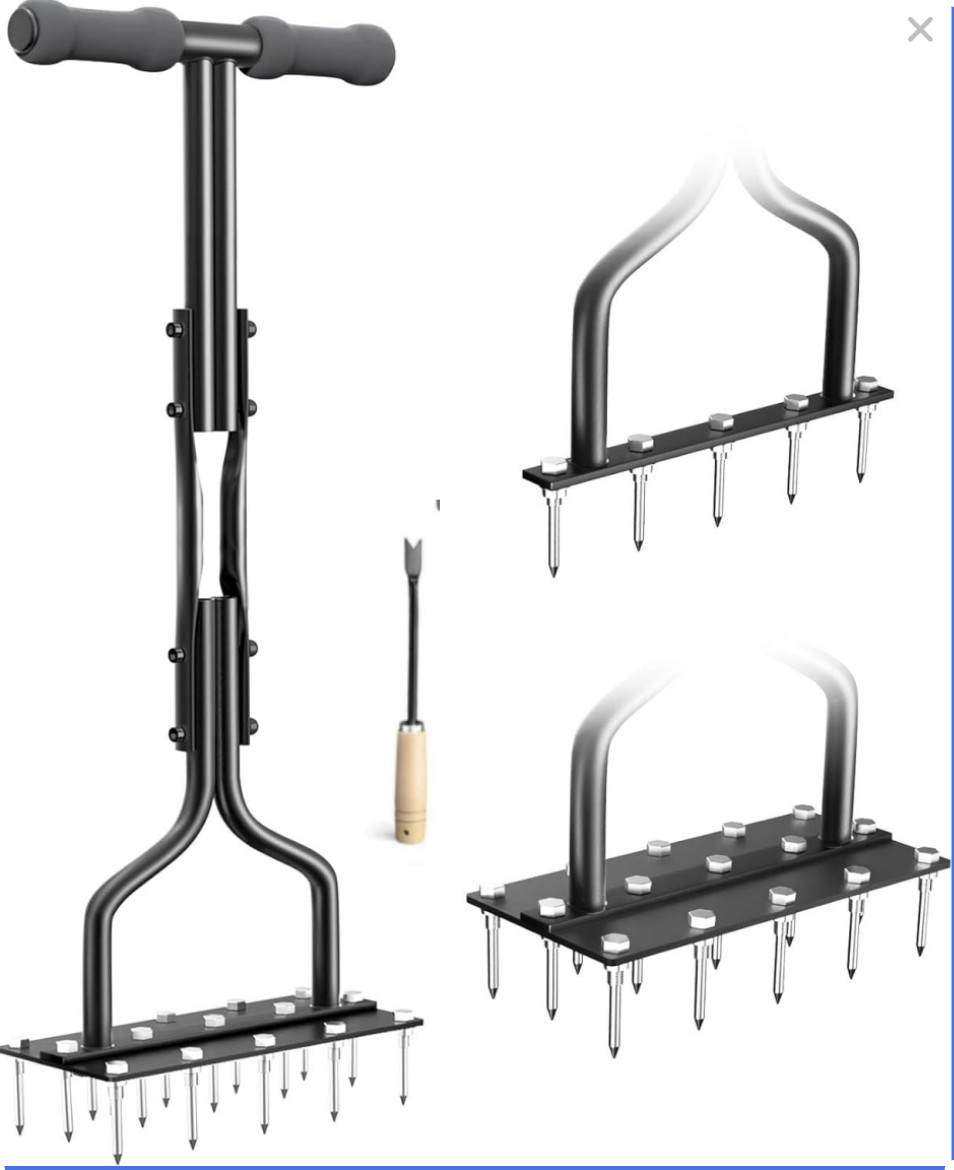 Lawn Aerator, Lawn Spike Aerator Manual Tool with 15 Pieces Solid Steel Spikes$28.99Last checked Nov 19, 2026View on eBay
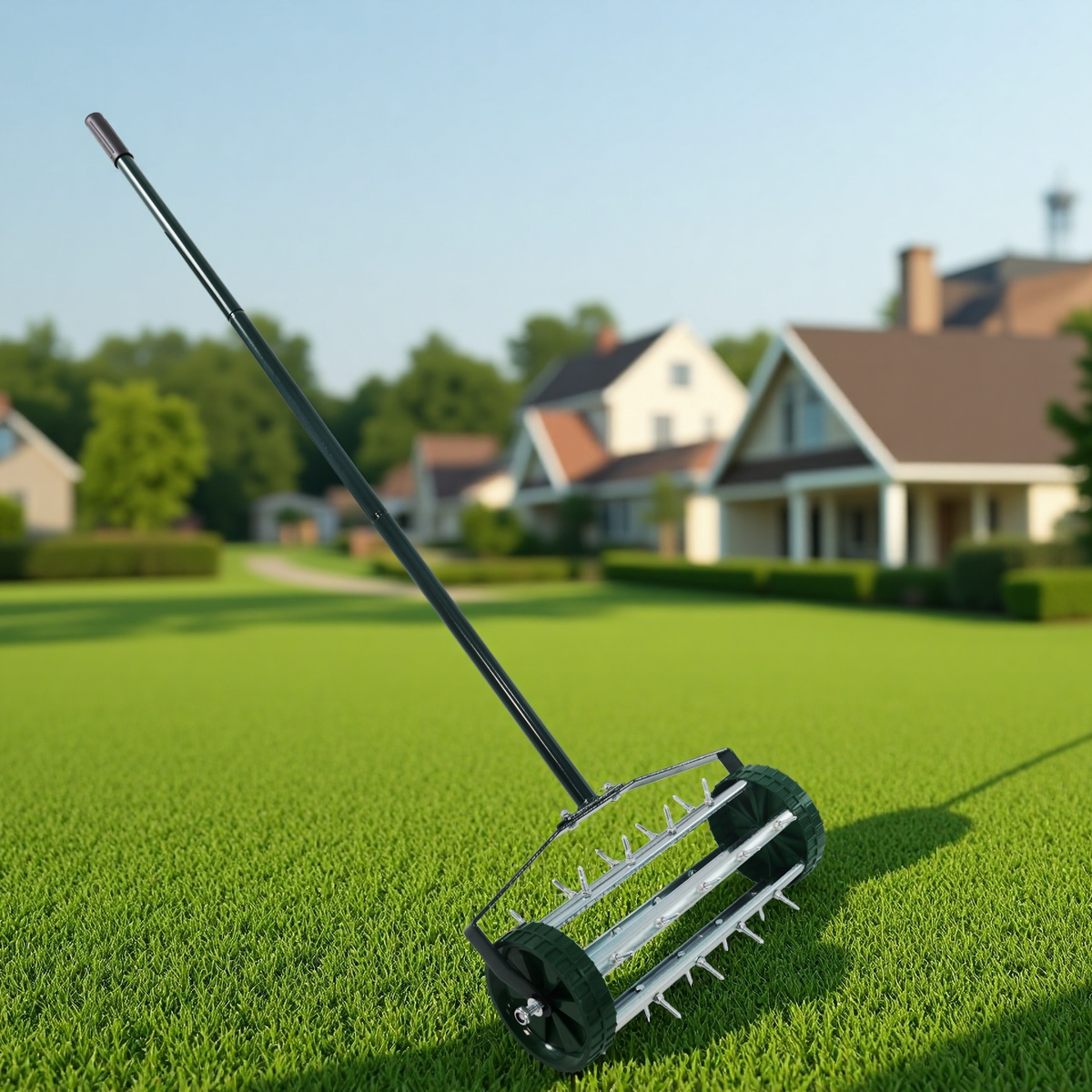 Heavy Duty Rolling Lawn Aerator,Rolling Aerator, Rotary Push Tine Spike Soil Gardening Tool with 3-Piece Long Steel Handle for Garden Yard Grass Maintenance$76.99View on Mallflare
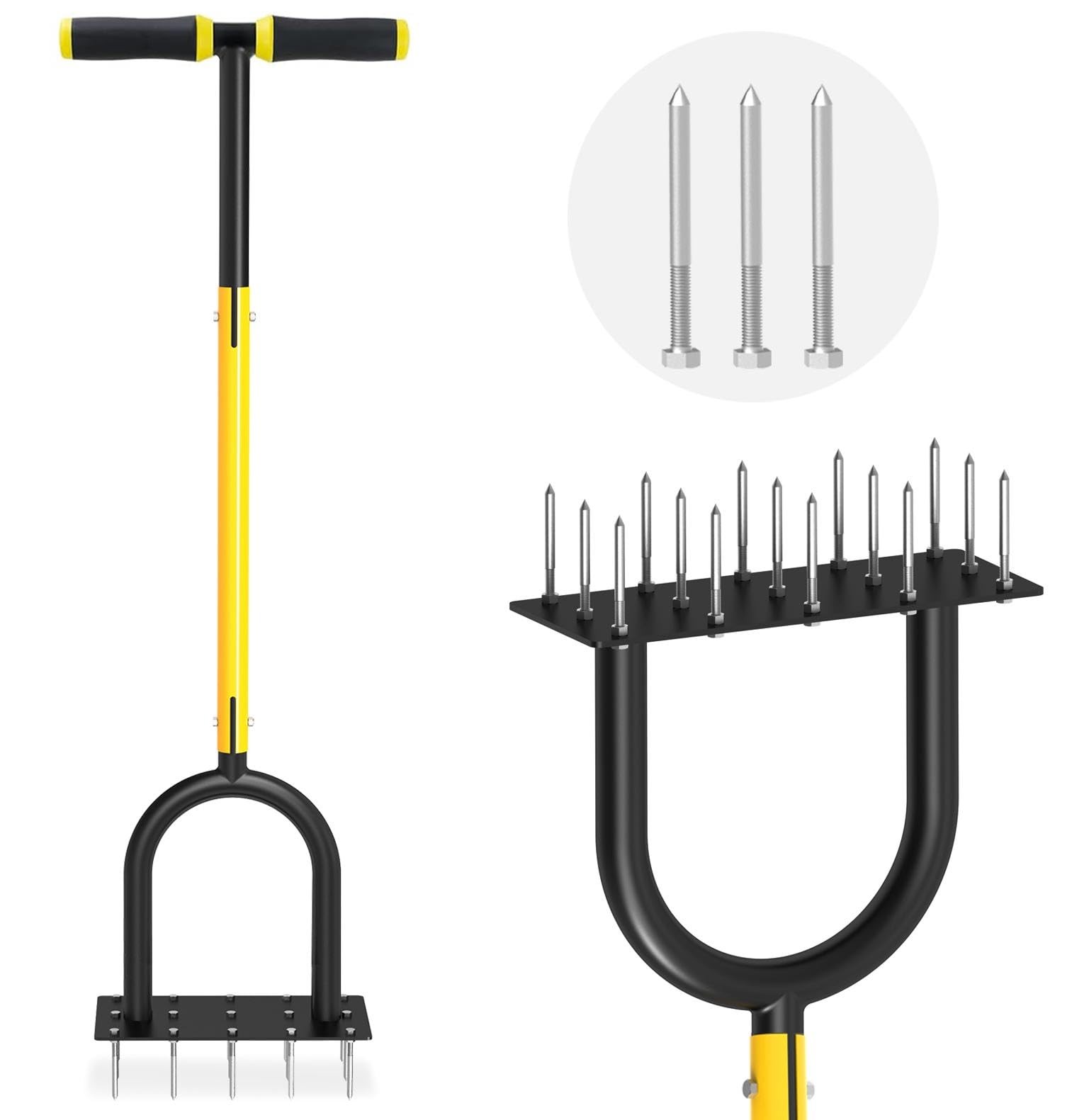 Lawn Aerator Tool - Grass & Soil Aerator for Lawn & Yard Care$43.23View on eBay
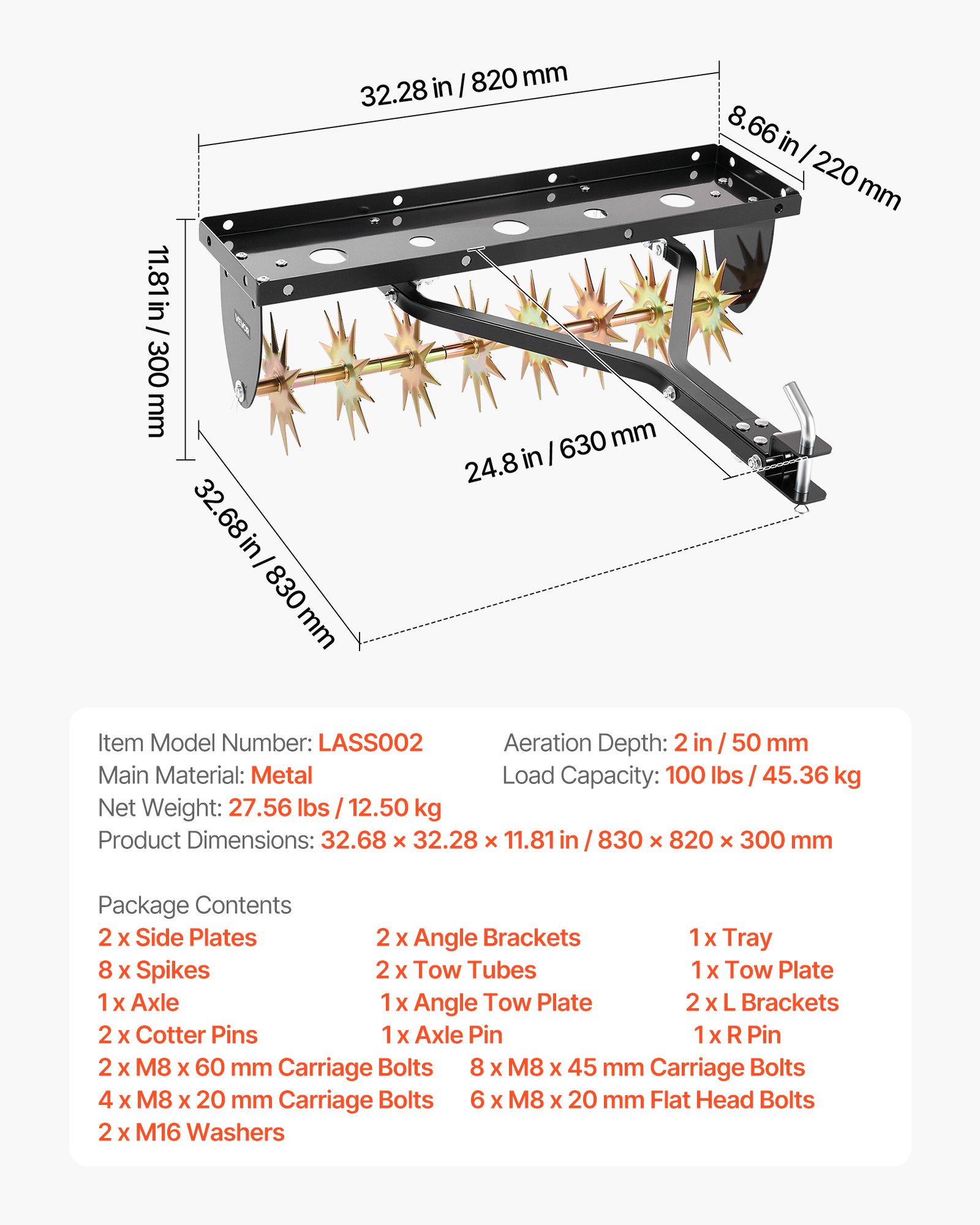 Tow Behind Plug Aerator, 32 In Lawn Spike With Universal Hitch, Heavy Duty & Rust-Resistant, Pull Tool Folded Edge Tray, For Farmland & Garden Tractors$88.99View on Mallflare
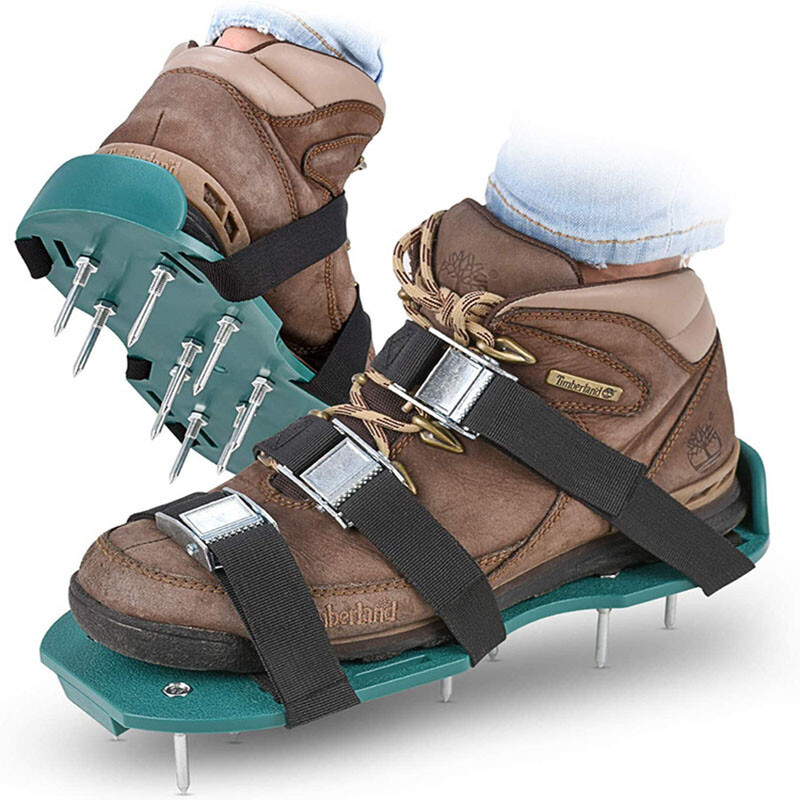 1 Pair Lawn Aerator Shoes Ground Spiked Garden Lawn Aerator Shoes Buckles Tools$50.66Last checked Nov 22, 2026View on eBay
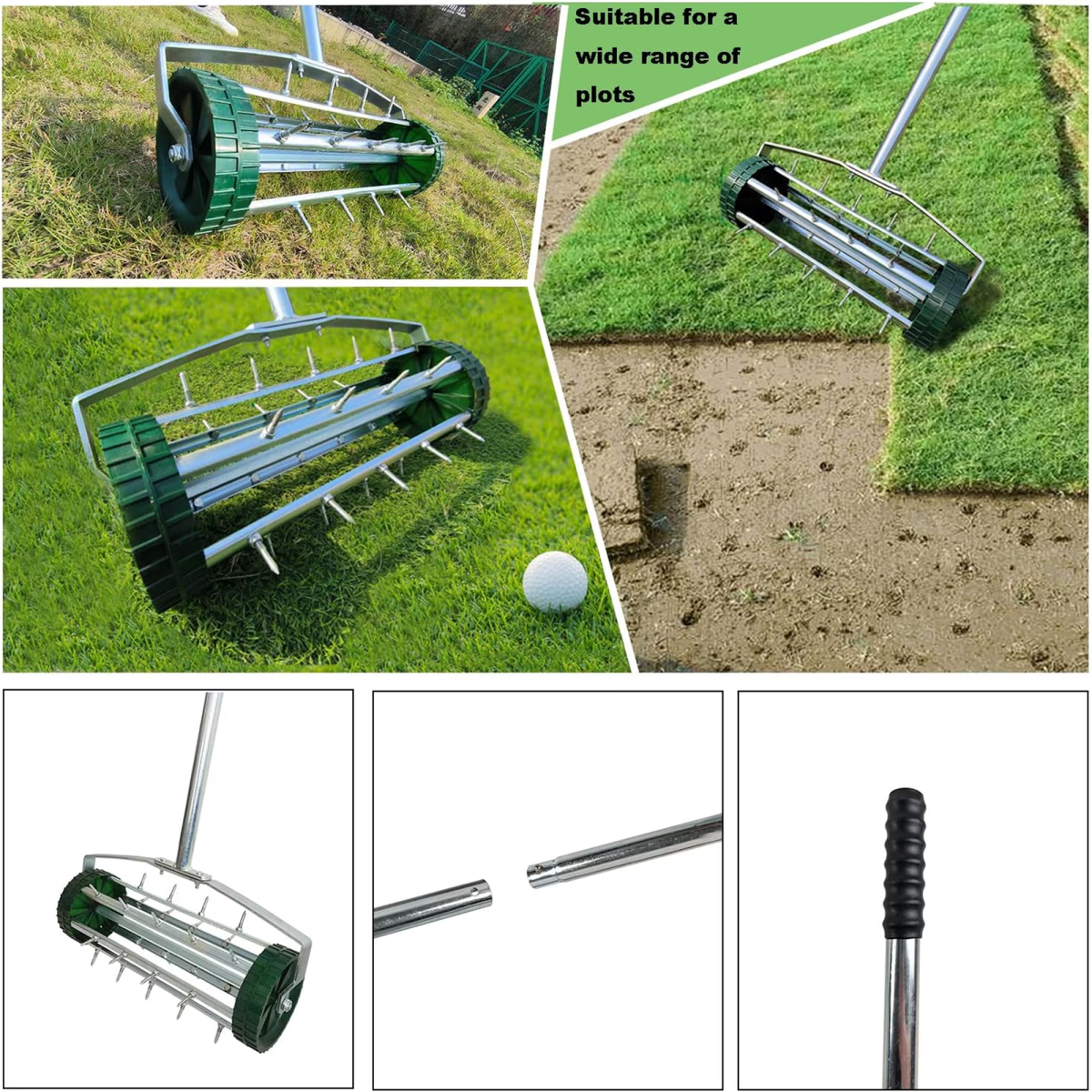 Heavy Duty Rolling Lawn Aerator, Rotary Push Tine Spike Soil Gardening Tool with 3-Piece Long Steel Handle for Garden Yard Grass Maintenance,Garden$104.99View on Mallflare
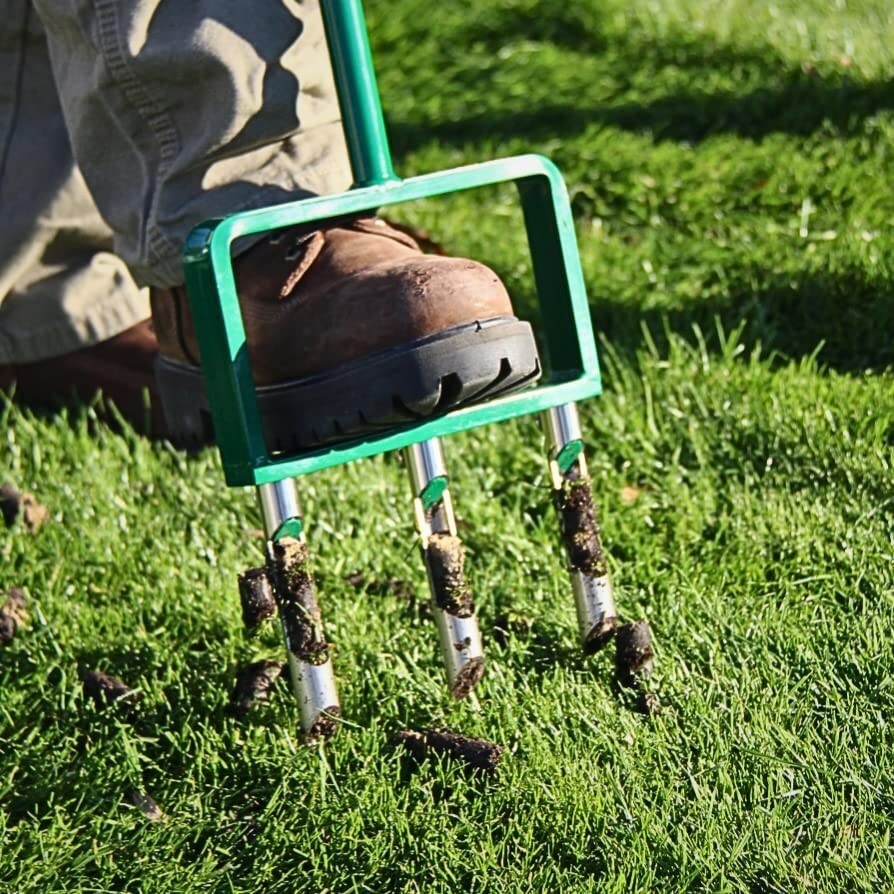 Landzie 42" Hollow Tine Fork Lawn Aerator$109.99View on eBay
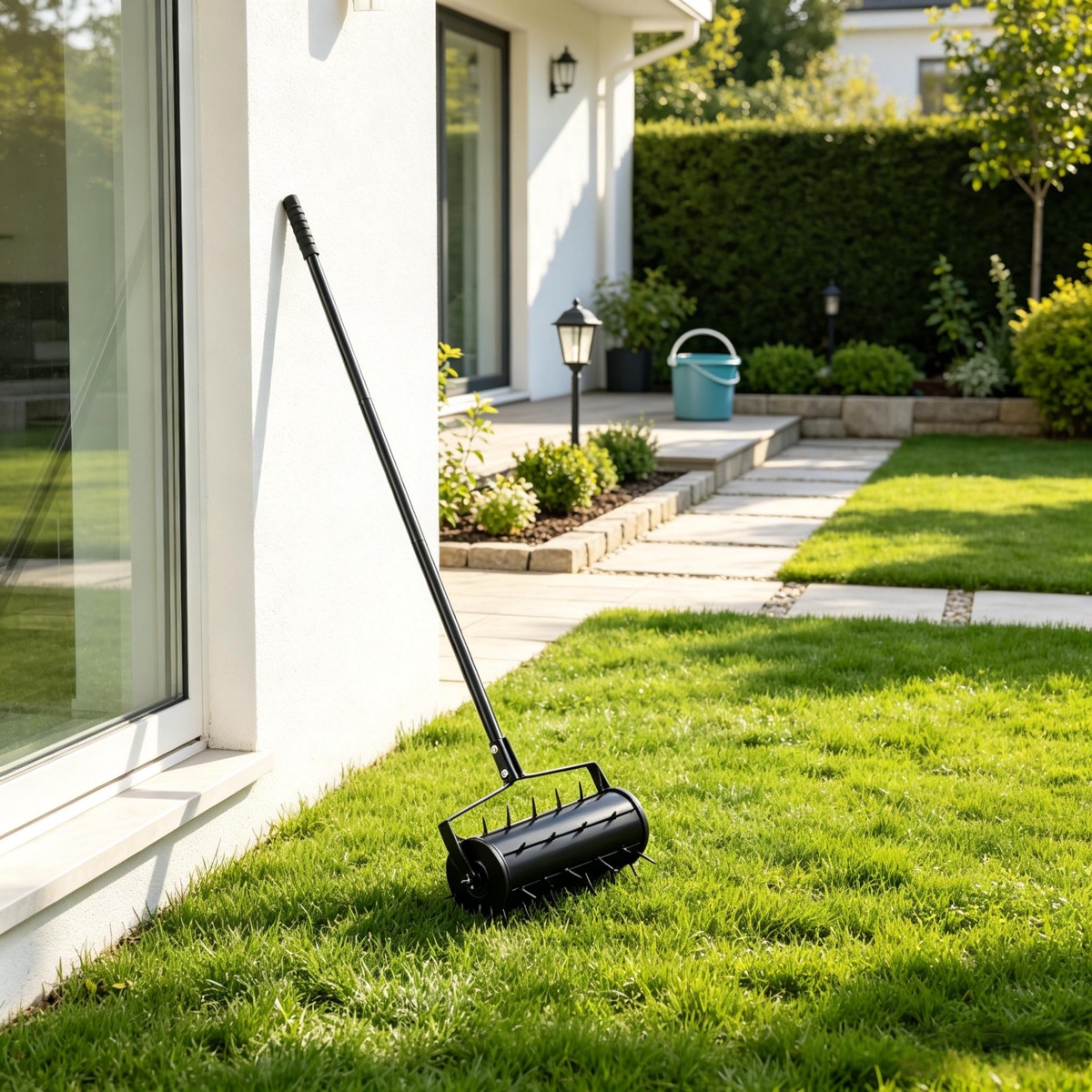 Heavy-Duty Rolling Lawn Aerator, 18-Inch Manual Aeration Tool with 27 Iron Spikes & Detachable Handle, for Garden, Patio, Yard, Compacted Soils & Lawns, Black$114.99View on Mallflare
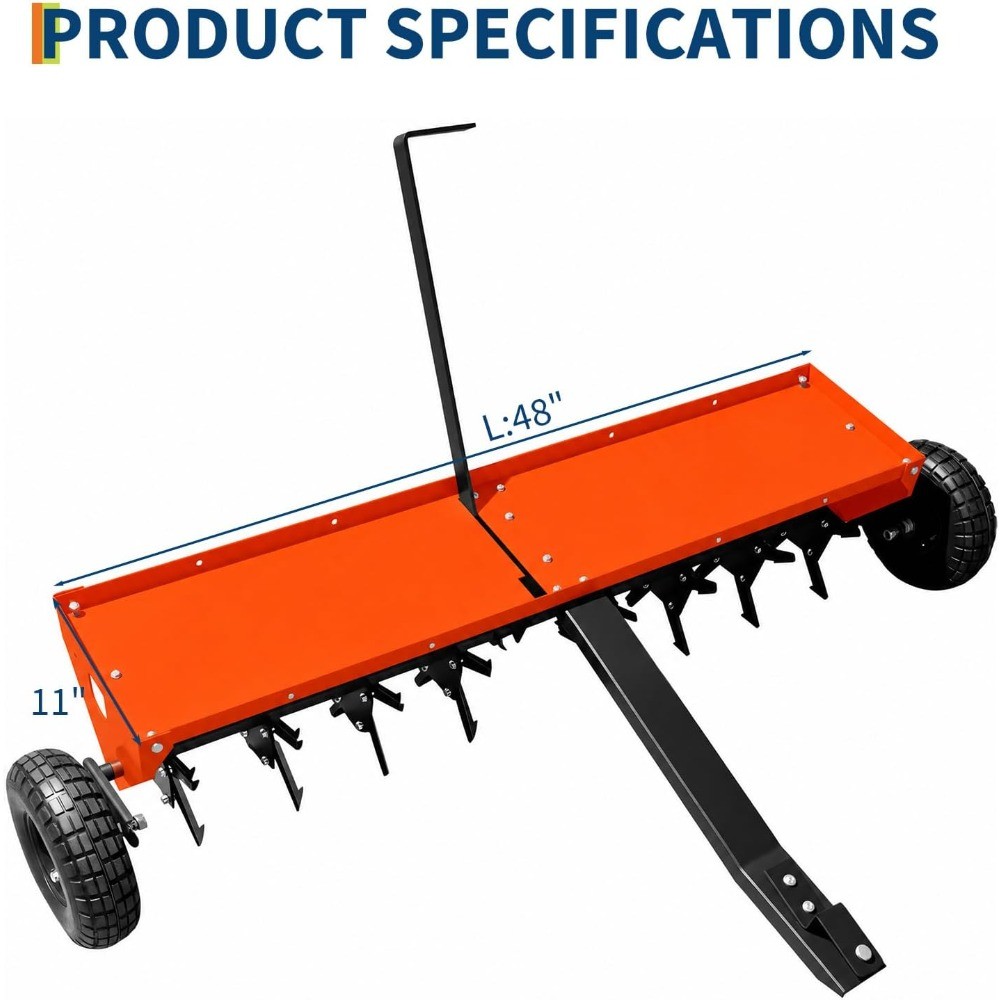 48" Lawn Aerator Tow Behind For Plug Aerating w/Universal Hitch for Lawn &Garden$153.09Last checked Nov 28, 2026View on eBay
Highlights
- Core vs spike mechanics: hollow tines 8-16 mm diameter remove 5-10 cm plugs and relieve compaction; solid spikes and aerator shoes compress soil sideways and can harden it.
- Tine construction determines life: heat-treated carbon steel or stainless tines with replaceable tips survive rocky soil, while welded stamped-steel spike bars bend at the axle.
- Manual barrel aerators rely on 90-130 kg of operator weight and moist soil; rolling push units need wheels/bearings rated for loaded torque, not just a steel handle.
- Towed and zero-turn plug aerators use a universal 5 cm receiver hitch and weight trays or cinder blocks; spike rollers behind a mower are surface-scratch tools, not compaction fixes.
Best use cases
- Best fit for small, compacted lawns under about 200 m²: a manual hollow-tine barrel aerator used after rain or irrigation, pulling plugs every 10-15 cm.
- Best fit for large lawns and zero-turn owners: a tow-behind plug aerator with 5 cm receiver hitch and weight tray, run in two perpendicular passes; skip strap-on shoes entirely.
- Best fit for liquid aeration and overseeding prep: a rolling spike or slicing aerator with weighted drum, which opens slits for seed-to-soil contact without plug cleanup.
- Wrong fit: aerator shoes on clay or dry soil, which concentrate body weight into a few spikes and compact rather than relieve; use core tines or a towed drum instead.
Buying tips
- Match tine type to goal: hollow tines 8-16 mm for compaction relief and thatch control; solid spikes or slicing discs only for seed/slit channels, never for hard clay.
- Size the machine to lawn area: manual barrel units cover roughly 100-200 m² per session; above that, choose a tow-behind or motorized unit with a 5 cm hitch and weight capacity.
- Check tine replacement: good aerators sell replacement tine sets and mount them with bolts or clevis pins, not welded assemblies that scrap the whole tool when one tip bends.
- Aerate when soil is moist but not saturated; dry soil doubles effort and bends tines, and spraying a mark-out line keeps passes at 10-15 cm spacing.
Specs
| Aeration Type | Core (hollow tine) vs Spike / Slice |
|---|---|
| Tine Material | Carbon steel vs stainless; replaceable |
| Tine Diameter | 8-16 mm hollow core plugs |
| Mount / Hitch | Manual push vs 5 cm tow receiver |
Related searches
What to check before buying
- Measure lawn area and gate width: manual barrel units need about 40-50 cm clearance, and towed units need a 5 cm receiver hitch on the mower or tractor.
- Check mower hitch and weight: tow-behind plug aerators require added ballast (cinder blocks or water weight) to penetrate, so confirm the mower can pull the loaded unit.
- Confirm soil type and moisture: clay needs hollow tines after irrigation; sandy soil tolerates spikes, but shoes are ineffective everywhere except very loose ground.
- Verify tine material and spares: heat-treated carbon steel or stainless tines with listed replacement parts; avoid stamped spike bars and single-piece welded drums.
FAQ
Data sources: eBay / Amazon listings and product attribute feeds. Updated Nov 27, 2026.
Some links on this page are affiliate links. If you buy after clicking one, we may earn a commission at no extra cost to you. This does not change which products appear here or their order. Affiliate disclosure.